
Charity dental implants are life-changing solutions designed for individuals who cannot afford traditional dental implant treatments. Dental implants are widely considered the gold standard for replacing missing teeth, offering durability, functionality, and a natural appearance. However, the high cost often makes them inaccessible to many people. This is where charity dental implants programs step in, providing hope and opportunity for patients who need essential oral care but lack financial resources.
In simple terms, charity dental implants refer to implant treatments that are either fully or partially funded by non-profit organizations, dental foundations, universities, or volunteer dentists. These programs aim to restore oral health, improve quality of life, and help patients regain confidence in their smiles. 😊 Whether you have lost teeth due to injury, decay, or medical conditions, charity dental implants can be a viable pathway toward a healthier and more functional mouth.
The concept behind charity dental implants is rooted in accessibility and community support. Many dental professionals recognize that oral health is directly linked to overall well-being. Missing teeth can lead to difficulty eating, speaking problems, bone loss, and even emotional distress. By offering charity dental implants, organizations help bridge the gap between need and affordability, ensuring that more people can benefit from advanced dental care.
One of the key advantages of charity dental implants is that they often include a comprehensive treatment approach. This may involve initial consultations, diagnostic imaging such as X-rays or CT scans, surgical placement of implants, and follow-up care. In some cases, additional procedures like bone grafting or extractions may also be included, depending on the patient’s condition. However, the exact coverage varies depending on the specific charity dental implants program.
It is important to understand that charity dental implants are not always completely free. Some programs may cover the majority of costs while asking patients to contribute a small portion. Others may provide full coverage for eligible candidates. The selection process for charity dental implants can be competitive, as demand is often high. Applicants are typically evaluated based on financial need, oral health status, and overall suitability for implant treatment.
Patients interested in charity dental implants should also be prepared for a waiting period. Due to limited resources and high demand, it may take time to secure a spot in a program. During this time, maintaining good oral hygiene and following any preliminary dental recommendations is crucial. This increases the likelihood of being accepted into a charity dental implants program and ensures better treatment outcomes.
Another important aspect of charity dental implants is the involvement of experienced dental professionals. Many of these programs collaborate with skilled implantologists, oral surgeons, and dental specialists who volunteer their time or work at reduced rates. This means that even though the treatment is offered through charity dental implants, the quality of care remains high and adheres to professional standards. For more information about dental standards and patient care, you can visit the American Dental Association.
For patients exploring treatment options abroad, clinics like Redent Klinik Contact Page can also provide guidance and affordable alternatives alongside charity dental implants programs. Combining professional expertise with cost-effective solutions ensures that patients receive the best possible care tailored to their needs.
Emotionally, charity dental implants can have a profound impact. Many patients who receive implants through charitable programs report increased self-esteem, improved social interactions, and enhanced overall happiness. Being able to smile, eat comfortably, and speak clearly without embarrassment is invaluable. ❤️ These benefits highlight why charity dental implants are more than just a medical procedure—they are a transformative experience.
From a medical perspective, charity dental implants also contribute to long-term oral health. Implants help preserve jawbone density, prevent shifting of adjacent teeth, and maintain facial structure. Unlike removable dentures, dental implants are fixed solutions that function like natural teeth, offering superior stability and comfort. This makes charity dental implants an excellent investment in both health and quality of life.
In summary, charity dental implants provide a critical solution for individuals seeking affordable tooth replacement. By combining professional care, financial assistance, and community support, these programs open doors to advanced dental treatments that would otherwise be out of reach. Understanding how charity dental implants work is the first step toward accessing these valuable resources and transforming your oral health journey. 🚀
Who Qualifies for Charity Dental Implants Programs?
Understanding who qualifies for charity dental implants programs is one of the most important steps for patients seeking affordable tooth replacement solutions. While charity dental implants are designed to help individuals in financial need, eligibility is not solely based on income. Instead, most programs use a combination of financial, medical, and personal criteria to determine whether an applicant is a suitable candidate for charity dental implants. 😊
Financial Eligibility Criteria for Charity Dental Implants
The primary goal of charity dental implants programs is to assist individuals who cannot afford traditional dental implant procedures. Therefore, financial need is a key requirement. Applicants are often required to provide documentation such as income statements, tax returns, or proof of unemployment. Many charity dental implants organizations prioritize individuals with low income, limited insurance coverage, or those facing financial hardship due to medical conditions.
However, it’s important to note that not all charity dental implants programs are completely free. Some may require a small co-payment or partial contribution. Even in these cases, the cost is significantly lower than standard implant procedures. The aim is to make charity dental implants accessible while still maintaining sustainability for the program.
Medical and Dental Health Requirements
In addition to financial need, candidates must meet certain medical and dental health criteria. Charity dental implants programs typically assess whether a patient is physically suitable for implant surgery. This includes evaluating gum health, bone density, and overall oral condition.
Key Health Factors Considered
- Healthy gums free from advanced periodontal disease
- Adequate jawbone density to support implants
- No uncontrolled chronic illnesses such as diabetes
- Non-smoker or willingness to quit smoking
These requirements ensure that charity dental implants procedures have a high success rate. If a patient does not initially meet these criteria, some programs may still accept them after completing preliminary treatments like gum therapy or bone grafting.
Age and Lifestyle Considerations
Most charity dental implants programs require applicants to be adults, typically over the age of 18. This is because the jawbone must be fully developed before implants can be safely placed. Additionally, lifestyle habits play a significant role in eligibility. Patients who demonstrate a commitment to maintaining good oral hygiene are more likely to be approved for charity dental implants.
Programs often look for individuals who are motivated to improve their oral health and willing to follow post-treatment care instructions. This commitment is crucial because charity dental implants are a long-term investment, and proper care ensures their durability and effectiveness. 🦷
Personal Circumstances and Special Cases
Some charity dental implants programs give priority to individuals with specific life circumstances. For example, veterans, survivors of domestic violence, individuals with disabilities, or those who have experienced significant trauma may receive special consideration. These programs aim to restore not only oral function but also dignity and confidence.
In such cases, charity dental implants serve as more than just a dental treatment—they become part of a broader rehabilitation and recovery process. Applicants may be asked to provide personal statements or letters explaining their situation and how charity dental implants could positively impact their lives.
Geographic and Program-Specific Limitations
Eligibility for charity dental implants can also depend on location. Some programs operate only within specific regions or countries, meaning applicants must reside within a certain area to qualify. Additionally, each organization offering charity dental implants may have its own unique criteria and selection process.
For example, university dental schools offering charity dental implants may prioritize patients who can serve as teaching cases for students under professional supervision. Non-profit organizations, on the other hand, may focus more on community outreach and underserved populations.
Application and Screening Process
The application process for charity dental implants typically involves multiple steps. After submitting an initial application, candidates may undergo a detailed screening process that includes interviews, dental examinations, and medical evaluations. This thorough approach ensures that charity dental implants are allocated to those who will benefit the most.
Applicants should be prepared to provide accurate information and attend all required appointments. Missing documentation or failing to follow instructions can delay or even disqualify an application for charity dental implants.
Why Meeting Eligibility Matters
Meeting the eligibility criteria for charity dental implants is essential not only for acceptance but also for achieving successful treatment outcomes. Programs are designed to maximize the impact of limited resources, ensuring that charity dental implants are provided to individuals who are both in need and capable of maintaining the results.
By carefully selecting candidates, charity dental implants programs can maintain high success rates and continue helping more patients over time. This structured approach ensures that every implant placed contributes to long-term oral health and improved quality of life. 🌟
In conclusion, qualifying for charity dental implants involves more than just financial need. It requires a combination of medical readiness, personal commitment, and adherence to program guidelines. Understanding these requirements can significantly improve your chances of being accepted into a charity dental implants program and ultimately achieving a healthier, more confident smile.
Top Organizations Offering Charity Dental Implants Worldwide
Finding reliable organizations that provide charity dental implants is a crucial step for patients who cannot afford traditional implant treatments. Around the world, several reputable non-profits, foundations, and dental networks are dedicated to making charity dental implants accessible to those in need. These organizations work with volunteer dentists, universities, and healthcare partners to deliver high-quality care while reducing or eliminating costs. 🌍
Understanding which organizations offer charity dental implants can significantly increase your chances of receiving treatment. Each organization has its own mission, eligibility criteria, and application process, so it is essential to research thoroughly and apply strategically. Below, we explore some of the most recognized providers of charity dental implants and how they operate.
Global Non-Profit Organizations Providing Charity Dental Implants
Several international non-profit organizations focus on delivering charity dental implants to underserved populations. These groups often rely on donations, grants, and volunteer professionals to carry out their work.
Notable Global Organizations
- Smile Train: While primarily focused on cleft lip and palate treatment, Smile Train collaborates with dental professionals worldwide and may support complex oral rehabilitation cases that include charity dental implants.
- Operation Smile: Similar to Smile Train, this organization focuses on reconstructive procedures but sometimes partners with dental experts who provide charity dental implants in specific cases.
- International Dental Relief Programs: These initiatives organize missions in developing countries where charity dental implants may be provided as part of comprehensive care.
These global organizations offering charity dental implants often operate in regions where access to dental care is limited. Their programs may involve travel, temporary clinics, and coordinated efforts to deliver care efficiently.
United States-Based Charity Dental Implants Programs
In the United States, several well-established programs provide charity dental implants to qualified individuals. These organizations typically have structured application processes and clear eligibility requirements.
Leading U.S. Providers
- Dental Lifeline Network (Donated Dental Services – DDS): One of the most recognized providers of charity dental implants, DDS connects patients with volunteer dentists who offer free or reduced-cost treatments.
- Cosmetic Dentistry Grants (CDG): This program offers partial grants that can significantly reduce the cost of implants, making charity dental implants more accessible.
- Give Back a Smile: Focused on survivors of domestic violence, this program may include charity dental implants as part of restorative care.
These organizations offering charity dental implants in the U.S. often collaborate with licensed professionals to ensure high standards of care. For more information about dental care standards, you can visit the American Dental Association.
University Dental Schools and Charity Dental Implants
Many dental schools around the world provide charity dental implants through teaching programs. These institutions allow dental students to gain practical experience under the supervision of experienced professionals while offering reduced-cost or free services to patients.
How University Programs Work
- Patients are treated by supervised dental students
- Procedures may take longer due to educational requirements
- Costs are significantly lower compared to private clinics
University programs are an excellent option for patients seeking charity dental implants, especially if they are willing to invest more time in the treatment process. These programs maintain strict quality standards while providing affordable care.
Local and Community-Based Charity Dental Implants Initiatives
In addition to large organizations, many local clinics and community initiatives offer charity dental implants. These programs are often supported by local dentists, charities, and healthcare providers who aim to improve oral health within their communities.
Community-based charity dental implants programs may include free dental days, outreach campaigns, or partnerships with non-profit organizations. While these opportunities may be limited in availability, they can be highly beneficial for eligible patients.
International Clinics Offering Affordable Alternatives
For patients who cannot access traditional charity dental implants programs, international clinics can provide cost-effective alternatives. Countries known for dental tourism often offer high-quality implant treatments at significantly reduced prices.
Clinics such as Redent Klinik Contact Page combine professional expertise with affordability, making them a viable option alongside charity dental implants programs. These clinics cater to international patients and provide comprehensive treatment packages.
How to Choose the Right Charity Dental Implants Provider
With so many options available, selecting the right provider for charity dental implants requires careful consideration. Patients should evaluate factors such as reputation, eligibility requirements, treatment scope, and waiting times.
Key Factors to Consider
- Program credibility and reviews
- Scope of services included in charity dental implants
- Application process and approval timeline
- Location and accessibility
Taking the time to research and compare different charity dental implants providers can significantly improve your chances of finding a program that meets your needs.
Final Thoughts on Charity Dental Implants Providers
Charity dental implants programs offered by global organizations, universities, and community initiatives provide essential support for individuals in need. These programs are built on the principles of accessibility, compassion, and quality care. By exploring the options outlined above, patients can identify the most suitable path toward receiving charity dental implants and restoring their oral health. 💙
Ultimately, whether through non-profits, educational institutions, or affordable clinics, charity dental implants remain a powerful solution for achieving a healthier, more confident smile.
How to Apply for Charity Dental Implants Step by Step
Applying for charity dental implants can feel overwhelming at first, especially if you are unfamiliar with the process. However, when broken down into clear steps, it becomes much more manageable. Charity dental implants programs are designed to help individuals in need, but because demand is high, the application process is often structured and detailed. Understanding each stage will significantly improve your chances of approval and help you move closer to restoring your smile. 😊
In this section, we will walk you through the complete step-by-step process of applying for charity dental implants, including preparation, submission, and follow-up. By following these steps carefully, you can position yourself as a strong candidate for charity dental implants programs.
Step 1: Research Available Charity Dental Implants Programs
The first step in applying for charity dental implants is to identify programs that match your needs and location. Not all programs are available worldwide, and each has different eligibility criteria. Some focus on low-income individuals, while others prioritize specific groups such as veterans or patients with medical conditions.
What to Look For
- Eligibility requirements for charity dental implants
- Geographic availability
- Scope of services included
- Application deadlines and waiting lists
Make a list of suitable charity dental implants programs and carefully review their requirements. This will save time and prevent unnecessary rejections.
Step 2: Gather Required Documentation
Once you have selected the appropriate charity dental implants programs, the next step is preparing your documentation. This is a critical part of the process, as incomplete or inaccurate information can delay your application.
Common Documents Needed
- Proof of income (pay stubs, tax returns)
- Identification documents
- Dental records or previous treatment history
- Medical history reports
Some charity dental implants programs may also require a personal statement explaining your situation and why you need assistance. Be honest and detailed when describing how missing teeth affect your daily life.
Step 3: Complete the Application Form
After gathering all necessary documents, you will need to complete the official application form for charity dental implants. These forms are usually available online or can be requested directly from the organization.
When filling out the application, ensure that all information is accurate and consistent with your supporting documents. Double-check details such as contact information, financial data, and medical history. Errors in your charity dental implants application can lead to delays or rejection.
Step 4: Submit Your Application
Once your application is complete, submit it according to the program’s guidelines. Some charity dental implants organizations accept online submissions, while others may require physical documents to be mailed.
After submission, it is important to keep a copy of your application and any confirmation emails. This will help you track your progress and follow up if necessary.
Step 5: Attend Screening and Evaluation
If your application for charity dental implants is shortlisted, you may be invited for a screening process. This typically includes a dental examination, X-rays, and a consultation with a dental professional.
What Happens During Screening
- Assessment of oral health and bone structure
- Evaluation of suitability for implants
- Discussion of treatment options
This step ensures that candidates selected for charity dental implants are medically suitable for the procedure. It also allows dentists to plan the treatment effectively.
Step 6: Wait for Approval
After completing the screening process, your application will be reviewed by the program’s selection committee. Due to high demand, approval for charity dental implants can take several weeks or even months.
Patience is essential during this stage. While waiting, maintain good oral hygiene and follow any recommendations provided during your evaluation. This demonstrates your commitment to the success of charity dental implants treatment.
Step 7: Begin Treatment Process
If your application is approved, you will be scheduled for treatment. The process for charity dental implants typically includes multiple stages, such as implant placement, healing, and crown attachment.
During this phase, it is important to attend all appointments and follow your dentist’s instructions carefully. This ensures the success and longevity of your charity dental implants.
Step 8: Explore Additional Support Options
In some cases, charity dental implants programs may not cover all associated costs. Patients can explore additional support through affordable clinics or financing options. For example, you can contact Redent Klinik Contact Page to learn about cost-effective treatment alternatives that complement charity dental implants programs.
Additionally, staying informed about dental care standards can be helpful. Resources such as the American Dental Association provide valuable guidance on maintaining oral health before and after treatment.
Final Tips for a Successful Application
Applying for charity dental implants requires preparation, patience, and persistence. To improve your chances of success, always provide complete documentation, follow instructions carefully, and remain proactive in your communication with the program.
Remember, charity dental implants programs are highly competitive, but with the right approach, you can secure the support you need. By following this step-by-step guide, you are taking a significant step toward achieving a healthier, more confident smile. 😁
Costs Covered in Charity Dental Implants and Hidden Expenses
One of the biggest reasons patients search for charity dental implants is the high cost of traditional implant procedures. Dental implants are known for their durability and natural appearance, but they often come with a significant price tag that can be out of reach for many individuals. Charity dental implants programs aim to reduce or eliminate this financial burden, but it is important to understand exactly what is covered—and what is not. 💡
While charity dental implants can dramatically lower costs, they rarely cover every single expense involved in the treatment process. Being aware of both the covered services and potential hidden expenses will help you plan better and avoid unexpected financial stress.
What Is Typically Covered in Charity Dental Implants
Most charity dental implants programs are designed to handle the core components of implant treatment. These essential services are often funded by donations, volunteer work, or partnerships with dental institutions.
Core Treatments Included
- Initial dental consultation and evaluation
- Diagnostic imaging such as X-rays or 3D scans
- Surgical placement of the dental implant
- Abutment placement (connector between implant and crown)
- Final crown or prosthetic tooth
In many cases, charity dental implants programs also include follow-up visits to ensure proper healing and functionality. This comprehensive coverage makes charity dental implants a highly valuable option for patients who otherwise could not afford treatment.
Estimated Cost of Dental Implants Without Charity Support
To better understand the value of charity dental implants, it helps to look at the typical costs of implant procedures in private clinics. Prices can vary depending on location and complexity, but the following estimates provide a general idea:
Average Implant Costs
- Single dental implant: $3,000 – $5,500
- Implant-supported bridge: $6,000 – $15,000
- Full mouth implants: $20,000 – $50,000+
These figures highlight why charity dental implants are so important. By covering a large portion of these costs, such programs make advanced dental care accessible to a wider population.
Additional Procedures That May or May Not Be Covered
Not all charity dental implants programs include preparatory or supplementary procedures. Depending on your oral health condition, you may need additional treatments before receiving implants.
Possible Extra Treatments
- Tooth extractions
- Bone grafting
- Sinus lift procedures
- Periodontal (gum) treatment
Some charity dental implants programs may cover these procedures partially, while others may require patients to pay out-of-pocket. It is essential to clarify these details during the application process to avoid surprises.
Hidden Costs in Charity Dental Implants Programs
Even when charity dental implants cover the main treatment, there can still be hidden or indirect costs that patients should be aware of. These expenses are often overlooked but can add up quickly if not planned for in advance.
Common Hidden Expenses
- Transportation to and from the clinic
- Accommodation if treatment requires travel
- Medication and post-surgical care products
- Time off work during recovery
For patients traveling to another city or country, these costs can be significant. While charity dental implants reduce the primary financial burden, these additional expenses should be factored into your overall budget.
Partial Funding and Co-Payment Models
Some charity dental implants programs operate on a partial funding model. This means that the organization covers a percentage of the total cost, while the patient is responsible for the remainder.
This approach allows charity dental implants programs to help more patients by distributing resources across multiple cases. Even with a co-payment, the overall cost is usually much lower than private treatment options.
Affordable Alternatives Alongside Charity Dental Implants
If charity dental implants programs do not fully cover your treatment, you can explore additional affordable options. Many clinics offer competitive pricing for international patients, making high-quality care more accessible.
For example, you can reach out through the Redent Klinik Contact Page to explore cost-effective implant solutions that complement charity dental implants programs. Combining these options can significantly reduce your total expenses.
Ensuring Transparency Before Treatment
Before committing to any charity dental implants program, it is crucial to request a detailed breakdown of costs. Transparency helps you understand exactly what is included and what you may need to pay for separately.
Trusted organizations and professionals follow clear guidelines to ensure patient safety and ethical practices. For more information on dental care standards, you can visit the American Dental Association.
Final Thoughts on Costs and Value
Charity dental implants offer an incredible opportunity to receive high-quality dental care at a fraction of the usual cost. While these programs often cover the most expensive aspects of treatment, it is important to be aware of potential hidden expenses and additional procedures.
By understanding the full financial picture, you can make informed decisions and avoid unexpected costs. Charity dental implants are not just about saving money—they are about restoring health, confidence, and quality of life. 🌟 With proper planning and awareness, you can maximize the benefits of these programs and achieve a successful treatment outcome.
Benefits of Choosing Charity Dental Implants for Patients
Choosing charity dental implants can be a life-changing decision for individuals who struggle with missing teeth but cannot afford traditional implant treatments. These programs are designed not only to restore oral function but also to improve overall well-being, confidence, and quality of life. Charity dental implants provide access to advanced dental care that would otherwise remain out of reach for many patients. 😊
Beyond affordability, charity dental implants offer a wide range of physical, emotional, and long-term health benefits. Understanding these advantages can help patients appreciate the true value of these programs and make informed decisions about their oral health journey.
Restoring Natural Function and Comfort
One of the most important benefits of charity dental implants is the restoration of normal oral function. Missing teeth can make it difficult to chew properly, leading to digestive issues and dietary limitations. Charity dental implants provide a stable and permanent solution that mimics the function of natural teeth.
Key Functional Benefits
- Improved ability to chew and eat a balanced diet
- Enhanced speech clarity and pronunciation
- Elimination of discomfort caused by removable dentures
With charity dental implants, patients can enjoy their favorite foods again without worrying about pain or instability. This significantly improves daily comfort and overall quality of life.
Boosting Confidence and Emotional Well-Being
The psychological impact of missing teeth can be profound. Many individuals feel self-conscious about their appearance, which can affect social interactions and self-esteem. Charity dental implants help restore a natural-looking smile, allowing patients to feel more confident in both personal and professional settings. 😁
Patients who receive charity dental implants often report a renewed sense of self-worth and improved mental health. Being able to smile freely without embarrassment can positively influence relationships, career opportunities, and overall happiness.
Long-Term Oral Health Benefits
Charity dental implants are not just a cosmetic solution—they also play a critical role in maintaining long-term oral health. When a tooth is lost, the jawbone in that area begins to deteriorate due to lack of stimulation. Implants help prevent this process by acting as artificial tooth roots.
Health Advantages of Charity Dental Implants
- Preservation of jawbone density
- Prevention of adjacent teeth shifting
- Maintenance of facial structure and appearance
By choosing charity dental implants, patients can avoid many complications associated with tooth loss, ensuring better oral health for years to come.
Cost Savings Without Compromising Quality
One of the most obvious benefits of charity dental implants is the significant reduction in cost. Traditional implant procedures can be extremely expensive, but charity programs make them accessible to those in need.
Despite the lower cost, charity dental implants do not compromise on quality. Many programs involve experienced dental professionals who adhere to strict standards of care. For more information on professional dental guidelines, you can visit the American Dental Association.
This combination of affordability and quality makes charity dental implants an excellent option for patients seeking reliable and effective treatment.
Access to Experienced Dental Professionals
Another major advantage of charity dental implants is the opportunity to receive care from skilled and experienced dentists. Many programs are supported by volunteer specialists, dental schools, and reputable clinics.
These professionals bring expertise and dedication to each case, ensuring that patients receive high-quality treatment. Even though charity dental implants are offered at reduced or no cost, the level of care often matches that of private practices.
Comprehensive Treatment Approach
Charity dental implants programs often provide a holistic approach to dental care. This means that patients may receive not only implants but also additional treatments needed to achieve optimal results.
Services Often Included
- Initial consultation and diagnosis
- Pre-treatment procedures such as extractions
- Post-treatment follow-ups and maintenance
This comprehensive approach ensures that charity dental implants address all aspects of oral health, leading to better outcomes and higher patient satisfaction.
Improved Quality of Life
The overall impact of charity dental implants extends far beyond oral health. Patients often experience significant improvements in their daily lives, including better nutrition, increased confidence, and enhanced social interactions.
Being able to eat comfortably, speak clearly, and smile confidently can transform how individuals perceive themselves and how they are perceived by others. Charity dental implants empower patients to live fuller, more active lives. 🌟
Combining Charity Dental Implants with Affordable Options
In some cases, charity dental implants programs may not cover every aspect of treatment. Patients can explore additional affordable solutions to complement these programs.
For example, reaching out through the Redent Klinik Contact Page can provide access to cost-effective implant options that work alongside charity dental implants programs. This combination can further reduce expenses while maintaining high-quality care.
Final Thoughts on the Benefits
Charity dental implants offer a unique opportunity to restore oral health, improve confidence, and enhance overall well-being without the financial burden of traditional treatments. From functional improvements to emotional benefits, these programs provide comprehensive support for patients in need.
By choosing charity dental implants, individuals can take a significant step toward a healthier, happier future. The benefits go far beyond the procedure itself, making charity dental implants a truly transformative solution for those seeking a better quality of life. 🚀
Risks and Limitations of Charity Dental Implants Programs
While charity dental implants provide an incredible opportunity for patients who cannot afford traditional treatments, it is important to understand that these programs are not without risks and limitations. Being fully informed about potential challenges helps patients set realistic expectations and prepare for the entire treatment journey. Charity dental implants can deliver excellent results, but like any medical procedure, they come with certain considerations. ⚠️
In this section, we will explore the most common risks, constraints, and practical limitations associated with charity dental implants programs. This knowledge will help you make a balanced decision and maximize the success of your treatment.
Limited Availability of Charity Dental Implants Programs
One of the biggest challenges with charity dental implants is limited availability. These programs depend on funding, donations, and volunteer professionals, which means they cannot accommodate every applicant.
Key Availability Issues
- Long waiting lists due to high demand
- Limited number of treatment slots per year
- Geographic restrictions based on program location
Because of these limitations, many patients may need to wait months or even years to receive charity dental implants. In some cases, applicants may not be selected at all, despite meeting the eligibility criteria.
Strict Eligibility Requirements
Charity dental implants programs often have strict eligibility criteria to ensure resources are allocated effectively. While this helps maintain program quality, it can also exclude many applicants.
Patients must meet financial, medical, and lifestyle requirements, which can be challenging. For example, individuals with certain health conditions or insufficient bone density may not qualify for charity dental implants without additional treatments.
Common Disqualifying Factors
- Severe untreated gum disease
- Heavy smoking or unwillingness to quit
- Chronic illnesses that affect healing
These restrictions ensure higher success rates for charity dental implants but can limit access for some patients.
Potential Medical Risks of Dental Implants
Even when performed under charity dental implants programs, the procedure itself carries medical risks. Dental implant surgery is generally safe, but complications can occur, especially if proper care is not followed.
Possible Complications
- Infection at the implant site
- Nerve damage causing pain or numbness
- Implant failure due to poor osseointegration
- Sinus issues for upper jaw implants
These risks are relatively rare, particularly when treatment is performed by experienced professionals. Many charity dental implants programs collaborate with skilled dentists who follow established guidelines. For more information on safe dental practices, you can visit the American Dental Association.
Long Treatment Timelines
Another limitation of charity dental implants is the extended treatment timeline. Unlike private clinics where procedures can be scheduled quickly, charity programs often operate on limited schedules.
The entire process—from application to final restoration—can take several months or longer. This includes healing periods between stages, which are essential for successful implant integration.
Patients must be prepared for this longer timeline and remain committed throughout the process. Consistency and patience are key when undergoing charity dental implants treatment. ⏳
Partial Coverage and Additional Costs
Although charity dental implants significantly reduce costs, they may not cover every aspect of treatment. Patients might still need to pay for certain procedures, medications, or travel expenses.
Common Out-of-Pocket Expenses
- Preliminary treatments such as extractions or bone grafts
- Transportation and accommodation
- Post-surgical medications
Understanding these potential costs is essential when considering charity dental implants. Planning ahead can help avoid financial surprises during treatment.
Variability in Treatment Experience
The experience of receiving charity dental implants can vary depending on the program. Some treatments are performed in teaching environments, such as dental schools, where students work under supervision.
While this ensures safety and quality, it may also mean longer appointment times and multiple visits. Patients should be aware of this aspect when choosing charity dental implants programs.
Emotional and Psychological Considerations
Waiting for approval, undergoing screening, and dealing with uncertainty can be emotionally challenging. Patients applying for charity dental implants may experience stress or disappointment if they are not selected.
It is important to stay positive and explore alternative options if necessary. Clinics like Redent Klinik Contact Page can provide additional solutions that complement charity dental implants programs, ensuring you still have access to quality care.
How to Minimize Risks in Charity Dental Implants
Although there are risks and limitations, many of them can be minimized with proper preparation and care. Patients should follow all medical advice, maintain excellent oral hygiene, and attend all scheduled appointments.
Tips for Reducing Risks
- Choose reputable charity dental implants programs
- Follow pre- and post-operative instructions carefully
- Maintain regular dental check-ups
By taking these precautions, patients can significantly improve the success rate of their charity dental implants treatment.
Final Thoughts on Risks and Limitations
Charity dental implants programs offer incredible benefits, but they also come with certain challenges that patients must consider. Limited availability, strict eligibility criteria, and potential medical risks are all part of the process.
However, with proper understanding and preparation, these limitations can be managed effectively. Charity dental implants remain a valuable option for individuals seeking affordable, high-quality dental care. By being informed and proactive, you can navigate these challenges and achieve a successful outcome. 🌟
Alternative Low-Cost Options Besides Charity Dental Implants
While charity dental implants are an excellent solution for many patients, they are not always available or accessible to everyone. Due to limited funding, strict eligibility requirements, and long waiting lists, some individuals may need to explore alternative low-cost options. Fortunately, there are several effective and affordable ways to restore missing teeth without relying solely on charity dental implants. 😊
In this section, we will explore the most practical alternatives to charity dental implants, helping you find a solution that fits your budget, timeline, and oral health needs. These options can either complement charity dental implants programs or serve as a standalone solution for tooth replacement.
Dental Schools Offering Reduced-Cost Treatments
One of the most popular alternatives to charity dental implants is receiving treatment at dental schools. These institutions provide high-quality care at significantly reduced costs because procedures are performed by students under the supervision of experienced professionals.
Benefits of Dental Schools
- Lower treatment costs compared to private clinics
- Access to modern dental technology
- Supervised care ensuring safety and quality
Although treatment may take longer due to the educational setting, dental schools are a reliable alternative when charity dental implants are not immediately available.
Dental Tourism for Affordable Implants
Dental tourism has become increasingly popular for patients seeking affordable implant treatments. Many countries offer high-quality dental care at a fraction of the cost found in more expensive regions.
For patients who cannot access charity dental implants, traveling abroad can be a cost-effective solution. Clinics such as Redent Klinik Contact Page provide professional implant services with competitive pricing, making them a strong alternative to charity dental implants programs.
Advantages of Dental Tourism
- Significant cost savings
- Shorter waiting times compared to charity dental implants
- Access to experienced specialists
However, patients should carefully research clinics and consider travel-related expenses when choosing this option.
Flexible Payment Plans and Financing Options
Many dental clinics offer financing plans that allow patients to pay for implants in installments. This makes treatment more manageable for individuals who do not qualify for charity dental implants.
Common Financing Features
- Monthly payment plans
- Low or zero interest options
- Customized repayment schedules
While this option does not reduce the total cost like charity dental implants, it makes the expense more accessible over time.
Implant-Supported Dentures as a Budget-Friendly Option
Implant-supported dentures are another alternative to full dental implants. This option uses fewer implants to support a removable denture, reducing overall costs while still providing improved stability compared to traditional dentures.
Why Consider Implant-Supported Dentures
- Lower cost compared to full implant systems
- Better stability than conventional dentures
- Improved comfort and functionality
For patients who cannot access charity dental implants, this solution offers a balance between affordability and performance.
Government Assistance and Public Health Programs
In some regions, government-funded healthcare programs provide limited dental services, including tooth replacement options. While these programs may not always include full charity dental implants, they can help reduce overall costs.
Patients should check local health departments or public clinics to see if they qualify for assistance. Combining these programs with charity dental implants opportunities can further reduce expenses.
Non-Profit Clinics and Community Health Centers
Community health centers and non-profit clinics often provide dental services at reduced rates. These facilities aim to serve underserved populations and may offer treatments similar to charity dental implants.
Services Offered
- Basic restorative treatments
- Tooth extractions and preventive care
- Occasional implant services at reduced cost
While availability varies, these clinics are a valuable resource for patients seeking alternatives to charity dental implants.
Traditional Dentures as a Temporary Solution
Although not as advanced as implants, traditional dentures remain one of the most affordable options for replacing missing teeth. They can serve as a temporary solution while waiting for charity dental implants or saving for more permanent treatments.
Modern dentures are more comfortable and natural-looking than older designs, making them a practical short-term alternative.
Maintaining Oral Health While Exploring Options
Regardless of the option you choose, maintaining good oral hygiene is essential. Healthy gums and bone structure increase your chances of qualifying for charity dental implants in the future.
Following professional guidelines from organizations like the American Dental Association can help you keep your oral health in optimal condition.
Final Thoughts on Alternatives
While charity dental implants remain one of the best solutions for affordable tooth replacement, they are not the only option. Dental schools, tourism, financing plans, and community clinics all provide viable alternatives for patients in need.
By exploring these options, you can find a solution that meets your needs even if charity dental implants are not immediately accessible. The key is to stay informed, proactive, and committed to improving your oral health. 🌟 With the right approach, achieving a healthy and confident smile is always within reach.
How to Increase Your Chances of Getting Charity Dental Implants
Securing a spot in a charity dental implants program can be competitive due to high demand and limited availability. Many applicants apply, but only a portion are selected based on strict criteria. However, by taking the right steps and presenting yourself as a strong candidate, you can significantly increase your chances of being approved for charity dental implants. 🎯
This section will guide you through proven strategies to improve your application success rate and stand out among other candidates. From preparation to follow-up, every detail matters when applying for charity dental implants.
Understand Program Requirements Thoroughly
The first and most important step in increasing your chances of receiving charity dental implants is understanding the specific requirements of each program. Every organization has its own criteria, and failing to meet even one requirement can result in rejection.
Key Areas to Review
- Income and financial eligibility guidelines
- Medical and dental health requirements
- Residency or geographic limitations
- Application deadlines and documentation
Carefully reviewing these details ensures that you apply only to programs where you have a realistic chance of receiving charity dental implants.
Prepare Complete and Accurate Documentation
Incomplete or incorrect documentation is one of the most common reasons applications for charity dental implants are rejected. Taking the time to prepare all required documents properly can greatly improve your chances.
Essential Documents to Include
- Proof of income and financial status
- Dental records and treatment history
- Medical reports if applicable
- Personal identification documents
Ensure that all documents are up-to-date and clearly presented. Organized applications demonstrate seriousness and professionalism, which can positively influence your eligibility for charity dental implants.
Write a Strong Personal Statement
Many charity dental implants programs require a personal statement as part of the application process. This is your opportunity to explain your situation and highlight why you are a suitable candidate.
What to Include in Your Statement
- How missing teeth affect your daily life
- Your financial challenges
- Your commitment to maintaining oral health
- Your motivation to complete treatment
A well-written and honest personal statement can make a powerful impression. It helps decision-makers understand your needs and the potential impact of providing charity dental implants.
Maintain Good Oral Hygiene Before Applying
Even if you qualify financially, poor oral health can reduce your chances of being accepted into a charity dental implants program. Maintaining good hygiene shows that you are committed to the success of the treatment.
Tips for Oral Care
- Brush and floss regularly
- Address gum disease or infections early
- Attend regular dental check-ups if possible
Healthy gums and proper oral care increase the likelihood that your charity dental implants procedure will be successful, making you a more attractive candidate.
Apply to Multiple Charity Dental Implants Programs
Relying on a single application can limit your chances. To maximize your opportunities, consider applying to multiple charity dental implants programs simultaneously.
This approach increases your chances of acceptance and reduces waiting time. However, ensure that you meet the requirements for each program and tailor your application accordingly.
Be Patient and Persistent
The process of receiving charity dental implants can take time. Waiting lists are common, and approvals may not happen immediately. Patience and persistence are essential qualities during this journey.
If your initial application is not successful, do not be discouraged. Learn from the experience, improve your application, and try again. Many patients eventually receive charity dental implants after multiple attempts. ⏳
Follow Up Professionally
After submitting your application, it is important to follow up with the organization. A polite inquiry about your application status shows initiative and genuine interest.
However, avoid excessive communication, as this may have a negative effect. Maintaining a professional and respectful tone is key when following up on charity dental implants applications.
Explore Complementary Affordable Options
While waiting for approval, consider exploring additional affordable treatment options. Clinics like Redent Klinik Contact Page offer cost-effective implant solutions that can complement charity dental implants programs.
Combining different options can help you achieve your dental goals faster while still benefiting from reduced costs.
Stay Informed and Educated
Keeping yourself informed about dental care and treatment options can improve your confidence and decision-making. Understanding the process of charity dental implants allows you to communicate effectively with professionals and make better choices.
For reliable information on dental standards and patient care, you can visit the American Dental Association. Staying educated ensures that you are fully prepared for every stage of the process.
Final Thoughts on Increasing Your Chances
Getting accepted into a charity dental implants program requires preparation, dedication, and persistence. By understanding requirements, submitting strong applications, and maintaining good oral health, you can significantly improve your chances of success.
Charity dental implants are a valuable opportunity, but they require effort and commitment from applicants. By following the strategies outlined above, you can take control of your journey and move closer to achieving a healthier, more confident smile. 🌟
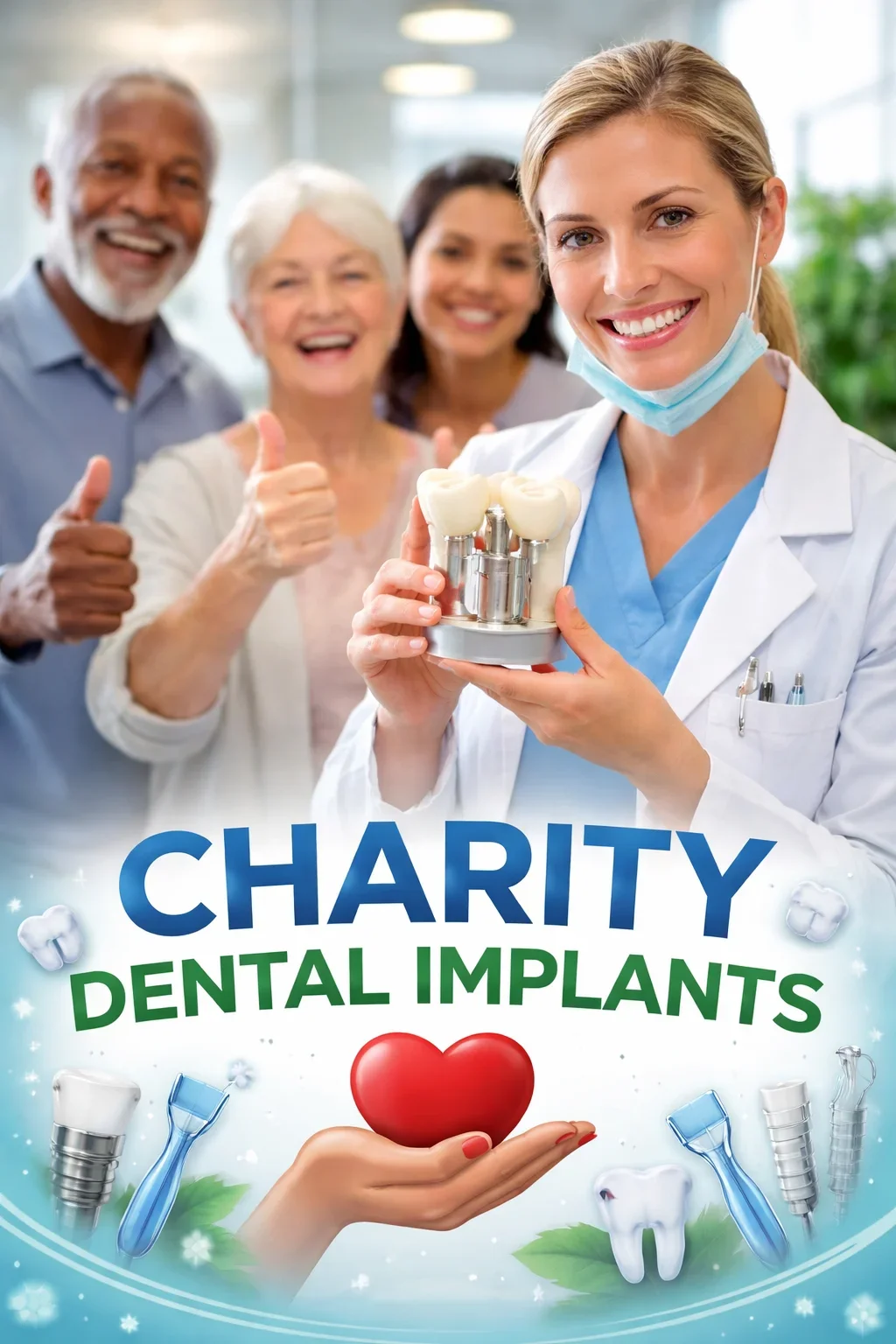
Final Tips and Expert Advice for Charity Dental Implants Success
Reaching the final stage of your journey toward charity dental implants is an important milestone. By now, you understand the application process, eligibility requirements, benefits, risks, and alternatives. However, to truly succeed and get the best possible outcome, you need expert-level strategies and practical tips that many patients overlook. Charity dental implants are not just about getting approved—they are about ensuring long-term success, durability, and satisfaction. 🌟
This section provides comprehensive, professional advice to help you maximize your results with charity dental implants. Whether you are still applying or already accepted into a program, these insights will guide you toward a smooth and successful experience.
Choose the Right Charity Dental Implants Program Carefully
Not all charity dental implants programs are the same. Some offer full coverage, while others provide partial assistance. Some are run by experienced specialists, while others operate in teaching environments. Selecting the right program is critical for both your experience and results.
What to Evaluate Before Choosing
- Reputation and patient reviews
- Scope of services included in charity dental implants
- Experience of dental professionals involved
- Transparency in costs and procedures
Doing thorough research ensures that your charity dental implants treatment meets high standards and aligns with your expectations.
Follow Pre-Treatment Instructions Strictly
Before undergoing charity dental implants surgery, your dentist will provide specific instructions to prepare your mouth and body. These may include dietary changes, medication adjustments, or oral hygiene routines.
Following these instructions is essential for reducing complications and ensuring a successful implant procedure. Patients who ignore pre-treatment guidelines may face delays or even disqualification from charity dental implants programs.
Commit to Excellent Oral Hygiene Habits
Maintaining oral hygiene is one of the most important factors in the long-term success of charity dental implants. Even after the implants are placed, proper care is necessary to prevent infection and ensure durability.
Daily Care Routine
- Brush teeth at least twice a day
- Use dental floss or interdental brushes
- Rinse with antibacterial mouthwash
Consistent oral care helps protect your investment in charity dental implants and ensures that they last for many years.
Attend All Follow-Up Appointments
Charity dental implants treatment does not end after surgery. Follow-up appointments are essential for monitoring healing and ensuring that the implants integrate properly with the jawbone.
Skipping these appointments can lead to complications that may compromise the success of your charity dental implants. Regular check-ups allow dentists to address any issues early and maintain optimal results. 🦷
Be Patient with the Healing Process
The healing phase, known as osseointegration, is a critical part of the charity dental implants process. During this time, the implant fuses with the jawbone, creating a stable foundation for the final restoration.
This process can take several months, depending on individual factors such as bone quality and overall health. Patience is key, as rushing the process can lead to implant failure.
Adopt a Healthy Lifestyle
Your overall health plays a significant role in the success of charity dental implants. Lifestyle habits such as smoking, poor diet, and lack of exercise can negatively impact healing and long-term outcomes.
Healthy Habits to Follow
- Quit smoking or reduce tobacco use
- Maintain a balanced diet rich in vitamins and minerals
- Stay physically active
By adopting a healthy lifestyle, you increase the chances of long-lasting success with charity dental implants.
Stay Informed About Dental Care Standards
Understanding professional dental standards can help you make informed decisions throughout your treatment. Trusted organizations like the American Dental Association provide valuable information on safe practices and patient care.
Being informed ensures that your charity dental implants treatment meets high-quality standards and gives you confidence in the process.
Consider Combining Charity Dental Implants with Affordable Solutions
In some cases, charity dental implants programs may not cover all aspects of treatment. Combining these programs with affordable options can help you achieve better results.
For example, contacting the Redent Klinik Contact Page can provide additional support and cost-effective solutions that complement charity dental implants. This approach ensures comprehensive care without exceeding your budget.
Focus on Long-Term Maintenance
Charity dental implants are designed to be a long-term solution, but their success depends on proper maintenance. Regular dental visits, good hygiene, and healthy habits are essential for preserving your implants.
Neglecting maintenance can lead to complications such as peri-implantitis, which may compromise the stability of your charity dental implants. Taking proactive steps ensures that your implants remain functional and aesthetically pleasing for years to come.
Final Thoughts and Expert Insight
Charity dental implants offer an incredible opportunity to restore oral health and improve quality of life. However, success depends on more than just receiving treatment—it requires commitment, preparation, and ongoing care.
By following expert advice, maintaining good habits, and staying proactive, you can maximize the benefits of charity dental implants and enjoy long-lasting results. These programs are not just about replacing missing teeth—they are about transforming lives. 🚀
With the right approach, charity dental implants can provide a strong, beautiful smile and a renewed sense of confidence that lasts a lifetime.