
Finding reliable charity for dental implants can feel overwhelming, especially for individuals who have struggled with tooth loss for years and are facing financial hardship. Dental implants are among the most effective long-term solutions for restoring oral function and confidence, but their cost often prevents many patients from accessing care. This is why programs dedicated to charity for dental implants have become essential in bridging the gap between patient needs and available treatment options. In this comprehensive and patient-friendly guide, we will explore how these programs work, who qualifies for them, what benefits they provide, and how patients can begin their journey toward life-changing implant treatment. 😊
At its core, charity for dental implants represents a collaborative effort between dental professionals, nonprofit organizations, clinics, donors, and community health advocates. These programs aim to make implant treatment accessible to individuals who cannot afford standard procedures due to low income, disability, unemployment, or medical limitations. Unlike temporary dental solutions such as dentures, dental implants provide long-term stability, strong bite function, and improved overall well-being. By supporting implant-focused charity programs, communities actively help vulnerable groups regain their oral health, dignity, and everyday comfort.
Charity organizations often operate through partnerships with dentists, dental schools, implant manufacturers, and public health institutions. These partnerships allow providers to lower treatment costs or donate services entirely, ensuring that people who qualify for charity for dental implants receive high-quality care. Some programs provide full-mouth implant treatment, while others focus on single implants, implant-supported dentures, or preparatory procedures such as bone grafting or tooth extraction. To maintain transparency and efficiency, most charities use screening systems that prioritize medical necessity, long-term prognosis, and financial hardship.
In addition to traditional nonprofit support, many innovative approaches are emerging within the realm of implant assistance programs—a semantically related term often used in the same context. These expanded efforts involve crowdfunding, community dental drives, volunteer dental missions, hybrid financing models, and donor-sponsored restorative care events. Patients who participate in charity initiatives frequently share their stories of transformation, noting improvements not only in chewing and speech but also in self-esteem, nutrition, and employment opportunities. With the help of compassionate donors and dedicated clinical teams, charity for dental implants is reshaping access to oral health care worldwide.
Before applying to any program, patients must understand that every charity offering dental implant support has its own eligibility guidelines. These may include income thresholds, documented medical necessity, age requirements, and commitments to follow the full treatment plan. Applicants are often asked to submit financial records, dental X-rays, medical history, and personal statements explaining how receiving implant treatment would improve their lives. Although this process may feel extensive, it ensures that donated resources are used ethically and effectively for those who need them most.
Another important aspect of navigating charity for dental implants is knowing where to seek reputable assistance. Many patients begin by contacting established dental organizations, community clinics, or regional programs connected with recognized associations such as the American Dental Association. Others choose to reach out to private dental clinics that occasionally offer charity-based restorative events or sponsor implant cases for patients with severe oral health challenges. If the reader is considering professional guidance or scheduling a consult, the clinic’s own contact resources—such as the Redent Klinik Contact Page—can be extremely helpful in starting the process.
It is also essential to recognize the long-term value that charity for dental implants provides to patients and public health systems. Improved oral function can reduce nutrition-related illnesses, minimize the need for ongoing dental adjustments, and contribute to greater social participation. For many individuals, charity-supported implant treatment creates a pathway to improved confidence, employability, and psychological well-being. Communities benefit when individuals are healthier, more engaged, and less burdened by chronic dental issues.
With growing awareness and donor support, charity for dental implants continues to expand each year. As financial barriers increasingly prevent patients from accessing implant therapy, charitable programs act as a vital safety net. Whether someone is applying for help, contributing to a nonprofit, or exploring treatment options, understanding how these programs operate empowers individuals to make informed decisions. In the sections to follow, we will dive deeper into how these initiatives function, how to qualify, and what patients can expect throughout their treatment journey.
How Charity for Dental Implants Programs Work
Understanding how charity for dental implants programs function is essential for anyone seeking financial support for implant treatment. These initiatives bridge the gap between dental professionals, nonprofit organizations, donors, manufacturers, and community health networks. Their primary mission is to ensure that individuals who cannot afford life-changing dental implants still have access to comprehensive oral rehabilitation. Because dental implants restore both aesthetics and function, these programs play a crucial role in improving public health, emotional well-being, and long-term quality of life. 😊
Core Structure of Charity Programs
Most charity for dental implants initiatives follow a structured system designed to verify eligibility, deliver high-quality treatment, and maximize donor contributions. In general, programs work through vetted partnerships with licensed dentists, dental schools, implant specialists, and implant manufacturers who are willing to donate their time, expertise, or materials. By combining these resources, the total cost of treatment can be significantly reduced or fully covered. In some cases, charity programs operate locally, while others manage nationwide or international outreach missions.
Many implant manufacturers support these programs by donating titanium implants, abutments, surgical guides, or tools needed for the procedure. Meanwhile, volunteer dentists often provide chair-time, follow-up visits, surgical labor, and restorative work such as crowns. This collaborative model ensures that individuals who qualify for charity for dental implants receive treatment similar in standard and outcome to private-pay patients.
Screening and Eligibility Verification Systems
Because resources are limited, charity programs must carefully evaluate each applicant. This ensures that donated care reaches individuals with genuine need. Applicants are typically asked to provide income information, dental records, medical history, and explanations of their oral-health challenges. Priority is often given to patients with severe functional impairment, chronic pain, congenital defects, trauma injuries, or long-term dental deterioration that affects daily life. Programs also consider social and emotional factors, such as a patient’s confidence, employment prospects, or community involvement.
Some organizations use point-based scoring to evaluate applicants, while others rely on professional case reviews. Regardless of the method, the primary goal is to identify those who can benefit most from charity for dental implants and demonstrate long-term treatment commitment.
Partnerships with Clinics, Schools, and Volunteer Dentists
The majority of charity-based implant procedures occur in clinical settings staffed by volunteer dentists, oral surgeons, prosthodontists, and dental students supervised by certified professionals. Dental schools are particularly essential to charity networks, as they can offer advanced implant care at reduced or no cost while training students with real-life clinical experience. Community clinics also play a large role, often serving as a pipeline for referrals into broader charity for dental implants programs.
In many regions, dental missions and mobile clinics provide outreach for individuals who live in remote areas or lack transportation. These mobile units offer screenings, initial impressions, X-rays, and consultations, ensuring that access barriers are minimized as much as possible.
The Role of Donors and Community Sponsors
Behind every successful charity for dental implants program are compassionate donors. Their contributions may come in the form of financial support, implant materials, technical equipment, or sponsored clinical hours. Donations help expand treatment capacity, reduce waiting lists, and increase the number of patients served annually. Some donors choose to support specific cases, while others fund program-wide initiatives aimed at sustaining long-term oral health equity within communities.
Corporations, community foundations, religious groups, and individual philanthropists often participate in these implant-access programs. Their involvement ensures that dental charities can continue to provide ongoing restorative care, patient education, and follow-up support. Advocacy groups also raise awareness of the growing need for charity for dental implants among low-income families, seniors, veterans, and individuals with disabilities.
The Treatment Journey Inside Charity Programs
After approval, patients begin a structured treatment plan similar to standard implant therapy. The typical charity program includes diagnostic imaging, surgical planning, extraction of damaged teeth when necessary, implant placement, healing phases, and prosthetic restoration. The quality of care is not compromised; providers follow evidence-based protocols aligned with international standards, including guidelines from respected institutions such as the American Dental Association.
Patients are assigned a treatment coordinator who helps manage appointments, explains expected healing timelines, and ensures compliance. This prevents delays and supports a smooth care experience. Because implants require healing periods of several months, charity programs monitor patients closely to ensure long-term success and stability.
Administrative Systems and Resource Allocation
Like all nonprofit initiatives, charity for dental implants programs must balance their resources carefully. Administrative teams conduct budgeting, donor relations, outreach, volunteer recruitment, and case management. Some programs operate through digital portals where patients can apply online, upload records, monitor application status, and communicate with coordinators. Others rely on community partners, dental clinics, or local nonprofit offices to help manage applications.
Efficiency matters greatly because dental implant charity programs often receive thousands of applications annually. By using structured workflows, these organizations can ensure fair selection processes and more predictable treatment outcomes.
How Patients Can Begin the Process
People who believe they may qualify for charity for dental implants should begin by researching reputable organizations, contacting community clinics, or reaching out to dental specialists for guidance. Many start with recognized professional bodies or local nonprofit health networks. Those who already have a clinic in mind—such as Redent Klinik—may use dedicated contact resources like the
Redent Klinik Contact Page to inquire about available support or referral programs.
By learning how these programs work—from donor-supported funding structures to detailed clinical planning—patients gain a clearer understanding of how implant charity systems transform lives. With growing demand and increasing community involvement, charity for dental implants continues to evolve into one of the most impactful solutions for expanding dental care access worldwide.
Top Nonprofit Organizations Supporting Dental Implant Care
Accessing charity for dental implants becomes significantly easier when patients know which nonprofit organizations provide legitimate, structured, and medically supervised assistance. While dental implants remain one of the most effective long-term solutions for replacing missing teeth, their cost is a barrier for millions of people worldwide. Nonprofit organizations, dental foundations, volunteer programs, and humanitarian dental missions play a critical role in bridging this gap, ensuring that vulnerable communities receive restorative care that truly transforms lives. In this section, we explore the most reputable nonprofits, how they operate, who they serve, and how applicants can approach them with confidence.
National Foundations Offering Implant Support
Several nationwide foundations have built strong reputations for providing charity for dental implants to low-income adults, seniors, veterans, and individuals with disabilities. These foundations work in partnership with licensed dentists and dental schools across the country, forming large volunteer networks that donate time, surgical expertise, and restorative services. Many of these programs include comprehensive implant treatment, ranging from single-tooth implants to full-mouth reconstructions for severe cases.
It is common for such foundations to prioritize individuals with medical or functional impairment that significantly affects their daily lives. For example, a patient who cannot chew properly or who suffers from chronic pain due to missing teeth may receive priority placement. These organizations ensure that the donated treatment adheres to high clinical standards aligned with guidance from respected authorities such as the American Dental Association. This level of quality assurance helps maintain trust and ensures successful long-term outcomes.
Community-Based Nonprofits and Local Dental Missions
While national organizations serve broad populations, many local nonprofits focus directly on helping individuals within specific communities. These smaller charities often host dental days, free restorative events, and targeted implant programs for residents living in poverty. For families who cannot travel or who lack access to transportation, community-based nonprofits become essential resources.
Local missions may also partner with regional dental clinics, mobile health units, or city-funded public health programs. Through these partnerships, underserved residents can receive diagnostic imaging, preliminary evaluations, and referrals into broader charity for dental implants networks. Some local organizations additionally provide assistance for related procedures such as bone grafting, sinus lifts, or implant-supported dentures, which makes the treatment more adaptable for complex patient cases.
The Role of Faith-Based and Humanitarian Organizations
Faith-based charities play a surprisingly large role in expanding access to implant care. Many churches, mission groups, and religious charities sponsor dental events or fund full implant treatment for individuals who demonstrate medical necessity and financial hardship. Because they rely heavily on donor generosity, these programs often operate on a first-come, first-served basis or through individualized patient sponsorship systems.
International humanitarian organizations also provide charity for dental implants through missions in developing regions. These missions focus on populations that have limited dental infrastructure or who have suffered tooth loss due to trauma, malnutrition, or untreated oral disease. By delivering advanced restorative care in underserved regions, humanitarian teams help improve speech, nutrition, self-esteem, and long-term oral health outcomes.
Specialized Programs for Veterans, Seniors, and Disabled Individuals
Some nonprofits target specific groups known to have the greatest difficulty accessing dental implant care. For instance, veterans’ dental programs frequently step in to support former service members who do not qualify for government-funded treatments. These organizations help veterans regain confidence, functionality, and the ability to pursue employment without oral health limitations.
Similarly, senior-focused nonprofits assist older adults who have experienced significant tooth loss and cannot cover implant costs through insurance, pensions, or personal savings. Seniors who receive charity for dental implants often report dramatic improvements in chewing, nutrition, and social engagement.
Another crucial group includes individuals with disabilities. Some charities provide grants or full-coverage implant treatment for people with congenital conditions, developmental disabilities, or medical issues that impact oral function. These programs prioritize cases where implants significantly improve quality of life and reduce long-term treatment complications.
Corporate-Backed Foundations and Implant Manufacturers
Dental implant manufacturers play a direct role by sponsoring nonprofit initiatives or offering reduced-cost implants for charity programs. Corporate-backed charitable foundations may also host annual implant events, provide grants for restorative care, or partner with clinics to serve high-need communities. These collaborations expand the reach of charity for dental implants and help maintain a steady supply of high-quality implant materials for nonprofit clinics.
In addition to material donations, corporate partners often support educational resources, research programs, and public awareness campaigns aimed at promoting equitable access to implant treatment.
How to Reach Out to These Organizations
Patients interested in pursuing charity-based implant care should begin by researching programs that match their financial, medical, and geographic circumstances. Contacting nonprofits directly through their websites is usually the fastest way to apply. Many organizations now use online portals where applicants can upload income documents, dental X-rays, medical history, and written statements describing how implants would improve their quality of life.
Some patients may prefer to seek professional assistance from local dental clinics. In cases where a patient is already connected with a clinic—such as Redent Klinik—using resources like the
Redent Klinik Contact Page can help route applications to appropriate nonprofit partners or charity-supported programs.
By exploring the leading nonprofit organizations dedicated to charity for dental implants, patients can navigate their path toward life-changing restorative treatment with clarity and confidence. These organizations continue to expand their missions, driven by community need, donor generosity, and the shared belief that everyone deserves a healthy, functional smile.
Eligibility Requirements for Charity for Dental Implants Assistance
Understanding the eligibility requirements for charity for dental implants is one of the most important steps in securing financial assistance for restorative dental care. Because these programs rely on donor support, volunteer clinical work, and limited resources, strict guidelines help ensure that only applicants with genuine need and clear medical justification receive aid. These requirements vary among nonprofit organizations, dental missions, and charitable clinics, but several universal criteria apply across most programs. This section offers a detailed, accurate, and user-friendly explanation of how eligibility is determined, what documents patients must prepare, and how to strengthen an application to improve approval chances. 😊
Financial Hardship and Income-Based Criteria
The primary eligibility factor for charity for dental implants is financial hardship. Most programs require applicants to demonstrate limited income, unemployment, underemployment, or reliance on government assistance. Income thresholds are typically measured using federal poverty guidelines or local socioeconomic benchmarks. Applicants might be asked to submit tax returns, bank statements, pay stubs, or official letters confirming their financial status.
Some organizations compare household income against the cost-of-living index in the applicant’s region to determine relative need. This helps charities prioritize applicants who cannot realistically afford implant treatment even with payment plans or insurance. Because dental implants are a long-term investment, identifying patients who truly rely on charity for dental implants ensures fair resource distribution and ethical program management.
Medical and Functional Need for Implant Treatment
Another major eligibility criterion relates to oral health and medical necessity. Charities typically prioritize individuals whose missing teeth significantly impair daily functioning, nutrition, speech, or overall well-being. For example, applicants suffering from chronic infection, severe bone loss, or long-term edentulism are often considered high-need cases.
Health history plays a crucial role as well. Programs require medical clearance to ensure that the patient is physically able to undergo implant surgery and postoperative healing. Individuals with uncontrolled diabetes, ongoing chemotherapy, untreated bleeding disorders, or active infections may face temporary deferral until their conditions stabilize.
Documentation Required for Medical Review
To verify medical necessity, programs often request:
- Recent dental X-rays or panoramic scans
- Intraoral photos documenting the condition
- Detailed dental and medical history forms
- Letters from dentists explaining treatment urgency
- Records of previous dental procedures and medications
These documents allow clinical review boards to assess implant suitability and evaluate the potential outcome of charity-supported treatment.
Commitment to Treatment and Follow-Up Care
Because the implant process involves multiple stages, healing periods, and follow-up visits, programs assess whether applicants can commit to the entire treatment timeline. Many charity for dental implants initiatives require patients to sign consent forms agreeing to attend all appointments, follow postoperative care instructions, and report any complications quickly.
Transportation also plays a role. If the charity assigns a patient to a clinic located far away, the applicant must confirm travel availability. Some organizations offer modest transportation support or partner with community volunteers, but patients generally need reliable access to attend each appointment on time.
Age Requirements and Special Considerations
Some charities set minimum age requirements, generally limiting implant assistance to adults. This limitation exists because dental implants require fully developed jawbones. However, certain pediatric cases involving congenital defects or trauma may qualify through specialized nonprofit programs. Seniors, meanwhile, are often given priority because tooth loss disproportionately affects older adults.
Additionally, programs serving veterans, individuals with disabilities, or survivors of domestic violence may tailor eligibility requirements to address the unique challenges faced by these groups. These specialized programs help ensure that charity for dental implants reaches individuals who will benefit most from improved oral function and restored confidence.
Geographic and Residency Requirements
Some nonprofit organizations only serve specific states, regions, or countries. Applicants must usually provide proof of residency to show they fall within a program’s service area. Required documentation may include:
- Government-issued ID
- Utility bills
- Lease agreements
- Local medical records
This ensures that resources remain focused on the designated community or population.
Background Checks, Personal Statements, and Applicant Interviews
Many programs request personal statements so applicants can explain how receiving implants will improve their lives. This narrative helps charities evaluate emotional, social, and functional needs beyond the clinical diagnosis alone. Applicants should describe the hardships they face due to missing teeth—difficulty eating, reduced job opportunities, social discomfort, or decreased confidence.
In some cases, charities conduct interviews to verify an applicant’s sincerity, goals, and readiness for treatment. These interviews allow review committees to better understand how charity for dental implants could positively impact the patient’s daily life.
How to Strengthen an Application
To improve approval chances, applicants should provide complete documentation, follow all instructions carefully, and ensure clarity in their personal statements. They should also highlight any barriers that make implant treatment essential for physical or emotional well-being. A letter from a licensed dentist can significantly improve the application, especially if it describes treatment urgency or details how implants would restore functionality.
Those planning to consult through a clinic such as Redent Klinik may use the
Redent Klinik Contact Page to request preliminary assessments or obtain professional documentation supporting their application.
By fully understanding the eligibility criteria for charity for dental implants, patients can confidently prepare strong applications and take meaningful steps toward receiving transformative, donor-supported implant treatment.
The Application Process for Receiving Dental Implant Aid
Applying for charity for dental implants can feel intimidating at first, but the process becomes far more manageable once patients understand each step clearly. Because nonprofit organizations and volunteer-driven dental programs operate with limited resources, they must implement structured, detailed systems to ensure fair evaluation and successful treatment outcomes. This section provides a thorough, step-by-step explanation of how applicants move from initial inquiry to final approval, the documents they must gather, and how to avoid common mistakes that slow down or jeopardize eligibility. By following this guide carefully, patients can significantly improve their chances of receiving restorative implant support. 😊
Step 1: Identifying the Right Program
The first stage of applying for charity for dental implants involves researching organizations that align with the applicant’s needs. Factors such as location, income level, medical conditions, age requirements, and waitlist times must be considered. Some programs specialize in serving seniors, while others focus on veterans, individuals with disabilities, or low-income adults. Specialized implant charities may cover full-mouth reconstruction, while others limit assistance to single-tooth implants or implant-supported dentures.
Applicants should carefully read each organization’s eligibility criteria before submitting information. This prevents wasted time and avoids unnecessary rejections. Many clinics also direct applicants toward suitable charity networks during consultations. For instance, individuals beginning their journey through Redent Klinik may use the
Redent Klinik Contact Page to request guidance or referrals to recognized nonprofit partners.
Step 2: Initial Inquiry and Pre-Screening
Once a patient finds a suitable program, the next stage is pre-screening. This step determines whether the applicant meets minimum requirements, such as residency, age, and income thresholds. Most programs provide an online questionnaire asking about oral health history, missing teeth, lifestyle factors, and prior dental treatments. This early screening helps charities identify potential candidates for detailed review.
Some organizations require applicants to upload basic documents even during pre-screening. These may include a government ID, proof of residence, or recent dental photos. While this step may appear simple, it is essential for progressing deeper into the evaluation process.
Step 3: Gathering Required Documentation
Documentation is one of the most critical aspects of applying for charity for dental implants. Because these programs distribute high-value treatment through donor and volunteer efforts, accuracy and transparency are essential. Most organizations require:
- Proof of income (tax returns, pay stubs, unemployment benefits)
- Dentist-generated X-rays or panoramic imaging
- A detailed medical history report
- Letters from physicians or dentists supporting implant necessity
- A personal statement describing the applicant’s struggles and goals
If imaging is unavailable, some programs schedule an in-person evaluation where dentists take scans at no cost. This ensures that each applicant receives accurate clinical assessment before treatment decisions are finalized.
Tips for Organizing Your Application Materials
Applicants should keep all documents in a digital folder and label files clearly. This helps ensure smooth upload and reduces the risk of delays. A well-organized application also creates a positive impression during review.
Step 4: Clinical Assessment and Case Review
After documentation is submitted, applicants undergo a comprehensive clinical evaluation. Volunteer dentists examine oral structures, assess bone density, identify infections, and determine whether implants are feasible. This step is crucial because charities must confirm that donated implant treatment will offer long-term success.
During this stage, the applicant may be asked to attend a consultation, undergo additional imaging, or participate in an interview. Review panels typically include dentists, oral surgeons, and program coordinators who discuss each case thoroughly before making final decisions.
Step 5: Approval, Waitlist Placement, or Denial
Based on clinical and financial evaluations, applicants may receive one of three outcomes:
- Approval – The applicant is accepted and assigned to a volunteer clinic.
- Waitlist Placement – The applicant meets all requirements but must wait for available resources.
- Denial – The applicant does not meet eligibility or clinical feasibility criteria.
Because many programs receive thousands of applications, waitlists are common. However, patients on waitlists should stay engaged, update medical information regularly, and respond to communication promptly. Demonstrating commitment can sometimes lead to earlier placement when cancellations occur.
Appeals and Re-Applications
Some organizations allow denied applicants to reapply the following year or submit an appeal with updated documents. If an appeal is permitted, applicants should provide additional details regarding financial changes, new medical evaluations, or improved health conditions that increase implant suitability.
Step 6: Preparing for Treatment
Once approved, patients begin preparing for the surgical and restorative phases of care. They may receive instructions related to oral hygiene, lifestyle adjustments, smoking cessation, or pre-treatment medical clearance. Because charity for dental implants programs rely on optimal healing conditions, applicants must follow all preparatory guidelines closely to avoid complications.
Some charities also provide educational materials to help patients understand what to expect during surgery, healing periods, and follow-up visits. Maintaining open communication with coordinators is essential to ensure that the process runs smoothly.
Step 7: Staying Committed Throughout the Journey
The charity treatment timeline may take several months due to healing periods, clinic scheduling, and donor-supported supply availability. Patients must attend every appointment, follow postoperative instructions, and commit to long-term oral maintenance to protect their implants. Consistency is crucial because successful outcomes reflect the dedication of both providers and patients.
By understanding and following each step of the application process, patients can confidently navigate their path toward receiving charity for dental implants. While the process requires patience and effort, the reward—a restored smile, improved function, and renewed self-confidence—is truly life-changing.
What to Expect During Charity-Based Dental Implant Treatment
Understanding what happens during charity for dental implants treatment gives patients clarity, comfort, and confidence as they approach a life-changing dental journey. Although the treatment is provided at little to no cost, the clinical steps follow the same evidence-based protocols used in private implant dentistry. Charitable programs ensure that every patient receives professional care, safe surgical techniques, and long-term restorative planning aligned with internationally recognized standards such as those of the American Dental Association. This section explains every stage of the treatment process—from your first consultation to final restoration—so you can begin the journey fully prepared. 😊
The Initial Comprehensive Evaluation
Every charity for dental implants treatment begins with a complete evaluation performed by volunteer dentists or specialists. During this visit, the dental team reviews X-rays, 3D scans, medical history, and periodontal conditions. They assess bone density, gum health, available space for implants, and any possible complications such as infection or bone loss. If you do not yet have imaging, most charity programs provide diagnostic scans at no cost as part of their commitment to accessible oral health care.
This first assessment determines whether implants are clinically safe and feasible. Patients with insufficient bone density may require grafting, and individuals with chronic health conditions might need medical clearance before surgery. The good news is that most charity programs offer structured guidance to help patients prepare physically and emotionally for implant treatment.
Patient Counseling and Education
Treatment coordinators or volunteer clinicians often provide detailed explanations about the implant journey. Patients learn:
- How the implant integrates with the jawbone
- Expected healing timelines
- Postoperative care requirements
- Limitations during early healing phases
Understanding this information allows patients to feel secure and well-prepared as they proceed through their charity for dental implants program.
Preparing for Surgery
Once approved, patients undergo necessary preparatory treatments. These may include tooth extractions, deep cleanings, infection control procedures, or bone grafting. Some charity programs cover these procedures fully, while others rely on donated materials or clinic partners. During this stage, patients must follow oral hygiene guidelines, adjust medications if required, and stop smoking to improve surgical outcomes.
Volunteer dentists emphasize that healthier gums and stronger bone provide a superior foundation for the implant, enhancing long-term stability.
The Implant Placement Procedure
Implant placement is one of the most critical stages of charity for dental implants treatment. The surgery typically takes one to two hours per implant, depending on complexity. Local anesthesia is standard, though some clinics may offer sedation based on the patient’s health status.
During the procedure:
- The surgeon creates a small opening in the gum.
- A precise channel is formed in the jawbone.
- A titanium implant is placed securely inside the bone.
- The gum is sutured closed to allow healing.
Titanium is used because of its biocompatibility and proven success in integrating with natural bone.
Postoperative Recovery Expectations
Recovery generally involves mild discomfort, swelling, or bruising, all of which are normal. Patients are given clear aftercare instructions such as:
- Using ice packs
- Taking prescribed medication
- Protecting the surgical site
- Consuming soft foods for several days
Because charity providers want to ensure excellent outcomes, they schedule follow-up visits to monitor healing and check for any early complications.
The Osseointegration Phase
Osseointegration—the process where bone fuses to the implant—takes several months. This phase determines the long-term success of charity for dental implants. During this time, patients must maintain exceptional oral hygiene and avoid habits that stress the implant, such as chewing hard foods or smoking.
The dental team periodically evaluates bone healing using scans or manual assessment. Once osseointegration is complete, the implant becomes a solid, permanent anchor capable of supporting a crown, bridge, or denture.
Placement of the Abutment and Final Prosthesis
When the implant is secure, an abutment is attached. This small connector links the implant to the final prosthetic tooth. After abutment placement, impressions or digital scans are taken to design a custom crown or denture that matches the patient’s bite, alignment, and aesthetic needs.
The final prosthesis marks the completion of treatment. Patients often describe this moment as emotionally powerful, especially after years of struggling with missing teeth. Many beneficiaries of charity for dental implants report improved speech, nutrition, and overall well-being.
Final Adjustments and Follow-Up Care
Even after receiving the permanent crown, charities emphasize the importance of follow-up appointments. Dentists check bite alignment, implant stability, and gum health. Patients are encouraged to maintain routine cleanings, daily brushing and flossing, and regular checkups to ensure implant longevity.
If the patient’s charity partner is a clinic like Redent Klinik, they may receive ongoing support through resources such as the
Redent Klinik Contact Page, which allows easy access to professional guidance and follow-up care.
Emotional and Life-Transforming Outcomes
The treatment journey is not just clinical—it is deeply emotional. Many individuals who receive charity for dental implants have lived for years with low confidence, difficulty eating, social withdrawal, or chronic pain. The restoration of a functional smile often triggers profound psychological improvement.
Recipients frequently describe feeling renewed, motivated, and hopeful. For some, implant treatment opens new opportunities in employment, social interactions, and daily comfort. Charitable dental programs exist not only to restore teeth but to restore dignity and quality of life.
By understanding exactly what to expect at each stage of treatment, applicants can approach charity for dental implants with informed confidence and realistic expectations. The journey may be long, but the results are life-changing.
Community Health Clinics Offering Low-Cost or Charity Implant Options
Community health clinics play a vital role in expanding access to charity for dental implants by providing affordable or fully subsidized implant treatment to individuals who cannot afford private care. These clinics often operate as nonprofit centers, public health facilities, dental school affiliates, or government-supported health programs. Their mission is to close the treatment gap for underserved populations by offering essential restorative services—including dental implants—at prices significantly lower than standard private dental offices or through full charitable support. For many patients, community clinics represent the most accessible, practical, and immediate source of implant assistance available today. 😊
The Role of Community Health Clinics in Oral Care Access
Community clinics serve as healthcare anchors for low-income families, seniors, people with disabilities, and uninsured individuals. While not all clinics provide full implant services, an increasing number are integrating implant dentistry into their offerings due to rising patient need and ongoing donor-supported initiatives. These clinics frequently partner with nonprofit organizations, implant manufacturers, volunteer specialists, and universities to deliver high-quality treatment.
This collaboration allows clinics to offer sliding-scale pricing, deeply discounted rates, or entirely free implant procedures. Many patients rely on these clinics when they are unable to access traditional charity for dental implants programs due to strict eligibility requirements or geographic limitations.
How Clinics Structure Low-Cost Implant Programs
Community clinics operate on a cost-reduction model designed to minimize financial barriers. They may achieve this by:
- Using donated implants and dental materials
- Partnering with dental schools for supervised, student-performed procedures
- Participating in manufacturer-supported charity initiatives
- Relying on volunteer oral surgeons, periodontists, and prosthodontists
- Offering grants or vouchers for qualifying patients
These collaborations empower clinics to deliver safe, evidence-based implant care that adheres to guidelines established by institutions such as the American Dental Association.
Sliding-Scale Fees and Income-Based Discounts
While some programs offer full charity for dental implants, others require patients to contribute a small portion of the cost. Sliding-scale systems allow individuals to pay what they can reasonably afford based on verified income. This hybrid approach makes implants accessible to those who do not fully qualify for 100% charity yet cannot afford private treatment.
Patients often find that these clinics reduce implant costs by 50–80% compared to traditional private practices, making this pathway an important option for expanding access.
Dental Schools as Community Resources
One of the most overlooked sources of affordable implant care is dental schools. Many dental schools operate community-oriented clinics where advanced students perform implant procedures under direct supervision from licensed faculty specialists. Because educational clinics focus on hands-on training and patient care, treatment costs are significantly reduced.
Dental schools may also collaborate directly with charity for dental implants programs, accepting patients referred from national foundations or local nonprofits. These schools often provide complex treatments such as bone grafting, sinus lifts, and full-mouth implant-supported prostheses at minimal cost.
Advantages of Receiving Care at Dental Schools
- Lower treatment fees—often 40–70% cheaper than private offices
- High-quality supervision from experienced implant specialists
- Access to modern technology including digital scanners and surgical guides
- Comprehensive care plans created through academic review
Patients seeking affordable options should not overlook these institutions, as they serve as essential links in the implant charity ecosystem.
Nonprofit-Partnered Community Dental Centers
Many community clinics maintain direct partnerships with nonprofit organizations offering charity for dental implants. These collaborations streamline the referral process and allow faster approval for patients who meet financial and clinical requirements. For example, a patient screened at a local clinic may be immediately directed to a charity-supported implant specialist or scheduled for an evaluation at a partnering dental school.
Partnerships also allow nonprofit organizations to expand their reach without opening physical treatment centers. Instead, they rely on existing community clinics that already serve large patient populations.
Mobile Clinics and Rural Outreach Programs
In remote or underserved areas, mobile dental units provide essential oral care, including implant evaluations, extractions, and preparatory procedures. While full implant placements may be performed at partner facilities, mobile clinics ensure that qualified patients can enter the charity for dental implants pathway without traveling long distances.
Rural outreach programs also conduct community events that include free consultations, imaging services, and educational workshops. These initiatives address geographic inequalities and ensure that patients in isolated regions receive the same opportunities for restorative care as those in major cities.
Who Benefits Most from Mobile Implant Outreach?
- Individuals in rural communities with limited access to dentists
- Elderly patients who struggle with transportation
- Low-income families with no dental insurance
- Patients needing referral into larger charity implant programs
Mobile outreach is becoming a core component of modern dental charity models.
How to Access These Community Implant Services
Patients should begin by researching community health clinics in their area and reviewing available implant-related services. Many clinics list eligibility requirements, sliding-scale fee structures, and charity partnership details on their websites. Individuals interested in professional guidance or direct clinic communication may use resources such as the
Redent Klinik Contact Page to inquire about possible referrals, evaluations, or treatment pathways.
Community health clinics represent an essential gateway to charity for dental implants, especially for people who struggle to qualify for national organizations or full charitable funding. By exploring local clinics, dental schools, and outreach programs, patients dramatically increase their chances of receiving transformative implant treatment that can restore function, comfort, and quality of life.
How Donor Contributions Strengthen Charity for Dental Implants Programs
The success of charity for dental implants programs relies heavily on the generosity, commitment, and long-term support of donors. Dental implants involve advanced materials, skilled surgical labor, and multiple stages of restorative care. Because these programs serve individuals who cannot afford such treatment, donor involvement is essential to keep services accessible, ethical, and sustainable. Whether donors contribute financially, offer materials, or volunteer their professional expertise, every form of support directly influences how many patients receive life-changing implant care. This section explores the various ways donors strengthen these programs, the systems that maximize their contributions, and the significant impact these efforts have on communities worldwide.
Financial Donations and Funding Streams
Financial contributions form the backbone of most charity for dental implants initiatives. These donations help cover the operational costs associated with implant treatment—including diagnostic imaging, surgical supplies, laboratory fees, prosthetic fabrication, and follow-up care. Many nonprofit dental foundations run ongoing fundraising campaigns to gather consistent support throughout the year.
Funding streams commonly include:
- Individual donations from community members
- Corporate sponsorships from dental companies and local businesses
- Grant programs funded by public agencies or private foundations
- Recurring monthly donors who help sustain long-term services
These financial resources give nonprofits flexibility to expand patient capacity, reduce waitlist times, and offer more advanced or complex restorative treatments.
Transparency and Accountability in Donation Management
To maintain donor trust, charity organizations use transparent reporting systems and audited financial statements. Donors can often review annual reports detailing how funds were allocated, the number of patients treated, and success outcomes. This accountability strengthens donor loyalty and encourages continued investment in charity for dental implants.
Material Donations from Implant Manufacturers
One of the most powerful contributions comes from implant manufacturers who donate titanium implants, abutments, surgical tools, and restorative components. These material donations drastically reduce the cost of each treatment. Because implant parts are precision-engineered and expensive, donor-supported supplies allow charities to treat more patients with the same budget.
Manufacturers may also provide:
- Digital planning software
- Guided surgery kits
- Training materials for volunteer dentists
- Access to updated research and clinical guidelines
These contributions ensure that charity programs follow high clinical standards consistent with organizations such as the American Dental Association.
Volunteer Dentists and Clinical Staff
The dedication of volunteer dentists is one of the most meaningful forms of charity support. Oral surgeons, prosthodontists, periodontists, general dentists, dental hygienists, and dental assistants volunteer their time to perform implant surgeries, plan restorations, and provide ongoing care. Their involvement helps reduce patient costs by eliminating labor fees, which are often a significant portion of implant expenses.
Volunteer teams frequently participate in community health events, dental mission clinics, and implant-specific charity campaigns. Without their expertise, charity for dental implants programs would be unable to deliver high-quality treatment on a large scale.
Training Opportunities and Professional Development
Volunteer participation also supports educational growth for dental professionals. Many charity programs allow dentists to gain experience with advanced implant systems, new surgical approaches, or digital workflows. As a result, both patients and providers benefit from enriched knowledge and improved clinical outcomes.
Community Sponsors and Grassroots Support
Local businesses, community organizations, and philanthropic groups often sponsor implant cases or fundraising events. These sponsors help broaden awareness of charity for dental implants while generating financial and moral support within the community. Public involvement encourages long-term sustainability and increases the number of individuals who can be served.
Grassroots efforts may include:
- Charity raffles or auctions
- Community dental days
- Local media outreach campaigns
- School-based donation drives
These events help build a culture of social responsibility centered on oral health equity.
How Donor Contributions Expand Treatment Capacity
Every donor-supported resource directly increases the number of patients who can receive care. For example:
- More implants donated → more surgeries performed
- More financial funding → more materials, diagnostics, and follow-ups
- More volunteer specialists → shorter waitlists and faster treatment timelines
Additionally, charities can expand into new regions, partner with more clinics, or provide more complex treatments such as full-mouth rehabilitation. Such expansions significantly broaden access to charity for dental implants for individuals who otherwise have no options for long-term restorative care.
The Ripple Effect of Donor Support
The impact of donor contributions extends far beyond the clinical treatment itself. When someone receives implant care through charity programs, their life transforms in profound ways. Improved chewing leads to better nutrition. Enhanced speech and appearance boost confidence. Some patients report being able to pursue new job opportunities or rebuild their social lives. Donors become catalysts for these transformations, helping reshape the physical and emotional well-being of entire families.
How Patients Can Connect with Donor-Supported Programs
Patients can locate donor-supported charities by researching nonprofit dental organizations, local health clinics, or national implant-access foundations. For additional guidance or referral pathways, individuals may contact clinics such as Redent Klinik using resources like the
Redent Klinik Contact Page.
Donor generosity is the reason charity for dental implants programs continue to grow and thrive. By supporting these initiatives, contributors help bring lasting oral health, dignity, and hope to individuals who need it most.
Common Challenges Patients Face When Seeking Implant-Related Charity
While charity for dental implants programs offer life-changing opportunities for individuals in need, the journey is not without challenges. Many applicants experience obstacles at various stages of the process—ranging from eligibility verification to clinical limitations, financial documentation, communication barriers, and long waiting periods. Understanding these challenges ahead of time helps patients prepare more effectively, avoid mistakes, and navigate the system with confidence. In this section, we break down the most common barriers patients encounter and explain how to overcome them through proper planning, clearer expectations, and proactive communication.
Strict Eligibility Requirements and Documentation Barriers
One of the biggest hurdles in accessing charity for dental implants involves meeting the rigorous eligibility criteria set by nonprofit organizations. Because resources are limited, charities must ensure that assistance goes to individuals who demonstrate genuine financial and medical need. This often means collecting extensive documentation such as tax returns, bank statements, identification records, and detailed dental imaging.
For many applicants, gathering this information takes time and effort—especially for those who have unstable housing, lost documents, or difficulty navigating online systems. Incomplete or inaccurate documentation often leads to delays or automatic rejection. Therefore, patients should plan ahead, organize paperwork carefully, and seek assistance from clinic staff or social workers when needed.
Tips for Managing Documentation Requirements
- Prepare financial documents early, including income verification and tax records.
- Request dental X-rays or panoramic scans from a local clinic before applying.
- Write a clear personal statement explaining daily challenges related to tooth loss.
- Ask for help from community health workers or nonprofit coordinators if unsure about forms.
Meeting documentation expectations is one of the most effective ways to improve approval chances and avoid unnecessary delays in the charity for dental implants process.
Lengthy Waitlists and Treatment Delays
Because the demand for charitable implant care is extremely high, many programs maintain long waiting lists. Some organizations receive thousands of applications each year but only have the resources to treat a few hundred patients. As a result, approved applicants may wait several months—or even over a year—before receiving treatment.
This delay can be discouraging, particularly for individuals suffering from chronic pain, difficulty chewing, or significant self-esteem challenges due to missing teeth. However, understanding this reality helps patients set realistic expectations and avoid frustration during the process.
How to Stay Active While on a Waitlist
- Respond quickly to charity program communications.
- Keep medical and financial records updated.
- Attend all scheduled evaluations and follow-up appointments.
- Explore temporary solutions like partial dentures while waiting.
Patients who remain engaged and communicative tend to experience smoother transitions once treatment becomes available in charity for dental implants programs.
Clinical Limitations and Bone Loss Complications
Even if a patient qualifies financially, clinical factors may prevent them from receiving implants immediately. Severe bone loss, untreated periodontal disease, uncontrolled diabetes, and other medical conditions can complicate implant placement. Charities must prioritize patient safety and long-term outcomes, which means that some cases require preparatory treatment before implant approval.
In cases of extreme bone deterioration, implants may not be possible without extensive grafting—which some charities cannot cover due to cost limitations. As a result, the patient may be offered alternative solutions such as implant-supported dentures, removable prosthetics, or staged treatment plans.
Improving Clinical Eligibility
- Maintain excellent oral hygiene to reduce gum inflammation.
- Stop smoking to improve surgical outcomes and bone health.
- Manage systemic health conditions through medical supervision.
- Follow dentist recommendations for preparatory procedures.
Taking these proactive steps increases the likelihood of successful approval within charity for dental implants programs.
Geographic and Transportation Challenges
Many implant charity programs operate in specific regions, requiring patients to travel long distances for evaluations or treatment. For applicants with mobility issues, limited transportation, or work constraints, this presents a major challenge.
Additionally, rural communities often lack specialty clinics capable of performing implant procedures, forcing patients to rely on urban charity networks. Although some organizations offer mobile clinic outreach, implant procedures typically require multiple in-office visits that cannot be completed remotely.
Solutions for Transportation Barriers
- Seek assistance from local nonprofits that offer transportation vouchers.
- Coordinate carpooling with family or community members.
- Ask charity coordinators for scheduling flexibility.
- Choose clinics within reachable distance whenever possible.
Patients navigating these issues should communicate openly with charity coordinators to explore possible accommodations within charity for dental implants programs.
Communication Gaps and Limited Awareness
Many individuals simply do not know that implant charity programs exist. Lack of awareness prevents patients in need from seeking help in the first place. Even those who find programs may struggle with digital literacy, online application platforms, or language barriers.
Some clinics attempt to bridge this gap by offering multilingual support, patient navigators, or easy-to-understand application guides. Still, the responsibility often falls on applicants to ask questions, seek clarification, and remain proactive throughout the process.
Overcoming Challenges Through Support and Guidance
Despite these obstacles, most challenges can be managed with proper guidance, persistence, and communication. Patients can connect with supportive clinics, nonprofit partners, or referral programs to smooth the application and treatment process. Individuals seeking additional help may contact professional clinics—such as Redent Klinik—through the
Redent Klinik Contact Page to receive advice, referrals, or preliminary assessments.
Although the journey may present difficulties, charity for dental implants programs continue to provide life-changing support to individuals who would otherwise have no access to restorative care. By understanding these challenges and preparing accordingly, patients can move forward with resilience and confidence toward a healthier, more empowered future.
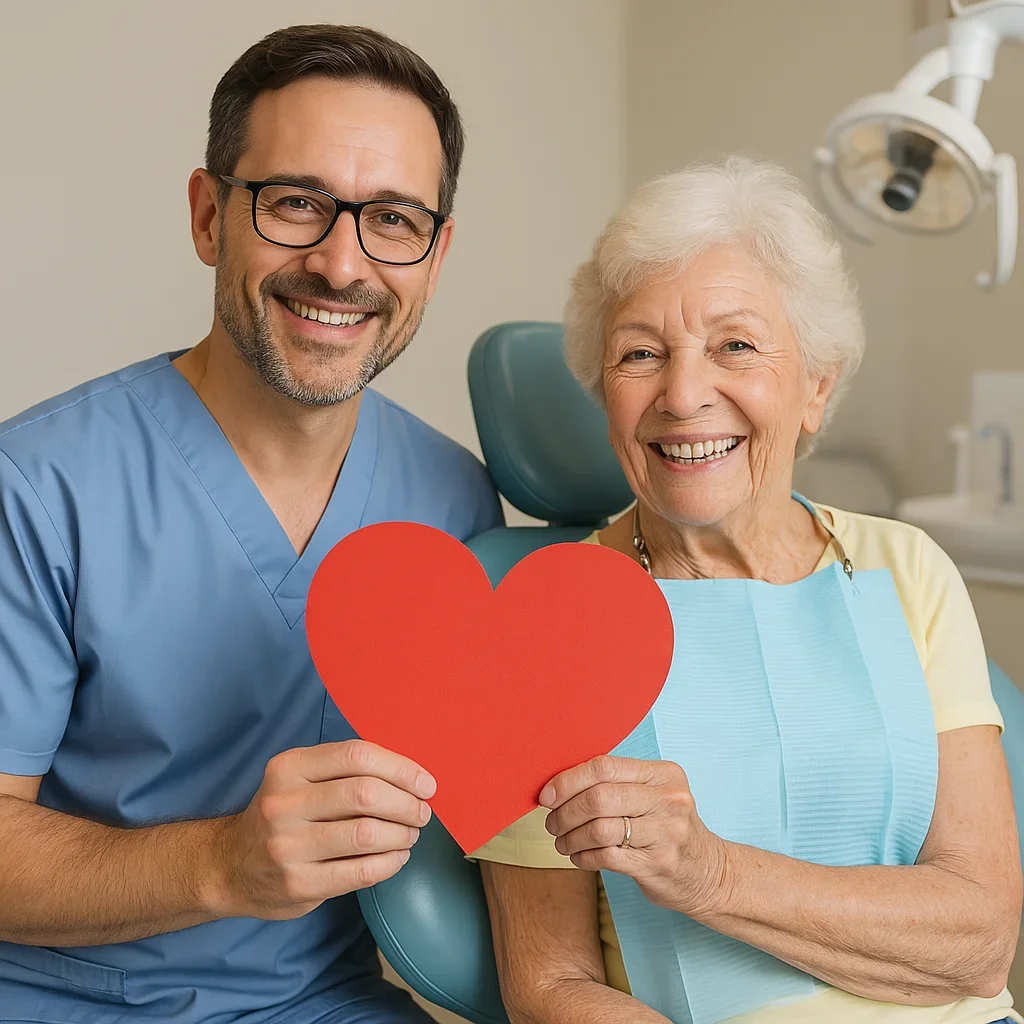
Future Trends in Charity for Dental Implants and Accessible Oral Care
The landscape of charity for dental implants is evolving rapidly as advancements in dental technology, shifting public health priorities, and expanding nonprofit networks work together to improve access to restorative care. In the past, implant procedures were considered a luxury treatment out of reach for most low-income or uninsured individuals. Today, however, charitable organizations, clinics, donors, and global health institutions are moving toward a more inclusive future where high-quality implant dentistry can be accessible to all. This section explores the emerging trends that will shape the next decade of charitable implant care, including innovations in treatment methods, funding models, digital workflows, and community outreach strategies.
Advancements in Implant Technology
The technological evolution of dental implants plays a pivotal role in expanding accessibility. New materials, surface treatments, and digital tools are lowering costs while improving success rates. These innovations empower charity for dental implants programs to treat more patients efficiently and with fewer complications.
Several technological developments are influencing future trends:
- 3D printing enables clinics to fabricate surgical guides, temporary restorations, and even custom abutments at a fraction of traditional costs.
- Digital scanners reduce the need for expensive impressions and streamline collaboration between clinics and labs.
- Improved implant surfaces enhance osseointegration, accelerating healing time.
- Minimally invasive techniques decrease postoperative discomfort and shorten recovery periods.
These advancements allow charitable programs to perform more predictable treatments, improve patient outcomes, and use donated resources more effectively.
The Rise of AI and Predictive Treatment Planning
Artificial intelligence is beginning to shape diagnostic planning in restorative dentistry. AI-based systems can analyze patient scans, measure bone density, and predict implant success rates. For organizations offering charity for dental implants, this means:
- Faster pre-qualification screenings
- More accurate treatment recommendations
- Better resource allocation
AI tools help reduce unnecessary procedures, avoid surgical complications, and streamline care.
Expansion of Global and Local Nonprofit Networks
Charitable implant programs are growing beyond national borders as international dental missions recognize the urgent need for restorative care in underserved regions. This global expansion includes partnerships between humanitarian organizations, dental schools, and private clinics to provide implant services to communities with limited dental infrastructure.
Simultaneously, local nonprofits continue to strengthen and multiply. Community-focused organizations are increasing access to charity for dental implants through mobile clinics, regional collaborations, and donor-supported treatment events. These expansions contribute to:
- Shorter wait times
- More inclusive eligibility requirements
- Greater geographic coverage
- Improved follow-up care
By building larger networks, nonprofits become more resilient and capable of treating more complex cases.
New Funding Models and Community-Based Support Systems
One of the biggest challenges charitable programs face is financial sustainability. Traditional donation-based models remain essential, but new funding approaches are emerging to support large-scale implant initiatives. Hybrid funding structures include:
- Social impact grants from public agencies and private philanthropies
- Subscription-based donor programs with recurring monthly support
- Corporate matching programs that double individual contributions
- Crowdfunding platforms dedicated specifically to dental treatment
These models ensure predictable cash flow and reduce reliance on one-time funding.
The Growing Role of Corporate Social Responsibility (CSR)
Dental corporations and implant manufacturers increasingly recognize their ethical role in supporting charity for dental implants. Many companies are expanding corporate social responsibility initiatives by:
- Donating implants, abutments, and surgical tools
- Funding annual treatment events
- Sponsoring dental education for underserved communities
- Providing research-based resources to improve clinical outcomes
CSR partnerships significantly amplify the reach and impact of charitable implant programs.
Improved Clinical Training and Volunteer Networks
As demand for implant charity grows, so does the need for well-trained clinicians. Future trends highlight increased collaboration between dental schools, professional associations, and nonprofit organizations. Training programs now place greater emphasis on implant surgery, restorative planning, and digital workflows, ensuring that volunteer clinicians can confidently provide care within charitable environments.
Organizations aligned with respected authorities like the American Dental Association are developing standardized guidelines that improve both safety and efficiency. This evolution ensures that charity for dental implants continues to provide care that meets modern clinical standards.
Integration of Telehealth and Remote Screening
Telehealth is becoming a transformative tool for expanding implant charity access. Remote screenings allow patients to:
- Submit medical histories digitally
- Receive preliminary evaluations before clinic visits
- Connect with specialists in other regions
- Shorten overall treatment timelines
By reducing travel barriers and improving communication, telehealth supports more efficient resource distribution.
Mobile Diagnostics and Portable Imaging Tools
Portable X-ray systems and handheld scanners are also reshaping the field. These tools allow charity teams to perform diagnostic evaluations during outreach missions, community events, and home visits. This is especially useful for seniors, rural patients, and individuals with mobility challenges who may struggle to reach traditional dental facilities.
A Greater Focus on Holistic Patient Support
Emerging trends highlight a shift toward holistic care—including nutrition counseling, psychological support, and long-term oral hygiene education. Charities recognize that implant success depends on overall well-being, making patient-centered care an essential part of modern charity for dental implants programs.
Support services may include:
- Oral health workshops
- Counseling for patients experiencing anxiety or low self-esteem
- Specialized care for patients with chronic health conditions
Holistic support ensures long-lasting implant success and better patient outcomes.
The Future Is More Accessible, Inclusive, and Innovative
As technology advances, nonprofit collaborations expand, and funding becomes more diverse, the future of charity for dental implants grows increasingly promising. Patients can expect more predictable outcomes, shorter wait times, greater geographic access, and improved quality of care. For individuals seeking guidance or referrals today, contacting clinics through resources like the
Redent Klinik Contact Page can help initiate their journey.
Together, these emerging trends pave the way for a world in which every person—regardless of financial hardship—can benefit from transformative implant dentistry. As innovation accelerates, charity-based oral care will continue evolving into a more efficient, compassionate, and globally accessible model.