
Finding the cheapest dental implants in phoenix is a goal shared by thousands of patients who want a long-lasting solution for missing teeth without unbearable costs. This detailed guide is built to help you understand every step of the process—from pricing and materials to clinic selection, healing, safety, and what to expect before and after treatment. My goal is to provide a patient-friendly, expert-level explanation so you can make confident decisions 😊.
Phoenix has quickly become one of the most popular destinations for affordable implant dentistry in the United States. The combination of lower operating costs, a high concentration of experienced implant surgeons, and strong competition among clinics has driven prices down—making full restoration treatments accessible for more people. Patients often search for the lowest dental implant prices in Arizona or budget implant solutions in Phoenix, but the most important factor is knowing what “affordable” really means for quality and safety. This guide covers every detail you should know before getting started.
Dental implants are artificial titanium roots placed into the jawbone to replace missing teeth. When properly done, they can last 20 years or more, offering a more natural and durable alternative to dentures or bridges. Phoenix clinics are known for offering competitive pricing while still using FDA-approved materials and modern digital technologies such as 3D CT scanning, guided surgery, and high-strength zirconia crowns. These advancements play a huge role in achieving both safe and cost-effective care.
To understand why the cheapest dental implants in phoenix attract so much attention, you must look at the city’s unique dental market. Phoenix has one of the highest ratios of implant dentists per capita. The result? More competition, more innovative approaches, and more patient-friendly payment options. Clinics often provide flexible financing plans, free initial consultations, and digital planning tools that reduce surgery time and lower costs. This ecosystem helps patients access safe and predictable treatment without excessive financial burden.
When you explore implant options in the city, pay attention to the materials used. Titanium and zirconia remain the gold standards because they integrate well with bone and offer superior longevity. Also look for clinics that follow ADA guidelines; for trusted dental resources, you can visit the
American Dental Association.
Many patients also compare pricing in Phoenix to popular international destinations. While seeking treatment abroad can be cheaper, it often comes with travel, follow-up, and risk-management challenges. Phoenix offers a middle ground—affordable implant dentistry with the benefit of nearby follow-up care, local regulations, and easier communication. Plus, you won’t need to travel long distances if a complication arises.
Patients searching for the cheapest dental implants in phoenix must also understand the factors influencing clear pricing. These include bone density, gum health, choice of implant brand, type of crown, and whether extra procedures such as sinus lifts or bone grafts are needed. A fully transparent clinic will explain each of these steps and provide a treatment plan customized to your situation. If you want to directly reach a professional team for questions, you may use this internal link:
Redent Klinik Contact Page.
Implant treatment typically unfolds in several stages: initial diagnosis, digital imaging, surgical placement, and crown fabrication. Phoenix clinics often shorten this timeline using same-day or immediate-load implants when jawbone conditions allow. These technologies help reduce overall cost because fewer visits and lab steps are required. Still, it’s important to understand that ultra-cheap deals can sometimes hide lower-quality components or inexperienced practitioners. Always review clinic credentials, technology availability, and patient testimonials before committing.
By the end of this guide, you’ll understand exactly how to identify the cheapest dental implants in phoenix without compromising on durability or safety. This section alone gives the framework, but the next headings will dive much deeper into pricing structures, clinic selection methods, financing, recovery, and long-term maintenance. If your goal is to make a smart, cost-efficient, and medically sound choice, you are in the right place. Let’s explore every detail together and build your treatment knowledge from the ground up 💡.
The Real Costs Behind the Cheapest Dental Implants in Phoenix Explained
Understanding the true pricing structure behind the cheapest dental implants in phoenix is essential for making an informed decision that balances affordability with long-term oral health. Many patients initially focus on the lowest advertised price, but implant dentistry involves multiple components, each contributing to the total cost. This section breaks down every factor in detail so you can evaluate treatment options with confidence and avoid misleading promotions 😊.
What Makes Up the Total Cost of a Dental Implant?
A complete dental implant is not a single item; it is a three-part system consisting of the titanium post, the abutment, and the dental crown. Each component varies in price depending on the materials used, the brand, and the clinic’s technology. Patients searching for the cheapest dental implants in phoenix often do not realize that low advertised prices may include only the surgical screw and exclude the crown or diagnostic imaging. Understanding these components helps you compare clinics more accurately.
1. Diagnostic Exams and 3D Imaging
Before implant placement, most Phoenix clinics use digital X-rays and 3D CT scans to analyze the jawbone. These scans guide the surgeon and reduce complications. In many cases, basic dental offices charge extra for this step, while advanced implant centers include the imaging in their package price. CT scans typically cost between $75 and $250, depending on the clinic. This cost affects the final pricing of what patients consider the most affordable implant packages in Phoenix.
2. Surgical Placement and Titanium Implant
This is the core of your implant treatment. Titanium remains the industry standard because of its high success rate and biocompatibility. Phoenix implant clinics typically use FDA-approved titanium systems from reputable brands such as Straumann, Nobel Biocare, or Zimmer Biomet. Cheaper clinics might use generic implants, which lowers cost but may reduce longevity. When evaluating the cheapest dental implants in phoenix, make sure the clinic discloses the exact implant brand they use.
3. Abutment and Custom Crown
The abutment is a connector piece, and the crown is the visible tooth structure. Crowns can be porcelain, zirconia, or porcelain-fused-to-metal. Zirconia is stronger and more natural-looking but also more expensive. Cheaper prices usually involve less durable crown materials. Some Phoenix clinics include the crown in the base price, while others bill it separately—an important detail for accurate comparison.
Additional Factors That Influence Implant Pricing
Several patient-specific conditions can increase or decrease cost. Understanding these elements helps identify whether the cheapest dental implants in phoenix are truly a good value or if additional hidden expenses may arise.
Bone Grafting and Sinus Lifts
If you have insufficient jawbone, bone grafting may be necessary. This procedure improves the success of implant integration but adds to the cost. Bone grafts in Phoenix typically range from $200 to $900 depending on complexity. Similarly, upper jaw implants may require a sinus lift, a more advanced and costly procedure. Clinics offering unusually low prices may not include grafting or advanced surgical needs in their quotes.
Type of Implant Procedure
Some clinics offer “same-day implants,” also known as immediate-load implants. These treatments cost more due to the technology and expertise required. Traditional implants use a two-step method with a healing period of several months. The type you choose affects the final pricing structure in Phoenix. Advertisements for the cheapest dental implants in phoenix often refer to the basic two-step method.
How Phoenix Compares to National Implant Prices
Across the United States, the average cost of a single dental implant ranges between $3,000 and $6,000. Phoenix, due to its competitive dental market, offers significantly more affordable pricing. Many established clinics provide complete implant packages between $2,000 and $3,500, depending on materials and additional procedures. Because of this price advantage, Phoenix has become a hub for patients seeking economical treatment options without compromising safety or quality.
Patients should also consider long-term maintenance. High-quality implants reduce complications, minimize follow-up expenses, and provide better functional outcomes. Cheaper options that cut corners on materials or imaging may appear attractive initially but can lead to future costs related to repair, replacement, or infection management.
Beware of “Too Good to Be True” Pricing
Some clinics advertise ultra-low implant prices such as $899 or $999. These prices typically exclude essential steps like the abutment, crown, or imaging. Others may use off-brand implants with limited research behind them. To get the true value of the cheapest dental implants in phoenix, always request a full treatment plan that outlines every cost component clearly. Transparency is key to ensuring that the affordable price does not compromise your health.
In the next section, we will explore how to identify qualified implant dentists in Phoenix—professionals who offer reasonable pricing while maintaining the highest standard of care. Understanding these details ensures that your investment delivers lifelong benefits and maximum safety.
How to Choose a Qualified Implant Dentist in Phoenix
Selecting the right professional is one of the most important steps in your journey toward achieving the cheapest dental implants in phoenix without sacrificing quality or long-term safety. Even though Phoenix is known for offering competitive implant prices, not every clinic or dentist provides the same level of training, technology, or transparency. This section explains exactly how to evaluate implant specialists so you can make a confident, informed choice 😊.
The Importance of Training and Credentials
A qualified implant dentist should have formal postgraduate training in implant dentistry, oral surgery, or periodontics. Implant dentistry is a surgical specialty that requires precise technique, understanding of bone anatomy, and strong diagnostic skills. When searching for the cheapest dental implants in phoenix, ensure the clinic is operated by professionals certified through recognized programs such as the American Academy of Implant Dentistry (AAID), the International Congress of Oral Implantologists (ICOI), or similar organizations.
Advanced Implant Education
Many high-quality Phoenix implant dentists complete advanced residencies or mini-residency programs focused specifically on digital implant planning, bone regeneration, sinus augmentation, and full-arch restorations. These programs expand their ability to handle complex cases safely. Dentists who continuously attend continuing education courses are often better equipped to provide both affordable and high-quality treatments.
Experience and Case Volume
A good implant dentist typically performs hundreds of implant procedures each year. High case volume indicates the dentist has a deep understanding of surgical challenges and predictable outcomes. Clinics offering extremely low prices may rely on less experienced practitioners, so it’s wise to ask about the dentist’s experience level. Quality and affordability should work together, especially when choosing providers for the best-value dental implants in Phoenix.
The Role of Technology in Quality Implant Care
Advanced dental technology plays a major role in improving accuracy, reducing complications, and shortening treatment times. When evaluating clinics that advertise the cheapest dental implants in phoenix, pay close attention to the digital tools they use. Reputable clinics often incorporate CBCT 3D imaging, virtual surgical planning, surgical guides, and high-strength zirconia crown milling systems. These tools make implant placement safer and more efficient.
3D Cone Beam CT Scanning
A CBCT scan provides a 360-degree view of your bone structure. It allows dentists to evaluate bone density, proximity to nerves, sinus positions, and ideal implant placement angles. High-quality scans help reduce surgical risk and improve longevity. If a clinic offering low-cost implants does not include CBCT imaging, this is a red flag indicating a potential compromise in safety.
Digital Impression Systems
Instead of messy traditional molds, many Phoenix clinics use digital scanners to capture highly accurate images of your teeth and gums. This technology ensures that your final crown fits perfectly, reducing the chances of bite issues or crown failure. Clinics using advanced digital tools tend to offer better overall value, even when their pricing is aligned with the cheapest dental implants in phoenix.
How to Evaluate Clinic Transparency and Ethics
Trustworthy clinics prioritize patient education, provide clear pricing, and explain every step of treatment. During your consultation, the dentist should describe the implant type, brand, expected healing timeline, risks, and follow-up schedule. Any clinic unwilling to offer complete transparency should be avoided—no matter how attractive their pricing seems.
Ask About Implant Brands and Materials
High-quality implant brands such as Straumann, Nobel Biocare, BioHorizons, and Zimmer Biomet offer proven longevity backed by decades of research. Some low-cost providers may use generic, off-brand implants to reduce expenses. You have the right to know exactly which implant brand will be placed. Clinics offering genuine value—not just cheap deals—will gladly provide this information.
Request Before-and-After Photos
A reputable dentist will show real-case results from previous patients. These images help you assess the natural look, crown quality, gum integration, and overall aesthetic outcomes. Reliable clinics also share patient testimonials and success rates. This is especially crucial when evaluating the cheapest dental implants in phoenix, as good pricing should always be accompanied by proven results.
Look for Clear Communication and Personalized Treatment Plans
A skilled dentist will tailor treatment based on your bone structure, gum health, and bite alignment. During your consultation, they should ask questions about your medical history, take detailed images, and evaluate your specific needs rather than offering a “one-size-fits-all” package. Personalized care reduces the risk of implant failure and ensures a better long-term outcome.
Clear communication also extends to discussing follow-up visits, warranty options, and what to expect during healing. Phoenix dentists who value patient satisfaction typically offer structured follow-up care at no additional charge, ensuring your implants integrate properly and remain stable over time.
Why Choosing the Right Dentist Matters
Even if your goal is to find the cheapest dental implants in phoenix, the quality of the dentist directly impacts your overall cost, safety, and long-term oral health. A skilled implant dentist reduces the likelihood of complications, avoids unnecessary procedures, and ensures that your restoration looks natural and functions properly. In contrast, poor-quality work can lead to infections, implant failure, and costly corrective treatments later.
In the next section, we will examine the newest implant materials and technologies used in affordable Phoenix clinics—helping you understand how to get the best possible quality at a reasonable price.
Top Materials and Technologies Used in Budget-Friendly Dental Implants
Understanding the materials and technologies behind modern implant dentistry is essential—especially when your goal is to find the cheapest dental implants in phoenix without compromising the safety, strength, or longevity of your treatment. Contrary to popular belief, affordable implants do not have to mean “low quality.” Phoenix clinics are known for using advanced digital tools and high-grade materials that allow dentists to perform implant surgeries efficiently and with fewer complications. In this section, you’ll learn exactly which materials matter, which technologies you should expect, and how each component influences both the cost and long-term success of your implant 😊.
The Most Common Implant Materials Used in Phoenix
Dental implants rely on biocompatible materials that integrate seamlessly with the jawbone. Choosing the right material directly affects durability, healing time, aesthetics, and your overall experience. When researching the cheapest dental implants in phoenix, make sure the clinic fully explains why a particular material is being used and whether it has been tested for long-term strength. Below are the two most commonly used materials in Phoenix implant dentistry.
Titanium Dental Implants
Titanium has been the industry standard for decades due to its ability to fuse naturally with bone through osseointegration. It is strong, lightweight, corrosion-resistant, and supported by extensive clinical research. More than 95% of implants placed in the United States are titanium-based, including those offered by affordable clinics in Phoenix. Even when pursuing the most budget-friendly treatment, titanium implants remain a dependable and safe option. Many cost-effective clinic packages rely on these titanium fixtures because they provide long-term reliability at a reasonable price.
Zirconia Dental Implants
Zirconia implants are ceramic-based and preferred by patients seeking metal-free options. They offer excellent aesthetics, especially for front-teeth restorations, because they blend well with natural gums. While zirconia implants are typically more expensive, some Phoenix clinics include them in premium-budget packages. If you are considering zirconia while searching for the lowest-priced implant alternatives in Phoenix, be aware that zirconia implants are less flexible and require precise surgical technique. Their higher cost means most “cheapest implant packages” do not include zirconia unless specifically stated.
Advanced Technologies That Improve Implant Success Rates
Modern dental clinics in Phoenix rely on advanced technologies to ensure predictable outcomes, reduced healing time, and lower risk of complications. Many of these tools make implant treatments more efficient, allowing clinics to offer affordable pricing while maintaining high quality. Below are the most common innovations that you should expect—especially when evaluating providers advertising the cheapest dental implants in phoenix.
3D Cone Beam CT Scanners
CBCT imaging is essential for planning implant surgeries. It provides a precise 3D view of your jawbone, nerve pathways, sinus cavities, and bone density. This data helps dentists identify the best implant angle and position, reducing surgical risks. Clinics that use 3D imaging generally achieve higher success rates and fewer postoperative complications. If a clinic does not include CBCT imaging in its process, this is a major red flag—even if the price seems low.
Intraoral Digital Scanners
Digital scanners replace traditional dental molds by capturing ultra-accurate digital impressions of your mouth. These scans help design crowns that fit perfectly and reduce the chances of bite misalignment. Clinics offering the cheapest dental implants in phoenix often use digital scanners because they shorten treatment time and eliminate the need for physical molds, which can be costly and uncomfortable for patients.
Computer-Guided Implant Surgery
Guided implant surgery uses software-created templates to help dentists place implants with extraordinary precision. By mapping your anatomy in advance, the technology minimizes guesswork and ensures that implants are placed at the ideal depth and angle. This significantly reduces risk and healing time. Phoenix clinics offering guided placement often provide better outcomes even in “budget-friendly” packages because guided surgery helps compensate for lower bone density and previously missing teeth.
Implant Crown Materials That Affect Cost and Durability
The crown—the visible portion of the implant—is just as important as the implant itself. Different crown materials vary in strength, appearance, and cost, all of which influence the final price of treatment.
Porcelain-Fused-to-Metal (PFM) Crowns
PFM crowns are durable and cost-effective, making them a common choice in affordable implant packages. They combine a strong metal base with a porcelain coating for natural aesthetics. Although not as visually flawless as zirconia, they remain a dependable option when seeking the cheapest dental implants in phoenix.
Full Zirconia Crowns
Zirconia crowns are incredibly strong, fracture-resistant, and visually appealing. They are more expensive to fabricate but offer superior long-term performance. Some Phoenix clinics offer zirconia upgrades at discounted rates, especially when running promotional packages. For patients who prioritize aesthetics and bite strength, zirconia may be worth the investment.
Digital Labs and On-Site Milling Units
Many Phoenix implant centers now have in-house milling machines that create crowns, abutments, and surgical guides on-site. This eliminates the need to outsource laboratory work, which reduces overhead costs. As a result, clinics can offer more competitive pricing while maintaining full control over crown design and accuracy. These digital labs play a major role in enabling clinics to provide the cheapest dental implants in phoenix without compromising quality.
How Technology Keeps Costs Down Without Reducing Quality
Modern digital dentistry reduces the number of appointments required, minimizes manual labor, and speeds up the surgical process. With fewer human and laboratory steps involved, clinics can lower costs while maintaining high precision. This is one of the main reasons Phoenix has emerged as a leading destination for budget-friendly dental implants.
In the next section, you’ll learn how different financing options and flexible payment strategies make implants even more affordable—helping you achieve the best value for your treatment.
Financing Options That Make Dental Implants More Affordable in Phoenix
Finding the cheapest dental implants in phoenix is not only about selecting a clinic with low prices—it’s also about choosing the right financing method that makes treatment manageable, realistic, and stress-free. Dental implants are an investment in long-term oral health, and Phoenix offers a wide range of financing tools designed to help patients of all budgets get access to high-quality implant care. In this detailed section, you’ll learn exactly how these financing solutions work, what to expect from each option, and how to choose the best one for your personal financial situation 😊.
Why Financing Matters for Dental Implant Treatment
Even when you secure one of the cheapest dental implants in phoenix, the cost may still be challenging to cover upfront—especially for patients needing multiple implants or full-mouth restoration. Financing allows you to break the total fee into smaller monthly installments, making high-quality implant dentistry accessible to more people. More importantly, financing prevents patients from turning to unsafe or poorly reviewed clinics simply because they offer extremely low prices. With the right financing, you can choose a trustworthy clinic without overwhelming your budget.
Most Common Financing Methods for Dental Implants in Phoenix
Phoenix is known for offering flexible dental financing programs that can be customized to each patient’s needs. Below, we explore the major financing systems that clinics frequently use, along with their advantages and limitations.
1. In-House Payment Plans
Many clinics offer their own internal financing programs, often called “in-house payment plans.” These are agreements directly between you and the dental practice. Patients appreciate these plans because they rarely require complicated paperwork, strict credit checks, or third-party funding approval. Clinics offering the best-value implant packages may allow weekly, bi-weekly, or monthly payments based on your income and credit flexibility.
In-house plans are ideal for patients who want to spread the cost of the cheapest dental implants in phoenix across multiple months without dealing with the banking system. However, the length of the payment term may be shorter than third-party financing, so the monthly amount could be higher.
2. Third-Party Financing Platforms
Companies like CareCredit, LendingClub, Proceed Finance, and Sunbit are popular in the Phoenix dental market. These lenders specialize in healthcare financing and offer structured, fixed-payment solutions. Many Phoenix clinics partner with these companies to provide patients the ability to pay over 6, 12, 18, or even 60 months.
The biggest advantage is flexibility—longer terms allow lower monthly payments. Some plans come with promotional 0% interest for the first 6–12 months. These financing platforms make receiving the cheapest dental implants in phoenix more accessible by eliminating the need to pay large upfront fees.
3. Credit Cards and Low-Interest Medical Cards
For patients with strong credit, low-interest credit cards or medical credit cards may be a smart option. Many card issuers provide introductory APR periods, rewards points, or cashback, giving you added financial benefits. If used responsibly, this can be one of the simplest ways to finance implant treatment, especially for single-tooth procedures where the total fee is manageable.
However, patients should be cautious about interest rates once the introductory period ends. If you are financing a more extensive implant treatment, make sure that the repayment schedule is realistic to avoid long-term debt.
4. Health Savings Accounts (HSA) and Flexible Spending Accounts (FSA)
Patients with employer-sponsored HSAs or FSAs can use these tax-free accounts to cover implant costs. Because dental implants are considered a medically necessary restorative treatment, most HSA and FSA programs reimburse the associated fees.
Using tax-free accounts significantly lowers the effective cost of treatment—another reason Phoenix clinics can help patients get the cheapest dental implants in phoenix without compromising quality. Many patients combine HSA/FSA payments with a financing plan to create an even more affordable structure.
How to Choose the Best Financing Option
Picking the right financing method depends on your financial goals, credit status, and treatment timeline. Here are the key factors to consider when selecting a financing plan:
Interest Rates
Always compare interest rates across lenders. A 0% promotional plan may be your best choice if you can repay within the initial period. For longer terms, choose lenders with predictable, low fixed interest rates.
Monthly Payment Comfort Level
Avoid financing plans that stretch your budget too thin. A comfortable monthly payment ensures you complete treatment without financial stress.
Length of Repayment
Short-term plans reduce overall interest but increase monthly payments. Long-term plans lower the monthly cost but result in more interest over time. Choose a plan that matches your income and financial stability.
Health Savings and Tax Benefits
If you have access to HSA or FSA funds, always use them first—they reduce your cost by lowering your taxable income. This makes treatment significantly more affordable, even before applying financing.
Combining Financing With Discounts and Promotional Packages
Many Phoenix clinics offer discounts for new patients, seasonal promotions, or bundled packages for multiple implants. When combined with financing, these discounts can make the cheapest dental implants in phoenix even more attainable. Some clinics reduce fees for paying upfront, while others encourage financing by offering 0% interest promotions.
In the next section, we will explore the step-by-step implant process—from consultation to crown placement—so you understand exactly what to expect from your treatment journey.
Step-by-Step Process: Getting Low-Cost Dental Implants Without Sacrificing Quality
When beginning your search for the cheapest dental implants in phoenix, understanding each step of the treatment process is essential. Many patients assume implant surgery is complicated, overwhelming, or unpredictable—but in reality, modern dental implant systems follow a clear, structured, and highly predictable medical protocol. Phoenix clinics are known for streamlining this process using advanced digital tools, which reduces cost while maintaining high clinical standards. Below is an in-depth walkthrough of every stage, ensuring you know what to expect from start to finish 😊.
Initial Consultation and Comprehensive Examination
Your first appointment is critical, as it determines whether you are a good candidate for implants. Even clinics that offer the cheapest dental implants in phoenix usually provide thorough diagnostic evaluations. During this phase, the dentist will review your medical history, assess gum health, check for periodontal issues, and evaluate your jawbone density. Implant success begins with proper diagnosis, so this stage should never be rushed or minimized.
Digital 3D CBCT Imaging
A Cone Beam CT scan provides a detailed 3D view of your mouth. Dentists examine bone height, thickness, nerve pathways, and sinus positioning. Phoenix clinics use CBCT scans because they drastically improve precision and reduce the risk of complications. Without this scan, a dentist cannot safely place an implant. Any clinic offering “ultra-cheap” implant deals without CBCT imaging should be approached with caution, as proper planning is essential for long-term success.
Digital Smile Design and Treatment Planning
Some advanced clinics use Digital Smile Design software, allowing patients to preview their final results. This increases transparency and ensures that expectations are aligned. Even when looking for the best-value implant treatments in Phoenix, high-level digital planning is a major trust factor. It also ensures crowns are designed with ideal bite alignment and aesthetic shape.
Surgical Placement of the Implant Post
Once planning is complete, the next phase involves placing the titanium implant post into the jawbone. Although this sounds complex, most patients describe it as simpler than a tooth extraction. Phoenix dentists use minimally invasive techniques that reduce discomfort and shorten healing time.
The Implant Surgery Procedure Step by Step
1. Local anesthesia or sedation is applied for comfort.
2. A small opening is made in the gum tissue.
3. A precise channel is created using specialized drills.
4. The titanium implant is inserted into the bone.
5. The gum tissue is stitched around the implant to promote healing.
This process normally takes 20–45 minutes per implant. Clinics offering the cheapest dental implants in phoenix often use guided-surgery templates, which minimize surgical error and reduce procedure time. The result is safer, faster placement with fewer complications.
Healing and Osseointegration
Over the next 3–6 months, your jawbone will naturally bond with the implant through a biological process called osseointegration. During this period, clinics may provide you with temporary teeth or partial dentures to maintain aesthetics and function. Good healing depends on proper oral hygiene, avoiding smoking, and following aftercare instructions.
Placement of the Abutment
After successful osseointegration, the dentist attaches an abutment—a connector piece that supports your final crown. This is typically a quick appointment performed under local anesthesia. Abutments can be titanium, zirconia, or custom-milled for superior accuracy. Phoenix clinics often include abutments in package prices, but always verify this when evaluating the cheapest dental implants in phoenix to avoid hidden fees.
Final Crown Fabrication and Fitting
Your final crown is custom-designed to match your natural teeth in color, shape, and size. Digital labs in Phoenix use CAD/CAM technology to mill crowns with exceptional precision. You will have the option of porcelain, zirconia, or porcelain-fused-to-metal crowns depending on your budget and aesthetic goals. Zirconia is typically pricier but offers maximum strength and natural appearance.
The Crown Delivery Appointment
During this visit, your dentist will:
– Verify that the crown fits your bite properly.
– Ensure the color matches surrounding teeth.
– Secure the crown either with cement or a small screw.
A well-fitted crown is essential because incorrect bite alignment can cause long-term jaw discomfort or premature crown failure. Clinics delivering the cheapest dental implants in phoenix still prioritize accuracy at this stage, especially those using modern digital systems.
Post-Treatment Care and Follow-Up Visits
After your final crown is placed, follow-up visits help ensure that the implant remains stable and healthy. Phoenix implant specialists usually recommend 1–2 checkups during the first year. These appointments involve evaluating bone levels, reviewing bite function, and addressing any early concerns.
Long-Term Maintenance Tips
To protect your investment and ensure your implant lasts 20+ years, follow these simple guidelines:
– Brush twice daily with a soft-bristle toothbrush.
– Use interdental brushes or water flossers for hard-to-reach areas.
– Schedule regular cleanings every 6 months.
– Avoid using teeth to open packages or chew excessively hard foods.
Clinics that provide the cheapest dental implants in phoenix often include maintenance instructions or offer discounted checkups, making long-term care more convenient and affordable.
In the next section, we will explore the most common mistakes patients make when searching for inexpensive implant care in Phoenix—and how to avoid them to protect both your oral health and your budget.
Common Mistakes Patients Make When Searching for Cheap Dental Implant Clinics
Searching for the cheapest dental implants in phoenix is understandable—dental implants can be a significant investment, and Phoenix is well-known for offering competitive pricing. However, patients often fall into predictable traps while trying to save money. These mistakes can lead to complications, additional cost, poor aesthetic results, or even implant failure. In this section, we break down the most frequent errors patients make and explain how to avoid them so you can secure affordable, high-quality, and long-lasting implant care 😊.
Failing to Verify the Dentist’s Credentials
One of the biggest mistakes is choosing a clinic solely based on price without checking the dentist’s qualifications. Implant dentistry is a surgical specialty that requires advanced training, precision, and experience. Even when searching for the cheapest dental implants in phoenix, patients should ensure that the dental professional has certifications from reputable organizations such as the American Academy of Implant Dentistry (AAID) or International Congress of Oral Implantologists (ICOI).
How to Fix This Mistake
– Ask how many implants the dentist places each year.
– Request proof of continuing education in implantology.
– Check before-and-after photos of real patients.
– Read verified Google reviews and patient testimonials.
Experience matters far more than price. Saving a few hundred dollars is not worth the risk of infection, implant loosening, or poor aesthetics caused by inexperienced providers.
Choosing a Clinic Based Only on the Advertised Price
Patients often get attracted by slogans like “Implants for $799!” without understanding what that price includes. Many low advertised prices cover only the implant screw and exclude the abutment, crown, imaging, or surgical guides. When all components are added, the actual cost is far higher.
Why This Happens
Some clinics use “teaser pricing” to attract patients. The full cost may not be disclosed until after the consultation. This is why it’s crucial to compare full, itemized quotes rather than looking at a single number. A transparent clinic offering the cheapest dental implants in phoenix will always list every component of the treatment plan clearly.
How to Fix This Mistake
Request a written treatment plan that includes:
– CBCT scans
– The surgical placement fee
– Abutment cost
– Final crown type
– Follow-up appointment fees
– Any grafting or sinus lift costs
This protects you from surprise charges and ensures that you’re comparing clinics fairly.
Ignoring Implant Material and Brand Quality
Patients sometimes assume that all implants are the same—this is not true. Cheap implant packages may use untested or off-brand implants imported from unknown manufacturers. These implants may have inconsistent designs and lack long-term clinical studies. Choosing low-quality materials may lead to future complications.
How to Fix This Mistake
Ask your dentist for the implant manufacturer’s name. Reputable brands include:
– Nobel Biocare
– Straumann
– Zimmer Biomet
– BioHorizons
Clinics offering legitimate value—not just low prices—are fully transparent about their implant systems. When pursuing the cheapest dental implants in phoenix, always verify materials before agreeing to treatment.
Overlooking the Importance of 3D Imaging
Some budget clinics try to cut costs by avoiding 3D CBCT scans, relying instead on traditional X-rays. This is unsafe. Implants placed without 3D imaging have an increased risk of nerve damage, sinus penetration, misalignment, and bone complications.
How to Fix This Mistake
Only choose clinics that use 3D CBCT imaging as part of their planning protocol. Even the most affordable implant centers in Phoenix usually include 3D scanning because it reduces complications and improves outcomes.
Not Considering Long-Term Costs
The initial price of the implant is only part of the complete financial picture. If an implant fails because it was placed incorrectly or the material was poor quality, fixing it can cost much more than the original treatment. Patients focused only on upfront pricing may overlook long-term maintenance or potential corrective procedures.
How to Fix This Mistake
– Choose a dentist who offers a written warranty for implants.
– Verify what follow-up care is included.
– Ask whether cleaning, maintenance, or X-rays are covered.
Phoenix clinics that provide reliable yet affordable treatment often include follow-up visits or maintenance packages, further enhancing the value of their implant services.
Misunderstanding “Same-Day Implants” vs. Traditional Implants
Some patients look for shortcuts, assuming same-day implants are always cheaper or faster. However, same-day implants require excellent bone density and gum health. Not every patient qualifies. When patients try to force this method to save time or money, it can result in implant failure.
How to Fix This Mistake
Allow the dentist to recommend the best timeline. Traditional two-stage implants remain the safest and most predictable option for most patients seeking the cheapest dental implants in phoenix.
Skipping Aftercare and Follow-Up Appointments
Once the implant is placed, proper aftercare is crucial. Some patients, especially those looking to minimize cost, skip checkups to avoid fees. This is a critical mistake. Follow-up visits ensure proper healing and prevent complications.
How to Fix This Mistake
– Attend all follow-up appointments.
– Maintain excellent oral hygiene.
– Report pain, swelling, or mobility immediately.
Saving money on implant care does not mean skipping necessary medical supervision.
Final Thoughts
Avoiding these common mistakes will help you secure the cheapest dental implants in phoenix while still ensuring long-lasting, safe, and functional results. By focusing on transparency, clinical quality, materials, and follow-up care, you can achieve exceptional value without risking your oral health.
In the next section, we will explore recovery tips that minimize complications and help you maintain your implant for decades.
Recovery Tips That Reduce Complications and Save Long-Term Costs
Recovering properly after your dental implant procedure is just as important as the surgery itself—especially when your goal is to get the cheapest dental implants in phoenix without jeopardizing long-term health, aesthetics, or stability. Even the best implant surgery can fail if the patient does not follow precise recovery guidelines. The good news is that Phoenix clinics generally offer excellent postoperative support, and with the right habits, you can significantly reduce complications, improve integration, and avoid additional expenses later. This section provides a comprehensive, patient-friendly guide to healing safely and effectively 😊.
Understanding the Healing Process After Implant Surgery
Dental implant healing occurs in several phases, with the most important being osseointegration—the process where your jawbone bonds with the titanium implant. This phase typically lasts 3–6 months. During this period, proper care is essential. Even if you secured the cheapest dental implants in phoenix, maintaining ideal healing conditions ensures your implant becomes a permanent, stable part of your smile.
Why Good Recovery Matters
Proper recovery:
– Prevents infections and gum inflammation.
– Ensures strong bone integration.
– Reduces the chance of implant failure.
– Minimizes follow-up costs and complications.
– Protects the longevity of your crown, abutment, and surrounding tissues.
Ignoring recovery guidelines can lead to delays, discomfort, and costly corrective procedures—something every patient wants to avoid.
Immediately After Surgery: The First 24–48 Hours
This is the most sensitive phase of healing. Phoenix implant specialists emphasize careful home care during this period. Even patients who choose the cheapest dental implants in phoenix must follow strict instructions to ensure the surgical site stabilizes quickly.
Essential Early Care Steps
– Control bleeding: Gently bite on the gauze provided, replacing it as needed.
– Avoid touching the surgical site: No poking, prodding, or checking with your tongue.
– Apply ice packs: 15 minutes on, 15 minutes off to minimize swelling.
– Rest: Avoid strenuous activity or bending over, which can increase pressure in the implant area.
– Stick to soft foods: Think smoothies, yogurt, applesauce, broth, mashed potatoes.
Following these guidelines ensures your implant begins osseointegration without interference.
Managing Pain, Swelling, and Bruising
Minor discomfort is normal after implant surgery. Swelling typically peaks within 48 hours. Pain is usually manageable with mild medication. Even with the best-value implant packages, Phoenix clinics typically provide clear medication instructions to ensure your recovery is comfortable and safe.
Pain Management Tips
– Follow prescribed medication directions carefully.
– Avoid aspirin, as it can increase bleeding.
– Use approved anti-inflammatory medications to reduce swelling.
– Maintain your head elevated when resting for the first two nights.
When to Contact the Clinic
Seek professional help if you experience:
– Severe pain not relieved by medications.
– Persistent bleeding after several hours.
– Fever or signs of infection.
– Implant mobility or unusual discharge.
Phoenix clinics prioritize patient safety and usually offer follow-up assistance promptly.
Diet Guidelines During the Healing Phase
Your diet plays a major role in protecting the implant as it heals. Hard, crunchy, or sticky foods can stress the implant and slow osseointegration. Even if you have selected the cheapest dental implants in phoenix, adhering to proper dietary habits ensures the implant bonds securely to the bone.
Foods to Avoid
– Nuts and seeds
– Hard bread or crusts
– Candy, caramel, or chewing gum
– Chips, popcorn kernels, or crunchy vegetables
– Steaks or tough meats
Foods That Support Healing
– Eggs, tofu, soft pasta
– Oatmeal, smoothies, blended soups
– Cottage cheese, Greek yogurt
– Mashed vegetables, avocados, bananas
Eating the right foods helps maintain energy levels without putting stress on the surgical site.
Oral Hygiene Best Practices
Good oral hygiene prevents bacterial buildup around the implant. However, cleaning must be done carefully to avoid disrupting the healing tissue. Proper hygiene is crucial whether you purchased premium implants or pursued the cheapest dental implants in phoenix.
Oral Care Steps
– Use a soft-bristle toothbrush around the area.
– Avoid brushing the implant site directly for the first few days.
– Rinse gently with warm saltwater 24 hours after surgery.
– Avoid mouthwash containing alcohol, as it can irritate tissues.
– Once cleared by the dentist, use interdental brushes or a water flosser.
These steps help maintain gum health and prevent infections.
Avoiding Harmful Habits During Recovery
Certain habits can drastically increase the risk of implant failure. Even the best-made implants cannot survive long-term damage caused by improper healing behavior.
Habits to Avoid
– Smoking or vaping: These slow bone healing and increase implant failure risk.
– Drinking alcohol in the first week: Alcohol dries tissues and delays recovery.
– Clenching or grinding teeth: Use a nightguard if recommended.
– Using straws: The suction pressure can disrupt healing.
– Touching or pulling at your lips to “check on” the surgical site.
Avoiding these behaviors protects the integrity of your implant.
Long-Term Recovery and Maintenance
After the initial healing stage, maintaining routine dental hygiene is essential. Most Phoenix clinics emphasize long-term care regardless of pricing tier. Good habits help protect your investment in the cheapest dental implants in phoenix and ensure your implant lasts 20–25 years or longer.
Long-Term Tips for Success
– Continue regular dental cleanings every 6 months.
– Brush gently twice a day.
– Reduce sugar intake to avoid gum inflammation.
– Wear a nightguard if you grind teeth.
– Schedule follow-up X-rays as recommended.
The more consistent your long-term maintenance, the less likely you’ll experience complications or unexpected dental expenses later.
Final Thoughts
Proper recovery is the key to protecting your implant investment—especially when securing the cheapest dental implants in phoenix. By following these guidelines and working closely with your Phoenix dental provider, you can ensure that your implant heals correctly, integrates fully with your jawbone, and remains strong for years to come. Recovery is the foundation of implant success, and with the right approach, you can enjoy a confident, healthy smile that lasts a lifetime.
In the next section, we will examine whether traveling outside Phoenix for cheaper implant options is truly worth it—and how Phoenix compares to other destinations.
Is Traveling for Cheaper Dental Implants Worth It Compared to Phoenix?
Many patients exploring the cheapest dental implants in phoenix wonder whether they should travel to another city—or even another country—to save more money on treatment. It’s a reasonable question, especially since dental tourism has become increasingly popular in places like Mexico, Turkey, Costa Rica, and Thailand. However, cheaper does not always mean better or safer. In this detailed section, we will compare the benefits and risks of local Phoenix implant treatment versus traveling elsewhere. By the end, you’ll know exactly when travel makes sense and when staying in Phoenix is the smarter, safer, and more cost-effective choice 😊.
Why Phoenix Is Already a Top Destination for Affordable Implants
Phoenix has rapidly become a hub for implant dentistry due to its strong competition among clinics, favorable operating costs, and a large number of highly trained implant specialists. This competition drives down prices without sacrificing quality. Many clinics also use advanced digital systems, making treatment faster, safer, and more predictable.
For patients seeking the cheapest dental implants in phoenix, local care offers the perfect balance between affordability and high clinical standards. You get U.S.-regulated materials, ADA-compliant protocols, and easy access to follow-up care—all of which are harder to guarantee abroad.
The Phoenix Advantage
– FDA-approved implant brands
– ADA-standard sterilization protocols
– Highly trained implant surgeons
– Competitive pricing due to market density
– Digital technologies like CBCT & guided surgery
– Convenient follow-up care close to home
These advantages make Phoenix one of the best low-cost implant destinations within the U.S.
Should You Travel Out of State for Lower Prices?
Some patients compare Phoenix prices with clinics in neighboring states such as Nevada, Texas, New Mexico, or even California. While a handful of markets occasionally advertise slightly lower prices, the margin is often very small. Once you factor in travel expenses, time off work, hotel costs, and follow-up limitations, any perceived savings quickly shrink.
Cost Breakdown: Staying Local vs. Traveling
If you travel out of state, consider the real costs:
– Transportation (gas, flights, rideshare)
– Hotel stays for multi-day appointments
– Lost income from missing work
– Additional travel for complications or follow-ups
Even if the treatment itself seems cheaper, the overall cost of traveling often outweighs the benefits. Meanwhile, clinics offering the cheapest dental implants in phoenix allow convenience, personalized care, and predictable scheduling.
International Dental Tourism: Is It Really Cheaper?
Countries like Mexico, Turkey, and Costa Rica advertise significantly lower dental implant prices compared to U.S. clinics. At first glance, these options may appeal to budget-conscious patients. However, dental tourism comes with challenges that many people don’t consider until after traveling abroad.
Hidden Risks of Dental Tourism
– Lower regulation and inconsistent sterilization standards
– Difficulty confirming implant material brands
– Limited legal recourse if something goes wrong
– Travel risks during healing (infection, pressure changes)
– No convenient access to follow-up care
While some foreign clinics offer excellent care, others cut corners to keep costs low. This makes it difficult to ensure long-term implant success. When dealing with a treatment that requires precision, sterile environments, and months of healing, staying close to home provides far greater security.
The Follow-Up Problem
Dental implants require monitoring throughout the healing phase. When problems arise abroad, patients must either:
– Travel back to the foreign clinic (at significant cost), or
– Find a U.S. dentist willing to fix the issue (often expensive)
Because of this, even patients who initially save money abroad may end up paying more in the long run compared to choosing the cheapest dental implants in phoenix.
When Traveling Might Make Sense
There are scenarios where out-of-state or international treatment may be reasonable. For example, some patients combine dental care with vacation plans, or they prefer specific overseas clinics known for full-mouth restoration packages. Likewise, medically complex cases may benefit from certain specialists abroad.
Conditions That Could Support Travel
– You have researched the clinic extensively.
– You understand the implant brand used.
– You are prepared to travel multiple times.
– You have a plan for post-operative care back home.
– The clinic provides detailed medical documentation.
However, even in these cases, careful planning is essential.
Why Staying in Phoenix Is Often the Best Choice
Phoenix strikes a unique balance: U.S.-level clinical standards at below-average U.S. prices. This combination makes the cheapest dental implants in phoenix not only affordable but also reliable, medically safe, and backed by long-term follow-up care.
Local Benefits You Shouldn’t Overlook
– Easier communication and cultural familiarity
– Transparency in pricing and warranties
– Legal protections for patients
– Access to emergency care if complications arise
– No international paperwork, passports, or travel stress
These factors create long-term savings that many patients overlook when comparing upfront prices alone.
Final Verdict: Phoenix vs. Traveling
For the majority of patients, staying local is the smarter choice. Phoenix offers some of the best-priced implant options in the country without compromising safety, material quality, or long-term follow-up care. When you factor in travel costs, time, medical oversight, and complication management, Phoenix often remains the most cost-effective solution—even compared to countries known for low-cost dental tourism.
In other words, traveling solely for “cheaper” treatment rarely pays off when Phoenix already provides top-tier, affordable care. The cheapest dental implants in phoenix deliver excellent value while keeping your entire treatment journey convenient, safe, and medically supervised.
This completes the full guide. If you want, I can now generate a conclusion, FAQ section, meta description, or schema markup to optimize this blog post even further.
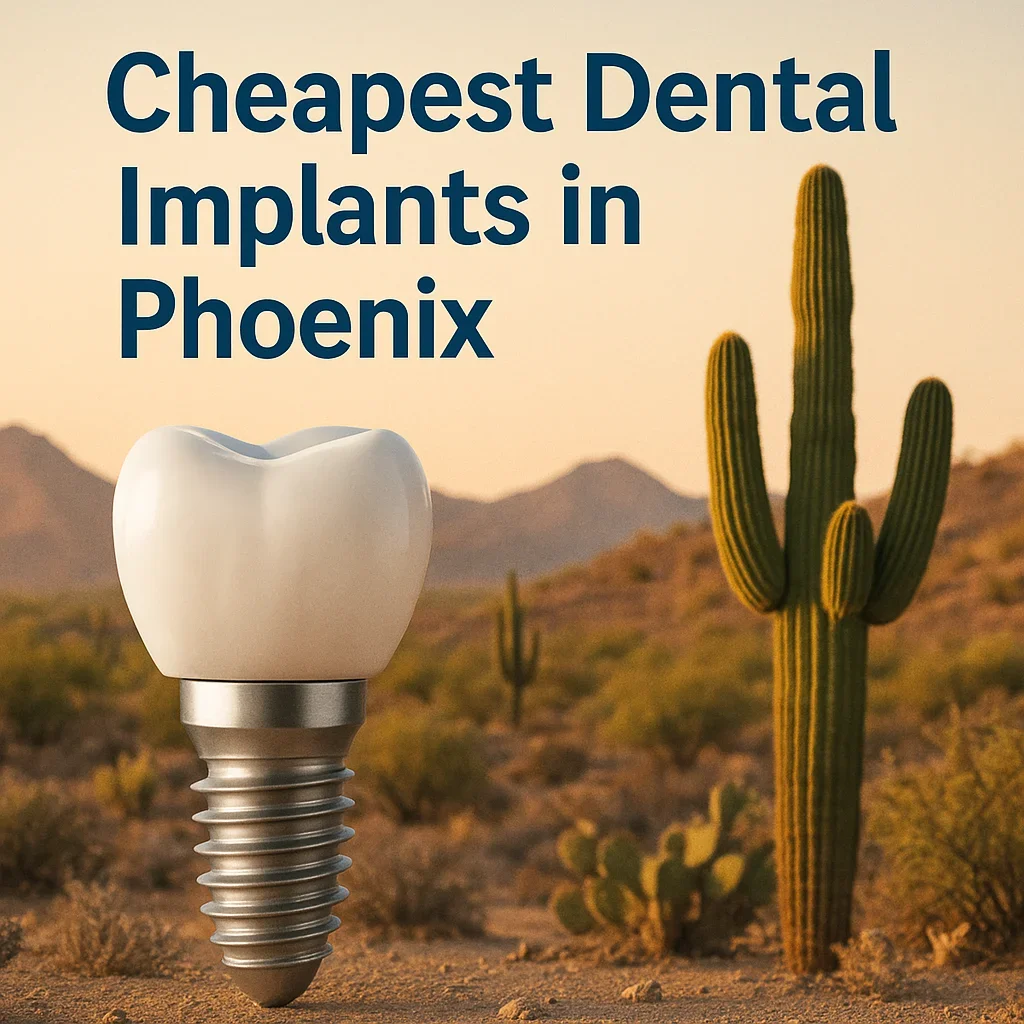
How to Maximize Long-Term Value After Getting Affordable Dental Implants in Phoenix
Once you’ve secured the cheapest dental implants in phoenix, your next goal should be maximizing the long-term value of your investment. Dental implants are known for their exceptional durability, comfort, and natural aesthetics—but only if they are properly maintained. Many patients assume that implants require little upkeep, but the truth is that long-term success depends on consistent care, smart lifestyle choices, and regular follow-ups with your dentist. In this final comprehensive section, you’ll learn how to protect your implants for decades, reduce complications, and ensure you’re getting the maximum possible value from your treatment 😊.
Understanding the Lifespan of Dental Implants
Dental implants are designed to last 20–30 years or longer, and in some cases, they can last a lifetime. Several factors play into their longevity: bone health, gum stability, oral hygiene, the implant brand, surgical technique, and lifestyle habits. Patients who choose high-quality clinics offering the cheapest dental implants in phoenix can still achieve world-class longevity with the right aftercare strategy.
Implant Success Rates in Phoenix
Most reputable Phoenix implant centers boast a success rate of 95–98% over 10 years. These rates are comparable to national averages and demonstrate that affordability does not have to mean reduced clinical outcomes. Phoenix dentists achieve these results through digital imaging, guided surgery, and high-strength materials—all of which help minimize failure risks.
Daily Oral Care Habits That Protect Implants
Strong oral hygiene is nonnegotiable when it comes to protecting dental implants. While implants do not decay, the surrounding gums and bone can still be affected by bacteria, leading to peri-implantitis—a gum infection that threatens the stability of the implant.
Essential Daily Habits
– Brush twice a day using a soft-bristle toothbrush.
– Use low-abrasion toothpaste to avoid scratching the crown surface.
– Clean between teeth daily using floss or a water flosser.
– Massage the gum tissue gently to stimulate blood flow.
– Avoid chewing ice or hard candy, which can damage the crown.
These habits not only protect your implant but also help preserve natural teeth and maintain fresh breath.
Routine Dental Visits and Professional Cleanings
Even when you have the cheapest dental implants in phoenix, professional maintenance is crucial. Most dentists recommend checkups every 6 months, though some patients may require more frequent visits depending on gum health or medical history.
What Dentists Do During Checkups
– Evaluate implant stability and bone health.
– Check for signs of gum inflammation.
– Measure pocket depths around the implant.
– Take X-rays if needed to monitor bone levels.
– Perform professional cleanings around the implant surface.
Routine visits catch early problems before they escalate, saving patients from costly corrective procedures.
Protecting Your Implants From Physical Stress
Implants are strong, but certain habits can still cause mechanical damage or accelerate wear on the crown. Protecting your implant from unnecessary pressure ensures long-term performance.
Common Risk Factors
– Teeth grinding or clenching (bruxism).
– Chewing hard items like ice or pens.
– Using teeth to open packages.
– High-impact facial injuries from sports.
How to Reduce Damage
– Wear a custom nightguard if you grind your teeth.
– Use a sports mouthguard when exercising.
– Replace crowns if worn or fractured.
– Avoid habitual chewing of non-food objects.
By making small lifestyle adjustments, you dramatically increase your implant’s longevity.
Managing Overall Health for Implant Longevity
General health has a major impact on your oral health and implant stability. Conditions such as diabetes, autoimmune disorders, and osteoporosis can affect bone structure, healing, and inflammation.
Health Factors That Influence Implant Success
– Blood sugar control (especially for diabetics).
– Smoking or vaping habits.
– Nutritional deficiencies (Vitamin D, calcium, magnesium).
– Chronic gum disease or poor immune response.
If you want the cheapest dental implants in phoenix to last long-term, maintain regular medical checkups and follow your healthcare provider’s advice.
Nutrition Tips for Strong Bone and Gum Health
Proper nutrition supports healthy bone density and gum strength, both essential for maintaining implant integrity. Even though implants are resistant to decay, the supporting tissues require ongoing nourishment.
Best Foods for Implant Longevity
– Calcium-rich foods (yogurt, kale, spinach, fortified milk)
– Omega-3 sources (salmon, chia seeds, walnuts)
– Vitamin C (citrus fruits, peppers, strawberries)
– Lean proteins for tissue repair (eggs, tofu, chicken)
A balanced diet enhances overall oral stability and reduces inflammation around implants.
Avoiding Bad Habits That Threaten Your Implant
Some habits significantly decrease implant survival rates. Even patients who choose the cheapest dental implants in phoenix can achieve premium results as long as they avoid the following:
High-Risk Behaviors
– Smoking or vaping (BIGGEST failure risk)
– Excessive alcohol consumption during early healing
– Poor sleep habits that weaken immune function
– Neglecting follow-up appointments
– Ignoring signs of gum inflammation
Eliminating these risks gives your implants the best possible chance of lasting decades.
When to Contact Your Dentist
Many implant issues can be resolved easily when caught early. Contact your Phoenix implant provider immediately if you experience:
Warning Signs
– Persistent pain or pressure
– Swelling that worsens instead of improving
– Gum recession around the implant
– A loose crown or unusual movement
– Difficulty chewing
Fast action can prevent further damage and protect the integrity of your implant.
Final Thoughts
Getting the cheapest dental implants in phoenix means securing top-quality care at an affordable price—but maximizing value requires proper maintenance and smart lifestyle choices. With consistent oral hygiene, routine checkups, a healthy diet, and protective habits, you can enjoy decades of confidence, function, and comfort. Phoenix’s competitive market already gives you a financial advantage; by following these guidelines, you’ll multiply the benefits and safeguard your smile for a lifetime.
If you’d like, I can now generate a final conclusion, meta-description, FAQ section, or Rank Math schema markup for maximum SEO performance.