
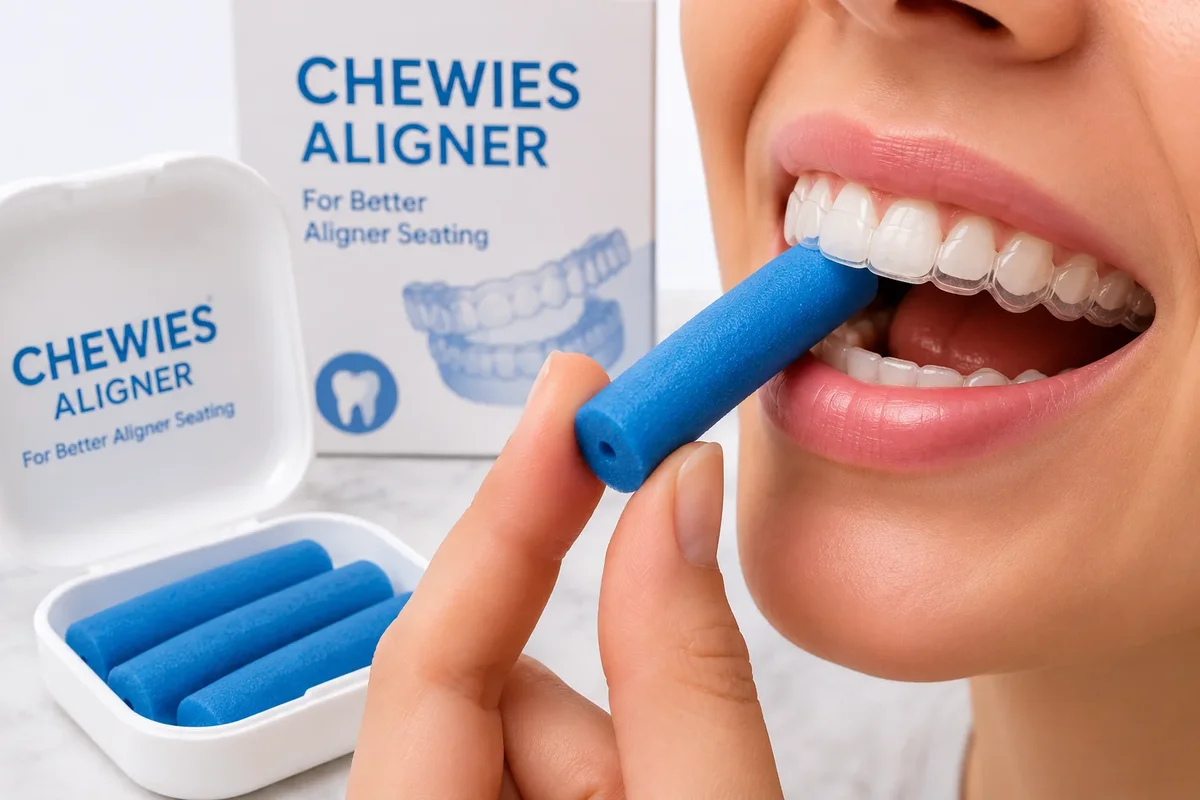
Clear aligner treatment has changed modern orthodontics by offering a more comfortable and discreet alternative to traditional braces. However, many patients do not realize that a chewies aligner accessory can significantly improve the effectiveness of treatment. A chewies aligner is a small, soft cylindrical tool made from flexible material that helps seat aligners properly onto the teeth. Whether you are using Invisalign or another clear aligner system, understanding how a chewies aligner works can make a major difference in treatment accuracy, comfort, and overall success. 😊
The primary purpose of a chewies aligner is to eliminate small air gaps between the aligner tray and the surface of the teeth. These gaps may seem minor, but they can reduce the pressure needed for proper tooth movement. Orthodontists often recommend using a chewies aligner daily because it helps ensure the trays fit tightly and securely. When aligners are not fully seated, teeth may not move according to the treatment plan, potentially leading to delays or refinements.
Many patients begin using clear aligners without fully understanding how essential a chewies aligner can be during treatment. Even premium aligner systems sometimes require additional seating support. By biting down gently on a chewies aligner, patients create even pressure across the tray, allowing the aligners to adapt more closely to the teeth. This simple step improves aligner tracking and can enhance the predictability of orthodontic movement.
A chewies aligner is especially helpful during the first few days after switching to a new tray. During this period, aligners usually feel tighter because they are designed to move teeth gradually into new positions. Using a chewies aligner can help the trays settle more comfortably and reduce irritation caused by incomplete seating. Some patients even report less soreness because the aligners fit more naturally after proper seating.
One of the biggest advantages of a chewies aligner is its simplicity. The tool is small, portable, and easy to use at home, at work, or while traveling. Most orthodontists recommend biting gently on the chewies aligner for about 5 to 10 minutes per day, focusing on different areas of the mouth. This routine helps maintain constant contact between the aligners and the teeth, which is essential for effective orthodontic force.
Patients often wonder if a chewies aligner is truly necessary for successful treatment. While not every patient experiences severe tracking problems, consistent use of a chewies aligner can minimize risks and improve overall treatment efficiency. In many cases, orthodontists recommend these aligner seaters as part of a complete oral care routine because they support proper aligner adaptation from the beginning of treatment to the final tray.
Another important benefit of a chewies aligner is improved aligner retention. Sometimes clear trays may feel loose or slightly lifted around certain teeth. This can happen due to complex tooth movements or because the trays have not fully adapted yet. Using a chewies aligner regularly helps push the trays into their ideal position, improving grip and stability. Better retention often means better tooth movement outcomes.
Orthodontic treatment with clear trays requires patient compliance. Wearing aligners for the recommended 20 to 22 hours daily is essential, but proper seating matters just as much. A chewies aligner helps patients maximize the effectiveness of each tray. Without proper seating, aligners may not deliver consistent pressure to targeted teeth. This can increase treatment time and sometimes require additional aligners or refinements.
There are also psychological benefits to using a chewies aligner. Many patients feel more confident knowing their trays are fitting correctly. Because clear aligner treatment relies heavily on precision, small details can influence long-term results. Incorporating a chewies aligner into a daily routine creates a sense of control and helps patients stay engaged with their treatment process.
When selecting a chewies aligner, patients may notice different sizes, shapes, and materials available on the market. Some are cylindrical, while others are tube-shaped or textured. Despite these differences, the purpose remains the same: improving aligner fit and encouraging proper tooth movement. Patients should always choose products recommended by dental professionals to ensure safety and effectiveness.
Maintaining oral hygiene is equally important while using a chewies aligner. Since the tool enters the mouth frequently, it should be cleaned regularly using mild soap and warm water. Dirty accessories can introduce bacteria into the oral environment, potentially affecting gum health. Replacing a worn or damaged chewies aligner periodically is also recommended for hygiene and comfort.
In addition to using a chewies aligner, patients should continue following all aligner care instructions provided by their orthodontist. This includes cleaning trays daily, removing aligners while eating, and attending regular dental appointments. Combining these habits with consistent use of a chewies aligner can support smoother treatment progression and better long-term results.
Some orthodontic patients also refer to a chewies aligner as an aligner seater or aligner chewing tool. These related terms are commonly used online and among dental professionals. Regardless of terminology, the goal remains improving tray adaptation and optimizing orthodontic performance.
Patients considering clear aligner therapy should speak with experienced dental professionals before starting treatment. At Redent Klinik Contact Page, patients can learn more about aligner treatment options, oral health evaluations, and personalized orthodontic care. Receiving guidance from trained professionals helps ensure treatment is safe, effective, and tailored to individual needs.
For additional oral health and orthodontic information, patients can also review educational resources from the American Dental Association. Trusted dental organizations provide valuable guidance about oral hygiene, orthodontic appliances, and long-term dental care practices.
Ultimately, a chewies aligner may appear to be a small accessory, but it plays a very important role in clear aligner success. From improving tray fit to supporting more predictable tooth movement, consistent use of a chewies aligner can enhance both comfort and treatment efficiency. Patients who understand how to use a chewies aligner correctly are often better prepared to achieve healthier smiles and more satisfying orthodontic results. 😁
What Is a Chewies Aligner and Why Is It Important?
A chewies aligner is a small but highly effective orthodontic accessory designed to improve the fit of clear aligners. Although many patients focus mainly on the aligner trays themselves, the role of a chewies aligner is equally important for achieving accurate tooth movement and successful orthodontic results. A chewies aligner helps press the aligner trays firmly against the teeth, ensuring proper seating and reducing unwanted air gaps that may interfere with treatment progress. 😊
Most clear aligner systems, including Invisalign and other transparent orthodontic trays, rely on controlled pressure to move teeth gradually into the desired position. However, if the trays are not fully seated, the force distribution becomes less effective. This is where a chewies aligner becomes essential. By biting gently on the soft cylindrical device, patients encourage the aligners to adapt closely to the contours of the teeth.
Understanding the Purpose of a Chewies Aligner
The primary function of a chewies aligner is to improve aligner adaptation. Clear aligners are custom-made based on digital scans or impressions, but during treatment, slight spacing between the aligner and the tooth surface can still occur. A chewies aligner helps eliminate these spaces and ensures better tray contact.
Orthodontists frequently recommend using a chewies aligner after switching to a new set of trays because the new aligners tend to feel tighter. Proper seating during this transition period is extremely important. A poorly fitted tray may reduce the efficiency of tooth movement and even create tracking issues. Consistent use of a chewies aligner helps minimize these problems.
Patients often underestimate how important proper aligner seating can be. Even minor gaps can impact the way orthodontic pressure is transferred to the teeth. Using a chewies aligner regularly can support more predictable movement and reduce the likelihood of delays in treatment.
How a Chewies Aligner Works
A chewies aligner works by applying even biting pressure across the aligner tray. The material is usually soft and flexible, allowing patients to bite repeatedly without discomfort. This repetitive pressure pushes the aligners more securely against the teeth.
Improving Tray Adaptation
One major benefit of a chewies aligner is improved tray adaptation. When trays fit more precisely, orthodontic force becomes more accurate. This can improve treatment efficiency and support smoother tooth movement throughout the process.
Reducing Air Gaps
Air gaps are one of the most common reasons orthodontists recommend a chewies aligner. Small spaces between teeth and aligners may prevent the trays from working properly. By using a chewies aligner, patients can reduce these gaps and improve aligner performance.
Supporting Better Tracking
Tracking refers to how accurately the teeth follow the planned movements programmed into the aligners. Poor tracking may require additional aligners or refinements later in treatment. A chewies aligner helps support consistent tracking by ensuring the trays remain fully seated.
Why Orthodontists Recommend a Chewies Aligner
Dental professionals often include a chewies aligner as part of a complete clear aligner care routine. While aligners themselves are responsible for tooth movement, accessories such as a chewies aligner help maximize the effectiveness of treatment.
Many orthodontists advise patients to use a chewies aligner for several minutes each day, especially after inserting a new tray. This habit can improve patient compliance and reduce the risk of complications. In some cases, orthodontists may specifically recommend a chewies aligner for patients experiencing tracking difficulties or loose-fitting trays.
Patients who consistently use a chewies aligner often experience better tray stability and more confidence during treatment. Since clear aligners are removable, maintaining proper fit is essential for maintaining treatment accuracy.
Benefits of Using a Chewies Aligner Daily
Using a chewies aligner daily provides several important advantages for orthodontic patients.
Enhanced Comfort
A properly seated tray generally feels more comfortable than one with uneven pressure points. A chewies aligner helps aligners settle more naturally onto the teeth, reducing discomfort and irritation.
Improved Treatment Accuracy
Orthodontic treatment depends on precision. A chewies aligner helps ensure that the programmed tooth movements are transferred effectively from the tray to the teeth.
Potentially Shorter Treatment Time
When aligners fit properly, tooth movement tends to progress more predictably. Consistent use of a chewies aligner may help avoid delays caused by poor tracking or incomplete tray seating.
Better Retention
Sometimes aligners may feel loose around specific teeth. A chewies aligner can help improve tray retention and stability, particularly during the first few days of a new aligner stage.
Who Should Use a Chewies Aligner?
Almost anyone using clear aligners may benefit from a chewies aligner. Whether the patient is undergoing mild cosmetic correction or complex orthodontic treatment, proper aligner seating is essential.
Patients with attachments, rotations, or more difficult tooth movements may especially benefit from using a chewies aligner. These cases often require highly accurate tray adaptation to achieve successful results.
Individuals who notice visible gaps between the aligners and teeth should also consider increasing their use of a chewies aligner. If the issue persists, consulting an orthodontist is important.
Important Oral Hygiene Considerations
Maintaining cleanliness is extremely important when using a chewies aligner. Since the accessory enters the mouth frequently, it should be washed regularly with warm water and mild soap. Dirty orthodontic accessories can introduce bacteria and negatively affect oral health.
Patients should also replace their chewies aligner periodically if it becomes worn, damaged, or difficult to clean. Fresh and hygienic accessories support healthier orthodontic treatment.
Alongside using a chewies aligner, patients should continue brushing, flossing, and cleaning their aligners daily. Proper oral care supports healthier gums and more successful orthodontic outcomes. 🦷
Patients interested in professional clear aligner treatment can learn more through the Redent Klinik Contact Page. For additional oral health guidance and orthodontic information, patients may also visit the American Dental Association.
Ultimately, a chewies aligner may appear simple, but it plays a major role in aligner success. By improving tray fit, supporting accurate tooth movement, and helping maintain treatment efficiency, a chewies aligner has become an important part of modern clear aligner therapy. Patients who use a chewies aligner consistently are often better positioned to achieve comfortable treatment experiences and healthier, more attractive smiles. 😁
How to Use a Chewies Aligner Correctly Every Day
Using a chewies aligner correctly every day is one of the most effective ways to improve clear aligner treatment results. Many patients invest in premium orthodontic systems like Invisalign but overlook the importance of properly seating their aligners. A chewies aligner helps ensure that the trays fit tightly against the teeth, improving the pressure needed for controlled tooth movement. When used consistently and correctly, a chewies aligner can enhance treatment efficiency, improve comfort, and reduce the risk of tracking problems. 😊
Although a chewies aligner appears simple, proper technique is extremely important. Using it incorrectly or inconsistently may reduce its effectiveness. Understanding when, how, and how often to use a chewies aligner can help patients achieve smoother orthodontic progress and avoid unnecessary complications.
When Should You Use a Chewies Aligner?
Most orthodontists recommend using a chewies aligner immediately after inserting aligner trays. This is especially important during the first few days of wearing a new set of aligners because the trays are designed to apply fresh pressure to the teeth.
After Switching to a New Tray
The best time to use a chewies aligner is right after changing to a new aligner set. New trays often feel tight, and small gaps may appear between the aligners and the teeth. A chewies aligner helps push the trays into their correct position.
Patients should spend several minutes using the chewies aligner after inserting the new trays. This helps improve aligner adaptation and encourages more accurate tooth movement from the beginning of each stage.
Whenever Aligners Feel Loose
If aligners begin to feel loose or lifted around certain teeth, using a chewies aligner can help improve the fit. This is particularly useful for patients experiencing mild tracking issues or movement delays.
Visible spaces between the aligners and teeth are often signs that additional seating pressure is needed. A chewies aligner helps close these gaps and improve tray stability.
Step-by-Step Guide to Using a Chewies Aligner
Using a chewies aligner properly requires a simple but consistent routine. Following the correct method can maximize treatment benefits.
Step 1: Wash Your Hands
Before handling your aligners or chewies aligner, wash your hands thoroughly. Good hygiene reduces the risk of introducing bacteria into the mouth.
Step 2: Insert the Aligners Correctly
Place your aligners onto the teeth gently using your fingers. Never bite directly into the trays to force them into place. Once the aligners are positioned, use the chewies aligner to improve seating.
Step 3: Bite Gently on the Chewies Aligner
Place the chewies aligner between your teeth and bite down gently. Hold pressure for a few seconds before moving to another area of the mouth. Continue this process across all sections of the aligners.
The goal of the chewies aligner is to create even pressure and improve tray adaptation. Patients should avoid aggressive biting because excessive force may damage the aligners or create unnecessary jaw discomfort.
Step 4: Focus on Problem Areas
If certain teeth show visible gaps between the aligners and tooth surfaces, spend extra time using the chewies aligner in those areas. Concentrating on problem zones may improve tracking and reduce future complications.
Step 5: Repeat Daily
Consistency is one of the most important factors in successful orthodontic treatment. Most patients benefit from using a chewies aligner multiple times per day, especially after reinserting aligners following meals.
How Long Should You Use a Chewies Aligner?
Orthodontists commonly recommend using a chewies aligner for approximately 5 to 10 minutes daily. However, treatment needs vary from patient to patient.
Some individuals with more complex tooth movements may need to use a chewies aligner more frequently. Patients experiencing tracking issues are often advised to increase usage temporarily.
Overusing a chewies aligner is generally not harmful if done gently, but patients should follow their orthodontist’s recommendations for the best results.
Common Mistakes to Avoid
While a chewies aligner is easy to use, several common mistakes can reduce its effectiveness.
Biting Too Hard
Some patients assume stronger pressure produces better results. In reality, excessive force while using a chewies aligner may cause jaw soreness or unnecessary stress on the aligners.
Using It Inconsistently
Skipping daily use of a chewies aligner may allow small aligner gaps to persist. Consistency helps maintain proper tray seating throughout treatment.
Ignoring Visible Gaps
Patients should monitor their aligners regularly. If noticeable spaces remain despite using a chewies aligner, professional evaluation may be necessary.
Not Cleaning the Chewies Aligner
Since a chewies aligner enters the mouth repeatedly, proper cleaning is essential. Dirty orthodontic accessories may introduce bacteria and negatively impact oral health.
Benefits of Proper Daily Use
Correct daily use of a chewies aligner offers multiple orthodontic benefits beyond simple tray seating.
Better Tooth Movement
Proper tray adaptation helps ensure that orthodontic force is delivered accurately. A chewies aligner supports more predictable movement and improved treatment precision.
Reduced Need for Refinements
Tracking issues sometimes require additional aligners or treatment refinements. Using a chewies aligner consistently may help reduce this risk.
Improved Comfort
Aligners that fit properly often feel more comfortable. A chewies aligner can reduce uneven pressure points and help trays settle naturally.
Greater Confidence During Treatment
Patients who use a chewies aligner regularly often feel more confident knowing their aligners are fitting correctly and working efficiently. 😁
Additional Tips for Successful Clear Aligner Treatment
Alongside using a chewies aligner, patients should maintain excellent oral hygiene and wear their aligners for the recommended 20 to 22 hours daily.
Brushing and flossing regularly, cleaning aligners properly, and attending scheduled orthodontic appointments all contribute to healthier treatment outcomes.
Patients interested in personalized clear aligner care can visit the Redent Klinik Contact Page for additional guidance and professional orthodontic support.
Educational resources regarding orthodontics and oral health are also available through the American Dental Association.
Ultimately, using a chewies aligner correctly every day can make a significant difference in aligner performance and overall treatment success. From improving tray seating to supporting accurate tooth movement, a chewies aligner is one of the simplest yet most valuable tools in modern clear aligner therapy. Patients who develop a consistent daily routine with a chewies aligner are often better positioned to achieve comfortable treatment experiences and long-lasting orthodontic results. 🦷
Benefits of Using a Chewies Aligner During Invisalign Treatment
Clear aligner therapy has become one of the most popular orthodontic solutions for patients seeking straighter teeth without traditional braces. However, successful treatment depends on more than simply wearing aligners daily. One small but extremely important accessory is the chewies aligner. During Invisalign and other clear aligner treatments, a chewies aligner helps improve tray fit, supports accurate tooth movement, and increases overall treatment efficiency. Although many patients initially overlook its importance, orthodontists frequently recommend a chewies aligner because it plays a major role in achieving predictable and comfortable results. 😊
The purpose of a chewies aligner is simple but highly effective. It helps eliminate gaps between the aligners and teeth by encouraging proper tray seating. Since Invisalign trays are designed to apply controlled pressure to move teeth gradually, proper contact between the tray and tooth surface is essential. A chewies aligner helps maximize this contact and improves the transfer of orthodontic force.
Improved Aligner Fit and Adaptation
One of the most significant benefits of using a chewies aligner is improved aligner adaptation. Even though aligners are custom-made, slight spaces may still develop between the trays and teeth. These gaps can reduce treatment efficiency if not corrected.
Helping Aligners Seat Properly
A chewies aligner applies gentle and even pressure to the aligner trays. By biting softly on the device, patients help the trays settle tightly against the teeth. This process improves tray adaptation and ensures that the aligners fit as intended.
New aligners often feel tighter because they are designed to create fresh tooth movement. During the first few days of a new aligner stage, a chewies aligner can significantly improve comfort and tray seating.
Reducing Air Gaps
Small air gaps between the teeth and aligners may interfere with orthodontic force delivery. A chewies aligner helps reduce these spaces and improves aligner performance. Better adaptation often leads to more predictable tooth movement.
Enhanced Orthodontic Accuracy
Invisalign treatment depends heavily on precision. Each aligner stage is digitally planned to move teeth gradually into ideal positions. A chewies aligner supports this process by helping ensure the trays remain fully seated throughout treatment.
Supporting Proper Tracking
Tracking refers to how accurately the teeth follow the movements planned by the aligners. Poor tracking can cause delays, require refinements, or lead to unsatisfactory outcomes. A chewies aligner helps maintain consistent aligner contact, supporting more accurate tracking over time.
Patients who use a chewies aligner regularly may reduce the risk of teeth falling behind the treatment plan. This is especially important for patients with attachments, rotations, or more complex orthodontic movements.
Better Force Distribution
Orthodontic tooth movement occurs through carefully controlled pressure. If aligners are not seated properly, force distribution becomes uneven. A chewies aligner improves the contact between the tray and teeth, helping the aligners deliver force more effectively.
Increased Comfort During Treatment
Many patients experience temporary discomfort when switching to a new aligner set. Since the trays are applying pressure to reposition teeth, mild soreness is common. A chewies aligner may help reduce this discomfort by improving tray seating and minimizing uneven pressure points.
Smoother Transition Between Trays
When patients begin wearing a new set of aligners, the trays may initially feel stiff or slightly elevated. Using a chewies aligner encourages the trays to settle more naturally onto the teeth, improving comfort during the adjustment period.
Reduced Irritation
Aligners that do not fit properly can create pressure imbalances and irritation. A chewies aligner helps improve adaptation, which may reduce discomfort in sensitive areas of the mouth.
Potential Reduction in Treatment Delays
One major concern during Invisalign treatment is treatment delay caused by poor aligner tracking. If the trays are not fitting correctly, teeth may fail to move according to the planned schedule. This can lead to additional refinements or longer treatment times.
Supporting Efficient Treatment Progress
Using a chewies aligner consistently helps ensure that each aligner stage works effectively. Better tray seating supports more efficient tooth movement and may reduce the likelihood of delays.
Minimizing the Need for Refinements
Refinement aligners are sometimes necessary when teeth do not track properly during treatment. Although refinements are common, regular use of a chewies aligner may help reduce their frequency by improving aligner adaptation from the beginning.
Better Retention and Stability
Some patients notice that their aligners feel loose around specific teeth. A chewies aligner helps improve retention by pushing the trays firmly into position.
Helping Difficult Teeth Track Better
Certain teeth are naturally more difficult to move than others. Rotated teeth, teeth with attachments, and teeth requiring vertical movement often need highly accurate aligner adaptation. A chewies aligner can provide additional support in these situations.
Maintaining Secure Tray Positioning
Aligners that fit securely tend to perform more effectively. A chewies aligner helps improve tray stability throughout daily wear.
Psychological Benefits for Patients
Orthodontic treatment requires patience and consistency. Many patients feel reassured when they know their aligners are fitting correctly. Using a chewies aligner regularly can increase confidence and encourage stronger treatment compliance.
Patients who actively participate in their treatment routine often feel more motivated and engaged throughout the orthodontic process. A chewies aligner gives patients a simple way to contribute positively to their treatment success. 😁
Maintaining Proper Hygiene While Using a Chewies Aligner
Like all oral accessories, a chewies aligner must be cleaned regularly. Since it enters the mouth frequently, maintaining proper hygiene is essential for protecting oral health.
Cleaning Recommendations
Patients should wash their chewies aligner daily using warm water and mild soap. Avoid harsh chemicals or extremely hot water that could damage the material.
Replacing Worn Accessories
Over time, a chewies aligner may become worn or difficult to clean. Replacing the accessory periodically helps maintain hygiene and comfort.
Professional Guidance Is Important
While a chewies aligner is highly beneficial, patients should always follow the instructions provided by their orthodontist. Every orthodontic case is unique, and treatment recommendations may vary depending on individual needs.
Patients interested in professional aligner treatment and orthodontic support can visit the Redent Klinik Contact Page for additional information.
For trusted oral health resources and orthodontic education, patients may also review information available through the American Dental Association.
Ultimately, a chewies aligner offers multiple important benefits during Invisalign treatment. From improving tray adaptation and treatment accuracy to increasing comfort and reducing delays, a chewies aligner has become an essential accessory in modern clear aligner therapy. Patients who consistently use a chewies aligner often experience smoother treatment progress, better aligner performance, and greater confidence throughout their orthodontic journey. 🦷
Common Mistakes People Make With a Chewies Aligner
Using a chewies aligner correctly can significantly improve the success of clear aligner treatment, but many patients unintentionally make mistakes that reduce its effectiveness. Although a chewies aligner is simple to use, improper habits may interfere with aligner seating, treatment accuracy, and overall orthodontic progress. Understanding the most common mistakes associated with a chewies aligner helps patients avoid complications and achieve more predictable results during Invisalign or other clear aligner therapies. 😊
Orthodontic treatment depends heavily on consistency and precision. Even small errors in aligner usage can affect tooth movement over time. Since a chewies aligner is designed to improve tray adaptation, it should be used properly and regularly throughout treatment.
Not Using a Chewies Aligner Consistently
One of the biggest mistakes patients make is failing to use a chewies aligner regularly. Some patients only use the accessory occasionally, assuming their aligners are fitting correctly without additional support.
Why Consistency Matters
Clear aligners rely on continuous pressure to move teeth effectively. A chewies aligner helps maintain proper contact between the aligners and teeth, ensuring that orthodontic force is delivered accurately.
When patients skip daily use of a chewies aligner, small air gaps may remain between the trays and teeth. Over time, these gaps can contribute to tracking issues and treatment delays.
Best Daily Routine
Most orthodontists recommend using a chewies aligner several times per day, especially after reinserting aligners following meals. Consistency supports better aligner adaptation and smoother treatment progression.
Biting Too Hard on the Chewies Aligner
Another common mistake is applying excessive force while using a chewies aligner. Some patients believe stronger pressure will speed up tooth movement, but this is not true.
Gentle Pressure Is Enough
A chewies aligner is designed to work with gentle, controlled biting pressure. Excessive force may strain the jaw muscles or create discomfort without improving treatment outcomes.
Patients should bite softly and evenly while moving the chewies aligner around different sections of the mouth. The goal is proper tray seating, not aggressive force.
Potential Problems From Overuse
Biting too aggressively on a chewies aligner may contribute to jaw fatigue or unnecessary soreness. In rare situations, excessive pressure may even stress the aligner trays themselves.
Ignoring Visible Aligner Gaps
Some patients notice spaces between the aligners and teeth but fail to address the issue properly. A chewies aligner is specifically designed to help close these gaps and improve tray adaptation.
Why Air Gaps Are Important
Air gaps can prevent aligners from delivering accurate orthodontic pressure. If the trays are not fully seated, teeth may fail to move according to the treatment plan.
Using a chewies aligner consistently can help eliminate these spaces and improve aligner fit.
When to Contact an Orthodontist
If gaps remain despite regular use of a chewies aligner, patients should contact their orthodontist. Persistent tracking problems may require professional evaluation or treatment adjustments.
Using a Dirty Chewies Aligner
Oral hygiene is extremely important during orthodontic treatment, yet many patients forget to clean their chewies aligner regularly.
Bacteria and Hygiene Risks
A chewies aligner enters the mouth multiple times every day. Without proper cleaning, bacteria and debris may accumulate on the surface.
Dirty orthodontic accessories can negatively affect oral health and contribute to unpleasant odors or bacterial contamination.
Proper Cleaning Methods
Patients should wash their chewies aligner daily using warm water and mild soap. Harsh cleaning chemicals or extremely hot water should be avoided because they may damage the material.
Replacing a worn or damaged chewies aligner periodically is also recommended for hygiene and comfort.
Using the Wrong Technique
Some patients use a chewies aligner incorrectly by focusing only on one side of the mouth or failing to apply even pressure.
Even Pressure Distribution
To use a chewies aligner effectively, patients should move it around different areas of the mouth. This helps ensure that all sections of the aligners are seated properly.
Focusing on Problem Areas
If specific teeth appear to have larger gaps, patients may spend extra time using the chewies aligner in those regions. However, balanced pressure across the entire tray remains important.
Thinking a Chewies Aligner Replaces Proper Wear Time
Some patients mistakenly believe that using a chewies aligner frequently can compensate for not wearing aligners long enough each day.
Wear Time Still Matters Most
Although a chewies aligner improves tray seating, aligners must still be worn for approximately 20 to 22 hours daily. Insufficient wear time is one of the most common causes of treatment delays.
A chewies aligner should support treatment compliance, not replace it.
Failing to Replace Worn Accessories
Over time, a chewies aligner may become compressed, damaged, or less effective. Some patients continue using old accessories for too long.
Signs It Needs Replacement
A flattened, cracked, or difficult-to-clean chewies aligner should be replaced promptly. Fresh accessories generally provide better comfort and performance.
Importance of Hygiene and Function
Replacing an old chewies aligner supports both oral hygiene and aligner seating efficiency.
Not Following Professional Instructions
Every orthodontic case is unique. Some patients ignore the specific recommendations provided by their orthodontist regarding chewies aligner usage.
Customized Orthodontic Care
Patients with complex tooth movements, attachments, or tracking concerns may need to use a chewies aligner more frequently than others.
Following personalized professional guidance helps improve treatment accuracy and long-term outcomes.
Psychological Mistakes During Treatment
Some patients become discouraged when aligners initially feel tight or uncomfortable. However, this adjustment period is normal during orthodontic treatment.
Patience Is Important
A chewies aligner can help improve comfort during the transition to new trays, but patients should also understand that mild pressure is expected.
Staying Motivated
Patients who maintain consistent routines with their chewies aligner often experience greater confidence and smoother treatment progress. 😁
Additional Orthodontic Care Tips
Besides using a chewies aligner, patients should maintain excellent oral hygiene, attend regular dental appointments, and clean their aligners daily.
Patients interested in personalized orthodontic guidance and clear aligner treatment can visit the Redent Klinik Contact Page.
Educational information about oral health and orthodontic care is also available through the American Dental Association.
Ultimately, avoiding common mistakes with a chewies aligner can significantly improve aligner performance and orthodontic outcomes. From maintaining proper hygiene to using the correct technique consistently, patients who understand how to use a chewies aligner properly are more likely to achieve accurate tooth movement, improved comfort, and successful long-term results. 🦷
How a Chewies Aligner Improves Tooth Movement Accuracy
One of the most important goals of clear aligner therapy is achieving highly accurate tooth movement. Modern orthodontic systems such as Invisalign are designed using advanced digital planning technology that predicts how teeth should move throughout treatment. However, even the best aligner systems depend on proper tray seating to function correctly. This is where a chewies aligner becomes extremely valuable. A chewies aligner helps improve the precision of tooth movement by ensuring aligners fit tightly against the teeth, allowing orthodontic pressure to be transferred more effectively. 😊
Many patients assume that simply wearing aligners for the recommended number of hours each day guarantees successful results. While wear time is essential, accurate tray adaptation is equally important. A chewies aligner supports this process by helping eliminate gaps between the aligner trays and the teeth. Better tray adaptation often leads to more predictable movement and improved treatment efficiency.
The Relationship Between Aligner Fit and Tooth Movement
Clear aligners move teeth through controlled pressure. Each aligner stage is carefully designed to reposition teeth gradually over time. However, if the trays are not fully seated, the pressure may not be delivered accurately.
Why Proper Tray Seating Matters
A chewies aligner helps seat aligners more securely against the teeth. This improved contact ensures that the aligners apply the intended orthodontic force.
Without proper seating, certain teeth may not receive enough pressure to move according to the treatment plan. Small spaces between the aligners and teeth can interfere with force distribution and create tracking issues.
Reducing Unwanted Gaps
Air gaps are one of the most common causes of inaccurate aligner performance. A chewies aligner helps reduce these gaps by pressing the trays tightly into place.
Patients who regularly use a chewies aligner often experience better aligner adaptation and more efficient tooth movement throughout treatment.
How Orthodontic Force Works
Orthodontic tooth movement occurs when controlled pressure stimulates changes within the bone and periodontal ligament surrounding the teeth. Invisalign and similar systems use gradual force to guide teeth into new positions.
Importance of Continuous Pressure
For aligners to work effectively, pressure must remain consistent and properly directed. A chewies aligner helps ensure that the trays stay fully engaged with the teeth, supporting more reliable force application.
Preventing Uneven Force Distribution
If an aligner does not fit correctly, pressure may become uneven. Certain teeth may move too slowly while others move more efficiently. A chewies aligner helps improve overall balance and force distribution across the aligner trays.
Supporting Better Tracking Throughout Treatment
Tracking refers to how accurately the teeth follow the digitally planned movements programmed into the aligners. Good tracking is essential for successful orthodontic outcomes.
What Causes Tracking Problems?
Several factors may contribute to poor tracking, including insufficient wear time, complex tooth movements, or incomplete tray seating. A chewies aligner specifically addresses the seating issue by helping aligners fit more closely to the teeth.
When aligners are not fully adapted, certain teeth may fall behind the treatment schedule. This can lead to additional refinements or longer treatment times.
How a Chewies Aligner Helps
Using a chewies aligner consistently improves tray adaptation and supports better tracking accuracy. Patients who maintain good aligner seating are often more likely to stay on schedule throughout treatment.
Improving Complex Tooth Movements
Some orthodontic movements are more challenging than others. Rotations, vertical movements, and teeth with attachments often require highly precise aligner adaptation.
Helping Rotate Teeth More Efficiently
Rotated teeth may require additional pressure to move correctly. A chewies aligner helps ensure that the trays maintain proper contact with these teeth, improving movement accuracy.
Supporting Attachments and Precision Features
Attachments are small composite shapes bonded to teeth to help aligners perform more complex movements. A chewies aligner improves tray adaptation around these attachments, supporting better force delivery.
Reducing the Risk of Refinements
Refinements are additional aligners created when teeth do not move exactly as planned during treatment. Although refinements are common, improving aligner fit with a chewies aligner may help reduce the need for extra trays.
Better Initial Adaptation
When aligners fit properly from the beginning of each stage, tooth movement tends to progress more predictably. A chewies aligner helps patients achieve this improved adaptation consistently.
Maintaining Progress Throughout Treatment
Orthodontic treatment is cumulative, meaning each aligner stage builds upon the previous one. Small inaccuracies early in treatment can create larger problems later. Regular use of a chewies aligner helps maintain treatment accuracy over time.
Psychological Benefits of Improved Accuracy
Many patients feel more confident when they know their treatment is progressing correctly. Using a chewies aligner provides reassurance that the aligners are fitting properly and applying the intended pressure.
Increased Motivation
Patients who actively participate in their treatment routine often remain more motivated throughout orthodontic care. A chewies aligner gives patients a simple tool to support their own treatment success.
Reduced Anxiety About Delays
Tracking problems can create stress and uncertainty during treatment. Consistent use of a chewies aligner may help reduce concerns about treatment delays and refinements. 😁
Importance of Daily Routine
For maximum effectiveness, a chewies aligner should be used consistently each day.
Recommended Usage
Most orthodontists recommend using a chewies aligner for approximately 5 to 10 minutes daily, especially after inserting new trays.
Combining With Good Oral Hygiene
Patients should also clean their chewies aligner regularly to maintain proper hygiene and oral health.
Professional Orthodontic Guidance
Every orthodontic case is different, and patients should always follow their orthodontist’s recommendations regarding chewies aligner use.
Patients seeking professional aligner treatment and personalized orthodontic care can visit the Redent Klinik Contact Page.
Additional information about orthodontic treatment and oral health can also be found through the American Dental Association.
Ultimately, a chewies aligner plays a critical role in improving tooth movement accuracy during clear aligner therapy. By helping aligners seat properly, reducing gaps, supporting tracking, and improving force distribution, a chewies aligner contributes significantly to more predictable orthodontic outcomes. Patients who use a chewies aligner consistently are often better positioned to achieve smoother treatment progress, enhanced comfort, and healthier long-term smiles. 🦷
Chewies Aligner vs Other Clear Aligner Accessories
Clear aligner treatment often involves more than just wearing transparent trays. Many orthodontic patients use additional tools and accessories to improve comfort, maintain oral hygiene, and support better treatment outcomes. Among these accessories, the chewies aligner has become one of the most widely recommended tools by orthodontists. However, patients frequently compare a chewies aligner with other clear aligner accessories to understand which products are truly necessary and how they contribute to successful treatment. 😊
A chewies aligner is specifically designed to improve aligner seating and help eliminate gaps between the aligners and teeth. While other accessories focus on cleaning, removal, storage, or oral hygiene, the main role of a chewies aligner is enhancing tray adaptation and improving orthodontic force delivery. Understanding the differences between a chewies aligner and other aligner tools helps patients create a more effective treatment routine.
What Makes a Chewies Aligner Unique?
The primary purpose of a chewies aligner is to help aligners fit more tightly against the teeth. This improves treatment accuracy and supports better tooth movement.
Designed for Tray Seating
Unlike cleaning tools or storage cases, a chewies aligner directly affects how the aligners function inside the mouth. By biting gently on the soft cylindrical accessory, patients encourage their aligners to adapt closely to the tooth surfaces.
This improved contact helps distribute orthodontic pressure more effectively and reduces the risk of tracking problems.
Supporting Orthodontic Precision
A chewies aligner is closely connected to treatment efficiency because proper aligner seating is essential for predictable tooth movement. Other accessories may improve convenience or hygiene, but a chewies aligner directly supports aligner performance.
Chewies Aligner vs Aligner Removal Tools
One of the most common accessories compared with a chewies aligner is the aligner removal tool, sometimes called an aligner hook remover.
Purpose of Removal Tools
Removal tools are designed to help patients take aligners out more easily. These accessories are especially useful for patients with tight trays or long fingernails.
Unlike a chewies aligner, removal tools do not improve tray adaptation or orthodontic accuracy. Their purpose is convenience rather than treatment optimization.
Why Both Accessories Can Be Helpful
Although they serve different functions, many patients benefit from using both a chewies aligner and an aligner remover. One helps insert trays correctly, while the other assists with safe tray removal.
Chewies Aligner vs Aligner Cleaning Crystals
Cleaning products are another common category of clear aligner accessories. Many patients use cleaning crystals, tablets, or foam cleaners to maintain tray hygiene.
Role of Cleaning Products
Aligner cleaners help remove plaque, stains, and bacteria from the trays. Good hygiene is essential because aligners are worn for most of the day.
However, cleaning products do not improve aligner seating or tracking. A chewies aligner serves a completely different purpose focused on treatment accuracy.
Combining Hygiene and Treatment Support
Patients achieve the best results when they combine proper tray cleaning with regular use of a chewies aligner. Clean aligners support oral health, while improved tray seating supports tooth movement.
Chewies Aligner vs Retainer Cases
Storage cases are another important accessory for aligner patients. These cases protect aligners when they are removed during meals or cleaning.
Purpose of Storage Cases
Aligner cases help prevent trays from becoming damaged, lost, or contaminated. They are especially useful for patients who travel frequently or eat outside the home.
Although storage cases are important for convenience and hygiene, they do not influence aligner performance in the same way a chewies aligner does.
Daily Routine Benefits
Using both a protective storage case and a chewies aligner creates a more organized and effective orthodontic routine.
Chewies Aligner vs Orthodontic Wax
Some patients compare a chewies aligner with orthodontic wax because both may improve comfort during treatment.
How Orthodontic Wax Works
Orthodontic wax is typically used to reduce irritation caused by sharp edges or rough orthodontic appliances. While aligners generally cause less irritation than braces, some patients still use wax for comfort.
A chewies aligner, however, improves tray seating rather than protecting soft tissues from irritation.
Different Benefits for Different Needs
Orthodontic wax focuses mainly on comfort, while a chewies aligner directly supports treatment precision and tracking.
Chewies Aligner vs Vibration Devices
Some orthodontic patients use electronic vibration devices marketed to improve aligner seating and reduce discomfort.
What Are Vibration Devices?
These battery-powered tools create small vibrations while patients bite down on them. Some manufacturers claim they may improve aligner adaptation or shorten treatment time.
A chewies aligner offers a simpler and more affordable alternative for improving tray seating.
Cost Comparison
One major advantage of a chewies aligner is affordability. Most aligner seaters are inexpensive compared to electronic vibration systems.
Approximate accessory price ranges may include:
- Chewies aligner packs: $5–$25
- Aligner removal tools: $5–$15
- Cleaning crystal systems: $15–$40
- Electronic vibration devices: $150–$500+
Prices may vary depending on brand, package size, and supplier.
Why a Chewies Aligner Is Often Essential
Among all clear aligner accessories, a chewies aligner is one of the few tools that directly influences orthodontic treatment performance.
Supporting Better Tracking
Proper tray adaptation is essential for accurate tooth movement. A chewies aligner helps improve tracking by reducing spaces between the trays and teeth.
Improving Daily Comfort
Many patients report that using a chewies aligner makes new trays feel more comfortable because the aligners settle more naturally onto the teeth.
Helping Avoid Delays
Tracking issues may lead to refinements or longer treatment times. Consistent use of a chewies aligner may help reduce these risks.
Choosing the Right Accessories
Every patient has different orthodontic needs, so accessory choices may vary.
Essential Accessories
For many patients, the most useful accessories include:
- A chewies aligner for tray seating
- A cleaning system for hygiene
- A storage case for protection
- An aligner remover for convenience
Professional Recommendations
Patients should always consult their orthodontist before purchasing specialty orthodontic products. Some accessories may be unnecessary depending on individual treatment needs.
Patients interested in professional clear aligner treatment can learn more through the Redent Klinik Contact Page.
Additional oral health and orthodontic guidance is also available through the American Dental Association.
Ultimately, a chewies aligner stands out from other clear aligner accessories because it directly supports treatment accuracy and aligner performance. While cleaning products, storage cases, and removal tools each play valuable roles, a chewies aligner helps improve tray seating, tracking, and orthodontic precision. Patients who combine a chewies aligner with proper oral hygiene and consistent aligner wear are often better positioned to achieve smoother treatment progress and healthier smiles. 😁🦷
How Often Should You Use a Chewies Aligner?
One of the most common questions patients ask during clear aligner treatment is how often they should use a chewies aligner. Although aligners themselves receive most of the attention during orthodontic therapy, the chewies aligner plays a very important role in improving tray seating and supporting accurate tooth movement. Using a chewies aligner consistently can help eliminate gaps between the aligners and teeth, improve treatment precision, and reduce the risk of tracking problems. However, many patients are unsure about the correct frequency and duration of use. 😊
The ideal usage schedule for a chewies aligner may vary depending on the complexity of the orthodontic case, the type of tooth movement involved, and the orthodontist’s recommendations. Still, there are general guidelines that help most patients maximize the benefits of a chewies aligner during treatment.
Why Frequency Matters
A chewies aligner is designed to help aligners fit tightly against the teeth. This proper seating is essential because clear aligners move teeth through carefully controlled pressure.
Supporting Continuous Pressure
If aligners are not fully seated, the pressure distribution becomes less effective. A chewies aligner helps maintain proper contact between the trays and teeth, supporting more consistent orthodontic force.
Using a chewies aligner regularly throughout the day can improve aligner adaptation and support more predictable treatment outcomes.
Preventing Tracking Problems
Tracking issues occur when teeth fail to follow the movements planned by the aligners. In many cases, poor tray seating contributes to this problem. Consistent use of a chewies aligner may help reduce the risk of tracking complications.
Recommended Daily Usage
Most orthodontists recommend using a chewies aligner for approximately 5 to 10 minutes each day. However, this recommendation can vary depending on individual treatment needs.
After Inserting Aligners
The most important time to use a chewies aligner is immediately after inserting aligners. This is especially helpful when switching to a new tray because the aligners are tighter and require proper adaptation.
Patients should bite gently on the chewies aligner while moving it around different areas of the mouth. This process helps seat the aligners evenly across all teeth.
After Meals
Since aligners are removed during meals, orthodontists often recommend using a chewies aligner each time the trays are reinserted. This helps ensure the aligners return to their proper position after eating.
Frequent reinsertion without using a chewies aligner may allow small gaps to persist unnoticed.
How Often During New Tray Changes?
The first few days after switching to a new aligner set are especially important.
Higher Usage During Adjustment Periods
New aligners often feel tight because they are applying fresh pressure to reposition teeth. During this adjustment phase, patients may benefit from using a chewies aligner more frequently.
Some orthodontists recommend using a chewies aligner several times daily for the first two or three days after changing trays.
Helping Aligners Adapt Faster
A chewies aligner encourages the trays to settle more naturally onto the teeth, helping improve comfort and reducing visible gaps.
Should Some Patients Use It More Frequently?
Not all orthodontic cases are identical. Some patients may need to use a chewies aligner more often depending on their treatment complexity.
Patients With Attachments
Attachments are small composite shapes bonded to teeth to help aligners perform more difficult movements. Patients with multiple attachments may require more frequent use of a chewies aligner to maintain accurate tray adaptation.
Complex Tooth Movements
Rotations, vertical movements, and certain bite corrections often require highly precise aligner seating. In these situations, regular use of a chewies aligner becomes even more important.
Patients Experiencing Tracking Issues
If visible spaces appear between the aligners and teeth, orthodontists may temporarily recommend increased use of a chewies aligner.
Can You Use a Chewies Aligner Too Much?
Many patients wonder if excessive use of a chewies aligner could cause problems.
Gentle Use Is Generally Safe
Using a chewies aligner gently several times daily is generally considered safe. However, excessive force should always be avoided.
The goal is proper tray seating rather than aggressive pressure.
Avoid Jaw Strain
Biting too hard or using a chewies aligner for excessively long periods may contribute to temporary jaw fatigue or discomfort. Patients should always follow professional recommendations.
Signs You May Need More Frequent Use
Certain signs may indicate that a patient should increase the frequency of chewies aligner use.
Visible Air Gaps
If spaces remain between the aligners and teeth, additional use of a chewies aligner may help improve seating.
Loose Aligners
Aligners that feel unstable or lifted around certain teeth may benefit from more consistent chewies aligner use.
Difficulty Switching Trays
If a new tray feels unusually difficult to fit properly, a chewies aligner may help improve adaptation during the transition period.
Best Techniques for Daily Use
Using a chewies aligner effectively requires proper technique.
Move Around the Mouth
Patients should not focus on only one section of the aligners. Instead, the chewies aligner should be moved gradually around the mouth to ensure even pressure distribution.
Use Gentle Pressure
Gentle biting pressure is sufficient for most patients. Excessive force does not improve results and may create unnecessary discomfort.
Importance of Oral Hygiene
Since a chewies aligner enters the mouth repeatedly throughout the day, proper hygiene is essential.
Daily Cleaning
Patients should wash their chewies aligner regularly using warm water and mild soap. Keeping the accessory clean helps reduce bacterial buildup.
Replacing Worn Accessories
Over time, a chewies aligner may become compressed or difficult to clean. Replacing worn accessories supports better hygiene and functionality.
Professional Orthodontic Guidance
Every orthodontic treatment plan is unique, so patients should always follow the instructions provided by their dental professional regarding chewies aligner use.
Patients interested in professional aligner treatment and orthodontic evaluations can visit the Redent Klinik Contact Page.
Additional oral health and orthodontic information is also available through the American Dental Association.
Ultimately, the ideal frequency for using a chewies aligner depends on individual treatment needs, but daily use is highly recommended for most patients. From improving tray adaptation to supporting accurate tooth movement, a chewies aligner is an important part of successful clear aligner therapy. Patients who use a chewies aligner consistently and correctly are often better positioned to achieve smoother orthodontic progress, improved comfort, and healthier long-term smiles. 😁🦷
Cleaning and Replacing Your Chewies Aligner Safely
Maintaining proper hygiene during clear aligner treatment is essential for both oral health and treatment success. While patients often focus on cleaning their aligner trays, many forget that a chewies aligner also requires regular care and maintenance. Since a chewies aligner enters the mouth multiple times every day, bacteria, saliva, and debris can quickly accumulate on its surface. Proper cleaning and timely replacement of a chewies aligner help reduce hygiene risks, improve comfort, and ensure the accessory continues functioning effectively throughout orthodontic treatment. 😊
A chewies aligner is designed to help seat aligners tightly against the teeth, improving tray adaptation and supporting accurate tooth movement. However, if the accessory becomes dirty, damaged, or worn out, its effectiveness may decrease. Understanding how to clean and replace a chewies aligner safely is an important part of responsible aligner care.
Why Cleaning a Chewies Aligner Is Important
Every time a patient uses a chewies aligner, the accessory comes into direct contact with saliva, oral bacteria, and food particles. Without proper cleaning, these contaminants can build up quickly.
Reducing Bacterial Growth
A dirty chewies aligner may become a breeding ground for bacteria. Repeatedly placing contaminated accessories into the mouth can negatively affect oral hygiene and potentially increase the risk of gum irritation or bad breath.
Regular cleaning helps maintain a healthier oral environment during orthodontic treatment.
Improving Overall Hygiene
Patients who clean their chewies aligner consistently often experience fresher and more comfortable orthodontic care routines. Clean accessories also help reduce unpleasant odors and buildup.
How to Clean a Chewies Aligner Properly
Cleaning a chewies aligner is simple, but using the correct techniques is important to avoid damaging the material.
Daily Rinsing
After each use, patients should rinse their chewies aligner under warm water. This helps remove saliva and loose debris before buildup develops.
Warm water is preferred because extremely hot water may damage or deform the material.
Using Mild Soap
Most orthodontists recommend washing a chewies aligner daily with mild soap and water. Patients should gently clean the accessory using their fingers or a soft toothbrush.
Harsh chemicals or abrasive cleaning products should be avoided because they may weaken the material or leave harmful residue.
Drying the Accessory
After cleaning, the chewies aligner should be allowed to air dry completely before storage. Storing wet accessories in closed containers may encourage bacterial growth.
Cleaning Mistakes to Avoid
Many patients unintentionally make mistakes while cleaning their chewies aligner.
Using Hot Water
Excessive heat can damage the structure of a chewies aligner. Boiling water or very hot tap water may deform the accessory and reduce its effectiveness.
Using Harsh Chemicals
Bleach, alcohol-based cleaners, or strong disinfectants should never be used on a chewies aligner. These substances may leave residue that could irritate oral tissues.
Skipping Regular Cleaning
Some patients assume occasional rinsing is sufficient. However, a chewies aligner should be cleaned consistently because bacteria can accumulate quickly with repeated daily use.
Where to Store a Chewies Aligner
Proper storage is another important part of maintaining a hygienic chewies aligner.
Using a Clean Container
Patients should store their chewies aligner in a clean, dry case when not in use. Leaving the accessory exposed on bathroom counters or tables may increase contamination risk.
Avoiding Moist Environments
Moist environments encourage bacterial growth. The storage container for a chewies aligner should remain dry and clean.
How Often Should You Replace a Chewies Aligner?
Even with proper cleaning, a chewies aligner does not last forever. Over time, the material may become compressed, damaged, or less effective.
Signs It Needs Replacement
Patients should replace a chewies aligner if it becomes:
- Flattened or compressed
- Cracked or torn
- Difficult to clean
- Discolored
- Less flexible
Using worn accessories may reduce aligner seating effectiveness and compromise hygiene.
Average Replacement Frequency
The lifespan of a chewies aligner depends on frequency of use and cleaning habits. Many patients replace their accessory every few weeks or months.
Some orthodontists recommend keeping multiple chewies aligner accessories available to ensure consistent hygiene and convenience.
Can You Share a Chewies Aligner?
A chewies aligner should never be shared between individuals.
Risk of Cross-Contamination
Sharing oral accessories increases the risk of transferring bacteria, viruses, and other microorganisms. Every patient should use their own personal chewies aligner.
Maintaining Personal Hygiene
Orthodontic accessories are personal oral care items and should be treated similarly to toothbrushes or retainers.
Travel Tips for Keeping a Chewies Aligner Clean
Patients who travel frequently should take additional precautions to maintain proper hygiene.
Portable Storage Cases
Using a travel case helps protect the chewies aligner from contamination while outside the home.
Cleaning While Traveling
Patients should continue cleaning their chewies aligner regularly during travel. Carrying mild soap and access to clean water supports proper hygiene habits.
Relationship Between Hygiene and Orthodontic Success
Good oral hygiene supports healthier orthodontic treatment overall. Although the primary role of a chewies aligner is improving aligner seating, maintaining cleanliness also contributes to healthier gums and teeth.
Supporting Oral Health
Orthodontic patients already face increased plaque accumulation due to prolonged aligner wear. Keeping a chewies aligner clean helps reduce unnecessary bacterial exposure.
Improving Treatment Comfort
Fresh, clean accessories create a more comfortable treatment experience and reduce unpleasant odors or buildup. 😁
Professional Recommendations
Patients should always follow their orthodontist’s instructions regarding the care and replacement of their chewies aligner.
Individuals seeking professional clear aligner treatment and orthodontic guidance can visit the Redent Klinik Contact Page.
Additional oral health education and hygiene recommendations are available through the American Dental Association.
Ultimately, cleaning and replacing a chewies aligner safely is an important part of successful orthodontic care. From reducing bacteria and improving hygiene to maintaining effective tray seating, proper maintenance helps ensure that a chewies aligner continues supporting accurate tooth movement throughout treatment. Patients who care for their chewies aligner consistently are often better prepared to achieve healthier smiles, improved comfort, and more successful aligner results. 🦷
When to Contact Your Dentist About Chewies Aligner Problems
Using a chewies aligner is an important part of many clear aligner treatment plans. A chewies aligner helps improve tray seating, supports accurate tooth movement, and reduces the risk of aligner tracking problems. However, although most patients use a chewies aligner successfully without complications, there are situations where professional dental guidance becomes necessary. Recognizing the warning signs of potential problems can help patients protect their oral health and maintain successful orthodontic progress. 😊
Many minor issues can be corrected by improving aligner wear habits or using a chewies aligner more consistently. However, persistent discomfort, severe tracking problems, or unusual symptoms should never be ignored. Knowing when to contact your dentist or orthodontist about chewies aligner concerns is essential for avoiding treatment delays and maintaining healthy teeth and gums.
Persistent Gaps Between Aligners and Teeth
One of the most common reasons patients use a chewies aligner is to eliminate small spaces between the aligners and teeth. Minor gaps are normal during the first day or two of a new tray, but persistent gaps may indicate a larger issue.
When Small Gaps Become a Problem
If visible spaces remain despite regular use of a chewies aligner, the aligners may not be tracking correctly. Poor tracking can reduce treatment accuracy and affect the planned tooth movements.
Patients should contact their orthodontist if the aligners continue to appear lifted or loose after several days of proper chewies aligner use.
Potential Causes of Persistent Gaps
Several factors may contribute to ongoing adaptation problems, including:
- Insufficient aligner wear time
- Incorrect aligner seating
- Complex tooth movements
- Damaged aligners
- Orthodontic tracking issues
A dental professional can determine whether treatment adjustments are needed.
Severe or Prolonged Pain
Mild pressure and temporary soreness are normal during clear aligner treatment, especially after switching to a new tray. However, severe pain should not be ignored.
Normal vs Abnormal Discomfort
A chewies aligner may help reduce mild discomfort by improving tray seating, but it should not cause significant pain. Patients who experience sharp, intense, or prolonged discomfort should seek professional advice.
Possible Causes of Excessive Pain
Serious discomfort during chewies aligner use may indicate:
- Poor aligner fit
- Excessive orthodontic pressure
- Damaged trays
- Gum inflammation
- Jaw strain from excessive biting force
Orthodontists can evaluate whether the aligners are fitting correctly and determine if treatment modifications are necessary.
Difficulty Seating the Aligners
A chewies aligner is designed to help aligners seat properly. However, if the trays remain extremely difficult to fit even after repeated attempts, professional evaluation may be needed.
Possible Tracking Issues
Sometimes teeth fail to move according to the treatment plan. When this happens, the next aligner tray may no longer fit correctly. Persistent difficulty seating aligners despite regular chewies aligner use may indicate tracking problems.
Damaged or Incorrect Aligners
Occasionally, aligners may become warped, cracked, or manufactured incorrectly. A dentist or orthodontist can inspect the trays and determine whether replacements are necessary.
Jaw Pain or Muscle Fatigue
Using a chewies aligner requires repeated biting pressure, but excessive force can sometimes strain the jaw muscles.
Signs of Jaw Overuse
Patients should contact their dentist if they experience:
- Persistent jaw soreness
- Difficulty chewing
- Clicking sounds in the jaw
- Headaches related to jaw tension
A chewies aligner should always be used gently. Excessive biting pressure does not improve treatment outcomes.
Adjusting Usage Habits
Dental professionals may recommend shorter usage sessions or alternative techniques if jaw discomfort develops during chewies aligner use.
Bleeding or Swollen Gums
Healthy orthodontic treatment should not cause severe gum irritation. While mild sensitivity can occur occasionally, bleeding or swollen gums should be evaluated promptly.
Potential Oral Health Concerns
Improper aligner fit, poor oral hygiene, or bacterial buildup on a dirty chewies aligner may contribute to gum inflammation.
Patients should maintain excellent oral hygiene and clean their chewies aligner regularly to reduce bacterial contamination.
Importance of Professional Evaluation
If swelling or bleeding persists, a dentist can evaluate whether gum disease, excessive pressure, or another issue is contributing to the symptoms.
Damaged Chewies Aligner Accessories
A worn or damaged chewies aligner may become less effective or even uncomfortable to use.
Signs of Damage
Patients should inspect their chewies aligner regularly for:
- Cracks or tears
- Flattened surfaces
- Loss of flexibility
- Discoloration
- Persistent odor
When Replacement Is Necessary
If the chewies aligner becomes damaged or difficult to clean, replacement is recommended. Dental professionals can also advise patients regarding suitable replacement products.
Loose or Broken Attachments
Attachments are small composite shapes bonded to teeth to help clear aligners perform more complex movements.
How Attachments Affect Aligner Seating
A chewies aligner helps improve tray adaptation around attachments. However, if an attachment becomes loose or falls off, the aligners may stop fitting correctly.
Why Immediate Attention Matters
Broken attachments can affect treatment precision and should be repaired promptly to avoid delays.
Signs of Poor Oral Hygiene
Since a chewies aligner enters the mouth frequently, poor hygiene habits can contribute to oral health problems.
Symptoms to Watch For
Patients should contact their dentist if they notice:
- Persistent bad breath
- White buildup on aligners
- Gum irritation
- Tooth sensitivity
- Changes in oral odor
Improving Hygiene Habits
Regular brushing, flossing, aligner cleaning, and proper chewies aligner maintenance support healthier orthodontic treatment.
Importance of Regular Orthodontic Appointments
Even when no major problems occur, routine dental appointments remain essential during clear aligner treatment.
Monitoring Treatment Progress
Orthodontists monitor tooth movement, aligner fit, and tracking throughout treatment. Regular evaluations help identify small problems before they become more serious.
Professional Guidance
Patients should always follow professional recommendations regarding chewies aligner usage and orthodontic care. 😁
When in Doubt, Contact Your Dentist
If patients are uncertain whether a symptom is normal, seeking professional advice is always the safest option.
Patients interested in expert aligner treatment and orthodontic support can visit the Redent Klinik Contact Page.
Additional oral health education and orthodontic resources are available through the American Dental Association.
Ultimately, a chewies aligner is a highly useful accessory that supports aligner seating and treatment accuracy, but patients should still remain attentive to warning signs during orthodontic care. Persistent gaps, severe discomfort, jaw pain, damaged aligners, and gum problems may all require professional evaluation. Patients who use a chewies aligner correctly while maintaining regular communication with their dentist are often better positioned to achieve safe, comfortable, and successful orthodontic results. 🦷
Disclosure: this page may contain affiliate links. We may earn a commission if you use them, at no extra cost to you.