
Welcome to the fascinating and vital topic of childrens dental world, a space dedicated to the oral health and happiness of children everywhere 🌟. Parents across the globe often ask when they should begin focusing on their child’s dental care, what habits are most important, and how oral health affects overall well-being. In this comprehensive guide, we will take a deep dive into why children’s dentistry matters, what makes it unique, and how parents, schools, and dental professionals together shape brighter, healthier smiles for future generations.
The childrens dental world is much more than a trip to the dentist’s office—it is an entire ecosystem of prevention, education, technology, and compassionate care designed especially for young patients. From the eruption of a baby’s first tooth to the teenage years when orthodontic solutions may be needed, the journey is filled with important milestones. By learning about each stage in detail, parents can prevent common issues like cavities, gum inflammation, or malocclusion, ensuring their children grow up with strong, confident smiles.
One of the central truths in the childrens dental world is that early intervention makes a lifelong difference. According to pediatric dental specialists, the first dental visit should take place by the time a child turns one, or within six months of the first tooth eruption. These early visits are not just about checking teeth but also about teaching parents how to clean baby teeth properly, monitor fluoride intake, and avoid habits that might harm oral development such as thumb sucking or prolonged pacifier use. By taking preventive steps early, families avoid costly treatments later and children grow up without fear of dental care.
In addition to prevention, the childrens dental world emphasizes creating a positive, even fun, environment for young patients. Brightly colored offices, friendly dental teams, and interactive learning tools such as cartoons or apps help children feel safe and engaged. Dental anxiety is common in childhood, but with supportive experiences, children learn to trust their dentist. These positive early encounters often lead to stronger compliance with dental visits into adulthood.
Nutrition is another pillar of oral health. A balanced diet rich in calcium, vitamin D, and fresh fruits and vegetables supports enamel strength and overall growth. On the other hand, excessive sugar consumption remains one of the leading causes of childhood cavities worldwide. In the childrens dental world, parents are encouraged to limit sweet snacks, replace sodas with water or milk, and make mealtimes an opportunity to teach about healthy choices. Schools also play an important role by offering balanced meals and integrating oral health education into curricula.
The modern childrens dental world also leverages advanced technologies and treatments. Digital X-rays reduce radiation exposure, fluoride varnishes provide stronger cavity protection, and laser dentistry offers minimally invasive procedures. These tools ensure safety, comfort, and precision. Orthodontics is another key field, with interceptive treatments now beginning as early as age seven to guide jaw growth and tooth alignment. By identifying issues like crowding or crossbites early, dentists help children avoid more complex treatments in the future.
Beyond clinical care, the childrens dental world has a strong educational mission. Parents are coached on proper brushing and flossing techniques, while children are motivated through games, reward systems, and creative storytelling. A child who understands that brushing twice a day prevents cavities is far more likely to develop lifelong habits than one who simply follows instructions without context. These lessons build responsibility and independence, teaching children that their smile is in their hands.
It is also essential to understand how oral health impacts overall health. Untreated dental issues like infections or severe cavities can affect speech development, concentration at school, nutrition, and even self-confidence. A child who struggles with tooth pain may miss class, fall behind academically, or avoid smiling in social interactions. By addressing these issues early, the childrens dental world ensures that children thrive not just physically but emotionally and socially as well.
Parents seeking professional help can explore resources such as the American Dental Association, which provides trustworthy information about pediatric dentistry. Families looking for personalized guidance may also reach out through the Redent Klinik Contact Page to schedule appointments or consultations with specialists experienced in child-focused care.
In conclusion, the childrens dental world is a dynamic field that blends science, compassion, and education. It supports children through every stage of development, ensuring they not only maintain healthy teeth and gums but also build confidence and life skills. By embracing preventive care, positive dental experiences, balanced nutrition, and modern innovations, families give their children the priceless gift of a radiant, lifelong smile 😃. The journey begins at home but extends to schools, communities, and dental clinics worldwide, making oral health a truly shared responsibility.
The Importance of Early Dental Care for Kids 🦷
In the childrens dental world, one of the most frequently emphasized messages is that early care sets the stage for lifelong oral health. Parents often underestimate the significance of baby teeth, assuming they will simply fall out and be replaced by permanent ones. However, these primary teeth play a critical role in guiding proper speech, supporting jaw development, maintaining space for adult teeth, and enabling children to eat a balanced diet comfortably. Ignoring early dental care can lead to cavities, infections, or misalignments that affect a child’s future oral health and overall well-being.
Why Baby Teeth Matter More Than You Think
Baby teeth are more than placeholders; they are functional tools essential to growth and development. In the childrens dental world, dentists explain that decay in baby teeth can spread quickly because the enamel is thinner than in adults. This makes cavities more aggressive, sometimes leading to painful abscesses or early tooth loss. Losing a tooth prematurely may cause other teeth to shift into the gap, creating alignment issues that require orthodontic correction later. Protecting these small teeth means protecting the future smile.
When Should the First Dental Visit Happen?
The American Academy of Pediatric Dentistry recommends that the first dental visit occur by age one, or within six months after the first tooth erupts. This milestone is foundational in the childrens dental world, not just for clinical checkups but for building trust and confidence. During these early visits, dentists educate parents about proper brushing techniques, fluoride use, and dietary guidance. Even though a baby may have only a few teeth, these initial checkups establish a preventive routine that prevents problems before they start.
What Happens During the First Visit?
A child’s first dental visit is usually short and stress-free. The dentist gently examines the baby’s mouth, gums, and emerging teeth while explaining findings to parents. The focus is on preventive care rather than treatment. Parents may also receive information on how thumb sucking or pacifier use affects oral development, along with advice on teething discomfort. This early exposure builds a child’s familiarity with the dental office, making future visits less intimidating.
The Role of Prevention in Children’s Oral Health
Prevention is the backbone of the childrens dental world. Regular brushing with fluoride toothpaste, flossing when teeth touch, and limiting sugary snacks form the basis of daily care. Dental professionals stress that it is much easier to prevent cavities than to treat them, especially in young children who may struggle to sit through complex procedures. Parents are encouraged to supervise brushing until at least age seven or eight to ensure proper technique and consistency.
Fluoride and Sealants
Two preventive tools stand out: fluoride and sealants. Fluoride strengthens enamel, making teeth more resistant to acid attacks from bacteria. Sealants, on the other hand, are protective coatings applied to the chewing surfaces of molars, where cavities are most likely to form. In the childrens dental world, these simple treatments reduce the risk of decay significantly and are especially effective for kids who may not have mastered brushing yet.
How Early Dental Care Shapes Long-Term Health
Oral health is closely linked to overall health. Tooth decay, if left untreated, can spread to surrounding tissues and even enter the bloodstream, causing systemic issues. In addition, dental pain affects a child’s ability to concentrate in school, eat nutritious foods, and engage socially with confidence. By addressing issues early, the childrens dental world helps prevent these far-reaching consequences, giving children the foundation for both physical and emotional well-being.
Impact on Speech and Learning
Speech development depends heavily on the presence and alignment of teeth. Missing or decayed teeth may interfere with pronunciation, causing speech delays. Similarly, chronic pain or frequent absences due to dental visits can negatively affect academic performance. The childrens dental world recognizes that good dental care directly supports educational outcomes and personal development, reinforcing the importance of early preventive action.
Parental Involvement: The Key Ingredient
No matter how skilled a dentist may be, the daily responsibility for oral care lies with parents. In the childrens dental world, parents are encouraged to model good behavior, brush alongside their children, and make oral hygiene part of the family’s daily routine. Fun toothbrush designs, flavored toothpaste, and music timers can transform brushing from a chore into an enjoyable ritual. Positive reinforcement, such as reward charts or small prizes, motivates children to take ownership of their dental care habits.
Building a Lifetime of Healthy Habits
Perhaps the most remarkable contribution of early dental care is habit formation. When children grow up understanding that brushing, flossing, and regular checkups are non-negotiable, they are far more likely to carry these practices into adulthood. This culture of prevention, embedded in the childrens dental world, creates generations of healthier, more confident individuals. Preventive care also reduces the need for invasive procedures, saving families time, money, and stress in the long run.
In summary, the importance of early dental care in the childrens dental world cannot be overstated. It establishes strong foundations for oral health, shapes lifelong habits, and influences overall well-being. From baby teeth to the teenage years, every stage requires careful attention, guided by parents and supported by professionals. Investing in early dental care ensures children not only maintain bright smiles but also grow with confidence, resilience, and a healthy future 🌈.
Common Childhood Dental Problems and How to Prevent Them
In the childrens dental world, parents and dentists frequently encounter recurring oral health challenges that, if left untreated, can seriously affect a child’s smile and overall health. While each child is unique, studies show that a significant portion of children worldwide experience dental issues such as cavities, gum disease, enamel erosion, or malocclusion (misaligned teeth). The good news is that nearly all of these conditions are preventable through a combination of early intervention, consistent habits, and professional guidance.
Tooth Decay: The Most Common Problem
Dental caries, more commonly known as cavities, are the leading oral health issue among children. In fact, tooth decay is so prevalent that the World Health Organization lists it as one of the most widespread chronic diseases globally. In the childrens dental world, cavities usually develop from prolonged exposure to sugary foods and drinks, poor brushing habits, and inadequate fluoride intake. Bacteria in the mouth produce acids that erode tooth enamel, leading to painful holes that may require fillings or more extensive treatments.
Prevention Strategies for Cavities
Preventing cavities begins with proper brushing and flossing habits. Children should brush at least twice daily using fluoride toothpaste and a soft-bristled toothbrush. Parents should supervise until the child demonstrates proper technique. Limiting sugary snacks, avoiding sticky candies, and promoting water or milk instead of soda are additional preventive measures. In many cases, dentists recommend dental sealants, thin protective coatings applied to molars, to block bacteria and food particles. Within the childrens dental world, these preventive practices have proven to dramatically reduce cavity rates.
Gum Disease in Children
Gum disease is often thought of as an adult condition, but gingivitis can develop in children as well. Signs include red, swollen, or bleeding gums during brushing. In the childrens dental world, gingivitis usually stems from poor oral hygiene and plaque buildup. If untreated, it can progress to more serious periodontal disease later in life.
Preventing Gum Disease
The cornerstone of prevention is consistent plaque removal through brushing and flossing. Parents should teach children the importance of cleaning along the gum line and ensuring no food particles remain between teeth. Regular professional cleanings every six months are also recommended. Dentists within the childrens dental world emphasize that gum health is just as important as tooth health, since strong gums provide the foundation for a lifetime of oral stability.
Enamel Erosion
Enamel erosion occurs when acids gradually wear away the protective surface of teeth. While cavities involve bacteria, erosion is often linked to dietary choices such as citrus juices, sodas, and sports drinks. In the childrens dental world, enamel erosion has become a growing concern due to increased consumption of acidic beverages among children. Symptoms include sensitivity, discoloration, and rounded tooth edges.
How to Protect Enamel
Encouraging children to drink water after consuming acidic foods and limiting exposure to sugary or sour snacks are key prevention strategies. Using a straw when drinking acidic beverages can minimize direct contact with teeth. Dentists may also recommend fluoride treatments to strengthen enamel. Parents should be aware that brushing immediately after acidic food intake can worsen erosion; waiting at least 30 minutes allows enamel to re-harden before cleaning.
Malocclusion and Orthodontic Issues
Another common problem in the childrens dental world is malocclusion, or misaligned teeth. This can be caused by genetics, thumb sucking, pacifier use beyond age three, or premature tooth loss. Malocclusion not only affects the appearance of a smile but also interferes with chewing, speech, and oral hygiene. Left untreated, misalignment can lead to jaw pain and increased risk of cavities or gum disease.
Orthodontic Prevention and Early Treatment
Interceptive orthodontics is an important aspect of pediatric dentistry. By identifying issues early, often by age seven, dentists can guide jaw development and tooth positioning before problems worsen. Space maintainers, palatal expanders, or limited braces are common early interventions. In the childrens dental world, these proactive measures prevent more extensive treatments later and support both function and aesthetics.
Dental Trauma in Children
Active children are prone to dental injuries, from chipped teeth during sports to knocked-out teeth after accidents. In the childrens dental world, trauma is considered a serious yet often overlooked issue. A knocked-out permanent tooth, for example, requires immediate attention and ideally reimplantation within an hour for best outcomes.
Preventing Dental Injuries
Prevention involves simple but effective steps: ensuring children wear mouthguards during contact sports, teaching safe play habits, and childproofing homes for toddlers. Parents should also know how to respond during emergencies—placing a lost tooth in milk or saline solution while seeking immediate dental care can make a difference between saving and losing a tooth.
Thumb Sucking and Other Oral Habits
Thumb sucking, nail biting, and tongue thrusting are common childhood habits that can interfere with oral development. In the childrens dental world, dentists caution that prolonged thumb sucking may cause open bites, overbites, or speech impediments.
Breaking Harmful Habits
Gentle guidance, positive reinforcement, and sometimes orthodontic appliances are used to help children break these habits. Parents should avoid punishment and instead encourage alternative comfort strategies. Pediatric dentists often use behavior modification techniques to support children in making lasting changes.
In conclusion, while dental problems such as cavities, gum disease, enamel erosion, malocclusion, trauma, and harmful habits are common, they are highly preventable. The childrens dental world provides parents and caregivers with tools, knowledge, and treatments to safeguard a child’s oral health. By instilling preventive practices early and seeking timely professional care, families can ensure their children enjoy strong, healthy smiles that last a lifetime. Prevention, education, and early intervention remain the guiding principles of the modern childrens dental world 🦷✨.
Nutrition and Oral Health: What Every Parent Should Know
In the childrens dental world, nutrition plays a central role in determining how healthy and resilient a child’s teeth and gums will be. While many parents focus on brushing and dental visits, fewer realize that a child’s daily diet is equally powerful in shaping oral health outcomes. Strong enamel, healthy gums, and proper jaw development depend heavily on nutrient intake. Understanding the connection between food and dental health empowers families to make smart choices that protect smiles for life.
The Link Between Diet and Dental Health
Food serves as both a source of nourishment and, sometimes, a threat to oral health. When a child consumes sugary or starchy foods, bacteria in the mouth metabolize these sugars and release acids. These acids attack enamel, leading to decay. Conversely, calcium-rich foods, crunchy vegetables, and vitamin-packed fruits strengthen teeth and gums. In the childrens dental world, diet is often considered the “invisible toothbrush,” silently supporting—or undermining—oral health every single day.
Essential Nutrients for Strong Teeth
- Calcium and Phosphorus: Found in milk, cheese, yogurt, nuts, and lean meats, these minerals help rebuild and protect enamel.
- Vitamin D: Critical for calcium absorption, often obtained from sunlight, fortified foods, or supplements.
- Vitamin C: Strengthens gum tissues and prevents bleeding gums. Citrus fruits, strawberries, and peppers are excellent sources.
- Fluoride: Present in fluoridated water and some foods, it strengthens enamel and prevents decay.
The Hidden Dangers of Sugar
No discussion in the childrens dental world is complete without addressing sugar. Sweet treats, sodas, and fruit juices are among the leading causes of childhood cavities. Sticky candies adhere to tooth surfaces, prolonging acid attacks, while sugary drinks expose teeth to constant bacterial activity. Even so-called “healthy” snacks like fruit roll-ups or flavored yogurts often contain hidden sugars that damage enamel over time.
Strategies for Reducing Sugar Intake
Parents can protect their children by limiting sugary foods to mealtimes, when saliva production is higher and naturally neutralizes acids. Offering water instead of soda or juice between meals also significantly reduces risk. In the childrens dental world, dentists encourage parents to read nutrition labels carefully, as sugar often hides under names like high-fructose corn syrup, sucrose, or maltose.
Healthy Snacks That Promote Oral Health
Fortunately, not all snacks are harmful. In fact, certain foods actively clean teeth and stimulate saliva production. Apples, carrots, celery, and cucumbers are called “detergent foods” because their crunchy texture helps remove plaque and food particles. Cheese and yogurt neutralize acid and strengthen enamel with calcium. Nuts provide essential minerals while also being low in sugar. Encouraging these snacks instead of processed alternatives aligns perfectly with the goals of the childrens dental world.
Sample Healthy Snack Ideas
- Apple slices with natural peanut butter
- Carrot sticks with hummus
- Cheese cubes with whole grain crackers
- Plain yogurt topped with fresh berries
- Hard-boiled eggs sprinkled with a little sea salt
Hydration and Oral Health
Water is a vital ally in the childrens dental world. Not only does it flush away food particles, but fluoridated water also strengthens enamel. Staying hydrated ensures saliva production remains sufficient, which naturally protects teeth by neutralizing acids. Children who drink enough water are far less likely to experience dry mouth, which can otherwise increase cavity risk.
Why Milk Matters
Milk is another beverage that benefits dental health, providing both calcium and vitamin D. Unlike sugary juices, milk does not erode enamel when consumed in moderation. However, dentists advise against putting babies to bed with bottles of milk, as prolonged exposure can cause “baby bottle tooth decay.” Within the childrens dental world, parents are encouraged to offer milk at mealtimes while sticking to water in between.
Dietary Habits That Support Oral Development
Beyond specific foods, the overall pattern of eating plays a major role in oral health. Frequent snacking keeps teeth under constant acid attack, while structured mealtimes limit exposure. Encouraging children to chew thoroughly also stimulates jaw development and saliva flow. In the childrens dental world, these small lifestyle adjustments are powerful tools for building a resilient smile.
Balanced Meals for Strong Teeth
Balanced meals should include lean proteins, whole grains, vegetables, and dairy. For example, grilled chicken with broccoli and brown rice offers calcium, vitamin C, and phosphorus in one sitting. Rotating diverse foods ensures that children receive a wide spectrum of nutrients essential for dental and overall health.
Educating Children About Food Choices
Education is a cornerstone of prevention. Children who understand how food affects their teeth are more motivated to make healthy choices. In the childrens dental world, many clinics use interactive tools, games, and storytelling to teach kids that “sugar bugs” thrive on sweets, while crunchy vegetables act like tiny toothbrushes. Involving children in grocery shopping and meal preparation also helps them feel responsible for their health.
In conclusion, nutrition is not just about growing strong bodies—it is about protecting bright smiles, too. The childrens dental world emphasizes that every bite matters, whether it strengthens enamel or feeds harmful bacteria. By focusing on balanced meals, reducing sugar, promoting water and milk, and educating children about healthy choices, parents can dramatically reduce dental problems. Proper nutrition, combined with brushing, flossing, and professional checkups, creates the perfect recipe for lifelong oral health 🥦🥛.
Fun and Fear-Free Dental Visits for Children
In the childrens dental world, one of the most important goals is transforming dental visits from a source of fear into an enjoyable and educational experience. For decades, children associated dental offices with pain or discomfort, often due to outdated practices or negative stories from parents. Today, pediatric dentistry embraces a new philosophy: creating child-friendly environments where young patients feel safe, comfortable, and even excited about seeing their dentist. This approach not only ensures smoother appointments but also lays the foundation for a lifetime of positive oral health habits.
Why Dental Anxiety Develops in Children
Dental fear is common among children, and understanding its origins is essential. Anxiety may develop from hearing frightening stories, experiencing a painful treatment in the past, or simply fearing the unknown. Within the childrens dental world, professionals recognize that children are highly impressionable, and a single negative experience can shape their attitudes for years. That is why modern clinics invest in gentle communication, welcoming spaces, and child-focused care techniques.
The Role of Parents in Managing Anxiety
Parents play a significant role in shaping their child’s perception of dental care. Avoiding phrases like “it won’t hurt” (which unintentionally suggests pain) and instead using positive, age-appropriate language is key. Parents who stay calm and supportive also help reduce anxiety. Many pediatric clinics encourage parents to accompany their children during visits, reinforcing trust and reassurance. This collaboration between families and professionals is central to the supportive culture of the childrens dental world.
Designing Child-Friendly Dental Clinics
The look and feel of the dental office is a powerful factor in shaping a child’s comfort. Unlike traditional clinics with sterile white walls, modern pediatric practices use bright colors, murals, toys, and kid-sized furniture. Some even feature play areas, cartoon characters, or interactive screens in waiting rooms. In the childrens dental world, these thoughtful designs signal to children that the space is safe, fun, and meant just for them. The goal is to replace fear with curiosity and excitement.
Technology that Reduces Fear
Advances in dental technology also play a key role in reducing anxiety. Digital X-rays are quicker and less intimidating, while laser dentistry eliminates the need for noisy drills in some cases. Nitrous oxide (“laughing gas”) provides a gentle, safe way to relax anxious children during procedures. By incorporating these innovations, the childrens dental world ensures that care is not only effective but also as stress-free as possible.
Communication Techniques for Pediatric Dentists
Words matter, especially when addressing children. Pediatric dentists often use the “Tell-Show-Do” technique: explaining what will happen, showing the instrument or process in a non-threatening way, and then performing the procedure. This method builds trust and eliminates the mystery that often causes fear. In the childrens dental world, dentists also use child-friendly terms—like “tooth tickler” instead of “drill”—to make procedures sound less intimidating.
Positive Reinforcement and Rewards
Small rewards such as stickers, toys, or certificates reinforce positive behavior. When children associate dental visits with fun surprises, they look forward to returning. This simple but effective strategy is widely used throughout the childrens dental world and has proven to significantly reduce dental anxiety.
Education Through Play
Making dental education playful is another cornerstone of fear-free visits. Many clinics incorporate role-playing games, storybooks, or interactive videos to teach children about brushing, flossing, and nutrition. By gamifying oral health, the childrens dental world engages children in a way that feels fun rather than clinical. This early exposure not only reduces fear but also encourages children to take responsibility for their own smiles.
Interactive Learning Tools
Some clinics use oversized toothbrushes and models to let children practice brushing. Others offer coloring sheets or mobile apps that explain oral hygiene through cartoons and music. These tools help children understand dental care in ways they can relate to, fostering empowerment and confidence.
Special Strategies for Highly Anxious Children
While most children adapt well to a supportive environment, some may require additional strategies. Behavioral techniques such as distraction with music or videos, relaxation exercises, and even storytelling can ease stress. In extreme cases, sedation dentistry may be recommended, but always with the child’s safety as the top priority. The childrens dental world emphasizes individualized care, ensuring each child’s emotional and physical needs are fully respected.
Building Lifelong Positive Associations
Perhaps the greatest achievement of fun and fear-free visits is the long-term impact. Children who feel safe at the dentist are more likely to maintain regular checkups as adults. This means fewer dental problems, healthier smiles, and reduced treatment costs over a lifetime. Within the childrens dental world, the goal extends far beyond the clinic walls: it is about creating confident, empowered individuals who value their oral health.
In summary, fear-free dental visits are not a luxury but a necessity in modern pediatric dentistry. The childrens dental world has shown that by combining child-friendly design, gentle communication, advanced technology, and engaging education, dental appointments can become enjoyable experiences. This shift benefits not only the children but also their families and communities, fostering a culture of trust, prevention, and lifelong oral wellness 🦷🌈.
Orthodontics in the Childrens Dental World: When to Start
Orthodontics plays a pivotal role in shaping the future of children’s smiles, and within the childrens dental world, it is considered one of the most transformative areas of care. While many parents think braces are only for teenagers, orthodontic evaluation and treatment often begin much earlier. Early orthodontic care, sometimes referred to as interceptive orthodontics, can guide jaw development, prevent severe misalignments, and reduce the need for complex procedures later in life. Understanding when to start, what signs to look for, and which treatments are available helps families make informed choices that set their children up for a lifetime of confident, healthy smiles.
Why Orthodontics Matters in Childhood
Orthodontics is not just about straightening teeth—it is about achieving harmony between teeth, jaws, and facial structures. In the childrens dental world, orthodontists stress that misaligned teeth or jaws can lead to difficulties with chewing, speech, and oral hygiene. Crowded teeth are harder to clean, increasing the risk of cavities and gum disease. Malocclusion (bad bite) may also contribute to jaw discomfort, headaches, or even self-esteem issues as children grow. By addressing these concerns early, dentists prevent more complex problems in adulthood.
Early Warning Signs of Orthodontic Issues
- Early or late loss of baby teeth
- Difficulty chewing or biting
- Thumb sucking beyond age four
- Speech problems, such as lisping
- Protruding or crowded teeth
- Misaligned jaws or facial asymmetry
Parents who notice these signs should schedule an orthodontic evaluation. In the childrens dental world, proactive observation ensures small issues don’t escalate into serious concerns.
When to Schedule the First Orthodontic Evaluation
The American Association of Orthodontists recommends that children have their first orthodontic consultation by age seven. By this age, children typically have a mix of baby and permanent teeth, allowing orthodontists to assess bite patterns, jaw growth, and tooth alignment. In the childrens dental world, this early assessment is not always about starting treatment right away—it’s about identifying potential concerns and creating a roadmap for the future.
Why Age Seven is Ideal
At seven, orthodontists can see how permanent teeth are emerging and whether there is enough space for them. Interceptive treatments, such as spacers or expanders, can guide jaw growth and make room for teeth, potentially avoiding the need for extractions or lengthy braces later. This strategic timing makes orthodontic care more efficient, less invasive, and more affordable in the long run.
Types of Early Orthodontic Treatments
The childrens dental world has embraced several innovative approaches to early orthodontics. Depending on the child’s needs, orthodontists may recommend:
- Space Maintainers: Devices that hold open a gap when baby teeth fall out prematurely, ensuring permanent teeth erupt in the correct position.
- Palatal Expanders: Appliances that widen the upper jaw, correcting crossbites and making room for crowded teeth.
- Partial Braces: Applied to specific teeth to guide alignment early on.
- Functional Appliances: Devices that correct jaw growth discrepancies, such as underbites or overbites.
How Early Treatments Prevent Future Issues
These interventions help direct natural growth and development, making later orthodontic treatments shorter and simpler. For example, correcting a narrow palate at age seven with an expander is far easier than attempting correction during teenage years when bones are more developed. The childrens dental world recognizes this proactive care as a cornerstone of preventive dentistry.
The Role of Braces and Aligners in Adolescence
While early interventions address foundational concerns, braces or clear aligners are typically used once most permanent teeth have erupted, usually between ages 11 and 14. Braces align teeth precisely, improve bite, and refine the smile. In the childrens dental world, clear aligners are also becoming popular among older children who want a discreet option. Orthodontists help families decide which treatment best fits the child’s needs, lifestyle, and budget.
Duration and Cost of Treatment
Orthodontic treatment duration varies depending on complexity but usually lasts between 18 months and 3 years. Costs can range from $3,000 to $7,000 in many regions, depending on whether traditional braces or aligners are used. Families may consult their dental insurance provider for coverage options. In the childrens dental world, many clinics also offer installment plans to make treatment more accessible.
Psychological and Social Benefits of Orthodontics
Straight teeth do more than improve appearance—they boost self-confidence and encourage children to smile openly. A well-aligned smile also supports clearer speech and better oral hygiene. In the childrens dental world, orthodontics is viewed not just as a corrective treatment but as an investment in a child’s emotional and social well-being. Children who feel confident about their smiles are more likely to participate in social activities, speak up in class, and build strong self-esteem.
Parental Guidance and Long-Term Care
Parents play a key role in ensuring orthodontic success. Encouraging children to wear appliances as instructed, attend follow-up appointments, and maintain excellent oral hygiene is essential. Orthodontic devices can trap food, making regular brushing and flossing even more important. In the childrens dental world, orthodontists often provide specialized brushes and floss threaders to help kids keep their teeth clean during treatment.
In conclusion, orthodontics is a vital chapter in the childrens dental world, beginning much earlier than many families expect. With timely evaluations, interceptive treatments, and supportive parental involvement, orthodontic care can shape not only a child’s smile but also their confidence, health, and future opportunities. By starting early and staying proactive, families can ensure their children enjoy the benefits of a beautiful, healthy smile for a lifetime 😁.
The Role of Parents in Building Lifelong Oral Hygiene Habits
Within the childrens dental world, parents are recognized as the most influential figures in shaping a child’s relationship with oral health. While dentists and hygienists provide professional care, it is the daily routines at home that ultimately determine whether children grow up with strong, healthy smiles. From teaching brushing techniques to modeling consistent habits, parental involvement lays the foundation for oral hygiene practices that last a lifetime. The earlier parents start guiding their children, the more natural and automatic these behaviors become.
Why Parents Are Essential in Oral Health
Children learn best by imitation. If they see parents brushing, flossing, and attending dental checkups regularly, they are more likely to follow the same patterns. In the childrens dental world, experts often stress that oral health is a family affair. A child whose parents ignore oral hygiene is at greater risk of adopting the same neglectful habits, which can lead to cavities, gum disease, and other dental complications. Therefore, parents must set the example, both in words and in actions.
Modeling Positive Behavior
One of the simplest yet most powerful strategies is brushing and flossing together. Parents who turn oral care into a family activity help children associate it with fun and bonding. Singing songs, setting timers, or using apps with brushing games can make these routines enjoyable. In the childrens dental world, these creative strategies transform a mundane task into a shared, positive experience.
Teaching Proper Techniques
Knowing how to brush and floss effectively is not instinctive. Children often miss hard-to-reach areas, brush too quickly, or use too much toothpaste. Parents need to supervise until around age 7 or 8, when children develop the motor skills to brush thoroughly on their own. In the childrens dental world, dentists recommend the “pea-sized” rule for fluoride toothpaste and stress the importance of gentle circular motions instead of aggressive scrubbing.
Flossing Education
Flossing is one of the most overlooked aspects of oral hygiene, yet it is essential for preventing cavities between teeth. Parents should introduce flossing as soon as two teeth touch. Floss picks or child-friendly flossers can make the process easier. By establishing flossing early, families help ensure it becomes a non-negotiable part of daily routines in the childrens dental world.
Creating Consistent Routines
Consistency is the secret ingredient in oral care. Skipping brushing or flossing, even occasionally, allows plaque and bacteria to accumulate. In the childrens dental world, morning and bedtime brushing are considered the “anchors” of oral hygiene. Parents who enforce these rituals daily send the message that dental care is just as important as eating breakfast or getting dressed. Over time, children internalize this consistency, carrying it into adulthood.
Turning Habits Into Rituals
Parents can elevate daily brushing into a family ritual. For example, creating a colorful brushing chart with stickers, using hourglass timers, or reading short stories about dental heroes during brushing time helps children see the task as special rather than boring. These rituals help anchor oral hygiene as a lifelong value.
Motivating Children to Take Responsibility
As children grow older, they naturally seek independence. In the childrens dental world, parents are encouraged to support this independence while still providing guidance. Allowing children to pick their own toothbrushes, flavored toothpaste, or even choose the song played during brushing gives them a sense of ownership. Motivation can also come from small rewards, praise, and positive reinforcement.
Games and Rewards
Gamifying oral care works wonders. Mobile apps, digital timers shaped like animals, or small weekly rewards for consistent brushing help motivate children. By associating oral hygiene with fun, parents build enthusiasm that lasts well beyond childhood.
The Parent-Dentist Partnership
Parents are not alone in this journey. Dentists and hygienists provide valuable tools and resources to help families succeed. In the childrens dental world, many clinics offer parental workshops, demonstration videos, and take-home kits with toothbrushes and floss. Regular checkups also give parents the chance to ask questions, learn new techniques, and get personalized advice tailored to their child’s needs.
Scheduling Regular Visits
Children should visit the dentist every six months, but parents are the ones responsible for making appointments and ensuring attendance. Routine visits allow professionals to catch small issues before they become big problems. This shared responsibility reinforces the teamwork between parents and dental professionals.
Overcoming Challenges
Not all children cooperate easily with brushing and flossing. Some resist due to sensory sensitivities, short attention spans, or simple stubbornness. Parents must remain patient and consistent. In the childrens dental world, dentists recommend breaking routines into smaller steps, offering choices (like two toothpaste flavors), and never using dental care as punishment. The goal is to maintain a positive association with oral hygiene, even in difficult moments.
In conclusion, parents are the cornerstone of oral health success in the childrens dental world. Through modeling, teaching, creating routines, motivating, and partnering with dental professionals, parents build habits that extend far beyond childhood. These daily efforts protect children’s teeth and gums, boost their confidence, and establish a foundation for lifelong oral wellness. A child who grows up in a home where oral health is valued is far more likely to carry those lessons proudly into adulthood, smiling with strength and confidence every step of the way 🦷✨.
Modern Pediatric Dental Treatments and Technologies
The childrens dental world has evolved dramatically in recent decades thanks to remarkable advances in treatments and technologies designed to make care safer, more effective, and more comfortable for children. Modern pediatric dentistry is no longer limited to traditional checkups and fillings. Instead, it incorporates preventive strategies, minimally invasive tools, and digital innovations that reduce fear, speed up procedures, and improve long-term outcomes. Parents today have more options than ever before to ensure their children receive cutting-edge care while feeling comfortable in the dental chair.
Preventive Treatments for a Healthy Start
Prevention remains the cornerstone of pediatric care in the childrens dental world. Rather than waiting for problems to occur, dentists now offer treatments that protect developing teeth from decay and damage before issues arise. These include fluoride applications, dental sealants, and customized hygiene education. Such proactive measures not only save time and money but also instill healthy habits early in life.
Fluoride Applications
Fluoride has long been known to strengthen enamel, and modern methods make its application simple and effective. Dentists apply varnishes or gels during routine visits, offering protection that lasts for months. In the childrens dental world, fluoride treatments are especially important for kids living in areas without fluoridated water supplies, ensuring that every child benefits from this essential mineral.
Sealants as a Protective Shield
Dental sealants are thin coatings applied to the grooves of molars and premolars, which are especially prone to cavities. Sealants act like invisible shields, blocking food particles and bacteria. This quick, painless treatment has become a staple of preventive care in the childrens dental world, dramatically reducing cavity rates among school-aged children.
Minimally Invasive Dentistry
One of the biggest breakthroughs in the childrens dental world is the shift toward minimally invasive dentistry. Instead of drilling and filling, many modern techniques focus on conserving natural tooth structure while treating decay or damage. These approaches minimize discomfort and anxiety, making dental care more child-friendly.
Silver Diamine Fluoride (SDF)
SDF is a liquid that stops cavities in their tracks without the need for drilling. Applied directly to decayed areas, it hardens tooth surfaces and prevents further progression. In the childrens dental world, SDF is often used for very young children who cannot tolerate traditional fillings, offering an alternative that is both safe and effective.
Laser Dentistry
Lasers are revolutionizing pediatric treatments by providing painless, precise solutions for cavities, gum reshaping, and even frenectomies (tongue-tie release). Laser dentistry reduces the need for anesthesia, eliminates the sound of drills, and speeds up healing. Parents and children alike appreciate how lasers make dental care less intimidating.
Digital and Imaging Innovations
The digital revolution has touched every corner of healthcare, and the childrens dental world is no exception. High-resolution imaging and advanced diagnostic tools allow dentists to detect issues earlier and plan treatments with greater accuracy.
Digital X-rays
Digital X-rays use much less radiation than traditional ones while delivering sharper images instantly. Dentists can enlarge and explain these images to children and parents, improving communication and understanding. In the childrens dental world, digital imaging ensures that children are exposed to the lowest possible radiation levels while still benefiting from detailed diagnostics.
Intraoral Cameras
Intraoral cameras give children and parents a firsthand look at the inside of the mouth. These small cameras project magnified images onto a screen, making it easier to explain dental conditions and the importance of treatment. This interactive approach empowers families to participate in decision-making.
Orthodontic Innovations
Orthodontics has also seen exciting technological progress. The childrens dental world now includes clear aligners designed specifically for younger patients, digital impressions that replace messy molds, and 3D treatment planning tools. These innovations make orthodontic care more precise, less invasive, and often faster than traditional methods.
Clear Aligners for Kids
Clear aligners are no longer just for adults. Many companies now produce child-friendly versions that guide tooth movement while being nearly invisible. Children find them more comfortable than braces, and parents appreciate the ease of cleaning and maintenance.
3D Printing and Orthodontics
3D printing allows for customized appliances such as retainers and expanders. In the childrens dental world, this technology speeds up delivery times and ensures devices fit with maximum precision, improving comfort and results.
Comfort and Anxiety-Reducing Technologies
Since fear is a common barrier for children, many clinics now integrate comfort-focused innovations. Virtual reality headsets, noise-canceling headphones, and interactive entertainment systems are increasingly used to distract and relax young patients. The childrens dental world recognizes that reducing anxiety is just as important as delivering treatment.
Sedation Dentistry Options
For children with severe anxiety or special healthcare needs, sedation options ranging from nitrous oxide (“laughing gas”) to deeper sedation under careful monitoring are available. These solutions ensure that every child can receive necessary care in a safe, controlled, and fear-free environment.
In conclusion, the childrens dental world is thriving with modern treatments and technologies that prioritize prevention, precision, and patient comfort. From fluoride varnishes and laser therapy to digital imaging and 3D printing, the landscape of pediatric dentistry has never been more advanced. These innovations not only improve outcomes but also transform dental visits into positive experiences, ensuring that children embrace oral health as an essential and lifelong commitment 🌟.
How Childrens Dental World Shapes Confidence and Social Life
The childrens dental world is about much more than preventing cavities and teaching brushing techniques—it is also about nurturing confidence, building self-esteem, and supporting positive social development. A child’s smile plays a major role in how they view themselves and how they interact with others. Healthy teeth allow children to speak clearly, eat comfortably, and smile proudly, while untreated dental issues can cause embarrassment, social withdrawal, or even bullying. By providing comprehensive care, the childrens dental world empowers children not just with healthier mouths, but with the confidence to thrive in school, friendships, and future careers.
The Psychological Power of a Healthy Smile
A radiant smile is often a child’s first introduction to social confidence. In the childrens dental world, dentists see firsthand how children who feel good about their smiles are more likely to laugh freely, participate in class, and develop strong peer connections. Conversely, children who experience discoloration, misaligned teeth, or tooth loss may feel self-conscious, avoiding smiling or speaking in public. This can impact their personality development and create long-term challenges in building self-esteem.
Oral Health and Self-Image
Studies consistently show a direct link between oral health and self-image. When children perceive their smiles as attractive, they feel better about themselves overall. Parents, teachers, and healthcare providers in the childrens dental world recognize that dental care is not purely medical but also emotional, shaping how a child sees themselves in the mirror and how they believe others perceive them.
Communication and Social Interaction
Clear speech is essential for learning and social development. Missing or decayed teeth can make it difficult for children to pronounce certain words, leading to teasing or academic struggles. In the childrens dental world, dentists emphasize the importance of maintaining strong teeth to support proper language development. Children who can speak confidently without impediments are more likely to excel academically and socially.
Preventing Social Challenges Through Early Care
When children struggle with dental pain or visible oral problems, they may withdraw socially, avoiding activities like group play, reading aloud, or smiling in photographs. Parents who prioritize preventive care within the childrens dental world help their children avoid these unnecessary challenges, ensuring they feel included and confident in every social setting.
The Role of Orthodontics in Confidence Building
Orthodontics is a transformative part of the childrens dental world. Crooked or crowded teeth can cause embarrassment during adolescence, a time when appearance heavily influences self-worth. Braces, clear aligners, and other orthodontic treatments not only improve oral function but also dramatically enhance aesthetics. The result is a straight, confident smile that children are eager to share with the world.
Before and After: A Social Shift
Children who undergo orthodontic treatment often experience a noticeable improvement in confidence and social engagement. Where once they may have avoided smiling in group photos, after treatment they beam proudly. These changes illustrate how dental interventions extend beyond health—they directly improve quality of life.
Impact of Dental Health on Academic Performance
The childrens dental world acknowledges that oral health has academic implications. Pain from cavities or infections can distract children in class or cause them to miss school altogether. Poor oral health is one of the leading reasons children miss days of learning worldwide. A child struggling with pain is less likely to focus on lessons or participate actively. By contrast, children with healthy teeth and gums are free to concentrate, excel, and take full advantage of educational opportunities.
Confidence in the Classroom
Confident children raise their hands, speak up in discussions, and engage in group projects. Oral health plays an often-overlooked role in this confidence. Teachers and parents in the childrens dental world frequently note that children with healthy smiles are more assertive, collaborative, and resilient in classroom settings.
Preventing Bullying Through Oral Health
Unfortunately, children with visible dental problems are sometimes targets of teasing or bullying. Crooked teeth, discoloration, or missing teeth may lead peers to make unkind comments. In the childrens dental world, addressing these issues proactively helps shield children from unnecessary ridicule and builds resilience. A confident, healthy smile can serve as armor against social insecurities.
Building Resilience and Positive Self-Talk
Dentists and parents can work together to encourage children to see their smiles as unique and valuable. Alongside treatments, fostering positive self-talk and resilience helps children withstand social pressures. This holistic approach ensures that children develop not just healthy teeth, but also strong emotional well-being.
Long-Term Benefits of Confidence Built Through Oral Care
Confidence developed in childhood often carries into adolescence and adulthood. In the childrens dental world, experts note that children who grow up with good oral health are more likely to pursue leadership roles, engage socially, and take pride in their personal appearance. This ripple effect demonstrates how early investment in dental care contributes to long-term social and professional success.
In conclusion, the childrens dental world plays a vital role in shaping not just oral health but also the emotional, social, and academic aspects of a child’s life. By ensuring children have healthy, confident smiles, parents and dental professionals empower them to embrace opportunities, build friendships, and face the world with pride. A strong smile is more than teeth—it is a foundation for lifelong confidence, resilience, and joy 🌟.
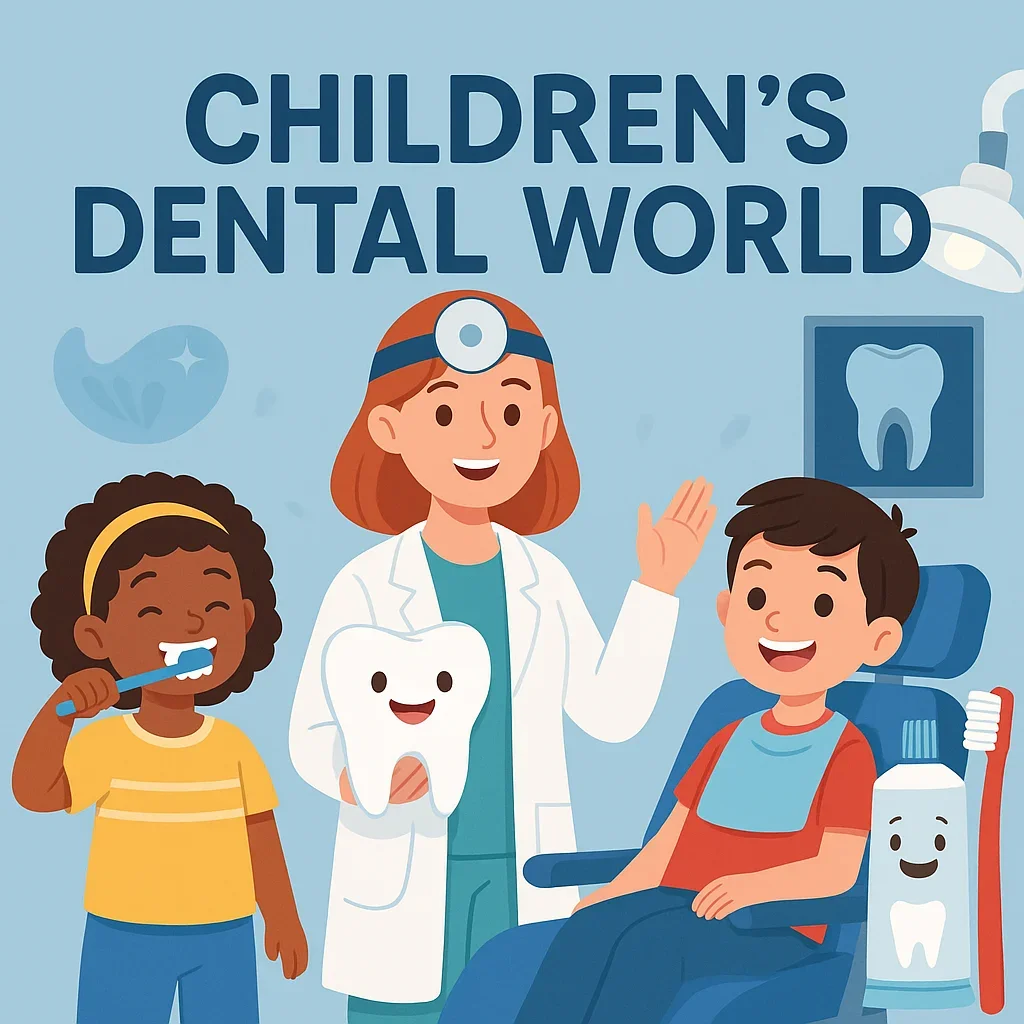
Finding the Best Pediatric Dentist Near You
In the childrens dental world, one of the most important decisions parents make is choosing the right pediatric dentist. A skilled and compassionate dentist can transform dental visits into positive experiences, while also ensuring that children receive top-quality preventive and restorative care. With so many clinics and specialists available, families often wonder how to identify the best option close to home. Understanding what to look for, which questions to ask, and how to evaluate care environments will help parents choose confidently and give their children the dental foundation they deserve.
Why Pediatric Dentistry is Different
Pediatric dentists undergo specialized training beyond general dentistry, focusing on the unique needs of infants, children, and adolescents. In the childrens dental world, these professionals are experts in both oral health and child psychology, enabling them to manage anxiety, explain treatments in kid-friendly language, and tailor care to growing mouths. Unlike general dentists, pediatric specialists also receive training in managing developmental challenges, special healthcare needs, and early orthodontic issues.
Specialized Training Matters
A pediatric dentist typically completes two to three additional years of residency focused exclusively on treating young patients. This training equips them with skills in behavior management, sedation dentistry, and preventive guidance—all essential in the childrens dental world. Choosing a dentist with this background ensures children receive care specifically designed for their developmental stage.
Qualities of the Best Pediatric Dentists
When evaluating local options, parents should consider more than convenience. The best pediatric dentists share common qualities that set them apart. In the childrens dental world, the following traits are often highlighted as key indicators of quality care:
- Patience and empathy: Ability to comfort anxious children and explain procedures gently.
- Communication skills: Clear explanations for both parents and children, using age-appropriate language.
- Child-friendly environment: Offices designed with bright colors, games, and entertainment to reduce fear.
- Focus on prevention: Emphasis on sealants, fluoride, and education rather than just treatment.
- Strong reputation: Positive reviews from other families in the community.
How to Start Your Search
Finding the right pediatric dentist begins with research. Parents can ask their child’s pediatrician for recommendations, consult friends and family, or use professional directories such as the American Dental Association. Online reviews also provide valuable insight into the experiences of other families. In the childrens dental world, word-of-mouth referrals remain one of the most trusted ways to find reliable professionals.
Local vs. Specialized Clinics
Some families prefer large pediatric clinics with multiple specialists, while others choose smaller, locally owned practices. Large clinics may offer a wider range of services under one roof, such as orthodontics or sedation dentistry. Smaller clinics may provide more personalized, family-oriented experiences. In the childrens dental world, both options can be excellent, depending on the child’s needs and the family’s preferences.
Questions to Ask During the First Visit
The initial consultation is the perfect time to evaluate whether a pediatric dentist is the right fit. Parents should feel comfortable asking questions such as:
- What experience do you have treating children of my child’s age?
- How do you handle dental anxiety or fear in children?
- Do you offer preventive treatments like sealants and fluoride?
- What is your approach to emergencies or after-hours care?
- Do you provide orthodontic evaluations as my child grows?
The answers will reveal whether the practice is aligned with the principles of the childrens dental world, where prevention, education, and compassion are prioritized.
Touring the Office
A physical tour can tell parents a lot about a dental office. Look for cleanliness, safety measures, and a child-friendly atmosphere. Waiting areas with books, toys, or digital entertainment are signs that the practice invests in creating a welcoming environment. Observing how staff interact with children can also provide insight into the practice’s philosophy of care.
Emergency Preparedness
Children are active, and dental emergencies like knocked-out teeth or sudden pain can happen unexpectedly. In the childrens dental world, the best dentists have clear emergency protocols, quick appointment availability, and resources for handling urgent cases. Parents should confirm how the practice responds to emergencies and whether after-hours contact is possible.
Affordability and Accessibility
High-quality pediatric dental care should also be accessible. The childrens dental world acknowledges that cost is a significant factor for many families. Parents should ask about insurance acceptance, flexible payment plans, and whether the clinic offers bundled preventive packages. Accessibility also includes convenient office hours, location, and parking—factors that make it easier to maintain regular visits.
Insurance and Payment Plans
Many pediatric dentists work with dental insurance providers, but not all coverage is equal. Asking detailed questions about what is included, from cleanings to orthodontic evaluations, ensures no surprises later. Practices that provide payment installments or family discounts further support parents in prioritizing their child’s dental health.
Building Long-Term Relationships
Finding the right pediatric dentist is about more than one appointment—it is about building a relationship that grows with the child. In the childrens dental world, continuity of care means the dentist understands the child’s dental history, developmental patterns, and unique needs. This familiarity allows for proactive care and trust that strengthens over time.
In conclusion, choosing the best pediatric dentist requires careful research, observation, and trust. The childrens dental world teaches us that the ideal dentist is not only technically skilled but also empathetic, child-focused, and preventive-minded. By asking the right questions, touring offices, and evaluating qualifications, parents can confidently find a dental home where their children feel safe and supported. Ultimately, the right choice ensures brighter smiles, healthier habits, and stronger confidence for every child 🌟.