
When it comes to restoring your smile and dental function, choice dental implants have become one of the most advanced and reliable solutions in modern dentistry 🦷. Unlike traditional dentures or bridges, which only replace the visible part of the tooth, dental implants mimic the entire tooth structure — including the root. This means they provide superior stability, natural aesthetics, and long-term durability. For people who have lost one or multiple teeth, choosing the right type of implant can dramatically improve not only appearance but also overall oral health and self-confidence.
So, what exactly are choice dental implants? Simply put, they are titanium-based fixtures surgically placed into the jawbone to act as artificial tooth roots. Once integrated through a process called osseointegration, they provide a stable foundation for crowns, bridges, or dentures. The term “choice” here emphasizes the ability to select the most suitable implant type, material, and technique based on individual needs. Whether you’re missing a single tooth or an entire arch, there is a personalized implant solution that fits your anatomy, budget, and aesthetic expectations.
One of the biggest advantages of choice dental implants is that they fuse with your jawbone, preventing bone loss that typically occurs after tooth extraction. When natural teeth are lost, the jawbone can shrink over time, leading to a sunken facial appearance. Implants stimulate bone growth and maintain the natural shape of your face 😁. This not only helps you look younger but also ensures that your bite and chewing efficiency remain strong for years to come.
From an aesthetic standpoint, choice dental implants are virtually indistinguishable from natural teeth. They blend seamlessly with the color and shape of your existing teeth, allowing you to smile, talk, and eat with complete confidence. Unlike removable dentures that can slip or make clicking sounds, implants stay firmly anchored — offering a completely natural feel. For many patients, this restoration goes beyond cosmetics; it’s a life-changing improvement in comfort and quality of life.
Another key aspect that makes choice dental implants a top solution is their longevity. With proper care, they can last decades or even a lifetime. While traditional dental bridges typically need replacement after 10–15 years, implants are built to be permanent. Their success rate exceeds 95%, according to the American Dental Association, making them one of the most predictable treatments in dentistry today. This high level of success is due to advancements in implant design, biocompatible materials, and computer-guided placement technologies.
When considering choice dental implants, it’s important to understand the customizable options available. Depending on your jawbone density and gum condition, your dentist may recommend single-tooth implants, implant-supported bridges, or full-arch restorations such as All-on-4 systems. Each approach offers distinct benefits — from cost-efficiency to faster healing times — but all share one common goal: restoring your smile with stability and natural beauty.
Furthermore, the healing and integration process has become faster and more comfortable thanks to modern techniques. Guided implant surgery uses digital 3D imaging to plan precise implant placement, minimizing tissue trauma and reducing recovery time ⏱️. Patients can often resume normal activities within a few days, and most report minimal discomfort during healing. Advances like immediate-loading implants (where the crown is attached on the same day) have made the process even more appealing to busy individuals seeking instant results.
When you choose choice dental implants, you’re investing not just in your appearance but also in your long-term oral health. Because implants prevent shifting of surrounding teeth, they help maintain proper alignment and prevent bite problems. They also eliminate the need to grind down healthy adjacent teeth, as is often required for bridge placement. This preservation of natural tooth structure is one of the main reasons why dental professionals recommend implants as the gold standard for tooth replacement.
It’s worth noting that the success of your choice dental implants largely depends on the expertise of your dental team. At this stage, consulting a specialist with proven implant experience ensures that your treatment plan is tailored precisely to your needs. You can easily get in touch with professionals for a personalized consultation via the Redent Klinik Contact Page 🏥.
In summary, choice dental implants represent a perfect combination of science, precision, and aesthetics. They restore the natural appearance of your smile, preserve jawbone health, and offer the durability of a lifelong solution. Whether you’re missing one tooth or several, implants can help you reclaim your confidence, function, and joy in everyday activities. With expert care and proper maintenance, your new smile will not only look stunning but also feel as natural as your own teeth — a true testament to modern dental innovation 🌟.
What Are Choice Dental Implants and Why Do They Stand Out?
Choice dental implants are one of the most advanced and personalized solutions for replacing missing teeth 🦷. Unlike traditional tooth replacement methods such as removable dentures or fixed bridges, these implants are designed to replicate both the function and aesthetics of natural teeth. They consist of a biocompatible titanium post (or sometimes zirconia) that acts as an artificial tooth root, topped with a custom-made dental crown that matches the color and contour of your natural teeth. The key element that sets them apart is the ability to choose the most suitable type of implant based on your bone density, oral health, and individual treatment goals — hence the term “choice.”
Understanding the Structure of Choice Dental Implants
Every choice dental implant is composed of three primary components that work together to mimic the anatomy of a natural tooth:
- Implant Fixture: A titanium or zirconia post inserted into the jawbone to serve as the root replacement.
- Abutment: The connector that links the implant to the visible crown.
- Crown: The natural-looking visible part of the tooth that restores aesthetics and function.
This three-part design ensures that the implant feels and functions like a real tooth. Once placed, the implant undergoes osseointegration—a biological process in which the jawbone fuses with the implant surface. This fusion provides unmatched stability, allowing patients to chew, speak, and smile with confidence.
Why Choice Dental Implants Are the Gold Standard
There are several reasons why choice dental implants are regarded as the gold standard in restorative dentistry. First, they offer superior strength and durability. Traditional bridges rely on adjacent teeth for support, which may weaken those teeth over time. Implants, on the other hand, stand independently and strengthen the jawbone by stimulating bone growth. This prevents bone resorption — a common issue following tooth loss that can cause facial sagging and a prematurely aged appearance.
Second, choice dental implants are highly customizable. Modern dental technology allows professionals to design implants that precisely match your unique oral anatomy using 3D imaging and digital scanning. These tools help determine the exact implant size, angle, and position for optimal aesthetics and stability. The result is a treatment plan tailored specifically to you, ensuring comfort, function, and long-term success.
Biocompatibility and Long-Term Health Benefits
One of the biggest advantages of choice dental implants is their biocompatibility. Titanium and zirconia are both materials that integrate safely with human bone and tissue, minimizing the risk of rejection or allergic reactions. This makes implants not just a cosmetic solution, but a medical-grade restoration that supports long-term oral health. By preserving bone volume and preventing shifting of surrounding teeth, implants maintain your natural bite alignment and reduce the risk of temporomandibular joint (TMJ) disorders.
Different Types of Choice Dental Implants
Modern dentistry offers several types of choice dental implants to meet different patient needs:
- Single Tooth Implants: Ideal for patients missing a single tooth. The implant supports one crown for a seamless replacement.
- Implant-Supported Bridges: Used when multiple teeth are missing in a row, providing strength without relying on adjacent natural teeth.
- All-on-4 / All-on-6 Implants: A full-arch restoration technique where four or six implants support an entire prosthetic arch. It’s efficient, cost-effective, and delivers stunning results.
- Mini Implants: A less invasive option used for patients with limited bone density or smaller tooth replacements.
Each of these systems falls under the umbrella of choice dental implants, meaning your dentist can help you select the most suitable type based on your clinical condition and goals.
Technological Advances Enhancing Implant Success
The success of choice dental implants has been greatly influenced by technological progress. Modern dental practices now use cone beam computed tomography (CBCT) for detailed 3D imaging, which enables precise treatment planning. Additionally, computer-guided surgery ensures that implants are placed with micron-level accuracy, reducing risks and improving long-term results. Surface treatments on implant fixtures, such as sandblasting or plasma spraying, also enhance bone integration speed and success rates.
Comparison with Traditional Options
Compared to removable dentures or fixed bridges, choice dental implants offer unmatched stability and comfort. Dentures may slip while speaking or eating, causing embarrassment and inconvenience. Bridges, while fixed, require grinding down adjacent healthy teeth — a process that can lead to sensitivity and decay. In contrast, implants maintain the integrity of surrounding teeth and ensure natural functionality, making them the preferred long-term solution for most patients.
Longevity and Maintenance
One of the most appealing factors about choice dental implants is their longevity. When maintained with proper oral hygiene — including brushing, flossing, and regular dental checkups — implants can last a lifetime. They don’t decay like natural teeth, and their titanium roots remain securely fused to the bone. According to the American Dental Association, dental implants have a success rate of over 95%, making them a safe and predictable investment in your oral health.
Who Should Consider Choice Dental Implants?
Anyone who has lost one or more teeth due to decay, injury, or gum disease can benefit from choice dental implants. Ideal candidates are individuals with healthy gums, sufficient bone density, and good overall health. Even if bone loss has occurred, bone grafting procedures can restore the foundation needed for implant placement. Patients seeking a permanent, natural-looking, and functional solution to tooth loss consistently rate implants as their top choice.
Final Thoughts: Why They Stand Out
In essence, choice dental implants represent a blend of precision, customization, and innovation. They stand out because they are designed around your specific dental anatomy, lifestyle, and aesthetic preferences. Whether you’re replacing a single tooth or a full set, implants provide the stability, appearance, and comfort that traditional restorations simply can’t match. For more personalized guidance or to book an evaluation, you can reach out through the Redent Klinik Contact Page 💬. Choosing the right implant is more than a dental decision — it’s a commitment to long-term confidence, health, and happiness.
How to Know If You’re a Good Candidate for Choice Dental Implants
Before proceeding with choice dental implants, it’s essential to determine whether you’re a suitable candidate. While dental implants are one of the most effective and long-lasting tooth replacement options, not everyone is an immediate fit. Factors such as bone density, gum health, overall medical condition, and lifestyle habits play critical roles in the success of implant treatment. Understanding these elements will help you make an informed decision and prepare for a smooth implant journey 🦷.
General Health Requirements
To qualify for choice dental implants, you should be in good overall health. Since the procedure involves minor oral surgery, your body needs to heal effectively after the implant placement. Patients with uncontrolled diabetes, immune system disorders, or those undergoing chemotherapy may experience slower healing and a higher risk of infection. However, with careful management and a customized treatment plan, even individuals with certain medical conditions can successfully receive implants.
Before starting your treatment, your dentist will review your full medical history and possibly consult your physician. This multidisciplinary approach ensures that your implant placement is both safe and successful. For example, if you have high blood pressure or are taking blood-thinning medication, your dentist can adjust your treatment timeline to minimize potential risks.
Oral Health and Gum Condition
Healthy gums are the foundation of successful choice dental implants. Gum disease (periodontitis) can compromise the surrounding bone and tissue that support the implant. Therefore, it’s crucial to treat any existing gum infections before surgery. Your dentist may recommend deep cleaning, scaling, or root planing to restore gum health before proceeding with implantation.
Patients who maintain good oral hygiene practices—brushing twice daily, flossing regularly, and attending dental checkups—are more likely to experience long-term success with implants. Once placed, implants require the same care as natural teeth. Neglecting oral hygiene can lead to peri-implantitis, an inflammatory condition that affects the tissues around the implant, potentially leading to failure.
Bone Density and Jaw Structure
One of the most important factors in determining eligibility for choice dental implants is bone density. Because implants rely on the jawbone for stability, patients with significant bone loss may need bone grafting or sinus lift procedures before implant placement. These preparatory treatments rebuild the bone foundation, ensuring a secure and lasting implant integration.
Assessing Bone Quality
Modern dental clinics use advanced 3D imaging technologies such as cone beam computed tomography (CBCT) to assess bone density and volume accurately. This detailed scan allows your dentist to identify whether there is enough bone to anchor the implant. If bone loss is detected, grafting material (either natural or synthetic) can be placed to promote new bone growth before implant surgery.
Patients with adequate bone height and width typically experience faster healing and stronger integration. Those who have worn dentures for many years, however, may experience bone resorption and need additional preparation before proceeding with choice dental implants.
Lifestyle and Habits
Lifestyle factors can also influence your suitability for choice dental implants. Smoking, for instance, significantly increases the risk of implant failure because nicotine restricts blood flow to the gums, slowing healing and reducing oxygen supply. Smokers are encouraged to quit or at least refrain from smoking during the healing phase. Likewise, heavy alcohol consumption can delay recovery and increase the risk of infection.
Patients who grind or clench their teeth (a condition known as bruxism) may place excessive pressure on their implants. In such cases, your dentist may recommend a night guard to protect your new implants from mechanical stress. Adopting healthy habits such as a balanced diet and consistent oral care routine greatly enhances implant longevity.
Age Considerations
Another common question is whether age affects eligibility for choice dental implants. The good news is that there’s virtually no upper age limit for receiving implants — as long as you are in good general and oral health. Seniors often make excellent candidates, as implants can dramatically improve their ability to eat, speak, and smile confidently 😊.
However, younger patients whose jawbones are still developing (typically under age 18) may need to wait until growth is complete. Early implantation could interfere with natural bone development and tooth alignment. A skilled dental professional will evaluate your X-rays to ensure the timing is right before proceeding.
Psychological Readiness and Expectations
Beyond physical health, mental readiness plays a significant role in the success of choice dental implants. Patients must understand that implant treatment involves multiple stages — from initial consultation and surgery to healing and final crown placement. Commitment to follow-up visits and proper care during the healing period is crucial. Clear communication between the dentist and patient ensures realistic expectations and a positive treatment experience.
Diagnostic Evaluation and Consultation
The first step in determining your eligibility for choice dental implants is a comprehensive dental examination. This usually includes:
- Full-mouth X-rays and 3D scans to evaluate bone quality and alignment.
- Assessment of gum condition and potential infection risks.
- Medical history review to identify any systemic health issues.
- Discussion of treatment goals, aesthetic preferences, and cost considerations.
Based on this evaluation, your dental team will create a personalized treatment plan that fits your specific needs. This approach ensures predictable outcomes and reduces the risk of complications.
Alternative Options If You’re Not Immediately Eligible
If you’re not yet a suitable candidate for choice dental implants, don’t worry — modern dentistry offers several preparatory solutions. Bone grafting, sinus lifts, and soft tissue augmentation can all help rebuild the oral foundation necessary for implant success. Temporary restorations such as partial dentures or bridges can be used during the healing period, ensuring that your smile remains functional and aesthetic while you prepare for implants.
Final Thoughts: Take the First Step Toward a Confident Smile
In summary, determining whether you’re a good candidate for choice dental implants involves a combination of medical assessment, oral examination, and personal readiness. With the right preparation and guidance, almost anyone can achieve a stable, natural-looking smile. If you’d like to learn more about your suitability or explore treatment options, consider reaching out to a trusted clinic via the Redent Klinik Contact Page 💬. Dental professionals there can evaluate your unique case and guide you toward the most effective solution for long-term oral health.
Step-by-Step Process of Getting Choice Dental Implants
Understanding the full procedure of choice dental implants can help patients feel confident and prepared before undergoing treatment 🦷. The process involves several carefully planned steps, each designed to ensure optimal function, comfort, and long-term success. From the initial consultation to final restoration, every stage is guided by precision technology and professional expertise. Let’s walk through the entire journey of how choice dental implants are placed and restored.
Step 1: Comprehensive Consultation and Assessment
The first step in the choice dental implants process is a detailed consultation with your dental specialist. During this appointment, your dentist will perform a thorough oral examination, review your medical history, and discuss your smile goals. Advanced diagnostic tools such as 3D cone beam computed tomography (CBCT) are used to assess jawbone density, nerve positions, and sinus structures. These scans help in developing a customized treatment plan specific to your anatomy and dental needs.
Patients are encouraged to ask questions and express their expectations during this stage. Whether you’re replacing one tooth, several teeth, or a full arch, your dentist will explain the available options and help you choose the best implant system to meet your needs. The personalized nature of choice dental implants ensures that the treatment plan aligns perfectly with both functional and aesthetic goals.
Step 2: Pre-Treatment Preparations
In some cases, preparatory treatments may be necessary before implant placement. These steps are crucial for ensuring a stable foundation for the implant:
- Bone Grafting: If the jawbone lacks sufficient volume or density, bone graft material is added to promote new bone growth. This step strengthens the implant site and enhances long-term stability.
- Sinus Lift: For upper jaw implants, a sinus lift may be performed to raise the sinus membrane and create enough space for implant placement.
- Tooth Extraction: Damaged or decayed teeth are removed before placing implants in their position. Sometimes, implants can be placed immediately after extraction, depending on bone quality.
These preparatory steps are part of what makes choice dental implants so effective—each treatment plan is uniquely tailored to ensure ideal implant success rates.
Step 3: Surgical Placement of the Implant
Once your mouth is ready, the surgical phase begins. The dentist numbs the area using local anesthesia or, for anxious patients, sedation options may be provided for comfort. A small incision is made in the gum tissue to expose the jawbone. The dental implant—a titanium or zirconia post—is then gently inserted into the bone socket. After placement, the gum is stitched back, leaving the implant beneath the tissue to begin healing.
Modern practices use computer-guided techniques to achieve remarkable precision in placement. The position, depth, and angle of the implant are digitally planned before surgery, minimizing risks and ensuring optimal alignment. Thanks to these innovations, choice dental implants have become safer, faster, and more predictable than ever before ⚙️.
The Healing Phase: Osseointegration
After the implant post is placed, a process called osseointegration begins. Over the next 3–6 months, the bone gradually fuses with the implant surface, creating a strong and stable foundation. This integration period is crucial because it transforms the implant into a permanent part of your jaw. Patients are typically provided with a temporary restoration during this time so they can continue eating and smiling confidently.
It’s important to follow your dentist’s post-operative instructions carefully during healing. Avoid smoking, maintain good oral hygiene, and attend all follow-up visits. Proper care during this stage ensures that your choice dental implants integrate successfully with the jawbone.
Step 4: Placing the Abutment
Once osseointegration is complete, the next step involves placing an abutment. This small connector links the implant post to the final crown. The dentist reopens the gum to attach the abutment, then allows the tissue to heal around it for a few weeks. In some cases, the abutment can be placed during the initial surgery, depending on the patient’s condition and implant system used.
Abutments play a critical role in the aesthetic outcome of choice dental implants. They determine how the crown will sit and blend with neighboring teeth. Many modern abutments are made from zirconia for superior biocompatibility and a natural look, especially in the front (esthetic) zone of the mouth.
Step 5: Crafting and Attaching the Crown
The final restoration is the visible part of your new smile 🌟. Once the gums have healed around the abutment, impressions or digital scans are taken to design a custom dental crown. This crown is color-matched to your surrounding teeth for a seamless appearance. Dental laboratories use CAD/CAM technology to fabricate high-precision crowns made from porcelain, zirconia, or ceramic materials.
When ready, the crown is attached to the abutment either by screwing or cementing it in place. The result is a restoration that looks, feels, and functions like a natural tooth. The entire process—from initial consultation to final crown placement—can take anywhere between three to eight months, depending on individual healing times and preparatory procedures.
Step 6: Post-Procedure Care and Maintenance
After the crown placement, your dentist will provide detailed instructions on how to maintain your choice dental implants. Proper oral hygiene is crucial to avoid peri-implantitis and other complications. Daily brushing, flossing, and using an antimicrobial mouthwash will keep the implant area clean. Regular checkups (every 6 months) allow your dentist to monitor the implant’s condition and ensure that it remains healthy for years to come.
Unlike removable dentures that need frequent adjustments, implants are low-maintenance and built to last. With consistent care, the success rate of choice dental implants remains above 95%, as confirmed by the American Dental Association.
Step 7: Long-Term Follow-Up and Adjustments
Your journey doesn’t end once the crown is placed. Regular follow-ups are essential to ensure that your bite remains balanced and your implants perform optimally. Over time, minor adjustments may be made to maintain the perfect alignment and comfort level. Dentists also perform professional cleanings around the implant area to remove plaque buildup and protect your gums.
Final Thoughts: A Journey Worth Taking
Getting choice dental implants is not just about replacing missing teeth — it’s about restoring your quality of life, confidence, and overall oral health. Each step, from evaluation to restoration, is carefully designed to provide durability and natural aesthetics. By working with a skilled implant specialist, you can ensure that every phase of your treatment is precise and comfortable. For personalized consultation or expert guidance, you can contact your trusted professionals via the Redent Klinik Contact Page 💬. Investing in dental implants is truly investing in yourself — a lifetime of beautiful smiles, strong bites, and renewed confidence.
Comparing Choice Dental Implants with Traditional Options
When deciding how to restore missing teeth, patients often face a choice between modern choice dental implants and more traditional options such as bridges or dentures. While all these solutions aim to restore function and aesthetics, the quality of life, durability, and long-term health benefits differ dramatically. Understanding these differences can help you make the most informed decision for your oral health, appearance, and budget 🦷.
Overview: Implants vs. Bridges vs. Dentures
Choice dental implants are considered the most advanced solution for tooth replacement. Unlike bridges, which rely on adjacent teeth for support, or dentures that rest on the gums, implants integrate directly with the jawbone, acting as artificial tooth roots. This unique feature makes them stronger, more stable, and more natural in both look and feel.
Here’s a general comparison of the three most common options:
| Treatment Type | Support Mechanism | Longevity | Maintenance | Comfort |
|---|---|---|---|---|
| Choice Dental Implants | Fused with jawbone (osseointegration) | 20+ years, often lifetime | Similar to natural teeth | Very high – feels natural |
| Dental Bridges | Anchored to adjacent teeth | 10–15 years | Requires floss threaders, special care | Moderate – can affect nearby teeth |
| Dentures | Rest on gums | 5–8 years | Regular cleaning and adhesives | Low – may slip or irritate gums |
Durability and Longevity
One of the primary advantages of choice dental implants is their exceptional durability. Traditional bridges and dentures typically need replacement or adjustment after a decade due to wear, bone loss, or changes in mouth structure. Implants, on the other hand, can last a lifetime when properly maintained. This longevity comes from their ability to fuse directly with bone through osseointegration, preventing the bone deterioration that often occurs with other tooth replacement methods.
Additionally, because choice dental implants are made from biocompatible materials such as titanium or zirconia, they resist decay, corrosion, and bacterial damage. This makes them the most reliable long-term investment for patients seeking permanent tooth replacement.
Bone Health and Facial Structure Preservation
Another area where choice dental implants outperform traditional options is bone preservation. When a tooth is lost, the surrounding jawbone begins to resorb due to lack of stimulation. Over time, this bone loss leads to a collapsed or sunken facial appearance — a common issue among denture wearers. Implants act as artificial tooth roots, stimulating the bone and preserving its density and shape. This means your facial structure remains youthful and natural even after years of wear 😊.
Traditional Options and Bone Loss
In contrast, dentures and bridges do not engage the jawbone in any way. Dentures simply rest on the gums and can even accelerate bone resorption due to constant pressure. Bridges, while fixed, only replace the crown portion of the missing tooth, leaving the underlying bone unsupported. This lack of stimulation is one of the main reasons dental implants have become the preferred standard among modern dental professionals.
Comfort and Functionality
From a comfort perspective, choice dental implants feel almost identical to natural teeth. They don’t slip, move, or cause friction sores on the gums — issues commonly associated with dentures. Patients can enjoy eating their favorite foods, from crunchy apples to chewy steak, without fear of discomfort or embarrassment.
By contrast, traditional dentures can loosen over time, requiring adhesives for stability. They may also reduce bite force by up to 70%, making certain foods difficult to chew. Fixed bridges offer better stability but require grinding down adjacent healthy teeth to serve as anchors — a procedure that permanently alters those teeth and increases their vulnerability to decay.
Speech and Confidence
Implants restore not only chewing ability but also speech clarity. Dentures may cause clicking sounds or slippage when talking, leading to self-consciousness. With choice dental implants, patients speak naturally, smile freely, and feel more confident in social and professional settings. The psychological benefits of regaining one’s natural smile are profound, often improving self-esteem and overall well-being.
Maintenance and Oral Hygiene
Maintaining choice dental implants is as simple as caring for natural teeth — daily brushing, flossing, and routine dental checkups. There’s no need for special adhesives, soaking solutions, or complex cleaning routines. Implants are fixed in place, so they don’t need to be removed for cleaning or sleeping. This ease of care contributes significantly to their popularity among patients seeking a permanent solution.
Bridges, however, require meticulous cleaning under and around the artificial tooth using floss threaders or interdental brushes. Dentures need nightly removal and soaking to prevent bacterial buildup and gum irritation. Neglecting this routine can lead to bad breath, infections, and poor fit over time.
Aesthetic Results
In terms of aesthetics, choice dental implants deliver superior results because each restoration is custom-made to match the color, shape, and alignment of surrounding teeth. Modern ceramic crowns mimic the translucency and shine of natural enamel, making it virtually impossible to distinguish between an implant and a real tooth 🌟. Dentures, by contrast, can sometimes appear bulky or artificial, and bridges may leave small gaps where the gum meets the prosthetic.
Cost and Long-Term Value
While choice dental implants typically involve a higher initial investment than bridges or dentures, their longevity and low maintenance make them far more cost-effective over time. Traditional restorations require periodic replacements and ongoing adjustments, which add up in the long run. Implants, on the other hand, rarely need replacement if properly maintained. This makes them a one-time investment for lifelong comfort and aesthetics.
According to the American Dental Association, implants are the most cost-efficient tooth replacement option over a 20-year period when factoring in maintenance, comfort, and overall health preservation. In addition, they help prevent the hidden costs associated with bone loss, shifting teeth, and repeated dental work.
Final Verdict: The Smarter Choice for Lasting Results
When all factors are considered — durability, comfort, oral health benefits, and aesthetics — choice dental implants clearly outperform traditional options. They restore full functionality, preserve bone structure, and provide natural-looking results that last for decades. For anyone seeking a long-term, stable, and beautiful smile restoration, implants represent the gold standard of modern dentistry. To discuss your personal options and get expert guidance, visit the Redent Klinik Contact Page 💬 to schedule a consultation with experienced implant specialists who can design the ideal treatment plan for you.
Benefits of Choosing Choice Dental Implants for Long-Term Oral Health
When it comes to restoring missing teeth, choice dental implants offer benefits that extend far beyond aesthetics. They’re not just replacements for lost teeth — they’re comprehensive restorations that support the health, strength, and function of your entire mouth. Compared to bridges and dentures, implants preserve bone density, maintain facial structure, and ensure a natural bite. For patients seeking a permanent and healthy solution, choice dental implants stand as the most advanced and reliable option available today 🦷.
Preserving Jawbone Density and Preventing Bone Loss
One of the most significant long-term benefits of choice dental implants is their ability to preserve jawbone health. When a natural tooth is lost, the underlying bone no longer receives the stimulation it needs from chewing forces. Over time, this leads to bone resorption — a gradual shrinking of the jawbone. Traditional dentures or bridges do not address this issue, as they rest on top of the gums or rely on adjacent teeth for support. However, implants act as artificial tooth roots that integrate with the bone through a process called osseointegration. This integration maintains natural bone stimulation, preventing deterioration and keeping your jawline strong and youthful.
How Implants Stimulate Bone Growth
When you chew or bite, the force is transmitted from the implant post directly into the jawbone, mimicking the natural function of a tooth root. This constant stimulation signals the bone to regenerate and maintain its density. As a result, choice dental implants not only prevent bone loss but can even promote new bone growth in some cases. This feature makes implants a superior long-term investment for patients who value both strength and facial harmony.
Improved Oral Function and Comfort
Unlike removable dentures that can slip, irritate gums, or make eating difficult, choice dental implants provide exceptional stability and comfort. Because they are anchored securely into the jawbone, patients can chew tough foods, speak clearly, and smile confidently without worrying about movement or discomfort. Implants restore 90–100% of your natural bite strength — a major improvement over traditional dentures, which restore only 20–30%.
This enhanced function makes everyday activities like eating apples, nuts, or steak completely natural again 🍎. Many patients report that after switching to implants, they no longer avoid certain foods or feel self-conscious while dining out. The natural fit and stability of implants contribute to a better quality of life and overall satisfaction.
Protecting Adjacent Teeth
Traditional dental bridges require grinding down the neighboring healthy teeth to support the prosthetic. This irreversible process can weaken those teeth and make them more prone to decay. In contrast, choice dental implants are completely independent — they don’t rely on adjacent teeth for support. This means that the surrounding teeth remain untouched, healthy, and strong. By preserving natural tooth structure, implants contribute to the long-term balance and stability of your bite.
Enhanced Speech and Confidence
Speech clarity is often overlooked but is a vital benefit of choice dental implants. Ill-fitting dentures can slip, click, or shift during talking, causing embarrassment or affecting pronunciation. Implants, on the other hand, remain firmly in place, enabling natural articulation and clear speech. Whether speaking in meetings, laughing with friends, or recording videos, you can express yourself freely without worrying about your teeth moving.
Beyond physical comfort, implants dramatically boost self-confidence. They look, feel, and perform like natural teeth — giving patients a reason to smile again 😁. Restoring a confident smile often has a ripple effect, improving personal relationships, career opportunities, and overall happiness.
Long-Term Durability and Cost Efficiency
While choice dental implants may involve a higher initial cost than bridges or dentures, they deliver outstanding value over time. Traditional solutions typically require replacements every 5–15 years, while implants can last several decades with proper care. Because implants don’t decay and maintain jawbone health, the likelihood of future complications is significantly reduced.
According to the American Dental Association, dental implants boast a success rate of over 95% when maintained properly. This means fewer repairs, fewer replacements, and fewer long-term expenses. For many patients, implants are a one-time investment that provides decades of comfort and confidence — making them the most cost-effective tooth replacement option available.
Improved Oral Hygiene
Maintaining choice dental implants is simple. They can be brushed and flossed just like natural teeth, requiring no special cleaning products or adhesives. Because implants are fixed in place, there’s no need to remove them for cleaning or sleeping. This convenience encourages consistent oral hygiene habits and reduces the risk of gum disease or bacterial buildup.
Moreover, implants eliminate the common challenges of cleaning around bridges or under dentures. Traditional bridges can trap food particles beneath them, increasing the risk of decay in adjacent teeth. Dentures, if not cleaned properly, can harbor bacteria and cause gum irritation. In contrast, implants maintain a clean, healthy environment in the mouth with minimal effort.
Facial Aesthetics and Youthful Appearance
Bone loss caused by missing teeth often results in sagging cheeks and a prematurely aged appearance. By preserving bone structure, choice dental implants help maintain natural facial contours. The result is a fuller, more youthful look that enhances overall appearance. Many patients report that they not only regain their smile but also appear younger and more vibrant after implant restoration 🌟.
Psychological and Lifestyle Benefits
The impact of choice dental implants extends beyond oral health — they also improve mental well-being. A restored smile often enhances self-image and reduces social anxiety. Patients no longer worry about dentures slipping or teeth looking artificial, allowing them to engage confidently in social interactions. The sense of permanence and natural feel of implants creates psychological comfort that temporary restorations simply can’t match.
Environmental and Biological Compatibility
Modern choice dental implants are made from biocompatible materials like titanium and zirconia, which integrate seamlessly with the body without triggering allergic or inflammatory responses. These materials are non-toxic, corrosion-resistant, and promote healthy tissue regeneration. As a result, implants are safe for long-term use and support overall systemic health.
Final Thoughts: A Lifetime of Oral Health Benefits
In summary, choice dental implants provide unparalleled benefits that go far beyond restoring missing teeth. They preserve bone health, protect natural teeth, improve oral hygiene, and enhance both appearance and confidence. Their long-term durability and natural functionality make them a superior choice for patients who value quality and stability. For expert guidance or a personalized evaluation, you can visit the Redent Klinik Contact Page 💬 and connect with dental professionals who specialize in creating healthy, confident smiles that last a lifetime.
Common Myths About Choice Dental Implants Debunked
Despite their growing popularity and high success rate, choice dental implants are still surrounded by misconceptions that discourage many people from considering them. These myths often stem from outdated information, fear of surgery, or confusion between implants and older dental treatments. In reality, modern implant technology is safe, predictable, and accessible to most patients. In this section, we’ll debunk the most common myths about choice dental implants and reveal the truth behind these life-changing restorations 🦷.
Myth 1: Dental Implants Are Painful
One of the most widespread myths is that getting choice dental implants is painful and involves a long, uncomfortable recovery. The truth is, implant surgery is a highly precise and minimally invasive procedure. Thanks to local anesthesia and advanced digital planning, patients experience little to no pain during the operation. Most describe the sensation as comparable to having a tooth extracted or a filling placed.
Modern techniques such as computer-guided implant placement allow dentists to position implants with extreme accuracy, reducing tissue trauma and speeding up healing. Mild discomfort or swelling may occur afterward, but it’s typically manageable with over-the-counter pain medication and ice packs. Within a few days, most patients resume normal activities. For those who are anxious about surgery, sedation options are also available to ensure maximum comfort and peace of mind.
The Reality: Quick Recovery and Minimal Discomfort
After placement, the healing process (osseointegration) is generally smooth and painless. The implant fuses naturally with the bone over several weeks or months without causing significant discomfort. Patients who follow post-operative instructions — such as avoiding smoking and maintaining good oral hygiene — usually heal faster and enjoy better outcomes with their choice dental implants.
Myth 2: Dental Implants Are Only for the Elderly
Another misconception is that implants are meant only for older adults. While many senior patients benefit from choice dental implants, they are equally suitable for younger individuals who have lost teeth due to injury, decay, or congenital conditions. In fact, implants are often recommended for adults of all ages because they preserve bone structure and prevent further dental complications.
The only age-related limitation occurs in teenagers whose jawbones are still developing. Once bone growth is complete (usually around age 18 for females and 21 for males), anyone in good health with adequate bone density can be a candidate for implants. Thus, implants are not “age-based” but “health-based” — their success depends on bone quality, oral hygiene, and overall well-being rather than age itself.
Myth 3: Implants Are Too Expensive
It’s true that choice dental implants have a higher initial cost compared to bridges or dentures. However, this myth ignores their long-term value. Traditional restorations require frequent adjustments and replacements every 5–10 years, leading to cumulative costs that often exceed the one-time investment in implants. Moreover, implants prevent bone loss and shifting of adjacent teeth — issues that can cause costly dental complications in the future.
The Truth About Cost and Longevity
When properly maintained, choice dental implants can last a lifetime. Their success rate exceeds 95%, according to the American Dental Association. Patients who choose implants often find that they’re more affordable in the long run because they eliminate the need for replacement, adhesives, and specialized maintenance products. It’s a one-time investment that delivers decades of function, beauty, and confidence.
Myth 4: The Implant Procedure Takes Too Long
Many people believe that the implant process requires years to complete. While the treatment involves multiple stages, the timeline is much shorter and more efficient than most expect. With today’s technology, guided implant surgery allows precise planning and faster healing. In some cases, same-day implants — known as “immediate load” implants — can restore your smile in a single visit.
For standard procedures, the complete process (from implant placement to crown attachment) typically takes 3–6 months, allowing time for osseointegration. During this period, temporary restorations can be provided so patients never have to go without teeth. The overall process is designed for predictability and comfort, ensuring long-term stability for your choice dental implants.
Myth 5: Dental Implants Are Not Safe
Some patients fear that implants are unsafe or that their body might reject the material. This misconception is outdated. Modern choice dental implants are made from biocompatible materials such as titanium or zirconia, both of which are widely used in medical and orthopedic surgeries. These materials are non-toxic, corrosion-resistant, and easily accepted by the human body.
In fact, allergic reactions or implant rejections are extremely rare. The main cause of implant failure is poor oral hygiene or smoking, not material incompatibility. When performed by a qualified implant specialist and properly maintained, implants are one of the safest and most predictable dental procedures available today.
Myth 6: Dental Implants Require High Maintenance
Another misconception is that implants need special care routines or complicated maintenance. In truth, caring for choice dental implants is as simple as caring for natural teeth. Daily brushing, flossing, and regular dental checkups are sufficient to keep them healthy. There’s no need for adhesives, soaking solutions, or specialized tools. Implants are fixed permanently in place, eliminating the inconvenience of removal or slipping associated with dentures.
Daily Care Tips for Long-Term Success
- Brush at least twice daily with a soft-bristle toothbrush and non-abrasive toothpaste.
- Floss or use interdental brushes to clean around the implant crown.
- Rinse with an antibacterial mouthwash to reduce plaque buildup.
- Visit your dentist every six months for professional cleaning and implant checkups.
By following these steps, your choice dental implants can remain healthy, stable, and functional for decades without special effort.
Myth 7: Implants Look Artificial
Some people assume that implants look “fake” or unnatural, but this couldn’t be further from the truth. Choice dental implants are custom-crafted to match the color, shape, and translucency of your existing teeth. Advanced digital imaging and 3D design tools allow dentists to create lifelike crowns that blend seamlessly with your smile. In fact, most people won’t be able to tell which tooth is an implant — even up close!
In contrast, traditional dentures or bridges may appear bulky or mismatched over time. With implants, you get a natural, radiant smile that complements your facial features and enhances your overall appearance 🌟.
Myth 8: Dental Implants Are Not for Smokers or Diabetics
While it’s true that smoking and uncontrolled diabetes can affect healing, these conditions don’t automatically disqualify patients from getting choice dental implants. Many smokers and diabetic patients successfully receive implants after careful medical assessment and treatment planning. Dentists often collaborate with physicians to stabilize health conditions before proceeding with surgery. The key is proper management and adherence to post-operative care instructions.
Final Thoughts: Trust the Facts, Not the Myths
When it comes to restoring your smile, the facts speak louder than the myths. Choice dental implants are safe, natural-looking, and long-lasting solutions supported by decades of clinical success. Misconceptions about pain, cost, and safety only prevent patients from experiencing their full benefits. If you’re considering implants but still have concerns, it’s best to consult with a qualified dental professional. For reliable guidance and expert evaluation, visit the Redent Klinik Contact Page 💬. You’ll receive a personalized consultation to determine the best treatment plan for your oral health and confidence. Remember — with the right information, a healthy and radiant smile is always within reach!
Aftercare Tips: How to Maintain Your Choice Dental Implants
Receiving choice dental implants is only the first step toward achieving a beautiful and lasting smile 🦷. To ensure their long-term success, proper aftercare and maintenance are essential. Just like natural teeth, implants require daily cleaning, routine dental checkups, and healthy lifestyle habits to prevent complications. The great news is that implants are simple to care for — with the right approach, they can remain strong, functional, and beautiful for decades.
Immediate Post-Surgery Care
The first few days following implant surgery are crucial for recovery. Proper care during this period helps your body heal efficiently and supports osseointegration — the process where the implant fuses with the jawbone. After your choice dental implants are placed, your dentist will provide detailed post-operative instructions. Following these carefully ensures optimal healing and reduces the risk of infection.
Managing Pain and Swelling
Mild discomfort, swelling, or bruising is normal during the first 48–72 hours. You can manage these symptoms with prescribed or over-the-counter pain relievers and cold compresses. Applying an ice pack in 15-minute intervals during the first day can help reduce swelling significantly. Avoid hot foods and drinks until the numbness wears off, and stick to soft foods for a few days.
Dietary Recommendations
Nutrition plays a major role in recovery. After receiving choice dental implants, eat soft, nutrient-rich foods such as yogurt, soups, mashed potatoes, and smoothies. Avoid crunchy, spicy, or sticky foods that could irritate the surgical site. Hydration is equally important — drink plenty of water, but skip straws for the first week, as suction may disrupt the healing process.
Oral Hygiene During the Healing Phase
Maintaining oral hygiene is essential, but it must be done gently in the early stages. On the first day, avoid brushing directly over the implant site. Instead, rinse your mouth gently with a prescribed antimicrobial mouthwash or a saltwater solution. After 24 hours, resume gentle brushing using a soft-bristle toothbrush and non-abrasive toothpaste.
As your gums heal, continue cleaning the area around your choice dental implants carefully. Proper hygiene prevents infection and supports healthy tissue integration. Flossing is encouraged once the dentist approves it — using implant-specific floss or interdental brushes designed for implants helps remove plaque without damaging the surrounding tissues.
Professional Cleaning and Maintenance Visits
Regular dental checkups every 6 months are critical for monitoring the health of your choice dental implants. During these visits, your dentist will evaluate the implant’s stability, check your gum health, and professionally clean areas that are difficult to reach at home. These preventive measures ensure early detection of potential issues and preserve implant longevity.
Professional cleaning tools for implants differ slightly from those used for natural teeth. Dentists use non-metallic instruments that prevent scratching the implant surface, maintaining its integrity and reducing bacterial buildup.
Long-Term Daily Care Routine
Once your implants are fully healed and the crowns are in place, your daily care routine will resemble that of natural teeth. Here’s how to keep them in top condition:
- Brush Twice Daily: Use a soft-bristled brush and fluoride toothpaste to remove plaque and food particles.
- Floss Daily: Clean between implants and natural teeth using specialized implant floss or water flossers.
- Use Mouthwash: Antibacterial mouth rinses help eliminate harmful bacteria and freshen breath.
- Avoid Hard or Sticky Foods: Ice, hard candies, or sticky sweets can put undue pressure on your crowns.
- Quit Smoking: Nicotine restricts blood flow, delaying healing and increasing the risk of implant failure.
Developing these consistent habits will keep your choice dental implants clean, healthy, and free from infection. Even though implants are resistant to decay, the surrounding gums and bone must remain healthy for continued stability.
Protecting Your Implants from Damage
Just like natural teeth, implants can suffer from physical stress or trauma. To protect them, avoid using your teeth as tools to open bottles or packages. If you grind or clench your teeth (a condition known as bruxism), wearing a custom-made night guard can protect your choice dental implants from excessive pressure and potential fractures.
Sports and Physical Activities
If you participate in contact sports, always wear a mouthguard. Even though implants are strong, a sudden blow to the face can damage the restoration or surrounding bone. Custom sports mouthguards provide the best protection, reducing the risk of injury while maintaining comfort and breathability.
Recognizing Warning Signs
While implant complications are rare, early detection of issues can prevent major problems. Watch for warning signs such as:
- Persistent pain or discomfort beyond the healing period.
- Swelling, redness, or bleeding around the implant site.
- Implant mobility or a loose crown.
- Bad taste or odor near the implant.
If any of these symptoms occur, contact your dentist immediately. Prompt professional attention can resolve inflammation before it progresses into peri-implantitis, a condition similar to gum disease that can compromise implant stability. Fortunately, with regular checkups and proper hygiene, such issues are easily avoidable.
Lifestyle Factors Affecting Implant Longevity
Your lifestyle choices directly influence the lifespan of your choice dental implants. Smoking, excessive alcohol consumption, and poor nutrition can weaken gum tissues and reduce healing capacity. A balanced diet rich in calcium, vitamin D, and protein supports bone health and strengthens your oral structure. Additionally, managing chronic conditions such as diabetes helps maintain the body’s ability to heal and sustain implant integration.
The Role of Stress and Sleep
Chronic stress and sleep deprivation can affect your immune system, making you more susceptible to inflammation and infection. Practicing relaxation techniques, maintaining a regular sleep schedule, and staying physically active all contribute to the long-term health of your choice dental implants.
Periodic Follow-Ups and Professional Support
Even years after placement, continuing professional care remains essential. Regular maintenance appointments allow your dentist to clean around the implants, adjust bite alignment, and verify that no mechanical issues exist. These visits are an opportunity to ensure your implants remain stable and functional for life.
For instance, the American Dental Association recommends at least two checkups per year for implant patients, though some may require quarterly visits if they have gum sensitivity or systemic health conditions. Consistent dental follow-up ensures your implants perform optimally and your smile remains radiant for decades.
Final Thoughts: A Lifetime of Confidence with Proper Care
Proper aftercare is the key to maximizing the lifespan and success of your choice dental implants. With a disciplined oral hygiene routine, regular professional care, and healthy lifestyle habits, your implants can last a lifetime — delivering comfort, confidence, and a flawless smile. For personalized maintenance guidance or professional checkups, you can reach out to your trusted dental experts through the Redent Klinik Contact Page 💬. Remember, maintaining your implants isn’t just about keeping your teeth strong — it’s about preserving the foundation of a healthy, confident life.
Possible Risks and Complications: What You Should Know
Although choice dental implants are one of the most successful and predictable dental procedures available today, no medical treatment is entirely without risk. Understanding potential complications helps patients take preventive measures and ensures that their implants remain healthy and functional for many years. With proper care, the success rate of choice dental implants exceeds 95%, according to the American Dental Association. Still, being informed about possible risks is essential for every patient embarking on this life-changing journey 🦷.
Common Short-Term Risks After Surgery
Most short-term risks associated with choice dental implants occur immediately after surgery and are generally minor. These include swelling, bruising, or mild bleeding at the implant site. Such symptoms are part of the body’s natural healing process and usually subside within a few days. Pain is typically mild and manageable with prescribed medications or over-the-counter pain relievers.
Normal Post-Surgical Reactions
- Swelling: Can last 48–72 hours and is reduced with cold compresses and rest.
- Mild Discomfort: Typically lasts a few days; managed with pain medication.
- Bruising: Common but harmless, disappearing within a week.
- Bleeding: Slight oozing for the first 24 hours is normal; heavy bleeding should be reported immediately.
Proper adherence to your dentist’s post-operative instructions, including maintaining hygiene and avoiding smoking, can significantly minimize these short-term effects and ensure smooth healing.
Potential Long-Term Complications
Although rare, certain long-term issues can arise if proper care isn’t maintained. These complications typically involve infection, gum inflammation, or problems with implant integration. Recognizing these issues early and seeking prompt treatment is key to preserving the stability of your choice dental implants.
1. Peri-Implantitis
Peri-implantitis is a condition similar to gum disease that affects the tissues around an implant. It’s caused by bacterial buildup, often due to poor oral hygiene. Symptoms include redness, bleeding gums, swelling, and in severe cases, bone loss around the implant.
Fortunately, peri-implantitis is preventable with proper daily cleaning and regular dental checkups. If caught early, it can be treated through professional deep cleaning, antibiotics, or laser therapy to restore gum health and stabilize the implant.
2. Implant Failure or Loosening
In rare instances, an implant may fail to properly fuse with the jawbone during osseointegration. This can occur due to insufficient bone density, infection, or excessive pressure on the implant too soon after placement. Smokers and individuals with uncontrolled diabetes are at slightly higher risk for this issue.
If an implant becomes loose or unstable, it can often be replaced after proper healing and bone grafting. However, following post-operative instructions closely and attending follow-up appointments dramatically reduces this risk.
3. Nerve or Tissue Damage
Improper implant placement can occasionally affect nearby nerves or soft tissues, causing numbness, tingling, or discomfort in the lips, cheeks, or tongue. Modern technologies such as computer-guided implant surgery make this complication extremely rare, as they allow dentists to place implants with precise accuracy. Choosing an experienced professional significantly reduces the risk of nerve damage during choice dental implants surgery.
4. Sinus Complications
For upper jaw implants placed near the sinus cavity, there’s a small possibility of sinus perforation. This can cause nasal discomfort or sinus infections. To prevent this, dentists use advanced imaging techniques to measure bone height and avoid the sinus area. When necessary, a sinus lift procedure may be performed before implant placement to ensure adequate bone support and eliminate risk.
Behavioral and Lifestyle Factors That Affect Implant Success
Success with choice dental implants also depends heavily on patient habits and overall health. Certain lifestyle choices can increase the likelihood of complications:
- Smoking: Nicotine restricts blood flow and interferes with healing, increasing the chance of implant failure.
- Poor Oral Hygiene: Inadequate cleaning can lead to bacterial buildup and gum infection.
- Bruxism (Teeth Grinding): Excessive force from grinding can loosen the implant over time.
- Uncontrolled Medical Conditions: Diabetes, osteoporosis, or autoimmune disorders may delay healing.
Adopting a healthy lifestyle — quitting smoking, managing stress, and maintaining a balanced diet rich in vitamins and minerals — plays a vital role in long-term implant success. Patients who follow their dentist’s care plan and attend regular checkups enjoy higher success rates and fewer complications.
Mechanical or Prosthetic Complications
In some cases, the issue isn’t with the implant itself but with the attached crown or abutment. Over time, normal wear and tear can lead to loosening, chipping, or fracturing of the restoration. Thankfully, these problems are easily fixable without affecting the underlying implant post.
Preventing Structural Damage
To protect your choice dental implants from mechanical stress, avoid using your teeth to open packages or bite hard objects such as ice or pen caps. If you suffer from bruxism, wearing a custom-fitted night guard can prevent excessive pressure on the crowns and abutments. Regular professional inspections help detect minor issues before they develop into significant repairs.
Systemic Health Connections
Your oral health is closely linked to your overall health. Chronic conditions like diabetes, heart disease, and immune disorders can influence the body’s ability to heal after implant surgery. Research shows that patients with well-managed medical conditions can still achieve excellent outcomes with choice dental implants. Open communication with your dentist and physician ensures proper treatment planning and safe results.
Medication Considerations
Certain medications, such as bisphosphonates (used for osteoporosis) or long-term steroids, can affect bone metabolism. Informing your dentist about all medications you’re taking helps tailor your implant treatment safely. In some cases, adjustments in dosage or timing may be recommended to optimize bone healing and implant stability.
Preventing Risks Through Professional Care
The most effective way to minimize complications is to work with a qualified implant specialist. Clinics that use digital imaging, 3D planning, and guided surgery — such as Redent Klinik 💬 — can dramatically reduce risks by ensuring exact placement and customized treatment planning. Regular follow-up visits allow your dentist to monitor integration, adjust bite alignment, and address any early warning signs.
Final Thoughts: Awareness Leads to Success
While complications can occur, the vast majority of choice dental implants procedures are successful, comfortable, and long-lasting. By maintaining excellent oral hygiene, attending scheduled checkups, and following your dentist’s advice, you can protect your investment and enjoy a lifetime of confident smiles. Awareness of potential risks empowers you to take proactive steps and ensure your implants remain healthy for decades. With professional support and personal care, choice dental implants remain the safest and most effective solution for permanent tooth replacement.
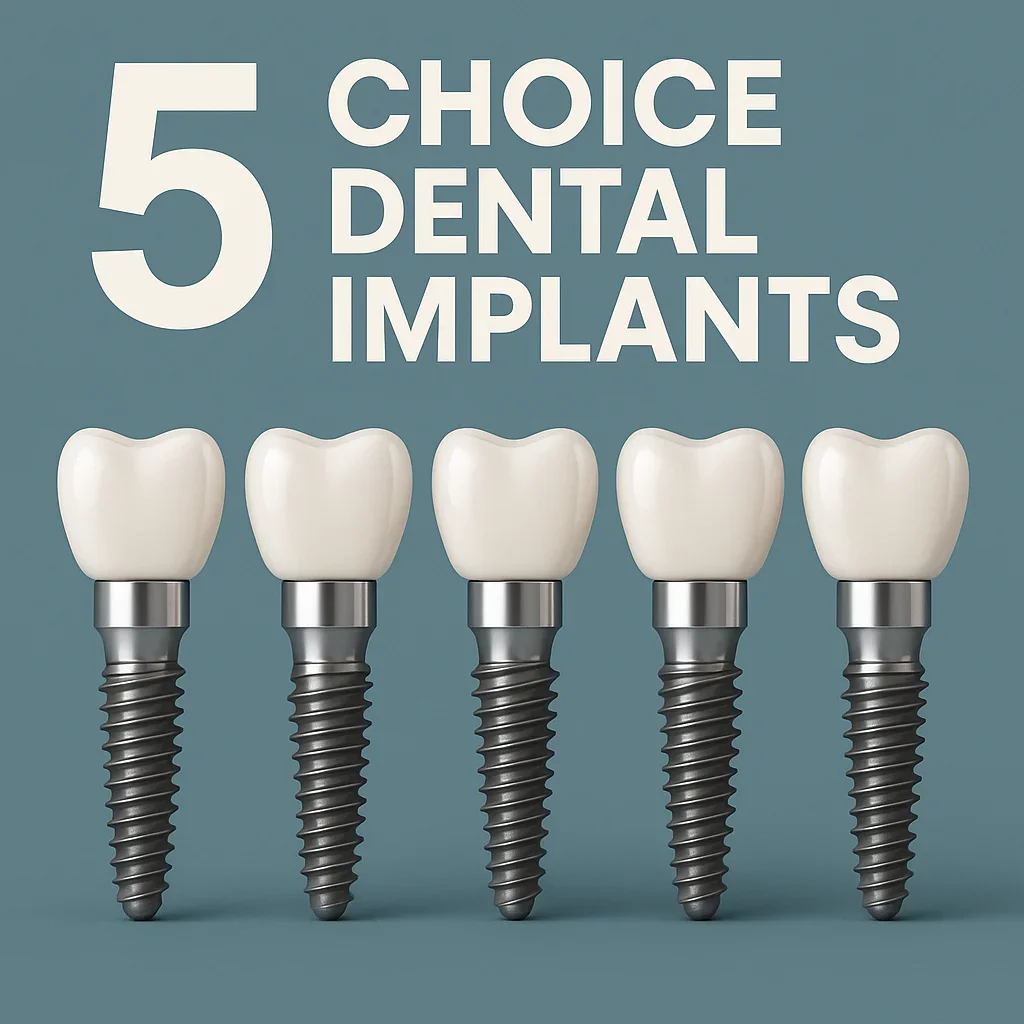
Comparing Choice Dental Implants with Other Tooth Replacement Options
When deciding on a tooth replacement solution, patients often compare choice dental implants with alternatives like bridges and dentures. Each option has its pros and cons, but implants have revolutionized restorative dentistry by offering unparalleled stability, function, and longevity. Understanding how choice dental implants differ from traditional solutions helps patients make an informed, confident decision that suits both their dental health and lifestyle 🦷.
The Evolution of Tooth Replacement Methods
Before the rise of modern implant technology, tooth loss was typically managed with removable dentures or fixed dental bridges. While these methods provided functional and cosmetic relief, they often came with limitations. Dentures could slip or cause gum irritation, and bridges required grinding down healthy neighboring teeth for support. The introduction of implants — specifically choice dental implants — changed this paradigm, offering a permanent, bone-integrated alternative that preserves natural tooth structure and enhances overall oral health.
How Implants Became the Gold Standard
Dental implants gained prominence due to their ability to replicate the entire structure of a natural tooth — both the crown and the root. By fusing directly with the jawbone through osseointegration, implants prevent bone loss and deliver long-lasting results. This innovation makes choice dental implants the most advanced and reliable tooth replacement option available today.
Choice Dental Implants vs. Traditional Dentures
Removable dentures have long been used to replace missing teeth, especially in cases of full-mouth restoration. While affordable and non-invasive, they often come with drawbacks that affect comfort, confidence, and long-term oral health.
Fit, Comfort, and Stability
Choice dental implants are anchored directly into the jawbone, providing unmatched stability. In contrast, dentures rest on the gums and rely on suction or adhesives, which can cause slipping or discomfort. Over time, bone resorption leads to ill-fitting dentures that require frequent adjustments. Implants eliminate this issue, allowing you to eat, speak, and laugh freely without fear of movement or embarrassment.
Chewing Efficiency
Studies show that implants restore nearly 100% of natural chewing ability, while dentures typically restore only 20–30%. This difference significantly impacts nutrition and quality of life. Patients with choice dental implants can enjoy crunchy fruits, nuts, and meats comfortably — something denture wearers often find difficult or impossible.
Bone Health and Longevity
Dentures do not stimulate the jawbone, leading to gradual bone loss and facial sagging. Over time, this can make the face appear sunken or aged. Implants, however, maintain bone density by transmitting chewing forces into the jaw, just like natural tooth roots. This biological stimulation keeps your bone strong and preserves your facial structure for decades.
Choice Dental Implants vs. Dental Bridges
Bridges are another common alternative to implants. A dental bridge fills the gap left by a missing tooth by attaching an artificial crown to adjacent natural teeth. While effective, this approach sacrifices healthy tooth enamel and fails to address underlying bone health.
Impact on Surrounding Teeth
With a bridge, the neighboring teeth must be filed down to support the artificial crown. This process weakens them and increases the risk of decay and sensitivity. Choice dental implants stand independently, meaning the adjacent teeth remain untouched and fully preserved. This makes implants a more conservative and tooth-friendly solution.
Durability and Replacement Frequency
Traditional bridges typically last 10–15 years before requiring replacement. Implants, on the other hand, can last a lifetime with proper care. Since they are made from biocompatible materials like titanium or zirconia, choice dental implants resist decay and corrosion, ensuring exceptional durability and long-term value.
Maintenance and Oral Hygiene
Cleaning around bridges can be challenging because food particles often get trapped beneath the prosthetic, increasing the risk of gum disease. In contrast, implants can be brushed and flossed just like natural teeth. Their low-maintenance nature contributes to improved oral hygiene and overall dental wellness.
Choice Dental Implants vs. Partial Dentures
Partial dentures are designed for patients missing several teeth in a specific area. While they restore appearance and function to some extent, they often lack stability and can damage the surrounding gums and teeth over time.
Fit and Functionality
Choice dental implants provide a fixed, permanent alternative to partial dentures. They don’t rely on metal clasps or adhesives, ensuring a natural fit and feel. Partial dentures, on the other hand, may loosen with use and can cause friction against natural teeth, leading to enamel wear or gum soreness.
Aesthetic Superiority
Implant-supported restorations are custom-designed to blend seamlessly with natural teeth in color, shape, and translucency. Partial dentures can sometimes appear bulky or artificial, especially when the gum line shifts over time. With implants, your smile retains a natural, aesthetic balance that enhances confidence in social and professional settings 🌟.
Choice Dental Implants vs. All-on-4 and Hybrid Systems
For patients missing all teeth in one or both jaws, options like All-on-4 or hybrid implant systems combine multiple implants with fixed bridges or dentures. While these treatments use fewer implant posts than traditional full-arch restorations, they still rely on the same principle of bone integration as choice dental implants.
Efficiency and Accessibility
All-on-4 systems are ideal for patients with moderate bone loss because they require minimal grafting. However, choice dental implants offer greater flexibility in terms of customization — whether replacing a single tooth, multiple teeth, or an entire arch. Both systems provide stable, natural-looking results, but choice implants often allow more personalized design and higher bone preservation rates.
Cost and Value Comparison
While dentures and bridges may appear less expensive initially, their ongoing maintenance and replacements add up over time. Choice dental implants offer a one-time investment with long-term benefits — fewer adjustments, reduced risk of complications, and improved quality of life. When viewed over decades, implants are the most cost-efficient solution for permanent tooth replacement.
Long-Term Health Savings
Implants protect jawbone structure and surrounding teeth, reducing the need for future dental treatments. In contrast, bridges and dentures can lead to additional procedures such as extractions, gum treatments, or realignments. Thus, the true value of choice dental implants lies in their durability, function, and prevention of future oral issues.
Final Thoughts: The Clear Winner in Modern Dentistry
When comparing all available tooth replacement methods, choice dental implants stand out as the superior choice for longevity, comfort, and aesthetics. They not only replace missing teeth but also restore confidence and preserve overall oral health. Whether replacing a single tooth or an entire set, implants provide a stable and natural solution that enhances quality of life for years to come. For personalized recommendations or a detailed treatment plan, contact your trusted dental professionals via the Redent Klinik Contact Page 💬 and explore how implants can transform your smile permanently and beautifully.