
When patients visit a dental practice, one of the most important factors they consider is hygiene. A clean dental clinic is not only about appearance; it is a reflection of the clinic’s commitment to patient safety, infection control, and professional standards. Dentistry involves close contact with the mouth, saliva, and sometimes blood, which means strict hygiene protocols are absolutely essential. A truly clean dental clinic follows carefully designed sanitation systems that protect patients, staff, and the community.
Modern dental care relies heavily on sterile instruments, disinfected surfaces, and controlled treatment environments. When you enter a clean dental clinic, you should immediately notice a fresh, organized, and hygienic atmosphere. Floors should be spotless, waiting areas should be tidy, and treatment rooms should appear orderly and well maintained. These visible signs of cleanliness are the first indicators that the clinic values patient health and safety.
However, true hygiene goes far beyond visual cleanliness. Behind the scenes, a clean dental clinic operates with strict sterilization and disinfection protocols. Dental instruments must be cleaned, disinfected, and sterilized using professional equipment such as autoclaves. These devices use high-pressure steam to eliminate bacteria, viruses, and other harmful microorganisms. Sterilization ensures that every patient receives treatment with instruments that are completely safe and free from contamination.
Another important feature of a clean dental clinic is the use of personal protective equipment (PPE). Dentists and dental assistants should wear gloves, masks, protective eyewear, and sometimes face shields during procedures. These protective barriers help prevent cross-contamination between patients and staff. Additionally, disposable materials such as suction tips, cups, and bibs should be used only once and discarded immediately after treatment.
Surface disinfection is another key element that defines a clean dental clinic. Dental chairs, countertops, light handles, and other equipment surfaces must be disinfected after every patient appointment. Professional dental disinfectants are specifically designed to eliminate bacteria and viruses commonly found in clinical environments. These cleaning routines are essential to maintaining a safe treatment space.
Ventilation and air quality also play a crucial role in maintaining a clean dental clinic. Many modern dental practices use air filtration systems to reduce airborne contaminants. High-efficiency particulate air (HEPA) filters can capture microscopic particles and help improve indoor air quality. Proper ventilation ensures that aerosols produced during dental procedures are quickly removed from the treatment area.
Patients should also observe the behavior and organization of the staff. In a clean dental clinic, staff members follow structured hygiene routines and maintain strict infection control standards. Instruments are carefully handled, waste is disposed of safely, and treatment rooms are prepared before each patient arrives. Professional clinics often follow guidelines provided by organizations such as the American Dental Association, which outlines strict infection control standards for dental practices.
Technology also supports hygiene in a clean dental clinic. Many clinics use digital record systems, touchless equipment, and automated sterilization monitoring tools. These innovations help minimize human error and maintain consistent hygiene practices. For example, sterilization logs may be used to track every instrument cycle to ensure compliance with safety standards.
Patients looking for reliable dental care should always prioritize hygiene. Choosing a clean dental clinic means selecting a practice that values patient safety as much as treatment quality. If you are searching for a trusted dental care provider with strong hygiene standards, you can visit the Redent Klinik Contact Page to learn more about professional dental services and safety protocols.
Ultimately, a clean dental clinic protects patients from infections, improves treatment outcomes, and builds long-term trust between dentists and their patients. From sterilized instruments to disinfected surfaces and trained staff, every detail matters. By understanding the signs of a hygienic dental environment, patients can make informed decisions and feel confident about the care they receive.
Why Cleanliness Matters in a Clean Dental Clinic
Cleanliness is one of the most critical elements of safe dental care. When patients walk into a clean dental clinic, they are not just looking for a comfortable environment—they are expecting a healthcare setting that prioritizes safety, hygiene, and infection prevention. Dental treatments involve direct contact with oral tissues, saliva, and sometimes blood, which means that strict sanitation practices are essential. A properly maintained clean dental clinic protects both patients and dental professionals from harmful bacteria, viruses, and other microorganisms.
The importance of hygiene in dentistry cannot be overstated. Dental instruments are used inside the mouth where sensitive tissues are exposed. Without proper sterilization and cleaning procedures, harmful pathogens could spread between patients. This is why a clean dental clinic follows carefully designed infection control protocols that ensure every tool and surface remains safe for use.
Patient Safety Starts with a Clean Dental Clinic
The first and most important reason cleanliness matters is patient safety. A clean dental clinic minimizes the risk of cross-contamination between patients. Cross-contamination can occur when bacteria or viruses are transferred from one patient to another through improperly sterilized instruments or contaminated surfaces.
Professional dental practices prevent this risk by following strict sterilization routines. Instruments are cleaned, disinfected, and sterilized after every use. Treatment rooms are sanitized between appointments, and disposable items are used whenever possible. These practices ensure that every patient receives care in a hygienic and controlled environment.
Patients can often recognize a clean dental clinic through small but important details. Staff members wash their hands frequently, wear protective gloves, and change masks between patients. Treatment areas are organized and clutter-free. These visible signs of cleanliness reflect the clinic’s deeper commitment to infection control.
Preventing Infection in Dental Care
Dental procedures can create aerosols—tiny particles that may contain bacteria or viruses. In a clean dental clinic, special measures are taken to manage these aerosols. High-volume suction devices, air filtration systems, and proper ventilation reduce airborne contaminants and improve air quality inside the clinic.
Surface disinfection is another essential practice. Dental chairs, trays, lights, and countertops must be disinfected after every patient. Professional disinfectants used in a clean dental clinic are specifically formulated to kill microorganisms commonly found in healthcare environments.
Professional Reputation and Trust
A clean dental clinic also plays a major role in building patient trust. Patients feel more comfortable and confident when they see a clinic that values hygiene. Clean waiting rooms, sanitized treatment areas, and organized equipment create a sense of professionalism.
Trust is essential in healthcare. Patients must feel confident that their dentist is prioritizing their health. When a clinic maintains exceptional hygiene standards, it sends a clear message that patient safety is taken seriously. This trust often leads to stronger patient relationships and long-term loyalty.
Many dental practices follow the guidelines established by the American Dental Association, which outlines strict infection control standards. By following these professional recommendations, a clean dental clinic ensures that its procedures align with internationally recognized safety practices.
The Role of Organization and Workflow
Cleanliness is not only about cleaning surfaces—it is also about maintaining an organized workflow. A well-managed clean dental clinic separates sterilized instruments from used ones, clearly labels storage areas, and maintains a structured sterilization cycle. These processes help prevent mistakes and ensure that every tool used during treatment is properly disinfected.
Dental assistants and hygienists play a crucial role in maintaining a clean dental clinic. They are responsible for preparing treatment rooms, disinfecting equipment, and ensuring that all materials are sterile before procedures begin. Their attention to detail supports the overall safety of the clinic.
How Cleanliness Improves Treatment Outcomes
A hygienic environment does more than prevent infections—it also improves treatment results. In a clean dental clinic, sterile instruments and sanitized surfaces reduce complications during dental procedures. For example, implant surgeries, root canal treatments, and extractions require highly controlled environments to ensure successful healing.
Patients treated in a clean dental clinic are less likely to experience post-treatment infections or complications. This leads to faster recovery times and better long-term oral health outcomes. Clean environments also help dentists work more efficiently because organized tools and sanitized workspaces reduce interruptions during procedures.
If you are searching for a dental practice that prioritizes hygiene and patient safety, you can visit the Redent Klinik Contact Page to learn more about professional dental services and clinical standards.
Ultimately, cleanliness is the foundation of quality dental care. A clean dental clinic protects patients from infection, builds trust, and improves treatment success. By maintaining strict sanitation protocols, modern dental clinics create a safe environment where patients can receive care with confidence and peace of mind.
7 Key Hygiene Standards Every Clean Dental Clinic Must Follow
A clean dental clinic does not rely on appearance alone. Behind every spotless treatment room lies a structured system of hygiene protocols designed to protect patients and staff. Dentistry involves close contact with oral tissues and bodily fluids, which makes infection control a top priority. For this reason, a professional clean dental clinic follows strict international hygiene standards to ensure safe and effective treatment.
Patients may notice visible cleanliness when they enter a dental office, but the real safety of a clean dental clinic depends on deeper clinical protocols. From sterilization of instruments to proper staff training, each hygiene standard plays a crucial role in maintaining a safe environment. Understanding these hygiene standards can help patients recognize whether they are visiting a truly clean dental clinic.
1. Instrument Sterilization and Autoclave Use
The most important hygiene standard in a clean dental clinic is proper sterilization of dental instruments. Dental tools such as scalers, drills, mirrors, and forceps come into direct contact with saliva and sometimes blood. Without proper sterilization, harmful microorganisms could spread between patients.
Professional dental clinics use specialized sterilization equipment called autoclaves. These machines use high-pressure steam and high temperatures to eliminate bacteria, viruses, and fungal spores. In a clean dental clinic, every reusable instrument must go through a sterilization cycle before being used again.
Sterilization Monitoring Systems
To ensure safety, a clean dental clinic also monitors sterilization cycles using biological indicators and chemical testing strips. These tools confirm that sterilization equipment is working correctly. Sterilization logs are often maintained so clinics can track every instrument cycle.
2. Surface Disinfection Between Every Patient
Another essential hygiene standard in a clean dental clinic is surface disinfection. Dental chairs, trays, handles, light switches, and countertops can accumulate bacteria during procedures. Without proper cleaning, these surfaces may become sources of cross-contamination.
In a professional clean dental clinic, treatment surfaces are disinfected after each patient appointment using hospital-grade disinfectants. These cleaning agents are specifically formulated to kill bacteria, viruses, and other microorganisms commonly found in healthcare environments.
This cleaning process usually includes:
- Disinfecting dental chairs and armrests
- Cleaning instrument trays and work surfaces
- Sanitizing light handles and equipment controls
- Replacing disposable protective barriers
These procedures help maintain the safety standards expected from a clean dental clinic.
3. Proper Use of Personal Protective Equipment (PPE)
Personal protective equipment is another critical component of a clean dental clinic. Dentists and dental assistants must wear protective gear during procedures to prevent exposure to bacteria and viruses.
Common PPE used in a clean dental clinic includes:
- Disposable gloves
- Surgical masks
- Protective eyewear
- Face shields
- Protective gowns
Gloves and masks must be replaced after each patient. These precautions reduce the risk of cross-contamination and help maintain the safety of the clinical environment.
Hand Hygiene Protocols
In addition to protective equipment, hand hygiene is fundamental in a clean dental clinic. Dental professionals must wash or sanitize their hands before and after every patient interaction. Hand hygiene is one of the simplest but most effective ways to prevent infection transmission.
4. Disposable Materials and Single-Use Tools
Many items used in dental procedures are designed for single use. A clean dental clinic uses disposable items such as suction tips, saliva ejectors, bibs, cups, and gauze. These materials are discarded immediately after each appointment to eliminate contamination risks.
Using disposable materials ensures that patients are not exposed to tools that have been used on someone else. This practice significantly improves infection control in a clean dental clinic.
5. Waste Management and Safe Disposal
Dental procedures generate medical waste that must be handled carefully. A professional clean dental clinic follows strict waste disposal procedures to prevent environmental contamination and infection risks.
Medical waste is typically separated into categories such as:
- Sharps waste (needles and blades)
- Biohazard waste (materials contaminated with blood or saliva)
- General medical waste
Each category requires specialized containers and disposal methods. Proper waste management ensures that a clean dental clinic remains compliant with health regulations.
6. Air Quality and Ventilation Systems
Air quality is an often-overlooked aspect of dental hygiene. Dental procedures can generate aerosols containing microscopic particles. A modern clean dental clinic uses ventilation systems and air purification technology to reduce airborne contaminants.
Many advanced dental clinics use HEPA filtration systems to capture tiny particles and improve indoor air quality. These systems help maintain a safe environment for both patients and staff in a clean dental clinic.
7. Compliance with Professional Health Guidelines
A trustworthy clean dental clinic always follows established healthcare guidelines and regulations. Organizations such as the American Dental Association provide detailed infection control recommendations for dental practices.
Following these guidelines ensures that a clean dental clinic meets internationally recognized safety standards. These recommendations cover sterilization procedures, protective equipment use, and clinical sanitation.
If you want to schedule an appointment in a dental practice that prioritizes hygiene and safety, you can visit the Redent Klinik Contact Page to learn more about professional dental services.
Ultimately, hygiene standards define the quality of dental care. A well-maintained clean dental clinic protects patients, improves treatment outcomes, and builds trust. By following these seven essential hygiene standards, dental clinics create a safe environment where patients can receive care with confidence.
How Sterilization Equipment Works in a Clean Dental Clinic
Sterilization is one of the most important pillars of safety in a clean dental clinic. While patients often notice tidy waiting rooms and spotless treatment chairs, the true foundation of hygiene lies behind the scenes in sterilization procedures. Dental instruments come into direct contact with saliva, tissues, and sometimes blood, which means they must be thoroughly disinfected and sterilized before being used again. A professional clean dental clinic uses advanced sterilization equipment and strict protocols to ensure that every tool used during treatment is completely free of harmful microorganisms.
In modern dentistry, sterilization goes far beyond simple cleaning. It involves a multi-step process that removes debris, disinfects surfaces, and eliminates bacteria, viruses, fungi, and spores. Without these procedures, dental treatments could expose patients to infection risks. This is why every clean dental clinic invests in specialized sterilization systems that meet international health standards.
The Three-Step Sterilization Process in a Clean Dental Clinic
To maintain the highest level of hygiene, a clean dental clinic typically follows a three-step sterilization process. Each step plays a critical role in ensuring dental instruments are completely safe for reuse.
Step 1: Cleaning and Debris Removal
The first stage in sterilization involves removing visible debris from instruments. After a dental procedure, tools may contain saliva, tissue particles, or dental materials. In a clean dental clinic, these instruments are first rinsed and placed in ultrasonic cleaning machines. Ultrasonic cleaners use high-frequency sound waves to remove microscopic debris from instrument surfaces.
This cleaning stage is extremely important because sterilization cannot be effective if organic material remains on the instruments. By thoroughly cleaning instruments first, a clean dental clinic ensures that the sterilization stage will eliminate all microorganisms.
Step 2: Packaging and Preparation
After cleaning, instruments must be packaged before sterilization. In a clean dental clinic, dental tools are sealed in sterilization pouches that allow steam penetration while keeping instruments sterile after processing. These pouches are labeled and dated to track sterilization cycles.
This packaging process prevents contamination after sterilization. When the dentist opens the sealed pouch in front of a patient, it provides reassurance that the instruments have been sterilized properly. This practice is a hallmark of a professional clean dental clinic.
Step 3: Autoclave Sterilization
The final stage is sterilization using an autoclave. An autoclave is a machine that uses high-pressure steam and temperatures typically ranging from 121°C to 134°C to destroy microorganisms. In a clean dental clinic, autoclaves are considered the gold standard for sterilizing dental instruments.
Autoclave sterilization works by penetrating even the smallest instrument surfaces and eliminating bacteria, viruses, and spores. After the sterilization cycle is complete, instruments remain sealed inside sterile pouches until they are needed for the next patient.
Advanced Sterilization Technologies in a Clean Dental Clinic
Modern dental practices continue to improve sterilization technologies to enhance patient safety. A highly professional clean dental clinic may use several advanced sterilization systems to maintain the highest hygiene standards.
- Class B Autoclaves: These advanced sterilizers ensure complete steam penetration for complex dental instruments.
- Ultrasonic Cleaners: Used to remove microscopic debris from instruments before sterilization.
- Dry Heat Sterilizers: Alternative sterilization methods used for specific dental tools.
- Chemical Vapor Sterilizers: Used in some clinics to sterilize instruments with chemical vapor under pressure.
By investing in these technologies, a clean dental clinic ensures that every patient receives treatment with safe and sterile instruments.
Monitoring Sterilization for Maximum Safety
Sterilization equipment must be regularly monitored to ensure it functions correctly. A responsible clean dental clinic performs routine sterilization testing using biological indicators and chemical indicators. These tests verify that the sterilization process successfully eliminates harmful microorganisms.
Biological indicators contain harmless bacterial spores that are extremely resistant to heat. If the sterilization cycle kills these spores, it confirms that the autoclave is functioning properly. This level of monitoring helps maintain the reliability expected from a clean dental clinic.
Sterilization Records and Documentation
Professional clinics also maintain sterilization logs that document each sterilization cycle. These records include sterilization time, temperature, and instrument batch information. Keeping detailed logs helps a clean dental clinic track its infection control practices and demonstrate compliance with healthcare regulations.
How Patients Can Recognize Proper Sterilization
Patients visiting a clean dental clinic may notice several signs that sterilization procedures are being followed correctly. For example, instruments are often opened from sealed sterilization pouches in front of the patient. Treatment rooms are organized, and staff members handle instruments carefully.
Additionally, dentists and staff should always wear protective equipment such as gloves and masks during procedures. These practices further reinforce the hygiene standards maintained in a clean dental clinic.
Many dental clinics follow strict sterilization guidelines recommended by the American Dental Association, which provides professional infection control standards for dental practices worldwide.
If you are looking for a dental practice that prioritizes sterilization and hygiene standards, you can learn more or schedule an appointment through the Redent Klinik Contact Page.
Ultimately, sterilization equipment plays a vital role in maintaining a clean dental clinic. From ultrasonic cleaning machines to advanced autoclaves and sterilization monitoring systems, every step is designed to protect patient health. When a clinic consistently follows these protocols, patients can feel confident knowing they are receiving care in a safe and hygienic environment.
Daily Cleaning Protocols Used in a Clean Dental Clinic
Maintaining hygiene in a clean dental clinic requires more than occasional disinfecting. It involves structured daily cleaning protocols that ensure every treatment room, instrument, and patient area remains safe and sanitary. Dentistry is a healthcare field where infection control is essential, and a professional clean dental clinic follows strict daily procedures designed to eliminate harmful microorganisms and maintain a sterile treatment environment.
From the moment the clinic opens in the morning until the final patient leaves, dental teams perform multiple cleaning routines. These routines protect patients from infection, ensure regulatory compliance, and maintain the professional standards expected from a modern clean dental clinic. Without these structured daily protocols, even the most advanced dental equipment could pose hygiene risks.
Morning Preparation in a Clean Dental Clinic
Each day begins with a thorough inspection and cleaning routine. Before patients arrive, staff members prepare the facility to meet the hygiene standards of a clean dental clinic. Treatment rooms are disinfected, equipment is checked, and sterilized instruments are prepared for use.
Dental assistants usually perform the first sanitation cycle of the day, which includes wiping down treatment chairs, countertops, instrument trays, and dental lights with hospital-grade disinfectants. These cleaning agents are specifically designed to kill bacteria and viruses commonly found in healthcare environments.
In a well-organized clean dental clinic, staff also ensure that sterilization pouches containing dental instruments are properly labeled and stored. Fresh disposable items such as gloves, suction tips, dental bibs, and masks are restocked in each treatment room to ensure smooth patient care throughout the day.
Checking Sterilization Equipment
Morning protocols in a clean dental clinic also include checking sterilization equipment. Autoclaves must be tested regularly to confirm they are operating correctly. Dental teams often run a sterilization indicator test at the start of the day to verify that the equipment can reach the required temperature and pressure levels.
This step ensures that all instruments used during patient care will remain sterile and safe.
Cleaning Between Every Patient
One of the most important daily routines in a clean dental clinic is the cleaning process performed between patient appointments. Dental procedures produce aerosols and expose surfaces to saliva and bacteria, which means treatment areas must be disinfected immediately after each appointment.
Between patients, dental assistants perform a detailed cleaning routine that typically includes:
- Disinfecting dental chairs and armrests
- Sanitizing dental lights and control panels
- Cleaning instrument trays and work surfaces
- Replacing disposable barriers and protective coverings
- Removing used instruments for sterilization
This routine ensures that every patient enters a fully sanitized treatment environment. These practices are fundamental to maintaining the safety standards of a clean dental clinic.
Use of Disposable Protective Barriers
Disposable barriers are frequently used in a clean dental clinic to protect surfaces that are touched during treatment. Items such as plastic covers for light handles, chair switches, and equipment controls help prevent contamination.
After each patient, these barriers are removed and replaced with fresh coverings. This small but essential practice significantly reduces the risk of cross-contamination.
Waiting Area and Reception Hygiene
A clean dental clinic also maintains strict hygiene standards in patient areas such as waiting rooms and reception desks. Although these spaces may not involve direct medical treatment, they still require regular sanitation.
Commonly touched surfaces—including door handles, chairs, counters, and payment terminals—are disinfected multiple times throughout the day. Maintaining cleanliness in public areas helps reduce the spread of germs and improves patient comfort.
Patients often judge the professionalism of a clean dental clinic by the appearance of these areas. A tidy waiting room and well-organized reception area reinforce the clinic’s commitment to hygiene.
End-of-Day Deep Cleaning
At the end of each day, a clean dental clinic performs a deeper cleaning process that goes beyond routine disinfection. Floors are thoroughly cleaned, waste containers are emptied, and treatment rooms are sanitized again to prepare for the following day.
Dental instruments used during the day are processed through the sterilization cycle, and sterilized tools are stored in sealed packaging until they are needed again. This ensures that the clinic begins the next day with a fresh supply of sterile instruments.
Waste Disposal and Infection Control
Proper waste disposal is another key component of daily hygiene in a clean dental clinic. Medical waste such as needles, contaminated gauze, and disposable instruments must be handled carefully to prevent contamination.
Sharps containers and biohazard bags are used to separate medical waste from regular trash. These materials are disposed of according to healthcare regulations, helping the clinic maintain a safe environment.
Compliance with Professional Hygiene Standards
Dental clinics that follow strict daily cleaning protocols usually adhere to guidelines established by healthcare authorities such as the American Dental Association. These guidelines outline best practices for infection control, sterilization, and clinical sanitation.
By following these recommendations, a clean dental clinic ensures that every patient receives treatment in a safe and hygienic environment.
If you are searching for a dental clinic that prioritizes hygiene and patient safety, you can visit the Redent Klinik Contact Page to learn more about professional dental services and appointment options.
Daily cleaning protocols are the backbone of infection control in dentistry. Through careful preparation, between-patient disinfection, waiting room sanitation, and end-of-day cleaning routines, a clean dental clinic maintains the highest hygiene standards. These consistent practices protect patients, support dental professionals, and ensure a safe environment for high-quality dental care.
How Dentists Protect Patients from Infection in a Clean Dental Clinic
Patient safety is the highest priority in modern dentistry, and preventing infections is one of the most important responsibilities of dental professionals. A clean dental clinic is designed not only to treat oral health problems but also to minimize the risk of disease transmission during dental procedures. Because dentists work inside the mouth where bacteria naturally exist, strict infection control practices must be followed at all times.
A professional clean dental clinic follows multiple layers of protection to ensure that both patients and dental staff remain safe. These protections include sterilized instruments, protective equipment, disinfection procedures, and carefully controlled clinical environments. When all these measures work together, the risk of infection becomes extremely low.
Understanding how dentists protect patients from infection can help individuals feel more confident when visiting a clean dental clinic. These safety protocols are based on scientific research and professional standards recommended by organizations such as the American Dental Association.
Strict Hand Hygiene in a Clean Dental Clinic
One of the simplest but most powerful ways to prevent infection in a clean dental clinic is proper hand hygiene. Dentists and dental assistants must wash or sanitize their hands before and after every patient interaction.
Hand hygiene helps eliminate bacteria that could otherwise be transferred during treatment. In a clean dental clinic, healthcare professionals follow specific handwashing protocols that involve antimicrobial soap or alcohol-based hand sanitizers.
Patients may notice that dental professionals frequently clean their hands even when gloves are used. This extra step ensures that no contamination occurs before or after treatment.
When Hand Hygiene Is Required
In a clean dental clinic, dental professionals perform hand hygiene during several critical moments:
- Before examining a patient
- Before putting on gloves
- After removing gloves
- After touching contaminated surfaces
- Before preparing sterile instruments
These procedures help maintain the strict hygiene standards expected in a professional clean dental clinic.
Use of Personal Protective Equipment (PPE)
Another essential method used to protect patients in a clean dental clinic is the use of personal protective equipment. Dental professionals wear protective barriers that prevent direct contact with saliva, blood, and microorganisms.
The most common protective equipment used in a clean dental clinic includes:
- Disposable gloves
- Surgical masks
- Protective glasses or face shields
- Protective gowns or clinical uniforms
Gloves are replaced between every patient appointment, ensuring that each individual is treated with fresh protective barriers. Masks and face shields help prevent airborne droplets from spreading during dental procedures.
Why PPE Is Essential in Dentistry
Dental procedures often involve instruments that generate aerosols. These aerosols may contain bacteria or viruses. In a clean dental clinic, protective equipment acts as a barrier that prevents these particles from reaching the dentist or the patient.
This layered protection is one of the reasons modern dental clinics are considered safe healthcare environments.
Surface Disinfection and Environmental Hygiene
In addition to personal protection, environmental hygiene plays a crucial role in infection prevention. A clean dental clinic regularly disinfects all treatment surfaces to eliminate microorganisms.
Dental chairs, countertops, instrument trays, and lighting equipment are disinfected between every patient. Specialized hospital-grade disinfectants are used because they are capable of destroying bacteria, viruses, and fungi.
These cleaning routines ensure that patients entering a clean dental clinic receive treatment in a sanitized and safe environment.
Protective Barriers on Equipment
Many surfaces in a clean dental clinic are covered with disposable barriers during procedures. These barriers protect equipment such as dental light handles, chair controls, and X-ray devices from contamination.
After each appointment, the barriers are removed and replaced with new ones, ensuring that the next patient receives treatment in a hygienic setting.
Air Quality and Aerosol Control
Airborne particles produced during dental treatments can carry microorganisms. A modern clean dental clinic uses advanced systems to manage these aerosols and maintain safe air quality.
High-volume suction devices are commonly used during procedures to remove aerosols before they spread into the surrounding air. Some clinics also install high-efficiency particulate air (HEPA) filtration systems that capture microscopic airborne particles.
These technologies help maintain a healthier environment inside a clean dental clinic and further reduce infection risks.
Safe Handling of Dental Instruments
Dental instruments must be carefully handled to prevent contamination. In a clean dental clinic, used instruments are immediately placed into designated containers before being transported to the sterilization area.
Instruments then undergo a multi-step sterilization process that includes cleaning, packaging, and autoclave sterilization. This ensures that every instrument used in treatment is completely sterile.
Patients often see sterilized instrument pouches opened in front of them. This practice demonstrates the commitment of a clean dental clinic to infection control.
Tracking Sterilization Cycles
Many modern dental clinics maintain sterilization logs to track each sterilization cycle. These records verify that instruments have been properly processed and meet healthcare safety standards.
This level of documentation helps ensure the reliability and safety expected from a professional clean dental clinic.
Patient Education and Safety Awareness
Dentists also protect patients by educating them about oral health and hygiene. A clean dental clinic encourages patients to maintain proper oral hygiene habits, attend regular check-ups, and report any signs of infection or discomfort after treatment.
If you want to receive dental care in a clinic that prioritizes hygiene and infection prevention, you can learn more about professional dental services through the Redent Klinik Contact Page.
Ultimately, infection prevention requires teamwork between dental professionals and patients. By combining sterilized instruments, protective equipment, air quality control, and strict cleaning procedures, a clean dental clinic creates a safe environment where patients can receive treatment with confidence.
Warning Signs of an Unhygienic Dental Office
Choosing a clean dental clinic is essential for protecting your health and ensuring safe dental treatment. While many dental practices maintain high hygiene standards, patients should still be aware of warning signs that may indicate poor sanitation practices. Recognizing these red flags can help you avoid unsafe environments and ensure that you receive treatment in a professional clean dental clinic where infection control is taken seriously.
Dental procedures involve close contact with the mouth, saliva, and sometimes blood. Because of this, hygiene standards in dentistry must be extremely strict. When a dental office fails to follow proper sanitation procedures, patients may face risks such as cross-contamination, bacterial infections, or other health complications. A reliable clean dental clinic eliminates these risks through proper sterilization, organized workspaces, and well-trained staff.
Unclean Treatment Rooms
The treatment room is the most important area to observe when evaluating whether you are visiting a clean dental clinic. If surfaces appear dirty, cluttered, or poorly maintained, this may indicate that the clinic is not following proper cleaning protocols.
In a professional clean dental clinic, the dental chair, instrument trays, countertops, and lighting equipment should be spotless. After each patient appointment, staff members should disinfect these surfaces using hospital-grade disinfectants.
If you notice leftover materials from previous patients, visible stains, or dust on equipment, it may suggest that the clinic is not maintaining the hygiene standards expected from a clean dental clinic.
Signs of Poor Surface Disinfection
Some specific indicators that a clinic may not be maintaining a clean dental clinic environment include:
- Dental chairs that are not wiped down between patients
- Instrument trays containing visible debris
- Dirty countertops or equipment surfaces
- Sticky or poorly maintained flooring
These issues may indicate that the clinic is neglecting important sanitation routines.
Improper Handling of Dental Instruments
Dental instruments must always be sterilized before being used on patients. In a clean dental clinic, tools are typically stored in sealed sterilization pouches and opened in front of the patient during treatment.
If you see dental instruments that are already exposed on trays before your appointment begins, this could be a sign that sterilization procedures are not being followed correctly. A professional clean dental clinic takes great care to ensure that every instrument has completed the sterilization cycle.
Missing Sterilization Equipment
Most modern dental practices use autoclaves to sterilize instruments. These machines use high-pressure steam to eliminate harmful microorganisms. If a dental office lacks proper sterilization equipment or does not appear to use sealed sterilization pouches, it may not meet the hygiene standards expected from a clean dental clinic.
Professional clinics often follow sterilization guidelines recommended by organizations such as the American Dental Association, which outlines best practices for infection control in dentistry.
Staff Not Using Protective Equipment
Another major warning sign of an unhygienic practice is the lack of personal protective equipment. In a clean dental clinic, dental professionals always wear protective gear such as gloves, masks, and protective eyewear during procedures.
Gloves should be replaced between patients, and masks should be worn throughout treatment. If you notice staff members touching multiple surfaces with the same gloves or failing to change gloves between patients, this could indicate poor hygiene practices.
Why Protective Equipment Matters
Protective equipment helps prevent cross-contamination between patients and dental professionals. Without these barriers, bacteria and viruses could spread during procedures. A professional clean dental clinic ensures that protective equipment is always used correctly.
Disorganized or Cluttered Workspaces
A disorganized dental office can also signal potential hygiene issues. In a well-maintained clean dental clinic, instruments and supplies are stored in designated areas and clearly separated from used equipment.
Cluttered treatment rooms can increase the risk of contamination because staff may accidentally mix sterile tools with used instruments. Organized storage systems are an essential feature of a clean dental clinic.
Unpleasant Odors or Poor Air Quality
While dental clinics may occasionally have mild medical smells due to disinfectants, strong unpleasant odors may indicate poor sanitation. A properly maintained clean dental clinic should have good ventilation and clean air circulation.
Many modern clinics use air filtration systems to remove airborne particles and improve indoor air quality. If the clinic feels stuffy, poorly ventilated, or has strong odors, it may not meet the standards expected from a clean dental clinic.
Unsanitary Waiting Areas
Even though treatment rooms receive the most attention, public areas such as waiting rooms must also be clean. A professional clean dental clinic regularly disinfects chairs, counters, door handles, and other high-touch surfaces.
If the waiting area appears dirty or poorly maintained, it may reflect the clinic’s overall approach to hygiene.
Signs of a Well-Maintained Waiting Area
In a trustworthy clean dental clinic, you should notice:
- Clean and organized seating areas
- Sanitized reception counters
- Clearly labeled waste bins
- Neatly arranged magazines or informational materials
Choosing a Safe Dental Clinic
Being aware of these warning signs can help you choose a dental practice that prioritizes hygiene and patient safety. A reliable clean dental clinic will follow strict sanitation protocols, maintain organized treatment areas, and ensure that every instrument and surface is properly disinfected.
If you want to receive dental care in a clinic that values hygiene and professional standards, you can learn more about available services through the Redent Klinik Contact Page.
Ultimately, patients should never hesitate to prioritize safety when choosing a dental provider. By recognizing the warning signs of poor hygiene and selecting a reputable clean dental clinic, you can protect your health and receive dental care with confidence.
Questions Patients Should Ask About Hygiene in a Clean Dental Clinic
Patients today are more informed about healthcare safety than ever before. When choosing a clean dental clinic, asking the right questions can help ensure that the clinic follows strict hygiene standards. Dentistry involves close contact with oral tissues and biological fluids, which means infection control procedures must always be taken seriously. A reputable clean dental clinic will not hesitate to explain its hygiene practices and demonstrate its commitment to patient safety.
By asking thoughtful questions, patients can gain insight into how well a clinic manages sterilization, disinfection, and overall sanitation. These conversations also help build trust between patients and dental professionals. In fact, a truly clean dental clinic often welcomes questions because transparency is an important part of responsible healthcare.
Why Asking Questions Matters in a Clean Dental Clinic
Many patients assume that all dental clinics follow the same hygiene standards, but this is not always the case. Asking questions helps you verify that you are receiving treatment in a professional clean dental clinic. It also allows you to understand how the clinic protects patients from infection.
Infection prevention protocols involve multiple steps such as instrument sterilization, surface disinfection, and protective equipment usage. A responsible clean dental clinic should be able to explain these procedures clearly and confidently.
Patients Have the Right to Know
Healthcare providers are responsible for maintaining safe environments, and patients have every right to ask about those standards. A trustworthy clean dental clinic understands that informed patients are more comfortable and confident during treatment.
Questions About Instrument Sterilization
One of the most important topics to discuss when evaluating a clean dental clinic is instrument sterilization. Dental tools must be thoroughly cleaned and sterilized before being reused.
Here are some useful questions patients can ask:
- How are dental instruments sterilized after each patient?
- Do you use autoclave sterilization equipment?
- Are instruments stored in sealed sterilization pouches?
- Are sterilization cycles monitored regularly?
In a professional clean dental clinic, instruments are sterilized using high-pressure steam autoclaves. Many clinics also perform biological indicator testing to ensure that sterilization equipment functions correctly.
Visible Signs of Proper Sterilization
Patients visiting a clean dental clinic may notice sterilized instruments being opened from sealed pouches before treatment. This practice demonstrates that the instruments have completed the sterilization cycle and are safe for use.
Questions About Surface Cleaning and Disinfection
Surface hygiene is another important factor in a clean dental clinic. Dental chairs, trays, light handles, and work surfaces can become contaminated during procedures.
Patients can ask the following questions:
- How often are treatment rooms disinfected?
- What disinfectants are used for cleaning surfaces?
- Are surfaces sanitized between every patient?
- Do you use disposable barriers on equipment?
In a well-managed clean dental clinic, surfaces are disinfected with hospital-grade disinfectants after each patient appointment. Disposable barriers are also used to protect equipment from contamination.
Understanding Clinical Cleaning Protocols
A responsible clean dental clinic typically follows a structured cleaning schedule that includes between-patient disinfection and daily deep cleaning procedures. These protocols ensure that every patient receives treatment in a sanitized environment.
Questions About Staff Hygiene Practices
Dental professionals play a key role in maintaining hygiene standards in a clean dental clinic. Asking about staff hygiene procedures can provide valuable insights into the clinic’s safety practices.
Important questions may include:
- Do dentists and assistants change gloves between patients?
- Are masks and protective eyewear used during procedures?
- How often do staff members sanitize their hands?
- Do staff members receive infection control training?
In a professional clean dental clinic, dental professionals follow strict hand hygiene protocols and always use personal protective equipment during treatment.
The Importance of Protective Equipment
Protective equipment such as gloves, masks, and face shields creates a barrier between dental professionals and patients. These precautions reduce the risk of infection and are essential for maintaining a clean dental clinic.
Questions About Air Quality and Ventilation
Dental procedures can produce aerosols that contain microscopic particles. Modern infection control standards recommend proper air filtration systems in a clean dental clinic.
Patients may ask:
- Does the clinic use air filtration systems?
- How is air circulation maintained in treatment rooms?
- Are aerosol control devices used during procedures?
Many advanced clinics use high-efficiency particulate air (HEPA) filtration systems to maintain indoor air quality and reduce airborne contamination.
Questions About Professional Guidelines
A reliable clean dental clinic follows recognized infection control standards established by professional organizations. For example, the American Dental Association provides detailed recommendations for dental clinic hygiene.
Patients may ask whether the clinic follows these guidelines or similar regulatory standards. Compliance with professional recommendations is a strong indicator that a clinic is maintaining the standards expected from a clean dental clinic.
Building Trust with Your Dental Provider
Open communication between patients and dentists is essential for building trust. When patients feel comfortable asking questions, they are more likely to choose a clean dental clinic that prioritizes safety and transparency.
If you are looking for professional dental care in a hygienic environment, you can explore treatment options through the Redent Klinik Contact Page.
Ultimately, asking questions about hygiene helps patients make informed decisions about their dental care. A trustworthy clean dental clinic will always be transparent about its infection control practices and committed to providing safe, high-quality treatment. By understanding what questions to ask, patients can confidently choose a clinic that meets the highest standards of cleanliness and patient safety.
The Role of Staff Training in Maintaining a Clean Dental Clinic
Behind every clean dental clinic is a team of highly trained professionals who understand the importance of hygiene, infection control, and patient safety. While sterilization equipment and cleaning protocols are essential, the effectiveness of these systems ultimately depends on the knowledge and discipline of the dental staff. A well-trained team ensures that every procedure, every instrument, and every surface meets the strict standards expected from a professional clean dental clinic.
Dental staff training is not a one-time process. It is an ongoing commitment to learning, improvement, and compliance with evolving healthcare regulations. In a reputable clean dental clinic, dentists, hygienists, assistants, and administrative staff all receive regular education on infection control procedures, sterilization techniques, and patient safety protocols.
Through proper training, staff members learn how to prevent contamination, protect patients, and maintain the hygienic environment that defines a trustworthy clean dental clinic. Without proper education and accountability, even the most advanced equipment cannot guarantee safe dental care.
Infection Control Training for Dental Staff
One of the most critical aspects of maintaining a clean dental clinic is infection control training. Dental professionals must understand how infections can spread in clinical environments and how to prevent them.
Training programs typically cover topics such as:
- Proper hand hygiene techniques
- Use of personal protective equipment (PPE)
- Instrument sterilization procedures
- Surface disinfection protocols
- Medical waste disposal
- Aerosol management during procedures
In a professional clean dental clinic, these topics are taught during initial staff orientation and reinforced through regular refresher training sessions. Continuous education ensures that staff remain aware of the latest infection control guidelines and best practices.
Understanding Cross-Contamination Risks
A key component of infection control education is understanding cross-contamination. Cross-contamination occurs when bacteria or viruses transfer from one surface, instrument, or person to another. In a clean dental clinic, staff members are trained to prevent this risk by changing gloves between patients, disinfecting surfaces, and properly sterilizing instruments.
Training helps dental teams recognize potential contamination points and respond appropriately to maintain the safety of the clinical environment.
Proper Instrument Handling and Sterilization Training
Dental instruments are used repeatedly throughout the day, which makes proper sterilization training essential for maintaining a clean dental clinic. Dental assistants and hygienists must understand how to clean, package, and sterilize instruments using approved methods.
The sterilization process typically involves several stages:
- Cleaning instruments using ultrasonic cleaners
- Drying and inspecting tools for debris
- Packaging instruments in sterilization pouches
- Running autoclave sterilization cycles
- Monitoring sterilization results using chemical indicators
Staff training ensures that every step is performed correctly. A reliable clean dental clinic keeps detailed sterilization logs and regularly verifies that sterilization equipment functions properly.
Quality Control in Sterilization Procedures
Well-trained staff also perform biological testing of sterilization equipment. These tests confirm that autoclaves effectively eliminate bacteria and spores. This additional safety measure helps maintain the strict hygiene standards expected from a clean dental clinic.
Patient Interaction and Hygiene Awareness
Training also focuses on how dental staff interact with patients in a hygienic manner. In a clean dental clinic, staff members follow strict protocols when preparing treatment rooms, handling instruments, and assisting during procedures.
For example, dental assistants ensure that surfaces are disinfected before a patient enters the treatment room. They also confirm that sterilized instruments are ready and that disposable materials are available.
These careful preparations help ensure that every patient experiences the safety and professionalism expected from a clean dental clinic.
Educating Patients About Hygiene
Staff training also includes educating patients about oral hygiene and infection prevention. Dental professionals often explain how clinics maintain sterilization standards and what patients can expect during treatment.
This transparency strengthens patient confidence and reinforces the credibility of a clean dental clinic.
Compliance with Professional Guidelines
Dental clinics must comply with national and international healthcare regulations. Staff training programs often follow the recommendations provided by organizations such as the American Dental Association, which outlines infection control standards for dental practices.
These guidelines help ensure that every clean dental clinic maintains consistent hygiene practices and protects both patients and staff.
Continuous Improvement Through Training
Healthcare practices evolve over time as new research and technologies emerge. A forward-thinking clean dental clinic invests in continuous professional development to keep staff updated on the latest safety protocols.
Workshops, certification programs, and clinical training courses allow dental professionals to improve their knowledge and refine their skills. This culture of continuous learning strengthens the overall hygiene standards of a clean dental clinic.
If you are searching for a dental clinic that values professional training and patient safety, you can learn more or schedule an appointment through the Redent Klinik Contact Page.
Ultimately, maintaining a hygienic environment requires teamwork, discipline, and education. Staff training ensures that every member of the dental team understands their role in maintaining a clean dental clinic. Through consistent education, careful procedures, and strict adherence to hygiene protocols, dental professionals create a safe environment where patients can receive care with confidence.
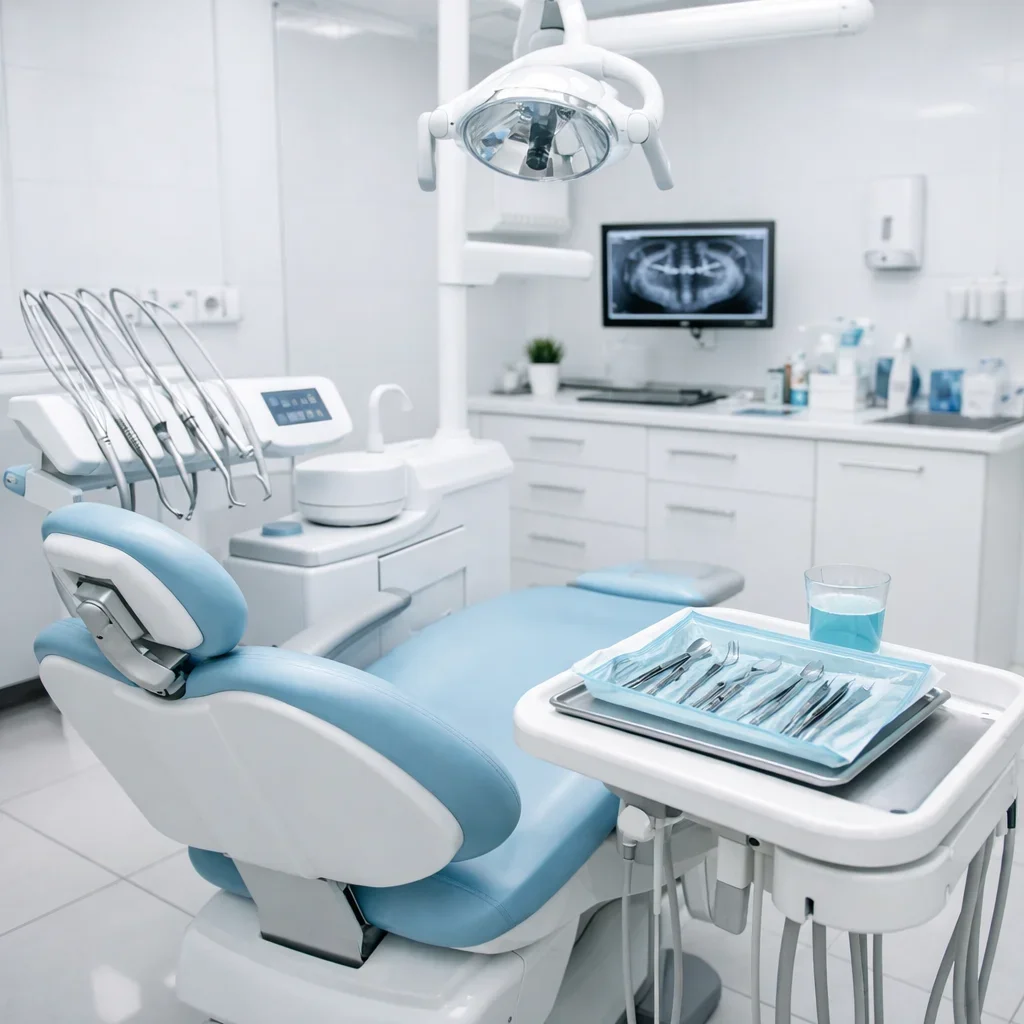
How a Clean Dental Clinic Improves Patient Confidence and Comfort
For many people, visiting the dentist can be stressful. Dental anxiety is common, and patients often worry about pain, safety, and the overall clinical environment. One of the most powerful ways to reduce this anxiety is by choosing a clean dental clinic. Cleanliness plays a crucial psychological and medical role in helping patients feel comfortable, safe, and confident during their dental visit.
A well-maintained clean dental clinic creates a positive first impression the moment patients walk through the door. Bright, organized spaces, disinfected treatment rooms, and professional staff behavior all contribute to a sense of safety. When patients observe strict hygiene practices, they are more likely to trust the clinic and relax during treatment.
Patient confidence is not built only on clinical expertise. It is also shaped by how carefully the clinic maintains hygiene and safety standards. A clean dental clinic sends a clear message that patient well-being is the top priority.
The Psychological Impact of a Clean Dental Clinic
The environment of a dental clinic can strongly influence how patients feel about their visit. A clean dental clinic provides reassurance that the facility is professional, organized, and dedicated to patient care.
Patients often notice small details such as spotless floors, disinfected equipment, and neatly arranged instruments. These details reinforce the impression that the clinic follows strict hygiene standards.
When patients trust the cleanliness of their surroundings, their anxiety levels decrease. This allows dentists to perform procedures more efficiently and helps patients feel more comfortable during treatment.
Reducing Dental Anxiety Through Hygiene
Dental anxiety affects millions of people worldwide. Fear of infection or poor hygiene can increase stress before treatment. However, a well-organized clean dental clinic helps reduce these concerns.
Seeing sterilized instruments opened in front of them, watching staff change gloves between patients, and observing disinfected surfaces can reassure patients that they are receiving safe care.
This transparency builds confidence and allows patients to focus on improving their oral health instead of worrying about hygiene.
Building Long-Term Patient Trust
Trust is one of the most valuable relationships between patients and healthcare providers. A clean dental clinic strengthens this trust by consistently demonstrating its commitment to safety and professionalism.
Patients who feel confident about the hygiene standards of a clinic are more likely to return for regular check-ups and preventive treatments. Preventive dentistry plays an important role in maintaining long-term oral health, and patients are more motivated to schedule routine visits when they feel comfortable in a clean dental clinic.
Additionally, satisfied patients often recommend trusted clinics to family members and friends. Word-of-mouth recommendations frequently begin with statements about how clean and professional a clinic appears.
Transparency in Hygiene Practices
Many modern dental clinics openly demonstrate their infection control procedures. In a clean dental clinic, staff may open sterilized instrument pouches in front of patients and explain sterilization processes.
This level of transparency reinforces trust and allows patients to feel confident about the quality of care they receive.
Comfortable Treatment Environments
Comfort is another important factor that improves the patient experience in a clean dental clinic. A well-maintained clinic environment promotes relaxation and encourages patients to feel at ease during their appointment.
Comfortable waiting areas, clean treatment rooms, and professional organization all contribute to a positive patient experience. Modern dental clinics often combine cleanliness with thoughtful design elements such as calming colors, comfortable seating, and gentle lighting.
These features transform a clinical setting into a welcoming environment where patients feel respected and cared for.
How Cleanliness Supports Efficient Treatment
A clean dental clinic also improves treatment efficiency. Organized instruments, sanitized equipment, and properly prepared treatment rooms allow dental professionals to focus fully on patient care.
When a clinic follows strict hygiene protocols, staff members can work more smoothly without interruptions caused by missing tools or sanitation concerns. This efficiency benefits both patients and dental professionals.
Encouraging Better Oral Health Habits
Patients who visit a clean dental clinic are often more motivated to maintain their own oral hygiene habits. When people see the level of care taken to maintain cleanliness in a professional environment, they are reminded of the importance of hygiene in their daily lives.
Dentists and hygienists also use appointments to educate patients about brushing, flossing, and preventive care. These educational moments help patients understand how proper hygiene protects their teeth and gums.
Professional Standards and Safety Guidelines
A trustworthy clean dental clinic follows professional hygiene standards recommended by organizations such as the American Dental Association. These guidelines help ensure that dental clinics maintain strict infection control procedures and safe treatment environments.
Compliance with these standards demonstrates the clinic’s commitment to maintaining high-quality dental care.
Choosing a Clinic That Prioritizes Hygiene
Patients searching for reliable dental care should always consider hygiene standards when selecting a provider. A professional clean dental clinic will prioritize patient safety, maintain sterilized equipment, and follow structured sanitation protocols.
If you are looking for a dental practice that values hygiene, professionalism, and patient comfort, you can learn more or schedule an appointment through the Redent Klinik Contact Page.
Ultimately, cleanliness is a key factor that shapes patient confidence. A well-maintained clean dental clinic creates a safe environment, reduces anxiety, and strengthens trust between patients and dental professionals. By prioritizing hygiene, dental clinics ensure that patients receive care in an environment where safety, comfort, and professionalism come first.