
Clear aligners have transformed modern orthodontic treatment by offering a discreet and comfortable alternative to traditional braces. However, achieving the best possible results depends on more than simply wearing them for the recommended number of hours each day. One of the most important aspects of successful treatment is cleaning aligners properly and consistently. Patients who neglect cleaning aligners often experience unpleasant odors, discoloration, bacterial buildup, and even oral health complications that can affect both their teeth and gums.
Whether you are new to clear aligner therapy or have been wearing aligners for several months, understanding the fundamentals of cleaning aligners can help maintain a healthier smile throughout your orthodontic journey. Clean aligners not only look more attractive but also contribute significantly to overall oral hygiene. Since aligners fit closely against the teeth for up to 22 hours daily, any bacteria trapped inside can multiply rapidly if proper cleaning habits are not followed.
🦷 One of the primary reasons why cleaning aligners is so important is the prevention of bacterial accumulation. Every time you eat, drink, or touch your aligners, microscopic particles and bacteria can adhere to their surfaces. Without regular care, these microorganisms create an ideal environment for plaque formation. Over time, this may increase the risk of cavities, bad breath, and gum inflammation.
Many patients mistakenly believe that rinsing aligners with water is sufficient. While rinsing can remove some debris, it does not eliminate the biofilm that develops on the aligner surface. Effective cleaning aligners requires a combination of proper rinsing, gentle brushing, and periodic deep cleaning. This approach helps maintain the transparency of the aligners while protecting oral tissues from harmful bacterial growth.
Another important benefit of cleaning aligners is preserving their appearance. Clear aligners are designed to be nearly invisible. However, coffee, tea, red wine, colored beverages, and certain foods can cause staining when aligners are not cleaned regularly. Discolored aligners become much more noticeable and may negatively affect confidence during treatment. Consistent cleaning aligners helps ensure they remain clear and discreet throughout each stage of treatment.
😷 Bad breath is another common issue associated with poor aligner hygiene. Food particles and bacteria trapped inside aligners can produce unpleasant odors. Patients often notice this problem when they remove their aligners or speak closely with others. Proper cleaning aligners significantly reduces odor-causing bacteria and helps maintain fresh breath throughout the day.
In addition to maintaining cleanliness, proper aligner care supports gum health. Harmful bacteria trapped between teeth and aligners may contribute to gingivitis and gum irritation. Healthy gums play a critical role in orthodontic treatment because they provide support for tooth movement. Therefore, cleaning aligners should be considered an essential part of maintaining periodontal health.
Patients should also understand that aligners themselves are an investment in their smile. Replacing damaged or heavily stained trays can lead to unnecessary treatment delays and additional expenses. Establishing a routine for cleaning aligners helps extend the usability of each set while ensuring optimal treatment progress.
✨ Effective aligner maintenance involves several simple practices:
- Rinse aligners whenever they are removed.
- Brush aligners gently using a soft-bristled toothbrush.
- Avoid exposing aligners to hot water.
- Store aligners in a protective case when not in use.
- Brush and floss teeth before reinserting aligners.
- Perform regular deep cleaning using approved aligner cleaning products.
Many orthodontists also recommend using specialized clear aligner cleaning crystals or cleaning tablets designed specifically for removable orthodontic appliances. These products can help eliminate bacteria, reduce staining, and improve the effectiveness of cleaning aligners without damaging the material.
Clear aligner wearers should remember that oral hygiene and aligner hygiene work together. Brushing, flossing, and cleaning aligners should become part of a single daily routine. This integrated approach helps protect teeth, gums, and aligners simultaneously.
According to recommendations from the American Dental Association, maintaining proper oral hygiene practices is essential for reducing plaque and preventing dental disease. These recommendations become even more important when using removable orthodontic appliances such as clear aligners.
If you have questions about aligner care, orthodontic treatment, or maintaining optimal oral health during your smile transformation, you can reach experienced dental professionals through the Redent Klinik Contact Page.
In summary, cleaning aligners is much more than a cosmetic concern. It is a critical component of successful orthodontic treatment, healthy gums, fresh breath, and long-term dental health. By prioritizing cleaning aligners every day, patients can enjoy a cleaner, clearer, and healthier orthodontic experience while achieving the beautiful smile they are working toward.
Why Cleaning Aligners Is Essential for Oral Hygiene
For anyone undergoing clear aligner treatment, maintaining proper oral hygiene extends beyond brushing and flossing. One of the most important yet often overlooked aspects of treatment success is cleaning aligners consistently. Since aligners remain in close contact with the teeth and gums for most of the day, they can easily become a breeding ground for bacteria, plaque, and food debris if they are not cleaned properly.
Many patients focus entirely on straightening their teeth while forgetting that aligners themselves require daily care. Effective cleaning aligners helps preserve oral health, maintain fresh breath, protect the gums, and ensure that the aligners remain clear and discreet throughout treatment. Understanding why aligner hygiene matters can motivate patients to develop better daily habits and avoid common oral health complications.
How Aligners Affect the Oral Environment
Unlike removable retainers that may only be worn at night, clear aligners are typically worn for 20 to 22 hours per day. This extended wear time creates a unique oral environment where saliva, bacteria, and food particles can become trapped between the aligners and teeth.
Without regular cleaning aligners, this enclosed environment allows bacterial colonies to multiply rapidly. These bacteria consume food particles and produce acids that can contribute to enamel erosion, plaque accumulation, and gum irritation. Since aligners fit tightly over the teeth, harmful microorganisms may remain in direct contact with dental surfaces for extended periods.
🦷 This is why orthodontists frequently emphasize that cleaning aligners is just as important as wearing them consistently. Even perfectly aligned teeth can develop oral health issues if aligner hygiene is neglected.
The Connection Between Cleaning Aligners and Plaque Control
Plaque is a sticky biofilm composed of bacteria and food debris that naturally forms on teeth throughout the day. Normally, brushing and flossing help remove this buildup. However, when aligners are worn, plaque can become trapped against tooth surfaces.
Proper cleaning aligners reduces the transfer of bacteria back onto freshly brushed teeth. Every time dirty aligners are reinserted, bacteria may be reintroduced into the mouth. Over time, this can increase plaque formation and make oral hygiene more difficult to maintain.
Patients who prioritize cleaning aligners often experience:
- Less plaque accumulation
- Fresher breath
- Reduced risk of cavities
- Healthier gums
- Improved overall oral hygiene
- Better aligner appearance
These benefits highlight why aligner maintenance should never be viewed as optional.
Why Plaque Matters During Orthodontic Treatment
During tooth movement, maintaining healthy gums and supporting tissues becomes particularly important. Excessive plaque buildup may trigger inflammation that interferes with optimal oral health. Therefore, cleaning aligners supports not only cleanliness but also the overall success of orthodontic treatment.
Preventing Bad Breath Through Proper Aligner Care
😷 One of the most common complaints among aligner users is bad breath. This issue often develops when bacteria accumulate on aligner surfaces and begin breaking down trapped food particles.
Even patients who brush regularly may experience unpleasant odors if they neglect cleaning aligners. Because aligners cover the teeth, odor-causing bacteria can remain enclosed for many hours.
Routine cleaning aligners helps eliminate bacterial buildup before it becomes severe. Combined with good brushing and flossing habits, proper aligner hygiene significantly reduces the likelihood of persistent bad breath.
Many patients report noticeable improvements in breath freshness within days of adopting a more effective aligner cleaning routine.
Protecting Gum Health
Healthy gums are essential for a healthy smile. Gum tissues provide critical support for teeth throughout orthodontic treatment. When harmful bacteria accumulate on aligners, they may contribute to gingival inflammation and irritation.
Consistent cleaning aligners helps reduce exposure to these bacteria, protecting the gum tissues from unnecessary stress. Signs that aligner hygiene may need improvement include:
- Redness around the gums
- Bleeding while brushing
- Persistent bad breath
- Swollen gum tissue
- Sensitivity near the gumline
If any of these symptoms occur, improving cleaning aligners practices can be an important step toward restoring gum health.
Maintaining Clear and Invisible Aligners
✨ One of the primary reasons patients choose clear aligners is their discreet appearance. However, aligners can quickly lose their transparency if they are not cleaned regularly.
Coffee, tea, colored beverages, curry-based foods, and tobacco products can stain aligners over time. Poor cleaning aligners habits allow these stains to accumulate, making the trays more noticeable.
Proper aligner maintenance helps preserve the crystal-clear appearance that makes clear aligner therapy so appealing. Patients who prioritize cleaning aligners typically enjoy a more aesthetic treatment experience.
Reducing the Risk of Cavities
Tooth decay occurs when acid-producing bacteria remain on tooth surfaces for prolonged periods. Since aligners fit tightly around teeth, trapped sugars and bacteria may have more opportunities to affect enamel if oral hygiene is inadequate.
Routine cleaning aligners helps minimize bacterial contamination and supports cavity prevention. When combined with brushing twice daily, flossing, and regular dental checkups, aligner cleaning becomes a powerful tool for protecting dental health.
Best Practices for Maximum Protection
- Remove aligners before eating.
- Brush and floss before reinserting trays.
- Rinse aligners whenever removed.
- Practice daily cleaning aligners.
- Use approved aligner cleaning products when needed.
- Attend routine dental examinations.
The Long-Term Benefits of Cleaning Aligners
Patients often focus on achieving straighter teeth, but orthodontic treatment should also support lifelong oral health. Consistent cleaning aligners protects teeth, gums, and the aligners themselves throughout the treatment process.
By maintaining proper hygiene habits, patients can reduce the risk of cavities, gum disease, discoloration, and unpleasant odors while preserving the effectiveness of their orthodontic treatment. More importantly, they can enjoy a healthier and more confident smile long after treatment has been completed.
Ultimately, cleaning aligners is not merely about keeping trays looking clean. It is a critical component of oral hygiene that supports healthy teeth, healthy gums, fresher breath, and successful orthodontic outcomes. Patients who make cleaning aligners a daily priority are investing directly in the quality and longevity of their oral health.
How Often Should You Be Cleaning Aligners?
One of the most common questions among clear aligner users is how often they should be cleaning aligners. While many patients understand the importance of oral hygiene, they are often unsure about the ideal frequency for maintaining their aligners. The truth is that cleaning aligners should be a daily priority and part of every oral care routine. Because aligners are worn for up to 22 hours per day, they are continuously exposed to saliva, bacteria, plaque, and microscopic food particles.
Unlike removable retainers that may only be worn during sleep, clear aligners remain in the mouth for most of the day. This constant contact creates conditions where bacterial growth can occur quickly. As a result, cleaning aligners regularly is essential for protecting both the aligners and your oral health.
🦷 Patients who fail to prioritize cleaning aligners may notice unpleasant odors, cloudy trays, staining, plaque buildup, and even an increased risk of cavities or gum irritation. Establishing the right cleaning schedule helps prevent these issues and supports successful orthodontic treatment.
Why Daily Cleaning Aligners Is Necessary
Every time aligners are inserted into the mouth, they collect bacteria naturally present in the oral environment. Saliva proteins attach to the aligner surface and create a thin biofilm layer. This layer becomes a foundation for bacterial accumulation if not removed regularly.
Daily cleaning aligners prevents this biofilm from thickening and becoming more difficult to remove. Patients who consistently perform proper aligner maintenance generally experience cleaner trays, fresher breath, and healthier gums throughout treatment.
It is important to understand that rinsing aligners with water alone is not sufficient. While rinsing removes some loose debris, it does not effectively eliminate bacterial biofilm. Proper cleaning aligners requires a more comprehensive approach.
What Happens If Aligners Are Not Cleaned Daily?
- Bacteria accumulate rapidly.
- Bad breath becomes more likely.
- Aligners may develop stains.
- Plaque can transfer back to teeth.
- Gum inflammation may occur.
- Aligners may appear cloudy and less transparent.
These issues demonstrate why daily cleaning aligners should never be skipped.
Morning Cleaning Routine
🌞 The morning is one of the most important times for cleaning aligners. During sleep, saliva production decreases naturally. This reduction allows bacteria to multiply more easily inside the mouth and on aligner surfaces.
After waking up, aligners should be removed and cleaned before being reinserted. This simple habit removes bacteria that accumulated overnight and helps maintain a fresher oral environment throughout the day.
A typical morning routine may include:
- Removing aligners.
- Rinsing them with lukewarm water.
- Gently brushing the trays.
- Brushing and flossing teeth.
- Reinserting the clean aligners.
Beginning each day with proper cleaning aligners sets the foundation for better oral hygiene.
Cleaning Aligners After Meals
Every meal creates opportunities for food particles and sugars to remain in the mouth. Before reinserting aligners after eating, patients should ideally brush their teeth and perform light cleaning aligners.
Although a complete cleaning session may not always be practical during work or travel, rinsing aligners thoroughly helps remove saliva residue and loose debris. This simple step minimizes bacterial growth between meals.
When possible, aligners should never be reinserted immediately after eating without first cleaning the teeth. Doing so may trap food particles against tooth surfaces for hours.
Quick Cleaning During Busy Days
If brushing is unavailable, patients should:
- Rinse the mouth with water.
- Rinse aligners thoroughly.
- Avoid sugary drinks before reinsertion.
- Perform full cleaning aligners at the earliest opportunity.
Even these small steps can reduce bacterial accumulation significantly.
Evening Cleaning Routine
🌙 The most thorough session of cleaning aligners should typically occur in the evening. At the end of the day, aligners have accumulated many hours of bacterial exposure.
Evening care provides an opportunity to perform deeper cleaning and remove stubborn deposits before sleeping. Many orthodontists recommend soaking aligners in approved cleaning solutions during this time.
An effective evening routine may include:
- Removing aligners.
- Brushing teeth carefully.
- Flossing between teeth.
- Cleaning aligners thoroughly.
- Using cleaning tablets if necessary.
- Rinsing before reinsertion.
Patients who consistently follow this process often experience fewer hygiene-related complications.
How Often Should Deep Cleaning Be Performed?
While daily maintenance is essential, deeper cleaning aligners sessions provide additional protection. Deep cleaning involves soaking aligners in specialized cleaning solutions designed for orthodontic appliances.
Most orthodontists recommend performing deep cleaning at least once daily or several times per week depending on individual needs.
Patients who consume coffee, tea, or staining beverages frequently may benefit from more frequent deep-cleaning sessions.
Signs You May Need More Frequent Cleaning
- Persistent odors.
- Visible staining.
- Cloudy appearance.
- Excessive plaque accumulation.
- Frequent bad breath.
- Gum sensitivity.
If these signs appear, increasing the frequency of cleaning aligners may help restore proper hygiene.
Factors That Influence Cleaning Frequency
Not all patients have identical hygiene needs. Several factors can affect how often cleaning aligners should be performed:
- Dietary habits.
- Coffee and tea consumption.
- Smoking or vaping.
- Natural saliva production.
- Oral bacterial levels.
- Overall oral hygiene habits.
Patients with higher exposure to staining substances generally require more intensive aligner maintenance.
Creating a Sustainable Cleaning Routine
Consistency is the key to successful cleaning aligners. Rather than relying on occasional deep cleaning, patients should develop habits that become part of everyday life.
Simple reminders, travel-friendly cleaning supplies, and designated aligner storage cases can make it easier to maintain proper hygiene regardless of schedule.
✨ Ultimately, the answer to how often you should be cleaning aligners is simple: every day, multiple times per day when possible, and with at least one thorough cleaning session daily. This approach helps preserve aligner clarity, reduce bacterial growth, support healthy gums, prevent bad breath, and contribute to successful orthodontic treatment. Patients who prioritize cleaning aligners consistently are more likely to enjoy both a healthier smile and a smoother treatment experience from beginning to end.
Best Daily Routine for Cleaning Aligners Effectively
Developing a consistent daily routine for cleaning aligners is one of the most important steps toward maintaining excellent oral hygiene and ensuring successful orthodontic treatment. Clear aligners are designed to remain in the mouth for most of the day, which means they are constantly exposed to saliva, bacteria, plaque, and microscopic food particles. Without a structured routine for cleaning aligners, these contaminants can accumulate quickly and lead to staining, unpleasant odors, gum irritation, and even an increased risk of tooth decay.
Many patients mistakenly believe that simply rinsing aligners under water is enough. While rinsing is beneficial, effective cleaning aligners requires a more comprehensive approach that combines proper oral hygiene with regular aligner maintenance. By following a daily schedule, patients can keep their aligners clear, comfortable, and hygienic throughout treatment.
✨ The best aligner care routines are simple, sustainable, and easy to incorporate into everyday life. The goal is not only to maintain the appearance of the aligners but also to protect the teeth and gums that they cover.
Morning Routine for Cleaning Aligners
The morning is one of the most critical times for cleaning aligners. During sleep, saliva production naturally decreases, allowing bacteria to multiply more easily. Overnight bacterial accumulation can affect both the aligners and the teeth they cover.
After waking up, patients should remove their aligners and begin a thorough cleaning process before reinserting them.
Step 1: Remove and Rinse Aligners
As soon as aligners are removed, rinse them with lukewarm water. This helps eliminate saliva residue and loose debris that accumulated overnight. Hot water should always be avoided because it can distort the aligner’s shape and compromise treatment effectiveness.
This initial rinse is the first step in proper cleaning aligners each morning.
Step 2: Gently Brush the Aligners
Using a soft-bristled toothbrush, gently brush the aligners to remove bacterial biofilm and surface deposits. Patients should avoid abrasive toothpaste because it may scratch the aligner material, creating tiny grooves where bacteria can accumulate more easily.
Gentle brushing remains one of the most effective methods of cleaning aligners on a daily basis.
Step 3: Brush and Floss Teeth
Before reinserting aligners, patients should thoroughly brush and floss their teeth. Reinserting aligners over unclean teeth can trap bacteria and food particles against enamel surfaces for hours.
Combining oral hygiene with cleaning aligners provides the best protection against plaque buildup and gum disease.
Midday Maintenance and Cleaning Aligners
🦷 Throughout the day, aligners are repeatedly removed and reinserted during meals. Every removal creates an opportunity to maintain cleanliness and reduce bacterial accumulation.
While it may not always be practical to perform a complete cleaning session after every meal, several simple steps can help maintain aligner hygiene.
After Lunch Care
- Remove aligners before eating.
- Store them in a protective case.
- Rinse aligners after meals.
- Brush teeth whenever possible.
- Perform light cleaning aligners before reinsertion.
These small habits help reduce bacterial transfer and maintain aligner clarity throughout the day.
Hydration and Aligner Cleanliness
Drinking water regularly can support oral hygiene by helping wash away food particles and reducing dry mouth. Adequate hydration indirectly supports cleaning aligners by creating a healthier oral environment and encouraging natural cleansing through saliva production.
Evening Routine for Deep Cleaning Aligners
🌙 The evening should include the most thorough session of cleaning aligners. At the end of the day, aligners have been exposed to many hours of bacterial activity, making nighttime care particularly important.
Step 1: Thorough Tooth Cleaning
Before focusing on the aligners, patients should brush their teeth carefully for at least two minutes and floss thoroughly. This removes plaque and food debris that accumulated during the day.
Proper oral hygiene enhances the effectiveness of cleaning aligners because clean teeth reduce bacterial contamination when aligners are reinserted.
Step 2: Soak Aligners in Cleaning Solution
Many orthodontists recommend using specialized aligner cleaning crystals or cleaning tablets during the evening. These products are specifically formulated for cleaning aligners without damaging the plastic material.
Soaking helps remove bacteria, odors, and stains that may not be eliminated through brushing alone.
Step 3: Rinse Thoroughly Before Wearing
After soaking, aligners should be rinsed thoroughly with clean water before being placed back into the mouth. This final rinse completes the process of cleaning aligners and ensures that no cleaning residue remains.
Weekly Enhancements to Your Routine
Although daily maintenance forms the foundation of aligner hygiene, additional weekly care can improve long-term results.
Inspect Aligners for Damage
Patients should examine aligners regularly for scratches, cracks, discoloration, or excessive buildup. Early detection of problems helps maintain treatment effectiveness.
Regular inspections complement cleaning aligners by identifying issues before they worsen.
Clean the Storage Case
Many patients forget that aligner cases can also harbor bacteria. The case should be washed regularly using mild soap and warm water. A dirty case can undermine even the most diligent efforts at cleaning aligners.
Common Habits That Improve Cleaning Aligners
Successful aligner maintenance depends on consistency. Patients who adopt the following habits often achieve the best results:
- Always remove aligners before eating.
- Carry a travel toothbrush.
- Keep cleaning tablets available.
- Use a protective case at all times.
- Avoid sugary drinks while wearing aligners.
- Maintain scheduled dental checkups.
These behaviors make cleaning aligners easier and more effective over the long term.
Benefits of Following a Structured Daily Routine
📈 Patients who maintain a consistent schedule for cleaning aligners typically experience multiple benefits throughout treatment. These advantages include fresher breath, healthier gums, clearer aligners, reduced staining, and lower levels of bacterial accumulation.
In addition, proper aligner maintenance can improve comfort and confidence by ensuring that the trays remain clean and nearly invisible. Since clear aligners are designed to provide a discreet orthodontic solution, preserving their transparency is an important part of the treatment experience.
Ultimately, the best daily routine for cleaning aligners combines regular rinsing, gentle brushing, proper oral hygiene, and periodic deep cleaning. Patients who consistently follow these practices can protect their oral health, maintain the appearance of their aligners, and support the successful achievement of a straighter, healthier smile. Making cleaning aligners part of everyday life is one of the simplest and most effective ways to maximize the benefits of clear aligner treatment.
The Best Products and Solutions for Cleaning Aligners
Choosing the right products is one of the most important aspects of cleaning aligners effectively. While daily rinsing and gentle brushing are essential, using appropriate cleaning solutions can significantly improve hygiene, eliminate bacteria, reduce odors, and keep aligners looking crystal clear. Many patients are surprised to learn that not all cleaning methods are safe for clear aligners. Some common household products may actually damage the aligner material, causing scratches, cloudiness, or distortion.
Because aligners remain in close contact with the teeth and gums for most of the day, selecting safe and effective products for cleaning aligners is critical for maintaining both oral health and treatment success. Understanding which products work best—and which should be avoided—can help patients create a reliable aligner care routine.
🦷 Modern aligner care products are specifically designed to remove bacterial biofilm, prevent staining, and maintain the transparency of clear aligners without harming the plastic material.
Why Specialized Cleaning Products Matter
Many people assume that any cleaning product can be used for cleaning aligners. However, clear aligners are manufactured from advanced thermoplastic materials that require gentle care. Harsh chemicals and abrasive agents may compromise the aligner’s structure and appearance.
Specialized aligner cleaning products are formulated to remove bacteria and organic deposits while preserving the integrity of the material. These products help ensure that aligners remain comfortable, effective, and nearly invisible throughout treatment.
Using appropriate solutions for cleaning aligners can also reduce unpleasant odors and improve overall oral hygiene.
Aligner Cleaning Tablets
One of the most popular products for cleaning aligners is the aligner cleaning tablet. These tablets are designed to dissolve in water and create a cleansing solution that helps remove bacteria, plaque, and stains.
Benefits of Cleaning Tablets
- Easy to use.
- Effective against odor-causing bacteria.
- Helps maintain aligner transparency.
- Reduces plaque accumulation.
- Suitable for daily use.
Patients simply place their aligners in the prepared solution for the recommended amount of time before rinsing thoroughly. Many orthodontists recommend incorporating cleaning tablets into a regular cleaning aligners routine.
✨ Cleaning tablets are particularly useful for patients who consume coffee, tea, or other staining beverages regularly.
Aligner Cleaning Crystals
Another highly effective option for cleaning aligners is the use of specialized cleaning crystals. These products are commonly recommended by aligner manufacturers and are specifically formulated for orthodontic appliances.
Cleaning crystals help break down bacterial biofilm and remove deposits that may not be eliminated through brushing alone. They can also help restore clarity to aligners that have begun to appear cloudy.
Advantages of Cleaning Crystals
- Designed specifically for clear aligners.
- Helps reduce discoloration.
- Targets bacterial buildup.
- Safe for aligner materials.
- Supports long-term aligner maintenance.
Many patients include cleaning crystals in their weekly or daily cleaning aligners routine for enhanced hygiene.
Soft-Bristled Toothbrushes
A soft-bristled toothbrush remains one of the most important tools for cleaning aligners. Gentle brushing helps remove saliva residue, food particles, and bacterial biofilm from aligner surfaces.
Patients should always choose a soft-bristled brush because harder bristles can create microscopic scratches. These scratches may make aligners appear cloudy and provide additional surfaces for bacterial attachment.
Best Brushing Practices
- Use light pressure.
- Brush both sides of the aligners.
- Avoid abrasive products.
- Rinse thoroughly afterward.
- Clean aligners daily.
Combining brushing with other methods of cleaning aligners provides excellent results.
Mild Clear Soap
Many orthodontists recommend fragrance-free, clear liquid soap as a safe option for cleaning aligners. Unlike toothpaste, mild soap can effectively remove debris without scratching the aligner surface.
Patients should choose soaps that are:
- Clear and dye-free.
- Free from harsh chemicals.
- Non-abrasive.
- Mildly formulated.
Soap-based cleaning can be a useful supplement to other cleaning aligners techniques.
Products to Avoid When Cleaning Aligners
🚫 Not all cleaning products are suitable for aligner care. Some commonly used household products can damage aligners or reduce their effectiveness.
Toothpaste
Although toothpaste is excellent for teeth, many formulas contain abrasive particles that can scratch aligners. Scratches make aligners appear dull and may encourage bacterial accumulation.
Hot Water
Hot water should never be used during cleaning aligners. Excessive heat can warp the plastic material, causing the aligners to lose their precise fit.
Bleach and Harsh Chemicals
Bleach-based products can damage aligners and may leave harmful residues. These chemicals are not recommended for routine aligner care.
Colored Mouthwash
Some mouthwashes contain dyes that can stain aligners. Frequent use may cause discoloration over time.
Natural Solutions for Cleaning Aligners
Some patients prefer natural approaches to cleaning aligners. While commercial products remain the most reliable option, certain mild home solutions may be helpful when used appropriately.
A mixture of lukewarm water and a small amount of white vinegar is sometimes used to loosen deposits. However, aligners should always be rinsed thoroughly afterward to remove any residual taste.
Natural methods should never replace professional cleaning products entirely but may complement a broader aligner maintenance routine.
How to Choose the Right Cleaning Product
The ideal product for cleaning aligners depends on individual needs. Patients who experience frequent staining may benefit from specialized cleaning crystals, while those seeking daily convenience may prefer cleaning tablets.
When selecting a product, consider:
- Ease of use.
- Orthodontist recommendations.
- Frequency of use.
- Sensitivity to ingredients.
- Staining risk factors.
Consulting with a dental professional can help identify the most appropriate products for your specific treatment plan.
Creating an Effective Product-Based Routine
📅 The most successful approach to cleaning aligners often combines multiple methods. For example, patients may rinse aligners throughout the day, brush them gently each morning and evening, and use cleaning tablets or crystals several times per week.
This layered approach helps ensure that aligners remain hygienic, odor-free, and transparent throughout treatment.
Ultimately, the best products for cleaning aligners are those that safely remove bacteria and stains while protecting the aligner’s structure. By choosing specialized cleaning tablets, cleaning crystals, soft-bristled toothbrushes, and other approved products, patients can maintain healthier aligners, fresher breath, and a more comfortable orthodontic experience. Consistent use of appropriate products makes cleaning aligners easier, more effective, and more beneficial for long-term oral health.
How to Remove Stains, Odors, and Bacteria from Clear Aligners
One of the most common concerns among clear aligner users is keeping their trays free from stains, unpleasant odors, and harmful bacteria. Even patients who follow a regular oral hygiene routine may occasionally notice that their aligners appear cloudy, develop a strange smell, or lose their crystal-clear appearance. Fortunately, proper cleaning aligners techniques can effectively address these issues and help maintain both oral health and aligner aesthetics throughout treatment.
Because aligners are worn for 20 to 22 hours per day, they are continuously exposed to saliva, bacteria, plaque, and microscopic food particles. Over time, these substances can accumulate on aligner surfaces. Without proper cleaning aligners, this buildup may contribute to staining, bad breath, bacterial growth, and reduced transparency.
🦷 Understanding the causes of these problems is the first step toward preventing them. By identifying how stains, odors, and bacteria develop, patients can take proactive measures to keep their aligners looking and feeling fresh.
Why Clear Aligners Become Stained
Although aligners are made from transparent materials, they are not completely resistant to discoloration. Daily exposure to certain foods and beverages can gradually alter their appearance.
Common causes of aligner staining include:
- Coffee consumption.
- Tea consumption.
- Red wine.
- Dark-colored sodas.
- Curry-based foods.
- Tobacco use.
- Poor aligner hygiene.
Even small amounts of staining compounds can accumulate over time if cleaning aligners is not performed consistently. The longer stains remain on the aligner surface, the more difficult they may become to remove.
How Stains Affect Treatment
While staining does not usually interfere directly with tooth movement, it can make aligners much more visible. Since many patients choose clear aligners for their discreet appearance, maintaining transparency through proper cleaning aligners is especially important.
What Causes Odors in Aligners?
😷 Unpleasant odors are often caused by bacterial activity. When food particles become trapped between teeth and aligners, bacteria begin breaking down these organic materials. As this process occurs, odor-producing compounds may develop.
Aligners create a sealed environment around the teeth, which can allow bacteria to thrive if hygiene is neglected. Without regular cleaning aligners, these bacterial populations can increase rapidly.
Several factors contribute to aligner odors:
- Inadequate brushing before reinsertion.
- Infrequent aligner cleaning.
- Dry mouth.
- Poor oral hygiene.
- Bacterial biofilm accumulation.
Fortunately, most odor issues can be prevented through consistent cleaning aligners and proper dental care.
Understanding Bacterial Buildup
Bacteria naturally exist in every healthy mouth. However, problems occur when bacterial populations become excessive. Aligners provide a surface where bacteria can attach and form biofilms.
Biofilms are thin layers of microorganisms that adhere strongly to surfaces. Once established, they become more difficult to remove with simple rinsing alone.
This is why effective cleaning aligners should include methods that actively disrupt bacterial biofilm formation rather than merely washing away loose debris.
Signs of Excessive Bacterial Accumulation
- Persistent bad breath.
- Cloudy aligners.
- Visible buildup.
- Gum irritation.
- Increased plaque formation.
- Unpleasant taste when wearing aligners.
Recognizing these warning signs early can help patients improve their cleaning aligners routine before more significant problems develop.
Effective Methods for Removing Stains
✨ The most effective approach to stain removal begins with prevention. However, when stains do occur, several safe cleaning methods can help restore aligner clarity.
Use Specialized Cleaning Tablets
Aligner cleaning tablets are specifically designed for cleaning aligners. These products help break down stain-causing compounds while preserving the integrity of the aligner material.
Brush Gently Every Day
Using a soft-bristled toothbrush removes surface deposits before they have an opportunity to become permanent stains. Daily brushing remains one of the most reliable forms of cleaning aligners.
Avoid Staining Beverages While Wearing Aligners
Removing aligners before consuming coffee, tea, wine, or colored beverages can significantly reduce staining risk.
How to Eliminate Odors from Aligners
Odor removal requires targeting the bacteria responsible for producing unpleasant smells. Effective cleaning aligners strategies focus on reducing bacterial populations while maintaining aligner cleanliness.
Patients can reduce odors by:
- Brushing and flossing before reinserting aligners.
- Rinsing aligners frequently.
- Using cleaning crystals or tablets.
- Maintaining adequate hydration.
- Performing daily deep cleaning.
When these habits become routine, odor problems often disappear entirely.
Best Practices for Removing Bacteria
🧫 Since bacteria are the primary cause of many aligner hygiene problems, reducing bacterial accumulation should be a central goal of cleaning aligners.
Daily Soaking
Soaking aligners in approved cleaning solutions helps eliminate bacteria that may survive regular brushing. This method is particularly useful for maintaining long-term hygiene.
Consistent Oral Hygiene
Even the most thorough cleaning aligners routine will be less effective if oral hygiene is neglected. Brushing twice daily and flossing regularly help reduce bacterial contamination.
Proper Storage
Aligners should always be stored in a clean protective case when not in use. Leaving them exposed on countertops can introduce additional bacteria and contaminants.
Mistakes That Make Stains and Odors Worse
Many patients unknowingly engage in habits that increase staining and bacterial growth.
Common mistakes include:
- Wearing aligners while drinking coffee.
- Using hot water for cleaning.
- Skipping daily cleaning sessions.
- Failing to brush after meals.
- Storing aligners improperly.
- Ignoring visible buildup.
Avoiding these mistakes improves the effectiveness of cleaning aligners and helps preserve aligner appearance.
Long-Term Prevention Strategies
📅 The best way to manage stains, odors, and bacteria is through prevention. Establishing a consistent routine for cleaning aligners minimizes the likelihood of serious hygiene problems developing in the first place.
Patients who maintain excellent aligner care often report clearer trays, fresher breath, healthier gums, and greater confidence throughout treatment. Regular cleaning also helps preserve the nearly invisible appearance that makes clear aligners so popular.
Ultimately, successful cleaning aligners involves more than simply improving appearance. It protects oral health by reducing bacterial accumulation, minimizing odor formation, and preventing discoloration. Through daily brushing, regular soaking, proper oral hygiene, and the use of approved cleaning products, patients can effectively remove stains, odors, and bacteria while maintaining a healthier and more comfortable orthodontic experience. Consistent cleaning aligners remains one of the most effective ways to ensure both successful treatment and long-term oral health.
Can You Use Toothpaste for Cleaning Aligners?
One of the most frequently asked questions among clear aligner users is whether toothpaste can be used for cleaning aligners. Since toothpaste is the product most people associate with oral hygiene, it seems natural to assume that it would also be suitable for cleaning orthodontic appliances. However, the answer is more complex than many patients expect. While toothpaste can remove debris and surface buildup, it is not always the safest or most effective option for cleaning aligners.
Understanding how toothpaste interacts with aligner materials is important for preserving both the appearance and effectiveness of clear aligners. Choosing the wrong cleaning method may result in scratches, cloudiness, bacterial retention, and even reduced comfort during treatment.
🦷 To make informed decisions about cleaning aligners, patients should understand the advantages, disadvantages, and safer alternatives available for aligner care.
Why Patients Consider Using Toothpaste
Toothpaste is designed to remove plaque, food debris, and bacteria from teeth. Because aligners are also exposed to saliva, bacteria, and plaque throughout the day, many people assume that toothpaste will provide similar benefits when used for cleaning aligners.
There are several reasons why patients commonly use toothpaste:
- It is easily available.
- It is familiar and convenient.
- It creates a feeling of cleanliness.
- It helps remove visible debris.
- It can temporarily improve freshness.
Although these advantages may seem appealing, toothpaste is not always ideal for routine cleaning aligners.
How Toothpaste Can Damage Aligners
Most toothpastes contain mild abrasive ingredients that help remove stains and plaque from tooth enamel. While enamel is extremely hard and durable, clear aligners are made from specialized thermoplastic materials that are much more delicate.
When abrasive toothpaste is used repeatedly during cleaning aligners, microscopic scratches may develop on the aligner surface.
Why Scratches Matter
Scratches may appear insignificant at first, but they can create several problems:
- Reduced transparency.
- Cloudy appearance.
- Increased bacterial attachment.
- More difficult cleaning.
- Less aesthetic aligners.
These microscopic imperfections can gradually make aligners more visible and potentially less hygienic.
For this reason, many orthodontists discourage routine toothpaste use for cleaning aligners.
Types of Toothpaste That Present the Greatest Risk
Not all toothpastes are identical. Some formulas are significantly more abrasive than others.
Whitening Toothpastes
Whitening products often contain additional polishing agents that can be particularly aggressive on aligner surfaces. Frequent use may accelerate scratching and cloudiness.
Tartar-Control Toothpastes
Certain tartar-control formulations contain ingredients designed to remove hardened deposits from teeth. These ingredients may be too abrasive for effective cleaning aligners.
Charcoal Toothpastes
Charcoal-based products have become increasingly popular, but they are generally not recommended for aligner maintenance. Their abrasive particles can damage aligners and leave residue behind.
Patients should exercise caution before using any toothpaste for cleaning aligners.
Can Toothpaste Ever Be Used Safely?
In some situations, a very mild non-abrasive toothpaste may be used occasionally. However, even gentle formulas should not necessarily be the primary method of cleaning aligners.
If toothpaste is used:
- Choose a non-abrasive formula.
- Use a soft-bristled toothbrush.
- Brush gently.
- Rinse thoroughly afterward.
- Avoid excessive pressure.
Even under these conditions, safer alternatives are generally preferred for routine aligner maintenance.
Better Alternatives to Toothpaste
✨ Fortunately, several products are specifically designed for cleaning aligners without risking damage to the aligner material.
Aligner Cleaning Tablets
Cleaning tablets are among the most widely recommended solutions. They help remove bacteria, odors, and stains while preserving aligner clarity.
Aligner Cleaning Crystals
These specialized products are formulated specifically for orthodontic appliances and can provide deeper cleaning than brushing alone.
Mild Clear Soap
Many dental professionals recommend fragrance-free clear liquid soap as a gentle alternative for cleaning aligners. Soap effectively removes debris without causing the scratching associated with many toothpaste formulas.
Warm (Not Hot) Water
Simple rinsing with lukewarm water remains an important component of any aligner care routine.
The Relationship Between Scratches and Bacterial Growth
🧫 One of the lesser-known risks associated with abrasive toothpaste is its potential impact on bacterial accumulation. Scratched aligners provide additional microscopic surfaces where bacteria can attach and form biofilms.
This means that excessive toothpaste use may eventually make cleaning aligners more difficult rather than easier.
Patients who notice increasing cloudiness, odor, or buildup despite regular cleaning may want to reconsider their cleaning products.
How Orthodontists Typically Recommend Cleaning Aligners
Most orthodontic professionals recommend a combination of methods rather than relying on toothpaste alone.
A comprehensive approach to cleaning aligners may include:
- Daily rinsing.
- Gentle brushing with a soft brush.
- Use of cleaning tablets.
- Periodic deep cleaning.
- Proper storage.
- Excellent oral hygiene practices.
This balanced strategy helps maintain aligner appearance while minimizing the risk of damage.
Signs Your Cleaning Method May Be Too Abrasive
- Cloudy aligners.
- Visible scratches.
- Reduced transparency.
- Persistent staining.
- Difficulty removing buildup.
If these signs appear, adjusting your cleaning aligners routine may help preserve aligner quality.
Maintaining Clarity Throughout Treatment
😃 One of the primary reasons patients choose clear aligners is their nearly invisible appearance. Protecting this transparency requires careful product selection and proper maintenance.
By avoiding abrasive products and focusing on approved cleaning methods, patients can keep their aligners looking clean and discreet throughout treatment. This not only improves aesthetics but may also enhance confidence during social and professional interactions.
Ultimately, while toothpaste may seem like a convenient solution, it is not usually the best choice for routine cleaning aligners. The abrasive ingredients found in many toothpastes can create scratches that reduce clarity and encourage bacterial buildup. Safer alternatives such as aligner cleaning tablets, cleaning crystals, mild clear soap, and proper rinsing provide more effective long-term results. Patients who use gentle, aligner-friendly products for cleaning aligners can maintain cleaner trays, healthier oral conditions, and a more successful orthodontic experience from start to finish.
Travel Tips and On-the-Go Methods for Cleaning Aligners
Traveling with clear aligners requires planning, consistency, and a reliable hygiene routine. Whether you are taking a short weekend trip, attending business meetings, going on vacation, or spending long hours away from home, maintaining proper cleaning aligners habits remains essential. Many patients find that their aligner care routine becomes more difficult while traveling because they no longer have access to their usual bathroom setup, cleaning products, or storage solutions.
However, skipping or delaying cleaning aligners can quickly lead to bacterial buildup, unpleasant odors, staining, and reduced oral hygiene. The good news is that with the right preparation and portable supplies, it is possible to keep aligners clean and fresh no matter where you are.
🦷 Since aligners are worn for most of the day, travel should never become an excuse for neglecting aligner maintenance. A few simple strategies can help preserve both aligner clarity and oral health throughout your journey.
Why Travel Can Make Cleaning Aligners More Challenging
When patients are at home, they usually have easy access to toothbrushes, floss, cleaning tablets, and clean running water. During travel, these resources may not always be immediately available.
Several factors can complicate cleaning aligners while away from home:
- Irregular meal schedules.
- Limited bathroom access.
- Long flights or road trips.
- Busy sightseeing activities.
- Unexpected schedule changes.
- Forgetting cleaning supplies.
Without preparation, these situations may cause patients to skip important hygiene steps that are normally part of their routine.
Creating a Travel Kit for Cleaning Aligners
🎒 One of the most effective ways to maintain proper cleaning aligners habits during travel is by assembling a dedicated aligner care kit. Having essential supplies readily available reduces the likelihood of missed cleaning sessions.
Recommended Travel Kit Items
- Soft-bristled toothbrush.
- Travel-size toothpaste for teeth.
- Dental floss.
- Aligner cleaning tablets.
- Protective aligner case.
- Small bottle of water.
- Travel-size mouth rinse.
- Disposable cleaning wipes for hands.
A portable hygiene kit makes cleaning aligners significantly easier when moving between airports, hotels, restaurants, and tourist attractions.
Cleaning Aligners During Air Travel
Air travel presents unique challenges for aligner users. Long flights often involve limited access to restroom facilities and extended periods without opportunities for thorough cleaning.
Patients should plan ahead and prioritize cleaning aligners before boarding whenever possible.
Before Boarding
- Brush and floss thoroughly.
- Perform complete aligner cleaning.
- Carry aligner supplies in hand luggage.
- Bring a protective storage case.
Starting a flight with freshly cleaned aligners reduces bacterial accumulation during travel.
During the Flight
If meals are served, aligners should be removed and stored properly. After eating, rinsing both the mouth and aligners can help support cleaning aligners until a more thorough cleaning becomes possible.
Hydration is also important because dry cabin air may contribute to reduced saliva production.
Hotel Room Cleaning Aligners Routine
🏨 Hotel accommodations provide an opportunity to return to a more comprehensive cleaning schedule. Once settled, patients should establish a temporary hygiene routine similar to the one followed at home.
Morning Hotel Routine
- Remove aligners.
- Rinse thoroughly.
- Brush aligners gently.
- Brush and floss teeth.
- Reinsert aligners.
Maintaining consistency helps ensure effective cleaning aligners regardless of location.
Evening Hotel Routine
The evening is often the best time for deeper aligner cleaning. Patients can soak aligners in cleaning tablets or approved solutions while performing their regular oral hygiene routine.
This nightly process supports more thorough cleaning aligners and helps remove bacteria accumulated throughout the day.
Managing Restaurant Meals While Traveling
Restaurants are among the most common situations where aligner hygiene may be overlooked. Busy schedules and social events sometimes make patients hesitant to remove aligners or clean them properly.
However, maintaining proper cleaning aligners practices remains important even during vacations and special occasions.
Best Practices at Restaurants
- Always remove aligners before eating.
- Store them in a protective case.
- Never wrap aligners in napkins.
- Rinse after meals when possible.
- Brush teeth before reinsertion whenever practical.
These simple habits reduce the risk of bacterial accumulation and accidental aligner loss.
What to Do If You Forget Your Cleaning Supplies
😬 Forgetting aligner cleaning products while traveling is a common concern. Fortunately, patients can still practice basic cleaning aligners methods until replacement supplies become available.
Temporary Solutions
- Rinse aligners frequently with lukewarm water.
- Brush gently using a soft toothbrush.
- Avoid staining foods and beverages.
- Maintain excellent oral hygiene.
- Purchase replacement supplies as soon as possible.
While these measures are not ideal long-term solutions, they can help maintain acceptable hygiene standards temporarily.
Protecting Aligners During Outdoor Activities
Travel often includes outdoor adventures such as hiking, sightseeing, beach trips, and sporting activities. These environments introduce additional challenges for cleaning aligners.
Patients should avoid placing aligners on potentially contaminated surfaces and should always carry a storage case.
Outdoor Hygiene Tips
- Carry bottled water for rinsing.
- Keep aligners in a protective case.
- Avoid leaving aligners in hot vehicles.
- Protect aligners from direct sunlight.
- Wash hands before handling aligners.
These precautions help preserve aligner cleanliness and structural integrity.
Common Travel Mistakes to Avoid
Several mistakes frequently undermine effective cleaning aligners during travel:
- Leaving aligners in napkins.
- Using hot water for cleaning.
- Skipping oral hygiene after meals.
- Forgetting cleaning supplies.
- Wearing aligners while consuming colored beverages.
- Failing to store aligners properly.
Avoiding these habits can significantly improve aligner hygiene while away from home.
Maintaining Consistency Wherever You Go
🌍 The key to successful travel with clear aligners is consistency. Although travel schedules may vary, the fundamental principles of cleaning aligners remain unchanged. Aligners should be rinsed regularly, cleaned daily, stored safely, and combined with excellent oral hygiene practices.
Patients who plan ahead often find that maintaining their aligner routine while traveling is easier than expected. A simple travel kit, regular cleaning habits, and proper storage techniques can prevent most hygiene-related issues.
Ultimately, effective cleaning aligners does not need to stop when you leave home. Whether traveling for business, leisure, or family events, maintaining a structured aligner care routine helps prevent staining, odors, and bacterial buildup while protecting treatment progress. Consistent cleaning aligners during travel supports healthier teeth, healthier gums, and a more comfortable orthodontic experience no matter where your journey takes you.
Professional Advice for Keeping Aligners Crystal Clear
One of the greatest advantages of clear aligner treatment is its nearly invisible appearance. Patients often choose aligners over traditional braces because they offer a discreet way to straighten teeth while maintaining confidence in social and professional situations. However, achieving this benefit depends heavily on proper maintenance. Even the most advanced aligners can become cloudy, stained, or discolored if they are not cared for correctly. This is why dental professionals place significant emphasis on cleaning aligners throughout treatment.
Keeping aligners crystal clear requires more than occasional rinsing. It involves a combination of daily hygiene practices, preventive measures, proper storage, and professional recommendations designed to preserve aligner transparency and oral health. Consistent cleaning aligners not only improves aesthetics but also contributes to a healthier orthodontic experience.
✨ Patients who follow professional guidance for cleaning aligners often notice that their trays remain clearer, fresher, and more comfortable from the first aligner to the last.
Why Clear Aligners Lose Their Transparency
Although aligners are manufactured from transparent materials, they are constantly exposed to substances that can affect their appearance. Saliva proteins, plaque, bacteria, food particles, and pigments from beverages all contribute to gradual discoloration.
Without effective cleaning aligners, these deposits accumulate on the surface and create a cloudy appearance. Over time, aligners may become noticeably less transparent.
Common causes of cloudiness include:
- Plaque accumulation.
- Improper cleaning methods.
- Coffee consumption.
- Tea consumption.
- Smoking or vaping.
- Inadequate oral hygiene.
Understanding these causes helps patients take preventive measures before problems develop.
Professional Recommendation: Clean Aligners Every Day
🦷 Orthodontists consistently emphasize that daily cleaning aligners is essential. Bacterial biofilm begins forming on aligner surfaces shortly after insertion. If this biofilm is not removed regularly, it can trap stains and contribute to discoloration.
Professional recommendations typically include:
- Morning cleaning.
- Evening deep cleaning.
- Regular rinsing throughout the day.
- Brushing aligners gently.
- Maintaining excellent oral hygiene.
Consistency is often more important than the specific cleaning product used. Patients who perform regular cleaning aligners generally achieve better results than those who rely only on occasional deep cleaning.
The Importance of Routine
Aligner care becomes much easier when it becomes a habit. Establishing a fixed schedule for cleaning aligners reduces the likelihood of skipped cleaning sessions and helps maintain long-term clarity.
Avoid Drinking Staining Beverages While Wearing Aligners
One of the most effective professional tips for maintaining transparency is avoiding colored beverages while aligners are in the mouth.
Drinks that commonly stain aligners include:
- Coffee.
- Black tea.
- Red wine.
- Dark sodas.
- Sports drinks with artificial coloring.
These beverages can quickly compromise the appearance of aligners if cleaning aligners is not performed immediately afterward.
What Should You Drink Instead?
Water remains the safest beverage while wearing aligners. It helps support oral health and does not contribute to staining.
Many orthodontists recommend removing aligners before consuming any beverage other than water.
Maintain Excellent Oral Hygiene
😃 Keeping aligners clear begins with keeping teeth clean. Even the most effective cleaning aligners routine cannot fully compensate for poor oral hygiene.
When plaque and food particles remain on teeth, they can transfer directly onto aligners. This contamination increases the risk of cloudiness, odor formation, and bacterial accumulation.
Professional oral hygiene recommendations include:
- Brushing twice daily.
- Flossing every day.
- Using fluoride toothpaste.
- Attending regular dental checkups.
- Cleaning teeth before reinserting aligners.
Combining oral hygiene with proper cleaning aligners creates the best environment for maintaining transparency.
Use Approved Cleaning Products
Many dental professionals recommend using products specifically designed for cleaning aligners. These products are formulated to remove bacteria and stains without damaging aligner materials.
Recommended Products
- Aligner cleaning tablets.
- Aligner cleaning crystals.
- Soft-bristled toothbrushes.
- Mild clear soap.
- Approved orthodontic cleaning solutions.
These products help preserve clarity while reducing bacterial buildup.
Products to Avoid
- Abrasive toothpaste.
- Bleach-based cleaners.
- Colored mouthwash.
- Harsh household chemicals.
- Hot water.
Avoiding damaging products is just as important as performing routine cleaning aligners.
Store Aligners Properly
📦 Storage habits play a major role in aligner cleanliness. Aligners that are left exposed on countertops, tables, or napkins are more likely to accumulate bacteria and debris.
Professional guidance recommends storing aligners in a dedicated protective case whenever they are not being worn.
Benefits of Proper Storage
- Reduced contamination.
- Lower risk of loss.
- Improved hygiene.
- Better protection from damage.
- More effective cleaning aligners results.
Storage may seem like a small detail, but it contributes significantly to long-term aligner appearance.
Schedule Regular Dental Visits
Routine dental examinations are an important part of maintaining oral health during orthodontic treatment. Dentists can identify hygiene issues, monitor gum health, and provide personalized recommendations for cleaning aligners.
Professional cleanings also help remove plaque and tartar that may affect aligner cleanliness.
Questions to Ask Your Dental Professional
- Are my aligners staying clean enough?
- Am I using the right cleaning products?
- Are there signs of excessive staining?
- How can I improve my aligner hygiene routine?
Seeking expert guidance helps ensure optimal treatment outcomes.
Long-Term Strategies for Crystal-Clear Aligners
🌟 Maintaining transparency throughout treatment requires ongoing attention. The most successful patients typically follow a combination of preventive and corrective strategies.
Long-term habits that support cleaning aligners include:
- Daily cleaning sessions.
- Avoiding staining beverages.
- Using approved cleaning products.
- Practicing excellent oral hygiene.
- Performing regular inspections.
- Seeking professional advice when needed.
These habits help preserve both aligner aesthetics and oral health.
Final Professional Recommendations
Ultimately, keeping aligners crystal clear requires consistency, attention to detail, and adherence to professional guidance. Effective cleaning aligners is not simply about appearance—it also supports healthier gums, fresher breath, and reduced bacterial accumulation. Patients who prioritize cleaning aligners daily are more likely to enjoy a comfortable treatment experience while preserving the nearly invisible appearance that makes clear aligners so appealing.
By following professional recommendations, using appropriate cleaning products, maintaining excellent oral hygiene, and avoiding habits that contribute to staining, patients can successfully keep their aligners crystal clear from the beginning of treatment to the final tray. Consistent cleaning aligners remains one of the most valuable investments in achieving both a healthier smile and a more confident orthodontic journey.
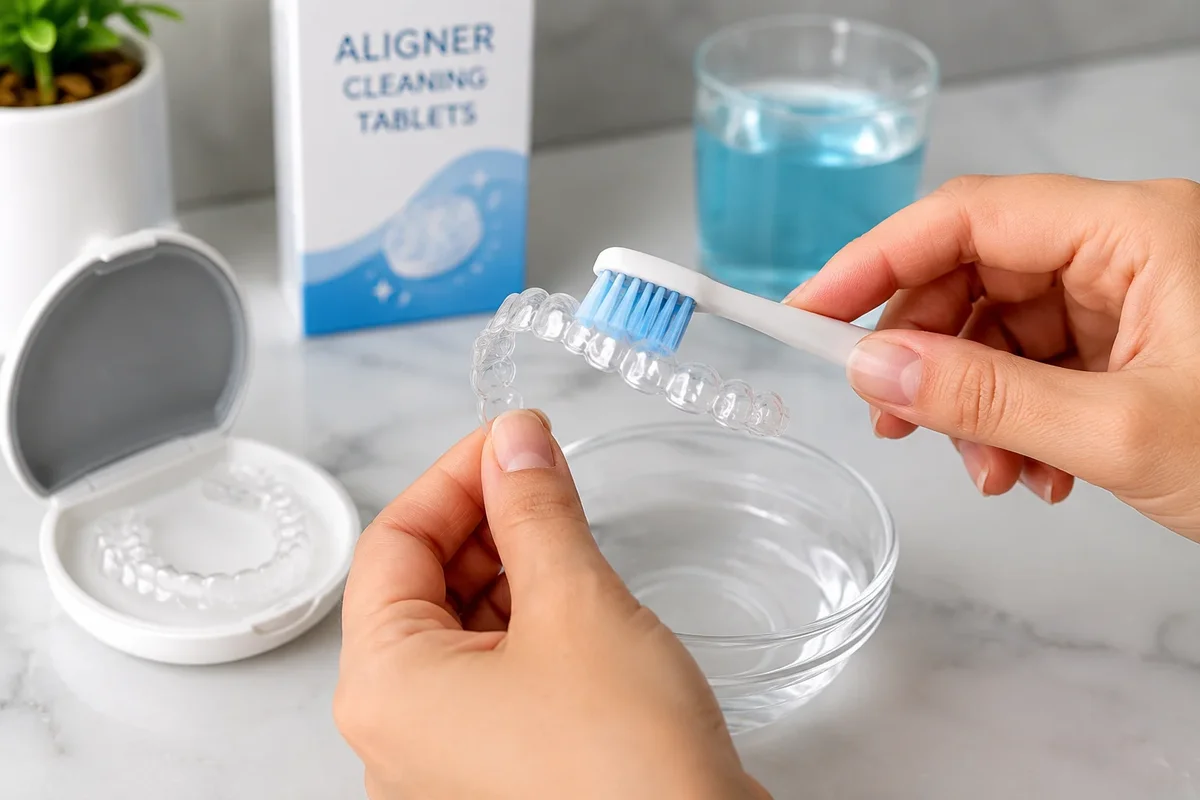
Common Mistakes to Avoid When Cleaning Aligners
Proper cleaning aligners is essential for maintaining oral health, preserving aligner transparency, and ensuring successful orthodontic treatment. While many patients understand the importance of aligner hygiene, they often make small mistakes that can reduce the effectiveness of their cleaning routine. These errors may seem harmless at first, but over time they can contribute to bacterial buildup, unpleasant odors, staining, damaged aligners, and even oral health complications.
Understanding the most common mistakes associated with cleaning aligners can help patients avoid unnecessary problems and maintain healthier aligners throughout treatment. By following professional recommendations and avoiding harmful habits, patients can keep their aligners clear, comfortable, and effective.
🦷 Many aligner-related issues are not caused by the aligners themselves but by incorrect maintenance practices. Fortunately, most of these mistakes are easy to correct once patients know what to watch for.
Mistake #1: Using Hot Water for Cleaning Aligners
One of the most damaging mistakes patients make during cleaning aligners is exposing them to hot water. Clear aligners are made from thermoplastic materials that are carefully molded to fit the teeth precisely.
Hot water can cause these materials to warp, bend, or lose their shape. Even slight distortion may affect the fit of the aligners and potentially interfere with treatment progress.
Why Temperature Matters
- Heat may deform aligners.
- Warped aligners may not fit properly.
- Treatment effectiveness can be reduced.
- Replacement aligners may become necessary.
For safe cleaning aligners, always use cool or lukewarm water.
Mistake #2: Brushing Aligners with Abrasive Toothpaste
Many patients assume that toothpaste is ideal for cleaning aligners. However, numerous toothpaste formulations contain abrasive particles designed to polish tooth enamel.
Unlike teeth, aligners are more vulnerable to scratching. Repeated use of abrasive toothpaste can create microscopic surface scratches that make aligners appear cloudy and less transparent.
Potential Consequences
- Reduced clarity.
- Increased bacterial attachment.
- More noticeable aligners.
- Greater stain retention.
Gentle cleaning products designed specifically for cleaning aligners are usually a safer option.
Mistake #3: Skipping Daily Cleaning
😷 Some patients only clean their aligners occasionally when they begin to notice odors or visible buildup. Unfortunately, waiting until problems become noticeable often allows bacteria and plaque to accumulate significantly.
Daily cleaning aligners is necessary because bacterial biofilm develops continuously throughout the day. Consistent maintenance prevents small hygiene issues from becoming larger concerns.
What Can Happen?
- Bad breath.
- Cloudy aligners.
- Bacterial growth.
- Plaque accumulation.
- Gum irritation.
Making cleaning aligners part of your daily routine is one of the simplest ways to avoid these complications.
Mistake #4: Reinserting Aligners Without Brushing Teeth
After meals, some patients place their aligners back into their mouths without brushing or rinsing their teeth. This habit can trap food particles and bacteria between the teeth and aligners for several hours.
Even the most thorough cleaning aligners routine cannot fully compensate for poor oral hygiene habits.
Best Practice
Whenever possible:
- Brush after meals.
- Floss regularly.
- Rinse before reinsertion.
- Perform light cleaning aligners before wearing them again.
This combination helps reduce bacterial contamination and supports healthier teeth and gums.
Mistake #5: Drinking Colored Beverages While Wearing Aligners
☕ Coffee, tea, red wine, and dark sodas are common causes of aligner staining. Some patients continue wearing aligners while drinking these beverages, which exposes the aligners directly to staining compounds.
Even with excellent cleaning aligners habits, repeated exposure to pigments can cause discoloration over time.
Safer Alternatives
- Remove aligners before drinking colored beverages.
- Drink water while wearing aligners.
- Clean aligners after consumption.
- Maintain regular oral hygiene.
These precautions help preserve aligner transparency.
Mistake #6: Leaving Aligners Exposed
Many patients remove their aligners and place them on tables, napkins, or countertops. This habit increases the risk of contamination, accidental loss, and damage.
Proper storage is an important but often overlooked aspect of cleaning aligners.
Why Storage Matters
- Protects aligners from bacteria.
- Reduces accidental damage.
- Prevents loss.
- Supports better hygiene.
Aligners should always be placed in a clean protective case when not in use.
Mistake #7: Ignoring Odors and Visible Buildup
🧫 Some patients assume mild odor or cloudiness is normal and continue wearing aligners without adjusting their hygiene routine. While minor changes can occur naturally, persistent odor and visible buildup often indicate insufficient cleaning aligners.
Ignoring these warning signs may allow bacterial colonies to grow and create more serious hygiene concerns.
Signs That Cleaning Needs Improvement
- Persistent bad breath.
- Cloudy appearance.
- Yellow discoloration.
- Sticky texture.
- Visible deposits.
Addressing these signs early helps maintain healthier aligners and oral tissues.
Mistake #8: Not Cleaning the Aligner Case
Many patients focus entirely on cleaning aligners while forgetting that the storage case can also accumulate bacteria. A dirty case may contaminate freshly cleaned aligners each time they are stored.
Case Cleaning Recommendations
- Wash the case regularly.
- Allow it to dry completely.
- Inspect for buildup.
- Replace damaged cases.
Maintaining a clean storage environment enhances the effectiveness of cleaning aligners.
Mistake #9: Using Household Chemicals
🚫 Some individuals attempt to disinfect aligners using bleach, strong detergents, or other household cleaning products. These substances may damage aligner materials and leave potentially harmful residues.
Professional products formulated specifically for cleaning aligners are far safer and more effective.
Products to Avoid
- Bleach.
- Harsh detergents.
- Alcohol-based cleaners.
- Industrial disinfectants.
- Abrasive cleaning powders.
Using approved products helps preserve aligner safety and effectiveness.
Final Thoughts on Avoiding Cleaning Mistakes
✨ Successful cleaning aligners involves more than simply removing visible debris. It requires consistent habits, proper products, and an understanding of the mistakes that can compromise aligner hygiene. Patients who avoid hot water, abrasive toothpaste, poor storage habits, and inconsistent cleaning routines are far more likely to maintain clear aligners and excellent oral health throughout treatment.
Ultimately, avoiding these common mistakes can make cleaning aligners easier, more effective, and more beneficial. By following professional recommendations and establishing healthy habits, patients can reduce bacterial buildup, prevent staining, maintain aligner transparency, and enjoy a more comfortable orthodontic experience from start to finish. Consistent and correct cleaning aligners remains one of the most important factors in achieving successful treatment outcomes and a healthier smile.