
Cleaning and whitening teeth is one of the most essential dental care practices for achieving a healthy, confident, and radiant smile 😁. Whether you are looking to remove stubborn stains, improve oral hygiene, or enhance your overall appearance, understanding the full process of cleaning and whitening teeth is crucial. This comprehensive guide will help you understand everything you need to know about cleaning and whitening teeth, including how it works, why it matters, and what results you can realistically expect.
At its core, cleaning and whitening teeth involves two complementary procedures. Dental cleaning focuses on removing plaque, tartar, and bacteria that accumulate on the surface of your teeth and along the gumline. Whitening, on the other hand, targets discoloration and stains, restoring the natural brightness of your teeth. Together, cleaning and whitening teeth create a powerful combination that improves both oral health and aesthetics.
One of the main reasons cleaning and whitening teeth is so important is because it directly impacts your oral hygiene. Over time, plaque buildup can harden into tartar, which cannot be removed by brushing alone. Professional cleaning and whitening teeth procedures eliminate these harmful deposits, reducing the risk of gum disease, cavities, and bad breath. In addition, whitening enhances your smile by breaking down stains caused by coffee, tea, smoking, and aging.
Many people underestimate the psychological benefits of cleaning and whitening teeth. A brighter smile can significantly boost your self-confidence, especially in social and professional settings. When you feel good about your teeth, you are more likely to smile freely, communicate effectively, and leave a positive impression. This is why cleaning and whitening teeth is not just about dental health—it is also about improving your quality of life.
There are several methods available for cleaning and whitening teeth, ranging from professional dental treatments to at-home solutions. Professional cleaning and whitening teeth procedures performed by dentists typically provide faster and more noticeable results. These treatments use advanced tools and clinically approved whitening agents to safely remove stains and restore tooth color. For trusted guidelines and dental care standards, you can refer to the American Dental Association.
On the other hand, at-home options for cleaning and whitening teeth include whitening toothpaste, strips, gels, and trays. While these methods can be effective for mild discoloration, they usually take longer to show results compared to professional treatments. It is important to use these products correctly and consistently to avoid uneven whitening or tooth sensitivity.
Another key aspect of cleaning and whitening teeth is understanding the types of stains. Extrinsic stains occur on the surface of the teeth and are usually caused by food, drinks, or tobacco. These are easier to remove through cleaning and whitening teeth procedures. Intrinsic stains, however, occur within the tooth structure and may require more advanced whitening techniques to achieve noticeable improvement.
Maintaining the results of cleaning and whitening teeth requires consistent oral care habits. Brushing your teeth twice a day, flossing daily, and visiting your dentist regularly are essential steps in preserving your smile. Avoiding stain-causing foods and beverages or rinsing your mouth after consuming them can also help extend the effects of cleaning and whitening teeth.
If you are considering professional treatment, it is always a good idea to consult with a dental expert. You can easily reach out through the Redent Klinik Contact Page to get personalized advice and treatment options tailored to your needs. A professional evaluation ensures that your cleaning and whitening teeth procedure is safe, effective, and suitable for your dental condition.
In conclusion, cleaning and whitening teeth is a vital part of modern dental care that combines health benefits with aesthetic improvements. By understanding the process, choosing the right method, and maintaining good oral hygiene, you can enjoy a brighter, healthier smile for years to come ✨. Whether you opt for professional services or at-home solutions, the key is consistency and proper care.
What Is Cleaning and Whitening Teeth and Why It Matters
Cleaning and whitening teeth is a fundamental dental care practice that combines preventive health measures with cosmetic enhancement. It is designed not only to maintain oral hygiene but also to improve the overall appearance of your smile 😊. Many people think brushing alone is enough, but professional and targeted cleaning and whitening teeth procedures go far beyond daily oral care routines. Understanding what cleaning and whitening teeth truly involves will help you make informed decisions about your dental health.
Understanding Cleaning and Whitening Teeth
Cleaning and whitening teeth consists of two distinct yet complementary processes. The first is dental cleaning, which focuses on removing plaque, tartar, and bacteria that accumulate over time. Even with proper brushing and flossing, some areas are difficult to reach, allowing harmful buildup to form. Professional cleaning and whitening teeth procedures remove these deposits effectively, preventing oral health issues such as gum disease and cavities.
The second component is whitening, which targets stains and discoloration. Over time, teeth can lose their natural brightness due to factors like coffee, tea, red wine, smoking, and aging. Cleaning and whitening teeth treatments use safe whitening agents to break down these stains, restoring a brighter and more youthful appearance. This dual approach makes cleaning and whitening teeth one of the most comprehensive dental care solutions available today.
Why Cleaning and Whitening Teeth Is Important
The importance of cleaning and whitening teeth goes beyond aesthetics. While having a bright smile is certainly desirable, the health benefits are equally significant. When plaque and tartar are left untreated, they can lead to gum inflammation, infection, and even tooth loss. Regular cleaning and whitening teeth procedures help prevent these issues, ensuring long-term oral health.
Additionally, cleaning and whitening teeth plays a major role in boosting self-confidence. A clean and radiant smile can positively impact your social interactions, professional life, and overall self-esteem. People who invest in cleaning and whitening teeth often report feeling more comfortable speaking, smiling, and engaging with others.
Health Benefits of Cleaning and Whitening Teeth
One of the biggest advantages of cleaning and whitening teeth is improved oral health. By removing plaque and tartar, you reduce the risk of gum disease, also known as periodontal disease. This condition can cause bleeding gums, bad breath, and even bone loss if left untreated. Cleaning and whitening teeth also help detect early signs of dental issues, allowing for timely intervention.
Another benefit is the prevention of cavities. Plaque contains harmful bacteria that produce acids, which can erode tooth enamel. Regular cleaning and whitening teeth procedures eliminate these bacteria, protecting your teeth from decay. This makes cleaning and whitening teeth an essential part of preventive dentistry.
Aesthetic Benefits of Cleaning and Whitening Teeth
From a cosmetic perspective, cleaning and whitening teeth can dramatically enhance your smile. Stains and discoloration can make teeth appear dull, aged, or unhealthy. Through professional cleaning and whitening teeth treatments, these imperfections are reduced or eliminated, resulting in a brighter and more attractive smile ✨.
Whitening also helps create a more uniform tooth color, which is especially beneficial for individuals with uneven staining. Whether you have minor discoloration or more noticeable stains, cleaning and whitening teeth can significantly improve your overall appearance.
Who Needs Cleaning and Whitening Teeth?
Almost everyone can benefit from cleaning and whitening teeth, regardless of age or dental condition. If you consume staining foods and beverages, smoke, or have not had a professional cleaning in a while, cleaning and whitening teeth can make a noticeable difference. Even individuals with good oral hygiene habits can benefit from periodic cleaning and whitening teeth to maintain optimal results.
However, it is important to consult with a dental professional before starting any cleaning and whitening teeth treatment. This ensures that the procedure is suitable for your specific needs and that any underlying dental issues are addressed first. You can get expert guidance by visiting the Redent Klinik Contact Page for personalized recommendations.
How Cleaning and Whitening Teeth Fits Into Your Routine
Incorporating cleaning and whitening teeth into your regular dental routine is key to maintaining long-term results. Daily brushing and flossing are essential, but they should be complemented by professional cleaning and whitening teeth sessions at recommended intervals. This combination ensures that your teeth remain both healthy and visually appealing.
It is also helpful to follow guidelines from trusted organizations like the American Dental Association, which provides evidence-based recommendations for maintaining oral health. By combining professional care with good daily habits, cleaning and whitening teeth becomes a sustainable and effective approach to dental wellness.
In summary, cleaning and whitening teeth is not just a cosmetic procedure—it is a vital component of comprehensive dental care. By understanding its purpose and benefits, you can take proactive steps toward achieving a healthier, brighter smile that lasts for years 😁.
Professional vs At-Home Cleaning and Whitening Teeth
When it comes to achieving a brighter, healthier smile, one of the most common questions people ask is whether professional treatment or at-home solutions are better for cleaning and whitening teeth. Both options have their advantages, and understanding the differences can help you choose the most effective approach for your needs 😊. Cleaning and whitening teeth can be performed either in a dental clinic under expert supervision or at home using various over-the-counter products. Each method varies in effectiveness, cost, safety, and speed of results.
What Is Professional Cleaning and Whitening Teeth?
Professional cleaning and whitening teeth procedures are performed by licensed dental professionals using advanced tools and clinically approved materials. These treatments typically begin with a thorough dental cleaning, where plaque, tartar, and bacteria are removed using specialized instruments. This step ensures that the surface of the teeth is clean and ready for the whitening process.
After cleaning, dentists apply high-concentration whitening agents, often containing hydrogen peroxide or carbamide peroxide. These substances penetrate the enamel and break down deep stains that cannot be removed through regular brushing. In many cases, light or laser technology is used to accelerate the whitening process, making cleaning and whitening teeth more efficient and delivering faster results.
Advantages of Professional Cleaning and Whitening Teeth
One of the biggest benefits of professional cleaning and whitening teeth is the immediate and noticeable improvement in tooth color. Most patients see a significant difference after just one session. Additionally, the procedure is carefully monitored by dental experts, ensuring safety and minimizing the risk of sensitivity or gum irritation.
Another advantage is customization. Dentists can tailor the cleaning and whitening teeth treatment to your specific needs, taking into account your dental history, enamel condition, and the type of stains present. This personalized approach leads to more effective and longer-lasting results.
Cost of Professional Cleaning and Whitening Teeth
The cost of professional cleaning and whitening teeth can vary depending on the clinic and the type of treatment used. On average:
- Dental cleaning: $75 – $200
- Professional whitening: $300 – $800
- Laser whitening: $500 – $1,000
While these prices may seem higher compared to at-home options, the quality and durability of the results often justify the investment.
What Is At-Home Cleaning and Whitening Teeth?
At-home cleaning and whitening teeth methods are widely available and include products such as whitening toothpaste, strips, gels, pens, and trays. These products are designed for convenience and affordability, allowing users to perform cleaning and whitening teeth treatments in the comfort of their own home.
Most at-home whitening products contain lower concentrations of active ingredients compared to professional treatments. This makes them safer for unsupervised use but also means that results may take longer to appear. Consistency is key when using these products, as regular application is required to achieve noticeable improvements.
Advantages of At-Home Cleaning and Whitening Teeth
The main advantage of at-home cleaning and whitening teeth is convenience. You can perform the treatment whenever it fits your schedule, without needing to visit a dental clinic. Additionally, these products are generally more affordable, making them accessible to a wider range of people.
At-home options are particularly useful for maintaining the results of professional cleaning and whitening teeth treatments. They can help extend the brightness of your smile and prevent new stains from forming.
Limitations of At-Home Cleaning and Whitening Teeth
Despite their convenience, at-home cleaning and whitening teeth methods have some limitations. The lower concentration of whitening agents means that results are usually less dramatic and take longer to achieve. In some cases, uneven application can lead to inconsistent whitening.
There is also a risk of misuse. Overusing whitening products or applying them incorrectly can cause tooth sensitivity or gum irritation. This is why it is important to follow instructions carefully and consult a dental professional if you are unsure.
Which Option Is Better for Cleaning and Whitening Teeth?
The choice between professional and at-home cleaning and whitening teeth depends on your goals, budget, and dental condition. If you are looking for fast, dramatic results and have stubborn stains, professional treatment is the best option. On the other hand, if you prefer a gradual improvement and a more budget-friendly solution, at-home products may be suitable.
For optimal results, many dental experts recommend combining both approaches. Start with professional cleaning and whitening teeth to achieve a strong baseline, then use at-home products to maintain the results over time. This balanced strategy ensures both effectiveness and long-term sustainability.
If you are unsure which option is right for you, it is always best to seek professional advice. You can consult experts through the Redent Klinik Contact Page to receive personalized recommendations tailored to your needs.
Additionally, following guidelines from trusted organizations like the American Dental Association can help you make informed decisions about cleaning and whitening teeth treatments.
In conclusion, both professional and at-home methods play an important role in cleaning and whitening teeth. By understanding their differences and using them strategically, you can achieve a brighter, healthier smile that lasts for years ✨.
Step-by-Step Process of Cleaning and Whitening Teeth
Understanding the step-by-step process of cleaning and whitening teeth is essential for anyone who wants safe, effective, and long-lasting results. Whether performed professionally or at home, cleaning and whitening teeth follows a structured approach designed to improve both oral health and aesthetics 😁. In this section, we will break down each stage in detail so you know exactly what to expect and how to maximize your results.
Initial Dental Examination Before Cleaning and Whitening Teeth
The first and most important step in cleaning and whitening teeth is a thorough dental examination. Before any procedure begins, a dentist evaluates your oral health, checks for cavities, gum disease, enamel erosion, and existing restorations such as fillings or crowns. This step ensures that cleaning and whitening teeth is safe for you and prevents complications.
If any dental issues are detected, they must be treated before proceeding with cleaning and whitening teeth. For example, whitening agents can irritate exposed dentin or inflamed gums. That is why a professional evaluation is critical for achieving both safe and effective results.
Why Examination Matters
Skipping the examination step can lead to sensitivity, uneven whitening, or even damage. Cleaning and whitening teeth should always begin with a clear understanding of your dental condition to ensure the best possible outcome.
Professional Dental Cleaning Stage
The next step in cleaning and whitening teeth is professional dental cleaning. This stage focuses on removing plaque, tartar, and surface stains that accumulate over time. Dentists use specialized tools such as ultrasonic scalers and hand instruments to clean areas that are difficult to reach with regular brushing.
During this phase of cleaning and whitening teeth, your teeth are also polished using a slightly abrasive paste. This helps smooth the tooth surface and remove minor stains, preparing the teeth for the whitening process. A clean surface allows whitening agents to penetrate more effectively, resulting in better outcomes.
Deep Cleaning Benefits
Deep cleaning during cleaning and whitening teeth not only improves appearance but also reduces bacteria in the mouth. This helps prevent gum disease and improves overall oral hygiene.
Preparation for Whitening Procedure
Once cleaning is complete, the next step in cleaning and whitening teeth is preparation for whitening. This involves protecting sensitive areas such as gums, lips, and soft tissues. Dentists typically apply a protective barrier or gel to prevent irritation during the whitening process.
This stage is crucial because whitening agents used in cleaning and whitening teeth can be strong. Proper isolation ensures that only the teeth are exposed to the whitening solution, minimizing discomfort and maximizing safety.
Importance of Gum Protection
Gum protection prevents chemical burns and irritation, making cleaning and whitening teeth a comfortable experience for patients.
Application of Whitening Agents
The core step in cleaning and whitening teeth is the application of whitening agents. These agents, usually hydrogen peroxide or carbamide peroxide, penetrate the enamel and break down stain molecules. This process lightens the color of the teeth from within.
In professional cleaning and whitening teeth treatments, dentists may use light or laser activation to enhance the effect of the whitening gel. This accelerates the chemical reaction and produces faster, more noticeable results.
How Whitening Works
The whitening agents used in cleaning and whitening teeth release oxygen molecules that interact with stains. This reaction breaks down discoloration, resulting in a brighter and more uniform tooth color ✨.
Rinsing and Immediate Results
After the whitening process is complete, the gel is removed, and the mouth is thoroughly rinsed. At this stage, you can immediately see the results of cleaning and whitening teeth. Most patients notice a significant improvement in brightness after just one session.
However, it is normal for teeth to appear slightly sensitive immediately after cleaning and whitening teeth. This sensitivity usually subsides within a few days.
Post-Treatment Sensitivity
Mild sensitivity is a common side effect of cleaning and whitening teeth, but it is temporary and manageable with proper care.
Aftercare Following Cleaning and Whitening Teeth
Aftercare is a crucial part of the cleaning and whitening teeth process. To maintain results, patients are advised to avoid staining foods and beverages such as coffee, tea, red wine, and tobacco for at least 48 hours. This period is often referred to as the “white diet” phase.
Good oral hygiene practices are essential after cleaning and whitening teeth. Brushing twice daily, flossing, and using a non-staining mouthwash can help preserve your results. Dentists may also recommend touch-up treatments or whitening trays for long-term maintenance.
Long-Term Maintenance
Maintaining the results of cleaning and whitening teeth requires consistency. Regular dental visits and proper home care ensure that your smile remains bright and healthy over time.
Professional Guidance and Support
If you are considering cleaning and whitening teeth, professional guidance is highly recommended. A dental expert can customize the procedure based on your needs and ensure optimal results. You can easily get personalized advice through the Redent Klinik Contact Page.
Additionally, following recommendations from trusted organizations like the American Dental Association ensures that your cleaning and whitening teeth process meets high safety and quality standards.
In conclusion, the step-by-step process of cleaning and whitening teeth is carefully designed to deliver both health and cosmetic benefits. From examination to aftercare, each stage plays a vital role in achieving a brighter, healthier smile 😄. Understanding this process allows you to approach cleaning and whitening teeth with confidence and realistic expectations.
Benefits of Regular Cleaning and Whitening Teeth
Regular cleaning and whitening teeth offers far more than just a visually appealing smile—it plays a critical role in maintaining long-term oral health and overall well-being. Many people initially consider cleaning and whitening teeth for cosmetic reasons, but the benefits extend deeply into preventive care, confidence, and even systemic health 😁. In this section, we will explore why making cleaning and whitening teeth a consistent part of your dental routine is one of the smartest decisions you can make.
Improved Oral Health Through Cleaning and Whitening Teeth
One of the primary benefits of cleaning and whitening teeth is the improvement of oral hygiene. Over time, plaque accumulates on the surface of your teeth and hardens into tartar, which cannot be removed with regular brushing alone. Professional cleaning and whitening teeth procedures eliminate this buildup, reducing harmful bacteria in the mouth.
By regularly undergoing cleaning and whitening teeth, you significantly decrease the risk of gum disease, also known as periodontal disease. This condition begins with inflammation and can progress to serious complications such as gum recession and tooth loss if left untreated. Cleaning and whitening teeth helps prevent these issues by maintaining a clean and healthy oral environment.
Prevention of Cavities
Another key advantage of cleaning and whitening teeth is cavity prevention. Plaque contains bacteria that produce acids, which weaken tooth enamel and lead to decay. Regular cleaning and whitening teeth removes these harmful substances, protecting your teeth from damage and reducing the likelihood of needing restorative treatments.
Enhanced Aesthetic Appearance
Cleaning and whitening teeth dramatically improves the appearance of your smile by removing stains and discoloration. Everyday habits such as drinking coffee, tea, or red wine, as well as smoking, can cause teeth to become dull and yellow over time. Cleaning and whitening teeth reverses these effects, restoring brightness and clarity to your smile ✨.
This improvement is not just superficial. A brighter smile can make you appear more youthful, healthier, and more approachable. Cleaning and whitening teeth enhances facial aesthetics and can even complement other cosmetic treatments.
Uniform Tooth Color
Regular cleaning and whitening teeth also helps achieve a more even tooth color. Uneven staining can occur due to diet, genetics, or previous dental work. Through consistent cleaning and whitening teeth, these inconsistencies are minimized, resulting in a more balanced and natural-looking smile.
Boost in Self-Confidence and Social Comfort
The psychological benefits of cleaning and whitening teeth should not be underestimated. When your teeth look clean and bright, you naturally feel more confident in social and professional situations. Smiling becomes effortless, and you are more likely to engage openly with others 😊.
Many patients report that after cleaning and whitening teeth, they feel more comfortable speaking, laughing, and even taking photos. This boost in confidence can positively impact personal relationships, career opportunities, and overall quality of life.
Positive First Impressions
Your smile is one of the first things people notice about you. Regular cleaning and whitening teeth ensures that you leave a strong and positive impression, whether in a job interview, business meeting, or social gathering.
Early Detection of Dental Issues
Another often overlooked benefit of cleaning and whitening teeth is the opportunity for early detection of dental problems. During professional cleaning and whitening teeth appointments, dentists carefully examine your oral health. This allows them to identify issues such as cavities, gum disease, or oral infections at an early stage.
Early detection means simpler and less costly treatments. By incorporating cleaning and whitening teeth into your routine, you can avoid more complex procedures in the future and maintain better overall dental health.
Preventive Dentistry Advantage
Cleaning and whitening teeth is a key component of preventive dentistry. It helps you stay ahead of potential problems rather than reacting to them after they develop.
Long-Term Cost Savings
While some people hesitate due to the perceived cost, regular cleaning and whitening teeth can actually save money in the long run. Preventing cavities, gum disease, and other dental issues reduces the need for expensive treatments such as fillings, root canals, or implants.
By investing in routine cleaning and whitening teeth, you are protecting both your oral health and your financial well-being. Preventive care is always more affordable than corrective procedures.
Reduced Need for Major Treatments
Consistent cleaning and whitening teeth minimizes the likelihood of requiring extensive dental work, making it a cost-effective strategy over time.
Support from Professional Experts
To maximize the benefits of cleaning and whitening teeth, it is important to seek guidance from qualified dental professionals. Personalized care ensures that your treatment is safe, effective, and tailored to your needs. You can easily get expert advice through the Redent Klinik Contact Page.
Additionally, following recommendations from trusted authorities like the American Dental Association ensures that your cleaning and whitening teeth routine aligns with the highest standards of dental care.
In conclusion, the benefits of regular cleaning and whitening teeth go far beyond aesthetics. From improved oral health and cavity prevention to enhanced confidence and cost savings, this essential practice supports every aspect of your dental well-being. By making cleaning and whitening teeth a consistent habit, you can enjoy a brighter, healthier smile for years to come 😄.
Common Myths About Cleaning and Whitening Teeth
There are many misconceptions surrounding cleaning and whitening teeth, and these myths often prevent people from making informed decisions about their dental care. With so much information available online, it can be difficult to separate fact from fiction. Understanding the truth behind these common myths will help you approach cleaning and whitening teeth with confidence and realistic expectations 😊.
Myth 1: Cleaning and Whitening Teeth Damages Enamel
One of the most widespread myths is that cleaning and whitening teeth can harm or weaken enamel. In reality, professional cleaning and whitening teeth procedures are carefully designed to be safe for your teeth when performed correctly. Dentists use clinically approved whitening agents and controlled techniques that protect enamel while effectively removing stains.
Enamel damage typically occurs only when whitening products are misused or overused. For example, applying high-concentration products too frequently without professional guidance can lead to sensitivity. However, when done properly, cleaning and whitening teeth is a safe and beneficial process.
The Truth About Enamel Safety
Modern cleaning and whitening teeth treatments are developed with enamel preservation in mind. Following professional recommendations ensures that your teeth remain strong and healthy.
Myth 2: Cleaning and Whitening Teeth Provides Permanent Results
Another common misconception is that cleaning and whitening teeth results last forever. While the effects can be long-lasting, they are not permanent. Teeth are naturally exposed to staining substances such as coffee, tea, red wine, and tobacco, which can gradually reduce the brightness achieved through cleaning and whitening teeth.
Maintaining results requires consistent oral hygiene and periodic touch-up treatments. By combining professional cleaning and whitening teeth with proper at-home care, you can extend the longevity of your results significantly.
How to Maintain Results
To preserve the effects of cleaning and whitening teeth, it is important to avoid stain-causing habits and follow a regular dental care routine.
Myth 3: All Whitening Products Work the Same
Many people believe that all cleaning and whitening teeth products deliver identical results. In reality, there is a significant difference between professional treatments and over-the-counter solutions. Professional cleaning and whitening teeth procedures use higher concentrations of active ingredients and advanced techniques, resulting in faster and more noticeable outcomes.
At-home products, while convenient, typically contain lower concentrations of whitening agents. This means they may take longer to produce results and may not be as effective for deep or intrinsic stains. Choosing the right method for cleaning and whitening teeth depends on your specific needs and expectations.
Choosing the Right Option
Consulting a dental professional ensures that your cleaning and whitening teeth approach is tailored to your dental condition and desired results.
Myth 4: Cleaning and Whitening Teeth Causes Severe Sensitivity
Tooth sensitivity is often associated with cleaning and whitening teeth, leading some people to avoid treatment altogether. While it is true that temporary sensitivity can occur, it is usually mild and short-lived. Modern cleaning and whitening teeth techniques are designed to minimize discomfort.
Dentists often use desensitizing agents and recommend specific aftercare products to reduce sensitivity. Most patients find that any discomfort disappears within a few days after cleaning and whitening teeth.
Managing Sensitivity
Using sensitivity toothpaste and following professional advice can help ensure a comfortable cleaning and whitening teeth experience.
Myth 5: Natural Remedies Are Just as Effective
There is a growing trend of using natural remedies such as baking soda, lemon juice, or charcoal for cleaning and whitening teeth. While some of these methods may provide minor surface stain removal, they are not as effective or safe as professional treatments.
In fact, some natural remedies can be abrasive or acidic, potentially damaging enamel over time. Cleaning and whitening teeth should be approached with scientifically proven methods to ensure both safety and effectiveness.
Risks of DIY Whitening
Unverified home remedies can lead to uneven results, enamel erosion, and increased sensitivity. Professional cleaning and whitening teeth is always the safer choice.
Myth 6: Cleaning and Whitening Teeth Is Only for Cosmetic Purposes
Many people assume that cleaning and whitening teeth is purely cosmetic, but this is not true. While whitening enhances appearance, the cleaning component plays a vital role in maintaining oral health. Removing plaque and tartar helps prevent gum disease, cavities, and bad breath.
Cleaning and whitening teeth is a combination of health and aesthetics, making it an essential part of comprehensive dental care.
Health and Beauty Combined
By integrating both cleaning and whitening teeth into your routine, you achieve a balance between oral hygiene and visual appeal.
Expert Guidance for Cleaning and Whitening Teeth
To avoid falling for myths and misinformation, it is always best to seek professional advice. Dental experts can provide accurate information and recommend the most suitable cleaning and whitening teeth options for your needs. You can easily consult professionals through the Redent Klinik Contact Page.
Additionally, trusted organizations like the American Dental Association offer reliable guidelines on safe and effective dental practices, including cleaning and whitening teeth.
In conclusion, understanding the truth behind common myths about cleaning and whitening teeth is essential for making informed decisions. By relying on professional guidance and evidence-based practices, you can achieve a brighter, healthier smile without unnecessary risks 😄.
Best Products for Cleaning and Whitening Teeth
Choosing the right products for cleaning and whitening teeth is essential if you want safe, effective, and long-lasting results. With so many options available on the market, it can be overwhelming to decide which products truly work and which ones are just marketing hype. Understanding the differences between various products will help you build a reliable routine for cleaning and whitening teeth that fits your needs and lifestyle 😊.
Whitening Toothpaste for Daily Cleaning and Whitening Teeth
Whitening toothpaste is one of the most accessible products for cleaning and whitening teeth. These toothpastes contain mild abrasives and polishing agents that help remove surface stains caused by food, beverages, and smoking. Some formulas also include low concentrations of peroxide to enhance the whitening effect.
While whitening toothpaste is effective for maintaining results, it is important to understand that it does not deeply whiten teeth. Instead, it plays a supportive role in cleaning and whitening teeth by preventing new stains and keeping your smile bright over time.
Best Practices for Whitening Toothpaste
Use whitening toothpaste twice daily as part of your cleaning and whitening teeth routine. Avoid overly abrasive formulas that can damage enamel if used excessively.
Whitening Strips and Gels
Whitening strips and gels are among the most popular at-home solutions for cleaning and whitening teeth. These products contain peroxide-based whitening agents that penetrate the enamel to remove deeper stains. They are designed for easy application and typically show results within one to two weeks.
Whitening strips are thin, flexible pieces coated with whitening gel that adhere to the teeth. Gels, on the other hand, are applied using brushes or trays. Both methods can significantly enhance cleaning and whitening teeth results when used consistently.
Advantages and Limitations
These products are affordable and convenient, but they may not provide the same level of whitening as professional treatments. Uneven application can sometimes occur, so careful use is essential.
LED Whitening Kits for Enhanced Cleaning and Whitening Teeth
LED whitening kits have gained popularity as an advanced at-home option for cleaning and whitening teeth. These kits combine whitening gels with LED light technology to accelerate the whitening process. The light helps activate the whitening agents, making the treatment more effective compared to traditional methods.
Many users find LED kits to be a good balance between professional and at-home cleaning and whitening teeth solutions. They offer noticeable results within a relatively short period while remaining more affordable than in-clinic treatments.
How to Use LED Kits Safely
Follow the manufacturer’s instructions carefully and avoid overuse. Proper usage ensures that cleaning and whitening teeth remains safe and comfortable.
Custom Whitening Trays from Dentists
Custom whitening trays provided by dentists are one of the most effective options for cleaning and whitening teeth at home. These trays are specifically molded to fit your teeth, ensuring even distribution of the whitening gel. This minimizes the risk of uneven results and gum irritation.
Custom trays typically use professional-grade whitening agents that are stronger than over-the-counter products. This makes them a powerful tool for maintaining the results of professional cleaning and whitening teeth treatments.
Why Customization Matters
A personalized fit ensures better contact between the whitening agent and your teeth, leading to more consistent and effective cleaning and whitening teeth results.
Mouthwashes for Cleaning and Whitening Teeth
Whitening mouthwashes are often overlooked but can play a supportive role in cleaning and whitening teeth. These products help remove surface stains and freshen breath while delivering mild whitening effects. They are best used as a complement to brushing and other whitening treatments.
Although mouthwashes alone cannot produce dramatic results, they contribute to maintaining the brightness achieved through cleaning and whitening teeth.
Daily Maintenance Benefits
Incorporating whitening mouthwash into your routine helps sustain the results of cleaning and whitening teeth over time.
Professional Products Recommended by Dentists
Dentists often recommend specific products for cleaning and whitening teeth based on individual needs. These may include high-quality whitening gels, desensitizing agents, and enamel-strengthening formulas. Professional recommendations ensure that you are using safe and effective products tailored to your dental condition.
If you are unsure which products to choose, consulting a dental expert is always the best approach. You can get personalized advice through the Redent Klinik Contact Page.
Trusted Guidelines for Product Selection
Following guidance from organizations like the American Dental Association helps ensure that your cleaning and whitening teeth products meet high safety and effectiveness standards.
How to Choose the Right Products for Cleaning and Whitening Teeth
Selecting the best products for cleaning and whitening teeth depends on several factors, including the level of discoloration, your budget, and your sensitivity level. For mild stains, whitening toothpaste and mouthwash may be sufficient. For more noticeable discoloration, strips, gels, or LED kits may be more appropriate.
For the most dramatic and long-lasting results, combining professional cleaning and whitening teeth with high-quality at-home products is often the best strategy. This approach ensures both immediate improvement and long-term maintenance.
In conclusion, the best products for cleaning and whitening teeth are those that match your specific needs and are used consistently. By understanding the strengths and limitations of each option, you can build an effective routine that keeps your smile bright, healthy, and confident ✨.
How Diet Affects Cleaning and Whitening Teeth Results
Your diet plays a crucial role in the success and longevity of cleaning and whitening teeth results. Even the most advanced treatments can be compromised if dietary habits are not carefully managed. Many foods and beverages have a direct impact on tooth color, enamel strength, and overall oral health. Understanding how diet influences cleaning and whitening teeth will help you protect your investment and maintain a bright, healthy smile for longer 😁.
Foods That Stain Teeth and Affect Cleaning and Whitening Teeth
One of the biggest challenges in maintaining cleaning and whitening teeth results is exposure to staining foods and drinks. Dark-colored beverages such as coffee, tea, red wine, and cola are known to cause discoloration. These substances contain chromogens, which are pigmented compounds that attach to the enamel and create stains over time.
Additionally, foods like berries, soy sauce, tomato sauce, and balsamic vinegar can contribute to staining. Even after professional cleaning and whitening teeth, frequent consumption of these items can gradually dull your smile.
How to Minimize Staining
To protect your cleaning and whitening teeth results, consider using a straw when drinking staining beverages, rinsing your mouth with water afterward, and brushing your teeth within 30 minutes. These simple habits can significantly reduce discoloration.
Foods That Support Cleaning and Whitening Teeth
Not all foods harm your smile—some actually support cleaning and whitening teeth. Crunchy fruits and vegetables like apples, carrots, and celery act as natural abrasives, helping to remove surface stains while stimulating saliva production. Saliva plays an important role in neutralizing acids and washing away food particles.
Dairy products such as milk, cheese, and yogurt are also beneficial for cleaning and whitening teeth. They contain calcium and phosphates, which strengthen enamel and help maintain tooth color. These nutrients are essential for preserving the results of cleaning and whitening teeth treatments.
Natural Whitening Support
Incorporating tooth-friendly foods into your diet enhances the effectiveness of cleaning and whitening teeth and promotes overall oral health.
The Role of Acidic Foods in Cleaning and Whitening Teeth
Acidic foods and beverages can have a significant impact on cleaning and whitening teeth results. Citrus fruits, soft drinks, and vinegar-based foods can weaken enamel, making teeth more susceptible to staining. When enamel is eroded, stains penetrate more easily, reducing the effectiveness of cleaning and whitening teeth.
While it is not necessary to completely avoid acidic foods, moderation is key. Consuming these items alongside meals rather than alone can help reduce their impact on your teeth.
Protecting Enamel Health
Rinsing your mouth with water after consuming acidic foods and waiting before brushing can help protect enamel and maintain cleaning and whitening teeth results.
The Importance of Hydration for Cleaning and Whitening Teeth
Staying hydrated is an often-overlooked factor in cleaning and whitening teeth. Drinking water throughout the day helps rinse away food particles, bacteria, and pigments that can cause staining. Water also supports saliva production, which is essential for maintaining a healthy oral environment.
Choosing water over sugary or colored beverages is one of the simplest ways to preserve cleaning and whitening teeth results. It not only prevents stains but also reduces the risk of cavities and gum disease.
Water as a Natural Cleanser
Regular water intake acts as a natural cleansing mechanism, supporting both oral hygiene and the longevity of cleaning and whitening teeth treatments.
The “White Diet” After Cleaning and Whitening Teeth
After undergoing professional cleaning and whitening teeth, dentists often recommend following a “white diet” for at least 48 hours. During this period, teeth are more porous and susceptible to staining. Avoiding dark and highly pigmented foods is essential to protect your results.
Foods included in the white diet are typically light-colored and non-acidic, such as chicken, rice, pasta, white fish, bananas, and dairy products. Adhering to this diet helps stabilize the results of cleaning and whitening teeth and ensures maximum brightness.
Why the First 48 Hours Matter
The immediate post-treatment phase is critical for maintaining cleaning and whitening teeth results. Proper dietary choices during this time can make a significant difference in the final outcome.
Long-Term Dietary Habits for Cleaning and Whitening Teeth
Maintaining the results of cleaning and whitening teeth requires consistent long-term dietary habits. Limiting the intake of staining and acidic foods while incorporating tooth-friendly options creates a balanced approach that supports both oral health and aesthetics.
Regular dental check-ups and professional cleanings also play a role in preserving your results. If you need personalized guidance on how your diet affects cleaning and whitening teeth, you can consult experts through the Redent Klinik Contact Page.
Additionally, following recommendations from trusted sources like the American Dental Association ensures that your dietary choices align with proven dental health practices.
In conclusion, diet has a direct and lasting impact on cleaning and whitening teeth results. By making informed food choices, staying hydrated, and avoiding harmful habits, you can protect your smile and enjoy long-lasting brightness ✨. A well-balanced diet is not only beneficial for your overall health but also essential for maintaining the success of cleaning and whitening teeth treatments.
Risks and Side Effects of Cleaning and Whitening Teeth
While cleaning and whitening teeth is generally considered safe and highly effective, it is important to understand the potential risks and side effects associated with these procedures. Being informed helps you make better decisions and ensures that your experience with cleaning and whitening teeth is both safe and satisfying 😊. Most side effects are temporary and manageable, especially when treatments are performed under professional supervision, but awareness is key to avoiding unnecessary complications.
Tooth Sensitivity After Cleaning and Whitening Teeth
The most common side effect of cleaning and whitening teeth is tooth sensitivity. This occurs because whitening agents temporarily open the pores of the enamel, allowing the active ingredients to penetrate and break down stains. As a result, teeth may become more sensitive to hot, cold, or sweet stimuli.
Sensitivity usually appears shortly after cleaning and whitening teeth and can last for a few hours to a few days. In most cases, it is mild and resolves on its own. However, individuals with naturally sensitive teeth may experience slightly more discomfort.
How to Reduce Sensitivity
Using toothpaste designed for sensitive teeth, avoiding extremely hot or cold foods, and following your dentist’s recommendations can significantly reduce discomfort after cleaning and whitening teeth.
Gum Irritation and Soft Tissue Sensitivity
Another potential side effect of cleaning and whitening teeth is irritation of the gums and surrounding soft tissues. This can occur if whitening agents come into contact with the gums during the procedure. In professional settings, protective barriers are used to minimize this risk.
At-home cleaning and whitening teeth treatments may increase the likelihood of gum irritation if products are applied incorrectly or excessively. Symptoms may include redness, mild swelling, or a temporary burning sensation.
Preventing Gum Irritation
Proper application of whitening products and choosing dentist-approved solutions can help prevent irritation during cleaning and whitening teeth.
Uneven Whitening Results
In some cases, cleaning and whitening teeth may result in uneven coloration. This is more common with at-home treatments, where application may not be uniform. Additionally, dental restorations such as crowns, veneers, or fillings do not respond to whitening agents, which can create a contrast between natural teeth and treated areas.
Professional cleaning and whitening teeth procedures reduce the risk of uneven results by ensuring consistent application and tailored treatment plans.
Managing Uneven Results
If uneven whitening occurs, a dentist can adjust the treatment or recommend cosmetic solutions to achieve a more balanced appearance.
Enamel Damage from Overuse
Although cleaning and whitening teeth is safe when performed correctly, overuse of whitening products can lead to enamel damage. Excessive exposure to whitening agents may weaken the enamel, making teeth more susceptible to sensitivity and decay.
This risk is particularly associated with frequent or prolonged use of over-the-counter products without professional guidance. It is essential to follow recommended usage instructions and avoid over-whitening.
Safe Usage Guidelines
Stick to recommended treatment durations and consult a dental professional to ensure that your cleaning and whitening teeth routine remains safe and effective.
Temporary Changes in Tooth Texture
Some individuals report a slightly rough or chalky feeling on their teeth immediately after cleaning and whitening teeth. This is usually temporary and resolves once saliva rehydrates the enamel surface.
This sensation is not harmful and is simply part of the natural process of cleaning and whitening teeth. Maintaining proper oral hygiene helps restore the normal texture quickly.
What to Expect After Treatment
Any changes in texture following cleaning and whitening teeth are temporary and should not be a cause for concern.
Allergic Reactions and Rare Complications
Although rare, allergic reactions to whitening agents can occur. Symptoms may include prolonged irritation, swelling, or discomfort. If any unusual symptoms persist after cleaning and whitening teeth, it is important to seek professional advice immediately.
Professional supervision significantly reduces the likelihood of such complications, making in-clinic cleaning and whitening teeth a safer option for individuals with sensitivities or allergies.
When to Seek Help
If discomfort persists beyond a few days or worsens, consult a dental professional to ensure your safety during cleaning and whitening teeth.
How to Minimize Risks of Cleaning and Whitening Teeth
The best way to minimize risks associated with cleaning and whitening teeth is to follow professional guidance. A dentist can assess your oral health, recommend the most suitable treatment, and monitor your progress. You can easily reach out for expert advice through the Redent Klinik Contact Page.
Additionally, adhering to guidelines from trusted organizations like the American Dental Association ensures that your cleaning and whitening teeth practices meet high safety standards.
Key Safety Tips
- Avoid overusing whitening products
- Follow instructions carefully
- Use dentist-approved treatments
- Maintain good oral hygiene
In conclusion, while cleaning and whitening teeth offers significant benefits, it is important to be aware of potential risks and side effects. Most issues are mild, temporary, and preventable with proper care and professional guidance. By taking the right precautions, you can enjoy the advantages of cleaning and whitening teeth while maintaining optimal oral health and comfort 😄.
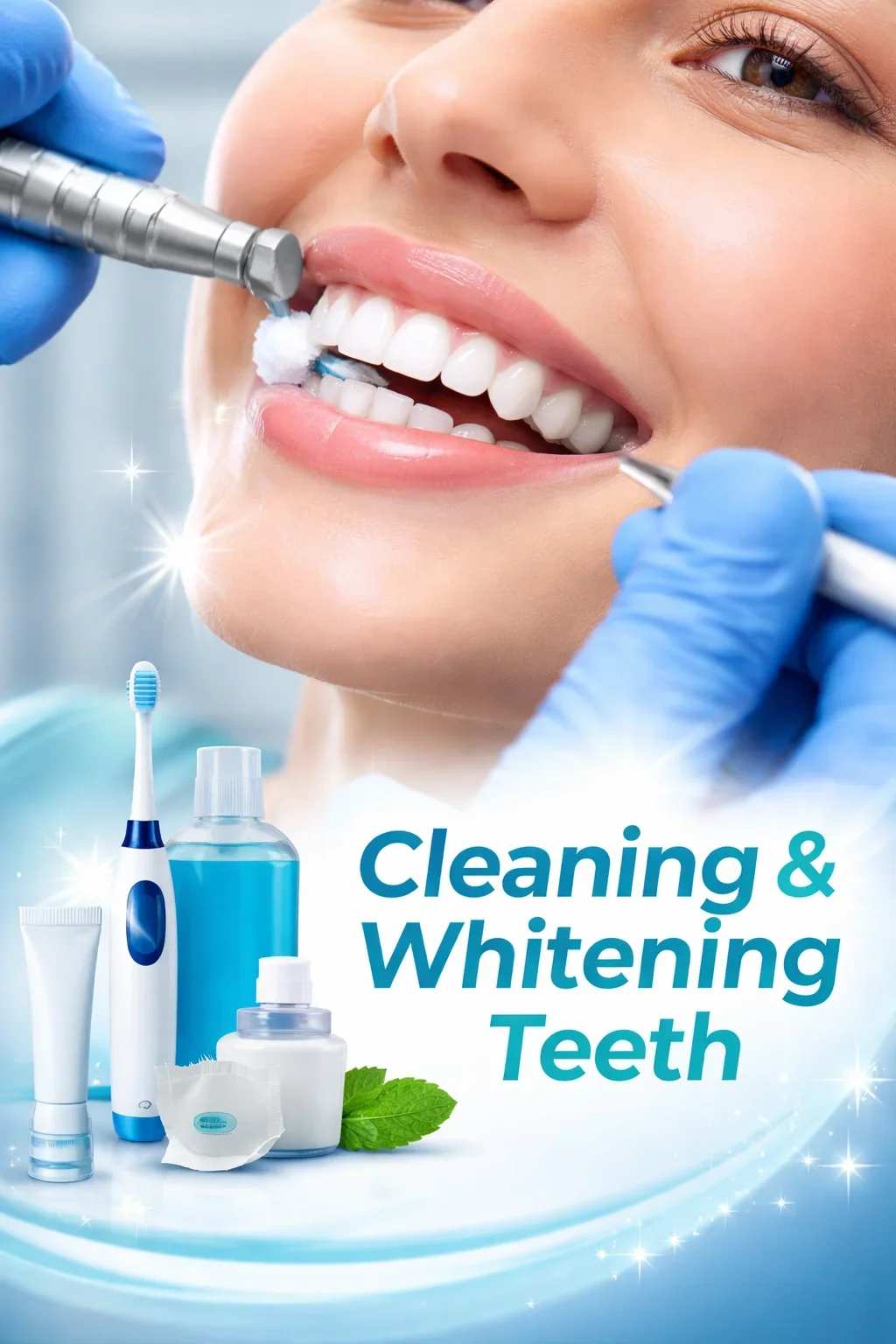
How Often Should You Do Cleaning and Whitening Teeth?
One of the most frequently asked questions about cleaning and whitening teeth is how often it should be done to achieve the best results without causing harm. The answer depends on several factors, including your oral health, lifestyle habits, and the type of treatment you choose. Establishing the right frequency for cleaning and whitening teeth is essential for maintaining both a healthy mouth and a bright smile 😁.
Recommended Frequency for Professional Cleaning and Whitening Teeth
For most individuals, dentists recommend professional dental cleaning every six months. This routine helps remove plaque and tartar buildup that cannot be eliminated through regular brushing and flossing alone. Cleaning and whitening teeth procedures often begin with this professional cleaning step, ensuring a clean surface for optimal whitening results.
When it comes to professional whitening, cleaning and whitening teeth treatments are typically recommended once or twice per year, depending on your needs. Some individuals with heavier staining may benefit from more frequent sessions, while others may only require occasional touch-ups.
Why Timing Matters
Spacing out cleaning and whitening teeth treatments allows your enamel to recover and reduces the risk of sensitivity. Overdoing whitening procedures can lead to discomfort and potential enamel weakening.
At-Home Cleaning and Whitening Teeth Routine
In addition to professional treatments, maintaining a consistent at-home routine is crucial for cleaning and whitening teeth. Daily brushing twice a day and flossing once a day are the foundation of good oral hygiene. Whitening toothpaste and mouthwash can be used regularly to support cleaning and whitening teeth results.
At-home whitening products such as strips, gels, or LED kits are typically used in cycles. Most products recommend usage for 7 to 14 days, followed by a break. Repeating these cycles every few months can help maintain the brightness achieved through cleaning and whitening teeth.
Balancing Consistency and Safety
Consistency is important, but moderation is key. Overusing at-home whitening products can lead to sensitivity and uneven results. Always follow the manufacturer’s instructions when performing cleaning and whitening teeth at home.
Factors That Affect Cleaning and Whitening Teeth Frequency
The ideal frequency for cleaning and whitening teeth varies from person to person. Several factors influence how often you should undergo treatment:
- Diet: Frequent consumption of staining foods and beverages increases the need for cleaning and whitening teeth.
- Smoking: Tobacco use causes significant discoloration, requiring more frequent treatments.
- Oral hygiene habits: Good daily care can extend the results of cleaning and whitening teeth.
- Age: Teeth naturally darken with age, which may increase the need for whitening.
Understanding these factors helps you create a personalized cleaning and whitening teeth schedule that suits your lifestyle.
Personalized Treatment Plans
A dental professional can evaluate your specific needs and recommend the most appropriate frequency for cleaning and whitening teeth.
Signs You Need Cleaning and Whitening Teeth Again
There are several signs that indicate it may be time for another cleaning and whitening teeth session. These include visible staining, dullness, plaque buildup, and persistent bad breath. If you notice that your smile is losing its brightness, it may be time to refresh your cleaning and whitening teeth routine.
Regular dental check-ups can help identify these signs early, allowing you to maintain optimal results without waiting for significant discoloration to occur.
Listening to Your Teeth
Paying attention to changes in your teeth’s appearance and sensitivity can help you determine when cleaning and whitening teeth is needed.
Maintaining Results Between Treatments
Maintaining the results of cleaning and whitening teeth between sessions is just as important as the treatments themselves. Simple habits such as brushing after meals, using a straw for staining beverages, and rinsing your mouth with water can significantly extend the effects.
Incorporating whitening products into your routine and avoiding excessive consumption of staining substances will help preserve your smile. Cleaning and whitening teeth is most effective when combined with consistent daily care.
Long-Term Maintenance Tips
- Brush and floss regularly
- Use whitening toothpaste and mouthwash
- Avoid smoking and excessive coffee or tea
- Schedule regular dental visits
Professional Guidance for Optimal Frequency
Determining the right schedule for cleaning and whitening teeth can be challenging without expert advice. Consulting a dental professional ensures that your treatment plan is safe, effective, and tailored to your needs. You can easily get personalized recommendations through the Redent Klinik Contact Page.
Additionally, following recommendations from trusted organizations like the American Dental Association helps ensure that your cleaning and whitening teeth routine aligns with established dental care standards.
Key Takeaway
There is no one-size-fits-all answer to how often cleaning and whitening teeth should be done. The best approach is a balanced combination of professional treatments and consistent at-home care.
In conclusion, maintaining the right frequency for cleaning and whitening teeth is essential for achieving long-lasting results. By understanding your individual needs and following professional guidance, you can enjoy a bright, healthy smile without compromising your dental health ✨.