
Clear aligners have transformed modern orthodontics, and in 2025 the demand for clear aligners brands continues to rise as patients seek aesthetic, convenient, and customized teeth-straightening options. This comprehensive guide is designed to help readers understand how these systems work, which factors matter most when choosing among various clear aligners brands, and what real treatment expectations look like. From technology differences to comfort levels, this section provides a deep, user-friendly overview with insights grounded in clinical research and patient experience. 😄
The popularity of clear aligners brands is largely driven by their ability to align teeth discreetly without wires or brackets. These systems use transparent BPA-free plastic trays designed to apply controlled pressure to teeth over time. Many of today’s top providers rely on advanced technology—such as 3D intraoral scans, AI-assisted tooth-movement prediction, and custom manufacturing—to produce highly accurate outcomes. Some orthodontists even combine aligner treatments with attachments or enamel shaping to enhance precision. As a result, modern aligner therapy often rivals traditional braces in both speed and effectiveness.
Another reason consumers research clear aligners brands is the difference in treatment models. Some companies operate fully in-clinic, meaning the patient must visit an orthodontist or dentist regularly. Others offer hybrid or remote monitoring systems, using mobile apps, tele-dentistry platforms, and AI-driven photo tracking tools to reduce in-person visits. For fast-paced lifestyles, these remote options provide flexibility without compromising clinical oversight. Still, many professionals recommend an in-person assessment—especially for cases involving bite correction, rotations, or severe crowding.
Despite the variety of clear aligners brands available, not all systems offer the same level of quality or predictability. The materials used in aligner trays differ considerably. Premium brands often use multi-layer polymers engineered for elastic recovery, meaning they maintain pressure longer and move teeth more efficiently. Other brands rely on single-layer plastic that may require more frequent changes. These design and material differences influence comfort, durability, and overall treatment experience. An additional factor is the precision of the digital models used to create each tray; high-resolution scanning and algorithmic modeling produce more predictable outcomes.
Choosing among the leading clear aligners brands also requires understanding treatment suitability. Mild to moderate alignment issues—such as small gaps, minor rotations, and mild crowding—can often be treated by most major aligner companies. However, more complex orthodontic issues may require specialty systems or closer professional supervision. This is why consulting a dental professional and reviewing recommended brands is essential. For specialized guidance, patients can also reach out to clinics through helpful resources like the
Redent Klinik Contact Page.
When evaluating various clear aligners brands, credibility and professional endorsements matter greatly. Organizations such as the
American Dental Association
provide valuable guidelines on dental materials, safety standards, and orthodontic best practices. While not all aligner systems have ADA approval, understanding these standards can help consumers make informed choices. Additionally, many orthodontists emphasize examining whether a brand provides access to licensed professionals for oversight.
As consumers compare clear aligners brands in 2025, they increasingly look for digital monitoring convenience, comfort-focused materials, and transparent treatment planning. AI-based tracking technology and precision 3D manufacturing continue to raise industry standards. Patients also value warranties, refinement policies, and customer service quality—factors that can significantly affect overall satisfaction. Related terms such as “invisible aligner systems” or “transparent orthodontic trays” are frequently mentioned in clinical reviews and contribute to understanding the broader technology behind aligner therapy.
Ultimately, the goal of researching clear aligners brands is to find a system that aligns with a patient’s dental needs, lifestyle, and budget while ensuring clinically safe, predictable results. With advancements emerging every year, aligner treatment is becoming more efficient, more comfortable, and increasingly customizable. Whether someone is considering a fully remote treatment or a professionally supervised in-clinic approach, the information here sets a solid foundation for making an informed orthodontic decision. 🦷✨
Top Clear Aligners Brands Compared for Effectiveness
When patients begin researching orthodontic options, one of the most common questions is which clear aligners brands deliver the best results. With so many companies competing in the market, understanding the true differences in effectiveness can make the selection process easier. This section provides an in-depth, clinically focused comparison that highlights treatment precision, predictability, technology, and patient satisfaction. By exploring how various clear aligners brands perform in real-world scenarios, readers gain a clear view of which systems may offer the highest value. 😄
How Effectiveness Is Measured Across Clear Aligners Brands
To properly compare clear aligners brands, we must examine the criteria dentists and orthodontists use to evaluate treatment outcomes. Effectiveness includes factors such as the accuracy of tooth movement, how well the aligners maintain consistent pressure, the ability to treat complex orthodontic cases, and the predictability of the final smile. High-quality brands rely on sophisticated digital planning tools, including AI-based prediction models and multi-layer polymer materials that apply stable, sustained force. These scientific foundations allow for highly controlled tooth movements that closely align with the projected treatment plan.
Another major factor is manufacturing precision. The best clear aligners brands use 3D printing techniques capable of producing trays with microscopic accuracy. This is crucial because even a small deviation can slow down treatment or lead to unwanted tooth movement. Additionally, leading aligner companies offer refinements—extra sets of trays near the end of treatment—to achieve the exact final result predicted during the initial digital simulation. Patients considering premium systems should look for brands that offer multiple refinements at no extra cost.
Technology That Enhances Treatment Precision
Modern clear aligners brands differentiate themselves through technological innovation. Many incorporate advanced materials that adapt to the natural warmth of the mouth, softening slightly and becoming more comfortable over time. These “smart materials” allow aligners to retain their shape long enough to exert constant force, reducing the number of tray changes required throughout a patient’s treatment. Other brands rely heavily on remote monitoring apps that use AI to evaluate weekly progress photos. This technology ensures that tooth movement stays on track and alerts clinicians when adjustments are needed.
In addition to materials and monitoring, scanning technology plays a significant role. High-end clear aligners brands utilize intraoral scanners that capture thousands of frames per second, producing detailed 3D models. These models form the foundation of treatment planning and determine how well the aligners fit. A more accurate scan generally leads to better tracking and more efficient results. This precision is especially important for cases involving rotations, bite alignment, or spacing issues that require intricate force application.
Effectiveness in Treating Mild, Moderate, and Complex Cases
Different clear aligners brands excel in different types of orthodontic cases. Some companies specialize in mild cosmetic adjustments—small gaps, mild crowding, or minor rotations—while others have the capability to handle complex Class II, Class III, or deep bite corrections. Orthodontist-supervised brands usually offer more advanced solutions because in-office clinicians can use attachments, elastics, and interproximal reduction (IPR) to guide challenging movements. These features are not always available with mail-order or remote-based systems, which limits their ability to treat more severe conditions.
For patients with complex needs, choosing one of the more advanced clear aligners brands ensures not only better results but also a safer treatment experience. Orthodontic oversight can detect early signs of treatment complications, such as root resorption or unwanted bite changes. Remote systems may not always catch these issues in time, which is why professional supervision is strongly encouraged by reputable institutions, including the
American Dental Association.
Comparing Comfort, Speed, and Patient Experience
While the primary goal of clear aligners brands is to straighten teeth effectively, patient comfort plays an essential role in treatment compliance. Most brands design their aligners with smooth edges, but premium systems refine the edges more carefully to minimize irritation. Material flexibility also affects comfort: multi-layer plastic tends to feel gentler while still maintaining enough rigidity to move teeth efficiently. Patients often report that comfort encourages consistent wear time, which directly impacts treatment speed.
Another major consideration is overall treatment duration. Although many clear aligners brands advertise fast results, the actual speed depends on biological factors, complexity of tooth movement, and compliance. Certain brands shorten treatment by optimizing the staging of movements—meaning they plan which teeth shift first, second, and third according to biomechanical efficiency. Remote monitoring further reduces treatment delays because orthdontists can detect early issues before they become setbacks.
Why Professional Support Enhances Effectiveness
Even with advanced technology, the involvement of a licensed orthodontist remains one of the most important factors when comparing clear aligners brands. A trained specialist evaluates jaw structure, bite relationships, dental health, and long-term stability. This ensures that clear aligners do more than improve aesthetics—they also support proper function. Professional oversight also helps determine whether attachments, elastics, or enamel reshaping are necessary to reach the predicted outcome.
Patients seeking professional guidance can always reach out to trusted dental teams through resources like the
Redent Klinik Contact Page
to receive a customized evaluation.
Final Evaluation: Which Clear Aligners Brands Perform Best?
In conclusion, the effectiveness of clear aligners brands depends on multiple factors, including technology, clinical oversight, material strength, manufacturing precision, and treatment complexity. Premium in-clinic systems generally offer the highest accuracy and safety, while hybrid and remote systems provide convenience with moderate predictability. Whether a patient needs minor cosmetic correction or complex orthodontic realignment, choosing the right aligner brand can significantly influence long-term oral health. By understanding these differences in detail, readers are empowered to make a confident, informed decision. 🦷✨
How Clear Aligner Systems Straighten Teeth Step-by-Step
Understanding how modern aligner systems move teeth is essential for anyone researching clear aligners brands. Although the trays appear simple—thin, transparent plastic molds—the underlying orthodontic biomechanics are highly advanced. Every movement is carefully planned using 3D digital simulations, proprietary algorithms, and material engineering. This section provides a highly detailed, step-by-step breakdown of how various clear aligners brands straighten teeth with precision, comfort, and long-term stability. 😄
The Digital Diagnostic Phase: Creating the Foundation
The journey with most clear aligners brands begins with a comprehensive diagnostic procedure. This typically includes an intraoral scan—capturing thousands of images per second—combined with digital photographs and, if required, dental X-rays. The goal is to analyze root angles, bone support, occlusion patterns, and the overall alignment of both arches. High-quality scans are crucial because even a millimeter of inaccuracy can compromise the precision of every future tray.
Once the scan is uploaded, orthodontists or AI-driven platforms generate a 3D treatment plan. This shows exactly how each tooth will move from its initial position to its final placement. Many clear aligners brands allow patients to preview this animation, giving them a clear understanding of expected results. For complex cases, orthodontists may incorporate attachments (small resin bumps), interproximal reduction (IPR), or elastics to facilitate specific movements.
Why the Initial Scan Matters
The initial scan is not just a routine step—it directly impacts how well the teeth will track throughout treatment. Premium clear aligners brands use extremely high-resolution scanners that capture subtle anatomical details. These details help aligners fit snugly, apply proper force, and maintain accurate tooth positioning. Cheaper scanning systems, often used by low-cost providers, may produce less reliable results, increasing the need for refinements later.
Manufacturing Custom Trays With Precision Technology
After finalizing the digital plan, manufacturing begins. Leading clear aligners brands rely on industrial-grade 3D printers capable of generating microscopic detail. Each aligner tray corresponds to a specific stage of tooth movement. In most cases, each tray moves teeth 0.2–0.3 millimeters. The trays are then molded from medical-grade, BPA-free plastic materials designed for durability and comfort.
The type of plastic used varies across clear aligners brands. Multi-layer polymers maintain constant gentle force over an extended wear cycle, while single-layer plastics tend to lose tension more quickly. Some companies have even developed heat-responsive materials that adapt to the temperature of the mouth, improving comfort and force distribution.
The Role of Material Engineering
Material flexibility and elasticity significantly influence how effectively a tray moves teeth. Premium clear aligners brands use engineered plastics that deliver consistent force for 7–14 days per tray cycle. This consistency is essential for predictable results and minimized discomfort. A stable force pattern also ensures that teeth do not relapse or shift unpredictably between tray changes.
The Biological Mechanism: How Teeth Actually Move
Although aligners appear to push teeth, the biological mechanics are far more complex. When pressure is applied to a tooth, the periodontal ligament (PDL) compresses on one side and stretches on the other. This stimulates osteoclast activity to dissolve bone on the pressure side and osteoblast activity to build bone on the tension side. All clear aligners brands rely on this same principle of controlled bone remodeling, which is why aligner treatment is safe, natural, and predictable when properly supervised.
However, biological limits must be respected. Teeth can only move so fast. This is why most clear aligners brands schedule gradual changes rather than attempting too much movement in one step. Excessive force can damage the PDL or trigger root resorption, which is why clinicians emphasize proper planning and supervised care.
Tracking Progress: Remote Monitoring and Clinic Checkups
Modern clear aligners brands use a combination of in-person visits and digital monitoring to evaluate progress. AI-powered apps analyze patient-submitted photos, checking for misalignment, tray fit issues, or movements that deviate from the predicted plan. This ensures that each stage proceeds correctly. If teeth are not tracking well, orthodontists may recommend wear-time adjustments, new attachments, or mid-course refinement scans.
Remote monitoring also improves treatment efficiency by reducing unnecessary visits while ensuring patient safety. For more complex cases, in-clinic evaluations remain essential to verify bite alignment and root angulation. Clinics such as
Redent Klinik Contact Page
provide professional oversight that enhances final results.
Final Stages: Refinements and Retention
Even with perfect planning, many patients require refinements—extra sets of trays that correct minor details. Top clear aligners brands offer refinements at little or no additional cost, especially when orthodontist supervision is included. After refinements are complete, retention becomes the most critical phase. Retainers keep teeth in their new position while the bone stabilizes. Most orthodontists recommend wearing retainers full-time for the first few months, then transition to nighttime wear indefinitely.
Why Retainers Matter for Long-Term Stability
Teeth can relapse without proper retention due to natural aging, muscle pressure, and bone remodeling. Regardless of which clear aligners brands patients choose, retainers are essential for maintaining the beautifully aligned smile achieved through treatment. Many brands now manufacture retainers using the same advanced materials as aligners, ensuring comfort and durability.
Summary: The Step-by-Step Journey
In summary, all major clear aligners brands follow a similar scientific process: digital imaging, precision manufacturing, biomechanically sound tooth movement, progress tracking, refinement, and long-term retention. The differences lie in technology, accuracy, material quality, and clinical oversight. When combined with professional evaluation and monitoring, aligner therapy can produce highly predictable, aesthetically pleasing results. 🦷✨
Clear Aligners Brands vs Traditional Braces: Key Differences
When researching modern orthodontic solutions, many patients compare clear aligners brands with traditional metal braces to determine which option best fits their lifestyle, aesthetic preferences, and treatment goals. Both methods effectively straighten teeth, yet they differ significantly in appearance, comfort, technology, oral hygiene requirements, and overall treatment experience. This section provides a comprehensive breakdown of these differences, helping readers make an informed and confident decision. 😄
Aesthetic Differences: Invisible vs Visible Treatment
One of the most well-known advantages of clear aligners brands is their discreet appearance. Aligners are made from transparent medical-grade plastic, making them nearly invisible when worn. This is especially appealing for professionals, students, and anyone who prefers a subtle orthodontic solution. In contrast, traditional braces rely on metal brackets and wires, which are highly visible and often associated with an “orthodontic” look.
While ceramic braces offer a slightly more aesthetic alternative, they are still more noticeable than clear aligners. For individuals seeking a treatment option that blends naturally with their smile, premium clear aligners brands are typically the preferred choice.
Comfort and Wearability in Everyday Life
Comfort is another major factor that separates clear aligners brands from traditional braces. Aligner trays are smooth and free of wires or sharp edges, reducing irritation to the cheeks and gums. Traditional braces, however, can cause discomfort during archwire adjustments and may lead to occasional mouth sores due to friction.
Many modern clear aligners brands also use advanced multi-layer materials that adapt to body temperature, allowing for a more comfortable and gentle pressure application. Furthermore, aligners can be removed when eating, brushing, or flossing, making daily routines significantly easier compared to fixed braces.
Speech and Adaptation Period
Most patients adapt to clear aligners within a few days. Although minor speech changes may occur initially, they usually resolve quickly. Traditional braces, on the other hand, may require a longer adjustment period due to the physical presence of brackets and wires on the teeth.
Oral Hygiene and Maintenance Differences
Oral hygiene is an area where clear aligners brands outperform traditional braces by a large margin. Because aligners are removable, patients can maintain their usual brushing and flossing habits without obstruction. Food does not get stuck in brackets, and cleaning is far easier.
With traditional braces, effective oral hygiene requires special flossers, interdental brushes, and additional care to prevent plaque buildup around wires and brackets. Improper cleaning can lead to staining, demineralization, or even cavities. In comparison, removable trays from premium clear aligners brands allow patients to keep their teeth and gums healthier throughout treatment.
Maintenance of the Appliances
Clear aligners must be cleaned regularly using mild soap and water or aligner-safe cleansers. Traditional braces require more intensive maintenance since both the brackets and wires accumulate plaque. This difference significantly impacts treatment convenience, especially for younger patients or those with a busy lifestyle.
Treatment Efficiency and Complexity
When evaluating efficiency, both clear aligners brands and traditional braces can produce excellent orthodontic outcomes. However, the complexity of the case often determines which option is best. Mild to moderate misalignments are commonly treated very successfully with aligners. Innovations such as attachments, elastics, and precision-cut features allow modern aligners to address more complex issues than ever before.
Traditional braces still hold an advantage for the most severe orthodontic conditions, such as certain bite corrections, severe rotations, or extensive crowding. Their fixed nature and strong mechanical force can address movements that some clear aligners brands may not handle as predictably. Nevertheless, many clinics now combine aligners with auxiliary techniques to treat cases that once required braces exclusively.
Treatment Duration: Speed and Predictability
A common misconception is that clear aligners brands are slower than traditional braces. In reality, treatment duration varies widely based on case complexity, patient compliance, and the technology used. Many aligner systems offer comparable or even faster treatment times due to optimized staging and AI-guided progress tracking.
Traditional braces provide consistent force but rely more on in-office wire adjustments, which may be spaced 4–8 weeks apart. Aligners, however, can be changed every 7–14 days, allowing for more continuous movement. Remote monitoring apps used by premium clear aligners brands further enhance speed by detecting tracking issues early, reducing the likelihood of delays.
Food and Lifestyle Restrictions
Dietary freedom is another advantage of clear aligners brands. Because aligners are removed during meals, patients can enjoy crunchy, sticky, or hard foods without concern. Traditional braces, on the other hand, come with strict food restrictions to prevent damage to brackets and wires.
Athletes and musicians may also prefer aligners because they tend to interfere less with mouthguards and wind instruments. This makes aligners a more versatile choice for active lifestyles.
Cost Differences and Professional Support
Costs vary significantly among clear aligners brands and differ based on location, provider expertise, and case complexity. Traditional braces are often slightly more affordable, but prices can overlap depending on the dental clinic and chosen aligner brand. Because aligners depend heavily on advanced technology, digital scanning, and high-precision manufacturing, premium systems may cost more—but they often deliver superior comfort and aesthetics.
Regardless of the system chosen, professional supervision remains essential. Consulting a qualified orthodontic team like those reachable through the
Redent Klinik Contact Page
ensures safe, personalized, and effective treatment tailored to each patient’s specific dental conditions. For safety and best practices, institutions such as the
American Dental Association
provide valuable guidelines that reinforce the importance of clinician-guided care.
Which Option Is Better for You?
Ultimately, the decision between clear aligners brands and traditional braces comes down to the patient’s goals, lifestyle, and orthodontic needs. Aligners offer unmatched aesthetics, convenience, and hygiene advantages, while braces may be better for highly complex corrections. By comparing all aspects—comfort, cost, complexity, technology, and long-term stability—patients can select the solution that delivers a predictable, healthy, and confident smile. 🦷✨
What Makes a Clear Aligner Brand Truly High-Quality?
With so many clear aligners brands available in today’s orthodontic market, patients often wonder what truly separates a high-quality system from an average one. While all aligners aim to straighten teeth, the difference in performance, comfort, precision, and long-term results can be significant. This section provides a detailed exploration of the characteristics that define premium aligner systems, ensuring readers understand exactly what to look for when evaluating the best clear aligners brands. 😄
Advanced Digital Scanning and Treatment Planning Technologies
One of the most important features of top clear aligners brands is their reliance on cutting-edge digital imaging technology. High-resolution intraoral scanners capture precise 3D images of the patient’s teeth, which are then used to generate detailed simulations of tooth movement. These simulations allow orthodontists to plan each movement with exceptional accuracy, reducing the likelihood of unpredictable shifting.
Clinical-grade scanning systems outperform traditional impressions by providing higher accuracy and minimizing distortions. Premium clear aligners brands typically invest heavily in these technologies because precision at the diagnostic stage directly impacts overall treatment success. Accurate scans also ensure that aligners fit comfortably and track correctly throughout the process.
AI-Enhanced Prediction Models
Many high-quality clear aligners brands now incorporate artificial intelligence to predict the speed and direction of tooth movement. AI assists orthodontists in planning movements more effectively, especially for complex cases involving rotations, intrusions, and bite adjustments. These predictive tools ensure that every aligner tray applies optimized biological forces while minimizing discomfort and reducing treatment time.
Material Engineering and Multi-Layer Plastics
What separates premium clear aligners brands from mid-tier ones is often the quality of materials used. High-end brands use proprietary multi-layer polymer materials that maintain steady pressure for the full 7–14 days of wear. These advanced plastics are engineered to be both flexible and resilient—providing gentle but consistent force throughout the tray cycle.
In contrast, lower-quality brands might use single-layer plastic that weakens quickly, reducing movement efficiency and prolonging overall treatment duration. Patients wearing high-quality aligners often experience smoother transitions between trays, fewer pressure spots, and more predictable outcomes.
Comfort-Focused Design
Material quality also affects comfort. Leading clear aligners brands carefully trim their trays with scalloped or contoured edges to match the gumline, reducing irritation. Some even use heat-responsive materials that adapt to body temperature, creating a softer feel after a few minutes of wear. This thoughtful design approach greatly improves comfort and boosts treatment compliance.
Clinical Oversight and Professional Expertise
A crucial indicator of high-quality clear aligners brands is the level of professional supervision included in the treatment plan. Systems that include orthodontic oversight provide safer, more reliable results than mail-order aligners that rely solely on remote communication. Orthodontists evaluate bite relationships, bone structure, gum recession risks, and root stability—critical details that digital photos alone cannot fully capture.
Brands that operate with strong clinical partnerships tend to deliver significantly better outcomes. Professional supervision also allows adjustments such as adding attachments, performing IPR, prescribing elastics, or requesting refinements—capabilities that separate top-tier clear aligners brands from limited-scope options.
Patients seeking trusted clinical support can always reach specialists through resources like the
Redent Klinik Contact Page.
Comprehensive Monitoring and Remote Tracking Tools
Modern orthodontics increasingly integrates digital progress tracking. High-quality clear aligners brands offer AI-based mobile apps that evaluate weekly progress photos, ensuring that teeth follow the planned path. These systems detect early deviations, allowing clinicians to intervene before the problem worsens.
Remote monitoring significantly reduces the need for in-person visits without compromising accuracy. This combination of convenience and professional oversight positions premium brands at the top of the market.
Predictability and Fewer Refinements
One hallmark of exceptional clear aligners brands is predictable patient outcomes. Because these systems use precise scanning and high-quality materials, they typically require fewer refinements—additional trays created to correct alignment issues that arise during treatment. While refinements are normal, a system that consistently produces accurate tracking with minimal corrections demonstrates superior planning and manufacturing quality.
Safety, Certification, and Regulatory Standards
A high-quality aligner brand must adhere to stringent safety guidelines. Patients should confirm that the aligners are BPA-free, FDA-cleared (in the United States), and made from medical-grade polymers. Trusted organizations such as the
American Dental Association
provide valuable safety and material guidelines that reinforce the importance of choosing a reputable provider.
Brands that meet or exceed safety standards ensure that their trays are biocompatible, stable, and suitable for long-term wear. Lower-quality brands may cut corners, using cheap plastics that discolor, warp, or degrade in the mouth.
Customization, Attachments, and Advanced Biomechanics
Another clear differentiator among clear aligners brands is the sophistication of their biomechanics. High-end systems offer attachments—tiny, tooth-colored bumps affixed to teeth—that enhance grip and enable complex movements. Attachments expand an aligner’s ability to rotate teeth, extrude certain teeth, and correct bite imbalances.
Some clear aligners brands also include precision cuts for elastics or incorporate staged movement sequences that mimic the biomechanics of traditional braces. These advanced features allow aligners to treat more complex orthodontic issues, once considered too difficult for removable trays.
Customer Support, Warranty, and Refinement Policies
Finally, the overall patient experience is a major indicator of brand quality. Premium clear aligners brands offer comprehensive support, clear communication, transparent pricing, and refinement policies that do not punish patients for normal treatment adjustments. Many include follow-up retainers, extended warranties, and long-term outcome guarantees.
Lower-tier brands may limit communication, charge extra for necessary adjustments, or lack professional involvement, increasing patient dissatisfaction.
Conclusion: The Core Elements of a High-Quality Aligner Brand
High-quality clear aligners brands share several essential characteristics: advanced scanning, precision manufacturing, premium material engineering, clinical oversight, AI-enhanced monitoring, and strong patient support. When these components come together, patients experience faster, safer, and more predictable orthodontic transformations. By understanding these elements, readers can confidently select a brand that prioritizes both dental health and aesthetic excellence. 🦷✨
Best Clear Aligners Brands for Teens and Adults
When choosing orthodontic treatment, both teens and adults often compare top clear aligners brands to find a system that fits their lifestyle, dental needs, and long-term goals. While many aligner companies offer similar benefits—discreet design, removable trays, and digital planning—the best brands distinguish themselves with advanced technology, superior comfort, and customized treatment solutions tailored for each age group. This detailed guide breaks down the features that make certain clear aligners brands ideal for younger patients, busy adults, and individuals seeking highly predictable results. 😄
Understanding the Needs of Teens vs Adults
Teens and adults have different orthodontic challenges, which is why the best clear aligners brands design age-specific solutions. Teen aligners often come with compliance indicators, tooth eruption allowances, and parental monitoring features. Adults, on the other hand, usually seek flexible treatment options that accommodate professional and social responsibilities without sacrificing effectiveness.
The orthodontic journey for teens also includes additional considerations, such as ongoing tooth eruption, jaw development, and lifestyle habits like sports or instrument playing. Adults often prioritize speed, aesthetics, and treatment convenience. For both groups, high-quality clear aligners brands must offer precise tooth movement planning and reliable progress tracking.
Why Age-Specific Design Matters
Not all clear aligners brands are designed with the same flexibility. Teens require aligners that accommodate growing mouths, while adults benefit from advanced biomechanical features aimed at correcting more mature bite issues. Recognizing these distinctions ensures that each patient receives a tailored orthodontic solution rather than a one-size-fits-all approach.
Top Features Adults Look for in Clear Aligners Brands
Adults often choose clear aligners brands that offer sophisticated treatment planning, minimal discomfort, and highly predictable outcomes. Many professional adults also value fast treatment timelines supported by AI-enhanced tracking systems. Convenience and aesthetics play a major role in treatment choice—especially for those who attend frequent meetings, appear on camera, or work in client-facing roles.
Another important criterion for adults is treatment privacy. Transparent aligners allow them to maintain confidence during public speaking, social events, and workplace interactions. For this reason, premium clear aligners brands focus on creating ultra-clear materials that resist staining and scratching.
Treatment Speed and Flexibility
Adults often want treatment options that fit into tight schedules. Some clear aligners brands offer accelerated plans that incorporate optimized staging sequences and weekly tray changes. Remote monitoring apps further enhance speed, allowing orthodontists to track progress without requiring frequent in-office visits. This combination of speed and convenience makes aligners particularly appealing for adults seeking efficient results.
Essential Features for Teen-Friendly Clear Aligners Brands
Teens require aligners that not only straighten teeth but also adapt to a dynamic oral environment. The best clear aligners brands for teens include built-in compliance indicators—small color markers that fade when aligners are worn correctly. These help parents and orthodontists ensure that younger patients follow treatment guidelines and maintain proper wear time.
Some brands offer eruption tabs, allowing aligners to accommodate incoming permanent teeth. This feature ensures that the treatment plan remains accurate even as the teen’s mouth continues to develop. Orthodontist oversight is especially important for teens, who may require adjustments throughout growth phases.
Sports, Lifestyle, and Social Comfort
Teens involved in sports appreciate that aligners reduce the risk of soft-tissue injuries compared to metal braces. Musicians playing wind instruments also find aligners easier to manage during practice and performance. Social comfort is a major benefit as well: teens often prefer clear aligners brands because the trays are nearly invisible, reducing self-consciousness during school activities, photos, or social events.
Clinical Oversight: A Critical Factor for All Ages
Regardless of age, patients achieve the best results from clear aligners brands that offer professional orthodontic supervision. In-person evaluations allow clinicians to monitor root movement, gum health, bite relationships, and alignment progression. These factors are especially important when treating complex issues or cases involving rotations, intrusions, or crowding.
For personalized support, individuals can consult professional dental teams through the
Redent Klinik Contact Page.
Expert guidance helps ensure that treatment remains safe, predictable, and fully customized.
Choosing Between Teen-Focused and Adult-Focused Brands
Not all clear aligners brands serve both age groups equally. Some specialize in teen orthodontics, offering customizable features that accommodate growth. Others cater primarily to adults with advanced treatment simulations, hybrid monitoring systems, and more discreet materials. Patients should evaluate not only the brand’s marketing claims but also clinical evidence, orthodontist feedback, and long-term treatment outcomes.
Stability and Retention for Long-Term Success
Both teens and adults require retainers after treatment. High-quality clear aligners brands offer durable retainers made from medical-grade materials designed to preserve long-term alignment. Teens may require longer retention phases due to bone maturation, whereas adults typically transition to nighttime wear sooner.
Comparing Brands Based on Technology and Biomechanics
Some clear aligners brands utilize advanced biomechanical sequencing that mimics traditional orthodontic force application. These brands often achieve better results for complex malocclusions. Others emphasize AI-based predictions, remote monitoring, or comfort-oriented material innovations. Patients seeking highly predictable results—especially adults—benefit from brands that prioritize digital accuracy and multi-layer material strength.
Safety and Professional Approval
Safety should be a top priority for both teens and adults. Trusted institutions like the
American Dental Association
provide guidelines that help ensure orthodontic treatments meet strict health and quality standards. Only reputable clear aligners brands adhere to these principles, offering medical-grade materials free from BPA and other harmful substances.
Conclusion: Choosing the Best Aligner System for Your Age Group
In summary, the best clear aligners brands for teens and adults depend on a patient’s developmental stage, lifestyle, treatment goals, and level of required orthodontic complexity. Teens benefit from compliance indicators and growth-friendly designs, while adults appreciate speed, aesthetics, and digital monitoring. When combined with professional supervision, the right aligner brand delivers predictable, safe, and life-changing results across every age group. 🦷✨
Clear Aligners Brands and Treatment Time: What to Expect
One of the most common questions patients ask when evaluating clear aligners brands is how long the treatment will take from start to finish. While aligners are known for their speed and efficiency, the duration can vary widely depending on case complexity, patient compliance, brand technology, and the type of orthodontic corrections required. This detailed guide provides an in-depth look at what influences treatment length, how various clear aligners brands differ in timing, and what patients can realistically expect during each phase of their orthodontic journey. 😄
Key Factors That Influence Treatment Duration
Although many clear aligners brands advertise fast results, several factors determine how long treatment will actually take. These include the severity of misalignment, the biological response of teeth, patient wear habits, and the precision of the treatment plan. Cases involving minor spacing or slight crowding may finish in as little as 4–6 months, while more complex bite issues can require 12–24 months.
The type of movement also matters. Certain movements—like rotating canines or extruding incisors—require more time and specific biomechanics. High-quality clear aligners brands incorporate advanced planning tools and attachments to optimize treatment speed without compromising safety.
Biological Response to Tooth Movement
Teeth can only safely move at a certain biological rate. When aligners apply pressure, the periodontal ligament compresses, initiating bone remodeling. While some patients respond quickly, others experience slower movement due to genetics, bone density, or lifestyle factors such as smoking. All clear aligners brands must work within these biological limits, which is why realistic timelines are essential.
Average Treatment Times Among Top Clear Aligners Brands
Not all clear aligners brands offer the same treatment speed. High-end brands with powerful prediction algorithms and precision manufacturing tend to achieve faster results because their trays apply more consistent force. In general, mild cases treated with premium aligners range from 6–10 months, while moderate cases may require 10–16 months.
Mail-order or remote-only systems often take longer because they cannot incorporate attachments or perform mid-course refinements with the same precision. In-person orthodontic guidance allows advanced clear aligners brands to make real-time adjustments that reduce delays.
The Role of Attachments in Faster Treatment
Attachments—tiny resin “handles” placed on teeth—enhance the ability of aligners to grip and move teeth efficiently. Brands with advanced attachment systems can correct rotations, extrusions, and axial inclinations more quickly. This leads to shorter overall timelines and fewer refinement cycles.
How Wear Time Affects Treatment Speed
Every clear aligners brands relies on consistent wear time to maintain pressure. Most brands instruct patients to wear aligners for 20–22 hours per day. Failure to meet this requirement slows tooth movement and extends the overall timeline.
Modern tracking apps help ensure compliance. Some premium clear aligners brands offer AI-based monitoring through weekly photo submissions. These systems detect whether aligners are fitting properly and alert the orthodontist if delays are developing—significantly reducing treatment interruptions.
Changing Trays: Weekly vs Biweekly Schedules
Treatment time can vary based on tray-change schedules. Many advanced clear aligners brands allow patients to switch trays weekly if they demonstrate good tracking and biological responsiveness. However, some cases require 10–14 days per tray to ensure controlled movement. Faster changes are not always better—precision is the priority.
Impact of Case Complexity on Treatment Length
Simple alignment issues, such as small gaps, mild crowding, or slight rotation, generally fall into the “short treatment” category. These cases benefit from straightforward biomechanics and predictable movement patterns. Most clear aligners brands can complete these cases efficiently.
Moderate cases involving multiple rotations, crossbite correction, or arch expansion take longer, requiring more trays and added attachments. Complex cases—such as deep bites, open bites, or large skeletal discrepancies—may require hybrid treatments combining aligners with elastics or even limited braces. Premium clear aligners brands handle these better due to advanced planning and orthodontic involvement.
Refinements and Their Role in Treatment Duration
Refinements are mid-treatment or post-treatment corrections used when certain teeth do not move as predicted. Nearly all clear aligners brands include refinements in their treatment models. While refinements can extend the timeline by several weeks or months, they are essential for achieving a perfect final result. Brands that use higher-quality scans and materials usually require fewer refinements overall.
Monitoring Treatment Progress: Digital Tools vs In-Office Checkups
Monitoring is a major factor in keeping treatment on schedule. Many leading clear aligners brands offer advanced digital oversight tools that allow orthodontists to track progress without requiring frequent office visits. These tools identify tracking issues early, preventing long delays.
For patients who prefer in-person care, regular office visits ensure that attachments remain intact, aligners fit properly, and bite adjustments proceed as planned. Professional support is essential to prevent complications that slow progress. Individuals can access clinical expertise through sources like the
Redent Klinik Contact Page.
When Treatment Can Be Accelerated
Some patients qualify for accelerated treatment using safe orthodontic techniques such as vibration devices or photobiomodulation therapies. When used correctly, these methods stimulate bone remodeling and may shorten tray cycles. Only certain clear aligners brands integrate these technologies into treatment plans, typically those that operate under orthodontic supervision.
Ensuring Predictable Timing: Choosing the Right Aligner Brand
Choosing high-quality clear aligners brands dramatically improves the predictability of treatment time. Brands supported by reputable institutions, advanced materials, and experienced orthodontists offer more consistent results. Guidelines from organizations like the
American Dental Association
underscore the importance of professional oversight and safe force levels.
Conclusion: How Long Will Your Treatment Really Take?
In summary, treatment time with clear aligners brands depends on case complexity, compliance, scanning precision, and clinician involvement. Mild cases may finish in a matter of months, while complex cases require a longer, more structured plan. By choosing a reputable brand with strong digital tools and orthodontic supervision, patients can enjoy faster, safer, and more predictable results. 🦷✨
Are Clear Aligners Safe? Dentist Insights on Leading Brands
Safety is one of the biggest concerns for anyone considering treatment with modern clear aligners brands. While aligners are widely recognized for their convenience and aesthetics, it’s essential to understand the clinical safety standards, potential risks, and the role of professional oversight. This comprehensive section delivers evidence-based insights from dental professionals, explaining why reputable clear aligners brands are considered safe—and what patients must know to ensure the highest level of protection. 😄
Professional Oversight: The Foundation of Safe Aligner Treatment
Dentists and orthodontists universally agree that the safety of clear aligners brands depends largely on proper supervision. Clear aligners exert gentle biomechanical forces, but if used incorrectly or without clinical evaluation, they may cause unintended tooth movement. Leading brands always incorporate the expertise of licensed dental professionals who review scans, evaluate bite harmony, inspect gum condition, and ensure that the treatment plan does not compromise oral health.
When dentists oversee treatment, they monitor critical factors including root alignment, periodontal health, and bone stability. This reduces complications such as gum irritation, root resorption, and bite misalignment. Reputable clear aligners brands emphasize this step to guarantee effective and safe orthodontic changes.
Why In-Person Evaluation Matters
Even the best clear aligners brands cannot replace a clinical exam. Dentists assess the jaw structure, detect decay, check gum health, and identify issues like bone loss—conditions that aligners alone cannot diagnose. Without this evaluation, treatment could worsen an existing condition. This is why professional oversight dramatically enhances safety and long-term stability.
Material Safety: What High-Quality Brands Are Made Of
Safety also depends on the materials used to make aligners. High-quality clear aligners brands use medical-grade, BPA-free thermoplastic polymers that have been thoroughly tested for biocompatibility. These materials are designed to sit inside the mouth for extended periods without causing allergic reactions, irritation, or toxicity. Lower-grade brands, especially unregulated mail-order alternatives, may use plastics that discolor, crack, or degrade, posing unnecessary risks.
Premium aligners also undergo strict quality control to ensure smooth edges that won’t irritate gums or cheeks. Thin, flexible yet durable materials help maintain comfort while avoiding micro-abrasions inside the mouth.
FDA, ADA, and International Safety Standards
Many top clear aligners brands comply with guidelines established by regulatory bodies such as the FDA and CE (European certification). These standards confirm the material is safe, consistent, and medically acceptable. Trusted institutions such as the
American Dental Association
publish recommendations to ensure orthodontic devices meet rigorous quality benchmarks, reinforcing patient safety and clinical integrity.
Biomechanical Safety: How Teeth Move the Right Way
Orthodontic tooth movement must follow biological rules. High-quality clear aligners brands apply controlled, gentle pressure that encourages safe bone remodeling. The periodontal ligament (PDL) compresses on one side and stretches on the other, signaling the bone to adapt and reposition the tooth. When aligners use too much force—or when they are improperly fitted—patients may experience unnecessary discomfort, root damage, or improper movement patterns.
Leading brands use advanced 3D modeling and AI-based force mapping to prevent these risks. The digital treatment plan ensures that teeth move within safe biological limits while maintaining long-term dental health.
Predictability and Force Control
Premium clear aligners brands utilize multi-layer materials that deliver consistent force throughout the tray’s lifespan. Force predictability is crucial: too little force leads to slow progress; too much force may damage the periodontal ligament. Top-tier aligner systems balance biomechanics safely while maximizing efficiency.
Common Safety Concerns and How Top Brands Address Them
Patients often wonder about potential risks associated with aligners. Some common concerns include gum irritation, tooth sensitivity, speech changes, and fit issues. High-quality clear aligners brands minimize these risks through refined design, thorough diagnostics, and continuous clinician support.
Fit-related discomfort typically occurs only during the first few days of each tray change. Unlike metal braces, aligners do not use sharp brackets or wires, eliminating risks of cuts or emergency visits. Brands that invest in precise scanning and manufacturing techniques reduce the likelihood of misfit trays or pressure hotspots.
Handling Gum Health and Periodontal Safety
Patients with gum disease must be evaluated carefully before beginning treatment. Professional dentists ensure the gums are stable enough to support orthodontic movement. Reputable clear aligners brands never bypass this step, as treating an unstable periodontal foundation can lead to tooth mobility or recession.
Remote Monitoring and Safety Enhancements
Modern clear aligners brands increasingly use AI-powered apps that track treatment remotely. Patients upload weekly photos, allowing orthodontists to detect tracking issues early. This prevents small misalignments from becoming more serious. Remote monitoring is especially valuable for busy adults or teens who may not visit the clinic regularly.
If problems arise, patients are advised to schedule an in-person assessment to modify the plan or add attachments. Clinics like
Redent Klinik Contact Page
provide rapid support to ensure treatment stays safe and effective.
Choosing Trusted Brands for Maximum Safety
Ultimately, the safety of clear aligners brands depends on the quality of the brand, the materials used, the clinician’s expertise, and the accuracy of the treatment plan. Brands that combine FDA-cleared materials, AI-powered precision, orthodontic oversight, and robust monitoring systems consistently deliver the safest outcomes. Patients should avoid low-cost, unregulated mail-order aligners that lack clinical supervision and medical-grade protocols.
Conclusion: Clear Aligners Are Safe When Guided by Professionals
In conclusion, reputable clear aligners brands are considered safe, effective, and reliable when used under the care of trained dental professionals. With proper diagnostics, high-quality materials, and consistent monitoring, aligners can transform smiles with minimal risk. By choosing a trusted provider, staying compliant with wear guidelines, and attending regular evaluations, patients can enjoy a comfortable, predictable, and clinically safe orthodontic experience. 🦷✨
Maintenance Tips Recommended by Clear Aligners Brands
Proper maintenance is essential for getting the best results from top clear aligners brands. While aligners are designed to be simple, discreet, and user-friendly, they still require consistent care to prevent discoloration, odors, bacterial buildup, or warping. Failing to maintain aligners can slow tooth movement, reduce treatment effectiveness, and even increase oral health risks. This detailed guide covers expert-approved maintenance tips endorsed by leading clear aligners brands, ensuring that every patient enjoys the safest, cleanest, and most efficient orthodontic experience possible. 😄
Daily Cleaning Habits for Crystal-Clear Aligners
Every reputable clear aligners brands emphasizes daily cleaning as the foundation of proper aligner hygiene. Because aligners sit against the teeth for up to 22 hours each day, they collect bacteria, plaque, and saliva residue. These contaminants can cause unpleasant smells or stains if not removed consistently.
To clean aligners properly, experts recommend rinsing them with lukewarm water every time they’re removed. A gentle brush with a soft-bristled toothbrush and clear antibacterial soap is usually sufficient. Whitening toothpaste is not recommended, as it may scratch the aligner surface, making it more prone to cloudiness.
Avoiding Hot Water
Hot water can warp or distort the thermoplastic material used by most clear aligners brands. Even slight warping affects tray fit, which disrupts tooth movement and may require replacement trays. Always use cool or lukewarm water to preserve structural integrity.
Weekly Deep-Clean Protocols
In addition to daily cleaning, top clear aligners brands recommend deep-cleaning aligners once or twice a week using specialized cleaning crystals or dissolvable tablets. These formulas target stubborn buildup and eliminate bacteria that brushing alone may not remove.
Most aligner-care solutions dissolve in water within minutes, providing a safe soak that restores clarity and freshness. Avoid solutions containing harsh chemicals like bleach or strong detergents, as these can damage aligner surfaces or leave harmful residues.
The Role of Ultrasonic Cleaners
Some patients prefer ultrasonic cleaning devices, which use vibration technology to remove microscopic debris. While widely used and generally safe, it’s important to check that your clear aligners brands approve ultrasonic devices before using them. Not all manufacturers recommend them, depending on material composition.
Keeping Aligners Safe While Eating and Drinking
One of the biggest advantages of clear aligners brands is the ability to remove trays during meals. However, aligners must always be taken out before eating solid food. Food particles trapped between the aligner and teeth can lead to decay, staining, and odors.
Aligners should also be removed when consuming hot drinks like tea or coffee, since heat may alter tray structure. Clear beverages like water are safe to drink while wearing aligners.
Why Storing Aligners Properly Matters
Always store aligners in their protective case. Placing them on napkins or tabletops increases the risk of losing or accidentally throwing them away. Many clear aligners brands report that “lost aligners” are among the most common patient issues—and proper storage is the simplest prevention method.
Protecting Aligners from Stains and Odors
Avoid colorful or sugary drinks while wearing aligners, as dyes and acids may seep under the trays and stain the teeth. Coffee, wine, soda, and sports drinks are particularly problematic. Even mild liquids can discolor aligners over time if consumed frequently during wear.
To keep trays odor-free, leading clear aligners brands recommend brushing and flossing after every meal before reinserting aligners. This not only maintains hygiene but also prevents plaque from hardening and affecting aligner fit.
Smoking and Aligners
Smoking while wearing aligners is strongly discouraged. Nicotine causes yellowing and can permanently stain trays. It also creates a dry mouth environment that increases bacterial activity. Patients who smoke should remove aligners beforehand and rinse thoroughly before reinserting.
Traveling with Clear Aligners
When traveling, it’s important to bring a travel case, cleaning tools, and the next set of trays if you’re nearing the end of your current aligner cycle. Top clear aligners brands instruct patients to keep an extra case and a small cleaning kit in their bag at all times.
For international travel, keep aligners in carry-on luggage to avoid temperature fluctuations in airplane cargo areas. Also, make sure you have the contact information of your clinic for unexpected issues. Teams such as those at the
Redent Klinik Contact Page
are available to guide patients through emergencies or lost trays.
If an Aligner Breaks While Traveling
If a tray cracks or breaks, the usual recommendation is to either use the previous tray or advance to the next one—depending on fit and treatment progress. However, patients should always consult their orthodontist before making a switch.
Maintaining Oral Hygiene for Better Results
Using clear aligners brands effectively requires excellent oral hygiene. Food particles and plaque buildup can hinder tooth movement or cause gum inflammation. Dentists recommend:
- Brushing after every meal
- Flossing daily, especially between crowded teeth
- Using fluoride mouthwash to strengthen enamel
- Scheduling professional cleanings every 6 months
Aligners accelerate tooth movement, but they also restrict saliva flow over the teeth. This makes good oral hygiene even more important to prevent cavities and maintain gum health.
Aligner Case Cleaning and Replacement
Most patients forget that aligner cases also need regular cleaning. Cases can trap bacteria, dust, or residue from previous trays. Weekly cleaning with warm water and antibacterial soap keeps the case safe for everyday use.
Some clear aligners brands even offer antimicrobial cases designed to inhibit bacterial growth, adding an extra layer of protection.
Conclusion: Consistent Care Ensures the Best Orthodontic Outcome
In summary, maintaining aligners properly is essential for a smooth and successful orthodontic journey. Reputable clear aligners brands emphasize daily cleaning, safe storage, excellent oral hygiene, and careful handling during meals and travel. These habits preserve the clarity, comfort, and effectiveness of each aligner tray while supporting optimal tooth movement. With the right maintenance routine, patients can achieve a radiant, healthy smile that lasts a lifetime. 🦷✨
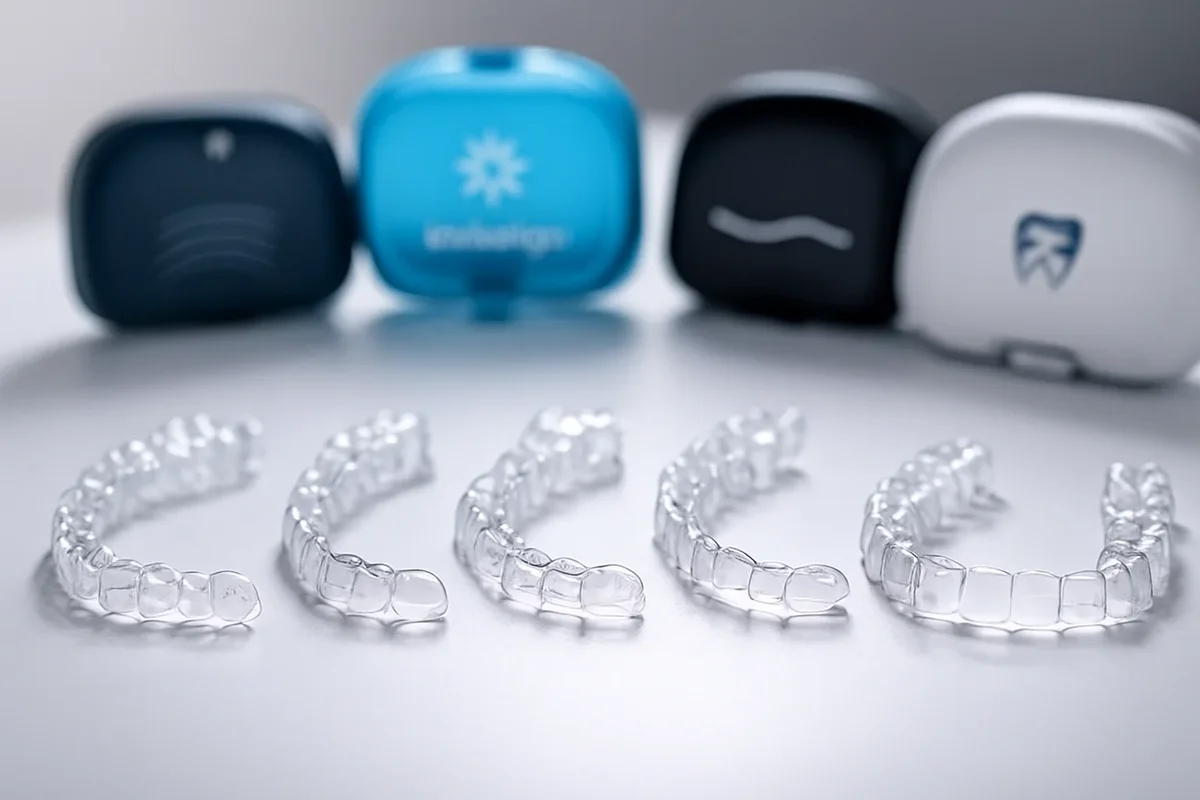
Choosing the Right Clear Aligners Brand for Your Smile
Selecting the right orthodontic system from the many available clear aligners brands is one of the most important decisions you will make during your smile transformation journey. Each brand offers unique advantages in terms of technology, comfort, treatment speed, and professional oversight. Understanding these differences helps patients make informed decisions that align with their dental goals, lifestyle, and budget. In this comprehensive guide, we break down the essential criteria for evaluating clear aligners brands, how clinical supervision improves outcomes, and what real patients should consider before beginning treatment. 😄
Understanding Your Orthodontic Needs Before Choosing a Brand
Not all misalignment issues require the same treatment approach. Some patients need only minor adjustments, while others require correction of complex bite problems. Reputable clear aligners brands classify cases as mild, moderate, or complex based on crowding, spacing, rotations, and bite discrepancies. Understanding your case type helps narrow down which brands are appropriate for your specific needs.
For example, mild spacing or crowding is often suitable for a wider range of brands, including direct-to-consumer options (though professional oversight is strongly preferred). On the other hand, deep bites, open bites, crossbites, or significant rotations require advanced biomechanics and attachments available only through high-end clear aligners brands used by orthodontists.
Why a Professional Consultation Matters
Before choosing among clear aligners brands, it is essential to undergo a dental and orthodontic evaluation. Dentists assess root positions, jaw relationships, gum health, and bone levels—factors that are crucial for predicting treatment success. Clinics such as
Redent Klinik Contact Page
provide detailed consultations to help determine the best aligner option for each patient. Proper diagnostics ensure the patient selects a brand capable of safely achieving their goals.
Comparing Technology and Treatment Capabilities
Different clear aligners brands use varying levels of digital sophistication. Advanced brands incorporate 3D scanning, AI-based movement predictions, and force-controlled aligner materials that ensure more precise tooth movement. These technologies enhance comfort, reduce refinements, and shorten overall treatment duration.
Patients should evaluate the following technological factors when comparing brands:
- Accuracy of digital scans – Some brands offer ultra-high-resolution scans that capture microscopic details.
- Material quality – Multi-layer, medical-grade polymers increase predictability and comfort.
- AI treatment planning – Smart modeling improves precision and reduces errors.
- Attachment systems – Necessary for complex tooth movements.
Brands lacking these technological advantages may be suitable for simple cases but are less effective for more complex bite corrections.
The Importance of Predictability
Predictability refers to how closely real-life tooth movement matches the digital simulation. High-quality clear aligners brands invest heavily in force mapping, material engineering, and AI simulations to ensure predictable results. Brands with low predictability often require additional refinement trays, extending the overall treatment time.
Evaluating Treatment Speed and Comfort
While many patients want results as quickly as possible, speed must be balanced with safety. Leading clear aligners brands design their trays to apply gentle yet effective forces that align the teeth without damaging the roots or gums. When comparing brands, patients should consider:
- Average treatment time for mild and moderate cases
- Weekly vs. biweekly tray changes
- Material flexibility and thickness for comfort
- Refinement policies in case adjustments are needed
Comfort is also essential. Some brands use softer materials that adapt more easily to tooth morphology, while others prioritize durability. The best brands combine comfort with force consistency to deliver efficient, pleasant treatment.
Managing Expectations
While some clear aligners brands advertise extremely fast results, no orthodontic treatment works overnight. Safe tooth movement requires time. Patients should avoid brands that promise unrealistic timelines without clinical evidence.
Considering Lifestyle and Design Preferences
Patients with demanding schedules often prefer clear aligners brands offering remote monitoring and fewer in-office visits. Busy professionals, frequent travelers, and parents appreciate brands with:
- Mobile treatment apps
- AI-based progress checks
- 24/7 support channels
- Longer trim-line aligner designs that enhance retention
Teens may prefer brands with compliance indicators or designs that allow for growing teeth. Adults may prefer ultra-clear materials that resist staining for a more aesthetic appearance during work or social events.
When Aesthetic Discretion Is a Priority
Many clear aligners brands now offer near-invisible trays made of polished, stain-resistant polymers. For patients who want total discretion, selecting brands with exceptionally clear materials is essential. These aligners remain almost undetectable even in bright lighting or during close-up interactions.
Assessing Brand Reputation, Clinical Support, and Safety
A brand’s reputation says a lot about its reliability. Patients should look for clear aligners brands with:
- Strong clinical research
- Positive professional endorsements
- FDA or CE approval
- Biocompatible, BPA-free materials
Trusted organizations, such as the
American Dental Association,
help ensure orthodontic products meet strict safety and performance guidelines. Choosing brands supported by dental professionals lowers the risk of complications and improves long-term outcomes.
Cost Considerations and Transparency
Costs vary significantly among clear aligners brands. High-end brands may charge more due to superior materials, orthodontist involvement, and advanced software systems. Lower-cost brands may appeal to budget-conscious patients, but they often lack attachment systems, in-person evaluations, and accurate monitoring—leading to longer treatment times and potential complications.
When comparing prices, patients should evaluate:
- In-office vs. remote treatment models
- Whether refinements are included
- Retention systems offered post-treatment
- Availability of financing options
Conclusion: Choosing Your Ideal Clear Aligners Brand
Selecting the right clear aligners brands requires careful consideration of technology, professional oversight, comfort, predictability, lifestyle needs, and safety. No single brand is perfect for everyone—your ideal choice depends on your unique case, expectations, and dental anatomy. By consulting with an experienced orthodontist, evaluating brand capabilities, and aligning treatment goals with evidence-based options, you can confidently choose a system that delivers a beautiful, healthy, and long-lasting smile. 🦷✨