
A clear aligners comparison is one of the most important steps for anyone considering orthodontic treatment. As clear aligners continue to grow in popularity, patients are increasingly looking for detailed information about the differences between treatment options, costs, effectiveness, comfort, and overall results. Whether you are researching clear aligners for yourself or a family member, understanding the factors involved in a comprehensive clear aligners comparison can help you make a confident and informed decision.
Clear aligners are transparent, removable orthodontic trays designed to gradually move teeth into their ideal positions. Unlike traditional braces, they do not require metal brackets or wires, making them an attractive solution for patients who want a more discreet smile correction option. However, not all aligner systems are identical. This is why a thorough clear aligners comparison is essential before beginning treatment.
Modern orthodontic technology has created numerous clear aligner systems that vary in treatment planning, materials, supervision levels, and overall performance. Some aligners are provided directly by dental professionals, while others are marketed directly to consumers. Conducting a detailed clear aligners comparison allows patients to understand these distinctions and choose the solution that best matches their oral health needs.
Why Patients Are Interested in Clear Aligners
One of the primary reasons patients seek clear aligners is aesthetics. Many adults and teenagers prefer a treatment option that is nearly invisible during everyday interactions. During a clear aligners comparison, appearance is often one of the first factors considered because clear aligners offer a discreet alternative to traditional braces.
Another major advantage is convenience. Aligners can be removed when eating, drinking, brushing, and flossing. This flexibility allows patients to maintain their regular lifestyle with fewer restrictions. A thorough clear aligners comparison often reveals that convenience is a significant deciding factor for busy professionals, students, and adults.
Comfort is also frequently highlighted. Modern aligners are custom-made using advanced digital scanning technology, creating smooth trays that fit precisely over the teeth. Compared with brackets and wires, many patients find aligners more comfortable throughout treatment. Therefore, comfort remains an important element in every clear aligners comparison.
Factors Included in a Clear Aligners Comparison
When evaluating orthodontic options, patients should consider multiple criteria rather than focusing on a single feature. A comprehensive clear aligners comparison typically examines:
- Treatment effectiveness
- Cost and overall value
- Treatment duration
- Professional supervision
- Comfort and convenience
- Technology used for planning
- Expected results
- Suitability for complex cases
- Retention and post-treatment support
Looking at these factors collectively provides a more accurate picture of what each aligner system can offer. An effective clear aligners comparison helps patients avoid choosing a treatment solely based on advertising claims or price.
The Role of Professional Evaluation
Before beginning any aligner treatment, a professional dental assessment is strongly recommended. During a consultation, dentists evaluate tooth alignment, bite relationships, gum health, and overall oral condition. This assessment plays a critical role in any successful clear aligners comparison because not every patient is an ideal candidate for every aligner system.
Dentist-supervised treatments often include advanced digital scans, X-rays, and customized treatment planning. These diagnostic tools improve predictability and can identify potential issues before treatment begins. Patients interested in learning more about personalized treatment options can visit the Redent Klinik Contact Page to schedule a consultation with experienced dental professionals.
Understanding Treatment Expectations
One of the biggest misconceptions surrounding aligners is that every system produces identical outcomes. In reality, treatment success depends on many variables including patient compliance, case complexity, aligner design, and professional monitoring. This is why a detailed clear aligners comparison should always include realistic expectations regarding treatment outcomes.
Patients must generally wear aligners for approximately 20 to 22 hours per day to achieve desired results. Failure to follow these instructions can prolong treatment or reduce effectiveness. Therefore, patient commitment becomes an important consideration during any clear aligners comparison.
Many orthodontic cases involving mild to moderate crowding, spacing, or alignment concerns respond very well to clear aligners. However, more complex bite issues may require advanced treatment planning or additional orthodontic techniques. Understanding these limitations is another critical aspect of a responsible clear aligners comparison.
Technology Behind Modern Clear Aligners
Digital dentistry has transformed orthodontic care. Today’s aligner systems often use 3D scanning, computer-aided design, and artificial intelligence-assisted treatment planning. These innovations allow dentists to visualize tooth movements before treatment begins.
During a modern clear aligners comparison, patients frequently evaluate which companies offer the most advanced technology. High-quality treatment planning software can improve accuracy, efficiency, and overall patient satisfaction.
Many systems also provide virtual treatment simulations, allowing patients to preview expected results. This feature has become a valuable component of the overall clear aligners comparison process because it helps establish realistic expectations and treatment goals.
Importance of Reliable Information
Because there is a large amount of information available online, patients should rely on trustworthy sources when researching orthodontic treatments. Organizations such as the American Dental Association provide valuable educational resources regarding oral health and orthodontic care.
A well-researched clear aligners comparison should combine professional advice, scientific evidence, patient goals, and realistic expectations. Relying solely on marketing claims can lead to misunderstandings about treatment capabilities and outcomes.
Final Thoughts on Clear Aligners Comparison
A comprehensive clear aligners comparison helps patients understand the advantages, limitations, and differences among available orthodontic solutions. By evaluating treatment effectiveness, comfort, cost, supervision, and technology, patients can make informed decisions that support long-term oral health and smile confidence. 😊
As clear aligner therapy continues to evolve, conducting a detailed clear aligners comparison remains the best way to identify the most suitable treatment option. Taking the time to compare aligner systems carefully can lead to better treatment experiences, more predictable outcomes, and a healthier, more attractive smile for years to come.
What Is a Clear Aligners Comparison and Why Does It Matter?
A clear aligners comparison is the process of evaluating different clear aligner systems, treatment approaches, costs, technologies, and expected outcomes before starting orthodontic treatment. With the growing popularity of invisible orthodontic solutions, patients now have more choices than ever before. While having multiple options is beneficial, it can also create confusion. This is exactly why a thorough clear aligners comparison is so important.
Many people assume that all clear aligners work in the same way. Although most aligner systems share the same basic concept—gradually moving teeth using a series of custom-made transparent trays—the details can vary significantly. Differences in materials, treatment planning software, dentist supervision, manufacturing quality, and patient support can all affect treatment results. A detailed clear aligners comparison helps patients understand these differences and make informed decisions based on their unique needs.
Whether you are considering treatment for crowded teeth, gaps between teeth, mild bite issues, or overall smile enhancement, conducting a careful clear aligners comparison can help ensure that you choose the most suitable solution for your situation.
Why Patients Need a Clear Aligners Comparison Before Treatment
Orthodontic treatment is both a financial and personal investment. Patients typically spend months, and sometimes years, working toward their ideal smile. Because of this commitment, selecting the right treatment option should never be rushed.
A comprehensive clear aligners comparison allows patients to evaluate several critical factors before beginning treatment. These include:
- Treatment effectiveness
- Estimated treatment duration
- Comfort during daily wear
- Professional supervision level
- Total treatment cost
- Technology and digital planning capabilities
- Long-term retention support
- Suitability for specific orthodontic issues
Without a proper clear aligners comparison, patients may select a treatment option based solely on marketing claims or price. However, the least expensive solution is not always the most effective or appropriate choice. A lower upfront cost may sometimes result in limited supervision or reduced treatment capabilities.
Understanding the Different Types of Clear Aligner Systems
One of the most important aspects of a clear aligners comparison is understanding that there are several categories of aligner treatment available today.
Dentist-Supervised Clear Aligners
These treatments are managed directly by licensed dental professionals or orthodontists. Patients receive comprehensive examinations, digital scans, treatment planning, and regular monitoring throughout the process. Dentist-supervised aligners are often recommended for patients with moderate or complex orthodontic concerns.
During a professional clear aligners comparison, dentist-supervised treatment is frequently considered the gold standard because adjustments can be made whenever necessary.
Direct-to-Consumer Aligners
Some aligner systems allow patients to begin treatment remotely without frequent in-person visits. These solutions may appeal to individuals seeking convenience and lower costs. However, a responsible clear aligners comparison should carefully evaluate the limitations associated with reduced clinical supervision.
Certain orthodontic issues require close monitoring to ensure safe tooth movement. Therefore, treatment suitability should always be assessed before choosing a direct-to-consumer option.
How a Clear Aligners Comparison Helps Prevent Disappointment
One of the biggest reasons patients perform a clear aligners comparison is to avoid unrealistic expectations. Marketing campaigns often highlight dramatic smile transformations, but individual treatment outcomes vary considerably.
Factors such as age, oral health, treatment compliance, and case complexity all influence final results. By conducting a thorough clear aligners comparison, patients gain a realistic understanding of what aligners can and cannot achieve.
For example, mild crowding and spacing issues often respond very well to aligner therapy. More severe bite discrepancies may require additional orthodontic techniques. Understanding these limitations helps patients set achievable treatment goals from the beginning.
Technology’s Role in a Clear Aligners Comparison
Technology has transformed modern orthodontics. Today, many aligner systems use advanced digital workflows that include intraoral scanning, three-dimensional treatment planning, and virtual simulations.
A modern clear aligners comparison should examine the technology used by different providers. Advanced software can improve treatment accuracy and predictability while enhancing patient communication.
Patients often appreciate being able to preview their expected smile results before treatment begins. This feature has become an important component of many aligner systems and is frequently evaluated during a clear aligners comparison.
Digital Scanning Versus Traditional Impressions
Many modern providers use digital scanners instead of traditional dental impressions. Digital scans are generally faster, more comfortable, and highly accurate. As a result, digital technology often becomes an important consideration during a clear aligners comparison.
Accurate records contribute directly to aligner fit and treatment effectiveness, making this seemingly small detail more important than many patients realize.
Financial Considerations in a Clear Aligners Comparison
Cost is naturally one of the most common concerns for patients. However, focusing exclusively on price can be misleading. A complete clear aligners comparison should evaluate overall value rather than simply identifying the lowest-cost option.
Treatment fees may include consultations, digital scans, aligner fabrication, monitoring appointments, refinements, retainers, and post-treatment support. Some providers bundle these services together, while others charge separately.
Patients who conduct a detailed clear aligners comparison often discover that a slightly higher initial investment may provide significantly greater long-term value through enhanced supervision and more predictable outcomes.
The Importance of Personalized Treatment Planning
No two smiles are identical. Every patient presents unique dental anatomy, bite relationships, and treatment goals. Therefore, personalization plays a major role in orthodontic success.
A reliable clear aligners comparison should always assess how treatment plans are customized. Systems that offer individualized planning based on comprehensive diagnostics generally provide more predictable tooth movement than generic approaches.
Professional evaluation also helps identify issues such as gum disease, tooth decay, or jaw alignment concerns that may need attention before aligner therapy begins.
Final Thoughts
A thorough clear aligners comparison is much more than simply comparing brands. It involves evaluating treatment effectiveness, supervision, technology, comfort, costs, and long-term outcomes. Patients who invest time in conducting a comprehensive clear aligners comparison are often better prepared to choose the right orthodontic solution and achieve successful results.
Ultimately, the goal of any clear aligners comparison is to help patients select a treatment option that delivers safe, predictable, and aesthetically pleasing results. By understanding the differences among available systems, patients can confidently move forward on their journey toward a healthier and more attractive smile. 😊
Clear Aligners vs Traditional Braces: Which Is Better?
One of the most common questions patients ask before starting orthodontic treatment is whether they should choose clear aligners or traditional braces. This decision can significantly affect comfort, appearance, treatment duration, lifestyle, and overall satisfaction. A detailed clear aligners comparison is essential for understanding the strengths and limitations of both options. While both treatments aim to straighten teeth and improve bite function, they achieve these goals in different ways and may be better suited to different types of patients.
For many people, the choice is not simply about aesthetics. A proper clear aligners comparison should evaluate effectiveness, convenience, maintenance requirements, treatment complexity, and long-term results. Understanding these factors helps patients select the treatment that aligns with their dental needs and personal preferences.
Understanding the Basics of Clear Aligners and Braces
Traditional braces use metal or ceramic brackets attached to the teeth and connected with wires. These components apply continuous pressure to gradually move teeth into their desired positions. Orthodontists periodically adjust the wires to maintain progress throughout treatment.
Clear aligners, on the other hand, use a series of transparent removable trays that fit snugly over the teeth. Each aligner is designed to move teeth incrementally until the desired alignment is achieved. During a clear aligners comparison, patients often discover that both systems can deliver excellent results, but the treatment experience differs considerably.
Aesthetic Differences
Why Appearance Matters
One of the biggest reasons people conduct a clear aligners comparison is appearance. Adults and teenagers frequently prefer orthodontic treatments that are less noticeable during daily interactions.
Clear aligners are nearly invisible when worn, making them an attractive option for professionals, students, and individuals who frequently attend social events. Many patients appreciate being able to straighten their teeth without drawing attention to their treatment.
Traditional braces are more visible, especially metal braces. Although ceramic braces can reduce visibility, they are still easier to notice than transparent aligners. For patients who prioritize aesthetics, a clear aligners comparison often favors aligners as the more discreet option.
Comfort and Daily Experience
Comfort Levels During Treatment
Comfort is another important consideration in a clear aligners comparison. Traditional braces include brackets and wires that may cause irritation to the cheeks, lips, and tongue, especially after adjustments.
Clear aligners are manufactured from smooth plastic materials and generally have fewer sharp edges. While patients may experience mild pressure when switching to a new aligner tray, many report less irritation compared to conventional braces.
However, it is important to understand that all orthodontic treatments involve some level of discomfort because teeth must move through the supporting bone. A realistic clear aligners comparison acknowledges that neither option is completely pain-free.
Eating and Dietary Restrictions
One significant advantage often highlighted in a clear aligners comparison is dietary freedom. Traditional braces require patients to avoid certain foods, including:
- Sticky candies
- Hard nuts
- Popcorn
- Chewing gum
- Crunchy snacks
These foods can damage brackets or wires and may increase treatment complications.
Clear aligners are removable, allowing patients to eat virtually any food after taking the trays out. This flexibility is one reason many adults prefer aligners when evaluating a clear aligners comparison.
Oral Hygiene Considerations
Keeping Teeth Clean During Treatment
Maintaining excellent oral hygiene is essential regardless of treatment type. However, a detailed clear aligners comparison often reveals significant differences in daily cleaning routines.
Braces can make brushing and flossing more challenging because food particles can become trapped around brackets and wires. Special cleaning tools are often required to clean effectively.
Clear aligners can be removed before brushing and flossing, allowing patients to maintain their normal oral hygiene routine. This convenience can help reduce plaque accumulation and improve gum health throughout treatment.
As a result, oral hygiene advantages frequently influence the outcome of a clear aligners comparison.
Treatment Effectiveness
When evaluating treatment effectiveness, a balanced clear aligners comparison is essential. Both aligners and braces can successfully treat many orthodontic concerns, including:
- Crowded teeth
- Spacing issues
- Mild bite discrepancies
- Rotated teeth
- Alignment problems
However, traditional braces may still have advantages in certain highly complex cases involving severe bite issues, significant tooth rotations, or extensive tooth movement requirements.
Modern aligner technology has advanced dramatically in recent years, allowing many cases previously treated with braces alone to be successfully managed using aligners. Therefore, a professional clear aligners comparison should always include an individualized assessment by a qualified dental provider.
Treatment Duration
Patients frequently ask whether one treatment option is faster than the other. The answer depends largely on case complexity and patient compliance.
A comprehensive clear aligners comparison shows that treatment times for aligners and braces are often similar for mild to moderate cases. However, aligners require excellent patient cooperation.
Most aligner systems require wear for 20–22 hours per day. If patients remove them too frequently, treatment progress may slow considerably.
Braces remain attached to the teeth at all times, eliminating concerns about compliance. For this reason, some orthodontists may recommend braces for patients who are unlikely to wear aligners consistently.
Cost Comparison
Financial considerations naturally play a role in any clear aligners comparison. Costs vary depending on geographic location, provider expertise, and case complexity.
In many markets, clear aligners and traditional braces are similarly priced. Some premium aligner systems may cost slightly more due to advanced digital planning technologies and customized manufacturing processes.
Patients should evaluate overall value rather than focusing exclusively on initial costs. Professional supervision, treatment predictability, refinements, and retention support all contribute to the true value of orthodontic treatment.
Who Is the Ideal Candidate for Each Option?
Best Candidates for Clear Aligners
- Adults seeking discreet treatment
- Patients with mild to moderate alignment issues
- Individuals committed to wearing aligners consistently
- People prioritizing convenience and aesthetics
Best Candidates for Traditional Braces
- Patients with highly complex orthodontic problems
- Individuals who may struggle with aligner compliance
- Cases requiring significant tooth movement
- Younger patients who benefit from fixed appliances
Final Verdict: Which Is Better?
There is no universal answer because the best choice depends on each patient’s goals, dental condition, lifestyle, and preferences. A thorough clear aligners comparison demonstrates that both treatments can produce outstanding results when appropriately selected and professionally managed.
For patients prioritizing aesthetics, flexibility, and convenience, clear aligners often provide significant advantages. For individuals with complex orthodontic needs, traditional braces may remain the preferred solution. Ultimately, the most reliable way to determine the right treatment is through a professional consultation and a personalized clear aligners comparison based on your specific oral health requirements. 😊
Comparing Popular Clear Aligner Brands and Treatment Systems
A thorough clear aligners comparison would not be complete without examining the most popular clear aligner brands and treatment systems available today. As demand for discreet orthodontic treatment continues to increase, numerous companies have entered the market, each offering unique technologies, treatment protocols, and patient experiences. While all aligners share the same goal of straightening teeth through controlled movement, significant differences exist between systems.
For patients researching orthodontic treatment, a detailed clear aligners comparison helps distinguish marketing claims from genuine clinical advantages. Factors such as treatment planning technology, dentist involvement, aligner material quality, treatment complexity, and customer support should all be evaluated before making a final decision.
Understanding the strengths and limitations of leading aligner systems can help patients select the option most appropriate for their dental condition, lifestyle, and budget.
Why Brand Selection Matters
Many patients assume that all aligners are identical because they look similar. However, a professional clear aligners comparison reveals important distinctions between brands. Different manufacturers use varying materials, software platforms, treatment protocols, and levels of professional oversight.
These differences can influence:
- Treatment accuracy
- Comfort during wear
- Speed of tooth movement
- Predictability of results
- Ability to treat complex cases
- Long-term patient satisfaction
Therefore, selecting the right system should involve much more than simply choosing the most recognizable brand name.
Invisalign: The Most Recognized Aligner System
Overview of Invisalign
Invisalign is widely considered the most established name in the aligner industry. Since its introduction in the late 1990s, millions of patients worldwide have undergone treatment using this system.
In any comprehensive clear aligners comparison, Invisalign frequently serves as the benchmark against which other aligner systems are measured.
Key features include:
- Advanced SmartTrack material
- Extensive clinical research
- Highly sophisticated treatment planning software
- Wide provider network
- Treatment options for mild to complex cases
Because of its extensive development and research history, Invisalign can often address more challenging orthodontic issues than some competing systems.
Potential Drawbacks
One aspect frequently discussed during a clear aligners comparison is cost. Invisalign treatment may be more expensive than some alternative systems due to its advanced technology and global reputation.
However, many patients and providers consider the additional investment worthwhile because of its proven track record and extensive clinical support.
SureSmile Aligners
Digital Precision and Efficiency
SureSmile is another popular system often included in a modern clear aligners comparison. Originally known for orthodontic treatment planning software, SureSmile has expanded into comprehensive clear aligner therapy.
SureSmile emphasizes digital precision and efficient tooth movement. Many dental professionals appreciate the platform’s advanced treatment planning capabilities and flexibility.
Advantages commonly associated with SureSmile include:
- Advanced digital planning
- High-quality aligner materials
- Professional supervision
- Competitive pricing in some regions
For many patients, SureSmile represents an excellent balance between technology and affordability.
Spark Aligners
Focus on Clarity and Comfort
Spark Aligners have gained attention due to their transparent appearance and stain-resistant materials. During a detailed clear aligners comparison, Spark is often praised for aesthetics and patient comfort.
Spark aligners are manufactured using advanced materials designed to provide:
- Improved clarity
- Enhanced comfort
- Reduced staining
- Effective force application
Many patients report that Spark aligners remain clear throughout treatment, helping maintain a discreet appearance even during extended wear.
Clinical Considerations
Like Invisalign and SureSmile, Spark treatment is generally supervised by dental professionals. This level of oversight is often viewed positively during a clear aligners comparison because it allows providers to monitor treatment progress and make adjustments when necessary.
Direct-to-Consumer Aligner Systems
How They Differ
Several companies have offered direct-to-consumer aligners that minimize or eliminate regular in-office appointments. These systems typically emphasize convenience and lower costs.
When conducting a clear aligners comparison, patients often find direct-to-consumer options appealing due to their affordability and remote treatment models.
Potential advantages may include:
- Lower initial costs
- Remote monitoring
- Reduced office visits
- Convenient ordering process
However, reduced clinical supervision can also create limitations for certain orthodontic cases.
Potential Limitations
A responsible clear aligners comparison should consider that complex tooth movements often require direct professional monitoring. Some patients may not be suitable candidates for remote-only treatment models.
Professional examinations, X-rays, and comprehensive diagnostics remain important components of safe orthodontic care.
Material Differences Between Brands
An often-overlooked component of a clear aligners comparison is aligner material technology. Different manufacturers use proprietary plastics designed to optimize comfort, durability, and force delivery.
Material characteristics can affect:
- Aligner transparency
- Stain resistance
- Flexibility
- Patient comfort
- Predictability of tooth movement
While these differences may appear minor, they can influence the overall treatment experience significantly.
Technology and Treatment Planning
Digital Workflow Importance
Modern orthodontics relies heavily on digital technology. During a comprehensive clear aligners comparison, evaluating treatment planning capabilities is essential.
Leading aligner systems often utilize:
- 3D intraoral scanning
- Artificial intelligence-assisted planning
- Virtual treatment simulations
- Cloud-based case management
These technologies contribute to treatment accuracy and improve communication between providers and patients.
Many patients appreciate being able to preview projected smile outcomes before treatment begins, making digital planning an important factor in any clear aligners comparison.
Which Brand Is Best?
The answer depends on individual circumstances. No single system is ideal for every patient. A successful clear aligners comparison should focus on matching the patient’s needs with the strengths of a particular treatment system.
Patients with more complex orthodontic conditions may benefit from systems with extensive clinical support and advanced treatment capabilities. Others may prioritize affordability, convenience, or aesthetic features.
The most effective approach is to undergo a professional evaluation before selecting a specific brand. An experienced dental provider can determine which aligner system is most appropriate based on tooth positioning, bite relationships, oral health status, and treatment goals.
Final Thoughts
Comparing aligner brands is a crucial step in the orthodontic decision-making process. A well-researched clear aligners comparison considers technology, materials, treatment supervision, clinical capabilities, and patient experience rather than relying solely on brand recognition.
Whether evaluating Invisalign, SureSmile, Spark, or other treatment systems, patients should prioritize safety, predictability, and professional guidance. Ultimately, the best outcome comes from choosing a solution that aligns with individual needs and is supported by comprehensive treatment planning. By conducting a detailed clear aligners comparison, patients can confidently move forward toward a healthier, straighter, and more attractive smile. 😊
Cost Breakdown in a Clear Aligners Comparison
For many patients, cost is one of the most influential factors when choosing orthodontic treatment. While aesthetics, comfort, and effectiveness are important, budget considerations often play a major role in the final decision. This is why a comprehensive clear aligners comparison must include a detailed analysis of treatment costs and overall value. Understanding what affects pricing can help patients avoid surprises and make more informed decisions regarding their oral health investment.
One of the most common misconceptions is that all clear aligner treatments cost roughly the same. In reality, prices vary significantly depending on the aligner brand, provider expertise, case complexity, geographic location, and level of professional supervision. A detailed clear aligners comparison reveals that treatment fees can range from relatively affordable solutions for minor corrections to more advanced systems designed for complex orthodontic cases.
Rather than focusing solely on the lowest price, patients should evaluate the complete treatment package. A proper clear aligners comparison examines what is included in the quoted fee and whether additional costs may arise throughout treatment.
Average Cost of Clear Aligner Treatment
Although exact prices vary between countries and clinics, a general clear aligners comparison typically shows the following price ranges:
| Treatment Type | Estimated Cost (USD) |
|---|---|
| Minor Alignment Cases | $1,500 – $3,000 |
| Moderate Orthodontic Cases | $3,000 – $6,000 |
| Comprehensive Premium Systems | $5,000 – $9,000+ |
| Traditional Braces (for comparison) | $3,000 – $8,000 |
These estimates represent general market ranges and should be used for educational purposes only. Individual treatment plans may differ significantly based on patient needs and provider recommendations.
A thorough clear aligners comparison demonstrates that cost alone does not accurately reflect treatment quality or effectiveness.
What Factors Influence Clear Aligner Costs?
Case Complexity
One of the largest factors affecting pricing during a clear aligners comparison is treatment complexity. Minor spacing or crowding issues usually require fewer aligners and shorter treatment periods, resulting in lower costs.
More complicated orthodontic conditions often require:
- Additional aligner trays
- Longer treatment durations
- Advanced treatment planning
- More monitoring appointments
- Additional refinement stages
As complexity increases, treatment costs generally increase as well.
Provider Experience and Qualifications
An experienced dentist or orthodontist may charge higher fees than a less experienced provider. However, a responsible clear aligners comparison should consider the value of clinical expertise.
Experienced providers often:
- Develop more precise treatment plans
- Identify complications earlier
- Manage difficult cases effectively
- Deliver more predictable outcomes
Although professional expertise may increase the initial investment, it can contribute significantly to treatment success.
Brand-Related Price Differences
Another important component of a clear aligners comparison is evaluating differences between aligner brands.
Premium Systems
Premium brands such as Invisalign often command higher fees due to:
- Extensive clinical research
- Advanced treatment software
- Proprietary aligner materials
- Global provider networks
- Comprehensive case support
Many patients choose premium systems because they offer strong reputations and proven clinical performance.
Alternative Professional Systems
Systems such as SureSmile and Spark may provide competitive pricing while still offering professional supervision and advanced technology. During a clear aligners comparison, these alternatives are frequently evaluated as cost-effective options for suitable candidates.
Direct-to-Consumer Options
Some direct-to-consumer systems have historically offered lower prices than dentist-supervised treatment. A careful clear aligners comparison should examine whether lower costs correspond with reduced clinical monitoring and limited treatment capabilities.
While affordability may be attractive, patients should consider overall safety, predictability, and support when evaluating these systems.
Understanding What Is Included in the Treatment Fee
One of the most important aspects of a clear aligners comparison is determining what services are included in the quoted cost.
Some providers offer all-inclusive treatment packages, while others charge separately for certain services.
Included services may consist of:
- Initial consultation
- Digital scans
- X-rays
- Treatment planning
- Aligner fabrication
- Progress evaluations
- Refinement aligners
- Retainers
Patients should request detailed treatment estimates to ensure they understand the full scope of expenses before beginning therapy.
Hidden Costs Patients Should Consider
Refinement Aligners
Even well-planned cases sometimes require additional aligners to achieve ideal results. During a clear aligners comparison, patients should ask whether refinement trays are included in the treatment package.
Some providers include refinements at no extra charge, while others bill separately.
Replacement Aligners
Lost or damaged aligners may require replacement. A complete clear aligners comparison should investigate replacement policies and associated fees.
Patients who frequently travel or have busy lifestyles may benefit from understanding these costs in advance.
Retainers After Treatment
Once orthodontic treatment is complete, retainers are necessary to maintain results. Retention is often overlooked during a clear aligners comparison, yet it represents an important long-term investment.
Without retainers, teeth may gradually shift back toward their original positions, reducing treatment success.
Insurance and Financing Options
Many patients are surprised to learn that dental insurance may contribute toward orthodontic treatment costs. A detailed clear aligners comparison should include a review of available insurance benefits.
Potential financial assistance options include:
- Dental insurance coverage
- Health savings accounts (HSAs)
- Flexible spending accounts (FSAs)
- Monthly payment plans
- Clinic financing programs
These solutions can make treatment more accessible and manageable for many patients.
Evaluating Cost Versus Value
Perhaps the most important lesson from any clear aligners comparison is that cost and value are not the same thing. The least expensive treatment may not provide the supervision, technology, or treatment flexibility necessary to achieve optimal results.
Similarly, the most expensive option is not automatically the best choice. Patients should focus on obtaining a balance between affordability, quality, safety, and expected outcomes.
Factors that contribute to treatment value include:
- Provider expertise
- Clinical support
- Treatment predictability
- Technology quality
- Patient satisfaction
- Long-term stability
Final Thoughts
A complete clear aligners comparison must go beyond simple price tags and examine the total value of treatment. Costs vary based on case complexity, provider qualifications, treatment systems, included services, and post-treatment support.
Patients who invest time in conducting a thorough clear aligners comparison are better positioned to choose a treatment plan that fits both their budget and their long-term oral health goals. By evaluating all financial aspects carefully, individuals can confidently pursue a straighter, healthier smile while maximizing the value of their orthodontic investment. 😊
Treatment Time Differences Between Clear Aligner Options
One of the most important factors patients evaluate before beginning orthodontic treatment is how long the process will take. While achieving a straighter smile is the ultimate goal, many individuals want to know whether one aligner system can deliver results faster than another. This is where a detailed clear aligners comparison becomes extremely valuable. Treatment duration varies significantly depending on the aligner system, case complexity, patient compliance, treatment planning, and biological factors that influence tooth movement.
A comprehensive clear aligners comparison reveals that there is no universal treatment timeline that applies to every patient. Some individuals may complete treatment in as little as a few months, while others may require more than a year to achieve their desired results. Understanding the factors that influence treatment time helps patients develop realistic expectations and make informed decisions about their orthodontic journey.
Although many advertisements promote rapid smile transformations, a professional clear aligners comparison should focus on safe, predictable tooth movement rather than unrealistic promises of speed.
Average Treatment Times for Clear Aligners
When performing a clear aligners comparison, patients often discover that treatment duration depends largely on the severity of their orthodontic concerns.
General treatment timelines may include:
| Case Type | Estimated Treatment Time |
|---|---|
| Minor Cosmetic Corrections | 3–6 Months |
| Mild Crowding or Spacing | 6–12 Months |
| Moderate Orthodontic Cases | 12–18 Months |
| Complex Bite Corrections | 18–24+ Months |
These timelines represent broad estimates rather than guarantees. A personalized treatment plan is necessary to determine an individual’s expected treatment duration accurately.
Why Treatment Time Varies Between Patients
Case Complexity
The complexity of tooth movement is one of the most influential factors in any clear aligners comparison. Patients requiring minor cosmetic adjustments generally complete treatment more quickly than those with significant crowding, spacing, bite discrepancies, or tooth rotations.
Simple alignment corrections may require only a limited number of aligners, while more advanced cases can involve dozens of trays and multiple refinement stages.
As treatment complexity increases, treatment duration typically increases as well.
Biological Response to Treatment
Every person’s body responds differently to orthodontic forces. During a professional clear aligners comparison, it is important to recognize that tooth movement depends on biological processes occurring within the jawbone and supporting tissues.
Factors that may influence treatment speed include:
- Age
- Bone density
- Gum health
- Overall oral health
- Individual healing response
Because these biological variables differ from patient to patient, treatment timelines can vary even among individuals with similar orthodontic conditions.
Differences Between Aligner Brands
Another important aspect of a clear aligners comparison involves evaluating treatment timelines across different aligner systems.
Premium Aligner Systems
Established systems such as Invisalign, Spark, and SureSmile utilize advanced treatment planning technologies that may improve treatment efficiency. These systems often employ sophisticated software to optimize tooth movement and reduce unnecessary aligner stages.
During a clear aligners comparison, patients frequently learn that premium systems emphasize precision and predictability rather than simply reducing treatment time.
The primary goal is to achieve stable, healthy outcomes while minimizing complications.
Direct-to-Consumer Systems
Some direct-to-consumer aligner companies promote shorter treatment durations. However, a balanced clear aligners comparison should carefully evaluate whether reduced treatment times are appropriate for the patient’s specific orthodontic needs.
In certain situations, attempting to accelerate tooth movement excessively may compromise treatment quality or long-term stability. Professional supervision remains an important consideration when evaluating treatment timelines.
The Critical Role of Patient Compliance
Why Wearing Aligners Matters
Perhaps the single most important factor affecting treatment duration in a clear aligners comparison is patient compliance.
Most aligner systems require patients to wear their trays for approximately 20 to 22 hours per day. Aligners should only be removed for:
- Eating
- Drinking beverages other than water
- Brushing teeth
- Flossing
Patients who consistently follow these guidelines often achieve treatment milestones according to schedule.
Conversely, patients who frequently remove aligners or fail to wear them as instructed may experience significant delays.
Consequences of Poor Compliance
A realistic clear aligners comparison must acknowledge that treatment success depends heavily on patient cooperation.
Poor compliance may result in:
- Delayed tooth movement
- Poor aligner fit
- Additional refinement stages
- Extended treatment duration
- Increased overall costs
For this reason, aligners may not be ideal for every patient. Individuals who struggle with consistent wear may benefit more from fixed orthodontic appliances.
Refinement Stages and Their Impact on Treatment Time
Even carefully planned orthodontic treatments sometimes require refinements. During a clear aligners comparison, patients should understand that refinement aligners are additional trays designed to perfect final tooth positions.
Refinements may be necessary because:
- Teeth do not always move exactly as predicted
- Minor adjustments may improve final aesthetics
- Bite relationships may require further optimization
- Patient compliance may have varied during treatment
Although refinements can extend treatment duration, they often contribute significantly to achieving optimal outcomes.
Can Treatment Be Accelerated?
Supplemental Technologies
Some providers offer adjunctive technologies intended to support orthodontic treatment. During a clear aligners comparison, patients may encounter products that claim to accelerate tooth movement through vibration or other methods.
The effectiveness of such technologies varies, and scientific evidence remains mixed in certain areas. Patients should consult qualified dental professionals before investing in acceleration devices.
The safest approach remains following prescribed treatment protocols and maintaining excellent compliance.
Clear Aligners vs Traditional Braces for Treatment Duration
Many patients use a clear aligners comparison to determine whether aligners work faster than traditional braces.
In reality, treatment durations are often similar for mild to moderate cases. The primary difference lies in patient compliance. Braces remain attached to the teeth continuously, whereas aligners require active participation from the patient.
For highly complex orthodontic problems, braces may sometimes achieve certain movements more efficiently. However, advances in aligner technology have significantly expanded the range of cases treatable with clear aligners.
Setting Realistic Expectations
A responsible clear aligners comparison emphasizes realistic expectations rather than unrealistic promises. Orthodontic treatment is a biological process that requires time for safe and stable tooth movement.
Patients should focus on treatment quality, long-term stability, and oral health outcomes rather than solely pursuing the shortest possible timeline.
An experienced dental professional can provide personalized estimates based on individual treatment goals and clinical findings.
Final Thoughts
Treatment duration is a major consideration for anyone exploring orthodontic care. A detailed clear aligners comparison demonstrates that treatment time depends on numerous variables, including case complexity, aligner system selection, patient compliance, biological response, and refinement needs.
While some patients may complete treatment within a few months, others require longer timelines to achieve ideal results. The most successful outcomes occur when patients follow professional guidance, wear aligners consistently, and maintain realistic expectations throughout the process. By conducting a thorough clear aligners comparison, individuals can better understand treatment timelines and confidently pursue the path toward a healthier, straighter smile. 😊
Comfort, Appearance, and Daily Convenience Compared
For many patients, orthodontic treatment is about much more than straightening teeth. Modern patients want a solution that fits comfortably into their lifestyle, looks discreet, and allows them to maintain their daily routines with minimal disruption. This is why comfort, appearance, and convenience are among the most important factors in any clear aligners comparison. While treatment effectiveness remains the primary goal, the overall experience can significantly influence patient satisfaction and treatment compliance.
A comprehensive clear aligners comparison should evaluate how different aligner systems affect everyday life. From social interactions and workplace confidence to eating habits and oral hygiene routines, clear aligners offer unique advantages that have helped make them one of the most popular orthodontic solutions available today.
Understanding these practical benefits allows patients to determine whether clear aligners align with their personal preferences, professional responsibilities, and lifestyle expectations.
Why Comfort Matters During Orthodontic Treatment
Orthodontic treatment typically lasts several months or even years. Because patients wear aligners for most of the day, comfort plays a major role in treatment success. During a detailed clear aligners comparison, comfort is often one of the first characteristics patients evaluate.
Unlike traditional braces that use brackets and wires, clear aligners are manufactured from smooth medical-grade plastic. These trays are custom-designed to fit closely over the teeth, reducing friction against soft oral tissues.
As a result, many patients find aligners more comfortable during everyday activities such as speaking, eating, and socializing.
Initial Adjustment Period
A realistic clear aligners comparison should acknowledge that some discomfort is normal when beginning treatment. Each new aligner applies controlled pressure to move teeth gradually into their intended positions.
Patients may experience:
- Mild pressure sensations
- Temporary tooth sensitivity
- Slight speech adjustments
- Minor discomfort during aligner changes
Fortunately, these symptoms are usually temporary and often improve within a few days as patients adapt to each new aligner tray.
Comparing Appearance and Aesthetics
The Appeal of Nearly Invisible Treatment
One of the most significant reasons patients perform a clear aligners comparison is appearance. Traditional braces remain highly effective, but many adults and teenagers prefer treatment options that are less noticeable.
Clear aligners are designed to be transparent, allowing patients to straighten their teeth discreetly. In professional environments, social situations, and public settings, many individuals appreciate the confidence that comes with nearly invisible orthodontic treatment.
This aesthetic advantage is one of the primary factors driving the growing popularity of aligner therapy worldwide.
Differences Between Aligner Brands
A thorough clear aligners comparison often reveals subtle differences in aligner appearance between manufacturers. Some systems use materials specifically designed to maximize clarity and resist staining.
Factors affecting appearance may include:
- Material transparency
- Resistance to discoloration
- Tray thickness
- Fit precision
- Edge design
Although these differences may seem minor, they can influence patient satisfaction during long-term treatment.
Daily Convenience and Lifestyle Benefits
Convenience is another area where clear aligners often perform exceptionally well during a clear aligners comparison. Because aligners are removable, they provide flexibility that traditional orthodontic appliances cannot match.
Patients can remove aligners temporarily when necessary while still maintaining effective treatment progress, provided they follow recommended wear schedules.
Eating Without Restrictions
One of the most appreciated benefits highlighted in a clear aligners comparison is the ability to eat without major dietary restrictions.
Traditional braces often require patients to avoid foods such as:
- Sticky candy
- Popcorn
- Hard nuts
- Chewing gum
- Crunchy snacks
Clear aligners are removed before meals, allowing patients to enjoy their normal diet. This flexibility contributes significantly to patient satisfaction and quality of life during treatment.
Special Events and Important Occasions
A major advantage frequently discussed in a clear aligners comparison is the ability to remove aligners briefly for special situations.
Examples may include:
- Weddings
- Professional presentations
- Graduation ceremonies
- Photographs
- Public speaking engagements
Although aligners should be worn for the recommended number of hours each day, this temporary flexibility can be valuable for many patients.
Oral Hygiene Advantages
Maintaining Healthy Teeth and Gums
Oral hygiene is an important consideration in any clear aligners comparison. Good oral health supports successful orthodontic treatment and helps prevent complications.
Because aligners are removable, patients can continue their regular brushing and flossing routines without significant modification.
This contrasts with traditional braces, where cleaning around brackets and wires can be more challenging.
Benefits of aligner-based hygiene include:
- Easier brushing
- More effective flossing
- Reduced plaque accumulation
- Improved gum health maintenance
- Lower risk of food trapping
For many individuals, these oral hygiene advantages strongly influence the outcome of a clear aligners comparison.
Speech and Communication Considerations
Patients frequently wonder whether aligners will affect their speech. During a detailed clear aligners comparison, this concern often arises, particularly among professionals who rely heavily on communication.
Most patients adapt quickly to wearing aligners. Some may notice a slight lisp during the first few days of treatment, but speech typically returns to normal as the tongue adjusts to the presence of the trays.
Practicing speaking aloud can often accelerate this adaptation process.
Travel and Busy Lifestyles
Convenience for Active Individuals
A modern clear aligners comparison frequently highlights the convenience aligners offer to individuals with demanding schedules.
Professionals, students, and frequent travelers often appreciate:
- Fewer emergency appointments
- Reduced maintenance issues
- Portable treatment management
- Minimal lifestyle disruption
Many aligner systems allow patients to receive multiple sets of trays in advance, making treatment easier to manage during travel or extended periods away from home.
Potential Convenience Challenges
While aligners provide many advantages, a balanced clear aligners comparison should also acknowledge potential inconveniences.
Patients must remember to:
- Wear aligners consistently
- Clean trays regularly
- Store aligners safely when removed
- Avoid losing or damaging trays
- Track aligner change schedules
Success depends heavily on patient responsibility. Individuals who prefer a treatment option that requires less daily management may find fixed orthodontic appliances more suitable.
Psychological Benefits of Discreet Treatment
An often-overlooked aspect of a clear aligners comparison involves confidence and self-esteem. Many patients feel more comfortable pursuing orthodontic treatment when it can be done discreetly.
Adults who previously delayed treatment due to concerns about appearance may feel empowered to address orthodontic issues through clear aligners. This increased confidence often contributes positively to overall treatment satisfaction.
Final Thoughts
Comfort, appearance, and convenience are among the most compelling reasons patients choose clear aligners. A comprehensive clear aligners comparison demonstrates that aligners offer significant lifestyle advantages, including improved aesthetics, easier oral hygiene, dietary flexibility, and greater day-to-day convenience.
While aligners require consistent wear and personal responsibility, many patients find these obligations worthwhile in exchange for a discreet and comfortable treatment experience. By conducting a detailed clear aligners comparison, individuals can determine whether aligner therapy aligns with their lifestyle, priorities, and long-term smile goals. 😊
Effectiveness of Clear Aligners for Different Dental Issues
One of the most important questions patients ask before starting orthodontic treatment is whether clear aligners can effectively address their specific dental concerns. While clear aligners have become increasingly popular due to their aesthetic appeal and convenience, treatment success ultimately depends on their ability to achieve predictable and healthy tooth movement. For this reason, a comprehensive clear aligners comparison must carefully evaluate how different aligner systems perform when treating various orthodontic conditions.
Modern aligner technology has advanced significantly over the past two decades. Many cases that once required traditional braces can now be treated successfully with clear aligners. However, not every orthodontic issue responds equally to aligner therapy. A detailed clear aligners comparison helps patients understand which dental problems are commonly treated with aligners and where potential limitations may exist.
The effectiveness of treatment depends on several factors, including case complexity, patient compliance, treatment planning quality, aligner design, and professional supervision. Understanding these factors is essential when evaluating orthodontic treatment options.
How Clear Aligners Move Teeth
Before examining specific dental conditions, it is important to understand the basic principles behind aligner therapy. During a clear aligners comparison, patients often learn that aligners use controlled, gradual forces to guide teeth into new positions over time.
Each aligner tray is slightly different from the previous one. As patients progress through the series, teeth move incrementally according to the digital treatment plan created by the dental professional.
Modern systems often incorporate:
- Three-dimensional treatment planning
- Custom aligner fabrication
- Precision attachments
- Advanced force-control technologies
- Digital treatment monitoring
These innovations have significantly expanded the capabilities of aligner therapy and improved treatment predictability.
Treating Mild Crowding
One of the Most Predictable Applications
Mild crowding is among the most common orthodontic concerns addressed during a clear aligners comparison. Crowding occurs when there is insufficient space in the dental arch for all teeth to align properly.
Symptoms of mild crowding may include:
- Overlapping teeth
- Slight tooth rotation
- Difficulty cleaning between teeth
- Minor aesthetic concerns
Clear aligners are generally highly effective for correcting mild crowding. Many patients experience excellent outcomes because the required tooth movements are relatively straightforward and predictable.
This is one reason aligners are frequently recommended for adults seeking cosmetic orthodontic improvements.
Correcting Spacing and Gaps Between Teeth
Another area where aligners often perform exceptionally well in a clear aligners comparison is the treatment of spacing issues.
Gaps may develop due to:
- Genetics
- Missing teeth
- Jaw size discrepancies
- Oral habits
Aligners can effectively move teeth closer together to close spaces and improve smile aesthetics. In many cases, spacing corrections are among the most predictable orthodontic movements achievable with aligner therapy.
Because of this reliability, spacing treatment often demonstrates high success rates across many aligner systems included in a clear aligners comparison.
Managing Tooth Rotations
Mild to Moderate Rotations
Rotated teeth are commonly encountered during orthodontic evaluations. A detailed clear aligners comparison reveals that aligners can successfully correct many mild and moderate tooth rotations.
Advances in attachment technology have improved aligners’ ability to apply rotational forces more effectively than earlier generations of aligner systems.
Patients with minor rotational concerns often achieve excellent results through carefully planned aligner therapy.
Severe Rotations
A balanced clear aligners comparison should also acknowledge that severe tooth rotations may be more challenging. Certain cases require complex biomechanics that may sometimes be managed more efficiently with traditional braces.
However, modern premium aligner systems continue to improve their ability to address increasingly difficult rotational movements.
Addressing Overbite Problems
Overbite refers to the vertical overlap of the upper front teeth over the lower front teeth. During a clear aligners comparison, patients frequently ask whether aligners can correct this common bite issue.
The answer depends on the severity of the condition.
Mild to Moderate Overbite
Many mild and moderate overbite cases respond well to aligner treatment. Through carefully programmed tooth movements, aligners can improve bite relationships and reduce excessive overlap.
Advanced treatment planning software has significantly enhanced the ability of modern aligner systems to address these concerns.
Severe Overbite Cases
More severe overbite situations may require additional orthodontic techniques or closer professional monitoring. During a comprehensive clear aligners comparison, providers assess whether aligners alone can achieve the desired correction.
In some cases, supplementary orthodontic approaches may be recommended.
Correcting Underbites and Crossbites
Bite discrepancies such as underbites and crossbites represent more complex orthodontic challenges.
Crossbite Treatment
Many crossbite cases can be successfully managed through aligner therapy. A professional clear aligners comparison often demonstrates that aligners are increasingly capable of correcting mild to moderate crossbites through carefully controlled tooth movement.
Successful treatment depends heavily on case selection and treatment planning.
Underbite Treatment
Underbites vary significantly in severity. Some mild underbites may respond favorably to aligners, while more severe skeletal discrepancies may require additional interventions.
A personalized orthodontic evaluation remains essential when assessing underbite treatment options.
Treating Open Bite Conditions
An open bite occurs when the upper and lower teeth do not contact properly when the mouth is closed. During a clear aligners comparison, many patients are surprised to learn that aligners can be highly effective for certain open bite cases.
In fact, some orthodontists consider aligners particularly useful for managing specific types of open bites because the trays cover the biting surfaces of the teeth and may assist in controlling vertical tooth movement.
As always, treatment success depends on individual case characteristics and provider expertise.
Complex Orthodontic Cases
Can Aligners Replace Braces Completely?
A common topic in every clear aligners comparison is whether aligners can fully replace traditional braces.
While aligner capabilities have expanded dramatically, certain highly complex cases may still benefit from fixed orthodontic appliances.
Examples may include:
- Severe bite discrepancies
- Extensive tooth rotations
- Significant jaw alignment issues
- Complex skeletal abnormalities
That said, modern aligner systems continue to evolve, and many cases once considered unsuitable for aligners can now be treated successfully.
The Importance of Patient Compliance
No discussion of effectiveness would be complete without addressing compliance. During a clear aligners comparison, patients must understand that aligners only work when worn consistently.
Most systems require:
- 20–22 hours of daily wear
- Regular aligner changes
- Proper cleaning and maintenance
- Attendance at follow-up appointments
Even the most advanced aligner system cannot achieve optimal results without patient cooperation.
Professional Supervision and Treatment Success
Another key factor affecting effectiveness in a clear aligners comparison is the level of professional oversight. Dentist-supervised treatment allows providers to monitor progress, identify potential issues early, and make adjustments when necessary.
Regular evaluations help ensure treatment remains on track and contributes to more predictable outcomes.
Final Thoughts
A comprehensive clear aligners comparison demonstrates that modern aligner systems are capable of treating a wide range of orthodontic concerns, including crowding, spacing, rotations, overbites, crossbites, and certain open bite conditions. Technological advancements have dramatically expanded the scope of cases that can be managed successfully with aligners.
However, treatment effectiveness ultimately depends on proper case selection, individualized planning, professional supervision, and patient compliance. By conducting a detailed clear aligners comparison, patients can better understand whether aligners are appropriate for their specific dental needs and confidently pursue a healthier, more attractive smile. 😊
Dentist-Supervised vs Direct-to-Consumer Aligners
One of the most important topics in any modern clear aligners comparison is the distinction between dentist-supervised aligners and direct-to-consumer aligner systems. While both approaches aim to straighten teeth using transparent aligner trays, they differ significantly in terms of diagnosis, treatment planning, clinical oversight, safety, and overall patient experience.
As clear aligner therapy has become increasingly popular, patients now have more treatment options than ever before. Some aligner systems are provided directly through licensed dentists or orthodontists, while others have historically offered remote treatment models that reduce or eliminate in-person appointments. A detailed clear aligners comparison helps patients understand these differences and determine which approach is most appropriate for their dental needs.
Although both treatment pathways may appear similar at first glance, the level of professional involvement can significantly influence treatment outcomes, patient safety, and long-term oral health.
Understanding Dentist-Supervised Clear Aligners
Dentist-supervised aligner treatment involves direct oversight by a qualified dental professional throughout the orthodontic process. During a comprehensive clear aligners comparison, this approach is often considered the most clinically comprehensive option.
The treatment process typically begins with:
- Comprehensive oral examination
- Digital scans or impressions
- X-rays and diagnostic imaging
- Bite analysis
- Personalized treatment planning
These diagnostic procedures help identify existing dental issues and determine whether aligner therapy is appropriate for the patient.
Ongoing Monitoring and Adjustments
A major advantage highlighted in a clear aligners comparison is continuous professional monitoring. Throughout treatment, dentists evaluate tooth movement, assess aligner fit, and identify any issues that may require intervention.
Regular follow-up appointments allow providers to:
- Monitor treatment progress
- Address unexpected tooth movements
- Modify treatment plans when necessary
- Ensure oral health remains stable
- Improve final treatment outcomes
This level of oversight often contributes to increased treatment predictability and patient confidence.
Understanding Direct-to-Consumer Aligners
Direct-to-consumer aligners were developed to provide a more convenient and often less expensive alternative to traditional orthodontic treatment models. During a clear aligners comparison, these systems are frequently evaluated based on affordability and accessibility.
The direct-to-consumer approach generally minimizes in-office visits by utilizing:
- At-home impression kits
- Remote treatment planning
- Virtual communication
- Mailed aligner deliveries
For some patients, the convenience of remote treatment may be appealing, particularly for individuals with busy schedules or limited access to dental offices.
Reduced Clinical Interaction
A key distinction identified in every clear aligners comparison is the reduced level of face-to-face interaction associated with direct-to-consumer treatment.
While remote monitoring technologies have improved over time, the absence of regular in-person examinations may limit the ability to identify certain complications or oral health concerns.
This difference is often one of the most important considerations when evaluating treatment options.
The Importance of Comprehensive Diagnosis
Why Initial Evaluation Matters
One of the strongest arguments supporting dentist-supervised treatment in a clear aligners comparison is the value of comprehensive diagnosis.
Many orthodontic issues cannot be fully evaluated through photographs or impressions alone. Dental professionals often rely on diagnostic tools such as X-rays to assess:
- Bone structure
- Root positioning
- Impacted teeth
- Periodontal health
- Jaw relationships
Without these evaluations, important conditions may go undetected before treatment begins.
Identifying Underlying Dental Problems
A detailed clear aligners comparison should recognize that some patients may have untreated oral health issues requiring attention before orthodontic treatment.
Examples include:
- Tooth decay
- Gum disease
- Bone loss
- Temporomandibular joint concerns
- Impacted teeth
Dentist-supervised treatment allows these issues to be diagnosed and addressed appropriately before aligner therapy begins.
Safety Considerations
Patient safety is a central component of any responsible clear aligners comparison. While aligners are generally safe when used appropriately, tooth movement involves complex biological processes that require careful planning and monitoring.
Potential complications may include:
- Unexpected tooth movement
- Bite changes
- Gum irritation
- Root resorption
- Alignment discrepancies
Regular professional oversight can help identify and address these concerns early, reducing the likelihood of long-term complications.
Comparing Treatment Effectiveness
Dentist-Supervised Treatment Capabilities
A comprehensive clear aligners comparison often demonstrates that dentist-supervised systems are capable of treating a wider range of orthodontic conditions.
Professional providers can incorporate:
- Attachments
- Interproximal reduction (IPR)
- Refinements
- Advanced biomechanics
- Customized treatment modifications
These techniques expand treatment possibilities and may improve outcomes for more complex cases.
Limitations of Remote Treatment Models
Direct-to-consumer systems may be most appropriate for relatively minor alignment concerns. During a clear aligners comparison, patients often learn that more complicated bite corrections and advanced tooth movements generally require greater clinical involvement.
As case complexity increases, professional supervision becomes increasingly valuable.
Cost Differences Between the Two Approaches
Cost is frequently a major factor in a clear aligners comparison. Historically, direct-to-consumer options have often been marketed as lower-cost alternatives to professionally supervised treatment.
The lower price point may result from:
- Fewer office visits
- Reduced diagnostic procedures
- Limited clinical oversight
- Remote treatment management
However, patients should evaluate overall value rather than focusing solely on upfront expenses.
Dentist-supervised treatment may include additional services such as diagnostics, monitoring, refinements, and long-term retention support that contribute to treatment success.
Patient Experience and Support
Accessibility to Professional Guidance
Another important aspect of a clear aligners comparison involves patient support throughout treatment.
With dentist-supervised care, patients have direct access to dental professionals who can answer questions, address concerns, and provide reassurance during the treatment process.
This personalized support often enhances patient confidence and treatment satisfaction.
Remote Communication Models
Direct-to-consumer systems typically rely on online communication channels. While convenient, some patients may prefer the reassurance that comes from in-person professional evaluations.
Treatment success depends not only on aligner technology but also on effective communication and timely intervention when needed.
Who Is the Best Candidate for Each Option?
A thoughtful clear aligners comparison recognizes that different patients have different needs.
Dentist-supervised aligners may be especially suitable for:
- Moderate orthodontic cases
- Complex bite issues
- Patients seeking maximum predictability
- Individuals with existing dental concerns
Remote aligner systems may appeal to:
- Patients with minor cosmetic concerns
- Individuals prioritizing convenience
- Those seeking lower upfront costs
Regardless of treatment type, professional consultation remains highly valuable when determining candidacy.
Final Thoughts
A complete clear aligners comparison reveals that the primary difference between dentist-supervised and direct-to-consumer aligners lies in the level of clinical involvement. While both approaches utilize clear aligner technology, professional supervision provides comprehensive diagnostics, personalized treatment planning, ongoing monitoring, and enhanced patient support.
For many patients, these advantages contribute to greater treatment predictability and long-term success. Although direct-to-consumer options may offer convenience and lower initial costs, careful evaluation is essential before making a decision. By conducting a detailed clear aligners comparison, patients can choose the treatment pathway that best supports their oral health goals, lifestyle preferences, and desired smile outcomes. 😊
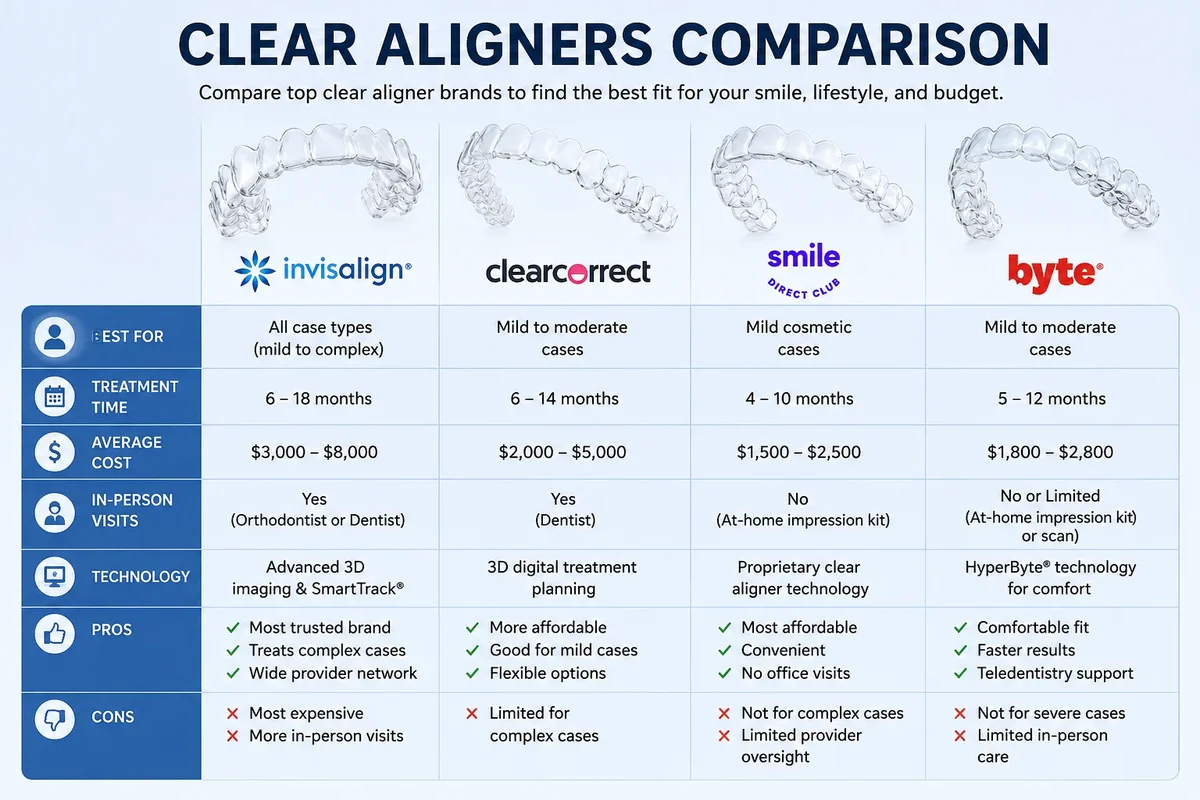
How to Choose the Best Option After a Clear Aligners Comparison
After completing a detailed clear aligners comparison, many patients find themselves facing an important final question: which aligner system is actually the best choice for their individual needs? While comparing brands, treatment times, costs, comfort levels, and clinical features is valuable, the decision-making process ultimately requires a personalized approach. The ideal treatment option for one patient may not be the best solution for another.
A comprehensive clear aligners comparison provides the information necessary to evaluate available options, but selecting the right treatment involves balancing multiple factors, including oral health status, treatment goals, lifestyle preferences, budget, and professional recommendations. Understanding how these elements work together can help patients make a confident and informed decision.
Rather than focusing exclusively on a specific brand or marketing claim, patients should prioritize finding the treatment approach that offers the highest likelihood of achieving safe, predictable, and long-lasting results.
Start With Your Orthodontic Goals
Define What You Want to Achieve
One of the first steps after completing a clear aligners comparison is identifying your treatment objectives. Different patients pursue orthodontic treatment for different reasons.
Common goals include:
- Straightening crowded teeth
- Closing gaps between teeth
- Correcting bite problems
- Improving smile aesthetics
- Enhancing oral health
- Increasing self-confidence
Clearly defining your priorities helps narrow treatment options and allows your provider to recommend the most suitable aligner system.
For example, patients seeking minor cosmetic improvements may have different treatment requirements than individuals with more complex orthodontic concerns.
Understand the Complexity of Your Case
One of the most important lessons from any clear aligners comparison is that not all orthodontic cases are equally complex.
Mild alignment issues may be suitable for a wide range of aligner systems, while more advanced conditions often require sophisticated treatment planning and closer professional supervision.
Cases Often Suitable for Aligners
- Mild crowding
- Minor spacing issues
- Slight tooth rotations
- Moderate cosmetic concerns
Cases Requiring Additional Evaluation
- Severe crowding
- Significant bite discrepancies
- Complex tooth movements
- Jaw alignment issues
A professional assessment is essential for determining which category best describes your situation.
Consider Professional Supervision Carefully
A thorough clear aligners comparison often highlights differences in the level of clinical oversight offered by various treatment systems.
While convenience and affordability are important considerations, patients should also evaluate the benefits of professional monitoring throughout treatment.
Advantages of Professional Oversight
- Comprehensive diagnostics
- Personalized treatment planning
- Regular progress evaluations
- Early detection of complications
- Treatment adjustments when necessary
Many patients ultimately choose professionally supervised aligner treatment because of the additional reassurance and support it provides.
When reviewing the results of a clear aligners comparison, the level of provider involvement should be considered alongside cost and convenience.
Evaluate Treatment Technology
Modern orthodontics relies heavily on digital technologies. Therefore, another important step after conducting a clear aligners comparison is evaluating the technology used by different providers and aligner systems.
Advanced treatment planning may include:
- Three-dimensional digital scans
- Virtual treatment simulations
- Artificial intelligence-assisted planning
- Digital progress tracking
- Precision aligner manufacturing
These technologies often contribute to improved treatment accuracy and more predictable outcomes.
Patients should not necessarily assume that the newest technology is always superior, but understanding available tools can help support informed decision-making.
Balance Cost and Value
Looking Beyond the Initial Price
One of the most common mistakes patients make after completing a clear aligners comparison is focusing exclusively on treatment cost.
While affordability is important, the lowest-priced option may not always provide the best value.
A complete treatment evaluation should consider:
- Professional expertise
- Included services
- Refinement policies
- Retainer coverage
- Long-term support
- Treatment predictability
Sometimes a slightly higher initial investment results in a better overall experience and more stable long-term outcomes.
Ask Detailed Financial Questions
After conducting a clear aligners comparison, patients should request a detailed breakdown of treatment costs.
Questions may include:
- Are refinements included?
- Are retainers included?
- What happens if treatment takes longer than expected?
- Are payment plans available?
- Does insurance provide coverage?
These discussions help eliminate surprises later in the treatment process.
Assess Your Lifestyle and Daily Habits
Lifestyle compatibility is another crucial factor highlighted during a clear aligners comparison.
Because aligners are removable, successful treatment requires consistent daily wear. Most systems require patients to wear aligners approximately 20–22 hours per day.
Questions to Ask Yourself
- Am I disciplined enough to wear aligners consistently?
- Can I maintain proper oral hygiene routines?
- Will I remember to switch aligners on schedule?
- Do I travel frequently?
- Do I want a highly discreet treatment option?
Honest answers to these questions can significantly influence which treatment option is most appropriate.
Review Before-and-After Results
Another useful step after a clear aligners comparison is reviewing examples of completed patient cases.
Before-and-after photographs can provide valuable insight into:
- Treatment quality
- Case complexity
- Provider experience
- Expected aesthetic improvements
Although every patient is unique, reviewing previous outcomes can help establish realistic expectations regarding treatment possibilities.
Discuss Retention and Long-Term Stability
Many patients focus heavily on active treatment but overlook retention. A comprehensive clear aligners comparison should always include a discussion about maintaining results after treatment ends.
Retainers play a critical role in preventing teeth from shifting back toward their original positions.
Important questions include:
- What type of retainer will be used?
- How long must retainers be worn?
- Are replacement retainers available?
- Are retainers included in treatment costs?
Long-term stability should be considered just as important as the active treatment phase itself.
The Importance of a Professional Consultation
No matter how extensive your clear aligners comparison may be, there is no substitute for a professional dental consultation.
A qualified dentist or orthodontist can:
- Assess your oral health
- Identify potential complications
- Recommend appropriate treatment options
- Explain realistic outcomes
- Create a customized treatment plan
This personalized guidance often provides the clarity needed to make a confident treatment decision.
Final Thoughts
Choosing the right aligner system requires more than simply selecting the most popular brand or the lowest price. A successful clear aligners comparison helps patients evaluate treatment goals, case complexity, professional supervision, technology, cost, lifestyle compatibility, and long-term stability.
By carefully considering all of these factors, patients can identify the treatment option that best meets their needs and expectations. Ultimately, the best outcome comes from combining thorough research with professional guidance. After completing a comprehensive clear aligners comparison, individuals can move forward confidently toward achieving a healthier, straighter, and more attractive smile. 😊
Disclosure: this page may contain affiliate links. We may earn a commission if you use them, at no extra cost to you.