
✨ A straight, confident smile has never been easier to achieve, thanks to modern clear braces dental treatments. These transparent aligners are transforming the way people think about orthodontics — offering a discreet, comfortable, and effective alternative to traditional metal braces. Whether you’re a teenager worried about appearance or an adult looking for a subtle way to correct your teeth, clear braces can help you achieve the perfect alignment without compromising your confidence. 😁
Unlike the metallic brackets and wires we all remember from school days, clear braces dental systems use transparent materials that blend naturally with your teeth. The result? A virtually invisible solution that straightens teeth while keeping your smile natural. These braces apply gentle, consistent pressure to move teeth into the correct position over time. The science behind them combines decades of orthodontic innovation with digital 3D imaging and precision-engineered materials.
Understanding the Technology Behind Clear Braces Dental
Modern clear braces dental technology relies on computer-guided design and simulation. Dentists start by scanning your mouth using advanced 3D imaging tools. This creates a detailed digital model of your teeth, allowing specialists to plan every stage of your treatment before the first aligner is even made. 📊 The aligners are then custom-fabricated using biocompatible, BPA-free materials that are safe for long-term wear.
Each set of aligners is slightly adjusted from the previous one, applying small amounts of force to guide teeth into alignment. You’ll typically change to a new set every 1–2 weeks. These aligners are smooth, comfortable, and removable, which means you can continue to enjoy your favorite meals without restriction — something traditional braces can’t always offer!
The Evolution from Metal to Clear Braces
It’s fascinating to see how far orthodontic treatments have come. Metal braces were once the only option, making many people hesitant to begin treatment because of appearance or discomfort. The introduction of clear braces dental changed everything, offering the same corrective power with enhanced aesthetics and comfort. Many adults who avoided braces in their youth now embrace this modern solution to finally get the smile they’ve always wanted.
In the past, orthodontics focused mainly on function — ensuring bite correction and dental alignment. Today, patients demand both functionality and aesthetics. Clear braces meet both goals beautifully, blending innovation with visual appeal. 🌟
Why Clear Braces Are Popular Worldwide
The popularity of clear braces dental systems has skyrocketed globally, with millions of people choosing this option each year. Their discreet look makes them ideal for working professionals, public speakers, and anyone who values confidence in social or career settings. Moreover, these braces can handle various dental corrections — from minor spacing issues to more complex misalignments.
Beyond appearance, patients love the convenience. Clear braces are easy to remove during meals and oral hygiene routines, significantly reducing the risk of staining and plaque buildup. Since you can brush and floss normally, maintaining oral health during treatment becomes much simpler. 🪥
Comfort and Confidence Combined
One of the key advantages of clear braces dental treatment is comfort. Traditional braces often cause mouth irritation due to wires and brackets. Clear aligners, on the other hand, have smooth edges and fit snugly over your teeth. This means fewer emergency visits and a more pleasant experience overall. Many patients report adapting to them within just a few days.
In terms of confidence, clear braces provide a psychological boost. People often feel self-conscious about visible metal braces, but with transparent aligners, you can smile freely. Even in close conversations or photos, your orthodontic treatment remains almost invisible. 📸
Long-Term Health Benefits of Clear Braces
It’s important to note that the benefits of clear braces dental go beyond aesthetics. Properly aligned teeth improve oral hygiene, reduce the risk of gum disease, and help prevent uneven wear on tooth enamel. They also enhance speech and chewing function, contributing to overall dental health. Once treatment is completed, you’ll notice easier cleaning routines and a more harmonious bite.
Moreover, aligned teeth reduce pressure on the jaw joint, helping prevent temporomandibular joint (TMJ) discomfort — a common issue linked to misalignment. Thus, investing in clear braces is not just about appearance; it’s about long-term oral wellness. 💪
Professional Support and Consultation
If you’re considering clear braces dental treatment, it’s vital to consult a certified orthodontist. Professionals assess your dental structure, discuss your goals, and design a personalized plan tailored to your needs. You can reach out to our experts through the Redent Klinik Contact Page to get a detailed evaluation and start your journey toward a perfect smile.
When choosing a provider, look for clinics that follow standards set by the American Dental Association for quality assurance and patient safety. This ensures your treatment is both effective and secure.
Final Thoughts
Modern dentistry has entered a new era where comfort, beauty, and technology coexist. The clear braces dental approach perfectly represents this evolution — blending invisibility, precision, and efficiency. Whether you’re seeking a boost in self-esteem or improved oral health, these transparent aligners offer a proven path to success.
By choosing clear braces, you’re investing in a treatment that not only transforms your smile but also enhances your overall confidence and health. 🌈 Start today, and let your smile tell your story — clear, confident, and beautifully aligned!
What Are Clear Braces and How Do They Work?
When most people hear the word “braces,” they imagine metal wires and brackets. However, with the innovation of clear braces dental technology, orthodontic care has entered a new era — one that focuses on aesthetics, comfort, and advanced digital precision. 🦷 These transparent systems correct misaligned teeth just as effectively as traditional braces but with a nearly invisible appearance, making them a preferred choice for both teens and adults who value discretion.
Definition and Core Functionality
Clear braces dental systems are orthodontic devices designed to straighten teeth using transparent or tooth-colored materials. Instead of bulky metal brackets, they rely on ceramic brackets or removable transparent aligners. The primary goal is to apply gentle, consistent pressure on the teeth, gradually moving them into the correct position over time. This movement is achieved through the controlled tension created by the aligners or the archwire in the case of ceramic braces.
These braces function based on biomechanical principles — carefully calculated forces are applied to stimulate bone remodeling, allowing teeth to shift naturally within the jaw. The process is both predictable and comfortable, thanks to digital simulations that map out each stage of tooth movement before treatment begins. 👩⚕️
Types of Clear Braces
There are two primary categories of clear braces dental options available today, each with distinct characteristics and benefits:
1. Ceramic Braces
These resemble traditional metal braces but use transparent or tooth-colored brackets that blend in with your enamel. The archwire can also be coated to match the color of your teeth, making them far less visible. Ceramic braces are ideal for patients who need complex corrections but still want a discreet appearance.
2. Clear Aligners
This type includes brands like Invisalign, which use a series of removable plastic trays instead of brackets. The aligners are custom-made for your mouth and are changed approximately every two weeks to guide teeth into position. They are comfortable, removable, and almost invisible — ideal for people who prefer flexibility and aesthetics. 😁
The Science Behind Clear Braces Dental
At the heart of every clear braces dental treatment lies sophisticated orthodontic science. Each tooth movement is preplanned using 3D imaging technology. Dentists or orthodontists create a digital scan of your mouth, which is then processed through software that simulates your tooth alignment journey from start to finish.
This simulation allows professionals to calculate the precise amount of force needed on each tooth. Once this digital roadmap is confirmed, the aligners or brackets are manufactured with millimeter-level precision. As you switch from one aligner to the next, each set exerts gentle pressure, moving your teeth incrementally toward their final position. 🔬
Advantages Over Traditional Braces
Clear braces offer a range of benefits that go beyond aesthetics. Here’s why they are a revolutionary step in modern dentistry:
- ✅ Discreet Appearance: Their transparency makes them nearly invisible, allowing you to smile confidently throughout treatment.
- 🪥 Better Oral Hygiene: Since clear aligners are removable, brushing and flossing become easier compared to traditional braces.
- 🍽️ No Dietary Restrictions: You can remove the aligners while eating, so you can continue enjoying your favorite foods.
- 🤗 Increased Comfort: No metal wires or sharp edges to irritate your gums or cheeks.
- 📅 Predictable Results: The use of digital planning ensures a clear treatment timeline with measurable progress.
Step-by-Step Working Process
To better understand how clear braces dental work, let’s walk through the process step-by-step:
- Initial Consultation: Your dentist examines your oral structure and discusses your goals. If you’re a suitable candidate, 3D scans and photos of your teeth are taken.
- Treatment Planning: The digital model is analyzed using computer software to map out the ideal tooth positions and timeline.
- Custom Fabrication: Based on the plan, clear aligners or ceramic brackets are custom-made to fit your teeth perfectly.
- Wearing the Braces: For aligners, you’ll wear each set for about 20–22 hours a day. For ceramic braces, the orthodontist bonds the brackets and adjusts wires periodically.
- Regular Check-ups: Progress is monitored every few weeks to ensure proper alignment and make adjustments as needed.
- Completion and Retention: After treatment, retainers are used to maintain your new smile and prevent teeth from shifting back. 🎉
Are Clear Braces Effective for Everyone?
While clear braces dental treatments are suitable for most patients, not everyone may qualify. They are best for mild to moderate alignment issues such as gaps, crowding, or minor bite irregularities. However, severe malocclusions or complex jaw problems might still require traditional orthodontic intervention. A detailed consultation is essential to determine the right path for you.
Modern innovations, however, have expanded the range of cases that clear braces can handle. With advanced materials and digital precision, even more complex movements — such as rotating teeth or correcting crossbites — can now be achieved effectively.
Maintenance and Care for Best Results
Maintaining your clear braces dental system is straightforward but essential for achieving the best results. Aligners should be cleaned daily using mild soap and lukewarm water — never hot water, as it can warp the plastic. When not in use, store them in a protective case to avoid contamination or damage. For ceramic braces, brushing carefully around brackets and using an interdental brush helps remove food particles and plaque buildup.
Always remember that oral hygiene plays a major role in the success of your treatment. Regular dental visits and proper cleaning routines ensure your clear braces remain invisible and effective throughout the process. 🌟
Final Thoughts: A Modern Solution for Modern Smiles
Clear braces dental technology combines aesthetics, comfort, and science to provide a treatment that aligns teeth while maintaining your confidence. It’s a modern solution designed for the modern world — one where appearance and function go hand-in-hand. By choosing this innovative option, you’re not just investing in straighter teeth; you’re investing in a better, healthier version of yourself. 😍
For more details or to schedule a consultation, you can visit the Redent Klinik Contact Page. You can also learn about safe and approved orthodontic practices through the American Dental Association.
Start your journey toward a flawless smile today — because the future of orthodontics is clear! 🌈
Benefits of Choosing Clear Braces Over Traditional Braces
When it comes to achieving a perfectly aligned smile, patients today have more options than ever before. Among these, clear braces dental solutions have quickly become one of the most popular and trusted choices. These modern orthodontic systems combine aesthetics, comfort, and advanced technology — giving patients a more pleasant and confidence-boosting experience compared to traditional metal braces. 😁
Why Clear Braces Dental Treatments Are Revolutionizing Orthodontics
The evolution of orthodontic care has been remarkable. Traditional braces were effective but came with noticeable drawbacks: discomfort, visibility, and limitations in food and lifestyle choices. Clear braces dental technology has transformed this experience entirely. By using transparent materials and precision engineering, it allows patients to achieve the same (and often better) results without the aesthetic and physical burden of metal components.
From busy professionals to image-conscious teens, clear braces cater to anyone seeking a more convenient and subtle solution for correcting misaligned teeth. Their growing popularity worldwide reflects how people now prioritize both appearance and functionality in their dental treatments. 🌍
Key Advantages of Clear Braces Dental
Let’s take a closer look at the major benefits of choosing clear braces dental systems over traditional metal ones:
1. Aesthetic Appeal and Confidence Boost
One of the most celebrated advantages of clear braces dental treatment is its discreet appearance. Unlike metal braces, which are highly visible and often associated with adolescence, clear aligners and ceramic brackets blend seamlessly with the natural color of your teeth. Whether you’re attending a job interview, a meeting, or a special event, your orthodontic journey remains virtually invisible. ✨
Many adults avoid braces due to concerns about professional image. Clear braces eliminate that worry entirely. They allow you to continue your daily life — smiling, speaking, and engaging — without anyone noticing you’re undergoing treatment.
2. Greater Comfort and Ease of Use
Comfort is another significant factor. Traditional metal braces use wires and brackets that can cause irritation to the cheeks and gums. Clear braces dental systems, however, are designed with smooth edges and biocompatible materials that minimize friction. Most patients adapt to them within just a few days.
Additionally, clear aligners are removable. This means you can take them out when eating or brushing your teeth, unlike metal braces that trap food and require special cleaning tools. The flexibility of removal improves both convenience and oral hygiene. 🪥
3. Shorter and More Predictable Treatment Times
Thanks to modern technology, clear braces dental treatments often provide faster and more predictable results than traditional methods. Digital planning and 3D modeling allow orthodontists to map every tooth movement before treatment begins. As a result, patients receive a customized, step-by-step roadmap that outlines how long each phase will take. 📅
In many cases, the overall treatment duration can be shorter than with metal braces. And since aligners are changed regularly (usually every two weeks), progress is visible in a matter of months, keeping patients motivated and engaged.
4. Improved Oral Hygiene and Dental Health
Maintaining oral hygiene with metal braces can be challenging due to food particles getting trapped between wires and brackets. This can lead to plaque buildup, gum inflammation, and even cavities. With clear braces dental aligners, cleaning is simple — just remove the trays, brush, and floss as usual.
Because these systems are removable, they promote healthier gums and prevent enamel staining. Over time, this contributes to long-term oral health while ensuring that your smile remains bright and fresh throughout treatment. 🌿
5. No Dietary Restrictions
Metal braces often come with a long list of foods to avoid — hard, sticky, or crunchy snacks can easily damage wires and brackets. With clear braces dental aligners, there are no such limitations. You can remove your aligners during meals and enjoy your favorite foods without worry. 🍎🍕
This flexibility is particularly appealing for adults who don’t want to adjust their lifestyle drastically during orthodontic treatment. It’s one of the reasons why clear braces have become the preferred choice for modern professionals and students alike.
6. Fewer Dental Visits and Adjustments
Traditional braces require frequent orthodontic visits for wire tightening and adjustments. In contrast, clear braces dental treatments typically involve fewer appointments. Most patients only need periodic checkups to monitor progress and receive new sets of aligners. This convenience saves time and fits perfectly into a busy lifestyle. 🕒
Psychological and Social Benefits
The emotional and social advantages of clear braces dental treatments are often underestimated. Many patients report feeling more confident and motivated during their orthodontic journey. The ability to smile naturally without metallic visibility enhances self-esteem and reduces social anxiety — especially for those who work in customer-facing roles or media environments.
Teenagers also benefit greatly from this technology, as clear braces help them avoid the teasing or self-consciousness sometimes associated with metal braces. This improvement in mental well-being is an invaluable part of the overall treatment experience. 💬
Long-Term Value and Durability
While some people initially assume that clear braces dental treatments are a cosmetic luxury, they actually offer long-term value. The materials used are durable, resistant to discoloration, and engineered to maintain shape under pressure. Combined with digital precision, these braces deliver results that last — provided patients follow post-treatment instructions such as retainer use.
Furthermore, properly aligned teeth improve jaw balance, bite comfort, and oral health for years to come. When compared to potential dental problems caused by misalignment (such as uneven wear or TMJ disorders), investing in clear braces proves highly cost-effective over time.
Professional Care and Support
Choosing the right clinic for clear braces dental treatment ensures a smooth and successful experience. Professional orthodontists guide you through every phase, from consultation to aftercare. At Redent Klinik Contact Page, expert dentists provide personalized care plans using the latest technology to achieve ideal results.
Clinics that adhere to the standards of the American Dental Association guarantee patient safety, transparency, and the highest level of treatment quality — giving you confidence throughout your smile transformation journey. 🌟
Final Thoughts
In summary, clear braces dental systems are redefining modern orthodontics. They combine aesthetic elegance, comfort, and medical precision to deliver outstanding results that improve both smile and confidence. Unlike traditional braces that can disrupt your daily routine, clear braces adapt to your lifestyle — not the other way around.
Whether you’re a working adult seeking professional confidence or a teen dreaming of a beautiful smile, clear braces are the solution that balances science and style. The benefits go far beyond looks — they enhance oral health, simplify maintenance, and ensure a radiant smile that lasts a lifetime. 🌈
Clear Braces Dental vs. Invisalign: Key Differences Explained
When exploring orthodontic options for a straighter smile, two popular choices often come up — clear braces dental systems and Invisalign. Both are modern alternatives to traditional metal braces, offering patients a more discreet and comfortable experience. However, while they may appear similar at first glance, they differ in materials, application, maintenance, and even the types of dental issues they treat. Understanding these distinctions helps patients make the best decision for their lifestyle and dental needs. 😁
Understanding the Basics of Each System
What Are Clear Braces?
Clear braces dental treatments typically use ceramic brackets and transparent or tooth-colored wires. The brackets are bonded to the teeth, just like traditional braces, but they blend naturally with your enamel. These braces stay fixed during the entire treatment and are adjusted periodically by an orthodontist. They are ideal for patients who want the power of fixed braces without the noticeable metal look.
What Is Invisalign?
Invisalign, on the other hand, uses a series of removable plastic aligners made from medical-grade thermoplastic material. Each aligner is custom-designed using 3D digital scans of the patient’s mouth. Every two weeks or so, the patient switches to a new set that moves teeth slightly closer to the desired alignment. Because they’re removable and nearly invisible, Invisalign has become one of the most recognized brands in modern orthodontics. 🌐
Material and Design Differences
The materials used in clear braces dental systems and Invisalign directly affect their comfort, durability, and aesthetic appeal.
- 🦷 Clear Braces: Made of ceramic or composite materials that mimic the color of natural teeth. They are resistant to staining and designed to remain fixed for the treatment’s duration.
- ✨ Invisalign: Uses transparent thermoplastic (SmartTrack) material that is flexible, durable, and fits snugly over your teeth. These aligners are entirely removable, providing unmatched convenience.
Both options aim for invisibility, but Invisalign trays offer a completely clear look, while ceramic braces may still have a slight sheen depending on lighting and the bonding material used.
Treatment Process and Duration
The process and timeline for clear braces dental treatment differ slightly from Invisalign:
Clear Braces Dental Treatment Timeline
Patients typically visit their orthodontist every 4–6 weeks for adjustments. The ceramic brackets and archwire are periodically tightened to ensure gradual tooth movement. The entire treatment may last between 12–24 months depending on the complexity of the case.
Invisalign Treatment Timeline
Invisalign aligners are replaced approximately every two weeks, with checkups every 6–8 weeks. Treatment duration varies from 6 to 18 months. Because Invisalign aligners can handle less complex cases, the overall time may be shorter — but this depends on patient compliance (wearing aligners 20–22 hours per day). ⏱️
Effectiveness and Case Suitability
One of the most crucial distinctions between clear braces dental systems and Invisalign is how effective they are for various orthodontic conditions.
- Clear Braces Dental: Effective for mild to severe cases, including complex bite problems, rotations, and spacing issues. Because they are fixed, orthodontists can apply more precise and controlled forces.
- Invisalign: Best suited for mild to moderate cases such as gaps, crowding, and simple alignment corrections. Severe cases may require fixed braces for better results.
In summary, if your case involves significant tooth rotation or vertical movement, clear braces might be the more powerful option. Invisalign offers flexibility and convenience but may not handle every orthodontic challenge as efficiently. 🧠
Maintenance and Cleaning
Maintenance plays a major role in achieving optimal results with both systems, but there are key differences:
Maintaining Clear Braces
Because clear braces dental systems are fixed, you must brush carefully around brackets and wires after every meal. Using an interdental brush helps prevent food buildup and plaque accumulation. Avoiding staining foods like coffee and curry also keeps the ceramic components looking clean.
Maintaining Invisalign
Invisalign aligners are removable, which makes cleaning simpler. You can brush and floss as normal, then clean the aligners using mild soap and lukewarm water. However, aligners should not be exposed to hot temperatures as they can warp. Additionally, always store them in their protective case when not in use. 🧴
Comfort Level and Adjustments
In terms of comfort, Invisalign generally wins. Because the trays are smooth and wire-free, patients experience minimal irritation. However, clear braces dental options have improved significantly, with rounded ceramic brackets and gentler tension systems reducing discomfort during adjustment phases.
Both systems may cause mild tightness initially, but this subsides as teeth adapt. Pain management is rarely necessary — over-the-counter relief or saltwater rinses usually suffice.
Cost Considerations
While costs vary based on the complexity of your case, region, and clinic, clear braces dental treatments are often slightly more affordable than Invisalign. Because Invisalign requires advanced 3D imaging and aligner production, its manufacturing cost can be higher. However, both represent valuable long-term investments in oral health and confidence.
In the United States, for example, Invisalign treatments typically range between $3,500–$8,000, while clear ceramic braces range from $2,500–$6,000. These numbers are approximations and depend heavily on your orthodontic provider’s evaluation. 💰
Aesthetic and Lifestyle Factors
From a lifestyle perspective, clear braces dental systems are semi-permanent, requiring commitment and regular professional adjustments. Invisalign’s removable design, however, gives you greater control — you can remove them during meals, brushing, or important events.
That said, this flexibility can also lead to inconsistent results if aligners aren’t worn as recommended. For individuals who prefer minimal responsibility, fixed clear braces might be the better choice. For those who value convenience and discipline, Invisalign offers unmatched adaptability. 🌟
Which Option Should You Choose?
Ultimately, both clear braces dental systems and Invisalign deliver excellent results when used correctly. Your decision depends on your treatment goals, lifestyle, and personal preferences. Complex orthodontic cases often respond better to fixed braces, while patients seeking convenience and aesthetics may lean toward Invisalign.
Consulting a professional is essential. At Redent Klinik Contact Page, orthodontic experts assess your dental condition using cutting-edge diagnostics and guide you through the best treatment path tailored to your unique smile. Their approach aligns with the safety and quality standards of the American Dental Association.
Final Thoughts
When comparing clear braces dental systems to Invisalign, there is no universal “better” choice — only what best suits your specific needs. Clear braces deliver robust, controlled tooth movement, while Invisalign offers unmatched discretion and flexibility. Both have proven track records of success, helping millions worldwide achieve their dream smiles. 🌈
By understanding these differences and consulting an experienced orthodontist, you can make an informed choice that leads to not only straighter teeth but a healthier, more confident version of yourself. The future of orthodontics is clear — literally and figuratively. 😉
Step-by-Step Process of Getting Clear Braces
Starting your clear braces dental journey is an exciting and transformative experience. Unlike traditional braces that require a more manual and mechanical process, clear braces involve digital precision, personalized design, and a patient-centered approach. From the initial consultation to the final smile reveal, every step is tailored to ensure comfort, accuracy, and long-lasting results. 😁
Initial Consultation and Assessment
The first step in your clear braces dental journey begins with a detailed consultation at your orthodontic clinic. During this visit, the orthodontist examines your teeth, gums, and jaw alignment to determine whether clear braces are suitable for your case. Modern clinics use advanced 3D imaging and panoramic X-rays to assess the current state of your oral health. 🦷
Based on these diagnostics, your orthodontist will create a treatment plan outlining how your teeth will move, how long the process will take, and what type of braces or aligners will best fit your goals. You’ll also have the opportunity to ask questions and understand every stage of the process before making a commitment.
Digital Scanning and Impressions
Once you decide to move forward, your clear braces dental provider will create a precise digital scan of your teeth. Unlike the uncomfortable traditional molds made with sticky impression paste, modern dental practices use intraoral scanners that capture a 3D model of your mouth in minutes. These scans are highly accurate and ensure that your braces or aligners fit perfectly from day one.
The 3D digital model is then sent to a specialized orthodontic lab where technicians design the exact movement of each tooth, stage by stage. This step forms the foundation of your treatment, ensuring precise and predictable results. 📸
Customized Treatment Plan Creation
The data gathered from your scans is analyzed using specialized orthodontic software. This allows your orthodontist to plan the tooth movements in a virtual simulation. You’ll even be able to preview what your smile will look like at different stages of treatment and see your final result before the braces are applied. 🌟
For clear braces dental aligners, each stage of the plan corresponds to a unique set of aligners that you’ll change every 1–2 weeks. For ceramic braces, it determines how brackets and wires will be positioned for optimal efficiency. This digital precision eliminates guesswork and enhances treatment accuracy compared to traditional methods.
Fabrication of Clear Braces or Aligners
Once your customized plan is approved, the production process begins. The lab uses the digital model to create your clear aligners or ceramic brackets. Each component is designed to match the contours of your teeth perfectly. Aligners are crafted from BPA-free thermoplastic material, ensuring comfort and durability. For fixed ceramic braces, brackets are color-matched to your teeth and paired with an invisible wire to maintain a natural appearance.
Before delivery, the aligners or brackets undergo strict quality control to ensure they meet both aesthetic and medical standards. Clinics that follow American Dental Association guidelines ensure patient safety and effective treatment outcomes. ✅
Placement and Fitting Appointment
When your clear braces dental system is ready, you’ll return to the clinic for fitting. If you’re getting ceramic braces, your orthodontist will clean and dry your teeth before bonding the brackets. A specialized adhesive is applied, followed by placement of the archwire that connects them. The process usually takes about 60–90 minutes. You may feel slight pressure, but it’s painless and straightforward.
For clear aligner systems, your orthodontist will provide several sets of aligners and instruct you on how to wear and care for them. You’ll be guided on when to change to the next set and how to clean the trays to maintain clarity and hygiene.
Adapting to Clear Braces
The first few days after getting clear braces dental treatment may involve minor adjustments. You might experience a feeling of tightness or pressure as your teeth begin to move, which is a normal part of the process. Drinking cold water and using orthodontic wax (for ceramic braces) can help relieve mild irritation. 😌
It’s important to follow your orthodontist’s instructions carefully, especially when it comes to aligner wear time. Aligners should be worn at least 20–22 hours per day, and only removed during meals and brushing. Consistency ensures optimal progress and shorter treatment duration.
Routine Checkups and Adjustments
Throughout your clear braces dental treatment, you’ll visit your orthodontist for regular checkups — usually every 4–8 weeks. During these appointments, the orthodontist evaluates your progress and makes any necessary adjustments. For ceramic braces, this may involve tightening the archwire or replacing elastic ties. For aligners, you’ll receive your next batch and review your progress using digital imaging tools. 📅
Regular appointments are essential for ensuring that your teeth move according to the plan and that your oral hygiene remains excellent. Skipping visits can delay results and affect the overall success of your treatment.
Mid-Treatment Refinements
Sometimes, your clear braces dental provider may identify minor refinements mid-treatment. These are small adjustments to improve accuracy and ensure your teeth reach their exact intended positions. Refinements might involve additional aligners or changes in bracket positioning. This step demonstrates the adaptability and precision of modern orthodontic care. 🔍
Completion and Retention Phase
Once your treatment is complete and your teeth have reached their ideal alignment, it’s time to celebrate your new smile! 🎉 But the process doesn’t end there — retention is vital to maintaining your results. After removing your clear braces dental or finishing your last set of aligners, your orthodontist will provide custom retainers designed to hold your teeth in place.
Retainers prevent your teeth from gradually shifting back to their old positions, ensuring long-lasting results. They are typically worn full-time for the first few months, then only at night. Following your retention plan carefully helps preserve your perfect smile for years to come.
Post-Treatment Care and Support
Even after completing your clear braces dental journey, regular dental visits are essential. Routine checkups ensure that your teeth remain healthy and your bite stays balanced. Your orthodontist may schedule follow-up appointments to monitor long-term stability and address any concerns promptly.
If you ever experience issues like discomfort or loose retainers, you can easily contact professional clinics such as Redent Klinik Contact Page for continued support and expert advice. Patient-centered care ensures that your investment in a perfect smile remains secure and satisfying. 🌈
Final Thoughts
The clear braces dental process is a blend of advanced technology, clinical precision, and personalized care. Each step — from consultation to retention — plays a vital role in achieving a flawless smile. With digital planning, safe materials, and dedicated orthodontic expertise, clear braces have redefined what it means to undergo orthodontic treatment.
By understanding the process and following professional guidance, patients can experience a smooth, predictable, and rewarding transformation. The journey to a perfect smile begins with one decision — to embrace clarity, confidence, and care through the power of clear braces. 🌟
How Long Does Clear Braces Treatment Take?
One of the most common questions patients ask before beginning clear braces dental treatment is: “How long will it take to get straight teeth?” The answer depends on several factors — including the complexity of your case, the type of braces used, and your level of compliance. While traditional metal braces often take two or more years, clear braces can sometimes deliver equally stunning results in a shorter time thanks to digital planning and modern materials. ⏱️
Average Duration of Clear Braces Dental Treatments
In general, clear braces dental treatments take anywhere from 6 months to 24 months. For mild alignment issues such as small gaps or minor crowding, treatment may be completed in under a year. Moderate to complex cases that involve bite correction, tooth rotation, or severe misalignment typically take between 18 to 24 months. 🦷
However, each treatment plan is unique. Your orthodontist designs a custom schedule based on your dental structure, bite pattern, and desired outcome. The use of 3D imaging technology ensures every movement is pre-planned and monitored for precision, which improves both efficiency and predictability.
Key Factors Affecting Treatment Duration
Several factors influence how long your clear braces dental journey will last. Understanding these can help set realistic expectations and ensure you stay on track toward your dream smile.
1. Severity of Misalignment
Minor cases such as small spacing or slightly crooked teeth typically require less time to correct, while complex issues involving overbites, underbites, or crossbites take longer. The more movement your teeth need, the longer your treatment duration will be.
2. Type of Braces Used
The duration also depends on whether you choose removable aligners or fixed ceramic braces. Clear aligners work best for mild to moderate cases and often yield faster results if worn consistently. Fixed ceramic braces, however, may take slightly longer but are more effective for complex corrections. Both options are powerful tools within the clear braces dental spectrum — but success depends on the match between your case and the system used.
3. Patient Compliance
Perhaps the most important factor in determining treatment time is patient cooperation. Clear aligners, for example, need to be worn 20–22 hours per day. Removing them frequently or forgetting to wear them can slow progress. Similarly, skipping adjustment appointments for fixed clear braces can extend the timeline. Consistency is the secret to success. 💪
4. Age of the Patient
Age plays a subtle yet significant role in orthodontic treatment. Younger patients generally experience faster results because their bones and tissues are more adaptable. Adults can still achieve excellent results with clear braces dental treatment, but tooth movement tends to occur slightly slower due to denser bone structure.
5. Biological Response and Oral Health
Your body’s biological response to tooth movement also affects the treatment duration. Some individuals’ teeth move faster, while others may need additional time for proper alignment. Healthy gums and good oral hygiene speed up progress, as inflammation and plaque buildup can slow down tooth movement and increase treatment time.
Stages of the Treatment Timeline
To give you a clearer understanding, here’s a breakdown of what typically happens during the clear braces dental process:
- Consultation and Digital Scan (Week 1–2): The first step involves a full examination and 3D scan of your teeth. The orthodontist creates a digital model and treatment roadmap.
- Fabrication of Aligners or Braces (Weeks 2–6): Once approved, your clear braces or aligners are custom-made in a lab. For ceramic braces, brackets and wires are prepared for precise fitting.
- Initial Fitting and Adaptation (Month 1): You’ll begin wearing your braces or aligners. It may take a few days to adapt to the feeling of pressure as your teeth begin to shift.
- Active Alignment Phase (Months 2–12): Teeth move steadily toward their planned positions. Regular appointments or aligner changes ensure consistent progress.
- Final Adjustments (Months 12–20): The orthodontist refines tooth positioning to perfect your smile. Minor refinements are often made using new aligners or elastic adjustments.
- Retention Phase (Month 20+): Once treatment ends, retainers are used to hold your teeth in their new positions and prevent shifting. 🎉
Accelerated Treatment Options
Some clear braces dental systems offer accelerated options for those looking to shorten their treatment time. These include vibration devices and advanced aligner materials designed to stimulate faster tooth movement. Additionally, certain clinics use laser-assisted orthodontic methods that help accelerate bone remodeling around teeth, allowing them to move more efficiently.
However, it’s important to remember that safe and stable movement takes time. Rushing treatment can lead to relapse or gum and bone issues. A balanced approach between speed and health ensures lasting results. 🧠
How to Shorten Your Treatment Time
While you can’t control biological factors, you can take proactive steps to help your clear braces dental treatment progress smoothly and efficiently:
- ✅ Wear aligners as instructed — 20–22 hours per day without fail.
- 🪥 Maintain excellent oral hygiene to prevent gum inflammation.
- 📅 Attend every scheduled orthodontic appointment for adjustments and evaluations.
- 🍎 Follow dietary guidelines if you have ceramic braces to prevent bracket damage.
- 💬 Communicate with your orthodontist immediately if you lose or damage an aligner.
These simple habits make a significant difference in how efficiently your teeth move and how soon you’ll see visible results.
Comparison with Traditional Braces
When compared to metal braces, clear braces dental treatments often require fewer months of active correction — particularly for cosmetic adjustments. Traditional braces usually involve more frequent tightening, longer appointments, and greater discomfort. Clear aligners or ceramic braces, on the other hand, rely on preprogrammed digital movement sequences, allowing smoother progress and fewer in-person visits.
Additionally, clear braces are less likely to cause delays due to broken wires or bracket repairs, which are common with metal alternatives. This efficiency is one of the main reasons many adults and professionals prefer clear braces for orthodontic care. 🌟
Monitoring and Professional Guidance
Modern orthodontic clinics use AI-assisted tracking and digital scans to monitor your progress accurately. Clinics like Redent Klinik Contact Page provide personalized checkups that ensure your treatment remains on course. Their expert team follows standards set by the American Dental Association to guarantee safety and precision at every stage.
This constant monitoring allows quick intervention if teeth move slower than expected, helping to maintain efficiency without compromising results. Regular evaluations also motivate patients to stay disciplined with aligner wear and hygiene routines.
Final Thoughts
The duration of clear braces dental treatment varies from person to person, but one thing is certain — patience pays off. While it’s natural to want fast results, a carefully managed and consistent orthodontic journey ensures a healthy, stable, and beautiful outcome. On average, you can expect your smile transformation to unfold over 12–18 months, though some may see results even sooner. 🌈
Remember, the time invested in clear braces is an investment in confidence, comfort, and long-term oral health. By following your orthodontist’s instructions, maintaining discipline, and embracing each stage of the process, you’ll soon enjoy the radiant, aligned smile you’ve always dreamed of. 😍
Top Maintenance Tips for Clear Braces Dental Patients
Once you begin your clear braces dental journey, proper maintenance becomes the key to achieving flawless results. Clean, well-maintained braces or aligners not only speed up your treatment but also ensure that your teeth, gums, and enamel stay healthy throughout the process. Maintaining your braces requires consistent effort — but with the right tips, it can easily become a part of your daily routine. 🌟
Why Maintenance Matters
Good maintenance is essential because clear braces dental systems are transparent — meaning any residue, stain, or buildup becomes visible. Neglecting care can lead to discoloration, plaque accumulation, or even unpleasant odors. Moreover, improper hygiene can slow down your orthodontic progress, making your treatment take longer than expected.
Remember: clear braces are designed to improve both the look and health of your smile. Following a structured maintenance routine protects your investment and keeps your smile radiant from start to finish. 😁
Daily Cleaning Routine
Establishing a daily routine is the most effective way to keep your clear braces dental appliances in top condition. Here’s a comprehensive breakdown of what your day should look like:
Morning Care Routine
When you wake up, remove your aligners (if you’re using removable ones) and brush your teeth thoroughly. Clean your aligners with a soft toothbrush and mild soap or clear, fragrance-free cleanser. Avoid using toothpaste on aligners — it can be too abrasive and cause micro-scratches that make them appear cloudy. Rinse thoroughly with cool water before reinserting. 🪥
After Meals
Food particles can quickly get trapped between your teeth and braces. If you’re using ceramic braces, brush after every meal to prevent staining. For aligner users, always rinse your mouth and clean your aligners before putting them back in. Carrying a portable dental kit with a toothbrush, toothpaste, and aligner case is a simple yet effective way to maintain cleanliness when you’re out and about. 🍽️
Nighttime Care
Before bed, remove your aligners and soak them in a specialized cleaning solution or denture tablet for 10–15 minutes. This removes deep-seated bacteria and odor-causing buildup. Brush your teeth before reinserting them. Consistency at night ensures your clear braces dental treatment stays both effective and hygienic. 🌙
Best Practices for Aligners and Ceramic Braces
Maintenance varies slightly depending on the type of clear braces dental system you’re using. Below are detailed care guidelines for both:
For Clear Aligners
- 🧴 Always rinse aligners with lukewarm water — never hot, as it can warp the plastic.
- 🧼 Clean them daily with antibacterial soap or aligner-specific cleaning crystals.
- 🚫 Avoid using colored mouthwash — it can stain or damage the material.
- 🧃 Keep aligners away from sugary drinks like soda and coffee; remove them before consuming anything other than water.
For Ceramic Braces
- 🪥 Brush after every meal using a soft-bristled toothbrush and fluoride toothpaste.
- 🧵 Use an interdental brush or water flosser to remove plaque between brackets and wires.
- 🥤 Avoid foods that can stain your ceramic brackets — such as tea, coffee, curry, and tomato-based sauces.
- ⚙️ Attend all adjustment appointments regularly to ensure wires remain properly tensioned.
Handling Discomfort and Minor Issues
Some discomfort is natural during clear braces dental treatment, especially after adjustments or when switching to a new aligner set. You can reduce mild irritation by rinsing your mouth with warm salt water or using orthodontic wax over sharp edges. Most discomfort subsides within a few days as your mouth adapts. 💧
For clear aligners, if an edge feels rough, you can gently smooth it using an aligner file or emery board. However, if a bracket or aligner breaks, contact your orthodontist immediately instead of attempting self-repair.
Maintaining Fresh Breath and Hygiene
Bad breath can sometimes occur during orthodontic treatment if bacteria or food debris accumulates. To keep your breath fresh, brush at least twice daily, floss once a day, and use an alcohol-free mouthwash. Hydration is equally important — drinking plenty of water keeps your mouth moist and reduces bacterial growth. 💧
Additionally, don’t forget to brush your tongue — it harbors bacteria that contribute to bad breath. Maintaining a clean oral environment supports your clear braces dental progress and promotes healthier gums overall.
Avoiding Common Mistakes
Even the most dedicated patients can make small mistakes that impact results. Be mindful of these common pitfalls:
- 🚫 Don’t leave your aligners out in open air — bacteria can accumulate quickly.
- 🍬 Avoid chewing gum or sticky candy that can dislodge ceramic brackets or damage aligners.
- 🔥 Never expose aligners to heat sources such as hot water or direct sunlight.
- 🪞 Don’t skip brushing at night — bacteria multiply fastest while you sleep.
- 📅 Don’t miss follow-up appointments; each visit ensures your treatment remains on track.
Professional Cleanings and Checkups
Even with perfect at-home care, professional cleanings are vital. Schedule dental checkups every six months during your clear braces dental treatment. Your dentist will remove plaque buildup, polish your teeth, and check your gums to prevent inflammation or decay. Professional hygiene visits are especially crucial for ceramic braces, as they are more prone to discoloration over time.
Clinics such as Redent Klinik Contact Page provide advanced cleaning and polishing services tailored for orthodontic patients. Regular visits not only enhance the look of your smile but also ensure that your treatment remains efficient and safe under expert supervision. 🦷
Long-Term Maintenance After Treatment
When your clear braces dental journey is complete, maintaining your new smile becomes just as important as the treatment itself. Retainers play a vital role in preventing teeth from shifting back to their original positions. Clean your retainers daily, store them in a protective case, and wear them as recommended by your orthodontist.
Continuing good oral hygiene habits — brushing, flossing, and regular dental visits — ensures your teeth stay healthy and aligned for years. The effort you put into maintenance today will reward you with lasting confidence and a radiant smile. 🌈
Final Thoughts
Proper maintenance is the cornerstone of successful clear braces dental treatment. Whether you’re using ceramic brackets or removable aligners, a consistent cleaning routine, regular checkups, and mindful daily habits will guarantee the best outcome. Caring for your braces doesn’t have to be difficult — it just requires diligence and discipline.
By following these expert tips and consulting with certified professionals, you’ll not only protect your investment but also ensure your smile stays bright, healthy, and perfectly aligned. For personalized support, reach out to dental experts who adhere to American Dental Association standards for patient safety and care. Your journey to a brilliant smile begins and succeeds with the right maintenance habits! 😍
Common Mistakes to Avoid During Clear Braces Treatment
Embarking on your clear braces dental journey is an exciting step toward a perfect smile — but success depends heavily on consistency and care. While these modern orthodontic systems are designed for convenience, many patients unintentionally make small mistakes that delay results, cause discomfort, or even damage their braces. Learning to recognize and avoid these pitfalls ensures a smoother, faster, and healthier treatment process. 😁
Understanding the Importance of Consistency
The effectiveness of clear braces dental treatments relies on constant, gentle pressure applied to your teeth. This means that every missed day or neglected cleaning routine can have a cumulative negative effect. Consistency is the golden rule — whether you’re wearing aligners or ceramic braces, maintaining discipline is key to achieving that dream smile efficiently. 🦷
Top Mistakes to Avoid During Clear Braces Dental Treatment
Let’s explore the most common mistakes patients make and how to prevent them for optimal results.
1. Not Wearing Aligners Enough Hours Per Day
Perhaps the most frequent mistake in clear braces dental aligner treatment is inconsistent wear time. Aligners should be worn for at least 20–22 hours a day. Removing them too often or leaving them out for extended periods interrupts the gentle pressure needed for tooth movement. Even a few missed hours daily can prolong treatment by weeks or months.
💡 Pro Tip: Only remove aligners during meals and brushing. Keep a travel case handy at all times to avoid losing or damaging them.
2. Neglecting Oral Hygiene
Cleanliness is crucial. Patients sometimes forget that food particles and bacteria can easily get trapped between teeth and aligners or around ceramic brackets. Without proper brushing and flossing, plaque builds up, leading to discoloration, cavities, or bad breath. Over time, this can also affect the appearance of your clear braces dental appliances, making them cloudy or stained. 😬
🪥 Solution: Brush and floss after every meal. For aligner users, rinse trays with mild soap or aligner cleaning crystals. Ceramic brace wearers should use interdental brushes or a water flosser for deep cleaning.
3. Consuming Staining Foods and Drinks
Another common issue during clear braces dental treatment is exposure to foods and drinks that cause staining. Beverages like coffee, tea, red wine, and dark sauces can discolor your aligners or ceramic brackets. Once stained, these marks are difficult to remove and can make your braces more visible.
🥤 Prevention Tip: Use a straw when drinking coffee or tea, rinse your mouth immediately afterward, and clean your braces daily to maintain transparency.
4. Using Toothpaste or Hot Water on Aligners
While it might seem harmless, cleaning your aligners with regular toothpaste or hot water can cause significant damage. Toothpaste contains abrasives that create micro-scratches, dulling the clear surface. Hot water can warp the plastic, making aligners lose their shape and fit. 🔥
🧴 Proper Care: Always use lukewarm water and mild, non-abrasive soap for cleaning. Specialized aligner cleaning solutions are even better.
5. Skipping Dental Checkups
Skipping orthodontic appointments is a serious mistake during clear braces dental treatment. Regular checkups allow your orthodontist to track progress, make adjustments, and catch potential issues early. Missing visits can lead to delayed results or unnoticed complications like bracket detachment or uneven alignment.
📅 Remember: Most orthodontists schedule follow-ups every 4–8 weeks. Keep these appointments consistent for optimal outcomes.
6. Eating Hard or Sticky Foods
For patients with ceramic braces, eating sticky or hard foods (such as nuts, caramel, or crunchy chips) can damage brackets or wires. Once broken, these components can interrupt tooth movement and extend your treatment timeline. 🍬
🍎 Expert Tip: Stick to soft foods, especially in the first few weeks. Avoid biting directly into hard fruits — slice them instead.
7. Ignoring Retainer Instructions After Treatment
One of the biggest post-treatment mistakes in clear braces dental care is neglecting to wear retainers. After your braces are removed or aligners are complete, teeth can shift back to their original position — a phenomenon known as “relapse.” This can undo months (or years) of progress.
🎯 Retainer Rule: Always wear retainers as instructed, usually full-time for a few months, then nightly. Keep them clean and stored properly to prevent bacteria buildup.
Other Subtle Mistakes That Can Slow Down Progress
- ⚙️ Improper Aligner Insertion: Not seating your aligners fully can cause uneven pressure. Always ensure they snap into place properly.
- 💧 Not Drinking Enough Water: Dehydration reduces saliva flow, increasing the risk of bacteria buildup. Drink water frequently throughout the day.
- 🧃 Drinking Sugary Beverages with Aligners: Trapping sugar under the trays can lead to decay and enamel erosion.
- 📦 Misplacing Aligners: Always store them in their protective case when not in use — never wrap them in tissue or napkins.
Psychological and Motivation Pitfalls
Another hidden challenge in clear braces dental treatment is the loss of motivation halfway through. Many patients begin enthusiastically but grow lax after a few months. This can manifest as shorter wear times, missed cleanings, or delayed follow-ups. Maintaining discipline ensures steady progress and avoids regression. 💪
✨ Tip: Track your progress with photos every two weeks. Seeing visible changes helps keep motivation high. Share your journey with your orthodontist during checkups for encouragement and professional feedback.
Managing Damage or Emergencies
Accidents happen — a dropped aligner, broken bracket, or misplaced tray. However, panicking or delaying repair can worsen the situation. If you experience any issue with your clear braces dental setup, contact your orthodontist immediately instead of trying to fix it yourself. Professional repair ensures precision and avoids potential injury. 🆘
Clinics like Redent Klinik Contact Page provide quick, professional support for emergencies or maintenance needs. Their certified specialists follow American Dental Association safety standards to keep your treatment smooth and worry-free.
Maintaining Long-Term Discipline
Discipline doesn’t end when your treatment does — it’s a lifelong habit. Continuing good oral hygiene, attending dental checkups, and wearing retainers as instructed ensures your smile stays perfect for years. 🦷
Even small mistakes can compound over time, but with the right knowledge and habits, your clear braces dental journey will be smooth, predictable, and rewarding. Consistency, cleanliness, and communication with your orthodontist are your best tools for success.
Final Thoughts
The path to a straighter smile is built on care and commitment. Avoiding common mistakes during clear braces dental treatment helps you achieve faster, safer, and more beautiful results. Whether you’re managing aligners or ceramic braces, remember that your daily choices — from cleaning to attending checkups — shape your final outcome.
By staying consistent, avoiding shortcuts, and following professional guidance, you can enjoy the full benefits of your treatment: confidence, comfort, and a dazzling smile that lasts a lifetime. 🌈
Who Is the Ideal Candidate for Clear Braces Dental?
Not everyone requires traditional metal braces to achieve a straight, radiant smile. Thanks to modern orthodontic innovations, clear braces dental systems offer a more discreet and comfortable alternative suitable for a wide range of patients. But how can you tell if this treatment is right for you? This detailed guide explores who makes the best candidate, what conditions can be treated, and when alternative options might be more effective. 😁
Understanding Candidacy for Clear Braces Dental Treatment
The first step toward determining eligibility for clear braces dental involves a comprehensive dental examination. Your orthodontist assesses your teeth alignment, bite pattern, gum health, and bone density. These factors together decide whether clear aligners or ceramic braces are the best option for achieving optimal results.
Clear braces are designed for people who want to straighten their teeth while maintaining a natural look throughout treatment. Whether you’re a busy professional, a student, or someone who simply prefers an aesthetic solution, clear braces can deliver exceptional results with minimal visual impact. 🌟
General Requirements for Clear Braces Dental Candidates
To be considered an ideal candidate for clear braces dental treatment, patients typically meet the following criteria:
- 🦷 Healthy Teeth and Gums: Your teeth must be free from cavities, decay, and gum disease. Active dental issues must be treated before orthodontic work begins.
- 📉 Mild to Moderate Misalignment: Clear braces are most effective for patients with spacing, crowding, or minor bite issues. Severe skeletal discrepancies might require traditional braces or surgical options.
- 🧠 Commitment to Discipline: Especially for aligner users, consistency in wear (20–22 hours a day) is essential to ensure timely progress.
- 🎯 Non-Smoker or Willing to Limit Smoking: Smoking can stain both teeth and aligners, affecting transparency and hygiene.
- 👩⚕️ Regular Checkups: Candidates must be willing to attend orthodontic appointments for adjustments and evaluations.
Age Considerations
One of the major advantages of clear braces dental technology is that it suits both teens and adults. However, candidacy varies by age and dental maturity:
Teenage Candidates
Teenagers often benefit from clear braces because their teeth and jawbones are still developing, allowing quicker and smoother tooth movement. Clear aligners designed for teens often come with wear indicators to help track compliance. They also appeal aesthetically, as they don’t interfere with school photos, sports, or social activities. 🧑🎓
Adult Candidates
Adults are excellent candidates for clear braces dental systems, especially if they want to enhance their smile discreetly in professional or social environments. Many adults who avoided orthodontics in youth now prefer clear aligners or ceramic braces because they blend seamlessly with natural teeth. Adults, however, may experience slightly longer treatment times due to bone density, but results remain equally effective. 👩💼
Senior Candidates
Even older adults can benefit from clear braces, provided their gums and bones are healthy. Orthodontic correction can significantly improve bite function, comfort, and confidence at any age. A full dental evaluation ensures that the underlying structures can support safe and effective tooth movement. 🌈
Conditions Treatable with Clear Braces Dental
Clear braces dental systems are versatile and can address a range of orthodontic concerns, including:
- Minor to moderate crowding
- Gapped or spaced teeth
- Overbite and underbite
- Crossbite and open bite
- Rotated or tilted teeth
- Relapse after previous orthodontic treatment
Each condition requires a personalized plan based on your specific alignment and jaw structure. Advanced 3D imaging helps orthodontists visualize and predict every stage of movement, ensuring safe, precise corrections. 🦷
When Clear Braces Dental May Not Be Suitable
While clear braces are effective for many patients, they may not be ideal in some cases. If you have severe skeletal malocclusion (where the jawbones themselves are misaligned), traditional braces or even surgical intervention may be necessary. Similarly, patients with extensive tooth decay, gum disease, or poor oral hygiene must first address those issues before beginning clear braces dental treatment.
Other limiting factors include:
- Severe overbite or underbite requiring extensive jaw movement
- Missing teeth that compromise anchorage
- Extremely short or worn-down teeth that make aligner retention difficult
- Unrealistic expectations about treatment duration or outcome
Behavioral Suitability
Another key determinant is the patient’s lifestyle and behavior. Clear braces dental aligners require responsibility and consistency. Forgetting to wear aligners, neglecting cleaning routines, or frequently snacking without brushing can delay results. Individuals with highly demanding schedules or poor hygiene habits may need more structured systems like fixed ceramic braces instead of removable aligners. ⚙️
Dietary Discipline
Clear braces require you to be cautious about what you eat and drink. For aligner users, removing trays before eating is mandatory. Ceramic brace wearers should avoid hard, sticky, or staining foods. Adopting healthy eating habits supports both your braces and your overall oral health.
Commitment to Appointments
Consistent follow-ups ensure steady progress. Missing orthodontic appointments can extend treatment and cause setbacks. Dedicated patients who prioritize checkups tend to experience smoother, faster outcomes with clear braces dental treatment.
Psychological Readiness and Expectations
Beyond physical factors, motivation and mindset also determine success. Patients must understand that clear braces dental treatment requires time, patience, and discipline. It’s a gradual process, not an overnight transformation. Setting realistic expectations helps prevent disappointment and keeps you focused on the final reward — a confident, healthy smile. 😊
For patients seeking guidance or reassurance, professional clinics such as Redent Klinik Contact Page provide in-depth evaluations and personalized recommendations to determine the most effective orthodontic path. Their team follows American Dental Association standards to ensure safety, hygiene, and treatment success.
Alternative Options for Non-Candidates
If you’re not an ideal candidate for clear braces dental, don’t worry — modern dentistry offers several alternatives. Lingual braces (placed behind the teeth) and self-ligating systems provide effective solutions with similar aesthetic benefits. For complex cases, hybrid treatments combining clear aligners and limited fixed braces can deliver optimal outcomes.
Your orthodontist may also recommend pre-treatment steps like tooth reshaping or gum therapy to prepare your mouth for future clear braces dental use.
Final Thoughts
Ultimately, the ideal candidate for clear braces dental is someone with healthy teeth and gums, a commitment to daily maintenance, and realistic expectations about treatment results. Whether you’re a teen seeking confidence in school or an adult professional aiming for a subtle smile makeover, clear braces offer a path that’s both effective and discreet.
By consulting with an experienced orthodontist, maintaining discipline, and embracing your treatment journey, you can enjoy a life-changing transformation that enhances both your appearance and self-esteem. 🌟
Choosing the right orthodontic solution is a long-term investment in your health and confidence — and for many, clear braces represent the perfect balance between aesthetics, comfort, and lasting beauty. 💎
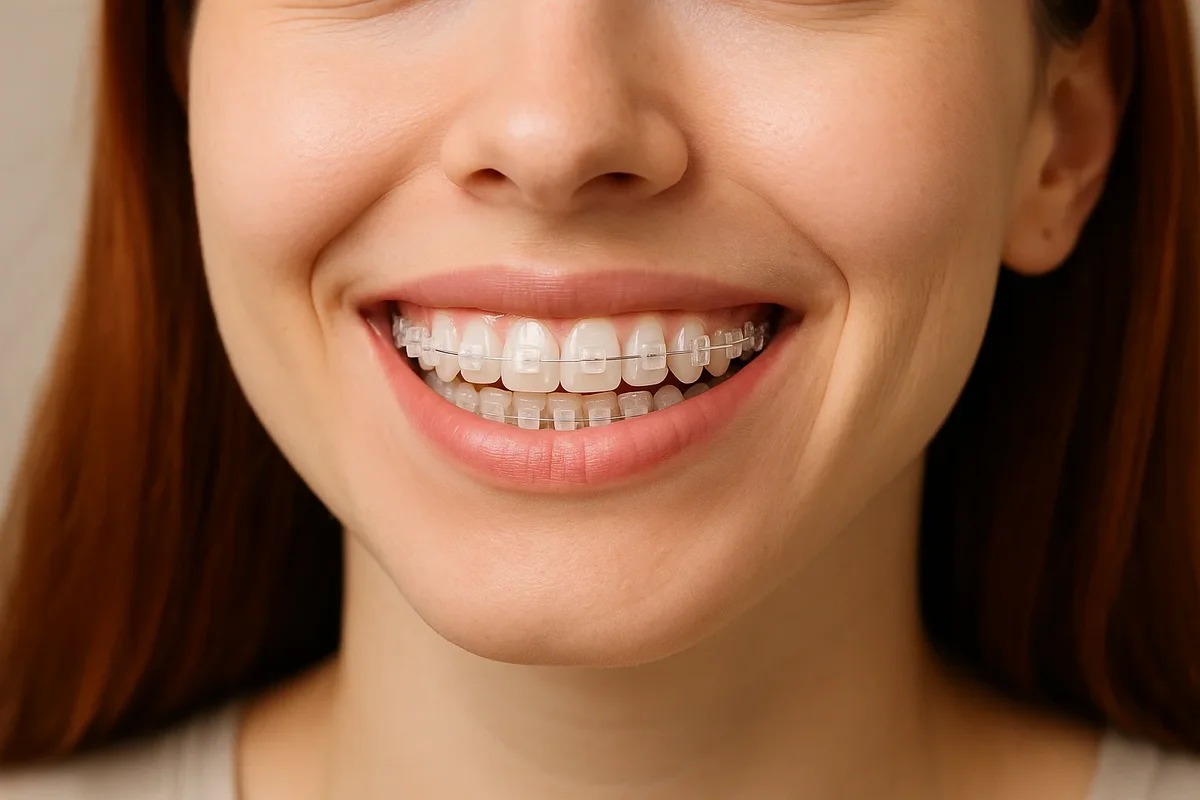
Aftercare and Retainers: Maintaining Your Perfect Smile
Completing your clear braces dental treatment is a remarkable achievement — but the journey to a perfect smile doesn’t end the moment your braces or aligners come off. Aftercare and retention are essential to preserving your results and ensuring that your beautifully aligned teeth stay that way for years to come. Without proper maintenance, teeth can gradually shift back to their original positions, undoing all your hard work. This stage, known as retention, is the key to long-term orthodontic success. 😁
Why Aftercare Matters
Many patients mistakenly believe that once their clear braces dental treatment is over, they no longer need to worry about their teeth alignment. However, the period immediately after treatment is when your teeth are most vulnerable to movement. The ligaments and bone structures surrounding your teeth need time to stabilize in their new positions. Without proper aftercare, relapse — the gradual return of teeth to their pre-treatment alignment — can occur. 🦷
That’s why orthodontists emphasize a well-structured retention plan tailored to each individual’s needs. It typically includes the use of retainers, regular checkups, and good oral hygiene habits to maintain the integrity of your new smile.
The Role of Retainers in Clear Braces Dental Aftercare
Retainers are custom-made devices designed to hold your teeth in place after orthodontic treatment. They ensure that your clear braces dental results remain stable while your gums, bones, and soft tissues adapt to their new positions. There are two main categories of retainers: fixed and removable. Each type has its advantages and care requirements.
1. Fixed Retainers
Fixed retainers consist of a thin wire that’s permanently bonded to the inner surface of the front teeth. They’re invisible from the outside and ideal for patients who want a maintenance-free option. Because they remain in place at all times, they provide constant stabilization and reduce the risk of relapse. 🔒
However, fixed retainers require diligent cleaning. Plaque and food particles can accumulate around the wire, so regular flossing and brushing are critical. Using a water flosser or floss threader helps reach areas under the wire for effective cleaning.
2. Removable Retainers
Removable retainers are custom-fitted trays similar to clear aligners. They are worn full-time initially and later reduced to nighttime wear. These retainers are convenient and easy to clean, but they require discipline — forgetting to wear them regularly can cause minor shifts that become noticeable over time.
🧴 Care Tip: Clean removable retainers daily with mild soap or a specialized cleaning tablet. Avoid hot water, which can warp their shape. Store them in a protective case when not in use to prevent damage or bacterial buildup.
Recommended Retainer Wear Schedule
The exact duration and schedule for wearing retainers depend on your unique case, but orthodontists generally recommend the following:
- 🗓️ First 3–6 months: Wear retainers full-time (22 hours a day), removing only for eating and brushing.
- 🌙 Next 6–12 months: Wear retainers nightly to maintain alignment.
- 💤 After 1 year: Continue wearing retainers 3–4 nights a week indefinitely.
Many professionals emphasize lifelong retention — wearing your retainers a few nights a week for years ensures your teeth never drift out of place again. The simple routine keeps your clear braces dental results permanent. 💎
Post-Treatment Dental Hygiene
After completing your clear braces dental journey, maintaining excellent oral hygiene becomes more important than ever. Straight teeth are easier to clean, but new surfaces and contours can still trap food if you’re not careful. Here’s how to maintain a clean, healthy mouth post-treatment:
- 🪥 Brush twice a day with fluoride toothpaste using circular motions to protect enamel.
- 🧵 Floss daily to remove plaque between teeth and along the gum line.
- 🧴 Rinse with an alcohol-free mouthwash to eliminate bacteria and freshen breath.
- 🚫 Avoid sugary and acidic foods that can erode enamel or stain your teeth.
- 💧 Stay hydrated — saliva helps neutralize acids and keep your mouth clean.
Managing Sensitivity and Adjustment Periods
Some patients may experience mild sensitivity after removing braces or switching to retainers. This is completely normal and temporary. Your teeth are adjusting to a new environment without the constant pressure of braces or aligners. Using a toothpaste for sensitive teeth and avoiding very hot or cold foods can help ease discomfort. 😌
If discomfort persists or if your retainer feels unusually tight, contact your orthodontist for an adjustment. Never attempt to modify retainers on your own, as this could compromise their fit and effectiveness.
Routine Checkups and Professional Care
Even after completing clear braces dental treatment, regular dental visits remain essential. Schedule checkups every 6 months to monitor the stability of your alignment and to maintain gum and bone health. Your orthodontist may recommend occasional digital scans to ensure your teeth remain in perfect position.
Professional cleanings also help remove plaque and tartar that daily brushing might miss, especially around fixed retainers. These sessions ensure your smile stays as healthy as it is beautiful. 🌈
Retainer Replacement and Longevity
Retainers, especially removable ones, have a lifespan. Over time, they may loosen, crack, or discolor. Replacing them every 1–2 years ensures consistent results. Fixed retainers can last much longer but still require regular evaluation. Neglecting to replace a damaged retainer can lead to subtle shifts that undo the precision of your clear braces dental work.
🧠 Tip: Always store a backup retainer or have a digital scan saved at your clinic for easy replacement if your device breaks or is lost.
Lifestyle and Long-Term Maintenance
Beyond retainers, maintaining your results involves overall lifestyle choices. Avoid using your teeth to open packages or bite hard objects, as this can cause misalignment or cracks. Consider wearing a nightguard if you grind your teeth — it protects both your retainers and enamel. Healthy eating and hydration further support the long-term success of your clear braces dental journey.
Orthodontic clinics like Redent Klinik Contact Page offer ongoing support and retention monitoring. Their experienced professionals, following American Dental Association standards, ensure your smile remains healthy, balanced, and stable for a lifetime. 🦷
Final Thoughts
Aftercare and retention are the unsung heroes of every clear braces dental transformation. They safeguard your investment, prevent relapse, and keep your smile radiant for decades. Think of this phase not as an obligation, but as the final step in your transformation — one that protects the time, effort, and dedication you’ve invested in achieving your perfect smile.
With consistent hygiene, regular orthodontic supervision, and disciplined retainer wear, you can enjoy the lifelong benefits of your beautifully aligned teeth. The reward? A confident, lasting smile that continues to brighten every moment of your life. 🌟