
In recent years, clear braces have revolutionized orthodontic care, offering a discreet, effective, and confidence-boosting way to straighten teeth without the metallic appearance of traditional braces. Whether you’re a teenager starting orthodontic treatment or an adult seeking a more subtle solution, clear braces provide an aesthetic and practical alternative to metal brackets. In this comprehensive guide, you’ll learn exactly how they work, what they’re made of, their advantages, and why they’ve become one of the most popular dental treatments worldwide. 😁
What Are Clear Braces?
Clear braces are orthodontic devices designed to align teeth gradually using transparent or tooth-colored materials. They function similarly to metal braces but are made from materials like ceramic, sapphire, or high-quality clear polycrystalline alumina. These materials make the brackets nearly invisible, blending seamlessly with your natural tooth color. As a result, they’re ideal for people who want to correct misalignments without feeling self-conscious about their smile during the process.
Unlike aligner systems that are removable, clear braces are fixed appliances attached directly to the teeth. Each bracket is connected with an archwire that guides the teeth into their ideal position over time. The pressure exerted by the archwire on the brackets moves teeth gradually into proper alignment. Orthodontists can adjust the wire periodically to ensure consistent progress.
How Do Clear Braces Work?
The mechanism of clear braces is quite straightforward yet technologically advanced. Each bracket is strategically bonded to the front surface of your teeth. The archwire that runs through them applies continuous, gentle pressure to move teeth in small increments. Over time, this pressure repositions teeth by remodeling the surrounding bone tissue—a natural biological process called “bone remodeling.”
Clear braces are highly effective for treating common orthodontic issues such as:
- Crowded or overlapping teeth
- Gaps between teeth
- Overbites and underbites
- Crossbites and open bites
- General misalignment
Because clear braces work just like metal braces, they are capable of achieving precise, long-term results even in complex cases. Orthodontists use digital imaging and 3D scanning to plan the movement of each tooth, ensuring both functionality and aesthetics are improved.
Materials Used in Clear Braces
The success of clear braces lies largely in the materials used to manufacture them. The most common types include:
- Ceramic Braces: Made from a translucent material that blends with tooth enamel.
- Sapphire Braces: Composed of monocrystalline sapphire for maximum transparency and durability.
- Polycrystalline Braces: Slightly opaque but very strong and stain-resistant.
Each material has its own advantages. Ceramic braces, for instance, are affordable and highly aesthetic, while sapphire braces are nearly invisible even under direct light. Many orthodontists recommend them for adults who want effective treatment with minimal visual impact.
Advantages of Clear Braces
One of the biggest reasons patients choose clear braces is appearance. Since they blend naturally with your teeth, they allow you to smile confidently throughout your treatment. However, their benefits extend far beyond looks:
- They offer precise tooth control and predictable results.
- They’re durable and resistant to staining when properly maintained.
- They work effectively for both minor and major orthodontic corrections.
- They are comfortable and smooth, minimizing gum and cheek irritation.
Clear braces also appeal to professionals, students, and anyone who frequently interacts with others and prefers a more aesthetic orthodontic solution. According to the American Dental Association, modern ceramic and sapphire braces are equally effective as traditional systems when managed correctly by a skilled orthodontist.
Are Clear Braces Suitable for Everyone?
While clear braces are suitable for most patients, your orthodontist will evaluate your dental structure, bite, and bone health before recommending them. They’re generally ideal for adults and teens with permanent teeth who can maintain proper oral hygiene. However, those who consume a lot of coffee, red wine, or dark sauces should be cautious, as certain foods can cause the elastic ligatures (tiny rubber bands) to discolor over time.
To determine whether you’re a good candidate, you can book a consultation with a trusted dental professional. If you’re considering treatment in Turkey, you can easily schedule an appointment through the Redent Klinik Contact Page for expert evaluation and affordable pricing options.
What to Expect During the Treatment
After your orthodontic evaluation, the dentist takes digital scans and X-rays to plan your treatment. Once the clear braces are attached, you’ll typically need to visit your orthodontist every 4–6 weeks for adjustments. These visits are quick, usually lasting 15–30 minutes. During these appointments, the orthodontist tightens the archwire, ensuring the teeth continue moving toward their desired positions.
The overall treatment time depends on your specific dental needs, but most patients wear clear braces for 12 to 24 months. In complex cases, it might take a bit longer, but the final results are worth the patience—beautifully aligned teeth and a confident, radiant smile. ✨
Conclusion
Clear braces offer the perfect balance between aesthetics and functionality. They provide the strength and precision of traditional braces while maintaining a natural appearance. If you’re looking for a long-term investment in your smile, clear braces are a proven and effective solution backed by decades of orthodontic research. By maintaining good oral hygiene, attending regular checkups, and following your orthodontist’s instructions, you’ll achieve the straight, confident smile you’ve always wanted—without the metallic look. 🌟
Clear Braces vs Traditional Metal Braces: Key Differences
When deciding on orthodontic treatment, one of the most common questions patients ask is: “Should I choose clear braces or traditional metal braces?” Both options are effective in straightening teeth, correcting misalignments, and improving oral health. However, they differ in appearance, comfort, cost, and maintenance. This section provides a detailed comparison to help you make an informed decision and understand which treatment best suits your needs. 😁
1. Appearance and Aesthetics
The most noticeable difference between clear braces and metal braces is their appearance. Traditional braces are made from stainless steel and are very visible when you smile or talk. In contrast, clear braces are made from ceramic or sapphire materials that blend with the color of your teeth. This transparency gives them a subtle, almost invisible appearance, making them ideal for adults and teens who prefer a more aesthetic solution.
For professionals, public speakers, or anyone who interacts frequently with others, clear braces provide a major confidence boost. They allow you to continue your daily activities without feeling self-conscious. Many patients describe them as “barely noticeable,” especially in photos or natural light.
Color Stability Over Time
Modern clear braces are designed with advanced materials that resist discoloration. However, the elastic ligatures (tiny rubber bands that hold the wire to the bracket) may slightly stain over time if you consume coffee, tea, or red wine frequently. Fortunately, these ligatures are replaced during each orthodontic visit, ensuring your braces remain clean and fresh-looking throughout treatment.
2. Comfort and Feel
Comfort plays a big role in orthodontic treatment. Traditional metal braces can sometimes irritate the inner cheeks or gums due to their metallic edges. On the other hand, clear braces are smoother and more polished, reducing friction and irritation inside the mouth. Their ceramic brackets are rounded and smaller, providing a more comfortable fit.
Patients often report that clear braces cause less soreness after adjustments compared to metal ones. The lower friction between the wire and ceramic bracket allows for gentler, more consistent tooth movement, which enhances comfort throughout the process. 🦷
3. Strength and Durability
Although metal braces are stronger overall, modern clear braces have improved significantly in durability. High-quality ceramic and sapphire materials are now used to ensure that the brackets resist chipping or breaking under normal chewing forces. Still, patients should avoid biting into very hard foods like ice or nuts to prevent potential damage.
Metal braces remain slightly more flexible, which makes them ideal for cases involving severe misalignment or jaw discrepancies. However, for mild to moderate cases, clear braces perform just as well, offering both strength and aesthetics.
Which Is More Suitable for Complex Cases?
In very complex orthodontic situations—such as significant overbites, rotated teeth, or severe crowding—metal braces may still be the preferred option because they provide slightly more control and faster movement. Yet, many orthodontists can now achieve the same results with clear braces thanks to advanced treatment planning software and precision archwire systems.
4. Treatment Time and Effectiveness
In most cases, treatment duration with clear braces is comparable to that of metal braces. The movement rate depends more on individual biological response and treatment compliance rather than the material itself. However, clear braces sometimes require a bit more time for adjustments due to their delicate structure, as orthodontists must handle them carefully during wire changes.
Both types can treat issues like spacing, crowding, bite correction, and alignment. The key factor is not the type of brace, but the skill and experience of the orthodontist managing your treatment. According to the American Dental Association, modern clear braces are just as effective as metal ones when used under proper supervision and regular follow-ups.
5. Cost Comparison 💰
Cost is another deciding factor for many patients. Traditional metal braces are usually more affordable, ranging from $3,000 to $6,000 on average, depending on location and case complexity. Clear braces, due to their advanced materials and aesthetic appeal, generally cost between $4,000 and $8,000. The investment is higher, but for many patients, the confidence and appearance benefits justify the difference.
Average Cost Estimates (2025):
🦷 Metal Braces: $3,000 – $6,000
🦷 Clear Braces: $4,000 – $8,000
🦷 Sapphire Braces (Premium): $6,000 – $9,000
In regions like Turkey, clear braces treatments are often much more affordable due to competitive dental tourism pricing. Patients can expect professional treatment at international standards for up to 60% less than in the U.S. or Europe. To inquire about exact pricing or schedule an appointment, visit the Redent Klinik Contact Page.
6. Maintenance and Oral Hygiene
Maintaining oral hygiene is crucial during orthodontic treatment. Both clear braces and metal braces require regular brushing, flossing, and avoiding sticky or hard foods. However, because clear braces are less noticeable, any discoloration due to poor hygiene can be more visible. Using fluoride toothpaste, interdental brushes, and mouthwash helps keep the braces clean and stain-free.
Regular professional cleanings every 3–4 months are highly recommended. Some patients also use water flossers to reach tight areas around the brackets more effectively. Maintaining clean brackets not only ensures oral health but also preserves the aesthetic appeal of your clear braces throughout treatment.
7. Adjustments and Appointments
Both types of braces require periodic adjustments. Orthodontists tighten the archwire to maintain pressure and movement. Clear braces might require slightly longer appointment times because of their fragile nature, but modern systems have reduced this difference significantly.
Most patients visit their orthodontist every 4–6 weeks, and each session typically lasts 15–30 minutes. During these visits, the orthodontist checks the progress, changes elastics if needed, and makes sure the clear braces remain securely bonded.
8. Staining and Discoloration Prevention
One concern with clear braces is the potential for staining. The brackets themselves rarely discolor, but the elastic ligatures can become yellowish due to coffee, tea, curry, or smoking. The good news is that orthodontists replace these ligatures regularly during checkups. Patients who avoid dark foods and maintain good oral hygiene will find their braces stay bright and transparent throughout the entire process.
9. Overall Aesthetic and Lifestyle Impact 🌟
Ultimately, choosing between clear braces and metal braces depends on your priorities. If visibility and professional appearance are important, clear braces are the clear winner. They allow you to maintain your natural smile while correcting alignment. You can confidently attend meetings, social gatherings, and photoshoots without feeling self-conscious about your braces.
Metal braces, while more noticeable, may be slightly better for patients with severe orthodontic problems or younger individuals who are less concerned about aesthetics. For most adults and image-conscious teens, clear braces strike the perfect balance between performance and appearance, delivering beautiful, long-lasting results.
Conclusion
In summary, clear braces offer a discreet, comfortable, and effective solution for modern orthodontic treatment. While they may cost a bit more and require careful maintenance, their natural appearance and proven performance make them an excellent choice for anyone seeking a confident, radiant smile. With the right care and professional guidance, you can enjoy the benefits of perfectly aligned teeth without the metallic look of traditional braces. 🌈
Benefits of Choosing Clear Braces for Adults and Teens 😁
When it comes to orthodontic treatment, more and more adults and teens are turning to clear braces as their preferred option. These innovative braces combine aesthetics, effectiveness, and comfort—allowing patients to achieve perfectly aligned teeth without the self-consciousness often associated with traditional metal braces. Whether you’re preparing for a big event, a career milestone, or simply want a confident smile, clear braces offer numerous advantages that make them one of the best dental investments today.
1. Discreet and Aesthetic Appearance
One of the most appealing benefits of clear braces is their nearly invisible appearance. Made from high-quality ceramic or sapphire materials, the brackets blend seamlessly with the natural color of your teeth. This makes them ideal for professionals, students, and anyone who wants a more discreet orthodontic experience. ✨
Unlike traditional metal braces that stand out in every photo or conversation, clear braces allow you to smile with confidence during the entire treatment period. For teens, this can mean fewer insecurities at school or social events, while adults can maintain a professional image at work. Their transparency and tooth-colored wires give the illusion of a natural smile, even while undergoing alignment.
Confidence Boost During Treatment
Having a straighter smile often leads to improved self-esteem—but the process shouldn’t make you feel embarrassed. Clear braces ensure that you don’t have to hide your smile or avoid public appearances while straightening your teeth. The psychological benefits of looking and feeling good throughout the process are just as important as the final results. 🌟
2. Effective for Both Mild and Complex Cases
While some people assume clear braces are only suitable for minor corrections, the truth is they are effective for both mild and complex orthodontic cases. They work on the same mechanical principles as metal braces—using controlled tension from archwires to gradually reposition teeth. Orthodontists can use them to correct spacing, crowding, crossbites, underbites, and overbites with excellent precision.
In contrast to clear aligners, which are limited in treating severe cases, clear braces are fixed in place, providing constant, round-the-clock correction. This makes them a more dependable choice for patients who want reliable and consistent results.
3. Comfortable and Gentle on the Mouth
Comfort is another key advantage of clear braces. The smooth ceramic or sapphire surfaces reduce irritation to the gums and inner cheeks, which is a common issue with metal braces. Their brackets are smaller and have rounded edges, ensuring a more comfortable experience during everyday activities like speaking and eating.
Modern orthodontic designs also include advanced self-ligating systems that minimize friction between the wire and the bracket. This means less tightening discomfort and smoother tooth movement. Many patients report that after the first few weeks, they forget they even have braces on!
Adaptation and Speech
Most patients adapt to clear braces very quickly. Unlike aligners that can temporarily affect pronunciation, ceramic braces don’t interfere with speech. After a short adjustment period, you can talk, eat, and smile normally, all while your teeth continue aligning behind the scenes.
4. Stain and Damage Resistance
High-quality clear braces are made from materials that resist discoloration and breakage. The ceramic and sapphire brackets are chemically stable, meaning they don’t absorb pigments from food and drinks easily. While the elastic ligatures can stain, these are replaced during regular orthodontic visits, keeping your braces clean and bright.
Additionally, these brackets are strong enough to withstand daily use without cracking or chipping. This makes them a reliable choice even for long-term treatments lasting up to two years. 🦷
5. Improved Oral Health and Functionality
Straightening your teeth with clear braces does more than enhance your smile—it also improves oral health. Misaligned teeth can make it difficult to clean properly, leading to plaque buildup, gum inflammation, and even tooth decay. By aligning your teeth correctly, you reduce these risks and make brushing and flossing more effective.
Furthermore, a well-aligned bite distributes chewing pressure evenly, preventing wear on specific teeth and protecting your jaw joints. In the long run, this leads to better overall oral function and fewer dental complications.
6. Boost in Professional and Social Confidence
For adults, having visible metal braces during important life stages—like career growth or social events—can sometimes feel uncomfortable. Clear braces eliminate this problem. They allow you to maintain a mature, confident image while discreetly correcting your teeth. Whether you’re attending meetings, interviews, or weddings, your braces remain virtually unnoticed.
Teens also benefit immensely from this confidence boost. Adolescence is often a sensitive period when self-image matters a lot. Clear braces help teenagers go through treatment with dignity and pride, knowing that their orthodontic journey doesn’t compromise their appearance.
Psychological and Emotional Benefits
Studies have shown that people who feel good about their smiles are more likely to smile frequently, which can positively affect social interactions, mental health, and even career opportunities. Choosing clear braces can therefore have profound emotional and psychological advantages beyond just aesthetics.
7. Shorter Adjustment Periods and Predictable Results
Thanks to advanced materials and precision orthodontic technology, clear braces offer predictable tooth movement and shorter adjustment periods compared to earlier ceramic models. Their modern archwire systems exert gentle, consistent pressure that reduces discomfort and promotes efficient alignment.
In many cases, the treatment duration is similar to or even shorter than metal braces. Patients appreciate the balance between comfort, aesthetics, and effectiveness that clear braces provide throughout the process.
8. Easy Maintenance with Proper Care
Maintaining clear braces is easier than many think. With regular brushing, flossing, and periodic orthodontic cleanings, your braces can remain crystal-clear throughout your treatment. Using fluoride mouthwash and avoiding staining foods like coffee, curry, or red wine will help preserve their transparency.
Orthodontists often recommend a special interdental brush or a water flosser to clean around the brackets effectively. With just a few minutes of care each day, your braces will stay hygienic and aesthetically appealing.
9. Long-Term Investment in a Beautiful Smile 🌟
While the upfront cost of clear braces may be slightly higher than metal ones, the long-term benefits are well worth it. They not only transform your smile but also enhance your confidence, career opportunities, and quality of life. A straight, radiant smile is one of the most powerful assets you can have, and with clear braces, you achieve it while maintaining your natural appearance throughout the journey.
For those considering affordable treatment options abroad, clinics like Redent Klinik in Turkey offer world-class orthodontic care with competitive pricing. Patients receive personalized treatment plans tailored to their dental needs, ensuring the best possible outcomes.
Conclusion
Choosing clear braces provides an ideal combination of beauty, comfort, and effectiveness. From improved confidence to better oral health, the advantages are clear—literally and figuratively. For both adults and teens, they represent a modern, professional, and self-assured way to achieve a stunning smile that lasts a lifetime. 😄
The Step-by-Step Treatment Process of Clear Braces
Starting orthodontic treatment with clear braces can feel both exciting and overwhelming at first. Understanding each step of the process helps patients feel confident, prepared, and fully informed about what to expect. From your initial consultation to the day your braces come off, every phase plays a crucial role in achieving that perfect smile. This detailed guide breaks down the complete clear braces journey—step by step—so you know exactly what happens along the way. 🦷
1. Initial Consultation and Assessment
The first stage of any clear braces treatment is the consultation. During this appointment, the orthodontist evaluates your overall dental health, jaw alignment, and bite structure. This involves a visual exam, X-rays, digital scans, and sometimes even 3D imaging. The goal is to determine whether you’re a suitable candidate for clear braces and to design a customized treatment plan tailored to your needs.
At this stage, your orthodontist will also discuss the expected timeline, cost, and any specific requirements. Patients are encouraged to ask questions and express any concerns about aesthetics, comfort, or daily maintenance. Transparency between patient and doctor ensures smoother treatment and higher satisfaction in the long run.
Digital Imaging and Smile Preview
Many modern clinics use digital smile design technology to simulate your results before treatment begins. This allows you to visualize how your smile will look once the clear braces treatment is complete. Advanced software like 3D orthodontic planning provides a precise, data-driven approach, ensuring predictable and efficient tooth movement.
2. Treatment Planning and Bracket Selection
After the consultation, the orthodontist creates a detailed treatment plan based on your digital scans and bite records. The plan specifies the exact position of each bracket and the sequence of tooth movements. Unlike traditional metal braces, clear braces come in multiple material types—ceramic, polycrystalline, or sapphire—each offering different levels of transparency and strength.
Once the most suitable option is selected, your orthodontist orders or customizes the brackets accordingly. In some advanced systems, the brackets are designed with precision laser mapping to fit your teeth perfectly. This level of personalization ensures optimal comfort and better long-term results.
Preparation for Bonding
Before applying the clear braces, your teeth must be thoroughly cleaned and dried to ensure proper adhesion. Any plaque or tartar buildup can reduce the effectiveness of the bonding process, so a professional cleaning is often recommended before the application day.
3. Bonding the Brackets
The actual placement of clear braces is a meticulous procedure. The orthodontist applies a small amount of dental adhesive to each tooth and carefully positions the transparent brackets using a special guide tray for accuracy. Once the brackets are in place, a curing light is used to harden the adhesive and secure the brackets.
This procedure is completely painless and usually takes 60–90 minutes, depending on the number of teeth being treated. Once complete, you’ll notice the smooth surface of the ceramic or sapphire brackets blending naturally with your enamel—virtually invisible to others. 😁
Archwire and Elastic Placement
After bonding the brackets, the orthodontist threads a thin archwire through them and secures it using small elastic ligatures or self-ligating clips. This wire exerts gentle pressure on your teeth, initiating the gradual movement process. The initial pressure may feel slightly tight for a few days, but it quickly subsides as your mouth adjusts.
4. Adjustment and Follow-Up Visits
Every 4–6 weeks, you’ll return for follow-up appointments where your orthodontist adjusts the archwire or replaces the elastic ligatures. These adjustments maintain consistent pressure and ensure that your teeth continue shifting in the right direction. Clear braces require slightly more delicate handling compared to metal ones, but the adjustment sessions are quick and comfortable.
During these visits, your orthodontist also monitors oral hygiene, checks for any irritation, and ensures that the clear braces remain in excellent condition. Maintaining these regular visits is essential for staying on track with your treatment timeline.
Managing Discomfort and Adaptation
It’s normal to experience mild tenderness after each adjustment. This indicates that your teeth are moving effectively. Using orthodontic wax for minor irritation and taking over-the-counter pain relievers can ease discomfort. Within a few days, most patients feel completely normal again.
5. Oral Hygiene During Treatment
Proper care is vital for the success of your clear braces. Because ceramic brackets are slightly larger than metal ones, they can trap more food particles. Therefore, brushing after every meal and flossing daily are crucial steps. Using fluoride toothpaste and interdental brushes helps clean around the brackets effectively.
Orthodontists also recommend using a water flosser to reach difficult areas and prevent plaque buildup. Regular professional cleanings every three months will keep your braces spotless and prevent staining or discoloration.
Dietary Guidelines
While wearing clear braces, avoid hard, sticky, or overly crunchy foods like caramel, popcorn, nuts, and chewing gum. These can damage the brackets or wires. Instead, choose softer options such as steamed vegetables, smoothies, and yogurt. With mindful eating, your braces will stay intact and clean throughout the treatment.
6. Mid-Treatment Progress Evaluation
Halfway through your clear braces journey, your orthodontist will perform a progress evaluation using digital scans and X-rays. This ensures that tooth movement aligns with the original treatment plan. If necessary, adjustments are made to improve precision and shorten overall treatment time.
In most cases, patients begin noticing visible results within the first few months—especially with improved alignment in the front teeth. This early progress often boosts motivation and confidence, reinforcing the value of sticking to the treatment schedule.
7. Completion and Debonding Day 🎉
Once your teeth reach their optimal alignment, it’s time for removal—known as the “debonding” phase. The orthodontist gently detaches each bracket and cleans the adhesive residue from your enamel. This process is quick and painless, leaving your teeth smooth and polished.
After removing the clear braces, you’ll immediately notice the transformation—a straighter, more balanced, and confident smile that reflects months of dedication and care. Most patients describe this day as one of the most rewarding experiences in their dental journey.
Final Retainers and Smile Maintenance
To prevent teeth from shifting back, your orthodontist provides a custom-made retainer. Depending on your case, this may be a removable or fixed type. Wearing retainers as instructed helps maintain your new smile for life. You’ll also receive guidance on long-term oral care, whitening options, and routine dental checkups.
8. Post-Treatment Care and Monitoring
Even after your clear braces are removed, your orthodontic care doesn’t end immediately. Follow-up visits are scheduled to ensure that your teeth remain stable and healthy. Maintaining good hygiene habits and attending regular dental appointments will help preserve the results for years to come.
If you ever experience unexpected shifting or discomfort, contact your orthodontist promptly for evaluation. For patients seeking post-treatment care abroad, clinics like Redent Klinik offer comprehensive aftercare packages and support for international patients.
Conclusion
The treatment process for clear braces is a carefully designed journey combining science, precision, and aesthetics. From consultation to completion, every step is guided by expert planning and personalized care. By understanding what to expect, maintaining good oral hygiene, and attending regular checkups, you’ll ensure a smooth, comfortable, and highly rewarding experience—ending with a brilliant, confident smile that lasts a lifetime. 😄
How Much Do Clear Braces Cost in 2025? 💰
When planning orthodontic treatment, one of the most common questions patients ask is, “How much do clear braces cost?” The answer depends on several factors including treatment complexity, materials used, geographic location, and the orthodontist’s expertise. As of 2025, the global average price for clear braces has become more affordable thanks to advancements in technology and increased demand for aesthetic orthodontic solutions. This comprehensive guide explains everything you need to know about costs, payment plans, insurance coverage, and how to find the best value without compromising quality. 🦷
1. Average Cost of Clear Braces in 2025
Globally, the cost of clear braces ranges from $3,500 to $8,500, depending on the region and the type of ceramic or sapphire material used. While this may sound like a broad range, several key variables influence the final price, such as treatment duration, level of correction required, and additional procedures (like tooth extractions or cleaning).
Below is a general overview of the estimated cost range by region in 2025:
Average Price Ranges for Clear Braces (2025):
🇺🇸 United States: $4,500 – $8,500
🇬🇧 United Kingdom: £3,000 – £6,000
🇩🇪 Germany: €3,800 – €7,000
🇫🇷 France: €3,500 – €6,500
🇹🇷 Turkey: $1,800 – $3,000
🇦🇺 Australia: $5,000 – $8,000
In countries such as Turkey, clear braces treatments are significantly more affordable due to lower operational costs and strong competition in dental tourism. Clinics like Redent Klinik in Istanbul offer international patients premium orthodontic services at up to 60% lower prices than Western Europe or North America—without compromising on technology, materials, or safety standards.
2. Factors Affecting the Cost of Clear Braces
Understanding what influences the cost of clear braces can help you budget wisely and avoid hidden fees. The total price is determined by a combination of the following factors:
- Case Complexity: The more complex the misalignment, the longer the treatment, and the higher the cost.
- Treatment Duration: Longer treatments require more appointments, adjustments, and materials.
- Type of Bracket Material: Sapphire braces cost more than standard ceramic ones due to their higher transparency and durability.
- Orthodontist’s Expertise: Specialists with advanced experience often charge higher fees but provide faster, more reliable results.
- Location and Clinic Standards: Prices in major cities or premium clinics tend to be higher due to overhead and advanced technologies.
- Additional Procedures: X-rays, 3D scans, cleaning, or retainers can add to the total cost.
Case Example: Mild vs Complex Treatments
For mild alignment issues (minor crowding or gaps), clear braces may cost as little as $3,000. In contrast, complex bite corrections or jaw discrepancies could raise costs up to $8,000 or more due to extended treatment time and customized appliances. Patients with complex needs may also require additional diagnostic imaging or longer retention phases after treatment.
3. Clear Braces vs Metal Braces Cost Comparison
While clear braces offer aesthetic benefits, they tend to be slightly more expensive than metal braces. On average, traditional metal braces cost between $2,500 and $6,000. The extra cost for clear braces primarily reflects the advanced materials used and the extra care required during manufacturing and placement.
Cost Comparison Summary (2025):
🦷 Metal Braces: $2,500 – $6,000
🦷 Clear Braces: $3,500 – $8,500
🦷 Invisalign (Clear Aligners): $3,000 – $7,500
Although the difference might seem significant, many patients find the enhanced appearance and comfort of clear braces well worth the investment. The confidence of having discreet orthodontic treatment during professional or social interactions often outweighs the extra cost. 😄
4. Insurance Coverage and Financing Options
Many dental insurance plans partially cover orthodontic treatments, but coverage for clear braces varies depending on the provider and country. In the U.S., most plans cover a percentage of orthodontic care up to a set limit, typically between $1,000 and $3,000. However, because clear braces are considered an aesthetic upgrade, some plans may only cover the equivalent cost of metal braces.
To make treatment more accessible, many dental clinics offer flexible payment plans. These allow patients to spread payments over 12–24 months, often with zero or low interest. Some clinics even provide in-house financing options with monthly installments as low as $100–$200, depending on the total cost.
How to Check Your Insurance Eligibility
Before beginning treatment, ask your insurance provider the following:
- Does my plan include orthodontic coverage for adults and teens?
- What percentage of clear braces treatment costs is covered?
- Is there an annual or lifetime orthodontic benefit limit?
- Does my plan require using specific orthodontists within a network?
Understanding these details in advance ensures there are no surprises when the first bill arrives.
5. Additional Costs to Consider
When budgeting for clear braces, don’t forget to account for supplementary expenses such as:
- Initial consultation and X-rays (usually $100–$300)
- 3D digital scans or models ($200–$500)
- Professional cleaning before bonding ($75–$150)
- Retainers after treatment ($200–$600)
- Regular adjustment visits (often included in the total fee)
Some clinics bundle all these services into one comprehensive treatment package, while others charge separately. Always request a detailed cost breakdown before starting treatment so you know exactly what’s included.
6. Ways to Save on Clear Braces Treatment
While clear braces are an investment, there are smart ways to reduce overall costs:
- Dental Tourism: Consider having treatment done in countries like Turkey or Hungary, where world-class clinics such as Redent Klinik provide exceptional care at competitive prices.
- University Dental Clinics: Teaching hospitals often offer discounted rates under the supervision of licensed orthodontists.
- Seasonal Promotions: Many clinics run special offers or discounts during holidays or awareness campaigns.
- Flexible Financing: Choose installment plans that fit your budget rather than paying the full cost upfront.
These strategies allow patients to enjoy high-quality clear braces treatment without compromising financial comfort or professional expertise.
7. Value Beyond the Price Tag 🌟
While it’s important to consider cost, the value of clear braces goes beyond the financial aspect. Straight teeth improve not only your appearance but also your oral health, speech clarity, and confidence. Proper alignment reduces the risk of gum disease, uneven wear, and jaw strain. The long-term benefits—both aesthetic and functional—often outweigh the initial expense.
Moreover, clear braces contribute to psychological well-being. Being able to smile freely during treatment enhances confidence, which can positively impact relationships and career opportunities.
Conclusion
The cost of clear braces in 2025 varies widely depending on factors like material type, location, and treatment complexity. However, with flexible payment plans, insurance support, and affordable international options, achieving a beautiful, aligned smile has never been more accessible. Investing in clear braces means investing in your long-term confidence, health, and happiness—a decision that continues to pay off well beyond the treatment itself. 😁
Maintenance and Cleaning Tips for Clear Braces
Proper maintenance and cleaning are essential for anyone wearing clear braces. While these braces offer incredible aesthetic benefits, their transparent or tooth-colored material requires extra care to stay spotless and attractive throughout treatment. Good hygiene habits ensure not only the longevity of the braces but also the health of your gums and teeth. This detailed guide explains how to clean, protect, and maintain your clear braces to achieve the best possible results—both functionally and aesthetically. 🪥
1. The Importance of Oral Hygiene During Clear Braces Treatment
Unlike removable aligners, clear braces are fixed to your teeth, meaning food particles can easily get trapped between brackets and wires. Without proper cleaning, plaque buildup can lead to staining, gum irritation, or even cavities. Because clear braces are designed to blend with your natural tooth color, even minor discoloration or debris can be more noticeable compared to metal braces.
Maintaining a thorough daily hygiene routine ensures that your braces stay clear, your teeth remain strong, and your smile looks radiant throughout the entire orthodontic process. It also prevents odors, bacterial buildup, and potential long-term dental damage.
2. Essential Cleaning Tools You’ll Need
To effectively clean clear braces, you’ll need a few specialized tools that make reaching small spaces easier. Standard toothbrushes may not be enough on their own. Here are the must-have tools recommended by orthodontists:
- Soft-bristled Toothbrush: A gentle brush helps remove plaque without scratching the ceramic brackets.
- Interdental Brush: Designed to clean between the wires and brackets where a regular brush cannot reach.
- Floss Threader or Super Floss: Helps slide floss under the wire to clean between teeth effectively.
- Water Flosser: Uses a steady stream of water to flush out trapped debris and reduce plaque buildup.
- Fluoride Toothpaste and Mouthwash: Strengthens enamel and protects against decay.
Pro Tip: Replace Tools Regularly
Brushing tools wear out faster when used around braces. Replace toothbrushes or interdental brushes every 2–3 months or sooner if bristles start fraying. A worn brush cannot clean effectively and may even damage the delicate ceramic brackets of your clear braces.
3. Step-by-Step Cleaning Routine for Clear Braces 🦷
Developing a consistent cleaning habit is key to maintaining your braces. Below is an effective daily routine:
Step 1: Rinse After Every Meal
Start by rinsing your mouth with water to loosen food particles. This simple step prevents food from sticking between your teeth and brackets. If possible, carry a travel-size mouthwash for extra freshness after meals.
Step 2: Brush Thoroughly After Eating
Brush your teeth at least twice a day—ideally after every meal. Use a soft-bristled toothbrush angled at 45 degrees toward the gumline. Brush around each bracket, paying attention to the spaces above and below the wire. Gentle circular motions help remove plaque and prevent stains on your clear braces.
Step 3: Floss or Use a Water Flosser
Flossing with braces can be challenging but is absolutely necessary. Use a floss threader to guide floss between the wires, cleaning gently between every tooth. Alternatively, a water flosser is a convenient and effective substitute, especially for people with limited time or dexterity.
Step 4: Finish with Mouthwash
After brushing and flossing, rinse with an antibacterial fluoride mouthwash. This helps reduce plaque-causing bacteria, freshens breath, and keeps your mouth feeling clean all day. Avoid colored mouthwashes that may stain the ligatures of your clear braces.
4. Preventing Stains and Discoloration
One of the biggest challenges for patients with clear braces is avoiding discoloration. Although the ceramic or sapphire brackets themselves resist staining, the elastic ligatures (rubber bands) can absorb color from certain foods and drinks. To keep your braces clear and bright, avoid or limit the following items:
- Coffee and black tea ☕
- Red wine 🍷
- Curry, tomato sauce, and soy sauce
- Cola and other dark sodas
- Smoking or vaping (which can cause yellowing)
If you do consume these items, rinse your mouth or brush immediately afterward. Many patients also request lighter-colored or smoke-gray ligatures during appointments, as they are less prone to visible staining compared to clear or white ones.
In-Office Ligature Replacement
Since elastic ligatures are replaced every 4–6 weeks during your adjustment appointments, any minor staining is temporary. Regular visits to your orthodontist ensure your clear braces continue to look clean and professional throughout your treatment.
5. Professional Cleaning and Orthodontic Checkups
Regular dental cleanings are crucial when wearing clear braces. Dentists can remove plaque and tartar that daily brushing may miss, particularly around the brackets and gumline. Schedule professional cleanings every 3–4 months during your treatment for optimal oral hygiene.
During these visits, your orthodontist will also check the condition of your braces, replace stained ligatures, and verify that your treatment is progressing as planned. Keeping these appointments ensures your braces remain in excellent condition and your teeth move efficiently toward alignment.
6. Dealing with Discomfort and Damage
Even with proper maintenance, you may occasionally experience minor issues with your clear braces. A loose bracket, bent wire, or sore spot can occur, especially during the initial weeks of treatment. Here’s how to handle common situations safely:
- Loose Bracket: If a bracket detaches, don’t try to fix it yourself. Call your orthodontist immediately.
- Wire Irritation: Use orthodontic wax to cover sharp edges until your next visit.
- Soreness: Apply warm saltwater rinses or mild pain relief as directed by your dentist.
Emergency Tip
If a wire breaks or causes pain, gently push it back with a clean cotton swab. Avoid cutting it yourself unless instructed by your orthodontist. Quick communication ensures your clear braces treatment stays on track without unnecessary delays.
7. Nighttime Care Routine
Before bed, perform a thorough cleaning routine to remove all debris accumulated during the day. Brush for at least two minutes, floss carefully, and rinse with an antibacterial mouthwash. Going to sleep with a clean mouth prevents plaque growth overnight and keeps your clear braces looking pristine.
Some patients also use a fluoride gel or rinse prescribed by their orthodontist to strengthen enamel and reduce sensitivity. Consistency in nightly cleaning plays a big role in achieving a bright, stain-free smile by the end of treatment.
8. Travel and On-the-Go Maintenance 🌍
Keeping your clear braces clean while traveling is easy with a portable hygiene kit. Include a compact toothbrush, travel-sized toothpaste, dental floss, and mini mouthwash. Carrying these essentials ensures you can clean up after meals, preventing food buildup and discoloration even on the go.
9. Lifestyle Habits That Protect Your Clear Braces
In addition to oral hygiene, adopting healthy habits will keep your clear braces in excellent condition:
- Stay hydrated to promote saliva flow, which helps clean your mouth naturally.
- Chew slowly to avoid damaging brackets or wires.
- Avoid using your teeth as tools—opening bottles or biting pens can break ceramic brackets.
- Visit your orthodontist promptly if you notice any unusual discomfort or damage.
Conclusion
Maintaining your clear braces properly is the key to achieving a clean, healthy, and confident smile. With consistent brushing, mindful eating, and regular professional checkups, you can keep your braces as transparent and beautiful as the day they were applied. Remember—discipline today leads to stunning results tomorrow. If you need expert cleaning or repair services, don’t hesitate to schedule a visit through the Redent Klinik Contact Page. With good care and attention, your clear braces journey will be smooth, successful, and truly transformative. 😁
Common Myths About Clear Braces You Should Stop Believing
Despite their growing popularity, clear braces are often surrounded by misconceptions that can cause hesitation among potential patients. Many people still associate braces with discomfort, staining, or inefficiency, but modern orthodontics has come a long way. In reality, clear braces offer advanced technology, precision, and aesthetics that make them one of the most reliable options for straightening teeth. In this section, we’ll debunk the most common myths about clear braces and reveal the truth behind each one—so you can make an informed, confident decision about your smile. 😁
1. Myth: Clear Braces Are Only for Teenagers
One of the most persistent myths is that clear braces are exclusively designed for teenagers. In fact, a significant number of orthodontic patients today are adults who choose clear braces for aesthetic and professional reasons. Whether you’re in your 30s, 40s, or even 50s, you can still benefit from these braces.
Adults often prefer clear braces because they blend naturally with their teeth, allowing them to maintain a professional appearance while correcting alignment. Modern materials like sapphire and ceramic make them strong enough for adult bone density, so age is never a barrier to achieving a beautiful, healthy smile. 🦷
Reality Check:
Clear braces are suitable for all age groups, provided the patient has healthy gums and sufficient bone structure. The key factor is dental health, not age.
2. Myth: Clear Braces Are Weak and Break Easily
Many people assume that because clear braces look delicate, they must be fragile. However, this couldn’t be further from the truth. Modern clear braces are made from highly durable materials such as polycrystalline or monocrystalline alumina (sapphire), engineered to withstand the same pressures as traditional metal braces.
These materials are strong, smooth, and resistant to chipping. Advances in orthodontic technology ensure that clear braces can handle all types of tooth movements—rotations, intrusions, and spacing corrections—with the same precision as metal alternatives.
Reality Check:
Clear braces are just as strong and reliable as metal braces when handled correctly and adjusted by a skilled orthodontist. Proper care, such as avoiding hard foods, ensures long-lasting performance.
3. Myth: Clear Braces Stain Easily
Staining is one of the biggest worries among patients considering clear braces. While it’s true that early ceramic models were prone to discoloration, modern versions are far more resistant to staining. The brackets themselves are non-porous, meaning they don’t absorb pigments from food and drinks. The only components that may stain are the elastic ligatures (small rubber bands holding the wire), which are replaced every 4–6 weeks during adjustment appointments.
Maintaining good oral hygiene—brushing after meals, flossing daily, and limiting dark-colored beverages—helps keep your braces clear and spotless. Even if minor discoloration occurs, it’s temporary and easily resolved during your orthodontic visits.
Reality Check:
Modern clear braces resist staining extremely well. Regular cleaning and professional maintenance ensure a bright, natural appearance throughout treatment.
4. Myth: Clear Braces Take Longer to Work
Another misconception is that clear braces are slower than metal braces in moving teeth. This myth likely originated from early ceramic models that created more friction between the wire and the bracket. Today, that problem has been eliminated thanks to advanced self-ligating systems and smoother bracket designs that minimize resistance.
In most cases, treatment duration with clear braces is nearly identical to that of metal braces. The main determinant of treatment length is not the material—it’s the complexity of the case and the patient’s compliance with appointments and care instructions.
Reality Check:
Clear braces work just as efficiently as metal braces, and with the right orthodontist, treatment times can even be reduced thanks to modern techniques and digital planning tools.
5. Myth: Clear Braces Are Uncomfortable
Some patients believe that clear braces cause more irritation because of their ceramic or sapphire materials. However, the opposite is true. These brackets are carefully polished and rounded to minimize friction, making them more comfortable than metal ones. The smoother surface prevents the inner cheeks and lips from irritation, especially during the adjustment phase.
Additionally, clear braces apply gentler, consistent pressure, leading to a more comfortable tooth movement experience overall. Most patients report that any initial soreness disappears within a few days as they adjust to their new braces.
Reality Check:
Clear braces are designed with patient comfort in mind. Their smooth texture and advanced wire systems reduce discomfort and promote a seamless orthodontic journey.
6. Myth: Clear Braces Are Only for Cosmetic Purposes
While aesthetics are a major benefit, clear braces are not just about looks—they’re also highly functional. They correct bite problems, overcrowding, and misalignment just as effectively as metal braces. Orthodontists can use them for both minor cosmetic improvements and complex dental corrections.
Moreover, correcting alignment issues has important long-term health benefits. It improves chewing efficiency, reduces jaw strain, prevents premature enamel wear, and supports better oral hygiene. In short, clear braces aren’t just cosmetic—they’re comprehensive orthodontic tools.
Reality Check:
Clear braces enhance both appearance and oral function, making them a full-spectrum orthodontic solution—not merely a vanity choice.
7. Myth: Clear Braces Are Too Expensive
Another misconception is that clear braces are unaffordable for the average patient. While they typically cost slightly more than metal braces, the difference is often smaller than expected. Many clinics offer flexible payment plans and financing options, making them accessible to a wider audience.
For example, in the United States, the average cost of clear braces ranges between $4,000 and $8,000, compared to $3,000–$6,000 for metal braces. However, in countries such as Turkey, world-class clinics like Redent Klinik provide treatment for as low as $1,800–$3,000, making aesthetic orthodontics globally affordable without compromising quality.
Reality Check:
Clear braces are an investment in long-term confidence and oral health. With flexible payment plans and international options, they are within reach for most patients.
8. Myth: Clear Braces Require Too Much Maintenance
Some people think clear braces are high-maintenance compared to other types. In truth, the care routine is nearly identical to metal braces—regular brushing, flossing, and avoiding hard or sticky foods. The only difference is being slightly more mindful about staining foods like coffee or red wine.
Following proper hygiene practices keeps clear braces clean and functional with minimal effort. In fact, many patients find the process easier because the smoother brackets accumulate less plaque and debris.
Reality Check:
Maintaining clear braces is simple and straightforward with consistent oral care. A little diligence ensures your braces stay clean and invisible throughout your treatment journey.
9. Myth: Clear Braces Are Not Suitable for Severe Cases
Some patients believe that clear braces can only handle mild cosmetic corrections. However, modern orthodontic systems are fully capable of treating severe misalignments, overbites, underbites, and spacing issues. Orthodontists often use them in complex cases where clear aligners like Invisalign might not be effective.
Digital orthodontic planning allows doctors to design precise movement sequences for each tooth, ensuring that even difficult cases are handled efficiently. Whether your goal is cosmetic enhancement or full bite correction, clear braces can deliver outstanding results when managed by an experienced specialist.
Reality Check:
Clear braces can treat a wide range of orthodontic conditions, from minor to complex. With modern materials and technology, they are equally effective as traditional braces in delivering exceptional results.
Conclusion
By separating myth from fact, it’s clear that clear braces are one of the most advanced and practical orthodontic options available today. They’re durable, comfortable, effective, and aesthetically pleasing—all while providing life-changing results. Don’t let outdated misconceptions hold you back from achieving your dream smile. Consult with a qualified orthodontist or contact Redent Klinik for expert guidance and affordable treatment options. With the right information and care, clear braces can transform not just your teeth—but your confidence and quality of life. 🌟
Clear Braces vs Invisalign: Which Is Better for You?
When choosing between clear braces and Invisalign, patients often wonder which option provides better results, comfort, and aesthetics. Both treatments offer a more discreet alternative to traditional metal braces, but they differ significantly in how they function, feel, and fit your lifestyle. Understanding these distinctions can help you make an informed decision based on your goals, needs, and budget. This detailed comparison covers every aspect—from appearance to treatment efficiency—so you can decide whether clear braces or Invisalign is the right choice for your smile. 😁
1. Overview: Clear Braces and Invisalign Explained
Clear braces are fixed orthodontic appliances made of transparent or tooth-colored ceramic brackets attached to the front of your teeth. They use wires and gentle pressure to move teeth into alignment over time. Invisalign, on the other hand, uses a series of removable, custom-made plastic aligners that fit snugly over your teeth and gradually shift them into place.
Both options offer aesthetic advantages over metal braces, but they cater to different lifestyles and treatment needs. While Invisalign appeals to those seeking flexibility, clear braces are preferred by patients who want the precision and reliability of fixed orthodontics.
Key Difference:
Invisalign aligners are removable and almost invisible, while clear braces remain fixed in place but provide more control over tooth movement—especially for complex orthodontic cases.
2. Appearance and Aesthetic Considerations
Both clear braces and Invisalign are designed to be discreet, but they achieve this in different ways. Clear braces blend naturally with your teeth using ceramic or sapphire brackets, making them nearly invisible from a distance. Invisalign aligners, on the other hand, are made from transparent thermoplastic that fits tightly over your teeth, offering a clear, smooth finish.
However, Invisalign can become slightly cloudy or stained if not cleaned properly, whereas clear braces maintain a consistent look with regular oral care. For individuals who prefer a permanently attached system without worrying about daily removal, clear braces provide a stable, aesthetic solution throughout the entire treatment.
Which Looks More Natural?
Both treatments are visually subtle, but clear braces tend to reflect light more naturally, maintaining a uniform appearance with the enamel. Invisalign aligners can sometimes show small air gaps between the plastic and teeth, especially if aligners aren’t worn tightly enough.
3. Comfort and Fit
Comfort is a major factor for orthodontic patients. Invisalign aligners are made from smooth, BPA-free plastic, which minimizes irritation to the gums and cheeks. Since they’re removable, there are no wires or brackets to cause friction. However, because aligners must be worn 20–22 hours a day, some users find them inconvenient during meals and cleaning.
Clear braces, while slightly more noticeable, are designed with rounded edges to minimize discomfort. Modern ceramic and sapphire brackets are smooth and polished, reducing irritation significantly compared to older models. Most patients report that after the initial adjustment period, clear braces are comfortable and easy to forget about. 🦷
Comfort Verdict:
Invisalign offers more flexibility, but clear braces provide consistent, controlled movement with minimal irritation once you adapt to them.
4. Treatment Effectiveness and Case Complexity
This is one of the most crucial distinctions between clear braces and Invisalign. Clear braces can handle a wide range of orthodontic issues—from mild crowding to complex bite corrections. Because they are fixed, the orthodontist maintains full control over each tooth’s movement, allowing precise adjustments.
Invisalign, while highly effective for mild to moderate cases, has limitations in treating severe misalignments, large rotations, or complex bite issues. Although advanced versions like Invisalign Comprehensive can handle more challenging cases, they still may not match the precision achievable with fixed clear braces.
When Clear Braces Are Better:
- Severe overcrowding or spacing problems
- Complex bite corrections (overbite, underbite, crossbite)
- Cases requiring vertical tooth movement
When Invisalign Works Best:
- Mild to moderate alignment issues
- Patients seeking removable, lifestyle-friendly options
- Those disciplined enough to wear aligners consistently
5. Maintenance and Cleaning Requirements
Because Invisalign aligners are removable, they are easier to clean—you can brush and floss normally without obstruction. However, you must also clean the aligners themselves several times a day to avoid odor or discoloration. Failing to maintain proper hygiene can lead to bacterial buildup and clouding of the trays.
With clear braces, brushing and flossing require more precision since food can get trapped around brackets and wires. Using interdental brushes and water flossers helps maintain cleanliness. Although care requires slightly more effort, it quickly becomes routine for most patients. The brackets themselves rarely stain, making clear braces a long-term, low-maintenance solution when combined with good oral hygiene.
Hygiene Tip:
Regardless of which option you choose, avoid consuming sugary drinks or coffee without cleaning your teeth or aligners immediately afterward to prevent discoloration and plaque buildup.
6. Treatment Duration and Consistency
In general, both Invisalign and clear braces deliver results within similar timeframes—typically between 12 and 24 months. However, the duration can vary depending on patient cooperation and case complexity. Since Invisalign requires consistent wear (22 hours per day), treatment delays can occur if aligners are frequently removed or lost.
Clear braces don’t rely on patient compliance—they work continuously because they remain fixed in place. This makes them a more predictable and consistent option, especially for younger patients or those with busy lifestyles who may forget to wear their aligners regularly.
Time Efficiency Verdict:
For reliability and steady progress, clear braces often deliver faster and more predictable results in complex cases. Invisalign’s success heavily depends on the user’s discipline.
7. Cost Comparison 💰
Cost is often a deciding factor for patients choosing between clear braces and Invisalign. Both options are considered premium orthodontic treatments, with similar price ranges in many countries. On average:
🦷 Clear Braces: $3,500 – $8,000
🦷 Invisalign: $3,000 – $7,500
Prices may vary based on treatment complexity, orthodontist expertise, and geographic location. Clinics like Redent Klinik in Turkey offer both clear braces and Invisalign treatments at significantly lower costs—often 50–60% less than in Western Europe or the U.S.—making them ideal for international patients seeking affordable orthodontic care without compromising quality.
8. Lifestyle Considerations
Your daily routine plays a major role in choosing between clear braces and Invisalign. Invisalign aligners offer flexibility—you can remove them before meals, photos, or important events. However, this freedom also comes with responsibility. Forgetting to wear aligners for extended periods can slow down progress.
Clear braces, in contrast, require no daily adjustments. Once they’re installed, you don’t have to think about them beyond regular cleaning and appointments. For individuals with busy schedules or a tendency to forget, fixed braces may be a better fit. Additionally, athletes or public speakers often prefer clear braces because they don’t risk losing or damaging removable aligners.
Lifestyle Verdict:
Choose Invisalign if you prioritize flexibility and discipline; choose clear braces if you prefer simplicity, consistency, and zero compliance stress.
9. Which Is Right for You? 🦷
Ultimately, the decision between clear braces and Invisalign depends on your specific dental needs, lifestyle, and priorities. If aesthetics, flexibility, and convenience are your top goals, Invisalign might be ideal. But if you value precision, consistency, and long-term control—especially for complex cases—clear braces remain the gold standard for achieving perfect alignment with a discreet appearance.
To determine the best option, it’s essential to schedule a consultation with a trusted orthodontist. At clinics like Redent Klinik, specialists use 3D imaging to assess your teeth and recommend the most effective treatment tailored to your goals and budget.
Conclusion
Both Invisalign and clear braces represent the future of orthodontic innovation—combining beauty and effectiveness to create confident smiles. The right choice comes down to your lifestyle, dental condition, and level of commitment. Whether you choose the flexibility of Invisalign or the consistent power of clear braces, both options can transform your smile into one you’ll be proud to show off for life. 🌟
Before and After: Real Results from Clear Braces Patients 📸
One of the most motivating aspects of choosing clear braces is seeing real-life transformations. The visual proof of what these discreet orthodontic systems can achieve is truly inspiring. In this section, we’ll explore the remarkable before-and-after results of patients who have undergone clear braces treatment, how long it took to achieve their perfect smiles, and what improvements they noticed in both appearance and oral health. Each story demonstrates how modern orthodontics has evolved to deliver life-changing results while maintaining comfort, confidence, and aesthetics throughout the process. 😁
1. What to Expect Before Starting Clear Braces
Before getting clear braces, most patients experience concerns such as misaligned teeth, crowding, gaps, or bite irregularities. Many are hesitant to commit to metal braces because of their visibility and discomfort. Clear braces provide an elegant solution—designed to align teeth effectively while remaining nearly invisible. The treatment begins with a comprehensive consultation and diagnostic imaging to create a custom treatment plan tailored to your specific needs.
Initial Assessment and Planning
At your first appointment, the orthodontist performs 3D scans, photographs, and X-rays to determine the exact movement required for each tooth. These diagnostic tools create a digital model of your mouth, helping the orthodontist simulate your smile transformation before treatment even begins. Seeing the projected results motivates patients and provides realistic expectations about what clear braces can accomplish.
2. The Treatment Process Step-by-Step
The clear braces journey is gradual but steady. It typically follows a predictable pattern of adjustments and progress milestones. Let’s look at what happens from start to finish:
Stage 1: Bonding the Brackets
Your orthodontist attaches small ceramic or sapphire brackets to each tooth using a special dental adhesive. A thin archwire connects the brackets, applying gentle pressure that gradually guides the teeth into their correct positions. This stage is usually painless and takes about 60–90 minutes.
Stage 2: Adjustments and Monitoring
During the following months, you’ll have regular adjustment appointments every 4–6 weeks. These visits are crucial for tracking progress and tightening the wires to maintain controlled movement. Patients often notice visible improvement within the first 8–12 weeks, as crowding starts to reduce and teeth begin to align naturally.
Stage 3: Mid-Treatment Evaluation
By the halfway point (usually around 6–9 months), significant changes can be seen in both alignment and facial symmetry. Orthodontists may replace elastic ligatures, make wire modifications, or adjust tension levels. Maintaining proper hygiene is especially important during this phase to prevent staining and ensure your clear braces remain transparent and clean.
Stage 4: Final Adjustments and Retention
As treatment nears completion, fine-tuning movements correct minor rotations or bite irregularities. Once the desired result is achieved, the braces are carefully removed, revealing beautifully aligned teeth. A custom retainer is then provided to maintain your new smile long-term.
3. Real-Life Before and After Examples
Seeing real transformations helps potential patients understand the power of clear braces. Here are some examples of what typical patients experience:
Case 1: Mild Crowding
Before: Overlapping front teeth and minor crowding in the lower jaw.
After: Evenly spaced, symmetrical smile achieved in 10 months.
Result: The patient reported improved confidence and easier brushing routines.Case 2: Crossbite Correction
Before: Misaligned bite causing chewing discomfort and uneven wear.
After: Corrected bite alignment in 14 months using ceramic clear braces.
Result: Reduced jaw strain, improved function, and facial harmony.Case 3: Adult Professional Patient
Before: Gap between front teeth and visible crowding.
After: Perfectly aligned teeth after 16 months, achieved discreetly while maintaining a professional image.
Result: Increased self-esteem and enhanced speech clarity.
Each of these cases highlights not only the cosmetic transformation but also the functional benefits of treatment. Patients often describe feeling more confident in both personal and professional settings once their smile transformation is complete. 🦷
4. Duration of Treatment and Visible Progress
The length of clear braces treatment depends on the complexity of the case, but most patients complete their journey within 12–24 months. However, visible results begin much earlier. Within just a few months, teeth start to shift noticeably, motivating patients to continue following their orthodontist’s advice.
Quick Improvements Timeline:
- 1–3 months: Noticeable alignment of front teeth
- 6 months: Major bite corrections and visible smile enhancement
- 12–18 months: Fully corrected alignment and refined tooth positions
Because clear braces remain fixed in place, they work continuously—even when you’re sleeping—providing steady progress throughout the treatment.
5. Emotional and Lifestyle Impact
Beyond physical improvements, clear braces create emotional transformations. Patients often report enhanced self-confidence, greater comfort in social interactions, and renewed enthusiasm for self-care. Many describe smiling more frequently and even pursuing opportunities they previously avoided because of insecurity about their teeth.
Professionals in public-facing careers—such as sales, media, and education—particularly appreciate how discreet clear braces are, allowing them to maintain a polished image while undergoing treatment. Adults who once believed orthodontics were “too late” for them find this option both practical and empowering.
Psychological Benefits Include:
- Higher self-esteem and body confidence
- Improved communication and willingness to smile
- Reduced anxiety about social or professional settings
6. Post-Treatment Results and Long-Term Benefits
Once the clear braces are removed, patients are left with perfectly aligned, natural-looking smiles. But the benefits extend far beyond aesthetics. Properly aligned teeth are easier to clean, reducing the risk of cavities, gum disease, and enamel erosion. They also improve chewing function and can alleviate jaw discomfort caused by previous misalignments.
Retention is crucial after braces removal. Wearing a retainer as instructed ensures the teeth remain in their new positions. Most patients wear retainers full-time for the first few months, followed by nighttime wear indefinitely to prevent shifting.
Health and Functional Benefits:
- Improved oral hygiene and easier cleaning
- Balanced bite and reduced tooth wear
- Enhanced speech clarity and facial symmetry
7. Real Patient Testimonials 🌟
Here’s what real patients have said after completing their clear braces journey:
“I was nervous about getting braces as an adult, but clear braces changed my life. They were practically invisible, and now I can’t stop smiling!” – Sarah, 32
“My teeth were so crowded that I avoided photos for years. After 14 months with clear braces, I finally have the confidence to smile in every picture.” – Ahmed, 28
“I loved that I could go through treatment without anyone noticing. The brackets stayed clear the whole time!” – Julia, 40
These testimonials showcase not just physical transformation but emotional growth and newfound confidence that comes from investing in a better smile.
8. How to Achieve the Best Results
Success with clear braces depends on consistent oral hygiene, attending all adjustment appointments, and following your orthodontist’s recommendations. Avoiding hard or sticky foods, maintaining daily cleaning, and using a fluoride rinse can make a huge difference in your final outcome. For optimal results, choose an experienced clinic that specializes in aesthetic orthodontics, such as Redent Klinik, where experts use advanced imaging and precise customization for every patient.
9. The Aesthetic Reward: A Confident Smile That Lasts
Perhaps the greatest reward of clear braces treatment is the ability to smile freely without hesitation. After treatment, patients often experience positive feedback from friends and family who notice their confidence and brighter demeanor. The transformation is more than cosmetic—it’s deeply personal, symbolizing self-care and growth.
Conclusion
The before-and-after results of clear braces prove that discreet orthodontic treatment can achieve extraordinary outcomes. Whether your goal is improved appearance, better oral function, or renewed confidence, clear braces deliver comprehensive, lasting benefits. Their ability to transform smiles with elegance and precision continues to inspire patients worldwide. For your own transformation story, schedule a consultation with the specialists at Redent Klinik Contact Page—and take the first step toward your best smile ever. 📞✨
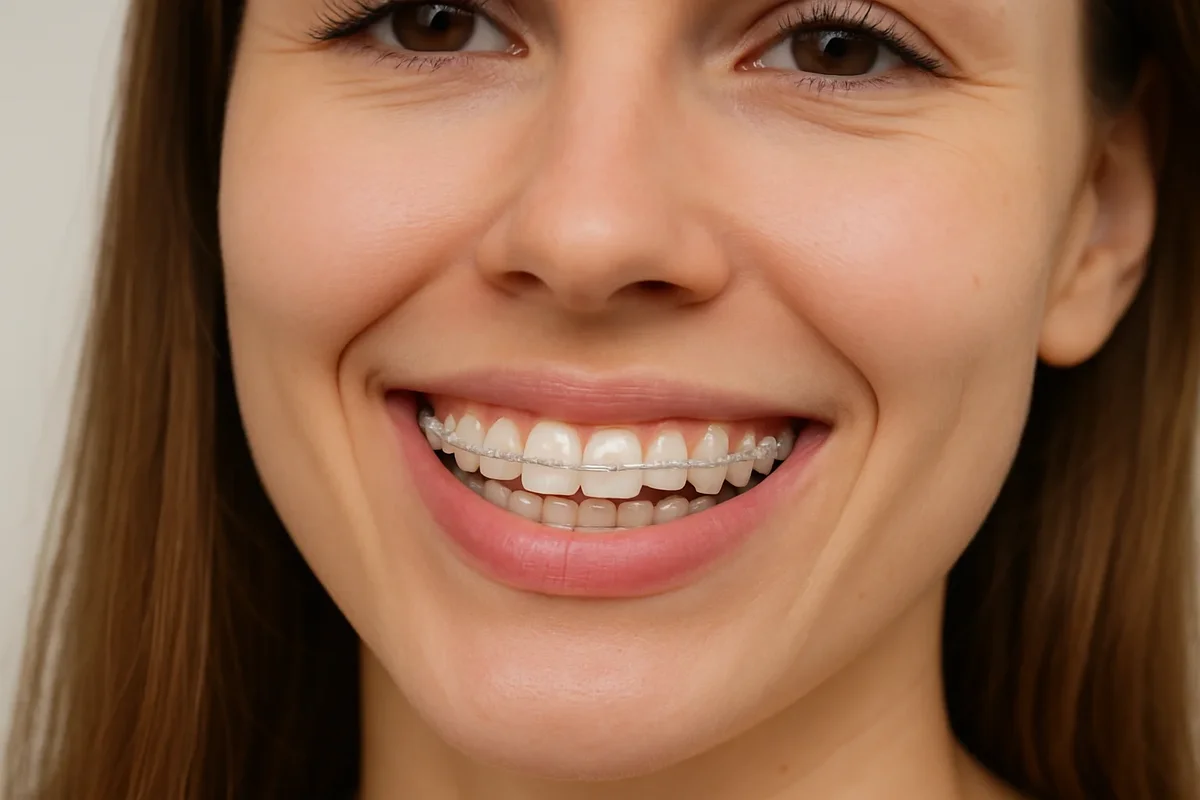
Are Clear Braces Worth It? Expert Opinions and Final Thoughts
When considering orthodontic treatment, one of the biggest questions patients ask is whether clear braces are truly worth the investment. With their blend of aesthetics, precision, and effectiveness, these braces have become one of the most popular choices among adults and teens alike. But are they the best solution for everyone? In this final section, we’ll explore expert insights, real patient feedback, and a full cost-benefit analysis to determine whether clear braces are the right choice for your smile transformation. 🦷
1. The Core Value of Clear Braces
The value of clear braces extends far beyond cosmetic improvement. They provide structural alignment that improves oral health, bite efficiency, and confidence. Unlike traditional metal braces, clear braces offer all these benefits while remaining virtually invisible. Patients can undergo treatment without compromising their appearance, making them especially popular among professionals, public speakers, and adults who want a discreet solution.
Orthodontic specialists emphasize that the results of clear braces are often comparable to metal braces in terms of precision and reliability. The combination of strength, transparency, and comfort makes them an ideal middle ground between aesthetics and function.
Expert Insight:
Dr. Melissa Howard, an orthodontist affiliated with the American Dental Association, explains:
“Clear braces allow us to perform advanced orthodontic corrections with minimal visual impact. They deliver predictable outcomes, and the results often exceed patient expectations in both beauty and bite functionality.”
2. Aesthetic Advantages and Confidence Boost
One of the most rewarding aspects of choosing clear braces is the confidence they provide throughout treatment. Unlike traditional braces, they don’t draw attention to your mouth, allowing you to smile freely in professional settings, photos, and social events.
For adults, this confidence is invaluable. Many patients report that they feel more at ease meeting clients, giving presentations, or attending interviews without worrying about the appearance of their braces. Teens also appreciate the fact that clear braces don’t disrupt their natural look, making them more comfortable in social and school environments.
Psychological Benefits:
- Reduced self-consciousness during treatment
- Improved self-esteem and willingness to smile
- Positive long-term body image associated with dental health
3. Functional and Health Benefits
Beyond aesthetics, clear braces offer significant health advantages. Straightening your teeth enhances oral hygiene by reducing hard-to-clean spaces where plaque and bacteria accumulate. This lowers the risk of gum disease, tooth decay, and enamel erosion.
Properly aligned teeth also improve your bite function, speech clarity, and digestion, as food can be chewed more efficiently. Additionally, correcting misalignment prevents excessive wear on teeth and reduces the likelihood of jaw discomfort or temporomandibular joint (TMJ) strain.
Key Health Improvements:
- Better bite alignment and jaw balance
- Improved oral hygiene and gum health
- Prevention of uneven enamel wear
- Enhanced long-term dental stability
4. Cost vs. Long-Term Value 💰
While the initial cost of clear braces can be higher than metal braces, the long-term benefits make them a wise investment. The average price range is between $3,500 and $8,000 depending on case complexity, duration, and location. However, clinics like Redent Klinik in Turkey offer top-quality treatment at significantly lower prices, often saving international patients up to 60% compared to Western Europe or the U.S.
When evaluating the value of clear braces, it’s essential to consider more than just cost. Think about confidence gained, oral health improvements, and reduced dental problems in the future—all of which contribute to overall well-being and savings on future dental care.
Long-Term ROI (Return on Investment):
- Reduced likelihood of future dental complications
- Lower need for cosmetic corrections later in life
- Permanent improvement in appearance and function
5. Patient Satisfaction and Success Rate
Studies have shown that clear braces maintain high satisfaction levels among patients due to their discreet design and effective results. According to orthodontic surveys, over 90% of adults treated with clear braces reported positive experiences, citing comfort, aesthetics, and consistent progress as major advantages.
Most patients notice visible improvement within the first 8–12 weeks, which keeps motivation high throughout treatment. Post-treatment satisfaction is equally impressive, with patients highlighting their newfound confidence and ease in maintaining oral hygiene.
Real-World Testimony:
“Clear braces gave me the perfect balance between aesthetics and performance. I was able to continue my job in front of clients without feeling self-conscious, and the final results exceeded my expectations.” – Daniel, 35
6. Maintenance and Care Requirements
Maintenance for clear braces is simple and manageable. Regular brushing, flossing, and occasional use of interdental brushes are sufficient to keep brackets clean and free from stains. Patients should also avoid consuming dark-colored beverages like coffee or red wine in excess, as they may discolor elastic ligatures (which are replaced during routine visits).
Frequent professional cleanings and consistent orthodontic check-ups ensure long-lasting transparency and hygiene. Following these steps guarantees not only a visually appealing treatment but also healthier teeth and gums overall.
Expert Tip:
Use a fluoride mouthwash daily to strengthen enamel and prevent white spot lesions around brackets during clear braces treatment.
7. Comparing Clear Braces to Other Options
When compared with alternatives such as Invisalign or lingual braces, clear braces often stand out for their balance between visibility and effectiveness. While Invisalign offers removability, it requires strict discipline for 22-hour wear per day. Lingual braces, though invisible, can be uncomfortable due to their placement on the inner surface of the teeth.
In contrast, clear braces remain both practical and discreet, providing controlled tooth movement without requiring patient intervention. Their proven reliability makes them a preferred choice for moderate to complex orthodontic cases.
Why Experts Recommend Clear Braces:
- More control over tooth movement
- Consistent, predictable results
- Minimal visibility and easy adjustment process
8. Who Should Choose Clear Braces?
Clear braces are ideal for patients seeking effective, discreet, and professional-grade orthodontic care. They are suitable for:
- Adults who want aesthetic orthodontic treatment
- Teens who are self-conscious about metal braces
- Patients with moderate to complex alignment issues
- Professionals who require confidence during treatment
However, they may not be ideal for those who play high-contact sports or have conditions that require frequent bracket maintenance. In such cases, your orthodontist can recommend protective options or alternative treatments.
9. The Final Verdict from Experts 🩺
Leading orthodontists agree that clear braces deliver a rare combination of beauty, strength, and precision. They are especially valuable for patients who need reliable results without compromising aesthetics. Whether your priority is health, confidence, or convenience, clear braces consistently meet all expectations.
Moreover, because they are suitable for almost all age groups and dental conditions, they represent a universal orthodontic solution. Experts often describe them as “the best of both worlds”—offering the invisibility of cosmetic systems and the effectiveness of traditional braces.
10. Conclusion: Why Clear Braces Are a Smart Investment 🌟
After evaluating expert opinions, patient outcomes, and long-term benefits, it’s clear that clear braces are worth every penny. They provide not only a more confident smile but also lifelong improvements in dental health and functionality. With modern materials, advanced technology, and accessible international pricing, they’re more attainable than ever.
For anyone considering orthodontic treatment, clear braces offer the perfect blend of subtlety, durability, and results. To explore your personalized treatment plan, schedule a consultation with Redent Klinik, where experts specialize in advanced aesthetic orthodontics. A radiant, healthy smile is within reach—clear braces can make it happen. 😁