
Clear orthodontic braces have become one of the most popular solutions for patients who want a straighter smile without the noticeable appearance of traditional metal brackets. Whether you are a teenager preparing for a confident school year or an adult seeking a professional, discreet orthodontic solution, clear orthodontic braces offer an effective and aesthetically pleasing alternative. In this comprehensive guide, we will explore how clear orthodontic braces work, who they are for, their advantages, potential costs, and what you can expect throughout the treatment journey. 😊
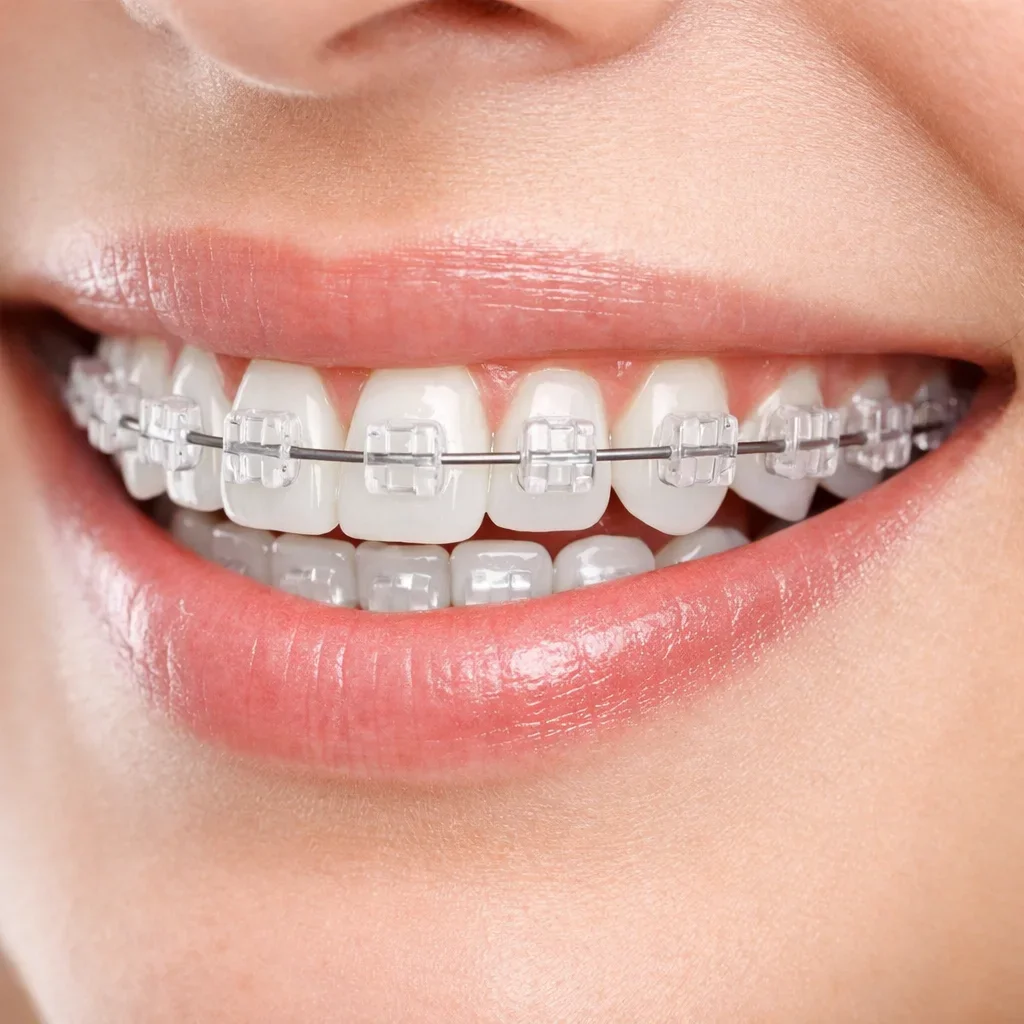
Unlike conventional braces that use stainless steel brackets and wires, clear orthodontic braces are designed with transparent or tooth-colored materials. These braces blend naturally with your teeth, making them far less visible during everyday conversations, work meetings, or social events. Many patients choose clear orthodontic braces specifically because they want orthodontic treatment without drawing attention to their smile during the process.
Clear orthodontic braces typically use ceramic brackets that are either translucent or color-matched to your natural tooth shade. Just like traditional braces, they apply consistent and controlled pressure to gradually shift teeth into proper alignment. Over time, this gentle force corrects common orthodontic issues such as crowding, spacing, overbite, underbite, and crossbite. The mechanics behind clear orthodontic braces are nearly identical to metal braces, but the materials used provide a more discreet appearance.
One of the biggest misconceptions about clear orthodontic braces is that they are less effective than metal braces. In reality, clear orthodontic braces can treat most mild to moderate alignment issues with the same efficiency. In some complex cases, your orthodontist may recommend metal braces for maximum durability, but for the majority of patients, clear orthodontic braces are a reliable and proven solution.
Another reason why clear orthodontic braces are so popular is their suitability for adults. Many adults hesitate to pursue orthodontic treatment because they feel self-conscious about wearing metal braces. Clear orthodontic braces solve this concern by offering a more subtle appearance. As a result, professionals, parents, and even public-facing individuals often prefer clear orthodontic braces to maintain confidence while improving their smile.
When considering orthodontic treatment, it is important to consult a qualified dental professional. According to the American Dental Association, proper diagnosis and treatment planning are essential for achieving safe and predictable results. A personalized evaluation ensures that clear orthodontic braces are the right option for your specific dental structure and bite condition.
The treatment timeline for clear orthodontic braces varies depending on the complexity of the case. On average, patients wear clear orthodontic braces for 12 to 24 months. During this period, you will attend regular adjustment appointments so your orthodontist can tighten or modify the archwire to continue guiding your teeth into the desired position. Each visit plays a crucial role in ensuring your clear orthodontic braces deliver optimal results.
Comfort is another common concern. While you may experience mild pressure after adjustments, clear orthodontic braces are designed to apply gradual force rather than sudden movement. Most patients adapt quickly, and any initial discomfort typically subsides within a few days. Modern orthodontic technology has significantly improved the overall experience, making clear orthodontic braces more comfortable than ever before.
Oral hygiene is especially important during treatment. Because clear orthodontic braces use brackets and wires, food particles can become trapped around them. Brushing after meals, flossing carefully, and possibly using an interdental brush will help maintain healthy gums and prevent staining of the ceramic brackets. Maintaining proper hygiene ensures that your clear orthodontic braces remain discreet and your teeth stay healthy throughout treatment.
Another key benefit of clear orthodontic braces is their durability. Although ceramic materials are slightly more fragile than metal, modern clear orthodontic braces are engineered to withstand normal chewing forces. Patients are generally advised to avoid extremely hard or sticky foods to protect both their braces and their teeth.
If you are considering improving your smile with clear orthodontic braces and would like professional guidance tailored to your needs, you can reach out through the Redent Klinik Contact Page. A detailed consultation will help determine whether clear orthodontic braces are the most suitable choice for your orthodontic goals.
Ultimately, clear orthodontic braces combine functionality, aesthetics, and reliability. They provide the same tooth-straightening power as traditional systems while offering a far more subtle look. For patients who value discretion without compromising effectiveness, clear orthodontic braces represent a modern and confident path toward a healthier, straighter smile. ✨
Clear Orthodontic Braces vs. Traditional Metal Braces
When deciding between clear orthodontic braces and traditional metal braces, patients often feel overwhelmed by the options. Both systems are designed to straighten teeth, correct bite problems, and improve overall oral health. However, the differences in appearance, comfort, durability, and cost can significantly influence your decision. Understanding how clear orthodontic braces compare to metal braces will help you make an informed and confident choice. 😊
Appearance: Discreet vs. Noticeable
The most obvious difference between clear orthodontic braces and metal braces is aesthetics. Clear orthodontic braces are made from ceramic or tooth-colored materials that blend naturally with your enamel. This makes them far less noticeable during daily activities such as speaking, smiling, or attending professional meetings.
In contrast, traditional braces use stainless steel brackets and wires that are highly visible. While some patients enjoy customizing metal braces with colored elastic bands, many adults prefer the subtle appearance of clear orthodontic braces. For professionals, university students, or individuals who frequently appear in public, clear orthodontic braces offer a confident and low-profile orthodontic solution.
Staining Considerations
One concern about clear orthodontic braces is potential staining. While the ceramic brackets themselves are stain-resistant, the elastic ties used with clear orthodontic braces can discolor if exposed to foods like coffee, tea, or curry. Fortunately, these ties are replaced during regular adjustment appointments, maintaining the clean look of clear orthodontic braces.
Effectiveness and Treatment Capabilities
Both clear orthodontic braces and metal braces operate using the same biological principle: controlled pressure that gradually moves teeth into alignment. Clear orthodontic braces are highly effective for correcting crowding, spacing, overbites, underbites, and crossbites. In mild to moderate cases, clear orthodontic braces perform just as efficiently as metal braces.
However, for extremely complex orthodontic issues requiring strong force and maximum durability, some orthodontists may recommend metal braces. Metal brackets are slightly more resistant to breakage under heavy pressure. Still, advancements in orthodontic materials have significantly improved the strength of clear orthodontic braces, making them suitable for most patients.
Treatment Duration
The treatment time for clear orthodontic braces and metal braces is typically similar. On average, both systems require 12 to 24 months, depending on case complexity. Patient compliance, oral hygiene, and consistent appointment attendance play a more important role in treatment duration than the type of braces chosen.
Comfort and Oral Experience
Comfort is another factor patients frequently ask about. Clear orthodontic braces are often described as smoother and less irritating to the inside of the cheeks compared to metal braces. The ceramic material used in clear orthodontic braces can feel slightly bulkier at first, but most patients adapt within a few days.
Metal braces, on the other hand, are smaller but may have sharper edges that cause mild irritation initially. Orthodontic wax can be used with both clear orthodontic braces and metal braces to reduce friction and discomfort during the adjustment period.
Durability and Maintenance
Metal braces are known for their strength. They rarely chip or crack, making them ideal for younger patients who may be less cautious with their diet. Clear orthodontic braces are durable but slightly more fragile than metal brackets. Patients with clear orthodontic braces should avoid biting into very hard foods such as ice or hard candy.
Oral hygiene is essential with both systems. Food particles can easily accumulate around brackets and wires, increasing the risk of plaque buildup. Brushing after every meal and flossing daily are crucial. According to the American Dental Association, maintaining proper oral hygiene during orthodontic treatment helps prevent cavities and gum disease.
Cost Differences
One practical consideration is cost. Clear orthodontic braces are typically slightly more expensive than traditional metal braces due to the materials used and their aesthetic advantages. On average, metal braces may range between $3,000 and $6,000, while clear orthodontic braces often range between $4,000 and $7,500 depending on complexity and location.
Despite the higher cost, many patients find that the cosmetic benefits of clear orthodontic braces justify the investment. Clinics often provide flexible payment plans to make treatment more accessible.
Which Option Is Right for You?
The decision between clear orthodontic braces and metal braces ultimately depends on your priorities. If aesthetics and discretion are your top concerns, clear orthodontic braces are likely the better choice. If maximum durability and slightly lower cost are more important, traditional metal braces may be suitable.
A personalized orthodontic consultation is the best way to determine the ideal treatment for your smile. Every patient’s dental structure is unique, and a professional evaluation ensures that clear orthodontic braces or metal braces are selected based on your specific needs and long-term oral health goals. ✨
In summary, clear orthodontic braces combine effectiveness with subtlety, offering a balanced solution for patients who want reliable results without the noticeable look of metal. By understanding the key differences in appearance, comfort, durability, and cost, you can confidently choose the orthodontic path that aligns with your lifestyle and expectations.
Who Is a Good Candidate for Clear Orthodontic Braces?
Choosing the right orthodontic treatment begins with understanding whether you are an ideal candidate. Clear orthodontic braces are designed to correct a wide range of alignment and bite problems while maintaining a discreet appearance. However, not every case is identical, and suitability depends on several clinical and lifestyle factors. In this section, we will explore who benefits most from clear orthodontic braces, what dental conditions they can treat, and when alternative treatments may be recommended. 😊
Common Dental Issues Treated with Clear Orthodontic Braces
Clear orthodontic braces are highly effective in correcting many orthodontic concerns. Because they function similarly to traditional braces, clear orthodontic braces can gradually move teeth into proper alignment through controlled and continuous pressure.
Crowded Teeth
Crowding occurs when there is insufficient space in the jaw for all teeth to align properly. Clear orthodontic braces help reposition overlapping teeth, improving both aesthetics and oral hygiene. Properly aligned teeth are easier to clean, reducing the risk of plaque buildup and gum disease.
Spacing and Gaps
Gaps between teeth may result from missing teeth, jaw size discrepancies, or natural spacing. Clear orthodontic braces can close these spaces over time, enhancing smile symmetry and bite function.
Bite Problems
Clear orthodontic braces are commonly used to treat overbite, underbite, crossbite, and open bite. These conditions affect not only the appearance of your smile but also chewing efficiency and jaw comfort. Correcting bite alignment with clear orthodontic braces can prevent long-term complications such as jaw pain or uneven tooth wear.
Are Clear Orthodontic Braces Suitable for Adults?
Adults are among the most common candidates for clear orthodontic braces. Many adults avoided orthodontic treatment earlier in life and now seek a solution that does not draw attention to their smile. Clear orthodontic braces provide a subtle and professional option, making them ideal for working professionals, parents, and individuals in public-facing roles.
Adult teeth respond well to orthodontic movement, although treatment may take slightly longer compared to adolescents. As long as gum health is stable and there is sufficient bone support, clear orthodontic braces can deliver excellent results at almost any adult age.
Are Teenagers Good Candidates?
Teenagers are also excellent candidates for clear orthodontic braces, especially those who feel self-conscious about metal brackets. Clear orthodontic braces allow teens to undergo treatment with greater confidence during social and school activities. However, teenagers must demonstrate responsibility in maintaining proper oral hygiene, as ceramic brackets can stain if care instructions are ignored.
When Clear Orthodontic Braces May Not Be Ideal
Although clear orthodontic braces are versatile, there are situations where they may not be the first recommendation.
Severe Orthodontic Cases
In extremely complex alignment or skeletal bite problems, orthodontists may prefer metal braces for their superior durability under heavy force. While clear orthodontic braces are strong, metal brackets can sometimes handle intense corrections more efficiently.
Poor Oral Hygiene
Patients who struggle with maintaining consistent brushing and flossing routines may face challenges with clear orthodontic braces. Since orthodontic appliances trap food particles, proper hygiene is essential. According to the American Dental Association, maintaining good oral hygiene during orthodontic treatment is critical for preventing cavities and gum inflammation.
High Risk of Bracket Damage
Individuals who frequently consume very hard or sticky foods, or those involved in contact sports without protective gear, may experience bracket breakage. While clear orthodontic braces are durable, they are slightly more fragile than metal options.
Health Requirements Before Starting Treatment
Before beginning treatment with clear orthodontic braces, your dentist or orthodontist will evaluate your overall oral health. Healthy gums and sufficient bone density are necessary to support tooth movement. Any existing cavities or gum disease must be treated prior to placing clear orthodontic braces.
X-rays, digital scans, and bite analysis are typically performed to determine whether clear orthodontic braces are the best approach. This personalized assessment ensures safe and predictable results.
Lifestyle Considerations
Clear orthodontic braces are particularly suitable for individuals who value aesthetics and professionalism. If you frequently attend meetings, give presentations, or engage in public communication, clear orthodontic braces provide an effective yet discreet solution.
Patients must also be willing to attend regular adjustment appointments every 4–6 weeks. Consistency is key to achieving optimal results with clear orthodontic braces.
Psychological and Confidence Factors
Many patients choose clear orthodontic braces because they feel more confident during treatment. Orthodontic correction is not only about dental health but also about emotional well-being. Feeling comfortable smiling throughout treatment can significantly improve overall quality of life. ✨
In summary, good candidates for clear orthodontic braces include adults and teens with mild to moderate alignment or bite issues, healthy gums, and a commitment to proper oral hygiene. While severe cases may require alternative solutions, clear orthodontic braces remain one of the most versatile and aesthetically pleasing orthodontic treatments available today. A professional consultation is the best way to confirm whether clear orthodontic braces are the ideal solution for your smile goals.
Treatment Process: Step-by-Step Journey with Clear Orthodontic Braces
Understanding the full treatment process helps patients feel more confident and prepared before starting orthodontic care. Clear orthodontic braces follow a structured, carefully planned journey designed to move teeth gradually and safely into their ideal positions. From your first consultation to the day your braces are removed, every stage plays an essential role in achieving a healthy, aligned smile. 😊
Initial Consultation and Assessment
The journey with clear orthodontic braces begins with a comprehensive dental examination. During this appointment, your orthodontist evaluates your teeth, jaw alignment, bite pattern, and overall oral health. Digital X-rays, intraoral photographs, and 3D scans may be taken to create a precise treatment plan.
Personalized Treatment Planning
After collecting diagnostic data, your orthodontist designs a customized plan tailored specifically to your needs. Clear orthodontic braces are not a one-size-fits-all solution. The positioning of brackets, the type of archwires used, and the expected duration of treatment are carefully calculated. This planning phase ensures that clear orthodontic braces will move your teeth efficiently and safely.
If any cavities or gum issues are detected, they must be treated before placing clear orthodontic braces. Healthy gums and strong bone support are essential for successful orthodontic movement.
Placement of Clear Orthodontic Braces
The next step is bonding the clear orthodontic braces to your teeth. This procedure is painless and typically takes one to two hours. Each ceramic bracket is carefully attached to the tooth surface using a dental adhesive. A thin archwire is then placed through the brackets to begin applying gentle pressure.
Once your clear orthodontic braces are in place, you may feel slight pressure or tightness. This is completely normal and indicates that the braces are starting to work. Most patients adjust within a few days.
First Week Adjustment Period
During the first week with clear orthodontic braces, mild discomfort or sensitivity may occur, especially when chewing. Soft foods, orthodontic wax, and over-the-counter pain relief (if recommended by your dentist) can help manage temporary soreness. Clear orthodontic braces are designed to apply gradual force, so discomfort typically decreases quickly.
Regular Adjustment Appointments
Every 4–6 weeks, you will visit your orthodontist for adjustments. These appointments are crucial for monitoring progress and modifying the tension of the archwire. Clear orthodontic braces rely on consistent pressure adjustments to continue guiding teeth into proper alignment.
During these visits, elastic ligatures may be replaced, and the archwire may be tightened or changed. Regular check-ups ensure that clear orthodontic braces are functioning optimally and that your treatment remains on schedule.
Monitoring Oral Health
At each appointment, your orthodontist will also examine your gums and teeth for signs of plaque buildup or inflammation. According to the American Dental Association, maintaining proper oral hygiene during orthodontic treatment is essential to prevent cavities and gum disease. Clear orthodontic braces require careful brushing and flossing to protect your enamel throughout the process.
Mid-Treatment Progress Evaluation
As your treatment progresses, you will begin to notice visible improvements in tooth alignment. Around the halfway mark, your orthodontist may reassess your bite and adjust the treatment plan if necessary. Clear orthodontic braces allow for precise control, making mid-course corrections possible when needed.
Some patients may require additional tools such as rubber bands to correct bite alignment. These elastics work alongside clear orthodontic braces to fine-tune jaw positioning and ensure balanced results.
Final Alignment Phase
In the final stage of treatment, clear orthodontic braces focus on detailed refinements. Small adjustments help perfect spacing, angulation, and overall symmetry. This phase is essential for achieving a stable and aesthetically pleasing outcome.
Although you may feel eager to complete treatment, patience is important. The final months with clear orthodontic braces are critical for ensuring long-term success and preventing relapse.
Removal of Clear Orthodontic Braces
Once your orthodontist confirms that your teeth have reached their desired positions, your clear orthodontic braces will be carefully removed. This process is quick and painless. Any remaining adhesive is polished away, revealing your newly aligned smile. ✨
Retention Phase
After removing clear orthodontic braces, a retainer is provided to maintain your results. Teeth naturally tend to shift back to their original positions, so wearing a retainer as instructed is essential. The retention phase ensures that the benefits achieved with clear orthodontic braces remain stable for years to come.
How Long Does the Entire Process Take?
The complete journey with clear orthodontic braces typically lasts between 12 and 24 months, depending on case complexity. Minor corrections may require less time, while more significant alignment issues can extend treatment duration. Consistent attendance at appointments and proper oral hygiene can positively influence the overall timeline.
In summary, the treatment process with clear orthodontic braces is structured, personalized, and carefully monitored from start to finish. Each step—from consultation and placement to adjustments and retention—plays a vital role in achieving a healthy, confident smile. By understanding this journey in advance, patients can begin treatment feeling informed, prepared, and excited about the transformation ahead. 😊
Benefits of Choosing Clear Orthodontic Braces for Adults and Teens
When considering orthodontic treatment, patients often prioritize both effectiveness and appearance. Clear orthodontic braces provide a balanced solution that combines reliable tooth movement with a discreet look. For both adults and teenagers, clear orthodontic braces offer multiple physical, emotional, and practical advantages that extend far beyond aesthetics. In this section, we will explore the comprehensive benefits of clear orthodontic braces and why they continue to grow in popularity worldwide. 😊
Discreet Appearance and Increased Confidence
One of the most recognized advantages of clear orthodontic braces is their subtle design. Made from ceramic or tooth-colored materials, clear orthodontic braces blend naturally with your teeth. This makes them significantly less noticeable than traditional metal braces.
Professional and Social Comfort
Adults working in corporate, healthcare, education, or public-facing roles often choose clear orthodontic braces because they allow orthodontic treatment without drawing unwanted attention. Whether attending meetings, interviews, or social gatherings, patients feel more confident knowing their clear orthodontic braces are barely visible.
Teenagers also benefit emotionally. Adolescence can be a sensitive period, and clear orthodontic braces help reduce self-consciousness during school and social interactions. Feeling comfortable with their appearance encourages teens to smile more freely throughout treatment.
Effective Treatment for Common Orthodontic Issues
Clear orthodontic braces are not just about appearance—they are highly effective. Like traditional braces, clear orthodontic braces apply steady, controlled pressure to guide teeth into proper alignment. They can successfully treat crowding, spacing, overbites, underbites, and crossbites.
In most mild to moderate cases, clear orthodontic braces perform just as efficiently as metal braces. Patients do not need to sacrifice performance for aesthetics. This combination of strength and subtlety makes clear orthodontic braces an ideal modern solution.
Improved Oral Health
Straighter teeth are easier to clean. Misaligned teeth create tight spaces where plaque and bacteria accumulate. By correcting alignment, clear orthodontic braces help reduce the risk of cavities and gum disease over time.
Better Bite Function
Properly aligned teeth improve chewing efficiency and reduce strain on the jaw. Bite correction achieved through clear orthodontic braces can help prevent uneven enamel wear and minimize the risk of temporomandibular joint (TMJ) discomfort.
According to the American Dental Association, properly aligned teeth contribute significantly to long-term oral health. Clear orthodontic braces support this goal by enhancing both aesthetics and functionality.
Comfort and Modern Materials
Modern clear orthodontic braces are designed with patient comfort in mind. Ceramic brackets are smooth and less likely to irritate the inner cheeks compared to older orthodontic systems. Although some mild pressure may occur after adjustments, most patients quickly adapt to wearing clear orthodontic braces.
Advancements in orthodontic technology have improved the durability and comfort of clear orthodontic braces, making them a reliable option for daily life. Patients can continue normal activities, including sports (with proper protection), work, and school routines.
Psychological and Emotional Benefits
The emotional impact of orthodontic treatment is often underestimated. Many adults who choose clear orthodontic braces report improved self-esteem even before treatment is completed. Knowing that their smile is gradually improving creates a sense of anticipation and positivity. ✨
Teenagers also experience a confidence boost when wearing clear orthodontic braces instead of more visible metal alternatives. Feeling less self-conscious encourages better social interaction and overall well-being.
Predictable and Long-Lasting Results
Clear orthodontic braces provide controlled and precise tooth movement. Because the treatment is carefully monitored through regular adjustments, outcomes are predictable. Once treatment is completed and retainers are used as directed, the results achieved with clear orthodontic braces can last a lifetime.
Stable Alignment with Proper Retention
After removing clear orthodontic braces, patients enter the retention phase. Wearing retainers as prescribed prevents teeth from shifting back. This ensures that the time invested in clear orthodontic braces delivers long-term satisfaction.
Suitable for a Wide Age Range
Clear orthodontic braces are versatile enough for both teenagers and adults. Adults appreciate the professional appearance, while teens value the confidence boost. As long as gum health is stable and there is adequate bone support, clear orthodontic braces can be effective at nearly any age.
Balanced Investment in Aesthetics and Function
Although clear orthodontic braces may be slightly more expensive than metal braces, many patients find the added aesthetic benefit worthwhile. The ability to straighten teeth discreetly while achieving strong clinical results makes clear orthodontic braces a balanced investment in both appearance and oral health.
In summary, the benefits of clear orthodontic braces extend beyond cosmetic improvement. They enhance oral health, boost confidence, provide reliable treatment outcomes, and offer comfort during daily life. For adults seeking a professional solution and teens wanting subtle orthodontic care, clear orthodontic braces represent a modern, effective, and confidence-enhancing choice. 😊
How Much Do Clear Orthodontic Braces Cost in 2026?
One of the most common questions patients ask before starting treatment is about cost. Clear orthodontic braces are an investment in both your smile and your long-term oral health. While the price can vary depending on several factors, understanding the financial aspects of clear orthodontic braces helps you plan confidently and avoid unexpected surprises. In this detailed guide, we will break down what influences pricing, typical cost ranges in 2026, and what is usually included in the total treatment fee. 💰
Average Cost of Clear Orthodontic Braces
In 2026, the average cost of clear orthodontic braces typically ranges between $4,000 and $7,500 in the United States. The final price depends on case complexity, geographic location, and the orthodontist’s expertise. Mild alignment cases may fall closer to the lower end of the range, while more complex bite corrections requiring extended treatment may approach the higher end.
Compared to traditional metal braces, clear orthodontic braces usually cost slightly more. Metal braces often range from $3,000 to $6,000. The difference in price is largely due to the ceramic materials used in clear orthodontic braces, which are more aesthetically pleasing but also more expensive to manufacture.
Factors That Influence the Cost
1. Complexity of the Case
The severity of misalignment plays a major role in determining the cost of clear orthodontic braces. Minor crowding or spacing issues require less time and fewer adjustments. Severe bite problems, such as pronounced overbite or crossbite, demand longer treatment periods and additional orthodontic appliances, which can increase the overall expense.
2. Duration of Treatment
Most patients wear clear orthodontic braces for 12 to 24 months. Longer treatment durations mean more appointments, adjustments, and monitoring, which naturally affects the total price. The longer you need clear orthodontic braces, the higher the overall cost may be.
3. Geographic Location
Orthodontic fees vary by region. Clinics located in large metropolitan areas typically charge more for clear orthodontic braces due to higher operational costs. Smaller cities or international dental tourism destinations may offer more competitive pricing while maintaining high standards of care.
4. Orthodontist’s Experience
Highly experienced specialists may charge slightly higher fees for clear orthodontic braces. However, expertise often translates to more precise treatment planning and efficient results, which can be valuable in the long term.
What Is Included in the Total Cost?
When evaluating the cost of clear orthodontic braces, it is important to understand what is included in the treatment package. Most orthodontic clinics provide comprehensive pricing that covers:
- Initial consultation and diagnostic records (X-rays, scans, photos)
- Placement of clear orthodontic braces
- Regular adjustment appointments
- Progress monitoring
- Removal of braces
- One set of retainers after treatment
Some clinics also include emergency visits for minor bracket repairs within the overall cost of clear orthodontic braces. Always request a detailed breakdown of services to avoid confusion.
Insurance Coverage and Payment Plans
Many dental insurance plans provide partial coverage for orthodontic treatment, including clear orthodontic braces, especially for patients under 18. Coverage typically ranges from $1,000 to $3,000 depending on the policy. Adults may also receive partial benefits if orthodontic coverage is included in their plan.
Additionally, most orthodontic clinics offer flexible monthly payment plans. Instead of paying the full amount upfront, patients can spread the cost of clear orthodontic braces over 12 to 24 months. Some offices provide interest-free financing options, making treatment more accessible.
Are Clear Orthodontic Braces Worth the Cost?
While clear orthodontic braces may be slightly more expensive than traditional metal braces, many patients believe the added aesthetic benefit justifies the difference. The discreet appearance of clear orthodontic braces allows adults and teens to undergo treatment with confidence in professional and social environments.
Beyond cosmetic improvements, straight teeth contribute to better oral hygiene and overall health. According to the American Dental Association, properly aligned teeth are easier to clean, which helps reduce the risk of cavities and gum disease. Therefore, clear orthodontic braces are not only a cosmetic investment but also a preventive health measure.
Additional Costs to Consider
Replacement or Repair Fees
If brackets are damaged due to chewing hard foods or accidents, replacement costs may apply. While clear orthodontic braces are durable, ceramic brackets are slightly more fragile than metal ones.
Retainer Replacement
After treatment, retainers are necessary to maintain results. If lost or damaged, replacement fees may range between $150 and $500 per retainer.
International Cost Comparison
Some patients explore dental tourism options for clear orthodontic braces. In certain countries, treatment costs may range from $2,500 to $5,000 depending on local economic conditions and clinic standards. However, it is important to ensure that the clinic follows internationally recognized hygiene and safety protocols.
Long-Term Value
The value of clear orthodontic braces extends beyond the initial treatment period. A properly aligned smile improves confidence, reduces dental complications, and enhances overall quality of life. When viewed as a long-term investment in health and self-esteem, clear orthodontic braces often provide substantial returns. ✨
In conclusion, the cost of clear orthodontic braces in 2026 varies based on complexity, duration, and location, typically ranging between $4,000 and $7,500. With insurance coverage, payment plans, and long-term oral health benefits, clear orthodontic braces remain a worthwhile and accessible solution for achieving a healthier, straighter smile.
Oral Hygiene and Maintenance with Clear Orthodontic Braces
Maintaining excellent oral hygiene during orthodontic treatment is essential for protecting your teeth, gums, and overall treatment results. Clear orthodontic braces are highly effective at aligning teeth, but they also create additional surfaces where food particles and plaque can accumulate. Without proper care, patients wearing clear orthodontic braces may experience staining, gum inflammation, or even cavities. Fortunately, with the right techniques and consistent habits, you can keep your smile healthy and bright throughout the entire treatment process. 😊
Why Oral Hygiene Is Crucial with Clear Orthodontic Braces
Clear orthodontic braces use ceramic brackets and archwires to guide teeth into proper alignment. While these components are discreet and aesthetically pleasing, they can trap food debris more easily than natural tooth surfaces alone. Plaque buildup around clear orthodontic braces increases the risk of enamel demineralization, white spot lesions, and gingivitis.
Because clear orthodontic braces are designed to be visually subtle, maintaining cleanliness is especially important. Stained elastic ties or plaque-covered brackets can reduce the aesthetic advantage of clear orthodontic braces. Therefore, daily care is not just about health—it also preserves the discreet appearance of your braces.
Daily Brushing Routine
Brush After Every Meal
Patients with clear orthodontic braces should brush after every meal whenever possible. Food particles easily lodge around brackets and wires. Using a soft-bristled toothbrush angled at 45 degrees toward the gumline helps clean both the teeth and the edges of clear orthodontic braces effectively.
Use Fluoride Toothpaste
Fluoride strengthens enamel and reduces the risk of decay. Since clear orthodontic braces create additional retention areas for plaque, fluoride protection becomes even more important. Brush for at least two minutes to ensure all surfaces are thoroughly cleaned.
Electric toothbrushes can be especially helpful for patients wearing clear orthodontic braces, as they provide consistent motion and improved plaque removal.
Flossing with Clear Orthodontic Braces
Flossing may feel more challenging when wearing clear orthodontic braces, but it remains essential. Traditional floss can be used with a floss threader to navigate under the archwire. Alternatively, orthodontic floss picks or water flossers can simplify the process.
Water flossers are particularly beneficial for individuals with clear orthodontic braces because they flush out debris from hard-to-reach areas. Daily flossing prevents gum inflammation and helps maintain fresh breath during treatment.
Using Interdental Brushes
Interdental brushes are small, cone-shaped brushes designed to clean between brackets and under wires. These tools are extremely effective for patients with clear orthodontic braces. By gently inserting the brush around each bracket, you can remove trapped food particles that regular brushing might miss.
Dietary Considerations
Avoid Staining Foods and Drinks
Although the ceramic brackets used in clear orthodontic braces resist discoloration, the elastic ties can stain over time. Coffee, tea, red wine, curry, and deeply pigmented sauces may cause noticeable discoloration. Limiting these foods helps maintain the aesthetic appeal of clear orthodontic braces.
Avoid Hard and Sticky Foods
Hard candies, popcorn kernels, ice, and sticky caramel can damage brackets or wires. While clear orthodontic braces are durable, they are slightly more fragile than metal braces. Protecting them from breakage prevents unnecessary repairs and delays.
Professional Cleanings During Treatment
Regular dental cleanings are highly recommended while wearing clear orthodontic braces. Professional cleanings remove tartar buildup that cannot be eliminated by brushing alone. Most orthodontists advise scheduling a dental cleaning every six months, or more frequently if needed.
According to the American Dental Association, routine professional care combined with effective home hygiene significantly reduces the risk of gum disease. This is particularly important for patients undergoing treatment with clear orthodontic braces.
Managing Bad Breath
Food accumulation around clear orthodontic braces can contribute to bad breath if not properly cleaned. In addition to brushing and flossing, using an alcohol-free antibacterial mouthwash can help reduce bacteria and maintain fresh breath.
Handling Minor Irritation
Occasionally, clear orthodontic braces may cause minor gum or cheek irritation, especially after adjustments. Orthodontic wax can be applied to brackets to reduce friction. Keeping the area clean also prevents sores from becoming infected.
Preventing White Spot Lesions
White spot lesions are early signs of enamel demineralization that can occur around brackets. Consistent oral hygiene, fluoride use, and avoiding sugary snacks help prevent these marks. Clear orthodontic braces deliver excellent results, but only when paired with responsible daily care.
Long-Term Benefits of Proper Maintenance
Patients who maintain excellent hygiene during treatment with clear orthodontic braces often achieve not only straight teeth but also healthier gums and brighter enamel. When the braces are removed, the smile looks clean and evenly aligned—without discoloration or decay. ✨
In summary, proper oral hygiene and maintenance are essential components of successful treatment with clear orthodontic braces. Brushing after meals, flossing daily, using interdental brushes, limiting staining foods, and attending professional cleanings all contribute to optimal results. By committing to these habits, you ensure that clear orthodontic braces deliver both aesthetic and health benefits throughout your orthodontic journey.
Possible Side Effects and How to Manage Them
Like any orthodontic treatment, clear orthodontic braces may come with temporary side effects. While clear orthodontic braces are safe, effective, and widely used, understanding potential discomforts helps patients feel prepared and confident throughout the treatment journey. Most side effects are mild and manageable, especially when patients follow professional guidance and maintain proper oral hygiene. In this section, we will explore the most common issues associated with clear orthodontic braces and explain how to handle them effectively. 😊
Initial Discomfort and Pressure
After clear orthodontic braces are first placed, or after adjustment appointments, patients commonly experience mild pressure or soreness. This sensation occurs because clear orthodontic braces apply controlled force to gradually shift teeth into proper alignment. The discomfort is usually most noticeable within the first 24–72 hours.
How to Manage It
Soft foods such as yogurt, soups, mashed vegetables, and smoothies can reduce chewing discomfort. Over-the-counter pain relievers, if approved by your dentist, may also help. The good news is that discomfort from clear orthodontic braces typically subsides quickly as the teeth adapt to the applied pressure.
Gum and Cheek Irritation
Clear orthodontic braces use ceramic brackets and wires that may initially rub against the inside of the cheeks or lips. Although modern clear orthodontic braces are designed with smoother edges than older systems, minor irritation can still occur, especially in the early weeks of treatment.
Using Orthodontic Wax
Orthodontic wax can be applied directly over brackets that cause friction. This creates a protective barrier between clear orthodontic braces and the soft tissues of the mouth. Most patients find that irritation decreases significantly as the mouth becomes accustomed to wearing clear orthodontic braces.
Staining of Elastic Ties
One aesthetic concern with clear orthodontic braces is the potential staining of elastic ligatures. While the ceramic brackets remain stain-resistant, the small elastic bands securing the archwire can discolor when exposed to foods like coffee, tea, curry, or tomato sauce.
Prevention Tips
Limiting strongly pigmented foods and brushing promptly after meals helps maintain the clean appearance of clear orthodontic braces. Since elastic ties are replaced during routine adjustment visits, any staining is temporary.
Tooth Sensitivity
As clear orthodontic braces gradually move teeth, mild sensitivity to hot or cold foods may occur. This sensitivity is typically temporary and indicates that teeth are responding to orthodontic force.
Using toothpaste designed for sensitive teeth can help minimize discomfort. Sensitivity usually decreases as the teeth stabilize in their new positions.
Difficulty Maintaining Oral Hygiene
Because clear orthodontic braces add extra surfaces to your teeth, plaque and food debris can accumulate more easily. Without proper cleaning, this may lead to gum inflammation or white spot lesions.
Preventive Measures
Brushing after every meal, flossing daily, and using interdental brushes are essential when wearing clear orthodontic braces. According to the American Dental Association, maintaining proper oral hygiene during orthodontic treatment significantly reduces the risk of cavities and gum disease. Regular dental cleanings further support healthy results.
Bracket Damage or Breakage
Although clear orthodontic braces are durable, ceramic brackets are slightly more fragile than metal ones. Biting into hard foods, chewing ice, or experiencing facial trauma during sports may cause a bracket to chip or detach.
What to Do If a Bracket Breaks
If a bracket becomes loose, contact your orthodontist as soon as possible. Prompt repair ensures that clear orthodontic braces continue functioning effectively without delaying treatment progress. Wearing a mouthguard during sports activities can reduce the risk of damage.
Temporary Speech Changes
Some patients notice minor speech adjustments when clear orthodontic braces are first placed. The presence of brackets may slightly alter tongue positioning. However, speech typically normalizes within a few days as the mouth adapts.
Root Resorption (Rare)
In rare cases, orthodontic movement—including treatment with clear orthodontic braces—may cause mild shortening of tooth roots, known as root resorption. Orthodontists monitor progress through periodic X-rays to ensure that tooth roots remain healthy throughout treatment.
Emotional Adjustment
Adapting to clear orthodontic braces can also involve a brief emotional adjustment period. Patients may initially feel self-conscious or concerned about their appearance. However, because clear orthodontic braces are discreet, most individuals quickly gain confidence and feel reassured by the subtle design. ✨
When to Contact Your Orthodontist
While most side effects of clear orthodontic braces are mild, you should contact your orthodontist if you experience severe pain, persistent swelling, signs of infection, or broken components that interfere with treatment. Prompt communication ensures safe and efficient orthodontic progress.
In conclusion, the possible side effects of clear orthodontic braces are generally temporary and manageable. Mild discomfort, slight irritation, or sensitivity are common and typically resolve quickly. With proper hygiene, careful dietary choices, and regular orthodontic visits, patients can navigate treatment smoothly and confidently. Clear orthodontic braces remain a safe, reliable, and effective option for achieving a healthier, straighter smile. 😊
Frequently Asked Questions About Clear Orthodontic Braces
Patients considering orthodontic treatment often have many questions before committing to the process. Clear orthodontic braces are a popular and effective solution, but understanding the details can help you feel more confident in your decision. In this section, we answer the most frequently asked questions about clear orthodontic braces in a clear and comprehensive way. 😊
How Long Do Clear Orthodontic Braces Take to Work?
The treatment duration for clear orthodontic braces typically ranges from 12 to 24 months. However, the exact timeline depends on the complexity of your case. Minor crowding or spacing may require a shorter period, while more significant bite corrections may extend treatment time.
Clear orthodontic braces work by applying gradual and consistent pressure to move teeth into alignment. Because this movement must occur safely to protect the roots and surrounding bone, patience is essential. Regular orthodontic visits ensure that clear orthodontic braces continue working efficiently throughout the treatment process.
Are Clear Orthodontic Braces as Effective as Metal Braces?
Yes, in most cases, clear orthodontic braces are just as effective as traditional metal braces. They use the same mechanical principles and can treat crowding, spacing, overbite, underbite, and crossbite. The main difference lies in aesthetics, not performance.
For extremely complex orthodontic cases, metal braces may occasionally be recommended due to their slightly higher durability. However, modern clear orthodontic braces are strong and reliable for the majority of patients.
Do Clear Orthodontic Braces Hurt?
Clear orthodontic braces may cause mild discomfort after placement or adjustment appointments. This sensation is typically described as pressure rather than sharp pain. The discomfort usually subsides within a few days as the teeth adapt.
How to Reduce Discomfort
Eating soft foods, using orthodontic wax, and following your dentist’s recommendations can help manage temporary soreness. Most patients quickly adjust to wearing clear orthodontic braces.
Can Adults Get Clear Orthodontic Braces?
Absolutely. Clear orthodontic braces are especially popular among adults because they provide a discreet orthodontic solution. As long as your gums and bone structure are healthy, age is not a barrier to treatment. Many adults choose clear orthodontic braces to improve both their smile and long-term oral health.
How Do I Clean My Teeth with Clear Orthodontic Braces?
Maintaining proper hygiene with clear orthodontic braces requires brushing after meals, flossing daily, and possibly using interdental brushes or a water flosser. Because brackets can trap food particles, consistent cleaning is crucial.
According to the American Dental Association, maintaining good oral hygiene during orthodontic treatment helps prevent cavities and gum disease. Patients wearing clear orthodontic braces should be particularly diligent to protect enamel and gum health.
Do Clear Orthodontic Braces Stain?
The ceramic brackets used in clear orthodontic braces are highly stain-resistant. However, the elastic ties that hold the archwire in place can discolor over time if exposed to coffee, tea, or strongly pigmented foods.
How to Prevent Staining
Brushing after consuming staining foods and limiting dark beverages can help maintain the clean appearance of clear orthodontic braces. Since elastic ties are replaced at adjustment appointments, any discoloration is temporary.
What Happens After Clear Orthodontic Braces Are Removed?
Once treatment with clear orthodontic braces is complete, a retainer is provided to maintain your new alignment. Teeth naturally tend to shift back over time, so wearing a retainer as directed is essential to preserve your results.
Retention Period
The retention phase may last several years, depending on individual factors. Consistent retainer use ensures that the benefits achieved with clear orthodontic braces remain stable long term.
Are Clear Orthodontic Braces Worth the Investment?
For many patients, clear orthodontic braces are absolutely worth the investment. They combine reliable tooth movement with a discreet appearance, making them ideal for adults and teens who want effective treatment without noticeable metal brackets.
Beyond cosmetic improvements, clear orthodontic braces contribute to better oral hygiene, improved bite function, and long-term dental health. Straighter teeth are easier to clean, reducing the risk of gum disease and tooth decay.
Can I Play Sports with Clear Orthodontic Braces?
Yes, you can continue playing sports while wearing clear orthodontic braces. However, wearing a custom-fitted mouthguard is highly recommended to protect both your teeth and the ceramic brackets from impact injuries.
Will My Speech Change?
Some patients notice a slight change in speech during the first few days after getting clear orthodontic braces. This adjustment is temporary, and normal speech patterns typically return quickly as the tongue adapts.
How Often Do I Need Orthodontic Visits?
Patients wearing clear orthodontic braces usually visit their orthodontist every 4–6 weeks for adjustments and monitoring. These appointments are essential to ensure that clear orthodontic braces are progressing according to plan.
In summary, clear orthodontic braces are a safe, effective, and aesthetically pleasing orthodontic option. Most concerns—such as discomfort, staining, or treatment duration—are manageable and temporary. By understanding the process and maintaining proper care, patients can confidently choose clear orthodontic braces and look forward to a healthier, straighter smile. ✨
Clear Orthodontic Braces vs. Clear Aligners: Which Is Better?
Many patients who research clear orthodontic braces also come across clear aligners and wonder which option is more suitable. Both treatments focus on straightening teeth discreetly, but they function differently and are designed for different types of orthodontic needs. Understanding the differences between clear orthodontic braces and clear aligner systems helps you make an informed decision based on your dental condition, lifestyle, and expectations. 😊
How Clear Orthodontic Braces Work Compared to Aligners
Clear orthodontic braces use ceramic or tooth-colored brackets attached directly to the teeth. These brackets are connected by an archwire that applies steady, controlled pressure to gradually move teeth into alignment. Clear orthodontic braces remain fixed in place throughout treatment and are adjusted periodically by an orthodontist.
Clear aligners, on the other hand, are removable plastic trays custom-made to fit over the teeth. Patients switch to a new set of trays every one to two weeks. While aligners can treat mild to moderate alignment issues, clear orthodontic braces often provide more precise control in complex cases.
Precision in Tooth Movement
Because clear orthodontic braces are fixed to the teeth, orthodontists can apply detailed and controlled forces in multiple directions. This makes clear orthodontic braces particularly effective for correcting significant bite issues, rotated teeth, or vertical alignment problems. Aligners can manage many cases successfully, but severe bite discrepancies may respond better to clear orthodontic braces.
Aesthetic Considerations
Both clear orthodontic braces and aligners are designed to be discreet. Clear orthodontic braces blend with natural tooth color, making them far less noticeable than metal braces. Aligners are nearly invisible because they are made from transparent plastic.
However, aligners must be removed before eating and drinking anything other than water. Clear orthodontic braces remain in place at all times, meaning they continuously work without requiring patient compliance in wearing them.
Convenience and Lifestyle Differences
Removability
One major advantage of aligners is removability. Patients can take them out for meals and brushing. However, aligners must be worn for 20–22 hours per day to be effective. Failure to comply can delay results.
Clear orthodontic braces eliminate this concern because they are permanently attached during treatment. Patients do not need to remember to wear them, ensuring consistent progress.
Dietary Flexibility
With clear orthodontic braces, certain hard or sticky foods must be avoided to prevent bracket damage. Aligners allow more dietary freedom because they are removed before meals. However, aligners require brushing before reinsertion to prevent trapping bacteria.
Oral Hygiene Considerations
Maintaining oral hygiene with clear orthodontic braces requires careful brushing and flossing around brackets and wires. Food particles can accumulate more easily, making routine cleaning essential.
Aligners simplify brushing because they are removable, but patients must keep both their teeth and the trays clean. According to the American Dental Association, proper oral hygiene during any orthodontic treatment is critical to prevent decay and gum disease. Whether choosing clear orthodontic braces or aligners, consistent care is essential.
Treatment Duration
The average treatment time for clear orthodontic braces ranges between 12 and 24 months, depending on complexity. Clear aligners typically require a similar timeframe for mild to moderate cases. However, in more advanced corrections, clear orthodontic braces may achieve results more efficiently due to their precise mechanical control.
Cost Comparison
The cost of clear orthodontic braces generally ranges between $4,000 and $7,500 in the United States. Clear aligners often fall within a similar range, depending on brand and complexity. While pricing may overlap, the final cost depends on the specific orthodontic needs of the patient.
Comfort Differences
Both options may cause mild discomfort when teeth begin to shift. Clear orthodontic braces can cause temporary pressure after adjustments. Aligners may create tightness when switching to a new tray. Most discomfort in both treatments is temporary and manageable.
Which Option Is Right for You?
Choosing between clear orthodontic braces and aligners depends on several factors:
- Severity of your orthodontic issue
- Level of patient compliance
- Lifestyle preferences
- Budget considerations
Clear orthodontic braces are often preferred for moderate to complex cases requiring precise tooth and bite correction. Aligners may be suitable for patients with mild crowding who prefer removable appliances and can commit to consistent wear.
Professional Evaluation Is Essential
A thorough orthodontic evaluation is necessary to determine whether clear orthodontic braces or aligners are more appropriate for your case. X-rays, digital scans, and bite assessments allow your orthodontist to recommend the most effective and predictable solution.
In conclusion, both clear orthodontic braces and clear aligners offer discreet orthodontic treatment options. However, clear orthodontic braces provide greater control, reliability, and effectiveness in complex cases, while aligners offer flexibility and removability. By consulting a qualified orthodontic specialist, you can confidently choose the treatment that aligns with your smile goals and lifestyle needs. ✨