
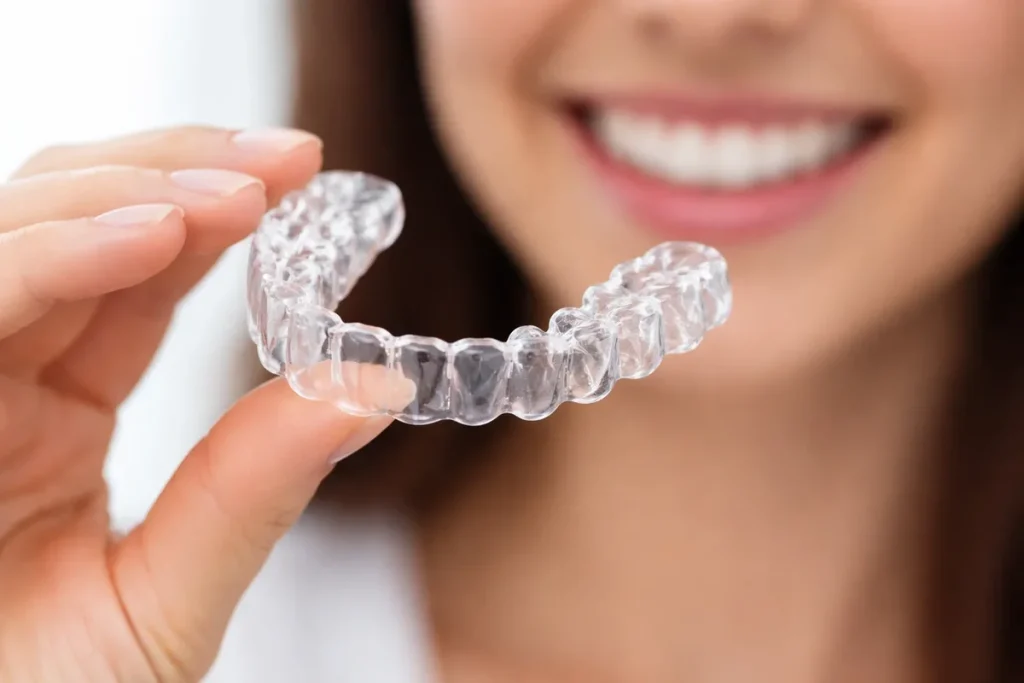
Clearaligners have transformed modern orthodontics by offering a discreet, comfortable, and highly effective alternative to traditional metal braces. If you are searching for a way to straighten your teeth without brackets and wires, clearaligners may be exactly what you need. Designed using advanced 3D digital technology, clearaligners gradually shift your teeth into proper alignment using a series of custom-made transparent trays. These trays are removable, nearly invisible, and tailored specifically to your smile.
Unlike traditional orthodontic systems that rely on metal components, clearaligners are made from smooth, medical-grade thermoplastic material. Each set of clearaligners is worn for approximately one to two weeks before being replaced with the next set in the series. Every new aligner tray applies controlled pressure to specific teeth, guiding them into their ideal position over time. This step-by-step movement ensures precision and predictability throughout the treatment process.
One of the key reasons patients choose clearaligners is aesthetics. 😁 Because the trays are transparent, most people will not even notice you are undergoing orthodontic treatment. This makes clearaligners especially popular among adults and professionals who want to maintain confidence in social and work environments. Teenagers also benefit from clearaligners, as they can straighten their teeth without the self-consciousness often associated with metal braces.
The technology behind clearaligners is highly sophisticated. Before treatment begins, your dentist or orthodontist takes digital scans or impressions of your teeth. These scans are used to create a virtual 3D model of your mouth. Using specialized software, the doctor maps out the entire treatment plan, showing how your teeth will move at each stage. Patients can even preview their expected final results before wearing their first set of clearaligners. This digital planning increases accuracy and reduces unexpected adjustments.
Clearaligners are effective for correcting a wide range of orthodontic issues, including mild to moderate crowding, spacing problems, overbite, underbite, crossbite, and open bite. In many cases, clearaligners can treat the same alignment issues as braces, depending on the complexity of the case. However, severe jaw misalignment or complex skeletal problems may still require traditional orthodontic approaches.
Comfort is another significant advantage of clearaligners. 🦷 Since there are no metal brackets or wires, there is less irritation to the cheeks and gums. The smooth plastic surface makes wearing clearaligners more pleasant, especially during daily activities like speaking or eating. Although some pressure is expected when switching to a new set of trays, this mild discomfort is typically temporary and indicates that the clearaligners are actively working.
Another important feature of clearaligners is removability. You can take them out while eating, brushing, and flossing. This flexibility allows you to maintain excellent oral hygiene throughout treatment. With traditional braces, food particles often get trapped, increasing the risk of plaque buildup. Clearaligners eliminate this issue, making it easier to protect your teeth and gums.
However, successful treatment with clearaligners depends heavily on patient compliance. Most providers recommend wearing clearaligners for 20 to 22 hours per day. Removing them too frequently or forgetting to wear them can delay results. Consistency is crucial for achieving the desired outcome within the projected timeline.
From a health perspective, properly aligned teeth are not just about aesthetics. Straight teeth are easier to clean, reducing the risk of cavities and gum disease. According to the American Dental Association, maintaining proper alignment supports long-term oral health and overall well-being. By choosing clearaligners, patients invest in both cosmetic improvement and functional benefits.
If you are considering orthodontic treatment, clearaligners provide a modern, science-backed solution that blends comfort, discretion, and efficiency. Whether you want to improve your smile before a big event or simply enhance your confidence, clearaligners offer a predictable and convenient pathway toward straighter teeth. For personalized guidance and a professional evaluation, you can visit the Redent Klinik Contact Page to schedule a consultation.
In summary, clearaligners represent a major advancement in orthodontic care. Through digital precision, gradual tooth movement, and patient-friendly design, clearaligners make achieving a confident smile more accessible than ever before. If worn as directed and supervised by a qualified dental professional, clearaligners can deliver impressive, long-lasting results that enhance both appearance and oral health. ✨
What Are Clearaligners and How Do They Work?
Clearaligners are custom-made, transparent orthodontic trays designed to gradually straighten teeth without the use of metal brackets or wires. Unlike traditional braces, clearaligners rely on advanced digital planning and controlled force application to move teeth into their ideal positions. Each set of clearaligners is engineered to fit snugly over your teeth, applying gentle, consistent pressure that shifts specific teeth step by step.
The core principle behind clearaligners is simple but highly sophisticated: controlled biological tooth movement. Teeth are not fixed rigidly in bone; they are supported by a periodontal ligament that allows slight movement when pressure is applied. Clearaligners use this biological response to guide teeth safely and predictably into better alignment over time.
The Digital Planning Behind Clearaligners
One of the most impressive aspects of clearaligners is the digital technology that powers the entire treatment process. Before the first set of clearaligners is created, your dentist performs a detailed examination, including digital scans, photographs, and sometimes X-rays. These scans are used to build a 3D virtual model of your teeth.
Using specialized orthodontic software, the dentist maps out every stage of movement. This digital simulation shows how your teeth will shift with each new set of clearaligners. The treatment plan is divided into multiple phases, and each phase corresponds to a different aligner tray. Patients often appreciate being able to preview their expected final smile before treatment even begins. 😊
Precision Engineering of Each Aligner
Each tray in the clearaligners series is slightly different from the previous one. These subtle differences are what gradually move the teeth. Clearaligners are typically worn for 7 to 14 days before switching to the next set. Every new aligner applies calibrated pressure to specific teeth, ensuring movement occurs in a controlled and biologically safe way.
The material used in clearaligners is medical-grade thermoplastic, designed to be both durable and comfortable. The trays are laser-trimmed to fit the gum line precisely, improving both comfort and aesthetics. Because clearaligners are transparent, most people will not notice them during conversations or social interactions.
How Clearaligners Move Teeth Step by Step
To understand how clearaligners work, it helps to know a little about orthodontic biomechanics. When gentle pressure is applied to a tooth, the bone on one side of the tooth begins to resorb (break down slightly), while new bone forms on the opposite side. This natural remodeling process allows the tooth to shift gradually. Clearaligners harness this biological response in a highly controlled manner.
Each aligner in the series is responsible for a small amount of movement—usually a fraction of a millimeter. While this may sound minimal, the cumulative effect of wearing multiple sets of clearaligners over several months can produce dramatic improvements in alignment.
Attachments and Advanced Techniques
In some cases, small tooth-colored attachments may be bonded temporarily to certain teeth. These attachments help clearaligners grip the teeth more effectively and apply specific directional forces. Although these attachments are subtle, they significantly increase the effectiveness of clearaligners for more complex movements such as rotations or vertical adjustments.
Additionally, elastics may sometimes be used in combination with clearaligners to correct bite discrepancies. This allows clearaligners to treat issues such as overbite, underbite, and crossbite with greater precision.
Removability and Daily Function
One of the defining features of clearaligners is that they are removable. Patients are advised to wear clearaligners for 20–22 hours per day, removing them only for eating, drinking anything other than water, brushing, and flossing. This flexibility makes clearaligners highly convenient compared to fixed orthodontic appliances.
Because you can remove clearaligners while eating, there are no dietary restrictions. You can continue enjoying your favorite foods without worrying about damaging brackets or wires. This also reduces the risk of food particles becoming trapped, making oral hygiene much easier to maintain.
Monitoring Progress Throughout Treatment
Regular dental check-ups are essential during clearaligners treatment. These appointments allow the dentist to monitor progress and ensure that teeth are moving according to the digital plan. In some modern systems, remote monitoring technology may even allow patients to submit photos for review between visits.
If adjustments are needed, refinements can be made by creating additional sets of clearaligners. This flexibility ensures that treatment remains accurate and personalized. Clearaligners are not a one-size-fits-all solution; they are individually tailored to each patient’s dental anatomy and goals.
Why Clearaligners Are a Modern Orthodontic Solution
Clearaligners represent a significant advancement in orthodontics because they combine medical science with digital innovation. Their predictable treatment planning, comfort, and aesthetic appeal make clearaligners an attractive option for both adults and teenagers seeking a discreet way to improve their smiles.
Beyond cosmetic enhancement, properly aligned teeth contribute to better oral hygiene and reduced risk of gum disease. Straight teeth are easier to brush and floss effectively, which supports long-term dental health. When used correctly and under professional supervision, clearaligners can safely transform both the function and appearance of your smile. ✨
In summary, clearaligners work by applying gradual, precisely engineered pressure to guide teeth into alignment. Through digital mapping, custom fabrication, and consistent wear, clearaligners offer a highly controlled and patient-friendly orthodontic experience. Their ability to combine comfort, removability, and advanced planning makes clearaligners one of the most innovative solutions available in modern dentistry today.
Benefits of Choosing Clearaligners Over Traditional Braces
When patients compare orthodontic treatment options, one of the most common questions is whether clearaligners are truly better than traditional metal braces. While both systems are designed to straighten teeth and improve bite alignment, clearaligners offer several modern advantages that make them increasingly popular among adults and teens alike. From aesthetics to comfort and hygiene, clearaligners provide benefits that go beyond simple tooth movement.
Choosing clearaligners is not only about appearance—it is also about convenience, flexibility, and lifestyle compatibility. Understanding these advantages can help you make an informed decision about your orthodontic journey. Let’s explore the key benefits of clearaligners in detail. 😊
Nearly Invisible Appearance
One of the biggest advantages of clearaligners is their discreet design. Unlike traditional braces that use visible metal brackets and wires, clearaligners are made from transparent thermoplastic material. When worn, clearaligners blend naturally with your teeth, making them barely noticeable during conversations, meetings, or social events.
For professionals, students, and individuals who value aesthetics, clearaligners offer a confidence boost. Many patients feel more comfortable smiling throughout treatment because clearaligners do not draw attention to their orthodontic care. This aesthetic benefit is one of the primary reasons adults choose clearaligners over conventional braces.
Confidence in Social and Professional Settings
Whether you are giving a presentation, attending a wedding, or participating in a video call, clearaligners allow you to maintain a natural appearance. There are no metallic reflections or noticeable orthodontic components. This subtlety makes clearaligners especially attractive for those who want orthodontic correction without compromising their image.
Improved Comfort Compared to Braces
Traditional braces often cause irritation due to metal brackets rubbing against the cheeks and lips. Clearaligners eliminate this issue because they have smooth edges and no protruding parts. The medical-grade plastic used in clearaligners is custom-trimmed to fit your gum line comfortably.
Although patients may feel slight pressure when switching to a new set of clearaligners, this sensation is generally mild and temporary. It indicates that the aligners are working effectively. In contrast, adjustments with traditional braces can sometimes cause more intense discomfort due to tightening wires.
No Emergency Wire Repairs
With braces, broken brackets or loose wires can lead to emergency dental visits. Clearaligners significantly reduce this risk because there are no wires or brackets to break. If a tray becomes damaged, your dentist can quickly provide a replacement clearaligner, minimizing disruption to treatment.
Better Oral Hygiene During Treatment
Maintaining oral hygiene is much easier with clearaligners. Because clearaligners are removable, you can brush and floss your teeth normally without navigating around wires and brackets. This helps reduce the risk of plaque buildup, cavities, and gum inflammation.
Food particles often become trapped in traditional braces, increasing the likelihood of enamel staining or decay. Clearaligners eliminate this issue because you remove them before eating. After meals, you simply brush your teeth and reinsert your clearaligners, keeping your oral environment cleaner.
Reduced Risk of White Spot Lesions
White spot lesions—early signs of enamel demineralization—are sometimes seen in patients with poor oral hygiene during braces treatment. Because clearaligners allow thorough brushing and flossing, they lower the risk of such complications when patients follow recommended care guidelines.
Fewer Dietary Restrictions
Patients wearing traditional braces must avoid hard, sticky, or chewy foods that can damage brackets. Clearaligners remove this concern entirely. Since you take out clearaligners while eating, you can continue enjoying your favorite foods without special restrictions.
This flexibility makes clearaligners particularly appealing for individuals who do not want to alter their diet for months or years. Simply remove your clearaligners before meals, clean your teeth afterward, and place them back in.
Predictable and Digitally Planned Results
Clearaligners use advanced digital planning software to map out every stage of treatment. Before starting, patients can see a virtual simulation of their projected results. This level of predictability provides reassurance and transparency.
Each set of clearaligners is designed to achieve specific movements, ensuring that progress follows a carefully engineered plan. This structured approach often results in efficient and measurable improvements in alignment.
Convenience and Flexibility
Clearaligners fit seamlessly into busy lifestyles. Dental visits are typically shorter and less frequent compared to adjustments required with braces. Because clearaligners come in sets, patients can sometimes receive multiple trays at once, reducing appointment frequency.
For travelers or individuals with demanding schedules, clearaligners provide greater independence. As long as you wear your clearaligners for the recommended 20–22 hours per day, treatment can continue smoothly.
Psychological and Emotional Benefits
Orthodontic treatment can significantly impact self-esteem. Many patients report feeling more confident during treatment with clearaligners compared to braces. The ability to smile naturally throughout the process enhances overall satisfaction and emotional well-being. ✨
In addition, clearaligners allow patients to remove the trays briefly for special occasions such as photos or important events. While this should not become a habit, it offers flexibility that braces simply cannot provide.
Comparable Effectiveness for Many Cases
Modern clearaligners can correct a wide range of orthodontic issues, including crowding, spacing, and certain bite irregularities. With proper case selection and professional supervision, clearaligners can achieve results comparable to traditional braces in many mild to moderate cases.
In summary, clearaligners offer a combination of aesthetic appeal, comfort, hygiene advantages, and digital precision. While traditional braces remain necessary for some complex cases, clearaligners provide a highly effective and patient-friendly solution for many individuals seeking a straighter smile. By choosing clearaligners, patients benefit from modern technology, improved comfort, and a treatment experience designed around convenience and confidence.
Who Is a Good Candidate for Clearaligners Treatment?
Clearaligners have become one of the most requested orthodontic treatments worldwide, but not everyone is automatically an ideal candidate. While clearaligners are highly versatile and effective for many alignment issues, proper case selection is essential for successful results. Understanding whether clearaligners are suitable for your dental condition requires a professional evaluation, but there are general guidelines that help determine candidacy.
In most cases, clearaligners are appropriate for patients with mild to moderate orthodontic concerns. However, age, oral health condition, lifestyle habits, and the complexity of tooth movement all influence whether clearaligners will deliver optimal outcomes. Let’s explore in detail who benefits most from clearaligners treatment. 😊
Adults Seeking Discreet Orthodontic Treatment
Adults are among the most common candidates for clearaligners. Many adults avoided braces during adolescence or experienced relapse after previous orthodontic treatment. Clearaligners offer a subtle and professional-looking solution that fits seamlessly into adult lifestyles.
Because clearaligners are nearly invisible, adults working in professional environments often prefer them over traditional braces. Clearaligners allow individuals to correct crowding, spacing, or bite irregularities without drawing attention during meetings, presentations, or social events.
Adults with Relapsed Orthodontic Cases
Teeth can gradually shift over time, especially if retainers were not worn consistently after braces. Clearaligners are often an excellent solution for minor relapse cases. Since these movements are typically mild, clearaligners can efficiently reposition teeth without restarting full braces treatment.
Teenagers with Mild to Moderate Alignment Issues
Teenagers are also strong candidates for clearaligners, provided they are responsible enough to wear them consistently. Clearaligners can effectively treat common orthodontic concerns such as:
- Mild to moderate crowding
- Small gaps between teeth
- Overbite or underbite (in certain cases)
- Crossbite or open bite (depending on severity)
Some systems designed for teens include compliance indicators that help parents and dentists monitor wear time. Because clearaligners are removable, teens can maintain better oral hygiene compared to fixed braces.
Importance of Compliance in Younger Patients
Unlike braces, clearaligners require discipline. Patients must wear clearaligners for 20–22 hours daily to achieve predictable results. Teens who frequently remove their trays or forget to wear them may experience delayed progress. Therefore, maturity and responsibility are key factors when determining candidacy for clearaligners.
Patients with Healthy Teeth and Gums
Before starting clearaligners treatment, it is essential that the patient’s oral health is stable. Active gum disease, untreated cavities, or significant plaque buildup must be addressed first. Clearaligners work best when the teeth and supporting tissues are healthy.
Because clearaligners fit snugly over the teeth, poor oral hygiene can trap bacteria and increase the risk of decay or gum inflammation. Dentists typically perform a comprehensive examination before approving clearaligners to ensure the mouth is ready for orthodontic movement.
Individuals with Mild to Moderate Orthodontic Complexity
Clearaligners are highly effective for many alignment corrections, but extremely complex cases may require alternative approaches. Severe jaw discrepancies, significant skeletal misalignment, or teeth requiring large rotational movements may be better managed with traditional braces or combined orthodontic techniques.
That said, advancements in digital planning and attachment systems have significantly expanded the capabilities of clearaligners. Today, clearaligners can address more complex cases than ever before, provided the treatment is carefully planned and supervised by an experienced dentist or orthodontist.
Cases That May Require Additional Evaluation
Certain situations require deeper assessment before choosing clearaligners, including:
- Severe crowding requiring tooth extraction
- Major jaw alignment discrepancies
- Impacted teeth
- Advanced periodontal disease
In these cases, clearaligners may still be part of the solution, but they could need to be combined with other treatments for optimal results.
Patients Committed to Following Instructions
Success with clearaligners depends heavily on patient cooperation. Since clearaligners are removable, consistent wear is non-negotiable. Patients who are motivated and understand the importance of following professional instructions tend to achieve excellent outcomes.
If you are disciplined about wearing clearaligners as directed and attending scheduled follow-up visits, you are likely a strong candidate. Clearaligners reward consistency with predictable and efficient tooth movement.
Patients Seeking Improved Oral Health and Aesthetics
Clearaligners are not just cosmetic; they also improve oral function. Straighter teeth are easier to clean, reducing the risk of cavities and gum disease. Patients experiencing difficulty flossing due to crowded teeth may benefit significantly from clearaligners.
By improving alignment, clearaligners can enhance bite balance, reduce uneven wear, and support long-term dental stability. This functional improvement makes clearaligners a health-focused decision as well as an aesthetic one. ✨
Professional Consultation Is Essential
Ultimately, the best way to determine if clearaligners are right for you is through a professional evaluation. During consultation, your dentist will assess tooth position, bite relationship, jaw alignment, and overall oral health. Digital scans and X-rays help create a precise treatment plan tailored specifically to your needs.
In conclusion, clearaligners are ideal for responsible teens and adults with mild to moderate orthodontic concerns and healthy oral conditions. While not every case qualifies, advancements in clearaligners technology continue to expand their suitability. With proper assessment and patient commitment, clearaligners provide a highly effective, discreet, and comfortable pathway toward a healthier, straighter smile.
Step-by-Step Clearaligners Treatment Process
Understanding the full journey of clearaligners treatment helps patients feel confident and prepared before starting. Clearaligners are not simply plastic trays placed on your teeth; they are part of a carefully structured, digitally guided orthodontic system. From consultation to final retention, each stage of clearaligners treatment is designed to ensure safety, precision, and predictable results.
Below is a detailed, step-by-step breakdown of how clearaligners treatment typically works, so you know exactly what to expect. 😊
Initial Consultation and Oral Examination
The first step in clearaligners treatment is a comprehensive dental consultation. During this visit, your dentist evaluates your teeth, bite alignment, jaw structure, and overall oral health. X-rays and digital photographs may be taken to assess bone levels and tooth positioning.
Not everyone is immediately ready for clearaligners. If cavities, gum disease, or other oral health issues are present, these must be treated first. Healthy teeth and gums are essential for safe orthodontic movement with clearaligners.
Digital Scanning and 3D Imaging
Once you are approved for clearaligners, advanced digital scans of your teeth are performed. Modern clinics use intraoral scanners instead of traditional impression materials. These scanners create a highly accurate 3D model of your mouth.
This digital model becomes the foundation of your clearaligners treatment plan. It allows your dentist to design a fully customized tooth movement strategy with remarkable precision.
Customized Treatment Planning
After scanning, specialized orthodontic software maps out the entire progression of your clearaligners treatment. Each tooth movement is calculated in small, controlled increments. The software divides the treatment into multiple stages, with each stage corresponding to a specific set of clearaligners.
One of the most exciting aspects of clearaligners treatment is that you can preview your projected results before you begin. This visual simulation shows how your smile will gradually improve over time. ✨
Manufacturing Your Clearaligners
Once the treatment plan is finalized, your custom clearaligners are fabricated using medical-grade thermoplastic material. Each aligner tray is precisely trimmed to fit your gum line and designed to apply targeted pressure to specific teeth.
The number of clearaligners required varies depending on the complexity of your case. Some patients may need 15–20 sets, while others with more complex alignment issues may require 30 or more sets of clearaligners.
Attachment Placement (If Necessary)
In many cases, small tooth-colored attachments are bonded to certain teeth before starting clearaligners. These attachments act as anchors, helping the aligners apply more precise force for movements like rotations or vertical adjustments.
Although attachments may sound intimidating, they are subtle and blend naturally with your teeth. They significantly enhance the effectiveness of clearaligners, especially in moderate cases.
Wearing Your Clearaligners
Once your first set of clearaligners is ready, you will begin wearing them for 20–22 hours per day. Clearaligners should only be removed for eating, drinking anything other than water, brushing, and flossing.
Each set of clearaligners is typically worn for one to two weeks before progressing to the next set. When switching to a new aligner, you may feel mild pressure. This sensation is normal and indicates that the clearaligners are actively moving your teeth.
Importance of Consistency
Consistency is crucial for successful clearaligners treatment. Failing to wear clearaligners for the recommended duration can delay progress and extend overall treatment time. Patient compliance directly impacts the effectiveness of clearaligners.
Regular Monitoring Appointments
Throughout your clearaligners journey, you will attend periodic check-ups. These visits allow your dentist to evaluate progress and ensure your teeth are moving according to the digital plan.
In some modern systems, remote monitoring technology allows patients to submit progress photos between appointments. This innovation makes clearaligners even more convenient for individuals with busy schedules.
Refinements and Adjustments
Sometimes minor refinements are needed to perfect alignment. If certain teeth require additional movement, your dentist may order supplementary clearaligners. This refinement stage ensures that your final smile meets the planned outcome.
Clearaligners are highly adaptable, and refinements are a normal part of achieving precise results. The flexibility of the system allows adjustments without restarting treatment entirely.
Completion and Retention Phase
Once active treatment with clearaligners is complete, the retention phase begins. Teeth naturally tend to shift back toward their original positions if not stabilized. To maintain results, patients are typically provided with retainers.
Retainers may look similar to clearaligners but serve a different purpose: they hold teeth in their new position. Wearing retainers as instructed ensures the long-term success of your clearaligners investment.
Total Duration of the Clearaligners Process
The overall length of clearaligners treatment varies depending on individual needs. Mild cases may take six months, while moderate cases often require 12–18 months. Complex cases can take longer. However, because clearaligners treatment is digitally planned, timelines are generally predictable.
In summary, the clearaligners treatment process follows a structured and technologically advanced pathway: consultation, digital planning, custom fabrication, consistent wear, monitoring, refinement, and retention. Each stage is designed to ensure comfort, safety, and precision.
By following professional guidance and wearing clearaligners as instructed, patients can achieve a straighter, healthier smile through a streamlined and modern orthodontic experience. 😁
How Long Does Clearaligners Treatment Take?
One of the most frequently asked questions about clearaligners is how long the treatment will take. While clearaligners are known for their efficiency and modern digital planning, the total duration varies from patient to patient. The timeline depends on several factors, including the complexity of tooth movement, patient compliance, age, and overall oral health.
On average, clearaligners treatment can last anywhere from 6 months to 18 months. Some minor alignment corrections may be completed even sooner, while more complex cases may require extended treatment. Because clearaligners are customized for each individual, there is no universal timeline. Let’s explore the factors that influence the duration of clearaligners treatment in detail. 😊
Severity of the Orthodontic Problem
The complexity of your dental condition is the most important factor determining how long clearaligners treatment will take. Mild cases, such as slight crowding or small gaps between teeth, typically require fewer sets of clearaligners. These cases may be completed within 6 to 9 months.
Moderate cases involving more noticeable crowding, spacing, or mild bite issues often take between 12 and 18 months. More complex bite corrections, such as significant overbite or crossbite, may require a longer series of clearaligners to achieve safe and stable results.
Minor Alignment Cases
If your teeth have shifted slightly after previous orthodontic treatment, clearaligners can often correct the relapse relatively quickly. Because only small movements are required, fewer aligner trays are needed, which shortens overall treatment time.
Moderate to Complex Cases
When multiple teeth require rotation, vertical movement, or bite adjustment, clearaligners treatment becomes more detailed. The digital plan must carefully guide each movement to avoid placing excessive force on the teeth. In such cases, the number of clearaligners increases, naturally extending the treatment duration.
Patient Compliance and Wear Time
Clearaligners must be worn for 20–22 hours per day to work effectively. Unlike fixed braces, clearaligners are removable, which means the responsibility lies with the patient. If clearaligners are not worn consistently, tooth movement slows down, and the projected timeline may be extended.
Patients who strictly follow instructions and switch to new sets of clearaligners on schedule tend to complete treatment within the estimated timeframe. However, removing clearaligners too frequently or forgetting to wear them can delay results significantly.
Why Consistency Matters
Clearaligners apply controlled, continuous pressure to move teeth. Interrupting this pressure slows biological tooth movement. Consistent wear ensures that each stage of clearaligners treatment progresses smoothly and predictably.
Biological Factors and Age
Age can influence how quickly teeth respond to orthodontic movement. Teenagers often experience slightly faster tooth movement because their bone structure is still developing. Adults can achieve equally successful results with clearaligners, but bone remodeling may occur at a slightly slower pace.
However, modern clearaligners systems are designed to work effectively for both teens and adults. Age alone rarely disqualifies someone from treatment, but it can subtly impact duration.
Use of Attachments and Elastics
In some cases, small tooth-colored attachments are bonded to the teeth to enhance the effectiveness of clearaligners. These attachments allow the trays to apply more precise forces for complex movements.
If elastics are used to correct bite alignment, additional coordination between upper and lower clearaligners may slightly extend treatment time. However, these tools improve overall efficiency and final results.
Refinement Phase
After completing the initial series of clearaligners, some patients require refinement trays. Refinements are additional aligners designed to perfect minor adjustments that were not fully completed during the primary phase.
Refinements are common and do not indicate treatment failure. They ensure the final result meets both functional and aesthetic expectations. While refinements may extend treatment by a few months, they significantly improve precision.
Comparison with Traditional Braces
Many patients wonder whether clearaligners work faster than braces. In mild to moderate cases, clearaligners can often achieve results in a comparable or even shorter timeframe. Because treatment is digitally mapped in advance, tooth movements follow a structured plan.
However, extremely complex cases involving major jaw discrepancies may still require braces, which sometimes provide stronger mechanical control. For suitable candidates, clearaligners offer both efficiency and predictability.
Retention After Active Treatment
It is important to understand that active clearaligners treatment is only part of the journey. After the final set of clearaligners, patients must wear retainers to maintain results. Retainers prevent teeth from shifting back to their original positions.
The retention phase does not involve active movement but is essential for long-term stability. Wearing retainers as instructed protects the investment made during clearaligners treatment. ✨
Realistic Expectations for Clearaligners
While marketing materials sometimes promote rapid transformations, realistic expectations are crucial. Safe tooth movement requires gradual pressure and biological adaptation. Attempting to accelerate the process can compromise stability and health.
Clearaligners are designed for steady, controlled progress. Most patients begin noticing visible improvements within a few weeks of starting clearaligners. Significant changes typically become more apparent after several months of consistent wear.
In summary, the duration of clearaligners treatment depends on case complexity, patient compliance, biological response, and the need for refinements. Mild cases may be completed within months, while more detailed treatments can extend beyond a year.
By wearing clearaligners consistently, attending follow-up appointments, and following professional guidance, patients can achieve predictable and efficient results. Clearaligners provide a modern orthodontic solution that balances speed with safety, helping you move confidently toward a straighter and healthier smile. 😁
Clearaligners Cost: What to Expect in 2026
Understanding the cost of clearaligners is one of the most important considerations for patients planning orthodontic treatment. While clearaligners offer modern technology, comfort, and aesthetic advantages, pricing can vary depending on several factors. In 2026, clearaligners remain a competitive orthodontic solution, and their cost reflects the advanced digital planning, custom manufacturing, and professional supervision involved in treatment.
The total cost of clearaligners depends on case complexity, treatment duration, geographic location, and the experience of the dental provider. Let’s break down everything you need to know about clearaligners pricing in detail. 😊
Average Cost of Clearaligners in 2026
In the United States, the average cost of clearaligners typically ranges between $3,000 and $8,000. Mild cases that require fewer aligner trays are usually at the lower end of the range, while more complex cases involving bite correction or extended treatment fall toward the higher end.
- Mild alignment cases: $3,000 – $4,500
- Moderate cases: $4,500 – $6,500
- Complex orthodontic cases: $6,500 – $8,000+
In Europe, clearaligners treatment generally ranges between €2,500 and €7,000, depending on the country and clinic. In some regions offering dental tourism services, high-quality clearaligners may be available at more competitive rates while maintaining international treatment standards.
Factors That Influence Clearaligners Pricing
The cost of clearaligners is not fixed because every treatment plan is customized. Several factors determine the final price.
1. Complexity of the Case
The more extensive the tooth movement required, the more sets of clearaligners are needed. A case involving simple spacing correction requires fewer trays than a case involving crowding combined with bite adjustments. The number of aligners directly impacts laboratory production costs and overall treatment time.
2. Duration of Treatment
Longer treatment plans require more monitoring appointments and potentially refinement aligners. If additional sets of clearaligners are needed to perfect the results, this may slightly increase the total investment.
3. Experience of the Provider
Orthodontists or dentists with extensive experience in clearaligners treatment may charge higher fees due to their expertise. However, choosing an experienced provider can improve predictability and reduce the risk of complications, which ultimately protects your investment.
4. Technology and Laboratory Fees
Clearaligners rely on advanced 3D imaging, digital simulations, and precision manufacturing. These technologies contribute to the cost structure. High-quality clearaligners are produced using medical-grade materials and strict quality control standards.
Are Clearaligners Covered by Insurance?
In many cases, dental insurance plans that include orthodontic benefits partially cover clearaligners treatment. Coverage amounts vary widely but may reduce the cost by $1,000 to $3,000 depending on the policy.
It is important to verify whether your insurance considers clearaligners equivalent to traditional braces for reimbursement purposes. Many providers treat them as standard orthodontic care.
Flexible Payment Options
To make clearaligners more accessible, many clinics offer flexible financing options. Patients may choose monthly payment plans, spreading the cost over 12 to 24 months or longer. Interest-free installment plans are sometimes available depending on the clinic.
Health savings accounts (HSA) and flexible spending accounts (FSA) can often be used to pay for clearaligners, providing additional financial flexibility.
Are Clearaligners Worth the Cost?
When evaluating the cost of clearaligners, it is important to consider both aesthetic and health benefits. Straighter teeth are easier to clean, reducing the risk of cavities and gum disease. Proper alignment can also prevent uneven tooth wear and jaw strain.
Compared to traditional braces, clearaligners provide enhanced comfort and discreet appearance. For many patients, the ability to maintain confidence throughout treatment is a significant added value.
Long-Term Investment in Oral Health
Clearaligners are not just a cosmetic solution. By improving bite alignment and tooth positioning, clearaligners support long-term dental stability. Preventing future dental complications may reduce the need for costly restorative treatments later in life.
Clearaligners vs Braces Cost Comparison
Traditional metal braces typically cost between $3,000 and $7,000 in the United States. This means clearaligners are often similarly priced or slightly higher depending on complexity. However, many patients feel the comfort, aesthetics, and flexibility of clearaligners justify the difference.
Because clearaligners eliminate emergency wire repairs and reduce certain maintenance visits, some patients find the overall experience more convenient and predictable.
International Pricing and Dental Tourism
In countries known for dental tourism, such as Turkey or parts of Eastern Europe, clearaligners treatment may cost significantly less than in the United States or Western Europe. Prices may range from $2,000 to $4,500 depending on case complexity.
When considering treatment abroad, it is essential to ensure the clinic follows international standards, uses certified clearaligners systems, and provides thorough follow-up care.
Final Thoughts on Clearaligners Cost
In 2026, clearaligners remain a modern and competitive orthodontic solution. The cost reflects advanced technology, customization, and professional expertise. While pricing varies, clearaligners offer long-term value through improved oral health, enhanced confidence, and predictable results. ✨
Before making a decision, schedule a professional consultation to receive a personalized cost estimate. A tailored assessment ensures you understand exactly how many clearaligners are required, how long treatment will last, and what financial options are available. With proper planning, clearaligners can be both an achievable and worthwhile investment in your smile. 😁
Clearaligners vs Braces: Key Differences Explained
When deciding on orthodontic treatment, many patients compare clearaligners and traditional braces. Both options aim to straighten teeth, improve bite alignment, and enhance oral health. However, the way clearaligners function, look, and feel is significantly different from conventional metal braces. Understanding these differences helps patients choose the treatment that best fits their dental needs, lifestyle, and expectations.
While clearaligners represent a modern, digitally guided approach, braces have been used successfully for decades. Each system has advantages and limitations. Below is a comprehensive comparison to help you understand how clearaligners differ from braces in key areas. 😊
Appearance and Aesthetics
The most obvious difference between clearaligners and braces is their appearance. Clearaligners are made from transparent medical-grade plastic and are designed to fit snugly over the teeth. Because they are nearly invisible, clearaligners are a discreet orthodontic solution.
Traditional braces, on the other hand, use metal brackets bonded to each tooth and connected by wires. Although ceramic braces are less noticeable than metal ones, they are still more visible than clearaligners.
Which Option Is More Discreet?
For adults and professionals who prefer a subtle solution, clearaligners are typically the preferred option. Most people will not notice you are wearing clearaligners during daily interactions. Braces are more noticeable, which may affect confidence for some individuals.
Comfort and Oral Irritation
Comfort is another major point of comparison. Clearaligners are smooth and custom-trimmed, reducing the likelihood of irritation inside the mouth. Since clearaligners do not contain metal components, they are less likely to cause sores or cuts on the cheeks and lips.
Braces can sometimes cause discomfort due to wires and brackets rubbing against soft tissues. Adjustments during orthodontic appointments may also cause temporary soreness.
Pressure and Adjustment Differences
Clearaligners apply gentle, consistent pressure through gradual tray changes. Patients may feel mild tightness when switching to a new set of clearaligners. Braces, however, require wire tightening during appointments, which can result in more noticeable discomfort for a few days.
Removability and Lifestyle Flexibility
One of the most significant advantages of clearaligners is that they are removable. Patients can take out clearaligners while eating, drinking (anything other than water), brushing, and flossing. This flexibility allows normal eating habits and easier oral hygiene.
Braces are fixed appliances and cannot be removed by the patient. Food restrictions are necessary to prevent bracket damage. Sticky, hard, or chewy foods must be avoided.
Dietary Freedom
With clearaligners, there are no long-term dietary limitations. You simply remove the trays before meals. Braces patients must modify their diets throughout treatment to protect the brackets and wires.
Oral Hygiene Maintenance
Maintaining oral hygiene is generally easier with clearaligners. Since clearaligners are removed during brushing and flossing, patients can clean their teeth normally. This reduces the risk of plaque buildup and gum inflammation.
Braces require more careful cleaning techniques. Food particles can become trapped around brackets, increasing the risk of cavities and white spot lesions if hygiene is not maintained properly.
Treatment Effectiveness and Complexity
Both clearaligners and braces are effective orthodontic tools. Clearaligners are highly effective for mild to moderate crowding, spacing, and certain bite issues. Thanks to digital planning and attachment systems, clearaligners can now treat more complex cases than in the past.
Braces may still be recommended for extremely complex skeletal discrepancies or severe tooth rotations. In such cases, fixed appliances sometimes provide stronger mechanical control.
Digital Planning Advantage
Clearaligners use advanced 3D digital simulations to map out the entire treatment before it begins. Patients can preview expected results. Braces treatment relies more on manual adjustments and clinical monitoring throughout the process.
Duration of Treatment
The duration of treatment with clearaligners and braces is often similar for comparable cases. Mild cases may be completed in 6 to 12 months with clearaligners. Braces typically require 12 to 24 months depending on complexity.
Patient compliance plays a bigger role in clearaligners treatment. Because clearaligners are removable, failing to wear them consistently can extend treatment time. Braces remain active continuously since they are fixed.
Cost Comparison
In many regions, the cost of clearaligners is comparable to traditional braces. Clearaligners may be slightly more expensive depending on technology and customization. However, many patients find the comfort and aesthetic advantages of clearaligners justify the investment.
Emergency Visits and Repairs
Braces may require emergency visits if a bracket breaks or a wire becomes loose. Clearaligners rarely cause such emergencies. If a tray is damaged, it can typically be replaced quickly without significant disruption to treatment.
Which Option Is Right for You?
The choice between clearaligners and braces depends on your orthodontic needs, lifestyle preferences, and level of commitment. Clearaligners are ideal for patients who value discretion, flexibility, and digital precision. Braces may be preferable for highly complex orthodontic cases requiring maximum mechanical control.
Ultimately, a professional consultation is necessary to determine which treatment is best for your specific situation. Both clearaligners and braces can achieve excellent results when properly planned and supervised. ✨
In summary, clearaligners offer advantages in aesthetics, comfort, removability, and hygiene. Braces remain a powerful and reliable orthodontic option, especially for complex cases. By understanding these key differences, you can make a confident and informed decision about your path toward a healthier, straighter smile. 😁
How to Care for Your Clearaligners Properly
Proper care is essential to ensure that clearaligners remain hygienic, transparent, and effective throughout your treatment. While clearaligners are designed for durability and comfort, neglecting daily maintenance can lead to discoloration, unpleasant odors, bacterial buildup, and even delayed treatment progress. Taking the right steps to clean and store your clearaligners not only protects your oral health but also ensures that your treatment stays on track.
Because clearaligners are worn for 20–22 hours per day, they are constantly exposed to saliva and bacteria. Without consistent cleaning, plaque can accumulate on both your teeth and your clearaligners. Let’s explore in detail how to care for clearaligners correctly and maintain optimal hygiene. 😊
Daily Cleaning Routine for Clearaligners
Cleaning your clearaligners should become part of your daily oral hygiene routine. Each time you remove your clearaligners, rinse them with lukewarm water. This helps wash away saliva and debris before they dry on the surface.
At least twice a day—ideally in the morning and before bed—clean your clearaligners more thoroughly. Use a soft toothbrush and clear, unscented antibacterial soap to gently brush the trays. Avoid using toothpaste, as many formulas contain abrasive particles that can scratch clearaligners and reduce their transparency.
Avoid Hot Water
Never rinse or soak clearaligners in hot water. High temperatures can warp the thermoplastic material, altering the fit. Even slight distortion may affect how clearaligners apply pressure to your teeth, potentially disrupting treatment progress.
Maintaining Excellent Oral Hygiene
Keeping your teeth clean is just as important as cleaning your clearaligners. Always brush and floss before reinserting your clearaligners after meals. Placing clearaligners over unclean teeth traps bacteria against enamel, increasing the risk of cavities and gum inflammation.
Because clearaligners create a sealed environment around your teeth, proper brushing and flossing become even more critical. Clean teeth help maintain both oral health and the clarity of your clearaligners.
Brushing After Every Meal
Although it may not always be convenient, brushing after every meal is strongly recommended during clearaligners treatment. If brushing is not immediately possible, rinse your mouth thoroughly with water before placing your clearaligners back in.
Soaking and Deep Cleaning
In addition to daily brushing, clearaligners benefit from periodic deep cleaning. Special cleaning crystals or orthodontic cleaning tablets designed for clearaligners can be used. These products help remove buildup and maintain freshness.
Soak your clearaligners according to the manufacturer’s instructions, typically once a day. Avoid using colored mouthwash or harsh chemical cleaners, as they may stain or damage the material.
Proper Storage When Not in Use
Whenever you remove your clearaligners, store them in their protective case. Leaving clearaligners exposed on a table or wrapped in tissue increases the risk of contamination, accidental disposal, or damage.
Carrying your case with you ensures that your clearaligners remain safe and clean throughout the day. This simple habit can prevent unnecessary replacements and interruptions in treatment.
Protecting Clearaligners from Pets and Damage
It may sound surprising, but pets are often attracted to the scent of clearaligners and may chew them if left unattended. Always keep clearaligners securely stored to avoid accidental damage.
Avoiding Stains and Discoloration
Clearaligners are designed to be transparent, but they can become stained if exposed to colored beverages. Always remove clearaligners before drinking coffee, tea, red wine, or soda. Drinking anything other than water while wearing clearaligners can cause discoloration and increase the risk of tooth decay.
Smoking while wearing clearaligners can also stain both the trays and your teeth. To maintain clarity and oral health, remove clearaligners before smoking and clean your mouth before reinsertion.
Handling Clearaligners Gently
When removing clearaligners, use both hands and gently lift from the back teeth first. Avoid pulling aggressively from one side, as this may strain the material. Although clearaligners are durable, consistent rough handling can cause cracks or tears.
If your clearaligners become damaged, contact your dental provider immediately. Continuing to wear broken clearaligners may interfere with treatment progress.
Travel Tips for Clearaligners Users
If you are traveling, pack your clearaligners case, cleaning supplies, and your next set of aligners. Maintaining your routine while traveling ensures uninterrupted progress.
Clearaligners are convenient for travel because they do not require emergency adjustments like traditional braces. However, consistent hygiene remains essential regardless of location.
Monitoring for Fit and Comfort
Pay attention to how your clearaligners fit. They should sit snugly against your teeth without significant gaps. If a clearaligner does not fit properly, consult your dentist before moving to the next set.
Mild pressure when switching trays is normal, but severe discomfort may require evaluation. Proper fit ensures that clearaligners continue guiding your teeth according to the digital treatment plan.
Long-Term Maintenance After Treatment
After completing active treatment, retainers are often required to maintain results. Retainers are similar in appearance to clearaligners and require the same cleaning and storage practices.
Maintaining your final results depends on continued care and consistent retainer use. Clearaligners represent an investment in your smile, and proper maintenance protects that investment for years to come. ✨
In summary, caring for clearaligners involves daily cleaning, excellent oral hygiene, proper storage, and mindful handling. By following these detailed guidelines, you ensure that your clearaligners remain clear, comfortable, and effective throughout your orthodontic journey. With proper care, clearaligners can deliver predictable results while maintaining optimal oral health. 😁
Are Clearaligners Safe and Effective? Expert Insights
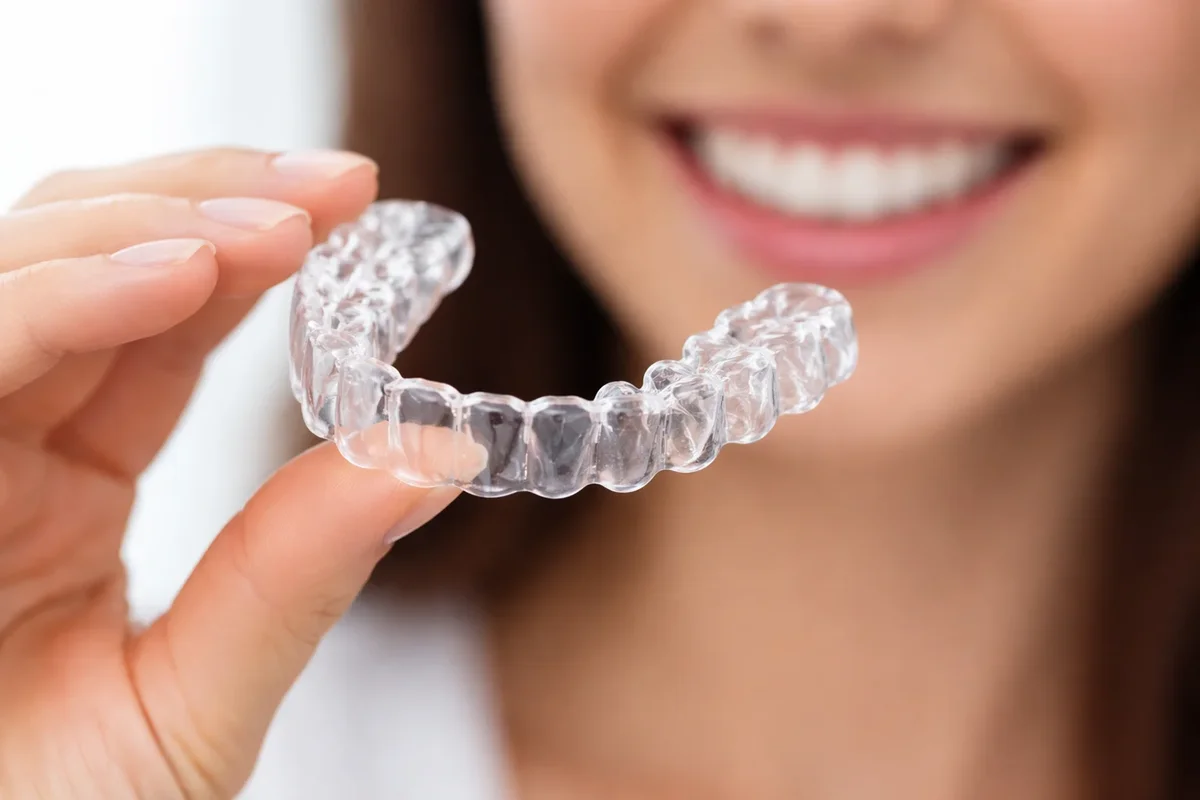
One of the most common concerns patients have before starting orthodontic treatment is safety. Naturally, people want to know whether clearaligners are both safe for their oral health and effective in delivering long-term results. The good news is that clearaligners have been extensively studied and widely used across the world for decades. When prescribed and monitored by a qualified dental professional, clearaligners are considered a safe and highly effective orthodontic solution.
Clearaligners rely on controlled, gradual tooth movement guided by digital planning. Unlike do-it-yourself orthodontic products sold online without supervision, professionally managed clearaligners are based on comprehensive examination, imaging, and personalized treatment strategies. Let’s explore the safety and effectiveness of clearaligners in detail. 😊
Medical Safety of Clearaligners Materials
Clearaligners are manufactured using medical-grade thermoplastic materials that are specifically designed for intraoral use. These materials are BPA-free and biocompatible, meaning they are safe for prolonged contact with the gums and teeth. Regulatory bodies in many countries evaluate orthodontic materials to ensure patient safety.
Because clearaligners are custom-made and digitally engineered, they fit precisely against the teeth. A proper fit reduces irritation and minimizes the risk of gum damage when compared to poorly fitting oral appliances.
Allergy and Sensitivity Considerations
Allergic reactions to clearaligners are extremely rare. Unlike traditional braces that contain metal components, clearaligners eliminate the risk of nickel sensitivity, which can affect some patients with metal allergies.
Controlled Tooth Movement and Biological Safety
Orthodontic tooth movement works through a biological process called bone remodeling. Clearaligners apply gentle, consistent force to teeth, encouraging gradual repositioning. Because the movement is planned digitally and divided into small increments, clearaligners reduce the likelihood of excessive force that could damage roots or supporting bone.
When supervised by a trained dentist or orthodontist, clearaligners follow safe biomechanical principles. Each stage of treatment is carefully mapped out to ensure teeth move within healthy biological limits.
Importance of Professional Monitoring
Regular follow-up appointments are essential to ensure that clearaligners are working as intended. Professional monitoring allows early detection of any unexpected tooth movement or gum issues. Adjustments can be made through refinements if necessary.
This professional oversight is what makes clinical clearaligners safe and predictable. Attempting orthodontic movement without supervision increases risks and should be avoided.
Effectiveness for Different Orthodontic Issues
Modern clearaligners are capable of treating a wide range of dental alignment problems. These include mild to moderate crowding, spacing issues, overbite, underbite, crossbite, and open bite in suitable cases.
Thanks to digital simulation and the use of small attachments bonded to the teeth, clearaligners can perform complex movements such as rotations and vertical adjustments. Over the years, advancements in clearaligners technology have significantly expanded their effectiveness.
Comparison to Traditional Braces
For mild to moderate orthodontic cases, clearaligners are often just as effective as traditional braces. In very complex skeletal discrepancies, braces may still offer advantages. However, for many patients, clearaligners deliver comparable results with added comfort and discretion.
Long-Term Stability of Results
Clearaligners can provide stable, long-lasting results when patients follow post-treatment retention protocols. After completing active treatment, retainers are prescribed to maintain tooth position. This retention phase is essential regardless of whether treatment involved braces or clearaligners.
Teeth naturally tend to shift over time. Wearing retainers as instructed protects the outcome achieved through clearaligners and ensures lasting alignment.
Risks and Potential Side Effects
Like any orthodontic treatment, clearaligners may cause temporary side effects. Mild soreness when switching trays is common and typically lasts a few days. This discomfort indicates that the clearaligners are applying pressure to move teeth.
Speech changes may occur briefly as patients adjust to wearing clearaligners. Most people adapt within a few days. Maintaining good oral hygiene is essential, as poor cleaning habits during treatment can increase the risk of cavities.
When to Contact Your Dentist
If you experience severe pain, persistent gum irritation, or aligners that do not fit properly, contact your provider promptly. Early intervention prevents complications and keeps your clearaligners treatment on track.
Scientific Support and Professional Endorsement
Clearaligners have been studied extensively in orthodontic research. Clinical evidence supports their safety and effectiveness when used appropriately. Dental organizations emphasize the importance of professional supervision in achieving predictable results.
Orthodontic treatment, whether through braces or clearaligners, should always be guided by clinical expertise. A personalized plan ensures safe tooth movement and optimal bite function.
Psychological and Quality-of-Life Benefits
Beyond physical safety, clearaligners contribute positively to psychological well-being. Patients often feel more confident during treatment due to the discreet appearance of clearaligners. This emotional comfort can enhance overall satisfaction and commitment to the process. ✨
Additionally, because clearaligners are removable, patients maintain normal eating habits and oral hygiene routines, improving their daily quality of life compared to fixed appliances.
Final Expert Perspective
When evaluated from a clinical standpoint, clearaligners are both safe and effective for suitable candidates. Their medical-grade materials, digitally planned movements, and professional oversight contribute to a predictable and controlled orthodontic experience.
The key to safety lies in choosing a qualified provider and following instructions carefully. Clearaligners are not a shortcut solution but a scientifically designed orthodontic system. With proper case selection and patient compliance, clearaligners can transform smiles while maintaining high standards of safety and long-term stability. 😁
In conclusion, clearaligners represent a modern orthodontic advancement supported by technology and clinical research. For patients seeking a discreet, comfortable, and reliable way to straighten their teeth, clearaligners offer a proven path toward improved oral health and confident smiles.
Disclosure: this page may contain affiliate links. We may earn a commission if you use them, at no extra cost to you.