
Clinical orthodontics is a specialized branch of dentistry that focuses on diagnosing, preventing, and correcting misaligned teeth and jaws using evidence-based clinical methods. Unlike general orthodontic concepts that may feel abstract to patients, clinical orthodontics is grounded in real-world treatment protocols, patient-specific planning, and measurable outcomes. In simple terms, it represents the practical, medical side of orthodontic care where science, technology, and patient comfort come together 🦷✨.
At its core, clinical orthodontics aims to improve both function and aesthetics. Crooked teeth, bite problems, jaw discrepancies, and spacing issues are not just cosmetic concerns; they can significantly affect chewing efficiency, speech clarity, oral hygiene, and long-term dental health. Through clinical orthodontics, these issues are addressed systematically, using diagnostic imaging, cephalometric analysis, and customized treatment planning to ensure predictable and safe results.
One of the key strengths of clinical orthodontics is its patient-centered approach. Every mouth is unique, and clinical orthodontics recognizes this by avoiding one-size-fits-all solutions. Instead, orthodontists evaluate facial structure, jaw growth patterns, tooth movement biology, and lifestyle factors before recommending braces, clear aligners, or other orthodontic appliances. This clinical precision reduces complications and shortens treatment time while maximizing results 😊.
From a medical standpoint, clinical orthodontics plays a crucial role in preventing future dental problems. Misaligned teeth can create hard-to-clean areas where plaque accumulates, increasing the risk of cavities and gum disease. Bite problems such as overbite, underbite, or crossbite can lead to uneven tooth wear, jaw pain, and even temporomandibular joint (TMJ) disorders. By correcting these issues early through clinical orthodontics, patients can avoid more invasive and costly dental procedures later in life.
Modern clinical orthodontics also benefits greatly from technological advancements. Digital impressions, 3D treatment simulations, and computer-guided tooth movement planning allow orthodontists to visualize outcomes before treatment even begins. This not only improves accuracy but also helps patients understand their treatment journey better. Seeing a projected smile transformation often increases motivation and compliance, which are critical factors for success 😄.
Another important aspect of clinical orthodontics is its adaptability across age groups. While orthodontic treatment is commonly associated with teenagers, clinical orthodontics is equally effective for adults. Bone biology allows for controlled tooth movement at almost any age, provided the gums and supporting structures are healthy. Adult patients often seek clinical orthodontics to correct long-standing alignment issues, improve oral health, or prepare for restorative treatments such as implants or crowns.
Clinical orthodontics is also deeply connected to overall health. Research increasingly shows links between oral health and systemic conditions such as cardiovascular disease and diabetes. By improving bite alignment and oral hygiene accessibility, clinical orthodontics indirectly supports better overall health outcomes. This holistic perspective is one reason why reputable organizations like the American Dental Association emphasize orthodontic care as part of comprehensive dental health.
For patients considering treatment, choosing a clinic experienced in clinical orthodontics is essential. A clinically focused orthodontic team follows strict diagnostic protocols, uses high-quality materials, and monitors progress closely throughout treatment. If you are exploring personalized orthodontic care or would like professional guidance, you can reach out directly through the Redent Klinik Contact Page to discuss your options with an experienced dental team.
In summary, clinical orthodontics is far more than straightening teeth. It is a medically guided, scientifically validated approach to improving oral function, facial harmony, and long-term dental health. By combining advanced diagnostics, customized treatment planning, and modern orthodontic technologies, clinical orthodontics delivers reliable results that enhance both smiles and quality of life 🌟. For anyone seeking safe, effective, and future-focused orthodontic care, clinical orthodontics represents the gold standard in modern dentistry.
What Is Clinical Orthodontics and Why It Matters
Clinical orthodontics is the applied, treatment-focused discipline of orthodontic dentistry that translates theory into real patient care. While orthodontics as a field studies tooth movement and jaw relationships in general, clinical orthodontics is where those principles are carefully implemented in day-to-day practice. It emphasizes diagnosis, treatment planning, appliance selection, and continuous monitoring to achieve predictable, medically sound outcomes for patients 🦷.
The Core Definition of Clinical Orthodontics
At its most fundamental level, clinical orthodontics involves the correction of dental and skeletal irregularities through controlled mechanical forces. These forces are applied using braces, aligners, retainers, or functional appliances, all chosen based on clinical examination and diagnostic data. What separates clinical orthodontics from generic orthodontic concepts is its reliance on measurable clinical parameters such as bone density, periodontal health, growth patterns, and occlusal function.
In clinical orthodontics, treatment decisions are never arbitrary. Every step is guided by diagnostic tools including digital X-rays, panoramic imaging, intraoral scans, and bite analysis. These tools allow orthodontists to understand not just where the teeth are, but how they should ideally function together. This precision-driven approach is why clinical orthodontics is considered a cornerstone of modern dental care.
Why Clinical Orthodontics Is More Than Cosmetic
One of the most common misconceptions is that orthodontic treatment is purely aesthetic. Clinical orthodontics clearly demonstrates that alignment issues have far-reaching functional consequences. Crowded or rotated teeth can interfere with proper chewing, leading to digestive issues over time. Improper bite alignment can strain jaw muscles, contributing to headaches, facial pain, and temporomandibular joint discomfort.
Clinical orthodontics addresses these problems by restoring balance between teeth, jaws, and facial muscles. By correcting malocclusions such as overbites, underbites, and crossbites, clinical orthodontics improves how the entire oral system works together. This functional improvement often results in better speech articulation, reduced jaw tension, and a lower risk of tooth fractures or excessive wear.
The Preventive Value of Clinical Orthodontics
Prevention is a major reason why clinical orthodontics matters so much in long-term oral health. Misaligned teeth create plaque-retentive areas that are difficult to clean, even with excellent oral hygiene habits. Over time, this increases the likelihood of cavities, gum inflammation, and periodontal disease.
Through clinical orthodontics, teeth are repositioned into more accessible and hygienic alignments. This makes daily brushing and flossing more effective, significantly reducing the risk of chronic dental problems. From a preventive care perspective, clinical orthodontics can be viewed as an investment that protects natural teeth and supporting structures for decades.
The Role of Clinical Orthodontics Across Different Life Stages
Clinical orthodontics is not limited to a specific age group. In children and adolescents, it often focuses on guiding jaw growth and preventing severe malocclusions from developing. Early clinical orthodontics can reduce the need for complex treatments later by intercepting problems while the facial bones are still growing.
For adults, clinical orthodontics takes a slightly different approach. Growth has already completed, so treatment focuses on controlled tooth movement within existing bone structures. Advances in clinical orthodontics have made adult treatment more discreet and efficient, often using clear aligners or low-profile braces. Many adults pursue clinical orthodontics not only for aesthetics but also to improve bite stability before restorative procedures like implants or veneers.
Why Clinical Expertise Is Essential
The success of clinical orthodontics depends heavily on the clinician’s expertise. Tooth movement is a biological process that must respect the limits of bone remodeling and periodontal health. Applying excessive or poorly directed forces can lead to root resorption, gum recession, or unstable results.
That is why clinical orthodontics requires continuous monitoring and adjustments. Orthodontists trained in clinical orthodontics evaluate progress at regular intervals, making precise modifications to ensure safe movement and long-term stability. This level of clinical oversight is what distinguishes professional orthodontic care from generic or unsupervised alignment solutions.
In essence, clinical orthodontics matters because it blends science, medicine, and patient-centered care into one comprehensive discipline. It improves oral function, prevents future disease, supports overall health, and delivers lasting results. For patients seeking not just straighter teeth but a healthier, more balanced smile, clinical orthodontics represents an essential and medically significant branch of dentistry 🌟.
The Science Behind Clinical Orthodontics Treatments
Clinical orthodontics is firmly rooted in biological science, biomechanics, and evidence-based medicine. Every movement of a tooth during treatment is governed by well-documented physiological processes within the bone, periodontal ligaments, and surrounding tissues. Understanding this scientific foundation is what allows clinical orthodontics to deliver safe, predictable, and long-lasting results rather than temporary cosmetic changes 🧠🦷.
Biology of Tooth Movement in Clinical Orthodontics
At the heart of clinical orthodontics lies the biological response of bone to mechanical force. Teeth are not fixed rigidly in the jawbone; instead, they are suspended by periodontal ligaments—microscopic fibers that act like shock absorbers. When controlled force is applied through braces or aligners, these ligaments compress on one side of the tooth and stretch on the other.
This pressure triggers a biological response known as bone remodeling. Specialized cells called osteoclasts break down bone where pressure exists, while osteoblasts form new bone on the tension side. Clinical orthodontics carefully balances these forces so bone resorption and formation occur gradually and safely. This is why treatment takes time and why shortcuts can lead to complications.
Why Controlled Force Matters
In clinical orthodontics, more force does not mean faster results. Excessive pressure can damage roots, reduce blood flow, and cause irreversible side effects such as root resorption or gum recession. Scientifically guided force levels are essential to maintain tissue health while allowing steady progress.
Orthodontists trained in clinical orthodontics calculate force magnitude, direction, and duration with precision. This scientific discipline ensures that tooth movement follows the body’s natural healing capacity rather than working against it.
Biomechanics: The Engineering Side of Clinical Orthodontics
Biomechanics plays a critical role in clinical orthodontics. Each orthodontic appliance—whether traditional braces, self-ligating systems, or clear aligners—is designed to apply specific vectors of force. These vectors determine not only where a tooth moves, but how it rotates, tips, or translates within the bone.
Clinical orthodontics uses biomechanical principles such as moments, couples, and anchorage control to guide tooth movement efficiently. For example, moving a single tooth without disturbing neighboring teeth requires precise anchorage planning. Without this scientific approach, unintended movements can compromise the entire treatment outcome.
Digital Diagnostics and Scientific Planning
Modern clinical orthodontics relies heavily on digital diagnostics to enhance scientific accuracy. Three-dimensional imaging, intraoral scanning, and computer-assisted treatment simulations allow orthodontists to analyze tooth position, root angulation, and jaw relationships in extraordinary detail.
These tools transform clinical orthodontics from reactive treatment into proactive planning. Before a single appliance is placed, clinicians can simulate the entire course of treatment, identify potential risks, and adjust strategies accordingly. This data-driven approach reduces surprises and improves predictability for both patients and clinicians 😊.
The Role of Growth and Age in Clinical Orthodontics
Growth patterns significantly influence treatment decisions in clinical orthodontics. In growing patients, orthopedic forces can guide jaw development in addition to moving teeth. This makes early clinical orthodontics particularly powerful for correcting skeletal discrepancies.
In adults, growth has ceased, so clinical orthodontics focuses exclusively on dental movement within mature bone. Scientific assessment of bone density and periodontal health becomes even more critical in adult treatment planning, ensuring that tooth movement remains safe and stable.
Evidence-Based Protocols in Clinical Orthodontics
Clinical orthodontics is continuously refined through clinical studies, peer-reviewed research, and long-term outcome evaluations. Evidence-based protocols guide decisions such as treatment duration, appliance selection, and retention strategies after active treatment ends.
Retention is a scientifically essential phase of clinical orthodontics. Once teeth are moved, the surrounding bone and soft tissues need time to stabilize. Without proper retention, relapse can occur. Scientific understanding of tissue memory and remodeling informs how long and what type of retainers are prescribed.
In summary, the science behind clinical orthodontics treatments is what transforms orthodontic care into a medical discipline rather than a cosmetic service. By integrating biology, biomechanics, and advanced diagnostics, clinical orthodontics ensures that every movement is purposeful, safe, and supported by scientific evidence 🌟. This rigorous foundation is the reason clinical orthodontics continues to be trusted as the most reliable approach to correcting complex dental and skeletal problems.
Common Dental Problems Treated With Clinical Orthodontics
Clinical orthodontics is specifically designed to diagnose and correct a wide range of dental and jaw-related problems that go far beyond crooked teeth. Many patients seek treatment for aesthetic reasons, but in reality, clinical orthodontics most often addresses functional, structural, and long-term oral health issues. These problems, if left untreated, can worsen over time and lead to complex dental complications 🦷.
Malocclusion: The Most Common Issue in Clinical Orthodontics
Malocclusion refers to improper alignment between the upper and lower teeth when the jaws close. It is one of the most frequent conditions treated through clinical orthodontics. Common forms include overbite, underbite, crossbite, and open bite. Each type affects chewing efficiency, speech, and jaw comfort in different ways.
Clinical orthodontics corrects malocclusion by carefully repositioning teeth and, when necessary, guiding jaw relationships. This not only improves how the teeth look but also how they function together. Correcting malocclusion through clinical orthodontics reduces uneven tooth wear, minimizes jaw strain, and enhances overall bite stability.
Crowding and Spacing Problems
Dental crowding occurs when there is insufficient space in the jaw for all teeth to align properly. Teeth may overlap, rotate, or erupt out of position. On the other hand, spacing issues involve excessive gaps between teeth, which can affect aesthetics and food retention.
Clinical orthodontics addresses both crowding and spacing through scientifically planned tooth movement. Depending on the case, treatment may involve arch expansion, controlled tooth alignment, or strategic space management. By resolving these issues, clinical orthodontics improves oral hygiene accessibility and reduces the risk of cavities and gum disease.
Why Crowding Is a Health Concern
Crowded teeth are harder to clean effectively. Even patients with excellent brushing habits may struggle to reach tight spaces, leading to plaque accumulation. Clinical orthodontics eliminates these problematic areas by aligning teeth into a more hygienic arrangement, supporting long-term gum health.
Jaw Alignment and Skeletal Discrepancies
Not all orthodontic problems originate from the teeth alone. Some patients have skeletal discrepancies where the upper and lower jaws do not align properly. These conditions often have genetic components and can affect facial balance, breathing, and chewing.
Clinical orthodontics evaluates jaw relationships using advanced diagnostic imaging and facial analysis. In growing patients, orthopedic appliances may be used to guide jaw development. In adults, clinical orthodontics may work in coordination with other dental or surgical treatments to achieve optimal alignment and function.
Bite-Related Functional Problems
Improper bite alignment can cause a variety of functional issues, including difficulty chewing, speech challenges, and chronic jaw discomfort. Patients may experience clicking sounds, jaw fatigue, or pain associated with temporomandibular joint stress.
Through clinical orthodontics, bite forces are redistributed evenly across the dental arches. This balanced occlusion reduces muscle strain and joint overload. Many patients report improvements in comfort, reduced headaches, and better overall jaw function after completing clinical orthodontics treatment 😊.
Impacted and Erupted Teeth Issues
Impacted teeth, particularly canines and wisdom teeth, are another common concern addressed by clinical orthodontics. An impacted tooth is one that fails to erupt properly due to lack of space or incorrect positioning.
Clinical orthodontics uses controlled forces to guide impacted teeth into their correct positions whenever possible. This often prevents the need for extraction and preserves natural dentition. Early diagnosis through clinical orthodontics significantly improves the success rate of managing impacted teeth.
Relapse and Post-Treatment Alignment Problems
Even patients who had orthodontic treatment in the past may experience relapse if teeth shift over time. Clinical orthodontics plays a critical role in correcting these secondary alignment problems and stabilizing the bite again.
By reassessing the underlying causes of relapse, clinical orthodontics focuses not only on realigning teeth but also on implementing proper retention strategies. This ensures that corrected positions are maintained long-term.
In conclusion, clinical orthodontics treats a broad spectrum of dental and skeletal problems that directly impact oral health, comfort, and quality of life. From malocclusion and crowding to jaw discrepancies and bite dysfunction, clinical orthodontics offers medically guided solutions tailored to each patient’s unique anatomy 🌟. Addressing these common problems early and effectively helps prevent more serious dental issues and supports a healthier, more functional smile for life.
Clinical Orthodontics vs. Traditional Orthodontic Approaches
When patients explore orthodontic care, they often encounter a wide range of treatment philosophies and methods. Understanding the difference between clinical orthodontics and traditional orthodontic approaches is essential for making an informed decision. While both aim to improve tooth alignment, clinical orthodontics represents a more medically grounded, diagnosis-driven, and outcome-focused model of care 🦷.
Foundational Differences in Treatment Philosophy
Traditional orthodontic approaches often emphasize standardized techniques that work well for common alignment issues. These methods have been used successfully for decades and typically rely on established appliance systems and routine adjustment schedules. However, clinical orthodontics goes several steps further by integrating detailed diagnostics, individualized biomechanics, and continuous clinical evaluation.
In clinical orthodontics, treatment does not begin with appliances—it begins with diagnosis. Orthodontists assess facial symmetry, jaw relationships, airway considerations, bone biology, and periodontal health before selecting any treatment method. This medical-style approach ensures that tooth movement aligns with each patient’s unique anatomical and physiological needs.
Diagnostic Precision in Clinical Orthodontics
One of the most significant distinctions of clinical orthodontics is the depth of diagnostic analysis. Advanced imaging, digital bite registration, and three-dimensional simulations allow clinicians to see beyond surface-level tooth alignment. Root position, bone support, and joint function are evaluated in detail.
Traditional orthodontic approaches may rely primarily on visual alignment and basic radiographs. While effective in many cases, they may overlook underlying functional or skeletal issues. Clinical orthodontics reduces this risk by treating the entire oral system rather than focusing solely on visible tooth position.
Impact on Long-Term Stability
Long-term stability is a major advantage of clinical orthodontics. Teeth that are moved without respecting biological limits or occlusal balance are more likely to relapse. Clinical orthodontics incorporates retention planning from the very beginning, ensuring that results are not only achieved but maintained.
By contrast, traditional orthodontic approaches may treat retention as a final step rather than an integral part of the treatment strategy. This difference significantly affects long-term outcomes and patient satisfaction.
Customization vs. Standardization
Customization is a defining feature of clinical orthodontics. Appliance selection, force application, and treatment timelines are tailored to the individual patient. Even when using similar tools such as braces or aligners, clinical orthodontics modifies how they are applied based on clinical findings.
Traditional orthodontic approaches often follow preset protocols that are adjusted only when necessary. While efficient, this model may not fully address complex cases involving jaw discrepancies, periodontal limitations, or previous orthodontic relapse.
Risk Management and Patient Safety
Clinical orthodontics places a strong emphasis on risk assessment and prevention. Potential complications such as root resorption, gum recession, or joint strain are carefully monitored throughout treatment. Adjustments are made proactively to protect oral structures.
This level of clinical oversight is particularly important for adult patients, complex cases, and individuals with pre-existing dental conditions. Clinical orthodontics functions much like a medical specialty, prioritizing patient safety alongside aesthetic outcomes 😊.
Technology Integration in Clinical Orthodontics
Modern clinical orthodontics fully integrates digital technology into treatment planning and execution. Virtual setups, progress tracking software, and data-driven adjustments improve accuracy and efficiency. Patients benefit from clearer expectations and more predictable results.
While traditional orthodontic approaches increasingly adopt digital tools, clinical orthodontics uses technology as a core component rather than a supplementary aid. This distinction enhances both precision and transparency throughout treatment.
Patient Experience and Expectations
Patients undergoing clinical orthodontics often experience a more collaborative treatment journey. Education, informed consent, and shared decision-making are central to the process. Understanding why specific decisions are made increases trust and compliance.
Traditional orthodontic approaches may focus more on appliance management and routine visits. While effective, they may offer less insight into the broader functional goals of treatment.
In summary, clinical orthodontics differs from traditional orthodontic approaches by offering a comprehensive, medically informed, and highly individualized model of care. By prioritizing diagnosis, biology, and long-term stability, clinical orthodontics delivers results that extend beyond straight teeth 🌟. For patients seeking precision, safety, and lasting outcomes, clinical orthodontics represents a more advanced and holistic approach to orthodontic treatment.
Who Is an Ideal Candidate for Clinical Orthodontics
Clinical orthodontics is designed to serve a broad range of patients, but not everyone requires the same type or intensity of treatment. Determining who is an ideal candidate for clinical orthodontics depends on multiple factors, including dental alignment, jaw structure, oral health status, age, and overall treatment goals. What makes clinical orthodontics unique is its ability to adapt to individual needs rather than forcing patients into standardized treatment models 🦷.
Children and Adolescents as Candidates for Clinical Orthodontics
Children and teenagers are among the most common candidates for clinical orthodontics because their jaws are still developing. This growth phase provides a valuable opportunity to guide jaw development and prevent severe alignment issues before they become more complex. Early clinical orthodontics, often referred to as interceptive orthodontics, focuses on identifying potential problems and correcting them at the right time.
In young patients, clinical orthodontics may involve space maintainers, palatal expanders, or functional appliances that influence jaw growth. These treatments can reduce the need for extractions or surgical interventions later. By addressing issues early, clinical orthodontics helps create a healthier foundation for permanent teeth and facial balance.
Signs That a Child May Benefit From Clinical Orthodontics
Common indicators include early or late loss of baby teeth, difficulty chewing, mouth breathing, thumb sucking habits, crowded or protruding teeth, and noticeable jaw asymmetry. A clinical orthodontics evaluation allows these signs to be assessed in context, ensuring that intervention is neither too early nor too late.
Adults and Clinical Orthodontics
Contrary to popular belief, age is not a barrier to clinical orthodontics. Adults of all ages can be excellent candidates as long as their gums and supporting bone structures are healthy. In fact, a growing number of adults seek clinical orthodontics to correct long-standing alignment issues, improve oral function, or enhance their smile with a more discreet approach.
Adult clinical orthodontics often requires more detailed planning because growth has stopped. Tooth movement must respect existing bone density and periodontal conditions. This is where the clinical aspect becomes especially important, as treatment is carefully customized to avoid complications while achieving meaningful results 😊.
Patients With Functional or Health-Related Concerns
Clinical orthodontics is particularly beneficial for patients experiencing functional problems rather than purely cosmetic concerns. Individuals with bite issues, jaw pain, frequent headaches, speech difficulties, or excessive tooth wear are often ideal candidates.
By correcting the underlying alignment and bite mechanics, clinical orthodontics can significantly reduce these symptoms. Many patients report improved comfort, better chewing efficiency, and reduced strain on jaw joints after treatment. In these cases, clinical orthodontics functions as a therapeutic intervention rather than an aesthetic enhancement.
Patients Preparing for Restorative or Prosthetic Dentistry
Another important group of candidates for clinical orthodontics includes patients planning restorative dental treatments such as implants, crowns, or veneers. Proper tooth alignment and spacing are essential for the long-term success of these procedures.
Clinical orthodontics creates an ideal foundation by aligning teeth and optimizing bite relationships before restorative work begins. This integrated approach improves both function and longevity, ensuring that restorations are placed in stable, healthy conditions.
Periodontal Considerations in Clinical Orthodontics
Healthy gums are a critical requirement for clinical orthodontics. Patients with active gum disease may not be immediate candidates, but that does not mean they are excluded permanently. Clinical orthodontics often works in coordination with periodontal treatment to stabilize gum health before orthodontic forces are applied.
Once periodontal conditions are under control, clinical orthodontics can even help improve gum health by eliminating crowding and reducing plaque-retentive areas.
Motivation and Commitment as Key Factors
An often-overlooked aspect of candidacy for clinical orthodontics is patient commitment. Successful treatment requires consistent oral hygiene, regular follow-up visits, and adherence to clinical recommendations. Patients who understand the process and actively participate tend to achieve better and more stable outcomes.
Clinical orthodontics places strong emphasis on patient education and shared decision-making. Ideal candidates are those who value long-term oral health and are willing to invest time and effort into achieving it.
In conclusion, the ideal candidate for clinical orthodontics is not defined by age alone but by clinical needs, oral health status, and treatment goals. From children and teenagers to adults seeking functional improvement or restorative preparation, clinical orthodontics offers tailored solutions for a wide spectrum of patients 🌟. Through precise diagnosis and individualized care, clinical orthodontics ensures that each candidate receives treatment that is both safe and effective.
Advanced Technologies Used in Clinical Orthodontics
Clinical orthodontics has evolved rapidly over the past decade, largely due to breakthroughs in digital dentistry and biomedical technology. These advancements have transformed how orthodontic diagnoses are made, how treatment plans are designed, and how tooth movement is executed and monitored. Modern clinical orthodontics is no longer based on estimates or generalized protocols; instead, it relies on precise data, simulations, and real-time feedback to deliver safer and more predictable outcomes 🦷🚀.
Digital Imaging and 3D Diagnostics in Clinical Orthodontics
One of the most impactful innovations in clinical orthodontics is advanced digital imaging. Cone-beam computed tomography (CBCT), panoramic X-rays, and 3D intraoral scanners provide highly detailed views of teeth, roots, bone structures, and jaw relationships. These tools allow clinicians to visualize anatomical details that were previously impossible to assess accurately.
In clinical orthodontics, this level of diagnostic precision is critical. Root angulation, bone thickness, impacted teeth, and airway considerations can all influence treatment decisions. By using 3D diagnostics, clinical orthodontics minimizes risks and allows orthodontists to plan movements that stay within biological limits.
Benefits of Intraoral Scanning
Intraoral scanners have largely replaced traditional dental impressions in clinical orthodontics. These scanners create highly accurate digital models of the teeth without discomfort. Patients benefit from a faster, cleaner experience, while clinicians gain precise data that integrates seamlessly into digital treatment planning software.
Computer-Guided Treatment Planning
Clinical orthodontics increasingly relies on specialized software to simulate tooth movement before treatment begins. These digital setups allow orthodontists to plan each stage of alignment, adjust force systems, and predict final outcomes. This scientific planning reduces uncertainty and helps identify potential challenges early.
For patients, computer-guided planning enhances understanding and confidence. Seeing a virtual preview of the expected results often improves motivation and compliance. In clinical orthodontics, informed patients are more likely to follow instructions and achieve successful outcomes 😊.
Advanced Orthodontic Appliances
Technological innovation has also improved the appliances used in clinical orthodontics. Modern braces feature low-friction brackets, heat-activated wires, and self-ligating systems that reduce discomfort and improve efficiency. These materials apply consistent, gentle forces that align with biological principles of tooth movement.
Clear aligner systems have also become an integral part of clinical orthodontics. Designed using digital simulations, aligners move teeth incrementally with high precision. When supervised clinically, aligners can treat a wide range of alignment and bite issues safely and effectively.
Temporary Anchorage Devices (TADs)
Temporary anchorage devices are small titanium screws used in certain clinical orthodontics cases to provide stable anchorage. TADs allow for complex tooth movements that would be difficult or impossible with traditional anchorage methods.
By providing fixed points of resistance, TADs enhance control and reduce unwanted tooth movement. Their use demonstrates how clinical orthodontics integrates surgical precision with orthodontic biomechanics to solve challenging cases.
Artificial Intelligence and Monitoring Tools
Artificial intelligence is beginning to play a role in clinical orthodontics through treatment monitoring and progress analysis. AI-powered platforms can analyze tooth movement patterns, track compliance, and flag deviations from the treatment plan.
Remote monitoring tools allow orthodontists to assess progress between appointments, improving efficiency and early intervention when needed. In clinical orthodontics, these technologies enhance patient safety while reducing unnecessary office visits.
How Technology Improves Patient Experience
Beyond clinical accuracy, advanced technologies significantly improve the patient experience. Shorter appointments, fewer adjustments, reduced discomfort, and clearer communication all contribute to higher satisfaction. Clinical orthodontics uses technology not to replace expertise, but to amplify it.
Patients benefit from individualized care that feels transparent and modern. Treatment plans are no longer abstract; they are data-backed, visually explained, and continuously optimized.
In conclusion, advanced technologies have elevated clinical orthodontics into a precision-driven medical discipline. From digital diagnostics and computer-guided planning to innovative appliances and AI monitoring, these tools ensure safer, faster, and more predictable results 🌟. By embracing technology while respecting biological principles, clinical orthodontics continues to set the standard for modern orthodontic care.
The Role of Clinical Orthodontics in Oral and Overall Health
Clinical orthodontics is often associated with straight teeth and improved smiles, but its impact extends far beyond appearance. Proper tooth alignment and jaw balance play a critical role in maintaining oral health and supporting overall well-being. By addressing structural and functional issues, clinical orthodontics contributes to healthier gums, stronger teeth, improved digestion, and even better systemic health outcomes 🦷🌍.
How Clinical Orthodontics Improves Oral Health
One of the most direct benefits of clinical orthodontics is improved oral hygiene. Misaligned teeth create tight or overlapping areas that trap food particles and plaque. These areas are difficult to clean effectively, even with diligent brushing and flossing. Over time, this can lead to cavities, gingivitis, and advanced periodontal disease.
Clinical orthodontics repositions teeth into healthier, more accessible alignments. Once teeth are properly aligned, daily oral hygiene becomes significantly more effective. Patients often notice reduced gum bleeding, fresher breath, and fewer dental issues after completing clinical orthodontics treatment. This preventive effect is one of the most valuable contributions of clinical orthodontics to long-term oral health.
Impact on Gum and Bone Health
Gum health is closely linked to tooth position. Teeth that are tilted or crowded can place abnormal pressure on gum tissue, leading to recession and bone loss. Clinical orthodontics distributes biting forces evenly and aligns teeth within the supporting bone, reducing stress on periodontal structures.
By promoting balanced forces, clinical orthodontics helps preserve jawbone density and gum attachment levels. This is especially important for adults, as bone loss tends to accelerate with age.
Bite Alignment and Functional Health
A healthy bite is essential for proper chewing, speech, and jaw comfort. When teeth do not fit together correctly, certain teeth absorb excessive force while others are underutilized. This imbalance can cause tooth wear, fractures, jaw pain, and muscle fatigue.
Clinical orthodontics restores functional harmony by correcting bite discrepancies such as overbites, underbites, and crossbites. A balanced bite reduces strain on the jaw muscles and temporomandibular joints, often alleviating symptoms such as headaches, neck tension, and jaw clicking 😊.
Clinical Orthodontics and Digestive Health
Chewing is the first step of digestion, and inefficient chewing can negatively affect the digestive process. Poorly aligned teeth may limit a person’s ability to break down food properly, placing additional strain on the stomach and intestines.
By improving chewing efficiency, clinical orthodontics supports better digestion and nutrient absorption. While this connection is often overlooked, it highlights how dental alignment influences overall bodily function.
Systemic Health Connections
Research increasingly demonstrates a link between oral health and systemic conditions such as cardiovascular disease, diabetes, and respiratory infections. Chronic inflammation in the mouth can contribute to inflammation elsewhere in the body.
Clinical orthodontics helps reduce oral inflammation by making hygiene easier and improving gum health. In doing so, it indirectly supports better systemic health. Organizations like the American Dental Association recognize orthodontic care as an important component of comprehensive health management.
Breathing and Airway Considerations
In some cases, clinical orthodontics can influence airway health. Narrow dental arches or improper jaw positioning may contribute to mouth breathing or airway restriction. Certain orthodontic interventions, particularly in growing patients, can improve airway dimensions and promote healthier breathing patterns.
While not a replacement for medical treatment, clinical orthodontics can play a supportive role in addressing breathing-related concerns when integrated into a multidisciplinary care plan.
Psychological and Emotional Well-Being
The benefits of clinical orthodontics are not limited to physical health. Improved dental alignment often leads to increased self-confidence and social comfort. Patients who feel good about their smile are more likely to engage socially, speak confidently, and maintain better oral hygiene habits.
This psychological boost reinforces healthy behaviors and contributes to overall quality of life. Clinical orthodontics, therefore, supports both physical and emotional well-being.
In summary, clinical orthodontics plays a vital role in maintaining oral health and supporting overall bodily function. By improving hygiene accessibility, balancing bite forces, enhancing chewing efficiency, and reducing inflammation, clinical orthodontics contributes to a healthier body as a whole 🌟. Its influence reaches far beyond aesthetics, making it an essential component of preventive and therapeutic dental care.
Clinical Orthodontics Treatment Timeline and Patient Experience
Understanding the treatment timeline and patient experience is an essential part of deciding whether clinical orthodontics is the right choice. Unlike generic orthodontic treatments that may follow rigid schedules, clinical orthodontics is highly individualized. The duration, steps, and overall experience depend on each patient’s anatomy, diagnosis, and treatment goals. What remains consistent, however, is the structured, medically guided approach that prioritizes safety, comfort, and long-term stability 🦷.
Initial Consultation and Clinical Evaluation
Every clinical orthodontics journey begins with a comprehensive consultation. This stage is far more detailed than a basic orthodontic check-up. The clinician evaluates tooth alignment, bite relationships, jaw structure, facial balance, and periodontal health. Diagnostic tools such as digital scans, X-rays, and bite analysis are commonly used.
In clinical orthodontics, this evaluation phase is critical because it determines the entire course of treatment. Rather than immediately recommending braces or aligners, the orthodontist first identifies the underlying causes of misalignment. This ensures that treatment addresses root problems, not just visible symptoms.
Personalized Treatment Planning
After diagnostics, a personalized treatment plan is created. This plan outlines the type of appliance to be used, estimated duration, stages of tooth movement, and retention strategy. Clinical orthodontics often includes digital simulations that show how teeth will move over time, helping patients visualize the process and expected outcome.
This transparency improves patient confidence and sets realistic expectations from the start.
Active Treatment Phase in Clinical Orthodontics
The active treatment phase is when appliances such as braces or aligners are placed and tooth movement begins. Depending on the complexity of the case, this phase typically lasts between 12 and 30 months. Clinical orthodontics emphasizes gentle, controlled force application to protect tooth roots and surrounding bone.
Regular follow-up visits are a defining feature of clinical orthodontics. During these appointments, progress is carefully evaluated and adjustments are made as needed. Unlike standardized approaches, clinical orthodontics allows for flexible modifications based on how the patient’s body responds to treatment.
Patient Comfort and Daily Life
Modern clinical orthodontics is designed with patient comfort in mind. While some initial pressure or soreness is normal, advances in appliance design and materials have significantly reduced discomfort. Most patients adapt quickly and are able to maintain their daily routines without major disruption.
Clinical orthodontics also includes detailed guidance on oral hygiene, diet, and appliance care. Patients are educated on how to protect their teeth and appliances throughout treatment, minimizing complications and delays 😊.
Monitoring Progress and Managing Challenges
No two patients respond to orthodontic forces in exactly the same way. Clinical orthodontics accounts for this variability through close monitoring. If tooth movement is slower or faster than expected, adjustments are made promptly to stay within biological limits.
Potential challenges such as minor discomfort, appliance breakage, or temporary bite changes are addressed proactively. This continuous clinical oversight is one of the reasons clinical orthodontics achieves more stable and predictable results.
The Importance of Patient Compliance
Patient cooperation plays a significant role in the success of clinical orthodontics. Wearing aligners as instructed, maintaining excellent oral hygiene, and attending scheduled appointments all contribute to efficient treatment progress.
Clinical orthodontics emphasizes education and communication to help patients understand their responsibilities and stay engaged throughout the process.
Retention Phase: Securing Long-Term Results
Once active treatment is complete, the retention phase begins. This phase is just as important as tooth movement itself. Teeth have a natural tendency to shift back toward their original positions, especially in the first year after treatment.
Clinical orthodontics incorporates retention planning from the very beginning. Retainers are prescribed based on individual risk factors such as age, initial severity, and bite characteristics. This scientific approach ensures that results are preserved long-term.
Overall Patient Experience and Satisfaction
Patients who undergo clinical orthodontics often describe the experience as structured, informative, and reassuring. Knowing that each step is guided by clinical evidence and continuous monitoring reduces anxiety and builds trust.
Beyond physical results, many patients report increased confidence, improved comfort, and a greater appreciation for oral health after completing clinical orthodontics. These benefits extend well beyond the treatment timeline itself.
In conclusion, the clinical orthodontics treatment timeline is a carefully managed journey rather than a fixed schedule. From in-depth diagnosis and personalized planning to active treatment and long-term retention, every phase is designed to support safe, effective, and lasting outcomes 🌟. By prioritizing patient experience and biological principles, clinical orthodontics delivers results that stand the test of time.
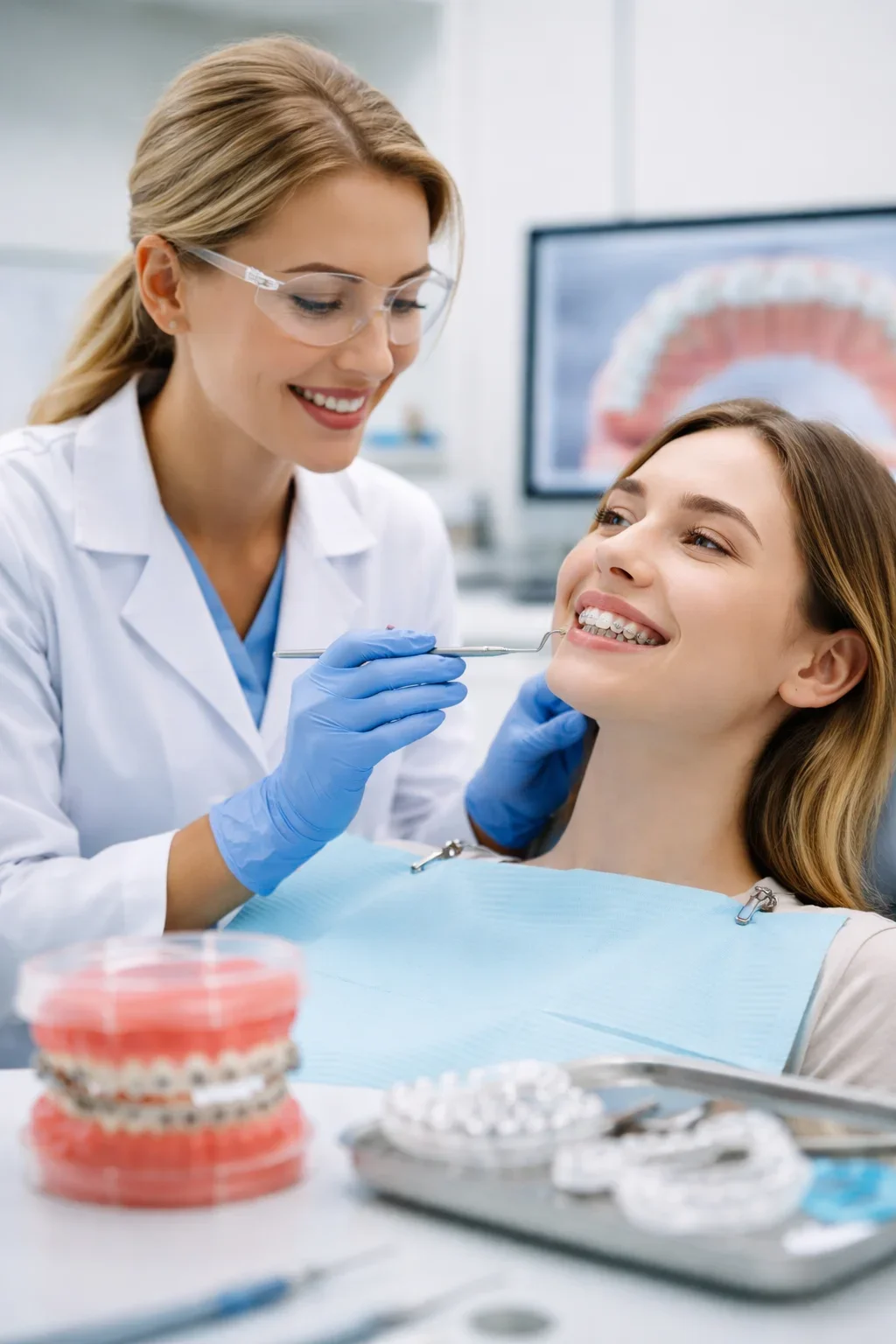
Choosing the Right Clinic for Clinical Orthodontics Care
Choosing the right clinic is one of the most critical decisions in the entire clinical orthodontics journey. Even the most advanced technologies and treatment plans can fall short if they are not implemented by an experienced, clinically focused team. Because clinical orthodontics is a medically driven discipline, the quality of diagnosis, planning, and follow-up care directly determines the safety, effectiveness, and longevity of the results 🦷.
Why Clinical Expertise Matters in Clinical Orthodontics
Clinical orthodontics is not simply about placing braces or providing aligners. It requires a deep understanding of facial anatomy, jaw biomechanics, bone biology, and periodontal health. A qualified clinical orthodontics provider evaluates how all these elements interact before recommending any treatment.
When choosing a clinic for clinical orthodontics, it is essential to look for practitioners who emphasize diagnosis-first care. This means comprehensive examinations, detailed imaging, and individualized treatment planning rather than standardized, one-size-fits-all solutions. Clinics that prioritize clinical orthodontics invest time in understanding the root causes of misalignment, not just the visible symptoms.
Qualifications and Training to Look For
A reputable clinical orthodontics clinic should be led by orthodontists with specialized training beyond general dentistry. Orthodontic specialization ensures that the clinician has extensive education in tooth movement, skeletal development, and long-term bite stability.
In clinical orthodontics, ongoing education is equally important. The field evolves continuously, and clinics that stay updated with the latest research, techniques, and technologies are better equipped to deliver optimal outcomes. Asking about continuing education, certifications, and clinical focus can provide valuable insight into a clinic’s standards.
The Importance of a Multidisciplinary Approach
Complex cases often benefit from collaboration between different dental specialties. High-quality clinical orthodontics clinics frequently work alongside periodontists, prosthodontists, and oral surgeons when needed. This multidisciplinary approach ensures that treatment decisions support overall oral health rather than addressing alignment in isolation.
A clinic that integrates clinical orthodontics into a broader dental care framework is better positioned to manage challenging cases safely and effectively.
Technology and Diagnostic Capabilities
Modern clinical orthodontics relies heavily on advanced diagnostic tools. Clinics equipped with digital scanners, 3D imaging, and computer-guided planning systems can deliver more accurate diagnoses and predictable treatment outcomes.
When evaluating a clinic, consider whether technology is used as a core part of clinical orthodontics or merely as a marketing feature. The best clinics use digital tools to enhance clinical decision-making, not replace professional judgment.
Patient Communication and Transparency
Clear communication is a hallmark of high-quality clinical orthodontics care. Patients should feel informed and confident at every stage of treatment. A trustworthy clinic explains diagnoses, treatment options, risks, and expected outcomes in understandable terms.
Clinical orthodontics is a partnership between patient and provider. Clinics that encourage questions, provide visual explanations, and involve patients in decision-making foster better compliance and satisfaction 😊.
Customized Treatment and Long-Term Focus
One of the defining features of clinical orthodontics is customization. Clinics that truly practice clinical orthodontics tailor each treatment plan based on individual anatomy, health status, and goals. Be cautious of clinics that offer identical treatment timelines or guarantees regardless of case complexity.
Long-term stability should always be a priority. A reliable clinical orthodontics clinic discusses retention strategies from the beginning and provides structured follow-up care after active treatment ends. This commitment to long-term results distinguishes clinical orthodontics from purely cosmetic alignment services.
Evaluating Reviews and Patient Outcomes
Patient reviews and documented outcomes can provide additional insight into a clinic’s approach to clinical orthodontics. Look for feedback that mentions professionalism, thorough explanations, comfort, and lasting results rather than focusing solely on speed or appearance.
Consistent positive experiences often reflect a clinic’s dedication to ethical, patient-centered clinical orthodontics care.
Accessibility and Ongoing Support
Orthodontic treatment is a long-term process, making accessibility and support essential factors. A good clinical orthodontics clinic offers regular monitoring, responsive communication, and clear guidance throughout treatment.
Whether it is addressing discomfort, making adjustments, or answering concerns, reliable support contributes significantly to a positive patient experience.
In conclusion, choosing the right clinic for clinical orthodontics care requires careful consideration of expertise, technology, communication, and long-term commitment 🌟. A clinic that truly practices clinical orthodontics prioritizes diagnosis, safety, and individualized care over shortcuts or superficial results. By selecting a clinically focused provider, patients set the foundation for healthier smiles, stable outcomes, and lasting oral well-being.