
Finding a close dental clinic that you can rely on is one of the most important steps in maintaining lifelong oral health 😊. When patients search for a nearby clinic, their primary goal is to find a place that offers convenience, trust, expertise, and fast service when needed. This guide explains in deep detail what makes a local clinic truly dependable, what services you should expect, and how choosing a nearby dental team can significantly improve your overall dental experience.
A close dental clinic is more than just a nearby location—it’s a complete support system designed to help you protect and enhance your oral health. Whether you’re dealing with daily hygiene, sudden pain, routine check-ups, or cosmetic improvements, proximity plays a huge role in long-term consistency 🦷. Being close to home allows you to attend appointments easily, get emergency help faster, and build a long-term relationship with your dentist. Patients who choose a nearby option often report better treatment outcomes simply because they are more likely to maintain their appointments and follow up on recommended care.
Another major advantage of having a close dental clinic is the emotional comfort it provides. Many patients struggle with dental anxiety, and traveling long distances can increase this stress. A familiar and accessible clinic helps reduce worry before every visit. When your clinic is only minutes away, even children feel safer and more confident during their treatments. This also benefits older adults and patients with mobility issues, as short distance means easier scheduling and better dental compliance.
In your search for the ideal close dental clinic, focus on whether the clinic offers comprehensive services. A strong, well-equipped clinic should provide preventive care, restorative dentistry, gum treatments, cosmetic procedures, diagnostics, and emergency support. The more complete the service range, the fewer referrals you’ll need, saving you both time and stress. Comprehensive care at one location is one of the most valuable assets for modern patients, especially for families needing regular visits.
Not all clinics are the same, and understanding the quality indicators helps you choose wisely. A trusted close dental clinic will have qualified dentists, transparent communication, modern sterilization procedures, and updated dental technology. Digital X-rays, intraoral cameras, and advanced diagnostic tools enhance precision and ensure early detection of potential issues. These technologies also make your experience smoother, faster, and more comfortable. High-quality clinics also follow guidelines from respected organizations such as the American Dental Association.
A great close dental clinic also gives you access to individualized treatment plans. Every patient has unique dental needs—some require more preventive appointments, others need orthodontic guidance, while others focus on aesthetics such as whitening or smile design. Personalized care ensures that your dentist doesn’t just treat symptoms but improves overall function, comfort, and appearance. Regular follow-ups and check-ups become easier when your clinic is nearby, strengthening your long-term dental health.
Convenience also plays a huge role in emergencies. Sudden toothaches, broken fillings, infections, or trauma need immediate professional attention. Having a dependable close dental clinic ensures you can receive help quickly without traveling long distances in discomfort 🚑. Many clinics offer same-day appointments, fast pain relief, and quick diagnostic imaging for accurate treatment.
A supportive dental team should also prioritize education. A nearby clinic gives you ongoing access to advice on brushing, flossing, dietary habits, and preventive strategies. Better education leads to fewer invasive procedures and healthier long-term results. Many clinics share helpful guides, reminders, or aftercare instructions, creating a more informed patient community. When you can easily return for follow-ups, you stay on track with recommended care.
If you want more personalized information or wish to schedule a consultation with a specialist, feel free to visit our Redent Klinik Contact Page. Maintaining communication with your clinic is essential for proper care and long-term dental wellness.
Ultimately, choosing the right close dental clinic helps you create a healthier, brighter, and more confident smile 😄. Convenience, trust, professional guidance, personalized treatment, and modern technology all combine to make your local dental choice one of the most important decisions for your oral health. By selecting a reputable nearby clinic, you ensure not only immediate accessibility but also ongoing support for all your dental needs. A reliable clinic close to home becomes your partner in achieving long-term, sustainable dental wellness.
Understanding What a Close Dental Clinic Offers for Everyday Oral Health
Choosing a close dental clinic is not just about convenience—it is about building a long-term relationship with a dental team that understands your health history, lifestyle, and specific oral needs. When patients begin searching for nearby options, their intention is usually to find a clinic that can support their day-to-day dental care, prevent oral diseases, and offer immediate solutions whenever issues arise. In this section, you will discover in detail what a high-quality local clinic provides, how it supports long-term oral health, and why distance can strongly influence your treatment outcomes and daily habits.
Comprehensive Preventive Care at a Close Dental Clinic
Preventive dentistry forms the foundation of every successful treatment plan, and a dependable close dental clinic prioritizes regular check-ups, thorough cleanings, and early detection. Patients often delay dental visits when clinics are far away, which leads to plaque buildup, gum inflammation, and eventually costly restorative treatments. Having a dental practice close to home increases the likelihood of staying consistent with biannual cleanings and examinations 🦷. These routine visits help remove tartar before it hardens, identify cavities in their earliest stages, and monitor your gum health over time.
Clinics that focus on preventive care also educate patients about brushing habits, flossing techniques, fluoride benefits, and dietary counseling. Proximity helps you stay involved in your own dental journey since follow-up appointments are easier to schedule. If early signs of gum disease appear, your close clinic can offer deep cleanings, scaling, and polishing without delays. This type of immediate access prevents minor issues from becoming serious complications.
Diagnostic Technology and Early Detection Tools
Modern dentistry relies on advanced diagnostic tools to identify hidden problems. A trusted close dental clinic typically uses digital X-rays, intraoral cameras, panoramic imaging, and LED cavity-detection systems to examine your teeth with incredible accuracy. These tools help dentists detect fractures, deep decay, bone density issues, and gum recession well before symptoms worsen. By pairing high-resolution imaging with professional examination, clinics ensure that your oral health stays stable and predictable.
Another benefit of early detection is cost efficiency. Treating a small cavity costs significantly less than dealing with root canal therapy or tooth extraction. By having your diagnostic tools close to home, you eliminate travel delays and reduce the likelihood of ignoring early warning signs. Many patients report feeling more comfortable returning to a clinic that is only minutes away, which helps maintain ongoing dental surveillance.
Professional Cleanings and Gum Health Support
Most gum-related problems progress silently. A nearby practice gives you convenient access to deep cleanings, root planing, and periodontal evaluations whenever needed. A well-equipped close dental clinic will offer tailored gum treatments for mild, moderate, or advanced gum disease. Regular maintenance prevents bone loss, sensitivity, bad breath, and eventual tooth mobility. For patients with chronic conditions such as diabetes, gum monitoring becomes even more critical, and being close to your clinic enhances the frequency of your visits.
Personalized Home-Care Guidance
Beyond professional cleanings, your dentist will guide you toward the best toothpaste, mouthwash, floss, and brushing techniques. Because your clinic is nearby, you can easily check in when you have questions or concerns. This direct line of communication makes dental care less stressful and more manageable for every age group.
Restorative Treatments Available at a Close Dental Clinic
Everyday oral health also includes restorative care, which addresses issues such as cavities, worn enamel, cracked teeth, and missing teeth. A reputable close dental clinic typically offers fillings, crowns, bridges, root canal therapy, dentures, and dental implants depending on the patient’s needs. The closer the clinic, the easier it becomes to complete multi-visit treatments such as crowns or implant procedures, which require multiple fittings and follow-ups.
Local clinics often provide custom restorative solutions designed to match your natural tooth color and shape, enhancing both aesthetic and functional outcomes. When you can visit your dentist frequently, adjustments are easier and results are more precise. This contributes to longer-lasting restorations and a healthier bite alignment.
Cosmetic Dentistry and Smile Enhancement
Cosmetic dentistry has become an essential part of everyday oral health. Whether you want to brighten your smile, fix minor imperfections, or align your teeth, a trusted close dental clinic offers easy access to procedures like whitening, veneers, bonding, and clear aligners. Patients often delay cosmetic improvements when clinics are far away, but local proximity motivates consistent follow-up and increases treatment success rates 😊.
Why Easy Follow-Up Matters
Cosmetic treatments usually require multiple visits or periodic checks. Being close to the clinic shortens travel time and ensures timely appointments, reducing complications and enhancing final results. This is especially important for orthodontic aligners, where monthly evaluations are crucial.
Emergency Dental Care Within Minutes
One of the biggest advantages of having a close dental clinic is immediate access during emergencies. Sudden toothaches, broken fillings, dental trauma, infections, or swelling require urgent care. A nearby clinic ensures rapid intervention, pain relief, and fast diagnostic imaging 🚑. When emergencies strike, every minute counts—especially for knocked-out teeth or severe infections that can spread quickly if untreated.
Local clinics often reserve same-day or next-day appointments for emergencies. This type of accessibility gives you peace of mind, knowing that professional help is always within reach.
Convenience and Better Long-Term Oral Habits
The greatest impact of choosing a close dental clinic lies in how it shapes your long-term dental habits. When your clinic is nearby, you are far more likely to attend routine exams, complete ongoing treatments, and take preventive steps before issues escalate. This leads to improved oral hygiene, healthier gums, fewer cavities, and a brighter, stronger smile over the years.
For families, convenience becomes an even bigger advantage. Children, older adults, and busy parents benefit from short travel times and easy scheduling. Establishing a reliable relationship with a close clinic builds comfort, trust, and dental confidence at every stage of life.
If you ever need specialized guidance or want to book an appointment, feel welcome to reach out through our Redent Klinik Contact Page. Consistent communication ensures your dental health remains strong and supported throughout the year.
How to Choose the Best Close Dental Clinic for Your Family’s Needs
Choosing the right close dental clinic is one of the most important decisions you can make for your long-term oral health. A nearby clinic affects not only convenience but also treatment quality, follow-up consistency, and overall patient satisfaction. Many people assume distance is the only factor, but truly selecting the best local clinic involves evaluating expertise, services, technology, patient experience, emergency access, and the clinic’s philosophy of care. In this comprehensive guide, you’ll learn exactly how to choose a nearby dental practice that matches your health needs and lifestyle.
Evaluate the Clinic’s Reputation and Dentist Qualifications
The first step in choosing a close dental clinic is understanding who will be providing your care. Look into the dentist’s educational background, certifications, and years of experience. A reputable clinic will often highlight its dental team on its website and may display credentials within the office. Dentists who participate in continuing education programs, dental associations, and advanced training courses are more likely to deliver modern, informed, and reliable care.
Checking online reviews can also help you understand how patients feel about the clinic. Look for consistent comments about professionalism, cleanliness, friendliness, pain management, communication, and long-term results. Strong reviews indicate a clinic that prioritizes patient comfort and satisfaction. A nearby clinic with excellent community feedback is often a great match for local families.
Assess the Range of Services Offered
Not all clinics offer the same treatments. When choosing a close dental clinic, make sure it provides a comprehensive list of services that meet your family’s needs. A high-quality local practice typically offers preventive care, cosmetic dentistry, restorative procedures, emergency treatments, gum care, and pediatric services. Clinics that offer all these services in one location help you avoid unnecessary referrals or travel.
For example, if you or your children need orthodontic care, selecting a clinic with clear aligners or traditional braces may be beneficial. If someone in your family struggles with gum problems, prioritizing a clinic with periodontal specialists might be the right choice. Proximity allows you to comfortably schedule multi-step procedures without long commutes or missed appointments.
Look for Modern Equipment and Updated Technology
One significant indicator of a reliable close dental clinic is the presence of modern dental technology. Today’s advanced tools help dentists diagnose and treat issues with greater accuracy, efficiency, and comfort. Look for signs of digital X-rays, panoramic imaging, 3D scanners, intraoral cameras, and laser dentistry tools. These technologies make procedures more precise, reduce discomfort, and shorten recovery times.
Why Technology Matters
Updated dental equipment isn’t just about convenience—it impacts long-term results. Digital imaging allows the dentist to detect early decay or fractures that might be missed with older tools. Laser technology helps with gum treatments, cavity removal, and even cosmetic enhancements. When a close clinic uses advanced technology, it ensures that you receive cutting-edge care without having to travel to larger centers.
Examine Cleanliness, Safety, and Sterilization Standards
Any trustworthy close dental clinic should follow strict sterilization protocols, maintain a clean environment, and showcase professionalism at every stage of your visit. A hygienic clinic reduces the risk of infection and demonstrates respect for patient safety. Check for organized treatment areas, sterilized instruments, disposable protective items, and a staff trained in infection control practices.
High-level sterilization procedures often follow standards recommended by professional organizations such as the American Dental Association. Seeing such guidelines reflected in everyday procedures shows that the clinic is committed to your well-being.
Evaluate Communication, Friendliness, and Patient Comfort
Beyond clinical skills, the emotional atmosphere of a close dental clinic is key for long-term satisfaction. Consider how the staff communicates with you, whether they answer your questions clearly, and whether they make you feel comfortable. Dental anxiety is common, so a warm and welcoming team can make a significant difference in your experience.
Comfort Features to Look For
- Relaxing waiting areas
- Friendly reception staff
- Pain management options
- Clear explanations of procedures
- Flexible scheduling and reminders
Clinics that invest in patient comfort tend to build strong relationships with families. Children especially benefit from friendly staff members who can ease their fears, making future appointments less stressful.
Consider the Clinic’s Accessibility and Convenience
The entire purpose of selecting a close dental clinic is convenience, but accessibility involves more than distance. Look for a clinic with flexible hours, weekend availability, or emergency openings. If you work full-time or have children, convenient scheduling becomes essential. A nearby clinic with extended hours ensures you never have to postpone urgent appointments.
Parking availability, public transportation access, and travel time also matter. A clinic that is easy to reach motivates you to attend regular appointments and complete multi-step treatments such as crowns or orthodontics.
Check Insurance, Payment Options, and Transparency
A reliable close dental clinic should be transparent about costs, insurance coverage, and payment plans. Many clinics offer itemized treatment plans, explain the purpose of each procedure, and provide clear estimates. Clinics that avoid hidden fees or confusing pricing tend to develop greater trust with their patients. Always feel free to ask whether financing solutions or membership plans are available for families.
Evaluate Emergency Care Availability
Urgent dental situations—such as severe pain, sudden swelling, trauma, or broken restorations—require immediate care. A dependable close dental clinic should offer same-day or next-day emergency services. This ensures fast pain relief and reduces the risk of complications. Proximity becomes crucial during emergencies because quick access affects the success of treatments like reattaching knocked-out teeth or stopping infections from spreading.
Schedule a Visit and Trust Your First Impression
Finally, the best way to choose a close dental clinic is to visit in person. Observe how the staff treats patients, whether the clinic feels clean, and how comfortable you feel in the environment. Trusting your instincts is an important part of selecting a long-term dental care provider for your family.
If you need personalized guidance or wish to schedule a consultation, you can always reach us through the Redent Klinik Contact Page. A trusted nearby clinic ensures consistent care, long-term oral health support, and convenient access for the whole family.
Emergency Services You Can Expect From a Close Dental Clinic
When sudden dental pain or trauma strikes, the first thing most people search for is a close dental clinic that can provide immediate attention. Dental emergencies are unpredictable and often extremely painful, making proximity crucial for effective and timely care. Whether it’s a cracked tooth, severe swelling, uncontrolled bleeding, or an unexpected infection, having fast access to a dependable nearby clinic can protect your oral health and prevent long-term complications. In this detailed section, you’ll learn everything a high-quality close clinic typically offers during emergencies and how these services support your overall well-being.
Understanding the Importance of Fast Dental Emergency Care
Dental emergencies differ from routine check-ups because they require quick action. A reliable close dental clinic helps you receive immediate treatment before the condition worsens. Many emergencies involve bacterial infections, intense pain, or structural damage to teeth. Without fast care, the issue can escalate, leading to tooth loss, spreading infections, or permanent nerve damage. This is why having a trusted clinic just minutes away is invaluable. Quick access reduces anxiety, accelerates treatment, and improves recovery outcomes significantly.
Another important factor is transportation. When a patient is experiencing severe pain or heavy swelling, traveling long distances becomes extremely difficult. A nearby clinic minimizes this burden and ensures the patient reaches the dentist safely and promptly. This advantage is especially important for children, elderly individuals, and people with mobility challenges.
Common Dental Emergencies Treated at a Close Dental Clinic
A well-equipped close dental clinic typically handles a wide range of emergency situations. Understanding what falls under emergency care helps you respond quickly and appropriately when needed.
1. Severe Toothache or Infection
Sudden toothaches are often caused by deep decay, fractures, or infected tooth pulp. Nearby clinics can perform diagnostic X-rays immediately to identify the cause and relieve pain. Treatment may include medications, root canal therapy, or temporary stabilization. Acting fast prevents infections from spreading to the jaw or bloodstream.
2. Broken or Chipped Teeth
Dental trauma from biting hard foods, accidents, or sports injuries can cause chipped or fractured teeth. A close dental clinic can restore the tooth using bonding, crowns, or emergency smoothing techniques, depending on the severity. Quick intervention protects the tooth from sensitivity, infection, and further breakage.
3. Knocked-Out Teeth (Avulsed Teeth)
This is one of the most urgent dental emergencies. If a tooth is knocked out completely, the first 30–60 minutes are critical for saving it. A nearby clinic increases your chances of successful reimplantation because you can arrive faster. Dentists will clean the tooth, stabilize it, and initiate procedures to preserve root health.
4. Lost Fillings, Crowns, or Restorations
Losing a crown or filling can cause sharp sensitivity and expose the tooth to bacteria. A close dental clinic can replace or temporarily secure the restoration to prevent further damage. Delaying care may result in additional cavities or fractures.
5. Gum Swelling or Abscess
Abscesses are dangerous infections that cause swelling, fever, and pulsating pain. Immediate drainage and antibiotic therapy are essential. Clinics that are close to home can provide rapid relief and prevent the infection from spreading to other parts of the body.
6. Bleeding Gums or Oral Injury
Cuts inside the mouth, heavy bleeding after dental procedures, or trauma from accidents require urgent evaluation. A nearby dental practice can control the bleeding, check for structural injuries, and recommend further care if needed.
Emergency Diagnostic Tools Used in a Close Dental Clinic
When you arrive at a close dental clinic during an emergency, the first step is accurate diagnosis. Modern clinics rely on digital X-rays, panoramic imaging, and intraoral cameras to identify the root cause quickly. These tools provide clear images within seconds, allowing the dentist to make fast decisions regarding treatment.
Another valuable diagnostic approach is the vitality test, which assesses whether a tooth’s nerve is alive or infected. This helps determine whether root canal treatment or extraction is necessary. Thanks to these advanced tools, clinics can intervene faster and deliver effective, targeted solutions.
Pain Management and Immediate Relief Options
Pain relief is the number-one priority during emergencies. A competent close dental clinic offers numbing gels, anesthetics, prescription medications, cold compresses, and temporary restorations to stabilize the issue. These immediate steps reduce pain significantly and allow the dentist to perform necessary procedures safely.
In some cases, the dentist may use temporary fillings, protective dressings, or antibiotic therapy to control infection before beginning full treatment. This approach buys time while ensuring the patient is comfortable and safe.
Follow-Up Care After the Emergency Visit
After the urgent issue is resolved, proper follow-up care is essential to ensure full healing. A close dental clinic makes follow-ups more convenient because patients can return easily for check-ups, additional procedures, or final restorations. For example, root canal treatments often require two visits. Crowns and implants may also need multiple appointments. Being close to the clinic makes it easier to complete the treatment cycle without delays.
Emergency Care for Children at a Close Dental Clinic
Children are more prone to dental injuries due to falls, sports, and active play. A nearby clinic ensures that parents can respond quickly. Pediatric emergency services often include treating knocked-out baby teeth, restoring fractures, managing pain, and checking for jaw injuries. A child-friendly close dental clinic reduces fear and helps the child remain calm during treatment.
How to Prepare for a Dental Emergency
You can reduce stress during emergencies by keeping the contact information of your preferred close dental clinic saved on your phone. Having a small dental first-aid kit at home—including sterile gauze, a small container with a lid, and pain relief medication—also helps you handle the situation until you reach the clinic. Always avoid home remedies that can cause more harm than good.
If you ever need to reach us for urgent care or consultation, you can visit our Redent Klinik Contact Page. Fast communication ensures immediate assistance during dental emergencies.
Ultimately, a dependable close dental clinic offers quick access, professional guidance, modern technology, compassionate care, and the ability to save teeth during time-sensitive situations. Knowing that expert help is just minutes away gives you peace of mind, especially when dental issues strike unexpectedly.
The Role of Preventive Dentistry at Your Close Dental Clinic
Preventive dentistry forms the foundation of lifelong oral health, and a reliable close dental clinic plays a central role in helping you maintain strong teeth, healthy gums, and a bright smile. Rather than waiting for problems to occur, preventive care focuses on early detection, professional cleaning, and long-term strategies that stop oral issues before they become painful or expensive. This section explains in detail how preventive dentistry works, why local access matters, and what you should expect when partnering with a nearby clinic dedicated to keeping your oral health at its best.
Why Preventive Dentistry Matters for Every Age Group
Preventive care is essential for children, adults, and older patients alike. When you regularly visit a close dental clinic, your dentist can monitor changes in your mouth, identify early signs of decay or gum disease, and create personalized plans tailored to your age and risk factors. Children benefit from fluoride treatments and early orthodontic evaluations, while adults require deeper cleanings and monitoring of old restorations. Seniors, on the other hand, often need gum therapy and screening for dry mouth or bone loss. Regardless of age, preventive dentistry helps avoid invasive procedures and preserves natural teeth — a goal every patient values.
Because preventive care relies on consistency, living near your clinic is a tremendous advantage. Patients are more likely to maintain appointments when the clinic is nearby, reducing the risk of periodontal infections, plaque buildup, or unnoticed cavities. A close clinic also makes it easier to follow up after professional cleanings, monitor dental sensitivity, and schedule check-ups twice a year without stress.
Professional Dental Cleanings: The Core of Preventive Care
A reputable close dental clinic offers thorough teeth cleanings that remove plaque, tartar, and bacteria from hard-to-reach areas. Even with good brushing habits, plaque can calcify into tartar, which cannot be removed at home. Professional cleaning prevents gum inflammation, bad breath, enamel damage, and eventual tooth loss. During the cleaning process, dental hygienists use ultrasonic scalers, manual instruments, and polishing tools to remove buildup safely and comfortably.
The Benefits of Regular Cleanings
- Reduced risk of cavities
- Improved gum health and reduced inflammation
- Whiter, smoother, cleaner teeth
- Early detection of oral abnormalities
- Better long-term dental hygiene habits
Most patients only need cleanings twice per year, but individuals with gum disease may require visits every three to four months. A nearby clinic makes these frequent visits easy and manageable.
Routine Dental Exams and Early Detection
Dentists use routine exams to monitor the condition of your teeth and gums. A trusted close dental clinic checks for signs of decay, gum recession, enamel erosion, bite problems, and signs of nighttime grinding. Early detection allows for less invasive solutions, such as small fillings instead of crowns, or early gum therapy instead of surgery.
Exams may also include oral cancer screenings, where the dentist looks for abnormalities in the tongue, cheeks, throat, and soft tissues. Detecting early symptoms greatly increases treatment success. Because these screenings take only a few minutes, a close clinic makes it easy to complete them regularly.
Digital X-Rays and Imaging Technology
Modern preventive care often involves digital X-rays, which produce clear images of your teeth, bone structure, and jaw alignment. A high-quality close dental clinic uses these tools to identify hidden cavities, infections, cysts, and bone loss long before symptoms appear. Unlike traditional film X-rays, digital versions offer reduced radiation exposure and immediate results.
The Importance of Routine Imaging
Digital imaging helps dentists:
- Track bone density changes over time
- Identify early structural damage
- Ensure orthodontic treatments progress correctly
- Detect cracked teeth not visible to the naked eye
Because imaging requires follow-up comparisons, being close to your clinic supports long-term monitoring and consistent dental supervision.
Preventive Treatments for Children
Children benefit tremendously from local preventive care. A kid-friendly close dental clinic offers fluoride applications, sealants, cavity prevention education, early orthodontic evaluations, and habit guidance such as thumb-sucking correction. These steps protect developing teeth and establish healthy hygiene routines from a young age.
Sealants, for example, are thin protective coatings applied to molars that significantly reduce the risk of childhood cavities. When your clinic is nearby, follow-up visits for sealant checks or fluoride boosters become simple and stress-free.
Gum Disease Prevention and Periodontal Maintenance
Gum disease is one of the most common adult dental problems, yet it is largely preventable with early intervention. A well-trained close dental clinic offers scaling, root planing, periodontal charting, and bacterial analysis to identify inflammation early. Periodontal maintenance appointments remove deep bacteria pockets, preventing bone loss and tooth mobility.
Patients with diabetes, smokers, and those with genetic predispositions benefit greatly from frequent gum evaluations. Proximity allows them to maintain the necessary treatment schedule to protect their oral health.
Nutrition, Lifestyle Counseling, and Long-Term Prevention
Preventive dentistry also includes lifestyle guidance. A dedicated close dental clinic helps you understand how diet, smoking, stress, and sleep influence your oral health. Dentists may recommend reducing sugary snacks, avoiding acidic drinks, or using specialized toothpaste for sensitivity. These personalized suggestions combined with local access make preventive dentistry highly effective.
Clinics also offer nighttime bite guards for patients who grind their teeth, protecting enamel and reducing jaw tension. Nearby access helps with quick adjustments and follow-up fittings.
The Importance of Consistency and Trust
Preventive dentistry works only when it is practiced consistently. That’s why choosing a close dental clinic is key—proximity encourages you to keep appointments, seek early intervention, and maintain a strong relationship with your dental team. This trust results in better long-term outcomes, fewer emergency visits, and a healthier smile.
For questions about preventive services or to schedule your next check-up, you can easily reach us through the Redent Klinik Contact Page. A dedicated nearby clinic ensures ongoing care, detailed monitoring, and a strong foundation for lifelong dental wellness.
Advanced Treatments Provided by a Close Dental Clinic Near You
Modern dentistry has evolved far beyond routine cleanings and basic fillings. Today, a reputable close dental clinic offers a wide range of advanced treatments designed to restore dental function, enhance aesthetics, and improve long-term oral health. These treatments combine cutting-edge technology, specialized expertise, and personalized planning to deliver superior outcomes. This section explores the most important advanced procedures you can expect from a high-quality nearby dental practice, why they matter, and how they contribute to a healthier, more confident smile.
Comprehensive Restorative Dentistry for Damaged Teeth
Restorative care is essential for patients experiencing tooth wear, decay, fractures, or missing teeth. A reliable close dental clinic provides restorative treatments that rebuild function and protect your long-term health. These treatments not only address visible problems but also restore jaw alignment, chewing efficiency, and oral comfort.
Dental Crowns for Strength and Protection
Crowns are used to restore severely damaged or weakened teeth. They act like a protective shell and are custom-made to match your natural tooth shape and color. A modern nearby clinic uses digital impressions and advanced materials like zirconia and porcelain for durable, natural-looking results. Crowns are essential after root canals, deep cavities, or significant fractures.
Bridges for Missing Teeth
A dental bridge replaces one or more missing teeth by anchoring onto adjacent healthy teeth. A close dental clinic can take precise impressions, design natural-looking replacements, and ensure proper bite alignment. Bridges are functional, aesthetically pleasing, and custom-designed to support your long-term dental structure.
Root Canal Therapy for Infected Teeth
When tooth pulp becomes infected, root canal therapy is necessary to prevent tooth loss. Thankfully, modern techniques make this treatment comfortable and efficient. Advanced local clinics use digital imaging and rotary instruments to clean the canal safely. A nearby location allows easy follow-up visits for crown placement and post-treatment checks.
Dental Implant Services for Permanent Tooth Replacement
Dental implants have become one of the most popular options for replacing missing teeth. A qualified close dental clinic often offers implant consultations, placement, and restoration all in one location. Implants mimic natural teeth, support jawbone health, and provide long-term durability.
Implant Placement and Surgical Precision
Advanced clinics use 3D imaging and digital planning systems to determine the ideal implant position. This minimizes surgical risks and enhances implant stability. Patients benefit from quicker healing and better aesthetic outcomes when the planning is precise and the clinic uses high-quality implant materials.
Implant-Supported Crowns and Bridges
After the implant heals, the clinic places a custom crown or bridge. These restorations look lifelike and restore full functionality. The close proximity of your clinic allows easy communication and follow-ups throughout the healing process.
Cosmetic Dentistry for a Beautiful, Natural-Looking Smile
Cosmetic dentistry is one of the fastest-growing areas of dental care. A high-level close dental clinic often provides a full menu of aesthetic treatments designed to transform your smile while maintaining oral health. These treatments correct discoloration, misalignment, gaps, and shape deficiencies.
Professional Teeth Whitening
In-office whitening treatments deliver significantly brighter results compared to at-home kits. Clinics use safe, high-concentration whitening systems that lift stains without damaging enamel. Proximity makes follow-up whitening or maintenance visits much easier.
Dental Veneers for Smile Makeovers
Veneers are thin porcelain shells placed on the front surface of teeth to improve shape, color, and alignment. A modern local clinic uses digital design tools that allow patients to preview their results. Veneers are ideal for individuals looking for dramatic transformations with long-lasting results.
Cosmetic Bonding
Composite bonding is a minimally invasive way to repair chips, close gaps, and reshape uneven teeth. A skilled nearby clinic can complete bonding in a single visit, making it a convenient option for busy patients.
Orthodontic Services: Straightening Teeth with Precision
A reliable close dental clinic often provides both traditional and modern orthodontic options. Straight teeth are not only more attractive but also easier to clean and maintain, reducing the risk of gum disease and decay.
Clear Aligners
Clear aligner technology offers a nearly invisible method of straightening teeth. Many local clinics now use 3D scanners and digital planning to create custom aligner trays. Patients appreciate being able to visit regularly without long-distance travel.
Traditional Braces
Metal or ceramic braces remain the most effective option for complex alignment issues. Your local clinic can provide routine adjustments, progress checks, and detailed treatment plans for consistent results.
Advanced Gum Treatments for Periodontal Health
Gum disease affects millions of adults, but early treatment can prevent tooth loss and serious complications. A modern close dental clinic offers specialized periodontal services, including deep cleanings, antibacterial therapies, and regenerative procedures.
Laser Gum Therapy
Laser dentistry allows dentists to target bacteria without harming healthy tissue. It reduces bleeding, accelerates healing, and provides a more comfortable experience for patients with gum disease.
Scaling and Root Planing
These deep cleaning techniques remove plaque beneath the gumline and smooth root surfaces to help gums reattach. Frequent check-ups at a local clinic make periodontal maintenance easier for long-term oral health.
Digital Dentistry and High-Tech Diagnostic Tools
Advanced diagnostics are at the heart of quality dental care. A state-of-the-art close dental clinic uses tools like digital X-rays, CBCT scanners, intraoral cameras, 3D printers, and impression-free scanning systems to ensure accuracy and patient comfort.
These technologies allow quicker diagnoses, more precise treatment planning, and higher success rates for complex procedures. Being close to your clinic ensures faster follow-ups, improved monitoring, and direct communication with your dentist.
If you’re considering advanced dental treatment or wish to schedule a consultation, you may reach us at the Redent Klinik Contact Page. A dedicated close dental clinic supports every step of your journey—from diagnosis to treatment—ensuring you receive modern, comprehensive care with ease and convenience.
Why a Close Dental Clinic Is Essential for Children’s Dental Health
Children require consistent, gentle, and specialized dental care to ensure their teeth develop properly and stay healthy during their formative years. Choosing a dependable close dental clinic plays a major role in establishing positive oral habits, reducing dental anxiety, and ensuring prompt treatment when issues arise. Because children’s dental needs are significantly different from adults, having nearby access to a supportive clinic helps parents maintain regular visits, address emergencies quickly, and encourage lifelong oral hygiene practices. This section explains exactly why proximity is crucial for your child’s dental well-being and what services a high-quality local clinic provides for young patients.
Building Early Comfort and Reducing Dental Anxiety
Children often feel nervous about dental visits, especially when they are unfamiliar with the environment. A trusted close dental clinic allows children to become familiar with the team, surroundings, and routines, reducing fear over time. Frequent short trips help kids understand that dental visits are normal and safe, making future appointments easier and more positive.
Regular exposure also enables dentists to develop a trusting relationship with the child. When a child recognizes the dentist and staff, they feel more secure, which leads to better cooperation. This comfort becomes invaluable during treatment procedures such as fillings, tooth extractions, or orthodontic evaluations.
Early Detection of Dental Problems in Children
Children’s teeth are constantly growing and shifting. Therefore, early detection of potential issues is essential. A nearby close dental clinic can monitor the development of primary and permanent teeth, ensuring they erupt correctly. Dentists regularly evaluate bite alignment, jaw growth, spacing, enamel strength, and signs of decay.
When developmental problems are identified early, treatments like space maintainers, sealants, fluoride applications, or orthodontic monitoring can begin promptly. Early intervention prevents more serious issues later in life, such as malocclusion, severe crowding, or chronic sensitivity. Proximity ensures continuous monitoring without gaps between appointments.
Preventive Treatments Tailored to Children’s Needs
Preventive care is one of the strongest tools in protecting children’s dental health. A reliable close dental clinic provides preventive services such as cleanings, sealants, and fluoride treatments. Sealants are applied to deep grooves on molars, reducing the risk of cavities, while fluoride strengthens enamel and helps fight early tooth decay.
Education and Habit Formation
In addition to professional treatments, dentists educate children and parents about brushing, flossing, diet, and hygiene habits. Having quick access to a local clinic makes it easier for families to schedule regular educational visits and reinforce healthy routines at home.
Managing Childhood Cavities and Tooth Sensitivity
Cavities are among the most common childhood dental problems. Kids consume sugary foods, have inconsistent brushing habits, and their enamel is still developing, making them more vulnerable. A dependable close dental clinic offers prompt cavity detection and minimally invasive fillings designed specifically for children.
Tooth sensitivity is also common in kids due to enamel development, new teeth emerging, or early gum issues. Local clinics can assess the cause and provide appropriate treatments such as fluoride varnishes, sensitivity toothpaste, or protective coatings.
Addressing Pediatric Dental Emergencies
Children are more likely to experience dental emergencies due to active play, sports, and accidents. Whether it’s a chipped tooth, knocked-out tooth, or sudden toothache, having a close dental clinic nearby allows parents to access immediate care. Time-sensitive conditions, such as avulsed (knocked-out) teeth, have a higher chance of being saved if treated within the first hour.
Common Childhood Dental Emergencies
- Broken or chipped teeth from falls or accidents
- Knocked-out permanent or baby teeth
- Swelling or infections around baby molars
- Pain caused by erupting permanent teeth
- Oral injuries from sports or rough play
A reliable nearby clinic reduces stress for both children and parents during emergencies and ensures immediate relief.
Importance of Orthodontic Monitoring for Children
Children’s teeth alignment and jaw development must be monitored early to identify orthodontic issues. A professional close dental clinic evaluates bite alignment, spacing, jaw position, and eruption patterns using digital imaging tools. Early detection allows dentists to predict future alignment problems and recommend treatments accordingly.
Orthodontic Benefits of Early Evaluation
- Reduced need for major orthodontic treatment later
- Guidance on jaw growth and bite correction
- Better alignment of permanent teeth
- Diagnosis of habits like thumb-sucking or tongue-thrusting
Regular orthodontic assessments help parents understand whether their child needs braces, clear aligners, or other corrective treatments.
Creating Healthy Dental Habits for Life
The habits children learn early stay with them into adulthood. By choosing a close dental clinic, parents can maintain consistent dental visits that reinforce brushing and flossing routines, proper nutrition, and awareness of oral health. Frequent appointments create accountability and help children understand the importance of regular dental care.
Children who grow up with positive dental experiences are far more likely to maintain good oral hygiene, avoid fear-related dental delays, and stay proactive about their health as adults.
Convenience for Busy Parents and Growing Families
Parents often juggle work schedules, school drop-offs, and extracurricular activities. Having a close dental clinic eliminates long drives and makes it easier to attend regular check-ups. Families with multiple children especially benefit from the convenience of quick visits, flexible scheduling, and easy access to early morning or after-school appointments.
Additionally, follow-up visits for sealants, orthodontic check-ins, or fluoride treatments become simpler when the clinic is just minutes away. This leads to higher treatment compliance and better overall outcomes.
Supporting Long-Term Oral Development
A consistent relationship with a trusted close dental clinic enables long-term monitoring of your child’s oral development. This includes tracking tooth eruption patterns, monitoring jaw growth, assessing enamel quality, and ensuring proper spacing. Early intervention ensures healthier, more predictable outcomes and reduces the need for invasive treatments later in life.
For further guidance, questions, or appointment scheduling, parents can always reach us through the Redent Klinik Contact Page. With professional insight, gentle care, and convenient proximity, a well-chosen local clinic becomes your child’s partner in maintaining lifelong dental health.
Comparing a Close Dental Clinic to Larger Dental Centers
When choosing where to receive dental care, many patients find themselves debating between a close dental clinic and a larger dental center. Each option offers certain advantages, but the decision ultimately depends on factors such as convenience, personalization, cost, technology, and the nature of the treatment required. Understanding the differences helps you make informed choices that align with your lifestyle, health goals, and expectations. In this section, we will compare these two types of dental facilities in depth, highlighting the strengths of a nearby clinic and discussing situations where a larger center may be beneficial.
Convenience and Accessibility
One of the biggest advantages of a close dental clinic is convenience. The shorter travel distance makes it easier to attend routine appointments, handle emergencies quickly, and maintain continuous oral care. Patients with busy schedules, mobility limitations, or anxiety often prefer local clinics because they minimize travel-related stress. Being close to home also means you can visit before work, after school, or during short breaks.
Larger dental centers, on the other hand, are frequently located in busy city hubs or specialized medical districts. While they may offer extensive services, traveling longer distances can lead to appointment delays, cancellations, or inconsistent follow-ups — all of which can negatively impact long-term oral health.
Personalization and Quality of Patient Care
A well-established close dental clinic typically provides a more personal, family-oriented atmosphere. Dentists in smaller practices often take the time to get to know their patients, understand their history, and tailor care plans to their individual needs. This creates trust, comfort, and consistency — key factors in long-term oral health.
By contrast, larger centers may handle dozens of patients per hour, making the experience feel more clinical and fast-paced. While the care may still be high-quality, personalization can sometimes be limited due to high patient volume and rotating dental teams.
Benefits of Personalized Care
- Better communication and transparency
- Lower anxiety for both children and adults
- Stronger long-term dentist-patient relationships
- Customized treatment decisions
Range of Services Offered
A modern close dental clinic often provides comprehensive services including preventive care, restorative treatments, cosmetic dentistry, orthodontics, and emergency care. However, larger dental centers may offer additional specialized services, especially for complex surgical or orthodontic cases.
This doesn’t mean local clinics lack capability — many have in-house specialists or refer complex cases to trusted external experts. The majority of patients find that their everyday dental needs can be fully addressed at a nearby clinic without requiring travel to larger facilities.
When a Larger Center May Be Useful
- Complex maxillofacial surgery
- Advanced orthodontic repositioning
- Multi-disciplinary cosmetic rehabilitation
- Severe trauma cases requiring hospital-level care
For routine check-ups, fillings, gum therapy, pediatric care, and general cosmetic treatments, a local clinic is more than sufficient and provides a warmer, more accessible experience.
Technology and Equipment Differences
Technological advancements have made it possible for a close dental clinic to offer high-quality care similar to larger centers. Many local clinics now use digital X-rays, intraoral cameras, 3D scanning systems, and advanced sterilization technology. The compact size of these tools allows them to fit easily into smaller facilities.
Larger centers, however, may have broader access to specialized machines such as CBCT imaging, CAD/CAM milling units, or in-house laboratories for same-day dental crowns. Nevertheless, many close clinics collaborate with external labs that deliver equally precise results.
Real-World Impact of Updated Technology
- Improved diagnosis accuracy
- Faster treatment planning
- More comfortable patient experience
- Lower radiation exposure with digital imaging
For most patients, the technology available at a quality nearby clinic is entirely sufficient for their dental health needs.
Cost and Insurance Considerations
A significant advantage of choosing a close dental clinic is cost transparency. Smaller clinics often provide more personalized financial guidance, clearer treatment estimates, and flexible payment options. Because overhead expenses are lower than in large centers, treatment prices may also be more affordable.
Larger centers might have slightly higher fees due to additional administrative staff, larger facilities, and advanced in-house technology. They do, however, tend to accept a wider range of insurance networks. For uninsured or budget-conscious patients, a nearby clinic often offers a more comfortable, flexible financial experience.
Wait Times and Appointment Availability
Patients frequently appreciate the shorter wait times at a well-run close dental clinic. Smaller patient loads mean quicker appointments, faster follow-ups, and more responsive scheduling. This is especially helpful for families with multiple children or adults who need urgent attention.
Larger dental centers, while efficient, may require patients to book weeks in advance. Emergency appointments, in particular, can be harder to access due to overcrowding and high demand.
Emergency Response and Accessibility
One of the most important advantages of a close dental clinic is rapid access to emergency care. When patients face sudden tooth pain, swelling, trauma, or infections, being minutes away from a trusted dentist is invaluable. Timely care prevents complications, alleviates pain quickly, and improves treatment success rates.
Larger dental centers may offer more advanced emergency equipment but cannot always provide immediate care due to higher patient volume and longer travel distances.
Emotional Comfort and Familiarity
Emotional comfort is a vital part of dental health. Many people experience dental anxiety, especially children and older adults. A familiar close dental clinic helps reduce stress, encourages regular attendance, and supports long-term oral wellness. Patients often see the same dentist over several years, which builds confidence and trust.
Larger centers may feel intimidating or overwhelming due to their size, high staff turnover, and busy waiting rooms. While they provide excellent technical care, they often cannot replicate the warm, personal environment of a smaller nearby clinic.
Which Option Is Best for You?
Ultimately, choosing between a close dental clinic and a larger dental center depends on your needs. If you prioritize convenience, personalized care, family-friendly service, and strong relationships with your dentist, a nearby clinic is the ideal choice. If you require complex surgical treatments or multi-specialty care in a single location, a larger center may be more appropriate.
If you need help choosing the right type of dental care or wish to schedule a consultation, you can always reach us through the Redent Klinik Contact Page. Whatever your needs, a trustworthy clinic ensures dependable care, friendly service, and a lifetime of healthy smiles.
How Technology Improves Care Quality in a Close Dental Clinic
Modern dentistry has evolved dramatically, and one of the most important factors shaping oral healthcare today is advanced technology. A well-equipped close dental clinic can now deliver faster, more accurate, and more comfortable treatments thanks to digital tools, imaging systems, and computer-assisted techniques. Because technology enhances both the patient experience and the clinical outcome, choosing a technologically advanced clinic near your home can significantly improve your long-term oral health. This detailed section explores how these innovations work, why they matter, and how they transform everyday dental care into a safer and more efficient process.
The Role of Digital Imaging in Early Detection
Modern imaging tools are essential for diagnosing hidden dental issues. A reliable close dental clinic typically uses digital X-rays, panoramic radiography, and intraoral cameras to capture detailed images of your teeth, gums, and jaw structure. These tools allow dentists to identify early cavities, fractures, gum recession, impacted teeth, cysts, and bone density changes long before symptoms appear.
Unlike traditional film-based X-rays, digital X-rays use significantly less radiation and generate instant images, enabling faster treatment planning. Panoramic imaging helps dentists assess jaw alignment, sinus structures, wisdom teeth positions, and orthodontic needs. Intraoral cameras provide real-time visuals inside your mouth, enhancing communication between dentist and patient. These technologies ensure that even subtle issues are detected and treated early.
Advantages of Modern Dental Imaging
- Reduced radiation exposure
- High-resolution images for precise diagnosis
- Immediate access to results
- Better patient-dentist communication
- Improved accuracy in treatments and follow-ups
3D Scanning and Digital Impressions
One of the most patient-friendly advancements in dentistry is the use of digital scanners. A technologically equipped close dental clinic uses 3D scanning devices to create accurate models of your teeth without messy impression materials. Traditional impressions can trigger gag reflexes and discomfort, but digital scanning offers a smooth, quick, and highly accurate alternative.
This technology is especially beneficial for crowns, bridges, veneers, orthodontic aligners, and implant planning. The scans can be sent directly to a dental lab or analyzed digitally for treatment simulations, ensuring that the final restoration fits perfectly and looks natural.
Reasons Patients Prefer Digital Impressions
- No gagging or discomfort
- Faster appointment times
- More accurate and consistent results
- Compatible with same-day restorations
CAD/CAM Technology for Same-Day Restorations
CAD/CAM (Computer-Aided Design and Computer-Aided Manufacturing) technology allows certain close dental clinic locations to create same-day dental crowns, veneers, and inlays. This eliminates the need for temporary restorations or multiple visits. The dentist uses digital scans to design the restoration, which is then milled on-site using ceramic or composite materials.
This technique ensures high precision, natural aesthetics, and faster recovery. Patients save time, avoid multiple injections, and experience a more convenient treatment journey. While not every close clinic has CAD/CAM units in-house, many partner with advanced labs to deliver quick, accurate results.
Improving Comfort With Laser Dentistry
Laser technology is one of the most significant breakthroughs in modern dentistry. A technologically advanced close dental clinic may use soft-tissue lasers or hard-tissue lasers to perform procedures with minimal discomfort, bleeding, or swelling. Laser dentistry is often used for gum reshaping, bacterial removal, cavity treatment, and whitening procedures.
Because lasers are highly precise and minimally invasive, many treatments require little to no anesthesia. Recovery times are shorter, and the overall patient experience is smoother and less intimidating — especially for those with dental anxiety.
Conditions Successfully Treated With Dental Lasers
- Gum disease and bacterial infections
- Tooth decay removal
- Sensitivity treatment
- Frenectomy procedures in children
- Teeth whitening sessions
Intraoral Cameras for Better Communication and Transparency
Intraoral cameras have transformed the way dentists communicate with patients. A close dental clinic using these tools can display clear, magnified images of your teeth and gums on a screen during your appointment. This transparency helps patients understand their dental conditions, ask informed questions, and participate in treatment decisions.
Seeing your own tooth cracks, plaque buildup, gum recession, or decay areas makes treatment recommendations more meaningful. It also builds trust between you and your dentist, creating a more collaborative experience.
Digital Charting and Patient Records
Gone are the days of paper files and slow retrieval systems. Today’s modern close dental clinic uses digital charting software to store records, track dental history, and monitor long-term changes. This system improves accuracy, reduces errors, and makes it easier for dentists to review previous X-rays, cleaning records, or treatment progress.
Digital records also make communication between specialists seamless and ensure that any dentist within the same clinic can access complete information quickly.
Tele-Dentistry and Remote Consultations
A growing number of clinics now offer tele-dentistry options, allowing patients to receive advice, post-operative instructions, or preliminary evaluations through video calls. When your close dental clinic provides remote support, it becomes even easier to maintain communication — especially during emergencies or follow-ups.
Parents with young children, seniors, or busy professionals particularly benefit from tele-dentistry, as it reduces unnecessary clinic visits while still offering expert guidance.
Sterilization Technology and Infection Control
Safety is a top priority in modern dental care. A high-standard close dental clinic uses automated sterilization units, sealed instrument pouches, HEPA filtration, and advanced sanitation protocols. These systems ensure a sterile environment and reduce the risk of cross-contamination.
Clinics following guidelines from established organizations like the American Dental Association demonstrate a commitment to the highest safety standards. Modern sterilization technology builds trust and protects both patients and staff during every treatment session.
Enhancing Patient Comfort Through Technology
Technology not only improves accuracy — it enhances comfort. A technologically advanced close dental clinic may offer noise-reduced equipment, ergonomic dental chairs, digital anesthesia systems, and relaxation aids to help reduce anxiety and ensure a pleasant experience.
Patients who feel comfortable during appointments are more likely to maintain consistent care routines, improving long-term oral health.
The Future of Technology in Dentistry
The future holds even more promising advancements, such as AI-powered diagnostic tools, 3D-printed teeth, robotic-assisted surgery, and smart toothbrush integration. Choosing a close dental clinic that stays updated with emerging technology ensures you benefit from the latest innovations in dental science.
For questions, consultations, or to schedule a high-tech assessment, feel free to reach us through the Redent Klinik Contact Page. Combining advanced technology with the convenience of a nearby clinic creates the perfect formula for superior dental care.
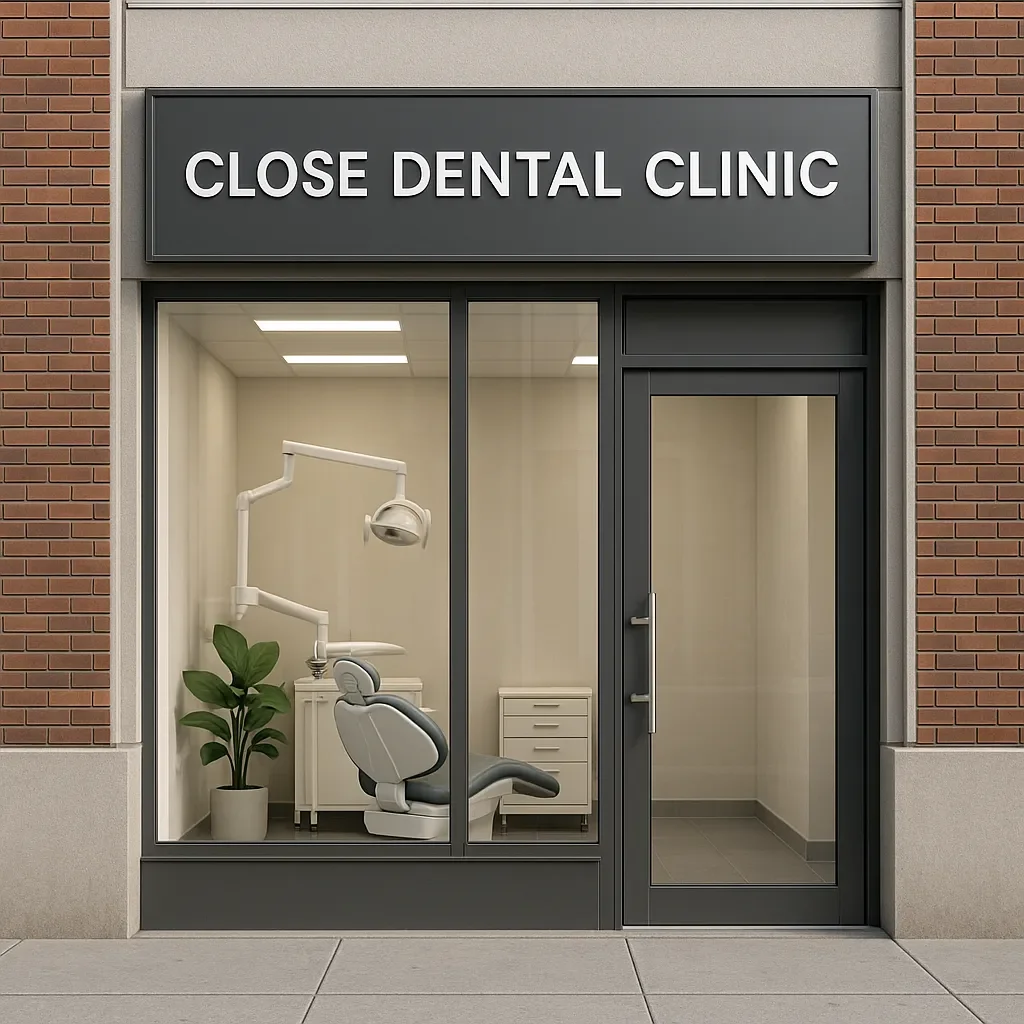
What to Expect During Your First Visit to a Close Dental Clinic
Your first appointment at a close dental clinic is an important step toward establishing a long-term partnership with your dental care provider. Whether you’re seeking routine preventive care, addressing a dental concern, or exploring cosmetic improvements, the initial visit sets the foundation for your future oral health. Understanding what happens during this appointment helps reduce anxiety, improve communication, and ensure you get the most out of your time with the clinic. In this detailed section, you will learn exactly what to expect during your first visit — from check-in to examination, diagnosis, and treatment planning.
Warm Welcome and Professional Check-In
When you arrive at a close dental clinic for the first time, the reception team typically begins by gathering basic information: medical history, dental history, allergies, medications, and insurance details if applicable. This information gives the dentist a complete understanding of your health background and helps identify risk factors that may influence treatment decisions.
Many modern clinics also offer digital forms and online pre-registration to make the process more convenient. Some allow patients to upload documents ahead of time, reducing waiting room stress and speeding up the check-in process. This welcoming approach sets a positive tone and reassures new patients that they are in capable, organized hands.
Initial Consultation and Open Discussion
Once check-in is complete, you are escorted to the treatment area for a personal consultation with the dentist. This is your opportunity to discuss concerns, ask questions, and express your expectations. A supportive close dental clinic encourages patients to share openly — whether the concern is sensitivity, pain, cosmetic dissatisfaction, or anxiety about dental visits.
The dentist may ask about:
- Your daily oral hygiene routine
- Previous dental treatments you’ve had
- Your goals for your smile
- Any discomfort or symptoms you are experiencing
- Your lifestyle habits such as smoking, grinding, or diet
This two-way communication ensures that the treatment plan is personalized to your needs and not a one-size-fits-all solution. Patients who communicate effectively tend to achieve better long-term results.
Comprehensive Oral Examination
The core of your first visit is a detailed oral examination. A well-qualified close dental clinic performs a thorough assessment of your teeth, gums, bite, and oral tissues. During this exam, the dentist checks for cavities, gum inflammation, plaque buildup, tooth wear, enamel thinning, cracked teeth, and abnormalities in the soft tissues.
This exam typically includes:
- Inspection of each tooth surface
- Evaluation of gum health and recession
- Bite alignment and jaw joint function
- Screening for oral cancer or precancerous lesions
- Assessment of existing restorations
Using advanced diagnostic tools allows the dentist to identify concerns early and create an accurate treatment plan.
Oral Cancer Screening
Oral cancer screenings are an essential part of preventive dentistry. A modern close dental clinic uses visual exams, tactile checks, and sometimes special illumination tools to spot abnormalities. Detecting lesions early dramatically increases treatment success, making routine screenings incredibly valuable.
Digital X-Rays and Imaging Details
Most first visits include digital X-rays unless you have recent images from another clinic. Advanced imaging helps the dentist view areas that cannot be seen during a visual exam. A technologically equipped close dental clinic uses high-resolution digital radiographs for diagnosing decay, infections, bone density issues, impacted teeth, and root health.
Common imaging techniques include:
- Bitewing X-rays for detecting cavities between teeth
- Periapical X-rays for root issues and infections
- Panoramic images for jaw and sinus evaluation
The dentist will review these images with you, pointing out findings and explaining their significance. Transparency builds trust and empowers you to make informed decisions.
Professional Cleaning and Polishing
Depending on the type of appointment, your first visit at a close dental clinic may include a professional cleaning. Dental hygienists remove plaque, tartar, and bacteria that brushing alone cannot eliminate. This step refreshes your mouth, reduces inflammation, and improves the appearance of your teeth.
Steps of a Standard Cleaning
- Scaling to remove plaque and tartar
- Polishing to smooth tooth surfaces
- Flossing to reach tight areas
- Rinsing to remove debris
- Fluoride application for added enamel protection (if needed)
If severe gum disease is present, the dentist may schedule deep cleaning for a later visit instead of performing a routine polish.
Diagnosis and Personalized Treatment Plan
After the exam and imaging, the dentist will summarize their findings and discuss recommendations. A professional close dental clinic takes time to explain each issue clearly — whether it’s a cavity, early gum disease, bite alignment issue, or cosmetic concern. Transparent communication helps patients understand their priorities and choose the most suitable treatments.
The treatment plan may include:
- Restorative care like fillings or crowns
- Preventive solutions such as sealants or fluoride
- Orthodontic evaluations for alignment issues
- Cosmetic enhancements like whitening or veneers
- Periodontal treatments for gum problems
Patients receive a clear cost estimate, timeline, and explanation of each procedure. Clinics that follow guidelines from reputable organizations such as the American Dental Association typically provide high-quality, ethical care.
Scheduling Follow-Up Appointments
Before you leave, the clinic schedules your next visit based on your needs. A dependable close dental clinic offers flexible scheduling, reminders, and easy communication channels. This convenience encourages regular follow-ups, which are crucial for maintaining long-term oral health.
Building Comfort and Trust for Future Visits
Your first visit is about more than diagnosis — it’s an opportunity to build trust with your dental team. Many patients feel nervous during their initial appointment, but a caring close dental clinic makes the experience comfortable through clear explanations, gentleness, and patient-focused care.
By understanding what to expect and having easy access to your clinic, you can maintain consistent dental habits and protect your smile for years to come. For any questions or to schedule your first appointment, you can reach us via the Redent Klinik Contact Page.