
The phrase closing dental office can trigger anxiety for both patients and dental professionals. Whether you are a patient who just received a notice in the mail or a dentist planning retirement, understanding the full impact of a closing dental office situation is essential. This guide explains what a closing dental office truly means, why it happens, and how both parties can navigate the transition smoothly and responsibly. 🦷
A closing dental office may occur for various reasons, including retirement, relocation, health issues, financial challenges, partnership disputes, or a planned transition such as selling the practice. Sometimes a closing dental office is temporary due to renovations or restructuring, but more often it signals a permanent end of services at that location. Regardless of the cause, the process must follow strict legal, ethical, and professional standards.
For patients, a closing dental office raises immediate questions: What happens to my dental records? Who will continue my treatment? Is my upcoming appointment canceled? These are valid concerns. Dental records are considered protected health information, and when a closing dental office occurs, the dentist is legally obligated to provide access to those records upon request. Patients should receive clear instructions about how to obtain copies or transfer them to a new provider.
For dentists, a closing dental office is not as simple as locking the doors. There are structured protocols to follow. According to professional guidelines from organizations such as the American Dental Association, dentists must notify patients in advance, provide information on record retrieval, settle outstanding financial matters, and ensure continuity of care whenever possible. A poorly managed closing dental office can lead to legal complications, patient complaints, or even disciplinary action.
One of the most critical aspects of a closing dental office is continuity of care. Patients in the middle of procedures such as dental implants, orthodontic treatment, root canal therapy, or full-mouth rehabilitation need a seamless transfer plan. Ethically, a dentist involved in a closing dental office must either complete urgent treatments before closure or refer patients to trusted colleagues who can continue care without compromising results. 🤝
Financial transparency is also important. When a closing dental office happens, prepaid treatment plans, installment agreements, and insurance claims must be addressed carefully. Patients who have paid in advance for services not yet provided are typically entitled to refunds or formal transfer agreements. From the practice owner’s perspective, managing these financial obligations is part of closing responsibly and maintaining professional integrity.
Another overlooked factor in a closing dental office situation is emotional impact. Many dental practices serve families for decades. Patients often build strong relationships with their dentist and staff. When a closing dental office is announced, it can feel personal. That is why communication should be compassionate, transparent, and timely. A well-written notification letter and clear website announcement help reduce uncertainty and confusion.
Technology also plays a role in modern closing dental office processes. With digital record systems, transferring X-rays, treatment notes, and imaging files is easier than ever. However, data security must remain a priority. During a closing dental office, patient privacy laws still apply, and secure handling of electronic health records is mandatory.
If you are currently affected by a closing dental office and need assistance finding a new provider, you may reach out through the Redent Klinik Contact Page for guidance and support. Transitioning to a new dental team does not have to be stressful when handled properly.
In summary, a closing dental office is a structured professional process, not just a business shutdown. It involves legal compliance, ethical responsibility, patient communication, record management, and financial resolution. Whether you are a patient protecting your oral health or a dentist planning a practice closure, understanding every step of a closing dental office ensures the transition is smooth, compliant, and respectful. ✅
By approaching a closing dental office proactively and professionally, both patients and providers can move forward confidently, knowing that care continuity, documentation, and ethical obligations have been properly addressed.
1. Why Is a Closing Dental Office Happening? Common Reasons Explained
When patients hear about a closing dental office, the first reaction is usually confusion or concern. Why would a trusted clinic suddenly shut down? In reality, a closing dental office rarely happens without reason. Understanding the most common causes behind a closing dental office helps patients prepare for the transition and helps dental professionals plan responsibly. 🦷
Retirement: The Most Common Reason for a Closing Dental Office
One of the primary causes of a closing dental office is retirement. Many dentists dedicate 30 to 40 years to building their practice and eventually choose to step away from clinical work. When there is no successor to take over, a closing dental office becomes the natural outcome. Retirement-related closures are often planned months in advance, allowing proper patient notification and record transfer.
In these cases, a closing dental office is typically handled professionally. Patients are informed via mail, email, website announcements, and sometimes even in-person discussions. Dentists often provide referrals to nearby colleagues to ensure care continuity. A well-managed retirement-based closing dental office minimizes disruption for everyone involved.
Relocation or Practice Sale Instead of a Closing Dental Office
Sometimes what appears to be a closing dental office is actually a relocation. A dentist may move to another city, expand into a larger facility, or merge with another clinic. In these situations, the original location may close, but services continue elsewhere.
However, if a buyer cannot be found for the existing practice, relocation can result in a permanent closing dental office. Selling a dental practice requires valuation, legal contracts, and patient transition agreements. If negotiations fail, a closing dental office becomes the only option.
Practice Mergers vs. Complete Closing Dental Office Situations
In a merger, patients are transferred to a new owner or partner. In a complete closing dental office, operations fully cease. The distinction matters because record handling, billing, and treatment continuation differ significantly between the two scenarios.
Health Issues Leading to a Closing Dental Office
Unexpected medical conditions can force a dentist to step away abruptly. In these unfortunate cases, a sudden closing dental office may occur with limited preparation time. When health issues are involved, professional associations often guide families or legal representatives through proper closure procedures.
A health-related closing dental office must still follow legal standards. Even if the closure is unplanned, patient records must be secured, notifications must be issued, and ongoing treatments must be addressed. The ethical responsibility remains unchanged despite personal circumstances. ⚖️
Financial Challenges Behind a Closing Dental Office
Running a dental practice involves significant overhead costs. Equipment, staff salaries, rent, insurance, laboratory fees, and compliance expenses can become overwhelming. If revenue declines due to economic downturns, competition, or reduced patient flow, a closing dental office may become unavoidable.
Financial strain can arise from several factors:
- Decreased patient volume
- Rising supply and equipment costs
- Insurance reimbursement reductions
- Debt accumulation
When these pressures persist, the sustainability of the practice becomes compromised. In such cases, a closing dental office might be the most responsible decision to prevent further financial harm.
Legal or Compliance Issues Resulting in a Closing Dental Office
Although less common, regulatory violations or legal disputes can contribute to a closing dental office. Licensing problems, malpractice lawsuits, or failure to meet health regulations may force temporary suspension or permanent shutdown.
Dental professionals are required to comply with strict guidelines established by regulatory boards and supported by organizations like the American Dental Association. When compliance failures cannot be resolved, a closing dental office may be mandated by authorities.
Personal or Family Reasons for a Closing Dental Office
Life circumstances also influence professional decisions. Family obligations, caregiving responsibilities, or relocation due to a spouse’s career can lead to a closing dental office. These reasons are deeply personal but still require structured closure procedures.
Even when a closing dental office is driven by personal factors, patients deserve clear communication. Transparency builds trust and reduces uncertainty.
Market Competition and Industry Changes
The dental industry continues to evolve. Corporate dental chains, technological advancements, and digital marketing trends create competitive pressure. In highly saturated areas, independent practices may struggle to compete. When adaptation is not feasible, a closing dental office may occur.
Technological investments such as 3D imaging systems or CAD/CAM equipment require significant capital. Without sufficient return on investment, maintaining operations becomes difficult, increasing the likelihood of a closing dental office.
Changing Patient Expectations
Modern patients expect extended hours, online booking, cosmetic services, and advanced technology. Practices unable to meet these expectations may experience declining retention rates, contributing to a closing dental office.
Understanding That a Closing Dental Office Is Often Planned
While the phrase closing dental office may sound alarming, it is often the result of careful consideration and long-term planning. Dentists typically evaluate financial reports, patient load, and personal goals before initiating a closing dental office. Responsible planning includes:
- Advance patient notification
- Secure record storage
- Financial reconciliation
- Referral coordination
For patients affected by a closing dental office, seeking guidance early is essential. If you need assistance transitioning to a new provider, you may contact a trusted clinic through the Redent Klinik Contact Page for support.
Ultimately, a closing dental office does not always signal failure. It can represent retirement, growth, relocation, or life transition. Understanding the underlying reasons behind a closing dental office empowers patients to respond calmly and helps dental professionals manage the process ethically and responsibly. ✅
2. Immediate Steps to Take If Your Dental Clinic Is Closing
Learning about a closing dental office can feel overwhelming, especially if you have an upcoming appointment or ongoing treatment. Whether you received a formal notification letter, saw a website announcement, or noticed the clinic doors unexpectedly locked, taking immediate and informed action is essential. When facing a closing dental office, patients must move quickly but calmly to protect their oral health, dental records, and financial interests. 🦷
The most important thing to remember is that a closing dental office does not mean your dental care has to suffer. With the right steps, you can smoothly transition to a new provider and ensure continuity of treatment.
Request Your Dental Records Immediately
One of the first actions to take after hearing about a closing dental office is requesting your dental records. These records include X-rays, treatment plans, periodontal charts, implant documentation, orthodontic notes, and billing history. When a closing dental office occurs, the dentist is legally obligated to provide patients access to their records upon request.
How to Request Records After a Closing Dental Office
Most clinics will provide written instructions in their closure notice. You may need to submit:
- A written request form
- A copy of your identification
- The name and address of your new dentist
Some practices charge a small administrative fee for copying or transferring files. In the case of a closing dental office, record retention policies typically require the dentist to store records for several years, even after operations stop. Do not delay this step, especially if you are in active treatment.
Secure Continuity of Ongoing Treatment
If you are undergoing procedures such as implants, orthodontics, crowns, or root canal therapy, a closing dental office can disrupt your treatment timeline. Contact the clinic immediately to determine:
- Whether unfinished procedures will be completed before closure
- If referrals to other dentists have been arranged
- How prepaid services will be handled
In many cases, a responsible closing dental office will coordinate referrals with trusted colleagues to ensure your treatment plan continues without compromise. If no referral is provided, you can search independently and provide your records to a new provider for evaluation.
Emergency Situations During a Closing Dental Office
If you experience pain, infection, or complications while a closing dental office is in progress, seek emergency dental care immediately. Do not wait for administrative clarification. Your health takes priority. Once stable, your new dentist can request your records from the closing practice.
Review Financial Obligations and Refund Policies
A closing dental office also raises financial questions. Patients who have prepaid for treatment packages, orthodontic plans, or installment-based services must clarify refund policies. Contact the practice’s administrative department to determine:
- Outstanding balances owed by you
- Refund eligibility for incomplete treatments
- Insurance claims that are still pending
If insurance reimbursement is involved, ensure that all claims were properly submitted before the closing dental office date. Keep copies of invoices and receipts for your records. Financial transparency is part of a legally compliant closing dental office process.
Find a New Dentist Promptly
Do not wait until your next dental emergency to begin searching for a new provider. A closing dental office is an opportunity to reassess your oral healthcare needs. When selecting a new dentist, consider:
- Location and accessibility
- Technology and treatment capabilities
- Insurance compatibility
- Patient reviews and reputation
You may also consult professional directories such as the American Dental Association to verify credentials. If you need assistance transitioning to a new provider, you can reach out through the Redent Klinik Contact Page for guidance and support.
Update Your Personal Dental Documentation
After a closing dental office, keep a personal file containing:
- Copies of your dental records
- Insurance explanation of benefits statements
- Payment receipts
- Referral letters
Maintaining your own documentation ensures you are protected in case administrative issues arise after the closing dental office is finalized.
Confirm Record Retention Periods
Even after a closing dental office, patient records must be stored securely for a legally required period, often ranging from 5 to 10 years depending on jurisdiction. If you do not immediately transfer your records, confirm how long they will be retained and how to access them in the future.
Digital Records and Privacy Protection
Modern practices use electronic health record systems. During a closing dental office, digital data must remain protected under privacy regulations. Secure transfer methods should be used when sending files to your new dentist.
Stay Calm and Act Methodically
Although a closing dental office can feel disruptive, structured steps reduce stress. Prioritize record retrieval, ensure treatment continuity, clarify finances, and select a new provider promptly. Most closing dental office situations are managed professionally, with patient well-being in mind.
Ultimately, a closing dental office represents a transition, not a crisis. By responding quickly and staying organized, you can protect your oral health and move forward confidently. Taking proactive measures ensures that the impact of a closing dental office remains minimal and manageable. ✅
3. How to Transfer Dental Records After a Closing Dental Office
When a closing dental office is announced, one of the most urgent priorities for patients is securing and transferring their dental records. Your records are not just paperwork—they contain critical clinical information that ensures continuity of care, prevents repeated procedures, and protects your long-term oral health. During a closing dental office process, record management must be handled legally, ethically, and securely.
Dental records typically include diagnostic X-rays, intraoral photos, periodontal charts, restorative history, treatment plans, implant specifications, orthodontic progress notes, and insurance documentation. If you fail to obtain these records during a closing dental office, your new dentist may need to repeat examinations or imaging, which can increase costs and delay treatment. 🦷
Why Dental Records Are Critical During a Closing Dental Office
Every closing dental office must comply with healthcare privacy laws that protect patient information. These laws require proper storage, secure transfer, and controlled access to records even after the clinic stops operating. Patients have the legal right to request copies of their records at any time during or after a closing dental office.
Without proper record transfer following a closing dental office, several risks may arise:
- Interrupted implant or orthodontic treatment
- Inaccurate diagnosis due to missing radiographs
- Insurance claim disputes
- Unnecessary duplicate procedures
For this reason, acting promptly when a closing dental office is announced is essential.
Step-by-Step Process to Transfer Records
1. Submit a Written Request
In most closing dental office cases, patients must submit a formal written request. This request may include your full name, date of birth, identification copy, and the contact information of your new dentist. Some practices provide a standardized form specifically for record release during a closing dental office.
2. Choose Record Format
Modern clinics often store data digitally. During a closing dental office, records may be provided in electronic format (USB drive, secure email transfer, or cloud portal access). You may also request printed copies, although digital versions are faster and more efficient for your new provider.
3. Pay Administrative Fees (If Applicable)
Some jurisdictions allow small administrative fees for copying or transferring records during a closing dental office. These fees typically range between $10 and $50 depending on the volume of documentation. Always request a receipt for your records.
How Long Records Are Kept After a Closing Dental Office
Even after a closing dental office officially ceases operations, patient records must be stored securely for a legally defined period. In many regions, adult records are retained for at least 5 to 10 years. Pediatric records are often kept longer. A responsible closing dental office will clearly state how long records will remain available and how patients can request them in the future.
If you miss the initial record request window during a closing dental office, you can usually contact the designated record custodian listed in the closure notice. This may be the dentist, a legal representative, or a third-party storage provider.
Digital Security and Privacy During Record Transfer
Privacy remains a top priority in every closing dental office situation. Dental records contain sensitive health data, and secure encryption methods must be used during digital transfers. Clinics must follow healthcare data protection laws, ensuring that your information is not exposed or mishandled during the closing dental office transition.
Before transferring files to a new provider, confirm that the communication channel is secure. Avoid sharing medical files through unsecured email unless encrypted.
Transferring Records for Ongoing Specialized Treatment
Patients undergoing specialized procedures face additional complexity during a closing dental office. For example:
- Implant patients require detailed surgical notes and implant system information.
- Orthodontic patients need digital scans, bracket placement charts, and adjustment history.
- Periodontal patients require probing depth charts and maintenance plans.
In these cases, a closing dental office should provide comprehensive documentation to ensure that the next provider can seamlessly continue treatment.
What to Do If Records Are Delayed
Occasionally, administrative delays may occur during a closing dental office. If you encounter difficulties:
- Follow up in writing.
- Keep copies of your request submissions.
- Contact your local dental regulatory board if access is denied.
Professional organizations such as the American Dental Association provide guidance regarding patient rights and ethical responsibilities during a closing dental office.
Preparing Your New Dentist
Once you receive your records after a closing dental office, schedule a consultation with your new provider. Share all relevant documentation, discuss ongoing treatments, and clarify any incomplete procedures. If you need assistance locating a trusted provider, you may visit the Redent Klinik Contact Page for support.
Remember, a closing dental office does not erase your treatment history. With organized documentation and timely action, you can ensure that your dental care continues without disruption. By proactively managing record transfer during a closing dental office, you protect your oral health, avoid unnecessary costs, and maintain full control over your medical information. ✅
4. Legal and Ethical Responsibilities in a Closing Dental Office
A closing dental office is not simply a business decision; it is a regulated professional process governed by legal and ethical standards. Dentists have a duty of care that does not disappear when they decide to shut down operations. Whether the closing dental office is due to retirement, relocation, health concerns, or financial reasons, strict responsibilities remain in place to protect patients, staff, and confidential information. ⚖️
Failure to manage a closing dental office properly can lead to lawsuits, disciplinary board action, patient complaints, and reputational damage. Therefore, understanding the legal and ethical framework surrounding a closing dental office is essential for every dental professional.
Patient Notification Requirements in a Closing Dental Office
One of the most fundamental obligations during a closing dental office is timely patient notification. Dentists must inform active patients well in advance of the closure date. Most guidelines recommend giving at least 30 to 90 days’ notice before a closing dental office becomes effective.
What Must Be Included in the Notification
A proper notification letter during a closing dental office should clearly state:
- The official closure date
- Instructions for obtaining dental records
- Referral options for continued care
- Contact information for follow-up questions
This transparency reduces confusion and ensures that the closing dental office process respects patient rights. Notices are typically sent via mail, email, posted on the clinic website, and displayed at the physical location.
Continuity of Care Obligations
Ethically, a dentist cannot abandon patients simply because a closing dental office is underway. Ongoing treatments must either be completed before the final closure date or safely transferred to another qualified provider. Patient abandonment during a closing dental office can result in serious legal consequences.
For example, patients in the middle of implant placement, orthodontic therapy, or complex restorative procedures require documented referral coordination. A responsible closing dental office includes written referrals and complete transfer of treatment plans.
Emergency Coverage During the Transition
Even after announcing a closing dental office, dentists should provide clear instructions for emergency care coverage until the final closure date. Patients must not be left without access to urgent dental assistance.
Proper Management of Dental Records
Legal compliance is critical when handling patient data during a closing dental office. Dental records are confidential health information and must be stored securely for a legally defined retention period, even after the closing dental office is complete.
Record retention laws vary by region, but many jurisdictions require storage for 5 to 10 years. A closing dental office must designate a records custodian responsible for maintaining and releasing files upon request. Secure digital storage and encryption protocols must be maintained throughout the transition.
Organizations such as the American Dental Association provide guidance on ethical record handling during a closing dental office.
Financial and Contractual Responsibilities
Financial transparency is another core requirement in a closing dental office. Dentists must resolve outstanding insurance claims, prepaid treatment plans, installment agreements, and vendor contracts before officially ceasing operations.
If patients have prepaid for services not yet delivered, the closing dental office must provide refunds or arrange treatment completion under a transfer agreement. Ignoring financial obligations during a closing dental office may lead to legal disputes.
Staff and Employment Considerations
A closing dental office also affects employees. Labor laws may require advance notice, final wage payments, and compensation for unused benefits. Ethical practice owners ensure that staff members are informed respectfully and given adequate transition time.
Regulatory Board Compliance
Every closing dental office must comply with local dental board regulations. In many regions, dentists are required to notify licensing authorities of the closure. Regulatory compliance ensures that the closing dental office is documented and officially recorded.
Additionally, permits for radiology equipment, waste disposal, and sedation services may need formal termination documentation as part of the closing dental office process.
Avoiding Patient Abandonment Claims
One of the most serious risks in a poorly handled closing dental office is patient abandonment. Abandonment occurs when a healthcare provider terminates care without reasonable notice or without providing alternatives. To avoid this, every closing dental office must include:
- Advance written notice
- Referral options
- Emergency care instructions
- Accessible record retrieval process
When these steps are followed, legal exposure is significantly reduced.
Maintaining Professional Reputation
A closing dental office marks the final chapter of a professional career or business venture. Handling it ethically preserves reputation and professional legacy. Dentists who manage a closing dental office responsibly often maintain positive patient relationships and avoid complaints.
If you are a patient affected by a closing dental office and need assistance transitioning to a new provider, you may contact a trusted clinic through the Redent Klinik Contact Page for support.
In conclusion, a closing dental office carries significant legal and ethical responsibilities. Patient notification, continuity of care, record security, financial transparency, and regulatory compliance are not optional—they are mandatory components of a lawful and professional closing dental office. By respecting these obligations, dentists protect their patients, their staff, and their professional integrity. ✅
5. What Happens to Ongoing Treatments During a Closing Dental Office?
One of the biggest concerns patients face during a closing dental office situation is the status of ongoing treatments. Dental care often involves multi-step procedures that extend over weeks or even months. When a closing dental office is announced, patients undergoing implants, orthodontics, crowns, bridges, root canal therapy, or full-mouth rehabilitation naturally worry about interruptions, additional costs, and clinical complications. 🦷
A professionally managed closing dental office must prioritize treatment continuity. Dentists have both ethical and legal obligations to ensure patients are not abandoned mid-procedure. The transition must be carefully coordinated so that care remains safe, effective, and consistent.
Implant Treatments During a Closing Dental Office
Dental implant procedures often involve multiple phases: surgical placement, healing (osseointegration), and final crown restoration. If a closing dental office occurs during any of these stages, clear documentation becomes essential.
Critical Information Needed for Implant Transfer
During a closing dental office, the patient must receive:
- Implant brand and model information
- Surgical reports and torque values
- Radiographic images
- Healing timeline documentation
Without this information, a new provider may struggle to continue treatment properly. A responsible closing dental office ensures complete surgical notes are transferred to prevent complications.
Orthodontic Cases and a Closing Dental Office
Orthodontic treatments, including braces and clear aligners, are long-term commitments. A closing dental office during orthodontic therapy requires careful planning. The new orthodontist will need digital scans, bracket placement charts, wire sequences, and progress notes.
In many cases, a closing dental office includes a referral arrangement with another orthodontic provider who agrees to assume active cases. Financial adjustments may also be required if payment plans were structured over the full treatment duration.
Restorative Procedures in Progress
Patients receiving crowns, bridges, veneers, or large restorations may be in a temporary phase when a closing dental office occurs. Temporary restorations cannot remain in place indefinitely. Therefore, immediate follow-up with a new dentist is critical.
Laboratory Cases and Delivery Delays
If a crown or prosthetic appliance is being fabricated by a dental laboratory during a closing dental office, the clinic must coordinate delivery. The patient should be informed whether:
- The restoration will be delivered before closure
- The case will be transferred to another provider
- A refund or financial adjustment will be offered
Financial transparency during a closing dental office prevents disputes and protects patient trust.
Root Canal and Periodontal Treatments
Endodontic and periodontal therapies also require continuity. A closing dental office during root canal treatment must include documentation of canal measurements, materials used, and follow-up recommendations. Periodontal maintenance plans should also be clearly outlined for the next provider.
Failing to complete or properly transfer these treatments during a closing dental office can increase infection risk or compromise outcomes.
Financial Implications of Interrupted Treatment
A closing dental office can create financial uncertainty for patients who prepaid for multi-stage procedures. Patients should clarify:
- Refund eligibility for incomplete treatment
- Transfer agreements with new providers
- Insurance claims submitted but not yet processed
Responsible management of finances is part of a legally compliant closing dental office. Professional organizations such as the American Dental Association emphasize ethical financial practices during transitions.
Emergency Situations During Transition
Complications such as implant discomfort, orthodontic wire breakage, or temporary crown loss may occur while a closing dental office is underway. Patients should not delay emergency care. Seek immediate attention from another licensed provider if necessary. Once stabilized, your records from the closing dental office can be forwarded to support continued care.
Choosing the Right New Provider
After a closing dental office, selecting a new dentist is critical to maintaining treatment progress. When evaluating a provider, consider:
- Experience with your specific procedure
- Access to modern diagnostic technology
- Insurance compatibility
- Patient reviews and credentials
If you need professional assistance transitioning after a closing dental office, you may visit the Redent Klinik Contact Page for guidance.
Preventing Treatment Disruption
The best-managed closing dental office processes include proactive planning. Dentists should avoid initiating complex multi-stage procedures if closure is imminent. Clear communication ensures patients understand timelines and next steps.
Ultimately, a closing dental office does not have to compromise your oral health. With proper documentation, ethical referral coordination, and timely action, ongoing treatments can continue smoothly. The key is proactive communication and structured transition planning. When handled responsibly, a closing dental office becomes a manageable change rather than a medical setback. ✅
6. Financial Considerations When Facing a Closing Dental Office
When a closing dental office is announced, financial concerns often surface immediately for both patients and practice owners. Dental care frequently involves structured payment plans, insurance coordination, laboratory expenses, and prepaid treatment packages. A properly managed closing dental office must address all financial obligations transparently and lawfully to prevent disputes and protect patient trust. 💰
Ignoring the financial side of a closing dental office can lead to confusion, legal claims, or damaged reputations. Therefore, understanding the key financial considerations during a closing dental office is essential for all parties involved.
Patient Refunds and Prepaid Treatment Plans
One of the most sensitive issues in a closing dental office is handling prepaid treatments. Many patients pay in advance for orthodontic plans, implant packages, cosmetic smile makeovers, or multi-stage restorative procedures. If the closing dental office occurs before services are completed, patients may be entitled to partial refunds or structured transfer agreements.
How Refund Calculations Typically Work
During a closing dental office, refund amounts are generally calculated based on:
- Services already completed
- Laboratory costs incurred
- Administrative fees outlined in treatment agreements
- Remaining balance of prepaid services
For example, if a patient prepaid $4,000 for orthodontic treatment and only half of the active phase was completed before the closing dental office, the remaining balance may need to be refunded or credited toward care with a new provider.
Insurance Claims and Reimbursements
Insurance coordination can become complicated during a closing dental office. Patients should confirm whether pending insurance claims have been submitted and processed before the official closure date. If the closing dental office occurs while claims are still pending, patients must retain copies of treatment documentation and invoices.
In many cases, insurers will continue processing claims even after a closing dental office, as long as services were rendered prior to closure. However, administrative delays can occur. Keeping detailed records helps prevent reimbursement issues.
Explanation of Benefits (EOB) Monitoring
After a closing dental office, carefully review your Explanation of Benefits statements. Verify that payments were applied correctly and that no duplicate claims were submitted. Transparency during a closing dental office reduces the risk of billing disputes.
Outstanding Patient Balances
Patients who still owe balances at the time of a closing dental office are generally responsible for settling legitimate charges. However, invoices must reflect services actually provided. If discrepancies arise during a closing dental office, request a detailed itemized statement before making payment.
Clear communication benefits both sides. A well-organized closing dental office ensures all billing records are accurate and accessible.
Practice Owner Financial Obligations
From the dentist’s perspective, a closing dental office involves significant financial responsibilities. These may include:
- Final payroll for employees
- Lease termination agreements
- Equipment financing payoff
- Vendor contract settlements
- Utility and service cancellation fees
Failing to resolve these obligations before finalizing a closing dental office can lead to lawsuits or collection actions. Careful financial planning ensures that the closing dental office proceeds smoothly.
Equipment and Asset Liquidation
When a closing dental office becomes permanent, practice assets such as dental chairs, digital imaging systems, sterilization units, and laboratory equipment may be sold. Asset liquidation can help offset debts or refund patient balances.
Valuation of Dental Equipment
Professional appraisal is recommended during a closing dental office. Used dental equipment typically sells at a reduced market rate depending on age, brand, and condition. Accurate valuation protects the financial integrity of the closing dental office process.
Tax Implications of a Closing Dental Office
A closing dental office may trigger tax considerations, including capital gains tax on asset sales and reporting of final business income. Practice owners should consult certified accountants to ensure compliance with financial regulations during a closing dental office.
Protecting Yourself Financially as a Patient
If you are affected by a closing dental office, take proactive steps to safeguard your finances:
- Request written confirmation of refunds
- Keep copies of payment receipts
- Document all communication
- Verify insurance submissions
If you require assistance transitioning after a closing dental office, you may visit the Redent Klinik Contact Page for guidance.
Professional organizations such as the American Dental Association provide ethical guidelines that emphasize financial transparency during a closing dental office. These standards exist to protect patients and uphold professional accountability.
Ensuring Financial Transparency
Ultimately, a closing dental office should be conducted with clear documentation, honest communication, and legal compliance. Financial clarity builds trust and prevents unnecessary disputes. Whether you are a patient seeking reimbursement or a dentist finalizing business accounts, addressing financial matters responsibly ensures that the closing dental office transition is handled professionally and ethically. ✅
7. How Dentists Should Announce a Closing Dental Office Professionally
Announcing a closing dental office is one of the most delicate communications a dentist will ever deliver. Patients often build long-term trust with their dental provider, and sudden news of a closing dental office can cause uncertainty, disappointment, and even anxiety. For this reason, the announcement process must be structured, transparent, compassionate, and legally compliant. A professionally handled closing dental office protects patient relationships, preserves reputation, and reduces legal risk. 🦷
Whether the closing dental office is due to retirement, relocation, health concerns, or business restructuring, communication strategy matters. Poorly managed messaging during a closing dental office can lead to confusion, negative reviews, or allegations of patient abandonment.
Provide Advance Notice for a Closing Dental Office
One of the most important principles when announcing a closing dental office is timing. Patients should receive advance notice, typically 30 to 90 days before the official closure date. This window allows patients to schedule final visits, request records, and secure new providers before the closing dental office becomes effective.
Methods of Communication
A comprehensive closing dental office announcement should include multiple communication channels:
- Formal mailed letters to active patients
- Email notifications (if consent is on file)
- Website homepage banner announcement
- Social media updates
- Signage displayed at the clinic
Using multiple channels ensures that the closing dental office message reaches as many patients as possible.
What to Include in the Announcement Letter
The written announcement of a closing dental office should be clear, respectful, and informative. Essential elements include:
- The official date of the closing dental office
- The reason for the closure (optional but recommended for transparency)
- Instructions for obtaining dental records
- Referral recommendations for continued care
- Contact information for follow-up questions
Clarity prevents misunderstandings and reinforces professionalism during the closing dental office transition.
Maintain a Compassionate Tone
A closing dental office announcement should acknowledge the emotional aspect of patient relationships. Many families remain with the same dental provider for decades. Expressing gratitude and appreciation demonstrates respect and reinforces goodwill during a closing dental office.
For example, thanking patients for their trust and loyalty can soften the impact of a closing dental office and leave a positive final impression.
Address Ongoing Treatments Clearly
If patients are undergoing treatment at the time of the closing dental office, the announcement must explain how those cases will be managed. Dentists should specify whether treatments will be completed before closure or transferred to another provider.
Referral Coordination
A responsible closing dental office includes formal referral agreements with trusted colleagues. Sharing referral information reassures patients that their care will continue seamlessly. Professional organizations such as the American Dental Association emphasize continuity of care during a closing dental office.
Ensure Legal Compliance in Messaging
Every closing dental office announcement must comply with healthcare regulations and licensing board requirements. Certain jurisdictions mandate written notification procedures and record retention disclosures. Failing to follow legal guidelines during a closing dental office can result in regulatory penalties.
Additionally, patient privacy must be maintained. A closing dental office announcement should not disclose confidential health information under any circumstances.
Handle Online Reviews and Public Perception
In the digital age, a closing dental office announcement may generate online reactions. Monitoring online platforms and responding professionally to patient inquiries helps maintain reputation integrity.
It is advisable to update online directories, insurance networks, and search engine listings to reflect the closing dental office status accurately. Failure to update digital information can mislead patients and create frustration.
Support Patients During the Transition
A closing dental office does not mean abandoning patient relationships. Offering guidance for selecting a new provider demonstrates continued commitment to patient care. Patients who need assistance may seek help through the Redent Klinik Contact Page for smooth transition support.
Final Professional Impression
The way a dentist handles a closing dental office defines the final chapter of their professional journey. Ethical communication, transparency, compassion, and organization transform a potentially stressful event into a respectful transition.
Ultimately, announcing a closing dental office professionally protects patients, preserves reputation, and fulfills ethical obligations. When handled thoughtfully, a closing dental office becomes a structured and dignified conclusion rather than a disruptive experience. ✅
8. Alternatives to a Closing Dental Office: Mergers, Sales, and Transitions
While a closing dental office may seem like the only option in certain circumstances, it is not always the final solution. In many cases, dentists facing retirement, financial pressure, relocation, or health challenges can explore structured alternatives that prevent a full closing dental office. Understanding these alternatives is important not only for practice owners but also for patients who may prefer continuity instead of disruption. 🦷
A permanent closing dental office ends operations entirely, but strategic transitions such as mergers, acquisitions, or partnership agreements can preserve patient care and maintain the practice’s legacy. Before finalizing a closing dental office, evaluating these options can provide financial and professional benefits.
Practice Sale Instead of a Closing Dental Office
One of the most common alternatives to a closing dental office is selling the practice to another licensed dentist. A sale allows patient records, staff, equipment, and goodwill to transfer to a new owner rather than shutting down operations completely.
Benefits of Selling Instead of a Closing Dental Office
- Patients experience minimal disruption
- Staff may retain employment
- The original dentist may receive financial compensation for practice value
- Continuity of care is maintained
In many cases, patients do not perceive the transition as a closing dental office because services continue seamlessly under new leadership. Proper communication ensures patients understand that the clinic is changing ownership rather than permanently closing.
Merging With Another Practice
A merger is another alternative to a closing dental office. In this scenario, two practices combine operations, often relocating into a single facility. Instead of initiating a closing dental office, the dentist transitions patients into a collaborative environment.
Mergers can strengthen financial stability, reduce operational overhead, and expand service offerings. For example, a general dentist considering a closing dental office may merge with a multi-specialty clinic, allowing patients to access broader treatment options.
Patient Communication During a Merger
Even if a full closing dental office is avoided, transparent communication remains critical. Patients should receive clear notice explaining:
- The effective transition date
- The location of the merged practice
- How records will transfer
- Whether staff members will remain
Clear messaging prevents confusion and ensures patients do not mistakenly believe a closing dental office has occurred.
Gradual Transition and Associate Buy-In
Instead of initiating an immediate closing dental office, many practice owners choose a phased transition. This may involve bringing in an associate dentist who gradually purchases ownership shares over time. Eventually, the original owner retires without triggering a sudden closing dental office.
This gradual model benefits patients by maintaining familiar staff and operational consistency. It also allows the senior dentist to mentor the successor before fully stepping away.
Corporate Acquisition as an Alternative
In some markets, corporate dental groups offer to purchase independent practices. Rather than executing a closing dental office, the owner sells assets and transfers operations to a dental support organization.
Corporate acquisition can provide financial security and reduce administrative burdens. However, dentists must carefully review contracts to ensure patient care standards remain consistent. A poorly negotiated deal could still result in functional disruption similar to a closing dental office.
Temporary Suspension vs. Permanent Closing Dental Office
In certain cases, what appears to be a closing dental office may only be a temporary suspension. Renovations, regulatory upgrades, or short-term health recovery can require brief closure. Distinguishing between temporary interruption and permanent closing dental office status is important for patient clarity.
Legal Considerations
Regardless of the alternative chosen, professional guidelines—often referenced by organizations such as the American Dental Association—emphasize that patient rights must remain protected. Even when avoiding a closing dental office, record transfer protocols, financial transparency, and continuity of care standards apply.
Financial Comparison: Closing vs. Selling
From a financial perspective, a full closing dental office may involve asset liquidation at reduced market value, lease termination fees, and lost goodwill. In contrast, selling or merging can preserve goodwill value and generate structured compensation for the practice owner.
Patients, too, benefit financially when alternatives to a closing dental office are chosen. Continuity avoids duplicated diagnostic costs and reduces treatment delays.
Supporting Patients During Any Transition
Whether choosing a merger, sale, or complete closing dental office, patient-centered communication is essential. Providing assistance in locating new care providers, such as guidance available through the Redent Klinik Contact Page, ensures patients feel supported rather than abandoned.
Ultimately, a closing dental office is not always the only path forward. Strategic planning, financial evaluation, and ethical responsibility can create alternatives that preserve patient relationships and professional legacy. Before finalizing a closing dental office, exploring mergers, sales, and gradual transitions may offer a more sustainable and beneficial outcome for everyone involved. ✅
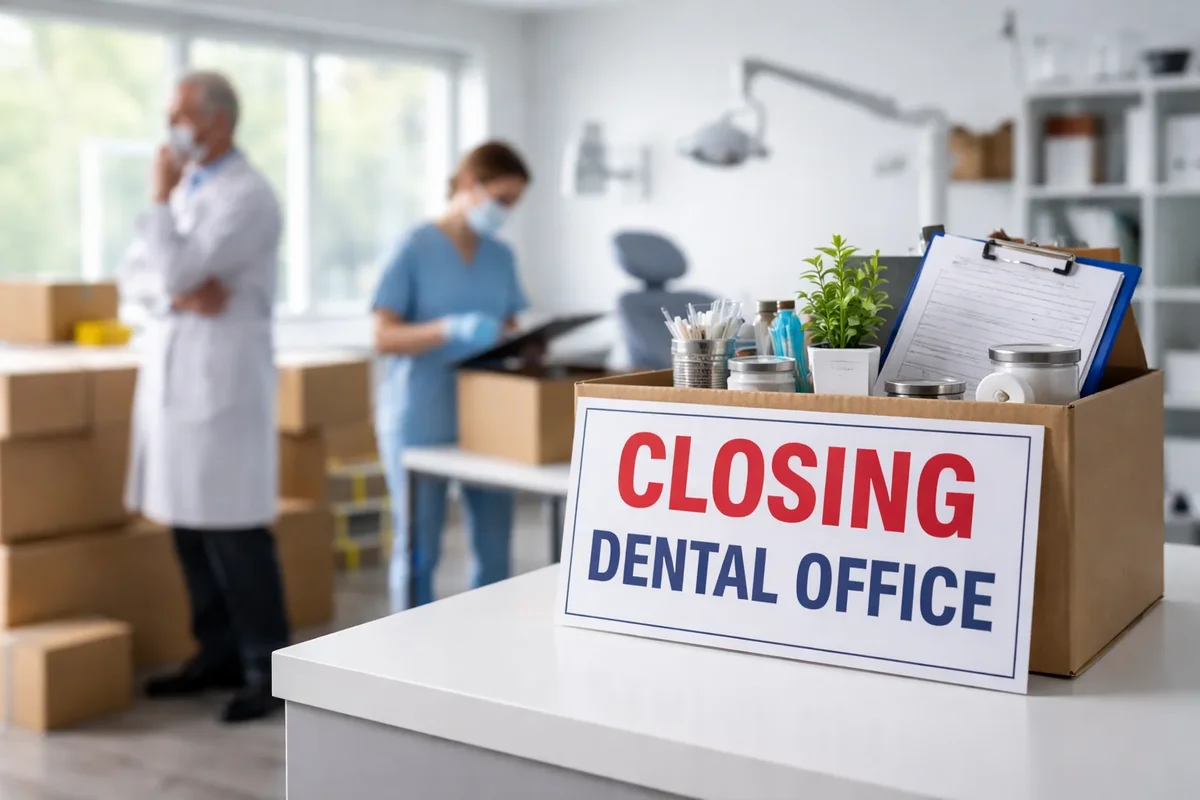
9. How Patients Can Find a New Dentist After a Closing Dental Office
When a closing dental office becomes official, one of the most urgent priorities for patients is finding a reliable new dentist. Although a closing dental office can feel disruptive, it also provides an opportunity to reassess your oral healthcare needs and choose a provider that aligns with your expectations, insurance coverage, and long-term treatment goals. The key is to approach the transition strategically and avoid rushed decisions. 🦷
A well-managed response to a closing dental office ensures that your preventive care, ongoing treatments, and future dental plans continue without interruption. Below are structured steps and professional considerations to help you navigate this transition confidently.
Start the Search Immediately After a Closing Dental Office
As soon as you are informed about a closing dental office, begin researching new providers. Waiting until a dental emergency occurs can limit your options and increase stress. Proactive planning allows you to compare clinics carefully rather than selecting the first available appointment after the closing dental office takes effect.
Where to Search for Licensed Dentists
- Local dental association directories
- Insurance provider networks
- Verified professional listings
- Patient review platforms
You can also consult professional organizations such as the American Dental Association to verify credentials and licensing status. Ensuring your new dentist is properly accredited is essential following a closing dental office.
Evaluate Experience and Services Offered
After a closing dental office, your dental needs may determine the type of provider you select. For example:
- If you are undergoing implant treatment, choose a clinic experienced in implant restoration.
- If you are in orthodontic therapy, select a provider familiar with your appliance system.
- If you require cosmetic procedures, review before-and-after case examples.
A thoughtful evaluation prevents complications that could arise from transferring care after a closing dental office.
Transfer Your Records Before Your First Visit
To ensure a seamless transition after a closing dental office, provide your new dentist with complete dental records before your first appointment. These records help avoid repeated X-rays and unnecessary procedures. They also allow the new provider to understand your clinical history clearly.
Bring Personal Documentation
After a closing dental office, keep copies of:
- Radiographs
- Treatment plans
- Implant system details
- Insurance explanation of benefits
Organized documentation simplifies the transition and strengthens communication with your new dental team.
Verify Insurance Compatibility
Insurance coordination becomes especially important following a closing dental office. Confirm that your new provider accepts your dental insurance plan and is within your network. This step helps prevent unexpected out-of-pocket expenses.
During a closing dental office transition, patients sometimes overlook network restrictions, which can increase treatment costs. Reviewing your coverage details protects your financial stability.
Schedule a Comprehensive Initial Consultation
Once you select a provider after a closing dental office, schedule a full consultation rather than a quick cleaning appointment. This allows the new dentist to perform a complete assessment and review your transferred records.
Questions to Ask During Your First Visit
- Do you agree with my previous treatment plan?
- Are there alternative treatment options?
- What is the timeline for completing unfinished procedures?
- How do you handle emergency situations?
Open dialogue builds trust and ensures continuity after a closing dental office.
Assess Technology and Modern Capabilities
A closing dental office may present an opportunity to upgrade your dental experience. Modern clinics often provide digital scanning, 3D imaging, and minimally invasive procedures. Choosing a technologically advanced provider can enhance diagnostic accuracy and treatment comfort.
Consider Accessibility and Comfort
Convenience matters after a closing dental office. Evaluate:
- Clinic location and parking availability
- Office hours and appointment flexibility
- Emergency service availability
- Staff professionalism and communication style
Comfort and accessibility contribute to long-term satisfaction, especially following a closing dental office transition.
Seek Guidance if Needed
If you feel uncertain after a closing dental office, do not hesitate to seek professional assistance. Reputable clinics can provide transition guidance and consultation support. For example, you may contact the Redent Klinik Contact Page to explore your options and receive personalized advice.
Stay Proactive About Preventive Care
Most importantly, do not allow a closing dental office to interrupt your preventive dental routine. Regular cleanings, examinations, and early intervention remain essential for maintaining oral health. Promptly establishing care with a new dentist reduces the risk of untreated cavities, gum disease, or implant complications.
In conclusion, while a closing dental office can feel disruptive, it does not have to compromise your oral health. By acting quickly, transferring records efficiently, verifying insurance coverage, and carefully evaluating new providers, you can turn a closing dental office into a smooth and positive transition. With thoughtful planning and informed decision-making, your dental care journey continues confidently and securely. ✅