
Choosing the right toothpaste can make a significant difference in both oral comfort and appearance, especially if you struggle with tooth sensitivity. Colgate sensitive whitening is designed specifically for people who want visibly whiter teeth without the sharp pain or discomfort that often comes with traditional whitening products. In this comprehensive guide, we will explore what this toothpaste does, how it works, and why it has become a trusted option for patients seeking gentle yet effective whitening.
Tooth sensitivity is usually caused by exposed dentin, enamel erosion, or gum recession. When hot, cold, sweet, or acidic foods touch the nerves inside the teeth, discomfort can occur 😖. Many whitening toothpastes worsen this issue because they rely on abrasive particles or strong chemical agents. Colgate sensitive whitening takes a different approach by combining whitening technology with desensitizing protection, allowing users to brighten their smile while maintaining daily comfort.
One of the main reasons patients choose colgate sensitive whitening is its dual-action formula. Instead of aggressively scrubbing stains away, it works gradually to lift surface discoloration while actively blocking pain signals from the tooth nerve. This makes it suitable for everyday use and ideal for people who previously avoided whitening toothpaste due to sensitivity issues. 😊
From a dental health perspective, consistency matters. Whitening results are rarely instant, but with colgate sensitive whitening, improvements typically appear after a few weeks of regular brushing. More importantly, sensitivity relief builds over time, as the active ingredients create a protective barrier over exposed dentin. This ongoing protection is essential for maintaining long-term oral health while achieving cosmetic goals.
Many dental professionals recommend sensitivity-focused whitening products because they reduce the risk of enamel wear. According to guidelines supported by organizations such as the
American Dental Association, low-abrasion toothpaste is safer for long-term use, particularly for patients with thin enamel or receding gums. Colgate sensitive whitening aligns with these principles by offering whitening benefits without excessive abrasiveness.
Another key benefit is patient confidence. A brighter smile often improves self-esteem and encourages better oral hygiene habits 😁. When patients experience less pain during brushing, they are more likely to brush thoroughly and consistently. Using colgate sensitive whitening twice daily can therefore contribute not only to cosmetic improvement but also to better plaque control and gum health.
For individuals considering professional treatments, it is important to understand that colgate sensitive whitening is not a replacement for in-office whitening procedures. Instead, it serves as a supportive daily-care solution. Dentists often recommend it as a maintenance product after professional whitening or as a gentle alternative for patients who are not suitable candidates for stronger bleaching treatments.
If you have ongoing sensitivity, gum issues, or are unsure whether colgate sensitive whitening is right for you, consulting a dental professional is always the safest step. You can easily reach out through the
Redent Klinik Contact Page to receive personalized advice tailored to your dental condition.
In summary, colgate sensitive whitening offers a balanced solution for people who want whiter teeth without sacrificing comfort or enamel safety. Its gentle whitening action, combined with proven sensitivity protection, makes it a practical and reliable choice for daily oral care. When used consistently and correctly, it supports both dental health and cosmetic confidence—two goals that should always go hand in hand 🦷✨.
What Is Colgate Sensitive Whitening and How Does It Work?
Colgate sensitive whitening is a specially formulated toothpaste created for people who want to remove surface stains and achieve a brighter smile without triggering tooth sensitivity. Unlike many conventional whitening products that rely heavily on abrasive agents, this toothpaste focuses on a balanced combination of gentle whitening and nerve protection. Understanding how colgate sensitive whitening works can help users set realistic expectations and use it more effectively as part of their daily oral care routine.
At its core, colgate sensitive whitening is designed to address two common dental concerns simultaneously: discoloration and sensitivity. Tooth discoloration often comes from coffee, tea, red wine, smoking, and natural aging, while sensitivity usually results from exposed dentin or weakened enamel. This product targets both problems through a carefully engineered mechanism that dentists generally consider safe for long-term daily use 😊.
How Colgate Sensitive Whitening Treats Tooth Sensitivity
One of the defining features of colgate sensitive whitening is its ability to reduce pain associated with sensitive teeth. Sensitivity occurs when dentinal tubules—tiny channels leading to the tooth nerve—become exposed. When cold or hot stimuli enter these tubules, sharp discomfort can follow. The active desensitizing ingredients in colgate sensitive whitening work by gradually sealing these tubules, limiting nerve stimulation over time.
This process does not happen overnight. With consistent twice-daily brushing, colgate sensitive whitening builds a protective layer that helps block pain signals. This cumulative effect explains why dentists often emphasize regular use rather than sporadic application. Over several weeks, many users report noticeable relief, making routine brushing a more comfortable experience 🦷.
The Whitening Mechanism Explained Simply
Whitening in colgate sensitive whitening is achieved primarily by removing external stains rather than altering the internal color of the tooth. Instead of harsh bleaching agents, the toothpaste uses mild polishing technology that gently lifts surface discoloration. This approach is especially important for individuals with sensitivity, as aggressive whitening methods can worsen enamel wear.
Because colgate sensitive whitening focuses on surface stain removal, the whitening effect is gradual and natural-looking. Teeth do not suddenly appear unnaturally white; instead, their original brightness is restored over time. This makes the product suitable for long-term use and reduces the risk of uneven whitening or enamel damage.
Is It a Bleaching Toothpaste?
A common question patients ask is whether colgate sensitive whitening is a bleaching toothpaste. The answer is no in the traditional sense. It does not use strong peroxide-based bleaching systems found in professional treatments. Instead, it relies on low-abrasion polishing combined with stain-prevention technology. This distinction is crucial for people who have experienced sensitivity flare-ups with stronger whitening products 😌.
Dental associations, including the
American Dental Association, emphasize the importance of gentle whitening methods for patients with enamel concerns. In this context, colgate sensitive whitening fits well within recommended daily-care guidelines.
Why Dentists Often Recommend Colgate Sensitive Whitening
From a clinical perspective, colgate sensitive whitening is often recommended because it balances cosmetic improvement with oral health protection. Dentists are generally cautious about whitening products, especially for patients with gum recession or enamel erosion. A toothpaste that whitens while minimizing abrasion is considered a safer option for daily use.
Another reason for professional support is patient compliance. When brushing causes pain, people tend to rush or avoid thorough cleaning. By reducing discomfort, colgate sensitive whitening encourages proper brushing habits, which can lead to better plaque control and healthier gums over time 👍.
Who Benefits Most From Its Working Mechanism?
Colgate sensitive whitening is particularly beneficial for adults with mild to moderate tooth sensitivity who also want a brighter smile. It is also suitable for individuals who have undergone professional whitening and need a maintenance toothpaste that will not trigger sensitivity. Additionally, patients with early enamel wear or exposed root surfaces often tolerate this formula better than standard whitening toothpaste.
If you are unsure whether colgate sensitive whitening is appropriate for your specific dental condition, consulting a dentist is always advised. Personalized guidance can help you avoid unnecessary discomfort and choose the most effective oral care products. You can reach out directly through the
Redent Klinik Contact Page for professional support.
In summary, colgate sensitive whitening works by combining gentle stain removal with proven sensitivity protection. Its gradual, enamel-friendly approach makes it a reliable choice for daily use, especially for those who want whiter teeth without compromising comfort or dental health. When used consistently, it supports a healthier mouth while helping restore a naturally brighter smile ✨.
Who Should Use Colgate Sensitive Whitening Toothpaste?
Colgate sensitive whitening is not a one-size-fits-all product, but it is particularly well suited for a specific group of users who want to balance oral comfort with cosmetic improvement. Understanding who benefits most from this toothpaste helps set the right expectations and ensures safer, more effective daily use. This section explains in detail which individuals should consider colgate sensitive whitening and why it may be the right choice for their oral health needs.
Many people experience tooth sensitivity at some point in their lives, often without realizing the underlying cause. Sensitivity can be triggered by enamel erosion, gum recession, aggressive brushing, acidic diets, or previous whitening treatments. For these individuals, switching to colgate sensitive whitening can be a practical step toward reducing discomfort while still addressing surface stains 😊.
Ideal Users With Tooth Sensitivity
The primary audience for colgate sensitive whitening is people with mild to moderate tooth sensitivity. If you feel a sharp or sudden pain when consuming hot coffee, cold water, or sweet foods, your dentin may be exposed. Traditional whitening toothpaste can worsen this sensation, but colgate sensitive whitening is formulated to protect sensitive areas while gently improving tooth color.
Consistent use of colgate sensitive whitening helps build a protective barrier over exposed dentin. Over time, this barrier reduces nerve stimulation, making everyday activities like eating and drinking more comfortable. For sensitivity sufferers, this dual benefit—comfort and whitening—is often the main reason for choosing this toothpaste 🦷.
People Who Want Gradual, Natural Whitening
Not everyone is looking for dramatic, overnight whitening results. Many users prefer a subtle, natural improvement that looks healthy rather than artificial. Colgate sensitive whitening is ideal for people who want to remove daily stains caused by tea, coffee, or smoking without aggressive bleaching.
Because colgate sensitive whitening focuses on surface stain removal, it is especially appealing to users who are concerned about enamel wear. The whitening process is gradual, which reduces the risk of sensitivity flare-ups and uneven tooth color. This makes it suitable for long-term daily use rather than short-term cosmetic fixes.
Is It Suitable for Daily, Long-Term Use?
Yes, colgate sensitive whitening is designed for everyday brushing. Unlike some whitening products that are meant for occasional use, this toothpaste supports daily oral hygiene routines. Dentists often emphasize that consistency is more important than intensity when it comes to both whitening and sensitivity management.
For long-term users, colgate sensitive whitening can help maintain a clean, bright appearance while protecting enamel and reducing discomfort. This makes it an appropriate choice for individuals who plan to stick with one toothpaste over an extended period rather than rotating products frequently 😌.
Patients After Professional Whitening Treatments
Another group that benefits from colgate sensitive whitening includes patients who have undergone professional whitening procedures. In-office or take-home whitening treatments often leave teeth temporarily sensitive. Using a gentle, sensitivity-focused toothpaste afterward can help maintain results while minimizing post-treatment discomfort.
Dental professionals frequently recommend colgate sensitive whitening as a maintenance toothpaste following professional whitening. It helps preserve brightness without reintroducing harsh abrasives that could damage enamel or irritate sensitive areas.
People With Early Enamel Wear or Gum Recession
Individuals with early enamel erosion or mild gum recession should be cautious when choosing whitening products. Aggressive formulas can worsen these conditions. Colgate sensitive whitening is often better tolerated because it prioritizes low abrasivity and sensitivity protection.
However, it is important to note that severe gum recession or advanced enamel loss requires professional evaluation. While colgate sensitive whitening can be part of a supportive routine, it should not replace professional dental care. If you are uncertain, consulting a dentist is the safest approach.
Who Should Avoid or Use With Caution?
Although colgate sensitive whitening is gentle, it may not be ideal for everyone. Children, individuals with untreated cavities, or those with severe oral conditions should seek professional advice before use. Additionally, people expecting dramatic whitening similar to bleaching treatments may find the results too subtle.
For personalized recommendations, especially if you experience persistent pain or sensitivity, contacting a dental professional is strongly advised. You can easily get expert guidance through the
Redent Klinik Contact Page.
In conclusion, colgate sensitive whitening is best suited for adults with sensitive teeth who want gentle, natural-looking whitening as part of their daily oral care routine. Its balanced formula makes it a reliable option for long-term use, maintenance after professional treatments, and anyone seeking comfort without sacrificing a brighter smile ✨.
Key Ingredients in Colgate Sensitive Whitening Explained
Understanding what goes into your toothpaste is essential for making informed decisions about your oral health. Colgate sensitive whitening is formulated with carefully selected ingredients that aim to whiten teeth gently while protecting against sensitivity. Each component has a specific function, and together they create a balanced formula suitable for daily use. In this section, we will break down the key ingredients in colgate sensitive whitening and explain how they contribute to both comfort and cosmetic improvement.
Unlike aggressive whitening products that rely heavily on harsh abrasives or strong bleaching agents, colgate sensitive whitening focuses on a science-based combination of desensitizing and low-abrasion whitening elements. This approach aligns with modern dental recommendations that prioritize enamel preservation and long-term oral health 😊.
Potassium Nitrate: The Sensitivity-Relief Core
One of the most important ingredients in colgate sensitive whitening is potassium nitrate. This compound is widely used in sensitivity-focused dental products because of its ability to calm the nerves inside the teeth. When dentin is exposed, external stimuli such as cold or heat can reach the nerve endings, causing discomfort.
Potassium nitrate works by interfering with the transmission of pain signals from the tooth surface to the nerve. With regular use of colgate sensitive whitening, potassium nitrate gradually builds a soothing effect that reduces sensitivity over time. This is why dentists often emphasize consistent daily brushing rather than expecting immediate relief 🦷.
Low-Abrasion Silica for Gentle Whitening
Whitening toothpaste often relies on abrasives to scrub away stains, but excessive abrasion can damage enamel. Colgate sensitive whitening uses a controlled amount of hydrated silica, a mild abrasive that helps remove surface stains without being overly harsh.
This low-abrasion silica allows colgate sensitive whitening to gently polish the tooth surface, lifting stains caused by coffee, tea, or tobacco. The result is a gradual brightening effect that looks natural and minimizes the risk of enamel wear. This is particularly important for individuals who already have sensitivity or thinning enamel.
Why Low Abrasivity Matters
Enamel does not regenerate. Once it is worn away, the underlying dentin becomes more vulnerable. By using a low-abrasion formula, colgate sensitive whitening helps protect enamel while still delivering visible whitening results. This balance is one of the reasons dental professionals often recommend gentle whitening toothpaste for long-term use 😌.
Fluoride: Strengthening and Protection
Fluoride remains a cornerstone of preventive dental care, and colgate sensitive whitening includes fluoride to help strengthen enamel and protect against cavities. While whitening is often the main focus for users, cavity prevention is equally important for maintaining overall oral health.
In colgate sensitive whitening, fluoride works by remineralizing weakened enamel and making teeth more resistant to acid attacks from plaque bacteria. This protective effect supports both sensitivity management and long-term tooth durability.
Fluoride and Sensitivity: A Supportive Role
Although fluoride is not a direct desensitizing agent, it plays a supportive role by strengthening enamel and reducing further exposure of dentin. When used consistently with colgate sensitive whitening, fluoride contributes to a healthier tooth structure and lowers the risk of future sensitivity episodes.
Flavoring Agents and Foaming Components
Beyond active ingredients, colgate sensitive whitening also contains flavoring agents and mild foaming components that enhance the brushing experience. A pleasant taste encourages longer and more thorough brushing, which is essential for plaque removal and stain prevention.
The foaming agents help distribute the toothpaste evenly across the teeth, ensuring that the active ingredients in colgate sensitive whitening reach all areas of the mouth. These components are carefully balanced to avoid irritation, making the toothpaste suitable for sensitive users.
How the Ingredients Work Together
The real strength of colgate sensitive whitening lies in how its ingredients function as a system. Potassium nitrate calms the nerves, low-abrasion silica gently removes stains, and fluoride strengthens enamel. Together, they create a toothpaste that addresses sensitivity and whitening without compromising oral health.
This ingredient synergy aligns with guidance from organizations such as the
American Dental Association, which emphasizes the importance of enamel-safe whitening and cavity prevention. Colgate sensitive whitening reflects these principles in its formulation.
In conclusion, the ingredients in colgate sensitive whitening are carefully chosen to deliver gentle whitening while protecting sensitive teeth. By understanding what each component does, users can feel more confident in their choice and use the toothpaste consistently as part of a healthy, long-term oral care routine ✨.
Colgate Sensitive Whitening vs Regular Whitening Toothpaste
When choosing a whitening toothpaste, many people assume that all whitening formulas work the same way. In reality, there are important differences between colgate sensitive whitening and regular whitening toothpaste. These differences affect not only how white your teeth become, but also how comfortable your daily brushing experience will be. Understanding this comparison helps users avoid unnecessary sensitivity and make a more informed oral care choice.
Regular whitening toothpaste is typically designed for people with healthy enamel and little to no tooth sensitivity. In contrast, colgate sensitive whitening is formulated specifically for individuals who want whitening benefits without triggering pain. The distinction lies in ingredients, abrasivity, whitening mechanism, and suitability for long-term use 😊.
Differences in Whitening Technology
The primary goal of any whitening toothpaste is to remove stains, but how this is achieved varies significantly. Regular whitening toothpaste often relies on higher levels of abrasive particles to scrub away surface stains quickly. While this can be effective, it may also wear down enamel over time.
Colgate sensitive whitening, on the other hand, focuses on gentle stain removal. Instead of aggressive scrubbing, it uses low-abrasion polishing agents that gradually lift stains caused by coffee, tea, or smoking. This slower process is intentional and helps protect enamel while still improving tooth brightness.
Immediate vs Gradual Whitening Results
Many users of regular whitening toothpaste expect fast results, but these often come at the cost of increased sensitivity. Colgate sensitive whitening delivers more gradual whitening, which may take a few weeks to become noticeable. However, the results tend to look more natural and are easier to maintain over time 😌.
Impact on Tooth Sensitivity
One of the most significant differences between colgate sensitive whitening and regular whitening toothpaste is how they affect sensitive teeth. Regular whitening toothpaste may expose dentin by wearing away enamel, leading to sharp pain during brushing or eating.
Colgate sensitive whitening includes desensitizing ingredients that actively help reduce sensitivity. Instead of worsening discomfort, it works to block pain signals and protect exposed dentin. This makes it a safer option for people who already experience sensitivity or who have had sensitivity issues in the past 🦷.
Daily Comfort and Brushing Habits
Comfort plays a major role in oral hygiene habits. When brushing causes pain, people often rush or skip proper cleaning. Users of colgate sensitive whitening are more likely to brush thoroughly and consistently because the toothpaste is designed to minimize discomfort. Over time, this can lead to better plaque control and healthier gums.
Enamel Safety and Long-Term Use
Enamel protection is a critical consideration when comparing whitening toothpaste. Regular whitening toothpaste may be suitable for short-term use but is not always ideal for daily, long-term brushing. Continuous exposure to high abrasivity can thin enamel and increase sensitivity.
Colgate sensitive whitening is engineered for everyday use. Its low-abrasion formula supports enamel preservation while still delivering whitening benefits. Dentists often recommend sensitivity-focused whitening toothpaste for patients who need a safer long-term solution rather than an aggressive cosmetic fix.
Which Option Do Dentists Prefer?
Dental professionals generally prioritize oral health over rapid cosmetic changes. For patients with sensitivity, enamel erosion, or gum recession, dentists are more likely to recommend colgate sensitive whitening instead of regular whitening toothpaste. This approach aligns with preventive care principles supported by organizations such as the
American Dental Association.
Suitability for Different Users
Regular whitening toothpaste may be appropriate for individuals with strong enamel, no sensitivity, and a desire for faster stain removal. However, this group represents a smaller portion of the population than many realize.
Colgate sensitive whitening is better suited for a broader range of users, including those with mild sensitivity, early enamel wear, or a history of discomfort with whitening products. It is also a popular choice for maintaining results after professional whitening treatments.
Cost vs Value Consideration
While pricing may vary by region and retailer, colgate sensitive whitening often offers better long-term value for sensitive users. Avoiding pain, enamel damage, and potential dental treatments can save money and discomfort in the long run. Regular whitening toothpaste may appear effective initially, but sensitivity-related issues can lead to additional dental expenses.
If you are unsure which option is best for your teeth, seeking professional advice is always recommended. You can contact experienced dental professionals through the
Redent Klinik Contact Page to receive guidance tailored to your oral health needs.
In summary, the comparison between colgate sensitive whitening and regular whitening toothpaste highlights a key trade-off: speed versus safety. For individuals who value comfort, enamel protection, and sustainable whitening, colgate sensitive whitening stands out as the more balanced and dental-friendly choice ✨.
How Effective Is Colgate Sensitive Whitening for Daily Use?
Daily oral care products must meet a high standard: they need to be effective, safe, and comfortable enough to use consistently. Colgate sensitive whitening is specifically formulated with daily use in mind, making it a popular choice for people who want gradual whitening without compromising oral comfort. To understand how effective colgate sensitive whitening truly is for everyday brushing, it is important to examine its real-world performance, clinical expectations, and user experience.
Unlike intensive whitening treatments designed for short-term use, colgate sensitive whitening is built to work steadily over time. Its effectiveness depends largely on consistency. When used twice a day as part of a proper oral hygiene routine, it can deliver noticeable improvements in both tooth brightness and sensitivity control 😊.
Visible Whitening Results With Consistent Use
The whitening performance of colgate sensitive whitening is best described as progressive rather than dramatic. Most users begin to see subtle improvements in tooth color within two to four weeks of regular brushing. This gradual approach helps maintain a natural appearance while minimizing the risk of enamel damage.
Because colgate sensitive whitening focuses on removing surface stains, its effectiveness is especially noticeable for discoloration caused by coffee, tea, red wine, or smoking. Over time, daily use helps prevent new stains from settling into the enamel, supporting a cleaner and brighter smile 🦷.
What Daily Whitening Can and Cannot Do
It is important to set realistic expectations. Colgate sensitive whitening does not change the intrinsic color of teeth or replace professional whitening procedures. However, for daily maintenance and gradual improvement, it performs well. Dentists often recommend it as a supportive solution rather than a cosmetic shortcut.
Sensitivity Relief Over Time
One of the strongest indicators of effectiveness for colgate sensitive whitening is its impact on tooth sensitivity. Many users report reduced discomfort after several weeks of consistent use. This improvement occurs because the toothpaste’s desensitizing components gradually block pain pathways within the teeth.
Daily brushing with colgate sensitive whitening allows these protective effects to build up. Skipping days or switching between products can reduce effectiveness, which is why dental professionals emphasize routine use. Over time, everyday activities such as drinking cold water or brushing near the gum line often become more comfortable 😌.
Why Consistency Matters for Sensitivity Control
Desensitizing toothpaste works cumulatively. Each brushing session with colgate sensitive whitening reinforces the protective barrier over exposed dentin. This means that daily use is essential for achieving and maintaining relief. Inconsistent use may slow progress or reduce overall benefits.
Impact on Overall Oral Hygiene
Effectiveness should also be measured by how well a toothpaste supports overall oral health. Colgate sensitive whitening encourages thorough brushing by minimizing discomfort, which can lead to better plaque removal and healthier gums. When brushing is pain-free, users are more likely to brush for the recommended two minutes.
Additionally, colgate sensitive whitening contains fluoride, which strengthens enamel and helps prevent cavities. This means its daily effectiveness goes beyond whitening—it contributes to long-term dental health and protection against decay.
Dentist Perspectives on Daily Use
Many dental professionals consider colgate sensitive whitening a reliable daily toothpaste for patients with sensitivity concerns. Its low-abrasion formula aligns with recommendations from organizations such as the
American Dental Association, which emphasizes enamel safety and cavity prevention.
For patients who have experienced sensitivity from other whitening products, dentists often suggest switching to colgate sensitive whitening as a safer long-term alternative.
Long-Term Results and Maintenance
Over months of daily use, colgate sensitive whitening helps maintain a stable level of brightness while reducing the likelihood of sensitivity flare-ups. Users who combine it with good dietary habits and regular dental check-ups often experience the best long-term results.
It is also commonly recommended after professional whitening treatments to maintain results without reintroducing sensitivity. In this role, colgate sensitive whitening proves especially effective as a maintenance toothpaste.
When to Seek Professional Advice
If daily use of colgate sensitive whitening does not lead to noticeable improvements after several weeks, or if sensitivity persists, a dental evaluation is recommended. Underlying issues such as cavities or gum disease may require professional treatment. You can consult experienced dental professionals through the
Redent Klinik Contact Page for personalized guidance.
In conclusion, colgate sensitive whitening is highly effective for daily use when expectations are realistic and usage is consistent. Its gradual whitening action, combined with reliable sensitivity relief and enamel protection, makes it a strong choice for everyday oral care. For individuals seeking comfort, safety, and sustainable whitening, it delivers dependable results over time ✨.
Is Colgate Sensitive Whitening Safe for Long-Term Dental Health?
When choosing a toothpaste for everyday use, safety is just as important as effectiveness. Many whitening products promise quick results but may raise concerns about enamel wear or increased sensitivity over time. Colgate sensitive whitening is specifically designed to be gentle enough for long-term use while still providing visible whitening benefits. This section explores whether colgate sensitive whitening is truly safe for ongoing dental health and what dentists consider when recommending it.
Long-term dental health depends on preserving enamel, protecting gums, and preventing cavities. A toothpaste that compromises any of these factors can cause more harm than good. Colgate sensitive whitening addresses these concerns by focusing on a low-abrasion, sensitivity-conscious formulation that supports daily oral hygiene without aggressive whitening techniques 😊.
Enamel Protection and Abrasivity Levels
One of the primary safety concerns with whitening toothpaste is enamel erosion. Enamel is the hard outer layer of the tooth, and once it wears away, it cannot regenerate. Regular use of highly abrasive toothpaste can thin enamel, exposing dentin and increasing sensitivity.
Colgate sensitive whitening is formulated with controlled abrasivity, meaning it cleans and polishes teeth without excessive friction. This low-abrasion approach makes colgate sensitive whitening suitable for long-term daily use, especially for individuals with naturally thinner enamel or a history of sensitivity 🦷.
Why Low Abrasivity Matters Over Time
Even small amounts of daily abrasion can add up over years of brushing. By choosing colgate sensitive whitening, users reduce the risk of cumulative enamel wear. This is one reason dentists often caution against rotating multiple whitening products and instead recommend sticking with a gentle, consistent option.
Gum Health and Soft Tissue Safety
Long-term toothpaste safety also involves gum health. Harsh whitening agents can irritate gum tissue, leading to inflammation or discomfort. Colgate sensitive whitening is designed to be mild on soft tissues, making it less likely to cause gum irritation when used as directed.
Healthier gums help protect tooth roots, which are more sensitive than enamel-covered surfaces. By supporting gum comfort, colgate sensitive whitening indirectly contributes to reduced sensitivity and better overall oral health 😌.
Suitable for Receding Gums?
For individuals with mild gum recession, colgate sensitive whitening is often better tolerated than standard whitening toothpaste. Its sensitivity-focused formula helps protect exposed root surfaces, which are particularly vulnerable to discomfort and decay.
Fluoride and Cavity Prevention
Whitening alone is not enough for long-term dental health. Effective toothpaste must also help prevent cavities. Colgate sensitive whitening contains fluoride, a key ingredient that strengthens enamel and reduces the risk of tooth decay.
Fluoride works by remineralizing weakened enamel and making teeth more resistant to acid attacks from plaque bacteria. When used consistently, colgate sensitive whitening supports cavity prevention while maintaining its whitening and sensitivity-relief benefits.
Professional Dental Guidelines
Dental organizations such as the
American Dental Association emphasize the importance of fluoride toothpaste and enamel-safe whitening methods. Colgate sensitive whitening aligns with these guidelines, making it a suitable choice for long-term daily use when brushing twice a day.
Sensitivity Management Over the Long Term
Many users worry that whitening toothpaste will worsen sensitivity over time. In contrast, colgate sensitive whitening is designed to reduce sensitivity with continued use. Its desensitizing ingredients gradually block pain signals, helping users maintain comfort even after months or years of use.
This long-term sensitivity control encourages better brushing habits. When brushing is comfortable, people are more likely to clean thoroughly and consistently, which supports healthier teeth and gums in the long run 👍.
When Long-Term Use May Not Be Enough
While colgate sensitive whitening is safe for most users, persistent sensitivity or pain should not be ignored. These symptoms may indicate underlying dental issues such as cavities, cracked teeth, or advanced gum disease. In such cases, toothpaste alone is not sufficient.
If discomfort continues despite regular use of colgate sensitive whitening, consulting a dental professional is essential. You can seek expert evaluation and personalized advice through the
Redent Klinik Contact Page.
In conclusion, colgate sensitive whitening is considered safe for long-term dental health when used as directed. Its enamel-friendly abrasivity, fluoride protection, and sensitivity-focused design make it a reliable daily toothpaste for those seeking gentle whitening without compromising oral safety. With consistent use and regular dental check-ups, it supports both comfort and long-term oral well-being ✨.
How to Use Colgate Sensitive Whitening for Best Results
Even the most advanced toothpaste can only deliver optimal results when used correctly. Colgate sensitive whitening is designed for daily use, but technique, consistency, and complementary habits all play a critical role in how effective it is. This section explains in detail how to use colgate sensitive whitening properly so you can maximize whitening benefits while maintaining comfort and long-term dental health.
Many users underestimate how small changes in brushing habits can significantly influence outcomes. From the amount of toothpaste used to brushing pressure and timing, each factor contributes to how well colgate sensitive whitening performs 😊.
Correct Brushing Technique With Colgate Sensitive Whitening
The foundation of effective use starts with proper brushing technique. Dentists recommend using a soft-bristled toothbrush with colgate sensitive whitening to minimize abrasion and protect sensitive enamel. Hard bristles can counteract the toothpaste’s gentle design and increase the risk of gum irritation.
Apply a pea-sized amount of colgate sensitive whitening to your toothbrush. Brushing should be done using gentle, circular motions rather than aggressive back-and-forth scrubbing. This allows the toothpaste’s active ingredients to work effectively without damaging enamel or irritating the gums 🦷.
How Long Should You Brush?
Brushing for a full two minutes is essential. Shorter brushing times may not allow colgate sensitive whitening to adequately remove surface stains or build its desensitizing protective layer. Dividing your mouth into four sections and spending about 30 seconds on each can help ensure even coverage.
Frequency of Use and Daily Routine
Colgate sensitive whitening is formulated for twice-daily use—once in the morning and once before bed. This consistent schedule helps maintain a steady protective barrier over sensitive areas while gradually lifting stains.
Skipping days or alternating with harsher whitening products can reduce the effectiveness of colgate sensitive whitening. For best results, dentists recommend using it exclusively for several weeks to allow sensitivity relief and whitening effects to fully develop 😌.
Morning vs Night Brushing: Does It Matter?
Both brushing sessions are important, but nighttime brushing with colgate sensitive whitening is particularly crucial. During sleep, saliva flow decreases, making teeth more vulnerable to plaque and acid attacks. Brushing before bed allows fluoride and desensitizing ingredients to remain on the teeth longer, supporting enamel protection overnight.
Rinsing and Post-Brushing Habits
After brushing with colgate sensitive whitening, avoid rinsing your mouth aggressively with water. Lightly spitting out excess toothpaste without heavy rinsing allows fluoride and desensitizing agents to stay on the teeth longer, enhancing their protective effects.
If you prefer using mouthwash, wait at least 30 minutes after brushing. This ensures that colgate sensitive whitening has enough time to work effectively without being washed away prematurely 👍.
Foods and Drinks to Limit
For optimal whitening results, it is wise to limit staining foods and beverages such as coffee, tea, red wine, and dark sodas. While colgate sensitive whitening helps remove surface stains, reducing exposure can significantly enhance and prolong results.
Combining Colgate Sensitive Whitening With Other Oral Care Products
Colgate sensitive whitening works best as part of a complete oral hygiene routine. Daily flossing removes plaque and debris from areas that brushing alone cannot reach, helping the toothpaste perform more effectively.
Using a soft toothbrush and avoiding abrasive whitening strips or powders while using colgate sensitive whitening helps prevent sensitivity flare-ups. Consistency and simplicity are key to long-term success.
When to Adjust Your Routine
If you notice persistent sensitivity or lack of whitening improvement after several weeks, it may be time to reassess your routine. Factors such as brushing pressure, diet, or underlying dental conditions can affect results. Colgate sensitive whitening is effective, but it cannot correct structural dental issues on its own.
In such cases, consulting a dental professional is recommended. You can receive personalized guidance through the
Redent Klinik Contact Page, ensuring your routine supports both comfort and oral health.
In summary, using colgate sensitive whitening correctly involves gentle technique, consistent twice-daily brushing, and supportive oral care habits. When used as directed, it delivers gradual whitening, reliable sensitivity relief, and strong enamel protection—making it a dependable choice for everyday dental care ✨.
Common Side Effects and How to Avoid Tooth Sensitivity
Even though colgate sensitive whitening is designed to be gentle, some users may still experience mild side effects, especially during the first weeks of use. Understanding these potential effects—and knowing how to prevent or manage them—helps users get the full benefit of colgate sensitive whitening without unnecessary discomfort. This section explains the most common side effects, why they happen, and practical strategies to keep your teeth comfortable and healthy.
It is important to remember that everyone’s teeth respond differently to oral care products. Factors such as enamel thickness, brushing habits, diet, and existing dental conditions all influence how your mouth reacts to colgate sensitive whitening 😊.
Temporary Sensitivity: Why It Can Still Happen
Although colgate sensitive whitening is formulated to reduce sensitivity, some users may notice mild discomfort during the initial phase of use. This is usually temporary and often occurs because the teeth are adjusting to a new product or because existing sensitivity was already present.
In many cases, this early sensitivity is not caused by the toothpaste itself but by exposed dentin, micro-enamel wear, or aggressive brushing habits. As colgate sensitive whitening continues to build its protective barrier over time, sensitivity typically decreases rather than worsens 🦷.
How Long Does Initial Sensitivity Last?
For most users, mild sensitivity subsides within one to two weeks of consistent use. If colgate sensitive whitening is used twice daily with proper technique, the desensitizing ingredients gradually block pain signals and improve comfort. Persistent or worsening pain, however, should always be evaluated by a dentist.
Gum Irritation and How to Prevent It
Another possible side effect, though less common, is mild gum irritation. This is usually linked to brushing technique rather than the formula of colgate sensitive whitening. Using too much pressure or a hard-bristled toothbrush can irritate the gums and make them feel sore.
Switching to a soft-bristled toothbrush and using gentle circular motions can significantly reduce gum irritation. When used correctly, colgate sensitive whitening is generally well tolerated by gum tissue 😌.
Amount of Toothpaste Matters
Using more toothpaste than necessary does not improve results and may increase irritation. A pea-sized amount of colgate sensitive whitening is sufficient for effective cleaning and whitening. Excess product can create unnecessary foam and encourage harder brushing.
Enamel Safety and Overbrushing Risks
While colgate sensitive whitening has low abrasivity, overbrushing can still damage enamel over time. Brushing too frequently, brushing for too long, or applying excessive pressure can wear down enamel and counteract the toothpaste’s protective benefits.
To avoid this, limit brushing to twice a day and keep each session to two minutes. Let colgate sensitive whitening do the work—there is no need to scrub aggressively 👍.
Signs You May Be Overbrushing
Common signs of overbrushing include gum recession, increased sensitivity near the gum line, and a shiny appearance on the teeth. If you notice these symptoms while using colgate sensitive whitening, adjusting your brushing technique can make a significant difference.
Interactions With Other Whitening Products
Using multiple whitening products at the same time can increase the risk of sensitivity. Combining colgate sensitive whitening with whitening strips, powders, or professional bleaching treatments without guidance may overwhelm the enamel.
If you choose to use additional whitening methods, it is best to consult a dental professional first. In many cases, dentists recommend using colgate sensitive whitening alone to maintain results safely after stronger treatments.
What Dental Professionals Recommend
Dental experts generally advise simplicity. Organizations such as the
American Dental Association emphasize enamel-safe practices and caution against excessive whitening. Colgate sensitive whitening fits well within these guidelines when used as directed.
When Side Effects Signal a Bigger Issue
While mild side effects are usually manageable, persistent pain, sharp sensitivity, or bleeding gums are not normal and should not be ignored. These symptoms may indicate cavities, cracked teeth, or gum disease rather than a reaction to colgate sensitive whitening.
In such cases, continuing to switch toothpaste without professional input may delay proper treatment. A dental evaluation can identify the root cause and prevent further complications.
Getting Professional Guidance
If side effects persist despite proper use of colgate sensitive whitening, seeking professional advice is the safest option. You can consult experienced dental professionals through the
Redent Klinik Contact Page to receive personalized recommendations based on your oral health needs.
In conclusion, colgate sensitive whitening is generally well tolerated, and most side effects are mild and temporary when they occur. By using the toothpaste correctly, avoiding overbrushing, and limiting additional whitening products, users can enjoy its whitening and sensitivity-relief benefits safely. Awareness and proper technique are the keys to a comfortable, confident, and healthy smile ✨.
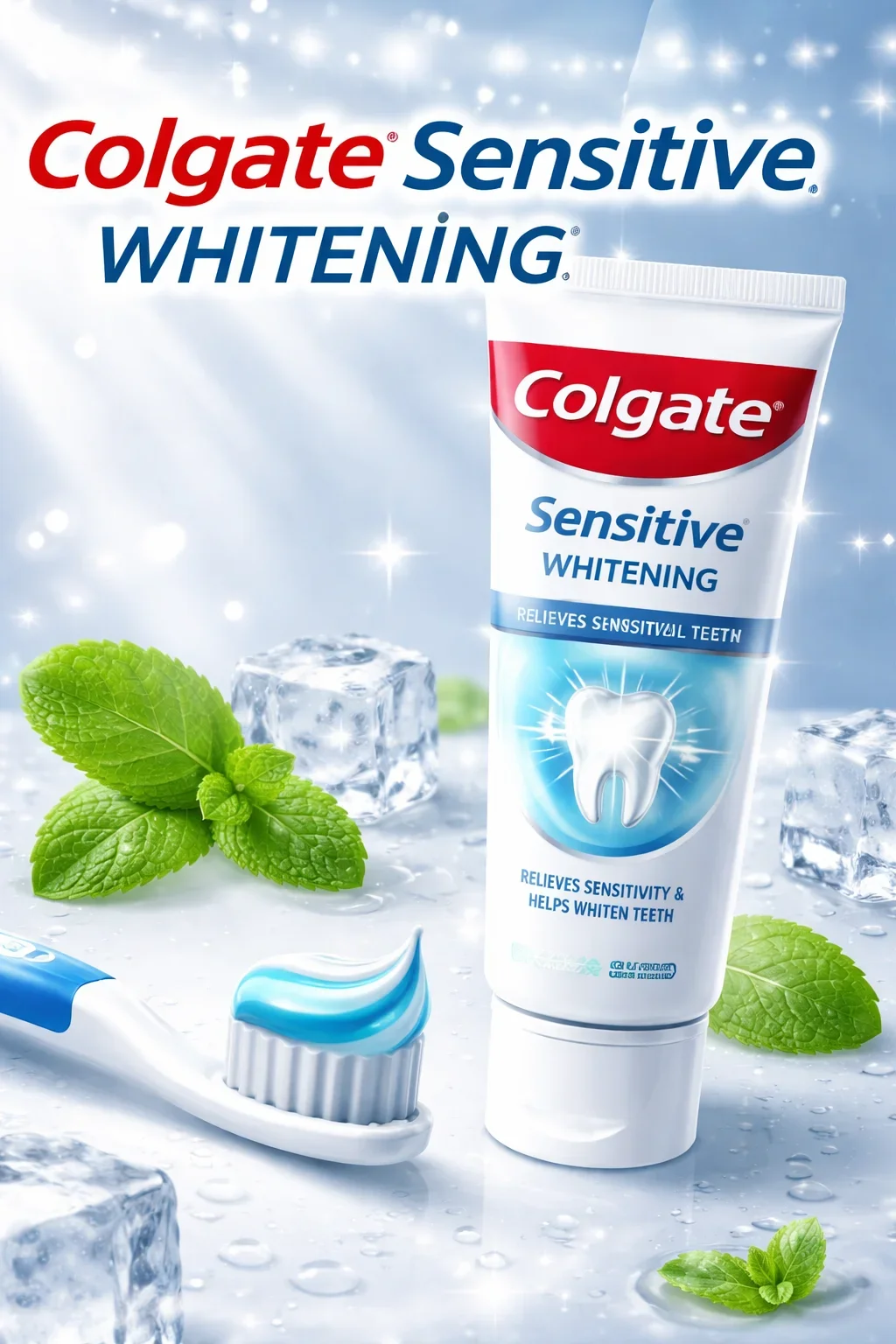
Professional Dentist Opinions on Colgate Sensitive Whitening
When evaluating any oral care product, professional dental opinions play a critical role in determining its reliability and long-term safety. Colgate sensitive whitening is frequently discussed in dental practices because it addresses two of the most common patient concerns: tooth sensitivity and discoloration. In this section, we explore how dentists view colgate sensitive whitening, why it is often recommended, and in which situations professionals may suggest alternative or additional treatments.
Dentists assess toothpaste based on several factors, including abrasivity, fluoride content, sensitivity management, and suitability for daily use. From a clinical standpoint, colgate sensitive whitening is generally considered a well-balanced option for patients seeking gentle whitening without compromising oral health 😊.
Why Dentists Commonly Recommend Colgate Sensitive Whitening
One of the primary reasons dentists recommend colgate sensitive whitening is its low-abrasion formula. Excessive abrasion is a major contributor to enamel erosion, which can worsen sensitivity and increase the risk of cavities. Dentists appreciate that colgate sensitive whitening focuses on gradual stain removal rather than aggressive scrubbing.
Additionally, the presence of fluoride is a key factor. Fluoride helps strengthen enamel and protect against decay, making colgate sensitive whitening suitable for everyday use. From a preventive dentistry perspective, combining whitening with cavity protection is considered a best practice 🦷.
Dentist Views on Whitening Expectations
Dental professionals often emphasize realistic expectations. Dentists explain to patients that colgate sensitive whitening is designed for surface stain removal and maintenance, not for dramatic color changes. This transparency helps patients avoid disappointment and unnecessary overuse of whitening products.
Clinical Experience With Sensitive Patients
Patients with sensitive teeth represent a large portion of dental visits. Dentists frequently see individuals who have tried strong whitening products and experienced discomfort as a result. In these cases, colgate sensitive whitening is often recommended as a safer alternative.
Clinical experience shows that patients who switch to colgate sensitive whitening often report improved comfort within a few weeks. Dentists attribute this to the toothpaste’s ability to block pain signals and protect exposed dentin when used consistently 😌.
Use After Dental Procedures
Dentists also recommend colgate sensitive whitening after certain dental procedures, such as professional whitening, scaling, or gum treatments. These procedures can temporarily increase sensitivity, and a gentle toothpaste helps support recovery while maintaining oral hygiene.
Alignment With Dental Guidelines
Professional dental recommendations are often guided by evidence-based standards. Organizations such as the
American Dental Association emphasize the importance of fluoride use, enamel-safe whitening, and sensitivity management. Colgate sensitive whitening aligns well with these principles, which strengthens dentist confidence in recommending it.
Dentists are particularly cautious about whitening products that lack fluoride or rely on harsh bleaching agents. In comparison, colgate sensitive whitening meets preventive care standards while still addressing cosmetic concerns.
What Dentists Monitor Over Time
During routine check-ups, dentists monitor enamel condition, gum health, and sensitivity levels. Patients using colgate sensitive whitening long term generally show stable enamel health when brushing correctly. This reinforces professional trust in the product for daily use 👍.
When Dentists May Suggest Alternatives
While colgate sensitive whitening is widely recommended, dentists recognize that no single product suits everyone. Patients with severe discoloration, intrinsic stains, or complex dental issues may require professional whitening treatments or restorative solutions.
In cases of persistent sensitivity, dentists may also investigate underlying problems such as cavities, cracked teeth, or gum disease. In these situations, colgate sensitive whitening alone is not enough, and professional intervention is necessary.
Personalized Dental Advice Matters
Dentists consistently emphasize that toothpaste recommendations should be personalized. Factors such as diet, oral hygiene habits, medical history, and dental anatomy all influence the best choice. While colgate sensitive whitening works well for many patients, professional guidance ensures optimal results and safety.
Patient Feedback Through a Professional Lens
Dentists also consider patient feedback when evaluating products. Many patients report that colgate sensitive whitening improves comfort and confidence, which positively affects oral hygiene habits. When patients enjoy brushing without pain, they are more likely to maintain consistent routines.
This behavioral aspect is important in preventive dentistry. Dentists value products like colgate sensitive whitening that encourage compliance and long-term oral care success ✨.
Consulting a Dentist for Ongoing Care
If you are unsure whether colgate sensitive whitening is the best option for your teeth, or if you experience ongoing sensitivity despite proper use, consulting a dental professional is the safest step. You can receive personalized evaluation and expert recommendations through the
Redent Klinik Contact Page.
In conclusion, professional dentist opinions on colgate sensitive whitening are largely positive. Its enamel-friendly abrasivity, fluoride protection, and sensitivity-focused design make it a trusted choice for daily use. When combined with proper brushing technique and regular dental check-ups, it supports both oral health and a brighter, more confident smile 🦷✨.