
In 2025, comfort dentistry has emerged as one of the most patient-centered approaches to oral health care, focusing on minimizing pain, reducing anxiety, and creating a positive dental experience. For many individuals, dental visits trigger feelings of fear or stress that can prevent them from receiving the care they need. Comfort dentistry directly addresses these concerns, ensuring that patients can maintain good oral health without unnecessary discomfort. This method is not just about pain management—it’s about creating an environment where patients feel safe, relaxed, and supported at every stage of their treatment. 🦷✨
The essence of comfort dentistry lies in combining advanced technology, compassionate communication, and effective sedation techniques to transform traditional dental appointments into smooth and pleasant experiences. Patients today expect more than just treatment; they want an overall experience that respects their mental and physical well-being. Dentists practicing comfort-focused care recognize this demand and tailor every step of the journey—from the waiting room ambiance to post-treatment recovery—to maximize relaxation.
One of the key reasons comfort dentistry matters in 2025 is the rising awareness of mental health and its direct connection to physical health. Studies have shown that untreated dental problems can lead to serious health issues such as cardiovascular disease, diabetes complications, and systemic infections. However, many patients avoid visiting the dentist due to dental anxiety. Comfort dentistry bridges this gap by offering solutions like sedation, noise-canceling headphones, soothing lighting, and gentle communication strategies. The goal is simple: remove the barriers that keep patients from achieving optimal oral health. 🌿
In practical terms, comfort dentistry covers a wide spectrum of services. For some patients, it may involve local anesthesia combined with nitrous oxide (commonly known as laughing gas), which helps ease mild anxiety while keeping them fully conscious. For others with severe phobias, oral or IV sedation may be provided, allowing them to remain deeply relaxed or even unaware of the procedure. Importantly, these sedation methods are administered safely under strict guidelines approved by professional organizations such as the American Dental Association.
Beyond sedation, comfort dentistry also integrates modern technology to enhance the patient journey. Digital imaging reduces the discomfort of traditional molds, while laser dentistry minimizes the need for drills and reduces post-operative pain. Even the design of the dental chair, the choice of calming colors in the clinic, and the offer of warm blankets or aromatherapy can make a huge difference in the way patients perceive dental visits. By addressing both the emotional and physical aspects of care, comfort dentistry ensures that no detail is overlooked.
Parents, in particular, are finding value in comfort dentistry for their children. Early dental experiences can shape lifelong attitudes toward oral health, and when children feel safe and relaxed during appointments, they are far more likely to maintain good habits into adulthood. A pediatric comfort dentistry approach often includes distraction tools like cartoons, toys, or interactive games alongside gentle techniques designed to build trust and reduce fear. 👶💙
The growing demand for comfort dentistry also reflects broader lifestyle trends. In 2025, patients are increasingly prioritizing wellness, holistic health, and stress reduction. Just as people choose yoga, meditation, and mindfulness practices to maintain balance, they are also seeking dental care that aligns with this philosophy. Comfort dentistry represents the integration of dental science with these modern expectations, delivering not just treatment but also peace of mind.
From a clinical perspective, the advantages of comfort dentistry extend beyond patient satisfaction. When individuals feel relaxed, dental professionals can work more efficiently and effectively. Procedures that might otherwise take multiple appointments due to patient anxiety can often be completed in fewer visits, saving both time and cost. This efficiency contributes to better outcomes and allows clinics to build strong, lasting relationships with their patients.
Another important factor is accessibility. Comfort dentistry makes oral care more inclusive for patients with special needs, high sensitivity, or medical conditions that complicate traditional dental procedures. By offering a range of customizable comfort solutions, dentists can adapt their approach to each patient’s unique requirements, ensuring no one is left behind in achieving oral health. For patients who wish to learn more or book an appointment, the Redent Klinik Contact Page provides a direct way to connect with specialists who prioritize comfort-focused care.
To summarize, comfort dentistry in 2025 is more than a trend—it is a transformative shift in the way dental care is delivered. By reducing fear, enhancing patient trust, and integrating wellness principles into treatment, this approach ensures that oral health is no longer a source of stress but an opportunity for healing and renewal. Patients who once dreaded dental visits are now able to approach them with confidence, knowing that their comfort is at the heart of every decision. 🌟
What Is Comfort Dentistry and Why It Matters in 2025
Comfort dentistry is a modern approach to oral healthcare that prioritizes the patient’s physical ease, emotional well-being, and overall experience during dental treatments. Unlike traditional methods that often focus solely on technical outcomes, comfort dentistry integrates advanced sedation options, soothing environments, and personalized care techniques to reduce anxiety and create a stress-free atmosphere. In 2025, this approach has become a cornerstone of progressive dental practices worldwide because patients expect more than clinical excellence—they also expect empathy, safety, and reassurance. 🦷💫
The Core Principles of Comfort Dentistry
At its heart, comfort dentistry revolves around three main principles: relaxation, trust, and accessibility. Relaxation is achieved through sedation dentistry techniques such as nitrous oxide, oral sedatives, or intravenous sedation, depending on the patient’s needs. Trust is built through compassionate communication, where dentists explain each step of the procedure, ensuring patients feel informed and respected. Accessibility means that dental care is adapted to diverse patient groups, including children, seniors, and individuals with special needs, so that everyone can benefit from comfortable dental care without fear or pain.
Relaxation Through Sedation
One of the most important elements of comfort dentistry is sedation. Nitrous oxide, commonly known as “laughing gas,” is often used for patients with mild anxiety, allowing them to remain conscious while feeling calm and relaxed. For more severe cases, oral medications or IV sedation may be recommended, offering a deeper level of comfort. Each option is carefully tailored, with safety monitored closely, following standards set by organizations like the American Dental Association.
Building Trust With Patients
Fear of the unknown is a major cause of dental anxiety. Comfort dentistry counters this by focusing on transparency. Dentists who practice this philosophy take time to discuss treatment plans, explain sensations patients might feel, and address concerns with empathy. Simple changes—like allowing patients to signal if they need a pause—help build trust and ensure the experience feels collaborative rather than intimidating.
Why Comfort Dentistry Matters More Than Ever in 2025
Modern lifestyles, increased stress levels, and rising awareness of mental health make comfort dentistry essential in today’s world. Patients now demand holistic care that respects both mind and body. With growing links between oral health and systemic conditions such as heart disease and diabetes, neglecting dental care due to fear can have serious consequences. Comfort dentistry reduces these barriers, empowering patients to maintain regular check-ups and address problems before they become severe. 🌍
Addressing Dental Anxiety and Phobia
Surveys in recent years indicate that up to 36% of the population suffers from dental anxiety, while nearly 12% experience severe dental phobia. This fear often leads to delayed treatment, which worsens oral health and increases long-term costs. Comfort dentistry addresses this issue head-on by creating an atmosphere where patients no longer need to postpone care. Whether through sedation, distraction techniques like music or movies, or simply a compassionate chairside manner, the focus is on dismantling fear and replacing it with confidence.
The Role of Technology in Enhancing Comfort
Another reason comfort dentistry is so important in 2025 is the integration of advanced technology. Digital X-rays, intraoral cameras, and 3D imaging reduce invasive procedures and make diagnostics faster and more precise. Laser dentistry minimizes the need for drills, lowering discomfort and speeding recovery. Even innovations in dental chair design—such as memory foam seating and adjustable positioning—help make the patient’s experience more pleasant. Comfort dentistry isn’t just about sedation; it’s about using every available tool to create ease.
Comfort Dentistry Across Age Groups
Children, adults, and seniors all benefit uniquely from comfort dentistry. For children, early positive experiences can eliminate a lifetime of fear. For adults balancing busy schedules, shorter, more efficient visits made possible through comfort methods save time. Seniors, who may face mobility issues or health conditions, benefit from tailored care that reduces strain and accommodates their specific needs. 👶👩🦳
Special Needs and Inclusivity
A growing focus in 2025 is inclusivity within dental care. Comfort dentistry plays a vital role in treating patients with autism, sensory sensitivities, or physical disabilities. Clinics that specialize in comfort-focused methods often adapt their environment—such as using softer lighting, noise reduction strategies, and extended appointment times—to meet these needs. This ensures no patient is excluded from receiving quality oral healthcare.
The Broader Impact of Comfort Dentistry
The importance of comfort dentistry extends beyond the dental chair. By encouraging patients to seek timely treatment, it helps prevent costly and complex procedures in the future. Patients who feel relaxed and respected are more likely to return regularly, creating a cycle of preventive care that benefits both individuals and the healthcare system. Additionally, comfort dentistry contributes to higher patient satisfaction scores, stronger trust in healthcare providers, and an improved reputation for dental clinics.
For those seeking personalized, comfort-focused treatment options, reaching out to professionals who specialize in this field is key. Clinics such as Redent Klinik prioritize relaxation, modern technology, and patient-centered care. To explore options or schedule a consultation, visit the Redent Klinik Contact Page.
In summary, comfort dentistry in 2025 represents the future of oral healthcare—one that values both medical outcomes and emotional wellness. By reducing fear, increasing accessibility, and embracing innovation, it ensures that everyone, regardless of age or background, can experience dental care without stress. More than just a method, it is a philosophy that transforms dental visits into positive, empowering experiences that support lifelong health. 🌟
The Top Benefits of Choosing Comfort Dentistry for Patients
For millions of people worldwide, dental appointments are often associated with fear, stress, or even pain. In 2025, comfort dentistry has redefined what it means to visit the dentist by focusing on the complete well-being of patients. Beyond traditional care, this patient-centered philosophy ensures that each appointment is stress-free, efficient, and tailored to individual needs. The benefits of comfort dentistry extend far beyond the dental chair, impacting both oral health and overall quality of life. 🌟
1. Reduced Dental Anxiety and Stress
One of the most significant benefits of comfort dentistry is the reduction of dental anxiety. Fear of pain or negative past experiences keeps many people away from necessary treatments. Comfort-focused clinics use sedation, calming environments, and compassionate communication to remove these barriers. As a result, patients feel more confident about maintaining regular visits, which leads to better long-term oral health. Anxiety-free care is especially vital for individuals who have avoided dental check-ups for years, helping them take the first step back toward a healthy smile. 🦷💙
Breaking the Cycle of Avoidance
Dental fear often leads to avoidance, which then results in more severe dental issues requiring complex treatments. Comfort dentistry breaks this cycle by offering patients a safe and welcoming environment. When patients experience painless procedures and positive interactions, they are far more likely to return regularly, preventing problems before they escalate.
2. Enhanced Patient Comfort During Procedures
The second major benefit lies in the physical comfort during treatments. Advanced technologies such as laser dentistry, digital imaging, and ergonomic dental chairs contribute to an overall soothing experience. Sedation options—from mild nitrous oxide to IV sedation—further ensure that patients feel no discomfort during their procedures. Comfort dentistry prioritizes not only the outcome of the treatment but also the journey, making every stage of care as pleasant as possible.
Pain-Free Innovations
Modern comfort dentistry often eliminates the need for drills, needles, and invasive techniques. For example, dental lasers allow precise treatments with minimal pain and faster recovery times. Topical anesthetics and computer-controlled local anesthesia delivery systems also minimize discomfort, proving that dentistry no longer needs to be associated with pain.
3. Improved Efficiency and Fewer Appointments
Comfort dentistry is not only about relaxation—it also promotes efficiency. Patients who are calm and relaxed allow dentists to perform longer, more complex procedures in a single session. This reduces the number of visits required, saving both time and money. For busy professionals, parents, or individuals with limited availability, this efficiency is a game changer. 💼
Streamlined Treatment Plans
When fear is removed from the equation, dentists can perform multiple procedures at once. For instance, a patient who requires fillings, cleanings, and whitening may complete all treatments in one appointment under sedation. This streamlining minimizes disruption to the patient’s daily life while ensuring faster results.
4. Better Oral Health Outcomes
Patients who engage in regular visits due to the positive atmosphere of comfort dentistry enjoy better oral health outcomes overall. Preventive care becomes more consistent, cavities are treated early, and gum disease is managed before it progresses. By reducing barriers to care, comfort dentistry promotes healthier teeth and gums, which in turn reduces risks of systemic health conditions linked to poor oral hygiene, such as diabetes and cardiovascular disease.
Boosting Overall Wellness
The connection between oral health and general wellness is well-documented. Comfort dentistry ensures that individuals who might otherwise avoid treatment receive the preventive care necessary to protect their entire body’s health. This holistic benefit is one reason why patients in 2025 increasingly prioritize comfort-focused dental care.
5. Positive Experience for Children and Families
Comfort dentistry has a transformative effect on pediatric dentistry. For children, early experiences in the dental chair shape lifelong attitudes. Clinics that integrate playful distractions, friendly communication, and gentle techniques reduce fear and make dental visits enjoyable. Parents benefit from the peace of mind that comes with knowing their children will not develop long-term dental anxiety. 👶
Generational Impact
By instilling positive associations with dentistry from a young age, comfort dentistry helps create healthier generations. Children who trust their dentists become adults who prioritize oral health, leading to fewer emergencies and better lifelong outcomes.
6. Inclusivity and Special Needs Support
Another significant benefit of comfort dentistry is inclusivity. Patients with autism, sensory processing disorders, or mobility challenges often struggle with traditional dental environments. Comfort-focused practices adapt their settings with quiet rooms, longer appointment times, and sensitivity-aware staff training. This ensures every patient receives the respect and tailored care they deserve.
A Truly Patient-Centered Approach
Comfort dentistry proves that oral healthcare is not one-size-fits-all. By offering customized solutions, dentists make treatments accessible to individuals who might otherwise struggle to receive care. This inclusivity aligns with the values of modern healthcare in 2025, emphasizing equality and empathy.
7. Stronger Patient-Dentist Relationships
Trust is a cornerstone of effective healthcare. Patients who feel valued and respected during their visits are more likely to develop lasting relationships with their dental providers. Comfort dentistry fosters this trust by prioritizing empathy, open communication, and consistent care. Over time, this leads to higher patient satisfaction and stronger loyalty to the clinic.
To explore comfort-focused treatments or to book a consultation with a clinic that specializes in these methods, you can visit the Redent Klinik Contact Page. Their expert team understands the importance of making dental care accessible, stress-free, and effective for every patient.
In conclusion, comfort dentistry offers a wide array of benefits—reducing fear, enhancing physical comfort, streamlining treatments, improving oral health, and fostering inclusivity. By transforming the way patients experience dentistry, it ensures that oral healthcare in 2025 is not only about healthy smiles but also about peace of mind, trust, and long-term wellness. 🌿
Sedation Options in Comfort Dentistry: From Mild to Deep Relaxation
One of the defining aspects of comfort dentistry in 2025 is its ability to offer personalized sedation options tailored to each patient’s level of anxiety, health condition, and treatment requirements. Sedation plays a crucial role in transforming dental visits from fearful and stressful encounters into calm, controlled, and even pleasant experiences. By providing a spectrum of sedation—from minimal relaxation techniques to deeper, sleep-like states—dentists ensure that every patient can receive care in the way that suits them best. 🛋️
Understanding the Spectrum of Sedation
Sedation in comfort dentistry is not a one-size-fits-all approach. Instead, it exists on a spectrum that ranges from mild relaxation techniques to more intensive sedation methods. The choice depends on factors such as the patient’s anxiety level, medical history, and the complexity of the procedure. What makes comfort dentistry unique is the integration of these options into a comprehensive care plan designed to enhance safety, trust, and positive outcomes.
Minimal Sedation: Nitrous Oxide
Commonly known as “laughing gas,” nitrous oxide remains one of the most widely used forms of minimal sedation. Delivered through a mask placed over the nose, it induces feelings of relaxation without rendering the patient unconscious. Nitrous oxide wears off quickly, allowing patients to drive themselves home after treatment. This makes it a convenient option for individuals with mild anxiety who simply need help staying calm during routine cleanings or fillings.
Oral Sedation: Moderate Relaxation
Oral sedation involves taking prescribed medication—such as benzodiazepines—before the dental procedure. This method provides a deeper sense of relaxation compared to nitrous oxide, though patients typically remain conscious and responsive. For many patients, oral sedation is ideal for moderately complex procedures or for those who have higher levels of dental anxiety. In comfort dentistry, oral sedation is carefully dosed to balance effectiveness with safety, and it is always administered under professional guidance.
IV Sedation: Deeper Control
Intravenous (IV) sedation is a cornerstone of advanced comfort dentistry for patients who require extensive dental work or who have significant dental phobias. IV sedation delivers medication directly into the bloodstream, creating a rapid and profound sense of calm. Although patients remain technically conscious, many remember little to nothing of the procedure afterward. This amnesia effect makes it a preferred choice for those who struggle with dental trauma or severe anxiety. Dentists trained in IV sedation ensure continuous monitoring of vital signs to maintain safety throughout the procedure.
Deep Sedation and General Anesthesia
For the most complex or invasive procedures—such as surgical extractions, implant placements, or jaw reconstructions—deep sedation or general anesthesia may be necessary. Under general anesthesia, patients are completely unconscious, and the procedure is conducted in a highly controlled environment with specialized monitoring. While this level of sedation is less common in general dentistry, it remains an important option within the scope of comfort dentistry for patients who cannot otherwise tolerate treatment.
The Safety Standards of Sedation in Comfort Dentistry
One of the key reasons patients trust comfort dentistry is its emphasis on safety. Sedation protocols follow strict guidelines set by professional bodies like the American Dental Association. Dentists and their teams undergo specialized training to monitor patients’ oxygen levels, heart rate, and blood pressure throughout the procedure. Advanced equipment ensures that any risks are minimized, and emergency protocols are always in place. These measures provide peace of mind for patients and their families. 🩺
Tailoring Sedation to Individual Needs
No two patients are alike, which is why sedation plans in comfort dentistry are highly personalized. Before recommending sedation, dentists conduct thorough evaluations of a patient’s medical history, medications, and overall health. This customization ensures that patients receive the right level of sedation for their unique circumstances—whether that means a gentle calming option for mild anxiety or deeper sedation for complex treatments.
Psychological Benefits of Sedation
Sedation does more than reduce physical discomfort; it also addresses psychological barriers. Many patients with dental phobia carry memories of traumatic experiences from childhood. By offering pain-free, anxiety-free treatment, comfort dentistry rewrites these narratives, replacing fear with trust. Patients who once avoided dentists for years often return regularly once they experience the benefits of sedation-based care.
Encouraging Preventive Care
When patients know they can undergo treatments without pain or stress, they are more likely to schedule preventive appointments such as cleanings and check-ups. This shift in behavior leads to healthier outcomes overall, as issues are identified earlier and treated more effectively. In this way, sedation contributes not only to individual comfort but also to long-term oral health.
Accessibility Through Sedation
Sedation options in comfort dentistry also make dental care more inclusive. Patients with special needs, high sensitivity, or conditions like autism can benefit from a tailored sedation plan that allows them to receive necessary treatments without distress. Seniors with chronic conditions or those requiring multiple procedures also gain access to care that would otherwise be overwhelming without sedation.
For patients seeking clinics that specialize in sedation and personalized dental care, the Redent Klinik Contact Page provides direct access to professionals trained in advanced comfort-focused methods. Their team prioritizes both safety and relaxation, ensuring every patient feels supported at every step of their treatment journey.
In summary, sedation is at the heart of comfort dentistry, bridging the gap between fear and treatment. From nitrous oxide to general anesthesia, the wide range of sedation techniques ensures that dentistry in 2025 is truly accessible, stress-free, and patient-centered. By embracing these options, patients can finally let go of fear and embrace oral health with confidence. 🌿
How Comfort Dentistry Helps Overcome Dental Anxiety and Fear
Dental anxiety is one of the most common barriers preventing individuals from seeking necessary oral care. In fact, studies suggest that nearly 36% of people experience some level of dental anxiety, while around 12% suffer from severe dental phobia. Left unaddressed, this fear often leads to delayed appointments, worsening oral conditions, and higher long-term healthcare costs. In 2025, comfort dentistry has become the leading solution for tackling these challenges, offering patients strategies and environments that eliminate fear and encourage consistent care. 🦷💙
The Root Causes of Dental Anxiety
Understanding the causes of dental anxiety is the first step toward overcoming it. For many patients, fear originates from painful past experiences, fear of needles, or even the sound of a drill. Others may feel a loss of control while sitting in the chair, triggering anxiety. Some individuals also suffer from generalized anxiety disorders that intensify these fears. Comfort dentistry acknowledges these concerns and integrates tailored solutions that address both psychological and physical discomforts.
Past Trauma and Memory
Many adults carry memories of difficult dental experiences from childhood. Comfort dentistry helps rewrite these experiences by creating a calm, supportive, and pain-free environment. Patients who once associated dentistry with trauma gradually build trust and develop positive associations through consistent, comfortable care.
Techniques Used in Comfort Dentistry to Reduce Fear
Comfort dentistry employs a variety of methods to reduce anxiety. These range from sedation options to environmental design and empathetic communication strategies. Each component works together to dismantle fear and promote confidence in patients.
Sedation Options for Anxiety Management
For patients whose fear is severe, sedation is often the most effective strategy. Nitrous oxide, oral sedatives, or intravenous (IV) sedation allow patients to remain calm or even sleep through procedures. By eliminating sensations of pain and reducing awareness of the treatment, sedation provides an immediate solution to anxiety. Importantly, these sedation options are administered under strict safety standards, ensuring peace of mind for both patients and their families.
Relaxing Environments
Comfort dentistry also focuses on the physical environment. Clinics are designed to reduce stress through soft lighting, calming music, and even aromatherapy. Patients are sometimes offered warm blankets, neck pillows, or noise-canceling headphones. These details may seem small, but together they create a safe space where patients feel at ease.
Communication and Trust-Building
One of the most effective tools for overcoming dental fear is open and compassionate communication. Dentists trained in comfort dentistry explain every step of the procedure, encourage patients to ask questions, and allow them to signal if they need a break. This sense of collaboration transforms the dental experience into one where the patient feels empowered rather than helpless.
The Psychological Benefits of Comfort Dentistry
When anxiety is managed successfully, patients experience more than just a stress-free dental visit—they also gain psychological benefits. Overcoming fear builds self-confidence and improves patients’ willingness to seek healthcare regularly. For those who have avoided dentistry for years, this shift can be life-changing, opening the door to better oral health and overall wellness. 🌿
Breaking the Cycle of Avoidance
Fear often leads to avoidance, which then results in worsening dental issues. Comfort dentistry breaks this cycle by ensuring that appointments are positive experiences. Once patients realize that modern dentistry can be pain-free and supportive, they begin attending regular check-ups, which prevents small problems from becoming severe.
Supporting Children and Adolescents
Comfort dentistry plays a vital role in shaping young patients’ attitudes toward oral health. By offering distraction tools such as cartoons, toys, or interactive games, pediatric dental teams reduce fear and build trust. These positive early experiences help children grow into adults who view dentistry as a normal, even pleasant part of life. 👶
Inclusivity and Anxiety Management for Special Needs Patients
Individuals with autism spectrum disorders, sensory sensitivities, or special medical conditions often face heightened anxiety in medical settings. Comfort dentistry addresses these needs with customized approaches, such as sensory-friendly rooms, longer appointment times, and staff trained in specialized care. By doing so, it ensures that anxiety management is accessible to all patients, regardless of background or condition.
Long-Term Oral and General Health Benefits
By reducing dental anxiety, comfort dentistry encourages regular preventive care. This leads to early detection of cavities, gum disease, and even oral cancers. Better oral health directly impacts systemic health, lowering risks associated with heart disease, diabetes, and respiratory infections. Thus, the impact of overcoming dental fear extends well beyond the mouth.
For those who struggle with dental phobia, seeking help from clinics that specialize in comfort-focused care can make a profound difference. Clinics such as Redent Klinik are committed to reducing anxiety through modern sedation, relaxing environments, and patient-centered communication. To learn more or book an appointment, visit the Redent Klinik Contact Page.
In conclusion, comfort dentistry in 2025 is the key to breaking free from dental anxiety and fear. By addressing root causes, using advanced sedation, creating calming environments, and building trust, it transforms dental visits into positive experiences. Patients who once avoided oral care now have access to safe, supportive, and stress-free dentistry that not only improves smiles but also enhances overall quality of life. 🌟
Comfort Dentistry for Children: Making Early Visits Positive
Children’s first experiences at the dentist have a lifelong impact on how they perceive oral healthcare. A positive introduction can set the stage for healthy habits, while a negative one may cause lasting dental anxiety. In 2025, comfort dentistry has become an essential tool for creating positive pediatric dental visits, offering gentle techniques, playful environments, and advanced sedation methods when necessary. By combining clinical expertise with child-friendly care, comfort dentistry ensures that children feel safe, relaxed, and supported from their very first appointment. 👶🦷
The Importance of Early Positive Experiences
Experts recommend that children visit the dentist by their first birthday or within six months of their first tooth erupting. Unfortunately, fear and stress often discourage parents from scheduling these early visits. Comfort dentistry changes this by creating environments specifically designed for children, where dental care feels like a fun adventure rather than a frightening ordeal. Positive early experiences build trust and reduce the likelihood of future dental phobias.
Building Trust With Gentle Care
Pediatric comfort dentistry focuses on gentle approaches. Dentists use soft tones, explain procedures in child-friendly language, and allow young patients to explore tools before they are used. These small steps help children feel involved and empowered, reducing fear and fostering trust.
Child-Friendly Sedation Options
Some children experience high levels of anxiety or have difficulty staying still during dental procedures. For these cases, sedation is an important part of comfort dentistry. Options such as nitrous oxide (“laughing gas”) provide mild relaxation without putting children to sleep. Oral sedation may also be used for slightly more complex procedures, always under strict safety guidelines. These methods help children remain calm and cooperative, allowing treatments to be completed effectively and painlessly.
When Sedation Is Recommended
Sedation is typically reserved for children undergoing extensive treatments, children with special needs, or those with severe dental anxiety. Comfort dentistry ensures that sedation is tailored to each child’s unique situation, with careful monitoring to guarantee safety. Parents are always consulted and informed, creating a collaborative care plan that prioritizes the child’s well-being.
Designing a Child-Friendly Environment
Comfort dentistry extends far beyond the chair—it includes the entire clinic environment. Many modern pediatric dental offices incorporate colorful décor, play areas, and interactive digital tools to help children feel at home. Entertainment such as cartoons, music, or story-telling during procedures keeps children distracted and relaxed. This holistic approach transforms what could be a stressful experience into an enjoyable one.
Role of Parental Involvement
Parents play a key role in shaping their children’s attitudes toward dental care. Comfort dentistry encourages parents to be present during appointments, providing reassurance and support. Dentists often coach parents on how to discuss dental visits in a positive way, avoiding words that may trigger fear (such as “needle” or “pain”). This collaboration ensures children feel safe both at home and in the clinic.
Special Needs Dentistry
Children with autism, ADHD, or sensory processing challenges may find dental visits especially overwhelming. Comfort dentistry is uniquely suited to address these challenges, offering sensory-friendly rooms, longer appointment times, and staff trained to support children with special needs. Tailored sedation and distraction techniques further ensure these children receive the care they need without added stress.
Inclusive Care for Every Child
The philosophy of comfort dentistry emphasizes inclusivity. Every child, regardless of background or health status, deserves a safe and positive dental experience. By offering specialized accommodations, dental professionals make sure that no child is excluded from essential oral healthcare.
Long-Term Benefits of Pediatric Comfort Dentistry
The benefits of comfort dentistry for children extend well into adulthood. When children associate dental care with positive experiences, they are more likely to maintain regular check-ups throughout life. This prevents small cavities or gum issues from escalating into serious conditions. Additionally, children who grow up with positive dental habits often influence their peers and family members, contributing to a culture of preventive oral care.
Encouraging Lifelong Habits
Habits formed in childhood are often carried into adulthood. Pediatric comfort dentistry not only treats dental issues but also teaches children the importance of oral hygiene, empowering them to brush, floss, and value their dental health. This proactive education ensures that children grow into adults who prioritize their smiles and overall wellness. 🌿
For parents seeking specialized pediatric care, clinics that focus on comfort dentistry provide the perfect solution. Redent Klinik, for instance, combines advanced child-focused care with a commitment to relaxation and safety. To learn more or book an appointment, visit the Redent Klinik Contact Page.
In conclusion, comfort dentistry for children is about much more than reducing fear—it’s about shaping lifelong attitudes toward oral health. By integrating gentle techniques, child-friendly environments, sedation options, and parental involvement, this approach ensures that children grow up with confidence in dental care. In 2025, comfort dentistry is paving the way for healthier, happier generations who see the dentist not as a source of fear but as a partner in maintaining a bright, healthy smile. 🌟
Advanced Technology Used in Modern Comfort Dentistry
In 2025, comfort dentistry is not only defined by its focus on relaxation and patient-centered care but also by the advanced technologies that make this experience possible. The integration of digital tools, minimally invasive procedures, and personalized treatment plans has transformed dentistry into a stress-free, highly efficient, and patient-friendly practice. These innovations not only reduce discomfort but also improve accuracy, safety, and long-term outcomes, ensuring that patients leave the clinic with healthier smiles and greater confidence. ⚙️🦷
Digital Imaging and 3D Scanning
One of the most important technological advances in comfort dentistry is the use of digital imaging and 3D scanning. Traditional molds and impressions, which were often messy and uncomfortable, have been replaced with quick, painless scans. Intraoral scanners create precise 3D models of the patient’s teeth, eliminating the need for gag-inducing materials. This makes the diagnostic process smoother and more comfortable while ensuring more accurate treatment planning.
Benefits of Digital Diagnostics
With digital imaging, dentists can detect cavities, gum disease, and structural issues earlier and with greater accuracy. Patients can also see high-resolution images of their teeth on a screen, helping them understand their condition and treatment plan. This transparency builds trust, which is a cornerstone of comfort dentistry.
Laser Dentistry for Minimally Invasive Care
Laser technology has revolutionized dental treatments by reducing the need for traditional drills and scalpels. In comfort dentistry, lasers are used for a wide range of procedures, from treating gum disease to cavity removal and even teeth whitening. Patients benefit from reduced pain, minimal bleeding, faster healing, and fewer post-operative complications.
Soft Tissue and Hard Tissue Applications
Soft tissue lasers are ideal for gum reshaping, treating periodontal pockets, and removing oral lesions. Hard tissue lasers, on the other hand, can target decayed areas of a tooth without affecting healthy enamel. This precision minimizes discomfort, making procedures less invasive and far more patient-friendly.
Computer-Guided Anesthesia Delivery
Fear of needles is one of the most common sources of dental anxiety. Comfort dentistry addresses this with computer-guided anesthesia delivery systems. These devices control the flow and pressure of anesthetics, ensuring that injections are virtually painless. By eliminating the sting of traditional injections, this innovation significantly improves the overall patient experience.
Topical and Needle-Free Options
In addition to computer-controlled systems, many clinics now use topical anesthetics or needle-free injectors. These advancements align perfectly with the goals of comfort dentistry, making pain management as gentle and stress-free as possible.
Virtual Reality and Distraction Tools
For patients with high levels of anxiety, distraction plays an essential role in comfort dentistry. Virtual reality (VR) headsets allow patients to immerse themselves in calming environments, such as beaches or forests, while their treatment is performed. Similarly, clinics provide noise-canceling headphones, soothing playlists, or movie screens above dental chairs to divert attention from the procedure.
Reducing Psychological Stress
By engaging the senses with pleasant distractions, VR and similar tools reduce the perception of time and discomfort. This not only helps patients relax but also improves cooperation, allowing dentists to complete treatments more efficiently.
AI and Predictive Analytics
Artificial intelligence (AI) is becoming increasingly integrated into dental care. In comfort dentistry, AI systems analyze patient data to predict risks, personalize treatment plans, and ensure better long-term outcomes. For example, AI can identify early signs of decay or gum disease that might be invisible to the human eye, allowing preventive care before the condition worsens.
Personalized Treatment Planning
With AI-driven insights, dentists can design care plans that consider each patient’s unique needs, history, and comfort level. This personalization reinforces the patient-centered philosophy of comfort dentistry, making each visit highly effective and stress-free.
Smart Dental Chairs and Ergonomics
Modern comfort dentistry also focuses on the physical comfort of patients. Smart dental chairs feature memory foam padding, temperature controls, and ergonomic adjustments to reduce strain during long procedures. Some even include built-in massage functions, turning what was once a dreaded appointment into a spa-like experience. 🌿
Accessibility Features
These advanced chairs also cater to patients with mobility issues, making it easier for seniors or individuals with disabilities to receive dental care. By prioritizing inclusivity, comfort dentistry ensures that every patient feels valued and supported.
Tele-Dentistry and Remote Monitoring
In the digital age, patients no longer need to be physically present for every consultation. Comfort dentistry incorporates tele-dentistry platforms, allowing patients to connect with their dentists online for follow-ups, treatment planning, or pre-visit discussions. This reduces unnecessary travel and helps anxious patients ease into care gradually.
For those seeking advanced, technology-driven dental care, clinics like Redent Klinik integrate these innovations seamlessly into their patient experience. To book an appointment or learn more, visit the Redent Klinik Contact Page. Their team combines expertise with the latest tools to ensure safe, comfortable, and highly effective treatments.
In conclusion, comfort dentistry in 2025 is powered by cutting-edge technology that enhances both safety and relaxation. From digital imaging and laser dentistry to AI-driven treatment planning and VR distraction, these tools redefine what it means to go to the dentist. By blending innovation with compassion, modern comfort dentistry ensures that oral healthcare is no longer a source of fear, but a positive, empowering experience for all patients. 🌟
Cost of Comfort Dentistry in 2025: What Patients Should Expect
In 2025, comfort dentistry has become a mainstream approach to oral healthcare, offering patients anxiety-free, pain-free, and personalized treatment experiences. However, one of the most common questions patients ask is: “How much does comfort dentistry cost?” Understanding pricing is essential, as it allows individuals to plan for care, compare options, and balance affordability with quality. Costs can vary widely depending on the type of sedation, the complexity of procedures, the technology used, and the clinic’s location. This section provides a detailed breakdown of expected expenses, factors that influence pricing, and ways to make comfort dentistry more affordable. 💰🦷
Average Price Ranges for Comfort Dentistry Services
The costs of comfort dentistry depend largely on the sedation method and treatment involved. While routine check-ups may not incur extra charges, procedures requiring advanced comfort techniques typically involve additional fees. Below is a general overview of prices in 2025:
Estimated Costs in 2025 (USD)
• Nitrous oxide sedation: $70 – $150 per session
• Oral sedation (prescription medication): $150 – $400
• IV sedation (administered by a trained professional): $500 – $1,000 per session
• General anesthesia (for complex surgical procedures): $800 – $2,500+
• Laser dentistry procedures (minimally invasive): $300 – $1,200 depending on complexity
These ranges are averages and may vary depending on the clinic and region. In metropolitan areas, fees tend to be higher, while smaller towns may offer more affordable options. Patients should always request a detailed cost estimate before proceeding with treatment.
Factors Influencing the Cost of Comfort Dentistry
Several elements contribute to the total cost of comfort dentistry. Understanding these factors helps patients anticipate expenses and make informed decisions.
Type of Sedation
The level of sedation directly affects costs. Nitrous oxide is generally the most affordable, while IV sedation and general anesthesia require advanced equipment, specialized training, and longer monitoring, leading to higher fees.
Complexity of the Procedure
Simple treatments like fillings or cleanings with nitrous oxide may add minimal cost, while oral surgery, implant placement, or multiple restorative treatments under deep sedation significantly increase expenses. Comfort dentistry ensures these procedures are stress-free, but the price reflects the expertise and resources involved.
Technology and Equipment
Clinics that use advanced technology such as laser dentistry, 3D scanning, or computer-guided anesthesia delivery may charge higher fees. However, these innovations reduce discomfort, shorten recovery times, and often provide better long-term results, making them worth the investment.
Location of the Clinic
As with many healthcare services, geographic location plays a role. Practices in large urban centers or high-demand areas typically charge more than those in rural or suburban regions. Patients should compare clinics in different areas to find a balance between affordability and convenience.
Insurance Coverage for Comfort Dentistry
Insurance policies vary widely, but most standard dental plans cover only basic procedures such as exams, cleanings, and fillings. Sedation services, considered elective in many cases, are not always fully covered. However, if sedation is deemed medically necessary—such as for patients with extreme anxiety, special needs, or complex surgical treatments—insurance may cover part of the cost.
Tips for Patients
Before scheduling, patients should contact their insurance provider to clarify which aspects of comfort dentistry are included. Some clinics also offer financing options or membership plans to make advanced sedation and technology more accessible.
Making Comfort Dentistry Affordable
While comfort dentistry represents an added expense compared to traditional care, many patients find the benefits far outweigh the costs. Reduced anxiety, fewer appointments, and improved oral health outcomes can actually save money in the long term. Here are some strategies for affordability:
- Ask for bundled treatment plans that combine multiple procedures in one sedation session.
- Seek clinics that offer in-house financing or flexible payment plans.
- Explore Health Savings Accounts (HSA) or Flexible Spending Accounts (FSA) for tax advantages.
- Prioritize preventive care to reduce the need for costly advanced procedures.
Value Beyond Price
It’s important to remember that the value of comfort dentistry is not only in reducing fear but also in improving efficiency, safety, and outcomes. Patients who once avoided dentists altogether are now able to maintain regular check-ups, preventing severe dental problems. This long-term prevention often results in lower overall costs compared to neglecting oral health and needing emergency interventions.
For personalized cost estimates or to discuss available options, patients can reach out directly to providers specializing in this field. Clinics like Redent Klinik offer transparent pricing and flexible solutions tailored to patient needs. To learn more, visit the Redent Klinik Contact Page.
In conclusion, the cost of comfort dentistry in 2025 varies depending on sedation methods, procedure complexity, and clinic location. While it can be more expensive than traditional dentistry, the benefits—reduced fear, increased accessibility, and improved oral health—make it a valuable investment. By exploring financing options and prioritizing preventive care, patients can access comfort-focused treatments without financial stress. 🌟
Comfort Dentistry vs. Traditional Dentistry: Key Differences
As dentistry has evolved over the decades, patients have gained more options in how their care is delivered. In 2025, comfort dentistry has emerged as a clear alternative to traditional dentistry, focusing not only on treatment outcomes but also on patient experience, relaxation, and mental well-being. While both approaches aim to improve oral health, the way they prioritize patient needs, technology, and emotional support is significantly different. Understanding these differences helps patients choose the approach that best fits their lifestyle, preferences, and health goals. 🦷🌿
Patient Experience and Atmosphere
One of the most noticeable differences between comfort dentistry and traditional dentistry lies in the patient experience. Traditional dental clinics often focus on efficiency and clinical precision, sometimes overlooking the emotional comfort of the patient. In contrast, comfort dentistry emphasizes a holistic environment designed to reduce stress. This may include calming music, soft lighting, aromatherapy, and the use of blankets or pillows to make patients feel at ease.
Personalized vs. Standardized Care
Traditional dentistry typically follows a one-size-fits-all model, with standardized treatment protocols. Comfort dentistry, however, takes a personalized approach, tailoring each aspect of care to the patient’s anxiety levels, preferences, and health needs. This personalized touch not only improves relaxation but also strengthens trust between patient and dentist.
Use of Sedation and Pain Management
Sedation is another area where comfort dentistry stands apart. Traditional dentistry usually relies on local anesthesia and basic numbing techniques. While effective, these methods don’t always address the psychological fear of treatment. Comfort dentistry, on the other hand, offers a range of sedation options—from nitrous oxide to IV sedation—that allow patients to remain calm or even unaware of the procedure. This difference can be life-changing for those who suffer from dental anxiety or phobia.
Pain-Free Innovations
Comfort dentistry incorporates advanced technologies like computer-guided anesthesia delivery, topical numbing gels, and laser treatments to minimize discomfort. Traditional dentistry, while effective, often relies on older tools and techniques that may not prioritize the patient’s comfort to the same degree.
Technology Integration
Modern comfort dentistry embraces cutting-edge technology to improve both treatment outcomes and patient comfort. Digital imaging, 3D scanning, and laser procedures replace older, more invasive methods. Traditional dentistry, though reliable, may still use manual impressions, drills, and conventional techniques that can be intimidating or uncomfortable for patients.
Efficiency and Recovery
Because of these technological advances, comfort dentistry often results in shorter recovery times, fewer complications, and greater efficiency in treatment. Traditional methods may require more visits or longer healing periods, adding to the patient’s stress and inconvenience.
Approach to Dental Anxiety
Perhaps the most defining difference is how each philosophy addresses dental anxiety. Traditional dentistry often expects patients to manage their fears on their own, offering little beyond reassurance. Comfort dentistry acknowledges anxiety as a legitimate barrier and actively works to eliminate it through sedation, distraction tools, and supportive communication.
Trust and Communication
In comfort dentistry, dentists take time to explain procedures, answer questions, and give patients control over their treatment pace. This collaborative approach fosters a sense of safety and empowerment. Traditional dentistry, while clinically sound, may not always dedicate the same level of attention to emotional support.
Inclusivity and Special Needs Care
Comfort dentistry also prioritizes inclusivity, making it more suitable for children, seniors, and individuals with special needs. Adjustments such as sensory-friendly environments, extended appointment times, and customized sedation plans ensure that all patients can access care. Traditional dentistry may not always offer the same level of accommodation, potentially leaving certain groups underserved.
Pediatric and Geriatric Focus
Children benefit greatly from the positive, playful environments of comfort dentistry, while seniors appreciate the personalized adjustments for mobility and health conditions. Traditional settings often lack these tailored features, which can make visits more stressful for vulnerable populations.
Cost Considerations
Traditional dentistry is generally less expensive upfront, as it does not include additional sedation or advanced technologies. Comfort dentistry may involve higher costs due to specialized tools, sedation, and personalized care. However, many patients view it as a worthwhile investment, since reduced anxiety encourages regular visits, which ultimately prevent more costly treatments in the future.
Overall Health Outcomes
By reducing stress, encouraging preventive care, and promoting regular check-ups, comfort dentistry often leads to better long-term oral health outcomes. Patients who feel safe and supported are more likely to maintain appointments and address issues early. Traditional dentistry remains effective in treating dental problems, but the fear and discomfort associated with it may discourage some patients from seeking timely care.
For patients evaluating their options, visiting a clinic that specializes in comfort-focused care can provide clarity. Redent Klinik, for example, combines modern technology with a supportive approach to deliver dentistry that prioritizes both health and comfort. To learn more or to schedule a consultation, visit the Redent Klinik Contact Page.
In conclusion, comfort dentistry differs from traditional dentistry in its emphasis on relaxation, sedation options, advanced technology, and inclusivity. While traditional dentistry delivers solid results, it often lacks the personalized, patient-centered touch that comfort dentistry provides. In 2025, more patients are choosing comfort-focused care, not just for healthier smiles but for the peace of mind and positive experiences that come with it. 🌟
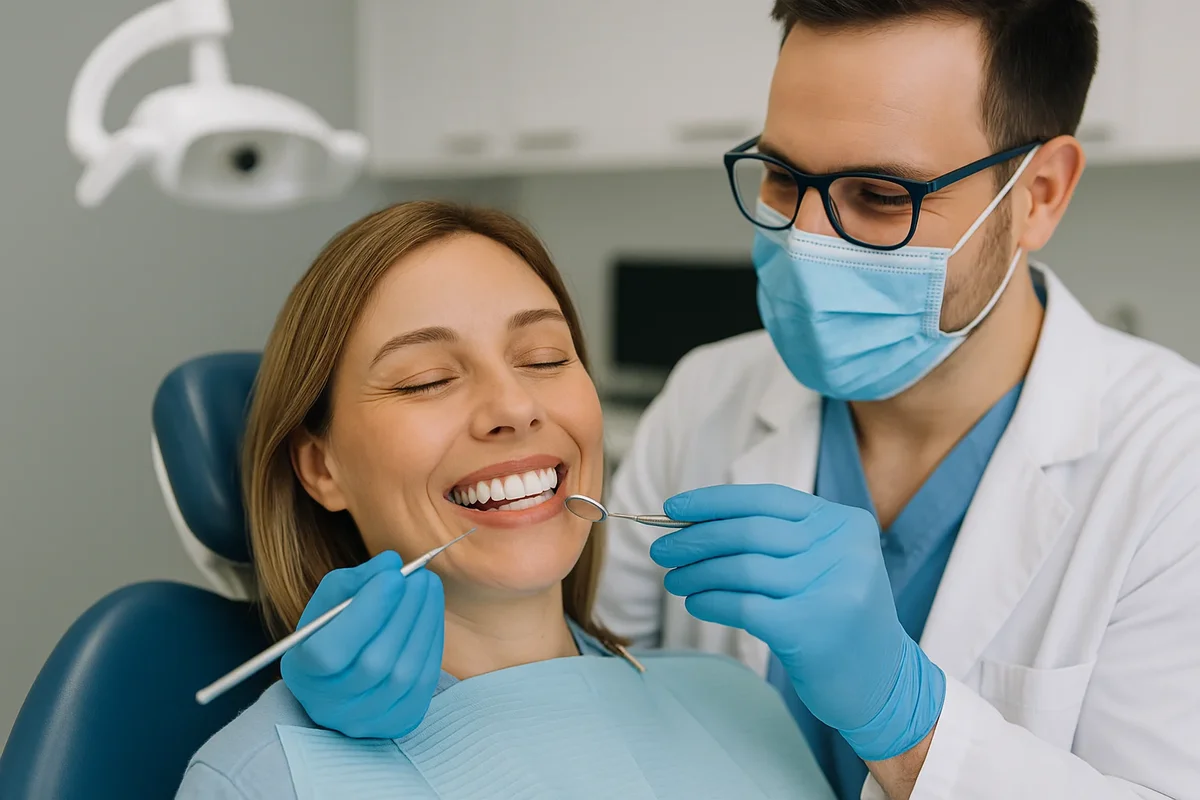
Finding the Best Comfort Dentistry Clinic Near You
As comfort dentistry becomes more widely available in 2025, patients now have the opportunity to choose clinics that prioritize relaxation, advanced technology, and personalized care. However, with so many options, finding the right provider can be overwhelming. The best clinic for comfort dentistry is one that combines modern sedation techniques, empathetic staff, state-of-the-art equipment, and a patient-centered approach. This section provides a comprehensive guide to help you identify, evaluate, and select the ideal comfort dentistry clinic near you. 🦷✨
Researching Local Clinics
The first step in finding the right clinic is thorough research. Begin by searching online for dental practices that explicitly mention comfort dentistry in their services. Websites, social media profiles, and online reviews often provide insights into how clinics prioritize patient comfort. Pay attention to patient testimonials that mention sedation experiences, anxiety management, or the friendliness of the staff.
Checking Accreditation and Professional Associations
A reputable clinic should be accredited by recognized dental associations. Membership in organizations such as the American Dental Association signals adherence to strict safety and ethical standards. Accreditation also ensures that sedation techniques are performed under guidelines designed to maximize patient safety.
Evaluating Sedation and Comfort Options
Different patients have different needs, so the best comfort dentistry clinics offer a full spectrum of sedation and relaxation methods. From nitrous oxide and oral sedation to IV sedation and, in rare cases, general anesthesia, a range of options ensures that patients with varying levels of anxiety receive the support they need. In addition to sedation, clinics should provide calming environments, distraction tools such as music or movies, and staff trained in empathetic communication.
Questions to Ask
When evaluating a clinic, ask questions such as:
- What sedation options are available for routine and complex procedures?
- How do you ensure patient safety during sedation?
- Do you offer comfort-enhancing features like noise-canceling headphones, aromatherapy, or ergonomic chairs?
- How do you support patients with dental phobias or special needs?
Considering Technology and Innovation
Modern comfort dentistry relies heavily on advanced tools and digital innovations. Look for clinics equipped with 3D scanners, digital X-rays, and laser dentistry technology. These tools not only make treatments faster and more accurate but also minimize discomfort and speed recovery times. Clinics that embrace technology are usually better equipped to deliver a truly stress-free dental experience.
Signs of a Modern Practice
Key signs of a forward-thinking clinic include the use of computer-guided anesthesia delivery, minimally invasive laser procedures, and even virtual reality (VR) tools to reduce anxiety. These features distinguish advanced comfort dentistry clinics from traditional practices.
Reviewing Costs and Financing Options
While comfort dentistry often involves higher costs than traditional care due to sedation and technology, transparency in pricing is essential. The best clinics provide clear cost estimates and offer financing plans or membership options to make care more accessible. Ask if the clinic accepts your insurance and whether sedation is covered in specific cases, such as for patients with extreme anxiety or special medical needs.
Balancing Quality and Affordability
Although affordability is important, choosing the cheapest option may not always be the best. Focus on the value a clinic provides—considering patient comfort, safety, and long-term outcomes—rather than price alone.
Visiting the Clinic in Person
A physical visit can reveal much about a clinic’s approach to comfort dentistry. During your visit, observe the cleanliness, the friendliness of staff, and the overall atmosphere. Many clinics offer free consultations or tours, allowing you to assess whether the environment feels welcoming and safe.
Trusting Your Intuition
Comfort dentistry is about more than just clinical excellence—it’s about how you feel during your visit. If you feel at ease with the staff and the environment, it’s a strong sign that the clinic is the right fit for you.
Recommendations and Word of Mouth
Ask family, friends, or colleagues if they have visited a clinic specializing in comfort dentistry. Personal recommendations often provide the most trustworthy insights, especially if someone shares how their anxiety was reduced or how smoothly a procedure went under sedation.
Choosing a Clinic That Prioritizes You
Ultimately, the best comfort dentistry clinic is one that respects your needs, listens to your concerns, and provides solutions tailored to you. Clinics like Redent Klinik, for example, emphasize patient-centered care by combining modern technology with compassionate communication and a wide range of sedation options. To learn more or book a consultation, visit the Redent Klinik Contact Page.
In conclusion, finding the right comfort dentistry clinic requires careful research, evaluation of sedation and technology, and personal connection with the dental team. By prioritizing safety, innovation, and emotional well-being, the best clinics ensure that patients experience dentistry not as a source of fear but as a supportive, stress-free path to long-term oral health. 🌟