
In today’s healthcare landscape, access to affordable and high-quality dental care is more important than ever. A community dental clinic serves as a cornerstone for people who need reliable oral health services without the burden of high costs. Whether you’re uninsured, underinsured, or simply seeking a welcoming place for your family’s dental needs, a community dental clinic offers an essential solution. 🦷
Unlike private practices that often prioritize profit, a community dental clinic puts people first. These clinics are typically nonprofit or government-funded and aim to ensure everyone—regardless of income, insurance status, or background—receives the care they deserve. From cleanings to emergency dental services, these clinics help bridge the gap in access to oral health. ❤️
The Mission Behind Community Dental Clinics
The mission of a community dental clinic is grounded in equity and public service. They exist to meet the needs of underserved populations and play a pivotal role in promoting health at the local level. Their goal isn’t just to treat patients, but to educate them on the importance of oral hygiene, preventative care, and regular check-ups.
Organizations like the American Dental Association support initiatives that expand dental care to vulnerable groups through these types of clinics. It’s about more than filling cavities—it’s about improving lives, one smile at a time. 😊
Accessibility and Convenience for All
One of the biggest reasons people turn to a community dental clinic is because of its accessibility. Most are located in easily reachable areas—near schools, neighborhoods, or public transportation routes—making it easy for patients to show up for appointments. Some clinics even offer extended hours or weekend service to accommodate working individuals and families.
Accessibility also means a welcoming environment. Community-based clinics are often culturally sensitive, multilingual, and staffed by professionals who truly care. For immigrant communities or those who feel marginalized in traditional healthcare spaces, this is a huge advantage.
Cost-Effective Care Without Compromise
Let’s face it: dental care can be expensive. But a community dental clinic typically offers sliding-scale payment models based on income, and many even provide free services to qualifying individuals. These clinics receive funding from federal grants, state health departments, and nonprofit donations, allowing them to minimize costs for patients.
Common services offered at reduced or no cost include:
- Dental cleanings
- Fluoride treatments
- X-rays
- Fillings
- Root canals
- Extractions
- Dentures and partials
This affordability makes it possible for individuals who might otherwise avoid dental care to receive timely and effective treatment.
Educational and Preventative Focus
Another key advantage of a community dental clinic is its strong focus on education and prevention. These clinics go beyond reactive treatments and invest in long-term wellness strategies. You’ll often find dental hygienists conducting school programs, handing out free toothbrushes, or teaching brushing techniques to kids. 🪥
They also help patients recognize the link between oral health and systemic health. For instance, gum disease has been linked to diabetes and heart conditions. Clinics often partner with local hospitals and general practitioners to ensure coordinated care.
Building Relationships in Your Local Area
Because these clinics are rooted in the communities they serve, they naturally foster long-term relationships. Patients often see the same dentist or hygienist each time they visit, which builds trust and comfort. Over time, this trust turns into better health outcomes as patients are more likely to keep up with their appointments and follow care advice.
Need a reliable clinic near you? You can start your search or book a consultation via the Redent Klinik Contact Page.
Making a Real Impact
Data shows that community dental clinics significantly reduce emergency room visits for oral health issues. Instead of people going to ERs for preventable conditions, they receive proper treatment early on at a local clinic. This benefits not just the patient, but the healthcare system at large—saving time, resources, and lives.
By choosing a community dental clinic, you’re not just investing in your own well-being—you’re supporting a model of care that uplifts entire neighborhoods. It’s a decision that aligns with compassion, equality, and smart healthcare.
Ready to smile with confidence and contribute to healthier communities? Make your next dental visit count by choosing your nearest community dental clinic. 🏥🦷
What Services Do Community Dental Clinics Offer?
A community dental clinic is more than just a place for tooth extractions or quick cleanings—it’s a comprehensive hub for oral health care. These clinics offer a wide array of services tailored to meet the diverse needs of their community, often rivaling those found in private dental practices. Whether you’re seeking routine maintenance or emergency treatment, a community dental clinic has you covered. 🏥🦷
Preventive Dental Services
Prevention is the cornerstone of dental health, and community dental clinics place a major emphasis on early detection and preventive care. Services in this category typically include:
- Professional dental cleanings (every 6 months)
- Oral exams and checkups
- Fluoride treatments
- Dental sealants for children
- X-rays to detect underlying issues
These services help catch issues early before they evolve into painful or expensive conditions. Regular checkups at your local community dental clinic are an essential part of a healthy routine for both adults and children. 👨👩👧👦
Restorative Dental Care
Sometimes preventive measures aren’t enough, and treatment becomes necessary. That’s where restorative services come in. Community dental clinics often provide:
- Tooth fillings (composite and amalgam)
- Root canals
- Dental crowns
- Tooth extractions
- Bridges and dentures
These restorative options help patients regain full function and appearance of their teeth, improving quality of life and self-confidence.
Emergency Dental Care
Dental emergencies can strike at any time—a broken tooth, sudden swelling, or unbearable pain. Many community dental clinics offer walk-in services or same-day appointments to handle urgent cases. Emergency care can include:
- Toothache relief
- Broken or chipped tooth repair
- Infection management
- Emergency tooth extractions
Quick intervention can make all the difference in saving a tooth or preventing serious complications. That’s why having access to a community dental clinic nearby is so valuable. ⏱️
Pediatric Dentistry
Children have unique dental needs, and most community dental clinics are equipped with pediatric specialists. From teething infants to teenagers with braces, care is tailored to developmental stages. Services include:
- First dental visits and education
- Fluoride varnishes
- Sealants to protect young molars
- Orthodontic screenings
- Nutrition counseling for oral health
Many parents trust their community dental clinic to introduce their child to a lifetime of good dental habits in a friendly, stress-free environment. 🧒🪥
Cosmetic Dentistry (Available in Some Clinics)
While not all clinics offer cosmetic services, some community dental clinics have expanded their offerings to include aesthetic procedures. These may include:
- Teeth whitening
- Dental bonding
- Veneers (limited availability)
These services can be particularly helpful for individuals preparing for job interviews, special events, or simply wanting to enhance their smile—without the hefty price tag of private clinics.
Oral Health Education
Education is a core service offered by every community dental clinic. Patients are guided through proper brushing techniques, flossing methods, dietary habits, and smoking cessation. Clinics often conduct community outreach programs in schools, senior centers, and public health fairs to spread awareness. 📚
Educational efforts not only prevent disease but also empower individuals to take charge of their health.
Specialized Referrals
If a patient’s needs exceed what the community dental clinic can provide in-house—such as advanced orthodontics or oral surgery—they will be referred to a trusted specialist. Many clinics have networks and partnerships that ensure continuity of care and affordable pricing.
Support Services
In addition to dental services, many community dental clinics provide or coordinate supportive services like:
- Translation and multilingual support
- Transportation assistance for seniors
- Mental health referrals related to dental anxiety
- Insurance navigation or Medicaid application help
This holistic approach to care ensures every individual gets the help they need—physically, emotionally, and financially.
Example Pricing (Varies by Clinic)
Here’s a general idea of what you might expect to pay at a community dental clinic (based on sliding scale or uninsured rates):
Dental Cleaning:            $30–$75
X-Rays:                     $20–$50
Tooth Filling:              $50–$150
Root Canal (anterior):      $150–$400
Simple Extraction:          $75–$200
Complete Dentures:          $300–$800
For specific rates and eligibility, it’s best to contact your nearest community dental clinic directly. Or use the Redent Klinik Contact Page to learn more about available services.
With all these offerings under one roof, it’s easy to see why a community dental clinic is a trusted destination for so many. Affordable, accessible, and comprehensive—these clinics are shaping the future of inclusive dental care. 🌍🦷
Benefits of Visiting a Local Community Dental Clinic
Choosing a community dental clinic can offer more than just dental care—it delivers peace of mind, accessibility, and a sense of belonging. Whether you’re new to an area or a long-time resident, these clinics are designed to meet the specific needs of local communities. 🌟
Let’s explore the wide-ranging advantages of making your local community dental clinic your go-to destination for oral health care.
1. Affordable Care for All Budgets
The most obvious benefit is cost. A community dental clinic provides services at significantly reduced rates or even for free, depending on your income and eligibility. Many operate on a sliding-scale system, ensuring that no one is turned away due to financial hardship. 💸
This approach opens the door to high-quality care for uninsured individuals, families with low income, and seniors living on fixed budgets. Compared to private practices, where a single procedure can cost hundreds, these clinics offer an economically sustainable solution.
2. Convenient Access in Your Neighborhood
One of the greatest advantages of a community dental clinic is location. These facilities are typically embedded within the neighborhoods they serve, making it easier for patients to arrive on time, even without personal transportation.
Many clinics are strategically placed near schools, public housing, or community centers, ensuring that individuals who need care the most can access it. 🚶♀️🚌
3. Compassionate and Culturally Competent Care
Community clinics are known for fostering an inclusive environment. The staff at a community dental clinic often reflect the diversity of the community itself, speaking multiple languages and understanding cultural nuances that can influence care. 🗣️🌍
This creates a more welcoming atmosphere, especially for immigrants or non-native English speakers, who may feel overlooked or judged in other healthcare settings.
4. Emphasis on Preventive Health
Unlike some private practices that might focus more on high-ticket treatments, a community dental clinic centers its mission around education and prevention. From free toothbrushes and toothpaste giveaways to oral health classes and hygiene workshops, patients are empowered to maintain their dental health long term. 🪥
Preventive care saves money, time, and discomfort in the long run. Early detection of gum disease, cavities, or oral infections leads to quicker and less invasive treatments.
5. Personalized Attention and Long-Term Relationships
While you might expect large patient volumes to reduce personalization, the opposite is often true. At a community dental clinic, patients are usually seen by the same care team regularly. Over time, this continuity fosters trust and rapport, leading to better treatment adherence and patient satisfaction.
Dental anxiety is also addressed more effectively in this setting, with gentle approaches and familiar faces making each visit less stressful. 😊
6. Wide Range of Dental Services
Many patients are surprised to discover how many services their local community dental clinic provides. From fillings and cleanings to dentures and root canals, the goal is to offer comprehensive care under one roof. Some clinics even include oral cancer screenings, gum therapy, or referrals to specialists for more advanced needs.
This eliminates the hassle of hopping between multiple providers and simplifies the treatment process.
7. Child-Friendly Environment
Parents seeking quality care for their children will find that a community dental clinic offers a kid-friendly environment. Colorful décor, patient educators, and dental professionals trained in pediatric care ensure children feel safe and cared for during their visits. 👶🎈
Regular pediatric dental checkups are crucial for preventing future dental issues, and community clinics often partner with schools to encourage early dental hygiene habits.
8. Strong Community Ties
As the name suggests, a community dental clinic is deeply integrated into the fabric of local life. These clinics participate in health fairs, school programs, and public wellness initiatives. Patients feel connected, not just as clients, but as stakeholders in a shared vision for better health. 🤝
This community-oriented model builds trust and ensures that dental care is both responsive and relevant to the population it serves.
9. Easier Access to Insurance Assistance
Navigating insurance—especially Medicaid—can be confusing. That’s why most community dental clinics have dedicated staff to help patients understand their benefits, file claims, or apply for low-cost coverage. 🧾
This hands-on support streamlines the process and helps patients maximize the coverage they’re eligible for. No one should forgo treatment due to paperwork confusion, and these clinics make sure that doesn’t happen.
10. Better Overall Health Outcomes
By reducing financial, geographic, and emotional barriers to care, community dental clinics significantly improve oral health outcomes. This, in turn, leads to better overall health—since oral infections can affect the heart, lungs, and blood sugar control in diabetics.
By visiting your local community dental clinic, you’re not just treating teeth; you’re protecting your entire body. 🫀🦷
Want to experience the benefits for yourself? Contact the professionals at Redent Klinik to schedule a visit or learn more about your local options.
Ultimately, a community dental clinic isn’t just a place to get treatment—it’s a trusted partner in your long-term wellness journey. 💪
Affordable Dental Care: How Clinics Help Low-Income Patients
Oral health is a fundamental part of overall well-being, yet millions of people avoid the dentist simply because they can’t afford it. This is where the community dental clinic steps in, offering a life-changing alternative for low-income individuals and families. 💡
By making quality dental care affordable and accessible, a community dental clinic plays a vital role in leveling the healthcare playing field. Let’s explore exactly how these clinics support underserved populations and ensure that no one is left behind due to financial constraints.
Sliding Scale Fees Based on Income
One of the most impactful features of a community dental clinic is its sliding fee structure. This system allows patients to pay according to what they can afford, based on verified income. For example:
Income Bracket              Typical Fee for Cleaning
-----------------------------------------------
$0 – $15,000/year           Free or $10
$15,000 – $25,000/year      $15 – $30
$25,000 – $35,000/year      $30 – $50
This flexibility removes a major financial barrier and ensures that even the lowest-income individuals can receive preventive and restorative care. 🏷️
Free or Discounted Dental Days
Many community dental clinics organize annual or seasonal “free dental days” where cleanings, checkups, and even simple procedures are offered at no cost. These events are often supported by volunteer dentists, hygienists, and students. It’s a powerful example of community working together to support its own. 🦷✨
Government and Grant Funding
To maintain affordability, a community dental clinic relies heavily on federal, state, and local funding. Programs like the Health Resources and Services Administration (HRSA) and nonprofit foundations allocate funds specifically to help clinics provide care to those in need. This financial support allows clinics to cover operational costs without shifting the burden onto patients.
Thanks to these resources, the average cost of services at a community dental clinic is often 50–80% lower than at private clinics.
Medicaid and Insurance Navigation
Low-income patients may qualify for Medicaid or local health coverage but often don’t know how to access it. Community dental clinics usually have insurance specialists on-site who assist patients with applications, renewals, and claims. This support ensures patients can use their benefits properly and don’t miss out on available help. 🧾
Even for those without insurance, many clinics offer membership plans or payment plans to break up costs over time.
Emergency Dental Services Without the ER Bill
When people can’t afford dental care, they often delay treatment until the pain becomes unbearable—leading them to emergency rooms. But ERs aren’t equipped for dental issues, and the bills can be astronomical. 💸
A community dental clinic prevents this by offering walk-in emergency services at drastically reduced rates. Patients get real dental treatment without a hospital price tag.
Dental Care for the Homeless and Uninsured
Many community dental clinics go above and beyond by partnering with homeless shelters and community outreach programs. They offer mobile dental vans, pop-up clinics, or transportation to ensure care reaches even the most vulnerable populations.
Services often provided free of charge to these groups include:
- Tooth extractions
- Basic fillings
- Oral exams and pain relief
- Oral hygiene kits
For someone experiencing homelessness, access to a community dental clinic can be the difference between unbearable pain and a path to healing.
Reducing Health Disparities
Health disparities often stem from lack of access and affordability. By prioritizing low-income populations, a community dental clinic helps reduce these inequalities and provides a foundation for lifelong oral health. This is especially critical for communities of color and immigrant populations who are disproportionately affected by dental neglect. 🧑🏽⚕️🌎
It’s not just about fixing teeth—it’s about restoring dignity, confidence, and opportunity.
Partnerships with Schools and Nonprofits
To extend their reach, many community dental clinics partner with schools, churches, and local nonprofits. These partnerships bring oral care directly to children in low-income neighborhoods or sponsor checkups for families during back-to-school seasons.
Collaborations often include:
- In-school dental screenings
- Free fluoride treatments
- Oral health education for kids and parents
This proactive approach ensures that income doesn’t block access to essential dental care for the next generation. 🧒🏽📚
Real-World Impact
Studies have shown that low-income individuals who regularly visit a community dental clinic report better oral health, fewer missed school or workdays, and lower overall healthcare costs. These clinics don’t just fix problems—they prevent them, empower people, and keep communities healthier as a whole.
Need help with affordable dental care? Reach out via the Redent Klinik Contact Page to explore your options.
In summary, the affordability provided by a community dental clinic is not a luxury—it’s a necessity. By meeting people where they are financially, these clinics offer more than care—they offer hope. 🙌
Eligibility Requirements at a Community Dental Clinic
One of the most common questions people ask is, “Am I eligible to visit a community dental clinic?” The good news is that these clinics are intentionally designed to be inclusive, aiming to provide care to everyone in need—especially those who face barriers to traditional dental services. 🏥🦷
While every community dental clinic may have slightly different criteria depending on funding sources, location, and local population needs, there are several core eligibility factors that are commonly applied.
1. Income-Based Eligibility
Most community dental clinics operate on a sliding-scale payment system, which means your income determines how much you pay—or whether you qualify for free care. To be eligible for this model, clinics usually ask for documentation such as:
- Pay stubs or proof of income
- Tax returns (most recent)
- Unemployment or disability documentation
- Food stamp (SNAP) or housing benefit letters
Income thresholds often follow federal poverty guidelines. For example, patients earning below 200% of the federal poverty level typically qualify for reduced fees or free services at a community dental clinic.
2. Residency or Local Address
Some community dental clinics serve specific geographic regions or zip codes. You may need to provide proof of local residence such as a utility bill, lease agreement, or shelter address letter. This helps clinics prioritize care for the community they’re funded to serve. 🗺️
However, not all clinics have residency restrictions—especially those funded by broader state or national grants. It’s always a good idea to call ahead or visit their website for location-specific details.
3. Insurance Status
Many patients assume they need to be uninsured to use a community dental clinic, but that’s not always the case. Clinics often welcome:
- Uninsured individuals
- Medicaid recipients
- Underinsured patients with high deductibles
- Patients with limited dental insurance coverage
Even if you have insurance, a community dental clinic may be able to offer lower rates than your out-of-pocket costs at a private dental office. And in many cases, they’ll help you understand and utilize your benefits effectively. 🧾📞
4. Priority Populations
Some community dental clinics are specifically designed to serve high-need populations, including:
- Children from low-income families
- Seniors on fixed incomes
- People experiencing homelessness
- Veterans
- Immigrants and refugees
- Individuals with disabilities
Being part of one of these groups may give you priority access to services, or additional benefits such as free transportation or case management support.
5. Enrollment or Appointment Requirements
To streamline access and avoid overcrowding, many community dental clinics require patients to:
- Register in advance
- Attend an intake interview
- Bring identification (e.g., driver’s license, passport)
Some clinics also require patients to commit to follow-up appointments and oral hygiene programs, especially if treatment is offered at a discount. 📅🦷
6. Documentation-Free Clinics
For undocumented immigrants or unhoused individuals, paperwork can be a barrier. That’s why some community dental clinics offer “no documentation required” services. These clinics still provide high-quality care without requiring immigration status, ID cards, or proof of income. 🤝
This inclusive model ensures that even the most vulnerable members of society can maintain their oral health with dignity and respect.
7. Pediatric Eligibility
Children are often automatically eligible for free or low-cost care at a community dental clinic, especially if they’re enrolled in school lunch programs, Medicaid, or CHIP (Children’s Health Insurance Program). Clinics may even offer in-school exams or mobile clinics to ensure access to care during school hours. 🧒📚
8. Dental Hygiene Students and Free Clinics
In many areas, community dental clinics are affiliated with dental schools or hygiene training programs. These facilities often provide deeply discounted care performed by supervised students. Eligibility here may be open to all residents, regardless of income or insurance. 🧑🎓
9. How to Check Your Eligibility
The fastest way to check your eligibility is to call your nearest community dental clinic or visit their official website. You can also reach out via the Redent Klinik Contact Page to speak with a dental coordinator who can help you get started.
Be prepared to share your basic demographic information and documentation (if required). Most clinics are more than happy to walk you through the process with compassion and clarity. 📞❤️
10. Summary: Open Doors for Those in Need
Ultimately, the goal of every community dental clinic is to reduce barriers—not create them. Whether you’re a student, senior, single parent, or someone between jobs, these clinics are structured to welcome you. They offer access, dignity, and real solutions for people who may otherwise go without dental care.
Don’t let uncertainty stop you from smiling confidently. Reach out to your local community dental clinic today and take the first step toward better oral health. 😁
Community Dental Clinic vs. Private Practice: Key Differences
When it comes to choosing a dental care provider, patients often compare a community dental clinic with a private dental practice. While both aim to improve oral health, the differences in cost, mission, patient approach, and accessibility can be significant. 🦷⚖️
Understanding these key distinctions can help you decide which option best suits your personal needs and budget. Let’s dive into the core differences between a community dental clinic and a traditional private dental office.
1. Purpose and Mission
A community dental clinic exists primarily to serve the public—especially underserved, low-income, or uninsured individuals. These clinics are usually nonprofit organizations or government-funded entities that emphasize equitable access to dental care.
In contrast, private practices are for-profit businesses that operate independently. While they also provide quality care, their mission is typically centered around financial sustainability and personalized premium services.
2. Cost of Services
Perhaps the most notable difference is the cost. A community dental clinic offers highly subsidized rates and often uses a sliding-scale fee structure based on a patient’s income. Many procedures can be free or offered at a fraction of the cost you’d expect in a private clinic.
In private practice, prices are generally fixed and can be significantly higher. Insurance is often required, and out-of-pocket costs for uninsured patients can quickly add up. 💰
3. Insurance Requirements
Community dental clinics are generally more flexible regarding insurance. They commonly serve uninsured patients and help with Medicaid enrollment. Many even offer assistance in applying for government dental programs or local discount plans.
Private clinics, on the other hand, often require proof of insurance or upfront payment. They may not accept Medicaid or have limited insurance partnerships. For uninsured patients, this can be a barrier to receiving care.
4. Range of Services
Both options offer core dental services such as cleanings, fillings, X-rays, and extractions. However, private practices may have access to advanced technology and cosmetic services like veneers, Invisalign, or dental implants. 🦷✨
While a community dental clinic may not provide every cosmetic or specialized procedure, they excel in delivering essential services that address functional and urgent needs—especially preventive and restorative care.
5. Appointment Availability
Private practices usually have more appointment flexibility and shorter wait times. You can often schedule routine check-ups or procedures within a few days.
At a community dental clinic, demand can be high, especially for new patients. There may be waiting lists or fewer daily appointment slots due to limited staffing or high patient volumes. However, clinics often prioritize urgent cases and walk-ins. ⏱️
6. Staff Structure and Training
Private practices tend to have small, consistent teams that build long-term relationships with patients. You often see the same dentist and hygienist each visit.
A community dental clinic may rotate staff more frequently due to partnerships with dental schools or rotating public health providers. While care remains professional and compassionate, the continuity of providers may vary.
7. Patient Demographics
Community dental clinics tend to serve a broader cross-section of the population, including low-income families, seniors, people experiencing homelessness, and individuals without insurance.
Private practices generally cater to middle- and upper-income individuals with employer-sponsored dental plans or private insurance. The experience may feel more exclusive, but less diverse in terms of patient background. 🌍
8. Facilities and Technology
Private dental offices often invest heavily in high-tech equipment, spa-like waiting rooms, and cosmetic innovations. While this enhances comfort, it also contributes to higher costs.
A community dental clinic is typically more functional than flashy. The focus is on delivering high-quality care efficiently, even if the decor or equipment is more basic. What they may lack in aesthetic frills, they make up for in mission-driven service. 🏥
9. Community Engagement
Unlike private clinics, a community dental clinic is deeply rooted in local outreach. From school dental screenings to free dental fairs and public health campaigns, these clinics are invested in community well-being beyond their office walls.
This often translates to free educational materials, preventive care programs, and partnerships with local nonprofits or schools. 🧒🏾📚
10. Which One Is Right for You?
Deciding between a community dental clinic and a private practice depends on your priorities:
- If cost, accessibility, and inclusive care are most important → choose a community dental clinic.
- If you seek advanced cosmetic treatments or expedited services → a private clinic may be the better fit.
Ultimately, both models contribute to better oral health. But if you’re looking for an affordable, mission-driven, and patient-centered approach, a community dental clinic may be your ideal choice. 🙌
Still unsure? Reach out to your local provider through the Redent Klinik Contact Page to explore your options and schedule a consultation.
Choosing where you get your care is an important decision—make it with clarity, compassion, and confidence. 💙
How to Find a Reputable Community Dental Clinic Near You
Searching for a trusted community dental clinic in your area can feel overwhelming—especially if you’re new to the region, uninsured, or unsure where to start. Fortunately, there are multiple reliable ways to find a clinic that fits your needs and offers compassionate, affordable care. 🧭🦷
Below is a step-by-step guide to help you locate a reputable community dental clinic near you and evaluate your options effectively.
1. Use Online Search Tools
Start your journey with a simple Google search like “community dental clinic near me” or “low-cost dental clinic in [your city].” You’ll often find listings with maps, user reviews, contact information, and even photos of the facilities.
Trusted websites that can help include:
- HRSA Find a Health Center – A U.S. government tool to locate federally-funded clinics.
- 211.org – A nationwide resource database offering free referrals to dental clinics.
- American Dental Association – For verifying a clinic’s affiliation or license status.
These platforms are especially helpful for filtering clinics based on location, language support, and service offerings.
2. Ask Your Local Health Department
Your city or county health department is one of the most reliable sources for locating a nearby community dental clinic. Many health departments either operate their own dental programs or maintain updated lists of trusted clinics in the area. 🏛️
You can typically call, email, or visit their website to request information. Some departments even offer printable directories or intake forms to speed up the process.
3. Check with Local Hospitals and Universities
Hospitals and dental schools often run affiliated community dental clinics to serve the public and train students under licensed supervision. These facilities offer high-quality care at a fraction of the cost and are usually open to the general public. 🎓🏥
Examples of dental schools with public clinics include:
- University-based dental programs (e.g., NYU, UCLA, University of Michigan)
- Community college dental hygiene schools
Although student-run, these clinics maintain professional standards and are overseen by experienced dentists.
4. Reach Out to Nonprofit Organizations
Many nonprofit groups focus on expanding access to dental care. Organizations like the Dental Lifeline Network and Missions of Mercy frequently operate mobile community dental clinics or host dental events in underserved areas. 🦷❤️
You can find local events or permanent clinic locations by visiting their websites or following their community outreach calendars.
5. Use Social Media and Community Groups
Local Facebook groups, Reddit forums, or neighborhood apps like Nextdoor can be goldmines of firsthand information. Post a simple question like “Can anyone recommend a good community dental clinic nearby?” and you’ll likely get responses from people who’ve had direct experience.
Just be sure to verify the clinic’s legitimacy afterward by checking reviews, licenses, or affiliations with health organizations.
6. Look for Clinics With Transparent Information
A reputable community dental clinic will clearly share their services, pricing (or sliding scale policy), eligibility requirements, and scheduling procedures. Their website should be informative, and staff should be willing to answer questions over the phone. 📞💬
Red flags to watch out for:
- No phone number or address listed
- Hidden or unclear pricing policies
- Outdated website or incorrect information
7. Evaluate Licensing and Accreditation
Once you’ve identified a potential community dental clinic, it’s important to confirm that the clinic and its staff are properly licensed. Reputable clinics are often affiliated with state dental boards, public health networks, or professional organizations such as the American Dental Association.
Some clinics also display badges or certifications showing compliance with safety standards or health codes. ✅
8. Consider Accessibility and Services
Beyond trustworthiness, make sure the community dental clinic meets your specific needs. Ask yourself:
- Do they offer pediatric services if I have children?
- Are evening or weekend hours available?
- Is the location accessible by public transit or walking?
- Do they provide emergency care?
- Are multilingual staff or translation services available?
Answering these questions ensures your experience is not only affordable but also convenient and welcoming. 🌐
9. Visit or Call the Clinic Directly
If possible, visit the community dental clinic in person or call to speak with a staff member. Ask about appointment availability, documentation requirements, or financial assistance. The way they respond will give you a good sense of the clinic’s professionalism and patient care philosophy. 🗣️
Need help reaching one? You can contact the team via the Redent Klinik Contact Page to get started today.
10. Final Thoughts
Finding a reputable community dental clinic doesn’t have to be complicated. With a little research and outreach, you can connect with a clinic that values your health, respects your circumstances, and helps you maintain a beautiful, pain-free smile. 😁
Start with trusted sources, ask questions, and prioritize clinics that treat you with dignity and care. Because everyone deserves a healthy smile—no matter their income or background.
Are Community Dental Clinics Safe and Regulated?
A common concern among new patients is whether a community dental clinic offers the same level of safety, hygiene, and professionalism as a private practice. The answer is a confident: yes. ✅
Community dental clinics are held to the same state and federal regulations as any other healthcare facility. In fact, many exceed these standards due to additional oversight from government agencies, grant providers, and public health institutions. 🏥🦷
1. Licensing and Certification
Every community dental clinic must be licensed by the state dental board. This includes verification of staff credentials, facility inspections, and compliance with all clinical guidelines. Dentists, hygienists, and assistants are all required to maintain active licenses and ongoing education. 🎓
You can verify a provider’s credentials through your state’s Department of Health or via the American Dental Association provider lookup tool.
2. Infection Control and Sterilization
One of the most crucial safety aspects in a community dental clinic is infection control. These clinics follow strict sterilization protocols and OSHA (Occupational Safety and Health Administration) standards. Instruments are autoclaved, rooms are sanitized between patients, and staff wear proper protective equipment.
Especially post-COVID-19, clinics have increased hygiene measures, including:
- HEPA air filtration systems
- Temperature checks
- Limited waiting room occupancy
- Sanitizing stations throughout the facility
Safety isn’t a luxury in a community dental clinic—it’s a mandate. 🧼😷
3. Oversight by Public Health Agencies
Unlike private practices, many community dental clinics receive federal or state funding. In return, they must meet performance benchmarks and are subject to regular audits, quality assurance checks, and patient satisfaction surveys. 📊
Programs such as the Health Resources and Services Administration (HRSA) monitor these clinics closely to ensure transparency, efficiency, and patient safety.
4. Ethical Guidelines and Transparency
Most community dental clinics follow a patient-first philosophy. They are nonprofit or publicly funded and therefore guided by public health ethics rather than profit incentives. Services, eligibility criteria, and pricing are clearly posted for patients to see—eliminating surprise fees or aggressive upselling.
That kind of transparency builds trust and ensures ethical care for all. 🤝
5. Use of Modern Equipment
Although a community dental clinic may not have the luxury aesthetics of a private spa-like office, that doesn’t mean they skimp on technology. Many clinics are equipped with modern dental chairs, digital X-ray systems, and intraoral cameras to deliver accurate diagnoses and efficient care. 🖥️📸
In fact, clinics affiliated with dental schools or nonprofits often benefit from donated equipment, grants for upgrades, or partnerships that keep them technologically current.
6. Staff Training and Continuing Education
Staff at a community dental clinic are required to participate in ongoing training, including:
- Emergency response procedures (e.g., CPR, anaphylaxis)
- HIPAA compliance and patient privacy laws
- Radiation safety and equipment handling
- Updates on clinical best practices and new treatments
Many clinics also have affiliations with universities, meaning their providers are either educators or students under expert supervision—ensuring knowledge of the latest dental innovations. 🎓
7. Patient Rights and Advocacy
A reputable community dental clinic offers every patient a clear understanding of their rights and responsibilities. Patients are typically given brochures or verbal explanations that cover:
- Consent procedures
- Confidentiality and privacy
- Complaint and feedback channels
- Treatment options and alternatives
This advocacy-centered approach ensures patients never feel pressured or overlooked. Instead, they feel empowered and respected in their treatment journey. 📋❤️
8. Emergency Protocols
Every community dental clinic has protocols for handling medical emergencies. This includes staff trained in first aid, partnerships with nearby hospitals, and emergency supply kits. Clinics may also coordinate with public health offices during natural disasters or pandemics to continue providing essential care.
Safety isn’t just about sterilization—it’s about preparation, too. 🧯
9. Reviews and Public Feedback
Just like private clinics, community dental clinics are rated and reviewed by patients. Online platforms such as Google, Yelp, and Healthgrades allow you to read firsthand experiences. A high volume of positive reviews is a great indicator of trustworthiness and safety.
Look for recurring themes like:
- Friendly and professional staff
- Clean and organized facilities
- Transparent billing
- Clear explanations of procedures
10. When in Doubt, Ask Questions
If you’re unsure about a specific community dental clinic, don’t hesitate to call and ask about their safety procedures, certifications, or infection control measures. The willingness to provide clear answers is a strong sign of a responsible and regulated clinic. 🗣️
Still need help verifying a clinic’s safety? Reach out through the Redent Klinik Contact Page and speak directly with a dental coordinator.
In summary, a community dental clinic is not only safe but often more closely monitored than private clinics. With proper licensing, trained staff, and rigorous hygiene standards, you can rest assured that your smile is in secure hands. 🛡️😁
Success Stories from Real Patients at Community Dental Clinics
Behind every community dental clinic is a collection of real stories—stories of lives changed, pain relieved, and confidence restored. These clinics don’t just clean teeth; they empower people to smile again, often after years of neglect due to financial hardship or fear of judgment. 🦷❤️
In this section, we highlight a few powerful testimonials that show just how transformative a community dental clinic can be.
1. Maria’s Journey to a Pain-Free Smile
Maria, a 47-year-old single mother from Houston, hadn’t seen a dentist in over 10 years due to a lack of insurance. Years of untreated cavities caused daily pain, making it difficult to eat or sleep. After visiting her local community dental clinic, she received several fillings, a root canal, and deep cleaning over the course of three visits—all for under $100 thanks to a sliding fee discount.
“They treated me like I mattered,” Maria said. “I walked out smiling without pain for the first time in years.”
2. Rebuilding Confidence: Jamal’s Story
Jamal, a 22-year-old college student, was self-conscious about his teeth. Growing up, he rarely went to the dentist. Crooked and discolored teeth had affected his confidence in social situations and job interviews. At a community dental clinic near his campus, he was able to get teeth whitening, a partial denture, and preventative care—all at no cost through a student support grant. 🎓
“They didn’t just fix my teeth—they gave me my voice back,” Jamal shared. “Now I smile in every photo.”
3. Emergency Relief for a Senior in Need
Mark, a 68-year-old retiree, visited a community dental clinic with an abscessed tooth that caused severe swelling. As a fixed-income senior, he couldn’t afford a private dentist. The clinic provided him with an emergency extraction, antibiotics, and a follow-up cleaning plan.
“They saw me the same day,” Mark said. “I expected paperwork and delays, but instead I got help and kindness. That clinic is a godsend.”
4. Pediatric Care That Makes a Difference
Lucia, the mother of 6-year-old twins, struggled to find affordable dental care for her kids. She discovered a nearby community dental clinic that offered pediatric services. Her children received cleanings, sealants, and fluoride treatments—all for under $50 total. 🧒🪥
“The staff was patient and gentle. My kids actually asked when we could go back,” Lucia said, laughing. “Now dental care is just part of our routine.”
5. Language Doesn’t Have to Be a Barrier
For Ahmed, an Arabic-speaking immigrant, language had always made navigating healthcare difficult. But his local community dental clinic had multilingual staff and translation services. He was able to communicate comfortably, understand his treatment plan, and feel respected during every visit. 🌍
“They made me feel welcome,” Ahmed noted. “It’s more than a clinic—it’s part of the community.”
6. Help for the Homeless
Rachel had been living in a shelter for over a year when she was referred to a mobile community dental clinic. Suffering from multiple decayed teeth and infections, she hadn’t smiled in photos in over a decade. The clinic provided cleanings, extractions, and dentures free of charge.
“I look in the mirror now and see hope,” Rachel said through tears. “This clinic helped me take the first step toward getting my life back.”
7. Supporting Mental Health Through Oral Health
Tom, a 35-year-old veteran, struggled with PTSD and avoided dental visits due to anxiety. A community dental clinic partnered with a local mental health provider to offer trauma-informed dental care. Sedation options and a calm, understanding environment helped Tom get treatment safely and without fear.
“They didn’t rush me. They listened. For the first time, I didn’t feel like a number,” he said. “I felt like a human being.”
8. From Crisis to Care in One Visit
Angela, a waitress working two jobs, broke her tooth on a weekend and couldn’t find any affordable emergency options. Her neighborhood community dental clinic had Saturday hours and accepted walk-ins. She got a temporary crown that same day and scheduled a permanent fix the following week—all at a price she could afford.
“They literally saved my weekend,” Angela said. “I didn’t have to miss work or suffer through the pain.”
9. Empowering Communities, One Smile at a Time
What all these stories have in common is the way a community dental clinic steps in where other systems fail. It’s not just about the procedures—it’s about access, respect, and holistic healing. These clinics operate at the heart of their neighborhoods, offering more than clinical care—they offer hope. 🌟
Want to experience the same compassion and professionalism? Reach out through the Redent Klinik Contact Page and take the first step toward your own success story.
Because at a community dental clinic, every smile matters. 😄
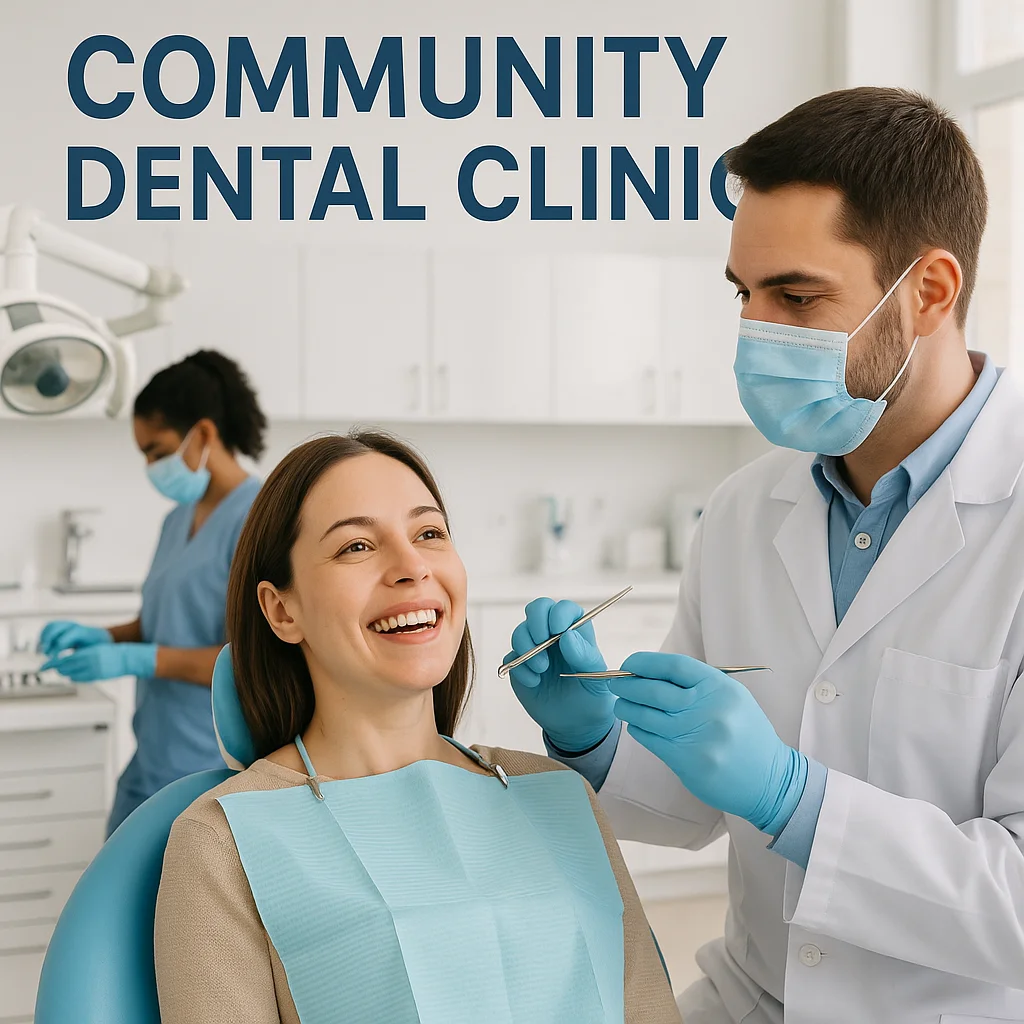
Future of Community Dental Clinics: Trends & Innovations
As healthcare continues to evolve, so too does the community dental clinic. What was once seen as a basic safety-net option is rapidly transforming into a center of innovation, technology, and proactive care. In fact, many community dental clinics are leading the way in how dentistry is delivered, especially for underserved populations. 🚀🦷
In this section, we’ll explore the most exciting trends and innovations shaping the future of the community dental clinic model—and how these changes will improve access, quality, and outcomes for all.
1. Teledentistry and Virtual Screenings
One of the most transformative trends is the rise of teledentistry. Many community dental clinics are now offering virtual consultations for non-emergency cases, initial evaluations, follow-ups, and oral hygiene education. This helps patients get expert advice from the comfort of their homes. 💻📲
Teledentistry increases efficiency and reduces unnecessary in-person visits, which is especially helpful for rural patients or those with mobility issues.
2. Integration with Medical Care
The future of the community dental clinic is interdisciplinary. Increasingly, clinics are integrating dental care with general medical services, creating a more holistic approach to patient health. Many clinics are located inside Federally Qualified Health Centers (FQHCs), where dental, medical, behavioral, and pharmacy services are offered under one roof. 🏥
This integrated model improves communication between providers and helps manage chronic conditions like diabetes and heart disease, which are often linked to poor oral health.
3. AI and Smart Diagnostics
Artificial intelligence is making its way into dental care. Several community dental clinics are piloting AI-powered software that analyzes dental X-rays for early signs of decay, gum disease, or bone loss. These tools assist dentists in making faster and more accurate diagnoses. 🤖
With limited staffing and resources, this kind of technology is a game changer—allowing clinics to serve more patients efficiently without compromising quality.
4. Mobile Dental Units
Accessibility is a cornerstone of the community dental clinic, and mobile clinics are pushing that principle even further. Vans equipped with full-service dental chairs, X-ray equipment, and sanitation systems are now traveling to schools, shelters, and rural areas. 🚌
This “clinic on wheels” model brings care directly to those who need it most, eliminating barriers related to transportation or disability.
5. Green and Sustainable Dentistry
Environmental responsibility is becoming part of the mission at many community dental clinics. Clinics are adopting eco-friendly practices such as:
- Digital records to reduce paper waste
- Non-toxic sterilization processes
- LED lighting and energy-efficient equipment
- Recycling dental materials (where safe and possible)
By going green, clinics are showing that affordable care and sustainability can go hand in hand. 🌱
6. Expanded Scope of Services
The future community dental clinic is no longer limited to fillings and cleanings. Many are expanding to include:
- Oral cancer screenings using advanced imaging
- Periodontal therapy for chronic gum disease
- Basic orthodontic assessments
- Dietary and nutritional counseling for oral health
This broader scope means that patients receive more comprehensive, preventive, and personalized care—all in one place.
7. Emphasis on Patient Education Through Technology
Modern community dental clinics are embracing digital education tools. Tablets and touchscreens in waiting areas now offer interactive tutorials on brushing, flossing, and dental nutrition. Some clinics even provide access to mobile apps that track brushing habits and send reminders for appointments. 📱📘
This encourages patient engagement and makes learning about oral health fun and accessible.
8. Multilingual and Culturally Competent Care
To better serve diverse populations, community dental clinics are investing in language-access tools, cultural training for staff, and hiring providers from within the communities they serve. Clinics are also using tele-interpretation systems to break down communication barriers in real time. 🌐
This ensures that every patient—regardless of background—feels seen, heard, and respected during their visit.
9. Community Partnerships and Innovation Grants
Many clinics are forming partnerships with tech companies, dental schools, and philanthropic organizations to pilot new tools and treatment models. Innovation grants allow community dental clinics to implement cutting-edge programs like:
- Same-day crowns using 3D printing
- Mobile payment options and digital check-ins
- AI-based patient triage systems
These collaborations drive progress and make sure that underserved communities aren’t left behind in the digital healthcare revolution. 🚀
10. Continued Focus on Equity and Advocacy
Perhaps the most important future trend is the growing voice of community dental clinics in health policy and advocacy. Clinics are pushing for expanded Medicaid coverage, inclusion of dental benefits in Medicare, and increased public funding for preventive oral health programs. 🗳️
This advocacy ensures that dental care remains a right—not a privilege—for generations to come.
Want to be part of this future-forward care? Book an appointment or get in touch via the Redent Klinik Contact Page and experience the evolving world of community dental clinic excellence.
The next generation of dental care is here—and it’s affordable, innovative, and community-centered. 🌍🦷