
Community dental clinics play a crucial role in modern healthcare systems by ensuring that everyone, regardless of income or background, has access to essential oral care services. These clinics are designed to serve local populations with affordable, accessible, and high-quality dental treatments. Unlike traditional private practices, community dental clinics focus on public health outcomes, preventive care, and inclusivity. 🦷
One of the most important aspects of community dental clinics is their mission to reduce oral health disparities. Many individuals avoid visiting a dentist due to high costs, lack of insurance, or limited availability of services. Community dental clinics bridge this gap by offering low-cost or even free treatments, making them an ideal solution for underserved communities. This approach not only improves oral health but also contributes to overall well-being, as dental issues are often linked to systemic health problems such as heart disease and diabetes.
Community dental clinics typically provide a wide range of services, including routine check-ups, cleanings, fillings, extractions, and sometimes even orthodontic care. These clinics are often staffed by experienced dentists, dental hygienists, and support staff who are committed to delivering patient-centered care. In addition, many community dental clinics collaborate with organizations like the American Dental Association to maintain high standards of practice and ensure patients receive reliable, evidence-based treatments.
Accessibility is another key benefit of community dental clinics. They are usually located in easily reachable areas such as urban neighborhoods, schools, or community centers. This strategic placement allows patients to receive care without the need for long-distance travel. Moreover, flexible scheduling options, including evening and weekend appointments, make it easier for working individuals and families to visit community dental clinics without disrupting their daily routines. 😊
Affordability is often the primary reason people turn to community dental clinics. These clinics operate on a sliding fee scale, meaning the cost of treatment is adjusted based on a patient’s income level. For example, a basic dental cleaning at community dental clinics may range between $20 and $80, while fillings can cost between $50 and $150 depending on complexity. These prices are significantly lower than those found in private dental practices, making community dental clinics a practical choice for many individuals.
Another significant advantage of community dental clinics is their emphasis on preventive care. Preventive treatments such as regular cleanings, fluoride applications, and oral health education help patients avoid more serious and costly dental problems in the future. By focusing on prevention, community dental clinics not only save patients money but also improve long-term oral health outcomes. 🪥
Community dental clinics also foster a welcoming and inclusive environment. They serve people from diverse cultural and socioeconomic backgrounds, ensuring that everyone feels comfortable and respected. Multilingual staff and culturally sensitive care practices further enhance the patient experience. This inclusive approach is essential for building trust and encouraging regular dental visits, which are critical for maintaining good oral health.
In addition to providing direct care, community dental clinics often engage in outreach programs and educational initiatives. These programs aim to raise awareness about the importance of oral hygiene and encourage healthy habits among children and adults alike. Schools, community centers, and local events frequently benefit from these initiatives, helping to create a more informed and health-conscious society.
If you are considering visiting community dental clinics for your oral health needs, it is important to choose a reputable provider. You can start by exploring trusted options like the Redent Klinik Contact Page, where you can find professional guidance and support tailored to your specific needs. Selecting the right clinic ensures that you receive high-quality care in a comfortable and supportive environment.
In conclusion, community dental clinics are an essential component of the healthcare system, offering accessible, affordable, and comprehensive dental care to individuals and families. By focusing on prevention, inclusivity, and community engagement, these clinics help improve overall oral health and quality of life. Whether you need a routine check-up or more advanced treatment, community dental clinics provide a reliable and cost-effective solution for maintaining a healthy smile. 😁
What Are Community Dental Clinics and Who Are They For?
Community dental clinics are specialized healthcare facilities designed to provide accessible, affordable, and high-quality dental care to a wide range of individuals. These clinics are often established by government organizations, non-profit institutions, universities, or local health departments with the primary goal of improving public oral health. Unlike private dental practices that may focus on profitability, community dental clinics prioritize patient care, prevention, and inclusivity. 🦷
The main purpose of community dental clinics is to ensure that dental services are available to everyone, especially those who might otherwise struggle to access care. This includes low-income individuals, uninsured patients, families, children, seniors, and even people with special healthcare needs. By removing financial and logistical barriers, community dental clinics play a vital role in promoting overall health and well-being.
Understanding the Role of Community Dental Clinics
Community dental clinics act as a bridge between underserved populations and essential oral healthcare services. Many people avoid dental visits due to high costs or lack of insurance, which can lead to serious oral health issues over time. Community dental clinics address this problem by offering reduced-cost or free treatments, ensuring that preventive care and early intervention are accessible to all.
These clinics often work in collaboration with organizations such as the American Dental Association to maintain high standards of care. They also follow strict hygiene protocols and modern treatment guidelines, ensuring patients receive safe and effective dental services. In many cases, community dental clinics are equipped with up-to-date technology and staffed by experienced dental professionals who are passionate about community health.
Key Objectives of Community Dental Clinics
- Provide affordable dental care to underserved populations
- Promote preventive oral health practices
- Reduce the prevalence of dental diseases
- Educate communities about oral hygiene
- Offer comprehensive treatment options in a supportive environment
Who Can Benefit from Community Dental Clinics?
One of the most important features of community dental clinics is their inclusivity. These clinics are designed to serve a diverse population, ensuring that no one is excluded from receiving necessary dental care. Below are some of the groups that benefit the most from community dental clinics:
Low-Income Individuals and Families
For individuals and families with limited financial resources, community dental clinics provide a lifeline. The sliding fee scale system used by many community dental clinics allows patients to pay according to their income, making treatments significantly more affordable compared to private practices.
Uninsured or Underinsured Patients
Many people do not have dental insurance, which can make routine check-ups and treatments prohibitively expensive. Community dental clinics offer an alternative by providing essential services at reduced costs, ensuring that lack of insurance does not prevent access to care.
Children and Students
Community dental clinics often focus on pediatric dental care, recognizing the importance of early oral health education and prevention. Regular visits to community dental clinics help children develop healthy habits that last a lifetime. Some clinics even collaborate with schools to provide on-site dental services.
Seniors and Elderly Patients
Older adults frequently face unique dental challenges, including tooth loss, gum disease, and the need for dentures. Community dental clinics provide tailored services for seniors, helping them maintain their oral health and quality of life.
Why Community Dental Clinics Are Essential in Modern Healthcare
Oral health is closely linked to overall health, yet it is often overlooked. Community dental clinics play a critical role in addressing this issue by making dental care more accessible and affordable. By focusing on prevention and early treatment, community dental clinics help reduce the burden of serious dental conditions and associated healthcare costs.
In addition to clinical services, community dental clinics also emphasize education. Patients are taught proper brushing techniques, the importance of flossing, and how diet affects oral health. This educational approach empowers individuals to take control of their dental hygiene and prevent future problems. 🪥
If you are looking for reliable and professional dental care, exploring options like the Redent Klinik Contact Page can help you connect with experienced providers who understand the importance of accessible oral healthcare.
In summary, community dental clinics are an indispensable part of the healthcare system. They provide essential services to those in need, promote preventive care, and contribute to healthier communities. Whether you are seeking routine care or specialized treatment, community dental clinics offer a practical and effective solution for maintaining a healthy smile. 😁
Top Services Offered by Community Dental Clinics
Community dental clinics are designed to deliver a wide range of essential and advanced dental services to individuals and families who need accessible and affordable care. These clinics are not limited to basic treatments; in fact, many community dental clinics offer comprehensive solutions that cover preventive, restorative, and even cosmetic procedures. Their mission is to ensure that patients receive high-quality care without the financial burden often associated with private practices. 🦷
One of the most important advantages of community dental clinics is the diversity of services available under one roof. This makes it easier for patients to receive continuous care without needing referrals to multiple providers. Community dental clinics focus heavily on preventive care, early diagnosis, and timely treatment, which are essential for maintaining long-term oral health.
Preventive Services in Community Dental Clinics
Preventive care is the foundation of all treatments provided by community dental clinics. By focusing on prevention, these clinics help patients avoid serious dental issues that can become costly and complicated over time.
Routine Check-Ups and Oral Examinations
Regular dental check-ups are essential for detecting early signs of tooth decay, gum disease, and other oral health problems. Community dental clinics provide thorough examinations, including digital X-rays when necessary, to ensure accurate diagnosis and treatment planning.
Professional Teeth Cleaning
Dental cleanings performed at community dental clinics remove plaque and tartar buildup that cannot be eliminated through regular brushing alone. These cleanings help prevent cavities, gum disease, and bad breath, making them a key part of oral hygiene maintenance. 🪥
Fluoride Treatments and Sealants
Fluoride treatments strengthen tooth enamel and reduce the risk of decay, especially in children. Dental sealants, commonly offered in community dental clinics, provide a protective barrier on the chewing surfaces of molars, preventing bacteria from causing cavities.
Restorative Services Available in Community Dental Clinics
When dental issues arise, community dental clinics offer a variety of restorative treatments to repair and restore oral health. These services are essential for maintaining function and aesthetics.
Fillings and Cavity Treatment
Tooth decay is one of the most common dental problems, and community dental clinics provide affordable filling options to treat cavities effectively. Materials such as composite resin are often used for a natural appearance.
Tooth Extractions
In cases where a tooth cannot be saved, community dental clinics perform safe and efficient extractions. This includes simple extractions as well as more complex procedures when necessary.
Root Canal Therapy
Many community dental clinics offer root canal treatments to save infected teeth. This procedure removes infected pulp and restores the tooth, preventing the need for extraction.
Advanced and Specialized Services in Community Dental Clinics
While community dental clinics are often associated with basic care, many also provide advanced treatments that cater to more complex dental needs. This ensures that patients can receive comprehensive care without being referred elsewhere.
Dental Crowns and Bridges
Community dental clinics may offer crowns and bridges to restore damaged or missing teeth. These solutions improve both function and appearance, allowing patients to eat and speak comfortably.
Dentures and Partial Dentures
For patients who have lost multiple teeth, community dental clinics provide full and partial dentures. These prosthetic solutions are customized for comfort and functionality, helping restore confidence and quality of life. 😊
Orthodontic Consultations
Some community dental clinics also offer orthodontic evaluations and basic treatments. While not all clinics provide full orthodontic services, many can guide patients toward appropriate solutions for alignment issues.
Emergency Services at Community Dental Clinics
Dental emergencies can occur unexpectedly, and community dental clinics are often equipped to handle urgent situations. These include severe tooth pain, infections, broken teeth, and other critical conditions.
Pain Management and Infection Control
Community dental clinics prioritize immediate relief for patients experiencing pain. Treatments may include medications, temporary restorations, or urgent procedures to address the underlying issue.
Same-Day Treatments
Many community dental clinics offer same-day appointments for emergencies, ensuring that patients receive timely care without long waiting periods.
Cost Transparency in Community Dental Clinics
One of the standout features of community dental clinics is their affordability. Below is a general pricing overview based on common services:
- Dental Cleaning: $20 – $80
- Fillings: $50 – $150
- Tooth Extraction: $75 – $200
- Dentures: $300 – $800
These prices may vary depending on location and clinic policies, but they are significantly lower compared to private dental practices. Community dental clinics aim to make dental care accessible without compromising quality.
For those seeking reliable and professional dental care, visiting the Redent Klinik Contact Page can help you connect with experienced dental professionals who understand the importance of accessible services.
In conclusion, community dental clinics provide a comprehensive range of services that go beyond basic care. From preventive treatments to advanced procedures, these clinics ensure that patients receive the support they need for maintaining optimal oral health. Their commitment to affordability, accessibility, and quality makes community dental clinics an essential resource for individuals and families seeking dependable dental care. 😁
How Community Dental Clinics Improve Oral Health Access
Access to oral healthcare remains a major challenge in many parts of the world, especially for underserved populations. Community dental clinics play a transformative role in addressing this issue by making dental services more accessible, affordable, and inclusive. These clinics are specifically designed to remove the barriers that prevent individuals from receiving timely and effective dental care. By doing so, community dental clinics significantly improve overall oral health outcomes and contribute to healthier communities. 🦷
One of the primary ways community dental clinics improve access is by focusing on populations that are often overlooked by traditional dental practices. This includes low-income families, uninsured individuals, rural communities, and vulnerable groups such as the elderly and people with disabilities. Community dental clinics ensure that these individuals receive the care they need without facing financial or logistical obstacles.
Reducing Financial Barriers to Dental Care
Cost is one of the biggest reasons people avoid visiting a dentist. Community dental clinics address this issue by offering services at significantly reduced prices compared to private practices. Many community dental clinics operate on a sliding fee scale, which means that patients pay based on their income level. This model ensures that dental care remains affordable for everyone.
Sliding Fee Scale System
The sliding fee system used by community dental clinics allows patients to receive treatments at a cost they can manage. For example, preventive services such as cleanings and exams may cost as little as $20 to $80, while restorative procedures like fillings are also offered at reduced rates. This approach makes community dental clinics a practical solution for individuals who might otherwise delay or avoid treatment.
Free and Subsidized Programs
In addition to reduced fees, many community dental clinics offer free or subsidized programs for specific groups, such as children or seniors. These programs are often supported by government funding or partnerships with organizations like the American Dental Association, ensuring high-quality care is still maintained.
Improving Geographic Accessibility
Location is another critical factor in accessing dental care. Community dental clinics are strategically placed in areas where dental services are limited or unavailable. This includes rural regions, urban neighborhoods with limited healthcare infrastructure, and community centers.
Local and Community-Based Locations
By being located within the community, community dental clinics eliminate the need for long-distance travel. Patients can easily reach these clinics using public transportation or even on foot, making regular dental visits more feasible.
Mobile Dental Clinics
Some community dental clinics operate mobile units that travel to schools, workplaces, and remote areas. These mobile clinics bring essential dental services directly to patients, ensuring that even the most isolated populations receive care. 🚐
Flexible Scheduling and Patient-Centered Care
Traditional dental practices often operate during standard business hours, which may not be convenient for everyone. Community dental clinics address this issue by offering flexible scheduling options, including evening and weekend appointments.
Extended Hours of Operation
Many community dental clinics stay open beyond regular hours to accommodate working individuals and families. This flexibility ensures that patients do not have to choose between their job and their oral health.
Walk-In and Emergency Services
Community dental clinics often provide walk-in services and emergency care for urgent dental issues. This is especially important for patients experiencing severe pain or infection, as immediate treatment can prevent complications.
Enhancing Awareness and Education
Improving access to dental care is not just about providing services; it also involves educating the community about the importance of oral health. Community dental clinics play a vital role in raising awareness and promoting healthy habits.
Oral Health Education Programs
Community dental clinics frequently organize workshops and outreach programs to educate individuals about proper oral hygiene practices. Topics may include brushing techniques, flossing, and the impact of diet on dental health. 🪥
School and Community Outreach
Many community dental clinics collaborate with schools and local organizations to provide dental screenings and preventive care for children. These initiatives help instill good habits from an early age and reduce the risk of future dental problems.
Building Trust and Inclusivity
Another important aspect of improving access is creating an environment where patients feel comfortable and respected. Community dental clinics are known for their inclusive and patient-friendly approach.
Culturally Sensitive Care
Community dental clinics often employ multilingual staff and provide culturally sensitive care to meet the needs of diverse populations. This ensures that patients can communicate effectively and feel understood during their visits.
Supportive and Non-Judgmental Environment
Patients who have avoided dental care for years may feel anxious or embarrassed. Community dental clinics create a welcoming atmosphere where patients are treated with compassion and respect, encouraging them to seek regular care.
If you are looking for a reliable and accessible dental care provider, visiting the Redent Klinik Contact Page can help you connect with professionals who prioritize patient comfort and quality treatment.
In conclusion, community dental clinics play a critical role in improving oral health access by addressing financial, geographic, and social barriers. Through affordable pricing, strategic locations, flexible scheduling, and educational initiatives, community dental clinics ensure that everyone has the opportunity to maintain good oral health. Their impact extends beyond individual patients, contributing to healthier and more informed communities overall. 😁
Affordable Care: Cost Benefits of Community Dental Clinics
One of the most compelling reasons people choose community dental clinics is affordability. Dental care can be expensive, especially in private practices where advanced treatments and consultations often come with high fees. Community dental clinics are specifically designed to remove this financial burden by offering high-quality services at significantly reduced costs. These clinics ensure that essential oral healthcare is not a luxury but a basic right accessible to everyone. 🦷
Community dental clinics operate with a mission-driven approach rather than a profit-focused model. This allows them to provide treatments at lower prices while maintaining professional standards. Whether you need a routine cleaning, a filling, or more advanced procedures, community dental clinics make it possible to receive care without worrying about overwhelming expenses.
How Community Dental Clinics Keep Costs Low
Understanding how community dental clinics manage to reduce costs can help patients appreciate the value they offer. These clinics use several strategies to make dental care affordable without compromising quality.
Government Funding and Non-Profit Support
Many community dental clinics receive financial support from government programs, non-profit organizations, and public health initiatives. This funding helps cover operational costs, allowing clinics to charge patients less for their services.
Sliding Fee Scale System
A key feature of community dental clinics is the sliding fee scale. This system adjusts the cost of treatment based on a patient’s income and financial situation. For example, individuals with lower incomes may pay a minimal fee, while those with higher incomes still benefit from reduced rates compared to private clinics.
Partnerships with Organizations
Community dental clinics often collaborate with reputable organizations such as the American Dental Association. These partnerships help maintain quality standards while also providing access to resources, training, and financial support that reduce overall costs.
Typical Costs at Community Dental Clinics
One of the most attractive aspects of community dental clinics is transparent and predictable pricing. While costs can vary depending on location and specific services, they are generally much lower than those in private practices.
Common Service Price Ranges
- Dental Cleaning: $20 – $80
- Dental Exam: $15 – $50
- Fillings: $50 – $150
- Tooth Extraction: $75 – $200
- Root Canal Treatment: $200 – $600
- Dentures: $300 – $800
These price ranges highlight how community dental clinics make dental care accessible to individuals who might otherwise postpone treatment due to cost concerns. Early intervention through affordable services also helps prevent more serious and expensive problems in the future.
Comparing Costs: Community Dental Clinics vs Private Practices
When comparing community dental clinics with private dental offices, the cost difference becomes clear. Private practices often charge significantly higher fees due to overhead costs, advanced equipment, and profit margins. In contrast, community dental clinics focus on efficiency and accessibility.
Lower Overhead Costs
Community dental clinics often operate in shared or government-owned facilities, reducing rent and operational expenses. These savings are passed directly to patients in the form of lower treatment fees.
Preventive Focus Reduces Long-Term Costs
By emphasizing preventive care, community dental clinics help patients avoid costly procedures such as root canals, extractions, or implants. Regular check-ups and cleanings provided by community dental clinics can significantly reduce long-term dental expenses. 🪥
Additional Financial Benefits of Community Dental Clinics
Beyond direct cost savings, community dental clinics offer several additional financial advantages that make them an excellent choice for many patients.
Flexible Payment Options
Many community dental clinics provide flexible payment plans, allowing patients to spread the cost of treatment over time. This makes it easier to manage expenses without delaying necessary care.
Insurance and Assistance Programs
Community dental clinics often accept a wide range of insurance plans, including government-supported programs. They also assist patients in understanding their coverage and accessing financial aid when needed.
Free Preventive Programs
Some community dental clinics offer free preventive services such as screenings, fluoride treatments, and educational workshops. These programs not only save money but also promote better oral health awareness within the community. 😊
Why Affordable Care Matters
Affordable dental care is essential for maintaining overall health. When patients cannot afford treatment, they are more likely to delay care, leading to worsening conditions and higher costs in the future. Community dental clinics break this cycle by providing accessible solutions that encourage regular dental visits.
For individuals seeking reliable and cost-effective dental care, visiting the Redent Klinik Contact Page can be a great starting point. Connecting with experienced professionals ensures that you receive quality treatment tailored to your needs.
In conclusion, community dental clinics offer significant cost benefits that make dental care accessible to a broader population. Through reduced pricing, flexible payment options, and a strong focus on prevention, these clinics provide a sustainable solution for maintaining oral health without financial strain. Choosing community dental clinics is not only a smart financial decision but also a proactive step toward a healthier and more confident smile. 😁
Community Dental Clinics vs Private Dentists: Key Differences
When choosing where to receive dental care, many patients find themselves comparing community dental clinics with private dental practices. While both options aim to provide high-quality oral healthcare, they differ significantly in terms of cost, accessibility, services, and overall patient experience. Understanding these differences can help individuals make informed decisions based on their needs, budget, and expectations. 🦷
Community dental clinics are primarily focused on public health and accessibility, while private dentists often operate as independent businesses with a focus on personalized and sometimes specialized care. Both have their advantages, but community dental clinics stand out for their affordability and inclusivity, making them an essential option for many patients.
Cost Comparison Between Community Dental Clinics and Private Dentists
One of the most noticeable differences between community dental clinics and private dentists is the cost of services. Community dental clinics are designed to provide affordable care, while private practices typically charge higher fees due to operational costs and profit margins.
Affordable Pricing in Community Dental Clinics
Community dental clinics often use a sliding fee scale, allowing patients to pay according to their income. This makes treatments such as cleanings, fillings, and extractions significantly more affordable. For example, a cleaning at community dental clinics may cost between $20 and $80, whereas the same service in a private clinic can range from $100 to $300.
Higher Costs in Private Practices
Private dentists usually offer more advanced technology and luxurious environments, which contribute to higher treatment costs. While these services may provide added comfort, they are not always necessary for basic dental care.
Accessibility and Availability
Accessibility is another key factor that distinguishes community dental clinics from private dentists. Community dental clinics are strategically located to serve underserved populations, while private practices are often concentrated in more affluent areas.
Community-Focused Locations
Community dental clinics are commonly found in urban neighborhoods, rural areas, schools, and community centers. This ensures that patients can access care without traveling long distances.
Appointment Availability
Private dentists may offer quicker appointments and shorter waiting times, but community dental clinics often provide flexible scheduling, including evening and weekend hours, to accommodate working individuals and families.
Range of Services Offered
Both community dental clinics and private dentists offer a variety of services, but the scope and focus may differ depending on the facility.
Comprehensive Care in Community Dental Clinics
Community dental clinics provide essential services such as preventive care, fillings, extractions, and sometimes dentures or basic orthodontics. Their primary focus is on maintaining oral health and preventing disease.
Specialized Treatments in Private Practices
Private dentists may offer more specialized procedures, including cosmetic dentistry, dental implants, and advanced orthodontics. These services are often more expensive but cater to patients seeking aesthetic or complex solutions.
Quality of Care and Professional Standards
There is a common misconception that lower costs mean lower quality, but this is not true for community dental clinics. These clinics maintain high standards of care and often collaborate with organizations like the American Dental Association to ensure best practices are followed.
Experienced Professionals in Community Dental Clinics
Community dental clinics are staffed by qualified dentists, hygienists, and support staff who are committed to patient care. Many professionals working in community dental clinics are motivated by a desire to serve the community rather than financial gain.
Advanced Technology in Private Clinics
Private dental practices may have access to the latest equipment and technology, which can enhance diagnostic accuracy and treatment outcomes. However, community dental clinics are increasingly adopting modern tools to improve patient care as well.
Patient Experience and Environment
The overall patient experience can vary between community dental clinics and private dentists, depending on individual preferences and expectations.
Inclusive and Supportive Atmosphere
Community dental clinics are known for their welcoming and non-judgmental environment. They cater to diverse populations and often provide multilingual support, making patients feel comfortable and understood. 😊
Personalized Attention in Private Practices
Private dentists may offer a more personalized experience with shorter wait times and one-on-one consultations. This can be appealing for patients who prefer a more individualized approach.
Which Option Is Right for You?
Choosing between community dental clinics and private dentists depends on your specific needs, financial situation, and treatment goals. If affordability and accessibility are your top priorities, community dental clinics are an excellent choice. On the other hand, if you require specialized treatments or prefer a more personalized experience, a private dentist may be more suitable.
For those seeking reliable and professional dental care, visiting the Redent Klinik Contact Page can help you explore options tailored to your needs and connect with experienced dental professionals.
In conclusion, both community dental clinics and private dentists play important roles in the healthcare system. While private practices offer advanced and specialized services, community dental clinics provide accessible, affordable, and high-quality care for a broader population. Understanding these key differences allows patients to make informed decisions and choose the best option for maintaining their oral health. 😁
Who Qualifies for Community Dental Clinics Services?
Understanding who can access services at community dental clinics is essential for individuals seeking affordable and reliable oral healthcare. One of the defining features of community dental clinics is their inclusive approach, ensuring that a wide range of people can receive necessary dental treatments without facing financial or social barriers. These clinics are specifically designed to support underserved populations, but they are not limited to a single group. In fact, community dental clinics serve individuals from various backgrounds, making dental care more equitable and accessible for all. 🦷
Unlike private practices that may require insurance or upfront payment, community dental clinics aim to remove these obstacles by offering flexible qualification criteria. While eligibility may vary slightly depending on location and funding sources, most community dental clinics follow a broad and inclusive model to ensure maximum reach.
Primary Groups Served by Community Dental Clinics
Community dental clinics focus on helping individuals who are most likely to face challenges in accessing dental care. These groups often include low-income families, uninsured patients, children, seniors, and individuals with special needs.
Low-Income Individuals and Families
One of the largest groups served by community dental clinics is low-income individuals. These patients often struggle to afford dental care in private settings. Community dental clinics use a sliding fee scale system, allowing patients to pay based on their income level. This ensures that even those with limited financial resources can receive essential treatments such as cleanings, fillings, and extractions.
Uninsured or Underinsured Patients
Many people do not have dental insurance or have plans that cover only basic services. Community dental clinics provide a crucial alternative by offering affordable care regardless of insurance status. This makes community dental clinics an ideal solution for individuals who would otherwise delay or avoid dental visits due to cost concerns.
Special Populations Supported by Community Dental Clinics
In addition to general patient groups, community dental clinics also cater to specific populations with unique needs. These clinics are equipped to provide specialized care and support for individuals who may require additional attention.
Children and Adolescents
Community dental clinics place a strong emphasis on pediatric dental care. Early dental visits are essential for preventing cavities and establishing good oral hygiene habits. Many community dental clinics offer school-based programs, free screenings, and fluoride treatments to ensure children receive proper care from a young age. 🪥
Seniors and Elderly Patients
Older adults often face dental challenges such as tooth loss, gum disease, and the need for dentures. Community dental clinics provide tailored services for seniors, helping them maintain their oral health and overall quality of life. Reduced fees and specialized care make these clinics particularly beneficial for elderly patients on fixed incomes.
Individuals with Disabilities
Community dental clinics are designed to accommodate patients with physical, developmental, or cognitive disabilities. These clinics often have trained staff and accessible facilities to ensure a comfortable and safe experience for all patients.
Eligibility Criteria for Community Dental Clinics
While community dental clinics aim to serve as many people as possible, there are often specific eligibility requirements based on funding and program guidelines. Understanding these criteria can help patients determine whether they qualify for services.
Income-Based Qualification
Many community dental clinics require proof of income to determine eligibility for reduced fees. Patients may need to provide documentation such as pay stubs, tax returns, or government assistance records. This information helps clinics apply the appropriate sliding fee scale.
Residency Requirements
Some community dental clinics prioritize residents within a specific geographic area. This ensures that local populations receive the support they need. However, many clinics are flexible and may accept patients from neighboring regions.
Participation in Assistance Programs
Patients enrolled in government assistance programs may automatically qualify for services at community dental clinics. These programs often cover preventive and basic restorative treatments, making dental care more accessible.
Open Access and Walk-In Opportunities
One of the strengths of community dental clinics is their commitment to accessibility. Many clinics offer open access or walk-in appointments, allowing patients to receive care without long waiting periods.
No Insurance Required
Unlike private practices, community dental clinics do not typically require insurance. This makes them an excellent option for individuals who are uninsured or between coverage plans.
Emergency Care Availability
Community dental clinics often provide emergency services for patients experiencing severe pain, infections, or dental trauma. This ensures that urgent needs are addressed promptly, regardless of a patient’s financial situation.
How to Confirm Your Eligibility
If you are unsure whether you qualify for services at community dental clinics, the best approach is to contact a clinic directly. Many clinics have dedicated staff who can guide you through the eligibility process and explain available options.
You can also explore professional support through the Redent Klinik Contact Page, where experienced dental teams can provide guidance and help you understand your options for accessible care.
In addition, organizations like the American Dental Association offer valuable resources and information about dental care access and patient rights.
In conclusion, community dental clinics are designed to serve a broad and diverse population. From low-income families to seniors and individuals with special needs, these clinics ensure that everyone has the opportunity to receive essential dental care. By offering flexible eligibility criteria, affordable pricing, and inclusive services, community dental clinics continue to play a vital role in improving oral health access for all. 😁
How to Find the Best Community Dental Clinics Near You
Finding the right provider among community dental clinics can make a significant difference in your overall oral health experience. While community dental clinics are known for their affordability and accessibility, not all clinics offer the same level of service, convenience, or specialization. That’s why it is essential to know how to identify the best community dental clinics in your area based on your specific needs. 🦷
Community dental clinics are widely available in many regions, but choosing the right one requires careful evaluation. From location and services to patient reviews and professional standards, several factors play a role in determining which clinic is the best fit for you.
Start with Local Research
The first step in finding quality community dental clinics is conducting local research. Thanks to modern technology, this process has become easier than ever.
Online Search and Maps
Using search engines and map services can help you locate nearby community dental clinics quickly. Simply typing “community dental clinics near me” will provide a list of options along with directions, contact details, and operating hours.
Check Official Websites
Most community dental clinics have websites that provide detailed information about their services, pricing, and policies. Reviewing these websites helps you understand what to expect before making an appointment.
Evaluate Services Offered
Not all community dental clinics provide the same range of services. Some focus on preventive care, while others offer more advanced treatments. It is important to choose a clinic that meets your specific dental needs.
Basic vs Advanced Services
Community dental clinics typically offer services such as cleanings, fillings, and extractions. However, some clinics also provide dentures, crowns, or orthodontic consultations. Make sure the clinic you choose can handle your current and potential future needs.
Specialized Care Availability
If you require specialized treatments, such as pediatric dentistry or care for seniors, check whether the community dental clinics you are considering have the necessary expertise and equipment.
Consider Location and Accessibility
Convenience is a key factor when selecting community dental clinics. A clinic that is easy to reach will encourage regular visits and better oral health maintenance.
Proximity to Your Home or Workplace
Choosing community dental clinics close to your home or workplace reduces travel time and makes scheduling appointments more manageable.
Public Transportation and Parking
Check whether the clinic is accessible via public transportation or offers parking facilities. Community dental clinics located in central areas or community hubs are often more convenient for patients. 🚗
Check Reviews and Patient Feedback
Patient reviews provide valuable insights into the quality of care offered by community dental clinics. Reading feedback from other patients can help you make an informed decision.
Online Reviews and Ratings
Look for reviews on platforms such as Google or healthcare directories. Positive reviews often indicate good patient experiences, while negative feedback may highlight potential issues.
Word of Mouth Recommendations
Friends, family members, or colleagues who have visited community dental clinics can provide honest recommendations based on their personal experiences.
Verify Professional Standards
Ensuring that community dental clinics meet professional standards is crucial for receiving safe and effective treatment.
Qualified Dental Professionals
Check whether the clinic employs licensed dentists and trained staff. Many community dental clinics collaborate with organizations like the American Dental Association, ensuring adherence to industry standards.
Cleanliness and Equipment
Modern equipment and a clean environment are essential indicators of a reliable clinic. Community dental clinics should follow strict hygiene protocols to ensure patient safety.
Compare Costs and Payment Options
While community dental clinics are generally affordable, costs can still vary between providers. Comparing pricing structures helps you find the best value for your budget.
Transparent Pricing
Look for community dental clinics that clearly display their pricing or provide estimates before treatment. Transparency builds trust and prevents unexpected expenses.
Flexible Payment Plans
Some community dental clinics offer installment plans or accept various forms of payment, making it easier to manage treatment costs. 😊
Contact the Clinic Directly
Once you have narrowed down your options, contacting community dental clinics directly is the best way to confirm details and ask questions.
Ask About Availability
Check appointment availability, waiting times, and whether the clinic accepts walk-ins. Community dental clinics often provide flexible scheduling options.
Discuss Your Needs
Speaking with clinic staff allows you to explain your dental concerns and determine whether the clinic can meet your expectations.
If you are looking for professional guidance and trusted dental care, visiting the Redent Klinik Contact Page can help you connect with experienced dental professionals who prioritize patient satisfaction and quality treatment.
In conclusion, finding the best community dental clinics requires a combination of research, evaluation, and direct communication. By considering factors such as location, services, reviews, and professional standards, you can choose a clinic that meets your needs and ensures a positive dental experience. Community dental clinics provide an excellent opportunity to access affordable and reliable care, making them a valuable resource for maintaining long-term oral health. 😁
Why Community Dental Clinics Focus on Preventive Care
Preventive care is the cornerstone of modern dentistry, and community dental clinics place a strong emphasis on it for a very important reason: prevention is far more effective and affordable than treatment. By focusing on early detection and routine maintenance, community dental clinics help patients avoid serious dental problems that can lead to pain, tooth loss, and costly procedures. This proactive approach not only improves oral health but also enhances overall well-being. 🦷
Community dental clinics are designed to serve diverse populations, many of whom may not have had regular access to dental care in the past. As a result, these clinics prioritize preventive services to address potential issues before they escalate. This strategy is essential for reducing the long-term burden of dental disease and ensuring that patients maintain healthy smiles.
The Importance of Preventive Care in Community Dental Clinics
Preventive care involves a range of practices and treatments aimed at maintaining oral health and preventing disease. Community dental clinics emphasize these services because they are cost-effective, accessible, and beneficial for patients of all ages.
Early Detection of Dental Issues
Regular check-ups at community dental clinics allow dentists to identify problems such as cavities, gum disease, and oral infections at an early stage. Early detection means simpler and less expensive treatments, reducing the need for complex procedures later on.
Reducing Long-Term Costs
By preventing serious dental issues, community dental clinics help patients save money over time. For example, a routine cleaning costing $20–$80 can prevent the need for a root canal or extraction, which may cost hundreds of dollars. This cost-saving aspect makes community dental clinics especially valuable for individuals with limited financial resources.
Key Preventive Services Offered by Community Dental Clinics
Community dental clinics provide a wide range of preventive services designed to protect oral health and promote healthy habits.
Routine Dental Check-Ups
Regular examinations are essential for maintaining oral health. Community dental clinics encourage patients to visit at least twice a year for check-ups, ensuring that any issues are addressed promptly.
Professional Teeth Cleaning
Cleanings performed at community dental clinics remove plaque and tartar buildup that cannot be eliminated through daily brushing. This helps prevent cavities and gum disease, which are among the most common dental problems. 🪥
Fluoride Treatments
Fluoride strengthens tooth enamel and reduces the risk of decay. Community dental clinics often provide fluoride treatments, especially for children and individuals at higher risk of cavities.
Dental Sealants
Sealants are protective coatings applied to the chewing surfaces of molars. Community dental clinics use sealants to prevent bacteria from accumulating in hard-to-reach areas, reducing the likelihood of cavities.
Educational Role of Community Dental Clinics
In addition to clinical services, community dental clinics play a vital role in educating patients about oral hygiene and preventive practices. Education is a powerful tool for maintaining long-term dental health.
Oral Hygiene Instruction
Community dental clinics teach patients proper brushing and flossing techniques, ensuring that they can maintain their oral health at home. These instructions are tailored to individual needs, making them more effective.
Diet and Lifestyle Guidance
Diet has a significant impact on oral health. Community dental clinics provide guidance on reducing sugar intake and choosing foods that support healthy teeth and gums. 🍎
Preventive Care for Different Age Groups
Community dental clinics understand that preventive care needs vary depending on age. They offer tailored services to meet the unique requirements of different patient groups.
Children and Adolescents
For young patients, community dental clinics focus on building good habits early. Regular check-ups, fluoride treatments, and sealants help protect developing teeth and prevent cavities.
Adults
Adults benefit from preventive care through regular cleanings and screenings for gum disease. Community dental clinics also provide advice on maintaining oral health despite busy lifestyles.
Seniors
Older adults often face issues such as gum disease and tooth loss. Community dental clinics offer preventive strategies to maintain oral health and improve quality of life for seniors. 😊
Community Impact of Preventive Care
The preventive focus of community dental clinics extends beyond individual patients. By promoting oral health awareness and providing accessible services, these clinics contribute to healthier communities overall.
Reducing Public Health Burden
Preventive care reduces the prevalence of dental diseases, which in turn lowers healthcare costs and improves quality of life for the population.
Encouraging Regular Dental Visits
Community dental clinics create a welcoming environment that encourages patients to return for regular check-ups. This consistency is key to maintaining good oral health.
For those seeking reliable preventive care, visiting the Redent Klinik Contact Page can help you connect with experienced professionals who prioritize long-term oral health.
Additionally, organizations like the American Dental Association emphasize the importance of preventive dentistry, reinforcing the approach taken by community dental clinics worldwide.
In conclusion, community dental clinics focus on preventive care because it is the most effective way to maintain oral health, reduce costs, and improve overall well-being. By offering routine services, education, and tailored care for all age groups, community dental clinics empower patients to take control of their dental health and enjoy lasting benefits. 😁
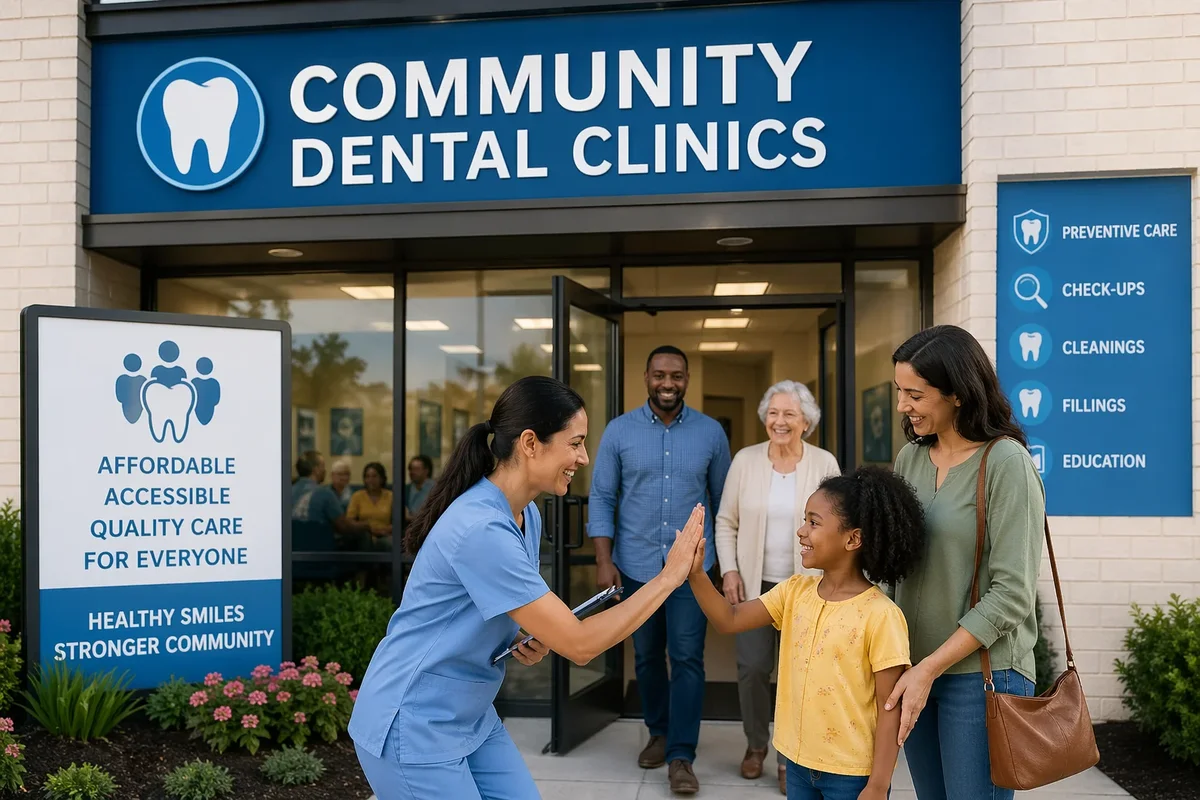
What to Expect During Your First Visit to Community Dental Clinics
Your first visit to community dental clinics is an important step toward improving your oral health. Many patients feel uncertain or even anxious before their first appointment, especially if they have not visited a dentist in a long time. However, community dental clinics are specifically designed to provide a welcoming, supportive, and stress-free environment for every patient. Understanding what to expect can help you feel more confident and prepared for your visit. 🦷
Community dental clinics prioritize accessibility, affordability, and patient comfort. From the moment you arrive, the goal is to ensure you feel at ease while receiving high-quality care. Whether you are visiting for a routine check-up or addressing a specific dental concern, the process is structured to be simple, transparent, and patient-friendly.
Before Your Appointment at Community Dental Clinics
Preparation plays a key role in making your first visit to community dental clinics smooth and efficient. Knowing what to bring and how to prepare can save time and ensure that your appointment goes as planned.
Documents and Information to Bring
When visiting community dental clinics for the first time, you may be asked to provide certain documents. These can include identification, proof of income (for sliding fee eligibility), and any previous dental records if available. Bringing a list of current medications and medical conditions is also important, as this helps the dental team provide safe and personalized care.
Arriving Early
It is recommended to arrive at community dental clinics at least 10–15 minutes before your scheduled appointment. This allows you to complete any necessary paperwork and familiarize yourself with the clinic environment.
The Check-In Process at Community Dental Clinics
Upon arrival, you will go through a check-in process that is designed to be quick and straightforward. Community dental clinics aim to minimize waiting times while ensuring all necessary information is collected.
Patient Registration
During registration, staff will gather your personal details, medical history, and dental concerns. This information helps the dental team understand your needs and create an appropriate treatment plan.
Friendly and Supportive Staff
One of the defining features of community dental clinics is their welcoming atmosphere. Staff members are trained to assist patients with care and empathy, ensuring that even first-time visitors feel comfortable and respected. 😊
Initial Examination and Consultation
The core of your first visit to community dental clinics is the initial examination. This step allows the dentist to assess your oral health and identify any issues that may require attention.
Comprehensive Oral Examination
The dentist will perform a thorough examination of your teeth, gums, and overall oral structure. This may include checking for cavities, gum disease, and signs of infection. Community dental clinics often use modern diagnostic tools such as digital X-rays to gain a detailed understanding of your oral health.
Discussion of Findings
After the examination, the dentist will explain their findings in clear and simple terms. Community dental clinics emphasize patient education, ensuring that you fully understand your oral health status and any recommended treatments.
Treatment Planning at Community Dental Clinics
Once your examination is complete, the next step is creating a personalized treatment plan. Community dental clinics focus on transparency and collaboration, involving you in every decision.
Customized Care Plans
Based on your needs, the dentist will recommend a treatment plan that may include preventive care, restorative procedures, or follow-up visits. Community dental clinics prioritize treatments that are both effective and affordable.
Cost Estimates and Payment Options
Before proceeding with any treatment, community dental clinics provide clear cost estimates. This transparency helps you plan your budget and avoid unexpected expenses. Many clinics also offer flexible payment options to make care more accessible.
Preventive Care During Your First Visit
In many cases, your first visit to community dental clinics will include preventive treatments aimed at improving your oral health immediately.
Professional Cleaning
A dental cleaning may be performed to remove plaque and tartar buildup. This is one of the most common services offered by community dental clinics and is essential for maintaining healthy teeth and gums. 🪥
Oral Hygiene Guidance
The dental team will provide advice on brushing, flossing, and maintaining good oral hygiene at home. Community dental clinics focus heavily on education to help patients prevent future issues.
Follow-Up and Ongoing Care
Your relationship with community dental clinics does not end after the first visit. Ongoing care is essential for maintaining oral health and preventing future problems.
Scheduling Future Appointments
Depending on your treatment plan, you may need to schedule follow-up visits. Community dental clinics offer flexible scheduling to accommodate your availability.
Building Long-Term Trust
Regular visits to community dental clinics help build trust between you and your dental provider. This relationship is key to ensuring consistent and effective care over time.
If you are ready to take the first step toward better oral health, visiting the Redent Klinik Contact Page can help you connect with experienced professionals who prioritize patient comfort and quality care.
Additionally, resources from the American Dental Association can provide further guidance on what to expect during dental visits and how to maintain oral health.
In conclusion, your first visit to community dental clinics is designed to be a positive and informative experience. From registration and examination to treatment planning and preventive care, every step is focused on your comfort and well-being. By understanding what to expect, you can approach your appointment with confidence and take an important step toward a healthier smile. 😁