
What Is Community Dental and How Does It Work?
Community dental services are public or non-profit oral health programs designed to provide affordable, accessible, and quality dental care to individuals and families, especially those from underserved or low-income communities. The core idea behind community dental care is to bridge the gap in oral health services by offering preventive and restorative treatments at low or no cost to those in need. 🏥
These clinics are often funded by government agencies, charitable organizations, or local municipalities. They are staffed by licensed dentists, hygienists, and dental assistants who are committed to improving oral health outcomes in the community. In some regions, dental students or volunteers may also contribute under supervision, ensuring that care remains both affordable and high quality.
Most community dental programs operate on a sliding scale, meaning the cost of services is adjusted based on the patient’s income. This ensures equitable access regardless of financial status. Some clinics even offer completely free services to specific groups, such as children, seniors, or those receiving government aid.
These dental centers not only perform basic cleanings and fillings but also deliver educational programs aimed at raising awareness about oral hygiene, nutrition, and disease prevention. This dual approach—treatment combined with education—is a hallmark of effective community dental initiatives. 🧼🦷
In the United States, many community dental centers are associated with Federally Qualified Health Centers (FQHCs) or public health departments. These centers are held to rigorous standards, often partnering with institutions like the American Dental Association to ensure quality care is delivered consistently.
Here’s a simplified breakdown of how community dental services typically operate:
- 📝 Intake and eligibility screening (based on income or residency)
- 🧑⚕️ Dental examination and diagnosis
- 🪥 Preventive care like cleanings and fluoride treatments
- 🛠️ Restorative services such as fillings, crowns, or extractions
- 📆 Follow-up visits and long-term care planning
Patients can usually schedule appointments online or by phone. Many community dental clinics offer flexible hours to accommodate working families. In Turkey and across Europe, municipal dental clinics are becoming increasingly common, offering similar services as their American counterparts.
For those looking to connect with a trusted provider, you can start by visiting your local health department’s website or contacting dental schools. Alternatively, feel free to Redent Klinik Contact Page to learn more about similar services in your region.
Ultimately, community dental programs play a vital role in promoting oral health equity. By removing barriers related to cost, location, and awareness, they help ensure that no one is left behind when it comes to achieving a healthy smile. 😁
What Is Community Dental and How Does It Work?
Community dental services are public or non-profit oral health programs designed to provide affordable, accessible, and quality dental care to individuals and families, especially those from underserved or low-income communities. The core idea behind community dental care is to bridge the gap in oral health services by offering preventive and restorative treatments at low or no cost to those in need. 🏥
These clinics are often funded by government agencies, charitable organizations, or local municipalities. They are staffed by licensed dentists, hygienists, and dental assistants who are committed to improving oral health outcomes in the community. In some regions, dental students or volunteers may also contribute under supervision, ensuring that care remains both affordable and high quality.
Most community dental programs operate on a sliding scale, meaning the cost of services is adjusted based on the patient’s income. This ensures equitable access regardless of financial status. Some clinics even offer completely free services to specific groups, such as children, seniors, or those receiving government aid.
These dental centers not only perform basic cleanings and fillings but also deliver educational programs aimed at raising awareness about oral hygiene, nutrition, and disease prevention. This dual approach—treatment combined with education—is a hallmark of effective community dental initiatives. 🧼🦷
In the United States, many community dental centers are associated with Federally Qualified Health Centers (FQHCs) or public health departments. These centers are held to rigorous standards, often partnering with institutions like the American Dental Association to ensure quality care is delivered consistently.
Here’s a simplified breakdown of how community dental services typically operate:
- 📝 Intake and eligibility screening (based on income or residency)
- 🧑⚕️ Dental examination and diagnosis
- 🪥 Preventive care like cleanings and fluoride treatments
- 🛠️ Restorative services such as fillings, crowns, or extractions
- 📆 Follow-up visits and long-term care planning
Patients can usually schedule appointments online or by phone. Many community dental clinics offer flexible hours to accommodate working families. In Turkey and across Europe, municipal dental clinics are becoming increasingly common, offering similar services as their American counterparts.
For those looking to connect with a trusted provider, you can start by visiting your local health department’s website or contacting dental schools. Alternatively, feel free to Redent Klinik Contact Page to learn more about similar services in your region.
Ultimately, community dental programs play a vital role in promoting oral health equity. By removing barriers related to cost, location, and awareness, they help ensure that no one is left behind when it comes to achieving a healthy smile. 😁
Benefits of Choosing a Community Dental Clinic 🦷
Opting for a community dental clinic comes with a wide range of benefits, especially for individuals and families who are either uninsured, underinsured, or seeking budget-friendly dental care. These clinics are designed to serve the public interest, often focusing on delivering essential oral healthcare at reduced or no cost while maintaining quality and professionalism. Let’s explore the advantages that make community dental clinics an invaluable part of the healthcare ecosystem.
1. Affordability 💰
The primary benefit of community dental clinics is affordability. Most of these centers operate on a sliding fee scale, meaning the cost of treatment is based on the patient’s income level. This ensures that even those with limited financial means can access basic dental services like exams, cleanings, fillings, and extractions without the burden of high costs. In many cases, services are entirely free for eligible individuals.
2. Accessibility 🚌
Community dental clinics are typically located in underserved areas or urban centers where dental services may otherwise be limited. Their convenient locations help reduce travel times and increase access for patients without reliable transportation. Many centers also offer extended hours or weekend appointments to accommodate working families.
3. Preventive Focus 🪥
Another major advantage is the emphasis on prevention. Community dental programs focus heavily on routine checkups, cleanings, fluoride treatments, and patient education. By catching issues early and teaching proper oral hygiene, these clinics help reduce the risk of advanced dental problems and costly treatments in the future.
4. Comprehensive Care 🧑⚕️
Many community dental centers offer a wide spectrum of services, including diagnostics, preventive care, restorative treatments, and in some cases, specialty care like orthodontics or oral surgery. While they may not have every service found in a private practice, they often cover the core dental needs of the population.
5. Support for Vulnerable Populations 👶👴
Children, seniors, individuals with disabilities, and those experiencing homelessness often struggle to find adequate dental care. Community dental programs are designed with these groups in mind, offering targeted outreach and specialized services tailored to their needs.
6. Multilingual and Culturally Sensitive Services 🌍
To serve diverse populations, many community dental centers employ staff who speak multiple languages or provide interpretation services. They are trained in cultural competence to ensure all patients feel respected and understood during their care.
7. Educational Resources and Outreach 🧠
Beyond treatment, community dental centers often organize workshops in schools, senior centers, or community halls. They promote awareness about brushing techniques, diet choices, and the importance of early dental visits. These education efforts build healthier communities in the long term.
8. Partnerships and Referrals 🤝
If a patient needs specialized care not available in-house, most community dental centers maintain partnerships with hospitals, dental schools, or private specialists. They help patients get referred to appropriate services without facing delays or excessive costs.
9. Peace of Mind 💆♂️
Knowing that affordable, quality dental care is available provides immense relief to families facing financial hardship. Community dental services reduce anxiety around oral health and give patients a dependable place to turn to for help.
If you or a loved one are seeking an affordable and compassionate option, don’t hesitate to explore local clinics. You can also reach out through the Redent Klinik Contact Page for more guidance on available options near you. To learn more about dental best practices and professional standards, the American Dental Association is an excellent resource.
In conclusion, community dental clinics play a critical role in democratizing oral healthcare. Their affordability, accessibility, and community-driven approach ensure that everyone—regardless of their circumstances—can maintain a healthy, confident smile. 😄
Who Qualifies for Community Dental Programs?
One of the most common questions about community dental care is: who actually qualifies for these programs? While the specifics can vary depending on the clinic, location, and funding source, the overall goal is to serve individuals and families who might not otherwise be able to access dental care. 🧾 Let’s explore the primary groups that typically qualify for community dental services.
1. Low-Income Individuals and Families 💸
Most community dental clinics operate with a mission to serve the economically disadvantaged. Patients with household incomes at or below a certain percentage of the federal poverty level are usually eligible for subsidized or free care. Clinics often require income verification through tax returns, pay stubs, or benefits letters.
2. Uninsured or Underinsured Patients 📉
If you do not have dental insurance or your insurance provides only minimal coverage, you are likely eligible for care at a community dental clinic. These clinics help fill the gap by offering affordable services without relying solely on private insurance reimbursement.
3. Medicaid and Government Program Recipients 🏛️
In many regions, community dental programs accept patients enrolled in Medicaid or other government-funded health programs. Children and adults who are enrolled in programs like CHIP (Children’s Health Insurance Program) or SSI (Supplemental Security Income) may also qualify automatically.
4. Children and Adolescents 👧🧒
Young people are a high priority for community dental providers. Many clinics offer school-based programs or mobile dental units that provide checkups and preventive care on-site. These services help catch problems early and create a foundation for lifelong oral health.
5. Seniors on Fixed Incomes 👴
Elderly individuals, especially those on limited or fixed incomes, often qualify for community dental care. Since Medicare doesn’t usually include dental coverage, these clinics help older adults receive necessary treatments like dentures, cleanings, and fillings.
6. People with Disabilities ♿
Individuals with physical or intellectual disabilities frequently face barriers to dental care. Community dental clinics are trained to provide specialized care and accommodations that make dental visits more accessible and comfortable for these patients.
7. Homeless and At-Risk Populations 🏚️
Many community dental programs partner with shelters, outreach teams, or social service agencies to serve the homeless or those experiencing housing instability. Mobile clinics or walk-in events are often arranged to reach these vulnerable groups.
8. Immigrants and Refugees 🌍
Some community dental services are geared toward newcomers who may not yet be eligible for national insurance programs. Multilingual staff and culturally sensitive care help ensure that these individuals receive the support they need.
9. Pregnant Women 🤰
Oral health during pregnancy is crucial for both mother and baby. Community dental programs often prioritize expectant mothers by offering free or low-cost prenatal dental checkups and gum disease treatment, which is linked to preterm birth.
10. Veterans 🎖️
Although veterans may be eligible for care through the VA, many still lack comprehensive dental coverage. Community dental clinics often collaborate with veteran service organizations to offer special programs that provide necessary oral care to those who served.
Each clinic will have its own eligibility criteria, so it’s best to call ahead or check online. Application forms usually require proof of residency, income, and household size. If you’re unsure whether you qualify, feel free to use the Redent Klinik Contact Page to ask a specialist directly.
Ultimately, the goal of community dental programs is inclusion. These services are meant to ensure that dental care is not a luxury but a basic human right. With open arms, they welcome those most in need—building a healthier society, one smile at a time. 😊
For more background on policies and national programs supporting eligibility standards, you can visit the American Dental Association website.
Top Services Offered at Community Dental Centers
Community dental centers provide a broad spectrum of services tailored to meet the essential oral health needs of individuals from all walks of life. Whether it’s preventive care, restorative treatments, or educational programs, these clinics are structured to offer high-quality dental support that’s both affordable and accessible. Let’s break down the top services offered at most community dental facilities. 🦷
1. Comprehensive Dental Exams 🔍
Every successful treatment plan starts with a proper diagnosis. Community dental clinics provide thorough oral examinations that include evaluating teeth, gums, and soft tissue. X-rays may also be performed when necessary to detect cavities, infections, or bone loss.
2. Dental Cleanings and Preventive Care 🪥
Routine cleanings are the foundation of good oral health. Patients receive professional scaling to remove plaque and tartar buildup, along with polishing to keep teeth smooth and shiny. Fluoride treatments and sealants are also commonly used to prevent decay, especially in children.
3. Fillings and Restorative Services 🛠️
Tooth decay is a common issue, particularly in low-income communities. Community dental centers perform cavity fillings using composite or amalgam materials. In some clinics, temporary or permanent crowns are available for more complex cases.
4. Tooth Extractions 🦷
When a tooth is severely damaged or infected beyond repair, extraction becomes necessary. Community dental providers perform both simple and surgical extractions while prioritizing patient comfort through local anesthesia and pain management techniques.
5. Pediatric Dentistry 👶
Children benefit tremendously from early exposure to dental care. Community dental programs often include child-specific services like early screenings, preventive treatments, and behaviorally sensitive approaches to make young patients feel safe and comfortable.
6. Dentures and Prosthetics 😁
Many adults, especially seniors, rely on partial or full dentures to restore functionality and confidence. Community dental centers often offer denture fittings, adjustments, and relines—sometimes at a fraction of the cost found in private practices.
7. Gum Disease Treatment 🌡️
Periodontal disease is common among underserved populations. Clinics provide deep cleanings (scaling and root planing), antibiotics, and long-term monitoring to manage gum infections and prevent tooth loss.
8. Oral Cancer Screenings 🎗️
Early detection of oral cancers can be lifesaving. Many community dental clinics incorporate oral cancer screenings into routine exams, especially for patients who smoke or use tobacco products.
9. Emergency Dental Care 🚑
Unexpected dental emergencies such as abscesses, broken teeth, or trauma are handled promptly. Community dental centers often leave room in their schedules for urgent walk-ins or same-day appointments.
10. Patient Education and Counseling 📚
Education is a key component of community dental care. Clinics provide counseling on proper brushing and flossing techniques, nutrition, tobacco cessation, and managing chronic oral conditions. These programs empower patients to take control of their dental health.
Some community dental clinics may even offer specialized services like orthodontics, root canals, or sedation dentistry, depending on funding and staff availability. While not all centers have these options in-house, they often maintain referral networks to trusted partners who provide advanced treatments.
Need help accessing these services? You can connect directly via the Redent Klinik Contact Page for personalized guidance. If you’d like to see what services are recommended nationally, the American Dental Association maintains an extensive library of patient-focused resources.
By offering these diverse and vital services, community dental centers play a major role in closing the oral healthcare gap. From prevention to emergency response, they provide a safety net for those who need it most—making quality dental care a reality for all. 🏥
How to Find a Reliable Community Dental Office Near You
Locating a trusted community dental clinic in your area doesn’t have to be complicated. With the increasing demand for affordable oral healthcare, many localities now offer dedicated community dental services—whether operated by municipalities, non-profits, or healthcare organizations. In this section, we’ll explore practical tips, tools, and steps to help you identify a reliable community dental office that fits your needs. 🗺️
1. Start with Local Health Departments 🏥
Your local health department is often the best starting point for identifying nearby community dental providers. Most public health websites list low-cost or sliding scale dental clinics, including eligibility criteria, hours of operation, and contact details.
2. Use Online Search Tools 🧭
There are several national and international directories that help patients locate dental clinics based on income and insurance status. In the U.S., you can use the American Dental Association’s Find-a-Dentist tool or search for Federally Qualified Health Centers (FQHCs). Simply enter your ZIP code and filter by “low-cost” or “community dental” clinics.
3. Ask Your Primary Care Provider 🩺
If you’re already connected to a primary care physician or community health center, ask them for a referral. Medical providers often work closely with community dental partners and can provide trusted recommendations.
4. Contact Local Universities and Dental Schools 🎓
Dental schools often operate teaching clinics open to the public. These facilities are supervised by licensed professionals and offer dental services at a fraction of the cost. Many of these institutions function as community dental centers and emphasize high-quality care.
5. Search Non-Profit Organizations 🕊️
Organizations like Mission of Mercy, Remote Area Medical (RAM), and local non-profits frequently hold free dental clinics or operate year-round community dental centers. These services are typically aimed at underserved populations and may not require insurance.
6. Ask Friends, Neighbors, or Community Groups 🗣️
Word of mouth remains one of the most effective ways to find reliable services. Ask people in your network if they’ve had positive experiences with local community dental providers. Community centers, churches, and libraries often have bulletin boards or pamphlets with up-to-date listings.
7. Visit Municipal or Regional Websites 🌐
Many cities now publish directories of all available health services, including community dental programs. These resources include phone numbers, directions, and detailed information about accepted insurances or eligibility requirements.
8. Mobile Clinics and Pop-Up Events 🚐
Mobile community dental units are often deployed in rural or underserved areas. They visit schools, senior centers, and public events, providing on-the-spot dental care. These are ideal for individuals without reliable transportation.
9. Contact Redent Klinik for Help 📞
If you’re unsure where to begin, start by reaching out to Redent Klinik Contact Page. Their knowledgeable team can help you locate a nearby community dental clinic or provide guidance on eligibility and services offered.
10. Use Social Media and Community Forums 📱
Facebook groups, Reddit threads, and other local forums often feature real-time discussions about healthcare providers. A quick search with terms like “affordable dentist” or “community dental near me” can lead to honest reviews and contact info.
Finding a trustworthy community dental office may require a bit of research, but the payoff is well worth it. By tapping into local networks, online resources, and healthcare connections, you can secure the dental care you need—without financial strain. A healthy smile is just a few clicks or calls away. 😊
Costs and Insurance Options for Community Dental Patients 💳
One of the biggest advantages of community dental services is their commitment to affordability. These clinics are designed to eliminate financial barriers to oral healthcare, making essential dental services accessible to everyone—regardless of income, insurance status, or employment. In this section, we’ll break down typical costs, available insurance options, and how sliding fee scales work at most community dental clinics.
1. Sliding Fee Scale Explained 📉
Most community dental centers operate on a sliding fee scale. This means the price you pay depends on your household income and family size. Patients below the federal poverty level may receive services for free, while others may pay a reduced rate. For example:
Annual Income        Cleaning Cost
----------------     -------------
$0 – $15,000         $0 – $15
$15,001 – $30,000    $20 – $40
$30,001 – $45,000    $45 – $65
Above $45,000        Standard Clinic Rate
These rates are often published on the clinic’s website or discussed during intake. Proof of income—such as tax returns or pay stubs—is typically required.
2. Accepted Insurance Plans 🧾
Many community dental clinics accept a variety of public and private insurance plans, including:
- Medicaid (and state-specific programs like Medi-Cal, TennCare, etc.)
- CHIP (Children’s Health Insurance Program)
- Some Medicare Advantage plans (note: Original Medicare usually doesn’t cover dental)
- Private insurance (select plans)
Patients with private insurance often pay co-pays or deductibles similar to what they would in a traditional dental office.
3. What If You Have No Insurance? ❌🦷
You can still receive care at a community dental clinic. These centers are specifically created to assist uninsured individuals. They offer low-cost or free services depending on your financial situation. You’ll typically complete a financial assessment during your first visit.
4. Coverage Breakdown of Common Services 💡
Here’s a sample list of what typical community dental services might cost without insurance:
- Dental exam: $10 – $40
- Cleaning: $15 – $60
- Filling: $25 – $80
- Tooth extraction: $40 – $100
- Full denture set: $300 – $600
These are general estimates. Prices may vary depending on the location and clinic funding.
5. Payment Plans and Financial Assistance 🧾
Some community dental centers offer internal payment plans that allow patients to split the cost of more expensive procedures into smaller monthly payments. In other cases, they may refer patients to charitable foundations or grant programs that subsidize dental care.
6. Preventive Services Are Often Free 🪥
Many community dental clinics provide free preventive services for children and seniors, especially when funded through public health initiatives. These may include fluoride treatments, sealants, and oral health screenings.
7. Discounts for Special Populations 🎯
Additional discounts may apply to:
- Veterans
- Pregnant women
- People with disabilities
- Students
It’s worth asking during your intake appointment about specific discount programs.
8. No Surprise Billing Policy 🧾❗
Most community dental programs are transparent with pricing. Patients receive written estimates before any treatment, ensuring they’re not surprised with unexpected bills. This trust-based approach is a cornerstone of community-driven care.
For those looking for more details or help finding financial assistance, visit your local clinic or connect through the Redent Klinik Contact Page. National organizations such as the American Dental Association also provide updated information on dental care affordability and access.
In short, community dental services are designed with your wallet in mind. By reducing costs and offering flexible options, they ensure that dental care isn’t a luxury—but a right that everyone can afford. 💙
Community Dental for Children: What Parents Need to Know 👶
Pediatric oral health is a cornerstone of lifelong well-being, and community dental programs play a vital role in ensuring every child has access to affordable, quality dental care. From baby’s first tooth to teenage orthodontic evaluations, community dental clinics provide a supportive, kid-friendly environment where early intervention and prevention take center stage. Let’s explore what parents need to know when choosing community dental services for their children.
1. Early Dental Visits Matter 🦷
According to the American Dental Association, children should have their first dental visit by their first birthday or when their first tooth appears. Community dental clinics emphasize this guideline by offering “first tooth” checkups that screen for early signs of decay and help parents establish proper brushing routines.
2. Child-Friendly Environments 🧸
Most community dental centers create warm, welcoming spaces designed specifically for children. With bright décor, toys, and patient staff trained in pediatric care, clinics work to eliminate dental anxiety and make visits a positive experience.
3. Common Pediatric Services Offered 🧒
Here’s a list of common treatments your child can receive at a community dental clinic:
- Dental cleanings and exams
- Fluoride treatments
- Dental sealants
- Fillings and extractions
- Space maintainers
- Emergency care
All of these services are either free or offered on a sliding fee scale, making them accessible to families at any income level.
4. School-Based Community Dental Programs 🎒
Some community dental services are integrated into schools through mobile clinics or in-school dental days. These initiatives allow children to receive dental care without parents needing to take time off work or arrange transportation. It’s a powerful way to reach children in underserved areas.
5. Focus on Prevention 👏
Teaching children healthy oral habits early is a top priority. Community dental staff educate both kids and parents on proper brushing, flossing, and nutrition to prevent cavities and gum disease. Many clinics provide free toothbrushes and oral hygiene kits during visits.
6. Fluoride and Sealants: The Protective Duo 💧🛡️
Fluoride treatments strengthen tooth enamel and help prevent decay, while dental sealants act as a protective barrier on chewing surfaces. Both are offered at no cost in most community dental programs, especially for children under the age of 14.
7. Support for Special Needs Children 🤝
Many community dental professionals receive additional training in handling children with physical or developmental disabilities. Clinics often make accommodations in terms of communication, mobility support, and treatment approach.
8. Parental Involvement is Encouraged 🧑👩👧
Parents are seen as key partners in a child’s dental health journey. During appointments, community dental staff take the time to explain treatment plans, answer questions, and involve caregivers in decision-making.
9. Affordable Orthodontic Screenings 🦷📏
While not every community dental center offers braces, many provide initial orthodontic evaluations and referrals to affordable treatment programs. Catching bite issues early can save time, money, and discomfort later on.
10. How to Get Started 📅
Most community dental clinics have minimal paperwork and accept walk-ins or scheduled appointments. To begin, bring your child’s ID, proof of income (if required), and vaccination history. For personalized assistance, you can also reach out via the Redent Klinik Contact Page.
In summary, community dental services provide a critical safety net for children’s oral health. By focusing on prevention, education, and accessibility, these programs give every child the chance to grow up with a healthy, confident smile. 🌟
How Community Dental Clinics Improve Public Oral Health
Community dental clinics aren’t just individual care providers—they’re cornerstones of public health infrastructure. These clinics extend far beyond basic treatments, playing a crucial role in reducing oral health disparities, preventing disease, and educating the public. Through strategic partnerships and outreach, community dental programs significantly enhance the overall dental health of the populations they serve. Let’s explore how they make a wide-scale impact. 🌍
1. Bridging Access Gaps in Underserved Areas 🏙️
Many communities lack adequate access to private dental practices. Community dental clinics step in to fill this void, especially in rural areas, inner cities, and regions with dentist shortages. Their presence ensures no one is left behind simply because of where they live.
2. Reducing Emergency Room Visits 🚑
Lack of preventive care often leads to untreated infections and dental emergencies. Community dental clinics reduce the burden on hospital emergency rooms by offering timely and affordable treatment for dental pain, abscesses, and trauma—often the result of chronic neglect.
3. Promoting Preventive Health Habits 🪥
Public education is a major focus of community dental outreach. Clinics host workshops, school visits, and neighborhood events that teach people how to care for their teeth and gums. These efforts result in long-term improvements in oral hygiene and reduced reliance on restorative procedures.
4. Tracking Community Health Data 📊
Through routine examinations, community dental centers gather vital health data on gum disease prevalence, tooth decay trends, and oral cancer risk factors. This information is shared with public health departments and used to design more targeted interventions and policies.
5. Integrating with Broader Public Health Services 🔄
Community dental programs often function as part of larger health systems, working alongside general practitioners, pediatricians, and mental health professionals. This integration allows for a holistic approach to health—because a healthy mouth supports a healthy body.
6. Creating Health Equity 🧑🏽🤝🧑🏾
By offering care regardless of income, insurance status, or immigration background, community dental clinics fight systemic inequality. These services ensure that oral healthcare is not a privilege but a basic human right.
7. Supporting Schools and Child Health 📚
From dental screenings to fluoride varnish applications, community dental outreach teams regularly visit schools to address children’s dental needs early. These services reduce absenteeism and improve academic performance by keeping kids pain-free and focused in class.
8. Offering Culturally Competent Care 🌐
Public oral health is best served when patients feel respected and understood. Community dental teams are trained in culturally sensitive communication and often provide multilingual services. This fosters trust and improves treatment compliance.
9. Lowering Long-Term Healthcare Costs 💸
Preventive and routine care at community dental clinics saves governments and patients money in the long run. By treating minor problems before they escalate, these clinics help avoid expensive procedures and complications that can arise from untreated oral conditions.
10. Educating Future Dental Professionals 🎓
Many community dental centers serve as training sites for dental students and public health professionals. This not only provides affordable care to patients but also ensures that the next generation of dentists is deeply rooted in community-centered practices.
To get involved in improving your own community’s oral health, consider supporting local initiatives or volunteering at a community dental event. If you need guidance or want to locate a clinic, the Redent Klinik Contact Page is a good place to start. Additionally, the American Dental Association offers resources on community outreach and public dental programs.
Ultimately, community dental services are more than just clinics—they’re catalysts for change, building stronger, healthier, and more equitable societies one smile at a time. 😄
Volunteering and Careers in Community Dental Services
Behind every successful community dental program is a dedicated team of professionals and volunteers committed to improving public oral health. These individuals provide critical services, educate the community, and ensure that affordable care reaches the people who need it most. Whether you’re a dentist, hygienist, student, or someone passionate about helping others, community dental programs offer a meaningful career path and volunteer opportunity. 🧑⚕️❤️
1. Why Work in Community Dental Care?
Choosing a career in community dental services allows professionals to make a real difference. Unlike private practice settings focused on profitability, these clinics focus on people—often serving patients who have nowhere else to turn. The reward isn’t just a paycheck; it’s knowing you’re changing lives every day.
2. Common Career Paths in Community Dental Clinics 🪥
Here are some of the most in-demand roles:
- Dentists: Diagnose and treat dental conditions, perform extractions, fillings, root canals, and more.
- Dental Hygienists: Provide cleanings, fluoride treatments, and oral health education.
- Dental Assistants: Support dentists during procedures, manage instruments, and comfort patients.
- Office Staff: Handle patient scheduling, intake forms, insurance coordination, and clinic administration.
- Outreach Coordinators: Organize school visits, community fairs, and educational programs.
3. Volunteer Opportunities 🤝
Many community dental clinics rely on volunteers to expand their reach. Common volunteer roles include:
- Licensed dental professionals providing free care during pop-up events
- Students assisting with screenings, surveys, or patient education
- Administrative volunteers helping with data entry, patient flow, or translation services
Even without a dental background, you can still contribute meaningfully by supporting logistics, organizing events, or fundraising.
4. Benefits of Working in Community Dental
Besides the emotional rewards of service, professionals in community dental settings may enjoy:
- Loan forgiveness through programs like the National Health Service Corps (NHSC)
- Flexible work hours and part-time opportunities
- Opportunities for continuing education and public health training
- Team-oriented and mission-driven work environments
5. Internships and Training for Students 🎓
Dental students, public health majors, and even high schoolers interested in health careers can apply for internships or shadowing opportunities. Community dental clinics often work with universities and vocational schools to train the next generation of healthcare professionals.
6. How to Get Involved 🔍
To volunteer or apply for a position, start by contacting your local community dental center directly. You can also check listings on health department websites or career platforms focused on non-profit and healthcare jobs. Alternatively, use the Redent Klinik Contact Page to inquire about available roles or partnerships.
7. Building Stronger Communities Through Service 🧑🤝🧑
Working in community dental care isn’t just about treating teeth—it’s about restoring dignity, empowering people, and building trust. Your efforts contribute to systemic change and help break cycles of neglect and poor health outcomes.
8. National and International Programs 🌍
If you’re interested in expanding your impact beyond your local area, organizations such as the American Dental Association, Smile Train, or Remote Area Medical offer global missions and outreach programs that align with the values of community dental care.
Whether you’re looking to launch a career, complete your internship, or give back through volunteerism, community dental programs offer unmatched opportunities for personal and professional growth—while making a real difference in people’s lives. 🌟
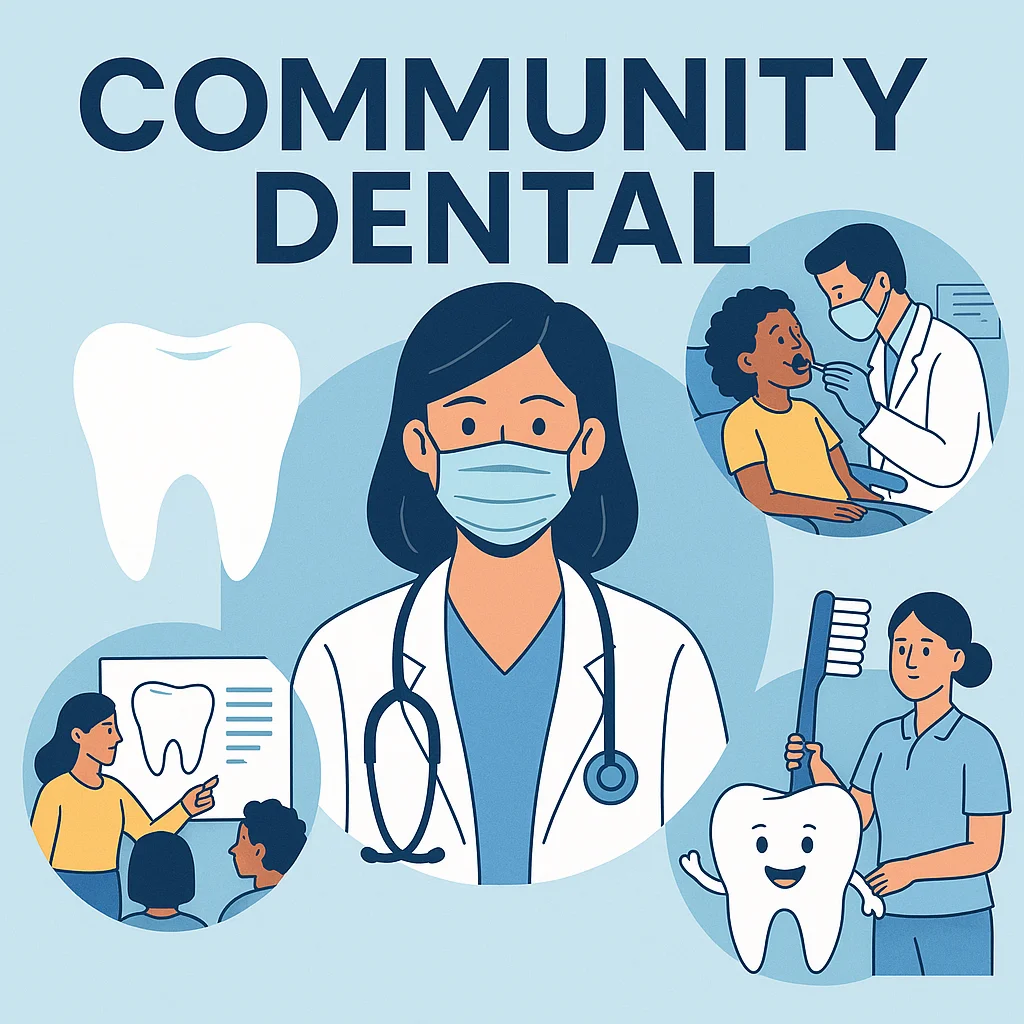
Frequently Asked Questions About Community Dental Care ❓
As more people turn to community dental services for affordable oral healthcare, questions naturally arise. Whether you’re new to the concept or want to better understand what to expect, this FAQ section addresses the most common inquiries surrounding community dental clinics, services, costs, and eligibility. Let’s dive into the answers that matter most. 💬
1. What is a community dental clinic?
A community dental clinic is a non-profit or publicly funded facility that provides low-cost or free dental care to individuals and families, particularly those who are uninsured, underinsured, or living in underserved areas. These clinics focus on prevention, education, and accessibility.
2. Who can receive care at a community dental center?
Anyone can access services at a community dental clinic, but priority is often given to low-income individuals, Medicaid recipients, children, seniors, and those without insurance. Each clinic may have its own eligibility criteria, but most require basic income documentation.
3. Are the dentists licensed?
Yes. All professionals working at community dental centers are licensed and certified in accordance with local laws and health department standards. Many are passionate about public service and have extensive experience in general and pediatric dentistry.
4. What services are typically offered?
Common community dental services include exams, cleanings, fillings, extractions, dentures, fluoride treatments, and oral health education. Some clinics may also provide x-rays, root canals, sealants for children, and emergency dental care.
5. How much do services cost?
Costs vary based on income and clinic location. Most community dental programs use a sliding fee scale. For instance, cleanings may range from $10–$60, while fillings could cost $25–$100. Preventive services for children are often free.
6. Do I need insurance?
No. You do not need insurance to receive treatment at a community dental center. However, if you have Medicaid, CHIP, or a private plan, many clinics will accept it and bill your provider accordingly.
7. Are appointments required?
Most community dental clinics prefer scheduled appointments, but many offer walk-in hours or emergency slots. During high-demand periods, such as back-to-school seasons, it’s best to book in advance to secure a spot.
8. How do I find a community dental clinic near me?
You can search online, contact your local health department, or ask your primary care provider for referrals. For direct assistance, visit the Redent Klinik Contact Page. Their team can help you identify nearby community dental providers.
9. Is the quality of care the same as private clinics?
Yes. Community dental clinics adhere to the same clinical standards and often exceed expectations thanks to their patient-first philosophy. They are staffed by licensed professionals, some of whom also work in private practice or academia.
10. Can I volunteer or donate to support community dental services?
Absolutely! Volunteers—including dental professionals and administrative helpers—are always welcome. Donations go toward purchasing supplies, expanding services, or funding outreach programs. Visit the American Dental Association for information on national efforts, or contact your local clinic directly.
By addressing these frequently asked questions, we hope to demystify community dental care and encourage more people to seek the oral health support they deserve. Accessible, affordable, and compassionate—community dental services truly represent dentistry for everyone. 😊