
Community dentistry is one of the most important branches of modern oral healthcare because it focuses on improving dental health for entire populations instead of treating only individual patients. In today’s world, where oral diseases affect millions of people every year, community dentistry plays a critical role in prevention, education, early diagnosis, and access to affordable care. Many people experience tooth decay, gum disease, oral infections, and tooth loss simply because they lack proper education or access to regular dental services. Community dentistry aims to solve these problems through organized public health strategies, preventive care programs, and educational initiatives that benefit people of all ages. 🦷
The main goal of community dentistry is to promote better oral health within communities by reducing dental disease rates and encouraging healthy habits. Unlike traditional dentistry, which often focuses on treating existing dental problems, community dentistry emphasizes prevention before serious oral conditions develop. This preventive approach helps lower healthcare costs, improve quality of life, and reduce the burden of dental disease on society. Community dentistry also supports underserved populations, including low-income families, children, elderly individuals, and people living in rural areas who may not have easy access to dental clinics.
One of the key aspects of community dentistry is public education. Many oral health problems are preventable when individuals understand proper brushing techniques, flossing habits, fluoride use, and healthy dietary choices. Through community dentistry programs, dental professionals visit schools, community centers, nursing homes, and public institutions to educate people about oral hygiene. These educational campaigns help raise awareness about the importance of regular dental checkups and early treatment. In many cases, community dentistry initiatives successfully reduce cavities and gum disease through simple preventive strategies.
Another important component of community dentistry is preventive dental care. Preventive services may include fluoride treatments, dental sealants, oral cancer screenings, professional cleanings, and educational workshops. These services are especially beneficial for children because early prevention can protect developing teeth from long-term damage. School-based community dentistry programs often provide screenings and preventive treatments directly within educational institutions, making dental care more accessible for families who may face financial or transportation barriers.
Community dentistry also focuses heavily on epidemiology and public health research. Dental professionals involved in community dentistry study patterns of oral disease within populations to identify risk factors and create targeted intervention strategies. By analyzing data related to tooth decay, periodontal disease, and oral infections, experts can design more effective public health campaigns. These research efforts allow community dentistry specialists to understand which populations are most vulnerable and which preventive methods produce the best results.
Access to affordable care is another major benefit of community dentistry. Millions of people worldwide avoid visiting the dentist due to financial concerns. Community dentistry programs help bridge this gap by offering affordable or low-cost services through public clinics, nonprofit organizations, university dental programs, and government-supported healthcare initiatives. In some areas, mobile dental clinics are used to deliver services directly to remote communities. These mobile units provide examinations, cleanings, fillings, and preventive treatments for patients who otherwise would not receive dental care.
Modern community dentistry also incorporates digital technologies and advanced healthcare systems. Telehealth consultations, digital patient records, portable dental equipment, and online educational resources are helping dental professionals reach larger populations more efficiently. Technology allows community dentistry programs to monitor patient outcomes, organize preventive campaigns, and improve communication between dental providers and communities. This modern approach increases efficiency while expanding oral healthcare accessibility.
Children are among the biggest beneficiaries of community dentistry services. Pediatric oral health programs educate both children and parents about proper dental care from an early age. Teaching children healthy habits can significantly reduce the risk of cavities and gum disease later in life. Community dentistry programs frequently include school screenings, fluoride varnish applications, and nutritional education to help children maintain strong teeth and healthy gums.
Elderly individuals also benefit greatly from community dentistry initiatives. Older adults often experience oral health challenges such as dry mouth, tooth loss, gum recession, and difficulties related to dentures or implants. Community dentistry programs designed for seniors provide education, screenings, and preventive care to improve oral health and overall quality of life. Proper dental care is especially important for elderly patients because oral infections can sometimes contribute to broader health problems such as cardiovascular disease or diabetes complications.
Another critical aspect of community dentistry is the relationship between oral health and general health. Researchers continue to discover strong links between dental conditions and systemic diseases. Poor oral hygiene may increase the risk of heart disease, diabetes complications, respiratory infections, and other chronic illnesses. Community dentistry helps educate the public about these connections and encourages individuals to view oral health as part of their overall wellness strategy. 😊
Many dental clinics now incorporate community dentistry principles into their services by participating in outreach campaigns and educational projects. Clinics that prioritize community dentistry often work closely with schools, local governments, healthcare organizations, and nonprofits to improve oral healthcare access. Patients seeking comprehensive dental care and preventive support can learn more through the Redent Klinik Contact Page.
Trusted organizations such as the American Dental Association also support community dentistry initiatives through research, educational resources, and advocacy efforts. These organizations help establish professional standards and encourage policies that improve public oral health nationwide.
Community dentistry continues to evolve as healthcare systems focus more on prevention and public wellness. By combining preventive care, education, affordable services, and public health research, community dentistry helps millions of people achieve healthier smiles and better overall health. As awareness grows, the importance of community dentistry will continue increasing because healthy communities depend heavily on accessible, preventive, and educational oral healthcare systems. 🪥
What Is Community Dentistry and Why Is It Important?
Community dentistry is a specialized field of dental healthcare that focuses on improving oral health outcomes for entire populations rather than only treating individual patients. The primary purpose of community dentistry is to prevent dental diseases, educate communities about oral hygiene, and provide accessible dental services for people of all ages. In modern healthcare systems, community dentistry has become increasingly important because oral diseases remain one of the most common health problems worldwide. Millions of people suffer from cavities, gum disease, tooth loss, and oral infections that could often be prevented through early intervention and public health education. 🦷
The importance of community dentistry extends beyond maintaining healthy teeth. Oral health directly affects overall physical health, emotional well-being, nutrition, speech, and self-confidence. Poor oral hygiene can contribute to serious medical conditions such as diabetes complications, cardiovascular disease, respiratory infections, and systemic inflammation. Because of these strong connections, community dentistry plays a critical role in supporting overall public health and improving quality of life.
The Main Goals of Community Dentistry
One of the central goals of community dentistry is prevention. Preventive dentistry helps individuals avoid severe dental conditions before they require expensive or invasive treatments. Community dentistry programs often focus on preventive care because preventing oral disease is more effective and affordable than treating advanced dental problems later. Dental professionals involved in community dentistry educate communities about proper brushing techniques, flossing habits, fluoride use, and healthy nutritional choices.
Another major objective of community dentistry is increasing access to dental care. Many people cannot afford routine dental treatment or live in areas where dental clinics are difficult to access. Community dentistry initiatives help bridge these gaps by providing affordable services, mobile dental clinics, school-based programs, and public oral health campaigns. This public-focused approach allows more individuals to receive essential dental care regardless of their financial situation.
Education and Public Awareness
Education is one of the most powerful tools used in community dentistry. Many oral diseases develop because people are unaware of proper oral hygiene practices or do not understand the importance of regular dental visits. Through educational programs, community dentistry professionals teach both children and adults how to maintain healthy teeth and gums. These awareness campaigns often include information about cavity prevention, gum disease risks, sugar consumption, smoking effects, and the importance of early diagnosis.
Schools are especially important environments for community dentistry programs. School-based oral health education allows children to learn healthy habits early in life. Many community dentistry initiatives provide free dental screenings, fluoride treatments, and educational workshops directly inside schools. These programs can dramatically reduce cavity rates among children and help establish lifelong oral hygiene routines.
How Community Dentistry Supports Public Health
Community dentistry is closely connected to public health because oral diseases can affect entire populations. Public health dentistry programs analyze disease patterns, identify high-risk groups, and develop preventive strategies to reduce dental problems on a large scale. Researchers working in community dentistry study factors such as socioeconomic conditions, nutrition, healthcare access, and lifestyle habits to better understand oral disease trends.
By collecting and analyzing health data, community dentistry specialists can create targeted intervention programs that address specific community needs. For example, if a certain region experiences high rates of childhood cavities, community dentistry professionals may implement fluoride programs, educational campaigns, or nutritional counseling in that area. These evidence-based strategies help improve oral health outcomes more efficiently.
The Role of Preventive Care
Preventive care is one of the most valuable components of community dentistry. Preventive dental services include routine cleanings, fluoride applications, dental sealants, oral cancer screenings, and early cavity detection. These services help patients avoid painful and costly dental procedures in the future. Community dentistry strongly emphasizes prevention because maintaining healthy teeth is far easier than restoring damaged oral structures later.
Fluoride treatments are particularly common in community dentistry programs because fluoride strengthens tooth enamel and helps prevent tooth decay. Dental sealants are another highly effective preventive treatment often provided to children through school programs. Sealants create a protective barrier on molars, reducing the risk of cavities significantly.
Community Dentistry for Vulnerable Populations
Community dentistry is especially beneficial for vulnerable and underserved populations. Low-income families, elderly individuals, people with disabilities, and rural communities often face significant barriers to dental care. Community dentistry initiatives work to eliminate these barriers by offering affordable or free dental services through public clinics and nonprofit organizations.
Mobile dental clinics are another important feature of community dentistry. These portable clinics travel to remote areas and provide essential treatments such as cleanings, fillings, extractions, and screenings. Mobile programs allow patients in isolated communities to receive care without traveling long distances.
Elderly patients also benefit greatly from community dentistry services. Many seniors experience oral health issues such as gum recession, dry mouth, tooth loss, and denture complications. Community dentistry programs designed for older adults help improve comfort, nutrition, and quality of life through preventive care and education. 😊
The Future of Community Dentistry
The future of community dentistry continues evolving as healthcare systems increasingly prioritize prevention and accessibility. Modern technologies such as tele-dentistry, digital patient records, and portable diagnostic equipment are helping dental professionals reach more patients efficiently. Telehealth consultations allow patients in underserved areas to receive professional advice and early assessments remotely.
Community dentistry also benefits from collaborations between dental clinics, schools, government agencies, and healthcare organizations. These partnerships help expand oral health education and improve access to preventive services. Clinics committed to patient-centered care often support community dentistry initiatives through outreach programs and educational resources. Patients seeking professional preventive care and oral health support can visit the Redent Klinik Contact Page.
Organizations such as the American Dental Association continue supporting community dentistry through public education, research, and policy advocacy. Their efforts help improve oral healthcare standards and encourage preventive dentistry practices worldwide.
Ultimately, community dentistry is essential because it improves oral health not only for individuals but also for entire communities. Through prevention, education, affordable care, and public health initiatives, community dentistry helps reduce oral disease rates while promoting healthier lifestyles and stronger healthcare systems. As awareness of oral health continues growing, community dentistry will remain a cornerstone of modern preventive healthcare. 🪥
How Community Dentistry Improves Public Oral Health
Community dentistry plays a vital role in improving public oral health by focusing on prevention, education, accessibility, and early treatment for large populations. Unlike traditional dental care that mainly treats individual patients after oral problems appear, community dentistry aims to reduce the overall incidence of dental disease within entire communities. This proactive approach helps millions of people maintain healthier teeth and gums while lowering healthcare costs and improving quality of life. Public oral health remains a major concern worldwide because conditions such as cavities, gum disease, oral infections, and tooth loss continue affecting people of all ages. Through organized programs and preventive strategies, community dentistry helps address these widespread challenges effectively. 🦷
One of the biggest advantages of community dentistry is its emphasis on prevention rather than emergency treatment. Preventive oral healthcare reduces the likelihood of severe dental problems developing later. Many individuals only visit a dentist when they experience pain or visible damage, but community dentistry encourages regular screenings, educational outreach, and preventive care to stop diseases before they progress. This preventive philosophy is essential for maintaining long-term oral health across entire populations.
Preventive Programs in Community Dentistry
Preventive care is the foundation of community dentistry. Public oral health programs often include fluoride treatments, dental sealants, oral examinations, cleanings, and educational workshops. These services help protect teeth from decay and allow dental professionals to identify problems early. Early detection is critical because untreated oral diseases can worsen over time and eventually require expensive restorative procedures.
Fluoride programs are particularly effective within community dentistry initiatives. Fluoride strengthens tooth enamel and helps prevent cavities in both children and adults. Many schools and public health centers offer fluoride varnish applications as part of their community dentistry services. Dental sealants are another important preventive measure commonly used for children. Sealants protect the chewing surfaces of molars, significantly reducing the risk of decay in areas that are difficult to clean properly.
School-Based Preventive Care
School-based dental programs are among the most successful examples of community dentistry improving public oral health. Children are highly vulnerable to tooth decay, especially when proper oral hygiene habits are not established early. Through school-based community dentistry programs, children can receive screenings, fluoride treatments, oral hygiene education, and preventive services directly within educational settings.
These initiatives are especially important for families who may struggle with transportation, financial limitations, or limited access to dental clinics. By bringing preventive care directly into schools, community dentistry helps ensure that children receive essential dental services regardless of socioeconomic status. Educational activities within these programs also teach students the importance of brushing, flossing, and healthy eating habits. 😊
Community Dentistry and Oral Health Education
Education is another major factor that allows community dentistry to improve public oral health. Many oral diseases are preventable when individuals understand how to properly care for their teeth and gums. Unfortunately, many communities still lack adequate oral health education, leading to poor hygiene habits and delayed dental visits.
Community dentistry programs help solve this problem by organizing public awareness campaigns, workshops, and educational seminars. Dental professionals teach communities about topics such as cavity prevention, gum disease symptoms, smoking risks, sugar consumption, and the connection between oral health and overall health. These educational efforts empower people to make healthier decisions regarding their dental care.
The Impact of Nutrition Education
Nutrition counseling is also a critical component of community dentistry. Diet strongly influences oral health because sugary foods and acidic beverages contribute to enamel erosion and bacterial growth. Community dentistry professionals often educate families about healthier food choices that support stronger teeth and gums.
Teaching children and adults about balanced nutrition helps reduce cavity rates and improves overall wellness. Foods rich in calcium, phosphorus, and vitamins contribute to healthier teeth, while limiting excessive sugar intake reduces bacterial activity inside the mouth. Community dentistry programs frequently combine oral hygiene education with nutritional guidance to create more comprehensive preventive strategies.
Improving Access to Dental Care
Access to affordable care is one of the most important ways community dentistry improves public oral health. Many individuals avoid dental visits because of financial concerns, lack of insurance, or geographic barriers. Community dentistry initiatives aim to reduce these inequalities by providing affordable or low-cost dental services for underserved populations.
Public clinics, nonprofit organizations, university dental schools, and mobile dental units all contribute to expanding access through community dentistry programs. Mobile dental clinics are particularly beneficial for rural communities where traditional dental offices may be limited or unavailable. These portable clinics travel directly to underserved areas and provide essential services such as examinations, fillings, extractions, and preventive treatments.
Community dentistry also supports elderly individuals, people with disabilities, and low-income families who may struggle to access regular dental care. By improving accessibility, community dentistry helps reduce untreated dental disease and encourages earlier intervention.
The Connection Between Community Dentistry and Overall Health
Modern healthcare increasingly recognizes the strong relationship between oral health and systemic health. Community dentistry contributes to overall wellness by helping prevent oral infections and chronic inflammation that may affect the rest of the body. Research shows that poor oral health may increase the risk of cardiovascular disease, diabetes complications, respiratory infections, and adverse pregnancy outcomes.
Because of these connections, community dentistry programs often collaborate with broader public health initiatives. Healthcare professionals encourage patients to view oral hygiene as part of a complete wellness strategy rather than an isolated issue. This integrated approach improves both dental and medical outcomes for entire populations.
Community Outreach and Collaboration
Successful community dentistry initiatives often involve collaboration between dental clinics, schools, government agencies, and nonprofit organizations. These partnerships help expand preventive services and educational opportunities. Community outreach programs may include free screening events, oral cancer awareness campaigns, and public dental health fairs.
Dental clinics that support preventive care and patient education frequently participate in community dentistry outreach efforts. Patients seeking professional guidance about preventive dental care and oral health improvement can visit the Redent Klinik Contact Page.
Professional organizations such as the American Dental Association also support community dentistry by promoting research, educational standards, and public health advocacy. Their efforts help strengthen preventive oral healthcare systems and improve access to care across different communities.
Ultimately, community dentistry improves public oral health by combining prevention, education, accessibility, and public awareness into one comprehensive healthcare strategy. Through preventive programs, educational campaigns, affordable services, and community outreach, community dentistry reduces oral disease rates and promotes healthier lifestyles for people of all ages. As healthcare systems continue emphasizing prevention and accessibility, community dentistry will remain one of the most important pillars of modern public health. 🪥
Community Dentistry Programs for Children and Families
Community dentistry programs for children and families are essential for improving oral health at an early stage of life and creating healthier communities in the long term. Many dental diseases begin during childhood, especially when preventive care and oral hygiene education are limited. Community dentistry focuses heavily on early intervention because healthy habits developed during childhood often continue into adulthood. Through school-based programs, family education, preventive screenings, and affordable care initiatives, community dentistry helps children and parents understand the importance of maintaining proper oral health. 🦷
Children are among the most vulnerable groups when it comes to tooth decay and gum disease. According to many public health studies, untreated cavities remain one of the most common chronic health conditions affecting children worldwide. Poor oral health can negatively affect speech development, concentration in school, eating habits, sleep quality, and self-confidence. Community dentistry programs are designed to reduce these risks by making preventive dental care accessible and affordable for families.
Why Children Need Community Dentistry Services
Community dentistry is especially important for children because preventive care during early developmental stages can significantly reduce future dental problems. Primary teeth, also known as baby teeth, play a critical role in speech development, nutrition, jaw growth, and guiding permanent teeth into proper positions. When children develop untreated cavities or infections, these issues may lead to pain, difficulty eating, and long-term orthodontic complications.
Many families face barriers that prevent them from accessing routine dental care. Financial challenges, lack of transportation, limited insurance coverage, and low awareness about oral hygiene often contribute to delayed treatment. Community dentistry programs help eliminate these obstacles by providing school screenings, preventive treatments, educational programs, and low-cost services within local communities.
Early Prevention and Dental Education
One of the biggest advantages of community dentistry is the emphasis on prevention and education. Children who learn proper brushing and flossing habits at an early age are far more likely to maintain healthy teeth throughout their lives. Community dentistry initiatives often include interactive educational sessions where dental professionals teach children how to brush effectively, use fluoride toothpaste, and avoid harmful dietary habits.
Educational activities may involve demonstrations, visual presentations, games, and child-friendly oral hygiene workshops. These methods help children understand the importance of dental care in an engaging and memorable way. Parents also benefit from community dentistry education because they learn how to support their children’s oral health routines at home. 😊
School-Based Community Dentistry Programs
School-based programs are one of the most effective components of community dentistry for children and families. Schools provide an ideal environment for preventive oral healthcare because they allow dental professionals to reach large numbers of children efficiently. Through school programs, students can receive dental screenings, fluoride applications, sealants, and oral health education without needing to leave campus.
Dental sealants are particularly valuable in community dentistry programs for children. Sealants are thin protective coatings applied to the chewing surfaces of molars to help prevent cavities. Since molars contain deep grooves where bacteria and food particles accumulate easily, sealants significantly reduce decay risk. Many community dentistry initiatives prioritize sealant programs because they are cost-effective and highly successful in preventing childhood cavities.
Fluoride Treatments for Children
Fluoride is another essential preventive tool used in community dentistry. Fluoride strengthens tooth enamel and helps protect against cavities. Community dentistry programs often provide fluoride varnish applications within schools and public health clinics. These treatments are especially beneficial for children who may not have regular access to professional dental care.
Fluoride education is also important for parents. Community dentistry professionals teach families how fluoride toothpaste and fluoridated water contribute to stronger teeth and lower cavity rates. Proper fluoride use is considered one of the most successful public health measures in modern dentistry.
Family-Focused Community Dentistry Initiatives
Community dentistry does not only focus on children individually. Family-centered care is another major component because parents strongly influence oral hygiene habits, nutrition, and healthcare decisions. Community dentistry programs frequently organize workshops and counseling sessions for families to improve awareness about preventive dental care.
Family education topics often include healthy eating habits, reducing sugary beverages, managing teething discomfort, preventing baby bottle tooth decay, and scheduling routine dental checkups. Parents are encouraged to begin dental visits early, often by the child’s first birthday, to establish preventive care routines from infancy.
Community dentistry programs also emphasize the importance of regular examinations because early diagnosis can prevent small problems from developing into severe conditions. Routine checkups help identify cavities, bite problems, gum inflammation, and developmental concerns before they become more complicated.
Access to Affordable Dental Care for Families
One of the biggest challenges facing many households is the cost of dental treatment. Community dentistry helps families access affordable care through public clinics, nonprofit organizations, government-supported programs, and university dental schools. These services are especially important for low-income communities where untreated dental disease rates are often significantly higher.
Mobile dental clinics are another valuable part of community dentistry outreach. These clinics travel directly into neighborhoods and schools to provide screenings, cleanings, fillings, and preventive services. Mobile programs reduce transportation barriers and allow families to receive care more conveniently.
Supporting Underserved Communities
Community dentistry programs often prioritize underserved populations, including rural communities, immigrant families, and households without dental insurance. Public health initiatives help reduce healthcare inequalities by making preventive oral care more accessible. Many children in underserved areas would otherwise go years without professional dental treatment.
Dental professionals involved in community dentistry understand that oral health is closely connected to overall health and educational success. Children experiencing chronic dental pain may struggle academically, socially, and emotionally. By improving oral health access, community dentistry contributes to healthier and more successful communities overall.
The Long-Term Benefits of Community Dentistry for Families
The long-term impact of community dentistry extends far beyond cavity prevention. Children who receive preventive dental care early are more likely to maintain healthy oral hygiene habits throughout adulthood. Families who understand oral health education also tend to make healthier lifestyle choices that benefit their overall well-being.
Community dentistry programs can significantly reduce future healthcare costs by preventing severe dental conditions before they require expensive restorative procedures. Preventive services such as cleanings, fluoride applications, and sealants are far more affordable than advanced treatments like root canals, crowns, or extractions.
Families seeking professional preventive dental care and oral health guidance can learn more through the Redent Klinik Contact Page. In addition, trusted organizations such as the American Dental Association continue supporting community dentistry through educational resources, research, and public health advocacy.
Ultimately, community dentistry programs for children and families are essential for creating healthier generations. Through prevention, education, affordable care, and school-based initiatives, community dentistry helps reduce oral disease rates while improving quality of life for entire communities. As awareness about preventive dental care continues growing, community dentistry will remain one of the most valuable tools for protecting public oral health. 🪥
The Role of Preventive Care in Community Dentistry
Preventive care is the foundation of community dentistry because it focuses on stopping oral health problems before they become severe, painful, or expensive to treat. Instead of waiting for cavities, gum disease, or infections to develop, community dentistry encourages proactive oral healthcare strategies that protect individuals and entire populations from preventable dental conditions. Preventive dentistry is not only beneficial for maintaining healthy teeth and gums, but it also reduces long-term healthcare costs and improves overall quality of life. Through educational programs, screenings, fluoride treatments, and public health initiatives, community dentistry continues playing a major role in strengthening public oral health worldwide. 🦷
Many oral diseases are highly preventable when individuals receive proper education and regular preventive care. Unfortunately, millions of people still experience untreated cavities, periodontal disease, tooth loss, and oral infections due to limited access to dental services or poor oral hygiene habits. Community dentistry addresses these issues by bringing preventive care directly into schools, neighborhoods, public health centers, and underserved communities. This broad public health approach allows dental professionals to reach larger populations and reduce the prevalence of oral disease.
Why Preventive Care Matters in Community Dentistry
The primary objective of preventive care within community dentistry is to maintain healthy oral structures before restorative treatment becomes necessary. Preventive care helps preserve natural teeth, reduce dental pain, and minimize the need for complex procedures such as root canals, crowns, implants, or extractions. By emphasizing prevention, community dentistry improves oral health outcomes while lowering overall treatment expenses for patients and healthcare systems.
Preventive care is especially important because oral diseases can progress silently over time. Cavities and gum disease often develop gradually without causing immediate pain. Many individuals do not realize they have dental problems until significant damage has already occurred. Community dentistry programs encourage regular examinations and screenings so dental professionals can identify early signs of disease before conditions worsen.
Reducing Long-Term Healthcare Costs
One of the biggest advantages of preventive care in community dentistry is cost reduction. Preventive services such as cleanings, fluoride treatments, sealants, and oral hygiene education are significantly more affordable than advanced restorative procedures. Treating severe dental problems often requires expensive interventions that may be financially challenging for many families.
Community dentistry programs help reduce financial burdens by preventing dental disease at earlier stages. Public health experts consistently emphasize that investing in preventive oral healthcare saves substantial healthcare resources over time. Preventive strategies also reduce emergency dental visits, which are often associated with severe pain and higher treatment costs. 😊
Fluoride Treatments in Community Dentistry
Fluoride is one of the most effective preventive tools used in community dentistry. Fluoride strengthens tooth enamel and helps teeth resist acid attacks caused by bacteria and sugary foods. Community dentistry programs frequently provide fluoride varnish applications in schools, public clinics, and outreach events to help reduce cavity rates among children and adults.
Fluoridated water systems are another important public health achievement associated with community dentistry. Many communities benefit from controlled fluoride levels in drinking water, which has been shown to significantly reduce tooth decay across populations. Dental professionals involved in community dentistry also educate patients about the proper use of fluoride toothpaste and mouth rinses at home.
Dental Sealants for Cavity Prevention
Dental sealants are another highly successful preventive measure commonly promoted through community dentistry programs. Sealants are thin protective coatings placed on the chewing surfaces of molars where food particles and bacteria often accumulate. Since molars contain deep grooves that are difficult to clean properly, sealants provide an additional layer of protection against cavities.
Children benefit especially from sealant programs because permanent molars are highly vulnerable to decay shortly after eruption. School-based community dentistry initiatives often provide sealants directly to students, helping prevent future dental problems and reducing cavity rates significantly.
Oral Hygiene Education and Awareness
Education is a central component of preventive care in community dentistry. Many dental problems occur because individuals lack proper knowledge about oral hygiene practices or underestimate the importance of regular dental visits. Community dentistry programs aim to improve awareness through educational workshops, public campaigns, and school-based instruction.
Dental professionals teach communities how to brush effectively, floss properly, choose healthier foods, and recognize early warning signs of oral disease. Educational outreach also addresses harmful habits such as smoking, excessive sugar consumption, and poor nutritional choices that contribute to dental problems.
Teaching Children Healthy Habits
Children are one of the primary focuses of preventive community dentistry education because habits developed early often continue into adulthood. Teaching children proper brushing techniques and healthy dietary habits can significantly reduce future oral health problems. Interactive educational activities, demonstrations, and school presentations make learning about oral hygiene more engaging and memorable for young patients.
Parents also play a major role in preventive care. Community dentistry programs frequently educate families about baby bottle tooth decay, teething care, fluoride use, and the importance of early dental visits. Family-focused education strengthens preventive oral healthcare at home and supports healthier routines for children.
Regular Screenings and Early Diagnosis
Routine dental screenings are another essential aspect of preventive care in community dentistry. Early diagnosis allows dental professionals to identify cavities, gum disease, oral infections, bite problems, and oral cancer signs before they become more serious. Early treatment often leads to better outcomes, less discomfort, and lower treatment costs.
Community dentistry programs frequently organize free or low-cost screening events within schools, community centers, and public health clinics. These screenings are particularly important for underserved populations that may not have regular access to dental care. Early intervention helps reduce long-term complications and improves overall public oral health.
The Relationship Between Oral and Overall Health
Modern research continues showing strong links between oral health and systemic health. Poor oral hygiene and untreated gum disease may contribute to cardiovascular disease, diabetes complications, respiratory infections, and chronic inflammation. Preventive care within community dentistry therefore benefits not only oral health but also overall wellness.
By educating communities about these connections, community dentistry encourages individuals to view oral care as an important part of their general healthcare routine. This holistic perspective supports healthier lifestyles and improved long-term health outcomes.
Community Dentistry and Accessible Preventive Care
Accessibility is another major strength of community dentistry preventive programs. Many individuals avoid routine dental visits because of financial barriers, transportation difficulties, or lack of insurance. Community dentistry initiatives help solve these problems by offering affordable preventive services through schools, mobile clinics, nonprofit organizations, and public healthcare centers.
Mobile dental units are particularly valuable because they bring preventive services directly into underserved neighborhoods and rural areas. These portable clinics provide examinations, cleanings, fluoride treatments, sealants, and oral health education for patients who might otherwise go without care.
Dental clinics committed to preventive oral healthcare often support community dentistry initiatives through outreach and patient education. Individuals interested in learning more about preventive care options can visit the Redent Klinik Contact Page.
Trusted organizations such as the American Dental Association continue supporting preventive oral healthcare and community dentistry through research, educational resources, and advocacy programs that improve access to care.
Ultimately, preventive care remains the cornerstone of community dentistry because it protects oral health before severe problems develop. Through education, fluoride treatments, sealants, screenings, and accessible services, community dentistry helps millions of individuals maintain healthier smiles and better overall health. As healthcare systems continue emphasizing prevention and early intervention, community dentistry will remain one of the most effective public health strategies in modern dentistry. 🪥
Community Dentistry Services Offered in Modern Dental Clinics
Modern dental clinics increasingly recognize the importance of community dentistry as part of comprehensive oral healthcare. Community dentistry services offered in today’s clinics go far beyond routine examinations and treatments because they focus on prevention, public education, accessibility, and long-term oral wellness for entire populations. As oral healthcare systems evolve, many clinics actively participate in community dentistry initiatives designed to improve public health and reduce the prevalence of preventable dental diseases. Through outreach programs, preventive services, educational campaigns, and affordable care options, community dentistry has become a central part of modern patient-centered dentistry. 🦷
The purpose of community dentistry within modern dental clinics is to ensure that individuals from all backgrounds have access to quality oral healthcare. Many patients avoid dental treatment because of financial concerns, fear, transportation difficulties, or lack of education about oral hygiene. Community dentistry helps solve these challenges by making preventive services more accessible and by encouraging regular dental care before serious problems develop.
Preventive Services in Community Dentistry
Preventive care remains one of the most important services provided through community dentistry. Modern dental clinics emphasize prevention because early intervention can significantly reduce the risk of severe dental problems later in life. Preventive community dentistry services often include professional cleanings, fluoride treatments, sealants, oral cancer screenings, and routine dental examinations.
Professional cleanings help remove plaque and tartar buildup that cannot be eliminated through brushing alone. These cleanings reduce the risk of cavities, gum disease, and chronic inflammation. Regular examinations allow dentists to identify early signs of tooth decay, periodontal disease, bite problems, and oral infections before they become more advanced.
Fluoride Treatments and Sealants
Fluoride applications are commonly offered as part of community dentistry preventive services because fluoride strengthens enamel and protects teeth from cavities. Modern dental clinics frequently provide fluoride varnish treatments for both children and adults who may have a higher risk of decay.
Dental sealants are another highly effective preventive service included in many community dentistry programs. Sealants protect the chewing surfaces of molars where bacteria and food particles easily accumulate. These protective coatings are especially beneficial for children because they reduce cavity risk during critical developmental years.
Educational Programs and Oral Health Awareness
Education is another key component of community dentistry services in modern clinics. Dental professionals understand that many oral health problems can be prevented when patients receive proper guidance regarding hygiene practices and nutrition. As a result, community dentistry programs frequently include educational workshops, consultations, and public awareness campaigns.
Clinics may organize educational events within schools, community centers, nursing homes, and local organizations to promote better oral hygiene habits. Patients are often taught proper brushing and flossing techniques, the effects of sugar on teeth, and the importance of regular dental checkups. Community dentistry education also addresses smoking, alcohol use, and lifestyle habits that may negatively affect oral health.
Family and Pediatric Education
Family-focused education is especially important in community dentistry because parents strongly influence children’s oral hygiene habits. Modern dental clinics frequently provide counseling for parents regarding baby bottle tooth decay, teething care, fluoride use, and the timing of a child’s first dental visit.
Pediatric preventive education is another essential service. Children who learn proper oral hygiene habits early are more likely to maintain healthy teeth throughout adulthood. Community dentistry programs often use child-friendly educational materials, demonstrations, and interactive activities to make learning enjoyable and memorable for younger patients. 😊
Affordable Dental Care and Accessibility
One of the biggest goals of community dentistry is increasing access to affordable oral healthcare. Many modern dental clinics participate in outreach programs and affordable care initiatives to help underserved populations receive necessary treatment. Some clinics offer reduced-cost examinations, preventive packages, payment plans, or free screening events as part of their community dentistry services.
Mobile dental clinics are another valuable feature of modern community dentistry programs. Portable clinics travel to schools, rural communities, and underserved neighborhoods to provide preventive and restorative care directly to patients who may not have easy access to traditional dental offices. Mobile programs commonly provide cleanings, fillings, extractions, and preventive treatments.
Services for Vulnerable Populations
Community dentistry services are especially beneficial for vulnerable populations such as elderly individuals, low-income families, immigrants, and people with disabilities. Modern clinics often work closely with public health organizations and nonprofit groups to support these communities.
Senior-focused community dentistry services may include denture maintenance, oral cancer screenings, dry mouth management, and periodontal care. Elderly patients frequently experience unique oral health challenges related to aging, medications, and chronic medical conditions. Community dentistry programs help improve comfort, nutrition, and quality of life for older adults.
Restorative and Emergency Services
Although prevention is the primary focus, community dentistry also includes restorative and emergency dental services when necessary. Modern clinics participating in community dentistry initiatives may provide fillings, extractions, root canals, crowns, and periodontal treatments for patients who already have advanced dental problems.
Emergency dental care is another important aspect of community dentistry because untreated pain and infections can significantly affect daily life and overall health. Some clinics organize emergency outreach services or same-day treatment programs for underserved communities with limited access to urgent dental care.
Technology in Modern Community Dentistry
Technological advancements are helping modern community dentistry services become more efficient and accessible. Digital X-rays, portable diagnostic equipment, electronic health records, and tele-dentistry platforms allow clinics to reach larger populations more effectively.
Tele-dentistry has become particularly valuable for rural and underserved communities. Patients can receive consultations, oral health advice, and preliminary assessments remotely before visiting a clinic in person. This approach improves accessibility while reducing unnecessary travel and delays.
Community Outreach and Public Health Partnerships
Modern dental clinics often collaborate with schools, healthcare organizations, government agencies, and nonprofits to expand community dentistry outreach programs. These partnerships strengthen public health initiatives and improve access to preventive oral healthcare services.
Community outreach may include free screening days, oral cancer awareness campaigns, educational seminars, and preventive care events. These activities help increase awareness about oral health while encouraging individuals to seek regular dental care.
Many patient-centered clinics actively support preventive oral healthcare through community dentistry initiatives. Individuals interested in learning more about preventive services and oral health programs can visit the Redent Klinik Contact Page.
Trusted professional organizations such as the American Dental Association continue supporting community dentistry by promoting research, educational resources, and public health advocacy programs that strengthen preventive dental care worldwide.
The Future of Community Dentistry Services
The future of community dentistry in modern clinics continues evolving as healthcare systems increasingly prioritize prevention and accessibility. Clinics are becoming more involved in public health education, early intervention strategies, and outreach programs that support entire communities rather than focusing solely on individual treatments.
As awareness about oral health continues growing, community dentistry services will remain essential for reducing disease rates and improving public wellness. Through preventive care, education, affordable treatment, and public outreach, community dentistry helps create healthier smiles and stronger communities for future generations. 🪥
How Community Dentistry Supports Low-Income Communities
Community dentistry plays a critical role in supporting low-income communities by improving access to affordable oral healthcare, promoting preventive education, and reducing the long-term impact of untreated dental disease. Millions of individuals worldwide face serious financial barriers when trying to receive dental treatment. As a result, many low-income families postpone routine checkups until pain or severe oral health problems develop. Community dentistry helps address these inequalities by creating programs and services designed specifically to reach underserved populations and provide essential dental care regardless of financial status. 🦷
Oral health disparities are strongly connected to socioeconomic conditions. Low-income communities often experience higher rates of cavities, gum disease, tooth loss, and untreated oral infections due to limited access to preventive care and dental education. In many areas, families may not have dental insurance, transportation, or nearby clinics available. Community dentistry focuses on reducing these barriers and ensuring that oral healthcare becomes more accessible and affordable for vulnerable populations.
Financial Barriers and Oral Health Inequality
One of the main reasons community dentistry is so important for low-income communities is the high cost of dental treatment. Restorative procedures such as crowns, root canals, implants, and periodontal treatments can become financially overwhelming for many families. Without preventive care, small dental problems often progress into more serious conditions that require expensive interventions.
Community dentistry programs help reduce this burden by emphasizing prevention and early treatment. Preventive services such as cleanings, fluoride treatments, sealants, and routine examinations are far more affordable than advanced restorative procedures. By offering these services through public clinics and outreach programs, community dentistry reduces the risk of severe dental disease while lowering long-term healthcare costs.
The Impact of Untreated Dental Problems
Untreated oral health conditions can significantly affect daily life, especially within low-income communities. Severe tooth pain may interfere with eating, sleeping, speaking, and working. Children experiencing dental pain may struggle academically because discomfort can reduce concentration and school attendance. Adults may also experience reduced job opportunities or self-confidence due to visible oral health problems.
Community dentistry helps improve quality of life by making early treatment and preventive care more accessible. Addressing oral health issues early reduces pain, improves confidence, and supports overall physical and emotional well-being. 😊
Affordable Services Through Community Dentistry
Affordable care is one of the primary strengths of community dentistry. Public health clinics, nonprofit dental organizations, university dental schools, and government-supported programs often provide reduced-cost or free dental services to low-income populations. These services may include preventive care, fillings, extractions, emergency treatment, and oral health education.
Many community dentistry initiatives operate on sliding fee scales based on household income, allowing patients to receive necessary care at more manageable costs. Some clinics also provide flexible payment plans to help families access treatment without experiencing severe financial hardship.
Mobile Dental Clinics and Outreach Programs
Mobile dental clinics are another important aspect of community dentistry for underserved populations. In many low-income neighborhoods and rural areas, transportation barriers prevent individuals from visiting traditional dental offices regularly. Mobile clinics solve this problem by bringing dental services directly into communities.
These portable clinics commonly provide examinations, cleanings, fluoride treatments, sealants, fillings, and oral health screenings. Mobile community dentistry programs are especially beneficial for schools, senior centers, homeless shelters, and remote communities where permanent dental facilities may not be easily accessible.
Preventive Education in Low-Income Communities
Education is a major component of community dentistry because many oral diseases are preventable when individuals understand proper hygiene habits and nutritional choices. Community dentistry programs frequently organize educational workshops and public awareness campaigns in low-income neighborhoods to improve oral health knowledge.
Dental professionals teach families about effective brushing techniques, flossing routines, fluoride use, and healthy eating habits that support stronger teeth and gums. Educational outreach also explains how sugary foods, smoking, and poor oral hygiene contribute to cavities and gum disease.
Supporting Children and Families
Children in low-income communities are often at higher risk for untreated cavities and gum disease because of limited access to preventive care. Community dentistry programs frequently focus on school-based prevention and family education to address these challenges early.
School programs may include fluoride varnish applications, sealants, dental screenings, and oral hygiene workshops. Parents are also educated about baby bottle tooth decay, nutrition, and the importance of regular dental visits. By supporting both children and caregivers, community dentistry creates healthier family routines that benefit future generations.
The Role of Public Health Partnerships
Community dentistry initiatives often succeed because of collaboration between dental clinics, schools, nonprofits, healthcare providers, and government organizations. These partnerships allow communities to expand preventive services and improve oral healthcare access for low-income populations.
Public health agencies may fund community dentistry outreach programs or organize awareness campaigns focused on cavity prevention, oral cancer screenings, and preventive care. Nonprofit organizations frequently assist with transportation, educational resources, and financial support for underserved families.
University Dental Programs
University dental schools also contribute significantly to community dentistry services. Many dental schools provide low-cost treatment through supervised student clinics where patients receive professional care at reduced fees. These programs benefit both dental students and underserved communities.
Patients can often access preventive services, restorative treatments, and oral surgery procedures at lower prices compared to private clinics. University programs therefore play an important role in expanding access to care through community dentistry initiatives.
Oral Health and Overall Wellness
Community dentistry also improves overall health outcomes in low-income populations because oral health is closely connected to systemic health. Poor oral hygiene and untreated infections may contribute to cardiovascular disease, diabetes complications, respiratory conditions, and chronic inflammation.
By improving access to preventive dental care, community dentistry supports better general health and reduces long-term medical complications. Public health professionals increasingly recognize oral healthcare as an essential part of complete wellness rather than an isolated medical issue.
Reducing Emergency Dental Visits
Low-income communities often rely heavily on emergency dental care because preventive treatment is unavailable or delayed. Emergency visits usually occur when pain becomes severe or infections spread. Unfortunately, emergency treatment is often more expensive and may only address symptoms temporarily.
Community dentistry reduces the need for emergency interventions by promoting early detection and routine preventive care. Regular examinations and cleanings help prevent advanced oral disease while improving long-term oral health outcomes.
The Future of Community Dentistry for Underserved Populations
The future of community dentistry will likely involve even greater emphasis on accessibility, prevention, and technology-based outreach. Tele-dentistry, portable diagnostic tools, and digital education platforms are helping dental professionals reach underserved populations more efficiently.
Modern clinics increasingly participate in outreach programs designed to improve oral healthcare access for low-income communities. Patients interested in preventive dental care and affordable treatment options can learn more through the Redent Klinik Contact Page.
Organizations such as the American Dental Association continue supporting community dentistry by promoting public health policies, educational resources, and preventive oral healthcare initiatives that benefit underserved populations worldwide.
Ultimately, community dentistry is essential for reducing oral health inequalities and improving quality of life within low-income communities. Through affordable services, preventive education, outreach programs, and public health partnerships, community dentistry helps millions of individuals receive the care they need while creating healthier and stronger communities for future generations. 🪥
The Connection Between Community Dentistry and Overall Health
Community dentistry is closely connected to overall health because oral health affects far more than just the teeth and gums. Modern healthcare research consistently shows strong relationships between dental conditions and systemic diseases throughout the body. Community dentistry focuses on improving oral health at the population level through prevention, education, screenings, and accessible care, but its impact extends into many other areas of physical and emotional well-being. By helping individuals maintain healthier mouths, community dentistry also contributes to better cardiovascular health, diabetes management, respiratory health, nutrition, mental wellness, and overall quality of life. 🦷
For many years, oral health was often viewed separately from general healthcare. However, healthcare professionals now recognize that the mouth is directly connected to the rest of the body. Infections and inflammation inside the mouth can influence systemic conditions, while chronic medical diseases may also affect oral health. Community dentistry helps educate populations about these important connections and encourages preventive oral care as part of a complete wellness strategy.
How Oral Health Affects the Entire Body
The mouth contains millions of bacteria, many of which are harmless when proper oral hygiene is maintained. However, poor brushing habits, untreated cavities, and gum disease can allow harmful bacteria to multiply and enter the bloodstream. Once bacteria and inflammation spread throughout the body, they may contribute to various systemic health problems.
Community dentistry programs aim to reduce these risks through preventive education and routine screenings. By identifying oral disease early and promoting proper hygiene habits, community dentistry helps reduce the spread of chronic inflammation and bacterial infections that may negatively affect overall health.
Inflammation and Systemic Disease
Inflammation is one of the most important links between oral health and systemic health. Gum disease, also known as periodontal disease, causes chronic inflammation in the tissues surrounding the teeth. When left untreated, this inflammation may contribute to broader health complications affecting other organs and body systems.
Community dentistry emphasizes gum disease prevention because maintaining healthy gums helps reduce long-term inflammatory stress on the body. Educational programs often teach patients how regular brushing, flossing, and professional cleanings can protect both oral and general health. 😊
Community Dentistry and Heart Health
One of the most widely studied relationships in healthcare is the connection between oral health and cardiovascular disease. Research suggests that individuals with severe gum disease may have a higher risk of heart disease, stroke, and clogged arteries. Although the exact mechanisms continue being studied, chronic oral inflammation is believed to contribute to cardiovascular complications.
Community dentistry helps lower these risks by promoting preventive care and early treatment of periodontal disease. Routine dental cleanings, screenings, and oral hygiene education can reduce bacterial buildup and inflammation inside the mouth. Public health campaigns organized through community dentistry also encourage patients to recognize oral health as an important component of heart health.
Preventive Care and Cardiovascular Wellness
Preventive dental care can indirectly support cardiovascular wellness by reducing oral infections and improving overall inflammatory control. Community dentistry programs frequently educate populations about the importance of regular dental visits, especially for adults at higher risk of heart disease.
Individuals with existing cardiovascular conditions may benefit greatly from preventive oral healthcare because untreated infections can sometimes complicate medical treatment. Community dentistry therefore supports a more integrated approach to healthcare management.
The Relationship Between Diabetes and Community Dentistry
Diabetes and oral health share a strong two-way relationship. People with diabetes are more likely to develop gum disease because high blood sugar levels can weaken the body’s ability to fight infection. At the same time, severe periodontal disease may make blood sugar levels more difficult to control.
Community dentistry programs often include educational outreach specifically designed for diabetic patients. Dental professionals teach individuals how proper oral hygiene and regular dental examinations can help reduce complications associated with diabetes.
Managing Oral Health in Diabetic Patients
Community dentistry emphasizes preventive care for diabetic individuals because early intervention can significantly improve both oral and general health outcomes. Preventive services such as periodontal cleanings, oral hygiene instruction, and regular screenings help reduce inflammation and support better blood sugar management.
Public health initiatives also encourage collaboration between dentists, physicians, and diabetes specialists to ensure patients receive comprehensive healthcare support. This interdisciplinary approach highlights the growing importance of community dentistry within overall healthcare systems.
Respiratory Health and Oral Hygiene
Poor oral hygiene may also influence respiratory health. Harmful bacteria from the mouth can sometimes enter the lungs, particularly in elderly individuals or patients with weakened immune systems. This bacterial transfer may contribute to respiratory infections such as pneumonia.
Community dentistry programs help reduce these risks by promoting routine oral hygiene and preventive dental care among vulnerable populations. Nursing home outreach, senior oral health programs, and caregiver education are all valuable components of community dentistry initiatives focused on respiratory wellness.
Community Dentistry for Seniors
Elderly individuals often experience unique oral health challenges including dry mouth, tooth loss, gum recession, and difficulties related to dentures or medications. Community dentistry programs designed for seniors help improve comfort, nutrition, and overall health through preventive services and education.
Senior-focused programs may include denture care instruction, oral cancer screenings, and professional cleanings. Maintaining oral health in older adults helps support healthier eating habits and reduces the risk of infections that may affect overall wellness.
Mental Health and Emotional Well-Being
Community dentistry also influences emotional and psychological health. Poor oral health can negatively affect self-confidence, social interactions, speech, and overall quality of life. Individuals with visible dental problems may experience embarrassment, anxiety, or social isolation.
By improving access to preventive and restorative dental care, community dentistry helps individuals maintain healthier smiles and stronger self-esteem. Educational outreach programs also encourage communities to prioritize oral health without fear or stigma.
The Importance of Early Intervention
Early diagnosis and preventive treatment are central goals of community dentistry because untreated dental conditions often become more painful and emotionally stressful over time. Regular screenings help identify cavities, gum disease, oral cancer signs, and bite problems before severe complications develop.
Community dentistry outreach programs frequently organize free screenings and educational campaigns to encourage early intervention. These initiatives help improve long-term health outcomes while reducing healthcare costs for patients and communities.
Nutrition, Oral Health, and Community Dentistry
Nutrition plays an essential role in oral and overall health. Diets high in sugar and processed foods increase the risk of cavities and gum disease, while nutrient-rich diets support stronger teeth and healthier immune function. Community dentistry programs often include nutritional counseling to help patients make healthier dietary choices.
Educational workshops may teach families how calcium, phosphorus, and vitamins contribute to oral health while limiting sugary beverages and acidic foods can reduce enamel damage. This preventive approach supports both dental wellness and broader physical health.
Public Health Education and Wellness
Public education remains one of the most powerful tools within community dentistry. Dental professionals involved in community dentistry help communities understand that oral health should never be separated from general healthcare. Public awareness campaigns encourage individuals to adopt healthier lifestyles while prioritizing preventive oral care.
Many modern clinics actively support community dentistry outreach and preventive wellness initiatives. Patients seeking comprehensive preventive dental care and oral health guidance can visit the Redent Klinik Contact Page.
Trusted organizations such as the American Dental Association continue supporting community dentistry through public health research, educational resources, and advocacy programs focused on improving both oral and overall health.
Ultimately, the relationship between community dentistry and overall health demonstrates why preventive oral healthcare is essential for every population. Through education, screenings, preventive care, and public health outreach, community dentistry improves not only smiles but also long-term physical wellness, emotional health, and quality of life for millions of individuals worldwide. 🪥
Challenges Facing Community Dentistry Today
Community dentistry continues playing a major role in improving public oral health, but despite its importance, the field faces many ongoing challenges. Modern healthcare systems are evolving rapidly, and community dentistry professionals must address issues related to accessibility, funding, workforce shortages, patient education, technology gaps, and healthcare inequality. These challenges affect the ability of community dentistry programs to provide preventive care and affordable services to entire populations. Understanding these obstacles is essential because solving them can help strengthen oral healthcare systems and improve long-term public health outcomes. 🦷
Although community dentistry has significantly reduced oral disease rates in many regions, millions of people still suffer from untreated cavities, gum disease, tooth loss, and oral infections. Vulnerable populations such as low-income families, rural communities, elderly individuals, and uninsured patients remain especially affected. Community dentistry aims to reduce these inequalities, but several structural and economic barriers continue limiting access to care.
Limited Access to Dental Care
One of the biggest challenges facing community dentistry today is limited access to professional dental services. Many communities still lack sufficient dental clinics, trained professionals, or transportation options. Rural regions are particularly affected because dental practices are often concentrated in urban areas where larger populations and stronger economies exist.
For patients living in isolated communities, traveling long distances for routine checkups may not be realistic. As a result, preventive care is often delayed until serious dental problems develop. Community dentistry programs attempt to address this issue through mobile clinics, outreach services, and school-based programs, but expanding access remains a major public health challenge.
Transportation and Geographic Barriers
Transportation difficulties are another significant obstacle for many underserved populations. Elderly individuals, disabled patients, and low-income families may not have reliable transportation to attend dental appointments regularly. Community dentistry programs often rely on mobile units and outreach clinics to help solve these problems, but transportation limitations still affect millions of patients worldwide.
Geographic barriers also influence emergency dental care access. In remote communities, untreated infections and severe dental pain may worsen because immediate professional treatment is unavailable. Community dentistry continues searching for ways to improve outreach and accessibility through portable technologies and tele-dentistry services. 😊
Financial Challenges in Community Dentistry
Funding remains one of the most difficult issues affecting community dentistry today. Preventive programs, school screenings, public clinics, and outreach campaigns all require consistent financial support. Unfortunately, many community dentistry initiatives operate with limited budgets and depend heavily on government funding, nonprofit organizations, or grants.
When funding becomes insufficient, preventive services may be reduced or eliminated entirely. This can negatively affect vulnerable populations that rely on public oral healthcare programs. Community dentistry professionals often advocate for increased investment in preventive care because long-term prevention is generally far less expensive than treating advanced dental disease later.
The Cost of Advanced Dental Care
Another challenge involves the high cost of restorative and emergency dental procedures. Many patients postpone treatment because they cannot afford crowns, implants, root canals, periodontal therapy, or dentures. Even when preventive services are available through community dentistry programs, patients may still struggle to pay for more advanced treatments if serious problems develop.
Healthcare inequalities therefore continue affecting oral health outcomes. Community dentistry initiatives work to reduce these disparities by expanding affordable care options and improving preventive education, but financial barriers remain one of the most difficult challenges to overcome.
Shortage of Dental Professionals
The shortage of dental professionals is another major issue affecting community dentistry services. In many regions, there are not enough dentists, hygienists, or public health specialists available to meet growing population needs. This workforce shortage is especially severe in rural and underserved communities.
Community dentistry often depends on public clinics, educational institutions, and outreach programs that may struggle to recruit and retain qualified professionals. Some dental graduates prefer private practice opportunities in urban areas where financial incentives are stronger. As a result, underserved populations may continue experiencing limited access to preventive and restorative care.
Burnout and Workforce Pressure
Burnout among dental professionals is also becoming increasingly common. Community dentistry work often involves treating high volumes of patients with limited resources and significant public health challenges. Dental teams may experience physical exhaustion, emotional stress, and administrative pressures that affect workforce stability.
Improving working conditions, increasing funding, and expanding educational opportunities for public health dentistry are important steps toward strengthening the future of community dentistry services.
Low Public Awareness and Education
Many oral health problems continue occurring because public awareness remains limited. Some individuals still underestimate the importance of preventive dental care and only seek treatment after severe pain develops. Community dentistry programs place strong emphasis on education, but misinformation and lack of awareness continue affecting oral health behaviors.
Poor oral hygiene habits, excessive sugar consumption, smoking, and delayed dental visits contribute significantly to cavities and gum disease. Community dentistry professionals frequently organize awareness campaigns and educational workshops to improve public understanding of preventive care.
Cultural and Language Barriers
Cultural differences and language barriers may also limit access to oral healthcare information. Some communities may have limited trust in healthcare systems or face communication challenges that prevent effective education. Community dentistry programs increasingly focus on culturally sensitive communication strategies to improve patient engagement and build stronger relationships within diverse populations.
Educational materials translated into multiple languages and community-based outreach efforts help make preventive oral health information more accessible to broader audiences.
Technology Gaps in Community Dentistry
Technology offers many opportunities for improving community dentistry, but unequal access to digital tools remains another challenge. Tele-dentistry, digital health records, and portable diagnostic systems can help expand preventive services into underserved areas. However, some communities lack internet access, digital infrastructure, or funding needed to implement advanced healthcare technologies.
Community dentistry programs must therefore balance innovation with accessibility. While modern technologies can improve efficiency and outreach, they must remain affordable and practical for public health settings.
Tele-Dentistry and Future Opportunities
Tele-dentistry has become increasingly valuable for expanding oral healthcare access, especially in rural areas. Remote consultations allow patients to receive advice, screenings, and referrals without traveling long distances. Community dentistry may continue integrating telehealth systems as technology becomes more widely available.
Portable diagnostic tools and digital education platforms may also help improve preventive care delivery within schools, community centers, and remote regions in the future.
The Importance of Policy and Public Health Support
Government policies and healthcare regulations strongly influence the success of community dentistry programs. Public health funding, insurance systems, workforce development, and preventive care initiatives all depend on political and administrative support.
Community dentistry advocates continue encouraging policymakers to prioritize preventive oral healthcare as part of broader healthcare systems. Stronger public health investment can improve access to care, reduce disease rates, and lower long-term healthcare expenses.
Modern clinics and healthcare organizations increasingly support preventive oral health outreach through community dentistry initiatives. Patients interested in preventive care and oral health guidance can learn more through the Redent Klinik Contact Page.
Trusted organizations such as the American Dental Association continue supporting community dentistry by promoting public health research, professional education, and policy advocacy that strengthen preventive oral healthcare systems worldwide.
The Future of Community Dentistry Challenges
Although community dentistry faces many challenges today, ongoing innovation and public health collaboration continue creating opportunities for improvement. Expanding preventive care, improving workforce distribution, increasing funding, and strengthening public education can help reduce oral health inequalities in the future.
Community dentistry remains one of the most important tools for protecting public oral health because it focuses on prevention, accessibility, and education for entire populations. By addressing current challenges and investing in long-term solutions, community dentistry can continue improving oral health outcomes and quality of life for millions of people around the world. 🪥
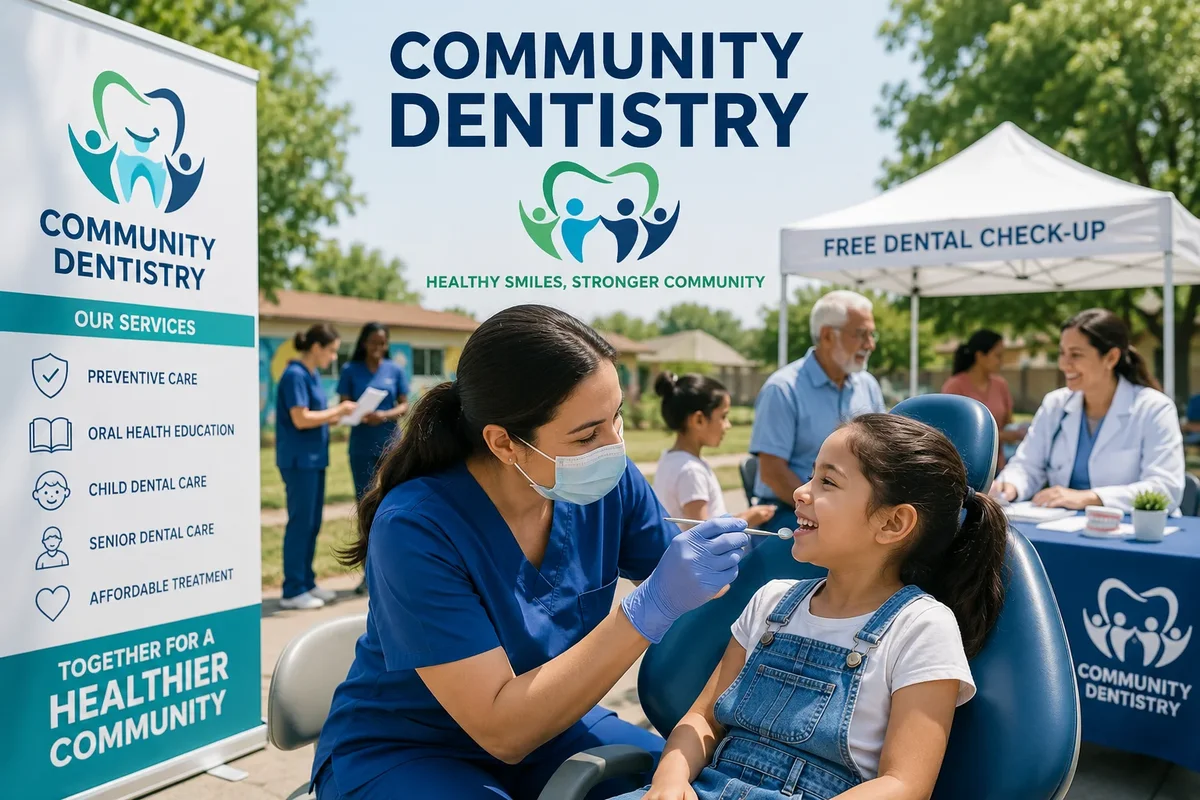
Future Trends and Innovations in Community Dentistry
Community dentistry continues evolving rapidly as healthcare systems place greater emphasis on prevention, accessibility, digital technology, and public wellness. The future of community dentistry will likely focus on reaching more underserved populations, improving preventive strategies, integrating advanced technologies, and strengthening connections between oral healthcare and overall health management. As modern societies face growing healthcare demands, community dentistry is becoming increasingly important for reducing oral disease rates and improving quality of life on a large scale. Through innovation, collaboration, and public health advancements, community dentistry is expected to transform how populations receive preventive dental care in the coming decades. 🦷
One of the main goals of future community dentistry initiatives is to improve accessibility for populations that traditionally struggle to obtain routine oral healthcare. Many individuals still experience barriers related to cost, transportation, education, and workforce shortages. Emerging technologies and modern public health strategies are helping community dentistry professionals create more flexible, efficient, and patient-centered healthcare systems.
The Growing Role of Technology in Community Dentistry
Technology is becoming one of the most important driving forces behind the future of community dentistry. Digital innovations are improving diagnostics, patient communication, preventive education, and outreach services. Modern technologies allow dental professionals to reach larger populations more efficiently while reducing treatment delays and healthcare costs.
Digital patient records, portable imaging systems, artificial intelligence, and cloud-based healthcare platforms are helping community dentistry programs organize patient information more effectively. These tools allow healthcare providers to monitor oral health trends, identify high-risk populations, and create targeted preventive strategies.
Artificial Intelligence and Predictive Dentistry
Artificial intelligence is expected to become increasingly valuable in community dentistry. AI systems can analyze large amounts of healthcare data to identify patients at higher risk of cavities, gum disease, or oral cancer. Predictive analysis may help dental professionals intervene earlier and create personalized preventive care plans.
AI-powered diagnostic tools may also improve early detection of oral diseases during screenings. Faster and more accurate diagnosis could help community dentistry programs reduce disease progression and improve long-term health outcomes for entire populations. 😊
Tele-Dentistry and Remote Care Expansion
Tele-dentistry is one of the most promising innovations shaping the future of community dentistry. Remote consultations allow patients to communicate with dental professionals through digital platforms without needing to travel long distances. This technology is especially valuable for rural communities, elderly individuals, and underserved populations with limited access to dental clinics.
Through tele-dentistry, patients can receive oral health advice, preliminary assessments, preventive education, and referrals remotely. Community dentistry programs increasingly use virtual consultations to improve accessibility and reduce unnecessary emergency visits.
Benefits of Remote Oral Healthcare
Tele-dentistry offers several advantages for community dentistry initiatives. Patients living in remote regions can receive guidance more quickly, while dental professionals can evaluate symptoms before scheduling in-person treatment. Remote consultations also help reduce transportation barriers and improve follow-up communication after procedures.
As internet access and digital infrastructure continue improving worldwide, tele-dentistry may become one of the most effective tools for expanding preventive oral healthcare access in underserved communities.
Portable and Mobile Dental Technologies
Portable dental equipment is another innovation transforming community dentistry. Mobile clinics equipped with compact diagnostic tools, digital X-rays, and portable treatment systems allow dental professionals to deliver services directly into communities. These mobile solutions are especially useful for schools, rural areas, senior care facilities, and low-income neighborhoods.
Future community dentistry programs are expected to rely even more heavily on mobile healthcare systems because they provide flexible and cost-effective outreach opportunities. Portable technologies help reduce access inequalities and allow preventive care to reach patients who might otherwise go without treatment.
Smart Diagnostic Devices
Smart diagnostic devices are also improving preventive care within community dentistry. Portable intraoral scanners, digital imaging systems, and AI-assisted screening tools allow dental professionals to detect oral disease more efficiently during outreach programs.
These innovations may significantly improve early diagnosis rates while reducing the need for large permanent clinical facilities. Faster screenings and portable diagnostics could allow community dentistry programs to reach larger populations with fewer logistical challenges.
Personalized Preventive Care in Community Dentistry
The future of community dentistry will likely involve more personalized preventive care strategies. Advances in healthcare research are helping professionals better understand how genetics, lifestyle habits, nutrition, and medical conditions influence oral health risks.
Community dentistry programs may eventually use personalized risk assessments to create customized preventive plans for individuals and communities. Patients at higher risk for cavities or gum disease could receive more targeted preventive interventions such as additional fluoride treatments, nutritional counseling, or specialized oral hygiene education.
Nutrition and Lifestyle Counseling
Future preventive strategies within community dentistry may place even greater emphasis on nutrition and lifestyle management. Public health programs increasingly recognize the role of sugar consumption, smoking, stress, and chronic disease in oral health outcomes.
Educational initiatives may become more personalized and data-driven, helping patients understand how their daily habits influence both oral and systemic health. This broader wellness approach strengthens the connection between community dentistry and preventive healthcare overall.
Integration with General Healthcare Systems
Another important trend in community dentistry is greater integration with general healthcare systems. Healthcare professionals increasingly recognize that oral health cannot be separated from overall wellness. Future healthcare models may involve closer collaboration between dentists, physicians, nurses, nutritionists, and public health specialists.
Integrated healthcare systems could improve early detection of chronic diseases such as diabetes, cardiovascular disease, and oral cancer through routine dental screenings. Community dentistry programs may also become more involved in broader preventive healthcare campaigns related to nutrition, smoking cessation, and chronic disease management.
Interdisciplinary Public Health Collaboration
Collaboration between healthcare sectors will likely become even more important for future community dentistry initiatives. Schools, hospitals, government agencies, nonprofit organizations, and dental clinics may work together more closely to improve public oral health outcomes.
These partnerships can strengthen educational outreach, increase preventive care access, and support vulnerable populations more effectively. Community dentistry benefits greatly when multiple healthcare sectors coordinate resources and public health efforts.
Expanding Oral Health Education
Public awareness and education will continue playing a central role in the future of community dentistry. Digital platforms, online learning systems, social media campaigns, and mobile health applications are helping dental professionals reach broader audiences more efficiently.
Educational technology allows community dentistry programs to deliver oral health guidance through videos, interactive content, virtual workshops, and multilingual resources. This approach improves accessibility while making preventive education more engaging for patients of all ages.
Health Apps and Preventive Monitoring
Mobile health applications may become increasingly useful in community dentistry. Apps that track brushing habits, appointment schedules, dietary patterns, and oral hygiene routines can help patients maintain healthier lifestyles. Some future technologies may even monitor oral conditions using smartphone-based imaging systems.
These innovations could encourage better patient engagement while improving preventive care compliance within community dentistry programs.
The Long-Term Future of Community Dentistry
The long-term future of community dentistry will likely focus heavily on prevention, accessibility, digital innovation, and interdisciplinary healthcare collaboration. As populations grow and healthcare systems face increasing pressure, preventive oral healthcare will become even more important for reducing disease rates and healthcare costs.
Modern clinics increasingly participate in preventive outreach and patient education programs that support public wellness through community dentistry initiatives. Patients interested in preventive oral healthcare and community-focused dental services can visit the Redent Klinik Contact Page.
Organizations such as the American Dental Association continue supporting innovation in community dentistry through research, education, and public health advocacy that strengthen preventive dental care systems worldwide.
Ultimately, future trends and innovations in community dentistry will help create more accessible, efficient, and patient-centered oral healthcare systems. Through technology, preventive education, mobile outreach, and interdisciplinary collaboration, community dentistry will continue improving oral health outcomes and overall wellness for communities around the world. 🪥