
If you’re beginning your orthodontic journey and trying to understand how to compare clear aligners effectively, you’re not alone. Clear aligner therapy has become one of the most popular smile-correction methods in the world 🌍. With so many brands, materials, treatment styles, and pricing structures, patients often struggle to identify what truly matters. In this comprehensive guide, we will break down every aspect you need to know before choosing the right aligner solution. Whether you’re exploring leading global brands, home-based treatments, or advanced clinic-supervised systems, this resource will help you make an informed, confident decision.
Today’s dental consumers are overwhelmed with ads promising fast results, invisible comfort, and affordable treatment—but the reality is more nuanced. That’s why learning to compare clear aligners properly is essential. By analyzing technology, material durability, wear-time efficiency, patient satisfaction, biomechanical precision, and professional oversight, you gain a clear understanding of which system best meets your needs. Clear aligners are not all created equal, and differences in design philosophy can dramatically affect results 😀.
One of the biggest misconceptions is that all clear aligners work the same way. In truth, companies use different plastics, activation methods, treatment algorithms, and even 3D printing processes. This means that when you attempt to compare clear aligners, you must look beyond brand names and evaluate scientific details like force application vectors, aligner elasticity, staging accuracy, and digital treatment planning. Many leading providers rely on advanced AI-driven simulations, while others use more traditional orthodontic modeling. The gap in precision between brands can be significant, especially for complex cases requiring root torque, rotation correction, or bite alignment.
Patients evaluating options should also understand that professional supervision plays a major role in success. Some companies offer fully remote treatment, while others require regular in-person evaluations. When people compare clear aligners across these categories, they often realize that remote options may be suitable only for mild cases, while clinic-guided aligners provide superior control, safety, and predictability for moderate to advanced orthodontic needs. Orthodontists and accredited dental professionals follow guidelines set by organizations like the American Dental Association, ensuring that treatments maintain clinical safety standards.
Comfort is another major element. Some brands are known for softer materials that feel smooth against the gums, while others offer more rigid plastics that deliver stronger biomechanical force—ideal for specific tooth movements. Understanding these differences helps you compare clear aligners accurately, especially if you have a sensitive mouth or previous orthodontic history. Patients often report differences in speech adaptation, dryness, aligner firmness, and wear-time tolerance depending on the brand. Small details matter because aligners must be worn 20–22 hours daily ⏳.
A crucial part of evaluation also includes lifestyle fit. If you travel frequently, have a busy work schedule, or prefer minimal dental visits, your aligner choice may differ. Some brands promote “nighttime-only” treatments, while others require strict full-day wear. When you compare clear aligners, consider whether a system aligns with your routine, eating habits, and maintenance preferences. Remember: consistency is vital for achieving the predicted outcomes.
For those seeking clinical advice or an in-person evaluation, reaching out to professionals is always recommended. You can visit the Redent Klinik Contact Page to schedule a detailed consultation and receive expert guidance tailored to your dental anatomy and goals.
Finally, keep in mind that comparing aligners is not only about aesthetics or convenience—it’s about biological movement, oral health, long-term stability, and precision-driven results. Whether you use the phrase “evaluate clear aligners” or “contrast aligner systems,” the core principle remains the same: informed decisions lead to more predictable, safer, and more satisfying outcomes 😊. With this foundation, you are now ready to explore the deeper comparisons across features, materials, technologies, and brands in the following sections.
How Clear Aligners Work Compared to Traditional Braces
Understanding how modern orthodontic systems function is essential before you begin to compare clear aligners with traditional metal braces. While both aim to create a straighter, healthier smile, the mechanics, materials, comfort level, biological response, and user experience differ significantly. Clear aligners use digitally programmed movements that gradually guide teeth into alignment, whereas braces rely on brackets and wires to apply continuous force. To help you fully grasp these differences, the section below breaks everything down into structured, easy-to-follow concepts supported by detailed scientific explanations and practical insights 😄.
The Fundamental Biomechanics Behind Clear Aligner Therapy
Clear aligners operate through a series of custom-made trays designed from advanced 3D scans of your teeth. Each tray represents a small step in your final treatment plan. When you compare clear aligners to braces, one of the biggest distinctions is how force is delivered. Aligners use controlled pressure at specific points, whereas braces exert more generalized forces across multiple teeth. This precision allows aligners to guide dental movements such as tipping, rotation, intrusion, and extrusion with impressive accuracy. High-quality brands use multi-layer polymers engineered to activate gradually, creating predictable biological responses in the periodontal ligament.
Modern systems incorporate AI-driven treatment simulations that map out every stage of tooth movement. These digital blueprints ensure that forces are distributed safely, reducing the discomfort often associated with braces. When you compare clear aligners, pay attention to how advanced each brand’s planning software is—this often determines treatment accuracy and effectiveness.
Material Science: How Aligner Plastics Differ
Material quality plays a major role in performance. Clear aligner manufacturers use various thermoplastic polymers, each offering unique benefits. Some materials are engineered for flexibility and comfort; others optimize rigidity for more complex cases. When patients compare clear aligners, they often notice differences in clarity, stain resistance, elasticity, and force delivery. These material variations affect how well the aligner grips teeth, retains shape over time, and responds to warm temperatures in the mouth. Higher-end brands invest heavily in research to produce plastics that balance comfort with biomechanical precision.
How Traditional Braces Apply Force
Braces rely on brackets bonded to the teeth and connected with metal archwires. Orthodontists manually adjust these wires during visits, tightening or guiding them to apply pressure. Unlike aligners, which distribute force across the entire tray, braces often create localized pressure points that can feel more intense. Although braces remain highly effective for severe orthodontic issues, many patients prefer the invisible appearance and freedom of clear aligners 😀.
Bracket and Wire Adjustments
Each adjustment session introduces new levels of force, which explains why patients often experience soreness after orthodontic appointments. When you compare clear aligners to braces, aligners typically cause less discomfort because force is applied more gradually. This reduces inflammation in the periodontal ligament and allows more controlled movement.
Comfort, Convenience, and Lifestyle Differences
Lifestyle considerations are often decisive when patients compare clear aligners with braces. Aligners are removable, allowing you to eat, drink, brush, and floss without obstruction. Braces, however, require dietary restrictions to prevent wire breakage or bracket damage. Sticky, crunchy, or hard foods can interfere with treatment progress. For patients with busy schedules, aligners provide flexibility since they require fewer in-office adjustments.
Speech adaptation is another factor. Some individuals experience a slight lisp during the initial days of aligner wear, but this typically disappears quickly. Braces, however, may cause long-term irritation to the cheeks and tongue. If you “evaluate clear aligners” —a helpful LSI phrase—you’ll find that modern brands design edges with smooth contours to minimize discomfort.
Oral Hygiene and Maintenance
Maintaining oral hygiene is significantly easier with clear aligners. You can remove them to brush and floss thoroughly, reducing the risk of plaque buildup and gum inflammation. Traditional braces require specialized tools such as interdental brushes or water flossers. When you compare clear aligners from a hygiene perspective, the advantage becomes clear: aligners support a cleaner, healthier mouth throughout treatment.
Treatment Accuracy and Predictability
Advanced digital planning gives aligners an advantage in predictability. Orthodontists can visualize your final smile before treatment begins. This is particularly valuable for patients who want to monitor progress and understand expected outcomes. Braces rely more heavily on manual expertise and incremental adjustments. Although braces remain extremely effective for challenging cases, aligners have evolved to handle complex movements using attachments, elastics, and precision wings.
When Braces Might Still Be Necessary
Although clear aligners are suitable for the majority of patients, certain conditions—such as severe skeletal discrepancies, impacted teeth, or significant bite asymmetry—may require braces or even surgery. A proper consultation with a certified provider can help determine whether aligners can achieve optimal results in your case. For professional guidance, you can always visit the Redent Klinik Contact Page.
Clear aligners represent a modern, technologically advanced, and patient-friendly approach to achieving a better smile. By taking the time to compare clear aligners against braces in terms of force delivery, comfort, lifestyle compatibility, hygiene, predictability, and clinical outcomes, you gain the knowledge necessary to choose the best path for your orthodontic transformation 🎯.
Benefits of Choosing Clear Aligners for Modern Orthodontics
When patients begin to compare clear aligners with traditional orthodontic methods, the first area they usually explore is the long list of benefits aligners provide. Modern aligner technology has become a preferred choice for adults, teens, and even younger patients due to its combination of aesthetics, precision, comfort, and lifestyle flexibility. Understanding these advantages in depth will help you make an informed decision while ensuring your orthodontic transformation aligns with both your dental needs and your day-to-day routine 😊.
Invisible Aesthetics: Discreet Treatment for Every Lifestyle
One of the most widely recognized advantages of clear aligners is their transparent, nearly invisible appearance. For individuals who feel self-conscious about wearing metal braces, aligners offer a discreet alternative. When you compare clear aligners to braces, the difference in visibility is dramatic—aligners are difficult to notice even in close social interactions. This makes them ideal for professionals, public speakers, corporate workers, students, and anyone who prefers subtlety during orthodontic treatment.
Beyond aesthetics, aligners also avoid the metallic shine, food trapping, and staining issues commonly seen with braces. High-quality aligners are engineered to resist discoloration from coffee, tea, or wine, although good oral hygiene remains essential. These features significantly enhance confidence throughout the entire treatment period.
Comfort-First Design for Gentle Tooth Movement
A major benefit becomes clear when you compare clear aligners with the sharp brackets and wires of braces: comfort. Clear aligners are crafted from smooth, flexible thermoplastic materials designed to sit snugly along the gumline without causing abrasions. Patients rarely experience cheek irritation, cuts, or wire pokes—issues frequently associated with braces.
Moreover, aligners exert controlled, targeted force rather than continuous tension. This reduces soreness and makes the daily wear experience much more comfortable. Most brands intentionally design gradual movement intervals to protect periodontal structures while still achieving consistent progress toward a straightened smile.
Softer Edges and Higher Biocompatibility
The edges of aligners are polished and rounded, decreasing friction against soft tissues. For individuals with sensitive gums or existing inflammation, the difference can be transformative. Some premium brands use multilayer plastics that adapt to body temperature, improving fit and comfort.
Removability: Eat, Clean, and Live Without Restrictions
One of the top reasons people prefer aligners is the freedom to remove them as needed. You can enjoy meals, special events, or important meetings without the discomfort or restrictions associated with braces. When you compare clear aligners to fixed orthodontic systems, this flexibility stands out as one of the most lifestyle-friendly advantages.
Better Oral Hygiene Control
Because aligners are removable, brushing and flossing are significantly easier. There are no wires to work around and no food traps hidden behind brackets. This drastically reduces the risk of cavities, gum inflammation, and enamel decalcification during treatment. Patients who “evaluate clear aligners,” another helpful LSI variation, often note that hygiene is one of the major deciding factors.
Predictable, Technology-Driven Results
Modern aligner systems rely on advanced 3D imaging, AI-enhanced treatment simulations, and precision manufacturing. This allows orthodontists to forecast the entire movement process before treatment even begins. When you compare clear aligners with traditional braces, the difference in digital precision becomes immediately apparent. Most aligner providers offer virtual treatment previews, letting you see expected outcomes and timeline projections.
Such advanced planning also reduces the number of unexpected changes during treatment. Instead of relying solely on manual adjustments, the digital sequence ensures that each tray contributes to the next stage logically and safely. This often results in shorter treatment times for mild to moderate cases.
Fewer Appointments and Better Time Efficiency
Busy patients benefit enormously from the minimal need for in-person visits. Clear aligners typically require check-ins every 6–10 weeks, sometimes even less if remote monitoring tools are used. By contrast, braces require frequent wire tightening and bracket repairs. When you compare clear aligners from a time-efficiency perspective, aligners clearly offer greater convenience for working individuals, students, and parents.
Improved Safety and Reduced Emergency Visits
Braces can break, wires can snap, and brackets may detach—leading to emergency appointments. Clear aligners eliminate these risks. Their smooth construction means no broken metal pieces, making them a safer option overall. This stability is especially helpful for patients who travel frequently or have limited time for dental visits.
Support for Long-Term Oral Health
Straight teeth are easier to clean and maintain, reducing the risk of gum disease, cavities, and excessive wear. When you compare clear aligners to braces, aligners maintain tooth structure integrity more consistently because they allow for easier hygiene and gentler movement. Better alignment also improves bite distribution, reducing strain on jaws and supporting overall oral health for decades.
For anyone seeking professional evaluation, personalized treatment simulations, or a clinical comparison of different aligner systems, you can reach out via the Redent Klinik Contact Page. Expert guidance ensures that all the benefits of aligner therapy are maximized safely and effectively.
Ultimately, when you step back and compare clear aligners across aesthetics, comfort, technology, predictability, oral hygiene, and lifestyle compatibility, it becomes clear why so many people choose aligners for their orthodontic needs 🎯. Their balance of subtlety, science, and convenience makes them one of the most advanced—and user-friendly—treatment methods available today.
Key Factors to Consider When You Compare Clear Aligners
When patients begin to compare clear aligners across different brands and treatment models, it’s essential to evaluate multiple factors rather than relying on marketing claims alone. Clear aligners may look similar on the surface, but differences in materials, treatment planning systems, orthodontic oversight, manufacturing precision, and long-term effectiveness can dramatically influence outcomes. This section will walk you through the most critical elements that determine aligner quality, helping you choose the most reliable and effective system for your orthodontic needs. By understanding these factors at a deeper level, you can make a confident, evidence-based decision and achieve predictable results 😊.
Digital Treatment Planning Systems
A successful aligner journey begins with precise digital planning. Before you compare clear aligners among brands, you must examine the technology behind their treatment simulations. Some companies use advanced AI-powered platforms capable of mapping tooth movements at the micrometric level, while others rely on basic 3D modeling with limited predictive capabilities. Higher-end systems generate staged movements that ensure biological safety, minimize discomfort, and maintain consistent force distribution.
When evaluating providers, look for brands that offer transparent before-and-after simulations. These allow you to visualize each phase of treatment and understand how the aligners will move your teeth over time. A system with greater predictive power typically leads to shorter treatments and fewer unexpected adjustments. This is especially important if you want to maximize efficiency and reduce the margin of error throughout your transformation.
The Importance of Orthodontic Oversight
A critical consideration when you compare clear aligners is whether the treatment is supervised by an orthodontic professional. Some brands rely on remote dental check-ins, while others provide comprehensive, in-person follow-up appointments. Clinic-based systems generally offer more accuracy, especially for complex cases involving deep bites, crossbites, or significant rotations. Orthodontists use diagnostic tools like X-rays, cephalometric analysis, and facial profiling—elements missing from fully remote models.
Systems with higher orthodontic involvement tend to produce safer, more stable outcomes. When deciding, ask whether your progress will be monitored regularly by a certified expert or automated digital software alone. Oversight quality is one of the strongest predictors of treatment success.
Material Strength, Elasticity, and Durability
Material quality is one of the defining elements of any clear aligner system. When you compare clear aligners, you will find that leading brands use multi-layer thermoplastic polymers engineered for optimal force delivery. These materials adapt to body temperature, maintaining a consistent grip while balancing comfort with biomechanical precision. Less advanced brands may use single-layer plastics that lose tension quickly, resulting in slower or less predictable movement.
Durability matters because aligners must maintain their shape for 7–14 days per tray. A weak material may warp from heat, biting pressure, or daily wear. Premium aligners undergo extensive mechanical testing to prevent microscopic fractures, deformation, and clouding. This ensures both aesthetic clarity and functional stability throughout treatment.
Treatment Time Variability
Another important factor when you compare clear aligners is treatment duration. While many brands claim fast results, real timelines depend on diagnostic accuracy, material performance, and expert oversight. Mild cases may finish in 4–6 months, while more complex alignment issues may require 12–18 months. Remote treatment models sometimes underestimate timeline projections due to limited biological analysis.
Movement Sequencing and Force Distribution
Aligner systems differ in how they sequence tooth movements. Some brands move multiple teeth at once, which may overwhelm periodontal ligaments. Others employ micro-staged movements, reducing inflammation and optimizing stability. The right sequence promotes long-lasting results without compromising comfort.
Comfort and Daily Wear Compliance
Comfort is a major factor influencing patient compliance. When you compare clear aligners, evaluate the fit, smoothness, and edge quality of each brand. Premium aligners are trimmed to match gum contours, preventing irritation. They also maintain steady force levels without creating pressure spikes that cause soreness. Since aligners must be worn 20–22 hours per day, comfort directly determines treatment success.
Some brands offer nighttime-only options, but these typically require stronger force application and may be less comfortable. They are generally suitable only for very mild cases. Consider your lifestyle when choosing an aligner model—consistent, daily wear is one of the strongest predictors of final results.
Attachments, Elastics, and Treatment Complexity
Not all tooth movements can be completed with plastic alone. When you compare clear aligners, check whether the provider uses attachments, elastics, precision wings, or bite ramps. These tools enhance biomechanical control and expand the range of treatable cases. If a brand does not offer such features, it may struggle with rotations, bite correction, or vertical movements.
Attachments act like small brackets bonded to the teeth, allowing aligners to grip more effectively and generate targeted force. This improves precision, especially for challenging movements such as canine rotations or molar uprighting. Treatment systems that support these features typically produce more reliable, orthodontist-level outcomes.
Cost Transparency and Value
Cost varies significantly among aligner brands. When you compare clear aligners, consider not just the upfront price but also the value behind it. Factors influencing cost include:
- Material quality and manufacturing technology
- Orthodontist involvement and in-person supervision
- Diagnostic imaging (X-rays, scans, facial analysis)
- Complexity of movements and required attachments
- Duration of treatment and number of refinements
If you require a precise cost breakdown or professional evaluation, you can reach out through the Redent Klinik Contact Page for a detailed consultation.
Long-Term Stability and Retention Planning
The last factor to consider when you compare clear aligners is long-term stability. Straightening your teeth is only half the journey—keeping them straight is the lasting goal. High-quality providers include customized retainers and post-treatment plans to protect your new smile. Systems designed with orthodontic oversight offer more stable results because they ensure proper root alignment, not just cosmetic surface improvements.
When you evaluate these elements collectively—technology, materials, comfort, supervision, complexity handling, cost, and stability—you gain the clarity needed to choose an aligner system that aligns with both your dental condition and lifestyle ambitions 🎯.
Material Quality and Technology Differences Among Brands
One of the most important aspects to evaluate when you begin to compare clear aligners is the dramatic variation in materials, manufacturing processes, and technological foundations used by different brands. Although many aligners look similar to the untrained eye—transparent, smooth, and custom-fitted—the underlying science can differ significantly. These differences directly affect comfort, durability, clarity, movement accuracy, stain resistance, treatment speed, and long-term stability. This section explores the internal engineering behind leading aligner brands, giving you a detailed and reliable foundation for making an educated decision about your orthodontic treatment 😊.
Understanding Thermoplastic Materials Used in Aligner Manufacturing
Clear aligners are typically made from medical-grade thermoplastic polymers, but not all plastics offer the same performance. When you compare clear aligners, you’ll notice that premium brands use multilayer materials engineered to achieve a balance between stiffness and flexibility. These materials are designed to apply constant, gentle pressure while maintaining shape throughout the wear cycle of 7–14 days.
Single-layer plastics, commonly used in lower-end or mail-order aligner systems, may lose force quickly due to temperature changes or mechanical stress. This can slow down tooth movement and reduce predictability. In contrast, advanced multilayer systems maintain force longer, adapt gradually to body temperature, and remain clearer for extended use. The difference is especially noticeable when treating challenging movements such as rotations or deep-bite corrections.
Elastic Recovery and Force Consistency
Elastic recovery refers to how well an aligner returns to its original shape after being stretched over teeth. When you compare clear aligners with high elastic recovery to those with low recovery, the former delivers more precise and reliable movement. This contributes to faster results and fewer refinements. Without sufficient elastic resilience, aligners may fatigue quickly, reducing their ability to generate consistent pressure.
Manufacturing Technology: 3D Printing vs. Thermoforming
Manufacturing methods play a significant role in aligner quality. The two most commonly used techniques are thermoforming over a 3D-printed model or directly 3D printing the aligners themselves. Understanding these differences is essential when you compare clear aligners:
- Thermoformed Aligners: A plastic sheet is heated and molded over a custom dental model. Most major brands use this method.
- Direct 3D Printed Aligners: Newer technologies allow aligners to be printed directly using a resin-based system, producing highly detailed results.
Direct 3D printing offers exceptional accuracy because the aligner is built layer by layer, eliminating intermediate distortions. However, it is more costly and requires specialized biocompatible materials. Thermoforming remains widely trusted due to its stability and long track record in orthodontics.
Aligner Thickness and Edge Trimming Techniques
Patients often underestimate how much aligner thickness and trimming styles affect comfort and effectiveness. When you compare clear aligners, consider these differences carefully:
- Thicker Aligners: Offer stronger force but may feel bulkier.
- Thinner Aligners: Improve comfort and clarity but may deliver weaker biomechanical control.
- Scalloped Edges: Follow the gumline for greater comfort.
- Straight-Cut Edges: Provide better leverage for tooth movement.
Premium brands tailor thickness and edge trimming to the needs of each case. Mail-order systems often use uniform trimming, which may not accommodate individual tooth shapes or gum contours. These distinctions matter because they affect daily wear comfort, pressure distribution, gum health, and the overall treatment experience.
Precision Fit Through High-Resolution Scanning
Modern aligners rely on advanced digital scanning technology to capture the exact structure of your teeth. High-resolution optical scanners create detailed 3D images that ensure each aligner tray matches your dental anatomy precisely. When you compare clear aligners, brands that use ultra-accurate scanners produce better-fitting aligners, reducing pressure points and improving movement efficiency.
Software Technology and AI-Driven Treatment Mapping
Behind every aligner system is a powerful software engine that determines how teeth will move. Some providers use cutting-edge AI algorithms to predict biological responses and optimize force application. These platforms adjust staging sequences based on thousands of successful case models, making treatment more predictable.
Lower-tier aligner companies may rely on simpler programs, which can lead to:
- Underestimated timelines
- Inaccurate tooth movement forecasts
- Poor sequencing of complex movements
- Higher need for refinements
When you thoroughly compare clear aligners, you’ll find that advanced digital technology is one of the strongest predictors of successful treatment outcomes.
Stain Resistance and Longevity
Some aligner materials resist staining better than others. Coffee, tea, turmeric, and red wine can discolor inferior plastics quickly. High-quality aligners incorporate anti-stain polymers that maintain clarity for the full wear period. This is especially important for patients who want a consistently discrete orthodontic appearance.
Impact on Oral Health and Gum Comfort
Properly trimmed, smooth aligners reduce gum irritation and inflammation. Brands that invest in precision laser trimming or polished edges create a noticeably more comfortable experience. If you “evaluate clear aligners”—a useful LSI term—you’ll find that comfortable aligners encourage better patient compliance, which is crucial for achieving expected results.
Choosing a Clinically Approved and Technology-Driven System
To make an informed decision, consult professional orthodontists who can review technological differences and help choose the best system for your case. For personalized advice, you may contact the experts via the Redent Klinik Contact Page.
In summary, when you compare clear aligners across materials, manufacturing technologies, digital simulation tools, and comfort features, the differences become profoundly clear. High-quality systems use innovation, engineering precision, and advanced polymers to deliver reliable, comfortable, and highly predictable orthodontic results 🎯.
Treatment Duration: Faster or Slower When You Compare Clear Aligners?
One of the most common questions patients ask when they begin to compare clear aligners is how long treatment will take. Treatment duration plays a major role in decision-making because it influences comfort, convenience, lifestyle, and overall patient satisfaction. Although many brands advertise fast results, the truth is that treatment time varies significantly depending on multiple biological, mechanical, and technological factors. Understanding these variables is crucial if you want realistic expectations and predictable outcomes. In this section, we break down every factor that affects orthodontic timelines so you can evaluate aligner systems accurately and confidently 😊.
How Clear Aligners Move Teeth: The Biological Basics
To understand treatment speed, it’s important to recognize how teeth actually move. Orthodontic movement happens through a biological process called “bone remodeling,” which occurs as pressure is applied to teeth. When you compare clear aligners with braces, aligners often provide more controlled, micro-staged movements. This can lead to efficient and predictable progress—especially when the force is distributed evenly across the trays.
Clear aligners typically move teeth in increments of 0.1–0.25 mm per tray. Movement speed depends on:
- Biological response from the periodontal ligament
- Material strength and elasticity of the aligner
- Patient compliance (wearing aligners 20–22 hours daily)
- Complexity of the orthodontic correction
- Presence of attachments, elastics, or bite correction tools
If you “evaluate clear aligners,” an LSI phrase closely related to the main keyword, you’ll find that these biological factors often determine the difference between a fast and slow treatment.
Average Treatment Duration Based on Case Complexity
When you compare clear aligners across brands, most companies categorize treatment into three general levels. Each level has dramatically different timeline expectations:
1. Mild Cases (3–6 Months)
These usually involve small gaps, minor crowding, slight rotations, or simple aesthetic adjustments. Aligner systems that use advanced material technology often resolve these issues quickly because movement requires minimal biomechanical force. Many providers offer “express” or “lite” packages for mild cases. However, timeline accuracy depends heavily on patient compliance and the precision of digital treatment planning.
2. Moderate Cases (6–12 Months)
This category includes more noticeable crowding, moderate spacing, bite alignment issues, and complex rotations. When you compare clear aligners for moderate cases, you’ll see that treatment speed varies based on whether attachments, elastics, or pressure points are used. Brands with AI-optimized treatment sequencing generally complete moderate cases faster because each movement is staged efficiently.
3. Complex Cases (12–24 Months)
Deep bites, severe crossbites, large gaps, impacted teeth, and skeletal misalignments fall into this category. Clear aligners have improved significantly in handling complex cases, especially with the introduction of precision wings and advanced attachments. However, treatment may take longer than braces in extremely severe situations. That said, many patients still prefer aligners due to comfort and aesthetics, even if the timeline is similar.
The Role of Digital Planning in Treatment Speed
Technology is one of the most powerful predictors of treatment duration. When you compare clear aligners from digitally advanced providers to basic mail-order aligners, tech-driven systems typically deliver faster and more predictable results. High-resolution scans, AI-assisted movement modeling, and accurate staging sequences ensure that each aligner tray contributes precisely to the next step.
Systems with outdated or simplified planning tools often underestimate timelines, leading to extended treatments or multiple refinements. Refinements add several weeks or months, especially if impressions or new scans are needed.
Movement Sequencing Efficiency
Some aligner brands move too many teeth at once to speed up results, but this can backfire—causing pain, biological stress, or unpredictable drifting. High-quality systems move small groups of teeth gradually, respecting periodontal health and ensuring long-term stability. This method may seem slower but is more effective and safer in the long run.
Compliance: A Crucial Factor in Treatment Duration
Even the best aligner systems cannot deliver fast results if trays are not worn consistently. When you compare clear aligners, brands that emphasize daily compliance tend to yield the most accurate timeline predictions. Aligners must be worn 20–22 hours per day for optimal efficiency. Removing them frequently slows down progress and increases the risk of refinements.
Nighttime-only aligner options may appear faster or more convenient, but because they rely on stronger force during shorter wear hours, they are usually suitable only for very mild cases—and even then, timelines are often longer.
The Impact of Attachments, Elastics, and Additional Tools
Attachments are small composite shapes bonded to your teeth to help aligners grip more effectively. When you compare clear aligners, you’ll find that brands offering a wide variety of attachment shapes tend to produce faster and more precise results. Elastics and precision wings also accelerate bite correction, reducing overall treatment duration.
Systems that lack these tools are generally limited to mild cosmetic cases and may require more time to complete movements that advanced brands can achieve more efficiently.
In-Office vs. Remote Monitoring and Timeline Accuracy
Remote-only systems may advertise faster results, but without X-rays and in-person evaluations, treatment plans may overlook root positioning, bone density, or bite issues. This often leads to slower progress or additional refinements. When you compare clear aligners, clinic-supervised systems consistently offer more accurate timelines because orthodontists adjust treatment based on real biological response—not just digital predictions.
If you want clinically verified guidance on expected timelines, you can contact a professional via the Redent Klinik Contact Page.
In summary, when you thoroughly compare clear aligners, treatment duration depends on case complexity, digital planning sophistication, biological factors, compliance, and clinical oversight. By understanding how each component affects speed, you can choose a system that delivers efficient, comfortable, and predictable results—without sacrificing safety 🎯.
Cost Comparison: What Influences Clear Aligner Pricing?
When patients begin to compare clear aligners, one of the first questions that comes up is cost. Clear aligner pricing varies widely—from affordable mail-order options to premium, in-clinic orthodontic systems. Understanding what actually drives these price differences is essential for making an informed decision. Many people assume cost is based only on brand reputation, but in reality, aligner pricing is influenced by technology, materials, clinical oversight, diagnostic imaging, treatment complexity, refinement frequency, and long-term retention. This detailed section breaks down each factor to help you understand precisely how aligner costs are determined and what you’re truly paying for 😊.
The Role of Diagnostic Imaging and Initial Assessment
Your aligner journey begins with diagnostic imaging, clinical evaluation, and detailed analysis. When you compare clear aligners, the presence—or absence—of professional diagnostic tools dramatically affects price. Premium, clinic-based providers typically include:
- 3D intraoral scans
- Cephalometric X-rays
- Panoramic X-rays
- Bite analysis and facial symmetry evaluation
These tools ensure that your orthodontic plan is biologically safe, accurate, and custom-tailored. Mail-order options often skip these important diagnostics, lowering the upfront price but creating clinical risks. Without X-rays, bone levels, root positioning, and hidden pathology cannot be assessed properly. This is why professional imaging significantly increases reliability—and cost.
Clinical Oversight and Professional Expertise
When you compare clear aligners across pricing levels, oversight quality is one of the clearest differentiators. Orthodontists invest years of specialized training to diagnose complex dental conditions, plan biomechanical movement, and prevent complications. Their expertise naturally increases treatment cost but delivers safer and more predictable results.
Remote-only systems usually depend on automated software and limited dental supervision. While cheaper, this can lead to longer treatment times, inaccurate predictions, and additional refinements—all of which increase the total cost over time. In-office systems typically include regular checkups, adjustments, and refinements, making them more comprehensive.
Material Quality and Manufacturing Technology
One of the biggest cost drivers is aligner quality itself. When you compare clear aligners, you’ll find that high-end brands use advanced multilayer polymers engineered for durability, clarity, and consistent force delivery. These materials undergo extensive testing for:
- Elastic recovery
- Crack resistance
- Thermal stability
- Precision shaping
- Biocompatibility
Lower-cost mail-order aligners may rely on single-layer plastics with reduced durability. While cheaper, these materials often lose strength prematurely, resulting in delayed movement, discomfort, or repeated refinements. In contrast, premium materials accelerate healthy movement and improve treatment efficiency.
3D Printing, Thermoforming, and Digital Precision
Manufacturing technology also influences cost. Some providers use high-resolution 3D printers to create exceptionally precise aligners; others rely on more basic thermoforming techniques. Direct 3D printing offers superior fit and clarity, but it requires expensive equipment and biocompatible resins. When you compare clear aligners, brands with cutting-edge production methods typically charge more because of their investment in precise technology and research.
Treatment Complexity and Customization Level
The more complex your orthodontic case is, the more you can expect to pay. Mild crowding or spacing is quick and affordable, while deep bites, crossbites, rotations, or multiple arch corrections require more aligners, more planning, and more oversight. When you compare clear aligners, premium brands handle complex cases more effectively because they offer:
- Customized attachments
- Elastics integration
- Precision wings for bite correction
- Root movement control
- Advanced staging sequences
Each of these tools adds sophistication—and cost—to the treatment plan. Simpler mail-order systems typically manage only mild cases, which is why they offer lower fixed pricing.
Refinements and Additional Aligners
Refinements are extra aligner trays issued to perfect the final results. Almost every patient needs at least one refinement phase. When you compare clear aligners, check whether refinements are included in the base cost. Premium providers often offer unlimited refinements within the treatment plan, while budget options charge extra for each additional tray. Over time, this can drastically increase real costs beyond the initial advertised price.
Retention and Post-Treatment Stability
Nearly all orthodontic treatment requires retainers. Better brands include customized retainers as part of the package, ensuring long-term stability. Mail-order systems may charge separately for retainers, raising the total cost. Choosing a system with retention included provides better value and helps maintain the results you’ve worked so hard to achieve.
In-Office vs. At-Home Treatment Costs
Another major factor appears when you compare clear aligners by delivery model:
- In-office aligners: higher cost, higher safety, greater precision
- At-home aligners: lower cost, minimal diagnostics, limited complexity
While at-home aligners tend to be cheaper, they may not be suited for patients with bite problems, rotated teeth, gum disease, or asymmetries. Professional systems offer extensive monitoring and flexibility for complex challenges.
General Price Ranges Based on Research
Based on publicly available pricing averages online, clear aligner costs generally fall within these ranges:
- Mail-Order Aligners: $1,200–$2,500
- Standard In-Office Aligners: $3,000–$5,500
- Premium Orthodontic Systems: $5,500–$8,500+
Your price will vary based on location, clinic expertise, and treatment duration. For personalized pricing, you can request a detailed evaluation from the Redent Klinik Contact Page.
Ultimately, when you thoroughly compare clear aligners, you discover that price is shaped by the quality of diagnostics, materials, clinical oversight, case complexity, and long-term stability. A higher price often reflects a safer, more precise, and more predictable orthodontic journey—ensuring that the end result is not only straighter teeth but also a healthier, more confident smile 🎯.
Comfort Levels and Daily Wear Experience Across Leading Brands
When patients begin to compare clear aligners, comfort often becomes one of the most influential factors in their decision-making process. Clear aligners may look similar, but the day-to-day wear experience can vary significantly depending on the brand, material quality, design features, edge trimming methods, and biomechanical engineering behind each tray. This section provides a highly detailed and research-based explanation of what determines comfort, how different brands stack up, and what you can expect throughout your treatment journey. Understanding these nuances will help you choose an aligner system that fits smoothly into your lifestyle and oral health needs 😊.
Understanding the Physical Sensation of Wearing Clear Aligners
Every aligner tray must apply pressure to guide teeth into their ideal positions. When you compare clear aligners, comfort is primarily determined by how evenly and gently this pressure is delivered. High-quality aligners are engineered to distribute force across the entire dental arch, reducing localized pain or sharp pressure points. Lower-tier systems may lack refined force mapping, resulting in inconsistent pressure and temporary soreness.
During the first 24–48 hours of switching to a new tray, mild discomfort is normal. This sensation is a sign that the aligners are working. However, discomfort should never feel sharp, stabbing, or unbearable. These negative sensations typically indicate poor fit, low-quality materials, or inaccurate digital planning.
Material Flexibility and Gumline Adaptation
The thermoplastic material used in aligners directly influences comfort. Softer, premium polymers warm up and adapt to body temperature, creating a snug but gentle fit. When patients compare clear aligners, many notice that high-end brands feel smoother and less rigid during daily wear. In contrast, cheaper plastics may feel stiff, causing gum irritation or pressure along the enamel.
Multi-layer materials are especially beneficial, providing flexibility on the outside and stability on the inside. This combination allows aligners to apply consistent force while remaining cushioned against sensitive gums and the inside of the cheeks.
Edge Design and Trimming Style
Edge trimming is one of the most overlooked aspects of aligner comfort. When you compare clear aligners, you’ll discover two main trimming styles:
- Scalloped Edges: Follow the gumline for a more natural and comfortable fit.
- Straight-Cut Edges: Extend slightly over the gumline to create greater force leverage.
Scalloped edges are typically more comfortable, as they avoid pushing into soft tissues. Straight-cut edges produce stronger biomechanical force but may feel more noticeable. Some patients prefer scalloped designs because they reduce irritation during speaking and chewing.
Laser-Cut vs. Machine-Cut Edges
Premium brands laser-trim their aligners to achieve ultra-smooth edges. This reduces micro-abrasions that could irritate the lips and cheeks. Lower-cost brands often rely on mechanical cutting, which may leave microscopic roughness along the edges. When you compare clear aligners, laser-cut edges consistently score higher in overall comfort ratings.
How Fit and Seal Influence Daily Comfort
A properly fitting aligner should “snap” into place with gentle pressure and hold securely without causing strain. Clear aligners depend on an accurate 3D scan of your teeth to ensure a precise fit. When the scan quality is poor, or when mail-order systems rely on patient-made impressions, fit problems become more common.
When you thoroughly compare clear aligners, it becomes clear that high-quality 3D digital scanning leads to:
- Better aligner fit
- More predictable force distribution
- Reduced soreness
- Better long-term treatment results
Poorly fitting aligners not only cause discomfort but may also delay treatment progress by failing to move teeth efficiently.
Speech and Daily Activity Adaptation
Clear aligners can slightly affect speech during the first few days of wear, causing minor lisps. When you compare clear aligners across brands, premium systems typically minimize speech disruption because of their thin, smooth material design. Thicker or less refined aligners can alter tongue placement and amplify lisps, especially during the initial adjustment period.
Most patients adapt within 48–72 hours, and speech returns to normal as the tongue adjusts to the tray’s contours. Practicing reading aloud or speaking frequently speeds up adaptation.
Eating and Drinking with Alignment Trays
Unlike braces, clear aligners are removed before eating. This significantly increases comfort during meals because no food gets stuck around wires or brackets. However, aligners must be stored properly during meals to avoid contamination. Hot drinks should be avoided while the aligners are in place, as heat can distort the material.
Managing Discomfort During Tray Changes
When switching to a new set of aligners, some sensitivity is expected. Still, when you compare clear aligners, you’ll find that high-quality brands focus on micro-staged movements that reduce sudden pressure increases. This makes tray transitions more comfortable and predictable.
Simple techniques to reduce discomfort include:
- Switching trays before bedtime
- Using orthodontic chewies for better seating
- Applying cold compresses on sore areas
- Practicing consistent wear to avoid delays
All-Day Wear Experience and Lifestyle Compatibility
Clear aligners require 20–22 hours of daily wear for optimal efficiency. This means comfort matters not just occasionally but constantly. When you compare clear aligners in terms of lifestyle compatibility, consider:
- Whether the aligners feel smooth during extended speaking
- How easily they can be removed and reinserted
- Whether they cause gum fatigue or cheek irritation
- How naturally they fit throughout daily activities
Premium systems often offer the best long-term comfort due to refined fitting technology and medical-grade materials. Lower-end systems may require more adaptation time or cause ongoing irritation due to inflexible plastics or rough trimming.
Professional Guidance for Improved Comfort
If you experience persistent discomfort, an orthodontist can adjust attachments, refine aligner edges, or modify the staging plan. For clinical advice, you may contact an expert via the Redent Klinik Contact Page.
Ultimately, when you thoroughly compare clear aligners, comfort depends on the synergy between material technology, design refinement, manufacturing precision, and daily wear habits. Choosing a high-quality aligner brand ensures a gentler, smoother, and more enjoyable treatment journey, helping you stay motivated from start to finish 🎯.
Best Clear Aligner Brands Reviewed and Compared
When patients begin to compare clear aligners across the orthodontic market, they quickly discover that not all brands are created equal. Each system uses different materials, digital technologies, treatment philosophies, and monitoring protocols. These differences affect comfort, durability, speed, pricing, and overall results. In this comprehensive breakdown, we explore the leading clear aligner brands in 2025 and evaluate them in detail so you can understand what truly sets them apart. This level of analysis helps you make informed decisions, especially if you’re seeking clinically proven outcomes, superior comfort, and reliable long-term stability 😊.
Invisalign: The Industry Pioneer
Invisalign is widely considered the gold standard among clear aligner systems. When you compare clear aligners, Invisalign stands out due to its pioneering technology, extensive clinical research, and ability to treat nearly all types of cases — from mild crowding to complex bite issues.
Key Technologies and Advantages
- SmartTrack material: Proprietary, multi-layer thermoplastic engineered for consistent force.
- SmartForce attachments: Customized attachments that improve precision.
- ClinCheck software: One of the most advanced 3D treatment planning tools.
- Extensive provider training: Orthodontists must undergo specialized certification.
Invisalign offers unparalleled control and predictability. It is especially effective for complex cases requiring root torque, vertical corrections, or bite adjustments. The brand’s high level of sophistication often comes with a higher price tag, but the results are highly reliable.
ClearCorrect: A Strong Competitor with Flexible Options
ClearCorrect is another popular choice globally. When you compare clear aligners in terms of affordability and customizability, ClearCorrect often appeals to patients who want professional oversight without premium pricing.
Strengths of ClearCorrect
- Flex and Unlimited plans: More flexible pricing structures.
- ClearQuartz material: Resistant to cracks and stains.
- Slimmer aligner profile: Enhances comfort and aesthetics.
ClearCorrect is suitable for mild to moderately complex cases. Orthodontists appreciate its customization options and strong support system. While its digital tools are not as advanced as Invisalign’s, the system still provides excellent results with proper professional guidance.
Suresmile Aligners: Precision-Focused, Clinic-Based Treatment
Suresmile offers a blend of high-tech planning and professional in-office care. When you compare clear aligners from clinic-based systems, Suresmile distinguishes itself through accuracy and customization made possible by its 3D modeling platform.
Top Features of Suresmile
- AI-assisted treatment planning: Enhances movement predictability.
- Focus on biomechanics: Ideal for detailed tooth movement sequencing.
- Comfortable materials: Designed to reduce pressure points.
Suresmile is best for patients who value clinical oversight and technology-driven precision. It is highly effective for moderate to complex orthodontic conditions. Although not as globally recognized as Invisalign, Suresmile consistently delivers excellent results.
Byte Aligners: Convenience and Fast Treatment Options
Byte is a direct-to-consumer brand known for its HyperByte system, a high-frequency vibration device designed to accelerate tooth movement. When you compare clear aligners in terms of convenience, Byte stands out because it offers remote monitoring and mail-in impressions.
Advantages of Byte
- HyperByte vibration device: May reduce discomfort and improve aligner seating.
- Shorter advertised treatment times: Appeals to patients seeking fast results.
- At-home convenience: No in-office appointments needed.
Byte works best for mild cosmetic corrections. However, it is not suitable for complex orthodontic cases. Because there is no in-person supervision, clinical precision may be limited compared to doctor-managed systems.
Candid Pro: The Hybrid Remote + In-Office System
Candid Pro blends traditional orthodontic oversight with remote convenience. When patients compare clear aligners with hybrid models, Candid often emerges as a strong option due to its professional monitoring technology and clinic-driven workflows.
Key Features
- CandidMonitoring system: Remote check-ins every 10–14 days.
- Orthodontist-only provider network: Ensures expertise at every stage.
- Effective for moderate cases: Particularly spacing and crowding issues.
This system is ideal for busy patients who want professional oversight without frequent office visits. While not as comprehensive as Invisalign for complex bite corrections, Candid Pro delivers reliable and aesthetically pleasing outcomes for most mild-to-moderate cases.
SmileDirectClub (SDC): Budget-Friendly but Limited
SmileDirectClub recently closed some operations but remains known as a pioneer in mail-order aligners. When you compare clear aligners with low-cost systems, SDC is the most recognized budget option.
Advantages and Limitations
- Lower pricing: Affordable compared to in-office care.
- Convenient system: At-home impressions or in-store scans (in select areas).
- Limited complexity: Not suitable for bite corrections or major rotations.
Without in-office imaging like X-rays, accuracy may be compromised. SDC is best for patients with very simple alignment needs who prioritize affordability over comprehensive dental evaluation.
Which Clear Aligner Brand Is Best for Your Case?
To determine the right brand, you must consider your dental condition, lifestyle, budget, and expectations. When you deeply compare clear aligners, the best choice depends on your specific goals. Here is a quick summary:
- Invisalign: Best overall for complex and comprehensive cases.
- ClearCorrect: Strong professional option with flexible pricing.
- Suresmile: Ideal for highly precise, orthodontist-led treatment.
- Byte: Best for mild cases with fast treatment preferences.
- Candid Pro: Perfect middle-ground with hybrid oversight.
- SDC: Budget-friendly for simple cosmetic alignment.
If you want personalized guidance, professional evaluation is the best way to determine which system fits your needs. You can consult experts through the Redent Klinik Contact Page for an accurate diagnosis and brand recommendation.
Ultimately, when you thoroughly compare clear aligners, the most effective brands are those backed by scientific research, precise engineering, and professional supervision. Selecting the right system ensures not only straighter teeth but also a safer, healthier, and more predictable orthodontic journey 🎯.
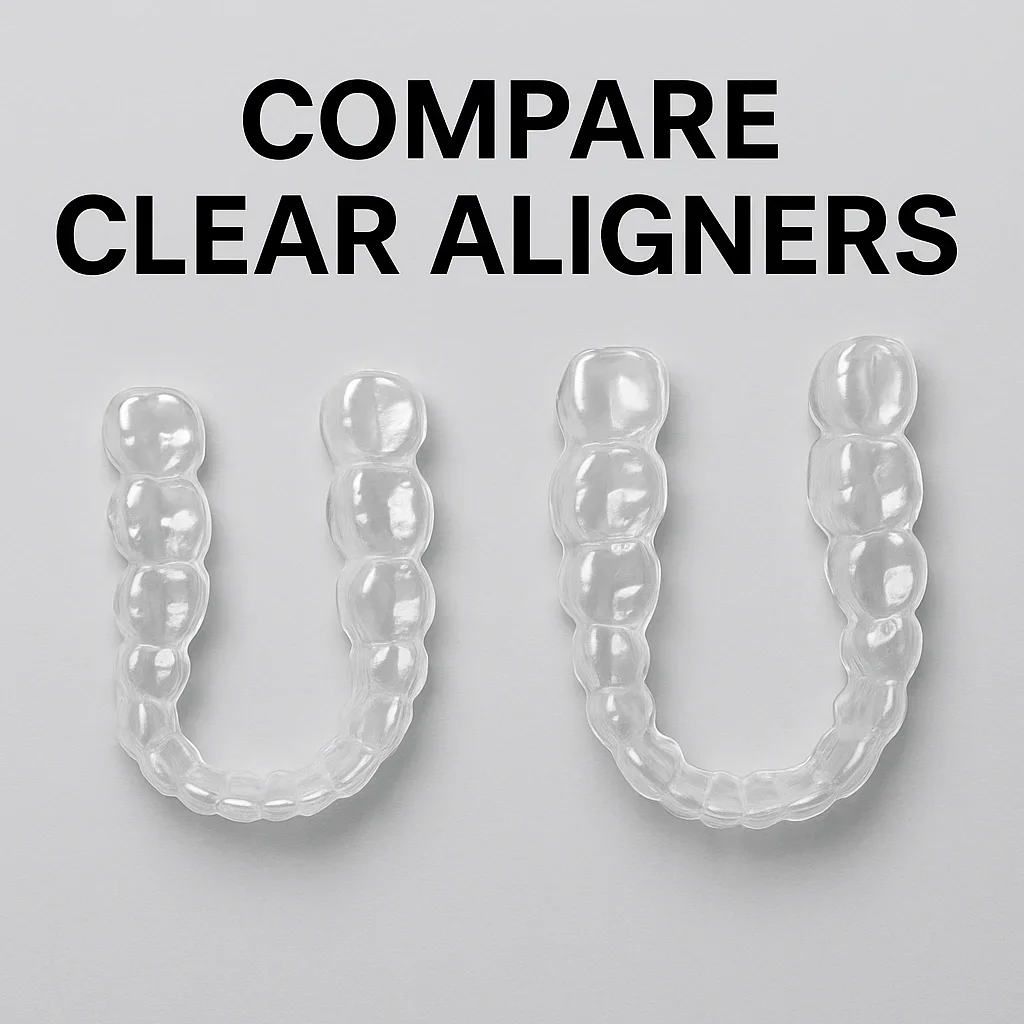
How to Choose the Right Aligner Provider for Your Smile
When people begin to compare clear aligners across today’s growing orthodontic market, one of the biggest challenges they face is determining which provider is truly the best fit for their dental needs, budget, lifestyle, and treatment expectations. With dozens of brands claiming to deliver fast, comfortable, and invisible orthodontic results, choosing the right one requires a careful evaluation of clinical expertise, diagnostic quality, material technology, customer support, and long-term retention plans. This section provides a comprehensive, detailed, and research-backed breakdown of the essential factors you must consider before committing to an aligner provider. The goal is to ensure that you not only achieve straight teeth, but also preserve your oral health, bite function, and confidence throughout the entire treatment journey 😊.
Start with a Full Clinical Evaluation
The first and most critical step when you compare clear aligners is undergoing a complete dental evaluation. This ensures that aligners are a safe option for your specific oral condition. A thorough assessment should include:
- X-rays to examine bone levels and root positioning
- 3D intraoral scans for precise digital mapping
- Gum health assessment to detect periodontal concerns
- Cavity and enamel evaluation to prevent complications
Providers offering in-person diagnostics will always deliver more accurate and predictable results compared to mail-order systems relying on mailed impressions. Without X-rays, serious issues such as root resorption, cysts, bone loss, and impacted teeth may go undetected — increasing the risk of health complications.
Why In-Person Diagnostics Lead to Better Outcomes
When you compare clear aligners from clinic-based systems to at-home brands, you’ll notice that professional diagnostics allow orthodontists to design treatment plans that account for bite mechanics, root symmetry, jaw relationships, and detailed tooth movement. This results in:
- More predictable tooth movement
- Fewer refinements and delays
- Reduced risk of relapse
- Better long-term stability
Skipping diagnostics to save money may seem appealing, but it often results in longer treatments, inaccurate results, or complications requiring costly corrections later.
Assess the Provider’s Expertise and Training
Experience matters. When you compare clear aligners offered by different providers, the level of orthodontic training can vary significantly. Orthodontists undergo additional years of training specifically focused on biomechanics, facial structure, and bite correction. General dentists with aligner certification can achieve excellent results, but for complex cases, an orthodontist’s expertise is invaluable.
Ask about:
- Years of experience with clear aligners
- Training and certifications
- Number of completed cases
- Success with cases similar to yours
Choosing a provider with proven experience increases the likelihood of achieving predictable, aesthetically pleasing, and functional results.
Evaluate Material Quality and Aligner Technology
Not all aligner materials are equal. When you compare clear aligners across brands, consider the strength, flexibility, clarity, and durability of the plastic. High-end systems use multi-layer polymers engineered to maintain force over time while adapting gently to your gumline. Cheaper materials may crack, stain, or lose tension — slowing progress or requiring more refinements.
Key Questions to Ask About Aligner Technology
- Are the aligners single-layer or multi-layer?
- Are they laser-trimmed for smoother edges?
- Does the brand use AI-assisted treatment planning?
- Are attachments, buttons, or elastics available if needed?
High-precision digital treatment planning significantly improves results because tooth movements become more predictable and biologically safe. Brands with outdated software may deliver inconsistent outcomes.
Understand Treatment Complexity and Case Suitability
Before you choose a provider, you must know whether your dental case is mild, moderate, or complex. When patients compare clear aligners, they often underestimate the complexity of issues such as bite misalignment, rotated teeth, or jaw discrepancies. For mild spacing or crowding, many brands work well. But for bite corrections, vertical movement, severe rotations, or multi-arch adjustments, only advanced systems like Invisalign or Suresmile consistently perform at high accuracy.
Misjudging case complexity can lead to:
- Longer treatment duration
- Incorrect tooth movement
- Gum recession and root stress
- Multiple unplanned refinements
A professional evaluation ensures that the chosen aligner brand matches your anatomical needs and biomechanical requirements.
Compare Cost, Value, and What’s Included
Pricing varies widely across the market, so it’s essential to compare clear aligners not only by cost but by what is included. Some brands appear inexpensive upfront but charge extra for:
- Refinements
- Retainers
- Additional trays
- In-person visits
- Emergency support
The most valuable providers include refinements, retainers, and long-term maintenance in their packages, offering better value even if the upfront cost is higher.
Check Monitoring and Communication Standards
Continuous monitoring ensures teeth move safely and predictably. When patients compare clear aligners, they often overlook whether the provider offers frequent in-office checkups or remote monitoring through smartphone scans.
In-Office Monitoring vs. Remote Monitoring
- In-office: Best for precise bite control and complex adjustments.
- Remote: Designed for convenience and simple cases.
The best providers offer hybrid approaches that combine convenience with professional oversight. Candid Pro, for example, uses AI-guided remote monitoring reviewed by orthodontists.
Consider Comfort, Convenience, and Lifestyle Fit
Comfort influences how consistently you wear your aligners. When you compare clear aligners, evaluate:
- Material flexibility
- Edge smoothing quality
- Ease of insertion and removal
- Tray thickness
- Speech adaptation time
Comfortable aligners make it easier to maintain the required 20–22 hours of daily wear, which directly affects treatment speed and outcomes.
Examine Post-Treatment Retention Plans
Retention is a crucial but often misunderstood part of orthodontic treatment. When you compare clear aligners, check whether the provider includes retainers in the final price or charges extra. Teeth naturally shift over time, so retainers must be worn regularly after treatment to maintain results.
High-quality providers offer:
- Custom retainers
- Long-term retention plans
- Guidance on wear schedule
- Options for replacement retainers
Seek Credible Reviews and Professional Guidance
Finally, when patients compare clear aligners, unbiased reviews and professional recommendations help clarify which brands consistently deliver results. You can also speak directly with a dentist or orthodontist through the Redent Klinik Contact Page for guidance tailored to your individual case.
Ultimately, choosing the right aligner provider requires thorough research, a clinical assessment, and a clear understanding of your treatment goals. When you fully compare clear aligners, the best provider is the one that offers scientific precision, consistent support, high-quality materials, and long-lasting results — ensuring your smile transformation is safe, predictable, and beautifully aligned 🎯.