
Comprehensive periodontics & dental implants represent the highest standard of modern dental care for patients who want not only a beautiful smile, but also long-term oral health 🦷. This approach focuses on treating the foundation of the mouth—the gums, bone, and supporting tissues—before, during, and after implant placement. Unlike basic implant procedures that focus solely on replacing missing teeth, comprehensive periodontics & dental implants address the underlying biological environment to ensure stability, durability, and overall wellness.
At its core, comprehensive periodontics & dental implants combine two highly specialized fields of dentistry. Periodontics is dedicated to the prevention, diagnosis, and treatment of gum disease and bone loss, while dental implants replace missing teeth with titanium or ceramic fixtures that integrate with the jawbone. When these disciplines work together, patients receive a holistic treatment plan that considers not just teeth, but the entire oral ecosystem 🌱.
Many patients are unaware that gum disease is the leading cause of tooth loss worldwide. If periodontal issues are left untreated, placing dental implants alone may result in implant failure. This is why comprehensive periodontics & dental implants are essential for patients who have experienced bleeding gums, gum recession, bone loss, or previous implant complications. A healthy foundation is the key to long-term success.
Another defining feature of comprehensive periodontics & dental implants is personalization. No two mouths are the same, and no two treatment plans should be either. Periodontal specialists carefully evaluate bone density, gum thickness, bite alignment, systemic health conditions, and lifestyle factors such as smoking or diabetes. This detailed assessment allows clinicians to design a treatment plan that maximizes implant longevity and minimizes future risks 😊.
Patients often seek comprehensive periodontics & dental implants after years of dental problems, multiple failed treatments, or advanced gum disease. However, this approach is not only for complex cases. Even patients with relatively healthy gums can benefit from comprehensive planning, as it helps prevent future complications and protects their investment in dental implants over decades.
One of the biggest advantages of comprehensive periodontics & dental implants is predictability. By treating gum disease, rebuilding lost bone, and stabilizing the oral environment before implant placement, success rates increase dramatically. Studies consistently show that implants placed in healthy, well-maintained periodontal conditions last significantly longer than those placed without proper gum care.
Comprehensive periodontics & dental implants also emphasize education and prevention 📘. Patients learn how gum health affects their overall well-being, including links to heart disease, diabetes, and systemic inflammation. This knowledge empowers patients to actively participate in their care, improving daily oral hygiene habits and long-term outcomes.
From an aesthetic standpoint, comprehensive periodontics & dental implants play a crucial role in achieving natural-looking results. Healthy gums frame the teeth, support facial structure, and prevent the “sunken” appearance often associated with bone loss. By preserving and regenerating soft and hard tissues, clinicians can create implant restorations that look, feel, and function like natural teeth 😄.
It is important to note that comprehensive periodontics & dental implants are guided by internationally accepted clinical protocols. Organizations such as the American Dental Association emphasize the importance of periodontal health in implant dentistry, reinforcing the scientific foundation behind this integrated approach.
For patients considering treatment, choosing a clinic that truly practices comprehensive periodontics & dental implants is critical. This means working with experienced periodontal specialists, using advanced diagnostic imaging, and following evidence-based treatment planning. If you are exploring your options or would like a personalized consultation, you can reach out directly through the Redent Klinik Contact Page to learn more about comprehensive care pathways.
In summary, comprehensive periodontics & dental implants are not just about replacing missing teeth—they are about restoring health, function, confidence, and quality of life 🌟. By addressing gum health, bone stability, and long-term maintenance together, this approach offers patients the most reliable and sustainable solution in modern dentistry.
The Link Between Gum Health and Long-Term Implant Success
One of the most critical yet often misunderstood aspects of implant dentistry is the undeniable connection between gum health and implant longevity. Comprehensive periodontics & dental implants are built on the principle that healthy gums and stable bone are non-negotiable foundations for successful tooth replacement 🦷. Without proper periodontal health, even the most advanced implant systems are at risk of failure.
Gums are not merely soft tissue surrounding the teeth; they act as a biological seal that protects the underlying bone and implant structure from harmful bacteria. In comprehensive periodontics & dental implants, maintaining this protective barrier is just as important as placing the implant itself. When gum tissue is inflamed or infected, it creates an environment where bacteria can easily reach the implant surface, leading to complications.
Why Periodontal Disease Threatens Dental Implants
Periodontal disease is a chronic inflammatory condition caused by bacterial plaque accumulation. If left untreated, it destroys the gum tissue and bone that support both natural teeth and implants. Patients seeking comprehensive periodontics & dental implants often have a history of gum disease, which places them at a higher risk for implant-related infections if not properly managed.
One of the most serious implant complications linked to poor gum health is peri-implantitis. This condition mirrors advanced gum disease and leads to progressive bone loss around the implant. Comprehensive periodontics & dental implants focus on early detection and prevention of peri-implantitis through meticulous diagnosis, treatment, and long-term maintenance.
Common Signs of Gum Problems Around Implants
Patients should be aware of warning signs that indicate compromised gum health around implants. These include bleeding gums, swelling, persistent bad breath, discomfort when chewing, and gum recession exposing the implant surface. In comprehensive periodontics & dental implants, these symptoms are addressed immediately to prevent irreversible damage ⚠️.
Bone Stability: The Hidden Factor Behind Implant Success
While gums are visible, bone health is equally essential but often overlooked. Dental implants rely on a process called osseointegration, where the implant fuses directly with the jawbone. Comprehensive periodontics & dental implants ensure that bone volume and density are sufficient before implant placement, dramatically improving success rates.
Patients with long-term tooth loss frequently experience bone resorption. In these cases, comprehensive periodontics & dental implants may include regenerative procedures such as bone grafting or guided tissue regeneration. These treatments rebuild the foundation, allowing implants to function as securely as natural teeth 😊.
How Healthy Gums Improve Implant Longevity
Healthy gums create a tight seal around the implant, protecting it from bacterial invasion. This seal is critical for preventing inflammation and bone loss over time. Comprehensive periodontics & dental implants prioritize gum contouring, thickness, and attachment to ensure both functional stability and natural aesthetics.
Additionally, healthy periodontal tissues make daily oral hygiene more effective. When gums are firm and well-adapted, patients can clean around implants more easily, reducing plaque buildup. This synergy between professional care and at-home maintenance is a defining characteristic of comprehensive periodontics & dental implants.
Scientific Evidence Supporting Periodontal Care
Clinical research consistently confirms that patients with treated and well-maintained periodontal conditions have significantly higher implant survival rates. Professional organizations like the American Dental Association highlight the importance of periodontal evaluation before implant placement, reinforcing the principles behind comprehensive periodontics & dental implants.
Long-Term Maintenance: The Final Piece of the Puzzle
Even after successful treatment, the relationship between gum health and implants does not end. Comprehensive periodontics & dental implants include structured maintenance programs with regular professional cleanings, periodontal assessments, and radiographic monitoring. These follow-ups help detect minor issues before they become major problems 🔍.
Patients who commit to long-term maintenance experience fewer complications, better comfort, and longer-lasting results. This proactive approach distinguishes comprehensive periodontics & dental implants from conventional implant dentistry, which often lacks ongoing periodontal oversight.
In conclusion, gum health is not an optional consideration—it is the cornerstone of implant success. Comprehensive periodontics & dental implants integrate periodontal therapy, bone management, and preventive care into a single, cohesive strategy. By respecting the biological connection between gums, bone, and implants, patients achieve stronger, healthier, and more durable outcomes that stand the test of time 🌟.
Who Is an Ideal Candidate for Comprehensive Periodontics & Dental Implants?
Determining who is an ideal candidate for comprehensive periodontics & dental implants requires more than simply checking whether a tooth is missing. This advanced approach evaluates the entire oral and systemic health profile of a patient to ensure long-term success 🦷. Comprehensive periodontics & dental implants are designed for individuals who value durability, health, and predictability—not just a quick cosmetic fix.
Unlike conventional implant treatments, comprehensive periodontics & dental implants focus on biological readiness. This means the gums, bone, bite, and even general health conditions must be carefully assessed before treatment begins. The goal is not only to place implants, but to create an environment where they can thrive for decades.
Patients With Missing Teeth or Failing Dentition
The most obvious candidates for comprehensive periodontics & dental implants are patients with one or more missing teeth. Whether tooth loss occurred due to trauma, decay, or gum disease, implants can restore function and appearance. However, comprehensive periodontics & dental implants go further by evaluating why the tooth was lost in the first place, ensuring the same issue does not compromise the implant.
Patients with failing crowns, bridges, or loose teeth caused by advanced periodontal disease are also strong candidates. In these cases, comprehensive periodontics & dental implants allow for strategic planning, staged extractions, and tissue preservation to achieve optimal results 😊.
Individuals With a History of Gum Disease
Many people believe that a history of gum disease disqualifies them from dental implants. In reality, comprehensive periodontics & dental implants are specifically designed for these patients. Periodontal disease does not automatically rule out implants—it simply requires expert management.
Through periodontal therapy, inflammation is controlled, bacteria levels are reduced, and damaged tissues are stabilized. Comprehensive periodontics & dental implants incorporate this treatment phase to significantly lower the risk of implant complications such as peri-implantitis.
Controlled vs. Uncontrolled Periodontal Conditions
Patients with well-controlled periodontal disease, who maintain good oral hygiene and attend regular check-ups, are often excellent candidates. However, uncontrolled gum disease must be treated first. Comprehensive periodontics & dental implants emphasize disease control before implant placement, not after ⚠️.
Patients With Bone Loss or Jaw Deficiencies
Bone loss is one of the most common concerns among patients seeking implants. Tooth loss triggers bone resorption, which can compromise implant stability. Fortunately, comprehensive periodontics & dental implants include advanced regenerative techniques to address this issue.
Bone grafting, sinus lifting, and guided bone regeneration are often integrated into comprehensive periodontics & dental implants. These procedures rebuild lost bone, creating a solid foundation for implants and improving facial structure and aesthetics 😄.
Systemic Health Considerations
An ideal candidate for comprehensive periodontics & dental implants is not determined by oral health alone. Systemic conditions such as diabetes, cardiovascular disease, and osteoporosis can influence healing and implant success. Comprehensive periodontics & dental implants involve a thorough medical history review to identify and manage these risk factors.
Patients with controlled diabetes, for example, can successfully undergo comprehensive periodontics & dental implants when blood sugar levels are stable. Similarly, smokers may still be candidates, but they are advised to reduce or stop smoking to improve outcomes 🚭.
Lifestyle Factors That Affect Candidacy
Lifestyle habits such as smoking, poor oral hygiene, and irregular dental visits can negatively impact implant success. Comprehensive periodontics & dental implants address these factors through patient education and behavior modification, ensuring a higher chance of long-term success.
Patients Seeking Long-Term, Predictable Results
Comprehensive periodontics & dental implants are ideal for patients who prioritize long-term oral health over short-term solutions. Individuals who have experienced repeated dental failures often choose this approach for its predictability and durability.
This treatment philosophy appeals to patients who want implants that feel natural, look natural, and function like real teeth. Comprehensive periodontics & dental implants align with evidence-based dentistry and internationally recognized clinical guidelines, including those supported by the American Dental Association.
Who May Need Alternative or Delayed Treatment?
Not every patient is immediately ready for comprehensive periodontics & dental implants. Active infections, untreated gum disease, or uncontrolled systemic conditions may require preliminary treatment. However, comprehensive periodontics & dental implants often provide a pathway forward, even for complex cases.
Through staged treatment plans, patients can gradually become suitable candidates. This structured, patient-centered approach ensures safety, success, and satisfaction 🌟.
In summary, the ideal candidate for comprehensive periodontics & dental implants is someone who values comprehensive care, understands the importance of gum and bone health, and is committed to long-term maintenance. By addressing both oral and systemic factors, comprehensive periodontics & dental implants offer a reliable, health-focused solution tailored to each individual’s needs.
Advanced Diagnostic Tools Used in Modern Periodontal Care
A defining element of comprehensive periodontics & dental implants is the use of advanced diagnostic technology to create precise, personalized, and predictable treatment plans 🦷. Modern periodontal care is no longer based solely on visual examination or basic X-rays. Instead, comprehensive periodontics & dental implants rely on a combination of digital imaging, clinical measurements, and risk assessment tools to fully understand each patient’s oral condition before treatment begins.
Accurate diagnosis is the foundation of long-term success. Without a deep understanding of gum health, bone quality, and anatomical structures, even well-placed implants can fail. This is why comprehensive periodontics & dental implants prioritize diagnostics as the first and most critical step in care.
Digital Periodontal Examination and Charting
One of the primary diagnostic tools in comprehensive periodontics & dental implants is detailed periodontal charting. This involves measuring the depth of gum pockets around each tooth and implant to assess inflammation and bone loss. Digital periodontal probes provide more accurate and reproducible measurements than traditional methods.
These measurements help clinicians identify early signs of periodontal disease that may not yet be visible. In comprehensive periodontics & dental implants, early detection allows for timely intervention, preventing disease progression and protecting future implant sites 😊.
Why Pocket Depth Measurements Matter
Healthy gum pockets typically measure 1–3 millimeters. Deeper pockets indicate active periodontal disease and bone loss. Comprehensive periodontics & dental implants use these measurements to determine whether periodontal therapy, maintenance, or regenerative procedures are required before implant placement ⚠️.
3D Cone Beam Computed Tomography (CBCT)
CBCT imaging has revolutionized comprehensive periodontics & dental implants. Unlike traditional two-dimensional X-rays, CBCT provides three-dimensional views of the jawbone, nerves, sinuses, and surrounding structures. This level of detail is essential for safe and precise implant planning.
With CBCT scans, clinicians can accurately evaluate bone height, width, and density. Comprehensive periodontics & dental implants use this information to determine the ideal implant size, position, and angulation, minimizing surgical risks and improving long-term stability 😄.
CBCT and Bone Regeneration Planning
For patients with bone loss, CBCT imaging helps identify areas that require bone grafting or sinus lifting. Comprehensive periodontics & dental implants integrate these findings into a staged treatment plan, ensuring implants are placed only when adequate bone support is achieved.
Digital Smile and Soft Tissue Analysis
Gum aesthetics play a major role in implant success, especially in visible areas. Comprehensive periodontics & dental implants use digital photography and soft tissue analysis to evaluate gum thickness, contour, and symmetry. These assessments guide decisions related to gum grafting or contouring.
Healthy, well-shaped gums not only enhance appearance but also protect implants from bacterial invasion. Comprehensive periodontics & dental implants consider soft tissue health as a critical diagnostic factor, not a cosmetic afterthought.
Risk Assessment and Systemic Health Evaluation
Advanced diagnostics in comprehensive periodontics & dental implants extend beyond the mouth. Medical history reviews, risk assessment questionnaires, and sometimes laboratory tests help identify systemic conditions that may affect healing.
Conditions such as diabetes, osteoporosis, and immune disorders can influence periodontal stability and implant integration. Comprehensive periodontics & dental implants account for these factors, adjusting treatment timing and protocols to reduce complications 🔍.
Behavioral and Lifestyle Risk Analysis
Smoking status, oral hygiene habits, and stress levels are also evaluated. Comprehensive periodontics & dental implants recognize that lifestyle factors significantly impact gum health and implant longevity. Addressing these risks early improves outcomes and patient satisfaction.
Bacterial and Inflammation Testing
In some cases, advanced periodontal diagnostics include microbial testing to identify aggressive bacteria associated with gum disease. Comprehensive periodontics & dental implants may use these tests to tailor antimicrobial therapy and reduce infection risk.
Inflammatory markers help clinicians monitor disease activity and treatment response. This data-driven approach distinguishes comprehensive periodontics & dental implants from traditional methods that rely on symptoms alone.
Evidence-Based Diagnostic Standards
The diagnostic protocols used in comprehensive periodontics & dental implants align with evidence-based guidelines recognized worldwide. Institutions such as the American Dental Association emphasize comprehensive assessment as a prerequisite for implant therapy.
By combining advanced imaging, clinical measurements, and systemic evaluation, comprehensive periodontics & dental implants provide a complete picture of oral health. This thorough diagnostic process ensures safer treatment, higher success rates, and long-lasting results 🌟.
In summary, advanced diagnostic tools are not optional extras—they are essential components of comprehensive periodontics & dental implants. Through precise evaluation and personalized planning, patients receive care that is accurate, proactive, and designed for lifelong oral health.
Step-by-Step Treatment Process for Comprehensive Periodontics & Dental Implants
Understanding the step-by-step journey of comprehensive periodontics & dental implants helps patients feel informed, confident, and prepared for treatment 🦷. Unlike single-visit or shortcut implant solutions, comprehensive periodontics & dental implants follow a structured, biologically driven process that prioritizes long-term health, safety, and predictability. Each phase builds upon the previous one, ensuring that implants are placed in the healthiest possible environment.
This methodical approach is especially important for patients with gum disease, bone loss, or complex dental histories. Comprehensive periodontics & dental implants are not rushed; they are carefully planned and executed to achieve stable, lasting results that function and look like natural teeth.
Initial Consultation and Comprehensive Evaluation
The first step in comprehensive periodontics & dental implants is a detailed consultation. During this visit, periodontal specialists assess gum health, bone condition, bite alignment, and overall oral hygiene. Digital X-rays, CBCT scans, and periodontal charting are often performed to gather precise diagnostic data.
Medical history is reviewed carefully, as systemic conditions such as diabetes or cardiovascular disease can affect healing. Comprehensive periodontics & dental implants integrate this information into a personalized treatment plan rather than applying a one-size-fits-all solution 😊.
Personalized Treatment Planning
Based on diagnostic findings, clinicians create a customized roadmap. This plan outlines whether periodontal therapy, bone regeneration, or staged implant placement is required. Comprehensive periodontics & dental implants rely on this planning phase to minimize risks and maximize success.
Periodontal Therapy and Disease Control
If gum disease is present, treatment begins with periodontal therapy. This may include deep cleaning procedures such as scaling and root planing, antimicrobial treatments, or laser-assisted periodontal therapy. Comprehensive periodontics & dental implants emphasize eliminating inflammation before any surgical steps.
Healthy gums are essential for implant success. By stabilizing periodontal tissues first, comprehensive periodontics & dental implants significantly reduce the risk of future complications such as peri-implantitis ⚠️.
Bone Regeneration and Site Preparation
Many patients require bone enhancement before implant placement. Tooth loss often leads to bone resorption, which can compromise implant stability. Comprehensive periodontics & dental implants may include bone grafting, ridge augmentation, or sinus lift procedures to rebuild lost bone.
These regenerative treatments are carefully planned and monitored. Comprehensive periodontics & dental implants allow sufficient healing time to ensure that regenerated bone is strong enough to support implants long-term 😄.
Healing and Reassessment Phase
After periodontal therapy or bone grafting, a healing period follows. During this time, tissues are monitored closely. Comprehensive periodontics & dental implants require reassessment to confirm that gums and bone are stable before moving forward.
Precise Dental Implant Placement
Once the oral environment is healthy, implant placement is performed. Using guided surgery and digital planning, comprehensive periodontics & dental implants ensure implants are positioned with optimal depth, angle, and spacing.
This precision protects surrounding structures such as nerves and sinuses while promoting proper osseointegration. Comprehensive periodontics & dental implants focus on stability rather than speed, which leads to higher success rates.
Osseointegration and Soft Tissue Management
After placement, implants require time to integrate with the jawbone. This process, known as osseointegration, is critical for long-term durability. Comprehensive periodontics & dental implants carefully monitor this phase to ensure successful bonding.
At the same time, gum tissue is shaped and optimized to create a natural seal around the implant. Soft tissue management is a key element of comprehensive periodontics & dental implants, influencing both function and aesthetics.
Final Restoration and Bite Adjustment
Once integration is complete, the final implant-supported crown, bridge, or prosthesis is placed. These restorations are custom-designed to match natural teeth in color, shape, and function. Comprehensive periodontics & dental implants ensure that bite forces are evenly distributed to protect both implants and remaining teeth.
This phase transforms the treatment from a medical procedure into a fully functional, confident smile 😊.
Long-Term Maintenance and Follow-Up Care
The final—and ongoing—step of comprehensive periodontics & dental implants is maintenance. Regular periodontal check-ups, professional cleanings, and monitoring are essential to protect the investment made in treatment.
Patients enrolled in structured maintenance programs experience fewer complications and longer-lasting results. Comprehensive periodontics & dental implants emphasize prevention and education, aligning with standards promoted by organizations such as the American Dental Association.
If you are considering this treatment journey and want expert guidance tailored to your needs, scheduling a consultation through the Redent Klinik Contact Page is an excellent first step.
In summary, the step-by-step process of comprehensive periodontics & dental implants is designed to restore oral health systematically and sustainably 🌟. By addressing gum disease, rebuilding bone, placing implants precisely, and maintaining results over time, this approach delivers outcomes that truly last a lifetime.
Healing, Recovery, and Aftercare: What Patients Should Expect
Healing and recovery are critical phases in the success of comprehensive periodontics & dental implants 🦷. While implant placement itself is a precise clinical procedure, the long-term outcome depends heavily on how well the body heals and how carefully aftercare protocols are followed. Comprehensive periodontics & dental implants are designed to support natural healing while minimizing discomfort and complications.
Unlike traditional dental treatments, comprehensive periodontics & dental implants involve both soft tissue and bone healing. This makes recovery a structured, guided process rather than a passive waiting period. Patients who understand what to expect tend to heal more smoothly and experience better long-term results.
Immediate Post-Treatment Healing Phase
In the first few days following periodontal therapy or implant placement, mild swelling, tenderness, and minor bleeding are normal. Comprehensive periodontics & dental implants emphasize minimally invasive techniques to reduce trauma and speed recovery 😊.
Patients are usually advised to rest, apply cold compresses, and follow prescribed medications if necessary. Pain is typically manageable and significantly less than many patients anticipate. Comprehensive periodontics & dental implants focus on patient comfort as well as clinical success.
Managing Discomfort and Swelling
Swelling usually peaks within 48–72 hours and gradually subsides. Soft foods, proper hydration, and gentle oral hygiene help support healing. Comprehensive periodontics & dental implants include detailed post-operative instructions to prevent infection and promote tissue regeneration ⚠️.
Soft Tissue Healing and Gum Stabilization
Gum tissue typically heals faster than bone. Within one to two weeks, most patients notice significant improvement in comfort and appearance. Comprehensive periodontics & dental implants closely monitor gum healing to ensure proper attachment and contour around implants.
Healthy gum tissue forms a protective seal that prevents bacteria from reaching the implant surface. This seal is a cornerstone of comprehensive periodontics & dental implants, directly influencing implant longevity.
Bone Healing and Osseointegration Timeline
Bone healing is a slower but essential process. Osseointegration—the fusion of the implant with the jawbone—can take several months. Comprehensive periodontics & dental implants respect this biological timeline rather than rushing restoration placement.
During this phase, patients may wear temporary restorations if needed. Comprehensive periodontics & dental implants ensure that these temporaries do not place excessive pressure on healing implants 😄.
Factors That Influence Bone Healing
Bone quality, overall health, smoking habits, and oral hygiene all affect healing speed. Comprehensive periodontics & dental implants assess and manage these variables proactively to improve outcomes.
Aftercare Instructions and Daily Oral Hygiene
Proper aftercare is one of the most important responsibilities patients have during recovery. Comprehensive periodontics & dental implants include customized hygiene instructions tailored to each treatment stage.
Patients are taught how to clean around implants using specialized brushes, floss, and antimicrobial rinses. Maintaining excellent oral hygiene reduces inflammation and supports long-term implant stability 🌟.
Follow-Up Visits and Professional Monitoring
Regular follow-up appointments are essential during healing. Comprehensive periodontics & dental implants involve scheduled evaluations to assess tissue healing, implant stability, and early signs of complications.
Radiographic imaging and clinical measurements may be repeated to confirm successful osseointegration. This proactive monitoring distinguishes comprehensive periodontics & dental implants from standard implant care.
Early Detection of Potential Issues
Early intervention can prevent minor concerns from becoming serious problems. Comprehensive periodontics & dental implants allow clinicians to address inflammation, bite issues, or hygiene challenges promptly 🔍.
Long-Term Maintenance and Lifestyle Adjustments
Healing does not end when the final crown is placed. Comprehensive periodontics & dental implants emphasize lifelong maintenance, including routine periodontal cleanings and examinations.
Patients are encouraged to adopt healthy lifestyle habits, such as smoking cessation and balanced nutrition, to protect their implants. Organizations like the American Dental Association highlight the importance of ongoing care for implant success.
Patient Confidence and Emotional Recovery
Beyond physical healing, comprehensive periodontics & dental implants also restore confidence and quality of life 😊. As patients adjust to their new smile, comfort and self-esteem improve significantly.
Knowing what to expect throughout recovery reduces anxiety and builds trust in the treatment process. Comprehensive periodontics & dental implants provide structured guidance at every stage, ensuring patients feel supported from start to finish.
In conclusion, healing and aftercare are integral components of comprehensive periodontics & dental implants. Through careful monitoring, patient education, and long-term maintenance, this approach delivers results that are not only successful but sustainable for years to come.
Benefits of Choosing a Comprehensive Periodontal Approach
Choosing comprehensive periodontics & dental implants offers patients far more than a simple tooth replacement solution 🦷. This approach is designed to address the root causes of dental problems while delivering long-lasting functional and aesthetic results. By integrating periodontal care with implant dentistry, comprehensive periodontics & dental implants provide a level of predictability and health-focused treatment that traditional methods often cannot match.
Patients who select comprehensive periodontics & dental implants benefit from a strategy that prioritizes prevention, stability, and long-term success rather than temporary fixes. This comprehensive philosophy transforms dental implants into a lifelong investment in oral health.
Higher Implant Success Rates and Longevity
One of the most significant benefits of comprehensive periodontics & dental implants is the dramatically increased success rate. Healthy gums and stable bone are essential for implant survival, and comprehensive periodontal care ensures these conditions are met before implants are placed.
Studies consistently show that implants placed in patients with treated and well-maintained periodontal conditions last longer and experience fewer complications. Comprehensive periodontics & dental implants reduce the risk of peri-implantitis, bone loss, and implant failure ⚠️.
Improved Gum Health and Disease Prevention
Comprehensive periodontics & dental implants do not simply mask symptoms; they actively treat gum disease and prevent its recurrence. Periodontal therapy removes harmful bacteria, reduces inflammation, and restores tissue health.
By stabilizing gum health before implant placement, comprehensive periodontics & dental implants create a protective environment that supports both natural teeth and implants. This preventive focus is essential for patients with a history of periodontal disease 😊.
Protection Against Peri-Implant Diseases
Peri-implant diseases are a major cause of implant failure. Comprehensive periodontics & dental implants emphasize early detection, professional maintenance, and patient education to prevent these conditions.
Enhanced Aesthetic Outcomes
A beautiful smile depends as much on healthy gums as on well-designed crowns. Comprehensive periodontics & dental implants pay close attention to soft tissue management, ensuring that gum contours look natural and symmetrical.
This results in implants that blend seamlessly with surrounding teeth. Comprehensive periodontics & dental implants help prevent gum recession and the unnatural appearance often seen with poorly planned implant treatments 😄.
Preservation of Jawbone and Facial Structure
Tooth loss leads to bone resorption, which can alter facial appearance over time. Comprehensive periodontics & dental implants address this issue by preserving or rebuilding jawbone through regenerative techniques.
By maintaining bone volume, comprehensive periodontics & dental implants support facial structure, prevent premature aging, and improve overall oral function.
Personalized, Patient-Centered Treatment Plans
Every patient’s oral health needs are unique. Comprehensive periodontics & dental implants involve customized treatment planning based on diagnostic data, medical history, and lifestyle factors.
This individualized approach ensures that patients receive the most appropriate care for their specific condition rather than a generic solution. Comprehensive periodontics & dental implants adapt to the patient—not the other way around 🌟.
Long-Term Cost Effectiveness
While comprehensive care may appear more involved initially, it often proves more cost-effective over time. By reducing complications, re-treatments, and implant failures, comprehensive periodontics & dental implants protect the patient’s financial and emotional investment.
Improved Overall Health and Quality of Life
Oral health is closely linked to systemic health. Comprehensive periodontics & dental implants help reduce chronic inflammation, which has been associated with conditions such as heart disease and diabetes.
Patients often report improved comfort, confidence, and quality of life after completing treatment. The ability to eat, speak, and smile without discomfort is a life-changing benefit of comprehensive periodontics & dental implants 😊.
Evidence-Based and Professionally Endorsed Care
Comprehensive periodontics & dental implants are grounded in scientific research and clinical guidelines. Professional organizations such as the American Dental Association emphasize the importance of periodontal health in implant success.
This evidence-based foundation ensures that patients receive care aligned with the highest standards of modern dentistry.
In summary, the benefits of choosing comprehensive periodontics & dental implants extend far beyond tooth replacement. From improved implant longevity and gum health to enhanced aesthetics and overall well-being, this approach delivers durable, health-centered results that truly stand the test of time 🌟.
Risks, Complications, and How Comprehensive Care Minimizes Them
Every medical and dental procedure carries some level of risk, and implant dentistry is no exception. However, comprehensive periodontics & dental implants are specifically designed to identify, reduce, and manage these risks through meticulous planning and preventive care 🦷. Rather than ignoring potential complications, this approach addresses them proactively, significantly improving safety and long-term success.
Understanding possible risks helps patients make informed decisions and reinforces why comprehensive periodontics & dental implants are considered the gold standard for complex and long-lasting implant treatment.
Common Risks Associated With Dental Implants
Dental implant risks generally fall into biological, mechanical, and behavioral categories. Biological risks include infection, inflammation, and poor healing. Mechanical risks involve implant loosening or fracture, while behavioral risks relate to oral hygiene habits and lifestyle choices.
Comprehensive periodontics & dental implants evaluate all of these factors before treatment begins. This multi-layered assessment dramatically lowers the likelihood of complications compared to conventional implant approaches ⚠️.
Infection and Peri-Implantitis
One of the most serious complications in implant dentistry is peri-implantitis, an inflammatory condition that leads to bone loss around the implant. It is often caused by untreated gum disease or poor oral hygiene.
Comprehensive periodontics & dental implants significantly reduce this risk by treating periodontal disease first and establishing a strict maintenance protocol. Healthy gums act as a protective barrier, preventing bacterial invasion.
Bone Loss and Implant Instability
Insufficient bone volume or density can compromise implant stability. Patients who have experienced long-term tooth loss often suffer from jawbone resorption, increasing the risk of implant failure.
Comprehensive periodontics & dental implants address this issue through advanced diagnostic imaging and regenerative procedures. Bone grafting and guided bone regeneration create a stable foundation before implants are placed, improving long-term outcomes 😄.
Healing Complications and Delayed Osseointegration
Osseointegration—the fusion of the implant with the bone—is essential for success. Certain factors, such as smoking, uncontrolled diabetes, or poor blood supply, can slow or prevent this process.
Comprehensive periodontics & dental implants identify these risk factors early and modify treatment accordingly. Healing timelines are respected, and additional monitoring ensures implants are only restored when integration is complete.
Systemic Health-Related Risks
Medical conditions can influence implant outcomes. Comprehensive periodontics & dental implants include a thorough medical evaluation to assess conditions like diabetes, osteoporosis, or immune disorders.
By coordinating care and adjusting protocols, clinicians reduce healing complications and enhance overall safety 🌟.
Mechanical and Bite-Related Complications
Improper bite forces can place excessive stress on implants, leading to loosening or component failure. This is often seen in patients with untreated bite misalignment or teeth grinding.
Comprehensive periodontics & dental implants incorporate bite analysis and occlusal adjustment to distribute forces evenly. This protects implants and surrounding teeth, extending the lifespan of restorations.
How Comprehensive Periodontal Care Minimizes Risks
The defining strength of comprehensive periodontics & dental implants lies in prevention. By treating gum disease, stabilizing bone, and educating patients, risks are addressed before they become problems.
Ongoing maintenance programs include professional cleanings, periodontal evaluations, and radiographic monitoring. These measures allow for early detection and intervention, preventing minor issues from escalating 🔍.
Patient Education and Compliance
Patient behavior plays a major role in implant success. Comprehensive periodontics & dental implants emphasize education, teaching patients how to care for implants properly.
When patients understand the importance of daily hygiene and regular check-ups, complication rates drop significantly.
Evidence-Based Risk Management
The protocols used in comprehensive periodontics & dental implants align with evidence-based guidelines supported by organizations such as the American Dental Association. These guidelines emphasize periodontal health, proper diagnosis, and long-term maintenance as key factors in implant success.
This scientific foundation ensures that risks are not only managed but minimized using proven clinical strategies.
In summary, while risks exist in any implant treatment, comprehensive periodontics & dental implants dramatically reduce complications through prevention, precision, and ongoing care 🌟. By addressing biological, mechanical, and behavioral factors together, this approach delivers safer, more predictable, and longer-lasting results for patients seeking true oral health restoration.
How to Choose the Right Clinic for Comprehensive Periodontics & Dental Implants
Choosing the right clinic is one of the most important decisions a patient will make when considering comprehensive periodontics & dental implants 🦷. The success of treatment does not depend solely on materials or technology, but on the expertise, philosophy, and clinical standards of the dental team. Because comprehensive periodontics & dental implants involve advanced planning, surgical precision, and long-term maintenance, selecting the right provider directly impacts safety, comfort, and longevity.
Not all dental clinics offer true comprehensive care. Many provide implants without fully addressing periodontal health, which can lead to complications over time. Understanding what to look for helps patients make confident, informed choices.
Specialized Training and Clinical Expertise
The foundation of comprehensive periodontics & dental implants is specialized training. A qualified clinic should have clinicians with advanced education in periodontics and implant dentistry. Periodontal specialists are uniquely trained to manage gum disease, bone loss, and complex implant cases.
Comprehensive periodontics & dental implants require a deep understanding of oral biology, healing processes, and risk management. Clinics that prioritize ongoing education and evidence-based practice are better equipped to deliver predictable results 😊.
Multidisciplinary Treatment Philosophy
High-quality comprehensive periodontics & dental implants often involve collaboration between periodontists, prosthodontists, and restorative dentists. This team-based approach ensures that both surgical and restorative aspects are aligned from the beginning.
Advanced Diagnostic and Treatment Technology
A reputable clinic offering comprehensive periodontics & dental implants should use modern diagnostic tools such as CBCT imaging, digital periodontal charting, and guided implant surgery. These technologies improve accuracy, safety, and treatment outcomes.
Clinics that invest in advanced technology demonstrate a commitment to precision and patient-centered care. Comprehensive periodontics & dental implants rely on accurate diagnosis as the cornerstone of success 🔍.
Personalized Treatment Planning and Transparency
No two patients are the same, and comprehensive periodontics & dental implants should never follow a standardized template. The right clinic will take time to explain findings, discuss options, and tailor a treatment plan based on individual needs.
Transparency is essential. Patients should understand each treatment phase, expected timelines, and long-term maintenance requirements. Comprehensive periodontics & dental implants involve partnership between patient and clinician, built on trust and clear communication.
Clear Communication and Patient Education
Clinics that prioritize education empower patients to participate actively in their care. Comprehensive periodontics & dental implants succeed best when patients understand the importance of gum health, hygiene, and follow-up care ⚠️.
Commitment to Long-Term Maintenance
Implant success does not end when the final crown is placed. Comprehensive periodontics & dental implants require structured maintenance programs to monitor gum health and implant stability over time.
A reliable clinic will offer regular periodontal maintenance, professional cleanings, and follow-up evaluations. This long-term commitment distinguishes true comprehensive care from short-term implant solutions.
Reputation, Experience, and Patient Outcomes
Experience matters greatly in comprehensive periodontics & dental implants. Clinics with a proven track record of successful cases, especially complex ones, are better prepared to manage unexpected challenges.
Patient testimonials, before-and-after cases, and documented outcomes provide valuable insight into a clinic’s quality standards. Consistent success reflects adherence to best practices and clinical excellence 🌟.
Ethical Standards and Evidence-Based Care
Clinics offering comprehensive periodontics & dental implants should follow internationally recognized guidelines and ethical standards. Organizations such as the American Dental Association emphasize periodontal health, proper diagnosis, and maintenance as essential elements of implant care.
Evidence-based clinics avoid unnecessary procedures while ensuring essential treatments are not skipped. This balanced approach protects patient health and investment.
Accessibility and Patient Support
Finally, accessibility and support play a key role in treatment success. A patient-focused clinic offering comprehensive periodontics & dental implants provides clear communication channels, responsive support, and flexible scheduling.
If you are seeking a clinic that prioritizes health-focused, comprehensive care and long-term success, connecting with an experienced team through the Redent Klinik Contact Page can help you begin your journey with confidence 😊.
In conclusion, choosing the right clinic for comprehensive periodontics & dental implants is about more than convenience or cost—it is about expertise, philosophy, and commitment to lifelong oral health 🌟. By selecting a clinic that truly practices comprehensive care, patients invest in results that are safer, more predictable, and built to last.
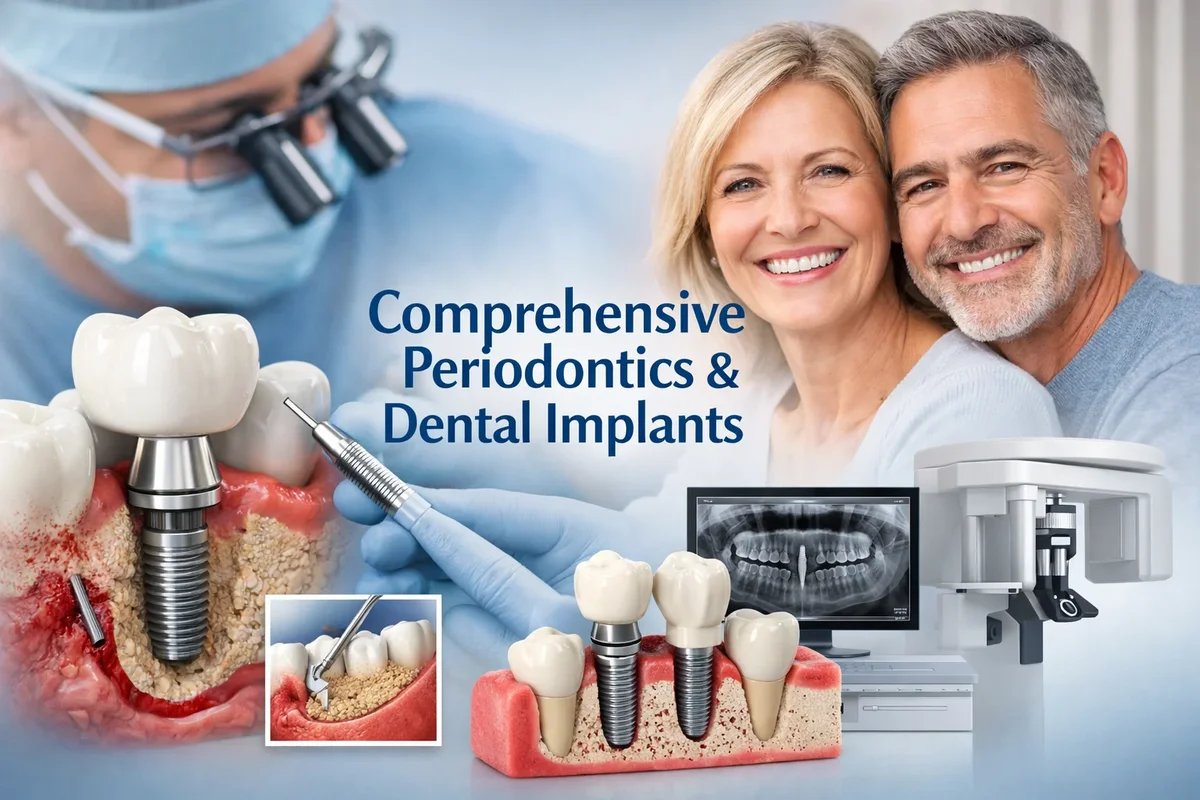
Cost, Value, and Long-Term Investment in Oral Health
When patients consider comprehensive periodontics & dental implants, one of the most common and important questions revolves around cost and value 🦷. While this approach may initially seem more involved than basic implant procedures, it is essential to understand that comprehensive periodontics & dental implants are not merely an expense—they are a long-term investment in oral health, comfort, and quality of life.
Unlike short-term dental fixes, comprehensive periodontics & dental implants focus on durability, prevention, and sustainability. This means fewer complications, fewer re-treatments, and significantly better outcomes over time. Evaluating cost without considering long-term value often leads to misleading conclusions.
Why Comprehensive Care May Appear More Involved Initially
Comprehensive periodontics & dental implants often include multiple stages such as periodontal therapy, advanced diagnostics, bone regeneration, implant placement, and long-term maintenance. Each of these steps plays a critical role in ensuring success.
Because this approach addresses gum health, bone stability, and systemic risk factors, it may require more planning and treatment time than simplified implant solutions. However, skipping these steps often leads to complications that are far more costly—both financially and physically ⚠️.
Hidden Costs of Non-Comprehensive Implant Treatment
Implants placed without proper periodontal evaluation are at higher risk of failure. Treating peri-implantitis, implant loosening, or bone loss often costs significantly more than preventive care. Comprehensive periodontics & dental implants help patients avoid these hidden costs by focusing on prevention from the start.
Understanding Value Beyond the Initial Procedure
True value in comprehensive periodontics & dental implants lies in longevity and reliability. When implants are placed in a healthy periodontal environment, they are more likely to last decades—or even a lifetime.
Patients who choose comprehensive periodontics & dental implants often report fewer follow-up procedures, better comfort, and greater confidence in daily activities such as eating and speaking 😊. These benefits are difficult to quantify but profoundly impact overall well-being.
Factors That Influence Treatment Investment
The overall investment in comprehensive periodontics & dental implants depends on several individual factors. These include the extent of gum disease, degree of bone loss, number of implants required, and the complexity of restorative work.
Additional considerations such as bone grafting, sinus lifts, or soft tissue grafts may be necessary to achieve optimal results. Comprehensive periodontics & dental implants customize treatment based on need rather than applying unnecessary procedures.
Long-Term Maintenance as Part of the Investment
Maintenance is a built-in component of comprehensive periodontics & dental implants. Regular periodontal check-ups, professional cleanings, and monitoring protect the investment over time.
Patients who commit to maintenance programs experience significantly lower complication rates, reinforcing the value of comprehensive care 🌟.
Health, Confidence, and Quality of Life Benefits
Beyond functional restoration, comprehensive periodontics & dental implants contribute to overall health. Reducing chronic inflammation associated with gum disease can positively affect systemic conditions such as diabetes and cardiovascular health.
Emotionally, patients often experience renewed confidence, improved self-esteem, and greater social comfort. The ability to smile, speak, and eat without worry is a priceless benefit of comprehensive periodontics & dental implants 😄.
Evidence-Based Justification for Comprehensive Investment
Professional organizations like the American Dental Association emphasize that implant success is closely linked to periodontal health and maintenance. This evidence-based support reinforces why comprehensive periodontics & dental implants represent a smarter long-term choice.
By following established clinical guidelines, comprehensive periodontics & dental implants minimize risk and maximize predictability, protecting both patient health and financial investment.
Making an Informed, Confident Decision
Choosing comprehensive periodontics & dental implants is ultimately about prioritizing health over shortcuts. Patients who take the time to understand the full scope of treatment are better equipped to make informed decisions aligned with their long-term goals.
If you are considering this approach and would like personalized guidance tailored to your oral health needs, reaching out through the Redent Klinik Contact Page is a valuable next step.
In conclusion, while comprehensive periodontics & dental implants may involve a greater initial commitment, they deliver unmatched value over time 🌟. By focusing on prevention, stability, and lifelong maintenance, this approach offers patients the most reliable, cost-effective, and health-centered solution in modern dentistry.