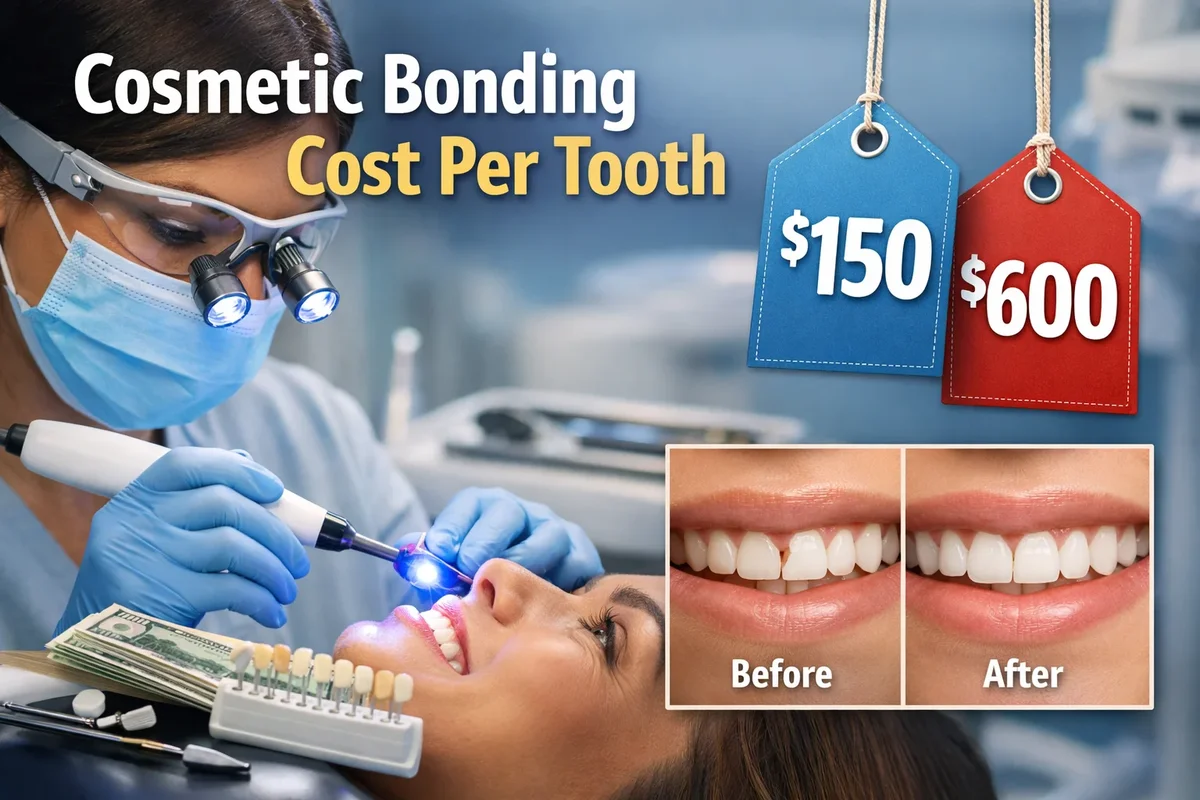
If you are researching cosmetic bonding cost per tooth, you are likely considering improving your smile while staying within a realistic budget. Cosmetic dental bonding is one of the most affordable and minimally invasive aesthetic dental procedures available today. It is designed to correct chipped teeth, small gaps, discoloration, worn edges, and minor misalignment issues using tooth-colored composite resin. Understanding the cosmetic bonding cost per tooth helps you make an informed decision and avoid unexpected expenses.
Cosmetic bonding works by applying a carefully selected shade of composite resin directly onto the tooth surface. The material is sculpted to match the natural shape of your tooth and then hardened with a special curing light. The entire procedure is usually completed in a single visit and often requires little to no anesthesia. Because of its simplicity and efficiency, many patients prefer bonding over more complex treatments when evaluating cosmetic bonding cost per tooth.
One of the biggest reasons people search for cosmetic bonding cost per tooth is affordability. Compared to porcelain veneers or crowns, bonding is significantly less expensive while still delivering noticeable aesthetic improvement. On average, cosmetic bonding cost per tooth in the United States ranges between $100 and $600 per tooth, depending on the complexity of the case and the clinic’s location. Minor repairs such as small chips may be at the lower end, while larger reshaping procedures can approach the higher end of the cosmetic bonding cost per tooth range.
When evaluating cosmetic bonding cost per tooth, it’s important to understand what is included in the price. In many clinics, the total cosmetic bonding cost per tooth covers consultation, shade matching, resin application, sculpting, curing, polishing, and follow-up adjustments. However, some dental offices may charge separately for examinations or digital imaging. Always request a detailed breakdown of the cosmetic bonding cost per tooth before proceeding.
Another factor influencing cosmetic bonding cost per tooth is the dentist’s expertise. Highly experienced cosmetic dentists may charge more, but their artistic skills often produce more natural, long-lasting results. According to the American Dental Association, choosing a licensed and qualified professional is essential for both safety and satisfaction. While it may be tempting to select the lowest cosmetic bonding cost per tooth available, quality should never be compromised.
Patients frequently compare cosmetic bonding cost per tooth with alternative cosmetic procedures. Veneers, for example, can cost between $800 and $2,500 per tooth. Dental crowns may range from $1,000 to $3,000 per tooth. In comparison, cosmetic bonding cost per tooth offers a more accessible entry point for smile enhancement. This makes bonding especially attractive for younger patients or those looking for temporary aesthetic improvements.
Durability also plays a role when assessing cosmetic bonding cost per tooth. Bonding typically lasts between 3 to 10 years depending on oral hygiene, lifestyle habits, and bite pressure. Although bonding may require occasional touch-ups, the lower cosmetic bonding cost per tooth makes maintenance financially manageable. Avoiding habits such as nail-biting, chewing ice, or using teeth as tools can extend the lifespan of bonded teeth.
Another consideration related to cosmetic bonding cost per tooth is whether the treatment is purely cosmetic or medically necessary. If bonding is required to repair structural damage after trauma, partial insurance coverage may apply. However, if the procedure is performed solely for aesthetic reasons, most insurance plans do not cover cosmetic bonding cost per tooth. Discuss payment plans and financing options with your clinic if needed.
It is also worth considering treatment abroad when researching cosmetic bonding cost per tooth. Dental tourism has grown significantly, with countries like Turkey offering competitive pricing while maintaining international standards of care. Clinics such as Redent Klinik Contact Page provide consultation options for international patients seeking affordable cosmetic bonding cost per tooth without compromising quality.
Ultimately, understanding cosmetic bonding cost per tooth means balancing affordability, longevity, aesthetic results, and professional expertise. While prices vary, bonding remains one of the most cost-effective ways to enhance your smile quickly and safely. By consulting a qualified cosmetic dentist and reviewing a detailed treatment plan, you can ensure that your investment in cosmetic bonding cost per tooth delivers confident, natural-looking results that align with your expectations and budget.
1. What Is Cosmetic Bonding and Why Is It So Popular?
Before fully understanding cosmetic bonding cost per tooth, it is essential to know what cosmetic bonding actually is and why it has become one of the most requested aesthetic dental procedures worldwide. Cosmetic bonding, also known as dental bonding or composite bonding, is a minimally invasive treatment that uses a tooth-colored resin material to improve the appearance of teeth. Patients frequently research cosmetic bonding cost per tooth because this treatment offers an affordable and fast solution for visible imperfections.
What Exactly Is Cosmetic Dental Bonding?
Cosmetic bonding involves applying a composite resin material directly to the enamel surface. The dentist carefully shapes and sculpts the material to correct cosmetic issues such as chips, cracks, small gaps, uneven edges, discoloration, and minor misalignment. Once shaped, the resin is hardened with a curing light and polished to match the natural shine of your teeth. When evaluating cosmetic bonding cost per tooth, it’s important to understand that the procedure usually takes between 30 to 60 minutes per tooth and can often be completed in a single visit.
Unlike veneers or crowns, cosmetic bonding typically does not require removing significant tooth structure. This conservative approach is one of the reasons cosmetic bonding cost per tooth is lower compared to more invasive treatments. Since there is minimal preparation, anesthesia is rarely needed unless the bonding is used to fill a cavity.
Why Is Cosmetic Bonding So Popular?
There are several reasons why patients actively search for cosmetic bonding cost per tooth. The first reason is affordability. Compared to porcelain veneers or dental crowns, the cosmetic bonding cost per tooth is considerably lower, making it accessible to a wider range of patients. For individuals looking for noticeable improvement without a major financial commitment, bonding is often the first recommendation.
Another key reason for its popularity is speed. Many cosmetic treatments require multiple appointments and laboratory work. Cosmetic bonding, however, can often be completed in a single session. This convenience significantly increases demand, especially among working professionals who value time efficiency when considering cosmetic bonding cost per tooth.
Natural Appearance and Immediate Results
Modern composite materials are highly advanced and can be matched precisely to the shade of your natural teeth. When performed by an experienced cosmetic dentist, bonding can look virtually indistinguishable from natural enamel. Patients researching cosmetic bonding cost per tooth are often surprised to learn how seamless the results can be for such a relatively low investment.
Additionally, results are immediate. There is no waiting period for laboratory fabrication. As soon as the procedure is completed, you can see the transformation. This instant improvement plays a major role in why cosmetic bonding cost per tooth continues to attract attention.
Common Issues Treated with Cosmetic Bonding
Understanding the scope of what bonding can fix helps justify cosmetic bonding cost per tooth. Common concerns treated include:
- Chipped or cracked teeth
- Small gaps between teeth
- Tooth discoloration that does not respond to whitening
- Uneven tooth edges
- Slightly misshaped teeth
- Minor alignment irregularities
Because cosmetic bonding can address multiple issues without complex procedures, the cosmetic bonding cost per tooth often represents excellent value for patients seeking versatile smile enhancement.
How Does Bonding Compare to Other Cosmetic Treatments?
When comparing cosmetic bonding cost per tooth to veneers, the financial difference is significant. Veneers typically require enamel reduction and laboratory fabrication, increasing both time and cost. Bonding, on the other hand, is performed chairside and is reversible in many cases. This flexibility contributes to its widespread appeal.
Patients also compare cosmetic bonding cost per tooth with teeth whitening. While whitening improves color, it does not correct shape or structural issues. Bonding can reshape and brighten teeth simultaneously, making it a more comprehensive solution in certain cases.
Who Is an Ideal Candidate?
Not everyone is automatically suited for bonding. Ideal candidates are individuals with good oral health, healthy gums, and minor cosmetic concerns. Patients with severe misalignment or significant structural damage may require orthodontics or crowns instead. During consultation, your dentist will evaluate whether cosmetic bonding is the most suitable solution and explain the expected cosmetic bonding cost per tooth for your specific case.
People who maintain good oral hygiene and avoid habits such as biting hard objects tend to maximize the lifespan of bonding. This helps ensure that the cosmetic bonding cost per tooth remains a worthwhile long-term investment.
Psychological and Social Benefits
Beyond aesthetics, bonding can dramatically improve self-confidence. A small chip or gap can significantly impact how someone feels about their smile. Since cosmetic bonding cost per tooth is relatively affordable, many patients find it to be a life-changing yet accessible cosmetic upgrade. Improved confidence can positively influence social interactions, professional opportunities, and overall well-being.
In summary, cosmetic bonding is popular because it combines affordability, convenience, minimal invasiveness, and immediate aesthetic improvement. When patients evaluate cosmetic bonding cost per tooth, they are not only considering the financial aspect but also the value, efficiency, and emotional benefits that come with a more confident smile. Its balance of cost and cosmetic impact makes it one of the most in-demand treatments in modern aesthetic dentistry.
2. Cosmetic Bonding Cost Per Tooth: Average Prices in 2026
Understanding the cosmetic bonding cost per tooth in 2026 is essential for anyone planning to improve their smile while staying within a clear budget. Prices can vary depending on location, dentist experience, case complexity, and the materials used. However, having realistic expectations about the cosmetic bonding cost per tooth allows you to compare options confidently and avoid surprises.
National Average Cosmetic Bonding Cost Per Tooth
In the United States, the average cosmetic bonding cost per tooth in 2026 typically ranges between $150 and $650 per tooth. Minor cosmetic corrections such as repairing a small chip may cost closer to $150–$300. More extensive reshaping or bonding on visible front teeth may range between $400–$650 per tooth.
Here is a general breakdown of cosmetic bonding cost per tooth based on treatment complexity:
- Minor chip repair: $150 – $300
- Gap closure (single tooth edge): $250 – $500
- Moderate reshaping or contouring: $300 – $600
- Extensive aesthetic bonding: $450 – $650
These figures reflect average private clinic pricing and may vary slightly depending on your city and clinic standards. When comparing cosmetic bonding cost per tooth, always ask whether the quote includes consultation, polishing, and follow-up adjustments.
International Cosmetic Bonding Cost Per Tooth
Many patients also explore treatment abroad to reduce cosmetic bonding cost per tooth. Dental tourism continues to grow in popularity due to competitive pricing in countries with high-quality dental care standards.
Average International Price Comparison (2026)
- United States: $150 – $650 per tooth
- United Kingdom: £120 – £400 per tooth
- Canada: CAD 200 – CAD 700 per tooth
- Australia: AUD 200 – AUD 700 per tooth
- Turkey: $100 – $350 per tooth
In countries like Turkey, the cosmetic bonding cost per tooth may be significantly lower due to reduced operational costs, not lower quality. Many internationally accredited clinics offer advanced cosmetic dentistry at more affordable rates, which explains why patients frequently research cosmetic bonding cost per tooth globally.
Why Cosmetic Bonding Cost Per Tooth Varies
The cosmetic bonding cost per tooth is not a fixed fee because every case is unique. Several important factors influence pricing:
- The size of the bonding area
- The location of the tooth (front teeth often require more aesthetic precision)
- The experience level of the cosmetic dentist
- Clinic location and overhead expenses
- Technology used (digital shade matching, high-end composite materials)
For example, bonding a front central incisor requires advanced artistic skill to ensure symmetry and color matching. This may increase the cosmetic bonding cost per tooth slightly compared to a back tooth repair.
Does Cosmetic Bonding Cost Per Tooth Include Consultation?
In many clinics, the cosmetic bonding cost per tooth includes the procedure itself but not always the initial consultation or X-rays. Some clinics deduct the consultation fee from the final treatment cost if you proceed with bonding. Always request a transparent breakdown of cosmetic bonding cost per tooth before committing.
Is Cosmetic Bonding Cost Per Tooth a One-Time Expense?
While bonding is affordable, it is not permanent. The composite resin typically lasts between 3 to 10 years depending on oral hygiene and lifestyle habits. Over time, bonding may require polishing, repair, or replacement. When calculating cosmetic bonding cost per tooth, it’s wise to consider long-term maintenance.
However, even when factoring in occasional maintenance, the cosmetic bonding cost per tooth remains lower than alternatives like veneers or crowns. Veneers may cost $800–$2,500 per tooth, and crowns may exceed $1,000 per tooth. This makes bonding a budget-friendly cosmetic dentistry option.
Is Cosmetic Bonding Cost Per Tooth Worth the Price?
For many patients, the cosmetic bonding cost per tooth delivers strong value because of immediate results, minimal tooth preparation, and fast treatment time. The procedure can often be completed in one appointment without anesthesia, making it convenient and cost-efficient.
When assessing cosmetic bonding cost per tooth, consider not just the price but also:
- Improved smile confidence 😊
- Enhanced professional appearance
- Quick transformation
- Minimally invasive treatment
In cosmetic dentistry, bonding represents one of the most affordable aesthetic dental procedures available today. It bridges the gap between simple whitening treatments and more advanced restorations.
How to Get an Accurate Estimate
The best way to determine your exact cosmetic bonding cost per tooth is through a personalized dental consultation. During your visit, the dentist will evaluate tooth structure, gum health, and aesthetic goals. They will then provide a detailed treatment plan outlining the total cosmetic bonding cost per tooth for your specific needs.
Digital imaging and smile design software may also be used to preview results before proceeding. This ensures you understand both the aesthetic outcome and the financial investment involved.
In summary, the cosmetic bonding cost per tooth in 2026 remains one of the most accessible cosmetic dental treatments available. Whether performed locally or internationally, bonding offers a balance of affordability, effectiveness, and immediate smile enhancement. By understanding average pricing and what influences cosmetic bonding cost per tooth, you can confidently plan your cosmetic dental journey.
3. What Factors Influence Cosmetic Bonding Cost Per Tooth?
When evaluating cosmetic bonding cost per tooth, it is important to understand that pricing is not random. Several clinical, technical, and geographic factors directly influence the final cosmetic bonding cost per tooth you are quoted. While average price ranges provide a general idea, your personal treatment plan will ultimately determine the exact cosmetic bonding cost per tooth in your case.
Below, we break down the key elements that affect cosmetic bonding cost per tooth so you can make an informed decision and avoid unexpected expenses.
1. Extent of Tooth Damage or Cosmetic Correction
The most significant factor influencing cosmetic bonding cost per tooth is the complexity of the dental issue being treated. A small chip on the edge of a tooth requires less composite material and less sculpting time than reshaping a severely worn or uneven tooth. The more extensive the restoration, the higher the cosmetic bonding cost per tooth may be.
Minor Corrections vs. Major Reshaping
- Minor chip repair: Lower cosmetic bonding cost per tooth due to minimal material and time.
- Gap closure: Moderate cosmetic bonding cost per tooth because additional shaping is required.
- Full surface contouring: Higher cosmetic bonding cost per tooth due to advanced aesthetic work.
Teeth in the front of the mouth often require more artistic precision. Achieving symmetry and natural translucency increases chair time, which can raise the cosmetic bonding cost per tooth.
2. Dentist’s Experience and Cosmetic Expertise
The skill level of the dentist plays a major role in cosmetic bonding cost per tooth. Highly trained cosmetic dentists who specialize in smile design often charge more. However, their experience typically results in superior aesthetics, longer-lasting restorations, and more natural outcomes.
In cosmetic dentistry, you are not just paying for materials—you are paying for artistry. A lower cosmetic bonding cost per tooth might seem attractive, but insufficient experience can lead to uneven color matching or premature bonding failure.
3. Geographic Location of the Clinic
Location significantly impacts cosmetic bonding cost per tooth. Clinics in large metropolitan areas generally have higher operational costs, which are reflected in treatment pricing. In contrast, smaller cities or international destinations may offer a lower cosmetic bonding cost per tooth due to reduced overhead expenses.
Urban vs. Rural Pricing
- Major cities: Higher cosmetic bonding cost per tooth
- Suburban areas: Moderate cosmetic bonding cost per tooth
- Dental tourism destinations: Often lower cosmetic bonding cost per tooth
This is why many patients research cosmetic bonding cost per tooth internationally before deciding where to undergo treatment.
4. Quality of Composite Resin Materials
Not all bonding materials are equal. High-end composite resins offer better durability, stain resistance, and natural translucency. Premium materials may slightly increase cosmetic bonding cost per tooth, but they often extend the lifespan of the bonding.
Advanced composite layering techniques can replicate the multi-dimensional appearance of natural enamel. Clinics using cutting-edge materials and shade-matching systems may have a higher cosmetic bonding cost per tooth, but the visual outcome is typically superior.
5. Number of Teeth Being Treated
The total number of teeth bonded affects overall cost, but sometimes the cosmetic bonding cost per tooth decreases when multiple teeth are treated during the same visit. Some clinics offer package pricing or small discounts for multi-tooth bonding.
For example, bonding one tooth may cost $400, while bonding four teeth might reduce the cosmetic bonding cost per tooth to $350 due to efficiency in appointment time.
6. Additional Procedures Required
Sometimes bonding is not a standalone treatment. If preliminary procedures are needed—such as professional cleaning, gum contouring, or cavity treatment—these can increase the overall cosmetic bonding cost per tooth indirectly.
Common Add-On Treatments
- Dental cleaning before bonding
- Tooth whitening for shade matching
- Minor orthodontic adjustments
- Gum reshaping
If whitening is performed first to achieve a brighter base shade, the cosmetic bonding cost per tooth may remain unchanged, but the total treatment investment increases.
7. Technology and Equipment Used
Modern dental clinics use digital smile design software, high-definition curing lights, and precision polishing tools. Clinics investing in advanced technology may have a slightly higher cosmetic bonding cost per tooth. However, this often improves precision and patient satisfaction.
Digital imaging also allows patients to preview results before treatment begins. This added confidence and customization justify a higher cosmetic bonding cost per tooth in many cases.
8. Longevity Expectations and Maintenance
The expected lifespan of bonding influences perceived value. While cosmetic bonding cost per tooth is generally lower than veneers, bonding may require touch-ups after several years. If a patient maintains excellent oral hygiene and avoids habits like biting hard objects, the bonding can last longer, maximizing the return on cosmetic bonding cost per tooth.
Maintenance costs should be considered when planning long-term budgeting. Even with occasional refinishing, cosmetic bonding cost per tooth remains more affordable than many alternative cosmetic solutions.
Balancing Cost and Quality
Ultimately, cosmetic bonding cost per tooth should not be viewed in isolation. Instead, it should be evaluated alongside:
- Durability
- Aesthetic precision
- Dentist expertise
- Material quality
- Patient satisfaction
Choosing the lowest cosmetic bonding cost per tooth without considering quality may lead to frequent repairs or replacements. On the other hand, investing in experienced care often results in longer-lasting and more natural-looking outcomes.
In conclusion, multiple factors influence cosmetic bonding cost per tooth, including case complexity, dentist expertise, materials, technology, and location. By understanding these variables, you can better interpret price quotes and confidently select the treatment plan that balances affordability with high-quality aesthetic results. 😊
4. Cosmetic Bonding vs Veneers: Cost and Value Comparison
When patients research cosmetic bonding cost per tooth, they often compare it directly with porcelain veneers. Both treatments improve the appearance of teeth, but they differ significantly in price, durability, preparation requirements, and long-term value. Understanding these differences helps you decide whether cosmetic bonding cost per tooth represents the best investment for your smile goals.
Understanding Cosmetic Bonding
Cosmetic bonding involves applying a tooth-colored composite resin directly onto the enamel surface. The dentist sculpts and polishes the material to enhance shape, close small gaps, or repair minor damage. One of the main reasons patients consider cosmetic bonding cost per tooth is affordability. Compared to veneers, bonding is typically much less expensive and minimally invasive.
The average cosmetic bonding cost per tooth ranges between $150 and $650 in most private clinics. The procedure is often completed in a single visit without removing significant enamel. This makes cosmetic bonding cost per tooth especially attractive for patients seeking quick, conservative cosmetic improvements.
Understanding Porcelain Veneers
Porcelain veneers are thin ceramic shells custom-made in a dental laboratory and bonded permanently to the front surface of the tooth. Unlike bonding, veneers require enamel removal to ensure proper fit. Because veneers involve laboratory fabrication and multiple appointments, they cost considerably more.
Veneers typically range between $800 and $2,500 per tooth in the United States. When comparing this to cosmetic bonding cost per tooth, the financial difference becomes clear. However, veneers offer enhanced durability and stain resistance, which can justify the higher price for some patients.
Cost Comparison: Bonding vs Veneers
Initial Investment
- Cosmetic Bonding: $150 – $650 cosmetic bonding cost per tooth
- Porcelain Veneers: $800 – $2,500 per tooth
The cosmetic bonding cost per tooth is often less than half the price of a veneer. For patients improving multiple teeth, this difference can significantly impact the total treatment budget.
Long-Term Maintenance
Although cosmetic bonding cost per tooth is lower initially, bonding typically lasts between 3 and 10 years. Veneers may last 10 to 15 years or longer with proper care. Therefore, some patients evaluate cosmetic bonding cost per tooth in terms of long-term replacement frequency.
Even with occasional repairs, cosmetic bonding cost per tooth remains financially manageable compared to replacing veneers. However, veneers generally resist staining better and maintain gloss longer.
Aesthetic Results and Customization
Both treatments provide natural-looking results when performed by an experienced cosmetic dentist. Modern composite materials used in bonding can closely match natural enamel. However, veneers are fabricated in a dental lab and can achieve highly customized translucency and color depth.
Patients with severe discoloration, significant misalignment, or major structural concerns may find veneers more suitable despite the higher cost. For minor cosmetic flaws, cosmetic bonding cost per tooth delivers excellent visual improvement at a fraction of the price.
Invasiveness and Reversibility
One of the biggest advantages of cosmetic bonding cost per tooth is the conservative nature of the procedure. In most cases, bonding requires minimal enamel removal, making it partially reversible. Veneers, on the other hand, involve permanent enamel reduction and cannot be reversed.
If a patient prefers a less permanent commitment, cosmetic bonding cost per tooth offers flexibility. Younger patients especially may choose bonding as a temporary or transitional cosmetic solution before committing to veneers later in life.
Procedure Time and Convenience
Cosmetic bonding is usually completed in one appointment, often within 30–60 minutes per tooth. Veneers require at least two visits—one for preparation and impressions, and another for placement. This convenience factor often influences decisions regarding cosmetic bonding cost per tooth.
For individuals with busy schedules, the ability to complete treatment quickly makes cosmetic bonding cost per tooth even more appealing.
Durability and Strength
Porcelain veneers are stronger and more resistant to staining compared to composite bonding. However, bonding can be easily repaired if chipped. If a veneer fractures, it often requires complete replacement, which can be costly.
When analyzing cosmetic bonding cost per tooth, patients should weigh durability against affordability. For mild cosmetic enhancements, bonding typically provides sufficient strength and longevity.
Which Option Offers Better Value?
The answer depends on individual needs. If budget is a primary concern, cosmetic bonding cost per tooth provides exceptional value. It offers visible smile enhancement, minimal preparation, and immediate results. 😊
If long-term durability and maximum aesthetic refinement are the priority, veneers may justify their higher price. However, for many patients with minor imperfections, cosmetic bonding cost per tooth represents the ideal balance between cost and cosmetic impact.
Ultimately, a professional consultation is essential. A qualified cosmetic dentist can evaluate your oral health, aesthetic goals, and financial considerations to determine whether cosmetic bonding cost per tooth or veneers provide the best solution for your smile transformation.
5. Is Cosmetic Bonding Cost Per Tooth Covered by Insurance?
One of the most common questions patients ask when researching cosmetic bonding cost per tooth is whether dental insurance will help cover the expense. The answer depends largely on the purpose of the procedure. Insurance companies typically distinguish between cosmetic and medically necessary treatments. Because cosmetic bonding is often performed to improve appearance rather than restore essential function, cosmetic bonding cost per tooth is usually not fully covered under standard dental insurance plans.
Cosmetic vs. Medically Necessary Treatment
Dental insurance providers evaluate whether a procedure is essential for oral health. If bonding is performed purely to enhance aesthetics—such as closing minor gaps or reshaping slightly uneven teeth—the cosmetic bonding cost per tooth is generally classified as elective. In these cases, patients are responsible for the full cosmetic bonding cost per tooth out of pocket.
However, if bonding is required to repair a fractured tooth after an accident, restore decay, or protect exposed dentin, insurance may classify the treatment as restorative rather than cosmetic. When bonding serves a functional purpose, part of the cosmetic bonding cost per tooth may be eligible for reimbursement.
Examples of Potentially Covered Cases
- Repairing a chipped tooth due to trauma
- Restoring a cavity with composite resin
- Protecting a cracked tooth from further damage
In these scenarios, the cosmetic bonding cost per tooth may be partially covered under basic restorative benefits.
How Much Coverage Can You Expect?
If bonding qualifies as restorative, insurance plans often cover between 50% and 80% of the approved fee, depending on your specific policy. However, insurance companies typically set their own maximum allowable rates. If your dentist’s cosmetic bonding cost per tooth exceeds the insurer’s allowed amount, you may be responsible for the difference.
For example:
- Average cosmetic bonding cost per tooth: $400
- Insurance allowed amount: $300
- Coverage at 70%: $210 covered
- Patient responsibility: $190
This example illustrates why it is important to confirm how your insurance calculates reimbursement relative to cosmetic bonding cost per tooth.
Annual Maximum Limits
Most dental insurance plans include an annual maximum benefit, often ranging between $1,000 and $2,000. Even if bonding qualifies for coverage, your plan may only pay up to this yearly limit. If multiple teeth require treatment, the total cosmetic bonding cost per tooth multiplied by the number of teeth may exceed your annual coverage cap.
Understanding these limits helps you plan strategically. Some patients choose to split treatment across two calendar years to maximize insurance benefits and manage cosmetic bonding cost per tooth more effectively.
Does Cosmetic Bonding Cost Per Tooth Require Pre-Authorization?
In certain cases, insurance companies require pre-authorization before approving partial reimbursement. Your dental clinic can submit documentation, X-rays, and clinical notes to justify the necessity of treatment. Receiving approval in advance clarifies how much of the cosmetic bonding cost per tooth will be covered.
Without pre-authorization, you risk assuming that cosmetic bonding cost per tooth will be reimbursed, only to discover later that the claim was denied.
Flexible Payment Options When Insurance Does Not Cover Bonding
Because cosmetic bonding cost per tooth is often considered elective, many clinics offer flexible payment plans. These options help patients manage expenses without delaying treatment.
Common Payment Solutions
- Monthly installment plans
- Third-party healthcare financing programs
- In-house payment arrangements
- Credit card payments with promotional interest rates
Since cosmetic bonding cost per tooth is relatively affordable compared to veneers or crowns, many patients find it manageable even without insurance assistance.
Health Savings Accounts (HSA) and Flexible Spending Accounts (FSA)
Another way to reduce the financial impact of cosmetic bonding cost per tooth is through tax-advantaged accounts. If bonding addresses structural damage or contributes to oral health restoration, HSA or FSA funds may be used. Even when cosmetic bonding cost per tooth is not directly covered by insurance, these accounts can reduce overall out-of-pocket burden.
Why Insurance Rarely Covers Purely Cosmetic Procedures
Insurance providers prioritize treatments that prevent disease or restore basic function. Procedures like fillings, root canals, and extractions typically receive coverage. Cosmetic enhancements, including whitening and purely aesthetic bonding, are viewed as optional improvements rather than medical necessities.
This policy structure explains why cosmetic bonding cost per tooth is frequently excluded when performed for aesthetic refinement alone.
Is Cosmetic Bonding Still Worth It Without Insurance?
Even without coverage, cosmetic bonding cost per tooth remains one of the most cost-effective cosmetic dental treatments available. Compared to veneers costing $1,000 or more per tooth, bonding provides noticeable improvement at a fraction of the price.
Additionally, bonding is minimally invasive and completed quickly. The relatively low cosmetic bonding cost per tooth combined with immediate results often makes it a worthwhile investment in self-confidence and smile aesthetics. 😊
Ultimately, whether cosmetic bonding cost per tooth is covered by insurance depends on the purpose of treatment and your specific plan details. By reviewing your policy carefully and consulting your dental provider, you can determine your financial responsibility and plan accordingly. Even when insurance does not apply, cosmetic bonding remains an accessible and valuable solution for enhancing your smile.
6. How Long Does Dental Bonding Last for the Price You Pay?
When evaluating cosmetic bonding cost per tooth, longevity is one of the most important factors to consider. Patients naturally want to know how long their investment will last and whether the cosmetic bonding cost per tooth truly reflects long-term value. While bonding is one of the most affordable cosmetic dental procedures, its durability depends on several variables including oral hygiene, lifestyle habits, bite forces, and the skill of the dentist.
On average, cosmetic bonding lasts between 3 to 10 years. Some patients may experience even longer results with excellent care, while others may require earlier maintenance. Understanding the lifespan helps you assess whether the cosmetic bonding cost per tooth aligns with your expectations.
Average Lifespan of Cosmetic Bonding
The durability of bonding largely depends on where it is placed and how much stress it endures. Front teeth bonding used to repair small chips or reshape edges typically lasts 5 to 7 years. In some cases, bonding can last a full decade before requiring touch-ups. When patients compare cosmetic bonding cost per tooth to veneers, they often note that veneers last longer—but bonding is significantly more affordable initially.
Factors Affecting Lifespan
- Location of the bonded tooth
- Quality of composite material
- Dentist’s technique
- Oral hygiene habits
- Diet and lifestyle choices
Each of these directly influences how long the cosmetic bonding cost per tooth delivers value before replacement or repair is needed.
Daily Habits That Impact Bonding Durability
Your everyday habits play a crucial role in maximizing the return on cosmetic bonding cost per tooth. Composite resin is durable but not as strong as porcelain or natural enamel. Certain behaviors can shorten its lifespan.
Habits to Avoid
- Biting fingernails
- Chewing ice
- Opening packages with teeth
- Grinding or clenching teeth
- Excessive consumption of staining beverages
Grinding (bruxism) is especially harmful. Patients who grind their teeth may need a nightguard to protect their bonding. Protecting your teeth ensures that the cosmetic bonding cost per tooth remains a worthwhile investment rather than requiring premature repairs.
Does Bonding Stain Over Time?
Unlike porcelain veneers, composite resin is slightly more porous and may stain over time. Coffee, tea, red wine, and smoking can gradually discolor bonded areas. While polishing can refresh the appearance, severe staining may require replacement. This factor should be considered when evaluating cosmetic bonding cost per tooth over several years.
Maintaining good oral hygiene—including brushing twice daily, flossing, and regular professional cleanings—helps preserve the appearance and longevity of bonding.
Maintenance and Touch-Ups
One advantage of bonding is that it is easy to repair. If a small chip occurs, the dentist can usually add new composite material without removing the entire restoration. This makes maintaining cosmetic bonding cost per tooth more affordable compared to replacing a veneer or crown entirely.
Minor touch-ups may cost less than the original cosmetic bonding cost per tooth, depending on the extent of repair needed. Regular dental check-ups allow early detection of wear before major repairs are necessary.
Comparison with Veneers and Crowns
When patients evaluate cosmetic bonding cost per tooth, they often compare longevity with porcelain veneers and crowns.
- Cosmetic Bonding: 3–10 years
- Porcelain Veneers: 10–15 years
- Dental Crowns: 10–20 years
Although veneers and crowns last longer, their initial cost is significantly higher. Even if bonding requires replacement after several years, the cumulative cosmetic bonding cost per tooth may still remain lower than the upfront expense of veneers.
Is Bonding a Temporary or Long-Term Solution?
For many patients, bonding serves as either a long-term cosmetic solution or a transitional step before pursuing veneers later in life. Younger patients often choose bonding due to its conservative nature and manageable cosmetic bonding cost per tooth.
Additionally, bonding can be reversed or modified easily. If aesthetic preferences change over time, the bonded material can be reshaped or replaced without aggressive enamel removal. This flexibility enhances the overall value of cosmetic bonding cost per tooth.
Maximizing the Value of Cosmetic Bonding
To ensure you get the most from your cosmetic bonding cost per tooth, follow these guidelines:
- Maintain consistent oral hygiene routines
- Attend professional cleanings twice per year
- Wear a nightguard if recommended
- Avoid biting hard objects
- Limit staining foods and beverages
These preventive measures extend bonding longevity and protect your investment.
In conclusion, while cosmetic bonding does not last as long as porcelain restorations, its affordability and ease of maintenance make it a highly cost-effective cosmetic solution. When carefully maintained, the cosmetic bonding cost per tooth delivers several years of aesthetic improvement, confidence, and smile enhancement. 😊 By understanding how longevity works and taking preventive measures, you can ensure that your cosmetic bonding cost per tooth provides excellent long-term value.
7. Does Location Affect Cosmetic Bonding Cost Per Tooth?
When researching cosmetic bonding cost per tooth, many patients quickly notice that prices vary significantly from one region to another. Location plays a major role in determining cosmetic bonding cost per tooth, sometimes even more than the procedure itself. Understanding how geography influences pricing allows you to make smarter financial and clinical decisions.
The cosmetic bonding cost per tooth is shaped by local economic conditions, clinic operating expenses, demand for cosmetic dentistry, and overall cost of living. A procedure that costs $600 in one city may cost $250 in another—without necessarily compromising quality. Below, we explore how and why location affects cosmetic bonding cost per tooth.
Urban vs. Rural Pricing Differences
Major metropolitan areas typically have higher overhead costs. Rent, staff salaries, equipment expenses, and marketing budgets are usually greater in large cities. These operational costs are reflected in the cosmetic bonding cost per tooth charged by clinics.
Average Urban Pricing
- Large cities (New York, Los Angeles, London): $400 – $650 cosmetic bonding cost per tooth
- Mid-sized cities: $300 – $500 cosmetic bonding cost per tooth
- Smaller towns or rural areas: $150 – $350 cosmetic bonding cost per tooth
Although urban clinics may charge more, they often offer advanced technology, specialized cosmetic dentists, and luxury clinic environments. Patients evaluating cosmetic bonding cost per tooth in big cities should consider whether the higher price aligns with their expectations for service and expertise.
Cost of Living and Local Economy
The local cost of living strongly influences cosmetic bonding cost per tooth. In regions where housing, wages, and utilities are expensive, dental treatment costs naturally rise. Conversely, in areas with lower living expenses, the cosmetic bonding cost per tooth is typically more affordable.
This economic principle explains why cosmetic bonding cost per tooth differs not only between countries but also between neighborhoods within the same country.
International Differences and Dental Tourism
Dental tourism has become increasingly popular for patients seeking lower cosmetic bonding cost per tooth without sacrificing quality. Countries with competitive healthcare markets and lower operating expenses often provide substantial savings.
International Cosmetic Bonding Cost Per Tooth Comparison
- United States: $150 – $650
- United Kingdom: £120 – £400
- Canada: CAD 200 – CAD 700
- Australia: AUD 200 – AUD 700
- Turkey: $100 – $350
In destinations like Turkey, cosmetic bonding cost per tooth may be 30–60% lower than in Western Europe or North America. This pricing difference is primarily due to reduced overhead and currency exchange advantages—not necessarily lower clinical standards.
Clinic Reputation and Accreditation
Location is not just about geography; it also relates to clinic reputation. Highly recognized clinics in premium districts often position themselves as high-end providers, which can increase cosmetic bonding cost per tooth. Accredited clinics that meet international healthcare standards may charge slightly more due to strict quality control protocols.
When evaluating cosmetic bonding cost per tooth abroad, always verify credentials, patient reviews, sterilization standards, and dentist qualifications. Lower prices should never compromise safety or treatment quality.
Demand for Cosmetic Dentistry
Regions with high demand for cosmetic dentistry often see competitive pricing structures. In some cities, intense competition between clinics may actually reduce cosmetic bonding cost per tooth. In other high-demand luxury markets, prices may rise due to branding and exclusivity.
For example, areas known for entertainment industries or social media influence often see higher cosmetic bonding cost per tooth because aesthetic dentistry is in high demand.
Currency Exchange and Travel Considerations
For international patients, currency exchange rates significantly affect cosmetic bonding cost per tooth. A strong foreign currency can make treatment abroad substantially more affordable. However, travel expenses—including flights, accommodation, and time off work—must be factored into the total investment.
Even when adding travel costs, some patients still find that overall cosmetic bonding cost per tooth remains lower than domestic treatment.
Quality vs. Cost Balance
While it may be tempting to choose the lowest cosmetic bonding cost per tooth available, quality should remain the top priority. Poorly executed bonding may lead to discoloration, uneven surfaces, or early detachment—ultimately increasing long-term expenses.
Instead of focusing solely on cosmetic bonding cost per tooth, consider:
- Dentist experience in aesthetic procedures
- Before-and-after case examples
- Patient testimonials
- Use of high-quality composite materials
- Clear treatment planning and transparency
Balancing affordability with professional expertise ensures that your cosmetic bonding cost per tooth delivers lasting value and natural-looking results.
Is Traveling for Lower Cosmetic Bonding Cost Per Tooth Worth It?
For some patients, traveling for treatment can provide significant savings. However, follow-up care must also be considered. If adjustments are needed after returning home, local repair costs may apply. Ideally, choose a clinic that offers clear aftercare instructions and remote consultation options.
Ultimately, location undeniably affects cosmetic bonding cost per tooth. Whether you choose treatment locally or abroad, the key is informed decision-making. 😊 By understanding regional pricing differences and carefully evaluating clinic quality, you can ensure that your cosmetic bonding cost per tooth aligns with both your financial goals and aesthetic expectations.
8. Is Cosmetic Bonding Worth the Investment?
When evaluating cosmetic bonding cost per tooth, one of the most important questions patients ask is whether the procedure is truly worth the investment. While the cosmetic bonding cost per tooth is generally more affordable than veneers or crowns, value is not determined by price alone. Instead, it depends on aesthetic improvement, durability, confidence boost, and long-term satisfaction.
For many patients, cosmetic bonding cost per tooth represents an accessible way to dramatically enhance their smile without committing to extensive dental work. But to determine if it is worth it for you, several factors should be considered carefully.
Immediate Aesthetic Improvement
One of the strongest arguments supporting cosmetic bonding cost per tooth is the immediate transformation it provides. In a single appointment, minor chips, cracks, gaps, and discoloration can be corrected. Unlike orthodontic treatment, which may take months or years, bonding delivers instant visual improvement.
When comparing cosmetic bonding cost per tooth to other cosmetic options, patients often appreciate that bonding requires minimal enamel removal and is usually completed in under an hour per tooth. This efficiency significantly enhances the overall value of cosmetic bonding cost per tooth.
Cost vs. Long-Term Alternatives
To determine whether cosmetic bonding cost per tooth is worth it, it helps to compare it with alternatives:
- Cosmetic Bonding: $150 – $650 per tooth
- Porcelain Veneers: $800 – $2,500 per tooth
- Dental Crowns: $1,000 – $3,000 per tooth
Even if bonding requires replacement after several years, the cumulative cosmetic bonding cost per tooth often remains lower than the upfront cost of veneers. For patients seeking minor cosmetic improvements, bonding provides excellent financial efficiency.
Psychological and Social Benefits
Confidence plays a major role in perceived value. A small gap or chipped tooth can significantly impact self-esteem. By investing in cosmetic bonding cost per tooth, patients often experience increased confidence in professional and social settings. 😊
Smiling freely during conversations, photos, and presentations can positively affect personal and career opportunities. When considering cosmetic bonding cost per tooth, these intangible benefits often outweigh the financial expense.
Minimally Invasive Nature
Another reason cosmetic bonding cost per tooth is often considered worthwhile is the conservative approach. Unlike veneers or crowns, bonding usually preserves most of the natural tooth structure. This makes it a reversible or modifiable solution in many cases.
Advantages of Conservative Treatment
- No significant enamel removal
- Often no anesthesia required
- Quick recovery
- Minimal post-treatment sensitivity
This low-risk nature increases the perceived value of cosmetic bonding cost per tooth, especially for younger patients who prefer to avoid permanent alterations.
Durability and Maintenance Considerations
Although cosmetic bonding is not as durable as porcelain, it can last 3 to 10 years with proper care. When maintained correctly, cosmetic bonding cost per tooth provides several years of aesthetic improvement before replacement may be necessary.
Additionally, bonding is easy to repair. If minor damage occurs, the dentist can often add composite material without replacing the entire restoration. This repair flexibility enhances the long-term value of cosmetic bonding cost per tooth.
Who Benefits Most from Cosmetic Bonding?
Cosmetic bonding cost per tooth is particularly worthwhile for patients with:
- Minor chips or cracks
- Small spacing issues
- Mild discoloration
- Slightly uneven tooth shapes
For patients with severe misalignment or major structural damage, alternative treatments may provide better long-term value. In such cases, cosmetic bonding cost per tooth may not address deeper functional concerns.
Financial Flexibility
Because cosmetic bonding cost per tooth is relatively affordable, many clinics offer flexible payment plans. This makes the procedure accessible without requiring long-term financing commitments. Compared to higher-cost cosmetic procedures, bonding allows gradual smile improvement over time if multiple teeth are treated.
Balancing Expectations and Reality
To determine if cosmetic bonding cost per tooth is worth the investment, patients should maintain realistic expectations. Bonding is ideal for minor to moderate cosmetic corrections. It is not designed to replace orthodontics or major reconstructive dentistry.
When performed by an experienced cosmetic dentist, bonding can look natural, seamless, and aesthetically pleasing. However, patients should understand that bonding may stain slightly over time and may require periodic polishing.
Overall Value Assessment
Ultimately, cosmetic bonding cost per tooth offers a strong balance between affordability, convenience, and aesthetic enhancement. For individuals seeking noticeable improvements without significant financial strain, bonding often delivers outstanding value.
When weighing cosmetic bonding cost per tooth against emotional confidence, smile transformation, and conservative treatment benefits, many patients conclude that the investment is worthwhile. By consulting a qualified cosmetic dentist and discussing your goals openly, you can determine whether cosmetic bonding cost per tooth aligns with your expectations and long-term dental plans.
9. How to Choose the Right Clinic for Cosmetic Bonding
Choosing the right clinic is just as important as understanding the cosmetic bonding cost per tooth. While pricing plays a major role in decision-making, the quality of care, the dentist’s expertise, and the clinic’s overall standards ultimately determine whether your investment in cosmetic bonding cost per tooth delivers natural-looking, long-lasting results.
Many patients focus primarily on finding the lowest cosmetic bonding cost per tooth. However, selecting a clinic based only on price can sometimes lead to unsatisfactory aesthetic outcomes or early bonding failure. To ensure you receive the best value for your cosmetic bonding cost per tooth, several important factors must be carefully evaluated.
Check the Dentist’s Cosmetic Experience
Cosmetic bonding is both a technical and artistic procedure. While many general dentists offer bonding, not all have advanced training in cosmetic smile design. Before committing to any cosmetic bonding cost per tooth, ask about the dentist’s experience with aesthetic procedures.
Questions to Ask
- How many cosmetic bonding cases have you completed?
- Do you have before-and-after photos?
- What materials do you use for bonding?
- How long do your bonded restorations typically last?
Experienced cosmetic dentists understand color layering, tooth symmetry, and facial harmony. Paying a slightly higher cosmetic bonding cost per tooth may result in more refined and natural aesthetics.
Review Before-and-After Cases
Visual evidence is one of the most reliable ways to evaluate a clinic. Before-and-after galleries allow you to assess the quality of previous work. Look for consistency in color matching, smooth contouring, and realistic tooth shapes. A professional clinic should be transparent about their results, especially when discussing cosmetic bonding cost per tooth.
If you notice uneven edges, visible bonding margins, or unnatural brightness in images, this may indicate insufficient expertise. The goal is seamless integration with your natural teeth.
Evaluate Materials and Technology
High-quality composite resin plays a crucial role in durability and appearance. Clinics using advanced nano-hybrid or microfill composite materials typically achieve better polish retention and stain resistance. While premium materials may slightly increase cosmetic bonding cost per tooth, they enhance longevity and overall value.
Modern Equipment to Look For
- Digital shade-matching systems
- High-intensity curing lights
- Magnification tools for precision
- Professional polishing systems
Clinics investing in modern technology demonstrate commitment to quality. This justifies variations in cosmetic bonding cost per tooth across providers.
Understand What Is Included in the Price
Transparency is essential when comparing cosmetic bonding cost per tooth. Some clinics advertise low base prices but exclude consultation fees, polishing, or follow-up adjustments. Always request a detailed breakdown.
A complete cosmetic bonding cost per tooth quote should ideally include:
- Initial consultation
- Shade matching
- Resin application and sculpting
- Polishing and finishing
- Minor follow-up adjustments if needed
Clear communication prevents misunderstandings and ensures your cosmetic bonding cost per tooth reflects full treatment value.
Check Reviews and Patient Testimonials
Online reviews offer valuable insight into patient satisfaction. Look for consistent feedback about professionalism, cleanliness, and aesthetic outcomes. Positive reviews that specifically mention cosmetic bonding cost per tooth and satisfaction with results can provide reassurance.
Be cautious if reviews frequently mention bonding discoloration, detachment, or poor communication. These issues may indicate rushed procedures or low-quality materials.
Assess Hygiene and Safety Standards
A reputable clinic follows strict sterilization and safety protocols. Clean treatment rooms, organized equipment, and visible infection-control measures are signs of professionalism. High hygiene standards ensure your cosmetic bonding cost per tooth is invested in safe and reliable care.
Consider Consultation Experience
Your initial consultation is an opportunity to evaluate the clinic’s communication style. A trustworthy dentist will explain the procedure, outline realistic expectations, and discuss potential limitations. They should clearly explain the estimated cosmetic bonding cost per tooth and why your specific case may vary.
If a clinic pressures you into immediate treatment without proper explanation, consider seeking a second opinion.
Location and Accessibility
Convenience also matters. Since bonding may require occasional polishing or minor touch-ups, choosing a clinic that is easily accessible can simplify maintenance. Even if you travel for a lower cosmetic bonding cost per tooth, ensure follow-up care is manageable.
Balance Cost with Quality
Ultimately, cosmetic bonding cost per tooth should be evaluated in context. The cheapest option is not always the best. Instead, focus on value—combining fair pricing with professional skill and durable materials.
Investing wisely in cosmetic bonding cost per tooth means choosing a clinic that prioritizes patient education, aesthetic excellence, and long-term satisfaction. 😊 When these elements align, your smile enhancement will not only look natural but also provide confidence for years to come.
By thoroughly researching clinics, reviewing credentials, and asking detailed questions, you can ensure that your cosmetic bonding cost per tooth leads to beautiful, lasting results that truly justify the investment.