
Cosmetic dental implants have revolutionized modern dentistry by offering patients a natural-looking and long-lasting solution for missing teeth. Unlike traditional dentures or bridges, implants are securely anchored into the jawbone, creating a strong foundation for artificial teeth that look and function like natural ones. This comprehensive guide explains everything you need to know about cosmetic dental implants — from how they work to why they are considered one of the best options for restoring both function and aesthetics. 🌟
When someone loses a tooth due to decay, injury, or gum disease, the physical and emotional effects can be significant. Beyond the obvious impact on your smile, missing teeth can cause difficulty chewing, affect speech, and even lead to jawbone deterioration over time. Cosmetic dental implants address these concerns by not only replacing the visible tooth but also preserving oral health in the long term. For patients who value aesthetics, confidence, and durability, implants are often the top recommendation from dental professionals.
What Are Cosmetic Dental Implants?
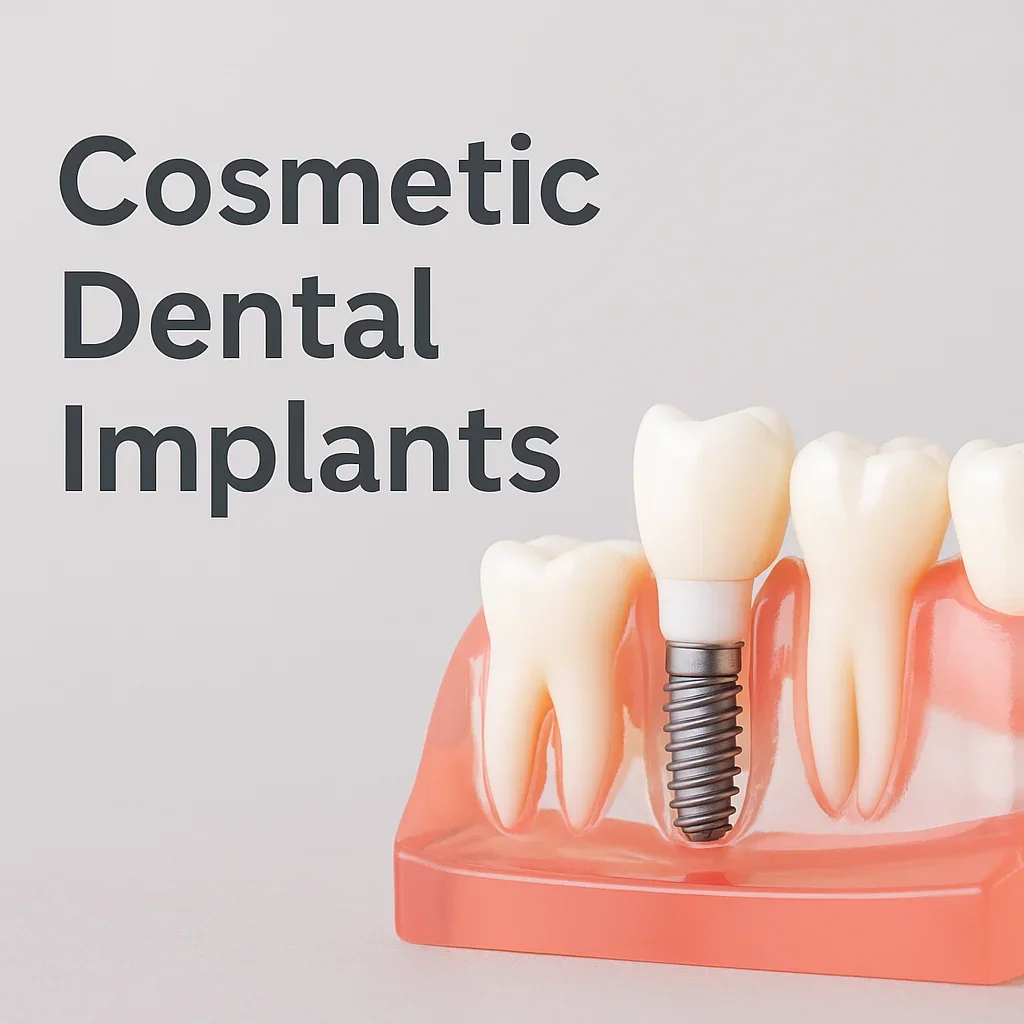
At their core, cosmetic dental implants are titanium posts surgically placed into the jawbone to act as artificial tooth roots. Once healed, these posts fuse with the bone in a process called osseointegration. After integration, a dental crown, bridge, or even a full arch of teeth can be attached to the implant. This structure provides unmatched stability compared to removable prosthetics. The cosmetic aspect comes from the fact that crowns and bridges used with implants are crafted to blend seamlessly with natural teeth, enhancing the patient’s appearance while restoring oral function.
The American Dental Association (American Dental Association) recognizes implants as a highly effective treatment option that can significantly improve quality of life. With proper care, cosmetic dental implants can last decades, making them not just a cosmetic choice but also a long-term investment in oral health.
Why Patients Choose Cosmetic Dental Implants
People often select cosmetic dental implants because they provide advantages that other tooth replacement solutions cannot match. Some of the most common reasons include:
- Natural Look: The implant-supported crowns are designed to mimic the size, shape, and color of surrounding teeth.
- Durability: With good care, implants can last 20 years or longer, often for a lifetime.
- Preservation of Jawbone: Implants stimulate bone tissue, preventing the shrinkage that occurs with missing teeth.
- Improved Confidence: Patients can smile, eat, and speak without worrying about shifting dentures.
For individuals concerned about their appearance in professional and social settings, cosmetic dental implants are particularly appealing. They not only restore a missing tooth but also improve the overall facial structure by preventing sagging associated with tooth loss. This makes them a comprehensive solution, enhancing both oral health and self-esteem. 😁
How Cosmetic Dental Implants Improve Oral Function
Unlike removable dentures, cosmetic dental implants offer complete stability. Patients can enjoy their favorite foods without restriction, from crunchy apples to chewy steaks, without fear of slippage. Speech also improves dramatically since the implants function like natural teeth, helping with pronunciation and reducing the lisps or whistles sometimes caused by gaps or dentures.
Additionally, dental implants prevent adjacent teeth from shifting into empty spaces, which can lead to misalignment and bite issues. In this way, cosmetic dental implants serve not just cosmetic purposes but play a crucial role in overall oral health.
Emotional and Psychological Benefits
The psychological impact of tooth loss should not be underestimated. Many patients report feeling embarrassed, avoiding smiling, or even withdrawing from social situations. Cosmetic dental implants help reverse these feelings by providing a beautiful, natural smile. This boost in self-confidence can translate into improved professional opportunities, healthier relationships, and overall well-being. 🌈
Accessibility and Consultation
Getting cosmetic dental implants begins with a detailed consultation where your oral health, jawbone density, and treatment goals are assessed. Clinics like Redent Klinik Contact Page offer professional evaluations to determine candidacy and design personalized treatment plans. Patients with sufficient bone structure are often excellent candidates, while others may require bone grafting to strengthen the implant site.
Conclusion
Cosmetic dental implants represent the gold standard for tooth replacement today. They combine aesthetics, durability, and health benefits in one solution, addressing not only the appearance of your smile but also the long-term integrity of your oral structures. If you are exploring options for missing teeth, understanding the value of cosmetic dental implants is the first step toward regaining both your smile and your confidence.
Benefits of Cosmetic Dental Implants for Your Smile
Cosmetic dental implants provide far more than just a replacement for missing teeth — they offer a transformative solution that enhances both the function and appearance of your smile. For individuals struggling with tooth loss, implants serve as the gold standard in restorative dentistry, giving patients back their confidence, comfort, and oral health. This section explores the multifaceted benefits of cosmetic dental implants, from physical improvements to emotional well-being, and why they remain the top choice for millions worldwide. 🌟
Restoring Natural Appearance
One of the greatest advantages of cosmetic dental implants is their ability to replicate the look of natural teeth. Unlike dentures or bridges, which may appear artificial or bulky, implants are custom-designed to match the color, shape, and size of surrounding teeth. Dental laboratories use high-quality materials such as porcelain or zirconia to create crowns that seamlessly blend into the patient’s smile. The result is a restoration so realistic that most people cannot distinguish between natural teeth and cosmetic dental implants.
Boosting Confidence in Social and Professional Life
Patients often report a dramatic increase in confidence after receiving cosmetic dental implants. A complete, attractive smile encourages people to engage more openly in conversations, smile in photos, and feel comfortable in professional settings. Whether attending a business meeting, job interview, or social gathering, implants eliminate the self-consciousness associated with missing teeth, allowing individuals to present their best selves.
Improving Oral Functionality
Tooth loss doesn’t just affect aesthetics — it can significantly compromise oral function. Chewing becomes difficult, speech may be altered, and even digestion can be impacted if food is not properly broken down. Cosmetic dental implants restore full chewing efficiency, enabling patients to enjoy a wide variety of foods without discomfort or restriction. From crisp vegetables to chewy meats, implants offer stability and strength that dentures cannot match.
Clearer Speech and Better Pronunciation
Gaps in the teeth or poorly fitting dentures often cause lisps, whistles, or unclear speech. Cosmetic dental implants eliminate these issues by providing a stable, permanent structure that allows for clear articulation. Patients regain the ability to pronounce words properly, which is especially beneficial in professional environments or public speaking situations.
Preserving Jawbone and Facial Structure
When a tooth is lost, the jawbone beneath it begins to deteriorate due to a lack of stimulation. Over time, this bone loss can lead to changes in facial structure, causing the cheeks to appear sunken or the jawline to weaken. Cosmetic dental implants address this issue by integrating with the bone in a process known as osseointegration. This fusion not only secures the implant in place but also stimulates the bone, preventing further resorption and preserving the natural facial contours.
Long-Term Oral Health Benefits
Beyond aesthetics, implants contribute to overall oral health. By filling gaps, they prevent surrounding teeth from shifting out of alignment, reducing the risk of bite issues or temporomandibular joint (TMJ) disorders. Additionally, implants do not require the alteration of adjacent teeth (as traditional bridges do), allowing healthy teeth to remain intact and strong. This makes cosmetic dental implants one of the most conservative and protective treatment options available.
Durability and Longevity
While other dental restorations may need replacement every 5 to 10 years, cosmetic dental implants are designed for long-term use. With proper oral hygiene and regular dental checkups, implants can last decades — often a lifetime. This durability makes them a cost-effective solution in the long run, even though the initial investment may be higher than alternatives.
Psychological and Emotional Wellness
The emotional benefits of cosmetic dental implants cannot be overstated. Smiling confidently has been linked to improved mental health, reduced stress, and stronger social interactions. Patients frequently describe feeling “like themselves again” after implant placement. This positive outlook often extends into other areas of life, including career advancement, personal relationships, and overall happiness. 🌈
Convenience in Daily Life
Unlike dentures, which require removal for cleaning and can slip during meals or speech, cosmetic dental implants are permanent fixtures in the mouth. Patients brush and floss them just like natural teeth, making oral care simple and hassle-free. This convenience adds to their appeal for individuals seeking a low-maintenance, reliable solution.
Conclusion: A Life-Changing Investment
Cosmetic dental implants offer a remarkable combination of beauty, functionality, and health benefits. From restoring natural appearance and boosting confidence to protecting the jawbone and enhancing oral function, their advantages are unparalleled. For those considering tooth replacement options, implants represent a long-term investment in both appearance and well-being. By choosing cosmetic dental implants, patients take the first step toward a healthier, brighter, and more confident future. To explore whether this treatment is right for you, consult a trusted dental professional or schedule an appointment with a clinic like Redent Klinik Contact Page.
Who Is the Ideal Candidate for Cosmetic Dental Implants?
Cosmetic dental implants are considered one of the most advanced and effective solutions for replacing missing teeth, but not every patient is automatically a candidate for the procedure. Understanding candidacy is essential because it helps determine the likelihood of success, the potential need for preparatory treatments, and the long-term results. In this section, we will explore the various factors that make someone an ideal candidate for cosmetic dental implants, covering health requirements, lifestyle considerations, and the role of dental evaluations. 🦷
General Health Requirements
One of the most important factors in determining candidacy for cosmetic dental implants is the patient’s overall health. Since implants require a surgical procedure, candidates should be in good systemic health. Chronic conditions such as uncontrolled diabetes, immune disorders, or cardiovascular disease may complicate healing and increase the risk of implant failure. However, patients with managed conditions can often undergo the procedure safely with the approval of their physician and dentist.
Healthy Gums and Oral Environment
Ideal candidates must have healthy gums free from active periodontal (gum) disease. Gum disease weakens the support structures of the mouth and can prevent implants from successfully integrating with the jawbone. For this reason, dentists usually recommend treating gum infections before moving forward with cosmetic dental implants. A clean oral environment with good plaque control also contributes to long-term success.
Jawbone Density and Structure
Adequate bone density is critical for securing cosmetic dental implants. The implant post must integrate firmly with the jawbone to provide a stable foundation for the artificial tooth. Patients who have experienced bone loss due to long-term tooth absence, gum disease, or aging may require bone grafting procedures to rebuild the jaw before implants can be placed. Advanced imaging, such as 3D cone-beam scans, is often used to evaluate bone quantity and quality during the consultation stage.
Bone Grafting and Sinus Lifts
For patients with insufficient bone in the upper jaw, a sinus lift may be necessary to create the proper space and foundation for implants. Similarly, bone grafting materials can be added to strengthen weak areas in the lower or upper jaw. These preparatory procedures ensure that cosmetic dental implants have the structural support needed for long-term stability.
Age Considerations
While there is no strict age limit, ideal candidates for cosmetic dental implants should have fully developed jawbones. This typically excludes children and young teenagers whose bones are still growing. On the other hand, older adults are often excellent candidates, provided they meet health and bone density requirements. Many seniors successfully receive implants and enjoy significant improvements in function and quality of life.
Lifestyle and Habits
Lifestyle choices play an essential role in candidacy for cosmetic dental implants. Non-smokers generally have higher success rates, as smoking restricts blood flow and interferes with the healing process. Patients willing to commit to good oral hygiene practices — such as daily brushing, flossing, and regular dental visits — are also more likely to achieve long-term success. Those who clench or grind their teeth may need additional protective measures like night guards to prevent implant stress.
Commitment to Aftercare
Cosmetic dental implants require ongoing care to remain healthy and functional. Patients who demonstrate commitment to aftercare instructions, such as proper oral hygiene, balanced nutrition, and attending follow-up appointments, tend to experience the best outcomes. This long-term responsibility is a crucial part of being an ideal candidate.
Psychological Readiness and Expectations
An often-overlooked factor is the patient’s psychological readiness. Successful outcomes depend not only on physical conditions but also on realistic expectations. Ideal candidates understand that while cosmetic dental implants provide life-changing improvements, the process requires time, patience, and investment. From initial consultation to final crown placement, the treatment can span several months. Patients with a positive outlook and a willingness to follow professional advice typically enjoy more satisfying results. 🌈
Who May Not Be a Candidate?
Although cosmetic dental implants are versatile, certain individuals may not be ideal candidates without additional treatment. Examples include:
- Patients with uncontrolled systemic diseases such as advanced diabetes.
- Heavy smokers unwilling to quit or reduce tobacco use.
- Individuals with severe untreated gum disease.
- Patients lacking sufficient jawbone who decline bone grafting procedures.
- Young patients whose jawbones are still developing.
Conclusion: Determining Your Eligibility
The decision to move forward with cosmetic dental implants begins with a thorough dental evaluation. Dentists assess oral health, jawbone density, and lifestyle factors to determine whether implants are the right choice. While not everyone is immediately an ideal candidate, modern dentistry offers preparatory treatments such as bone grafting and gum therapy to expand eligibility. By consulting with an experienced clinic — such as scheduling an appointment through the Redent Klinik Contact Page — patients can receive personalized recommendations tailored to their unique situation. In many cases, even those who initially seem ineligible can still enjoy the transformative benefits of cosmetic dental implants with the right care and preparation.
Step-by-Step Procedure of Cosmetic Dental Implants 🦷
The process of receiving cosmetic dental implants is detailed and requires careful planning, precision surgery, and patient cooperation. While the overall timeline may vary depending on each patient’s oral health, bone density, and treatment needs, most procedures follow a similar step-by-step approach. Understanding each stage can help patients feel prepared, confident, and fully informed about what to expect during their journey toward a beautiful, functional smile.
Step 1: Initial Consultation and Examination
The journey to cosmetic dental implants begins with an in-depth consultation. During this visit, the dentist or oral surgeon evaluates the patient’s overall oral health, reviews medical history, and discusses treatment goals. Advanced imaging, such as panoramic X-rays or 3D cone-beam CT scans, is often performed to assess bone density, sinus positioning, and the health of surrounding structures. These images provide a roadmap for precise implant placement.
At this stage, the dentist also determines whether additional procedures — like tooth extractions, bone grafting, or sinus lifts — will be necessary before implant placement. This comprehensive evaluation ensures the highest chance of long-term success.
Creating a Customized Treatment Plan
Every patient has unique needs, so the treatment plan for cosmetic dental implants is fully personalized. The plan outlines the number of implants required, the type of restoration (single crown, bridge, or full arch), estimated treatment time, and associated costs. Patients can ask questions and explore financing options to make an informed decision about moving forward.
Step 2: Preparatory Procedures (If Needed)
Before implants are placed, some patients require preparatory treatments. For example, if the jawbone is too thin or soft, a bone graft may be recommended to provide sufficient support. Similarly, patients with low bone density in the upper jaw might need a sinus lift to create a strong foundation. While these additional steps extend the overall timeline, they are essential for ensuring that cosmetic dental implants integrate properly and last for decades.
Healing Period After Preparatory Work
Following bone grafting or sinus lift procedures, patients typically need to wait several months for the bone to heal and integrate. This waiting period allows the grafted material to fuse with the natural bone, creating the strength required to anchor implants securely.
Step 3: Surgical Placement of the Implant Post
Once the foundation is ready, the actual implant placement surgery is scheduled. During the procedure, the dentist makes a small incision in the gum tissue to expose the jawbone. A specialized drill is used to create a tiny socket where the titanium implant post is inserted. This post acts as the artificial tooth root and will eventually support the crown or bridge.
The gum tissue is then sutured closed over the implant, and a healing period begins. Most patients report minimal discomfort during this phase, especially when following prescribed aftercare instructions and using recommended medications.
Osseointegration: The Healing Process
Osseointegration is the critical process in which the implant post fuses with the surrounding bone. This typically takes 3 to 6 months, depending on the patient’s healing capacity. During this time, the implant becomes firmly anchored in the jaw, ensuring stability and longevity. Patients may be fitted with temporary crowns or dentures during this phase to maintain function and aesthetics.
Step 4: Abutment Placement
After osseointegration is complete, a minor procedure is performed to attach an abutment to the implant post. The abutment serves as a connector between the titanium root and the final restoration. This step may involve reopening the gum tissue briefly to expose the implant. Healing typically takes 1 to 2 weeks before the final crown can be placed.
Step 5: Placement of the Final Restoration
The last step involves attaching the custom-made dental crown, bridge, or denture to the abutment. The crown is meticulously designed to match the color, size, and shape of the surrounding natural teeth, blending seamlessly with the smile. At this point, the cosmetic dental implants look and function just like natural teeth, allowing patients to chew, speak, and smile with confidence.
Final Adjustments and Bite Alignment
Once the restoration is in place, the dentist carefully evaluates the patient’s bite and makes any necessary adjustments. Proper alignment ensures comfort, prevents uneven wear, and promotes long-term implant success.
Step 6: Aftercare and Follow-Up Appointments
The procedure doesn’t end once the crown is placed. Regular follow-up visits are scheduled to monitor healing and check the stability of the implants. Patients are advised on best practices for oral hygiene, including brushing, flossing, and using antibacterial mouth rinses. With proper care, cosmetic dental implants can last a lifetime.
Conclusion: A Journey to a Lasting Smile
The step-by-step procedure of cosmetic dental implants may take several months, but the outcome is well worth the time and effort. From initial consultation to final crown placement, each stage is designed to ensure strength, functionality, and aesthetics. For patients committed to improving their oral health and appearance, this procedure provides one of the most reliable and life-changing solutions in modern dentistry. To learn more about candidacy and begin your own treatment journey, you can schedule a consultation through the Redent Klinik Contact Page today.
Comparing Cosmetic Dental Implants with Other Options
When it comes to replacing missing teeth, patients today have several choices. These include dentures, dental bridges, and the more advanced solution of cosmetic dental implants. Each option has its own benefits and limitations, but cosmetic dental implants are often considered the gold standard because they combine durability, aesthetics, and function in a single treatment. In this section, we will compare cosmetic dental implants with other popular restorative methods so that patients can make well-informed decisions about their oral health. 🦷
Cosmetic Dental Implants vs. Traditional Dentures
Dentures have been used for centuries as a cost-effective way to replace missing teeth. While they can restore appearance and basic chewing ability, they come with significant drawbacks. Traditional dentures rest on the gums and are not anchored to the bone, which often leads to slipping, discomfort, and the need for adhesives. Patients may struggle with speech, avoid certain foods, or feel embarrassed in social situations due to instability.
In contrast, cosmetic dental implants are surgically placed into the jawbone, creating a stable foundation that mimics natural tooth roots. This prevents slipping and allows patients to enjoy their favorite foods without restrictions. Additionally, implants stimulate the jawbone, preventing the bone loss commonly seen in long-term denture wearers. While dentures are initially less expensive, cosmetic dental implants offer long-term benefits that far outweigh the short-term savings.
Maintenance and Longevity
Dentures typically require replacement every 5–7 years due to wear and changes in the jaw structure. Cosmetic dental implants, on the other hand, can last decades — often a lifetime — with proper care. Maintenance is also simpler: implants are brushed and flossed like natural teeth, while dentures require removal, soaking, and special cleaning routines.
Cosmetic Dental Implants vs. Dental Bridges
Dental bridges are another common solution for tooth replacement. They involve creating crowns on the teeth adjacent to the missing space and attaching a false tooth (pontic) between them. While bridges can provide a natural appearance and improved function, they come with certain disadvantages.
For one, placing a bridge requires grinding down healthy adjacent teeth to support the structure. This can weaken natural teeth and increase the risk of decay over time. Bridges also do not prevent jawbone loss since they do not stimulate the bone beneath the missing tooth. As a result, bone resorption can still occur, affecting facial structure in the long run.
Cosmetic dental implants solve these problems by standing independently without affecting neighboring teeth. They maintain bone density and offer a solution that is both functional and aesthetic. While bridges may be quicker to place and less expensive upfront, implants provide superior long-term results.
Durability and Cost-Effectiveness
On average, dental bridges last 10–15 years before needing replacement. Cosmetic dental implants often last much longer, reducing the need for repeat procedures. Although the initial investment for implants is higher, their longevity and minimal maintenance make them cost-effective in the long run.
Cosmetic Dental Implants vs. Removable Partial Dentures
Removable partial dentures are designed to replace several missing teeth in one arch. They are often supported by clasps that attach to natural teeth. While they restore function to some extent, they can feel bulky, affect speech, and cause discomfort when worn for long periods. Patients also report that partial dentures may damage the supporting natural teeth over time due to pressure and friction.
Cosmetic dental implants eliminate these issues by integrating directly into the jawbone. They do not rely on other teeth for support, making them a healthier option for surrounding structures. Implants provide a permanent and secure solution that restores confidence in eating, speaking, and smiling.
Impact on Lifestyle
Partial dentures require removal for cleaning and may cause embarrassment if they slip unexpectedly. Cosmetic dental implants, however, function like natural teeth and require no special care beyond standard oral hygiene. For busy individuals seeking convenience and reliability, implants are the preferred choice.
Factors Patients Should Consider
When deciding between cosmetic dental implants and other replacement options, patients should consider:
- Budget: While implants cost more upfront, they save money in the long run by avoiding frequent replacements.
- Oral Health: Implants protect surrounding teeth and bone, unlike bridges or dentures.
- Lifestyle: Those seeking convenience, confidence, and reliability often find implants to be the superior choice.
- Longevity: Implants can last a lifetime with proper care, whereas other options require periodic replacement.
Professional Recommendations
Most dental professionals, including the American Dental Association, highlight implants as a highly reliable solution for tooth loss. That said, the best choice ultimately depends on individual needs, health conditions, and financial considerations. A personalized consultation ensures that patients receive treatment that aligns with their goals and circumstances.
Conclusion: Why Implants Stand Out
While dentures, bridges, and partials remain viable options for many, cosmetic dental implants offer unmatched benefits in terms of aesthetics, durability, and overall oral health. They provide stability, preserve jawbone structure, and protect neighboring teeth, making them the most comprehensive solution available. For patients seeking a long-term investment in their smile and health, cosmetic dental implants stand out as the superior choice. To explore your options and find out which solution best fits your needs, consider booking a consultation with experts via the Redent Klinik Contact Page.
How Much Do Cosmetic Dental Implants Cost in 2025? 💰
The cost of cosmetic dental implants in 2025 varies significantly depending on several factors such as location, the complexity of the case, the materials used, and whether additional procedures like bone grafting or sinus lifts are required. While cosmetic dental implants are often more expensive than alternatives like dentures or bridges, their durability, natural appearance, and long-term oral health benefits make them a worthwhile investment. In this section, we will explore the different cost factors, provide real-world price ranges, and explain why implants are considered cost-effective in the long run. 🦷
Average Price Ranges for Cosmetic Dental Implants
As of 2025, the average cost of a single cosmetic dental implant in the United States ranges between $3,000 and $6,000, including the implant post, abutment, and crown. For multiple implants, costs can rise to $10,000 to $30,000, depending on how many teeth need replacement. A full mouth restoration with implant-supported dentures or an “All-on-4” system typically costs between $20,000 and $50,000 per arch.
Estimated 2025 Costs:
- Single cosmetic dental implant: $3,000 – $6,000
- Implant-supported bridge (3–4 teeth): $6,500 – $12,000
- All-on-4 full arch restoration: $20,000 – $50,000
- Full mouth implants: $40,000 – $80,000
These figures are averages; actual costs depend heavily on individual circumstances and geographic region. Urban clinics often charge more due to higher overhead, while smaller towns may offer slightly lower prices.
Factors Influencing the Cost of Cosmetic Dental Implants
Several variables affect the final cost of cosmetic dental implants. Understanding these can help patients anticipate expenses and plan accordingly.
Number of Implants Needed
The more implants required, the higher the cost. Replacing a single tooth is less expensive than a full arch replacement. However, advanced systems like All-on-4 reduce costs by requiring fewer implants to support an entire arch of teeth.
Preparatory Procedures
Many patients require additional treatments before implant placement. Bone grafts, sinus lifts, or extractions add to the total cost but are often essential for successful implant integration. These procedures can range from $300 for minor grafts to $5,000 or more for extensive bone reconstruction.
Materials Used
The crown material also influences pricing. Porcelain-fused-to-metal crowns may be less expensive, while high-quality zirconia or all-ceramic crowns typically cost more but offer superior aesthetics. The implant post itself is usually made of titanium, though premium zirconia implants are also available at higher costs.
Location and Clinic Expertise
Geographic location plays a major role. Cosmetic dental implants in the U.S. generally cost more than in countries like Turkey, Mexico, or Hungary, where high-quality care is available at lower prices due to reduced overhead and labor costs. Additionally, clinics with board-certified implantologists or advanced technology may charge more, but often deliver superior outcomes.
Insurance and Financing Options
Most dental insurance plans categorize cosmetic dental implants as elective procedures, meaning they cover little to no cost. However, certain medical conditions — such as tooth loss due to trauma or disease — may qualify for partial coverage. Patients are encouraged to review their insurance benefits carefully.
Fortunately, many clinics offer flexible financing options, including monthly payment plans, healthcare credit cards, and discounts for full cash payments. Some international clinics provide package deals covering surgery, accommodation, and follow-up care at a fraction of the cost compared to the U.S.
Cost vs. Long-Term Value
Although cosmetic dental implants require a higher upfront investment, their longevity and benefits make them cost-effective. Dentures and bridges often need replacement every 5–10 years, while implants can last decades with proper care. This reduces the need for repeat procedures and additional expenses in the future.
Beyond the financial aspect, implants also protect oral health by preventing jawbone deterioration, maintaining alignment, and preserving facial structure. These advantages translate into long-term savings on dental care and improved quality of life.
International Costs for Cosmetic Dental Implants
Many patients travel abroad for affordable dental care. In Turkey, for example, the average cost of a single implant ranges between $700 and $1,500, while full-mouth restorations may cost $7,000–$15,000. Clinics in Mexico, Thailand, and Eastern Europe also offer competitive prices with high standards of care. This trend, known as dental tourism, continues to grow as patients seek affordable, high-quality solutions.
Conclusion: Investing in Your Smile
The cost of cosmetic dental implants in 2025 reflects their complexity, longevity, and life-changing results. While the initial expense may seem high, implants provide unparalleled benefits that outweigh short-term alternatives like dentures or bridges. Patients should view cosmetic dental implants as an investment in both oral health and overall quality of life. To determine exact costs and explore payment options, scheduling a consultation with a trusted clinic — such as through the Redent Klinik Contact Page — is the best way to receive a personalized treatment plan. With the right preparation, anyone can enjoy the lasting confidence and functionality that cosmetic dental implants provide. 🌟
Recovery and Aftercare Tips for Cosmetic Dental Implants
Recovery after cosmetic dental implants is a crucial stage that directly impacts the long-term success and comfort of the procedure. While the surgery itself is typically well tolerated and minimally invasive for most patients, the healing process requires proper care, patience, and adherence to professional guidance. In this section, we will explore in detail the recovery timeline, daily care routines, and long-term maintenance tips to ensure your cosmetic dental implants heal successfully and last for decades. 🌟
Immediate Post-Surgery Recovery
The first 24 to 72 hours after implant placement are the most sensitive. Patients may experience mild swelling, bruising, or discomfort around the implant site. These symptoms are a natural part of the healing process and usually subside within a few days. Dentists often prescribe pain relievers or recommend over-the-counter medication to manage discomfort. Applying a cold compress intermittently for the first 48 hours can also help reduce swelling and promote comfort.
Managing Bleeding and Swelling
A small amount of bleeding is normal in the first 24 hours following cosmetic dental implants surgery. Dentists usually provide gauze pads to bite down on, which helps control bleeding. Swelling may peak within 48 hours but typically decreases soon afterward. To assist recovery, patients should keep their head elevated when resting and avoid strenuous physical activity.
Oral Hygiene During Healing
Maintaining excellent oral hygiene is vital for preventing infection and ensuring proper integration of cosmetic dental implants. However, patients must take special care not to disturb the surgical site in the early days of recovery.
- Use a soft-bristled toothbrush to gently clean surrounding teeth.
- Avoid brushing directly on the surgical site for the first few days.
- Rinse with a prescribed antimicrobial mouthwash or a mild saltwater solution to reduce bacteria.
- Floss carefully, avoiding excessive pressure around the implant area.
Foods to Eat and Avoid
Diet plays an important role in implant healing. For the first few days, patients should stick to soft foods such as yogurt, smoothies, scrambled eggs, mashed potatoes, and soups. Hard, sticky, or crunchy foods — like nuts, chips, and caramel — should be avoided as they can irritate the surgical site or dislodge healing tissue. Over time, as healing progresses, patients can gradually reintroduce firmer foods back into their diet.
The Healing Timeline
Recovery time for cosmetic dental implants varies based on individual health, bone density, and whether preparatory procedures like bone grafting were performed. On average:
- First Week: Initial healing with reduced swelling and discomfort.
- 2–6 Weeks: Gum tissue begins to strengthen around the implant site.
- 3–6 Months: Osseointegration occurs, where the titanium implant fuses with the jawbone.
- Final Stage: Placement of the permanent crown, bridge, or denture after successful integration.
Patience during this process is essential, as rushing into final restorations before full healing may compromise long-term success.
Osseointegration Success
Osseointegration is the key biological process that ensures cosmetic dental implants remain stable for years. During this stage, bone cells attach to the surface of the implant, locking it in place. Factors such as non-smoking, good nutrition, and proper oral care all significantly improve the likelihood of successful osseointegration.
Follow-Up Appointments
Routine follow-up visits with the dentist are a critical component of recovery. These appointments allow the dentist to check for proper healing, monitor implant stability, and identify potential complications early. Patients are typically scheduled for follow-ups within the first week, then periodically throughout the healing period until the final crown is placed.
Addressing Common Concerns
Some patients worry about sensations of looseness or discomfort during healing. Mild discomfort is normal, but persistent pain, swelling, or mobility of the implant should be reported immediately. Early detection of issues can prevent complications and safeguard the success of cosmetic dental implants.
Long-Term Aftercare Tips
Once healing is complete, caring for cosmetic dental implants becomes similar to caring for natural teeth. However, long-term maintenance is vital to ensure they last a lifetime.
- Brush twice daily with fluoride toothpaste.
- Floss or use interdental brushes around implants daily.
- Visit the dentist for professional cleanings and checkups at least twice a year.
- Avoid smoking, which greatly increases the risk of implant failure.
- Consider wearing a night guard if you grind your teeth while sleeping.
Conclusion: Commitment to Healing and Care
Recovery and aftercare are the pillars of successful cosmetic dental implants treatment. By following professional instructions, practicing excellent oral hygiene, and attending regular dental checkups, patients can ensure their implants remain stable and functional for decades. Cosmetic dental implants are not just a one-time procedure; they represent a lifelong commitment to oral health and confidence. For tailored aftercare advice and professional support, scheduling a consultation with an experienced clinic — such as through the Redent Klinik Contact Page — can help patients stay on track and enjoy their restored smiles with peace of mind. 🌈
Risks and Potential Complications You Should Know
While cosmetic dental implants are one of the most successful and reliable treatments in modern dentistry, no surgical procedure is entirely free of risks. Understanding potential complications helps patients set realistic expectations and take preventive steps to minimize problems. The overall success rate of cosmetic dental implants exceeds 95%, but knowing the possible challenges empowers patients to protect their oral health and investment. In this section, we will explore short-term and long-term risks, how they can be prevented, and what to do if complications arise. ⚠️
Common Short-Term Side Effects
In the first few days following implant surgery, patients often experience minor, temporary side effects. These are part of the natural healing process and usually resolve within a week.
- Swelling: Soft tissue swelling around the gums or face is expected and typically peaks within 48 hours.
- Bruising: Minor discoloration of the gums or skin near the surgical site may occur.
- Discomfort: Mild soreness at the implant site is common and can be managed with prescribed or over-the-counter pain relievers.
- Minor Bleeding: Slight bleeding during the first 24 hours is normal and usually stops with gauze compression.
Managing Early Side Effects
Patients can minimize these short-term effects by following post-operative instructions closely. Resting, applying cold compresses, eating soft foods, and maintaining gentle oral hygiene all contribute to smoother recovery.
Infection Risk
One of the primary concerns after cosmetic dental implants surgery is infection at the implant site. If bacteria enter the surgical area, they may cause swelling, pus formation, or prolonged pain. Good oral hygiene and prescribed antibiotics (when recommended) significantly reduce this risk. Patients should immediately report unusual pain, fever, or persistent swelling to their dentist.
Implant Failure
Although rare, implant failure occurs when the implant does not integrate properly with the jawbone. This can result from insufficient bone density, poor healing, or excessive stress on the implant. Lifestyle factors such as smoking, uncontrolled diabetes, and poor oral hygiene increase the likelihood of failure.
Signs of Implant Failure
Warning signs include persistent mobility of the implant, chronic pain, and gum recession around the implant site. Prompt evaluation is crucial, as early intervention can sometimes salvage the implant or prepare the site for future placement.
Nerve or Tissue Damage
Improper placement of cosmetic dental implants may occasionally irritate or injure surrounding nerves, leading to numbness, tingling, or pain in the lips, gums, or chin. While this is uncommon thanks to advanced imaging and planning, patients should choose an experienced implantologist to minimize risks. In most cases, nerve irritation resolves over time, but severe damage may require corrective treatment.
Sinus Complications
For implants placed in the upper jaw, there is a small risk of the implant protruding into the sinus cavity. This can cause sinus infections, discomfort, or pressure. To prevent this, dentists often perform a sinus lift procedure before implant placement if the sinus floor is too close to the intended implant site.
Peri-Implantitis: A Long-Term Risk
Peri-implantitis is a condition similar to gum disease that affects the tissues around cosmetic dental implants. It involves inflammation, gum recession, and bone loss, which can eventually lead to implant failure if untreated. The main causes include poor oral hygiene, smoking, and systemic conditions such as diabetes.
Preventing Peri-Implantitis
Preventive care is key to avoiding peri-implantitis. Patients should:
- Brush and floss daily, focusing carefully around implant sites.
- Attend regular dental checkups for professional cleaning and monitoring.
- Avoid smoking, which is one of the strongest risk factors for peri-implant disease.
- Manage chronic conditions with the help of a healthcare provider.
Allergic Reactions and Material Sensitivity
Although rare, some patients may have sensitivity to titanium or other materials used in implants. Alternatives such as zirconia implants are available for those with confirmed allergies or concerns about metal sensitivity.
Overloading the Implant
Prematurely placing too much pressure on cosmetic dental implants during the healing stage can disrupt osseointegration. This usually occurs if temporary restorations are not designed correctly or if the patient bites hard on the implant site too soon. Careful planning by the dentist and patient cooperation help avoid this complication.
Conclusion: Informed Choices Lead to Success
While risks and complications are possible, cosmetic dental implants remain one of the safest and most predictable dental procedures available today. Most complications can be prevented with thorough planning, skilled placement, and diligent aftercare. Patients should communicate openly with their dentist, follow all post-operative instructions, and maintain consistent oral hygiene practices. By being proactive, the likelihood of experiencing serious issues is extremely low, and the long-term benefits of cosmetic dental implants far outweigh the risks. For personalized advice on reducing risks and ensuring a successful outcome, scheduling a consultation through the Redent Klinik Contact Page is highly recommended.
Longevity and Maintenance of Cosmetic Dental Implants
One of the greatest advantages of cosmetic dental implants is their impressive longevity. Unlike traditional dentures or bridges, which often require replacement within a decade, implants are designed to last decades — and in many cases, a lifetime. However, the durability of cosmetic dental implants depends heavily on proper care, consistent maintenance, and lifestyle choices. In this section, we will examine how long implants last, what factors influence their lifespan, and the essential steps patients can take to protect their investment. 🦷
Expected Lifespan of Cosmetic Dental Implants
Studies consistently show that cosmetic dental implants have a success rate of more than 95% over 10 years, with many remaining stable and functional for 20 years or longer. The titanium implant post, which fuses with the jawbone through osseointegration, is incredibly durable. In most cases, it never needs replacement. However, the crown, bridge, or denture placed on top may need replacement every 10–20 years due to natural wear and tear.
Implants vs. Other Restorations
Compared to dentures and bridges, the longevity of cosmetic dental implants is unmatched. Dentures typically last 5–7 years before requiring adjustments or replacement, while bridges may need replacement after 10–15 years. Implants, with proper maintenance, can last a lifetime — making them a cost-effective long-term solution despite higher initial costs.
Factors That Affect Longevity
Several factors influence how long cosmetic dental implants last. Patients should be aware of these variables to maximize the lifespan of their implants.
- Oral Hygiene: Poor hygiene can lead to gum disease and peri-implantitis, which may compromise implant stability.
- Lifestyle Habits: Smoking, excessive alcohol use, or teeth grinding can shorten the life of implants.
- Systemic Health: Conditions like uncontrolled diabetes or osteoporosis may affect bone density and healing.
- Diet: A balanced diet rich in vitamins and minerals supports strong gums and bones.
- Professional Care: Regular dental checkups allow early detection and treatment of potential issues.
Role of Bone Density
Healthy jawbone density is essential for implant stability. Over time, bone resorption can occur if implants are not properly integrated or maintained. Patients who maintain strong bone health through diet, exercise, and dental monitoring are more likely to enjoy implants that last a lifetime.
Daily Maintenance Tips
Caring for cosmetic dental implants is similar to caring for natural teeth. Proper maintenance prevents infection and ensures long-term stability.
- Brush at least twice daily using a soft-bristled toothbrush and fluoride toothpaste.
- Floss daily around implants using traditional floss, interdental brushes, or water flossers.
- Use an antimicrobial mouth rinse to reduce harmful bacteria.
- Avoid chewing hard items like ice or pens, which can damage crowns.
- Wear a night guard if you grind or clench your teeth while sleeping.
Professional Cleanings and Monitoring
Even with excellent home care, regular professional cleanings are essential. Dentists use specialized tools to clean around implants without damaging their surfaces. Routine X-rays and exams also help monitor bone levels and detect early signs of complications.
Common Challenges in Implant Maintenance
While cosmetic dental implants are low-maintenance compared to dentures, certain challenges can arise if proper care is neglected.
- Peri-Implantitis: An inflammatory condition similar to gum disease, caused by poor oral hygiene.
- Gum Recession: May expose implant threads and affect appearance.
- Crown Wear: The visible restoration may chip or wear down over time, requiring replacement.
Fortunately, these issues are preventable or manageable with consistent care and regular dental visits.
Longevity Statistics and Success Rates
Research from professional organizations like the American Dental Association shows that over 90% of cosmetic dental implants remain functional after 20 years. This remarkable durability makes implants the most reliable tooth replacement solution available today. Patients who follow professional aftercare recommendations enjoy even higher success rates.
Conclusion: Protecting a Lifetime Investment
Cosmetic dental implants are more than just a restorative option — they are a long-term investment in health, confidence, and quality of life. With proper daily care, avoidance of harmful habits, and consistent professional monitoring, implants can last decades, often for life. Patients who commit to maintaining their implants not only preserve their smile but also safeguard their oral health for the future. For personalized guidance on implant maintenance and follow-up care, scheduling an appointment with a trusted dental provider, such as through the Redent Klinik Contact Page, ensures that your cosmetic dental implants remain strong, beautiful, and functional for years to come. 🌈
Choosing the Best Clinic for Cosmetic Dental Implants
Selecting the right clinic for cosmetic dental implants is one of the most important decisions a patient can make. The success of the procedure does not depend solely on the quality of the implants themselves but also on the expertise of the dentist, the technology available, and the level of patient care provided. With countless clinics offering implant services worldwide, it is crucial to know what factors to look for when making this life-changing investment. In this section, we will explore the key considerations that help patients choose the best clinic for their cosmetic dental implants. 🏥
Experience and Qualifications of the Dentist
The skill and training of the implant dentist play a major role in the success rate of cosmetic dental implants. Patients should seek clinics where the dentist has specialized training in implantology, oral surgery, or prosthodontics. Board certification, continuing education, and a strong portfolio of successful cases demonstrate competence and commitment to excellence.
Asking About Success Rates
When choosing a clinic, don’t hesitate to ask about the dentist’s personal success rate with cosmetic dental implants. While industry averages exceed 95%, experienced professionals often maintain even higher rates. Clinics should be transparent about their outcomes and willing to share patient testimonials or case studies.
Technology and Equipment
Modern dental technology enhances both safety and precision during implant procedures. Leading clinics use advanced tools such as 3D cone-beam CT scans, digital impressions, and computer-guided implant placement systems. These technologies allow for highly accurate planning, reducing risks and improving long-term results.
Sterilization and Safety Standards
A reputable clinic should follow strict sterilization and infection-control protocols. Patients should look for accreditation or certifications that confirm the clinic adheres to international safety standards. Cleanliness and safety are non-negotiable when undergoing a surgical procedure like cosmetic dental implants.
Comprehensive Treatment Plans
The best clinics provide detailed treatment plans tailored to each patient’s needs. A comprehensive plan includes the consultation, diagnostic imaging, any necessary preparatory procedures (such as bone grafting), the implant surgery, temporary restorations, and follow-up care. Clinics that take time to explain every stage of the process ensure that patients feel confident and informed.
Personalized Approach
Every smile is unique, and the treatment plan for cosmetic dental implants should reflect that. A good clinic will consider not only functional restoration but also aesthetics, ensuring that the final result complements the patient’s facial features and overall appearance.
Cost Transparency and Financing Options
Implants are a significant financial investment, so transparency in pricing is essential. The best clinics provide clear cost breakdowns for the implant post, abutment, crown, and any additional procedures. Patients should be cautious of clinics offering unusually low prices, as this may indicate compromises in materials or expertise.
Many reputable clinics also provide financing options, monthly installment plans, or package deals that include surgery, prosthetics, and aftercare. This makes cosmetic dental implants more accessible without sacrificing quality.
Patient Reviews and Testimonials
Firsthand experiences from past patients provide valuable insight into a clinic’s reliability and care. Online reviews, before-and-after photos, and video testimonials can help prospective patients evaluate the clinic’s reputation. Consistently positive feedback, particularly regarding professionalism, comfort, and results, is a strong indicator of trustworthiness.
International Options and Dental Tourism
Many patients explore international clinics to save money on cosmetic dental implants while still receiving high-quality care. Countries like Turkey, Hungary, and Mexico are popular destinations for dental tourism, offering experienced professionals and modern facilities at lower costs compared to the U.S. or U.K. However, when considering overseas treatment, patients should research accreditation, language support, and follow-up care availability.
Balancing Cost and Quality
While affordability is appealing, patients must balance price with expertise and safety. Choosing the cheapest option can lead to complications, while a moderately priced but highly reputable clinic often delivers superior long-term value.
Aftercare and Long-Term Support
High-quality clinics emphasize not only the surgery itself but also post-operative care. Regular follow-ups, professional cleanings, and long-term maintenance advice are essential to the success of cosmetic dental implants. Patients should ensure their chosen clinic offers ongoing support rather than ending care immediately after placement.
Conclusion: Making the Right Choice
Choosing the best clinic for cosmetic dental implants requires careful research and consideration. Patients should prioritize dentist expertise, advanced technology, transparent pricing, and strong aftercare support. By selecting a reputable clinic, patients dramatically increase their chances of long-lasting success and a beautiful, natural smile. For those seeking expert guidance and professional care, scheduling a consultation through the Redent Klinik Contact Page is an excellent starting point. With the right clinic, cosmetic dental implants can transform not just your smile but also your confidence and quality of life. 🌈