
A confident smile can change the way you feel about yourself and how others perceive you. In today’s modern dental world, cosmetic dentistry and implants offer advanced, long-lasting solutions for people who want to improve both the appearance and function of their teeth. Whether you are dealing with stained teeth, chipped enamel, gaps, missing teeth, or worn restorations, cosmetic dentistry and implants provide comprehensive options designed to restore beauty, health, and confidence.
Unlike basic dental treatments that focus only on oral health, cosmetic dentistry and implants combine aesthetics with function. The goal is not just to fix a dental issue but to create harmony between your teeth, gums, facial structure, and bite. This integrated approach ensures that your smile looks natural while remaining strong and durable for years to come.
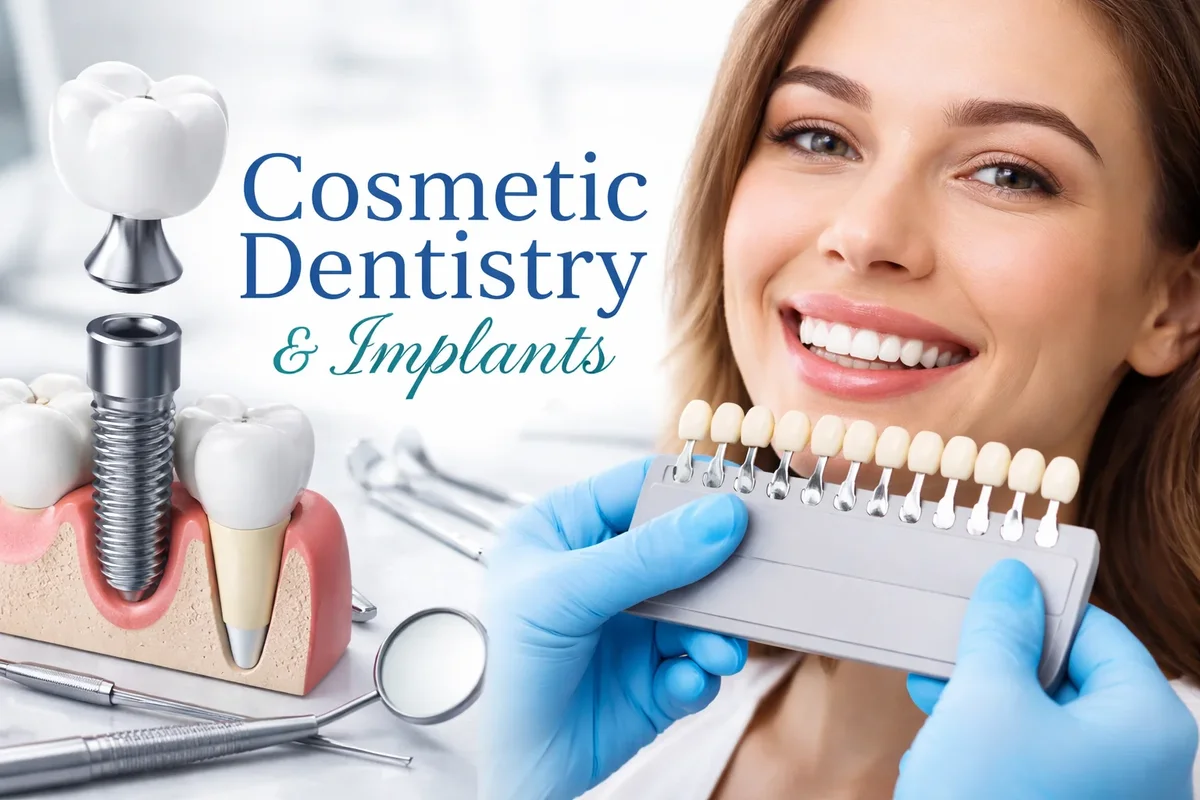
Cosmetic dentistry includes procedures such as teeth whitening, porcelain veneers, bonding, smile makeovers, and gum contouring. Dental implants, on the other hand, replace missing teeth by inserting a titanium post into the jawbone, which acts as an artificial root. When combined, cosmetic dentistry and implants can completely transform a smile—even in complex cases involving multiple missing or damaged teeth.
One of the biggest advantages of cosmetic dentistry and implants is customization. Every smile is unique, and treatment plans are tailored according to your facial proportions, tooth color, bite alignment, and personal expectations. Advanced digital smile design technology allows patients to preview potential results before treatment begins. This not only increases satisfaction but also reduces uncertainty and anxiety.
Functionality is just as important as appearance. Missing teeth can lead to bone loss, shifting teeth, bite problems, and even facial sagging over time. Cosmetic dentistry and implants address these issues by restoring chewing efficiency and maintaining jawbone integrity. Dental implants fuse with the bone through a process called osseointegration, providing a stable foundation for crowns or bridges. This makes cosmetic dentistry and implants one of the most reliable long-term solutions in restorative dentistry.
Patients often choose cosmetic dentistry and implants for several reasons:
- To replace one or more missing teeth
- To correct severely damaged or decayed teeth
- To enhance smile symmetry and brightness
- To improve bite alignment and comfort
- To achieve a complete smile makeover
Modern techniques ensure that cosmetic dentistry and implants are safer and more comfortable than ever before. Clinics follow strict sterilization and safety protocols aligned with standards recommended by the American Dental Association. With advanced imaging such as 3D CBCT scans, dentists can precisely plan implant placement, minimizing risks and maximizing success rates.
Another key benefit of cosmetic dentistry and implants is durability. High-quality materials such as zirconia and porcelain closely mimic natural enamel while offering excellent resistance to wear and staining. Dental implants can last decades with proper care, making them a long-term investment in oral health.
Many patients worry about whether cosmetic dentistry and implants are painful. Thanks to modern anesthesia, sedation options, and minimally invasive techniques, most procedures involve little to no discomfort. Recovery times vary depending on the complexity of the treatment, but many patients return to normal activities quickly.
It’s also important to understand that cosmetic dentistry and implants are not only about aesthetics—they significantly improve quality of life. Patients report improved speech clarity, better chewing ability, and increased social confidence. A restored smile often leads to better professional and personal interactions. 😊
If you are considering cosmetic dentistry and implants, the first step is a detailed consultation. During this appointment, your dentist will evaluate your oral health, discuss your goals, and design a personalized treatment plan. If you would like professional guidance, you can visit the Redent Klinik Contact Page to schedule an evaluation.
In summary, cosmetic dentistry and implants represent a powerful combination of science, artistry, and technology. They provide comprehensive solutions for individuals seeking both beauty and strength in their smile. From minor aesthetic corrections to full-mouth rehabilitation, cosmetic dentistry and implants deliver predictable, natural-looking, and long-lasting results. By choosing an experienced dental team and following proper aftercare, you can enjoy the life-changing benefits of cosmetic dentistry and implants for many years to come.
1. What Is Cosmetic Dentistry and Implants?
Cosmetic dentistry and implants refer to a specialized branch of modern dentistry focused on improving the appearance, function, and long-term health of your teeth and smile. While traditional dentistry concentrates on preventing and treating oral diseases, cosmetic dentistry and implants combine restorative science with aesthetic design to create natural-looking, durable, and confident smiles. This integrated approach allows patients not only to repair damaged teeth but also to enhance their overall facial harmony.
At its core, cosmetic dentistry and implants address both visible imperfections and structural issues. Whether you have missing teeth, discoloration, worn enamel, gaps, or misalignment, cosmetic dentistry and implants provide advanced treatment solutions that restore balance and strength. Today’s techniques use cutting-edge materials such as porcelain, zirconia, and titanium to deliver results that closely mimic natural teeth.
The Meaning of Cosmetic Dentistry
Cosmetic dentistry focuses on procedures that enhance the visual appeal of your smile. These treatments are designed to improve color, shape, alignment, and symmetry. Common procedures within cosmetic dentistry and implants include:
- Teeth whitening for brighter smiles
- Porcelain veneers to correct shape and color
- Dental bonding for minor chips and cracks
- Smile makeovers combining multiple treatments
- Gum contouring for balanced aesthetics
While cosmetic procedures may appear purely aesthetic, they often improve functionality as well. For example, correcting uneven teeth can enhance bite alignment, reducing jaw strain. Cosmetic dentistry and implants work together to ensure beauty does not compromise strength.
Understanding Dental Implants
Dental implants are a cornerstone of cosmetic dentistry and implants. An implant is a titanium post surgically placed into the jawbone to replace the root of a missing tooth. Once healed, a crown, bridge, or denture is attached to the implant, restoring full function and appearance.
The process of osseointegration allows the implant to fuse with the jawbone, creating a stable and long-lasting foundation. This makes cosmetic dentistry and implants one of the most reliable solutions for missing teeth. Unlike removable dentures, implants feel and function like natural teeth, preventing bone loss and maintaining facial structure.
Why Implants Are Considered a Gold Standard
Dental implants are often described as the gold standard in restorative dentistry because they offer durability, stability, and aesthetic excellence. When combined with cosmetic dentistry and implants planning, implants can restore even complex cases involving multiple missing teeth. They help preserve jawbone density, prevent neighboring teeth from shifting, and improve chewing efficiency.
How Cosmetic Dentistry and Implants Work Together
The real power of cosmetic dentistry and implants lies in their integration. A patient may require veneers for front teeth aesthetics and implants for missing molars. In comprehensive smile rehabilitation, cosmetic dentistry and implants are carefully coordinated to ensure consistent color matching, bite alignment, and long-term functionality.
Digital smile design and 3D imaging technologies play a major role in planning cosmetic dentistry and implants treatments. Dentists can analyze facial proportions, gum levels, and bone structure before beginning procedures. This precision ensures that the final outcome looks natural and feels comfortable.
Functional and Aesthetic Benefits
Many patients choose cosmetic dentistry and implants for both health and confidence reasons. Missing teeth can cause bite collapse, speech issues, and jaw discomfort. Discolored or damaged teeth can reduce self-esteem. Cosmetic dentistry and implants solve these problems simultaneously.
Key benefits include:
- Improved smile symmetry 😊
- Enhanced chewing ability
- Long-lasting tooth replacement
- Prevention of bone loss
- Boosted self-confidence
Because cosmetic dentistry and implants address structural and visual concerns together, patients often experience a dramatic improvement in quality of life.
Advanced Materials and Technology
Modern cosmetic dentistry and implants rely on biocompatible materials and innovative tools. Zirconia crowns provide strength and translucency similar to natural enamel. Titanium implants offer excellent integration with bone tissue. Laser technology allows precise gum reshaping, enhancing the overall aesthetic result.
Clinics follow professional guidelines to ensure safety and success, often aligning with recommendations from organizations such as the American Dental Association. This ensures that cosmetic dentistry and implants procedures meet high clinical standards.
Who Can Benefit?
Adults of various ages can benefit from cosmetic dentistry and implants, provided they have healthy gums and sufficient bone support. Patients with missing teeth, severe discoloration, worn enamel, or outdated restorations are strong candidates. A consultation helps determine whether cosmetic dentistry and implants are appropriate based on medical history and oral health.
If you are considering transforming your smile, a professional evaluation is essential. You can explore personalized guidance through the Redent Klinik Contact Page to discuss your goals.
In conclusion, cosmetic dentistry and implants represent a powerful blend of artistry and science. By combining aesthetic enhancement with structural restoration, cosmetic dentistry and implants provide long-term solutions that look natural and feel strong. Whether you seek subtle improvements or a complete smile transformation, understanding what cosmetic dentistry and implants involve is the first step toward achieving a healthier, more confident smile.
2. Top Benefits of Cosmetic Dentistry and Implants for Your Smile
Choosing cosmetic dentistry and implants is more than a decision about appearance—it is an investment in long-term oral health, confidence, and overall well-being. Modern patients are no longer satisfied with treatments that simply “fix” a tooth. They want solutions that look natural, feel comfortable, and last for many years. Cosmetic dentistry and implants provide exactly that combination of aesthetics and durability.
From restoring missing teeth to redesigning a complete smile, cosmetic dentistry and implants offer comprehensive advantages that go beyond surface-level improvements. Below, we explore the most important benefits in detail.
1. Dramatic Smile Enhancement
One of the most immediate advantages of cosmetic dentistry and implants is the visible transformation of your smile. Stained, chipped, uneven, or missing teeth can affect self-esteem. Through treatments such as veneers, crowns, whitening, and implant-supported restorations, cosmetic dentistry and implants create balanced proportions, natural color harmony, and improved symmetry.
Patients often report that after cosmetic dentistry and implants treatment, they smile more freely in social and professional situations. 😊 A well-designed smile can positively influence first impressions and boost personal confidence.
Natural-Looking Results
Advanced materials like porcelain and zirconia mimic the translucency of natural enamel. When cosmetic dentistry and implants are carefully planned, restorations blend seamlessly with surrounding teeth. The result is not an artificial look, but a healthy and authentic smile.
2. Long-Term Tooth Replacement Solution
Missing teeth can lead to shifting, bone loss, and bite instability. Cosmetic dentistry and implants solve this problem with dental implants that act as artificial roots. Once integrated into the jawbone, implants provide exceptional stability.
Unlike removable dentures, cosmetic dentistry and implants solutions anchored with implants allow you to eat, speak, and smile without worry. The titanium post fuses with the bone, helping maintain facial structure and preventing the “sunken” appearance that can occur with tooth loss.
Bone Preservation and Jaw Health
One of the most important functional benefits of cosmetic dentistry and implants is bone preservation. When a tooth is missing, the jawbone begins to shrink due to lack of stimulation. Implant placement restores this stimulation, supporting long-term oral health.
3. Improved Chewing and Speech
Damaged or missing teeth can make chewing difficult and affect speech clarity. Cosmetic dentistry and implants restore full bite strength, allowing patients to enjoy a wider variety of foods. This not only enhances comfort but also supports better nutrition.
Speech improvements are another overlooked benefit. Gaps or ill-fitting dentures can cause pronunciation issues. With cosmetic dentistry and implants, stable restorations provide clear articulation and improved communication.
4. Customized Smile Design
No two smiles are the same. Cosmetic dentistry and implants treatments are tailored to your facial structure, gum contour, and personal preferences. Dentists use digital smile design software to preview outcomes before starting treatment.
This level of customization ensures that cosmetic dentistry and implants deliver predictable results aligned with your expectations. Patients can actively participate in designing their new smile, increasing satisfaction and confidence in the process.
5. Durability and Longevity
High-quality cosmetic dentistry and implants solutions are designed for durability. With proper care, implants can last decades. Porcelain restorations resist staining and wear, making them ideal for long-term use.
Compared to temporary cosmetic fixes, cosmetic dentistry and implants offer a more permanent approach. This makes them a cost-effective investment over time, reducing the need for frequent replacements.
6. Comprehensive Smile Rehabilitation
Some patients require more than a single procedure. In complex cases, cosmetic dentistry and implants can be combined in a full-mouth rehabilitation plan. This may include implant-supported bridges, veneers, gum reshaping, and bite correction.
The integrated nature of cosmetic dentistry and implants ensures that both function and aesthetics are addressed simultaneously. This holistic approach leads to more stable and harmonious results.
7. Enhanced Oral Health
Although often associated with beauty, cosmetic dentistry and implants contribute significantly to oral health. Straightened or properly aligned teeth are easier to clean. Replacing missing teeth prevents neighboring teeth from shifting.
Clinics performing cosmetic dentistry and implants procedures follow strict safety and sterilization protocols consistent with recommendations from the American Dental Association. This ensures patient safety and treatment success.
8. Boosted Psychological Well-Being
The emotional impact of cosmetic dentistry and implants should not be underestimated. Patients who feel confident about their smiles often experience improved social engagement and professional interactions. A renewed smile can inspire positive lifestyle changes and greater self-assurance.
9. Personalized Consultation and Planning
Before starting cosmetic dentistry and implants treatment, a comprehensive evaluation is performed. This includes digital imaging, bite analysis, and discussion of goals. A personalized treatment roadmap ensures clarity at every stage.
If you are considering enhancing your smile, you can explore tailored guidance through the Redent Klinik Contact Page. Professional consultation helps determine the most suitable cosmetic dentistry and implants solutions for your needs.
In summary, cosmetic dentistry and implants provide a powerful combination of beauty, function, and durability. From restoring missing teeth to refining smile aesthetics, cosmetic dentistry and implants deliver life-changing improvements. Whether your goal is subtle enhancement or complete transformation, the benefits of cosmetic dentistry and implants extend far beyond appearance—supporting oral health, confidence, and quality of life for years to come.
3. Types of Procedures in Cosmetic Dentistry and Implants
Cosmetic dentistry and implants include a wide range of procedures designed to improve both the appearance and function of your smile. Modern dental technology allows clinicians to combine aesthetic artistry with restorative precision, ensuring that every treatment plan is tailored to the patient’s unique needs. Whether the goal is whitening discolored teeth, replacing missing teeth, or performing a full smile makeover, cosmetic dentistry and implants offer versatile solutions that address both beauty and long-term oral health.
Understanding the different types of procedures available in cosmetic dentistry and implants helps patients make informed decisions. Below, we explore the most common and effective treatment options in detail.
Teeth Whitening Procedures
Professional teeth whitening is often the first step in cosmetic dentistry and implants treatment plans. Over time, teeth may become stained due to coffee, tea, smoking, or aging. In-office whitening procedures use advanced bleaching agents to safely brighten enamel in a controlled environment.
While whitening alone may not require implants, it frequently complements cosmetic dentistry and implants cases, especially when crowns or implant-supported restorations need to match surrounding teeth. A brighter smile enhances overall harmony and aesthetic appeal.
In-Office vs. Take-Home Whitening
In-office whitening delivers faster results under professional supervision, while take-home kits provide gradual improvement. In cosmetic dentistry and implants planning, dentists typically recommend whitening before placing veneers or crowns to ensure consistent color matching.
Porcelain Veneers and Bonding
Porcelain veneers are thin shells custom-made to cover the front surface of teeth. They are commonly used in cosmetic dentistry and implants to correct chipped, uneven, discolored, or slightly misaligned teeth. Veneers provide a natural appearance while maintaining durability.
Dental bonding, another option within cosmetic dentistry and implants, involves applying a tooth-colored composite resin to repair minor imperfections. Bonding is less invasive than veneers and can be completed in a single visit.
When Veneers Are Recommended
Veneers are ideal for patients seeking long-lasting aesthetic enhancement. They resist stains and provide a symmetrical smile. In many cosmetic dentistry and implants cases, veneers are combined with implant-supported crowns to create a uniform, natural-looking result.
Dental Crowns
Dental crowns are commonly used in cosmetic dentistry and implants to restore severely damaged or weakened teeth. Made from porcelain or zirconia, crowns fully cover the tooth structure, improving strength and appearance simultaneously.
In implant dentistry, crowns are placed on top of dental implants to replace missing teeth. This integration makes cosmetic dentistry and implants a comprehensive solution for restoring both form and function.
Dental Implants
Dental implants are the foundation of many cosmetic dentistry and implants treatments. An implant consists of a titanium post inserted into the jawbone to replace a missing tooth root. After healing, a custom crown is attached to complete the restoration.
Cosmetic dentistry and implants procedures using implants offer unmatched stability and longevity. Implants prevent bone loss and maintain facial structure, making them a superior alternative to traditional bridges or dentures.
Single Tooth vs. Full-Arch Implants
Single implants replace one missing tooth, while full-arch solutions such as All-on-4 or All-on-6 systems restore an entire row of teeth. In advanced cosmetic dentistry and implants cases, full-arch restorations dramatically improve chewing function and smile aesthetics.
Implant-Supported Bridges and Dentures
For patients missing multiple teeth, cosmetic dentistry and implants may involve implant-supported bridges or dentures. Unlike removable dentures, these restorations are securely anchored to implants, providing stability and comfort.
This approach enhances speech clarity and chewing efficiency, offering a life-changing improvement for many patients. Cosmetic dentistry and implants ensure that these restorations look natural and blend seamlessly with existing teeth.
Gum Contouring and Soft Tissue Procedures
Sometimes, achieving a balanced smile requires adjusting gum tissue. Cosmetic dentistry and implants treatments may include laser gum contouring to reshape uneven gum lines. This procedure enhances symmetry and exposes more natural tooth structure.
Healthy gums are essential for implant success. Therefore, cosmetic dentistry and implants planning often includes periodontal evaluation and treatment if necessary.
Full Smile Makeovers
A smile makeover combines multiple cosmetic dentistry and implants procedures into a comprehensive treatment plan. This may include whitening, veneers, crowns, implants, and gum reshaping. The goal is to address aesthetic and functional concerns in a coordinated manner.
Digital smile design technology allows patients to preview potential results before treatment begins. This makes cosmetic dentistry and implants highly predictable and personalized.
Safety and Professional Standards
All cosmetic dentistry and implants procedures should follow strict clinical guidelines. Reputable clinics adhere to standards recommended by the American Dental Association, ensuring patient safety and treatment quality.
If you are considering any of these options, scheduling a consultation is the first step. You can explore personalized treatment planning through the Redent Klinik Contact Page.
In summary, cosmetic dentistry and implants encompass a wide spectrum of procedures designed to enhance smile aesthetics, restore function, and promote long-term oral health. From simple whitening treatments to advanced full-arch implant restorations, cosmetic dentistry and implants provide tailored solutions that transform both appearance and confidence. By understanding the available procedures, patients can choose the most suitable approach for achieving a healthy, radiant, and lasting smile.
4. Who Is a Good Candidate for Cosmetic Dentistry and Implants?
Not everyone requires extensive dental treatment, but many people can benefit from cosmetic dentistry and implants depending on their oral health condition and aesthetic goals. Determining whether you are a good candidate for cosmetic dentistry and implants involves evaluating several factors, including gum health, bone density, overall medical condition, and personal expectations. A comprehensive consultation allows dental professionals to design a safe and effective treatment plan tailored to your needs.
Cosmetic dentistry and implants are ideal for patients who want to improve both the function and appearance of their smile. However, candidacy depends on more than just cosmetic concerns. Below, we explore the characteristics that define a suitable candidate in detail.
Patients with Missing Teeth
One of the most common reasons patients seek cosmetic dentistry and implants is tooth loss. Missing teeth can lead to bone deterioration, shifting of adjacent teeth, and bite imbalance. Individuals who have lost one or more teeth due to decay, trauma, or periodontal disease are often strong candidates for cosmetic dentistry and implants.
Dental implants, a core component of cosmetic dentistry and implants, replace missing tooth roots and help preserve jawbone structure. Patients with sufficient bone density typically qualify for implant placement. In cases where bone loss has occurred, bone grafting procedures may make cosmetic dentistry and implants possible.
Single vs. Multiple Tooth Loss
Whether you are missing a single tooth or multiple teeth, cosmetic dentistry and implants provide flexible solutions. Single implants restore individual gaps, while full-arch restorations such as All-on-4 systems offer comprehensive rehabilitation for extensive tooth loss.
Individuals with Damaged or Worn Teeth
Teeth that are chipped, cracked, worn, or severely discolored may compromise both aesthetics and functionality. Cosmetic dentistry and implants include solutions such as veneers, crowns, and implant-supported restorations to repair and enhance damaged teeth.
If enamel erosion or structural weakness is present, cosmetic dentistry and implants treatments can restore durability while improving the smile’s appearance. Patients seeking long-lasting improvements often find these procedures highly beneficial.
Patients Seeking Smile Makeovers
Some individuals pursue cosmetic dentistry and implants not because of severe dental problems, but because they want a complete smile transformation. Uneven spacing, asymmetry, or discoloration can impact self-confidence. A customized smile makeover plan that integrates cosmetic dentistry and implants can dramatically enhance facial harmony and confidence. 😊
Digital smile design tools allow dentists to simulate results before beginning cosmetic dentistry and implants procedures, helping patients visualize potential outcomes and make informed decisions.
Healthy Gums and Good Oral Hygiene
A key requirement for cosmetic dentistry and implants is healthy gum tissue. Periodontal disease must be treated before implant placement or aesthetic procedures. Strong gum support ensures long-term stability and reduces the risk of complications.
Patients considering cosmetic dentistry and implants should maintain good oral hygiene habits, including regular brushing, flossing, and professional cleanings. Commitment to aftercare significantly influences treatment success.
Smoking and Lifestyle Factors
Smoking can impair healing and reduce implant success rates. While smokers may still qualify for cosmetic dentistry and implants, they are often advised to reduce or quit smoking to improve outcomes. Lifestyle factors such as uncontrolled diabetes may also require medical management before proceeding.
Adequate Bone Density
Since implants anchor into the jawbone, sufficient bone density is essential for cosmetic dentistry and implants success. Advanced imaging such as 3D CBCT scans helps assess bone structure. If bone volume is insufficient, grafting procedures can often prepare the area for implant placement.
Bone health directly affects the long-term stability of cosmetic dentistry and implants restorations, making thorough evaluation critical.
Realistic Expectations
Another important factor in determining candidacy for cosmetic dentistry and implants is having realistic expectations. While modern techniques produce remarkable results, outcomes depend on individual anatomy, oral health, and adherence to care instructions.
Open communication with your dentist ensures that cosmetic dentistry and implants treatment goals align with achievable outcomes.
Age Considerations
Adults of various ages can benefit from cosmetic dentistry and implants. However, implants are generally not recommended for younger patients whose jawbones are still developing. Older adults with good systemic health are often excellent candidates for cosmetic dentistry and implants.
Professional Evaluation and Safety
Clinics offering cosmetic dentistry and implants follow professional guidelines to ensure patient safety and treatment success. Many align with standards set by the American Dental Association. Comprehensive examinations include medical history review, digital imaging, and bite analysis.
If you are unsure whether cosmetic dentistry and implants are suitable for you, scheduling a consultation is the best step forward. You can request an evaluation through the Redent Klinik Contact Page to receive personalized guidance.
In conclusion, a good candidate for cosmetic dentistry and implants is someone with healthy gums, adequate bone support, and a desire to improve both aesthetics and function. Whether addressing missing teeth, structural damage, or aesthetic concerns, cosmetic dentistry and implants provide transformative solutions tailored to individual needs. With proper assessment and professional planning, many patients can safely and successfully achieve a stronger, more confident smile through cosmetic dentistry and implants.
5. Step-by-Step Process of Cosmetic Dentistry and Implants Treatment
Understanding the complete journey of cosmetic dentistry and implants helps patients feel confident and prepared before starting treatment. Whether you need a single implant, veneers, or a full smile makeover, cosmetic dentistry and implants follow a structured, carefully planned process to ensure safety, precision, and long-term success. Each step is designed to protect oral health while achieving outstanding aesthetic results.
Below is a detailed, step-by-step explanation of how cosmetic dentistry and implants treatment typically unfolds.
Initial Consultation and Comprehensive Examination
The first stage of cosmetic dentistry and implants begins with a detailed consultation. During this visit, the dentist evaluates your oral health, discusses your goals, and reviews your medical history. Digital X-rays, photographs, and sometimes 3D CBCT scans are used to assess bone density, gum condition, and bite alignment.
This planning phase is crucial because cosmetic dentistry and implants require precise coordination between aesthetics and function. The dentist may also analyze facial proportions and smile lines to create a personalized treatment strategy.
Treatment Planning and Smile Design
Modern cosmetic dentistry and implants often use digital smile design technology. This allows patients to preview potential outcomes before treatment begins. Shade selection, tooth shape, and alignment adjustments are discussed to ensure expectations are aligned with achievable results.
Preparatory Procedures (If Needed)
Before proceeding with cosmetic dentistry and implants, certain preparatory treatments may be required. These can include:
- Professional cleaning to ensure gum health
- Periodontal therapy for gum disease
- Bone grafting to strengthen jawbone support
- Tooth extraction if a damaged tooth cannot be saved
Proper preparation increases the success rate of cosmetic dentistry and implants and reduces potential complications later in the process.
Implant Placement Surgery
If implants are part of the treatment plan, the next step in cosmetic dentistry and implants is the surgical placement of the titanium implant post. This is performed under local anesthesia, and in some cases sedation may be offered for comfort.
The implant is carefully inserted into the jawbone at a precise angle and depth. Accuracy is essential in cosmetic dentistry and implants to ensure optimal stability and aesthetic alignment. Most patients report minimal discomfort during and after the procedure.
Osseointegration Period
After placement, the implant requires a healing phase known as osseointegration. During this time—typically 3 to 6 months—the implant fuses with the jawbone. This integration is what makes cosmetic dentistry and implants such a durable solution for missing teeth.
Temporary Restorations (When Applicable)
In certain cosmetic dentistry and implants cases, temporary crowns or bridges may be provided during healing. These allow patients to maintain aesthetics and function while the implant integrates fully with the bone.
Temporary restorations are carefully designed to avoid excessive pressure on the healing implant site.
Final Restoration Placement
Once healing is complete, the final phase of cosmetic dentistry and implants begins. A custom-made crown, bridge, or full-arch prosthesis is attached to the implant. The restoration is crafted from high-quality materials such as zirconia or porcelain to ensure natural appearance and strength.
The dentist carefully adjusts bite alignment to ensure that cosmetic dentistry and implants function comfortably and efficiently. Proper bite balance prevents undue stress on the restoration and surrounding teeth.
Additional Cosmetic Enhancements
If veneers, whitening, or gum contouring are included in the cosmetic dentistry and implants plan, these procedures are typically performed after implant integration. This ensures consistent shade matching and overall harmony.
Combining aesthetic refinements with structural restoration highlights the comprehensive nature of cosmetic dentistry and implants.
Follow-Up and Maintenance
After completing cosmetic dentistry and implants treatment, regular follow-up visits are essential. Dentists monitor healing, assess gum health, and evaluate implant stability. Professional cleaning and routine check-ups help maintain long-term results.
Clinics performing cosmetic dentistry and implants follow strict clinical protocols aligned with standards recommended by the American Dental Association. These guidelines help ensure patient safety and treatment longevity.
Patients are advised to maintain daily oral hygiene practices, including brushing, flossing, and avoiding excessive pressure on restorations. With proper care, cosmetic dentistry and implants can last decades.
What Patients Can Expect During Recovery
Mild swelling or discomfort may occur after implant placement, but this typically resolves within a few days. Most patients resume normal activities quickly. Following post-operative instructions carefully is essential for cosmetic dentistry and implants success.
If you are ready to begin your transformation journey, scheduling a consultation is the first step. You can reach out through the Redent Klinik Contact Page to receive personalized guidance.
In summary, the step-by-step process of cosmetic dentistry and implants is structured, precise, and patient-centered. From consultation to final restoration, each phase is carefully designed to ensure durability, comfort, and aesthetic excellence. By understanding the complete treatment journey, patients can approach cosmetic dentistry and implants with confidence, knowing they are investing in a long-lasting and beautifully restored smile. 😊
6. Cost of Cosmetic Dentistry and Implants: What to Expect
One of the most common questions patients ask before starting treatment is about the cost of cosmetic dentistry and implants. Because every smile is unique, the total investment varies depending on the complexity of the case, materials used, number of teeth involved, and geographic location of the clinic. Cosmetic dentistry and implants are highly personalized treatments, which means pricing is tailored to individual needs rather than offered as a one-size-fits-all solution.
While the financial aspect is important, it is equally essential to view cosmetic dentistry and implants as a long-term investment in oral health, confidence, and quality of life. Below is a detailed breakdown of what influences costs and what patients can realistically expect.
Factors That Influence the Cost
The total cost of cosmetic dentistry and implants depends on several clinical and technical factors:
- Number of implants required
- Type of restoration (crown, bridge, or full-arch prosthesis)
- Need for bone grafting or sinus lifting
- Choice of materials (zirconia, porcelain, titanium)
- Use of digital smile design or advanced imaging
- Clinic location and dentist expertise
Because cosmetic dentistry and implants integrate both surgical and aesthetic procedures, treatment planning must consider both functional stability and visual harmony.
Average Cost of Dental Implants
In the United States, a single dental implant as part of cosmetic dentistry and implants treatment typically ranges between $3,000 and $5,000 per tooth, including the implant post, abutment, and crown. If bone grafting is necessary, additional costs may range from $300 to $1,000 depending on the complexity.
For full-arch solutions such as All-on-4 systems within cosmetic dentistry and implants, total costs can range from $15,000 to $30,000 per arch. These figures may vary significantly depending on materials and surgical requirements.
International Cost Differences
Many patients explore treatment abroad for cosmetic dentistry and implants due to cost differences. In some countries, high-quality implant treatments may cost 40–70% less than in the U.S., while maintaining international standards of care. However, patients should always prioritize safety, clinic reputation, and professional credentials over price alone.
Cost of Cosmetic Procedures
Cosmetic dentistry and implants often include additional aesthetic procedures such as veneers or whitening. In the U.S., porcelain veneers typically range between $900 and $2,500 per tooth. Professional teeth whitening may cost between $300 and $800 depending on the method used.
When cosmetic dentistry and implants are combined in a full smile makeover, the total cost reflects both restorative and aesthetic components. A comprehensive treatment plan may range from $10,000 to $50,000+, depending on complexity.
Are Cosmetic Dentistry and Implants Covered by Insurance?
Insurance coverage for cosmetic dentistry and implants varies. Purely aesthetic procedures, such as whitening or veneers for cosmetic reasons, are usually not covered. However, implant placement and crowns may receive partial coverage if deemed medically necessary.
Patients are encouraged to consult their insurance provider before beginning cosmetic dentistry and implants treatment. Clinics often provide documentation to support insurance claims when applicable.
Financing and Payment Options
Because cosmetic dentistry and implants represent a significant investment, many clinics offer flexible financing plans. These may include monthly installment options, third-party healthcare financing, or staged treatment plans that spread costs over time.
Discussing payment options during the consultation phase ensures transparency and financial clarity before starting cosmetic dentistry and implants procedures.
Long-Term Value vs. Short-Term Cost
Although cosmetic dentistry and implants may seem expensive initially, their long-term value often outweighs temporary alternatives. Dental implants can last decades with proper care, while cheaper solutions such as removable dentures may require frequent adjustments or replacements.
High-quality materials and precise surgical planning increase durability and reduce future repair costs. Therefore, cosmetic dentistry and implants are often considered a cost-effective solution over time.
Safety and Quality Considerations
When evaluating cost, patients should also consider clinical standards and safety protocols. Reputable providers of cosmetic dentistry and implants follow professional guidelines aligned with recommendations from the American Dental Association. These standards ensure that patient health and treatment quality are never compromised.
If you are exploring personalized treatment options and pricing, you can request a detailed consultation through the Redent Klinik Contact Page. A professional evaluation will provide a clear cost estimate tailored to your needs.
Final Thoughts on Pricing
In summary, the cost of cosmetic dentistry and implants depends on multiple factors, including the number of procedures required, materials chosen, and clinical complexity. While prices can vary widely, cosmetic dentistry and implants offer lasting benefits in terms of function, aesthetics, and overall confidence. By understanding the financial aspects and exploring available payment options, patients can make informed decisions and invest wisely in a healthier, more confident smile. 😊
7. Risks, Safety, and Success Rates of Cosmetic Dentistry and Implants
While cosmetic dentistry and implants are considered highly safe and predictable procedures, it is important for patients to understand the potential risks, safety protocols, and long-term success rates before beginning treatment. Modern cosmetic dentistry and implants benefit from advanced technology, biocompatible materials, and strict clinical standards. However, like any medical procedure, they require careful planning and professional expertise to minimize complications.
Being informed about the safety profile of cosmetic dentistry and implants helps patients approach treatment with realistic expectations and confidence. Below, we examine the key factors that influence outcomes and overall treatment success.
Are Cosmetic Dentistry and Implants Safe?
When performed by experienced professionals, cosmetic dentistry and implants are extremely safe. Dental implants, for example, have been used successfully for decades and are supported by extensive clinical research. The materials used in cosmetic dentistry and implants, such as titanium and zirconia, are biocompatible and well-tolerated by the human body.
Clinics performing cosmetic dentistry and implants follow sterilization and infection control protocols aligned with standards from the American Dental Association. These guidelines ensure patient safety and reduce the risk of complications.
Advanced Technology Improves Safety
Modern imaging tools such as 3D CBCT scans allow dentists to precisely map bone structure and nerve positioning before implant placement. This precision significantly reduces surgical risks and increases the predictability of cosmetic dentistry and implants outcomes.
Common Risks Associated with Cosmetic Dentistry and Implants
Although complications are rare, patients should be aware of potential risks related to cosmetic dentistry and implants. These may include:
- Temporary swelling or discomfort after surgery
- Minor bleeding at the implant site
- Infection if aftercare instructions are not followed
- Implant failure due to insufficient bone integration
- Gum irritation around restorations
Most of these risks can be minimized through proper planning, sterile surgical techniques, and adherence to post-operative instructions. In well-planned cosmetic dentistry and implants cases, complication rates are very low.
Implant Success Rates
Dental implants used in cosmetic dentistry and implants treatments have a success rate of approximately 95% to 98% in healthy individuals. This high success rate is one of the reasons implants are considered the gold standard for tooth replacement.
Factors that influence the success of cosmetic dentistry and implants include:
- Bone quality and density
- Patient’s oral hygiene habits
- Smoking status
- Underlying medical conditions such as diabetes
- Professional experience of the dental team
Long-Term Stability
With proper care, cosmetic dentistry and implants can last decades. Implant-supported crowns and bridges are designed to withstand daily chewing forces while maintaining aesthetic appearance.
Managing and Preventing Complications
Prevention plays a major role in the safety of cosmetic dentistry and implants. Thorough evaluation before treatment helps identify potential risk factors. For example, patients with gum disease must receive periodontal treatment before implant placement.
After completing cosmetic dentistry and implants procedures, maintaining excellent oral hygiene is essential. Regular dental check-ups allow early detection of any issues and ensure long-term stability.
Post-Surgical Care and Recovery
Following implant placement within cosmetic dentistry and implants treatment, mild discomfort or swelling may occur for a few days. Dentists typically recommend:
- Applying cold compresses
- Using prescribed medications
- Avoiding hard foods temporarily
- Maintaining gentle oral hygiene around the surgical site
Most patients return to daily activities quickly. Healing times vary, but careful adherence to instructions significantly increases cosmetic dentistry and implants success rates.
Psychological and Functional Benefits Outweigh Risks
For many patients, the benefits of cosmetic dentistry and implants far outweigh potential risks. Improved chewing ability, enhanced smile aesthetics, and restored confidence positively impact daily life. 😊
By selecting a qualified clinic and following professional guidance, patients can minimize risks and maximize the long-term success of cosmetic dentistry and implants.
Choosing a Safe and Reliable Clinic
Ensuring safety begins with choosing an experienced dental team. Look for clinics that provide comprehensive diagnostics, transparent communication, and adherence to international clinical standards.
If you are considering cosmetic dentistry and implants, scheduling a professional consultation is the best way to evaluate your suitability and discuss safety concerns. You can request personalized guidance through the Redent Klinik Contact Page.
In conclusion, cosmetic dentistry and implants are highly safe and effective when performed under proper clinical conditions. With success rates exceeding 95% in most cases, cosmetic dentistry and implants offer durable, life-changing results. By understanding potential risks, maintaining good oral hygiene, and choosing a reputable provider, patients can confidently enjoy the long-term functional and aesthetic benefits of cosmetic dentistry and implants.
8. Recovery and Aftercare in Cosmetic Dentistry and Implants
Proper recovery and long-term maintenance are essential for maximizing the results of cosmetic dentistry and implants. While modern procedures are designed to be minimally invasive and highly predictable, the healing phase plays a critical role in ensuring long-lasting success. Understanding what to expect after treatment—and how to care for your new smile—helps protect both your investment and your oral health.
Whether you have undergone implant placement, received veneers, or completed a full smile makeover, cosmetic dentistry and implants require structured aftercare. The recovery process varies depending on the type and complexity of the procedure, but following professional guidelines significantly improves outcomes.
Immediate Post-Procedure Recovery
After surgical steps within cosmetic dentistry and implants, such as implant placement or bone grafting, mild swelling, tenderness, or slight bleeding may occur. These symptoms are generally temporary and manageable with proper care.
Dentists typically recommend:
- Applying cold compresses during the first 24 hours
- Taking prescribed or recommended pain relief medication
- Avoiding strenuous physical activity for a few days
- Eating soft foods to prevent pressure on the treated area
Following these steps ensures that cosmetic dentistry and implants healing progresses smoothly during the critical early phase.
Managing Swelling and Discomfort
Swelling is a natural part of the healing process in cosmetic dentistry and implants. It usually peaks within 48 hours and gradually subsides. Sleeping with your head slightly elevated and avoiding hot foods immediately after surgery can help reduce inflammation.
Healing and Osseointegration Phase
For implant-based cosmetic dentistry and implants treatments, the osseointegration period is crucial. During this stage, the titanium implant fuses with the jawbone, creating a stable foundation for the final restoration. This process may take between 3 and 6 months depending on individual healing capacity.
Maintaining excellent oral hygiene during this period is essential. Gentle brushing around the implant site and using an antibacterial mouth rinse (if recommended) can prevent infection and support healing.
Oral Hygiene After Cosmetic Procedures
Even non-surgical cosmetic dentistry and implants procedures, such as veneers or crowns, require careful maintenance. Proper brushing twice daily with a soft-bristled toothbrush and flossing once per day helps preserve both natural teeth and restorations.
Patients who have received cosmetic dentistry and implants should avoid abrasive toothpaste or excessive force, as this may damage porcelain surfaces or irritate gum tissue.
Professional Cleanings and Check-Ups
Routine dental visits are essential for maintaining cosmetic dentistry and implants results. Dentists monitor implant stability, gum health, and the condition of restorations during follow-up appointments. Professional cleanings remove plaque buildup that may not be fully eliminated at home.
Dietary Considerations During Recovery
Immediately after cosmetic dentistry and implants surgery, soft foods such as yogurt, mashed vegetables, smoothies, and soups are recommended. Hard or sticky foods should be avoided until the dentist confirms stable healing.
Once fully healed, cosmetic dentistry and implants allow patients to enjoy most foods without restriction. However, limiting excessive sugar intake supports overall oral health.
Long-Term Maintenance of Cosmetic Dentistry and Implants
The longevity of cosmetic dentistry and implants largely depends on daily care and lifestyle habits. Implants can last decades when maintained properly. Porcelain crowns and veneers are durable but still require responsible oral hygiene.
Key long-term maintenance tips include:
- Brushing at least twice daily
- Flossing or using interdental brushes
- Avoiding smoking
- Attending regular dental examinations
Smoking, in particular, can negatively impact cosmetic dentistry and implants by impairing blood flow and increasing the risk of implant complications.
Recognizing Warning Signs
Although cosmetic dentistry and implants have high success rates, patients should watch for unusual symptoms such as persistent pain, swelling, or gum recession around implants. Early detection allows prompt intervention and prevents serious complications.
Clinics performing cosmetic dentistry and implants follow strict safety and follow-up protocols aligned with recommendations from the American Dental Association. These standards help ensure patient safety and long-term treatment success.
Emotional and Lifestyle Benefits During Recovery
As healing progresses, patients often notice increased comfort and improved confidence. 😊 The restored function and appearance achieved through cosmetic dentistry and implants positively influence daily activities, including speaking, eating, and smiling.
If you have questions about recovery or would like personalized guidance, you can schedule a consultation through the Redent Klinik Contact Page. A professional evaluation ensures that your cosmetic dentistry and implants treatment continues to perform at its best.
In conclusion, recovery and aftercare are essential components of cosmetic dentistry and implants success. By following professional instructions, maintaining consistent oral hygiene, and attending regular dental check-ups, patients can enjoy long-lasting functional and aesthetic benefits. With responsible care, cosmetic dentistry and implants provide a durable, beautiful, and confident smile for many years to come.
9. Choosing the Right Clinic for Cosmetic Dentistry and Implants
Selecting the right provider for cosmetic dentistry and implants is one of the most important decisions you will make in your smile transformation journey. While modern cosmetic dentistry and implants offer advanced techniques and predictable outcomes, the success of your treatment depends heavily on the experience, technology, and clinical standards of the dental clinic you choose. A well-qualified team not only ensures safety but also delivers aesthetic precision and long-term durability.
Because cosmetic dentistry and implants often involve both surgical and artistic components, choosing a clinic requires careful evaluation of multiple factors. Below is a comprehensive guide to help you make an informed decision.
Experience and Professional Credentials
The first step in selecting a clinic for cosmetic dentistry and implants is evaluating the dentist’s qualifications and experience. Look for professionals who have advanced training in implantology, prosthodontics, or aesthetic dentistry. Years of hands-on experience significantly increase the predictability of cosmetic dentistry and implants procedures.
Ask about continuing education and certifications. Dentists who regularly attend professional courses stay updated on the latest developments in cosmetic dentistry and implants technology.
Before-and-After Portfolio
A reputable clinic offering cosmetic dentistry and implants should provide before-and-after case photos. Reviewing previous cases allows you to assess the aesthetic quality and consistency of their work. Pay attention to smile symmetry, natural tooth appearance, and gum contour balance.
Advanced Technology and Equipment
Modern cosmetic dentistry and implants rely heavily on advanced diagnostic tools. Clinics equipped with 3D CBCT imaging, digital smile design software, and computer-guided implant surgery systems can offer greater precision and improved safety.
Technology plays a critical role in planning implant placement, ensuring proper alignment, and minimizing complications. Clinics that invest in updated tools demonstrate commitment to high-quality cosmetic dentistry and implants care.
Comprehensive Consultation Process
A trustworthy cosmetic dentistry and implants provider conducts a thorough consultation before recommending treatment. This includes reviewing medical history, performing a detailed oral examination, taking digital images, and discussing patient expectations.
The consultation should also involve a transparent explanation of treatment steps, timelines, and costs. Clear communication is essential for building trust in cosmetic dentistry and implants treatment.
Personalized Treatment Planning
Every patient’s smile is unique. A good clinic will create a customized cosmetic dentistry and implants plan tailored to your facial structure, gum health, and long-term goals. Avoid clinics that suggest generic solutions without detailed evaluation.
Safety Standards and Clinical Protocols
Safety should always be a top priority when choosing a provider for cosmetic dentistry and implants. Ensure the clinic follows sterilization and infection control protocols aligned with recognized guidelines, such as those from the American Dental Association. Adherence to professional standards ensures patient safety and high-quality outcomes.
Ask about emergency protocols and post-operative care policies. Clinics experienced in cosmetic dentistry and implants provide structured follow-up visits to monitor healing and long-term success.
Transparent Pricing and Financing Options
Because cosmetic dentistry and implants represent a significant investment, transparency in pricing is essential. A reputable clinic provides detailed cost breakdowns and explains what is included in the treatment plan.
Flexible financing options or staged treatment plans may also be available. Understanding financial arrangements in advance helps patients feel comfortable moving forward with cosmetic dentistry and implants.
Patient Reviews and Testimonials
Online reviews and patient testimonials offer valuable insight into the quality of cosmetic dentistry and implants services. Look for consistent feedback regarding professionalism, cleanliness, communication, and long-term results.
Positive experiences shared by previous patients often indicate reliability and commitment to excellence in cosmetic dentistry and implants care. 😊
Location and Accessibility
While expertise is crucial, practical considerations such as clinic location and accessibility also matter. Cosmetic dentistry and implants treatments often require multiple visits, especially during implant healing phases. Choosing a conveniently located clinic simplifies follow-up care and maintenance.
Ongoing Support and Maintenance
Long-term success in cosmetic dentistry and implants depends on continuous care. Select a clinic that emphasizes aftercare guidance, regular check-ups, and professional maintenance programs. Ongoing support ensures your restorations remain stable and aesthetically pleasing for years.
If you are ready to explore personalized cosmetic dentistry and implants solutions, you can schedule a professional consultation through the Redent Klinik Contact Page. A comprehensive evaluation will help determine the most suitable approach for your smile transformation.
In conclusion, choosing the right clinic for cosmetic dentistry and implants requires careful research and thoughtful consideration. By evaluating credentials, technology, safety standards, transparency, and patient feedback, you can confidently select a provider who prioritizes both aesthetic excellence and long-term oral health. With the right team, cosmetic dentistry and implants can deliver life-changing results, restoring confidence, function, and a beautifully natural smile.