
A confident smile can completely transform the way you look and feel, and cosmetic dentistry whitening is one of the most effective ways to achieve that transformation. Whether you are preparing for an important event, improving your professional image, or simply enhancing your everyday appearance, cosmetic dentistry whitening offers a safe, fast, and highly noticeable solution. 😊
At its core, cosmetic dentistry whitening is a specialized dental procedure designed to lighten the color of your teeth by removing stains and discoloration. Over time, teeth naturally become dull due to factors such as coffee, tea, red wine, smoking, and aging. Even with excellent oral hygiene, these external and internal stains can accumulate. This is where cosmetic dentistry whitening steps in as a powerful solution.
Unlike over-the-counter products, cosmetic dentistry whitening performed by dental professionals uses clinically tested whitening agents such as hydrogen peroxide or carbamide peroxide in higher, yet safe, concentrations. These agents penetrate the enamel and break down stain molecules, leaving your teeth visibly whiter and brighter. This advanced approach makes cosmetic dentistry whitening significantly more effective than standard whitening toothpaste or strips.
One of the key advantages of cosmetic dentistry whitening is customization. Every patient has unique dental characteristics, including enamel thickness, sensitivity levels, and staining patterns. A professional dentist evaluates these factors before recommending the most suitable cosmetic dentistry whitening method. This personalized approach ensures both safety and optimal results.
There are generally two main types of cosmetic dentistry whitening: in-office treatments and take-home kits provided by dentists. In-office procedures are typically completed within a single session and can dramatically whiten teeth by several shades. On the other hand, dentist-supervised take-home kits allow patients to gradually achieve similar results over a couple of weeks. Both methods fall under the umbrella of cosmetic dentistry whitening and deliver reliable outcomes when used correctly.
Another important aspect of cosmetic dentistry whitening is its role within the broader field of aesthetic dentistry. While treatments like veneers, bonding, and crowns can enhance the appearance of teeth, cosmetic dentistry whitening is often the first and most conservative step. It improves the natural color of your teeth without altering their structure, making it an ideal entry point into smile design.
Safety is a major concern for many individuals considering cosmetic dentistry whitening. Fortunately, when performed under professional supervision, the procedure is considered extremely safe. Temporary sensitivity may occur in some cases, but this is usually mild and short-lived. Dentists often apply desensitizing agents to minimize discomfort during and after cosmetic dentistry whitening.
In addition to aesthetic benefits, cosmetic dentistry whitening can also boost self-confidence and improve social interactions. A brighter smile is often associated with health, cleanliness, and vitality. People who undergo cosmetic dentistry whitening frequently report feeling more comfortable speaking, smiling, and engaging with others.
If you are considering enhancing your smile, consulting with a professional clinic is the best first step. You can easily reach out through the Redent Klinik Contact Page to get personalized advice tailored to your needs. Additionally, it is always recommended to follow guidelines and oral health recommendations provided by trusted authorities like the American Dental Association.
In summary, cosmetic dentistry whitening is a highly effective, safe, and accessible treatment for anyone looking to achieve a brighter smile. From removing stubborn stains to enhancing overall appearance, this procedure plays a vital role in modern dental care. By choosing professional cosmetic dentistry whitening, you are investing not only in your smile but also in your confidence and quality of life. ✨
What Is Cosmetic Dentistry Whitening and How Does It Work?
Cosmetic dentistry whitening is one of the most popular and effective dental procedures designed to improve the color and brightness of your teeth. Over time, teeth can become stained or discolored due to lifestyle habits such as drinking coffee, tea, or red wine, smoking, or simply aging. Cosmetic dentistry whitening addresses these concerns by using advanced bleaching agents that penetrate the enamel and break down deep stains, resulting in a visibly brighter smile. ✨
Understanding the Science Behind Cosmetic Dentistry Whitening
The effectiveness of cosmetic dentistry whitening lies in its chemical process. Professional whitening treatments use active ingredients such as hydrogen peroxide or carbamide peroxide. These compounds release oxygen molecules that penetrate the outer layer of the teeth (enamel) and reach the dentin layer beneath. This process breaks apart stain molecules, making them less visible and leaving the teeth whiter.
Unlike surface-level cleaning methods, cosmetic dentistry whitening works at a deeper level. This is why it can remove both extrinsic stains (caused by food and drinks) and intrinsic stains (caused by aging, trauma, or medication). This advanced approach ensures that cosmetic dentistry whitening delivers long-lasting and noticeable results compared to over-the-counter solutions.
Types of Stains Treated by Cosmetic Dentistry Whitening
There are different types of discoloration that cosmetic dentistry whitening can effectively treat:
- Extrinsic stains: Caused by external factors like coffee, tea, tobacco, and wine.
- Intrinsic stains: Develop within the tooth due to aging, trauma, or certain medications.
- Age-related stains: A combination of both extrinsic and intrinsic discoloration.
By targeting these various types of stains, cosmetic dentistry whitening provides a comprehensive solution for patients seeking a brighter smile.
Professional vs At-Home Whitening Mechanisms
Cosmetic dentistry whitening can be performed either in a dental clinic or at home using dentist-prescribed kits. However, the mechanism remains similar: the whitening agent breaks down stain molecules within the teeth. The main difference lies in the concentration of the bleaching agent and the speed of results.
In-office cosmetic dentistry whitening uses higher concentrations of whitening agents and often incorporates LED or laser activation to accelerate the process. This allows patients to achieve dramatic results in just one session. On the other hand, take-home kits involve custom trays and lower concentrations, providing gradual whitening over a few weeks.
Why Professional Supervision Matters
While many over-the-counter products claim to whiten teeth, cosmetic dentistry whitening under professional supervision is significantly safer and more effective. Dentists carefully assess your oral health before starting treatment, ensuring there are no underlying issues such as cavities or gum disease that could interfere with the process.
Additionally, professional cosmetic dentistry whitening minimizes risks like gum irritation and uneven whitening. Dentists use protective barriers and precise application techniques to ensure optimal results while maintaining patient comfort. 😊
Step-by-Step Whitening Process Explained
The process of cosmetic dentistry whitening typically follows these steps:
- Initial consultation: The dentist evaluates your teeth and determines if you are a suitable candidate for cosmetic dentistry whitening.
- Preparation: Teeth are cleaned to remove plaque and debris, ensuring even whitening.
- Protection: Gums and soft tissues are protected using a barrier or gel.
- Application: The whitening agent is applied to the teeth.
- Activation: In some cases, a special light or laser is used to enhance the whitening effect.
- Final rinse: The gel is removed, and results are immediately visible.
This structured approach ensures that cosmetic dentistry whitening is both efficient and safe, delivering noticeable improvements in a short amount of time.
How Whitening Enhances Overall Smile Aesthetics
Cosmetic dentistry whitening is often the first step in a complete smile makeover. A brighter smile can make teeth appear healthier, more symmetrical, and more attractive. It also complements other cosmetic treatments such as veneers or bonding.
In addition to aesthetic benefits, cosmetic dentistry whitening can significantly boost confidence. Many patients report feeling more comfortable smiling in photos, speaking in public, and engaging socially after undergoing the procedure. This psychological impact makes cosmetic dentistry whitening not just a cosmetic enhancement but also a lifestyle improvement.
For personalized advice or to begin your journey toward a brighter smile, you can visit the Redent Klinik Contact Page. For additional oral health guidelines and trusted information, refer to the American Dental Association.
In conclusion, cosmetic dentistry whitening is a scientifically advanced, highly effective method for achieving a radiant smile. By understanding how it works and why it is so effective, patients can make informed decisions and enjoy long-lasting results. 😁
Top Benefits of Cosmetic Dentistry Whitening for Your Smile
Choosing cosmetic dentistry whitening is not just about achieving a brighter smile—it is about transforming your overall appearance, confidence, and oral aesthetics. This treatment has become one of the most requested procedures in modern dental clinics because it delivers fast, visible, and reliable results. Whether you are dealing with stubborn stains or simply want a more radiant smile, cosmetic dentistry whitening offers multiple benefits that go far beyond surface-level improvements. 😁
Immediate and Noticeable Results
One of the most appealing advantages of cosmetic dentistry whitening is how quickly you can see results. In many cases, professional treatments can lighten teeth by several shades in just one session. Unlike store-bought products that require weeks of use with minimal changes, cosmetic dentistry whitening provides immediate visual improvement.
This instant transformation makes cosmetic dentistry whitening an excellent choice before important events such as weddings, job interviews, or social gatherings. Patients often leave the dental clinic with a noticeably brighter smile, which can significantly enhance their overall look.
Why Fast Results Matter
Quick outcomes are not only convenient but also motivating. When patients see visible improvements after cosmetic dentistry whitening, they are more likely to maintain good oral hygiene habits. This positive reinforcement plays a key role in long-term dental health.
Boost in Self-Confidence and Social Comfort
A brighter smile achieved through cosmetic dentistry whitening can have a powerful psychological impact. People who feel confident about their smile tend to engage more in conversations, smile more often, and present themselves more positively in both personal and professional environments.
Many individuals who undergo cosmetic dentistry whitening report reduced self-consciousness and increased willingness to participate in social interactions. This emotional benefit is just as important as the physical improvement.
Confidence and First Impressions
First impressions matter, and your smile plays a major role in how others perceive you. Cosmetic dentistry whitening helps create a clean, healthy, and youthful appearance, which can positively influence both social and professional opportunities. 😊
Non-Invasive and Safe Procedure
Another major benefit of cosmetic dentistry whitening is that it is a non-invasive treatment. Unlike veneers or crowns, which require alteration of the tooth structure, whitening preserves your natural teeth while enhancing their appearance.
When performed by professionals, cosmetic dentistry whitening is extremely safe. Dentists carefully control the concentration of whitening agents and protect your gums during the procedure. This ensures that you achieve optimal results without compromising your oral health.
Minimal Recovery Time
Patients undergoing cosmetic dentistry whitening typically experience little to no downtime. Some may notice temporary sensitivity, but this usually fades within a short period. This convenience makes the treatment suitable even for individuals with busy schedules.
Long-Lasting Effects with Proper Care
While cosmetic dentistry whitening is not permanent, its results can last for a long time with proper care. Avoiding stain-causing foods and maintaining good oral hygiene can extend the brightness achieved through the procedure.
Regular dental check-ups and occasional touch-up treatments can help maintain the results of cosmetic dentistry whitening for years. This makes it a cost-effective solution for those seeking long-term aesthetic improvement.
Tips to Extend Whitening Results
- Avoid coffee, tea, and tobacco products
- Use a straw when drinking staining beverages
- Brush and floss daily
- Schedule regular dental cleanings
By following these simple steps, patients can maximize the longevity of their cosmetic dentistry whitening results.
Enhances Overall Dental Aesthetics
Cosmetic dentistry whitening plays a key role in improving the overall appearance of your smile. It creates a uniform, bright look that complements other dental features such as alignment and shape. Even minor improvements in tooth color can dramatically enhance facial aesthetics.
In many cases, dentists recommend starting with cosmetic dentistry whitening before considering other cosmetic treatments. A brighter baseline allows for better planning and more natural-looking results in procedures like veneers or bonding.
Part of a Complete Smile Makeover
As a foundational treatment, cosmetic dentistry whitening is often included in comprehensive smile makeover plans. It sets the stage for further enhancements, ensuring a harmonious and attractive final outcome. ✨
Accessible and Customizable Treatment Options
Cosmetic dentistry whitening is widely accessible and can be tailored to meet individual needs. Whether you prefer a quick in-office session or a gradual at-home approach, dentists can design a treatment plan that suits your lifestyle and goals.
This flexibility makes cosmetic dentistry whitening suitable for a wide range of patients, from young adults to older individuals seeking to restore their smile’s brightness.
To explore personalized treatment options, you can visit the Redent Klinik Contact Page. For additional trusted dental health information, refer to the American Dental Association.
In conclusion, cosmetic dentistry whitening offers a combination of aesthetic, psychological, and practical benefits. From instant results to long-term confidence, this treatment continues to be a top choice for individuals looking to enhance their smile in a safe and effective way. 🌟
Benefits and Long-Term Effects of Cosmetic Dentistry Whitening
Cosmetic dentistry whitening is one of the most popular procedures for individuals seeking a brighter, healthier-looking smile. The demand for cosmetic dentistry whitening continues to grow because it offers both aesthetic and psychological benefits. Patients who undergo cosmetic dentistry whitening often report increased confidence, improved social interactions, and a more youthful appearance. Unlike temporary solutions, professional cosmetic dentistry whitening delivers noticeable and lasting improvements when performed correctly. Understanding the benefits and long-term effects of cosmetic dentistry whitening is essential for anyone considering this treatment.
Immediate Benefits of Cosmetic Dentistry Whitening
The most obvious advantage of cosmetic dentistry whitening is the immediate enhancement in tooth color. Stains caused by coffee, tea, smoking, and aging can be effectively reduced through cosmetic dentistry whitening. This procedure penetrates the enamel to break down discoloration, resulting in visibly whiter teeth. Another key benefit of cosmetic dentistry whitening is its non-invasive nature. Unlike veneers or crowns, cosmetic dentistry whitening does not require altering the structure of the teeth. Patients can achieve dramatic results without undergoing complex dental procedures.
Boost in Self-Confidence
One of the most significant outcomes of cosmetic dentistry whitening is the boost in self-confidence. A brighter smile can positively impact personal and professional interactions. Individuals who invest in cosmetic dentistry whitening often feel more comfortable smiling, speaking, and engaging with others. This psychological benefit makes cosmetic dentistry whitening more than just a cosmetic treatment—it becomes a life-enhancing solution.
Quick and Convenient Results
Another important advantage of cosmetic dentistry whitening is the speed of the procedure. In-office cosmetic dentistry whitening treatments can deliver noticeable results within a single session. Even at-home kits provided by dental professionals can show improvements within a few days. This convenience makes cosmetic dentistry whitening an ideal option for individuals preparing for special events such as weddings, interviews, or important meetings.
Long-Term Effects of Cosmetic Dentistry Whitening
While cosmetic dentistry whitening offers immediate improvements, its long-term effects depend on proper maintenance and lifestyle choices. Patients who follow post-treatment care instructions can enjoy the results of cosmetic dentistry whitening for an extended period. Avoiding staining foods and beverages, maintaining good oral hygiene, and attending regular dental check-ups are essential for preserving the effects of cosmetic dentistry whitening.
Enamel Safety and Tooth Health
When performed under professional supervision, cosmetic dentistry whitening is safe for tooth enamel. Modern cosmetic dentistry whitening techniques are designed to minimize sensitivity and protect the natural structure of teeth. Dentists carefully control the concentration of whitening agents, ensuring that cosmetic dentistry whitening does not damage the enamel. This makes cosmetic dentistry whitening a reliable and safe option for most patients.
Maintenance and Touch-Ups
To maintain the results of cosmetic dentistry whitening, occasional touch-ups may be required. Over time, teeth can become stained again due to dietary habits and natural aging. However, follow-up cosmetic dentistry whitening sessions are typically less intensive and easier to manage. Dentists may recommend customized trays or mild whitening solutions for at-home use to extend the longevity of cosmetic dentistry whitening results.
Factors That Influence Results
The effectiveness of cosmetic dentistry whitening can vary depending on several factors. The original shade of the teeth, the type of staining, and the method used for cosmetic dentistry whitening all play a role in determining the final outcome. Intrinsic stains, which occur داخل the tooth, may require more advanced cosmetic dentistry whitening techniques compared to surface stains. Additionally, consistency in oral hygiene practices significantly impacts the durability of cosmetic dentistry whitening results.
Lifestyle Habits
Lifestyle choices have a direct impact on the longevity of cosmetic dentistry whitening. Smoking, frequent consumption of coffee, tea, and red wine can reduce the effectiveness of cosmetic dentistry whitening over time. Patients who wish to maintain their bright smile should consider modifying these habits. Incorporating a balanced diet and drinking water after consuming staining substances can help preserve the effects of cosmetic dentistry whitening.
Oral Hygiene Routine
A strong oral hygiene routine is essential after undergoing cosmetic dentistry whitening. Brushing twice a day, flossing regularly, and using dentist-recommended products can prolong the results of cosmetic dentistry whitening. Some dentists may also suggest using whitening toothpaste as a supportive measure. Proper care ensures that cosmetic dentistry whitening remains effective and continues to enhance the appearance of the smile.
In conclusion, cosmetic dentistry whitening provides both immediate and long-term benefits for individuals seeking a brighter smile. From boosting confidence to maintaining oral aesthetics, cosmetic dentistry whitening stands out as a practical and effective dental solution. By understanding its benefits and committing to proper maintenance, patients can maximize the results of cosmetic dentistry whitening and enjoy a radiant smile for years to come.
Types of Cosmetic Dentistry Whitening Treatments and How They Work
Cosmetic dentistry whitening is not a one-size-fits-all solution; instead, it includes a range of treatment options designed to address different levels of discoloration and patient needs. Understanding the types of cosmetic dentistry whitening treatments available can help individuals choose the most effective approach for achieving a brighter smile. Each cosmetic dentistry whitening method works through specific mechanisms that target stains either on the surface or within the tooth structure. By exploring these options in detail, patients can make informed decisions and maximize the results of cosmetic dentistry whitening.
In-Office Cosmetic Dentistry Whitening
In-office cosmetic dentistry whitening is one of the most powerful and fastest ways to achieve noticeable results. This professional treatment is performed by a dentist using high-concentration bleaching agents, typically hydrogen peroxide or carbamide peroxide. The dentist carefully applies the whitening solution to the teeth while protecting the gums and surrounding tissues. In many cases, a special light or laser is used to accelerate the chemical reaction, enhancing the effectiveness of cosmetic dentistry whitening.
Advanced Whitening Technology
The use of advanced technology in cosmetic dentistry whitening ensures consistent and predictable results. Light-activated systems increase the penetration of whitening agents into the enamel, breaking down deep stains more effectively. This makes in-office cosmetic dentistry whitening ideal for individuals with severe discoloration. Additionally, the controlled environment minimizes the risk of uneven whitening, making cosmetic dentistry whitening more precise.
Immediate and Dramatic Results
One of the biggest advantages of in-office cosmetic dentistry whitening is the speed of transformation. Patients can achieve significantly whiter teeth in a single session, often within an hour. This makes cosmetic dentistry whitening a preferred choice for those seeking quick improvements before special events. The immediate results contribute to the growing popularity of cosmetic dentistry whitening among individuals who value efficiency and effectiveness.
At-Home Cosmetic Dentistry Whitening Kits
At-home cosmetic dentistry whitening kits provided by dental professionals offer a convenient alternative to in-office treatments. These kits typically include custom-fitted trays and a lower-concentration whitening gel. Patients wear the trays for a specified period each day, allowing the whitening agents to gradually lighten the teeth. While results take longer to achieve, at-home cosmetic dentistry whitening remains an effective and flexible option.
Customized Fit for Better Results
Custom trays are a key feature of professional at-home cosmetic dentistry whitening kits. Unlike over-the-counter products, these trays are designed to fit the patient’s teeth precisely, ensuring even distribution of the whitening gel. This improves the overall effectiveness of cosmetic dentistry whitening and reduces the risk of gum irritation. A proper fit enhances comfort and allows for consistent results over time.
Gradual Whitening Process
The gradual nature of at-home cosmetic dentistry whitening allows patients to control the level of whitening achieved. This is especially beneficial for individuals with sensitive teeth, as it reduces the likelihood of discomfort. Over several days or weeks, cosmetic dentistry whitening gently removes stains, resulting in a natural-looking improvement. The slower process also helps maintain the integrity of the enamel.
Over-the-Counter Cosmetic Dentistry Whitening Products
Over-the-counter products are widely accessible and include whitening strips, gels, and toothpaste. While these options are more affordable, they are generally less effective than professional cosmetic dentistry whitening treatments. The concentration of whitening agents in these products is lower, which means results may be limited and take longer to appear. However, they can still be useful for maintaining the results of previous cosmetic dentistry whitening procedures.
Ease of Use and Accessibility
One of the main benefits of over-the-counter cosmetic dentistry whitening products is their convenience. These products can be purchased without a prescription and used at home with minimal effort. This accessibility makes cosmetic dentistry whitening available to a wider audience. However, users must follow instructions carefully to avoid uneven results or irritation.
Limitations in Effectiveness
Despite their convenience, over-the-counter cosmetic dentistry whitening products have limitations. They are less effective in treating deep or intrinsic stains and may not deliver the same level of brightness as professional treatments. For individuals seeking significant improvements, professional cosmetic dentistry whitening remains the better choice. Over-the-counter options are best suited for minor touch-ups and maintenance.
Internal Cosmetic Dentistry Whitening for Non-Vital Teeth
In cases where a tooth has undergone root canal treatment and becomes discolored, internal cosmetic dentistry whitening may be recommended. This specialized procedure involves placing a whitening agent داخل the tooth structure. The dentist seals the tooth temporarily, allowing the bleaching agent to work from the inside out. This type of cosmetic dentistry whitening is highly effective for restoring the natural appearance of a single discolored tooth.
Targeted Whitening Approach
Internal cosmetic dentistry whitening focuses on a specific tooth rather than the entire smile. This targeted approach ensures that the affected tooth matches the surrounding teeth in color. The precision of this method makes cosmetic dentistry whitening suitable for complex cases where external treatments may not be effective.
Professional Supervision Required
Because internal cosmetic dentistry whitening involves accessing the داخل of the tooth, it must be performed by a qualified dentist. Professional supervision ensures safety and optimal results. This highlights the importance of choosing the right type of cosmetic dentistry whitening based on individual dental conditions.
In summary, cosmetic dentistry whitening offers multiple treatment options, each designed to meet different needs and preferences. From in-office procedures to at-home kits and specialized techniques, cosmetic dentistry whitening provides flexible solutions for achieving a brighter smile. By understanding how each method works, patients can select the most suitable cosmetic dentistry whitening approach and enjoy long-lasting results.
Who Is a Good Candidate for Cosmetic Dentistry Whitening?
Cosmetic dentistry whitening is a highly effective solution for improving the brightness and overall appearance of teeth, but not every individual is an ideal candidate for this treatment. Understanding who can benefit most from cosmetic dentistry whitening helps ensure safe application and optimal results. Dentists evaluate several factors before recommending cosmetic dentistry whitening, including oral health status, type of discoloration, and patient expectations. By identifying the right candidates, cosmetic dentistry whitening can deliver both aesthetic satisfaction and long-term success.
Ideal Candidates for Cosmetic Dentistry Whitening
The best candidates for cosmetic dentistry whitening are individuals with healthy teeth and gums who are experiencing extrinsic stains. These stains are typically caused by external factors such as coffee, tea, red wine, tobacco use, and certain foods. Cosmetic dentistry whitening works effectively on these types of discoloration because the whitening agents can penetrate the enamel and break down stain molecules. Patients who maintain good oral hygiene habits often achieve the most noticeable improvements with cosmetic dentistry whitening.
Adults with Yellow-Toned Teeth
Teeth that have a natural yellow undertone tend to respond better to cosmetic dentistry whitening than those with gray or brown discoloration. This is because the bleaching agents used in cosmetic dentistry whitening are more effective at lifting yellow stains. Adults seeking a brighter smile without invasive procedures are often ideal candidates for cosmetic dentistry whitening, especially when their enamel is intact and healthy.
Patients with Good Oral Health
Healthy gums and strong enamel are essential prerequisites for cosmetic dentistry whitening. Individuals without cavities, gum disease, or enamel erosion are more likely to experience safe and effective results. Before starting cosmetic dentistry whitening, dentists typically perform a thorough examination to ensure that the patient’s oral condition supports the treatment. Addressing underlying dental issues first is crucial for maximizing the benefits of cosmetic dentistry whitening.
Cases Where Cosmetic Dentistry Whitening May Be Limited
While cosmetic dentistry whitening is highly versatile, there are situations where its effectiveness may be limited. Intrinsic stains, which occur داخل the tooth structure, are often more resistant to standard cosmetic dentistry whitening techniques. These stains may result from trauma, certain medications, or excessive fluoride exposure during tooth development. In such cases, alternative treatments like veneers or bonding may be recommended instead of cosmetic dentistry whitening.
Teeth with Restorations
Dental restorations such as crowns, veneers, and fillings do not respond to cosmetic dentistry whitening. This means that whitening treatments will not change the color of these materials, potentially leading to uneven results. Patients with visible restorations in the front teeth should discuss their options with a dentist before undergoing cosmetic dentistry whitening. In some cases, replacing restorations بعد whitening may be necessary to achieve a uniform appearance.
Severe Sensitivity Issues
Individuals with severe tooth sensitivity may need to approach cosmetic dentistry whitening with caution. Whitening agents can temporarily increase sensitivity, especially in patients with exposed dentin or thin enamel. Dentists may recommend modified cosmetic dentistry whitening techniques or desensitizing treatments to reduce discomfort. This ensures that cosmetic dentistry whitening remains a safe and manageable option.
Age Considerations for Cosmetic Dentistry Whitening
Age plays a role in determining suitability for cosmetic dentistry whitening. While the procedure is generally recommended for adults, younger individuals may also benefit تحت professional supervision. However, children and teenagers with developing الأسنان may not be ideal candidates for cosmetic dentistry whitening due to the risk of increased sensitivity and تأثير on pulp tissues. Dentists carefully assess age-related factors before approving cosmetic dentistry whitening for younger patients.
Older Adults and Whitening Effectiveness
Older adults can benefit significantly from cosmetic dentistry whitening, although results may vary depending on the extent of discoloration. Over time, enamel wears down and dentin becomes more visible, leading to darker tooth اللون. Cosmetic dentistry whitening can still improve brightness, but multiple sessions or combined treatments may be required for optimal results. This makes professional guidance essential when considering cosmetic dentistry whitening in later years.
Importance of Realistic Expectations
Having realistic expectations is crucial for anyone considering cosmetic dentistry whitening. While the treatment can dramatically improve the color of teeth, it may not achieve a perfect or الطبيعي white shade in every case. Dentists work closely with patients to set achievable goals and explain the limitations of cosmetic dentistry whitening. Understanding these factors ensures satisfaction and prevents disappointment after the procedure.
Customized Treatment Plans
Every patient is unique, and cosmetic dentistry whitening should be tailored to individual needs. Dentists develop personalized treatment plans based on the patient’s dental history, type of stains, and desired النتائج. This customized approach enhances the effectiveness of cosmetic dentistry whitening and ensures that the results align with the patient’s expectations.
In conclusion, cosmetic dentistry whitening is an excellent option for many individuals seeking a brighter smile, but careful evaluation is essential to determine suitability. By considering factors such as oral health, type of discoloration, age, and expectations, dentists can recommend the most appropriate cosmetic dentistry whitening approach. With the right candidate and proper planning, cosmetic dentistry whitening can deliver safe, effective, and satisfying results.
Aftercare and Maintenance Tips for Cosmetic Dentistry Whitening Results
Cosmetic dentistry whitening provides impressive improvements in tooth brightness, but maintaining these results requires proper aftercare and consistent habits. Many patients assume that once cosmetic dentistry whitening is completed, no further effort is needed. However, the longevity of cosmetic dentistry whitening depends heavily on how well patients care for their teeth afterward. By following professional recommendations and adopting a mindful lifestyle, individuals can preserve the effects of cosmetic dentistry whitening for a much longer period.
Immediate Aftercare Following Cosmetic Dentistry Whitening
The first 24 to 48 hours after cosmetic dentistry whitening are critical because the enamel is more porous and susceptible to staining. During this period, patients should be especially cautious about what they consume. Dentists often recommend a “white diet,” which includes foods and beverages that are unlikely to cause staining. Avoiding dark-colored drinks such as coffee, tea, and red wine is essential to protect the results of cosmetic dentistry whitening.
Avoiding Staining Substances
One of the most important steps after cosmetic dentistry whitening is avoiding substances that can stain the teeth. Tobacco products, colored sauces, and acidic drinks can quickly diminish the brightness achieved through cosmetic dentistry whitening. Patients should also consider using a straw when drinking beverages that may cause discoloration. This simple habit reduces direct contact with the teeth and helps maintain cosmetic dentistry whitening results.
Managing Tooth Sensitivity
Temporary sensitivity is a common side effect after cosmetic dentistry whitening. This sensitivity usually subsides within a few days, but proper care can minimize discomfort. Dentists may recommend using desensitizing toothpaste or avoiding extremely hot and cold foods. Managing sensitivity effectively ensures that patients remain comfortable while preserving the benefits of cosmetic dentistry whitening.
Daily Oral Hygiene Practices
A strong oral hygiene routine is essential for maintaining the results of cosmetic dentistry whitening. Brushing at least twice a day with a fluoride toothpaste helps remove surface stains and prevents plaque buildup. Flossing daily is equally important, as it cleans areas that brushing alone cannot reach. Consistent oral hygiene not only protects the results of cosmetic dentistry whitening but also supports overall dental health.
Choosing the Right Dental Products
Selecting appropriate dental products can enhance the longevity of cosmetic dentistry whitening. Whitening toothpaste can help maintain brightness by removing minor stains. However, it is important to choose products that are not overly abrasive, as they can damage enamel over time. Dentists may also recommend mouthwashes specifically designed to support cosmetic dentistry whitening results.
Regular Dental Check-Ups
Routine dental visits play a vital role in preserving cosmetic dentistry whitening outcomes. Professional cleanings remove plaque and tartar that can contribute to discoloration. During these visits, dentists can also evaluate the condition of the teeth and recommend touch-up cosmetic dentistry whitening treatments if necessary. Regular check-ups ensure that the results remain consistent and long-lasting.
Lifestyle Adjustments for Long-Term Results
Lifestyle choices significantly influence the durability of cosmetic dentistry whitening. Individuals who frequently consume staining foods and beverages may notice faster fading of their whitening results. By making small but meaningful changes, patients can extend the effectiveness of cosmetic dentistry whitening. Drinking water after meals, reducing intake of highly pigmented foods, and maintaining a balanced diet all contribute to preserving a bright smile.
Hydration and Saliva Production
Staying hydrated supports saliva production, which plays a natural role in cleaning the teeth. Saliva helps wash away food particles and neutralize acids that can lead to staining. Adequate hydration enhances the protective effects of saliva and supports the longevity of cosmetic dentistry whitening. This simple habit is often overlooked but is highly effective in maintaining نتائج whitening.
Reducing Harmful Habits
Smoking and excessive consumption of staining beverages are among the primary factors that reduce the lifespan of cosmetic dentistry whitening. Quitting smoking not only improves oral health but also preserves the brightness achieved through cosmetic dentistry whitening. Similarly, limiting intake of coffee, tea, and soda can significantly extend the results of the treatment.
Touch-Up Treatments and Long-Term Planning
Even with proper care, cosmetic dentistry whitening results may gradually fade over time. This is a natural process influenced by aging and daily habits. Touch-up treatments are an effective way to maintain the desired level of brightness. Dentists may recommend periodic in-office sessions or at-home kits to refresh the results of cosmetic dentistry whitening.
Customized Maintenance Plans
Every patient’s needs are different, which is why customized maintenance plans are essential. Dentists assess individual habits and oral health conditions to create tailored strategies for maintaining cosmetic dentistry whitening results. These plans may include specific product recommendations, dietary guidelines, and scheduled touch-ups. A personalized approach ensures that cosmetic dentistry whitening remains effective in the long term.
Balancing Whitening Frequency
While touch-ups are beneficial, excessive cosmetic dentistry whitening should be avoided. Overuse of whitening products can lead to enamel damage and increased sensitivity. Dentists carefully determine the appropriate frequency of cosmetic dentistry whitening treatments to ensure safety and effectiveness. Following professional guidance helps patients achieve a balance between maintaining brightness and protecting oral health.
In conclusion, maintaining the results of cosmetic dentistry whitening requires a combination of proper aftercare, consistent oral hygiene, and mindful lifestyle choices. By following these guidelines and working closely with a dental professional, patients can enjoy a bright and confident smile for years. Cosmetic dentistry whitening is not just a one-time procedure but an ongoing commitment to oral care and aesthetic maintenance.
Risks, Side Effects, and Safety Considerations of Cosmetic Dentistry Whitening
Cosmetic dentistry whitening is widely recognized as a safe and effective procedure for improving the brightness of teeth, but like any dental treatment, it comes with potential risks and side effects that should be understood before starting. While most patients experience positive outcomes, being informed about the safety aspects of cosmetic dentistry whitening ensures realistic expectations and proper care. Dentists carefully evaluate each patient to minimize risks and maximize the benefits of cosmetic dentistry whitening, making professional guidance essential throughout the process.
Common Side Effects of Cosmetic Dentistry Whitening
The most frequently reported side effects of cosmetic dentistry whitening are temporary and manageable. These effects typically occur بسبب the ակտիվ ingredients used in whitening gels, such as hydrogen peroxide or carbamide peroxide. Understanding these reactions helps patients prepare for the experience and take appropriate measures to reduce discomfort during cosmetic dentistry whitening.
Tooth Sensitivity
Tooth sensitivity is the most common side effect associated with cosmetic dentistry whitening. This occurs when the whitening agents penetrate the enamel and reach the dentin layer, temporarily exposing nerve endings. Patients may feel discomfort when consuming hot, cold, or sweet foods. Fortunately, this sensitivity is usually short-lived and subsides within a few days after completing cosmetic dentistry whitening. Dentists often recommend desensitizing toothpaste or հատուկ treatments to alleviate this issue.
Gum Irritation
Gum irritation can occur if the whitening gel comes into contact with the soft tissues of the mouth. This is more likely with improperly applied products or ill-fitting trays. Professional cosmetic dentistry whitening minimizes this risk by protecting the gums during the procedure. If irritation does occur, it is generally mild and resolves quickly. Proper application techniques are crucial for ensuring safe cosmetic dentistry whitening results.
Less Common but Notable Risks
Although rare, certain risks associated with cosmetic dentistry whitening should not be overlooked. These risks are typically linked to improper use of whitening products or عدم supervision by a dental professional. Understanding these संभावित issues allows patients to make informed decisions and avoid complications during cosmetic dentistry whitening.
Enamel Damage
Excessive or improper use of whitening products can potentially weaken the enamel. Overusing cosmetic dentistry whitening treatments or using high-concentration products without professional guidance may lead to enamel erosion. This highlights the importance of following recommended guidelines and avoiding frequent, unsupervised cosmetic dentistry whitening sessions. When performed correctly, cosmetic dentistry whitening is designed to preserve enamel integrity.
Uneven Whitening Results
Uneven whitening can occur if the whitening agent is not distributed evenly across the teeth. This is more common with over-the-counter products or poorly fitted trays. Professional cosmetic dentistry whitening ensures consistent application, reducing the risk of patchy results. Patients with existing dental restorations may also notice uneven coloration, as these materials do not respond to cosmetic dentistry whitening.
Safety Measures in Professional Cosmetic Dentistry Whitening
Professional cosmetic dentistry whitening treatments are designed with patient safety as a top priority. Dentists use controlled concentrations of whitening agents and apply protective barriers to shield the gums and soft tissues. This controlled environment significantly reduces the likelihood of adverse effects. Additionally, dentists monitor the progress of cosmetic dentistry whitening to ensure optimal results without compromising oral health.
Customized Treatment Plans
Every cosmetic dentistry whitening procedure should be tailored to the individual. Dentists assess factors such as tooth sensitivity, enamel thickness, and the type of staining before recommending a treatment plan. This personalized approach ensures that cosmetic dentistry whitening is both effective and safe. Customized plans also help minimize side effects and enhance patient comfort throughout the process.
Use of Approved Whitening Agents
Professional cosmetic dentistry whitening relies on clinically tested and approved whitening agents. These products are formulated to deliver effective results while minimizing risks. Dentists are trained to handle these المواد safely, ensuring that cosmetic dentistry whitening is performed under optimal conditions. Using approved products is essential for maintaining both safety and effectiveness.
Precautions for At-Home Cosmetic Dentistry Whitening
While at-home cosmetic dentistry whitening kits offer convenience, they require careful use to avoid complications. Patients must follow the instructions provided by their dentist or the product manufacturer. Overuse or неправильное application can increase the risk of sensitivity and irritation. Proper adherence to guidelines ensures that at-home cosmetic dentistry whitening remains a safe option.
Following Instructions Carefully
One of the most important safety measures in cosmetic dentistry whitening is following instructions precisely. This includes using the correct amount of whitening gel, wearing trays for the recommended duration, and avoiding overuse. Deviating from these guidelines can lead to unwanted side effects and reduced effectiveness of cosmetic dentistry whitening.
Avoiding Unverified Products
Patients should be cautious when selecting over-the-counter whitening products. Not all products meet safety standards, and some may contain harmful ingredients. Choosing dentist-recommended options ensures that cosmetic dentistry whitening is performed safely. Avoiding unverified products reduces the risk of damage and enhances the overall success of the treatment.
Long-Term Safety and Monitoring
Long-term safety is an important consideration for anyone undergoing cosmetic dentistry whitening. While occasional touch-ups are generally safe, excessive whitening should be avoided. Dentists monitor patients over time to ensure that cosmetic dentistry whitening does not negatively impact oral health. Regular check-ups help identify any potential issues early and maintain the integrity of the الأسنان.
Balancing Aesthetic Goals and Health
Achieving a bright smile should not come at the expense of dental health. Cosmetic dentistry whitening must be balanced with proper care and professional oversight. Dentists guide patients in maintaining this balance, ensuring that cosmetic dentistry whitening enhances appearance without compromising سلامت الأسنان.
In conclusion, cosmetic dentistry whitening is a safe and effective treatment when performed correctly and under professional supervision. By understanding the potential risks, side effects, and safety measures, patients can approach cosmetic dentistry whitening with confidence. Proper care, adherence to guidelines, and регуляр monitoring ensure that the benefits of cosmetic dentistry whitening are achieved without compromising oral health.
Cost Factors and Value of Cosmetic Dentistry Whitening Treatments
Cosmetic dentistry whitening is one of the most accessible aesthetic dental treatments, but the cost can vary significantly depending on several factors. Understanding what influences the pricing of cosmetic dentistry whitening helps patients make informed decisions while balancing quality and affordability. While many people focus solely on the price, it is equally important to consider the long-term value and effectiveness of cosmetic dentistry whitening. A well-executed treatment not only enhances appearance but also contributes to confidence and overall satisfaction.
Main Factors Affecting Cosmetic Dentistry Whitening Costs
The cost of cosmetic dentistry whitening depends on the type of treatment selected, the expertise of the dentist, and the technology used. In-office cosmetic dentistry whitening is generally more expensive than at-home kits due to the use of advanced equipment and higher concentration whitening agents. However, the immediate and dramatic results often justify the higher cost of cosmetic dentistry whitening in a clinical setting.
Type of Whitening Procedure
Different cosmetic dentistry whitening methods come with varying price ranges. Professional in-office cosmetic dentistry whitening typically costs more because it delivers faster and more noticeable results. On the other hand, at-home cosmetic dentistry whitening kits provided by dentists are more affordable but require a longer commitment. Over-the-counter products are the least expensive option, but they may not offer the same level of effectiveness as professional cosmetic dentistry whitening treatments.
Dentist Expertise and Clinic Location
The experience of the dentist and the location of the clinic can also influence the cost of cosmetic dentistry whitening. Highly experienced professionals may charge more for cosmetic dentistry whitening due to their expertise and the quality of care they provide. Clinics located in major cities or high-demand areas may also have higher pricing for cosmetic dentistry whitening services. Despite the cost differences, choosing a qualified professional ensures safer and more reliable results.
Comparing Short-Term Cost vs Long-Term Value
When evaluating cosmetic dentistry whitening, it is important to look beyond the initial expense and consider the long-term value. Cheaper options may seem appealing at first, but they often require repeated use and may not deliver consistent results. Professional cosmetic dentistry whitening, while more expensive upfront, can provide longer-lasting outcomes and reduce the need for frequent touch-ups.
Durability of Results
The longevity of cosmetic dentistry whitening results plays a major role in determining its value. Professional treatments often last longer because they use stronger whitening agents and are applied under controlled conditions. This means patients may spend less over time compared to repeatedly purchasing lower-cost products. Investing in high-quality cosmetic dentistry whitening can therefore be more cost-effective in the long run.
Impact on Confidence and Lifestyle
The benefits of cosmetic dentistry whitening extend beyond physical appearance. A brighter smile can improve self-confidence, social interactions, and even professional opportunities. While these outcomes are not directly measurable in monetary terms, they add significant value to cosmetic dentistry whitening. Many patients find that the emotional and psychological benefits justify the cost of cosmetic dentistry whitening.
Hidden Costs and Considerations
In addition to the base price, there may be additional costs associated with cosmetic dentistry whitening. These can include pre-treatment dental cleanings, follow-up visits, and maintenance products. Patients should discuss all संभावित expenses with their dentist before starting cosmetic dentistry whitening to avoid unexpected surprises. Transparency in pricing helps ensure a smooth and satisfactory experience.
Maintenance and Touch-Up Expenses
Maintaining the results of cosmetic dentistry whitening may require periodic touch-ups. These sessions are usually less expensive than the initial treatment but should still be considered when calculating the overall cost. At-home maintenance kits recommended by dentists can help extend the results of cosmetic dentistry whitening and reduce the frequency of professional touch-ups.
Combination Treatments
In some cases, cosmetic dentistry whitening may be combined with other procedures such as veneers or bonding to achieve optimal results. While this increases the overall cost, it can provide a more comprehensive transformation. Patients seeking a complete smile makeover should consider how cosmetic dentistry whitening fits into their broader treatment plan.
How to Choose the Right Cosmetic Dentistry Whitening Option
Selecting the right cosmetic dentistry whitening method involves balancing cost, effectiveness, and personal preferences. Patients should consult with a dental professional to determine which option best suits their needs. Factors such as the severity of discoloration, sensitivity levels, and desired results all influence the choice of cosmetic dentistry whitening.
Importance of Professional Consultation
A professional consultation is essential for achieving the best results with cosmetic dentistry whitening. Dentists can assess the condition of the teeth, recommend appropriate treatments, and provide accurate cost estimates. This personalized approach ensures that cosmetic dentistry whitening is both effective and aligned with the patient’s expectations.
Avoiding Low-Quality Alternatives
While it may be tempting to choose the cheapest option, low-quality cosmetic dentistry whitening products can lead to unsatisfactory results or potential damage. Investing in reputable treatments ensures safety and better outcomes. Patients should prioritize quality over price when considering cosmetic dentistry whitening to achieve a lasting and natural-looking smile.
In conclusion, the cost of cosmetic dentistry whitening varies depending on multiple factors, but its value extends far beyond the initial expense. By understanding pricing components and focusing on long-term benefits, patients can make informed decisions about cosmetic dentistry whitening. With the right approach, cosmetic dentistry whitening becomes a worthwhile investment in both appearance and confidence.
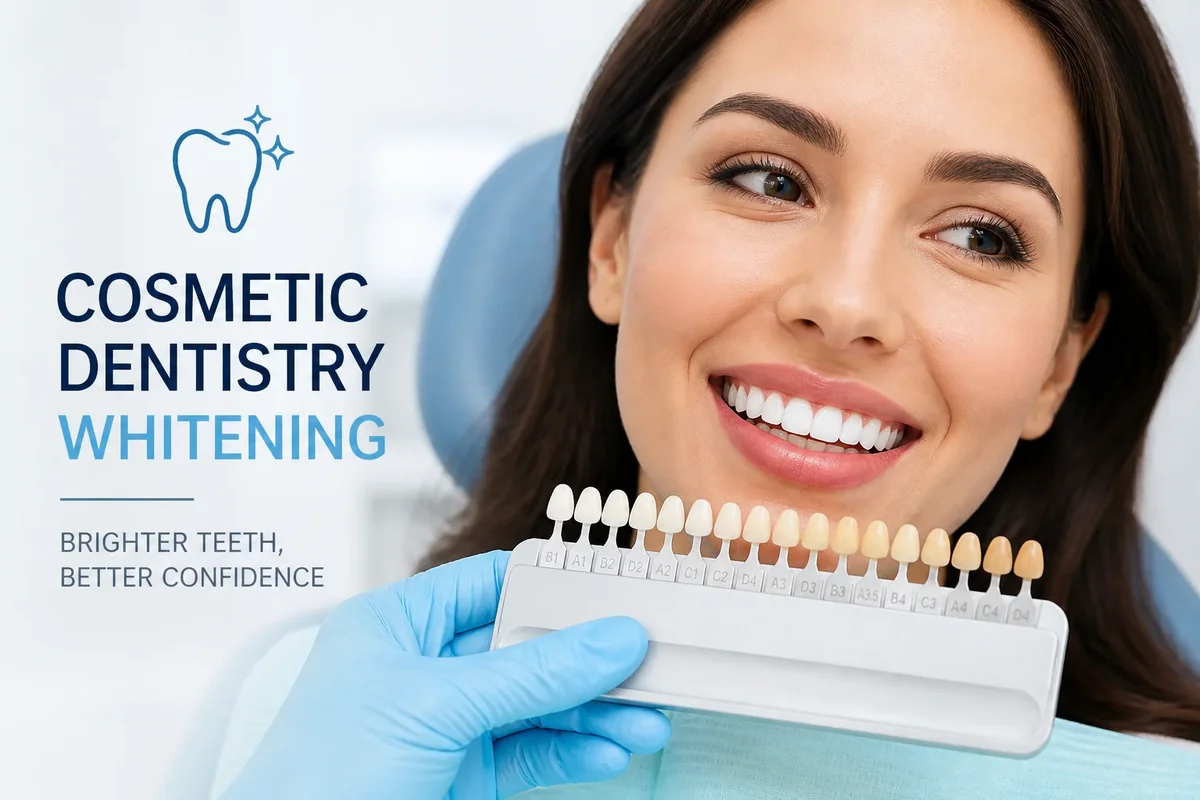
Choosing the Right Dentist for Cosmetic Dentistry Whitening Treatment
Cosmetic dentistry whitening is a highly effective way to achieve a brighter smile, but the success of the treatment depends greatly on the professional performing it. Selecting the right dentist for cosmetic dentistry whitening is one of the most critical decisions a patient can make. A qualified and experienced dentist ensures not only better aesthetic results but also the safety and long-term health of your teeth. Because cosmetic dentistry whitening involves the use of active bleaching agents and precise application techniques, professional expertise plays a vital role in achieving optimal outcomes.
Qualifications and Experience in Cosmetic Dentistry Whitening
When considering cosmetic dentistry whitening, it is essential to evaluate the dentist’s qualifications and experience. Dentists who specialize in cosmetic procedures often have additional training in aesthetic treatments, including cosmetic dentistry whitening. Their expertise allows them to assess different types of discoloration and recommend the most suitable approach. Choosing a dentist with a strong background in cosmetic dentistry whitening ensures that the procedure is performed with accuracy and care.
Certifications and Professional Training
Certifications and ongoing education are important indicators of a dentist’s commitment to excellence in cosmetic dentistry whitening. Professionals who regularly attend training programs stay updated with the latest advancements in whitening techniques and technologies. This knowledge enables them to deliver more effective and safer cosmetic dentistry whitening treatments. Patients should feel confident asking about certifications before proceeding with cosmetic dentistry whitening.
Before-and-After Case Examples
Reviewing before-and-after photos is an excellent way to evaluate a dentist’s skill in cosmetic dentistry whitening. These examples provide insight into the quality of results that can be expected. Dentists who have extensive experience in cosmetic dentistry whitening often maintain a portfolio of successful cases. This transparency helps patients make informed decisions and sets realistic expectations for their own cosmetic dentistry whitening journey.
Technology and Techniques Used
The tools and techniques used in cosmetic dentistry whitening can significantly impact the final results. Modern clinics utilize advanced equipment that enhances the effectiveness of cosmetic dentistry whitening while minimizing discomfort. From laser-assisted systems to custom-fitted trays, the technology used plays a key role in delivering consistent and high-quality outcomes.
Use of Advanced Whitening Systems
Advanced systems in cosmetic dentistry whitening allow for deeper penetration of whitening agents and more uniform results. These technologies are designed to reduce treatment time while improving efficiency. Patients who choose clinics مجهزة with modern tools are more likely to experience superior cosmetic dentistry whitening results. This highlights the importance of selecting a dentist who invests in up-to-date equipment.
Customized Treatment Approaches
Every patient’s dental structure and discoloration pattern are unique, which is why customized treatment plans are essential in cosmetic dentistry whitening. A skilled dentist will tailor the procedure to match the patient’s specific needs, ensuring balanced and natural-looking results. Personalized approaches enhance the effectiveness of cosmetic dentistry whitening and reduce the risk of uneven coloration or sensitivity.
Patient Reviews and Reputation
Reputation is a strong indicator of quality when choosing a dentist for cosmetic dentistry whitening. Online reviews, testimonials, and word-of-mouth recommendations provide valuable insights into patient experiences. Dentists with consistently positive feedback are more likely to deliver satisfactory cosmetic dentistry whitening results. Taking the time to research reviews helps patients avoid potential issues and select a reliable professional.
Consistency in Patient Satisfaction
A dentist who consistently receives positive feedback demonstrates reliability in performing cosmetic dentistry whitening. High satisfaction rates indicate that patients are pleased with both the results and the overall experience. This consistency is a key factor when evaluating options for cosmetic dentistry whitening, as it reflects the dentist’s ability to meet patient expectations.
Transparency and Communication
Clear communication is essential for a successful cosmetic dentistry whitening experience. A good dentist will explain the procedure, discuss potential outcomes, and address any concerns before starting treatment. Transparency builds trust and ensures that patients feel comfortable throughout the cosmetic dentistry whitening process. Open communication also helps set realistic expectations and prevents misunderstandings.
Consultation Process and Treatment Planning
The consultation phase is a crucial step in cosmetic dentistry whitening. During this stage, the dentist evaluates the patient’s oral health, identifies the type of discoloration, and determines the most appropriate treatment method. A thorough consultation ensures that cosmetic dentistry whitening is both safe and effective. It also provides an opportunity for patients to ask questions and understand the procedure بالكامل.
Comprehensive Oral Examination
Before beginning cosmetic dentistry whitening, a comprehensive oral examination is necessary. This includes checking for cavities, gum disease, and enamel الصحة. Addressing these issues beforehand ensures that cosmetic dentistry whitening does not cause complications. A detailed examination reflects the dentist’s commitment to patient safety and quality care.
Setting Realistic Expectations
Not all patients will achieve the same level of whitening, and a professional dentist will clearly communicate this. Setting realistic expectations is a key part of the cosmetic dentistry whitening process. By understanding the limitations and সম্ভাব্য outcomes, patients can approach cosmetic dentistry whitening with confidence and satisfaction.
Post-Treatment Support and Follow-Up
Ongoing support after cosmetic dentistry whitening is just as important as the procedure itself. Dentists who provide follow-up care ensure that patients maintain their results and address any возникающие concerns. Post-treatment guidance helps extend the longevity of cosmetic dentistry whitening and enhances overall satisfaction.
Guidance on Maintenance
A reliable dentist will provide detailed instructions on how to care for teeth after cosmetic dentistry whitening. This includes advice on diet, oral hygiene, and potential touch-up treatments. Proper guidance ensures that the results of cosmetic dentistry whitening last as long as possible.
Availability for Future Treatments
Patients may require touch-ups or additional treatments over time. Choosing a dentist who offers ongoing support makes it easier to maintain the results of cosmetic dentistry whitening. Long-term professional care ensures that patients continue to enjoy a bright and healthy smile.
In conclusion, choosing the right dentist is a fundamental step in achieving successful cosmetic dentistry whitening results. From qualifications and technology to communication and aftercare, every aspect plays a role in the overall experience. By carefully evaluating these factors, patients can ensure that their cosmetic dentistry whitening treatment is safe, effective, and tailored to their needs.