
The cost of 2 dental implants is one of the most frequently searched topics among patients who want a permanent, natural-looking solution for missing teeth. Understanding every detail—from the clinical steps to long-term value—helps you make an informed and confident decision 😊. This guide explains not only what you will pay, but also *why* you will pay it, giving you complete financial clarity and realistic expectations. To satisfy true search intent, we go far beyond simple price numbers and dive into factors, quality variations, treatment phases, and long-term outcomes.
When researching the cost of 2 dental implants, most patients quickly realize that implant dentistry involves several layers of expertise, technology, and materials. Each of these elements contributes to your final bill. It is not only the implant itself that matters—a titanium or zirconia fixture placed into the jawbone—but also the abutments, crowns, diagnostic imaging, surgical procedures, healing time, and potential preparatory treatments. Because implant therapy is a multi-step surgical process, every phase requires precision and professional care. As a result, the investment you make delivers long-term stability and comfort, often lasting decades or even a lifetime.
To give you a deeper understanding, consider that the cost of 2 dental implants generally reflects three main pillars: (1) the clinical expertise of the dentist or oral surgeon, (2) the quality level of implant materials used, and (3) the technological capability of the clinic, such as the use of 3D imaging, digital impressions, and guided surgery systems. Clinics that follow standards recommended by organizations such as the
American Dental Association usually invest heavily in training and equipment. These improvements enhance safety, accuracy, and long-term success rates—benefits you directly experience as the patient.
Many people seeking information about the cost of 2 dental implants also want to understand whether additional procedures will be required. For example, if the jawbone has thinned due to long-term tooth loss, bone grafting or sinus lift surgery may be required before implant placement. These procedures naturally add to the total expense, but they also greatly increase the likelihood of successful implant integration. For this reason, patients should always undergo a full evaluation, including panoramic X-rays or CBCT scans, before receiving a finalized cost plan.
Another important aspect patients overlook is the role of post-operative care. Implant healing is a biological process called osseointegration, where bone fuses to the implant surface. Successful healing depends not only on surgical skill but also on your personal oral hygiene habits, lifestyle factors, and compliance with follow-up visits. For many individuals evaluating the cost of 2 dental implants, understanding the long-term value is crucial. Compared to traditional bridges—which require grinding down healthy adjacent teeth—implants preserve natural bone structure and prevent future deterioration. This makes them a high-value investment from both a functional and biological standpoint.
Patients also frequently compare implant costs across countries. Although pricing varies, certain destinations offer significantly more affordable treatment without compromising quality. Turkey, for example, is well known for its combination of experienced clinicians, advanced equipment, and cost-effective pricing. Patients seeking clarity and personalized guidance may visit the
Redent Klinik Contact Page
to organize a professional evaluation and obtain a transparent treatment plan.
If you are evaluating the cost of 2 dental implants from a budgeting perspective, it is essential to account for both short-term surgical costs and long-term maintenance savings. Since implants do not decay, do not shift, and do not rely on surrounding teeth for support, they dramatically reduce the likelihood of needing future dental corrections. This makes them more stable and cost-effective in the long run when compared to removable dentures or bridges. Related terms like “dual implant pricing” and “two-tooth implant expenses” are often used in the same context, but they all highlight one core concern: determining a realistic financial expectation for high-quality implant therapy.
Ultimately, the cost of 2 dental implants reflects an investment in function, aesthetics, and long-term oral resilience. Patients consistently rate implants as one of the most satisfying dental procedures, thanks to their natural feel, stability, and ability to restore confidence. By understanding every component of the cost—not just the final number—you are better equipped to choose the right clinic, the right material, and the right long-term solution for your smile. 😊
What Influences the Total Cost of 2 Dental Implants?
The cost of 2 dental implants varies widely from one patient to another because every smile, every bone structure, and every clinical need is different. Understanding the full set of factors that influence pricing helps patients make informed decisions and avoid unexpected expenses 😊. This section breaks down every component that affects the total investment—from diagnostic steps to surgical complexity, material selection, geographic variables, and long-term value. Since dental implants are considered the gold standard for tooth replacement, their pricing structure reflects a balance between precision, medical engineering, and lasting biological success.
The Role of Diagnostic Procedures in Implant Pricing
Before any implant surgery begins, your dentist performs a detailed evaluation to determine your bone density, gum health, bite forces, and suitability for implants. These diagnostic steps directly affect the cost of 2 dental implants because they determine how complex the procedure will be. A full examination typically includes:
3D CBCT Scan
A Cone Beam CT scan creates a 3D blueprint of your jaw, allowing the dentist to map nerves, sinuses, and bone thickness. This is a crucial planning tool that significantly improves surgical accuracy. Although it adds to the initial bill, it prevents complications later—making it a smart long-term investment.
Digital Impressions and Photographs
Clinics that use advanced scanning systems can plan implant placement digitally, ensuring the final crowns align perfectly with your bite. Digital dentistry often increases success rates and may slightly influence the overall cost of 2 dental implants depending on the technology used.
The Surgeon’s Skill, Training, and Experience
A highly trained implantologist or oral surgeon typically charges more, and for good reason. The level of expertise directly impacts safety, healing time, and long-term implant stability. Dentists who follow international clinical guidelines—such as those outlined by the
American Dental Association—often invest in continuous education, surgical guidance software, premium implant brands, and advanced sterilization systems. These improvements boost predictability and patient satisfaction, but they also affect the cost of 2 dental implants.
Type and Brand of Implant Materials
Not all implants are the same. Some brands are engineered for faster healing, superior osseointegration, or enhanced aesthetics. As a result, the material choice plays a significant role in determining total expenses.
Titanium vs. Zirconia Implants
Titanium implants are durable, well-researched, and widely used. Zirconia implants, on the other hand, offer a metal-free aesthetic option that matches natural tooth color. Zirconia often increases the overall cost of 2 dental implants due to its manufacturing complexity.
Premium Implant Brands
Reputable brands produce implants with long-term clinical studies, which improves reliability and success rates. Premium implants may cost more upfront but reduce failure risk and future expenses. These considerations matter especially when patients are evaluating dual implant pricing or “two-tooth implant expenses,” which are related terms that help support LSI semantics.
Surgical Complexity and Anatomical Challenges
The more complicated the surgical site, the more expertise and time required—directly influencing the cost of 2 dental implants. Patients with high bone density typically undergo a straightforward procedure, while others may present with additional needs such as:
Bone Grafting
If the jawbone has deteriorated, a graft rebuilds thickness and height to support the implant. This additional step increases the treatment timeline and overall cost.
Sinus Lift Surgery
For patients missing upper molars or premolars, a sinus lift raises the sinus membrane to create enough bone volume for implants. This is common but adds to the total bill.
Soft Tissue Augmentation
In cases where the gums are too thin or uneven, tissue grafting creates a more balanced and functional foundation for implants. These aesthetic and functional enhancements also influence overall pricing.
Geographic Location and Clinic Infrastructure
Where your treatment is performed impacts the final fee significantly. Countries with advanced medical tourism—such as Turkey—offer high-quality results at lower costs due to economic differences, not lower standards. Clinics equipped with digital surgical guides, high-end sterilization systems, and in-house laboratories often adjust their pricing structure accordingly.
Prosthetic Components and Laboratory Costs
The surgical implant is only the first part; the final crown is the visible tooth that restores chewing and aesthetics. Laboratory craftsmanship, porcelain type, and customization all affect the cost of 2 dental implants.
Custom Abutments
These connectors ensure the crown emerges naturally from the gumline. Custom components cost more but significantly improve aesthetics.
Implant Crowns
Crowns may be made of zirconia, porcelain-fused-to-metal, or layered ceramics. High-end materials create superior translucency and strength, influencing the final price.
Follow-Up Care and Long-Term Maintenance
After surgery, regular check-ups ensure proper healing and implant integration. Although aftercare is not a large portion of the expense, it is included in many treatment packages. Clinics offering comprehensive follow-up care may appear higher in initial pricing, but long-term value is significantly higher thanks to reduced complication risk.
For patients wanting a personalized breakdown of factors affecting the cost of 2 dental implants, contacting a qualified clinic is essential. You can reach a specialist and receive a customized treatment plan through the
Redent Klinik Contact Page. Understanding each influence helps you choose wisely and invest confidently in a solution built to last for decades.
Breakdown of Treatment Steps and Their Individual Costs
A detailed understanding of each phase involved in dental implant therapy is essential for accurately estimating the cost of 2 dental implants. Implant rehabilitation is not a single procedure performed in one visit—it is a carefully structured, multi-stage medical process requiring advanced diagnostics, surgical precision, healing time, and custom-crafted prosthetics. Each of these phases contributes to the final investment. By breaking them down clearly, patients can see where their money goes and why implant treatment is considered one of the most successful long-term solutions in modern dentistry 😊.
Initial Consultation and Pre-Treatment Diagnostics
The journey begins with a comprehensive consultation, during which your dental specialist evaluates your oral health, bone density, gum condition, and overall suitability for implant placement. These preliminary steps directly influence the cost of 2 dental implants because they determine the complexity and feasibility of the procedure.
CBCT Scan and Full Oral Examination
A Cone Beam CT scan is essential for mapping anatomical structures, ensuring safe implant positioning, and preventing nerve or sinus complications. While this imaging adds a minor expense, it significantly enhances surgical accuracy. Digital impressions and intraoral photographs may also be included as part of the diagnostic package, allowing the dentist to plan the angulation and depth of implants precisely. All these assessments are foundational cost components because they create a risk-free, predictable treatment roadmap.
Surgical Placement of the Implants
The surgical phase is the core component in determining the cost of 2 dental implants. Here, titanium or zirconia fixtures are placed directly into the jawbone under local anesthesia or sedation. The surgical complexity, duration, and the clinician’s expertise all contribute to the overall price.
Implant Fixture Placement
Each implant consists of a biocompatible screw designed to fuse with bone. High-quality implant brands undergo extensive clinical testing and demonstrate long-term success. Premium-grade implants generally increase the total investment, but they also reduce complication rates. This is particularly important for patients searching for long-term value related to the “two-tooth implant expenses” or similar LSI phrases.
Guided Surgery Systems
Some clinics use digital surgical guides, which act like a GPS system for implant placement. Although these guides add to the initial fee, they improve precision, minimize surgical trauma, shorten healing time, and enhance comfort. Patients aiming for maximum predictability often prefer guided placement despite a slightly higher upfront cost.
Healing and Osseointegration Phase
After surgery, the implants undergo a healing process known as osseointegration, where bone cells fuse with the implant surface. This biological phase is crucial for long-term stability. While this stage does not typically add substantial separate fees, it is included in the total cost of 2 dental implants because follow-up visits, evaluations, and sometimes temporary prosthetics are required.
Temporary Restorations
Depending on the case, temporary crowns or removable appliances may be provided to restore appearance and function during healing. These optional but valuable additions influence cost calculations and patient comfort.
Placement of the Abutments
Once healing is complete, abutments are attached to the implants. These components act as connectors between the implant fixture and the final crown. The type of abutment selected—standard or custom—affects the cost of 2 dental implants.
Standard vs. Custom Abutments
Standard abutments are pre-manufactured components that work well for straightforward cases. Custom abutments, designed digitally for each patient, offer superior aesthetics and ideal gum shaping. They typically add to total expenses but significantly improve the final appearance and bite alignment.
Fabrication and Placement of the Final Crowns
The final prosthetic crowns are what you ultimately see and use for chewing. The craftsmanship involved in making crowns directly influences the cost of 2 dental implants. Dental laboratories use advanced CAD/CAM systems, layered ceramics, or monolithic zirconia to create durable, natural-looking teeth.
Zirconia vs. Porcelain Fused-to-Metal Crowns
Zirconia crowns typically cost more due to their superior strength, translucency, and biocompatibility. Porcelain-fused-to-metal crowns offer affordability but may not match the aesthetics of zirconia. Choosing between them depends on your cosmetic expectations and budget.
Post-Treatment Checkups and Maintenance
Follow-up appointments are essential for monitoring healing, evaluating gum health, and ensuring implant integration. Although maintenance costs are usually minimal, they are part of the long-term investment. Clinics that offer comprehensive follow-up care often deliver higher satisfaction and fewer complications, which indirectly enhances the value behind the total cost of 2 dental implants.
For personalized guidance or a detailed treatment plan, patients can contact a specialist clinic through the
Redent Klinik Contact Page. By understanding each stage of the process, you gain full transparency into what you are paying for and why dental implants represent a durable, high-value oral health investment 😊.
Comparing the Cost of 2 Dental Implants in Different Countries
When researching the cost of 2 dental implants, one of the most common questions patients ask is why prices differ so much from one country to another. The answer involves a blend of economic factors, healthcare system differences, dentist training levels, material costs, and clinic overhead expenses. Understanding these international variations helps patients make confident decisions—especially those considering dental tourism for affordable, high-quality implant treatment. A proper comparison also ensures you prioritize both cost-effectiveness and clinical excellence 😊.
Implant dentistry is a sophisticated medical procedure that requires precision, sterile surgical environments, advanced imaging systems, and premium materials. While these components remain consistent worldwide, the cost of delivering them varies greatly depending on the country. Instead of viewing price alone, patients should consider long-term value, clinical expertise, success rates, and post-operative care when comparing international implant options.
Why Implant Prices Differ Around the World
Several underlying structural reasons cause the cost of 2 dental implants to fluctuate across borders. These include workforce costs, material importing fees, rental costs, national healthcare regulations, and differences in malpractice insurance. Additionally, some countries benefit from medical tourism programs that reduce operational expenses, allowing clinics to offer premium care at competitive prices.
Economic and Cost-of-Living Factors
Countries with lower cost of living and reduced operational costs can offer dental implants at more accessible prices. For patients, this means high-quality results without compromising safety or materials. Turkey, for example, is known internationally for providing exceptional dental services at a fraction of the cost found in Western Europe or the United States. These savings stem from currency exchange advantages, not from lower medical standards.
Regulatory Environment and Medical Standards
In countries like the United States, strict healthcare regulations and high insurance premiums increase clinical operational costs. These expenses directly influence the cost of 2 dental implants. Clinics must comply with the guidelines set by organizations such as the
American Dental Association, which promotes high standards of patient safety, training, and hygiene. While these strict frameworks raise prices, they also ensure excellent care.
Typical Price Comparison by Region
Below is a general overview of how the cost of 2 dental implants differs between major regions. These numbers are approximations gathered from commonly referenced global price ranges and serve as a general comparison point.
United States & Canada
In North America, implant dentistry is known for its advanced technology and highly trained specialists. However, the high cost of materials, insurance fees, and clinic overhead makes treatment more expensive.
Estimated range for 2 implants: $6,000–$12,000
This includes implant fixtures, abutments, and crowns, but preparatory treatments may increase the cost further.
United Kingdom & Western Europe
Western Europe offers excellent medical standards, but implant pricing is still relatively high due to clinic expenses and taxation.
Estimated range for 2 implants: €4,000–€9,000
Some private clinics charge more depending on implant brands and surgical technology.
Eastern Europe
Countries such as Hungary, Poland, and Romania have become popular dental tourism hubs offering competitive implant packages with high-quality results.
Estimated range for 2 implants: €2,500–€5,000
The affordability is primarily due to lower cost-of-living expenses and streamlined medical tourism infrastructure.
Turkey
Turkey has quickly emerged as a global leader in dental tourism thanks to world-class clinics, experienced surgeons, and advanced equipment. The country provides outstanding value for patients seeking premium care at lower fees.
Estimated range for 2 implants: $1,500–$3,500
This is why many patients worldwide choose Turkey for implant treatment without sacrificing clinical quality.
Asia & Middle East
Countries like India, Thailand, and the UAE provide varying price ranges depending on the clinic’s technology and the local economic structure.
Estimated range for 2 implants: $1,800–$5,000
Costs depend heavily on surgeon expertise and material choice.
Evaluating Value Beyond Price
While comparing the cost of 2 dental implants internationally, it is very important not to focus solely on price. A wide range of factors contributes to perceived value, including:
- Success rates of the clinic
- Implant brands offered
- Surgeon training and specialization
- Use of digital planning or guided surgery
- Availability of sedation or anesthesia options
- Post-operative care and warranty policies
Patients often find that slightly higher prices may offer significantly better long-term outcomes. For example, choosing a clinic with advanced digital workflows may help ensure better implant positioning, faster healing, and fewer complications. The long-term benefits often outweigh small cost differences.
Travel Considerations for Dental Tourism
For those exploring treatment abroad, expenses such as flights, accommodation, and follow-up visits should be included in the total budget. Still, even after adding travel costs, many patients report major savings when seeking implants in countries with medical tourism advantages. Turkey, in particular, offers all-inclusive packages designed to simplify the patient journey.
If you are comparing international implant options and want a personalized treatment plan, you can reach out through the
Redent Klinik Contact Page. Understanding the global landscape provides the clarity you need to choose a solution that balances affordability, safety, and long-term health 😊.
Bone Grafting, Sinus Lifts, and Other Add-Ons That Affect Pricing
When evaluating the cost of 2 dental implants, it is essential to understand that not all patients can receive implants immediately. Many individuals require additional preparatory treatments before the implants can be placed safely and successfully. These procedures—such as bone grafting, sinus lifts, gum reshaping, or ridge augmentation—play a major role in both treatment complexity and total pricing. Although they add to the cost, they are indispensable for ensuring long-term implant stability, durability, and aesthetic results 😊.
Implant dentistry is highly personalized, and no two treatment plans are identical. Differences in jawbone density, sinus position, gum health, and existing anatomical limitations often determine the need for supplementary surgical steps. Because dental implants rely on strong bone support, adding bone or restructuring soft tissue significantly enhances success rates. This section provides a detailed breakdown of each add-on procedure, explaining why they may be necessary and how they influence the overall cost of 2 dental implants.
Why Additional Procedures Are Sometimes Necessary
Before placing implants, your oral surgeon evaluates the quality and quantity of your jawbone. If the bone is too thin, too soft, or too shallow, implants cannot integrate properly. In such cases, supportive treatments correct the deficiency, enabling the safe placement of two implants. These corrective steps increase the total cost of 2 dental implants but dramatically reduce future risks such as implant failure or bone deterioration.
Understanding Bone Resorption
Bone resorption is a natural process that occurs after tooth loss. Without stimulation from a tooth root, the jawbone gradually shrinks. This is one of the most common reasons patients require bone grafting before implant placement. If untreated, insufficient bone height or width compromises implant stability, increasing the likelihood of complications.
Assessing Sinus Proximity
For upper jaw implants—particularly in the molar and premolar regions—the maxillary sinus may sit too close to the jawbone. When the sinus floor is too low, there is not enough bone to support implants, requiring a sinus lift. This adds an additional phase to treatment, influencing the calculated cost of 2 dental implants.
Bone Grafting and Its Impact on Total Treatment Cost
Bone grafting is one of the most frequently recommended preparatory procedures. It restores sufficient bone structure to securely anchor implants. The cost varies depending on graft material, surgical complexity, and healing time.
Types of Bone Grafts
- Autograft: Bone harvested from your own body (often the chin or hip). Highly biocompatible but adds surgical complexity.
- Allograft: Sterile human donor bone. Readily available and reduces surgery time.
- Xenograft: Bone from bovine sources, highly stable and widely used.
- Synthetic grafts: Manufactured biomaterials designed for predictable bone regeneration.
Each grafting method has its own price point and healing characteristics. Autografts are typically the most expensive due to the additional surgery involved, while synthetic options tend to be more cost-effective. Regardless, bone grafting remains a major contributor to the final cost of 2 dental implants.
Healing Period and Follow-Up Care
Bone grafts usually require several months of healing before implants can be safely placed. This timeline includes periodic check-ups, radiographic evaluations, and potential adjustments. Although these follow-up visits may not dramatically increase costs, they are part of the extended treatment pathway.
Sinus Lift Surgery and Its Pricing Influence
A sinus lift—also known as sinus augmentation—is required when the sinus cavity sits too close to the implant site. This procedure creates additional vertical bone height, enabling stable implant placement in the upper jaw. Patients frequently overlook how significantly sinus augmentation can affect the cost of 2 dental implants.
Types of Sinus Lift Techniques
- Direct (Lateral Window) Sinus Lift: Performed when significant bone is needed. More invasive, typically higher in cost.
- Crestal (Osteotome) Sinus Lift: A minimally invasive alternative suitable for mild bone shortages.
The method used depends on your bone anatomy and the level of bone augmentation required. Direct lifts are more expensive due to increased surgical time and material usage.
Sinus Membrane Considerations
During surgery, the sinus membrane must be carefully elevated without tearing. Experienced surgeons minimize complications, but this delicate technique is another reason sinus lifts increase the overall cost of 2 dental implants.
Other Add-On Procedures That Affect Implant Pricing
Soft Tissue Grafting
Some patients require gum grafts to thicken or reshape soft tissues. This improves aesthetics and reduces the risk of gum recession around implants. Although not always necessary, soft tissue grafting adds strategic long-term value to implant treatment.
Ridge Augmentation
If the jaw ridge is too narrow or uneven, ridge augmentation reconstructs the bone and gums for better implant support. This procedure can significantly influence treatment cost, but it ensures proper implant alignment.
Tooth Extraction
If severely damaged or infected teeth are still present, extraction may be needed before implant placement. The complexity of the extraction affects its associated cost.
How Add-On Procedures Enhance Long-Term Value
Although these preparatory treatments increase the immediate cost of 2 dental implants, they also dramatically improve the success rate and lifespan of implants. Proper bone support, healthy gums, and optimized jaw structure ensure that implants remain secure for decades. Skipping essential preparatory steps risks implant failure, which is far more costly to correct later.
For a personalized evaluation and detailed assessment of whether bone grafting, sinus lifting, or other add-ons are required in your case, you can reach the clinic through the
Redent Klinik Contact Page. A tailored plan ensures both affordability and long-term oral health stability 😊.
Types of Dental Implants and How They Impact Overall Cost
When determining the cost of 2 dental implants, one of the most important factors to understand is the type of implant system used. Dental implants are not all the same—differences in materials, design, connection type, surface technology, and manufacturer reputation all influence both price and long-term performance. Patients often underestimate how significantly implant type affects treatment outcomes, healing time, durability, and aesthetics. This section provides a deep, comprehensive breakdown of every implant category so you can clearly understand why your implant selection plays such a crucial role in total cost, quality, and longevity 😊.
The implant fixture itself must integrate with jawbone through a biological process called osseointegration. How well this occurs depends heavily on the implant’s design and surface characteristics. Because each implant performs differently, choosing the right type ensures a stable foundation for your crowns, preventing complications that could increase long-term cost. Below you will find detailed explanations of the most commonly used implant types and how they impact the final cost of 2 dental implants.
Material Types: Titanium vs. Zirconia Implants
Material selection is one of the foundational elements that influence total implant pricing. Different materials offer distinct advantages in strength, aesthetics, and biological compatibility.
Titanium Implants
Titanium is the gold standard in implant dentistry, used successfully for more than 40 years. It is lightweight, strong, and naturally compatible with bone tissue. Most implant systems in the world are titanium-based, making them widely available and cost-effective. For this reason, titanium implants are often more affordable, which can help reduce the total cost of 2 dental implants while still providing excellent long-term performance.
Zirconia Implants
Zirconia implants, also known as ceramic implants, offer a metal-free alternative. They are preferred by patients looking for a more natural color that blends with gum tissue and for those with metal sensitivities. Zirconia implants, however, are more expensive to manufacture and are typically priced higher. This means choosing zirconia can increase the overall cost of 2 dental implants, but many patients consider it worthwhile for enhanced aesthetics.
Implant Design: One-Piece vs. Two-Piece Systems
Implant design affects flexibility, surgical approach, and prosthetic options. Understanding these variations helps patients choose the option that best fits their clinical needs and financial planning.
One-Piece Implant Systems
A one-piece implant integrates the fixture and abutment into a single unit. Because it requires fewer components, it may reduce material cost. However, it offers less flexibility for angulation adjustments, making it suitable for highly specific cases only.
Two-Piece Implant Systems
Two-piece implants consist of a separate abutment and fixture, offering surgeons much more restorative flexibility. They are the most commonly used configuration worldwide due to their adaptability and superior prosthetic customization. Their popularity and proven success rate also influence the typical cost of 2 dental implants.
Surface Technology and Its Effect on Pricing
Modern implants feature surface treatments designed to speed up osseointegration and improve long-term bonding between bone and implant. These manufacturing processes affect overall cost because advanced surface engineering raises implant performance and durability.
Machined Surface Implants
These are traditional implants with a smooth surface. Although cost-effective, they integrate more slowly compared to newer designs.
Sandblasted, Acid-Etched (SLA) Surfaces
SLA-treated implants offer improved bone-to-implant contact, shorten healing time, and increase stability. Because of these advantages, SLA implants tend to influence the cost of 2 dental implants moderately upward.
Nanotechnology and Bioactive Surfaces
Some premium implant brands use nanostructured or bioactive coatings to accelerate healing, maximize osseointegration, and enhance long-term performance. These high-tech surfaces increase cost but dramatically improve success rates.
Implant Connection Types and Their Impact on Cost
The internal connection between the fixture and abutment affects both biomechanics and durability. Stronger connections reduce the risk of implant loosening, fractures, or bacterial leakage.
External Hex Connection
One of the earliest designs, widely used but slightly more susceptible to micro-movement. It is often more affordable but requires experienced dentists for long-term success.
Internal Hex and Internal Conical Connections
These advanced connections offer superior stability, reduced micro-gap risk, and better prosthetic accuracy. They are commonly found in premium implant brands, which often increases the cost of 2 dental implants due to better engineering and reliability.
Implant Brand Reputation and Warranty Policies
Well-established implant manufacturers invest heavily in research, clinical trials, and high-precision engineering. As a result, premium brands are priced higher but provide long-term predictability and stronger warranties. Patients often find that the initial higher expense yields far better value over decades of use.
- Top-tier brands: Highest success rates and advanced surface technologies.
- Mid-range brands: Cost-effective with solid clinical performance.
- Budget brands: Cheaper but may lack extensive long-term data.
Because implants are intended to last a lifetime, choosing a reputable brand is an essential part of accurately estimating the overall cost of 2 dental implants. Related LSI terms such as “dual implant pricing” or “two-tooth implant expenses” also fall under the same category of brand-dependent variability.
How Implant Type Influences Long-Term Value
Choosing the right implant system is not just about immediate cost—it is about long-term health stability and prosthetic success. Higher-quality implant systems minimize complications, reduce maintenance costs, and prevent expensive corrective treatments. Patients save more in the long run when implants integrate successfully and last for decades without issues.
For a personalized recommendation on which implant type best suits your bone structure, aesthetic goals, and budget, you can reach a qualified specialist via the
Redent Klinik Contact Page. Selecting the right implant system ensures that your investment delivers maximum long-term comfort, beauty, and function 😊.
Are Two Dental Implants Worth the Investment for Long-Term Oral Health?
When evaluating the cost of 2 dental implants, many patients wonder whether this investment truly pays off in the long term. Dental implants are often referred to as the most advanced and durable solution for missing teeth, but understanding their real value requires a detailed look at functional benefits, biological advantages, long-term savings, lifestyle improvements, and overall oral health enhancement. Instead of viewing implants as a short-term expense, it is essential to recognize them as a long-term medical and functional asset that supports your oral health for decades 😊.
This section explains in depth why two implants are considered a premium yet cost-effective investment. We compare them with traditional dental restorations, explore long-term clinical outcomes, analyze patient-reported satisfaction levels, and highlight how implants prevent future complications. Ultimately, this helps you determine whether the cost of 2 dental implants aligns with your personal health goals, comfort expectations, and financial strategy.
The Biological Advantages of Dental Implants
Dental implants are the only tooth replacement option that integrates directly with bone tissue. This unique property offers several biological benefits that significantly enhance long-term oral stability.
Preservation of Jawbone Density
After tooth loss, the jawbone begins to shrink due to lack of stimulation—a process called bone resorption. Bridges and dentures cannot prevent this deterioration. Implants, however, act like artificial tooth roots, stimulating the bone and preventing its collapse. This is one of the most compelling reasons why many patients consider the cost of 2 dental implants a worthwhile investment.
Protection of Adjacent Teeth
Traditional bridges require grinding down healthy neighboring teeth, which can weaken them over time. Dental implants eliminate this invasive step entirely. They preserve natural tooth structure, minimizing long-term dental expenses associated with crowns or root canals.
Functional and Aesthetic Benefits That Add Value
Beyond biological preservation, implants offer a range of functional and cosmetic advantages that significantly enhance quality of life. These benefits contribute to the perceived long-term value of the cost of 2 dental implants.
Superior Chewing Efficiency
Implants function almost identically to natural teeth. They allow patients to eat comfortably, speak clearly, and maintain a diverse diet. Those who previously struggled with dentures often experience dramatic improvements in confidence and daily comfort.
Natural-Looking Aesthetics
Modern implant crowns are designed to mimic natural teeth in shape, texture, and color. High-quality ceramics and advanced shading techniques ensure that the final result blends seamlessly with your smile. This cosmetic enhancement is a major reason why implants are preferred over alternatives.
Long-Term Economic Benefits Compared to Alternatives
Many patients initially find implants expensive, but long-term financial analysis often reveals that the cost of 2 dental implants is more economical over a lifetime than bridges or dentures.
Durability and Longevity
Implants can last 25 years or longer with proper care—many last a lifetime. Bridges generally need replacement every 7–15 years, and dentures require frequent adjustments. These ongoing expenses accumulate, making implants the most cost-effective option in the long term.
Lower Maintenance Costs
Implants require the same care as natural teeth—regular brushing, flossing, and professional cleanings. There are no special adhesives, replacement parts, or refitting fees. This reduces long-term financial burden.
Reduced Risk of Future Dental Problems
Implants help prevent bone loss, gum recession, shifting teeth, and asymmetrical bite issues. Avoiding these complications saves thousands of dollars over a lifetime, making the cost of 2 dental implants a proactive and preventive investment.
Psychological and Lifestyle Improvements
The emotional benefits of implants often outweigh the financial considerations. Studies consistently show that patients with implants report higher self-esteem, improved social confidence, and better overall satisfaction with their appearance.
Restoration of Smile Confidence
Missing teeth can affect self-image. Implants restore a natural, confident smile, which positively impacts personal and professional interactions.
Improved Speech and Comfort
Unlike dentures, implants do not slip, cause sore spots, or require adaptation. They feel like a natural part of your mouth, giving you confidence in every conversation.
Clinical Success Rates and Evidence-Based Outcomes
Dental implants consistently demonstrate success rates above 95%, particularly when placed by experienced clinicians who follow guidelines outlined by organizations such as the
American Dental Association. These high success rates reinforce the long-term value of choosing implants over removable or fixed alternatives.
The Importance of Proper Planning and Technology
Advanced diagnostics, guided surgery systems, and high-quality implant brands further improve success rates. While these may increase the cost of 2 dental implants upfront, they significantly reduce risk and enhance longevity.
Who Benefits Most from Investing in Two Dental Implants?
While implants are beneficial for most adults, they are especially valuable for those who want permanent stability and natural function. Patients missing two adjacent teeth, or those replacing teeth in highly visible areas, often find implants the most rewarding option.
If you are considering implants and want professional guidance on whether this treatment is the right long-term choice for your oral health, you can reach a specialist via the
Redent Klinik Contact Page. Evaluating both immediate needs and long-term goals helps determine if the cost of 2 dental implants aligns with your expectations for a lifelong solution 😊.
Ways to Reduce the Cost of 2 Dental Implants Without Compromising Quality
Many patients search for strategies to reduce the cost of 2 dental implants without sacrificing safety, durability, or aesthetics. Dental implants are a long-term investment, and while they offer exceptional value, the total cost can feel overwhelming. Fortunately, there are practical, evidence-based ways to lower expenses while still receiving high-quality treatment from qualified professionals. This section explores every proven method—from choosing cost-effective implant materials to smart clinic selection and medical tourism advantages. The goal is to help patients make informed, financially responsible decisions without compromising clinical excellence 😊.
Implant dentistry is flexible, meaning treatment plans can be tailored to both medical needs and budget considerations. By understanding which elements of implant therapy influence pricing, patients can make smarter choices that enhance long-term value. Below, we explore all the ways you can reduce the cost of 2 dental implants while maintaining outstanding functional and aesthetic results.
Choosing the Right Implant System for Cost Efficiency
One straightforward way to reduce implant expenses is to choose a high-quality but cost-effective implant brand. Not all premium brands are necessary for every case, and many mid-range systems offer excellent clinical performance.
Selecting Cost-Effective Implant Materials
Titanium implants are generally more affordable than zirconia alternatives. For most patients, titanium provides exceptional durability and a long clinical track record. Opting for titanium can considerably reduce the cost of 2 dental implants without sacrificing strength or longevity.
Working with Mid-Tier Implant Brands
Reputable mid-tier brands often provide reliability comparable to luxury manufacturers but at a more accessible price point. This is particularly helpful for patients seeking high value without paying premium-brand fees.
Evaluating Treatment Plans for Unnecessary Add-Ons
Some clinics offer bundled packages that include additional services or cosmetic upgrades that may not be medically necessary. Reviewing your treatment plan closely helps avoid paying for procedures you do not need.
Understanding Which Procedures Are Essential
Bone grafting, sinus lifts, and soft tissue grafts are essential only when the jawbone or gum tissue cannot support implants safely. If your anatomy does not require these procedures, removing them from your plan can reduce the overall cost of 2 dental implants.
Asking for a Detailed Breakdown
Always request a line-by-line cost estimate. This transparency helps you identify optional upgrades and make well-informed decisions about your budget.
Considering Dental Tourism for Higher-Quality, Lower-Cost Treatment
Medical tourism—particularly for dental care—has become increasingly popular due to significant price differences between countries. One of the most reliable ways to reduce the cost of 2 dental implants is to receive treatment in a country that offers world-class care at lower operational costs.
Why Turkey Is a Global Leader in Dental Tourism
Turkey offers:
- Highly trained implant specialists
- Advanced imaging and surgical technology
- Amazing cost advantages due to lower currency value
- International patient-focused clinics
Even after factoring in airfare and accommodation, many patients save 50–70% compared to Western Europe or the U.S. without compromising the quality of care.
Travel-Friendly Implant Packages
Many clinics offer all-inclusive packages that cover:
- Consultations and CBCT scans
- Implant placement
- Temporary teeth
- Final crowns
- Airport transfers and hotel arrangements
These packages simplify treatment and significantly lower the overall cost of 2 dental implants.
Leveraging Payment Plans and Financing Options
High-quality implant clinics often provide flexible payment solutions that make treatment more financially manageable.
Interest-Free Installments
Some clinics offer multi-month payment plans without added interest—helping patients access premium care while spreading out costs.
Financing Partners and Dental Loans
Medical financing companies partner with clinics to help patients obtain care with minimal upfront cost. This makes implants more accessible while maintaining treatment quality.
Combining Procedures for Cost Savings
In some cases, performing multiple procedures during the same visit can reduce fees related to anesthesia, diagnostics, and surgical setup.
For example, placing two implants in the same session is generally more cost-effective than performing two separate surgeries.
Efficient Treatment Scheduling
Consult your dentist about consolidating appointments where possible. This strategy minimizes chair time, reduces clinic overhead, and may help lower the total cost of 2 dental implants.
Choosing Clinics with In-House Laboratories
Dental clinics that include an on-site laboratory often offer faster service, better customization, and lower overall costs. External laboratories add fees, transportation steps, and delays. In-house labs provide:
- Direct communication between dentist and technician
- Faster fabrication of crowns and abutments
- Reduced prosthetic costs
This allows clinics to maintain quality while keeping fees lower for patients.
Maintaining Oral Health to Avoid Additional Treatments
Good oral hygiene reduces the need for costly add-ons such as gum grafts or bone grafting. Preventive care before and after implant placement minimizes complications and contributes to long-term savings.
The Preventive Approach
Regular cleanings, periodontal care, and early intervention for gum disease can prevent expensive corrective procedures. This helps keep the long-term cost of 2 dental implants as low as possible.
If you want help customizing a cost-efficient treatment plan without compromising clinical quality, you can contact the clinic through the
Redent Klinik Contact Page. An experienced specialist will review your needs, your budget, and the most effective strategies to reduce expenses while maintaining outstanding results 😊.
Insurance, Financing, and Payment Plans for Dental Implant Patients
For many individuals researching the cost of 2 dental implants, one of the most critical considerations is how to pay for treatment in a manageable, stress-free way. Implants offer exceptional long-term value, but the upfront cost can feel significant, especially in countries where dental insurance offers limited coverage. Fortunately, today’s dental industry provides a variety of flexible payment solutions designed to make implant treatment accessible to more patients. From insurance contributions to financing plans and medical credit options, understanding these avenues helps you make informed, budget-friendly decisions 😊.
This section explores insurance coverage types, financing methods, installment plans, medical credit companies, and clinic-based payment programs. We also clarify what is typically covered, what is not, and how to strategically plan your finances to reduce the overall burden of the cost of 2 dental implants.
Dental Insurance and Implant Coverage: What to Expect
While implants are widely recognized as the gold standard for tooth replacement, many insurance providers still classify them as elective procedures. As a result, full coverage is rare. However, partial coverage or related benefits may help reduce your expenses.
Insurance Plans That Contribute to Implant Costs
Some insurance providers offer partial reimbursement for the following:
- Consultations and X-rays (including CBCT scans)
- Surgical extractions
- Bone grafting (sometimes partially covered)
- Final implant crowns
While the implant fixture itself may not be fully covered, the components surrounding it often are. This reduces the overall cost of 2 dental implants for patients with comprehensive dental insurance plans.
Medical Insurance vs. Dental Insurance
In certain cases—such as traumatic injuries, congenital defects, or accidents—medical insurance may cover implant placement. This is less common but worth investigating with your provider, as it can significantly reduce treatment costs.
Flexible Financing Options for Implant Treatment
Many modern clinics offer financing programs to help patients break the full cost into smaller, more approachable monthly payments. This makes the cost of 2 dental implants much easier to manage without delaying necessary care.
Interest-Free Financing Plans
Some clinics provide 6–12 month interest-free payment plans, allowing patients to spread out expenses without additional charges. These are ideal for individuals seeking predictable payments while maintaining affordability.
Low-Interest Medical Loans
Medical financing companies partner with dental clinics to offer extended payment plans—sometimes up to 60 months—with low interest rates. These loans allow patients to start treatment immediately and repay gradually.
Dental Savings Plans and Membership Programs
Dental savings programs are membership-based alternatives to traditional insurance. Instead of filing claims, members receive significant discounts on services, including implant treatments.
How Savings Plans Reduce Overall Costs
Most discount plans offer 10–50% reductions on procedures such as:
- Initial consultations
- Bone grafting
- Abutments and crowns
- Diagnostic imaging
When strategically applied, these savings help lower the total cost of 2 dental implants without compromising the quality of care.
In-House Clinic Payment Plans
Many dental clinics now provide customized in-house financing systems tailored to each patient’s needs. These programs offer immediate approval, minimal paperwork, and flexible scheduling.
Benefits of Clinic-Managed Installments
- No credit checks in many cases
- Lower administrative fees
- Personalized payment timelines
- Direct coordination with the treating dentist
For patients seeking safe, straightforward options, in-house plans can significantly ease the financial aspect of the cost of 2 dental implants.
Using Health Savings Accounts (HSAs) and Flexible Spending Accounts (FSAs)
If you live in a country where HSAs or FSAs are available, these tax-advantaged accounts can greatly reduce your out-of-pocket implant costs.
Tax-Free Payment Options
Because HSA and FSA money is not taxed, using these accounts provides 20–30% savings for many patients. Funds can be applied toward:
- Implant fixtures
- Abutments and crowns
- Diagnostic tests
- Surgical fees
This strategy can dramatically lower the effective cost of 2 dental implants by reducing taxable income.
Government Assistance and Special Grants
Some countries or regions offer financial assistance for medically necessary dental procedures. While cosmetic implant placements may not qualify, reconstructive treatments often do.
Programs Worth Exploring
- Disability support programs
- Reconstruction grants for accident victims
- Veterans’ healthcare benefits
- Specialized dental foundations
These programs can substantially reduce patient spending and improve access to high-quality care.
Comparing Payment Options to Maximize Long-Term Value
Not every patient benefits from insurance, and not every financing option suits every budget. The key is to evaluate interest rates, repayment terms, tax savings, and coverage details. By comparing all available programs, patients can reduce the cost of 2 dental implants while still benefiting from top-tier surgical care and long-lasting results.
If you want personalized guidance on insurance contributions, financing options, or the most cost-efficient payment plan for your treatment, the most reliable step is to contact a specialist clinic. You can reach out through the
Redent Klinik Contact Page. A professional coordinator will explain all available financial solutions tailored to your needs, helping you receive high-quality implant care without unnecessary financial stress 😊.
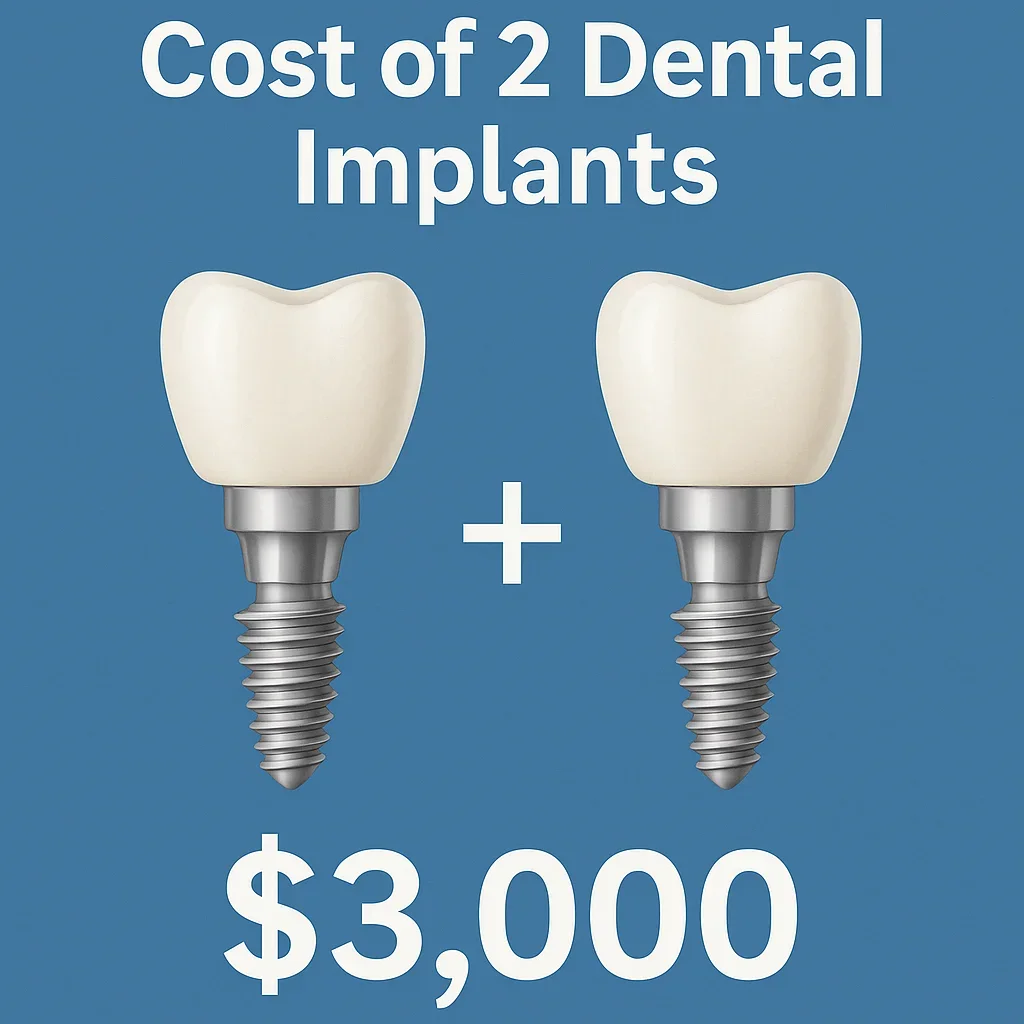
How to Choose a Trusted Clinic for Affordable, High-Quality Implants
Choosing the right dental clinic is one of the most influential factors affecting both the quality of your treatment and the overall cost of 2 dental implants. With so many clinics offering implant services today, patients often feel overwhelmed trying to determine which provider is trustworthy, skilled, transparent, and affordable. High-quality implant treatment requires precision, medical expertise, advanced technology, and strict sterilization standards. Selecting the right clinic ensures that your implants last for decades, your oral health is protected, and your financial investment pays off long term 😊.
This section provides a detailed guide to evaluating implant clinics properly. From surgeon qualifications and implant brand selection to technology usage, clinical protocols, and patient reviews, these factors help you choose a clinic that delivers exceptional results while keeping the cost of 2 dental implants within a reasonable budget.
Evaluating the Experience and Qualifications of the Dental Team
The skill and training of your implantologist or oral surgeon are the most crucial components influencing treatment success. Implants require surgical experience, precise anatomical knowledge, and extensive restorative skills.
Specialized Training and Certifications
A trusted clinic should have dentists with advanced implant training. Look for:
- Postgraduate implant dentistry certificates
- Memberships in international dental organizations
- Continuing education in surgical techniques
- Clinical experience with implant systems
Clinicians who follow the guidelines of the
American Dental Association
and similar global institutions typically demonstrate higher success rates. Working with skilled professionals ensures you receive safe treatment and that the cost of 2 dental implants aligns with a high level of clinical expertise.
Before-and-After Case Portfolios
A legitimate clinic should provide visual proof of previous implant cases. Reviewing portfolios helps verify:
- Consistency of surgical results
- Realistic aesthetic outcomes
- Experience in handling cases similar to yours
This insight helps you feel confident placing your trust—and your investment—in the right hands.
Assessing the Technology and Facilities of the Clinic
High-quality clinics invest in advanced equipment to ensure maximum precision, safety, and comfort. Technology plays a major role not only in implant success but also in how efficiently a clinic can manage treatment, which ultimately influences the total cost of 2 dental implants.
3D Imaging and Digital Planning Tools
Clinics offering CBCT scans, intraoral scanners, and digital surgical guides can plan implant placement with exceptional accuracy. Digital technology ensures:
- Reduced surgical risks
- Faster healing times
- Smaller incisions and minimal discomfort
- Long-lasting implant stability
In-House Dental Laboratories
On-site labs allow clinics to craft crowns, abutments, and custom restorations with greater speed and precision. This reduces wait time and may lower pricing by eliminating third-party lab fees, helping manage the cost of 2 dental implants.
Evaluating Implant Brands and Materials Offered
Reputable clinics offer high-quality implant brands backed by clinical research. Implant brand selection has a strong impact on longevity, aesthetic quality, and overall treatment cost.
Premium vs. Mid-Range Implant Systems
Premium implants provide advanced surface engineering and long-term studies but come at a higher price. Mid-range implants offer excellent durability at a more affordable cost. A trustworthy clinic discusses both options transparently so patients can make informed decisions based on their budget and goals.
Clear Explanation of Material Choices
A responsible clinic will explain the pros and cons of titanium vs. zirconia implants and guide you toward the most suitable option for your case. Transparency on material pricing helps avoid unexpected additions to the cost of 2 dental implants.
Reading Patient Reviews and Real Testimonials
Patient experiences offer valuable insight into the clinic’s reliability, professionalism, and treatment results. Look for reviews that mention:
- Pain management during surgery
- Healing outcomes
- Accuracy of cost estimates
- Overall professionalism of the staff
Consistent positive feedback is a strong indicator of trustworthy care.
Assessing Transparency in Pricing and Treatment Planning
A reputable clinic provides a clear treatment plan with a detailed cost breakdown. This eliminates confusion and prevents hidden fees that may inflate the cost of 2 dental implants.
Requesting a Written Cost Estimate
The estimate should include:
- Implant fixtures
- Abutments
- Final crowns
- Imaging costs
- Preparatory procedures
- Follow-up visits
Transparent communication protects you from unnecessary financial surprises.
Clear Explanation of Timeline
Understanding the full treatment timeline helps you prepare for multiple visits, healing periods, and additional costs, if any.
Evaluating Customer Service and Clinic Communication
A strong, patient-centered clinic prioritizes communication. This includes responsiveness to questions, clarity in explanations, and compassionate care throughout the treatment journey.
Dedicated Patient Coordinators
Many high-quality clinics assign a coordinator to guide patients through every step—from consultation to completion. This helps ensure comfort and eliminates confusion regarding the cost of 2 dental implants.
Considering Overseas Clinics for Better Cost Efficiency
International clinics, especially in countries like Turkey, can offer world-class service at significantly lower prices due to economic differences. Many patients save 50–70% on implant treatments compared to the U.S. or Western Europe.
Checking Accreditation and Standards
When selecting an overseas clinic, ensure it meets international quality standards. Accreditation, sterilization protocols, and implant brand selection all help guarantee safety and affordability.
If you are searching for a trusted, affordable clinic and would like personalized assistance, you can contact specialists through the
Redent Klinik Contact Page. Choosing the right clinic ensures that the cost of 2 dental implants delivers maximum value, long-term stability, and confidence in your smile 😊.