
When patients search for the cost of a crown on an implant, they’re usually looking for clear, trustworthy, and detailed information about what influences the final price and what they should expect during treatment. Because dental implants are a long-term investment in oral health, understanding every component—materials, clinical expertise, diagnostic steps, and aftercare—is essential. In this comprehensive guide, we’ll break down each factor that contributes to the overall expense 💡, helping you make informed decisions with confidence.
Before diving deeper, it’s important to know that the cost of a crown on an implant isn’t a flat number. It varies depending on the clinic, region, type of implant, the material used for the crown, and even the patient’s bone structure. Although many people assume the implant post is the primary expense, the crown itself—the visible, chewing surface of the tooth—is equally significant. Because implant crowns must be durable, aesthetic, and precisely customized, they often require advanced laboratory technology and high-quality materials. This level of craftsmanship impacts the total price, making transparency essential for patients researching their options.
Patients also frequently compare the price of implant crowns to traditional dental crowns. While they may look similar, the complexity behind an implant-supported crown is much greater. Unlike a standard crown that is placed over a natural tooth, an implant crown connects to a titanium or zirconia implant through an abutment system. This requires more precision, more durable materials, and stricter biocompatibility standards. In addition, dentists must carefully assess bone density, gum health, bite alignment, and aesthetic requirements before crafting the perfect restoration. These steps, while increasing the overall cost, also dramatically improve the longevity and natural appearance of the implant.
Another important factor influencing the cost of a crown on an implant is the material used. Zirconia crowns are extremely strong and highly aesthetic, often preferred for long-term durability. Porcelain-fused-to-metal crowns remain an option, though they may be less natural-looking at the gumline. Full ceramics offer excellent aesthetics for front teeth. The laboratory’s level of expertise also matters—high-tech digital labs that use CAD/CAM technology create precise, highly customized implant crowns. These are essential for achieving a natural look and a perfect fit, another contributor to the overall pricing structure.
Patients also benefit immensely from choosing an experienced implant dentist. Implant dentistry is a sophisticated branch of modern dental medicine, and clinicians must complete extensive training to ensure accuracy, safety, and predictable results. Higher experience levels often correlate with better long-term outcomes, fewer complications, and improved aesthetics. This clinical expertise is part of what shapes the final cost of a crown on an implant. When you invest in a well-trained professional, you’re investing in the longevity of your smile and oral health 😊.
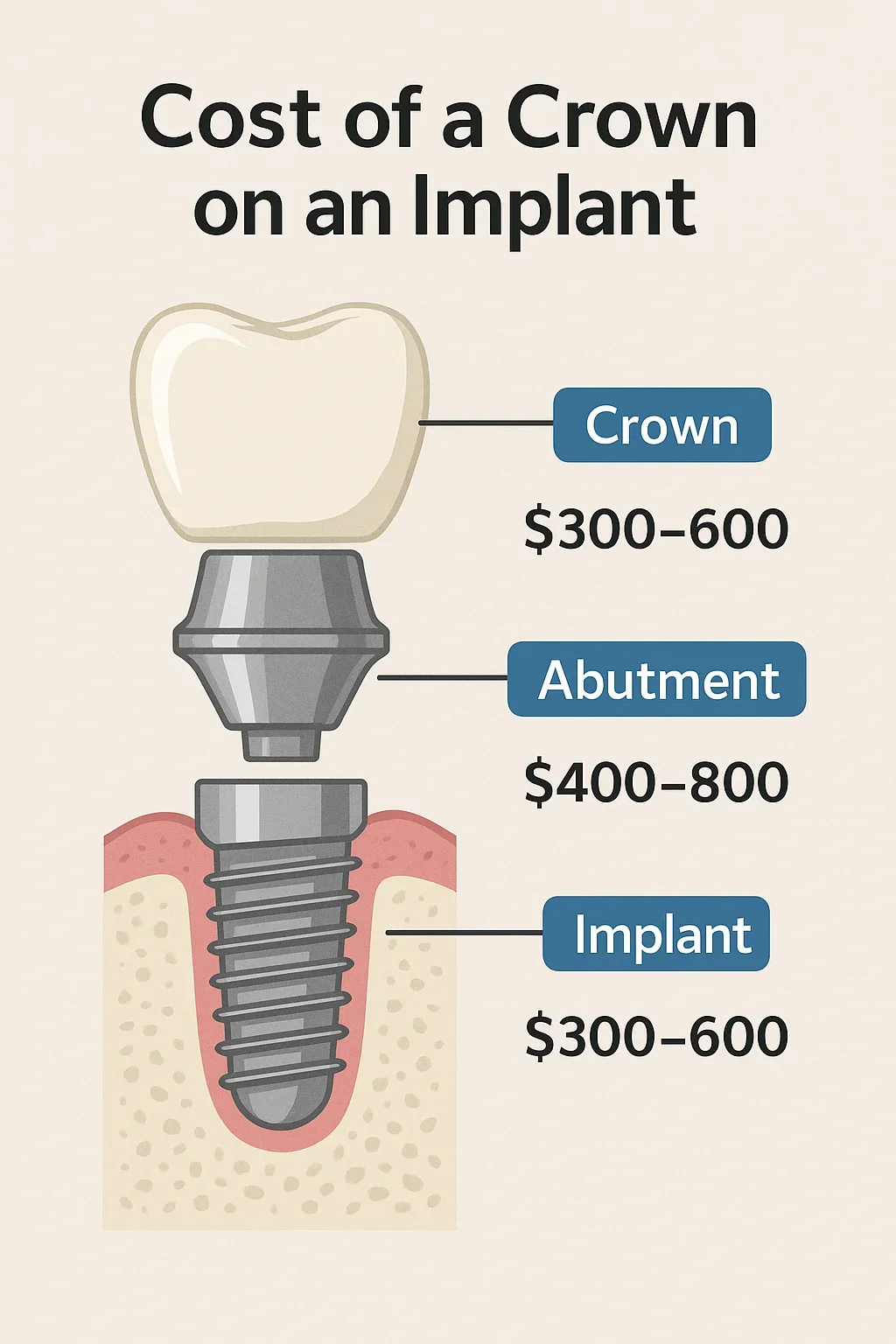
For international comparison, many countries list average fees ranging from $1,000 to $3,000 USD for the crown portion alone. A typical price block researched across reputable dental sources looks like this:
Estimated Cost Range for Implant-Supported Crown:
- Porcelain-fused-to-metal crown: $1,000 – $1,600
- Full ceramic crown: $1,200 – $1,800
- Zirconia crown: $1,400 – $3,000
However, these figures may vary depending on region, clinic reputation, and laboratory partnerships. Patients seeking more accurate quotations can always contact our team directly through the
Redent Klinik Contact Page.
It’s also important to rely on evidence-based sources when researching implant dentistry. Organizations such as the
American Dental Association
provide valuable information about standards, materials, and treatment guidelines without adding unnecessary confusion.
Ultimately, the cost of a crown on an implant reflects far more than the crown itself—it represents long-term durability, high-quality aesthetics, safety, and expert craftsmanship. When properly planned and executed, an implant-supported crown is one of the most natural-feeling and reliable restorations available in modern dentistry. With proper care, it can last decades, making it a valuable investment in both health and confidence.
Because this decision is significant, it’s essential to understand each component of the pricing structure. As you continue reading the remaining sections of this comprehensive guide, you’ll gain deeper insight into materials, procedures, aftercare, and how to choose the right dental professional for long-term success. Your journey toward clarity starts here ✨.
Factors That Influence the Cost of a Crown on an Implant
Understanding the full cost of a crown on an implant requires a deep look at the many factors that shape the final price. For most patients, the number they see on a treatment plan is the end result of multiple clinical, technical, and laboratory steps—each one essential for ensuring durability, comfort, and natural aesthetics. In this section, we examine these factors in detail, offering a clear, comprehensive guide for anyone researching implant-supported restorations 🦷💡.
Material Quality and Its Direct Impact on Pricing
One of the most significant elements affecting the cost of a crown on an implant is the material used to fabricate the crown. Modern dentistry offers several advanced options, each with unique advantages. High-strength zirconia, for example, is extremely durable and ideal for patients with strong bite forces. Its natural translucency makes it also suitable for front teeth that require optimal aesthetics. Because zirconia is produced through advanced milling technology, the manufacturing cost is higher than traditional materials.
Ceramic and porcelain crowns, although slightly more affordable, remain excellent choices for achieving lifelike aesthetics. Their production involves meticulous craftsmanship, which can influence the final price. Porcelain-fused-to-metal (PFM) crowns, once the industry standard, are now less commonly used due to the possibility of metal lines appearing near the gum line. Still, they remain an option in some clinical cases, often at a slightly lower price point. Each of these material categories contributes differently to the total implant crown expense, helping patients choose a solution that balances beauty, strength, and budget.
Why Premium Materials Cost More
Premium materials undergo rigorous testing for biocompatibility, color stability, and long-term fracture resistance. Creating a durable, natural-looking implant crown requires advanced layering techniques, precision shaping, and laboratory expertise. High-end labs employ CAD/CAM systems—computer-guided milling machines that build perfectly customized crowns with microscopic accuracy. This technology ensures a better fit, reduced chair time, and improved long-term reliability, but also contributes to the overall cost of a crown on an implant.
The Role of the Dental Laboratory
Many patients are surprised to learn that the dental laboratory plays a massive role in determining the total cost. While the implant dentist handles diagnosis, surgical placement, and clinical precision, the laboratory is responsible for engineering the final crown. Skilled ceramists color-match teeth, shape the occlusion, and design the internal structure of the crown to perfectly fit the implant abutment.
High-end labs that use cutting-edge technology charge higher fees, but they also deliver restorations that look more natural, fit more precisely, and last longer. This directly affects the cost of a crown on an implant, since superior craftsmanship reduces the need for future adjustments, repairs, or replacements. Investing in a quality lab also improves your smile’s long-term appearance and function.
Experience and Expertise of the Implant Dentist
Implant dentistry is a highly specialized field requiring significant training and clinical experience. Dentists who focus on implant restorations usually invest in ongoing education, advanced equipment, and sophisticated imaging technology such as CBCT scans. Their expertise leads to safer procedures, better aesthetics, and improved long-term success rates.
Choosing a skilled clinician can increase the cost of a crown on an implant, but this cost is an investment in predictability and peace of mind. Experienced implant dentists know how to manage complex cases, align restorations properly with the bite, and ensure long-term gum health around the implant. Their precision directly influences how natural, comfortable, and long-lasting your implant crown will be.
The Value of Advanced Diagnostic Tools
Clinicians with state-of-the-art technology—such as 3D scanners, intraoral cameras, digital bite analyzers, and guided surgery software—can produce exceptional results. These tools help identify bone levels, gum contours, and bite forces accurately, enabling the dental team to design the ideal crown. While these diagnostic steps add to the final cost of a crown on an implant, they dramatically improve treatment success rates and minimize risks.
Geographic Location and Dental Market Differences
Another important factor influencing the cost of a crown on an implant is the region where the procedure is performed. Prices vary significantly between countries, cities, and even districts within the same area. Clinics in metropolitan centers generally have higher operating costs, while dental tourism destinations—such as Turkey, Hungary, or Mexico—offer competitive prices due to lower cost structures.
This variation doesn’t necessarily mean lower quality—many international clinics adhere to global standards set by trusted institutions like the
American Dental Association. For accurate pricing, patients can directly request updated information via the
Redent Klinik Contact Page.
Custom Abutments vs. Stock Abutments
The connection point between the implant and the crown—called the abutment—also influences cost. Custom abutments are individually designed to match the patient’s gum contour and tooth position. They provide a more natural emergence profile, improved aesthetics, and superior long-term stability.
Stock abutments are pre-manufactured and less expensive. While suitable for some cases, they cannot deliver the exact precision or gum shaping capabilities of custom options. This is why custom abutments typically add to the overall cost of a crown on an implant. Patients seeking the best aesthetic outcome often prefer custom solutions, especially for visible front teeth.
In summary, the cost of a crown on an implant depends on multiple interconnected factors—materials, dentist experience, laboratory craftsmanship, technology, and geographic market dynamics. When all of these elements are aligned, patients receive the most natural-looking, durable, and healthy restoration possible. Understanding each factor helps set realistic expectations and empowers patients to make confident decisions about their oral health.
How the Implant Crown Procedure Works from Start to Finish
Understanding the full journey of receiving an implant-supported crown is essential for patients who want clarity, reassurance, and transparency. Many people researching the cost of a crown on an implant don’t realize that the restoration phase is only one part of a multi-step process involving planning, surgery, healing, customization, and final placement. Each step contributes to long-term success and durability, which is why knowing the entire process helps justify the investment and makes patients feel confident in their treatment decisions.
This detailed walkthrough explains every stage of the treatment—from the first consultation to the final crown placement—while showcasing why implant-supported crowns are considered the gold standard in modern restorative dentistry 😊.
Initial Evaluation and Diagnostic Planning
The first stage of the implant crown process begins with a comprehensive dental examination. This includes a detailed assessment of your oral health, gum status, bone density, and bite alignment. Advanced imaging—such as digital X-rays, panoramic scans, and CBCT 3D imaging—plays a crucial role in accurately evaluating whether you’re a suitable candidate for an implant. These diagnostic steps help dentists determine the right implant size, angle, and position.
Diagnostic imaging and professional evaluation also influence the cost of a crown on an implant because they guide the precision needed for long-term success. The more accurate the planning, the fewer complications later. Patients benefit because the crown ultimately fits better, functions more naturally, and lasts significantly longer.
Why Precise Planning Matters
Implant dentistry is deeply technical. Minute details—such as the distance between adjacent teeth, the width of the bone, and gum thickness—determine how the final crown will look and feel. Accurate planning ensures the implant integrates properly with bone and that the final crown blends seamlessly with your smile. This level of precision requires advanced tools, which contribute to the total cost of a crown on an implant but also significantly improve treatment outcomes.
Surgical Placement of the Implant
Once planning is complete, the titanium (or zirconia) implant is surgically placed into the jawbone. This small screw-like fixture acts as an artificial root. The procedure is typically performed under local anesthesia, though sedation options may be available for patients who prefer enhanced comfort.
The surgical portion does not directly determine the cost of a crown on an implant—but it forms the foundation of the entire treatment process. The accuracy of the placement will affect how well the crown aligns with adjacent teeth, how natural the bite feels, and how stable the restoration is over time. Improper placement could require more adjustments later, which is why experienced implant surgeons and high-quality surgical tools are so important.
Healing and Osseointegration
After surgery, the implant must undergo a process called osseointegration—where the implant fuses naturally with the bone. This phase typically lasts between 8–16 weeks depending on bone density and healing capacity. Successful osseointegration ensures that the implant becomes strong enough to support the final crown.
Although healing time doesn’t add to the cost of a crown on an implant, it is a crucial step that cannot be rushed. A well-integrated implant provides unmatched stability, allowing patients to chew, smile, and speak with confidence. Healing caps or temporary restorations may be used during this period to protect the surgical site.
Abutment Connection and Gum Contouring
Once the implant has fused with the bone, the next step is attaching the abutment—a connector between the implant and the crown. The abutment plays a major role in shaping the gum line and ensuring the crown sits naturally.
Custom abutments are individually designed to create the best aesthetic outcome and are especially important for front teeth. Their precision design, superior fit, and lifelike gum shaping contribute to the total cost of a crown on an implant, but they dramatically enhance long-term esthetics.
How Abutment Choices Affect Your Smile
A well-designed abutment guides the gum tissue to heal in a natural, tooth-like shape. This creates the perfect environment for the final crown. Patients with high smile lines, thinner gums, or aesthetic concerns typically benefit from custom abutments—designed to mimic the natural anatomy of the tooth being replaced.
Creating the Final Custom Crown
This is the stage where artistry meets engineering. Digital impressions are taken to create a highly accurate 3D scan of the implant area. This scan is then sent to a dental laboratory, where skilled technicians fabricate the crown. High-end labs use CAD/CAM milling systems, layered ceramics, zirconia blocks, and digital shade matching technology.
These sophisticated steps significantly influence the cost of a crown on an implant because they ensure your final restoration is strong, natural-looking, and long-lasting. The crown must match your surrounding teeth in color, translucency, size, and contour. When done correctly, no one should be able to tell it’s not a natural tooth.
Choosing the Right Crown Material
Patients typically choose among zirconia, ceramic, or porcelain-fused-to-metal. Zirconia offers the greatest durability and longevity, while ceramics provide exceptional aesthetics. Each material comes with unique benefits that contribute differently to the final cost of a crown on an implant. Your dentist will recommend the most suitable material based on your bite, location of the implant, and aesthetic goals.
Final Placement and Bite Adjustment
Once the custom crown is ready, the dentist attaches it to the abutment and checks for perfect fit. The bite must be adjusted carefully to ensure the crown doesn’t receive uneven pressure, which could shorten its lifespan. Color, shape, and alignment are thoroughly checked. When everything is precise, the crown is secured permanently.
This step finalizes the treatment and showcases the value behind the cost of a crown on an implant. Patients typically experience immediate improvement in function and aesthetics—able to chew comfortably and smile confidently with a restoration that looks and feels natural.
By understanding each phase of this journey, you gain a deeper appreciation of the craftsmanship and expertise involved. The implant crown process is one of the most sophisticated and reliable treatments in dentistry, which is why it remains the gold standard for replacing missing teeth.
Different Types of Implant Crowns and Their Price Differences
When researching the cost of a crown on an implant, one of the biggest variables is the type of implant crown selected. Not all crowns are made the same—each material, manufacturing technique, and design approach offers unique advantages. These differences significantly influence durability, aesthetics, comfort, and long-term stability. As a result, choosing the right implant crown type is a decision that affects both the visual outcome of your smile and the financial investment you make.
In this comprehensive section, we explore every major crown type used in modern implant dentistry, comparing benefits, drawbacks, and pricing ranges to give patients a complete understanding of how material choice impacts the cost of a crown on an implant. This knowledge empowers patients to make informed choices that truly align with their long-term oral health goals 😊.
Zirconia Implant Crowns
Zirconia is one of the most advanced and widely preferred materials for implant-supported crowns. Known for its exceptional strength, fracture resistance, and natural translucency, zirconia performs extremely well under heavy bite forces—making it ideal for molars, premolars, and patients with strong chewing habits. Modern multilayer zirconia blocks also improve aesthetics by offering seamless color transitions that mimic natural enamel.
Because zirconia is precision-milled using CAD/CAM technology and requires specialized laboratory equipment, it often contributes to a higher overall cost of a crown on an implant. However, this investment pays off in longevity. These crowns can last decades, resist staining, and provide an excellent gumline seal for long-term health.
Why Zirconia Costs More
The production of zirconia crowns involves complex manufacturing steps, including digital scanning, 3D milling, high-temperature sintering, and professional color contouring. Each stage enhances durability and aesthetic precision, which increases the total cost of a crown on an implant but yields a superior, natural-looking restoration.
Ceramic (All-Porcelain) Implant Crowns
Ceramic crowns are an excellent option for patients prioritizing aesthetics, especially for front teeth. They offer high clarity, natural light reflection, and a realistic enamel-like appearance. Ceramics can be layered or pressed, depending on the case, and are often recommended when smile design is a major focus.
Although not as strong as full zirconia, modern ceramics are still reliable and biocompatible. Their production requires detailed artistry, as dental ceramists carefully layer porcelain powders to imitate the natural color gradients of teeth. This craftsmanship influences the cost of a crown on an implant because artistic layering demands specialized skill and longer production time.
Best Use Cases for Ceramic Crowns
Ceramic crowns shine in highly visible smile zones. When the patient’s gumline is thin or translucent, ceramics provide unmatched beauty. Their ability to blend with existing enamel tones ensures that the final result looks indistinguishable from natural teeth—an aesthetic advantage worth the investment for many patients.
Porcelain-Fused-to-Metal (PFM) Crowns
PFM crowns have been used in implant dentistry for decades. They consist of a metal substructure coated with porcelain. The metal provides strength, while the porcelain delivers a tooth-colored appearance. Though less popular today due to aesthetic limitations, PFM crowns remain a dependable and cost-effective alternative.
Because PFM crowns use a combination of metal and porcelain, they typically reduce the total cost of a crown on an implant. However, patients must consider potential drawbacks, such as the risk of a gray shadow at the gumline or minor porcelain chipping over time. For back teeth where aesthetics are secondary, they remain a viable choice.
Advantages and Drawbacks of PFM
PFM crowns offer excellent strength, especially for molars exposed to heavy chewing. Yet, their older design and aesthetic limitations make them less desirable for front teeth. Patients with gum recession may find the metal margin more noticeable, prompting many modern dentists to recommend zirconia or full ceramics instead.
Hybrid Implant Crowns
Hybrid implant crowns combine multiple materials—for example, a titanium interface with ceramic or composite layering on top. These restorations are often used in full-arch treatments or cases requiring advanced bite adjustments. Their versatility allows dentists to fine-tune esthetics, strength, and cost depending on patient needs.
Because hybrid designs vary widely, their contribution to the cost of a crown on an implant depends on the combination of materials used and the complexity of fabrication. They provide significant flexibility, particularly for patients undergoing large restorative projects.
When Hybrid Crowns Are Ideal
Hybrid solutions work best for patients who require multiple implants, full-arch reconstructions, or specialized occlusal (bite) designs. They allow dentists to customize every detail—from gum-colored materials to bite resistance—creating a restoration fully tailored to the individual’s anatomy and functional needs.
Comparing Price Ranges Across Crown Types
While exact prices vary by region and clinic, international averages show meaningful differences between crown types. Below is a general comparison block reflecting industry-wide estimates:
Average Price Ranges by Implant Crown Type:
- Zirconia Crown: $1,400 – $3,000
- All-Ceramic Crown: $1,200 – $1,800
- PFM Crown: $900 – $1,600
- Hybrid Crown: $1,000 – $2,200 (depending on material mix)
These variations help explain why the cost of a crown on an implant can differ widely between patients. The chosen crown type significantly impacts aesthetics, longevity, and chewing performance—making careful selection essential.
Ultimately, patients should base their decision not only on price but also durability, gum health, appearance, and long-term comfort. High-quality crowns enhance both smile aesthetics and overall oral function, making them an excellent investment in lifelong dental health.
Comparing Implant Crown Costs Across Countries and Clinics
One of the most important aspects for patients researching the cost of a crown on an implant is understanding how prices vary from country to country and even between clinics in the same region. Dentistry is a field where clinical experience, technology, material quality, and operational expenses combine to shape the final treatment fee. As a result, the same implant crown can cost significantly more—or less—depending on geographical and economic factors. This section provides a clear, data-driven comparison of implant crown costs across global dental markets, helping patients make informed decisions while avoiding unnecessary expenses.
Because dental implants and implant crowns are long-term restorative solutions, transparency is essential. Patients deserve to know why prices differ, what those differences mean in terms of quality, and how they can choose the most suitable provider for their needs. By comparing international pricing trends, we can better understand the true components behind the cost of a crown on an implant and what influences it most strongly.
Average Implant Crown Prices in the United States
In the United States, dental treatment costs are influenced by high labor expenses, advanced technology standards, and strict regulatory requirements. Implant-supported crowns are no exception. Costs typically range between $1,400 and $3,000 for the crown alone, depending on the material, the lab, and the location of the dental practice.
Major cities such as New York, Los Angeles, San Francisco, and Chicago tend to have higher fees due to increased operational and staffing costs. In contrast, rural regions may offer lower prices, though the availability of advanced implant technologies may vary. This variation reflects why the cost of a crown on an implant in the U.S. is generally higher compared to many international markets.
Why U.S. Prices Are Higher
American dentists often use premium dental laboratories, advanced imaging technology, and extensive clinical training—each contributing to the final treatment fee. Clinics also follow strict guidelines established by trusted organizations such as the
American Dental Association. These standards ensure safety and precision but increase operating costs, which influence the overall price of implant restorations.
Implant Crown Pricing in the United Kingdom and Western Europe
Western European countries, including the U.K., Germany, France, and the Netherlands, maintain high clinical standards similar to the United States. The cost of a crown on an implant in these regions typically ranges from £900 to £2,000 in the U.K. and €1,000 to €2,200 in the EU.
These costs reflect the region’s stringent dental protocols, high-quality laboratories, and the use of advanced digital equipment. Public healthcare systems in some European countries may partially subsidize dental treatments, but implant crowns are usually categorized as elective, meaning patients often cover the full cost privately.
European Market Variations
Countries such as Germany and Switzerland typically list the highest prices in Europe due to premium dental standards and specialized training. Spain and Portugal, while maintaining excellent clinical quality, tend to offer more competitive pricing—making them popular dental tourism destinations within Europe.
Turkey, Hungary, and Other Dental Tourism Hubs
Countries such as Turkey, Hungary, Poland, and Thailand have become leading destinations for dental tourism due to their combination of advanced technologies, skilled clinicians, and significantly lower treatment costs. In Turkey, for example, the average cost of a crown on an implant ranges from $500 to $900, depending on material quality, clinic reputation, and the city.
These regions offer high-quality care at lower prices because of lower operational expenses, reduced labor costs, and competitive pricing structures designed to serve international patients. Clinics in these countries often provide comprehensive treatment packages, including airport transfers, hotel accommodations, and consultation services.
Why Dental Tourism Reduces Costs
The key reason dental tourism destinations can maintain low prices while preserving high quality is simple: the cost of living and business operation is much lower. Advanced clinics invest in the same technology used in Western countries—CBCT scanners, CAD/CAM systems, digital impressions—but operate with reduced overhead. This allows them to deliver excellent outcomes while keeping the cost of a crown on an implant more affordable.
Middle Eastern and Asian Markets
Countries like the UAE, Saudi Arabia, Qatar, South Korea, and Japan have rapidly growing dental industries. Prices vary widely depending on the local economy. For example:
Middle East:
- UAE: $1,200 – $2,500
- Saudi Arabia: $1,000 – $2,000

Asia:
- South Korea: $900 – $1,800
- Japan: $1,200 – $2,400
These regions are known for advanced dental technologies, strong clinical training, and growing medical tourism sectors. Their pricing reflects a balance between high clinical standards and competitive economic structures. In many cases, the total cost of a crown on an implant remains lower than in Western Europe or the U.S., while maintaining excellent treatment quality.
Choosing the Right Clinic Based on Cost and Quality
When comparing global prices, it’s essential to focus on more than just cost. The expertise of the implant dentist, the technology used, the reputation of the laboratory, and post-treatment follow-up policies all matter. High-quality clinics clearly communicate their pricing, provide documented warranties, and maintain transparent treatment plans.
Patients considering treatment abroad can always request a personalized estimate through the
Redent Klinik Contact Page, ensuring that every detail of the cost of a crown on an implant is fully explained and tailored to their needs.
Ultimately, the global differences in implant crown pricing help patients evaluate the best balance between affordability, quality, and long-term value. Knowing these comparisons empowers individuals to make informed decisions that support both their dental health and their financial well-being.
What’s Included in the Cost of a Crown on an Implant?
Many patients researching the cost of a crown on an implant assume that the final price refers only to the crown itself. However, implant dentistry is one of the most sophisticated and multi-layered fields in modern healthcare. A successful implant-supported restoration involves extensive planning, advanced materials, surgical precision, professional lab work, and follow-up care. Understanding exactly what is included in the cost helps patients appreciate the value of the treatment and avoid unexpected expenses.
In this detailed breakdown, we examine each component that contributes to the total cost of a crown on an implant, explaining how each step supports optimal long-term function, aesthetics, and stability. This clarity empowers patients to make smarter decisions and choose clinics that prioritize transparency, quality, and patient comfort.
Comprehensive Diagnostic Evaluation
Before any implant crown treatment begins, dentists must complete a thorough diagnostic evaluation. This includes clinical exams, digital X-rays, and often a 3D CBCT scan. These imaging tools help the dentist determine bone density, nerve position, sinus proximity, and gum tissue health. They also guide the implant size and placement angle.
Although diagnostics represent only a small portion of the cost of a crown on an implant, they are essential. Precise planning significantly reduces complications, ensures the implant integrates properly with bone, and guarantees the crown fits naturally with surrounding teeth. Without proper diagnostics, the entire treatment is at risk of failure.
Digital Impressions and Bite Analysis
Modern clinics rely on digital impressions instead of messy traditional molds. These detailed scans capture tooth contours, bite alignment, and gum structures with microscopic accuracy. They are crucial for designing the final crown. Digital bite analysis tools identify pressure points, ensuring the crown fits comfortably and prevents premature wear.
These steps ensure long-term success, contributing to the overall cost of a crown on an implant through improved comfort, functionality, and durability.
The Implant Abutment and Its Role in Pricing
The abutment is the connector piece that joins the implant to the crown. It is essential for stability, gum contouring, and proper emergence profile (the natural shape where the crown meets the gum). Patients often overlook this detail, but abutments play a major role in determining the final treatment cost.
There are two main types of abutments—stock and custom. A stock abutment is pre-manufactured, while a custom abutment is individually crafted based on the patient’s anatomy. Custom abutments offer superior aesthetics and gum support, especially for front teeth.
Because custom abutments require advanced digital design and milling, they increase the cost of a crown on an implant—but they deliver significantly better cosmetic results and long-term gum health.
Why Custom Abutments Are Worth the Investment
A custom abutment allows the gum tissue to heal in a natural, tooth-like shape. It also ensures the crown sits perfectly flush with neighboring teeth. This detail is crucial for patients with high smile lines or thin gum tissue. Investing in a custom abutment often improves the overall life span of the restoration.
Laboratory Fabrication of the Crown
The creation of the final crown is one of the most influential factors in the cost of a crown on an implant. High-quality crowns require advanced materials such as zirconia or layered ceramics, along with expert craftsmanship from skilled dental technicians.
Premium dental laboratories use CAD/CAM technology, specialized furnaces, digital shade-matching systems, and multilayer milling blocks to produce crowns that look and feel like natural teeth. These procedures require extensive expertise and add significant value to the final restoration.
Material Selection and Its Cost Impact
Patients typically choose among zirconia, ceramic, or porcelain-fused-to-metal options. Zirconia crowns, known for exceptional strength, often contribute more to the total cost of a crown on an implant. On the other hand, layered ceramics deliver unmatched aesthetics, especially for anterior teeth.
Material choice not only affects pricing but also determines the crown’s longevity, stain resistance, and appearance under different lighting conditions.
Surgical and Clinical Fees
While the crown itself represents one part of the total expense, clinical expertise and surgical precision also factor into the cost of a crown on an implant. The implant must be placed in the correct position and angle to ensure the crown functions naturally and harmoniously with the bite.
Surgeons who specialize in implantology often charge higher fees due to their training, continuing education, and investment in advanced surgical tools. This expertise reduces risk, improves aesthetics, and enhances long-term success.
Technology and Equipment Used
Clinics using modern equipment—such as computer-guided surgery, 3D imaging, and intraoral scanners—provide more predictable and comfortable treatment experiences. These technologies contribute to better outcomes but also increase operational costs.
As a result, high-tech clinics may offer a higher—but more justified—cost of a crown on an implant.
Follow-Up Care and Warranty Policies
A responsible dental clinic includes follow-up visits and maintenance instructions as part of the treatment package. These appointments allow the dentist to monitor healing, assess gum adaptation, and ensure the crown is functioning correctly.
Some clinics also provide warranty coverage for the crown and implant system. These warranties protect patients against manufacturing defects or early failures, adding to the value behind the cost of a crown on an implant.
To receive a personalized breakdown of what is included in treatment pricing, patients can contact our team through the
Redent Klinik Contact Page.
In summary, the cost of a crown on an implant is influenced by diagnostic steps, abutment selection, laboratory craftsmanship, clinical expertise, technology use, and follow-up care. Each element plays a vital role in creating a restoration that is strong, natural-looking, and built to last for many years.
How to Reduce the Cost of a Crown on an Implant Without Sacrificing Quality
For many patients, the total cost of a crown on an implant can feel overwhelming. Dental implants are a long-term investment, but it is natural to look for ways to make treatment more affordable without compromising quality, durability, or aesthetics. Fortunately, there are several safe, responsible strategies that can help reduce overall expenses while still ensuring excellent results. In this section, we explore practical methods—based on real clinical factors—that allow patients to achieve the best outcome at a more manageable cost.
From choosing the right materials and comparing pricing options to selecting experienced clinicians and exploring dental tourism, there are numerous ways to optimize the value of your implant crown treatment. These strategies help patients make informed decisions, avoid unnecessary expenses, and still enjoy the full benefits of modern implant dentistry 😊.
Compare Material Options Without Losing Durability
One of the biggest factors that influence the cost of a crown on an implant is the material used. While zirconia and layered ceramics are top-tier options, not every case requires the highest-level crown material.
For example, patients who are receiving a crown on a back molar—where aesthetics are less important—may benefit from choosing a slightly more budget-friendly material. Porcelain-fused-to-metal (PFM) crowns or monolithic zirconia crowns without multilayer shading can still provide excellent functionality at a lower cost.
Choosing the Right Crown Based on Tooth Location
Front teeth require high transparency and aesthetics, making ceramic or multilayer zirconia ideal. However, back teeth rely more on strength than appearance. Choosing a durable but simpler material can lower the cost of a crown on an implant while still ensuring long-lasting performance.
Ask About Package Deals or Treatment Bundles
Many dental clinics offer bundled packages for implant treatments. These may include the implant, abutment, and crown at a reduced combined rate. Bundled pricing eliminates hidden fees and provides a clear overview of the total treatment cost.
Patients should always ask whether the clinic offers package deals that could lower the cost of a crown on an implant. Often, these bundles provide excellent savings without reducing the quality of materials or care.
What to Look for in a Package Deal
- Inclusion of consultations, scans, and follow-up care
- Transparent list of materials used
- Warranty information
- Clear explanation of laboratory involvement
A complete package often provides better value and ensures the patient knows exactly what they are paying for.
Choose Clinics With In-House Digital Laboratories
Another way to reduce the cost of a crown on an implant without lowering quality is to choose a clinic with its own on-site digital laboratory. Clinics with in-house labs benefit from:
- Faster production times
- Better communication between dentists and technicians
- Lower laboratory outsourcing fees
- Improved precision from digital workflows
These advantages often reduce total costs and produce crowns that fit more accurately, look more natural, and last longer.
CAD/CAM Technology and Cost Savings
Digital milling systems allow clinics to create precise crowns at lower overheads. This advanced technology improves outcomes and reduces expenses—helping lower the cost of a crown on an implant while maintaining superior quality.
Consider Dental Tourism for Significant Savings
One of the most effective ways to reduce the cost of a crown on an implant is to receive treatment in reputable dental tourism destinations. Countries such as Turkey, Hungary, Poland, Mexico, and Thailand provide excellent quality at significantly lower prices due to reduced operational expenses.
In Turkey, for example, the cost of the implant crown alone can be up to 60–70% less than in the U.S. or U.K., while still offering world-class treatment.
Ensuring Quality When Traveling Abroad
Patients should verify:
- The clinic’s certifications
- Technology used (CBCT, digital impressions, CAD/CAM)
- Reviews and testimonials
- Material brands used for crowns
- Warranty policies
To request pricing from a trusted clinic directly, patients may visit the
Redent Klinik Contact Page.
Ask About Payment Plans or Financing Options
Even if the cost of a crown on an implant fits within your budget, paying all at once can be difficult. Many clinics offer installment plans or financing options that make treatment more accessible. These plans allow patients to spread payments over several months, making the investment more manageable without sacrificing quality.
Types of Financing Options to Consider
- No-interest payment plans
- Extended payment schedules (6–24 months)
- Prepayment discounts
- Healthcare financing companies
Flexible financial options help patients receive top-quality implant crowns without financial strain.
Choose an Experienced Dentist to Avoid Corrective Costs
While choosing a cheaper clinic may seem appealing initially, poor-quality work can lead to expensive complications later on. An experienced implant dentist ensures proper placement, accurate bite alignment, and long-term stability—reducing the likelihood of crown failure or the need for costly repairs.
Investing in quality from the start protects patients from future expenses and ensures the full value of the cost of a crown on an implant.
In summary, patients can significantly reduce the cost of a crown on an implant through smart material choices, bundled pricing, digital clinics, dental tourism, and reliable financing. The key is to balance affordability with high-quality care to ensure the best long-term results.
Long-Term Value: Why the Cost of a Crown on an Implant Is Worth It
When evaluating the cost of a crown on an implant, many patients initially focus on the financial aspect. However, implant-supported crowns are not just another dental treatment—they are long-term medical investments that provide exceptional functionality, aesthetics, and durability. Unlike traditional dental restorations, implant crowns replicate the structure and performance of natural teeth more closely than any other option in modern dentistry. Understanding their long-term value helps patients recognize why the initial cost is justified and how it pays off over many years.
In this in-depth section, we explore why implant crowns offer unmatched benefits, how they outperform conventional solutions, and why choosing implant-based restoration provides superior long-term health and financial advantages. This clarity empowers patients to see beyond the initial numbers and appreciate the lifetime value of their treatment 😁.
Superior Durability and Exceptional Longevity
One of the biggest advantages of implant-supported crowns is their impressive lifespan. While traditional crowns or bridges may require replacement every 7–12 years, implant crowns—when properly maintained—often last decades. The underlying implant, made from biocompatible titanium or zirconia, can last a lifetime.
This longevity significantly offsets the cost of a crown on an implant, making it one of the most cost-effective solutions over time. Patients spend less on future repairs, replacements, or emergency treatments. Unlike traditional solutions that rely on adjacent teeth, implants stand independently and do not damage neighboring structures.
Materials Designed for Long-Term Performance
Modern implant crowns are fabricated from premium materials like multilayer zirconia and advanced ceramics. These materials resist fractures, stains, and wear. Their durability enhances the long-term value of the cost of a crown on an implant by reducing the frequency of replacements and major repairs.
Protection Against Bone Loss and Facial Aging
Tooth loss leads to bone shrinkage, a natural process called resorption. Over time, this can cause facial sagging, shifting of surrounding teeth, and weakened jaw structure. Dental implants are the only restorative option that prevents bone loss by stimulating the jawbone as natural roots do.
This bone preservation is a major long-term benefit that adds significant value to the cost of a crown on an implant. No other dental treatment offers this biological advantage. Patients maintain a healthier facial profile, stronger jawbone support, and long-term oral stability.
Improved Facial Aesthetics Over Time
By preventing bone collapse, implants help preserve facial contours. Patients experience fewer signs of premature aging around the mouth and cheeks. This is not only a functional benefit but also an aesthetic advantage that makes implant crowns an excellent long-term investment.
Natural Look, Feel, and Function
Implant crowns are meticulously designed to match the appearance of natural teeth. They reflect light like enamel, match the natural shade of neighboring teeth, and provide perfect symmetry. Functionally, they perform identically to real teeth, enabling patients to bite, chew, and speak confidently.
This seamless natural function enhances the long-term value behind the cost of a crown on an implant, as patients enjoy superior comfort without the limitations often associated with dentures or bridges.
Avoiding Future Dental Complications
Unlike bridges, implant crowns do not require grinding down surrounding teeth. This preserves natural enamel and reduces the risk of future decay or root canal treatments. Over time, this prevention of additional dental work significantly increases the value of the initial investment in implant treatment.
Reduced Need for Ongoing Maintenance
Dentures and bridges often require adjustments, relining, adhesive use, or complete replacement. Implant crowns, by contrast, are designed for minimal maintenance. Routine oral hygiene practices—brushing, flossing, and periodic dental check-ups—are enough to maintain them for many years.
Because implants integrate with the bone, they remain stable and secure without shifting or loosening. This stability contributes greatly to the lifetime value of the cost of a crown on an implant.
Strong Return on Investment
While the initial cost may be higher than alternative treatments, implants save patients money in the long run by eliminating the cycle of repairs, adhesives, replacements, and complications. This makes the cost of a crown on an implant a financially intelligent choice for anyone seeking a permanent, healthy solution.
Positive Impact on Overall Oral Health
Implant-supported crowns protect the surrounding oral environment better than any other restoration. They prevent neighboring teeth from shifting, eliminate the need for bridgework, and help maintain a balanced bite. They also allow for comfortable chewing, which supports better digestion and overall health.
The long-term health benefits significantly elevate the value behind the cost of a crown on an implant, since implants help avoid further dental deterioration that often requires costly treatment.
Improved Quality of Life
Patients experience better speech clarity, improved confidence, and greater enjoyment of food. These quality-of-life improvements are lifelong rewards that cannot be fully quantified in monetary terms but contribute greatly to the overall value of implant treatment.
Patients seeking personalized treatment plans or value comparisons can always reach out through the
Redent Klinik Contact Page.
In summary, while the initial cost of a crown on an implant may seem high, the long-term benefits—bone preservation, aesthetic enhancement, natural function, durability, and minimal maintenance—make it one of the smartest and most valuable dental investments available today.
Common Mistakes Patients Make When Evaluating the Cost of a Crown on an Implant
When researching the cost of a crown on an implant, many patients unintentionally make mistakes that lead to misunderstandings, unrealistic expectations, or poor treatment decisions. Implant dentistry is a highly technical field, and the pricing structure involves multiple components—materials, laboratory processes, clinical expertise, and long-term maintenance. Misinterpreting these factors can result in choosing unsuitable options, falling for misleading deals, or underestimating the importance of quality.
This comprehensive section highlights the most frequent mistakes patients make and explains how to avoid them. Understanding these pitfalls empowers patients to choose high-quality care, prevent complications, and make the most informed financial decisions regarding implant-supported crowns.
Mistaking Low Prices for Good Value
One of the most common errors patients make is assuming that the lowest possible price automatically represents the best deal. While saving money is important, extremely low prices often come with hidden compromises—including cheaper materials, inexperienced dentists, poor laboratory work, or lack of proper follow-up care. Such shortcuts may reduce the initial cost of a crown on an implant but can lead to expensive complications in the long run.
Low-cost clinics may also avoid using advanced diagnostic tools or rely on outdated materials. This can cause improper fit, gum irritation, or crown fractures. The end result often requires corrective procedures, dramatically increasing long-term expenses.
How to Identify Genuine Value
- Verify the brand and type of implant crown materials used
- Ask for a breakdown of laboratory fees
- Request examples of previous patient cases
- Confirm whether follow-up appointments are included
- Research the clinic’s reputation and technology investment
These steps help ensure that a lower price represents real value—not hidden risks.
Not Considering the Dentist’s Experience Level
Another mistake is assuming that all implant dentists offer the same level of skill or training. Implant dentistry involves surgical precision, advanced knowledge of bone and gum anatomy, and the ability to design fully functional, natural-looking crowns. Dentists with extensive training often produce significantly better results—but their expertise may slightly raise the cost of a crown on an implant.
Choosing a less experienced provider to save money may lead to poorly aligned implants, uncomfortable bite issues, aesthetic problems, or crown failure. Correcting these complications can be far more expensive than choosing an experienced clinician from the beginning.
Questions to Ask About Expertise
- How many implant crown cases have you completed?
- Do you use digital planning tools and 3D imaging?
- Do you collaborate with premium dental laboratories?
- Are custom abutments part of your protocol?
These questions help assess whether the dentist’s skill justifies the treatment cost.
Ignoring Laboratory Quality and Material Standards
Most patients do not realize that the dental laboratory fabricating the crown plays a major role in determining the final cost of a crown on an implant. High-quality labs use advanced CAD/CAM technologies, superior zirconia or ceramic suppliers, and highly trained technicians. Low-cost laboratories may use inferior materials or outdated techniques that compromise the crown’s strength, fit, or aesthetics.
A crown that looks bulky, mismatched, or unnatural can negatively impact a patient’s smile confidence. Poorly manufactured crowns may also cause gum inflammation or premature wear.
What to Verify About Laboratory Standards
- Whether the lab is certified or internationally accredited
- Whether they use branded zirconia or ceramics
- Examples of previous crown restorations
- The technology used (3D milling, digital shade matching, etc.)
This information clarifies whether the crown’s material quality matches the price.
Comparing Prices Without Understanding What’s Included
One of the most misleading aspects of comparing the cost of a crown on an implant is that different clinics include different components in their pricing. Some clinics quote only the crown. Others include the abutment, consultations, X-rays, and follow-up visits. Without a clear breakdown, one offer may appear cheaper while actually costing much more.
Patients must request an itemized treatment plan to fully understand what they are paying for. This avoids surprises and ensures fair comparisons between clinics.
Essential Items That Should Be in Every Price Quote
- Crown material type (zirconia, ceramic, PFM, etc.)
- Abutment type (custom vs. stock)
- Diagnostic imaging fees
- Laboratory fabrication details
- Follow-up appointments
A transparent treatment plan helps patients avoid clinics that appear low-cost but omit essential services.
Overlooking Long-Term Maintenance Costs
Some patients focus solely on the upfront cost of a crown on an implant and forget that long-term maintenance also matters. While implant crowns require minimal upkeep, they do benefit from routine dental check-ups, professional cleaning, and proper oral hygiene.
Neglecting maintenance may cause gum inflammation or crown wear, leading to future expenses. Investing in routine care protects the longevity of the implant and crown—making the initial cost far more worthwhile.
Simple Ways to Protect Your Implant Investment
- Regular dental check-ups every 6 months
- Using implant-friendly floss or interdental brushes
- Avoiding excessively hard foods
- Wearing a night guard if you grind your teeth
These habits keep the crown functioning beautifully for many years.
Failing to Explore Trusted Clinics Abroad
Many patients assume that only local clinics offer safe dental implant treatment. However, reputable international clinics—especially those in Turkey, Hungary, and other dental tourism destinations—offer world-class care at significantly lower prices due to different economic conditions.
Ignoring these options may cause patients to overpay for the same crown materials, technology, and expertise. Patients can request personalized quotes from international experts using the
Redent Klinik Contact Page.
In summary, evaluating the cost of a crown on an implant requires careful consideration of expertise, materials, laboratory quality, transparency, and long-term health. Avoiding these common mistakes helps patients choose high-quality care that protects both their smile and their budget.
How to Choose the Best Dentist for Your Implant Crown Procedure
Selecting the right implant dentist is one of the most important decisions when assessing the cost of a crown on an implant. While many patients focus primarily on price, the long-term success of the restoration depends heavily on the clinician’s skill, training, aesthetic ability, and use of technology. A well-chosen dentist can deliver a crown that looks natural, feels comfortable, and lasts for decades. On the other hand, choosing the wrong provider may lead to complications, additional expenses, and disappointing results.
In this comprehensive guide, we explain exactly what to look for in an implant dentist, how to evaluate professional credentials, how to compare clinics, and what questions to ask before committing to treatment. The more informed patients are, the more confidently they can interpret the cost of a crown on an implant and select a provider who can meet their highest expectations.
Verify Credentials, Certifications, and Training
Implant dentistry is a specialized field that requires advanced education beyond general dental school. Dentists who perform implant procedures should have formal certifications, surgical training, and extensive continuing education. Organizations such as the American Dental Association and other international dental academies provide credentialing programs that validate expertise.
A dentist with advanced qualifications often charges a higher fee, which directly influences the perceived cost of a crown on an implant. However, this additional cost typically translates into better safety, more precise placement, and more natural-looking aesthetic outcomes.
Key Credentials to Look For
- Implant fellowship or diploma programs
- Oral surgery or prosthodontics specialization
- Membership in recognized international dental organizations
- Certification in digital dentistry or guided implant surgery
These qualifications demonstrate a dentist’s commitment to excellence and ensure a higher standard of care.
Evaluate the Dentist’s Experience and Case Portfolio
Experience is one of the strongest indicators of reliable results. When reviewing the cost of a crown on an implant, patients should remember that a dentist who has successfully completed hundreds of implant restorations is more likely to deliver natural, long-lasting outcomes.
A reputable clinic will have a portfolio of before-and-after photos, patient testimonials, and case studies that showcase their work. These examples help patients evaluate the dentist’s aesthetic abilities, attention to detail, and overall level of skill.
Questions to Ask About Experience
- How many implant restorations do you perform annually?
- Do you specialize in implant prosthetics or general dentistry?
- Can I see examples of anterior (front tooth) cases?
- Do you use custom abutments for better aesthetics?
These questions ensure that the clinician’s experience aligns with patient expectations and supports the value behind the cost of a crown on an implant.
Check the Technology Used at the Clinic
A high-quality implant restoration requires advanced digital tools, including 3D imaging, digital bite analysis, intraoral scanning, and CAD/CAM milling systems. Clinics that invest in these technologies provide more precise planning and better-fitting crowns.
While such tools may increase the initial cost of a crown on an implant, they significantly enhance the accuracy and longevity of the restoration. Patients benefit from reduced chair time, more comfortable procedures, and improved cosmetic results.
Essential Technologies for Implant Dentistry
- CBCT 3D imaging for bone analysis
- Digital impression scanners for precise crown design
- CAD/CAM systems for advanced crown fabrication
- Guided surgery software for implant placement
Clinics equipped with modern technology deliver predictable outcomes and higher-quality crowns.
Assess the Quality of the Dental Laboratory
Even the most skilled dentist depends on a high-quality dental laboratory to create the implant crown. The laboratory’s craftsmanship, material selection, and digital capabilities play a major role in determining the final cost of a crown on an implant.
Patients should ask where the crown is made, what materials are used, and whether the lab is certified or internationally recognized. The best crowns come from premium labs that specialize in zirconia, ceramic layering, and digital shade matching.
Lab Factors That Influence Crown Quality
- Use of branded zirconia or ceramic materials
- Advanced milling systems for precise fit
- Skilled ceramists specializing in aesthetic layering
- Quality assurance and multi-step verification processes
Choosing a clinic partnered with a high-end lab ensures a crown that fits perfectly, looks natural, and lasts for years.
Review Patient Feedback and Reputation
Reviews, testimonials, and clinic ratings offer valuable insight into patient experiences. While cost is important, satisfaction, comfort, and long-term success matter even more. A clinic with consistently positive reviews is more likely to deliver excellent results and justify the cost of a crown on an implant.
Patients can learn a great deal by reading feedback about treatment quality, follow-up care, staff professionalism, and overall patient support.
What to Look for in Reviews
- Consistency of positive experiences
- Transparency about pricing and treatment steps
- Long-term patient satisfaction
- Clean, modern, and organized clinical environment
Trusted clinics typically maintain strong reputations both locally and internationally.
Ensure Transparent Pricing and Clear Communication
A trustworthy dentist should provide a detailed breakdown of the cost of a crown on an implant, including materials, laboratory fees, diagnostic imaging, surgical steps, and follow-up care. Transparent pricing ensures there are no hidden surprises and helps patients compare different clinics fairly.
Clear communication is equally important. The dentist should explain each step of the procedure, timeline, risks, and expected outcomes. This builds trust and ensures the patient is well informed.
What a Transparent Treatment Plan Should Include
- Diagnostic tests and consultation fees
- Type of crown material used
- Abutment type and fabrication method
- Laboratory production details
- Follow-up appointments and warranty
Patients can always request a personalized treatment plan through the
Redent Klinik Contact Page.
In conclusion, choosing the right dentist is essential to ensuring that the cost of a crown on an implant results in a long-lasting, natural-looking, and fully functional restoration. By evaluating experience, technology, reputation, transparency, and laboratory partnerships, patients can confidently select a provider who offers outstanding care and exceptional long-term value.