
The cost of dental implants in Arizona is one of the most frequently searched topics among individuals seeking long-term and natural-looking tooth replacement options. 🦷 People across the state — from Phoenix to Tucson — often wonder why implant prices can vary so much, what affects those costs, and whether the investment is truly worth it. In this comprehensive guide, we’ll break down every component that determines the total expense of dental implants in Arizona, including materials, procedures, and aftercare, so you can make an informed decision about your oral health and financial planning.
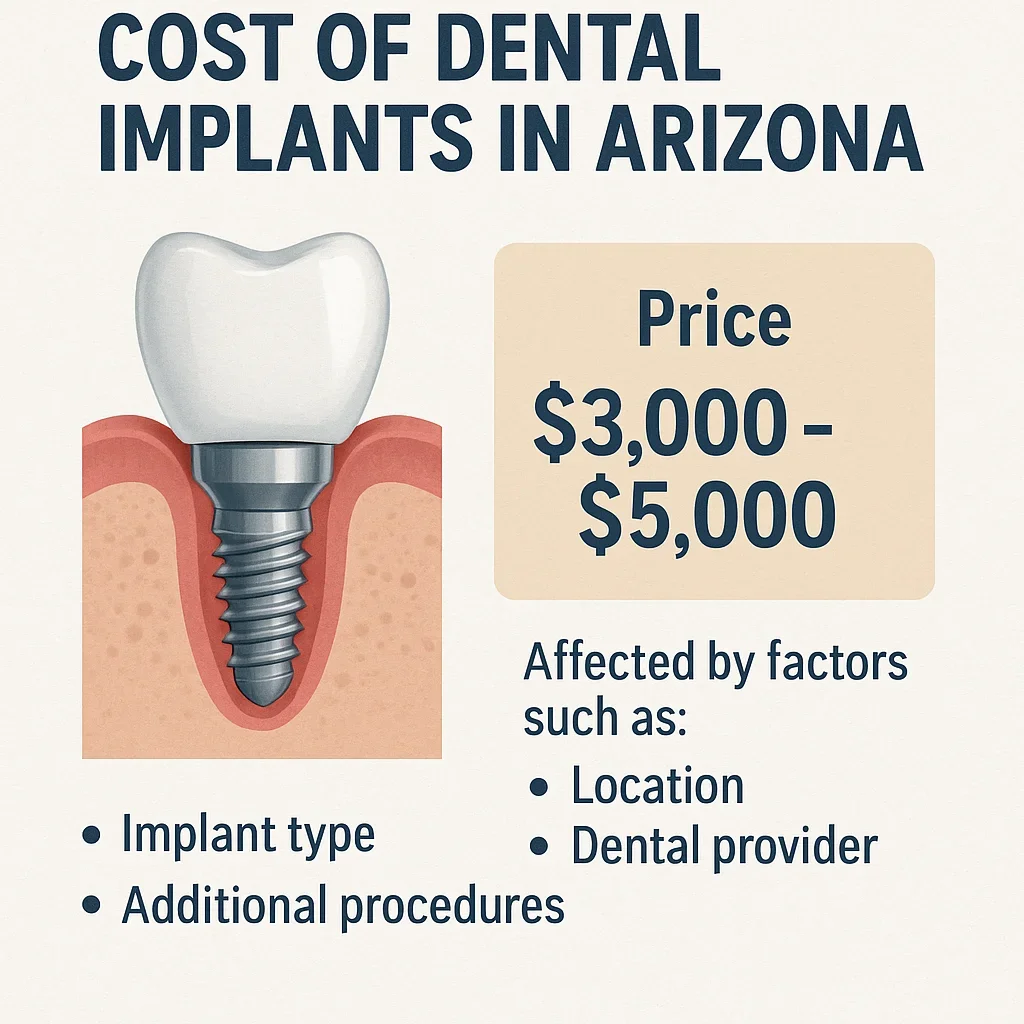
Dental implants have become the gold standard for restoring missing teeth. Unlike dentures or bridges, implants integrate with the jawbone, creating a stable, permanent foundation for artificial teeth that look, feel, and function just like natural ones. However, patients quickly realize that the cost of dental implants in Arizona isn’t a one-size-fits-all number. Prices can range from $3,000 for a single implant to upwards of $25,000 for a full-mouth restoration, depending on several clinical and non-clinical factors.
Before diving into specific numbers, it’s important to understand what’s included in the quoted price. A typical implant cost covers several components: the titanium post (which acts as the root), the abutment (connector), and the crown (visible tooth replacement). In some cases, bone grafting or sinus lifts are necessary to ensure a strong foundation for the implant. These additional procedures can significantly influence the overall cost of dental implants in Arizona, but they also guarantee better long-term outcomes and implant stability.
Many Arizona residents compare prices across dental offices, hoping to find affordable options without sacrificing quality. While it’s tempting to choose the lowest quote, it’s crucial to evaluate the dentist’s expertise, the quality of materials used, and the technology available at the clinic. Advanced 3D imaging, computer-guided surgery, and premium-grade titanium implants may slightly increase the initial cost but drastically improve the success rate and longevity of your dental implants. As with most medical treatments, you truly get what you pay for.
From a geographical perspective, the cost of dental implants in Arizona also varies between urban and rural areas. Clinics in major cities like Phoenix or Scottsdale might charge slightly higher fees due to overhead expenses and higher demand. On the other hand, smaller towns may offer more competitive rates but might lack advanced technology or experienced specialists. Patients should balance convenience, cost, and quality when making their choice.
Another key factor influencing the cost of dental implants in Arizona is the dentist’s qualifications. Prosthodontists and oral surgeons who specialize in implant dentistry generally charge more than general dentists, but their expertise minimizes risks and ensures proper integration of the implant with the jawbone. According to the American Dental Association, successful implant placement depends on accurate diagnosis, treatment planning, and execution — all of which require professional experience and skill.
When patients research the cost of dental implants in Arizona, they should also consider long-term value rather than upfront price alone. While traditional dentures may seem cheaper initially, they require ongoing maintenance, relining, and potential replacements every few years. In contrast, implants are a one-time investment that can last a lifetime with proper care. Over a 20-year period, implants often prove to be the most cost-effective option because they preserve bone health, improve chewing efficiency, and prevent facial sagging.
It’s worth mentioning that the cost of dental implants in Arizona can also be partially offset through insurance or flexible payment options. Some dental insurance plans now cover part of the implant cost, especially if tooth loss affects overall oral function. For those without insurance, most dental offices offer financing plans, low-interest loans, or in-house memberships to make the process more manageable. You can reach out through the Redent Klinik Contact Page to explore tailored financing solutions and receive a detailed quote based on your individual case.
Patients should also be cautious of extremely low prices advertised online. Clinics that offer implants at unusually cheap rates might compromise on material quality or skip critical diagnostic steps. Such shortcuts can lead to implant failure, infection, or additional corrective procedures later, resulting in even higher expenses. Always verify that your chosen dental provider uses FDA-approved titanium implants, follows proper sterilization protocols, and provides a transparent cost breakdown before beginning treatment.
In summary, the cost of dental implants in Arizona reflects a combination of technology, materials, surgical expertise, and long-term reliability. While initial prices can vary, the benefits — improved confidence, better oral health, and a permanent solution to tooth loss — far outweigh the investment. For anyone seeking a clear, lasting, and natural-looking result, dental implants remain one of the best investments in personal health and well-being. 🌟
Why Dental Implants Are the Best Tooth Replacement Option 🦷
When people research the cost of dental implants in Arizona, one of the first questions they ask is whether implants are truly worth the investment compared to dentures or bridges. The short answer is yes — dental implants are the closest thing to having natural teeth again. They not only restore your smile but also maintain jawbone structure, improve chewing ability, and provide unmatched long-term stability. Understanding why dental implants are considered the gold standard in modern dentistry helps justify their price and long-term value for Arizona residents seeking quality oral care.
How Dental Implants Work: The Science Behind a Natural Smile
Dental implants function as artificial tooth roots made from biocompatible titanium. This material integrates with the jawbone through a natural process called osseointegration. Over several months, the bone fuses securely with the implant post, forming a stable foundation for the abutment and crown. This process not only replaces missing teeth but also prevents the bone loss that typically occurs after tooth extraction. Unlike dentures that merely rest on the gums, implants provide full functionality and comfort, allowing patients to eat, speak, and smile with complete confidence.
From a medical standpoint, the cost of dental implants in Arizona covers far more than just the visible crown. The investment includes surgical precision, specialized imaging, custom abutments, and laboratory work. The result is a restoration that looks identical to a natural tooth — in color, shape, and strength — ensuring both aesthetic appeal and lasting durability.
Comparing Implants to Dentures and Bridges
To understand the true value behind the cost of dental implants in Arizona, it’s essential to compare them with traditional alternatives. Dentures, though inexpensive, can slip during eating or speaking, leading to discomfort and embarrassment. They also accelerate bone resorption, causing facial collapse over time. Bridges, while more stable, require grinding down healthy adjacent teeth for support — a permanent alteration that can lead to further complications.
Dental implants solve all these issues. Because they are anchored directly into the jawbone, they do not rely on neighboring teeth for support. This independence preserves natural tooth structure and bone integrity. Over a lifetime, implants require minimal maintenance beyond standard oral hygiene, making them the most durable and natural solution available today.
Functional and Aesthetic Advantages of Dental Implants
Implants do more than just fill the gap left by missing teeth. They restore balance to the bite, prevent uneven wear on remaining teeth, and improve facial symmetry. Most patients in Arizona report higher self-esteem, better pronunciation, and renewed confidence after their implant procedures. Whether you’re eating steak, smiling in photos, or speaking in public, implants allow you to live without the constant worry of movement or slippage.
From an aesthetic perspective, implant-supported crowns are customized to match the shape, size, and color of surrounding teeth. This customization contributes to their realistic appearance — one of the reasons patients feel the treatment is well worth the cost of dental implants in Arizona.
Long-Term Health Benefits and Bone Preservation
One of the most overlooked advantages of dental implants is bone preservation. When a tooth is lost, the jawbone in that area begins to deteriorate due to lack of stimulation. Dentures and bridges do nothing to stop this process. Implants, however, act like natural roots, transmitting chewing forces to the bone and preserving its density and shape. This critical biological interaction prevents premature facial aging and the “sunken” appearance often associated with long-term denture use.
Therefore, while the initial cost of dental implants in Arizona may seem high, the long-term savings in both aesthetics and oral health are substantial. Patients avoid costly future procedures, bone grafts, and denture replacements, making implants a financially wise choice in the long run.
Durability and Success Rates: A Lifetime Investment
According to data from the American Dental Association, dental implants have a success rate exceeding 95% when placed by experienced professionals. With proper oral hygiene, they can last 25 years or more — often a lifetime. Comparatively, dentures and bridges typically require replacement every 5–10 years. When factoring in these replacements, the total expense of implants becomes even more reasonable relative to their longevity and performance.
Materials also play a role in durability. Titanium and zirconia implants are highly resistant to corrosion and wear, ensuring structural integrity even under heavy bite pressure. Many Arizona clinics, including Redent Klinik Contact Page, offer advanced implant systems using 3D imaging and guided surgery for precise placement and faster recovery. These technological innovations maximize success rates while minimizing patient discomfort.
Comfort, Stability, and Natural Feel
Unlike removable dentures that can cause sore spots or require adhesives, implants feel completely natural. They become a permanent part of your mouth’s structure, enabling effortless chewing and speaking. This superior comfort is one of the key reasons patients are willing to invest in the cost of dental implants in Arizona rather than settling for cheaper, less stable alternatives.
Psychological and Quality-of-Life Improvements
Beyond medical and aesthetic advantages, dental implants dramatically improve psychological well-being. People missing one or more teeth often experience social anxiety, reluctance to smile, or difficulty engaging in conversations. After implant treatment, patients commonly report renewed confidence, enhanced self-image, and a more active social life. This psychological benefit alone often justifies the cost of dental implants in Arizona, as it restores not just teeth, but a person’s sense of normalcy and happiness.
Moreover, improved chewing efficiency allows for a more balanced diet, which supports overall physical health. Being able to enjoy nutritious foods such as fruits, vegetables, and lean meats contributes to better digestion and long-term wellness.
Conclusion: The True Worth of Dental Implants
In conclusion, the cost of dental implants in Arizona represents far more than a financial transaction. It’s an investment in your long-term health, appearance, and confidence. The combination of superior function, natural aesthetics, and life-changing comfort makes implants the clear leader in modern restorative dentistry. While the upfront expense may appear significant, the lifetime benefits — from bone preservation to improved quality of life — far outweigh the costs. 🌟
Average Cost of Dental Implants in Arizona Compared to Other States
The cost of dental implants in Arizona varies depending on the clinic, the dentist’s expertise, and the type of implant procedure. On average, patients in Arizona can expect to pay between $3,000 and $6,500 for a single dental implant, while full-mouth implant restorations may range from $20,000 to $45,000. This price range places Arizona close to the national average in the United States, although local market conditions, patient demand, and healthcare costs can create noticeable differences compared to other states.
Breaking Down the Average Cost in Arizona
To fully understand the average cost of dental implants in Arizona, it’s important to know what the total includes. A typical dental implant procedure consists of several key components:
- Consultation and diagnostic imaging: $150–$400
- Titanium implant post: $1,000–$2,000
- Abutment (connector piece): $300–$500
- Crown (visible replacement tooth): $1,000–$2,500
- Surgical placement fee: $500–$1,500
When combined, these costs contribute to the overall cost of dental implants in Arizona, which averages around $4,000–$5,500 per tooth. If bone grafting or sinus lift procedures are required, the total may increase by another $1,000–$3,000 per site. Despite these figures, Arizona remains an attractive option for implant procedures because of its relatively lower living costs and high concentration of qualified dental specialists.
Comparing Arizona to Other U.S. States
When comparing the cost of dental implants in Arizona to other states, the differences are noticeable. In states like California and New York, where dental office overheads are higher, a single implant can cost between $5,500 and $8,000. Meanwhile, states such as Texas and Florida often fall within the $3,000 to $5,000 range, depending on the city and competition among dental clinics.
Arizona’s pricing is competitive — typically 10–15% lower than major coastal states but slightly higher than regions with lower average incomes. This balance between affordability and quality has made Arizona a growing destination for both local and out-of-state patients seeking implant treatments. Some patients even travel from neighboring states like Nevada or New Mexico because the cost of dental implants in Arizona offers better value for money without compromising on modern dental technology or patient care.
Regional Variations Within Arizona
Even within Arizona, the costs can vary depending on the city. In Phoenix, Scottsdale, and Tucson — areas with advanced dental centers and high demand — the average cost per implant tends to be around $5,000–$6,000. In contrast, smaller towns like Yuma or Flagstaff may offer rates closer to $3,000–$4,000, primarily due to lower overhead costs. However, smaller markets might have fewer specialists or longer waiting times, so patients should consider both cost and convenience when making their decision.
Clinics in Scottsdale, for example, often emphasize luxury dental experiences and cutting-edge materials, slightly raising the cost of dental implants in Arizona. Meanwhile, community dental offices in suburban regions may provide competitive packages that include consultations, 3D imaging, and post-surgery care within a single flat fee.
Why Arizona’s Costs Are Balanced and Competitive
There are several reasons why the cost of dental implants in Arizona remains balanced compared to other parts of the United States:
- Lower operational expenses: Rent, labor, and utility costs in Arizona are generally lower than in high-density states like California or New York.
- Strong dental competition: The abundance of qualified implant specialists leads to competitive pricing across clinics.
- Favorable regulations: Arizona’s medical and dental licensing framework supports accessibility and patient-friendly pricing.
- Technological adoption: Widespread use of 3D imaging, digital impressions, and computer-guided surgery increases efficiency, keeping costs moderate.
These factors collectively ensure that patients receive world-class dental implant services without paying excessive amounts, making the cost of dental implants in Arizona appealing to both residents and visitors seeking high-quality yet affordable dental solutions.
Comparing Procedure Types and Their Prices
Different types of implant procedures influence the final cost. Here’s a breakdown based on treatment type:
- Single-tooth implant: $3,000–$6,000 per tooth
- Implant-supported bridge: $6,000–$12,000 for three to four teeth
- All-on-4 implants (full arch): $18,000–$30,000 per jaw
- Full-mouth restoration: $30,000–$45,000 total
These estimates demonstrate that while the initial expense may seem high, the durability and aesthetic benefits justify the investment. Over time, implants require little maintenance, offering a lifetime solution compared to dentures or bridges that often need replacement every decade. Thus, even though the cost of dental implants in Arizona might initially appear substantial, it remains highly cost-effective when assessed over a long-term horizon.
Comparative Chart: Arizona vs. Other States
| State | Average Cost (Single Implant) | Cost Rank |
|---|---|---|
| Arizona | $4,000–$5,500 | Moderate |
| California | $5,500–$8,000 | High |
| Texas | $3,500–$5,000 | Moderate-Low |
| Florida | $3,000–$4,500 | Low |
| New York | $6,000–$8,500 | High |
As shown above, Arizona offers a balance between cost-efficiency and professional quality, making it an ideal choice for patients who want long-term value without overpaying. The availability of advanced dental centers with state-of-the-art equipment ensures that Arizona remains competitive on a national level.
Travel Dentistry and Out-of-State Patients
Interestingly, the moderate cost of dental implants in Arizona has turned the state into a dental tourism hub. Patients from neighboring states or even international visitors often travel to Arizona for high-quality care at a lower price than they would find elsewhere. Many clinics provide travel-friendly packages that include initial consultations, hotel accommodations, and follow-up visits. This trend continues to grow as more people recognize the affordability and expertise available within Arizona’s dental industry.
Conclusion: Arizona’s Advantage in Dental Implant Pricing
In conclusion, while the cost of dental implants in Arizona aligns closely with the national average, its combination of affordability, expertise, and access to advanced technology makes it a standout destination for implant treatments. Patients can expect transparent pricing, exceptional quality, and a range of financing options designed to fit different budgets. Whether you live in Phoenix, Scottsdale, or Mesa, investing in dental implants in Arizona ensures you receive world-class dental care and long-lasting results. For personalized quotes and treatment planning, visit the Redent Klinik Contact Page to learn more about available options and financing plans.
Factors That Influence the Cost of Dental Implants in Arizona
The cost of dental implants in Arizona is not determined by a single number. It depends on multiple clinical, material, and situational factors that vary from one patient to another. Understanding these factors helps you anticipate the total investment required and avoid hidden surprises during treatment. Whether you’re getting one implant or a full-mouth restoration, these components collectively shape the final price tag. Below, we’ll explore the main contributors that influence dental implant costs in Arizona in detail, supported by real-world examples and professional insights.
1. Type and Number of Implants Required
Perhaps the most obvious factor influencing the cost of dental implants in Arizona is the number of implants a patient needs. A single-tooth implant naturally costs less than a full-arch restoration. For example, replacing one tooth might cost around $4,000–$5,500, while replacing an entire upper or lower arch using the All-on-4 technique can range between $18,000 and $30,000 per jaw.
Different implant configurations also affect cost. Mini implants, used in cases with limited bone density, are smaller and often less expensive but may not provide the same long-term durability. Conversely, full-sized titanium implants offer greater stability but come with a higher price tag. Each patient’s situation — bone volume, gum health, and bite structure — determines which type is most suitable and cost-effective.
2. Materials Used in Implants and Crowns
Material quality plays a critical role in determining the cost of dental implants in Arizona. The two main types of implant posts are titanium and zirconia. Titanium implants are the most common due to their biocompatibility and strength. Zirconia, however, offers a metal-free and more aesthetic solution, ideal for patients sensitive to metals or seeking a completely natural white appearance. Zirconia implants can increase costs by 10–20% but offer superior aesthetics and tissue compatibility.
Implant Crown Materials and Their Cost Differences
The visible part of the implant — the crown — can be made from porcelain-fused-to-metal, all-ceramic, or zirconia. Porcelain-fused-to-metal crowns are typically more affordable but less natural in translucency. All-ceramic and zirconia crowns, while slightly more expensive, deliver exceptional realism and long-lasting results. The choice of crown material directly impacts the cost of dental implants in Arizona, as higher-end materials come with increased lab fees and customization.
3. Bone Grafting and Sinus Lift Procedures
Some patients require additional bone support before implant placement. Over time, missing teeth cause bone loss, making it difficult to secure implants properly. In these cases, bone grafting or sinus lift surgery becomes necessary. These preparatory procedures can add anywhere from $800 to $3,000 per site to the total cost of dental implants in Arizona. While this might seem like an added burden, it ensures implant stability and prevents future complications such as implant failure or shifting.
Bone grafting materials also differ in price. Synthetic grafts are cost-effective, while autogenous grafts (using bone from the patient’s own body) tend to be more expensive due to surgical complexity. However, the latter offers better integration and higher success rates, which can make them worth the added expense.
4. Dentist’s Expertise and Experience Level
The qualifications and reputation of the dentist or oral surgeon significantly affect the cost of dental implants in Arizona. Specialists such as periodontists and prosthodontists often charge more than general dentists because they possess advanced training and equipment. Yet, choosing an experienced professional reduces risks, ensures better outcomes, and prevents costly revisions later on. In implant dentistry, expertise translates into precision — a critical factor in long-term implant success.
Technological Equipment and Digital Tools
Modern clinics that use advanced technologies like cone-beam computed tomography (CBCT), intraoral scanners, and guided surgery systems typically offer more accurate and comfortable treatments. These technologies slightly increase the cost of dental implants in Arizona but provide immense benefits such as reduced healing time and fewer complications. Many top clinics, including those affiliated with the American Dental Association, now consider 3D-guided implant placement the standard of care.
5. Geographic Location Within Arizona
Location plays a major role in cost variation. Dental offices in metropolitan areas like Scottsdale or Phoenix may charge more due to higher overhead and demand for cosmetic dental services. Meanwhile, smaller towns or suburban clinics may offer more budget-friendly rates. However, rural areas might have fewer specialists or limited access to advanced technology, affecting both convenience and outcomes. Therefore, when assessing the cost of dental implants in Arizona, balance location-based savings with the quality and reliability of care.
6. Type of Implant Procedure
The type of procedure chosen also determines the overall price. Common variations include:
- Traditional single implant: The most common type, requiring two visits — for placement and crown fitting.
- All-on-4 or All-on-6 implants: A full-mouth restoration using 4 or 6 implants per arch, typically done under sedation.
- Immediate load implants: Allow placement of a temporary crown on the same day of surgery, increasing convenience but also the overall cost of dental implants in Arizona.
- Mini implants: Smaller and less expensive, but suitable only for specific cases such as denture stabilization.
Each approach has distinct benefits, healing times, and costs. Patients should discuss their goals and medical history with the dentist to determine the most effective treatment plan that aligns with both their health and financial considerations.
7. Laboratory and Customization Fees
Implant crowns and abutments are usually fabricated in dental laboratories. Premium labs use CAD/CAM technology for precision and customization, which can slightly elevate the cost of dental implants in Arizona. Custom abutments designed to match the angle and contour of your gum line offer superior aesthetics but are pricier than standard stock abutments. The artistry of dental technicians is a crucial part of what makes the final restoration indistinguishable from natural teeth.
8. Anesthesia and Sedation Options
Patients who prefer sedation or general anesthesia during surgery should account for these additional costs. Local anesthesia is generally included in the implant fee, but sedation options like IV or oral sedation can add $250–$800 per session. Though optional, sedation greatly enhances comfort for patients undergoing multiple implant placements or complex bone grafting.
9. Post-Operative Care and Follow-Ups
The aftercare process is just as vital as the surgery itself. Follow-up visits, X-rays, and hygiene maintenance are often included in treatment packages, but some clinics charge separately. Proper post-operative monitoring ensures healing and helps prevent infection. High-quality aftercare is one of the defining reasons why reputable clinics justify the cost of dental implants in Arizona — they prioritize long-term success, not just the surgical procedure.
10. Insurance and Financing Options
Finally, while most dental insurance plans don’t cover the entire implant cost, some now include partial reimbursement for implant components like crowns or abutments. Many Arizona clinics also provide in-house financing or payment plans to make the treatment accessible. You can explore flexible options via the Redent Klinik Contact Page, where professional consultants can help tailor payment solutions suited to your budget.
Conclusion: Understanding the True Cost Equation
In summary, the cost of dental implants in Arizona depends on numerous factors — from material quality and the dentist’s expertise to surgical complexity and geographic location. While prices can vary, the key takeaway is that implants represent a long-term investment in oral health, confidence, and well-being. Patients who prioritize quality and proper planning often experience better results and fewer complications, making every dollar spent on implants a step toward lifelong dental health. 🌟
Single vs. Full-Mouth Dental Implants: Which Option Fits Your Budget?
When evaluating the cost of dental implants in Arizona, one of the most important distinctions lies between single-tooth and full-mouth implant options. Each approach serves a different purpose, targets distinct patient needs, and comes with unique pricing structures. Understanding the differences will help you determine which treatment best matches your budget, oral health condition, and long-term goals. 🦷
Overview: What’s the Difference Between Single and Full-Mouth Implants?
Single implants replace individual missing teeth, while full-mouth implants restore all teeth in the upper or lower jaw (or both). The single-tooth implant is ideal if you’ve lost one or two teeth due to decay, trauma, or periodontal disease. On the other hand, full-mouth dental implants—often performed using All-on-4 or All-on-6 techniques—are suited for patients with multiple missing or severely damaged teeth.
Both options offer permanent, natural-looking replacements that maintain jawbone integrity. However, their costs differ significantly, primarily due to the number of implants, surgical complexity, and materials used. The cost of dental implants in Arizona depends on these variables, which we’ll examine in detail below.
Single-Tooth Implants: A Targeted Solution
Single implants are one of the most common dental procedures in Arizona. The treatment includes placing a titanium post into the jawbone, attaching an abutment, and fitting a custom-made crown. The process usually takes several months to complete, allowing time for the implant to integrate naturally with the bone.
Average Cost for Single Implants in Arizona
The cost of dental implants in Arizona for a single tooth ranges between $3,000 and $6,500. This typically includes consultation, imaging, surgery, and final restoration. Factors like bone density, the clinic’s location, and the dentist’s expertise can raise or lower this cost. If bone grafting is required, an additional $800–$1,500 may be added to the total.
While it might seem expensive at first, a single-tooth implant is a long-term solution that can last 25 years or more. Traditional bridges, which are cheaper, often need replacement every 10 years and can damage adjacent teeth. Therefore, investing in a single implant often saves patients more in the long run.
Full-Mouth Implants: A Comprehensive Restoration
Full-mouth implants are designed for patients missing all or most of their teeth. This treatment can transform your smile and functionality completely. The two most common approaches are:
- All-on-4 Implants: Four titanium posts support a full arch of fixed prosthetic teeth.
- All-on-6 Implants: Six posts provide additional stability and are ideal for patients with stronger bone density.
The cost of dental implants in Arizona for full-mouth restorations varies widely depending on the chosen method. All-on-4 treatments typically range between $18,000 and $30,000 per jaw, while All-on-6 procedures can reach up to $40,000 for a complete arch. Despite the higher upfront cost, these restorations provide a permanent and natural-looking alternative to removable dentures, eliminating slippage and discomfort.
Full-Mouth vs. Traditional Dentures: Long-Term Value
Although dentures may cost just a few thousand dollars, they often require frequent adjustments, relining, or replacement. Over time, these recurring costs may exceed the one-time investment of full-mouth implants. Additionally, dentures do not stimulate the jawbone, leading to bone loss and facial sagging. In contrast, implants preserve bone health and facial structure, adding to their long-term value. This biological advantage explains why many patients find the cost of dental implants in Arizona justifiable and even economical when viewed over a lifetime.
Comparing Total Costs and Benefits
| Type | Average Cost (Per Jaw) | Expected Lifespan | Maintenance |
|---|---|---|---|
| Single Tooth Implant | $3,000–$6,500 | 25+ years | Regular cleaning, annual checkups |
| All-on-4 Implant | $18,000–$30,000 | 25+ years | Routine hygiene visits, occasional tightening |
| Traditional Dentures | $1,500–$4,000 | 5–10 years | Frequent relining and replacement |
This table demonstrates that although implants have higher initial costs, their longevity and stability make them a more cost-effective choice in the long term. Patients seeking lasting results often find that the total lifetime cost of dental implants in Arizona compares favorably with repeated denture maintenance costs.
Additional Costs: Preparation and Healing Time
Before full-mouth implant surgery, additional procedures such as tooth extraction, bone grafting, or sinus lifts may be required. These treatments increase the total cost of dental implants in Arizona but are crucial for ensuring implant stability. Healing times also differ between single and full-mouth procedures. Single implants often heal within 3–6 months, while full-arch restorations may require staged follow-ups to ensure proper integration.
Choosing the Right Option for You
Selecting between single and full-mouth implants depends on factors such as oral health, bone density, number of missing teeth, and budget. For patients missing only one or two teeth, single implants offer an efficient and cost-effective option. Those with widespread tooth loss or denture dissatisfaction should consider full-mouth solutions for maximum comfort and function. Consulting with a qualified implant specialist ensures that your treatment plan reflects both medical and financial priorities.
If you are uncertain which option suits you best, visiting a trusted provider can help clarify your choices. Clinics such as Redent Klinik Contact Page can provide a personalized consultation and estimate, helping you compare the short-term and long-term implications of each approach.
Insurance, Financing, and Payment Plans
Most insurance policies cover portions of implant treatments, particularly when tooth loss affects function. Even if full coverage is unavailable, many clinics in Arizona offer financing solutions, flexible payment schedules, or third-party lending options. Such arrangements help patients manage the cost of dental implants in Arizona more comfortably, ensuring access to top-quality dental care without overwhelming upfront expenses.
Conclusion: Finding Balance Between Cost and Quality
Ultimately, the decision between single-tooth and full-mouth dental implants comes down to balancing health needs, aesthetic expectations, and budget considerations. While the cost of dental implants in Arizona may vary by case, both single and full-mouth options deliver exceptional long-term results when performed by skilled professionals. Investing in implants means investing in lifelong confidence, functionality, and oral wellness — a decision that pays dividends every time you smile. 🌟
Hidden Costs and Additional Procedures You Should Know About
When researching the cost of dental implants in Arizona, most patients focus only on the visible, upfront expenses — such as the implant post, abutment, and crown. However, there are often additional costs that can influence the total investment. These “hidden” expenses aren’t always included in the initial quote, and understanding them is essential for accurate budgeting. Knowing what to expect prevents surprises later and ensures that you can make a well-informed, financially prepared decision about your dental care. 🦷
Initial Consultation and Diagnostic Imaging
Every dental implant procedure begins with a comprehensive consultation and imaging process. Most Arizona clinics perform advanced 3D cone-beam computed tomography (CBCT) scans to evaluate bone structure, gum health, and nerve positioning. These scans allow dentists to create a precise surgical plan. The typical cost for this step ranges between $150 and $500, depending on the clinic and the imaging technology used. While this fee may seem minor, it’s a crucial part of the overall cost of dental implants in Arizona because it determines the success and safety of your implant placement.
Why CBCT Imaging Matters
CBCT scans provide detailed, three-dimensional images that standard X-rays cannot. They reveal bone volume and detect underlying issues like sinus proximity or cysts. By identifying these details beforehand, your dentist can avoid surgical complications and plan exact implant positioning. Investing in quality diagnostics ultimately saves money and ensures higher implant success rates in the long run.
Tooth Extractions Prior to Implant Placement
If you have damaged or decayed teeth that need removal before receiving implants, extraction costs are typically not included in the initial implant quote. Simple extractions can cost around $100–$300 per tooth, while surgical extractions — such as those involving impacted teeth — can range from $250 to $600. These pre-surgical steps add to the total cost of dental implants in Arizona but are essential for creating a healthy foundation for the new implant.
Preserving Bone After Extraction
Following an extraction, bone resorption begins almost immediately. Many dentists recommend socket preservation procedures — filling the empty tooth socket with bone graft material — to prevent bone loss. This extra step typically adds $300–$800 to your total cost but can make a significant difference in long-term implant stability and appearance.
Bone Grafting: Building a Strong Foundation
Bone grafting is one of the most common additional procedures associated with dental implants. It’s performed when the jawbone isn’t dense or thick enough to support the implant. Depending on the type of grafting material and technique used, the cost can range from $500 to $3,000 per area. Although this increases the cost of dental implants in Arizona, it’s a necessary investment to ensure proper implant integration and longevity.
- Autografts: Bone harvested from the patient’s body — most reliable, but also the most expensive.
- Allografts: Donor bone from a tissue bank — cost-effective and widely used.
- Xenografts: Bone from animal sources — strong and stable, commonly used for minor grafting.
The grafting process may extend treatment time, as healing can take several months before implant placement. However, skipping this step when needed may result in implant failure — a far costlier problem in the future.
Sinus Lift Procedures for Upper Jaw Implants
For patients receiving implants in the upper jaw, especially in the molar region, the dentist may recommend a sinus lift to create enough space for the implant. This involves gently elevating the sinus membrane and adding bone material beneath it. A sinus lift typically adds $1,000–$2,500 per side to the overall cost of dental implants in Arizona. While this might sound expensive, it’s often the only way to achieve a stable, long-lasting result in areas where bone height is limited.
When a Sinus Lift Becomes Necessary
Tooth loss in the upper jaw often causes the sinus cavity to expand downward over time. This reduces bone depth, making implant placement risky without added bone support. A sinus lift rebuilds this area, restoring structural integrity and preventing implant intrusion into the sinus cavity. The procedure is highly specialized, which is why it adds to the total cost but also enhances long-term success rates dramatically.
Temporary Restorations During Healing
Many patients require a temporary crown or bridge while their implant heals. These provisional restorations allow you to maintain function and appearance during the osseointegration process. Depending on material and design, temporary crowns can cost between $300 and $800 each. Although temporary, they are custom-made and often crucial for patient comfort and confidence during recovery.
When calculating the cost of dental implants in Arizona, patients should ask their provider whether temporary restorations are included in the treatment package. Some clinics, such as Redent Klinik Contact Page, include them at no additional charge as part of their all-inclusive implant packages.
Post-Surgery Medications and Follow-Up Visits
After surgery, dentists typically prescribe antibiotics, pain relievers, and sometimes anti-inflammatory medications to ensure smooth healing. These may cost an additional $50–$200. Follow-up appointments, which are essential for tracking healing progress, are sometimes billed separately at $100–$250 per visit. While these seem like small amounts, they contribute to the true cost of dental implants in Arizona and should be factored into your total treatment budget.
Importance of Regular Follow-Ups
Follow-up care helps prevent complications such as infection, swelling, or improper osseointegration. Skipping these appointments to save costs can lead to far greater expenses down the line if the implant fails or requires revision surgery. Consistent monitoring ensures that your investment remains secure and that your new smile lasts for decades.
Implant Maintenance and Long-Term Costs
Once your implants are fully integrated, routine maintenance becomes a key part of preserving them. While implants do not decay like natural teeth, the surrounding gum tissue and bone can still be affected by poor hygiene. Professional cleanings and annual checkups are critical. Expect to spend around $150–$300 per visit for professional implant maintenance in Arizona.
Over time, minor adjustments or tightening may be needed. These services are usually inexpensive but vital for comfort and longevity. Proper maintenance not only protects your smile but also ensures that the cost of dental implants in Arizona continues to deliver long-term value by preventing replacement or repair costs later.
Hidden Costs vs. Value: The Bigger Picture
When comparing quotes from different dental clinics, always verify what’s included. Some “discount” implant offers may seem attractive initially but exclude essential components like abutments, bone grafting, or follow-up care. These omissions can make the real cost of dental implants in Arizona significantly higher than anticipated. Transparency and detailed breakdowns are signs of reputable providers who prioritize patient trust over aggressive marketing.
Conclusion: Preparing for Every Aspect of Your Investment
In conclusion, while the cost of dental implants in Arizona can vary based on clinic and patient needs, understanding hidden and additional expenses ensures complete financial preparedness. From imaging and bone grafting to medication and maintenance, every element plays a role in achieving a successful, long-lasting outcome. By planning ahead and choosing a transparent dental provider, you safeguard both your smile and your wallet — turning your dental implant journey into a confident, worry-free experience. 🌟
Affordable Dental Implants in Arizona: How to Save Money Without Sacrificing Quality
The cost of dental implants in Arizona can feel overwhelming for many patients, especially when multiple teeth need replacement. However, affordability doesn’t have to mean compromising on quality or safety. Arizona offers numerous cost-saving strategies — from financing plans to clinic selection — that make premium dental care accessible to everyone. In this section, we’ll explore practical and proven ways to reduce implant expenses while ensuring excellent, long-term results. 🦷
Understanding the Balance Between Cost and Quality
When searching for affordable dental implants, many patients are tempted to choose the lowest price available. However, extremely cheap offers often come with hidden risks — such as substandard materials, inexperienced practitioners, or limited warranties. Remember, dental implants are a permanent medical procedure involving surgery, precision, and long-term oral health. The cost of dental implants in Arizona reflects not only the dentist’s skill but also the quality of materials, technology, and post-surgical care provided.
The goal is not to find the “cheapest” option, but the most cost-effective one — where you pay a fair price for reliable, long-lasting results. Let’s examine how you can achieve that balance.
1. Choose Reputable Clinics Offering Transparent Pricing
One of the best ways to save money on dental implants is to choose a clinic that provides clear, itemized quotes upfront. Hidden fees often appear when clinics separate costs for abutments, crowns, or follow-ups. Transparent providers, such as Redent Klinik Contact Page, usually offer bundled packages that include every part of the process — from diagnostics to final restoration.
Choosing such a clinic ensures that the cost of dental implants in Arizona you are quoted initially is the final price you’ll pay. This prevents surprises later and allows you to budget accurately. Always ask for a written estimate and confirm whether consultations, imaging, anesthesia, and follow-up appointments are included in the total.
Signs of a Trustworthy Clinic
- Offers detailed treatment plans and cost breakdowns
- Uses certified materials (FDA-approved titanium or zirconia)
- Employs experienced implant specialists
- Provides clear post-surgery support and warranties
2. Explore Dental Implant Payment Plans and Financing Options
Many Arizona clinics provide in-house financing programs that divide the total payment into manageable monthly installments. Some even offer 0% interest plans for qualified applicants. External financing partners such as CareCredit or LendingClub also specialize in healthcare-related loans. These options make it easier to manage the cost of dental implants in Arizona without paying the full amount upfront.
It’s also worth checking your insurance coverage. While most traditional dental insurance plans exclude implants, some now include partial reimbursements for crowns or surgical placement. Flexible spending accounts (FSA) or health savings accounts (HSA) can also be used to offset implant expenses, giving you an additional tax advantage.
3. Compare Local Prices and Get Multiple Estimates
Arizona’s dental market is highly competitive, which benefits patients. By obtaining quotes from multiple clinics, you can compare services, inclusions, and overall value. However, it’s essential to compare “apples to apples.” For example, one clinic may quote a lower base price but exclude bone grafting or temporary crowns. Another may appear more expensive but include all necessary procedures. Evaluating these differences carefully gives you a clearer picture of the true cost of dental implants in Arizona.
Pro Tip:
When comparing quotes, ask each clinic to specify whether their price includes the implant post, abutment, crown, and surgical fees. Transparent communication prevents misunderstandings and ensures accurate cost comparison.
4. Consider Dental Schools and Teaching Clinics
Arizona is home to dental programs where supervised students perform implant procedures at significantly lower costs. These teaching institutions, such as the Arizona School of Dentistry and Oral Health, often charge 30–50% less than private practices. Every procedure is supervised by licensed experts, making it a safe and affordable alternative. While appointments may take longer, the quality remains excellent, providing a great way to reduce the cost of dental implants in Arizona without compromising results.
5. Opt for Local Over Out-of-State Treatment
Some patients consider traveling out of state or even abroad for cheaper dental implants. While dental tourism can be appealing, it often carries risks — such as lower material quality, lack of follow-up care, or hidden travel expenses. Staying within Arizona ensures better continuity of care and easier access to your dentist for future checkups or adjustments. Furthermore, Arizona’s prices are already lower than those in high-cost states like California and New York, making the cost of dental implants in Arizona competitive even without leaving the state.
6. Choose Efficient Treatment Options
New technologies and techniques can also help reduce expenses. For example, All-on-4 implant systems use only four implants per jaw to support an entire arch of teeth, minimizing surgery time and materials used. Computer-guided surgery shortens healing periods, lowering the risk of complications. By adopting efficient methods, you can significantly reduce the cost of dental implants in Arizona while maintaining superior results.
Other Cost-Efficient Alternatives
- Mini implants: Smaller and more affordable for stabilizing dentures
- Immediate-load implants: Reduce the need for multiple visits
- Implant-supported bridges: Restore multiple teeth with fewer implants
Discussing these alternatives with your dentist can help identify solutions that meet both your dental and financial needs.
7. Timing and Seasonal Promotions
Some dental clinics in Arizona offer promotional discounts during slower months or special events. Watching for these opportunities can save hundreds or even thousands of dollars. Additionally, scheduling your implant during the same fiscal year as other dental procedures can maximize insurance benefits and lower your net out-of-pocket costs.
8. Long-Term Savings Through Quality Care
While it’s important to save upfront, the true economy comes from long-term performance. Cheap implants that fail after a few years can end up costing more in revisions or replacements. Choosing experienced professionals ensures proper placement, stable integration, and minimal complications. Quality implants, when well cared for, can last decades — making the initial cost of dental implants in Arizona an investment rather than an expense.
9. Preventing Future Costs: Oral Care and Maintenance
Another effective way to save money is by maintaining your implants properly. Regular dental visits, good oral hygiene, and avoiding smoking significantly extend implant lifespan. The better you care for your implants, the less you’ll spend on repairs or replacements later. Clinics often recommend professional cleanings every six months to protect both the implant and surrounding tissue, preserving the value of your initial investment.
10. Community Programs and Charitable Clinics
Some nonprofit organizations and community health programs offer reduced-cost dental implants or payment assistance for low-income individuals. While these programs are limited, they can significantly lower the cost of dental implants in Arizona for qualifying patients. Checking local dental associations and community health centers can reveal helpful opportunities for financial relief.
Conclusion: Smart Savings, Long-Term Smiles
Affording dental implants doesn’t require compromising on safety or aesthetics. By choosing transparent clinics, exploring financing, comparing quotes, and maintaining proper oral care, patients can access world-class dental restoration within their budget. The cost of dental implants in Arizona remains one of the most balanced in the nation — offering excellent value, advanced technology, and experienced care. With strategic planning and the right guidance, achieving a healthy, confident smile is not only possible but affordable. 🌟
Insurance and Financing Options for Dental Implants in Arizona
One of the most common concerns patients have when considering dental implants is affordability. The cost of dental implants in Arizona can be significant, especially for full-mouth restorations. Fortunately, many dental clinics offer flexible insurance and financing options to make treatment accessible. By understanding what your insurance covers, exploring different payment plans, and utilizing available resources, you can manage expenses effectively without sacrificing quality or comfort. 🦷
Understanding Dental Insurance Coverage for Implants
Traditionally, most dental insurance policies did not cover implants, viewing them as elective or cosmetic procedures. However, as implants have become the gold standard for tooth replacement, many insurers now provide partial coverage. Depending on your provider and plan, portions of the treatment—such as the crown, abutment, or surgical placement—may be eligible for reimbursement. It’s essential to review your policy carefully and confirm coverage limits before starting treatment, as these factors can directly impact the total cost of dental implants in Arizona.
Common Insurance Scenarios
- Partial Coverage: Some plans cover up to 50% of the restorative phase (the crown) but exclude surgical placement.
- Annual Maximums: Most policies limit annual benefits to $1,000–$2,000 per year, which may only cover a portion of a single implant.
- Waiting Periods: New policies might require a waiting period before implant coverage becomes effective.
- Medical-Dental Crossover: In cases of trauma or bone loss caused by disease, medical insurance may contribute to surgical expenses.
It’s a good idea to ask your dentist for a “predetermination of benefits” form. This document, sent to your insurer, outlines expected costs and what your plan will pay. It allows you to calculate the true cost of dental implants in Arizona more accurately before committing to the procedure.
Flexible Payment and Financing Plans
Even with partial insurance support, many patients require financing to cover remaining costs. Arizona dental clinics frequently offer flexible payment solutions designed to accommodate different budgets. These financing plans divide the total amount into affordable monthly installments, helping patients access care immediately while paying over time.
In-House Financing
Many local dental practices provide their own in-house payment programs with little or no interest. This is particularly beneficial for patients without dental insurance. Payment terms typically range from 6 to 24 months, depending on the clinic. When evaluating these options, always ask about administrative fees or interest rates to ensure transparency regarding the total cost of dental implants in Arizona.
Third-Party Financing Providers
Another option involves third-party financial partners such as CareCredit, Proceed Finance, or LendingClub Patient Solutions. These institutions specialize in medical and dental financing and offer competitive interest rates, deferred payment options, or long-term loans. The application process is quick and often approved within minutes. Most providers do not require collateral, making it easier for patients to qualify even with average credit.
Using Health Savings Accounts (HSA) and Flexible Spending Accounts (FSA)
If you have an employer-sponsored Health Savings Account (HSA) or Flexible Spending Account (FSA), you can use pre-tax funds to cover dental implant costs. This can reduce your taxable income while offsetting a portion of the total expense. These accounts can be particularly useful for paying out-of-pocket portions of the cost of dental implants in Arizona.
Remember that FSAs often have annual contribution limits (usually around $3,200 in 2025) and may require using the funds within the same year. HSAs, however, roll over annually, allowing for greater flexibility if you plan your implant procedure in stages.
Dental Discount Plans vs. Traditional Insurance
For patients without traditional insurance, dental discount plans provide an alternative way to lower implant costs. Instead of monthly premiums, you pay a small annual membership fee—typically $100 to $200—and receive discounted rates from participating dentists. Savings may range from 10% to 40% depending on the provider and treatment type. While these are not insurance policies, they significantly reduce the effective cost of dental implants in Arizona, especially for patients paying entirely out of pocket.
How Discount Plans Work
Members present their card at participating clinics and instantly receive the discounted rate. There are no deductibles, waiting periods, or annual maximums. For implant procedures requiring multiple appointments, these savings can accumulate quickly, making treatment far more affordable.
Bundled or All-Inclusive Implant Packages
Many Arizona clinics now offer “all-inclusive” implant packages, which combine surgery, abutment, and restoration costs into a single, discounted fee. These packages eliminate confusion about hidden charges and provide predictable pricing. Some also include follow-up visits and temporary restorations. By consolidating all steps of treatment, you often pay less overall, effectively reducing the total cost of dental implants in Arizona.
For example, while separate services may total $5,000–$6,000 per tooth, bundled packages might reduce that to $3,500–$4,000. Always confirm that such packages include premium materials (like titanium or zirconia) and qualified specialists to ensure quality isn’t compromised for savings.
Charitable Programs and Nonprofit Assistance
In Arizona, certain nonprofit organizations and dental foundations offer financial aid for low-income patients needing restorative dental care. Programs such as the Dental Lifeline Network or state-supported community clinics occasionally subsidize the cost of dental implants in Arizona for qualified applicants. Although these opportunities are limited and highly competitive, they provide crucial help to individuals unable to afford treatment otherwise.
Where to Find Assistance
- Check with local dental schools — they sometimes have grant-funded implant programs.
- Look into community health centers supported by federal or state health grants.
- Visit reputable associations like the American Dental Association for local guidance and patient assistance programs.
Combining Multiple Strategies for Maximum Savings
Smart financial planning often involves layering different approaches — using insurance benefits, HSA funds, and a financing plan together. For example, you could pay the initial consultation and diagnostic imaging with HSA funds, cover the surgical phase with insurance, and finance the crown placement. This blended approach can reduce your immediate financial burden while managing the total cost of dental implants in Arizona effectively over time.
Questions to Ask Before Committing
Before finalizing any payment plan or insurance claim, ask your dental provider these essential questions:
- Is my insurance accepted, and what portion of the treatment is covered?
- What is the total interest rate or administrative fee for financing?
- Are there prepayment penalties if I decide to pay off early?
- Does the clinic assist with insurance paperwork and pre-authorization?
Clear answers will help you avoid misunderstandings and ensure you receive maximum financial benefits while minimizing stress during the treatment process.
Conclusion: Making Dental Implants Affordable for Every Patient
Dental implants are an investment in long-term health, comfort, and confidence. While the cost of dental implants in Arizona may initially appear high, modern insurance support, flexible financing, and tax-advantaged payment methods make them accessible for almost every budget. By understanding your options and working with a transparent, reputable clinic, you can achieve the smile you’ve always wanted — without financial strain. With careful planning, dental implants become not just a treatment but a sustainable investment in your overall well-being. 🌟
How to Choose the Right Dental Clinic for Implants in Arizona
Finding the right clinic can make a tremendous difference in the overall success and satisfaction of your dental implant experience. Beyond skill and technology, a trustworthy provider ensures transparency, patient comfort, and long-term reliability. Since the cost of dental implants in Arizona can vary widely depending on the clinic, it’s essential to know what to look for when selecting your provider. This section explains the crucial factors that influence your decision — from credentials and technology to communication and aftercare. 🦷
1. Research the Dentist’s Credentials and Experience
Your first priority should always be verifying the qualifications of the dental professional performing the procedure. Implant dentistry is a specialized field that requires advanced surgical training and experience. Not all general dentists are adequately trained in implant placement or bone grafting. Before committing, check the dentist’s certifications, postgraduate education, and clinical background in implantology.
Key Credentials to Look For
- Membership in reputable organizations like the American Dental Association or the International Congress of Oral Implantologists (ICOI).
- Continuing education in oral surgery, prosthodontics, or implant restoration.
- Documented experience performing numerous successful implant procedures.
Highly qualified professionals often display their credentials prominently on their website or clinic walls. These certifications guarantee not only expertise but also adherence to safety and ethical standards — vital for maximizing the value behind the cost of dental implants in Arizona.
2. Evaluate Clinic Technology and Techniques
Modern implant dentistry relies heavily on advanced technology. Clinics using outdated methods may compromise accuracy, comfort, and healing time. Always choose providers who invest in the latest diagnostic and surgical equipment, ensuring better precision and predictability.
Essential Technologies to Look For
- 3D Cone Beam CT Scans: Provide detailed views of bone density and nerve placement for accurate implant positioning.
- Computer-Guided Surgery: Reduces risk and ensures the exact angle and depth of each implant.
- Digital Impressions: Replace messy molds with precise, comfortable scanning tools.
- Laser Dentistry: Minimizes bleeding and speeds up recovery time.
When clinics integrate such modern equipment, patients benefit from shorter procedures, fewer complications, and greater long-term success — justifying the cost of dental implants in Arizona as a worthwhile investment rather than an expense.
3. Compare Pricing Transparency and Package Details
Reputable clinics always provide clear, itemized estimates of treatment costs. Be cautious of providers offering unrealistically low prices or incomplete quotes that exclude vital components such as abutments, bone grafting, or temporary crowns. A transparent clinic should explain every charge upfront, allowing patients to understand the full financial commitment.
What a Comprehensive Quote Should Include
- Consultation and diagnostic imaging (e.g., CBCT scan)
- Surgical placement of the implant
- Abutment and final crown fabrication
- Follow-up visits and warranty information
Understanding what’s included helps patients accurately compare clinics and avoid hidden fees that could increase the overall cost of dental implants in Arizona. Quality clinics, like Redent Klinik Contact Page, typically provide all-inclusive packages to simplify budgeting and ensure complete transparency.
4. Assess the Quality of Materials Used
Implant quality plays a significant role in both durability and biocompatibility. Top-tier implants are made from medical-grade titanium or zirconia and come from trusted manufacturers such as Nobel Biocare, Straumann, or Zimmer Biomet. Ask your dentist which brand they use and whether it comes with a warranty or international certification.
Cheaper clinics sometimes cut costs by using generic or uncertified materials, which can increase the risk of implant failure or allergic reactions. Always prioritize certified materials to ensure your investment in the cost of dental implants in Arizona translates into safe, lasting results.
5. Check Patient Reviews and Before–After Galleries
Patient testimonials and photo galleries provide valuable insight into real-life experiences and results. Look for consistent positive feedback regarding communication, comfort, and outcomes. Platforms such as Google Reviews, Yelp, and the Better Business Bureau can reveal how a clinic handles both praise and criticism. A reputable dental provider will maintain transparency, respond to feedback, and display authentic before-and-after images of implant cases.
What to Pay Attention To
- Mentions of successful long-term implant results
- Positive experiences with aftercare and support
- Professional handling of negative reviews
These indicators reflect the clinic’s reliability and patient-centered approach — factors that add immense value beyond just the cost of dental implants in Arizona.
6. Evaluate Comfort, Cleanliness, and Staff Attitude
Your comfort level during treatment is another important consideration. During your initial consultation, observe the cleanliness of the facility, professionalism of staff, and the overall atmosphere. A welcoming and hygienic environment reduces anxiety and promotes trust. Clinics that prioritize patient comfort often provide amenities such as sedation dentistry, pain-free anesthesia, or calming recovery spaces. Such thoughtful care justifies the investment you make toward the cost of dental implants in Arizona.
7. Look for Personalized Treatment Planning
Every mouth is unique — meaning every implant plan should be, too. Avoid “one-size-fits-all” offers. A professional clinic will tailor treatment based on your oral health, bone density, and budget. Personalized consultations include 3D imaging analysis, detailed timelines, and customized restoration designs. This individualized approach not only optimizes functional outcomes but also ensures that the financial side of your treatment remains transparent and fair.
8. Ask About Aftercare, Warranties, and Maintenance
Top-tier clinics always include aftercare support and warranty coverage in their treatment plans. Dental implants can last a lifetime when maintained properly, but follow-up appointments are vital. Ask whether your clinic provides free or discounted check-ups and what their warranty covers — especially regarding implant failure or prosthetic repairs. Comprehensive aftercare minimizes future expenses and secures the long-term value of your cost of dental implants in Arizona.
Typical Warranty Coverage
- Implant fixture: 10–20 years or lifetime coverage
- Abutment and crown: 5–10 years
- Follow-up maintenance: Free or discounted cleaning visits
9. Compare Clinic Location and Accessibility
Convenience matters more than many patients realize. Frequent visits are often required during implant healing stages. Choosing a conveniently located clinic saves time, reduces travel fatigue, and allows easy access for emergencies or adjustments. This practical consideration contributes to a smoother, more comfortable experience — helping you get the most out of the cost of dental implants in Arizona.
10. Consultation Checklist Before Committing
Before finalizing your choice, prepare a short checklist to bring during your consultation:
- Does the dentist specialize in implant surgery or general dentistry?
- Is a detailed cost estimate provided upfront?
- What type of implants and materials are used?
- Are all stages of treatment performed in-house?
- Is there a warranty or long-term support plan?
Having clear answers to these questions gives you confidence that you’re partnering with the right dental expert for your needs and budget.
Conclusion: Investing in Quality, Not Just Price
Choosing the right clinic is not only about saving money — it’s about securing long-term comfort, aesthetics, and oral health. The cost of dental implants in Arizona should reflect expertise, technology, and patient care quality. By selecting a reputable clinic with proven results, advanced tools, and transparent communication, you ensure that every dollar spent supports a lasting, beautiful smile. Ultimately, the right clinic transforms your dental investment into a lifetime of confidence. 🌟
Long-Term Value: Why Investing in Dental Implants Is Worth It
Many patients focus primarily on the upfront cost of dental implants in Arizona when considering treatment, but what truly matters is their long-term value. Dental implants are not just a cosmetic solution — they’re a lifelong investment in oral health, confidence, and quality of life. Unlike bridges or dentures that need frequent replacement, implants are designed to last decades, sometimes even a lifetime. When maintained properly, they become the most durable and cost-efficient tooth replacement option available. In this section, we’ll explore how dental implants provide lasting benefits that far outweigh their initial cost. 🦷
1. Long-Term Durability and Lifespan
One of the biggest reasons patients justify the cost of dental implants in Arizona is their unmatched longevity. Traditional restorations like dentures or bridges may last 5–10 years before needing replacement, but implants can easily last 25 years or more. The implant itself — a titanium post surgically fused to the jawbone — acts like a natural tooth root, providing exceptional stability and endurance.
Average Lifespan Comparison
| Restoration Type | Average Lifespan | Maintenance Needs |
|---|---|---|
| Dentures | 5–8 years | Frequent relining and replacement |
| Dental Bridges | 10–15 years | Moderate maintenance and risk to adjacent teeth |
| Dental Implants | 25+ years (often lifetime) | Minimal maintenance, natural function |
While dentures may seem cheaper at first, the repeated costs of adjustments, adhesives, and replacements add up over time. In contrast, the cost of dental implants in Arizona pays for decades of durability and reliability, making them the smarter long-term investment.
2. Superior Functionality and Comfort
Implants function just like natural teeth. They allow patients to eat, speak, and smile with complete confidence. Unlike dentures that slip or irritate gums, implants integrate directly with the bone through a process called osseointegration. This creates a stable foundation capable of withstanding normal bite pressure without discomfort. Many patients report forgetting which tooth was replaced — a testament to the seamless comfort implants provide.
By maintaining consistent chewing ability, implants also help preserve jaw health and prevent muscle atrophy. Over time, this improves digestion and overall nutrition, proving that the cost of dental implants in Arizona offers far more than just aesthetic value — it contributes to holistic wellness.
3. Preservation of Jawbone and Facial Structure
When a tooth is lost, the surrounding bone begins to deteriorate because it no longer receives stimulation from the tooth root. This leads to bone loss, facial sagging, and an aged appearance. Dentures and bridges do not prevent this problem; in fact, they can accelerate bone resorption. Dental implants, however, act as artificial roots that stimulate bone regeneration and maintain facial integrity.
Biological Advantage
- Bone Preservation: Implants promote bone cell activity, preventing loss.
- Facial Support: They maintain jawline definition and prevent a sunken look.
- Youthful Appearance: Consistent stimulation keeps facial muscles supported.
This regenerative effect ensures that the cost of dental implants in Arizona delivers lifelong aesthetic and functional benefits unmatched by any other restoration method.
4. Minimal Maintenance Costs Over Time
Unlike dentures, implants require no special cleaning solutions, adhesives, or frequent replacements. Standard oral hygiene — brushing, flossing, and regular dental visits — is all that’s needed to keep them in excellent condition. These low maintenance requirements reduce lifetime costs substantially. Patients spend less on adjustments, repairs, or replacements, making implants the most financially efficient long-term option.
Moreover, modern implant systems come with strong warranties from manufacturers and clinics alike. Reputable providers such as Redent Klinik Contact Page include follow-up care, maintenance guidance, and periodic evaluations to ensure your implants last for decades.
5. Enhanced Oral Health and Adjacent Teeth Protection
Dental bridges often require grinding down healthy neighboring teeth for support, which weakens them over time. Implants, on the other hand, are self-supporting — they do not rely on adjacent teeth. This preserves the natural tooth structure and strengthens overall oral health. Healthier gums, better alignment, and stronger teeth mean fewer dental complications and reduced treatment expenses in the future. Thus, the cost of dental implants in Arizona indirectly helps prevent further costly dental issues.
6. Long-Term Emotional and Psychological Benefits
The psychological benefits of dental implants are often overlooked. People missing teeth may feel self-conscious about smiling, speaking, or eating in public. Implants restore not just function but also confidence and self-esteem. Patients frequently describe the emotional transformation as life-changing. Knowing you have a permanent, natural-looking smile enhances your personal and professional life — and this intangible value far surpasses the monetary cost of dental implants in Arizona.
7. Financial Comparison: Implants vs. Alternatives
Let’s compare the lifetime financial implications of implants versus other tooth replacement options. While dentures or bridges may seem affordable upfront, their maintenance and replacement costs add up over time.
Lifetime Cost Projection
| Treatment Type | Initial Cost | Lifetime Maintenance & Replacement | Total Estimated Cost (25 Years) |
|---|---|---|---|
| Traditional Dentures | $1,500 – $3,000 | $8,000 – $10,000 | $10,000 – $13,000 |
| Dental Bridges | $3,500 – $5,000 | $7,000 – $9,000 | $10,000 – $14,000 |
| Dental Implants | $4,000 – $6,000 | $500 – $1,000 | $4,500 – $7,000 |
This table clearly shows that despite a higher initial price, implants have lower lifetime costs due to their durability and minimal maintenance needs. Therefore, the cost of dental implants in Arizona represents not an expense, but a sound, long-term financial decision.
8. Environmental and Sustainability Benefits
Dental implants also contribute positively to environmental sustainability. Since they rarely need replacement, fewer materials are consumed and less dental waste is produced compared to frequently replaced dentures and bridges. This eco-friendly aspect aligns with sustainable healthcare principles — proving that the long-term value of implants extends beyond individual health.
9. Improved Quality of Life
Implants allow patients to enjoy daily activities without restriction — eating crunchy apples, laughing freely, or speaking confidently. There’s no fear of slipping dentures or food restrictions. This natural functionality improves overall life satisfaction. The cost of dental implants in Arizona therefore translates directly into years of enhanced comfort, convenience, and confidence.
10. Lifetime Confidence and Peace of Mind
Perhaps the most valuable aspect of dental implants is peace of mind. Knowing your smile is permanent, stable, and beautiful provides daily reassurance. There’s no need to worry about dentures shifting or losing strength when chewing. Every meal, conversation, and photograph becomes more enjoyable — an outcome that truly validates every dollar invested in the cost of dental implants in Arizona.
Conclusion: Value Beyond Price
When viewed holistically, dental implants deliver exceptional long-term value. They enhance health, preserve bone, improve aesthetics, and eliminate the recurring expenses associated with alternatives. The cost of dental implants in Arizona is therefore not merely a financial expenditure — it’s an enduring investment in self-confidence, comfort, and lifelong wellness. With proper care and a trusted dental provider, your implants can last a lifetime, making them one of the most valuable medical investments you’ll ever make. 🌟