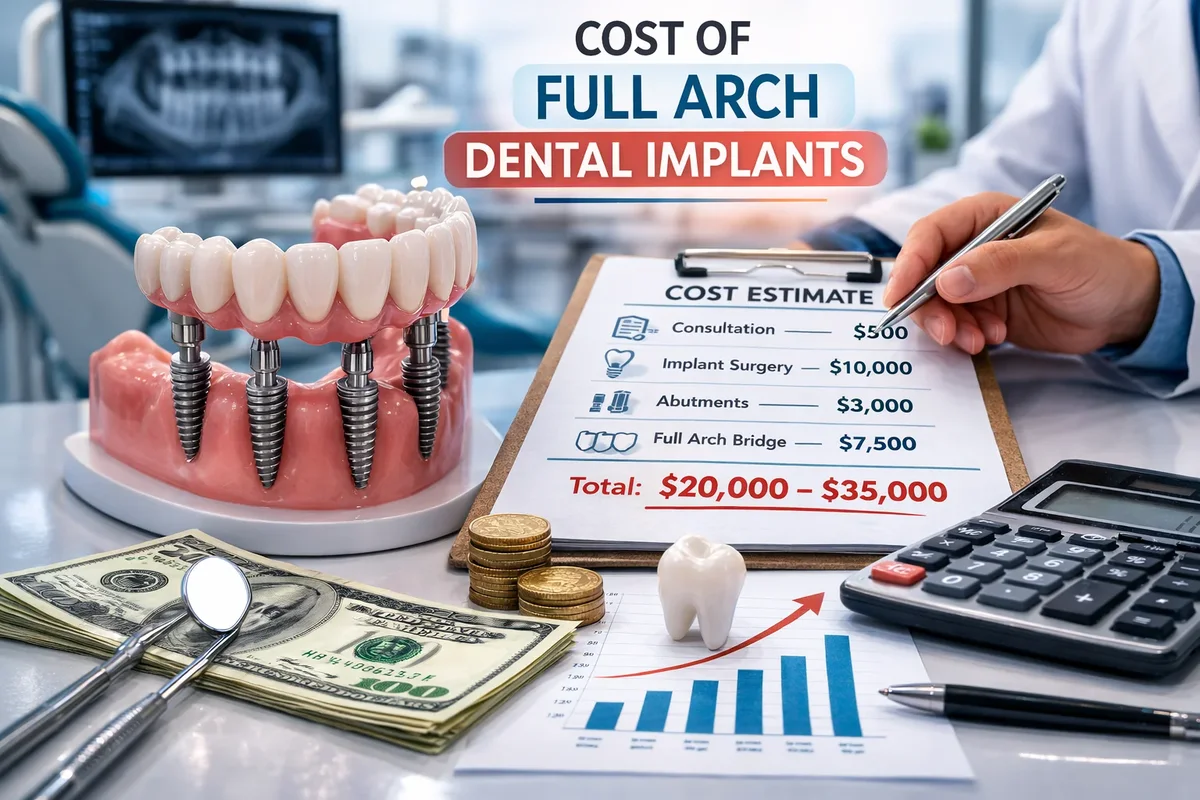
If you are researching the cost of full arch dental implants, you are likely considering a life-changing solution for extensive tooth loss. Full arch dental implants are designed to replace all teeth in the upper or lower jaw using a fixed, implant-supported prosthesis. Unlike removable dentures, this treatment offers a permanent, stable, and natural-looking result. However, one of the most common and important questions patients ask is: what exactly determines the cost of full arch dental implants, and what should you expect financially?
The cost of full arch dental implants varies significantly depending on several factors, including the country where the procedure is performed, the materials used, the experience of the surgeon, and whether additional procedures such as bone grafting are required. On average, in the United States, the cost of full arch dental implants ranges between $20,000 and $35,000 per arch. For patients needing both upper and lower arches restored, the total investment may range from $40,000 to $70,000. These figures typically include the surgical placement of implants, the temporary prosthesis, and the final fixed bridge.
It is important to understand that the cost of full arch dental implants reflects not only the number of implants placed—often four to six per arch—but also the advanced technology, surgical precision, and high-quality materials involved. Modern full arch treatments, often referred to as full mouth implant restoration or full arch implant-supported bridges, rely on titanium implants that integrate with the jawbone through a process called osseointegration. This biological fusion ensures long-term stability and durability.
When evaluating the cost of full arch dental implants, patients should also consider what is included in the treatment plan. A comprehensive package may cover digital 3D imaging (CBCT scans), surgical guides, anesthesia, temporary fixed teeth placed on the same day, and a custom-designed final zirconia or porcelain bridge. Clinics that use advanced CAD/CAM technology and high-end prosthetic materials may have a higher cost of full arch dental implants, but these factors significantly enhance aesthetics, comfort, and longevity.
Another critical element influencing the cost of full arch dental implants is bone condition. If a patient has experienced severe bone loss, additional procedures such as bone grafting or sinus lifting may be necessary. These procedures increase the overall cost of full arch dental implants, but they are essential to ensure implant stability and long-term success. Skipping these steps to reduce expenses may compromise results and lead to future complications.
International dental tourism has become increasingly popular because the cost of full arch dental implants can be significantly lower in certain countries while maintaining high standards of care. For example, in some European or Mediterranean clinics, the cost of full arch dental implants may range between $8,000 and $15,000 per arch, depending on materials and case complexity. However, patients should carefully research clinic credentials, sterilization protocols, and dentist qualifications. Reputable clinics often align their standards with organizations such as the American Dental Association, ensuring internationally recognized treatment protocols.
Patients frequently ask whether the cost of full arch dental implants is justified compared to removable dentures. While dentures may cost significantly less upfront, they often require periodic relining, replacement, and adhesives. Over time, cumulative maintenance costs add up. In contrast, the cost of full arch dental implants represents a long-term investment in oral health, jawbone preservation, and improved quality of life. Implant-supported restorations prevent bone resorption, maintain facial structure, and restore up to 90–95% of natural chewing efficiency.
From a functional standpoint, the cost of full arch dental implants also includes benefits that are difficult to quantify financially. Patients report improved confidence, clearer speech, and the ability to eat a wider variety of foods. These improvements significantly enhance daily comfort and overall well-being. In many cases, patients who initially hesitated due to the cost of full arch dental implants later describe the procedure as one of the best decisions they have made for their health.
Transparency is essential when discussing the cost of full arch dental implants. A reliable clinic should provide a detailed written treatment plan outlining every stage of the process, expected timelines, materials used, and payment structure. If you are considering treatment and would like a personalized assessment of the cost of full arch dental implants, you can contact a qualified specialist through the Redent Klinik Contact Page to receive a customized consultation.
In summary, the cost of full arch dental implants reflects surgical expertise, premium materials, advanced digital planning, and long-term durability. Although the initial expense may appear substantial, the value lies in permanent stability, improved oral function, and restored confidence. Understanding what contributes to the cost of full arch dental implants empowers patients to make informed decisions and choose a treatment plan that aligns with both their health goals and financial expectations. 😊
Average Cost of Full Arch Dental Implants by Country
Understanding the cost of full arch dental implants worldwide is essential for patients who are comparing treatment options domestically and internationally. Prices can vary dramatically depending on geographic location, clinical standards, laboratory quality, and overall healthcare costs in each country. While the procedure itself follows similar biological principles everywhere, the cost of full arch dental implants may differ by tens of thousands of dollars from one region to another.
United States: Premium Pricing with Advanced Technology
In the United States, the cost of full arch dental implants typically ranges between $20,000 and $35,000 per arch. For patients requiring both upper and lower arches, the total investment may reach $40,000 to $70,000. This pricing often includes:
- Comprehensive diagnostics (CBCT scan, digital impressions)
- Surgical placement of 4–6 titanium implants
- Temporary fixed prosthesis (same-day teeth)
- Final zirconia or porcelain bridge
- Follow-up visits
The higher cost of full arch dental implants in the U.S. reflects strict regulatory standards, laboratory fees, malpractice insurance costs, and advanced digital workflows. Many clinics align their protocols with guidelines from the American Dental Association, ensuring patient safety and clinical excellence. However, for many patients, the cost of full arch dental implants in the U.S. may exceed their available budget.
United Kingdom and Western Europe
In countries such as the UK, Germany, and France, the cost of full arch dental implants generally ranges between $18,000 and $30,000 per arch. While slightly lower than the U.S., these prices remain relatively high due to strong healthcare regulations, laboratory standards, and clinician expertise. The overall cost of full arch dental implants in Western Europe still reflects premium materials like monolithic zirconia and digitally milled frameworks.
Why Western Europe Prices Remain High
Factors influencing the cost of full arch dental implants in this region include:
- High clinical operating expenses
- Certified implant brands (e.g., Straumann, Nobel Biocare)
- Highly trained oral surgeons and prosthodontists
- Advanced sterilization and digital technologies
Although expensive, the cost of full arch dental implants in Western Europe typically guarantees predictable outcomes and long-term durability.
Turkey and Mediterranean Countries: Affordable Excellence
Dental tourism has significantly changed how patients approach the cost of full arch dental implants. In Turkey, Spain, and certain Mediterranean destinations, the price may range between $8,000 and $15,000 per arch, depending on implant brand and prosthetic materials. This means the cost of full arch dental implants can be 50–70% lower compared to the United States.
The reduced cost of full arch dental implants does not necessarily indicate lower quality. In many cases, lower operating costs, currency exchange advantages, and government support for medical tourism allow clinics to provide internationally accredited care at more accessible rates. However, patients should verify:
- Implant system brand and certification
- Surgeon experience and case portfolio
- Sterilization protocols
- Inclusion of temporary and final prostheses in the package
When properly researched, the cost of full arch dental implants abroad can offer substantial savings without compromising clinical standards.
Mexico and Latin America
In Mexico, Costa Rica, and Colombia, the cost of full arch dental implants often ranges between $9,000 and $18,000 per arch. Many clinics near the U.S. border specifically cater to American patients seeking lower treatment costs. The reduced cost of full arch dental implants here is influenced by lower overhead expenses and competitive healthcare markets.
However, travel logistics, post-operative follow-up arrangements, and warranty policies should be considered when evaluating the overall cost of full arch dental implants internationally.
What Do These Price Differences Really Mean?
When comparing the cost of full arch dental implants across countries, patients must look beyond the headline number. A lower price may exclude essential services such as bone grafting, sedation, or the final prosthetic upgrade. Conversely, a higher cost of full arch dental implants may include premium materials, extended warranties, and lifetime support.
It is also important to consider the total treatment timeline. Some clinics abroad offer immediate loading protocols (same-day fixed teeth), which can reduce travel time. Others may require multiple visits, potentially affecting the real cost of full arch dental implants when flights and accommodations are included.
Hidden Travel-Related Expenses
Even if the advertised cost of full arch dental implants seems affordable, patients should calculate:
- Flights and accommodation
- Meals and transportation
- Time off work
- Potential revision visits
When all factors are considered, the effective cost of full arch dental implants becomes clearer and more realistic.
Making an Informed Global Comparison
Ultimately, the cost of full arch dental implants is influenced by economic, clinical, and logistical factors. Patients should request a detailed treatment breakdown, confirm implant brand authenticity, and ensure transparency in pricing. Whether choosing treatment locally or abroad, the key is understanding exactly what the cost of full arch dental implants includes and ensuring it aligns with long-term oral health goals.
If you are evaluating international options and would like professional guidance, you can reach out through the Redent Klinik Contact Page for a personalized consultation and transparent cost analysis. 😊
Factors That Influence the Cost of Full Arch Dental Implants
The cost of full arch dental implants is not a fixed number. It is influenced by multiple clinical, technical, and geographic variables that directly impact the complexity and quality of treatment. While many patients focus only on the final price, understanding what determines the cost of full arch dental implants helps you evaluate whether a treatment plan is fair, realistic, and medically appropriate. Below, we break down the most important factors that shape the overall cost of full arch dental implants.
1. Number of Implants Placed Per Arch
One of the primary drivers of the cost of full arch dental implants is how many implants are used to support the prosthesis. Most full arch solutions are based on 4 to 6 implants per jaw. While “All-on-4” concepts may reduce surgical complexity, cases requiring 6 implants often provide enhanced stability and load distribution.
The more implants placed, the higher the cost of full arch dental implants, since each implant includes the surgical component, the titanium fixture, abutments, and laboratory work. However, fewer implants do not automatically mean better value. Long-term durability and biomechanical strength must always be prioritized over short-term savings.
2. Type and Brand of Implant System
The implant brand significantly affects the cost of full arch dental implants. Premium global brands such as Straumann or Nobel Biocare often increase the total cost due to research-backed design, surface technology, and long-term clinical data. These systems are manufactured with strict quality standards and provide excellent osseointegration.
Why Implant Brand Matters
- Clinical research and long-term survival rates
- Global warranty availability
- Precision engineering
- Compatibility with advanced prosthetic systems
Choosing a reputable implant brand may slightly increase the cost of full arch dental implants, but it significantly reduces the risk of complications and future replacement costs.
3. Type of Final Prosthesis Material
The final bridge material has a substantial impact on the cost of full arch dental implants. Temporary prostheses are typically made from acrylic or composite materials, while permanent restorations are often crafted from monolithic zirconia or porcelain-fused-to-metal.
Zirconia bridges, known for their strength and natural appearance, increase the cost of full arch dental implants compared to acrylic options. However, zirconia offers superior durability, stain resistance, and long-term aesthetics. Patients looking for a premium smile transformation often choose zirconia despite the higher cost of full arch dental implants.
4. Bone Grafting and Additional Surgical Procedures
Bone density plays a major role in determining the cost of full arch dental implants. If a patient has experienced significant bone loss due to long-term tooth absence or periodontal disease, additional procedures may be required.
Common Additional Procedures
- Bone grafting
- Sinus lift surgery
- Extraction of remaining teeth
- Soft tissue grafting
Each of these procedures increases the cost of full arch dental implants because they involve additional surgical time, biomaterials, and healing phases. However, skipping necessary preparatory treatments may compromise implant stability and long-term success.
5. Digital Technology and Treatment Planning
Advanced digital workflows significantly influence the cost of full arch dental implants. Modern clinics use CBCT 3D imaging, intraoral scanners, guided surgery software, and CAD/CAM manufacturing systems. These technologies improve precision, reduce surgical risk, and enhance final prosthetic fit.
Clinics investing in state-of-the-art digital systems may have a higher cost of full arch dental implants, but they often deliver more predictable and comfortable outcomes. Guided surgery, for example, ensures optimal implant positioning, minimizing nerve damage risks and improving long-term functionality.
6. Surgeon Experience and Clinical Expertise
The expertise of the oral surgeon or implantologist directly affects the cost of full arch dental implants. Highly experienced specialists with advanced training and extensive case portfolios may charge more for their services. However, their knowledge significantly reduces complication rates and enhances success outcomes.
While a lower cost of full arch dental implants may seem attractive, choosing a less experienced provider can increase the risk of implant failure, misalignment, or prosthetic issues. Investing in qualified professionals often ensures better long-term value.
7. Geographic Location of the Clinic
Location is another major factor influencing the cost of full arch dental implants. Clinics in countries with high operating expenses, insurance costs, and regulatory requirements tend to charge more. In contrast, regions with lower overhead and favorable exchange rates may offer a reduced cost of full arch dental implants without sacrificing quality.
However, patients considering treatment abroad should evaluate travel costs, follow-up accessibility, and warranty policies when calculating the real cost of full arch dental implants.
8. Anesthesia and Sedation Options
Comfort during surgery is important. The type of anesthesia used can affect the cost of full arch dental implants. Local anesthesia is typically included, but IV sedation or general anesthesia increases the overall price. Sedation options are particularly relevant for patients with dental anxiety or complex surgical cases.
9. Aftercare, Warranty, and Follow-Up Support
The cost of full arch dental implants should also include aftercare services such as follow-up visits, prosthetic adjustments, and hygiene monitoring. Some clinics provide extended warranties for implants and prostheses, which may slightly raise the initial cost of full arch dental implants but provide long-term peace of mind.
Ultimately, the cost of full arch dental implants reflects far more than just the implants themselves. It represents surgical expertise, material quality, advanced technology, and comprehensive aftercare. By understanding these influencing factors, patients can evaluate treatment proposals accurately and make informed decisions that prioritize both safety and long-term success. 😊
Cost of Full Arch Dental Implants vs Traditional Dentures
When patients begin comparing treatment options for complete tooth loss, one of the most common questions is whether the cost of full arch dental implants is justified when compared to traditional removable dentures. At first glance, dentures appear to be far more affordable. However, the long-term financial, functional, and biological differences between these two solutions are significant. To make an informed decision, it is essential to understand not only the upfront cost of full arch dental implants, but also how that investment compares to the lifetime expenses and quality-of-life impact of removable prosthetics.
Upfront Price Comparison
The initial cost of full arch dental implants typically ranges from $20,000 to $35,000 per arch in countries like the United States. In contrast, conventional removable dentures may cost between $1,500 and $4,000 per arch. This dramatic price difference often leads patients to question why the cost of full arch dental implants is substantially higher.
The answer lies in the complexity of the procedure. Full arch dental implants require surgical placement of titanium fixtures into the jawbone, digital planning, laboratory customization, and often a temporary and final fixed bridge. Traditional dentures, on the other hand, sit on top of the gums and do not require surgery. While the denture price seems attractive, it does not provide the same biological integration or long-term stability that justifies the cost of full arch dental implants.
Long-Term Financial Perspective
Although dentures have a lower initial cost, they come with recurring expenses. Over a 10–15 year period, patients may need:
- Denture relining every 1–3 years
- Replacement dentures every 5–8 years
- Adhesives and cleaning products
- Frequent adjustment appointments
These cumulative costs can significantly reduce the financial gap between dentures and the cost of full arch dental implants. Implant-supported restorations are designed to last decades with proper care. The prosthetic bridge may require maintenance or replacement after many years, but the implants themselves can remain stable long-term. When viewed as a lifetime solution, the cost of full arch dental implants may actually represent better overall value.
Bone Preservation and Health Impact
One of the most critical differences between dentures and implants is bone preservation. Traditional dentures do not stimulate the jawbone. As a result, bone resorption continues over time, causing facial collapse and ill-fitting dentures. This progressive bone loss can eventually require more complex interventions.
Why Bone Loss Matters
Without tooth roots or implants, the jawbone shrinks. This leads to:
- Sunken facial appearance
- Difficulty chewing
- Reduced denture stability
- Increased risk of gum irritation
The cost of full arch dental implants includes the biological benefit of osseointegration, where implants fuse with the bone and stimulate it similarly to natural tooth roots. This process prevents bone deterioration, preserving facial structure and long-term oral health. From a medical standpoint, the cost of full arch dental implants supports structural integrity that dentures cannot provide.
Chewing Efficiency and Comfort
Patients with removable dentures typically regain only 20–30% of their natural chewing efficiency. Certain foods, such as nuts, steak, or raw vegetables, can remain difficult to eat. Slipping or clicking dentures may also cause embarrassment and discomfort.
By contrast, the cost of full arch dental implants delivers up to 90–95% of natural bite strength. Implant-supported bridges are fixed, stable, and do not require adhesives. Patients often report that the investment in the cost of full arch dental implants dramatically improves their ability to eat comfortably and confidently. 😊
Psychological and Social Benefits
Confidence is another important factor. Removable dentures can shift during speech or laughter, leading to anxiety in social situations. Many patients describe avoiding certain activities due to fear of denture instability.
Although the cost of full arch dental implants is higher initially, patients frequently report improved self-esteem and emotional well-being. Fixed teeth feel more natural and secure, allowing unrestricted speech and smiling. When evaluating the cost of full arch dental implants, these intangible benefits are often decisive.
Maintenance and Daily Care
Dentures must be removed nightly for cleaning and soaking. They can stain over time and may develop odor if not maintained properly. Implant-supported bridges are brushed similarly to natural teeth and may require specialized flossing tools or water flossers.
While the cost of full arch dental implants includes advanced prosthetic materials, their daily care routine is typically simpler and more hygienic than removable dentures.
Which Option Is Right for You?
Choosing between dentures and implants depends on medical history, bone condition, and financial planning. However, when considering long-term value, function, and health preservation, the cost of full arch dental implants often reflects a comprehensive restorative solution rather than a temporary fix.
Patients seeking stability, longevity, and improved quality of life often conclude that the cost of full arch dental implants is a worthwhile investment. Dentures may serve as a short-term or budget-conscious solution, but implants provide a permanent, structurally supportive alternative.
Ultimately, the decision should be based not only on immediate expense but also on durability, health benefits, and lifestyle impact. When comparing options, understanding the full scope of the cost of full arch dental implants versus dentures allows patients to make a confident, informed choice for their long-term oral health.
Are Full Arch Dental Implants Worth the Cost?
For many patients facing complete tooth loss, the central question is not only about the cost of full arch dental implants, but whether that investment truly delivers long-term value. Since the cost of full arch dental implants can appear substantial at first glance, it is important to evaluate what patients receive in return. Beyond restoring missing teeth, this treatment provides structural support, improved oral health, functional strength, and emotional confidence. Determining whether the cost of full arch dental implants is “worth it” requires examining clinical outcomes, durability, quality of life improvements, and long-term financial considerations.
Long-Term Durability and Lifespan
One of the strongest arguments supporting the cost of full arch dental implants is longevity. Dental implants are made of medical-grade titanium and are designed to fuse with the jawbone through osseointegration. With proper care, implants can last 20 years or more, and in many cases, a lifetime.
While the prosthetic bridge attached to the implants may require maintenance or eventual replacement after 10–20 years, the foundational implant fixtures often remain stable. Compared to traditional dentures that require periodic replacement, the cost of full arch dental implants reflects a long-term restorative solution rather than a temporary appliance. Over decades, this durability significantly enhances the overall value of the cost of full arch dental implants.
Improved Function and Chewing Strength
Functionality plays a critical role in determining whether the cost of full arch dental implants is justified. Implant-supported arches restore up to 90–95% of natural bite force. Patients can comfortably eat a wide variety of foods, including harder textures such as apples, steak, and nuts.
Functional Advantages Over Dentures
- No slipping or movement while eating
- No need for adhesives
- Greater bite stability
- Improved speech clarity
When compared to removable dentures, which often provide limited chewing power, the cost of full arch dental implants directly correlates with enhanced daily comfort and dietary freedom. For many individuals, the ability to eat normally again makes the cost of full arch dental implants a worthwhile investment.
Bone Preservation and Facial Structure
A major health advantage included in the cost of full arch dental implants is bone preservation. When teeth are lost, the jawbone begins to shrink due to lack of stimulation. Traditional dentures do not prevent this process. Over time, bone resorption can lead to facial collapse, wrinkles around the mouth, and a sunken appearance.
Implants stimulate the jawbone in a way similar to natural tooth roots. This helps maintain bone density and facial structure. From a long-term medical perspective, the cost of full arch dental implants contributes to structural preservation that removable prosthetics simply cannot provide. Preventing progressive bone loss also reduces the likelihood of requiring future grafting procedures, further reinforcing the value behind the cost of full arch dental implants.
Psychological and Social Benefits
Confidence and emotional well-being are often underestimated when evaluating the cost of full arch dental implants. Missing teeth or unstable dentures can affect self-esteem, social interactions, and professional confidence. Many patients report avoiding smiling or speaking freely due to fear of denture movement.
Fixed implant-supported teeth feel secure and natural. Patients frequently describe feeling “like themselves again.” Although the cost of full arch dental implants is a financial commitment, the psychological benefits can be transformative. 😊 The ability to smile without hesitation often becomes one of the most valued returns on the cost of full arch dental implants.
Financial Perspective: Investment vs Expense
When analyzing whether the cost of full arch dental implants is worthwhile, it helps to shift perspective from “expense” to “investment.” While dentures may cost less initially, they require ongoing maintenance, periodic replacement, and adjustments. Over a lifetime, these recurring costs accumulate.
The cost of full arch dental implants includes advanced surgical expertise, high-quality materials, and long-term stability. In many cases, patients who initially hesitated due to the cost of full arch dental implants later report that the functional and emotional benefits far outweighed their concerns about price.
Health-Related Quality of Life
Studies in implant dentistry consistently show improvements in oral health-related quality of life after full arch restoration. Patients experience better chewing ability, improved speech, and greater comfort. Because the cost of full arch dental implants supports a fixed solution, patients often feel a stronger sense of normalcy in daily life.
Quality of Life Improvements Include:
- Stable, natural-looking smile
- Reduced gum irritation
- Enhanced speech clarity
- Improved nutritional intake
These improvements collectively strengthen the argument that the cost of full arch dental implants represents more than a cosmetic enhancement—it is a comprehensive oral rehabilitation.
Who Benefits Most from Full Arch Implants?
The cost of full arch dental implants may be especially worthwhile for patients who:
- Struggle with unstable dentures
- Experience significant bone loss
- Desire a permanent, fixed solution
- Want long-term functional restoration
For these individuals, the cost of full arch dental implants aligns closely with their medical and lifestyle goals.
In conclusion, whether the cost of full arch dental implants is worth it depends on personal priorities, health needs, and long-term expectations. However, when evaluated through the lenses of durability, function, bone preservation, emotional well-being, and lifetime value, many patients conclude that the cost of full arch dental implants is a meaningful and worthwhile investment in both oral health and overall quality of life.
Financing Options for the Cost of Full Arch Dental Implants
For many patients, the biggest concern is not whether they need treatment, but how they can realistically manage the cost of full arch dental implants. Since the cost of full arch dental implants can range from $20,000 to $35,000 per arch in countries like the United States, understanding available financing options is essential. Fortunately, there are multiple ways to make the cost of full arch dental implants more manageable without compromising treatment quality.
1. Dental Insurance Coverage
Dental insurance rarely covers the full cost of full arch dental implants, but partial coverage may apply depending on the policy. Some insurance plans reimburse portions related to extractions, diagnostics, or the prosthetic component. It is important to review your plan carefully and request a pre-treatment estimate.
What Insurance May Cover
- Initial consultation and diagnostic imaging
- Tooth extractions
- Part of the prosthetic bridge
- Medically necessary procedures
While insurance alone usually does not eliminate the cost of full arch dental implants, it can reduce the overall financial burden. Patients should work closely with the clinic’s financial coordinator to understand how much of the cost of full arch dental implants may be reimbursed.
2. In-House Payment Plans
Many dental clinics offer structured in-house financing programs designed to spread the cost of full arch dental implants over several months or years. These plans often allow patients to begin treatment with a deposit and then pay the remaining balance in scheduled installments.
Depending on the provider, the cost of full arch dental implants can be divided into 12, 24, or even 36 monthly payments. Some clinics offer interest-free short-term plans, while longer-term options may include interest charges. This approach makes the cost of full arch dental implants more accessible without requiring full upfront payment.
3. Third-Party Medical Financing
Medical financing companies specialize in healthcare loans and can help patients manage the cost of full arch dental implants. These companies provide structured repayment plans based on credit approval.
Benefits of Medical Financing
- Extended repayment terms (up to 60 months or more)
- Fixed monthly payments
- Fast approval process
- Immediate treatment start
Although financing may increase the total paid over time due to interest, it allows patients to proceed with treatment without delaying necessary care. For many individuals, breaking down the cost of full arch dental implants into predictable monthly payments significantly reduces financial stress.
4. Health Savings Accounts (HSA) and Flexible Spending Accounts (FSA)
Patients with HSA or FSA accounts can often apply those funds toward the cost of full arch dental implants. Because implants are considered a medically necessary restorative treatment in many cases, these tax-advantaged accounts can substantially reduce out-of-pocket expenses.
Using pre-tax funds lowers the effective cost of full arch dental implants, making treatment more financially efficient. It is advisable to consult with your benefits administrator to confirm eligibility.
5. Combining Treatments Strategically
Some clinics allow phased treatment planning, which can help distribute the cost of full arch dental implants over time. For example, patients may begin with one arch first and complete the second arch later. This staged approach can make the overall cost of full arch dental implants easier to manage.
In certain cases, immediate loading protocols (same-day temporary teeth) may reduce additional visits, which can also help control the overall cost of full arch dental implants.
6. Dental Tourism as a Financial Strategy
International treatment is another method patients use to manage the cost of full arch dental implants. In countries such as Turkey, Mexico, or parts of Southern Europe, the price per arch may range between $8,000 and $15,000. Even when including travel expenses, the total cost of full arch dental implants may remain significantly lower than domestic options.
However, patients must evaluate clinic credentials, implant brand authenticity, and follow-up care availability. A lower cost of full arch dental implants should never come at the expense of safety or long-term success.
7. Credit Cards and Personal Loans
Some patients use personal loans or credit cards to finance the cost of full arch dental implants. While this provides flexibility, interest rates may be higher compared to specialized medical financing options. It is important to calculate the total repayment amount before choosing this route.
Planning Ahead Financially
Before committing to treatment, patients should request a detailed breakdown of the cost of full arch dental implants. Transparent pricing ensures that there are no unexpected charges later. Ask whether the quote includes:
- Diagnostics and imaging
- Implant placement surgery
- Temporary prosthesis
- Final bridge
- Follow-up visits
Understanding exactly what is included in the cost of full arch dental implants allows patients to compare financing options accurately and avoid hidden fees.
Ultimately, while the cost of full arch dental implants may initially seem high, modern financing solutions make this life-changing treatment achievable for many patients. By exploring insurance benefits, payment plans, financing programs, and tax-advantaged accounts, individuals can transform what appears to be a major expense into a structured and manageable investment in long-term oral health and confidence. 😊
Hidden Expenses in the Cost of Full Arch Dental Implants
When evaluating the cost of full arch dental implants, many patients focus only on the headline number presented in advertisements or initial consultations. However, the real cost of full arch dental implants can sometimes include additional components that are not immediately obvious. Understanding these hidden or overlooked expenses is essential for accurate financial planning. A transparent breakdown of the cost of full arch dental implants helps patients avoid surprises and make informed decisions.
1. Diagnostic Imaging and Pre-Surgical Planning
Advanced imaging is a critical part of implant dentistry. CBCT (Cone Beam Computed Tomography) scans, 3D digital impressions, and surgical planning software are often required before implant placement. In some clinics, these services are included in the cost of full arch dental implants, but in others, they may be billed separately.
Common Pre-Treatment Costs
- CBCT 3D scan
- Digital smile design planning
- Photographic analysis
- Diagnostic wax-up models
These preparatory steps improve surgical accuracy and prosthetic outcomes, but they may increase the overall cost of full arch dental implants if not clearly included in the original quote.
2. Tooth Extractions and Site Preparation
If remaining damaged teeth need to be removed prior to implant placement, extraction fees may add to the cost of full arch dental implants. While some full-arch packages include extractions, others charge per tooth. Complex surgical extractions can increase the total cost of full arch dental implants, especially if impacted teeth or infections are present.
In addition, site preparation procedures such as bone smoothing or minor soft tissue corrections may not always be listed in the base cost of full arch dental implants.
3. Bone Grafting and Sinus Lifts
One of the most significant hidden contributors to the cost of full arch dental implants is bone grafting. Patients with advanced bone loss may require grafting procedures to create sufficient support for implants.
Why Bone Grafting Adds Cost
- Additional surgical time
- Biomaterial expenses
- Extended healing period
- Specialist involvement
These procedures can increase the overall cost of full arch dental implants by several thousand dollars per arch. Although this may seem substantial, proper bone preparation ensures implant stability and long-term success.
4. Temporary Prosthesis vs Final Restoration
Many patients assume that the quoted cost of full arch dental implants includes both temporary and permanent teeth. However, some clinics advertise lower prices that only cover the surgical placement and temporary acrylic bridge. The final zirconia or porcelain prosthesis may be an additional charge.
Because high-quality zirconia bridges are durable and highly aesthetic, they significantly influence the total cost of full arch dental implants. Patients should always confirm whether the final restoration is included in the proposed cost of full arch dental implants.
5. Sedation and Anesthesia Fees
Comfort during surgery is crucial, and different anesthesia options can affect the cost of full arch dental implants. While local anesthesia is typically included, IV sedation or general anesthesia may involve additional fees. For patients with dental anxiety, this can add to the overall cost of full arch dental implants, but it also enhances comfort and procedural safety.
6. Follow-Up Visits and Maintenance
Post-operative care is an essential component of implant success. However, not all clinics include long-term follow-up visits within the initial cost of full arch dental implants. Adjustments, hygiene appointments, and periodic check-ups may be billed separately.
Potential Maintenance Costs
- Prosthetic screw tightening
- Bridge repairs or polishing
- Professional implant cleaning
- Occlusion adjustments
While these costs are generally modest compared to the total cost of full arch dental implants, they should still be factored into long-term planning.
7. Travel and Accommodation (For International Patients)
Patients traveling abroad to reduce the cost of full arch dental implants must consider additional expenses such as airfare, hotels, meals, and transportation. Although treatment abroad may reduce the surgical cost of full arch dental implants, travel-related expenses can partially offset savings.
Furthermore, if additional follow-up visits are required, return travel may increase the effective cost of full arch dental implants beyond initial expectations.
8. Warranty and Implant Brand Differences
Premium implant brands often provide international warranties. Clinics offering extended guarantees may include this in the cost of full arch dental implants, while others may charge extra for warranty coverage. Choosing lower-cost implant systems may initially reduce the cost of full arch dental implants, but long-term reliability should always be considered.
How to Avoid Hidden Costs
To ensure transparency in the cost of full arch dental implants, patients should request a detailed written treatment plan outlining every included and excluded service. Important questions include:
- Does the quote include the final zirconia bridge?
- Are extractions included?
- Are bone grafts priced separately?
- How many follow-up visits are covered?
Clarifying these points ensures the advertised cost of full arch dental implants accurately reflects the total investment required.
In conclusion, while the cost of full arch dental implants may seem straightforward at first, hidden or additional expenses can influence the final amount. By understanding these potential costs and asking the right questions, patients can approach treatment with financial clarity and confidence. 😊
How to Reduce the Cost of Full Arch Dental Implants Safely
For many patients, the primary concern is how to lower the cost of full arch dental implants without compromising safety or long-term success. Because the cost of full arch dental implants can represent a significant financial commitment, it is completely natural to look for ways to make treatment more affordable. However, reducing the cost of full arch dental implants should never mean sacrificing implant quality, surgical precision, or clinical standards. The key is to reduce expenses strategically and responsibly.
1. Choose the Right Location Carefully
One of the most effective ways to reduce the cost of full arch dental implants is by considering treatment in regions where operating costs are lower. In countries with favorable exchange rates and lower overhead expenses, the cost of full arch dental implants can be significantly more affordable compared to high-cost healthcare systems.
However, when evaluating international options, patients should verify:
- Implant brand authenticity
- Surgeon qualifications and experience
- Clinic sterilization standards
- Clear warranty policies
A reduced cost of full arch dental implants is beneficial only if the clinic maintains internationally recognized treatment standards. Safety and expertise must remain the priority.
2. Compare Comprehensive Treatment Packages
Not all quotes are structured the same way. Some clinics provide all-inclusive packages that cover diagnostics, surgery, temporary prosthesis, and final zirconia restoration. Others advertise a lower base cost of full arch dental implants but charge separately for key components.
What to Look for in a Transparent Quote
- CBCT imaging included
- Temporary fixed bridge included
- Final prosthesis material specified
- Follow-up visits covered
Comparing complete packages rather than base prices helps ensure that the reduced cost of full arch dental implants is genuinely cost-effective rather than misleading.
3. Consider Phased Treatment Planning
For patients requiring both upper and lower arches, completing treatment in stages can help manage the cost of full arch dental implants. For example, restoring one arch first allows patients to spread payments over time.
This phased approach does not necessarily lower the total cost of full arch dental implants, but it makes the financial process more manageable. Many clinics support staged treatment without compromising implant stability or prosthetic design.
4. Utilize Financing and Tax-Advantaged Accounts
Using Health Savings Accounts (HSA) or Flexible Spending Accounts (FSA) can reduce the effective cost of full arch dental implants by applying pre-tax income toward treatment. Additionally, structured financing plans allow patients to divide the cost of full arch dental implants into predictable monthly payments.
Rather than searching for lower-quality alternatives, structured payment solutions allow patients to maintain high clinical standards while managing the cost of full arch dental implants responsibly.
5. Avoid Extremely Low-Cost Offers
While it may be tempting to choose the lowest advertised cost of full arch dental implants, extremely discounted offers may exclude essential services or use lower-grade materials. Implant dentistry requires precision engineering, quality biomaterials, and experienced clinicians.
Risks of Unrealistically Low Prices
- Non-certified implant brands
- Limited follow-up care
- Inexperienced surgical providers
- Hidden additional charges
Choosing a provider solely based on the lowest cost of full arch dental implants can increase the risk of complications, potentially leading to revision procedures that cost far more in the long run.
6. Maintain Excellent Oral Hygiene After Treatment
Protecting your investment is one of the most practical ways to control the long-term cost of full arch dental implants. Proper oral hygiene, routine professional cleanings, and regular check-ups help prevent complications such as peri-implantitis.
Neglecting maintenance may result in prosthetic repairs or implant failure, increasing the lifetime cost of full arch dental implants. Preventive care ensures durability and protects the value of your treatment.
7. Select Durable Prosthetic Materials
Although zirconia restorations may initially increase the cost of full arch dental implants, their long-term durability can reduce replacement expenses. Acrylic prostheses may cost less upfront, but they may wear down more quickly.
Balancing upfront affordability with long-term strength is essential when evaluating the overall cost of full arch dental implants. In many cases, investing slightly more in durable materials reduces future maintenance costs.
8. Seek Expert Consultation Before Deciding
Before committing to treatment, request a detailed consultation outlining the full cost of full arch dental implants. A transparent clinic should provide a written breakdown of services and answer all financial questions clearly.
Reducing the cost of full arch dental implants safely means making informed decisions, not cutting critical corners. By comparing comprehensive packages, choosing experienced providers, utilizing financing tools, and maintaining excellent aftercare, patients can manage the cost of full arch dental implants without compromising quality.
Ultimately, the goal is not simply to minimize the cost of full arch dental implants, but to maximize long-term value, durability, and health outcomes. When approached strategically, patients can achieve both financial balance and a stable, confident smile. 😊
Choosing the Right Clinic for Full Arch Dental Implants
Selecting the right clinic is one of the most important decisions influencing both the outcome and the cost of full arch dental implants. While many patients focus primarily on price, the reality is that the cost of full arch dental implants reflects the clinic’s expertise, technology, implant systems, sterilization standards, and long-term follow-up care. Choosing a qualified provider ensures that the cost of full arch dental implants translates into lasting value rather than unexpected complications.
1. Verify the Surgeon’s Experience and Credentials
The expertise of the implant surgeon plays a critical role in determining the success of treatment and justifying the cost of full arch dental implants. Full arch procedures require advanced surgical planning, anatomical precision, and prosthetic coordination. Patients should verify:
- Specialized training in implantology or oral surgery
- Years of experience with full arch cases
- Before-and-after case documentation
- Continuing education certifications
Although a highly experienced provider may present a higher cost of full arch dental implants, their expertise significantly reduces surgical risks and increases long-term implant survival rates.
2. Evaluate Technology and Digital Workflow
Modern implant dentistry relies heavily on digital precision. Clinics using CBCT imaging, intraoral scanning, and guided surgery planning often provide more predictable outcomes. Advanced digital workflows may influence the cost of full arch dental implants, but they enhance accuracy and minimize complications.
Technology to Look For
- 3D CBCT imaging
- Computer-guided implant placement
- CAD/CAM prosthetic design
- Digital smile simulation
Investing in a clinic with advanced equipment ensures that the cost of full arch dental implants includes precision-based treatment planning and superior prosthetic fit.
3. Confirm Implant Brand and Material Quality
Not all implant systems are created equal. Reputable clinics use globally recognized implant brands supported by clinical research and international warranties. The type of prosthetic material—whether acrylic, hybrid composite, or monolithic zirconia—also influences the cost of full arch dental implants.
Patients should ask which implant system will be used and whether replacement components are widely available. A slightly higher cost of full arch dental implants with premium materials often ensures better long-term stability and aesthetic outcomes.
4. Review Transparent Pricing and Treatment Plans
A trustworthy clinic provides a detailed written breakdown of the cost of full arch dental implants. Transparency prevents hidden fees and ensures patients understand exactly what is included.
Questions to Ask About Pricing
- Does the quote include temporary and final prostheses?
- Are extractions and bone grafts included?
- How many follow-up visits are covered?
- Is sedation included in the cost of full arch dental implants?
Clear communication about the cost of full arch dental implants allows patients to compare providers accurately and avoid financial surprises.
5. Assess Sterilization and Safety Standards
Patient safety should always come first. High-quality sterilization protocols, modern surgical facilities, and infection control measures are essential components behind the cost of full arch dental implants. Clinics that invest in strict hygiene standards often reflect this commitment in their pricing structure.
Although a lower cost of full arch dental implants may seem appealing, compromised sterilization standards can lead to serious complications, ultimately increasing overall healthcare expenses.
6. Evaluate Aftercare and Warranty Policies
The long-term success of treatment depends heavily on follow-up care. Reputable clinics include post-operative monitoring and maintenance support within the cost of full arch dental implants. Some providers also offer warranties on implant fixtures and prosthetic components.
Understanding what is covered under warranty ensures that the cost of full arch dental implants protects your investment over time. Long-term support is especially important for international patients who may need coordinated follow-up visits.
7. Read Reviews and Patient Testimonials
Real patient experiences provide valuable insight into whether the cost of full arch dental implants reflects quality care. Online reviews, video testimonials, and independent patient forums can help verify clinic credibility.
Consistent positive feedback often indicates that the cost of full arch dental implants aligns with successful outcomes and patient satisfaction.
8. Personalized Consultation and Treatment Planning
A reliable clinic conducts a comprehensive consultation before finalizing the cost of full arch dental implants. This includes reviewing medical history, evaluating bone structure, and discussing patient expectations.
A personalized plan ensures that the cost of full arch dental implants is based on individual clinical needs rather than a generic package. This tailored approach improves predictability and patient confidence. 😊
Making a Confident Decision
Ultimately, choosing the right clinic means balancing expertise, technology, transparency, and value. The cost of full arch dental implants should reflect surgical precision, durable materials, and comprehensive aftercare. While price is important, long-term stability, safety, and satisfaction are even more critical.
When patients carefully evaluate qualifications, treatment inclusions, and follow-up support, the cost of full arch dental implants becomes a meaningful investment in oral health and overall well-being. Making an informed choice ensures that your new smile is not only functional and beautiful but also built to last.