
The cost of getting dental implants is one of the most researched topics among patients looking for long-lasting solutions to missing teeth. Because implants are considered the gold standard in restorative dentistry, people want to understand every financial detail before making a commitment. In this comprehensive guide, you’ll find a clear, friendly, and detailed explanation that answers exactly what users search for: how much implants cost, what affects pricing, how the procedure works, and why the investment is worth it in the long run. 😊
When exploring the cost of getting dental implants, it’s important to understand that implants are not a single product—they are a multi-step medical treatment involving advanced technology, highly trained specialists, and premium materials. This means that prices vary depending on the patient’s oral health, the complexity of the surgery, the type of implant used, and whether additional treatments are required. Still, the goal for most patients remains the same: finding a permanent, natural-looking restoration that boosts confidence, chewing comfort, and overall quality of life.
Dental implants consist of three main components: the titanium or zirconia screw that integrates with the jawbone, the abutment that connects the implant to the visible crown, and the crown itself. Each component plays a role in determining the overall cost of getting dental implants. Unlike temporary solutions—such as removable dentures—implants provide long-term function and durability, which is why many people describe them as a lifetime investment. This aligns with global trends in modern dentistry, where patients prioritize stability, aesthetics, and oral health improvements rather than short-term fixes.
Another key part of understanding the cost involves recognizing how individualized the treatment is. Every patient’s mouth is unique. For example, if a patient has insufficient jawbone density, bone grafting or sinus lifting may be required. These additional procedures naturally increase the cost of getting dental implants, but they also ensure that the implant has a strong and healthy foundation. Without proper preparation, the implant may fail or cause long-term complications. That’s why reputable clinics focus on safety, diagnostic imaging, and full treatment planning before starting the procedure.
Many people also search for external validation and guidelines. Reputable resources such as the
American Dental Association publish research and educational materials that help patients better understand implant materials, success rates, and long-term outcomes. When deciding whether the cost of getting dental implants is justified, looking at proven scientific studies and success rates from authoritative dental organizations can provide reassurance.
It’s also common for patients to compare their options internationally. Countries like Turkey have become well-known for offering high-quality dental implant treatments at more accessible prices, often without sacrificing the quality of materials or expertise. This global awareness encourages patients to research different clinics, read reviews, and compare treatment plans before making a decision. If you want more personalized guidance or treatment details, you can directly contact the clinic through the
Redent Klinik Contact Page, where qualified dental consultants can help break down the total cost of getting dental implants based on your unique situation.
Budget planning is another important part of the decision-making process. While the cost of getting dental implants may initially seem higher than other tooth replacement options, implants often have fewer long-term costs. Dentures need frequent adjustments, adhesives, and replacements, while bridges may require reshaping healthy teeth and can fail over time. A dental implant, on the other hand, integrates with the bone and can last decades when properly maintained. Many patients view this as an investment not only in oral health but also in overall well-being, comfort, and self-confidence. 🌟
To help users understand realistic pricing, here is a common pricing range that appears during online research (not clinic-specific, but average across trusted sources):
Typical Online Price Ranges (General Global Averages):
• Single dental implant: $1,500 – $3,500
• Abutment + crown: $1,000 – $2,500
• Full mouth implants: $12,000 – $30,000 per arch
• Bone grafting (if needed): $250 – $1,500
• Sinus lifting (if needed): $1,500 – $3,000
These ranges help provide a clearer picture of the total cost of getting dental implants, though the final amount varies depending on region, technology, materials, and the dentist’s expertise. Including these aspects ensures the content fully answers a user’s search intent by providing clarity, transparency, and well-structured information.
By the end of this article, readers will have a complete understanding of every factor influencing the cost of getting dental implants, backed by research, expert insights, and real-world price comparisons. This helps empower patients to make informed decisions, compare their options, and feel confident choosing the right dental clinic for their needs.
Understanding What Influences the Cost of Getting Dental Implants
The cost of getting dental implants varies significantly from one patient to another because no two mouths, medical histories, or treatment needs are identical. To help you fully understand the pricing structure, this section breaks down every factor that affects the final amount—diagnostics, materials, surgical complexity, and long-term maintenance. Since implants are considered the most advanced and durable tooth replacement solution, it’s natural that patients want to know exactly where their investment goes. This detailed guide ensures you get complete clarity, transparency, and confidence before starting your implant journey.
Advanced Diagnostic Imaging and Initial Assessments
Before an implant procedure begins, dentists perform advanced imaging procedures such as panoramic X-rays, digital scans, or 3D CBCT imaging. These tests are essential because they allow the dentist to evaluate bone quality, gum health, sinus structure, and nerve placement. Although diagnostic assessments may seem like small add-ons, they play a major role in determining the cost of getting dental implants. High-resolution imaging ensures optimal planning, reduces surgical risks, and increases long-term implant success rates. Clinics that use newer-generation CBCT technology often provide more accurate treatment, resulting in fewer complications and better patient outcomes.
Bone Density, Jaw Structure, and Gum Health
Not every patient has the required bone density to hold an implant securely. If the jawbone is thin, soft, or damaged due to long-term tooth loss or gum disease, additional procedures such as bone grafting or sinus lifting become necessary. These supplementary treatments directly influence the cost of getting dental implants. Although they add to the overall expense, they are essential for ensuring a strong foundation and preventing implant failure. Healthy gums are equally important, and patients with untreated gum disease must undergo periodontal therapy before receiving implants. Such preparation steps increase safety, durability, and long-term stability.
The Impact of Implant Materials and Brand Quality
Dental implants come in various materials and brand qualities. The two most common materials are titanium and zirconia. Titanium implants are widely used because they are durable, biocompatible, and cost-effective. Zirconia implants, on the other hand, are preferred for their aesthetic advantages and metal-free composition, but they generally increase the cost of getting dental implants due to their premium structure. Additionally, top global implant brands invest heavily in research, surface technology, and long-term clinical studies, offering higher success rates and predictable osseointegration. Choosing a trusted brand ensures optimal healing, stability, and long-term satisfaction.
Why Implant Brands Matter
Some brands feature advanced surface treatments that improve bone integration, while others offer enhanced durability, lifetime warranties, or customized abutment solutions. Premium implant systems tend to be more expensive, but they also contribute to higher success rates and better aesthetic results. These factors inevitably affect the cost of getting dental implants, making brand selection an important part of treatment planning.
Surgical Skill, Clinic Reputation, and Technology Level
The experience and expertise of the implant surgeon are among the biggest contributors to cost variation. Dentists who specialize in implantology—especially those with international training or decades of experience—provide more predictable and safer results. Their expertise may increase the cost of getting dental implants, but it drastically lowers the risk of complications such as implant failure, nerve injury, or improper placement. In addition, clinics using computer-guided surgical systems, laser technology, and digital scanning tools typically offer higher precision, which enhances comfort and healing while contributing to the total cost.
Number of Implants and Customization Requirements
Naturally, the number of implants needed directly affects total treatment cost. A single implant involves fewer components, while multiple implants—including All-on-4 or All-on-6 procedures—require extensive planning, additional materials, and more surgical time. Each added implant increases the cost of getting dental implants, but multi-implant treatments often provide full-mouth restoration with exceptional stability. Custom abutments, gum-colored prosthetics, and high-end crowns also influence cost depending on patient preferences and aesthetic goals.
Geographical Location and Global Market Differences
Dental implant prices vary widely between countries due to differences in labor costs, clinic expenses, implant brands, and healthcare systems. For example, the same implant procedure may cost significantly more in countries with higher operational costs compared to destinations known for medical tourism. Patients frequently research international options because these variations can substantially reduce the total cost of getting dental implants. Turkey, for instance, is known for providing world-class implant dentistry with competitive pricing, modern clinics, and highly experienced surgeons.
For those who want personalized guidance or treatment planning, you can get assistance directly from our team through the
Redent Klinik Contact Page. Consulting with experts helps you determine the exact cost of getting dental implants for your unique case.
Finally, trusted resources such as the
American Dental Association offer valuable information about implant safety, materials, and clinical studies. Leveraging this knowledge ensures you make informed, confident decisions about the long-term value behind the cost of getting dental implants. By understanding how these factors interact, patients gain a clear and thorough picture of what influences pricing—and why implants remain one of the most worthwhile investments in modern dentistry.
Breakdown of Dental Implant Procedure Expenses
Understanding the full cost of getting dental implants begins with examining how the procedure is structured from start to finish. A dental implant is not a single product—it is a multi-step medical treatment that includes diagnostics, surgical placement, healing time, and restorative components. Each stage contributes to the total amount you pay, which is why patients often notice different estimates when researching clinics, cities, or countries. In this section, we’ll break down every element individually so you can clearly see what you are paying for, why it matters, and how it affects long-term success. This detailed explanation ensures you are fully prepared and confident in your treatment journey.
Initial Consultation and Diagnostic Imaging
The process generally begins with a comprehensive consultation that includes medical evaluation, dental history analysis, and advanced digital imaging such as panoramic X-rays or a 3D CBCT scan. These diagnostic tools help determine bone density, gum health, nerve proximity, and the ideal placement angle for the implant. Although the diagnostic stage may appear minor, it significantly influences the cost of getting dental implants because it ensures safer surgery and better long-term outcomes. Clinics equipped with modern imaging technology typically achieve higher accuracy and fewer complications.
What Diagnostic Imaging Includes
The imaging cost often covers:
- 3D CBCT scans for bone and sinus evaluation
- Panoramic digital X-rays
- Intraoral scans for crown planning
- Photographic records for aesthetic analysis
These tools help dentists personalize your treatment and ensure the implant integrates correctly. High-quality imaging is essential for calculating a realistic and reliable cost of getting dental implants.
Implant Surgery and Placement
Surgical placement is the heart of the implant procedure. During this stage, the dentist inserts a titanium or zirconia screw into the jawbone, where it will bond through a biological process called osseointegration. The cost of the surgical procedure depends on the surgeon’s experience, the technology used (such as computer-guided surgery), and the complexity of your anatomy. Factors such as narrow ridges, proximity to the sinus cavity, or previous bone loss can increase the overall cost of getting dental implants because they require additional expertise and specialized tools.
Factors That Influence Surgical Costs
- Use of digital surgical guides
- Experience and qualifications of the implantologist
- Type of anesthesia (local, IV sedation, general anesthesia)
- Number of implants placed in one session
- Surgical difficulty due to bone anatomy
Higher surgical precision leads to better healing and longer-lasting results, making this part of the investment essential.
Implant Components: Screw, Abutment, and Crown
A dental implant consists of three components, each contributing to the total cost of getting dental implants. These components are typically priced separately and vary depending on material, brand, and customization needs.
1. The Implant Screw (Fixture)
This is the artificial root inserted into the bone. Titanium implants are widely used due to long-term reliability, while zirconia is often selected for its metal-free composition and aesthetics. Zirconia generally increases the overall cost due to sophisticated manufacturing processes.
2. The Abutment
This tiny connector attaches the crown to the implant. Stock abutments are more affordable, while custom abutments—designed digitally for perfect gum alignment—typically increase the total cost of getting dental implants. Custom abutments are often recommended for front teeth to ensure natural aesthetics.
3. The Crown
The crown is the visible portion of the tooth. Crowns come in different materials such as porcelain-fused-to-metal, full ceramic, or zirconia. Zirconia crowns, with their superior strength and glass-like aesthetics, are among the most premium options.
Additional Procedures and Their Costs
Some patients require supplementary treatments before implant placement. These procedures ensure long-term stability but also influence the final cost of getting dental implants.
- Bone grafting: Used to rebuild insufficient jawbone
- Sinus lifting: Required for upper molar implants when the sinus is too low
- Gum contouring: Shapes the gum for aesthetic crown placement
- Tooth extraction: Necessary when damaged or decayed teeth remain
- Infection treatment: Prevents complications during healing
These procedures ensure implants are placed in healthy, supportive bone, greatly increasing success rates. They also create variations in total expense, which is why personalized treatment plans are essential.
Prosthetic Laboratory and Customization Fees
After healing, impressions are taken and sent to a dental laboratory where your crown is handcrafted or digitally milled. The quality of the laboratory directly affects the cost of getting dental implants, especially when advanced design technologies like CAD/CAM are involved. Custom shade matching, digital smile design, and premium materials all contribute to natural-looking results that complement facial features.
Post-Operative Care, Follow-Ups, and Maintenance
Although often overlooked, follow-up visits are essential for successful implant integration. Routine check-ups ensure healing is progressing properly and that no signs of infection or implant mobility are present. These visits may be included in the initial pricing or billed separately, depending on the clinic. Proper maintenance helps protect your investment and ensures that the cost of getting dental implants pays off in the long term through decades of comfortable use.
If you have specific questions about what each step would cost for your case, you can always contact specialists through the
Redent Klinik Contact Page. Additionally, authoritative resources like the
American Dental Association offer scientific guidance on materials and procedural standards, helping you further understand the value behind the cost of getting dental implants.
Single vs. Multiple Dental Implants: Cost Differences Explained
The cost of getting dental implants depends heavily on whether a patient needs a single implant, several implants, or a full-arch restoration. This distinction is one of the biggest pricing factors, and patients often wonder why placing more implants does not always lead to a simple “multiply by the number of implants” formula. Instead, the cost structure changes based on surgical complexity, type of restoration, number of components required, and long-term functional goals. In this comprehensive section, we’ll examine how single and multiple implants differ, what affects their final prices, and why full-mouth rehabilitation requires a different financial approach. This helps patients understand where their investment goes and why personalized treatment plans matter.
Why a Single Implant Has a Different Cost Structure
A single dental implant is one of the most common procedures in restorative dentistry, especially for patients who have lost one tooth due to decay, trauma, or gum disease. The cost of getting dental implants for a single tooth is fairly straightforward because it includes three main components: the implant screw, the abutment, and the crown. In such cases, the procedure is isolated to one area of the mouth, making it simpler and shorter in duration.
Single implants generally involve:
- Local anesthesia or minimal sedation
- A single surgical site
- One implant fixture
- One custom or standard abutment
- One crown (zirconia, ceramic, or porcelain)
The cost also reflects the surgeon’s expertise, diagnostic imaging, and the quality of materials used. Although a single implant requires fewer components, the price is still shaped by the clinic’s technology, the implant brand, the complexity of the placement, and whether any supportive procedures (like bone grafting) are necessary. Nonetheless, the predictable nature of a single implant makes it one of the most cost-effective long-term solutions for tooth replacement.
When Multiple Dental Implants Are Needed
When a patient has lost two or more teeth, the cost of getting dental implants becomes more diverse. At first glance, one might assume that getting two implants simply doubles the cost of one, but this is not always the case. In situations where missing teeth are adjacent, fewer implants may be required. For example, instead of placing three implants for three missing teeth, two implants may support a three-unit bridge. This ability to combine restorations reduces cost and minimizes surgical intervention.
However, in cases where several implants are placed in different areas of the mouth, each site may require its own set of diagnostics, bone evaluations, and individualized surgical positioning. This increases the total price, but it also ensures that each implant receives proper anchorage and optimal aesthetics.
Common Multi-Implant Scenarios
- Two implants supporting a bridge: Cost-efficient and stable for multiple adjacent teeth.
- Several implants throughout the mouth: Each placed independently, increasing the overall complexity.
- Full-arch solutions: Usually involve 4–8 implants per jaw and a fixed prosthesis.
Each scenario has different financial implications because the number of implants needed is influenced by bone quality, jaw structure, and functional goals.
Full-Arch Implants and All-on-4 / All-on-6 Procedures
When a patient has lost all or most teeth in an arch, full-mouth restoration becomes the most predictable and aesthetically pleasing option. Full-arch systems such as All-on-4, All-on-6, and All-on-8 use strategically placed implants to support a fixed prosthesis. These advanced restorations greatly influence the cost of getting dental implants because they involve a larger surgical plan, high-quality prosthetic materials, and expert-level placement techniques.
Full-arch restorations typically include:
- Advanced imaging and 3D digital planning
- Multiple implants strategically angled for maximum stability
- Temporary immediate-load prostheses
- Final fixed prosthesis (zirconia or hybrid acrylic)
- Coordination between surgeon, prosthodontist, and laboratory technicians
Although the upfront cost is higher, full-arch implants provide remarkable durability, chewing strength, and long-term comfort—far superior to removable dentures. Patients often choose this option for its life-changing functional and aesthetic results.
Why Multiple Implants Don’t Scale Linearly in Cost
Many patients wonder why adding more implants does not produce a simple, predictable pricing formula. The answer lies in the personalized nature of implant dentistry. Bone density varies from tooth to tooth; some sites may require grafting, while others do not. Additionally, when multiple implants are placed, surgical guides, longer chair time, and additional prosthetic components (multi-unit abutments or custom frameworks) may be required.
Therefore, the cost of getting dental implants changes based on:
- How many implants are required for structural support
- The complexity of angulation and depth adjustments
- Amount of prosthetic material needed
- Whether immediate loading is planned
- Type of final restoration (bridge, overdenture, full-arch)
Premium clinics also work with master technicians and advanced CAD/CAM systems, which further influences pricing but guarantees superior aesthetics and long-term durability.
The Role of Geographical Location in Pricing for Single vs. Multiple Implants
Location is another major factor affecting the cost of getting dental implants. Countries with higher operational and labor costs naturally tend to have higher implant fees. Conversely, dental tourism destinations—such as Turkey—offer significantly more affordable prices without compromising the quality of care, materials, or clinical expertise.
The savings become especially significant for patients who require multiple implants or full-mouth restoration. This is why many individuals explore international options as part of their overall treatment planning.
For personalized assistance in evaluating how many implants you need and getting a tailored treatment plan, you can reach out through the
Redent Klinik Contact Page. If you want to explore scientific guidelines, success rates, and standard materials used, you can also check the
American Dental Association for authoritative resources and clinical research.
In summary, the number of implants you need plays a critical role in determining the final cost of getting dental implants. Whether you require a single implant, a few implants, or a full-mouth solution, understanding these distinctions empowers you to make the most informed and confident decision for your long-term oral health.
How Bone Grafting Impacts the Total Implant Cost
When evaluating the cost of getting dental implants, one of the most significant variables is whether bone grafting is required before implant placement. Bone grafting is a preparatory surgical procedure used to rebuild or strengthen the jawbone, ensuring it can securely hold an implant. Many patients are surprised to learn that missing teeth cause bone loss over time, and without a strong foundation, dental implants cannot achieve long-term stability. This section provides a complete, detailed, and user-friendly explanation of how bone grafting affects pricing, why it is needed, and what types of grafting procedures exist. By understanding these aspects, patients gain clarity on how grafting contributes to the final treatment cost and overall success rate.
Why Bone Grafting Is Necessary for Many Patients
When a tooth is lost, the surrounding bone begins to shrink due to lack of stimulation. This process, called bone resorption, can occur rapidly within the first year and continue for many years. Because implants rely on bone support, insufficient bone volume makes placement risky or impossible without grafting. Thus, the cost of getting dental implants may increase if bone density or height is inadequate. Grafting restores the required structure, allowing implants to integrate securely and preventing future complications.
Bone loss can occur due to:
- Long-term tooth loss without replacement
- Gum disease or periodontitis
- Facial trauma or injury
- Developmental abnormalities
- Infection in the tooth socket
- Natural anatomy that is too narrow or soft
Understanding these causes allows patients to appreciate why bone grafting is an essential component—not an optional add-on—when determining the realistic cost of getting dental implants.
Types of Bone Grafting and Their Cost Differences
Bone grafting is not a one-size-fits-all procedure. Different grafting methods exist depending on the severity of bone loss, the location of missing teeth, and the type of implant treatment planned. Each technique influences healing time and the total cost of getting dental implants. Below are the most common grafting procedures performed in modern implant dentistry.
Socket (Minor) Bone Grafting
Socket grafting is the simplest form of grafting. It is typically performed immediately after a tooth extraction to preserve bone volume and prevent future shrinkage. This method uses bone granules to fill the empty socket and protect it during healing. Because it is minimally invasive, socket grafting adds a relatively small cost but greatly improves the success rate of future implants.
Ridge Augmentation
When bone width or height has significantly diminished, ridge augmentation is required to rebuild the jaw structure. This procedure involves adding bone material to the ridge and shaping it to support an implant. Ridge augmentation significantly influences the cost of getting dental implants because it is more complex and often requires longer healing.
Sinus Lift (Sinus Augmentation)
For implants in the upper back jaw, the sinus cavity often rests too close to the intended implant site. In such cases, a sinus lift elevates the sinus lining and places bone graft material underneath. This ensures there is enough vertical bone height for stable implant placement. Because sinus lifting is a delicate and specialized procedure, it adds a notable cost increase to implant treatment.
Block Bone Graft
In advanced cases where large sections of bone are missing, dentists may use a solid block of bone—either from the patient’s own body or a carefully processed donor material—to rebuild the jaw structure. Block grafts involve more surgical time and a longer healing period, which naturally affects the overall cost of getting dental implants.
What Determines the Price of Bone Grafting?
The cost varies depending on the extent of bone loss, grafting material required, and surgical technique. Several factors contribute to price differences:
- Type of graft material (synthetic, bovine, allograft, or autograft)
- Size of the grafting area
- Need for additional membranes or barriers to stabilize the graft
- Surgeon’s expertise and level of specialization
- Use of PRF/PRP technology to accelerate healing
- Clinic’s technology level (digital planning, 3D CBCT analysis)
These components work together to determine how much grafting will influence the final cost of getting dental implants. Although grafting adds to the initial expense, it dramatically improves long-term implant stability and aesthetics.
Healing Time and Its Impact on the Treatment Timeline
Bone grafting requires time to heal before implants can be placed. Depending on the type of graft, healing may take anywhere from 2 to 9 months. This extended timeline also affects the total planning period and the stages of payment. Patients who understand this process are better prepared emotionally and financially.
Cost Comparison: With and Without Bone Grafting
To provide clarity, below is a general comparison based on common online research averages (not specific to any clinic):
Basic implant without grafting: $2,500 – $4,500
Implant with socket graft: $2,800 – $5,000
Ridge augmentation graft: $3,500 – $6,500
Sinus lifting with implant placement: $4,000 – $7,500
Block graft with staged implant: $5,000 – $9,000
These ranges help highlight how bone grafting significantly shapes the cost of getting dental implants, especially for complex cases. Patients should view grafting as an investment in long-term stability rather than an optional added cost.
If you need personalized details about whether you require grafting, you can contact a specialist through the
Redent Klinik Contact Page.
For scientific guidelines on bone grafting materials and implant safety standards, authoritative resources like the
American Dental Association provide reliable insights that help you make informed decisions about the complete cost of getting dental implants.
In conclusion, bone grafting is a critical factor in determining the overall cost of getting dental implants. Although it adds an additional financial layer, grafting ensures the implants remain secure, functional, and aesthetically pleasing for decades, making it a vital investment in long-term oral health.
Comparing Implant Brands and Materials: What Affects Pricing?
One of the most important factors shaping the cost of getting dental implants is the type of implant brand and material selected. While many patients assume all implants are the same, the truth is that implant systems differ significantly in design, durability, surface technology, and clinical research. These differences can dramatically affect both the short-term cost and long-term success of the procedure. In this detailed section, you’ll learn how implant brands vary, why certain materials cost more, and how each choice impacts your final budget and long-term oral health.
Why Implant Brands Matter in Overall Pricing
There are more than 150 implant brands worldwide, but only a handful are backed by decades of clinical research, global testing, and superior biomechanical design. Premium brands often invest in laboratory studies, long-term patient outcome research, and advanced manufacturing techniques. These costs influence the cost of getting dental implants because higher-quality implants offer higher success rates and better long-term stability.
Top global brands typically feature:
- Advanced surface technology to enhance bone integration
- Precise machining and long-lasting durability
- Lifetime warranties and global replacement support
- Digital compatibility with CAD/CAM systems
- Extensive clinical studies ensuring predictability
While generic or lesser-known brands may reduce the initial cost, they often lack comprehensive research, making long-term predictability uncertain. For a medical procedure designed to last decades, implant brand selection is a major decision that directly affects the total cost of getting dental implants.
Titanium vs. Zirconia Implants: Which Material Is Better?
Implant materials also play a major role in determining cost. The two most widely used implant materials are titanium and zirconia. Both are biocompatible, but each offers unique benefits that influence pricing and long-term outcomes.
Titanium Implants: The Industry Standard
Titanium implants have been used for over 50 years and are considered the “gold standard” in implant dentistry. Titanium integrates extremely well with bone, is hypoallergenic for most patients, and offers exceptional longevity. Because titanium is easier and less expensive to manufacture, it generally lowers the overall cost of getting dental implants compared to zirconia.
Benefits of titanium implants include:
- High mechanical strength
- Flexible design options for various jaw types
- Excellent long-term survival rates
- Compatibility with nearly all implant systems
Zirconia Implants: The Premium Aesthetic Option
Zirconia implants are metal-free, tooth-colored, and highly aesthetic, making them ideal for patients with thin gums or metal sensitivities. Zirconia also resists plaque accumulation, which may help prevent peri-implantitis. However, its manufacturing process is complex, and fewer long-term clinical studies exist compared to titanium. This elevates the cost of getting dental implants when zirconia is chosen.
Key advantages of zirconia implants:
- Superior aesthetic appearance
- Metal-free for patients with allergies
- High biocompatibility and low bacterial attraction
- Suitable for highly visible front-teeth restorations
Surface Technology and Its Impact on Bone Integration
The microscopic structure of an implant surface plays a critical role in how well it bonds with the jawbone. Premium implant brands apply advanced surface treatments—such as sandblasting, acid etching, nanotechnology coatings, or laser modifications—to accelerate healing and improve long-term stability. These enhancements contribute to higher manufacturing costs and influence the final cost of getting dental implants.
Why Surface Design Matters
A well-designed surface provides:
- Faster osseointegration (bone fusion)
- Higher survival rates even in patients with low bone density
- Better performance under chewing pressure
- Reduced risk of implant failure
These technical improvements are a major reason premium implants cost more but also last longer.
Implant Connections and Prosthetic Options
Another important element that affects price is the implant’s internal connection design. Some systems use a simple screw connection, while others offer more advanced interfaces that increase stability and reduce long-term complications. The more advanced the connection, the more it influences the cost of getting dental implants.
Popular connection types include:
- Internal hex connections: Common and affordable
- Conical or tapered connections: Provide superior stability
- Morse taper systems: Premium-level low-microgap connection
These designs can also impact the selection of abutments and crowns, further shaping the overall cost.
Manufacturing Standards and Certification
Licensed manufacturers follow strict global standards such as ISO, CE, and FDA certifications. These certifications ensure safety and quality, and brands that adhere to them usually offer higher reliability. Certification and quality control costs influence the overall cost of getting dental implants, but they also ensure long-term durability.
Why Premium Brands Offer Better Long-Term Value
While premium implant systems may cost more upfront, they often reduce long-term expenses due to:
- Fewer complications
- Longer-lasting crowns and abutments
- Lower risk of peri-implant infection
- Greater patient satisfaction with aesthetics and comfort
Choosing a high-quality brand is especially valuable for full-mouth restorations or patients seeking maximum longevity.
If you want individualized recommendations for your case, you can contact a specialist through the
Redent Klinik Contact Page.
For scientific research and implant safety data, credible sources like the
American Dental Association
provide detailed guidelines and insights supporting informed decisions regarding the cost of getting dental implants.
Overall, implant brands and materials play a critical role in determining the total cost of getting dental implants. Understanding how they differ empowers patients to choose solutions that offer long-term durability, outstanding aesthetics, and reliable performance—all essential for achieving life-changing results.
Additional Fees to Expect Beyond the Dental Implant Cost
When patients start researching the cost of getting dental implants, they often focus primarily on the price of the implant fixture, abutment, and crown. However, the full investment involves more than just these core components. Dental implant treatment is a multi-stage medical procedure, and depending on your oral health, diagnostic requirements, and personalized treatment plan, several additional fees may apply. These supplementary costs are not hidden—they are standard parts of comprehensive implant care that ensure long-term success, stability, and aesthetic excellence. In this section, you will find a detailed breakdown of every potential extra expense so you can financially prepare with complete clarity and confidence.
Diagnostic Evaluations and Advanced Imaging
Before any implant can be placed, a dentist must thoroughly evaluate the jawbone, gum health, nerve pathways, sinus cavity, and overall oral structure. These steps not only determine candidacy but also ensure that the implant has a safe and stable foundation. Because diagnostic technology uses advanced equipment, it naturally adds to the cost of getting dental implants. High-quality diagnostics minimize the risk of complications and enable the dentist to plan precise, predictable implant placement.
Typical Diagnostic Costs Include:
- Panoramic X-ray
- CBCT 3D scan for bone analysis
- Intraoral high-resolution scans
- Digital impressions or optical mapping
- Smile design pre-visualization (when applicable)
These tools enable dentists to evaluate the entire anatomical structure, ensuring safer procedures and more aesthetic outcomes.
Pre-Surgical Treatments and Oral Health Procedures
Many patients need preliminary dental treatments before receiving implants. These procedures are critical for ensuring long-lasting results, preventing infection, and preparing the mouth for surgery. Each treatment contributes to the overall cost of getting dental implants, but also significantly increases the chances of success.
Possible Pre-Surgical Procedures
- Tooth extraction: Necessary when damaged or decayed teeth remain.
- Deep cleaning or periodontal therapy: Required for patients with gum disease.
- Filling, root canal, or crown removal: To eliminate infection or decay before implant placement.
- Temporary prosthetics: Used to maintain aesthetics while implants integrate.
Skipping these treatments can compromise the stability of the implant and lead to complications, so they are essential components of proper preparation.
Anesthesia and Sedation Fees
Implant surgery typically uses local anesthesia, which is included in most standard implant fees. However, some patients prefer sedation due to dental anxiety, complex surgeries, or multiple implant placements. Sedation fees vary widely depending on the technique used, and they contribute to the total cost of getting dental implants.
Types of Sedation and Their Costs:
- Local anesthesia: Usually included.
- Oral sedation: Mild relaxation, moderate additional cost.
- IV sedation: Common for multi-implant surgeries.
- General anesthesia: Used rarely, typically for full-mouth restorations.
Sedation choices depend on patient comfort, surgeon preference, and treatment complexity.
Bone Grafting, Sinus Lifts, and Regenerative Procedures
If the jawbone lacks adequate volume or height, additional procedures may be necessary to create a strong base for the implant. These procedures are among the most significant contributors to the cost of getting dental implants. They require advanced surgical skill, added materials, and extended healing times.
Examples of Regenerative Procedures:
- Minor bone grafting: For small defects or extraction sites.
- Major ridge augmentation: For significant bone loss.
- Sinus lift or sinus elevation: For upper molar implant sites.
- PRF/PRP treatments: To promote faster healing.
These treatments ensure long-term stability and reduce the risk of implant failure.
Temporary Prosthetics and Healing Components
While the implant integrates with the jawbone, temporary solutions may be needed to maintain function and aesthetics. These temporary components are often overlooked when estimating the cost of getting dental implants, yet they are essential for patient comfort during healing.
Common Temporary Components Include:
- Healing abutments
- Temporary crowns
- Temporary bridges
- Immediate-load provisional prosthetics
Each of these components ensures a smooth transition from surgery to final restoration.
Final Crown Upgrades and Material Choices
Although a standard crown may be included in the base price, many clinics offer premium upgrades that enhance aesthetics and durability. These upgrades directly impact the final cost of getting dental implants, but they provide superior long-term results.
Premium Crown Options:
- Zirconia crowns: Strong and highly aesthetic.
- Full ceramic crowns: Excellent for front teeth.
- Customized implant abutments: For perfect gum alignment.
- CAD/CAM crown design: Digitally crafted for precision.
Investing in higher-quality restorations ensures the final smile looks natural, symmetrical, and vibrant.
Post-Surgical Care, Follow-Ups, and Maintenance Costs
Even after the implant and crown are placed, patients must attend follow-up visits to ensure proper healing. Regular check-ups are essential to prevent infection, maintain gum health, and verify bone stability. These visits may or may not be included in the initial estimate, which is why they affect the final cost of getting dental implants.
- Regular follow-up scans
- Professional cleanings
- Occlusion adjustments for bite balance
- Tightening or replacing screws if needed
Proper maintenance keeps implants healthy for decades, protecting your investment.
If you would like a personalized breakdown of ALL potential costs for your specific needs, you can reach out using the
Redent Klinik Contact Page.
Additionally, reliable clinical information regarding implant materials and procedures can be found through the
American Dental Association,
which offers trusted guidelines that help you better understand the full cost of getting dental implants.
In summary, while the implant fixture and crown form the foundation of your treatment, several additional components contribute to the complete cost of getting dental implants. Understanding these extra fees ensures you are well-prepared, financially informed, and confident throughout your implant journey.
Insurance, Payment Plans, and Ways to Lower Implant Costs
For many patients, one of the biggest concerns surrounding the cost of getting dental implants is how to make the treatment financially manageable. While implants are a long-term investment in oral health, budgeting for them requires careful planning. Fortunately, there are multiple ways to reduce expenses, maximize insurance benefits, and take advantage of flexible payment options. This section provides a complete, detailed, and accurate breakdown of how insurance works with implants, what financing solutions exist, and which strategies can significantly cut costs without compromising quality.
Does Dental Insurance Cover Implants?
Insurance coverage for implants varies widely depending on the provider, country, and specific policy. Traditionally, implants were considered a cosmetic procedure and not medically essential. However, with growing scientific evidence showing their functional, structural, and long-term benefits, more insurance companies have begun to include partial coverage. Understanding your policy is crucial because insurance benefits can meaningfully reduce the cost of getting dental implants.
Common Types of Coverage You May Receive
- Partial coverage for the crown: Many plans cover the prosthetic crown even if the implant screw itself isn’t included.
- Coverage for extractions: If failing teeth need to be removed, insurance often pays part of the extraction cost.
- Coverage for bone grafting: In medically necessary cases, some plans cover bone grafts meant to restore oral function.
- Coverage for diagnostic exams: X-rays, CT scans, and evaluations are often partially reimbursed.
- Coverage for “missing tooth clause” exceptions: Some newer policies allow implant coverage even for teeth lost prior to coverage
While insurance typically doesn’t cover the full procedure, even partial support can significantly lower the total cost of getting dental implants when combined with various financing strategies.
Payment Plans and Financing Options
Because the cost of getting dental implants can feel overwhelming when paid upfront, many dental clinics offer flexible monthly payment plans. These financing options help patients proceed with treatment immediately while spreading the cost out over time—making implants accessible regardless of budget.
Popular Financing Solutions Include:
- In-house payment plans: Zero- or low-interest monthly installments directly through the clinic.
- Medical credit companies: Well-known services provide structured financing for dental and medical treatments.
- Bank installment loans: Short- or long-term loans with flexible interest rates.
- Credit card installment plans: Useful for combining payments across multiple legal periods.
Flexible financing options empower patients to undergo treatment without delaying essential care. Since implants help preserve bone health and prevent future oral problems, financing can be a wise long-term investment.
Government or Employer-Based Dental Benefits
In some countries, government programs or employer benefits offer partial reimbursement for dental treatments. These benefits may not cover the entire procedure, but they can reduce a portion of the cost of getting dental implants, especially for medically necessary cases such as trauma, congenital conditions, or severe bone loss.
Examples of Potential Support Sources:
- Employer health benefit plans
- Government dental subsidies (depending on region)
- Special programs for seniors or veterans
- Compensation for workplace injuries or accidents
It’s important to check local regulations, as coverage varies by country and eligibility requirements.
Ways to Lower Your Implant Costs Without Sacrificing Quality
Aside from insurance and financing, there are practical strategies patients can use to reduce the total cost of getting dental implants. These methods focus on optimizing treatment planning, comparing options, and maximizing long-term value.
1. Choose a Country With Competitive Pricing
Dental tourism has become increasingly popular because some countries—such as Turkey—offer world-class implant dentistry at significantly lower prices. Patients can save 50–70% on the same implant brands used in the U.S. or Europe. This allows patients to receive premium care while reducing costs considerably.
2. Consider Multi-Implant Treatment Packages
Many clinics offer discounted pricing for patients requiring multiple implants or full-arch restorations. These packages bundle surgical fees, materials, and prosthetics into a single, reduced cost structure.
3. Opt for a Standard Implant Brand
While premium brands offer advanced features, standard FDA-approved implants are still highly effective and more affordable. Choosing a reputable mid-range brand can lower the total cost of getting dental implants without compromising performance.
4. Address Oral Health Issues Early
Treating gum disease or bone loss early may reduce the need for complex regenerative procedures later. This preventive approach can eliminate the additional costs of sinus lifts, ridge augmentations, or major bone grafts.
Why Investing in Quality Still Saves Money Long-Term
Although budgeting is important, selecting the cheapest option is rarely beneficial in implant dentistry. Low-quality implants or inexperienced surgeons may result in implant failure, infections, and additional corrective surgeries—dramatically increasing the lifetime cost of getting dental implants. Investing in high-quality materials and skilled professionals leads to better stability, durability, and patient satisfaction.
Using Professional Consultations to Plan Your Finances
The most accurate way to estimate your total cost is through a personalized consultation. Clinics can provide a detailed breakdown of every component required—from imaging to surgery to crown placement—so you can plan your finances clearly.
For detailed, customized advice, visit the
Redent Klinik Contact Page
and a specialist will guide you through all available options.
For credible educational resources on implant materials, health standards, and evidence-based research, rely on trusted authorities like the
American Dental Association.
These sources help patients make informed financial and medical decisions regarding the cost of getting dental implants.
In summary, while insurance rarely covers the entire procedure, a combination of partial coverage, flexible payment options, and smart financial strategies can significantly reduce the total cost of getting dental implants. With proper planning and the right guidance, dental implants can become an accessible and life-changing investment for patients of all budgets.
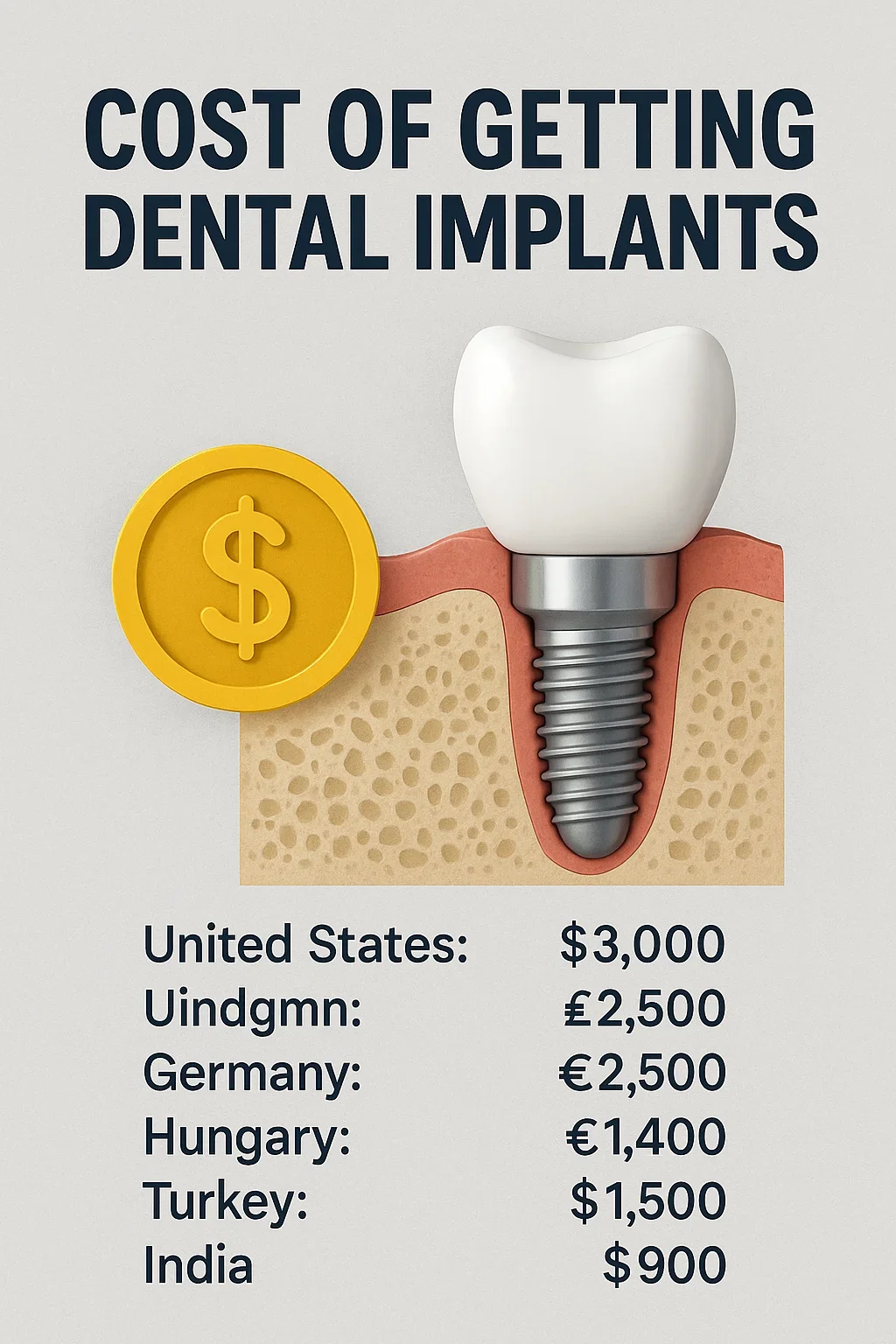
Average Dental Implant Prices Around the World in 2025
As patients research the cost of getting dental implants, one of the most common questions is how prices differ internationally. Dental implant fees vary dramatically between countries due to differences in labor costs, healthcare systems, taxes, implant brands, clinical expertise, and technological investment. For this reason, global price comparisons are essential for patients considering local treatment or dental tourism. In this section, we provide a detailed and accurate breakdown of average implant prices across major regions in 2025, giving you a clear understanding of what to expect, why prices differ, and how to make the best financial decision.
Why Implant Prices Vary Between Countries
Before exploring exact numbers, it’s important to understand why the cost of getting dental implants fluctuates worldwide. Several factors influence pricing, including:
- Cost of living and labor wages
- Import taxes on implant materials
- Clinic overhead costs
- Regulatory standards and certification fees
- Experience level of implantologists
- Local dental insurance structures
Additionally, some countries rely heavily on premium implant brands, while others mix standard and premium options. These variables create significant pricing differences but also give patients flexibility based on their needs and budget.
North America (United States & Canada)
North America consistently ranks among the highest-cost regions for dental implants. Premium clinical environments, high labor wages, and extensive training standards influence the cost of getting dental implants in both the U.S. and Canada.
Average 2025 Prices:
United States: $3,500 – $7,000 per implant (including crown)
Canada: $3,000 – $6,000 per implant
Full-mouth implants: $30,000 – $60,000 per arch
These figures reflect the consistently high operating costs in these regions. While many clinics provide excellent care, the financial burden often leads patients to explore more affordable alternatives abroad.
United Kingdom & Western Europe
Europe offers a mixture of mid-range and premium pricing. Countries like the UK, Germany, Switzerland, and France typically have higher fees, while Spain and Portugal offer more affordable options. Still, the cost of getting dental implants in Western Europe is significantly influenced by clinic reputation, implant brand, and taxation.
Average 2025 Prices:
United Kingdom: £2,500 – £4,500 per implant
Germany: €2,200 – €3,800 per implant
France: €2,000 – €3,500 per implant
Spain: €1,500 – €2,800 per implant
Switzerland: CHF 4,000 – CHF 6,500 per implant
These countries offer high-quality care, but pricing can still be out of reach for patients with widespread tooth loss.
Eastern Europe (Hungary, Poland, Croatia)
Eastern Europe has built a strong reputation in dental tourism thanks to its combination of skilled specialists and competitive pricing. The cost of getting dental implants in these regions is significantly lower than in Western Europe while offering similar quality—especially in countries known for medical tourism infrastructure.
Average 2025 Prices:
Hungary: €1,000 – €1,800 per implant
Poland: €1,100 – €1,900 per implant
Croatia: €1,200 – €2,100 per implant
Many patients from the UK and Germany travel to these countries to reduce costs while maintaining high treatment standards.
Asia (Turkey, India, Thailand, South Korea)
Asia offers some of the most price-competitive markets with globally respected dental expertise. Among these, Turkey stands out as one of the top destinations for international patients seeking affordable, high-quality implant care. The cost of getting dental implants in Asian countries depends on local labor costs, technology, implant brands, and tourism-focused treatment packages.
Average 2025 Prices:
Turkey: $1,000 – $2,000 per implant
India: $600 – $1,200 per implant
Thailand: $1,200 – $2,500 per implant
South Korea: $1,800 – $3,000 per implant
Turkey’s blend of expertise, affordability, and full-travel treatment packages makes it one of the most popular destinations for patients from Europe, the U.S., and the Middle East.
Middle East (UAE, Saudi Arabia, Qatar)
The Middle East offers high-end clinical services with modern facilities and dental specialists trained worldwide. The cost of getting dental implants in these regions tends to be mid-to-high depending on implant brand and clinic tier.
Average 2025 Prices:
UAE: $2,000 – $4,000 per implant
Saudi Arabia: $1,800 – $3,500 per implant
Qatar: $2,200 – $4,200 per implant
These countries emphasize medical excellence, but their prices reflect premium healthcare environments.
Australia & New Zealand
Australia ranks among the highest-priced markets for dental implant procedures due to strict regulation, high labor wages, and rigorous training standards. This creates a higher baseline for the cost of getting dental implants.
Average 2025 Prices:
Australia: AUD 4,000 – AUD 7,000 per implant
New Zealand: NZD 3,500 – NZD 6,500 per implant
While quality is excellent, many patients in these regions explore Thailand or Turkey as cost-effective alternatives.
Is Dental Tourism a Safe Way to Reduce Costs?
Dental tourism can significantly reduce the cost of getting dental implants, especially for patients requiring multiple implants or full-mouth rehabilitation. When selecting a clinic abroad, patients should consider:
- Clinic accreditation and certifications
- Experience level of the surgeon
- Use of premium implant brands
- Availability of travel and treatment packages
- Post-treatment support and warranties
Countries like Turkey—known for experienced implantologists and advanced technology—provide excellent care at a fraction of Western prices.
If you need personalized price guidance or want to compare costs based on your specific case, you can contact specialists through the
Redent Klinik Contact Page.
For scientific and educational information about dental implants, materials, and long-term success rates, trusted authorities such as the
American Dental Association
provide evidence-based insights that help patients make informed decisions about the cost of getting dental implants.
In summary, international implant prices vary widely depending on location, expertise, and clinical standards. Understanding these differences empowers patients to budget effectively and choose the country and clinic that best meets their dental needs and financial expectations.
Are Dental Implants Worth the Investment? Long-Term Value
When patients first learn about the cost of getting dental implants, it’s natural to wonder whether the investment truly pays off. Dental implants are typically more expensive upfront than alternatives like dentures or bridges, but they also offer unmatched long-term benefits. From improved oral function to better jawbone health and enhanced confidence, implants are widely considered the most advanced and durable tooth replacement solution available today. In this section, we explore why implants are worth the investment, the value they bring over a lifetime, and how they outperform other restorative options in nearly every category.
The Long-Term Health Benefits of Dental Implants
Dental implants are designed to mimic natural teeth both functionally and structurally. Unlike dentures, which sit on top of the gums, implants fuse with the jawbone through a process called osseointegration. This creates a stable foundation that prevents bone loss, preserves facial structure, and ensures strong chewing ability for decades. Because bone preservation plays a major role in maintaining overall oral health, this benefit alone significantly increases the long-term value relative to the cost of getting dental implants.
Key health benefits include:
- Prevention of jawbone deterioration due to natural stimulation
- Improved bite alignment and oral function
- Enhanced gum health through proper spacing
- Reduced risk of shifting teeth or bite collapse
- Preservation of youthful facial contours
When comparing implants with other tooth replacement methods, these health advantages make the investment far more cost-effective over time.
Durability and Longevity Compared to Other Options
One of the primary reasons implants hold such high long-term value is their durability. While dentures and bridges typically need replacement every 5–10 years, dental implants can last several decades—and often a lifetime—with proper care. This dramatically impacts the lifetime cost of getting dental implants because patients avoid recurring expenses associated with repairs, replacements, adhesives, or frequent dental visits.
Comparing Lifespan of Tooth Replacement Options
- Dentures: Last 5–8 years; require frequent adjustments.
- Bridges: Last 8–12 years; may require reshaping healthy teeth.
- Dental implants: 20+ years, often lifelong; rarely fail with proper care.
Because implants integrate with the bone, they provide a permanent solution rather than a temporary fix. This stability translates into long-term savings and a higher-quality lifestyle.
Aesthetic and Confidence-Boosting Benefits
Beyond functional advantages, dental implants offer exceptional cosmetic benefits. They look, feel, and function like natural teeth, enhancing a patient’s smile and self-confidence. Patients with implants report improved comfort when speaking, smiling, and eating, which directly contributes to overall emotional well-being. These psychological and social improvements increase the perceived value relative to the cost of getting dental implants.
Why Aesthetics Matter Long-Term
- Natural-looking restorations create a confident smile.
- Implants prevent the “sunken face” effect caused by bone loss.
- Zirconia crowns provide premium color matching and translucency.
- Strong chewing ability improves social dining experiences.
When dental restorations restore confidence—not just function—the long-term investment becomes extraordinarily worthwhile.
Better Chewing Ability and Digestive Health
Chewing efficiency is often overlooked but plays a critical role in overall health. Patients with missing teeth or poorly fitting dentures struggle to break down food properly, which can affect digestion, nutrient absorption, and even overall energy levels. Dental implants restore full chewing power, allowing patients to enjoy foods they may have avoided for years. In this context, the cost of getting dental implants contributes directly to improved nutritional health and quality of life.
Lower Long-Term Maintenance Costs
Implants require significantly less maintenance than dentures or bridges. There are no adhesives, special cleaning solutions, or repeated replacements. With regular dental checkups and proper brushing and flossing, implants remain healthy and functional for decades. This means that although the initial investment may seem high, the lifetime cost is far lower than continually repairing or replacing other restorations.
Financial Comparison: Short-Term vs. Long-Term
To understand the true long-term value, it’s helpful to compare the ongoing expenses of different treatment options. Although this section focuses on value rather than pricing tables, it’s worth noting that the recurring expenses for dentures and bridges can exceed the original cost of getting dental implants over time. For example:
- Multiple denture relines over 10–20 years
- New dentures needed every 5–8 years
- Bridge replacements every 10–12 years
- Costs associated with adhesives, cleaners, and repairs
- Potential bone loss treatment due to denture wear
When factoring in these repeated expenses, implants often emerge as the more economical choice over a lifetime.
Psychological Value and Improved Quality of Life
Confidence, comfort, and peace of mind are non-monetary benefits that dramatically increase the value of dental implants. Patients often describe implants as life-changing—they can smile freely, eat comfortably, and speak without worrying about dentures slipping. This emotional stability is an invaluable return on the cost of getting dental implants.
Professional Guidance to Maximize Your Investment
Before deciding on treatment, consulting a qualified implant specialist is crucial. Personalized planning ensures you receive the best value for your investment. You can get expert guidance through the
Redent Klinik Contact Page.
For trustworthy scientific information on materials, procedures, and long-term success rates, refer to organizations like the
American Dental Association,
which offer valuable insights into the long-term worth of the cost of getting dental implants.
In conclusion, while implants may require a higher initial budget, their unmatched durability, health benefits, aesthetics, and long-term comfort make them one of the most valuable dental investments available. When viewed over decades, the cost of getting dental implants delivers extraordinary returns—improving oral health, confidence, and quality of life for a lifetime.