
The cost of one implant is one of the most frequently searched topics among people looking to restore their smiles permanently. Dental implants have become the gold standard for replacing missing teeth, offering both durability and a natural appearance. But how much does a single implant actually cost in 2025, and what determines the final price? This guide covers everything you need to know — from materials and procedures to hidden costs and country-based variations — so you can make an informed decision before scheduling your treatment. 🦷✨
Understanding the cost of one implant starts with recognizing what an implant actually is. A dental implant consists of three main components: the titanium screw inserted into the jawbone, the abutment that connects the implant to the crown, and the crown itself — the visible tooth replacement. Each part plays a crucial role in function and aesthetics. Because these components are often priced separately, the total expense can vary significantly depending on your dentist, clinic location, and chosen materials.
On average, the cost of one implant in the United States in 2025 ranges between $3,000 and $6,000 for a single tooth replacement, including surgery and restoration. However, prices can fluctuate based on additional treatments such as bone grafts, sinus lifts, or temporary crowns. In contrast, European countries and destinations like Turkey or Hungary may offer the same quality implants at a fraction of the cost, often between $600 and $1,200. This stark difference has led to a surge in dental tourism, where patients travel abroad to receive top-quality care at more affordable rates. 🌍✈️
Several factors influence the cost of one implant, including the complexity of the procedure, the brand of implant used, and the dentist’s expertise. Premium implant systems, such as Straumann or Nobel Biocare, generally come with higher prices but offer unmatched precision and long-term success rates. Meanwhile, the use of advanced digital imaging and 3D-guided implant placement technology can slightly increase the upfront cost but improve accuracy and reduce complications later on.
Another major factor is the type of material used. Most implants are made from medical-grade titanium because it fuses effectively with bone (osseointegration). However, zirconia implants are gaining popularity for their metal-free, aesthetic appearance. These alternatives can be slightly more expensive but are ideal for patients with metal sensitivities or those seeking a completely natural look.
It’s also essential to consider the role of pre-treatment procedures. For example, if a patient has insufficient bone density, a bone graft might be required, adding anywhere from $200 to $1,000 to the overall cost of one implant. Likewise, if tooth extraction is needed prior to the implant placement, that cost must also be included. These additional treatments can easily raise the total investment, which is why obtaining a personalized treatment plan from a professional clinic is vital.
When estimating the cost of one implant, think beyond the initial price tag. Dental implants are a long-term investment in your oral health. Unlike dentures or bridges, which may require frequent adjustments or replacements, implants can last a lifetime with proper care. In fact, many patients find that implants save money in the long run by reducing the need for future dental work. Additionally, implants help preserve bone structure, preventing the sunken facial appearance that can occur after tooth loss — another benefit that adds priceless value. 💎
Insurance coverage for the cost of one implant varies depending on your plan. In many countries, dental insurance only covers part of the procedure, if at all, since implants are often classified as cosmetic. However, certain plans may reimburse portions of the surgery or crown. It’s worth discussing your options with both your insurance provider and your dental clinic to clarify potential out-of-pocket expenses.
For patients exploring international treatment options, countries like Turkey stand out for combining affordable pricing with world-class care. Clinics such as Redent Klinik offer experienced implantologists, state-of-the-art equipment, and internationally certified materials at competitive prices. To learn more or schedule a consultation, visit the Redent Klinik Contact Page. 🌟
Finally, no discussion about the cost of one implant would be complete without mentioning safety and professional standards. Always ensure your dental surgeon follows international guidelines and sterilization protocols. Trusted organizations like the American Dental Association set benchmarks for quality and ethical practice, so checking whether your dentist aligns with such standards can protect your health and investment.
In conclusion, the cost of one implant depends on multiple factors, including material choice, technology, dentist expertise, and geographic location. Although it may seem like a significant expense, dental implants offer unparalleled benefits — comfort, aesthetics, and functionality — making them one of the most rewarding investments in modern dentistry. With proper research, you can find the perfect balance between affordability and excellence, ensuring your smile remains bright and confident for decades to come. 😁🦷
What Determines the Cost of One Implant?
The cost of one implant varies widely across clinics and countries because it depends on a range of biological, material, and professional factors. Understanding these determinants helps patients make smart financial and health decisions before beginning treatment. In 2025, as implant dentistry continues to evolve, these variables have become more transparent — allowing patients to better understand what exactly they are paying for and why. 🦷💡
1. The Implant Material and Brand
The choice of implant material significantly affects the cost of one implant. Most dental implants are made of titanium, a biocompatible metal that integrates naturally with jawbone tissue. Titanium implants are reliable and relatively affordable. However, newer zirconia implants — known for their tooth-colored appearance and metal-free composition — tend to cost more due to their manufacturing complexity and premium aesthetics.
Furthermore, implant brands play a major role. Reputable systems such as Straumann, Nobel Biocare, BioHorizons, and Astra Tech invest heavily in research, digital precision, and long-term testing. These premium brands typically add 15–30% to the total cost of one implant compared to generic options. Patients paying for branded implants are essentially investing in scientifically proven longevity and safety.
2. Dentist Experience and Clinical Expertise
Another decisive factor in determining the cost of one implant is the experience level of the dental professional. Implantology requires both surgical skill and prosthetic precision. Dentists who have undergone advanced implant training or hold international certifications often charge higher fees — and rightly so. Their expertise minimizes the risk of complications such as implant failure or infection, saving patients from costly corrections later. 💪
For example, a seasoned oral surgeon might charge $400–$800 more than a general dentist, but that difference reflects years of hands-on experience, digital-guided training, and quality assurance. In the long run, such expertise offers peace of mind and improved treatment predictability.
3. Pre-Treatment Procedures and Diagnostic Imaging
Before the actual implant procedure, patients often need diagnostic imaging such as panoramic X-rays or 3D CBCT scans. These allow the dentist to map bone density, sinus position, and nerve pathways. While essential, they can add an extra $100–$400 to the cost of one implant. In addition, if a patient lacks sufficient jawbone support, a bone graft or sinus lift may be necessary — costing an additional $200–$1,500 depending on the complexity.
Bone Density and Jaw Structure
Bone quality determines whether an implant can be placed immediately or requires preparatory work. Low bone density often necessitates bone regeneration, increasing both time and cost. For instance, in upper jaw implants, surgeons may need to perform sinus elevation to prevent implant intrusion into sinus cavities, further affecting the cost of one implant.
4. Geographic Location and Dental Tourism
One of the most influential factors behind the cost of one implant is geography. Dental care costs differ dramatically from country to country due to differences in labor, taxes, and medical infrastructure. In countries like the United States, Canada, or the UK, high operating costs push implant prices upward. Meanwhile, destinations such as Turkey, Mexico, and Hungary offer the same or even superior quality at much lower prices — sometimes up to 70% cheaper. 🌍
For example, in the U.S., a single implant might cost $4,000, while in Turkey, the same procedure using European-standard materials can cost around $800–$1,000. This affordability makes countries like Turkey popular dental tourism hubs, combining expert care and travel convenience. You can even consult directly with experienced professionals through the Redent Klinik Contact Page to receive a tailored quotation and free consultation plan.
5. Type of Implant and Placement Technique
Not all implants are identical. The technique used plays a direct role in pricing. For instance, single-tooth implants are priced per unit, while all-on-4 or all-on-6 systems — which replace full arches — have higher total costs but lower per-tooth costs. The cost of one implant placed using computer-guided surgery or immediate-load methods (where the crown is placed the same day) may also differ due to the use of advanced technology.
Implant Surgery Complexity
Some cases require bone shaping, tissue grafting, or staged placement over several months. Complex surgeries often involve anesthesiologists, surgical assistants, and specialized tools — all contributing to higher prices. On the other hand, straightforward cases with healthy bone can be completed more quickly, minimizing the cost of one implant.
6. Laboratory and Crown Manufacturing Costs
After the titanium post is placed, a custom crown is created in a dental laboratory. The cost of the crown — whether porcelain-fused-to-metal, zirconia, or full ceramic — adds $500–$1,500 to the final cost of one implant. Digital CAD/CAM milling and handcrafted crowns both affect this range. Patients should ask about the type of crown and the lab’s reputation, as this final piece determines the aesthetic outcome of the restoration. 🦷
7. Clinic Technology and Sterilization Standards
High-tech dental clinics invest in digital scanners, 3D printers, and surgical navigation systems to ensure precision and safety. These innovations improve implant success rates but slightly elevate the cost of one implant. However, the long-term benefits — faster healing, reduced complications, and more natural aesthetics — outweigh the marginal cost increase. Proper sterilization standards also influence pricing, as top-tier clinics adhere to international infection-control guidelines set by organizations like the American Dental Association.
8. Post-Operative Care and Warranty
Reliable clinics often include follow-up visits, X-rays, and maintenance checks within their package price. Some also offer warranties that cover implant replacement if failure occurs within a specified period. A longer and more comprehensive warranty can slightly increase the cost of one implant but provides long-term financial security.
In summary, the cost of one implant is not determined by a single number but by a combination of factors — material, skill, technology, and treatment environment. Each element contributes to both the price and the outcome’s quality. Patients should view dental implants as a lifelong investment, not a short-term expense. By carefully evaluating these components, you can ensure you’re paying for precision, comfort, and lasting oral health — all essential ingredients for a confident smile. 😁
Average Dental Implant Prices Around the World 🌍
The cost of one implant varies dramatically depending on where in the world you receive treatment. While the procedure and materials are generally similar across countries, local economic conditions, healthcare regulations, and professional fee structures create wide price gaps. Understanding these regional differences helps patients plan wisely, especially if they’re considering traveling abroad for treatment. In this section, we’ll break down average global dental implant prices by region and discuss the reasons behind such cost variations. 🦷💰
1. North America: United States and Canada
In North America, particularly the United States, the cost of one implant is among the highest worldwide. Patients typically pay between $3,000 and $6,000 for a single dental implant, including surgery, abutment, and crown. This high price is primarily due to labor costs, expensive malpractice insurance, and stringent medical regulations. The U.S. also leads in the use of advanced technology such as digital implant planning, bone grafting materials, and same-day CEREC crowns — all of which raise costs but enhance precision and comfort. 🇺🇸
In Canada, the prices are slightly lower but still substantial, averaging between $2,500 and $4,000 per tooth. The difference largely stems from the publicly funded healthcare system, which partially offsets diagnostic and surgical fees. However, implants are rarely covered by standard health insurance plans in both countries, making out-of-pocket expenses the norm. Patients seeking premium care in major cities like Toronto or Los Angeles often pay more than those visiting smaller clinics or suburban areas.
2. Western Europe: United Kingdom, Germany, and France
In Western Europe, the cost of one implant typically ranges from €2,000 to €3,500. The United Kingdom, known for high-quality dental care, can reach even higher prices — often exceeding £2,500 per implant in London. Factors such as clinic overhead, local taxes, and stricter sterilization standards contribute to this cost. 🇬🇧
Germany, home to world-renowned implant brands like Straumann and Camlog, charges similar rates — around €2,000–€3,000 — but offers impeccable precision and engineering standards. France maintains a similar pricing structure, although patients may benefit from partial reimbursement through national health insurance, depending on medical necessity. Overall, Western Europe’s market prioritizes technological excellence and reliability over affordability, resulting in higher fees but outstanding outcomes.
3. Eastern Europe: Hungary, Poland, and Croatia
Eastern Europe is a popular destination for affordable, high-quality dental care. The cost of one implant in countries such as Hungary or Poland typically falls between €700 and €1,200, which is less than half the Western European average. 🇭🇺
This affordability stems from lower labor and operational costs rather than compromised quality. Many dentists in these regions trained in Western Europe and use the same premium implant systems and laboratory materials. Hungary, in particular, has established itself as a dental tourism hub, attracting thousands of international patients annually. The country’s clinics combine modern technology, transparent pricing, and English-speaking professionals — making it a top choice for patients from the UK, Ireland, and Scandinavia seeking significant savings.
4. Asia: Turkey, India, and Thailand
Asia offers some of the most competitive implant prices globally. In Turkey, the average cost of one implant ranges from $600 to $1,000, depending on the implant brand and clinic location. Turkish clinics such as Redent Klinik are internationally accredited and use the same globally recognized brands found in the U.S. or Germany. The country’s combination of advanced dental facilities, skilled surgeons, and affordable pricing has turned it into one of the world’s leading destinations for dental tourism. 🇹🇷
India and Thailand also offer outstanding affordability, with implant prices as low as $400–$900. In cities like Bangkok, Mumbai, or New Delhi, clinics cater specifically to international patients, offering package deals that include accommodation and transportation. While the prices are appealing, patients should ensure their chosen clinic follows international sterilization and implant placement standards, ideally those outlined by the American Dental Association.
Why Turkey Leads in Dental Tourism
Turkey’s rise as a global dental hub is rooted in its blend of affordability, expertise, and hospitality. Patients can save up to 70% compared to Western Europe or North America while receiving treatment from highly experienced implant specialists. The cost of one implant in Turkey often includes digital scans, temporary crowns, and follow-up care — services that are billed separately in other countries. Clinics such as Redent Klinik provide full-service packages tailored for international patients, making the process smooth from arrival to aftercare. ✈️🦷
5. Middle East and Australia
In the Middle East, implant costs vary greatly. The cost of one implant in the UAE or Saudi Arabia ranges between $1,500 and $3,000, influenced by luxury dental clinic standards and imported materials. Meanwhile, in Australia, patients pay between $2,800 and $5,000, similar to U.S. rates, due to high professional licensing and insurance expenses. These regions emphasize patient comfort and cutting-edge technology but tend to fall on the more expensive side of the spectrum.
6. Africa and Latin America
Dental implant prices in Africa and Latin America have been rising as more international clinics establish local operations. In Mexico, for example, the cost of one implant ranges between $700 and $1,200, attracting thousands of Americans annually due to proximity and affordable pricing. In South Africa, implants typically cost around $1,000–$2,000, with major cities like Cape Town and Johannesburg offering world-class dental care.
7. Understanding the Price Differences
So why do these differences exist? Several key elements explain the disparities in the cost of one implant across countries:
- Labor costs: Wages and taxes directly influence clinical pricing.
- Currency strength: A strong local currency increases patient costs when converted to USD or EUR.
- Import duties: Implant materials and equipment often come from Europe or the U.S., impacting local prices.
- Regulatory frameworks: Countries with stricter medical regulations have higher compliance costs.
Additionally, dental tourism destinations minimize these expenses by offering package deals, efficient scheduling, and high patient volume — allowing clinics to provide quality care at lower prices.
8. Choosing the Right Destination
When selecting where to get your implant, balance affordability with quality assurance. The cost of one implant should never be the sole decision factor. Verify the dentist’s qualifications, the implant brand used, and aftercare policies. Reading patient reviews, checking certifications, and consulting with international dental associations can ensure safety and satisfaction.
In summary, the cost of one implant can range from as low as $400 in developing regions to over $6,000 in premium markets. While the numbers vary, the underlying principle remains constant: investing in professional expertise and high-quality materials ensures lasting results. Whether you choose a clinic in New York, London, or Istanbul, prioritize a combination of safety, skill, and transparency for a smile that lasts a lifetime. 😁🌍
Why Implant Quality Matters for Long-Term Savings
The cost of one implant isn’t just about the initial procedure — it’s an investment in your long-term oral health, comfort, and confidence. Many patients are tempted by low-cost options, but when it comes to dental implants, quality plays a crucial role in determining how long the results will last. A cheap implant that fails after a few years can ultimately cost much more than a premium system that lasts decades. In this section, we’ll explore why implant quality is vital, what makes some implants more reliable than others, and how choosing wisely can lead to significant savings in the long run. 🦷💎
1. Understanding Implant Quality and Composition
Every dental implant is composed of three primary parts: the titanium or zirconia screw (implant body), the abutment, and the crown. The overall cost of one implant often depends on the quality of these components. High-quality titanium implants are typically made of Grade 4 or Grade 5 titanium — materials that are both biocompatible and corrosion-resistant. This ensures successful osseointegration, meaning the implant fuses securely with the bone. Zirconia implants, while newer, are favored for their aesthetic advantages and hypoallergenic properties, but they also tend to cost slightly more due to their complex manufacturing process.
Low-cost implants, on the other hand, might use lower-grade alloys or lack proper surface treatment, increasing the risk of rejection, bone loss, or infection. Choosing certified implant systems from reputable manufacturers such as Straumann, Nobel Biocare, or BioHorizons can make a tremendous difference in long-term performance and value. These brands undergo rigorous scientific testing and are approved by organizations like the American Dental Association to ensure both safety and durability.
2. How Implant Quality Affects Longevity
The durability of an implant directly impacts overall cost efficiency. While cheaper alternatives may initially lower the cost of one implant, they often fail prematurely — leading to costly repairs or complete replacements. Premium implants are engineered for superior load distribution and integration, significantly reducing the likelihood of loosening, chipping, or infection.
Bone Integration and Surface Technology
Modern implant surfaces are treated using advanced methods like sandblasting and acid etching to improve bone adhesion. A high-quality implant integrates more rapidly and securely with the jawbone, shortening recovery time and ensuring long-term stability. In contrast, low-grade implants without such treatments can fail to bond effectively, leading to inflammation or implant failure. Over time, these complications not only compromise oral health but can also multiply the overall cost of one implant when follow-up surgeries become necessary.
3. The Role of Laboratory Craftsmanship
Another critical but often overlooked factor is the quality of the dental laboratory producing your crown and abutment. A perfectly fitted crown ensures even bite pressure and prevents damage to surrounding teeth. Skilled dental technicians use CAD/CAM technology to design restorations that blend seamlessly with the patient’s natural teeth. While this precision work adds slightly to the cost of one implant, it prevents long-term issues such as gum recession or implant misalignment. 💻
Poorly fabricated crowns, especially from low-cost providers, can lead to micro-gaps where bacteria accumulate — increasing the risk of peri-implantitis, a serious gum infection. When evaluating implant clinics, always ask about the laboratory’s technology and whether it’s internationally accredited for medical-grade production standards.
4. Warranty, Certification, and Aftercare Value
Reliable implant systems often come with a manufacturer’s warranty, reflecting their confidence in product quality. Some leading brands offer warranties of up to 10 years or even lifetime coverage for implant fixtures. Though this may increase the cost of one implant initially, it provides peace of mind and long-term financial security. Additionally, reputable dental clinics include follow-up appointments, X-rays, and maintenance within their pricing structure — ensuring consistent care during the healing process.
Clinics like Redent Klinik emphasize post-operative monitoring, which is essential for success. Regular check-ups allow dentists to track bone integration and catch potential issues early. Investing in such comprehensive care can prevent costly corrections later and improve implant longevity by decades.
5. The Connection Between Implant Quality and Bone Health
High-quality implants do more than replace missing teeth — they actively preserve jawbone health. When an implant integrates well, it transmits chewing forces to the bone, stimulating natural regeneration. Poor-quality implants, however, can loosen or fail to distribute pressure evenly, leading to bone resorption (shrinkage). Over time, this bone loss can cause facial collapse, additional dental complications, and a steep increase in the total cost of one implant when reconstruction becomes necessary.
Impact on Facial Aesthetics and Confidence
Maintaining bone structure also preserves facial symmetry and prevents the “sunken” appearance associated with missing teeth. In this way, investing in a premium implant system benefits both function and aesthetics — ensuring a youthful smile that lasts for decades. 😁
6. The Hidden Costs of Low-Quality Implants
While low-cost implant offers can seem tempting, they often hide additional fees for consultations, imaging, anesthesia, or even crown placement. More concerningly, inferior materials or improper surgical techniques may lead to implant rejection, requiring removal and replacement. Each failed attempt adds thousands of dollars to the final cost of one implant, not to mention the emotional and physical toll of repeated surgeries.
Choosing a high-quality implant from the beginning saves patients both time and money. It also ensures predictable outcomes, fewer complications, and longer-lasting satisfaction. Always verify the clinic’s experience, the implant system brand, and post-surgery support policies before committing to treatment.
7. Long-Term Value and Return on Investment
When evaluating the cost of one implant, think of it as a long-term investment rather than a short-term purchase. A well-placed, premium implant can last 25 years or longer — often a lifetime — with proper care. Compare that to dentures or bridges, which typically require replacement every 5–10 years. Over a lifetime, the superior durability of implants results in substantial savings, improved oral health, and a better quality of life. 💰
Ultimately, the true value of an implant lies not in its initial price but in the comfort, confidence, and reliability it provides over time. By prioritizing quality materials, skilled professionals, and trusted clinics, patients secure a smile that not only looks natural but also stands the test of time — turning the cost of one implant into a wise, lifelong investment.
Breaking Down the Total Cost of One Implant Step by Step
When evaluating the cost of one implant, it’s important to look beyond the advertised figure. A dental implant procedure is made up of several stages, each contributing to the final total. Understanding these stages helps you plan financially and avoid hidden surprises. Below, we’ll break down each component of the dental implant process — from the first consultation to final crown placement — to show exactly how your investment is distributed and why each part matters. 🧾🦷
1. Initial Consultation and Diagnostic Imaging
The journey begins with an initial consultation. During this stage, your dentist assesses oral health, bone density, and medical background. Diagnostic tools like panoramic X-rays or 3D cone beam computed tomography (CBCT) scans are typically used to map the implant area. These scans guide precise implant placement, minimizing surgical risks. The consultation usually costs between $50 and $300, while 3D imaging adds another $100–$400. Although these early steps might seem minor, they form the foundation of successful treatment and are a small but crucial part of the cost of one implant.
2. Tooth Extraction (If Necessary)
If the tooth being replaced is still present, it must be extracted before implant placement. The complexity of the extraction influences pricing: a simple extraction costs around $100–$300, whereas surgical extractions for broken or impacted teeth may reach $400–$600. In some cases, immediate implant placement after extraction can reduce overall costs and healing time. This preparatory step is often included in treatment packages but may be billed separately depending on the clinic’s policy.
3. Bone Grafting and Sinus Lift Procedures
Healthy bone density is critical for long-term implant stability. If bone volume is insufficient, the dentist may recommend a bone graft or sinus lift. These procedures increase the total cost of one implant but are essential for ensuring long-lasting success. A minor graft can cost $200–$600, while more complex grafts may reach $1,200–$2,000. Sinus lifts, particularly for upper jaw implants, add roughly $800–$2,500 depending on the materials used. Although this raises the price, it prevents implant failure and ensures strong integration with the jawbone.
Types of Bone Graft Materials
- Autografts: Bone harvested from the patient’s own body — highly biocompatible but slightly more expensive due to surgical complexity.
- Allografts: Donor bone from a human source — cost-effective and widely used.
- Xenografts: Bone from animal sources (often bovine) — durable and predictable results.
- Alloplasts: Synthetic bone substitutes — a more affordable but slightly slower integration option.
Each option influences the healing process and affects the overall cost of one implant.
4. The Implant Fixture Surgery
This stage represents the heart of the process. The implant fixture — the titanium or zirconia screw — is surgically inserted into the jawbone under local anesthesia or sedation. The cost for this procedure typically ranges from $1,000 to $2,500 per implant, depending on brand, complexity, and the dentist’s expertise. For premium systems like Straumann or Nobel Biocare, the price can reach the higher end of this spectrum. Surgical fees often include anesthesia, sterile materials, and follow-up appointments.
The healing period after placement, known as osseointegration, takes three to six months. During this phase, the implant fuses with bone tissue, forming a stable foundation for the crown. A high-quality fixture greatly determines the longevity of results, which is why investing in proven brands reduces the lifetime cost of one implant by minimizing complications.
5. Abutment Placement
Once healing is complete, the abutment — a small connector that links the implant to the crown — is installed. Abutments can be stock (pre-made) or custom-designed for better gum fit. Custom abutments cost between $300 and $600, while standard versions are typically $150–$250. The abutment’s quality and precision influence the final aesthetic result. Poorly fitted abutments can cause gum irritation or food entrapment, leading to additional maintenance costs later. Therefore, selecting a durable, well-designed abutment ensures that the cost of one implant pays off over time. 🔩
6. Crown Fabrication and Placement
The visible crown — the final step in the process — can be made from porcelain-fused-to-metal, full ceramic, or zirconia. Crowns are custom-made in dental laboratories to match your natural teeth in color and shape. Costs range from $500 to $1,500 depending on material choice and craftsmanship. Premium all-zirconia crowns provide unmatched durability and stain resistance but come at a higher cost. Still, since this is the part everyone sees when you smile, many patients find the added expense worthwhile.
Digital CAD/CAM Crowns vs. Traditional Crowns
Digital CAD/CAM crowns are designed and milled with computer precision, reducing errors and offering same-day delivery in some clinics. Traditional crowns, though more time-consuming, allow intricate manual artistry. Each method affects timing and pricing, subtly influencing the total cost of one implant.
7. Post-Operative Care and Maintenance
After the crown is placed, proper care is essential. Follow-up appointments ensure the implant is stable, and the gums heal well. These visits typically cost $50–$150 each but may be included in the clinic’s full package. Long-term maintenance involves regular cleaning, annual X-rays, and professional checkups. Over time, investing in good oral hygiene minimizes complications, ensuring your implant lasts decades and keeps the lifetime cost of one implant low. 🪥
8. Optional Add-Ons and Hidden Fees
Some clinics include everything in one package, while others charge separately for items such as anesthesia, temporary crowns, or medications. It’s wise to ask for a detailed estimate before starting. Potential hidden fees may include:
- Consultation and imaging not included in base quote
- Additional implant components (screws, healing caps, etc.)
- Temporary restorations or follow-up surgeries
- Extended warranty or maintenance plans
Transparent clinics like Redent Klinik offer all-inclusive quotes, ensuring patients understand the full breakdown from day one — a major advantage when comparing global prices.
9. Average Total and Long-Term Value
When all these elements are combined, the average cost of one implant in 2025 typically falls within these ranges:
- United States: $3,000–$6,000
- United Kingdom: £2,000–£3,500
- Germany/France: €2,000–€3,000
- Turkey: $600–$1,000
- India/Thailand: $400–$900
While the upfront cost varies, the true value lies in the long-term success of the procedure. High-quality materials, skilled professionals, and diligent aftercare ensure that implants last a lifetime, making the investment worthwhile. As a result, the cost of one implant ultimately reflects not just a single treatment — but a lifetime of confident smiles, better nutrition, and improved quality of life. 😁
Hidden Fees You Should Know Before Getting an Implant
When people first hear the cost of one implant, they often expect that the quoted figure covers everything — consultation, surgery, materials, and the final crown. Unfortunately, this isn’t always the case. Many dental clinics advertise an attractive price only to add extra charges later for imaging, anesthesia, or follow-up visits. Understanding these hidden fees helps you plan realistically and avoid financial surprises. Below, we break down the most common overlooked costs, explaining what they include and how to ensure you’re receiving a transparent treatment quote. 🧾
1. Diagnostic Imaging and Consultation Costs
Before the actual implant surgery, your dentist needs detailed imaging to plan the procedure accurately. Panoramic X-rays and 3D cone beam CT scans are essential to assess bone density and nerve position. While some clinics include this step, others charge separately. The average cost for imaging ranges from $100 to $400. This diagnostic stage is crucial for success, but many patients are surprised to see it added later to their bill. When calculating the cost of one implant, always ask whether these imaging fees are included upfront.
Similarly, initial consultations might carry separate fees — typically $50–$150 — especially in premium clinics. Some practices waive the consultation cost if you proceed with the treatment, but others treat it as a stand-alone diagnostic appointment. Transparency during this stage saves time and avoids miscommunication later.
2. Bone Grafting and Sinus Lift Procedures
Another hidden element affecting the cost of one implant is preparatory surgery. If your jawbone is too thin or soft to support the implant, bone grafting becomes necessary. Patients often only learn about this requirement after X-rays or CBCT scans reveal bone loss. Bone graft costs can range from $200 to $1,200 for minor procedures, or more than $2,000 for extensive reconstruction. Similarly, sinus lifts — especially in upper molar areas — add an extra $1,000–$2,500. Though these procedures are vital for long-term implant success, they significantly affect the total cost if not included in the initial quote.
How to Avoid Surprises
Request a comprehensive treatment plan before committing. Ask your dentist if bone grafting or sinus lift costs are already factored into the estimate. Reputable clinics like Redent Klinik provide clear itemized quotes outlining every possible step so that patients know exactly what they’re paying for. 📋
3. Abutment and Crown Fees
One of the most common misconceptions about the cost of one implant is that it includes the abutment and crown. In reality, many clinics advertise only the surgical placement of the titanium screw — not the restoration that completes the tooth. The abutment, which connects the implant to the crown, can cost between $200 and $500. Meanwhile, the crown itself adds another $500–$1,500, depending on material and design. If these components aren’t listed in your initial quote, your final bill may increase by over 40%. Always confirm that your quote includes “implant + abutment + crown.”
4. Anesthesia and Sedation Charges
While most implant surgeries are performed under local anesthesia, some patients prefer sedation for comfort, especially during multiple implant placements. Sedation options — such as nitrous oxide, oral sedatives, or IV sedation — can add between $150 and $800 to the cost of one implant. Although this expense improves comfort and reduces anxiety, clinics rarely include it in base pricing. Patients with dental phobia or undergoing complex surgeries should verify this cost before the procedure. 💤
Types of Sedation
- Local Anesthesia: Included in most packages; numbs the area completely.
- Nitrous Oxide (Laughing Gas): Mild relaxation, adds $100–$150.
- Oral Sedation: Moderate relaxation, $200–$400.
- IV Sedation: Deep sedation administered by an anesthesiologist, $400–$800.
Each sedation method influences comfort and final cost, so it’s best to discuss preferences early in treatment planning.
5. Temporary Crowns and Healing Caps
After implant placement, some patients require a temporary restoration to maintain aesthetics and chewing function while the implant heals. Temporary crowns or healing caps typically cost $100–$400 and are often billed separately. If the clinic doesn’t specify this in writing, you might face unexpected charges later. Including these minor components in the original estimate helps you understand the true cost of one implant.
6. Follow-Up Appointments and Maintenance Fees
High-quality aftercare is vital for implant longevity. Regular follow-up visits allow your dentist to monitor healing and ensure the implant integrates properly with the bone. These appointments, typically scheduled 1 week, 1 month, and 3 months after surgery, can cost $50–$150 each. Some clinics include these visits in the total price, while others do not. Patients should confirm how many follow-ups are covered before signing treatment agreements. Failing to attend follow-ups might void the clinic’s warranty — leading to additional repair costs later and raising the long-term cost of one implant.
7. Medication and Post-Surgical Care
Prescriptions for antibiotics, pain relief, or mouth rinses might not seem expensive individually, but they add up. The total post-surgery medication cost can reach $50–$100. Some clinics include these items in package deals, but others expect patients to pay at local pharmacies. It’s advisable to ask your dentist about postoperative costs, including dressing changes or suture removal fees.
Hidden Aftercare Expenses
Occasionally, patients require minor adjustments to the crown or bite after full healing. These follow-up corrections may incur extra costs if the warranty period has expired. Always check the clinic’s aftercare policy to ensure your cost of one implant covers such adjustments within at least the first 6 to 12 months. 🦷
8. Additional Taxes and Payment Processing Fees
In some countries, clinics add value-added tax (VAT) or payment fees that aren’t included in the initial estimate. For instance, a 10–20% VAT may apply in certain European nations. Similarly, credit card payments might incur small processing fees. These details seem minor but can noticeably increase the final cost of one implant when combined.
9. Warranty and Insurance Limitations
Even though dental implants are a medical necessity for many patients, most insurance plans classify them as cosmetic procedures. As a result, reimbursement is often partial or unavailable. Some clinics offer optional warranty coverage for the implant fixture, abutment, or crown, which can add another $100–$300. Premium warranties — lasting 5–10 years — can be worthwhile if they include free replacement in case of implant failure. However, ensure you understand all terms before agreeing, as many warranties require consistent maintenance visits to remain valid. 🔒
10. How to Ensure Transparent Pricing
The best way to avoid hidden costs is to request a fully itemized treatment plan before committing. Trusted international clinics such as Redent Klinik offer complete transparency, listing every possible fee — from X-rays to aftercare. This approach not only builds trust but also ensures that the cost of one implant you see upfront is the one you’ll actually pay at the end.
In summary, while dental implants are a remarkable investment in oral health, the real cost of one implant extends beyond surgery. Diagnostic imaging, anesthesia, temporary restorations, and maintenance can all affect your final bill. By identifying these hidden charges early, patients can budget accurately, avoid frustration, and focus on what truly matters — achieving a confident, healthy, and lasting smile. 😁🦷
Comparing Single Implants vs. Multiple Tooth Restorations
When discussing the cost of one implant, many patients naturally wonder how the expenses scale when replacing multiple teeth. Is it cheaper to pay per implant, or are full-arch systems like All-on-4 more cost-effective? Understanding how pricing differs between single and multiple restorations can help you choose the most economical and functional solution for your dental needs. In this section, we’ll analyze each option in depth — including procedure differences, cost ranges, and long-term value — so you can make a truly informed decision. 🦷💰
1. What Is a Single Dental Implant?
A single dental implant is the replacement of one missing tooth using one titanium or zirconia post, an abutment, and a custom-made crown. It’s ideal for patients missing one or two teeth and seeking a natural, permanent solution. The average cost of one implant for a single tooth typically ranges from $3,000 to $6,000 in the U.S., including the surgical placement, abutment, and crown. This approach offers maximum stability and aesthetics while preserving surrounding teeth from unnecessary filing, unlike traditional dental bridges.
Advantages of a Single Implant
- Preserves natural tooth structure (no need to grind adjacent teeth).
- Stimulates bone growth and prevents bone loss in the jaw.
- Provides a natural feel and appearance with high chewing comfort.
- Requires minimal maintenance compared to bridges or dentures.
While the initial cost of one implant may seem high, the durability and minimal maintenance needs make it a smart, long-term investment.
2. When Are Multiple Implants Needed?
Patients who have lost several teeth in different areas of the mouth may require multiple single implants. However, if the missing teeth are adjacent, dentists can use implant-supported bridges or dentures to reduce the overall cost. For example, instead of placing three separate implants for three missing teeth, a dentist can install two implants and attach a three-unit bridge on top. This design lowers the per-tooth cost while maintaining strong functionality and stability.
Cost Comparison for Multiple Implants
- Two Implants: $5,000–$9,000 total (average $4,500 per tooth).
- Three Implants: $7,000–$12,000 total.
- Full Upper or Lower Arch (All-on-4): $12,000–$25,000.
- Full Mouth (All-on-6 or All-on-8): $24,000–$40,000.
These figures demonstrate how the cost of one implant effectively decreases when several teeth are replaced in one procedure, especially using full-arch systems. 🌍
3. The All-on-4 and All-on-6 Systems
Full-arch restorations such as the All-on-4 and All-on-6 methods provide an efficient way to restore entire jaws with fewer implants. Instead of inserting one post for each missing tooth, four or six strategically placed implants support a full bridge of teeth. This reduces surgical time, accelerates recovery, and lowers the per-tooth cost. These systems are increasingly popular among patients with extensive tooth loss who want fixed, natural-looking results without resorting to removable dentures.
All-on-4 Procedure Overview
In an All-on-4 procedure, two straight implants are placed in the front of the jaw and two angled implants at the back for maximum stability. The procedure is minimally invasive, and temporary teeth are often attached on the same day. While the total price is higher upfront, the per-tooth breakdown is lower — roughly $800–$1,200 per tooth when averaged across a full arch. Therefore, the cost of one implant becomes much more affordable when viewed as part of a comprehensive restoration plan.
4. Comparing Functionality and Aesthetics
Functionally, single implants perform almost identically to natural teeth, allowing patients to chew, speak, and smile comfortably. Multi-tooth restorations like bridges or All-on-4 systems also restore chewing ability and aesthetics effectively, though they distribute pressure differently across fewer implant anchors. While this can slightly increase long-term wear, the difference is negligible with proper care.
In terms of appearance, both single and multiple implants can achieve a seamless look if the crowns are properly matched to natural teeth. The main distinction lies in customization: single implants are individually crafted, while bridges and full arches follow a uniform design. Both options maintain facial symmetry and prevent bone deterioration — one of the key health benefits that justify the cost of one implant.
5. Surgical Complexity and Healing Time
Single implants typically involve one surgery followed by a 3–6 month healing period for osseointegration. Multiple implant restorations might require bone grafting, sinus lifts, or additional stabilization procedures, extending the treatment timeline. However, when performed by experienced implantologists, the healing time for multi-tooth systems can actually be shorter since several implants are placed in a single session.
Impact on Recovery and Costs
Although multi-implant surgeries may sound more complex, they can be more cost-efficient because anesthesia, facility use, and post-operative care are consolidated into one event. This efficiency effectively lowers the total cost of one implant per unit when placed as part of a full-arch solution.
6. Maintenance and Longevity Differences
Maintenance is another factor influencing long-term costs. Single implants are easier to clean individually, reducing the risk of peri-implantitis. However, implant-supported bridges and full-arch systems simplify hygiene routines for patients missing many teeth. Professional cleanings twice a year, combined with home care, preserve implant health for decades. High-quality materials and precision engineering further extend lifespan — ensuring the cost of one implant or system yields enduring value. 🪥
7. Financial Efficiency and Insurance Considerations
Insurance coverage varies by country and provider, but many insurers offer partial reimbursement for medically necessary implants, especially for functional restoration. While single implants might receive limited coverage, multiple restorations sometimes qualify under prosthetic reconstruction benefits. Patients should confirm eligibility and coverage caps in advance to avoid surprises.
From a financial standpoint, choosing bundled treatment (like All-on-4) typically lowers the per-tooth cost by 30–50%. For instance, replacing all teeth individually might exceed $60,000, while a full-arch system may cost half that. Hence, analyzing the cost of one implant both individually and collectively reveals significant savings opportunities when planned strategically.
8. Deciding Which Option Is Right for You
Choosing between a single or multiple implant approach depends on your oral condition, bone health, and budget. If only one or two teeth are missing, single implants are ideal. But for patients with several gaps or total tooth loss, multi-tooth solutions like All-on-4 offer greater efficiency and affordability. Consulting an experienced specialist is essential for selecting the most cost-effective path that meets both aesthetic and functional goals. Clinics such as Redent Klinik provide customized evaluations and pricing transparency, ensuring patients understand every stage of treatment.
9. Long-Term Value Analysis
Ultimately, whether you choose one implant or several, the focus should be on longevity, comfort, and health benefits rather than price alone. Both solutions restore oral function, prevent bone loss, and improve confidence. However, combining several implants in one comprehensive plan can minimize surgery time, reduce anesthesia costs, and create long-term savings — effectively optimizing the total cost of one implant per tooth. Investing wisely today ensures a lifetime of confident smiles and improved quality of life. 😁
Are Dental Implants Worth the Investment?
When patients first learn about the cost of one implant, they often question whether the expense is truly worth it. Dental implants can seem costly compared to other restoration methods like dentures or bridges, but the value of implants lies in their permanence, functionality, and health benefits. They not only replace missing teeth but also restore confidence, maintain bone health, and improve overall quality of life. In this section, we’ll analyze why dental implants are a long-term investment rather than a temporary expense — covering aesthetics, health impact, durability, and real-world savings. 🦷💎
1. Comparing Implants with Dentures and Bridges
To understand why many experts justify the cost of one implant, it’s useful to compare it to traditional alternatives. Dentures and bridges have lower initial costs — dentures usually cost $500–$1,500 per arch and bridges around $1,000–$2,500 per tooth gap. However, both options have shorter lifespans, require periodic adjustments, and may lead to bone loss over time. Dental implants, by contrast, are designed to last decades or even a lifetime, making them far more cost-effective in the long run.
Moreover, dentures can slip, cause discomfort, and require messy adhesives, while bridges depend on grinding healthy adjacent teeth for support. Implants are self-supporting, preserve natural structure, and feel indistinguishable from real teeth. Although the cost of one implant is higher at the outset, its longevity and convenience often make it a smarter financial choice after just a few years.
Cost Comparison Over 20 Years
| Treatment Type | Initial Cost (per tooth/arch) | Replacement Frequency | Estimated 20-Year Total |
|---|---|---|---|
| Removable Denture | $1,000 | Every 5 years | $4,000+ |
| Dental Bridge | $2,000 | Every 10 years | $4,000+ |
| Dental Implant | $3,500 | Lifetime durability | $3,500 (once) |
As the table shows, the long-term cost of one implant is actually lower when factoring in maintenance and replacements required by other restorations. 💡
2. Longevity and Durability Benefits
High-quality implants can last 25 years or longer with proper care. The titanium or zirconia fixture fuses with the jawbone through a process called osseointegration, providing unmatched stability. Bridges and dentures, however, wear down or loosen over time due to gum and bone changes. This structural integrity makes implants the most reliable restoration option available today.
With regular dental checkups and daily hygiene, the lifetime success rate of dental implants exceeds 95%. This remarkable statistic highlights why the cost of one implant isn’t just an expense — it’s an investment in long-term functionality and comfort. Patients can eat, smile, and speak naturally without fear of movement or discomfort.
3. Oral Health and Bone Preservation
Tooth loss triggers bone resorption — a process in which the jawbone deteriorates due to lack of stimulation. Over time, this can alter facial structure, leading to sagging and premature aging. Dentures do not prevent bone loss because they sit on top of the gums, while bridges only replace the visible part of teeth. Dental implants, on the other hand, integrate into the jaw and stimulate bone growth just like natural tooth roots.
Therefore, even though the cost of one implant is higher upfront, it preserves oral health and prevents future complications. Patients who invest in implants early often avoid additional procedures later, such as bone grafting or corrective surgeries. 🧬
Health Benefits Beyond Aesthetics
- Prevents bone atrophy and gum recession.
- Supports neighboring teeth, preventing shifting or misalignment.
- Improves chewing efficiency and digestion by restoring full bite strength.
- Enhances speech clarity compared to loose dentures.
These cumulative benefits demonstrate why the true value of an implant extends far beyond its initial price tag.
4. Psychological and Aesthetic Value
Beyond health, dental implants have profound emotional benefits. Missing teeth often cause embarrassment, social anxiety, or avoidance of smiling in public. Implants restore both appearance and self-confidence. The crowns are custom-made to match existing teeth, ensuring a flawless and natural smile. Patients frequently describe feeling “younger” and more self-assured after implant treatment. This psychological transformation alone often justifies the cost of one implant.
Moreover, because implants are fixed and non-removable, they eliminate the daily inconvenience associated with dentures. There’s no risk of slippage, no adhesive mess, and no dietary restrictions — you can eat apples, nuts, and steak without hesitation. 🍎🥩
5. Financial Perspective: Long-Term Savings
Although the initial cost of one implant may range between $3,000 and $6,000 in Western countries, maintenance costs are minimal. Unlike dentures, implants do not require frequent relining or replacement. Regular checkups and professional cleanings are sufficient to ensure decades of performance. When spread over 20–30 years, the annualized cost of an implant becomes as low as $150 — less than most smartphone subscriptions. 📱
Additionally, implants contribute to long-term savings by preventing oral health issues such as bone loss, shifting teeth, and gum infections. Avoiding these complications means fewer future procedures and less dental expenditure overall. For patients seeking cost efficiency and durability, implants clearly outperform all other prosthetic options.
6. The Role of Quality and Expertise
The long-term value of an implant depends heavily on the quality of materials and the expertise of the dental team. Premium implant systems, combined with advanced 3D imaging and computer-guided placement, ensure superior results and higher success rates. Choosing an experienced clinic like Redent Klinik ensures transparency, precision, and international standards of care — essential factors when evaluating the total cost of one implant.
Clinics that cut corners with cheap, uncertified materials or inexperienced practitioners may offer lower prices, but these savings often come at the expense of longevity. Failed implants require removal, bone reconstruction, and replacement, which can easily double or triple the original cost. Hence, prioritizing quality from the start guarantees both peace of mind and financial security. 🔩
7. The Emotional Return on Investment
Finally, dental implants provide something priceless — restored self-esteem and daily comfort. Being able to eat, laugh, and smile without hesitation brings a sense of freedom that no removable appliance can match. Patients often report improved social interactions, better nutrition, and higher confidence in both personal and professional settings. In that sense, the cost of one implant goes beyond monetary value; it transforms overall well-being and quality of life.
8. Conclusion: Long-Term Value Over Short-Term Expense
In conclusion, while the cost of one implant may seem substantial at first, its health, functional, and emotional rewards far outweigh the price. From preventing bone loss to restoring aesthetics and confidence, implants are a lifetime investment in your oral and overall health. When comparing their durability and natural performance with cheaper alternatives, dental implants stand out as the most reliable and rewarding solution available today. 🦷💖
By choosing a trusted provider, high-quality materials, and proper maintenance habits, patients can ensure that every dollar spent yields decades of benefits — making the cost of one implant one of the best long-term investments in modern dentistry.
How to Reduce the Cost of One Implant Without Sacrificing Quality
It’s no secret that the cost of one implant can vary widely depending on geography, materials, and clinical experience. But many patients wonder: is it possible to lower the total expense without compromising results? The good news is yes — with careful planning, smart choices, and transparency, you can achieve the same durable, aesthetic results for less. In this section, we’ll explore practical strategies, insider insights, and proven ways to minimize costs while maintaining world-class dental standards. 🦷💡
1. Choose the Right Country or Region
One of the most effective ways to reduce the cost of one implant is through dental tourism. Many countries, such as Turkey, Mexico, Hungary, and Thailand, offer world-class dental care at significantly lower prices than the U.S. or Western Europe. For example, a single implant that costs $4,000–$6,000 in the U.S. can often be performed for $700–$1,000 in Turkey — using the same materials and technology. This price difference arises mainly from lower operational costs and favorable currency exchange rates, not from inferior quality.
Clinics like Redent Klinik in Turkey provide internationally certified dental surgeons, state-of-the-art 3D scanning, and sterilization standards equal to those found in Western countries. Many even follow American Dental Association guidelines, ensuring that patients receive safe and ethical treatment abroad.
Average Cost Comparison by Country
| Country | Average Cost of One Implant (USD) | Travel Advantage |
|---|---|---|
| United States | $4,000–$6,000 | High quality, high cost |
| United Kingdom | $3,000–$4,500 | Reliable but expensive |
| Turkey | $700–$1,000 | Low cost, high expertise |
| Thailand | $900–$1,200 | Affordable, medical tourism hub |
| India | $500–$900 | Low cost, experienced specialists |
Travel and accommodation add to the total expense, but even with these factors, patients often save up to 70% on the cost of one implant compared to domestic treatment. 🌍✈️
2. Opt for Generic Implant Brands
While premium implant brands like Straumann, Nobel Biocare, or Astra Tech are excellent, they come with higher price tags. Mid-tier brands that follow international ISO standards offer comparable performance at lower costs. These systems, often manufactured in South Korea or Europe, can reduce the total cost of one implant by 20–40% without sacrificing biocompatibility or success rates.
Common High-Quality Mid-Tier Implant Brands
- Osstem (Korea): Highly regarded for precision engineering and global availability.
- Megagen (Korea): Innovative surface technology with competitive pricing.
- BIOHORIZONS (USA): Excellent long-term results at moderate prices.
- BEGO (Germany): Trusted European brand with decades of implantology experience.
These options ensure stability, longevity, and safety while helping patients control the cost of one implant more effectively.
3. Bundle Treatments to Save Money
If you need more than one implant, consider having them placed simultaneously. Performing multiple implants in a single session reduces costs associated with anesthesia, facility fees, and follow-up visits. For example, placing two implants in one appointment may only increase the total cost by 50%, not 100%. Similarly, full-arch systems like All-on-4 or All-on-6 dramatically reduce the per-tooth price compared to individual placements. 🧮
Example:
- One implant: $1,000 (base price)
- Two implants in separate sessions: $2,000
- Two implants in one session: $1,500 total
By grouping procedures, patients can achieve significant savings while still enjoying the same medical quality and predictable outcomes. This approach is ideal for those looking to reduce the cost of one implant while maintaining high safety standards.
4. Ask for All-Inclusive Treatment Packages
Some clinics offer all-inclusive dental implant packages that cover everything from X-rays and anesthesia to the final crown and accommodation. This not only ensures transparency but also protects you from unexpected fees. For instance, many Turkish clinics bundle treatment, hotel stays, and airport transfers into one fixed price, allowing patients to plan their budgets precisely. 🏨
All-inclusive packages can reduce the cost of one implant by up to 30% compared to paying for each component separately. Always request an itemized breakdown so you know what’s included and can compare fairly between providers.
5. Explore Financing and Payment Plans
If paying upfront isn’t feasible, consider financing options. Many dental clinics collaborate with financing companies or banks to provide low-interest monthly plans. Instead of a one-time $3,000 payment, you might pay $150–$200 per month over two years. This makes the cost of one implant manageable without delaying essential treatment. In some regions, dental insurance may also partially cover surgical stages, especially if the implant is medically necessary rather than purely cosmetic.
6. Maintain Excellent Oral Hygiene
One of the most overlooked ways to reduce the long-term cost of one implant is by preventing complications. Implant failure due to poor hygiene or smoking can double your expenses. Proper brushing, flossing, and regular dental cleanings extend implant lifespan and minimize maintenance costs. A simple preventive care routine can save thousands over time and ensure that your implant investment remains secure for decades. 🪥
7. Take Advantage of Seasonal Discounts or Promotions
Some clinics offer promotional discounts during specific times of the year, especially for international patients. Off-season dental travel (for example, winter months in Europe) often includes price reductions or free additional services. However, it’s vital to verify that promotions don’t compromise material quality or post-operative care. If managed wisely, such offers can significantly reduce the cost of one implant while preserving full safety standards.
8. Seek Second Opinions and Transparent Quotes
Before committing, obtain at least two or three professional opinions. A second opinion not only helps confirm the necessity of each recommended procedure but can also reveal pricing inconsistencies. Reputable clinics provide detailed, transparent quotes with no hidden costs. Comparing offers side by side ensures that the cost of one implant reflects true value, not just marketing. Clinics that emphasize transparency and patient education — like Redent Klinik — often deliver both affordability and superior results. 📋
9. Conclusion: Smart Choices, Lasting Results
Ultimately, reducing the cost of one implant doesn’t mean compromising on care or quality. It’s about strategic decision-making — selecting reliable regions, trusted clinics, and certified materials while staying informed about every step. Patients who research thoroughly, plan treatments efficiently, and prioritize maintenance enjoy both financial savings and long-term oral health. 🏆
By following these strategies, you can make your dental implant journey cost-effective, transparent, and rewarding — achieving a confident smile that lasts a lifetime without overspending.
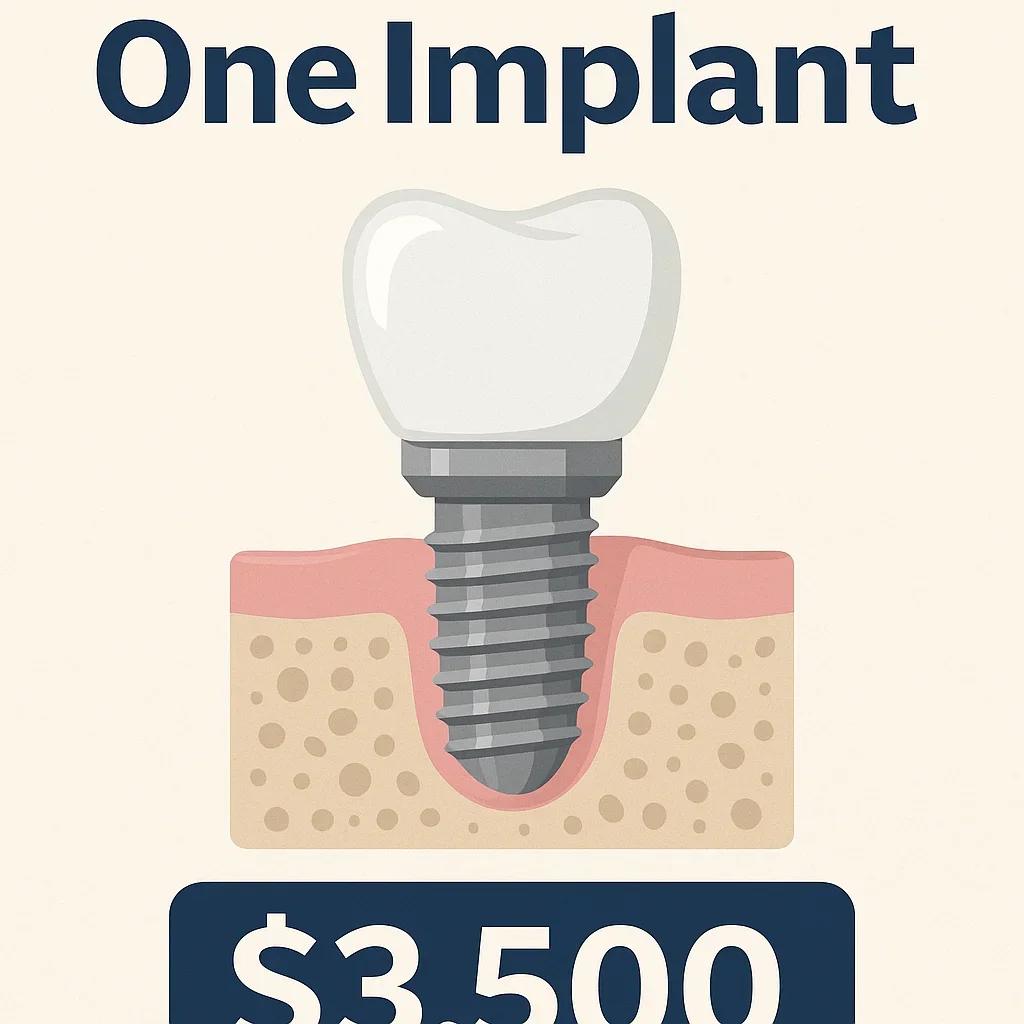
Understanding the Global Factors That Influence the Cost of One Implant
The cost of one implant is not a universal figure — it fluctuates greatly across the world due to several interlinked factors, including economic conditions, healthcare infrastructure, dentist expertise, and material standards. For patients considering dental implants, it’s essential to understand these variables before making a decision. This section provides a comprehensive overview of global influences on implant pricing and why costs can vary so widely from one country to another. 🌍🦷
1. Geographic and Economic Variations
Perhaps the most significant factor impacting the cost of one implant is the region where treatment is performed. The same procedure that costs $5,000 in the United States might be available for under $1,000 in Turkey or India. This discrepancy is primarily due to differences in operational expenses such as rent, labor, insurance, and taxation — not necessarily quality. For example, dental clinics in Turkey benefit from lower overheads while still employing internationally trained professionals, making it possible to offer affordable yet high-quality care.
Moreover, the country’s economic stability and currency value play major roles. When local currencies are weaker against the U.S. dollar or Euro, foreign patients benefit from a favorable exchange rate, effectively reducing their out-of-pocket expenses without any reduction in care standards.
Average Global Comparison of Dental Implant Costs
| Country | Average Cost of One Implant (USD) | Typical Savings vs USA |
|---|---|---|
| United States | $4,000–$6,000 | — |
| United Kingdom | $3,000–$4,500 | 20–30% |
| Germany | $2,500–$3,500 | 40% |
| Turkey | $700–$1,000 | 70–80% |
| India | $500–$900 | 80–85% |
| Thailand | $900–$1,200 | 75% |
These figures illustrate how geography alone can drastically affect the cost of one implant while maintaining similar medical outcomes.
2. Material Quality and Technological Advancements
Another key determinant of price is the type and brand of materials used. Titanium remains the industry standard due to its high biocompatibility, but zirconia implants have gained popularity for their aesthetic and hypoallergenic qualities. Zirconia, however, is more expensive to produce and requires advanced equipment for precision milling, raising the total cost of one implant by 15–25% in most cases.
Implant Component Cost Breakdown
- Titanium Fixture: $300–$800 (long-lasting, cost-efficient)
- Zirconia Fixture: $700–$1,200 (aesthetic and metal-free)
- Abutment: $150–$400 (custom vs. stock options)
- Crown: $500–$1,200 (porcelain, zirconia, or hybrid materials)
High-end digital tools such as CAD/CAM design, 3D imaging, and computer-guided implant placement also contribute to cost. Although they increase the initial investment, these technologies minimize errors and improve success rates, ultimately offering long-term savings by reducing complications.
3. Dentist Expertise and Clinical Experience
The skill level and credentials of your dental surgeon heavily influence the cost of one implant. Experienced implantologists who specialize in complex cases or hold international certifications typically charge more for their expertise — but their precision and lower failure rates often make this additional cost worthwhile. Choosing a clinic that prioritizes quality over cheap pricing ensures fewer post-surgical issues and higher patient satisfaction.
Additionally, reputable clinics invest in continuing education, sterilization protocols, and advanced surgical environments. These professional standards contribute to both safety and success but inevitably increase treatment prices. Patients should view this not as an added cost but as part of the value for reliable, complication-free outcomes. 🩺
4. Pre- and Post-Operative Services
The comprehensive nature of services included in a treatment package also shapes the cost of one implant. Some clinics provide full-service packages that cover consultation, imaging, anesthesia, surgery, abutment, crown, follow-ups, and even accommodation for international patients. Others charge separately for each step, which can add up significantly.
For example, a clinic that includes 3D scans, temporary crowns, and a one-year warranty in the quoted price may appear more expensive initially, but ultimately saves patients from unexpected costs later. Always confirm what is — and isn’t — part of the quote before committing.
5. Government Regulations and Healthcare Infrastructure
Each country’s healthcare system also affects pricing. Nations with strict medical regulations, licensing standards, and higher malpractice insurance premiums generally report higher costs. Conversely, countries with well-regulated but cost-efficient systems (such as Turkey or Hungary) manage to maintain international standards at a fraction of the price. Furthermore, local tax rates, import duties on medical supplies, and currency inflation all influence the real-world cost of one implant.
6. Type of Dental Facility
Another factor is whether the procedure is performed at a private clinic, university hospital, or corporate dental chain. Private practices often offer personalized care and flexible scheduling, but they also bear higher operational costs. University dental programs, on the other hand, sometimes provide lower-cost options supervised by professors but performed by graduate students. While this can lower the cost of one implant, it may involve longer waiting times and less comfort-focused amenities.
Facility Comparison
- Private Clinic: Personalized, comfortable, slightly higher cost.
- University Dental Program: Lower cost, longer timeline, suitable for budget-conscious patients.
- Corporate Chain: Mid-range pricing, standardized procedures, moderate flexibility.
7. Travel and Accommodation Factors for Dental Tourism
Patients traveling abroad for treatment should factor in additional costs like flights, hotels, and transportation. However, even after these expenses, dental tourism often results in net savings of 50–70%. Many clinics collaborate with local hotels and travel agencies to create bundled packages, offering both convenience and affordability. Proper planning ensures that these logistics do not inflate the total cost of one implant beyond expectations. ✈️
8. Currency Fluctuations and Economic Trends
Global economic conditions directly influence dental treatment costs. For example, currency depreciation in emerging medical tourism destinations can temporarily reduce prices for foreign patients. Conversely, inflation and rising import costs can increase expenses for dental materials, affecting the cost of one implant over time. Monitoring exchange rates and economic trends before scheduling international procedures can result in significant savings.
9. The Role of Patient-Specific Needs
Finally, personal health factors such as bone density, gum condition, and medical history can impact treatment cost. Patients requiring bone grafting, sinus lifts, or customized abutments will naturally face higher fees than those with ideal oral conditions. These adjustments ensure proper integration and long-term success, making them an essential — not optional — component of the overall cost of one implant.
10. Conclusion: Global Awareness Equals Smart Investment
In conclusion, understanding global cost dynamics empowers patients to make informed, financially sound decisions. The cost of one implant reflects far more than just the surgery — it embodies expertise, materials, safety, and aftercare quality. Whether choosing treatment locally or abroad, transparency, certification, and patient-centered care should always guide your choice. 🌐
By researching global factors, comparing clinics, and consulting trustworthy providers such as Redent Klinik, you can find a perfect balance between affordability and excellence — ensuring that your dental implant investment delivers lifetime value.