
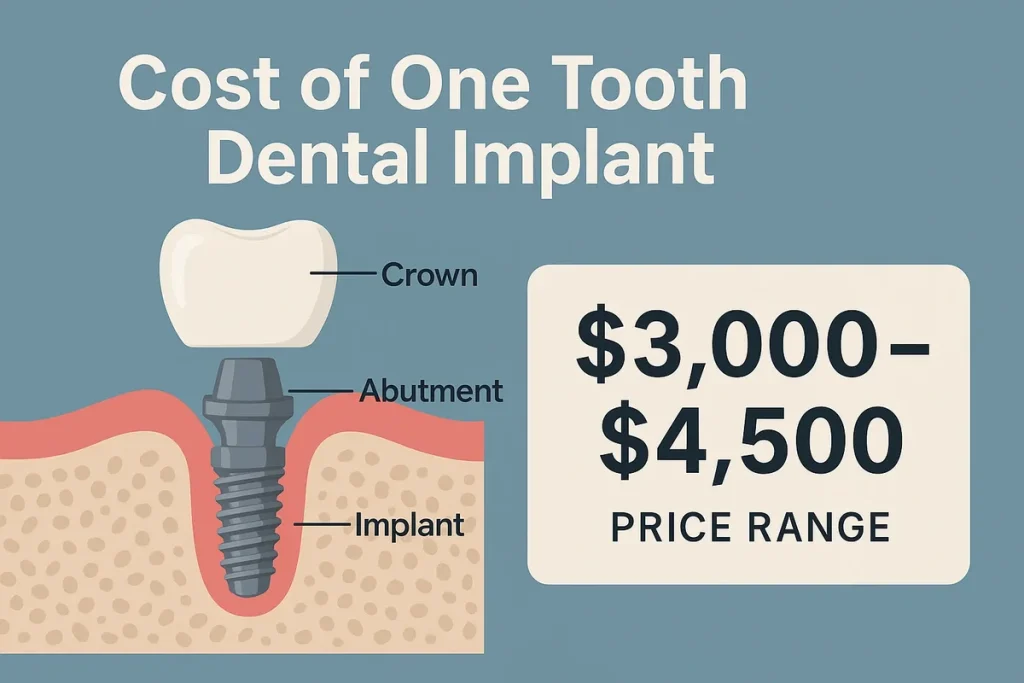
The cost of one tooth dental implant is one of the most frequently searched questions among patients who have lost a single tooth and want to restore their smile permanently. In 2025, dental technology has made single-tooth implants more accessible, natural-looking, and long-lasting than ever before. However, understanding what influences the cost and what you actually pay for is essential to making an informed decision. 💡
When people first hear about dental implants, they often wonder why the cost of one tooth dental implant can vary so much between clinics and countries. That’s because the total price includes not only the implant screw itself but also several other components such as the abutment, crown, and professional expertise of the dental surgeon. A high-quality implant can last a lifetime if maintained properly, making it a one-time investment rather than a recurring expense like dentures or bridges.
In simple terms, a dental implant replaces a missing tooth root with a titanium post that bonds with your jawbone through a process called osseointegration. Once the implant integrates, a connector piece called an abutment is placed, followed by a crown that looks and feels like your natural tooth. 🦷 This three-part system ensures strength, functionality, and aesthetic appeal — all factors that influence the cost of one tooth dental implant.
According to the American Dental Association, dental implants are considered the most durable and reliable method of tooth replacement. They prevent bone loss, preserve facial structure, and improve chewing efficiency — benefits that justify their cost when compared to short-term alternatives. Still, many patients want to know the financial details: how much exactly does a single implant cost, and what affects this price?
On average, the cost of one tooth dental implant in the United States ranges between $3,000 and $6,000, depending on the clinic, materials used, and any preparatory procedures required (such as bone grafting or sinus lifting). In countries like Turkey, where dental tourism has become highly popular, the same high-quality implant might cost between $600 and $1,000. This significant price difference often prompts patients to explore international options, especially for complex cases requiring multiple implants.
To better understand the total cost of one tooth dental implant, it’s important to know that it includes three main stages:
- Implant fixture: The titanium post surgically inserted into the jawbone.
- Abutment: The connector piece between the implant and crown.
- Crown: The visible, tooth-colored part that completes your smile.
Each stage involves different materials and expertise levels, contributing to the overall expense. For instance, premium-grade zirconia crowns or advanced computer-guided implant surgeries can increase the final price but also improve the outcome’s longevity and aesthetics.
Many patients make the mistake of focusing solely on the upfront cost of one tooth dental implant without considering the long-term value. Unlike dentures that may need replacements every few years, an implant is a permanent solution that prevents jawbone deterioration. This stability helps maintain your oral health, facial appearance, and confidence — which in itself has priceless value. 😊
It’s also worth mentioning that the dentist’s qualifications and the clinic’s technology play a crucial role in determining the total cost of one tooth dental implant. Clinics that use 3D imaging, digital scanners, and advanced sterilization systems may charge more, but these innovations significantly enhance precision and safety. At Redent Klinik Contact Page, patients receive comprehensive pre-operative assessments and transparent pricing details before beginning treatment — ensuring there are no hidden surprises.
In addition to the technical aspects, several secondary factors can affect the cost of one tooth dental implant, including geographic location, type of anesthesia, post-surgery care, and whether additional treatments like extractions or bone regeneration are needed. Each case is unique, and only a detailed consultation can provide an accurate estimate.
For those seeking a balance between affordability and quality, it’s recommended to research dental clinics that specialize in implantology and hold certifications from recognized organizations like the American Dental Association. Not only do these clinics ensure safety and hygiene standards, but they also use premium implant brands known for their long-term success rates.
To sum up, the cost of one tooth dental implant is not just a number — it reflects the combination of technology, expertise, and materials that restore your smile to its natural state. Whether you choose to get it done locally or abroad, remember that this is an investment in your oral health, comfort, and confidence for decades to come. 🌟
In the following sections, we’ll break down the specific elements that determine the cost of one tooth dental implant, including average prices, influencing factors, and how you can save money without compromising on quality.
What Is a Single Tooth Dental Implant and How Does It Work?
Before diving into the cost of one tooth dental implant, it’s essential to understand what a single tooth implant actually is and how it functions. Many patients hear about dental implants as the “gold standard” for tooth replacement, but few truly grasp the technology, biological process, and structural components that make implants such a reliable long-term solution. 🦷
Understanding the Structure of a Single Tooth Implant
A single tooth implant is a three-part system designed to replace both the root and the visible part of a missing tooth. The primary element is the implant fixture — a small titanium screw surgically placed into the jawbone. Over several weeks, this fixture fuses with the bone through a process called osseointegration, forming a solid foundation for the artificial tooth. Once the implant has integrated fully, the dentist attaches an abutment — a connector that holds the crown securely in place. The final piece, the dental crown, is custom-designed to match the color, shape, and size of your natural teeth, completing your smile seamlessly. 🌟
This process mimics nature perfectly. Instead of sitting on the gums like dentures or relying on neighboring teeth like bridges, an implant becomes part of your jaw structure. That’s why many experts call it a “biological anchor” for your new tooth. This advanced approach not only provides aesthetic benefits but also preserves jawbone health and prevents bone loss — two crucial advantages over traditional restorations.
Step-by-Step Process of Getting a Single Tooth Implant
1. Initial Consultation and 3D Imaging
Every successful implant journey starts with a thorough consultation. The dentist evaluates your oral health, bone density, and gum condition. Advanced clinics use 3D CBCT (Cone Beam Computed Tomography) scans to visualize your bone structure precisely. These scans help determine whether you need bone grafting or sinus lifting before implant placement. High-tech imaging may increase the cost of one tooth dental implant, but it significantly improves success rates and ensures precise positioning of the titanium fixture.
2. Implant Placement Surgery
During the placement procedure, the dentist makes a small incision in the gum and inserts the titanium implant into the jawbone. The surgery is usually performed under local anesthesia and takes about 30 to 60 minutes. Patients experience minimal discomfort afterward, and healing begins almost immediately. In the following months, the implant integrates with the bone. This osseointegration phase is vital because it ensures long-term stability — a factor that justifies the cost of one tooth dental implant compared to short-term alternatives.
3. Healing and Abutment Connection
After osseointegration, which typically takes three to six months, the dentist places the abutment. This small connector attaches the visible crown to the implant base. The abutment must fit perfectly to prevent bacterial leakage and ensure bite stability. Modern digital systems can design customized abutments using CAD/CAM technology, further enhancing precision and durability.
4. Crown Fabrication and Placement
Finally, the crown — the visible part of your tooth — is fabricated. It can be made of porcelain, zirconia, or ceramic materials. Zirconia crowns, though slightly more expensive, offer superior aesthetics and resistance. The crown is either cemented or screwed onto the abutment, completing the restoration process. The result is a tooth that looks, feels, and functions exactly like a natural one.
Why Implants Are Different from Other Tooth Replacements
Unlike dentures that rest on the gums or bridges that depend on adjacent teeth, a dental implant acts as a standalone tooth. It stimulates the jawbone, maintaining its density and preventing shrinkage — a common issue after tooth loss. Furthermore, implants restore chewing efficiency up to 95%, allowing you to eat comfortably and confidently. These functional benefits are one reason why patients find the cost of one tooth dental implant worthwhile in the long term.
Another major distinction is comfort. Dental implants eliminate issues like slippage, clicking sounds, or the need for adhesives. Once healed, the implant feels indistinguishable from a natural tooth. Additionally, implants do not affect surrounding teeth, making them a conservative yet permanent solution.
Technological Advances in Implant Dentistry
The field of implantology has evolved rapidly in recent years. Today, computer-guided surgery allows dentists to place implants with extreme accuracy. Digital impressions eliminate the discomfort of traditional molds, and immediate-load implants enable some patients to receive temporary crowns on the same day as surgery. These innovations can influence the cost of one tooth dental implant, but they also reduce recovery time and enhance comfort.
Another major innovation is the use of biocompatible materials like titanium and zirconia, both of which integrate safely with bone tissue. Some clinics even offer plasma-rich growth factor (PRGF) therapy to accelerate healing. As these procedures become more common, the long-term success rate of implants now exceeds 98%, making them one of the most reliable treatments in dentistry today.
Longevity and Maintenance of a Single Tooth Implant
With proper care, a dental implant can last decades — often a lifetime. Patients are advised to maintain excellent oral hygiene by brushing twice daily, flossing regularly, and visiting their dentist for routine checkups. Regular maintenance not only ensures aesthetic appeal but also protects the bone around the implant from infection or resorption. Given its durability and functionality, the cost of one tooth dental implant quickly pays off compared to frequent replacements or repairs associated with other methods.
Maintenance costs are minimal compared to the initial investment. Most patients only require professional cleanings twice a year. When calculated over 20 to 30 years, the total lifetime expense of an implant becomes significantly lower than that of bridges or removable dentures. 💰
Final Thoughts: Why a Single Tooth Implant Is Worth It
In essence, understanding how a dental implant works gives you a clear picture of why it’s priced the way it is. The cost of one tooth dental implant covers not just the materials but also the skill, technology, and biological process that ensures lifelong stability. It’s a blend of science and artistry — the integration of biocompatible materials with human tissue to restore both function and confidence.
Whether you’re missing a tooth due to decay, trauma, or aging, choosing a dental implant is the most advanced, durable, and natural-looking solution available today. In the next section, we’ll discuss the average cost of one tooth dental implant in 2025 and how prices vary depending on region, clinic reputation, and materials used. 🏥
Average Cost of One Tooth Dental Implant in 2025
Understanding the cost of one tooth dental implant in 2025 is crucial for anyone considering this long-term dental solution. Prices have evolved over the years due to advancements in materials, surgical techniques, and technology. Yet, one of the biggest questions patients ask remains the same: how much does it actually cost to replace a single missing tooth with a high-quality dental implant? 🦷
Global Overview of Single Tooth Implant Costs
The cost of one tooth dental implant varies dramatically from country to country, depending on labor costs, material quality, and healthcare infrastructure. In the United States, the average cost ranges between $3,000 and $6,000 for a complete implant system — including the titanium post, abutment, and crown. In Canada, the price usually falls between $2,800 and $5,500, while in the UK, it can cost between £2,000 and £4,000 for a single tooth implant.
In comparison, countries that have become hubs for dental tourism — such as Turkey, Hungary, and Mexico — offer the same world-class treatments for a fraction of the cost. For instance, in Turkey, patients can expect to pay between $600 and $1,000 for a complete implant, including high-quality materials and expert surgical care. 🌍 This stark contrast has made dental tourism a global trend, especially for those seeking affordable yet safe dental implant options.
Cost Breakdown by Region
United States and Canada 🇺🇸🇨🇦
In North America, dental implants are considered a premium treatment due to high operational and labor costs. The cost of one tooth dental implant often includes consultation fees, X-rays, 3D imaging, surgery, abutment connection, and crown fabrication. Additionally, if bone grafting or sinus lifting is required, the total cost can rise by another $500–$2,000 depending on the case complexity. Clinics offering sedation dentistry or advanced imaging technologies might also charge higher fees due to the use of specialized equipment.
United Kingdom and Western Europe 🇬🇧🇩🇪🇫🇷
Across Western Europe, implant costs are influenced by strict healthcare regulations, expensive materials, and high tax rates. The cost of one tooth dental implant here usually ranges between €2,500 and €4,500. In Germany and France, where dental care standards are among the highest globally, prices are justified by exceptional precision and the use of top-grade European implant systems such as Straumann or Nobel Biocare. These brands are known for their high success rates and biocompatibility.
Turkey and Eastern Europe 🇹🇷🇭🇺
Turkey, Hungary, and Poland have emerged as major destinations for dental tourism, offering affordable treatment without compromising on quality. The cost of one tooth dental implant in Turkey, for example, ranges between $600 and $1,000, including all stages of treatment. Clinics such as Redent Klinik Contact Page provide international patients with personalized treatment plans, free consultations, and even travel assistance. The lower prices stem from reduced labor costs and government incentives that promote medical tourism, not from lower-quality materials or care. ✈️
Components That Make Up the Total Cost
When calculating the cost of one tooth dental implant, it’s important to remember that the total price reflects multiple stages and components:
- Implant fixture: The titanium post inserted into the jawbone (typically $1,000–$2,000 in the U.S.).
- Abutment: The connector between the implant and crown ($300–$600).
- Crown: The visible part of the tooth, made of porcelain or zirconia ($800–$1,500).
- Diagnostic imaging: 3D scans, X-rays, and consultation fees ($100–$300).
- Additional procedures: Bone grafts, sinus lifts, or extractions ($500–$2,000).
Together, these components explain why the total cost of one tooth dental implant can vary so widely. In some cases, clinics offer bundled pricing to simplify the process, while others bill separately for each step. Understanding these details helps patients compare prices accurately across clinics and countries.
Influence of Materials and Technology
Another significant factor affecting the cost of one tooth dental implant is the choice of materials. Titanium implants are the standard due to their proven strength and biocompatibility. However, zirconia implants — which are metal-free and more aesthetic — tend to cost slightly more. Similarly, crowns made of zirconia or e.max ceramic can increase the overall price due to their superior translucency and resistance.
Modern clinics also employ digital tools such as CAD/CAM technology, laser-guided surgery, and 3D-printed surgical guides. These innovations improve precision and patient comfort but can raise the base price of treatment. Still, patients benefit from shorter recovery times and better aesthetic outcomes, making the slightly higher cost of one tooth dental implant a valuable long-term investment.
Insurance Coverage and Out-of-Pocket Costs
In most cases, standard dental insurance does not fully cover implants. Policies may reimburse only a portion of the cost, such as the crown, or provide coverage if the implant is medically necessary (for instance, after trauma or disease). Patients are encouraged to check their plan’s details before starting treatment. On average, insurance may offset around 10–30% of the total cost of one tooth dental implant.
Some clinics offer financing options, allowing patients to pay in installments with little or no interest. In 2025, more dental practices have partnered with financial providers to make implant treatments more accessible. This flexible approach ensures that high-quality care is within reach for a broader range of patients.
Price Comparison Chart (2025 Estimates)
| Country | Average Cost (USD) | Inclusions |
|---|---|---|
| United States | $3,000 – $6,000 | Implant, abutment, crown, X-ray |
| United Kingdom | $2,500 – $5,000 | Implant + abutment + porcelain crown |
| Germany | $3,000 – $5,500 | Premium brand implant + zirconia crown |
| Turkey | $600 – $1,000 | Full package + 3D scan + consultation |
| Mexico | $800 – $1,200 | Implant, abutment, and basic crown |
Conclusion: Finding the Best Value for Your Investment
While prices can vary greatly, the key to determining true value lies in the balance between cost and quality. The cost of one tooth dental implant should be seen not just as an expense but as an investment in your health, comfort, and confidence. The long-term benefits — durability, natural aesthetics, and bone preservation — far outweigh the upfront cost.
For patients exploring global options, dental centers in Turkey and Eastern Europe continue to offer unmatched quality at affordable prices. With proper research, you can find a trusted, certified clinic that combines advanced technology, expert care, and transparent pricing. The next section will explore the specific factors that influence the cost of one tooth dental implant and how you can optimize your treatment choice to fit both your needs and your budget. 💰
Factors That Influence the Cost of One Tooth Dental Implant
The cost of one tooth dental implant is not a fixed figure — it can vary significantly from one patient to another based on multiple clinical, material, and geographical factors. Understanding these variables helps patients make informed financial and medical decisions before starting treatment. In this section, we’ll explore every element that can influence the total price of a single dental implant, from diagnostic procedures to surgeon expertise. 🦷
1. Type and Quality of Implant Material
The foundation of every dental implant is the material used for its structure. The vast majority of implants are made from titanium or zirconia. Titanium implants have a proven track record of success, being lightweight, strong, and highly biocompatible. Zirconia implants, on the other hand, are metal-free and preferred by patients with metal sensitivities or those seeking a more aesthetic solution.
Zirconia implants are typically more expensive, increasing the overall cost of one tooth dental implant by around 10–20%. However, their natural color and resistance to corrosion make them worth the price difference for many patients. The implant brand also matters — premium brands like Straumann, Nobel Biocare, and Zimmer Biomet charge more due to superior design precision, surface technology, and decades of clinical research supporting their success rates.
2. Experience and Expertise of the Dentist
One of the most influential factors in determining the cost of one tooth dental implant is the dental professional’s expertise. Implants placed by highly trained specialists, such as prosthodontists or oral surgeons, tend to have higher success rates and lower complication risks. Their additional training and advanced surgical techniques naturally come with higher fees, but they also ensure safer and more predictable outcomes.
Why Expertise Matters
A skilled implantologist uses advanced tools like surgical guides and 3D imaging to position the implant precisely within the jawbone. Misplacement by less experienced practitioners can lead to implant failure, nerve damage, or misalignment. Thus, paying slightly more for an expert is actually a cost-saving strategy in the long run. 🧠
3. Diagnostic and Preparatory Procedures
Before surgery, diagnostic imaging such as 3D CBCT scans and digital impressions are taken to evaluate bone quality and gum condition. These procedures add to the cost of one tooth dental implant, typically ranging from $100 to $400. In cases where bone volume is insufficient, patients may require additional treatments like bone grafting or sinus lifting — procedures that can raise the total cost by several hundred to a few thousand dollars.
Common Preparatory Treatments
- Bone grafting: Strengthens thin or weak jawbone areas before implant placement.
- Sinus lift: Elevates sinus membranes to create space for implants in the upper jaw.
- Tooth extraction: If the damaged tooth hasn’t been removed yet, extraction costs are added.
Although these procedures increase the overall cost of one tooth dental implant, they are essential for ensuring long-term success. Skipping them could compromise implant stability and longevity, leading to more costly corrections later.
4. Geographic Location and Economic Factors
Where you choose to receive treatment can have a substantial impact on the final price. The same implant procedure performed in New York City may cost twice as much as in Istanbul or Budapest. This difference is due to local labor costs, rental expenses, and government healthcare regulations. 🌍
For instance, in the U.S. or U.K., high dental insurance premiums and operational costs raise overall fees. In contrast, clinics in Turkey or Eastern Europe offer equally high-quality treatments at much lower prices due to favorable exchange rates and lower overhead expenses. That’s why dental tourism has become a major trend among patients searching for affordable solutions without compromising quality. Reputable centers such as Redent Klinik Contact Page are examples of clinics offering transparent pricing and internationally accredited care.
5. Type of Dental Crown and Customization
The final restoration — the crown — also plays a significant role in the total cost of one tooth dental implant. The crown’s material determines both durability and aesthetics. Common options include:
- Porcelain-fused-to-metal (PFM): Affordable but less aesthetic over time due to metal showing through the gum.
- All-ceramic: Natural appearance and suitable for front teeth.
- Zirconia: Premium option combining beauty and strength, resistant to chipping.
Custom shading and digital CAD/CAM fabrication ensure a perfect color match, but they may add 10–15% to the final invoice. High-quality crowns improve long-term satisfaction and appearance, making the slightly higher cost of one tooth dental implant worthwhile for most patients.
6. Additional Clinic Services and Technology
Modern dental clinics use advanced technologies like guided surgery, laser disinfection, and 3D printing, which enhance precision but also raise costs slightly. Some practices offer sedation or pain-free laser systems to make the process more comfortable. These add-ons can affect the cost of one tooth dental implant by an additional $300–$800 but improve the overall patient experience significantly. 😌
7. Aftercare, Warranty, and Maintenance
Aftercare is another critical component often overlooked when calculating the total cost of one tooth dental implant. Regular follow-ups, professional cleanings, and periodic X-rays ensure that the implant remains stable and healthy. Some high-end clinics include lifetime warranties or free annual maintenance, while others charge separate fees for follow-up appointments. Patients should ask about these policies during their consultation to avoid unexpected expenses later.
Why Aftercare Matters
Even though implants have a 95–98% success rate, proper hygiene and check-ups are necessary to maintain bone integrity and prevent infection. Neglecting post-surgical care may lead to peri-implantitis — a condition similar to gum disease that can jeopardize the implant’s lifespan. Therefore, investing in good aftercare is part of ensuring the real value of your implant investment.
8. Payment Options and Financing
Finally, how you choose to pay can influence the perceived affordability of treatment. Many clinics now provide flexible financing plans that allow patients to spread the cost of one tooth dental implant over several months or years. Some even partner with healthcare credit providers that offer 0% interest options. Such arrangements make high-quality implant care accessible without financial strain, particularly for patients who do not have full insurance coverage.
Conclusion: A Personalized Cost That Reflects Quality
Ultimately, the cost of one tooth dental implant depends on a combination of factors: the dentist’s skill, the quality of materials, the clinic’s technology, and the specific needs of your jawbone and gums. Each component contributes to both short-term comfort and long-term durability. Patients should view this cost not as an expense but as a life-changing investment in oral health and self-confidence.
In the next section, we’ll break down the cost of one tooth dental implant even further — showing exactly how much each part of the implant process (fixture, abutment, and crown) contributes to the total price, so you know exactly where your money goes and why. 💰
Breaking Down the Cost: Implant, Abutment, and Crown
When analyzing the cost of one tooth dental implant, understanding its three main components — the implant fixture, the abutment, and the crown — is essential. Each part serves a unique purpose and directly impacts the total price of your treatment. This breakdown helps patients see precisely where their investment goes and why dental implants are considered the most durable and natural-looking solution for tooth replacement. 🦷
1. The Implant Fixture: The Titanium Foundation
The implant fixture acts as the artificial root of the tooth. It is surgically placed into the jawbone, where it fuses with the bone through osseointegration. This process creates a secure anchor for the future crown and abutment, allowing the implant to mimic the natural tooth root’s strength and stability. Titanium is the most commonly used material due to its high biocompatibility, while zirconia serves as a metal-free, aesthetic alternative.
Material and Surface Treatment
The material choice and surface treatment significantly affect the cost of one tooth dental implant. Premium brands like Straumann, Nobel Biocare, and Zimmer Biomet use special surface coatings that enhance bone bonding, reducing healing time and increasing success rates. These high-end implants may cost more upfront but offer unmatched longevity. Zirconia fixtures, on the other hand, are preferred for patients with metal sensitivities or thin gum tissue and can raise the overall cost by 15–20% due to advanced manufacturing requirements.
Average Fixture Cost
Typically, the implant fixture represents about 40–50% of the total cost of one tooth dental implant. In the U.S., this ranges from $1,000 to $2,000, while clinics in Turkey or Eastern Europe provide the same quality fixtures for approximately $300 to $600. The variation mainly depends on brand, country, and the technology used during placement, such as guided surgery or 3D navigation.
2. The Abutment: The Connector of Stability
The abutment is a small but crucial component connecting the implant to the crown. It ensures the crown remains stable under chewing pressure while keeping the gumline natural and aesthetic. Although often overlooked, the abutment’s precision fit directly influences comfort and appearance.
Types and Materials of Abutments
- Prefabricated abutments: Cost-effective and suitable for simpler cases, typically made of titanium.
- Custom CAD/CAM abutments: Digitally designed to fit the patient’s gum contours perfectly, offering superior aesthetic results but increasing cost.
Zirconia or hybrid abutments provide an aesthetic edge, especially in the anterior (front) region. Their translucency prevents metal shadows under the crown, though they may add $200–$400 to the total cost of one tooth dental implant. The choice often depends on visibility, bite pressure, and cosmetic expectations.
Average Abutment Cost
The abutment usually accounts for 10–15% of the total treatment cost. It typically costs between $300 and $600 in the U.S. and about $150 to $300 in countries like Turkey or Hungary. While a minor percentage, this component’s precision engineering is critical for long-term implant success and proper load distribution during chewing. 🧩
3. The Crown: The Visible Tooth Replacement
The crown is the visible portion of the dental implant that completes your smile. It’s custom-made to match the color, shape, and size of your natural teeth. A well-crafted crown ensures not only functional restoration but also seamless aesthetics that enhance confidence and oral harmony.
Types of Dental Crowns
- Porcelain-fused-to-metal (PFM): Economical and strong, but less aesthetic due to possible metal visibility at the gum line.
- All-ceramic crowns: Provide excellent translucency and natural appearance, perfect for front teeth.
- Zirconia crowns: Premium, durable, and closest to natural tooth aesthetics. Resistant to stains and fractures.
Zirconia crowns, though more expensive, are the gold standard for aesthetic restoration. They resist wear, maintain color over time, and fit precisely with CAD/CAM design. This choice may add an extra 10–15% to the total cost of one tooth dental implant but delivers unmatched long-term results. Crowns generally represent 25–30% of the total expense, with U.S. prices ranging from $800 to $1,500 and international options between $250 and $500.
4. Additional Clinical Costs and Services
Aside from the main components, several supplementary services contribute to the overall cost of one tooth dental implant. These include:
- Consultations and diagnostics: Comprehensive examinations, digital impressions, and 3D imaging (typically $100–$300).
- Anesthesia and sedation: For comfort during surgery ($150–$400).
- Post-operative care: Follow-up visits, cleaning, and X-rays to ensure healing and implant integration.
- Temporary restoration: Some clinics provide a temporary crown during healing, which may add $100–$200.
At internationally accredited clinics like Redent Klinik Contact Page, these costs are often bundled into transparent packages that clearly detail each treatment phase, ensuring patients know exactly what they are paying for. 🌍
5. Example of Cost Breakdown (2025 Averages)
| Component | Percentage of Total | Average U.S. Cost (USD) | Average Turkey Cost (USD) |
|---|---|---|---|
| Implant Fixture | 45% | $1,500 | $400 |
| Abutment | 15% | $500 | $200 |
| Crown | 30% | $1,000 | $350 |
| Additional Services | 10% | $400 | $150 |
6. Why Each Component Matters
Each part of the dental implant system plays a vital role in function, aesthetics, and long-term durability. Skimping on one component — for example, choosing a low-quality abutment or basic crown — can lead to bite imbalance, gum irritation, or premature failure. The cost of one tooth dental implant should therefore be viewed as an integrated investment in quality materials and professional expertise rather than a simple one-time purchase.
Conclusion: The Real Value Behind Every Dollar
The breakdown shows that the cost of one tooth dental implant reflects far more than the price of individual parts — it represents precision engineering, skilled surgery, and cutting-edge technology. When performed by experienced professionals using high-quality materials, the result is a permanent, natural-looking tooth that can last for decades. While prices differ by location, a well-executed implant delivers health, functionality, and aesthetics that far outweigh the upfront expense. 💎
In the next section, we’ll examine how insurance policies, financing programs, and installment plans can make managing the cost of one tooth dental implant easier for patients who want to restore their smiles without financial stress.
Insurance and Financing Options for Dental Implants
While the cost of one tooth dental implant may initially seem high, there are numerous insurance and financing solutions that make it accessible for most patients. Understanding your payment options can help you budget wisely, minimize out-of-pocket expenses, and still receive top-quality dental care. In this section, we will explore how dental insurance, financing programs, and flexible payment plans can help you afford a single-tooth implant in 2025. 💰
1. Understanding Dental Insurance Coverage
One of the most common misconceptions is that standard dental insurance fully covers implants. In reality, most traditional dental plans consider implants a cosmetic or elective procedure. However, this is changing rapidly, as insurance providers now recognize implants as a medically necessary treatment for tooth loss. The cost of one tooth dental implant may be partially covered, depending on your policy type and insurance provider.
Typical Coverage Percentages
In most cases, insurance covers between 10% and 50% of the total treatment cost. For example, your provider may cover diagnostic imaging, the crown, or anesthesia — but not the implant fixture itself. On average, this can reduce the total cost of one tooth dental implant by $800–$2,000 depending on your plan’s limitations and yearly maximum benefits.
Medically Necessary Scenarios
If the implant is needed due to an accident, oral disease, or congenital condition, insurance may cover a larger portion of the procedure. Some medical insurance plans (not dental) may also contribute when implants are deemed essential for jaw function or nutrition. Always confirm this by asking your provider to classify the implant as “reconstructive” rather than “cosmetic.”
2. How to Maximize Insurance Benefits
To make the most of your insurance, review your plan’s annual maximums and waiting periods. Many dental plans have an annual cap (often around $1,500–$2,000). If your implant treatment exceeds this, it might be worth dividing the procedure across two calendar years to maximize coverage. 🧾
- Pre-authorization: Always request a pre-treatment estimate from your insurance provider before starting your implant journey.
- Dual coverage: If you have two dental plans (e.g., through a spouse), you may be able to combine them for broader coverage.
- Flexible Spending Accounts (FSA) and Health Savings Accounts (HSA): These tax-free options can be used to pay a portion of the cost of one tooth dental implant.
3. Financing and Payment Plan Options
Even with insurance, many patients prefer financing to spread payments over time. Dental clinics often partner with third-party providers to offer low-interest or interest-free payment plans. These financing options make it easier to manage the cost of one tooth dental implant without financial strain.
Popular Dental Financing Companies
- CareCredit: Offers flexible monthly payments with 0% interest for up to 12–18 months for qualifying applicants.
- LendingClub Patient Solutions: Provides extended plans up to 60 months with competitive interest rates.
- Cherry & Sunbit: Quick approval processes that allow patients to begin treatment immediately.
These programs can transform a one-time $3,500 expense into manageable payments of $150–$250 per month. This flexibility makes the cost of one tooth dental implant more affordable and ensures patients can begin treatment without delay.
4. In-House Payment Plans and Discounts
Many clinics now offer in-house financing and loyalty discounts for self-paying patients. This can include installment options over 6–12 months or percentage discounts for upfront payment. Some clinics even offer membership programs that include preventive care and reduced rates for major procedures. 🌟
For example, at Redent Klinik Contact Page, patients can benefit from transparent pricing and flexible installment plans tailored to their budget. These internal options remove the complexity of third-party financing while ensuring full control over payment terms.
Common In-House Benefits
- 0% interest on short-term plans (up to 12 months).
- 10–15% discounts for cash or upfront payments.
- Bundle pricing for multiple implants or family members.
5. Government and Employer Programs
In certain countries, public health systems or employer benefit programs may provide partial support for dental implants. For example:
- In Canada, veterans and public service employees may be eligible for partial reimbursement.
- In the UK, the NHS covers implants only for patients with medical necessity (e.g., jawbone trauma or facial deformity).
- In the U.S., some employers include implant coverage in premium-tier dental insurance packages.
It’s essential to ask your employer’s HR department whether implant coverage can be added to your current benefits. Even a partial subsidy can significantly reduce the total cost of one tooth dental implant.
6. Using Health Savings Accounts (HSA) and Flexible Spending Accounts (FSA)
HSAs and FSAs are excellent tools to lower out-of-pocket expenses. Contributions to these accounts are tax-free and can be used for implant procedures. By using pre-tax funds, you effectively save 20–30% of the treatment cost depending on your income bracket. For example, a $3,500 implant may effectively cost $2,800 after HSA/FSA tax savings. 💡
7. International Treatment and Dental Tourism
Patients seeking to reduce the cost of one tooth dental implant often consider treatment abroad. In countries like Turkey, the same top-tier materials and brands are used at a fraction of Western prices. These savings, combined with holiday packages and all-inclusive offers, make dental tourism an increasingly popular choice. Clinics like Redent Klinik Contact Page specialize in international care with guaranteed sterilization standards and multilingual support, ensuring both affordability and safety.
8. Cost Comparison: Insurance vs. Self-Pay with Financing
| Payment Option | Coverage/Support | Estimated Out-of-Pocket (USD) |
|---|---|---|
| Insurance Only | Partial (20–40%) | $2,000 – $3,500 |
| Insurance + FSA | Partial + Tax-Free | $1,500 – $2,800 |
| Self-Pay with Financing | Interest-Free or Low-Interest | $3,000 – $3,800 (monthly plans) |
| Dental Tourism (e.g., Turkey) | Full Pay, Lower Regional Costs | $700 – $1,000 |
Conclusion: Making Implants Financially Accessible
Modern payment options make the cost of one tooth dental implant more accessible than ever before. From insurance contributions and HSAs to international dental tourism, patients have multiple strategies to minimize costs while maintaining premium quality. The key is to plan ahead — review your coverage, compare financing options, and consult trusted clinics with transparent pricing. Ultimately, investing in a dental implant isn’t just about replacing a tooth; it’s about restoring health, confidence, and long-term quality of life. 🌿
In the next section, we’ll compare the cost of one tooth dental implant to other tooth replacement methods like bridges and dentures to highlight why implants offer the best value in the long run.
Cost Comparison: Dental Implants vs. Bridges and Dentures
When evaluating the cost of one tooth dental implant, many patients naturally compare it to traditional alternatives such as dental bridges and removable dentures. While implants often appear more expensive at first glance, the long-term financial and health benefits make them a superior investment. In this section, we’ll compare implants, bridges, and dentures in terms of price, durability, maintenance, comfort, and aesthetic value — helping you understand why implants provide the best return on investment. 🦷
1. The True Cost Beyond the Price Tag
Many patients focus only on the initial expense when considering the cost of one tooth dental implant, without realizing the total lifetime value. Implants are designed to last a lifetime, while bridges and dentures may need replacement every 5–10 years. When you factor in these recurring costs, dental implants often turn out to be the more economical choice over time.
Let’s break down a simple comparison: if a traditional bridge costs $2,000 but must be replaced every 7 years, the cumulative cost over 20 years could exceed $6,000. In contrast, a well-placed dental implant, averaging $3,000–$4,000, lasts for decades with minimal maintenance. This long-term reliability makes implants the best combination of cost efficiency and functionality. 💡
2. Dental Implants vs. Bridges
Dental bridges have been a common solution for single-tooth replacement for decades. A bridge involves filing down the two healthy teeth adjacent to the missing space and placing a false tooth (pontic) between them. Although effective, this process sacrifices healthy enamel and can lead to future complications.
Cost Comparison and Durability
- Bridge Cost: Typically ranges from $2,000 to $4,000 depending on materials.
- Implant Cost: The cost of one tooth dental implant ranges from $3,000 to $6,000 in the U.S., and between $700 and $1,000 in countries like Turkey.
Although the implant may appear slightly more expensive initially, it eliminates the need to alter neighboring teeth. Moreover, implants preserve bone density and prevent gum recession, reducing the likelihood of future restorative expenses. Bridges, on the other hand, can contribute to bone loss in the area beneath the missing tooth, often leading to aesthetic issues over time.
Maintenance and Longevity
Bridges typically last 7–15 years, depending on hygiene and bite stress. Implants, however, have a 98% success rate and can last a lifetime with proper care. Over two decades, the cumulative replacement cost of bridges often exceeds the one-time cost of one tooth dental implant.
3. Dental Implants vs. Dentures
Dentures, particularly partial ones, are another low-cost alternative for replacing missing teeth. However, they come with limitations that often lead to inconvenience, discomfort, and hidden expenses over time. Dentures rest on the gums, providing no stimulation to the jawbone — causing bone resorption (shrinkage) and changes in facial structure.
Cost and Quality Comparison
- Denture Cost: Partial dentures can cost between $500 and $2,000, while full dentures range from $1,500 to $3,000.
- Implant Cost: The average cost of one tooth dental implant is higher upfront, but it offers permanence and natural function.
While dentures appear cheaper, they require periodic relining, adhesives, and replacements every few years. These recurring costs, combined with lower comfort and chewing efficiency, make implants more financially reasonable in the long term. Implants also maintain bone structure and facial symmetry — something dentures cannot achieve.
Comfort and Confidence
Implants feel and function like natural teeth. There’s no risk of slipping, clicking sounds, or irritation of the gums, which are common with dentures. This functional and emotional comfort explains why patients who switch from dentures to implants report a significant improvement in quality of life. 🌟
4. Functional Differences and Oral Health Impact
From a biological perspective, dental implants replace both the crown and the root of a tooth. This means they transmit chewing forces to the jawbone, stimulating bone growth and maintaining facial structure. In contrast, bridges and dentures only replace the crown, leading to gradual bone resorption. Over time, this can cause facial sagging and even difficulties with speaking and eating.
Bone Preservation
Studies show that patients who choose implants retain up to 90% of bone volume over 10 years, compared to only 60% for bridge users and less than 40% for long-term denture wearers. This health benefit alone justifies the cost of one tooth dental implant as a long-term investment in oral and facial health.
5. Aesthetic and Psychological Benefits
Beyond physical benefits, implants offer unmatched aesthetics. Since the implant crown emerges naturally from the gumline, it mimics the look of a real tooth — unlike dentures or bridges, which may reveal metal edges or unnatural gaps. This natural appearance boosts self-esteem and confidence during speech and social interactions. 😊
Furthermore, implants provide psychological peace of mind. Patients no longer worry about slipping dentures or eating restrictions. That level of comfort and assurance is difficult to quantify but adds enormous value beyond the base cost of one tooth dental implant.
6. Financial Comparison Chart (20-Year Period)
| Tooth Replacement Type | Initial Cost (USD) | Maintenance/Replacements (20 years) | Total Estimated Cost (20 years) | Longevity |
|---|---|---|---|---|
| Dental Implant | $3,000 – $6,000 | $300 – $800 | $3,300 – $6,800 | 20+ years / Lifetime |
| Dental Bridge | $2,000 – $4,000 | $4,000 – $5,000 | $6,000 – $9,000 | 7–15 years |
| Partial Denture | $1,000 – $2,000 | $3,000 – $4,000 | $4,000 – $6,000 | 5–10 years |
7. Expert Opinion from the American Dental Association
According to the American Dental Association, dental implants are the most predictable and successful tooth replacement option available today, with a success rate of over 95%. They provide better chewing efficiency, maintain oral structure, and eliminate the need for periodic replacements — making the higher initial cost of one tooth dental implant a smart lifetime investment.
Conclusion: The Long-Term Winner
While dentures and bridges offer temporary and less expensive solutions, their lifespan and maintenance costs often make them less practical in the long run. The cost of one tooth dental implant delivers permanent value through unmatched comfort, durability, and aesthetic perfection. When calculated over decades, implants not only save money but also preserve oral health and self-confidence — benefits that no temporary solution can truly match. 🌿
In the next section, we’ll explore how to reduce the overall cost of one tooth dental implant through strategic choices such as selecting the right country, clinic, and treatment plan without compromising quality or safety.
How to Save Money on a Single Tooth Implant Without Compromising Quality
Many patients search for ways to lower the cost of one tooth dental implant without sacrificing safety, durability, or aesthetics. Fortunately, there are several legitimate methods to make dental implants more affordable while maintaining high clinical standards. By comparing prices strategically, choosing the right country or clinic, and understanding which factors truly affect quality, you can significantly reduce expenses and still receive world-class care. Let’s explore each of these strategies in detail. 💰
1. Compare Clinics and Request Detailed Treatment Plans
One of the simplest ways to reduce the cost of one tooth dental implant is to request written treatment plans from multiple clinics. This allows you to compare what’s included in the quoted price. Some clinics may advertise a low implant price but exclude essential components such as the abutment, crown, or anesthesia.
What to Look For in a Transparent Quote
- Separate pricing for the implant fixture, abutment, and crown.
- Details on materials (titanium vs. zirconia, porcelain vs. zirconia crown).
- Information on imaging, anesthesia, and post-operative visits.
Choosing a clinic that offers full transparency helps prevent hidden costs later. At reputable dental centers such as Redent Klinik Contact Page, patients receive clear, itemized treatment plans that include all procedures and materials upfront — ensuring the final cost of one tooth dental implant stays within budget. 🌟
2. Consider Dental Tourism in Countries Like Turkey
One of the most effective ways to reduce costs is dental tourism. Countries like Turkey, Hungary, Mexico, and Thailand have become global leaders in affordable dental implant treatments. The cost of one tooth dental implant in Turkey, for example, averages between $700 and $1,000, compared to $3,500 to $6,000 in the U.S. or Western Europe — often with the same implant brands and materials.
Why Are Prices Lower Abroad?
- Lower operational and labor costs.
- Government incentives for medical tourism.
- High patient volume leading to economies of scale.
- Currency exchange advantages for foreign patients.
Clinics in Istanbul, Antalya, and Budapest frequently use internationally approved implants like Straumann or Nobel Biocare, guaranteeing identical standards to those in Western countries. Many even offer package deals that include accommodation and airport transfers, making the overall treatment journey more comfortable and cost-effective. 🌍
3. Choose Generic or Value-Brand Implants
Brand-name implants tend to increase the cost of one tooth dental implant, but many generic or mid-tier brands now offer similar success rates. These systems are FDA- and CE-approved and deliver excellent osseointegration and longevity when placed by experienced surgeons.
Trusted Affordable Brands Include:
- Osstem (Korea) — reliable performance at lower costs.
- Dentium — widely used for quality and affordability.
- Implant Direct (USA) — backed by Nobel Biocare’s technology.
- MIS Implants (Israel) — proven track record worldwide.
Switching from a premium to a reputable mid-range implant brand can reduce the overall cost of one tooth dental implant by up to 30% without affecting long-term outcomes, provided the implant is placed by a qualified professional using proper techniques.
4. Opt for In-House Financing or Installment Plans
Even if your insurance doesn’t cover implants, many clinics now offer flexible payment options to spread out expenses. These financing options can make the cost of one tooth dental implant manageable for most budgets. By paying monthly instead of upfront, you can access top-tier treatment immediately.
Financing Tips to Keep Costs Low
- Look for 0% interest plans up to 12–24 months.
- Use credit programs like CareCredit or local medical financing services.
- Ask for in-house payment plans with direct billing.
Some dental tourism clinics also provide installment options, especially for returning international patients. Combining in-house financing with lower regional pricing is an excellent strategy to reduce the financial burden of implant treatment. 🏦
5. Take Advantage of Promotions and Group Discounts
Many dental clinics offer seasonal promotions, multi-implant discounts, or package deals. For instance, some clinics provide a “Smile Restoration Package” that includes two or more implants with a free temporary crown or imaging service. Taking advantage of such offers can reduce the total cost of one tooth dental implant by 10–20%.
How to Find Reliable Offers
- Follow reputable dental clinics on their official websites or social media pages.
- Ask directly about “new patient” or “family” discounts.
- Check if clinics include post-surgery care or warranties within their offers.
Be cautious with clinics advertising suspiciously low prices (e.g., below $400 per implant). These may exclude essential steps such as bone grafting, use inferior materials, or lack sterilization certifications. Always verify the clinic’s accreditation and dentist credentials.
6. Maintain Excellent Oral Hygiene to Avoid Extra Procedures
A major hidden factor that increases the cost of one tooth dental implant is the need for preparatory treatments like bone grafting or sinus lifting. These additional procedures can add $300–$1,000 to the total cost. By maintaining good oral hygiene and seeking early treatment after tooth loss, you can prevent excessive bone loss and avoid extra surgical steps.
Preventive Measures Include:
- Scheduling regular dental cleanings and exams.
- Using antiseptic mouthwash to minimize bacteria.
- Getting implants within 3–6 months of tooth extraction to preserve bone volume.
Good dental health directly reduces complications, saving both time and money in the long run. 🦷
7. Combine Procedures When Possible
If you plan multiple restorations, combining them into a single surgical session can reduce the total cost. For example, performing
How to Save Money on a Single Tooth Implant Without Compromising Quality
Many patients search for ways to lower the cost of one tooth dental implant without sacrificing safety, durability, or aesthetics. Fortunately, there are several legitimate methods to make dental implants more affordable while maintaining high clinical standards. By comparing prices strategically, choosing the right country or clinic, and understanding which factors truly affect quality, you can significantly reduce expenses and still receive world-class care. Let’s explore each of these strategies in detail. 💰
1. Compare Clinics and Request Detailed Treatment Plans
One of the simplest ways to reduce the cost of one tooth dental implant is to request written treatment plans from multiple clinics. This allows you to compare what’s included in the quoted price. Some clinics may advertise a low implant price but exclude essential components such as the abutment, crown, or anesthesia.
What to Look For in a Transparent Quote
- Separate pricing for the implant fixture, abutment, and crown.
- Details on materials (titanium vs. zirconia, porcelain vs. zirconia crown).
- Information on imaging, anesthesia, and post-operative visits.
Choosing a clinic that offers full transparency helps prevent hidden costs later. At reputable dental centers such as Redent Klinik Contact Page, patients receive clear, itemized treatment plans that include all procedures and materials upfront — ensuring the final cost of one tooth dental implant stays within budget. 🌟
2. Consider Dental Tourism in Countries Like Turkey
One of the most effective ways to reduce costs is dental tourism. Countries like Turkey, Hungary, Mexico, and Thailand have become global leaders in affordable dental implant treatments. The cost of one tooth dental implant in Turkey, for example, averages between $700 and $1,000, compared to $3,500 to $6,000 in the U.S. or Western Europe — often with the same implant brands and materials.
Why Are Prices Lower Abroad?
- Lower operational and labor costs.
- Government incentives for medical tourism.
- High patient volume leading to economies of scale.
- Currency exchange advantages for foreign patients.
Clinics in Istanbul, Antalya, and Budapest frequently use internationally approved implants like Straumann or Nobel Biocare, guaranteeing identical standards to those in Western countries. Many even offer package deals that include accommodation and airport transfers, making the overall treatment journey more comfortable and cost-effective. 🌍
3. Choose Generic or Value-Brand Implants
Brand-name implants tend to increase the cost of one tooth dental implant, but many generic or mid-tier brands now offer similar success rates. These systems are FDA- and CE-approved and deliver excellent osseointegration and longevity when placed by experienced surgeons.
Trusted Affordable Brands Include:
- Osstem (Korea) — reliable performance at lower costs.
- Dentium — widely used for quality and affordability.
- Implant Direct (USA) — backed by Nobel Biocare’s technology.
- MIS Implants (Israel) — proven track record worldwide.
Switching from a premium to a reputable mid-range implant brand can reduce the overall cost of one tooth dental implant by up to 30% without affecting long-term outcomes, provided the implant is placed by a qualified professional using proper techniques.
4. Opt for In-House Financing or Installment Plans
Even if your insurance doesn’t cover implants, many clinics now offer flexible payment options to spread out expenses. These financing options can make the cost of one tooth dental implant manageable for most budgets. By paying monthly instead of upfront, you can access top-tier treatment immediately.
Financing Tips to Keep Costs Low
- Look for 0% interest plans up to 12–24 months.
- Use credit programs like CareCredit or local medical financing services.
- Ask for in-house payment plans with direct billing.
Some dental tourism clinics also provide installment options, especially for returning international patients. Combining in-house financing with lower regional pricing is an excellent strategy to reduce the financial burden of implant treatment. 🏦
5. Take Advantage of Promotions and Group Discounts
Many dental clinics offer seasonal promotions, multi-implant discounts, or package deals. For instance, some clinics provide a “Smile Restoration Package” that includes two or more implants with a free temporary crown or imaging service. Taking advantage of such offers can reduce the total cost of one tooth dental implant by 10–20%.
How to Find Reliable Offers
- Follow reputable dental clinics on their official websites or social media pages.
- Ask directly about “new patient” or “family” discounts.
- Check if clinics include post-surgery care or warranties within their offers.
Be cautious with clinics advertising suspiciously low prices (e.g., below $400 per implant). These may exclude essential steps such as bone grafting, use inferior materials, or lack sterilization certifications. Always verify the clinic’s accreditation and dentist credentials.
6. Maintain Excellent Oral Hygiene to Avoid Extra Procedures
A major hidden factor that increases the cost of one tooth dental implant is the need for preparatory treatments like bone grafting or sinus lifting. These additional procedures can add $300–$1,000 to the total cost. By maintaining good oral hygiene and seeking early treatment after tooth loss, you can prevent excessive bone loss and avoid extra surgical steps.
Preventive Measures Include:
- Scheduling regular dental cleanings and exams.
- Using antiseptic mouthwash to minimize bacteria.
- Getting implants within 3–6 months of tooth extraction to preserve bone volume.
Good dental health directly reduces complications, saving both time and money in the long run. 🦷
7. Combine Procedures When Possible
If you plan multiple restorations, combining them into a single surgical session can reduce the total cost. For example, performing two implants during one procedure often lowers anesthesia and consultation costs. The same applies if you require additional procedures like bone grafting — bundling treatments saves both time and clinical fees.
8. Use Flexible Spending Accounts (FSA) or Health Savings Accounts (HSA)
HSAs and FSAs allow patients to pay for dental implants using pre-tax income, effectively reducing the total cost of one tooth dental implant by up to 30%. These accounts can be used for both domestic and international treatments, making them an excellent resource for managing dental expenses wisely.
9. Choose Experienced Dentists with High Success Rates
It may sound counterintuitive, but choosing a skilled, experienced implantologist can actually save you money in the long term. Poorly placed implants often fail, requiring expensive revision surgeries. A reputable professional ensures precision, longevity, and reduced risk of complications — guaranteeing that your investment in the cost of one tooth dental implant lasts a lifetime.
10. Summary: Smart Spending for Long-Term Value
Saving money doesn’t have to mean cutting corners. Patients can reduce the cost of one tooth dental implant through informed choices — selecting qualified professionals, comparing treatment packages, using flexible financing, and maintaining proper oral care. By combining these strategies, it’s possible to achieve excellent results at a fraction of the typical Western cost. 🦷✨
In the next section, we’ll discuss how implant costs differ across countries and what international patients should consider when traveling for affordable yet high-quality dental implant treatment.
Why Dental Implant Costs Differ Across Countries (Including Turkey)
The cost of one tooth dental implant can vary greatly depending on the country, local economic conditions, and healthcare systems. While dental implants in the U.S. or U.K. may cost between $3,000 and $6,000, countries like Turkey, Hungary, or Mexico offer the same treatment for as low as $700–$1,000 — often with equivalent materials and techniques. Let’s examine why these price differences exist and what patients should know before choosing an international clinic. 🌍
1. Economic and Labor Cost Differences
The primary reason for global variation in the cost of one tooth dental implant is economic disparity. In the United States or Western Europe, dentists face higher operational expenses, including clinic rent, insurance, staff wages, and taxes. In contrast, countries like Turkey have lower labor and infrastructure costs, which significantly reduces the overall treatment price without compromising quality.
Comparison Table of Average Costs (2025)
| Country | Average Cost (USD) | Key Factors |
|---|---|---|
| United States | $3,500 – $6,000 | High labor, insurance, and taxes |
| United Kingdom | $3,000 – $5,000 | Private healthcare system, VAT taxes |
| Germany | $2,500 – $4,000 | Excellent quality but high material cost |
| Turkey | $700 – $1,000 | Government-backed medical tourism, lower costs |
| Mexico | $800 – $1,200 | Lower operation and labor costs |
2. Government Incentives and Medical Tourism
Countries such as Turkey actively support dental tourism by providing tax incentives to clinics that meet international sterilization and quality standards. These clinics often work under strict guidelines similar to Western Europe and the U.S. By combining affordable pricing with high-level expertise, Turkey has become one of the top destinations for dental implants worldwide.
Clinics like Redent Klinik Contact Page offer complete packages including accommodation, transportation, and consultation — ensuring comfort and convenience for international patients while keeping the cost of one tooth dental implant low. ✈️
3. Material and Brand Pricing Variations
Implant materials are sourced differently across regions. Western clinics often use imported brands such as Straumann or Nobel Biocare with higher markup, while Turkish and Hungarian clinics purchase the same implants directly from manufacturers. This direct supply chain reduces the cost of one tooth dental implant without lowering standards. All reputable clinics use FDA- and CE-certified implant systems with identical durability and safety ratings.
4. Currency and Exchange Rate Benefits
Exchange rates play a significant role in affordability. Patients paying in USD, GBP, or EUR can take advantage of strong currencies against the Turkish Lira or Mexican Peso. This financial advantage effectively lowers the real cost of one tooth dental implant by up to 70% when converted to local currency.
5. Standard of Care and International Accreditation
Quality standards are not necessarily tied to geography. Accredited clinics abroad often maintain international certifications like ISO 9001 and are inspected for sterilization, hygiene, and patient safety. Many Turkish clinics employ dentists trained in Europe or the U.S., ensuring that the lower cost of one tooth dental implant results from economic efficiency, not reduced quality. 🦷
6. Treatment Packages and Added Value
Dental tourism packages often include complimentary services such as panoramic X-rays, digital scans, airport transfers, and hotel stays. These inclusive packages offer superior convenience and overall savings. When considering the total experience, the cost of one tooth dental implant abroad often includes far more value-added services than treatments at home.
7. Patient Volume and Competitive Market
High patient volume in medical tourism hubs allows clinics to operate more efficiently. In Istanbul or Antalya, clinics may perform hundreds of implant procedures monthly, allowing them to negotiate lower material costs and maintain competitive pricing. This scale of operation keeps the cost of one tooth dental implant both affordable and sustainable for international patients.
8. Insurance and Legal Frameworks
In Western countries, malpractice insurance and legal liability add thousands to operational expenses. In contrast, medical tourism countries operate under more cost-efficient legal frameworks while still maintaining high accountability and patient safety. These legal differences further explain why the cost of one tooth dental implant is significantly lower in countries like Turkey or Thailand.
Conclusion: High Quality at Global Value
Ultimately, the difference in the cost of one tooth dental implant across countries reflects economics, not quality. By choosing accredited international clinics, patients gain access to world-class care, cutting-edge technology, and affordable pricing — all while enjoying the added benefits of travel and comfort. 🌿
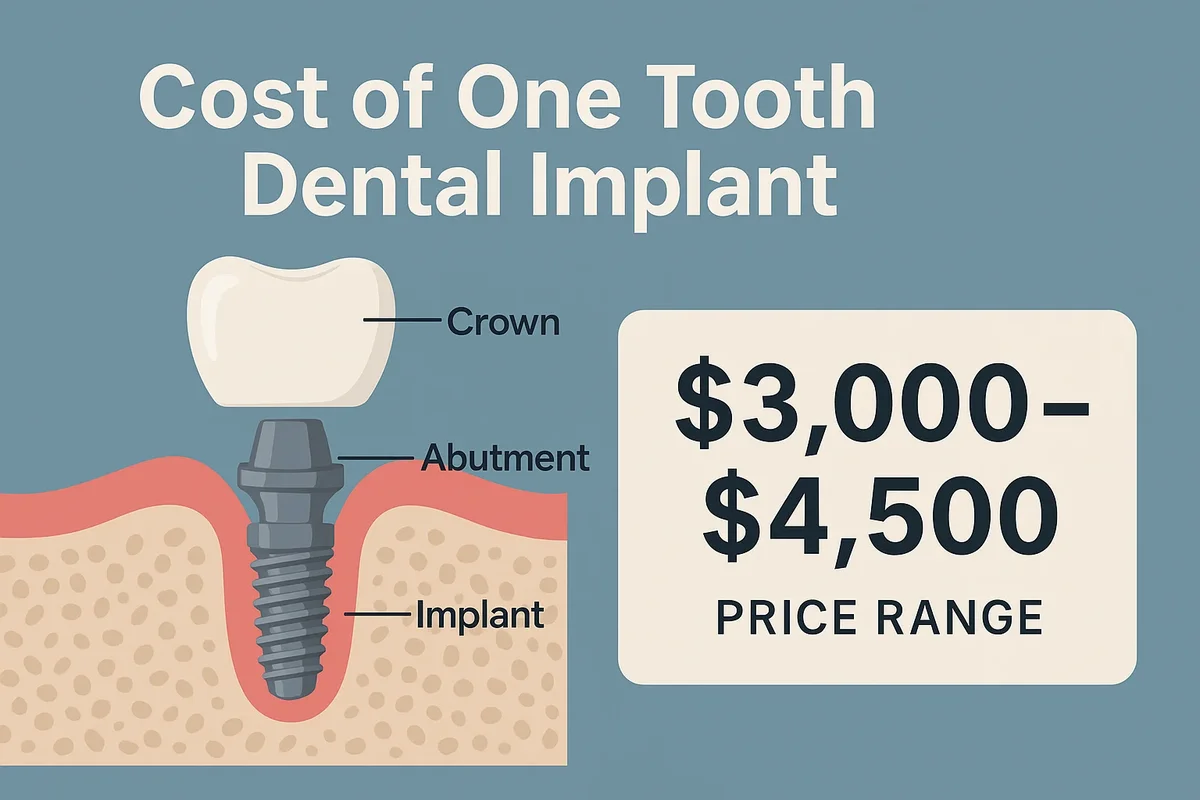
Choosing the Right Dental Clinic for the Best Implant Cost and Results
Finding the right dental clinic is one of the most critical factors in determining the true value of the cost of one tooth dental implant. The success of the procedure depends not only on the materials but also on the surgeon’s skill, clinical technology, and aftercare standards. In this final section, we will explain how to identify a trusted dental center that balances affordability with excellence. 🏥
1. Research the Clinic’s Credentials
Start by verifying that the clinic is certified and registered under national dental authorities. Clinics that display ISO 9001 or Joint Commission International (JCI) certification maintain globally recognized patient safety and sterilization protocols. This ensures that even if the cost of one tooth dental implant seems low, the treatment is performed under safe and ethical conditions.
Checklist for Clinic Verification
- Licensed dental surgeons with implantology certifications.
- CE- or FDA-approved implant brands.
- Sterilization standards aligned with WHO guidelines.
- Transparent patient documentation and consent forms.
2. Evaluate Technology and Equipment
Modern implantology depends heavily on digital technology. Clinics using 3D CT scanners, CAD/CAM milling, and guided surgery tools deliver higher accuracy and safety. These technologies minimize surgical risks, improve implant placement precision, and ensure that the cost of one tooth dental implant translates into long-term value through durability and aesthetics.
3. Assess the Dentist’s Experience
Implant placement requires specialized training. Experienced dentists with international qualifications often achieve success rates above 97%. Always request to see before-and-after photos and verify experience with single-tooth and full-mouth implants. The skill of your dentist is one of the strongest predictors of whether your cost of one tooth dental implant becomes a lifetime investment or a costly redo. 🦷
4. Check Transparency and Communication
Reputable clinics clearly explain each step of the procedure, from the surgical phase to the prosthetic fitting. They provide written cost breakdowns and answer all patient questions upfront. A transparent clinic ensures you understand exactly what your cost of one tooth dental implant covers — including anesthesia, imaging, and follow-up visits.
5. Read Reviews and Patient Testimonials
Online reviews, video testimonials, and independent rating platforms can help gauge real patient experiences. Look for patterns of satisfaction regarding hygiene, comfort, staff communication, and post-treatment care. A high review score is a reliable indicator that the clinic delivers quality results at a fair cost of one tooth dental implant.
6. Verify Warranty and Aftercare Policies
Top clinics offer warranties for implant components (5–15 years) and follow-up care at no extra charge. These warranties add security to your investment and guarantee that the cost of one tooth dental implant includes ongoing maintenance support. Always confirm the duration and coverage of the clinic’s warranty before treatment. 📄
7. Compare Local and International Options
Patients seeking both quality and savings can compare multiple countries before making a final decision. For instance, Turkey and Hungary offer internationally accredited clinics with advanced infrastructure and English-speaking staff. By evaluating several options, you can identify where the cost of one tooth dental implant aligns best with quality expectations.
8. Look for All-Inclusive Packages
Comprehensive treatment packages often include the implant, abutment, crown, imaging, and accommodation. Clinics like Redent Klinik Contact Page specialize in complete patient support for overseas clients — ensuring that the quoted cost of one tooth dental implant covers every detail from arrival to final check-up. ✈️
9. Red Flags to Avoid
- Prices below $400 — may indicate poor materials or lack of sterilization.
- No written treatment plan or warranty.
- Limited communication or no verified reviews.
- Unregistered clinics operating without licenses.
10. Final Thoughts: Quality Over Quantity
Choosing the right dental clinic ensures that the cost of one tooth dental implant results in a long-term, successful outcome. A high-quality implant performed by an expert clinician provides decades of confidence, function, and beauty. When transparency, experience, and technology meet affordability, patients receive true value — a healthy smile that lasts a lifetime. 🌿
Disclosure: this page may contain affiliate links. We may earn a commission if you use them, at no extra cost to you.