
Losing one or more teeth can affect not only your appearance but also your confidence, oral health, and ability to eat comfortably. Many patients searching for long-term tooth replacement solutions eventually ask about the cost of partial dental implants. Understanding the cost of partial dental implants is essential before making a decision, because this treatment combines advanced dental technology, surgical expertise, and high-quality materials designed to restore missing teeth permanently.
Partial dental implants are one of the most reliable solutions in modern dentistry for replacing several missing teeth without replacing an entire arch. Unlike dentures or bridges that rest on the gums or neighboring teeth, dental implants are surgically placed into the jawbone. This creates a stable foundation that closely mimics natural tooth roots. Because of this advanced process, the cost of partial dental implants can vary significantly depending on multiple factors such as materials, clinic location, surgical complexity, and additional procedures.
When patients begin researching the cost of partial dental implants, they often discover that prices differ between countries, clinics, and treatment plans. While some people initially feel concerned about the investment, it is important to understand that implants are designed as a long-term or even lifetime solution. Compared to temporary alternatives, the cost of partial dental implants often reflects their durability, stability, and natural appearance.
One of the reasons why dentists recommend implants is their ability to preserve bone health. When a tooth is lost, the jawbone in that area can gradually shrink due to lack of stimulation. Dental implants act like artificial roots and stimulate the bone during chewing. This helps maintain facial structure and prevent premature aging of the face. Therefore, when evaluating the cost of partial dental implants, many dental professionals encourage patients to think about the long-term oral health benefits rather than focusing only on the initial price.
Another important aspect that influences the cost of partial dental implants is customization. Each patient’s mouth is unique, meaning treatment plans must be tailored individually. A dentist will evaluate factors such as bone density, gum health, number of missing teeth, and overall oral condition before determining the exact treatment cost. Advanced imaging techniques like 3D dental scans and digital treatment planning are often used to design the most precise implant placement, which can also influence the overall cost of partial dental implants.
In many cases, patients who need partial implants are missing two or several teeth in one area of the mouth. Instead of placing an implant for every single missing tooth, dentists may place two implants that support a bridge of multiple artificial teeth. This technique can reduce the overall cost of partial dental implants while still providing excellent stability and aesthetics. This is one reason implants are considered a flexible and efficient restorative solution.
Patients researching the cost of partial dental implants should also understand that the procedure usually occurs in multiple stages. The first stage involves surgically placing the implant into the jawbone. After that, a healing period known as osseointegration occurs, during which the implant fuses with the bone. Once healing is complete, a connector piece called an abutment and the final dental crown or bridge are attached. Each stage contributes to the overall cost of partial dental implants, but it also ensures durability and long-term success.
Many dental clinics around the world provide implant treatments, but quality standards and expertise vary significantly. When considering the cost of partial dental implants, patients should prioritize clinics with experienced implant specialists, modern equipment, and strong patient reviews. Organizations such as the American Dental Association emphasize the importance of choosing qualified dental professionals for surgical procedures like implants.
For patients exploring treatment options internationally, clinics that specialize in dental tourism often provide high-quality care at competitive prices. Some well-known clinics combine advanced implant technology with patient-centered services such as consultation planning, digital diagnostics, and post-treatment follow-ups. If you would like personalized information about your treatment options and the cost of partial dental implants, you can reach out directly through the Redent Klinik Contact Page.
Beyond the financial aspect, understanding the full value of implants helps patients make informed decisions. The cost of partial dental implants includes surgical planning, materials, implant fixtures, laboratory work for crowns or bridges, and professional expertise. When performed correctly, implants provide a natural look, comfortable bite function, and exceptional longevity.
Another advantage that patients appreciate is the natural feel of implants. Unlike removable dentures, partial dental implants remain fixed in the mouth. This allows patients to eat their favorite foods, speak clearly, and smile confidently without worrying about slipping or discomfort. For many individuals, the improved quality of life makes the cost of partial dental implants a worthwhile investment.
Ultimately, the cost of partial dental implants should be evaluated alongside their benefits, longevity, and health advantages. By restoring missing teeth with a stable and aesthetic solution, implants not only improve your smile but also support overall oral function. As dental technology continues to evolve, implant procedures are becoming safer, more predictable, and increasingly accessible to patients around the world.
What Is the Cost of Partial Dental Implants and Why Do People Need Them?
The cost of partial dental implants is one of the most common questions patients ask when they begin researching solutions for missing teeth. Partial dental implants are designed to replace several missing teeth in a specific area of the mouth while preserving the surrounding natural teeth and jawbone. Understanding the cost of partial dental implants requires looking at both the clinical procedure and the long-term health benefits associated with implant dentistry.
Unlike traditional dentures or removable appliances, dental implants provide a fixed and stable replacement for missing teeth. A titanium implant is surgically inserted into the jawbone, acting as an artificial tooth root. After healing, a dental crown or bridge is attached on top, restoring the appearance and functionality of natural teeth. Because this procedure involves surgery, advanced technology, and custom dental work, the cost of partial dental implants typically reflects the complexity and quality of the treatment.
Many people initially focus only on the price when researching the cost of partial dental implants. However, dentists often explain that implants are an investment in long-term oral health. Unlike removable dentures that may need frequent adjustments or replacement, implants can last decades with proper care. This durability is one of the key reasons why the cost of partial dental implants may appear higher at first but often proves more cost-effective over time.
Understanding Partial Dental Implants
Partial dental implants are used when a patient has lost several teeth but still has healthy natural teeth remaining. Instead of replacing every missing tooth with an individual implant, dentists often place two implants to support multiple artificial teeth through a dental bridge. This method allows patients to restore chewing function and aesthetics while managing the cost of partial dental implants more efficiently.
For example, if a patient has lost three adjacent teeth, a dentist may place two implants and connect them with a bridge that replaces all missing teeth. This treatment design not only reduces the number of implants needed but also helps control the overall cost of partial dental implants. As a result, patients receive a stable and natural-looking solution without unnecessary procedures.
How Partial Dental Implants Work
The procedure for partial dental implants usually takes place in multiple stages. First, the dentist performs a comprehensive evaluation, including X-rays or 3D scans, to determine whether the patient has enough bone to support implants. This planning stage is critical because bone density and gum health directly affect the success of the treatment and the final cost of partial dental implants.
Once planning is complete, the implant is surgically placed into the jawbone. Over the next several months, the implant integrates with the bone through a biological process called osseointegration. After healing is complete, the dentist attaches an abutment and a dental bridge or crown. Each stage of the treatment contributes to the overall cost of partial dental implants, but it also ensures long-term stability and functionality.
Why Patients Choose Partial Dental Implants
There are several reasons why patients choose implants despite the initial cost of partial dental implants. One of the most important advantages is stability. Unlike removable dentures that may shift or slip while eating or speaking, implants remain securely anchored in the jawbone. This allows patients to chew comfortably and enjoy a wide variety of foods.
Another major benefit is the preservation of bone structure. When teeth are missing, the jawbone gradually deteriorates because it no longer receives stimulation from tooth roots. Dental implants prevent this bone loss by functioning like natural roots. For many patients, protecting jawbone health is a major factor when evaluating the cost of partial dental implants.
Aesthetic results also play a key role. Modern implant restorations are carefully designed to match the color, shape, and size of natural teeth. This creates a seamless smile that looks completely natural. Patients often report increased confidence after treatment, which further justifies the cost of partial dental implants for many individuals.
Who Is a Good Candidate for Partial Dental Implants?
Not everyone is immediately eligible for implant treatment. A dentist will evaluate several factors before determining whether a patient is a suitable candidate. These include overall health, gum condition, bone density, and oral hygiene habits. These factors also influence the final cost of partial dental implants because additional procedures may be required.
For instance, patients with insufficient bone volume may need a bone graft before implants can be placed. Although this may increase the cost of partial dental implants, it greatly improves the stability and longevity of the implant.
Patients who maintain good oral hygiene and attend regular dental checkups tend to have the highest success rates with implants. According to the American Dental Association, dental implants are considered one of the most predictable and successful restorative procedures in modern dentistry.
Consulting a Dental Professional
If you are considering implant treatment, the best way to determine the exact cost of partial dental implants is through a personalized consultation. During this appointment, the dentist will assess your oral health, discuss treatment options, and provide a detailed cost estimate based on your specific needs.
Patients seeking professional guidance can easily request an appointment through the Redent Klinik Contact Page. A consultation allows patients to understand every step of the treatment process and gain clarity about the expected cost of partial dental implants.
Ultimately, partial dental implants are more than just a cosmetic procedure. They restore oral function, protect bone health, and significantly improve quality of life. When evaluating the cost of partial dental implants, it is important to consider the long-term benefits, durability, and natural appearance that implants provide.
Average Cost of Partial Dental Implants Around the World
Understanding the cost of partial dental implants across different regions of the world can help patients make informed decisions about treatment. Dental implant pricing varies significantly depending on location, clinic expertise, materials used, and the complexity of the procedure. For many patients, researching the cost of partial dental implants internationally is part of the process of finding high-quality care that fits their budget.
Dental implants are considered one of the most advanced tooth replacement solutions available today. Because the treatment involves surgery, advanced imaging, custom prosthetics, and specialized dental professionals, the cost of partial dental implants reflects both the medical expertise involved and the long-term benefits provided by the treatment.
While the overall cost of partial dental implants may seem high at first glance, it is important to remember that implants are designed to last many years, often decades. Compared to alternatives like removable dentures or traditional dental bridges, implants provide greater stability, improved oral health, and a natural appearance.
Typical Cost of Partial Dental Implants by Country
The cost of partial dental implants can vary widely depending on the country where the treatment is performed. In countries with higher healthcare costs, such as the United States, Canada, or the United Kingdom, implant procedures are often significantly more expensive than in countries that specialize in dental tourism.
Estimated Price Ranges for Partial Dental Implant Treatment
United States:      $4,000 – $15,000 (depending on number of implants and crowns)
United Kingdom:     $3,500 – $12,000
Canada:             $4,000 – $13,000
Australia:          $4,000 – $14,000
Germany:            $3,500 – $11,000
Turkey:             $1,500 – $5,000
Mexico:             $1,800 – $6,000
Thailand:           $2,000 – $6,000
These numbers represent general estimates and can vary depending on the individual treatment plan. The final cost of partial dental implants often depends on how many implants are required and whether additional procedures such as bone grafting are necessary.
Countries like Turkey, Mexico, and Thailand have become popular destinations for dental tourism because the cost of partial dental implants is often significantly lower while still offering modern clinics, experienced implant specialists, and advanced technology.
Why Implant Costs Differ Between Countries
Several factors explain why the cost of partial dental implants varies so much across different countries. These differences are not always related to quality; often they reflect broader economic factors.
1. Cost of Living and Operational Expenses
One of the main reasons the cost of partial dental implants differs globally is the cost of living in each country. Dental clinics in cities with higher operating costs must charge more for services in order to cover rent, salaries, equipment maintenance, and insurance.
2. Dentist Training and Specialization
The expertise and qualifications of the implant surgeon also influence the cost of partial dental implants. Highly experienced implantologists with specialized training may charge higher fees due to their skill level and success rates.
3. Materials and Implant Brands
Implant systems are manufactured by different companies, and the materials used can affect the overall cost of partial dental implants. Premium implant brands often offer longer warranties, advanced surface technology, and higher success rates, which can increase the treatment price.
4. Technology and Equipment
Modern dental clinics use advanced technology such as 3D CT scans, digital treatment planning, and guided implant surgery. While these technologies improve accuracy and patient safety, they may also influence the cost of partial dental implants.
Additional Costs That May Affect the Final Price
When researching the cost of partial dental implants, it is important to understand that the total price usually includes several components beyond the implant itself.
These may include:
- Initial consultation and diagnostic imaging
- 3D CT scans or digital X-rays
- Surgical implant placement
- Abutment (connector between implant and crown)
- Custom dental crown or bridge
- Follow-up visits and monitoring
Each of these elements contributes to the overall cost of partial dental implants, but they also ensure the treatment is carefully planned and performed.
Dental Tourism and Implant Cost Savings
In recent years, many patients have chosen to travel abroad for dental care because the cost of partial dental implants can be significantly lower in specialized international clinics. Countries known for dental tourism often offer packages that include consultation, treatment planning, implant surgery, and restoration.
Patients interested in learning more about personalized treatment options can visit the Redent Klinik Contact Page to discuss their needs with dental professionals.
Choosing a clinic with experienced implant specialists and modern equipment is essential for long-term success. Professional organizations such as the American Dental Association emphasize the importance of proper training and sterile surgical environments when performing implant procedures.
Balancing Cost and Quality
While comparing prices is important, patients should remember that the cost of partial dental implants should never be the only factor in their decision. Choosing a reputable clinic, experienced dentist, and high-quality implant materials is essential for ensuring a successful outcome.
The goal of implant dentistry is not simply to replace missing teeth but to restore comfort, confidence, and oral health for many years. When evaluating the cost of partial dental implants, patients should consider the long-term value of a stable, durable, and natural-looking tooth replacement solution.
Key Factors That Influence the Cost of Partial Dental Implants
When patients begin researching the cost of partial dental implants, they often discover that prices can vary widely from one clinic to another. This variation is not random. Several medical, technical, and geographic factors determine the final cost of partial dental implants. Understanding these elements helps patients make informed decisions and evaluate whether a treatment estimate is reasonable.
Partial dental implants are complex restorative procedures that combine oral surgery, prosthetic design, and long-term treatment planning. Because of this complexity, the cost of partial dental implants is influenced by many components, including diagnostic imaging, surgical placement, implant materials, laboratory work, and professional expertise. Patients who understand these factors are better prepared to compare treatment options and avoid focusing only on the lowest price.
Number of Implants Required
The number of implants needed is one of the most important elements affecting the cost of partial dental implants. Patients who have lost multiple teeth in one area may not necessarily require an implant for every missing tooth. Dentists often place two implants to support a multi-tooth bridge, which can help control the cost of partial dental implants while still providing strong support.
For example, if three adjacent teeth are missing, two implants may be placed with a bridge that restores all teeth in that section. This approach reduces surgical complexity and helps keep the cost of partial dental implants manageable. However, each case is unique, and treatment planning must be customized for the patient’s oral anatomy.
Implant Placement Complexity
The position of missing teeth can also affect the cost of partial dental implants. Implants placed in areas with dense bone are usually easier to perform, while areas with limited bone structure may require additional surgical techniques. When more complex procedures are required, the cost of partial dental implants may increase accordingly.
Quality and Brand of Implant Materials
Another major factor that influences the cost of partial dental implants is the type of implant system used. Dental implants are typically made from medical-grade titanium or zirconia, materials known for their strength and compatibility with the human body.
Different manufacturers produce implant systems with varying levels of research, innovation, and long-term clinical evidence. Premium implant brands often include advanced surface treatments that promote faster bone integration. Because of these advantages, they can raise the overall cost of partial dental implants. However, many dentists prefer these systems because they offer higher success rates and long-term stability.
Custom Prosthetic Design
The visible portion of the implant restoration—usually a crown or bridge—is custom designed for each patient. Dental laboratories carefully match the shape, color, and size of surrounding teeth. The craftsmanship involved in this process also contributes to the cost of partial dental implants.
High-quality dental ceramics are often used to create natural-looking restorations. While this may slightly increase the cost of partial dental implants, it significantly improves aesthetics and durability.
Diagnostic Technology and Treatment Planning
Modern implant dentistry relies heavily on advanced imaging technology. Digital X-rays and 3D CT scans allow dentists to evaluate bone density, nerve position, and overall jaw structure. These tools improve accuracy and safety during surgery.
Because these diagnostic systems require specialized equipment and software, they also influence the cost of partial dental implants. However, they greatly reduce surgical risks and improve long-term outcomes.
In addition to imaging, digital treatment planning software helps dentists determine the ideal position and angle for each implant. Guided implant surgery may be used to increase precision, which again can impact the overall cost of partial dental implants.
Additional Procedures Before Implant Placement
Some patients require preparatory procedures before implants can be placed. These treatments are necessary to ensure that the implant integrates successfully with the jawbone. When these additional procedures are required, they naturally affect the cost of partial dental implants.
Bone Grafting
If a patient has experienced bone loss after tooth extraction, a bone graft may be required. This procedure adds bone material to strengthen the jaw and provide a stable foundation for implants. Bone grafting can increase the cost of partial dental implants, but it significantly improves treatment success.
Sinus Lift Surgery
For implants placed in the upper back jaw, dentists sometimes perform a sinus lift procedure. This technique creates additional bone height below the sinus cavity, making implant placement possible. Because it involves additional surgical steps, it can influence the cost of partial dental implants.
Experience of the Implant Specialist
The training and experience of the dentist performing the procedure can also affect the cost of partial dental implants. Highly experienced implantologists who specialize in oral surgery may charge higher professional fees. However, many patients prefer experienced specialists because they reduce the risk of complications and increase treatment success.
Professional dental organizations such as the American Dental Association recommend that implant procedures be performed by qualified professionals with proper training in implant dentistry.
Clinic Location and Operating Costs
The geographic location of a dental clinic also plays a significant role in determining the cost of partial dental implants. Clinics located in large metropolitan areas or countries with higher living costs often charge more for dental services. This difference does not necessarily reflect treatment quality but rather the operational costs associated with running a modern dental practice.
Many patients explore treatment options internationally where the cost of partial dental implants may be more affordable while still maintaining high clinical standards.
Personalized Consultation and Treatment Planning
The most accurate way to determine the cost of partial dental implants is through a professional consultation. During this appointment, the dentist evaluates oral health, reviews diagnostic scans, and creates a personalized treatment plan. Because every patient’s dental condition is different, the final cost of partial dental implants can only be determined after this evaluation.
If you would like professional guidance about treatment options and the cost of partial dental implants, you can request an appointment through the Redent Klinik Contact Page. A consultation allows patients to receive a detailed explanation of the procedure and a clear estimate of the expected treatment cost.
Ultimately, the cost of partial dental implants reflects a combination of medical expertise, advanced technology, customized dental craftsmanship, and long-term oral health benefits. When performed by skilled professionals using high-quality materials, dental implants provide one of the most durable and natural solutions for replacing missing teeth.
Cost of Partial Dental Implants vs Other Tooth Replacement Options
When patients begin researching ways to replace missing teeth, they often compare several treatment options before deciding. One of the most frequently asked questions is how the cost of partial dental implants compares to other dental solutions such as bridges, removable partial dentures, or full dentures. Understanding these differences helps patients evaluate both the financial investment and the long-term value of each treatment.
While the cost of partial dental implants may appear higher initially, many dentists emphasize that implants provide superior stability, durability, and oral health benefits compared to alternative treatments. Tooth replacement is not just about filling a gap in the smile; it is about restoring chewing function, preserving jawbone health, and maintaining facial structure.
Because of these benefits, patients evaluating the cost of partial dental implants should consider not only the initial treatment price but also the long-term maintenance costs associated with other dental restorations.
Partial Dental Implants vs Dental Bridges
Dental bridges have traditionally been one of the most common alternatives to implants. A bridge replaces missing teeth by attaching an artificial tooth to crowns placed on the neighboring teeth. Although bridges may initially cost less than implants, they involve altering healthy teeth.
Average Cost Comparison
Partial Dental Implants: $3,000 – $8,000 depending on number of implants
Dental Bridges: $2,000 – $5,000 depending on materials and number of teeth
While the bridge may appear more affordable at first, the cost of partial dental implants often becomes more cost-effective over time. Bridges typically need replacement every 10–15 years, while dental implants can last decades with proper care.
Another major difference is bone preservation. Implants stimulate the jawbone and prevent bone loss, while bridges do not. This biological advantage is an important factor when considering the cost of partial dental implants from a long-term oral health perspective.
Partial Dental Implants vs Removable Partial Dentures
Removable partial dentures are another solution for replacing several missing teeth. These appliances consist of artificial teeth attached to a gum-colored base that can be removed for cleaning. Because they are removable and do not require surgery, they are usually less expensive initially.
Typical Cost Comparison
Partial Dental Implants: $3,000 – $8,000
Removable Partial Dentures: $500 – $2,500
At first glance, the price difference can make dentures seem like the more economical option. However, dentures may require frequent adjustments, relining, or replacement over time. When these ongoing expenses are considered, the long-term cost of partial dental implants may actually provide better value.
Additionally, removable dentures may shift while eating or speaking, which can affect comfort and confidence. Implants, on the other hand, remain fixed in the jawbone and function much like natural teeth. This stability is one of the key reasons patients choose implants despite the higher initial cost of partial dental implants.
Partial Dental Implants vs Full Dentures
Full dentures are designed for patients who have lost most or all of their teeth. They are placed over the gums and held in position by suction or dental adhesive. While dentures can restore appearance, they often provide limited chewing strength compared to implants.
Estimated Price Differences
Partial Dental Implants: $3,000 – $8,000
Full Dentures: $1,000 – $3,000
Although dentures may have a lower upfront cost, they do not prevent bone loss in the jaw. Over time, this bone loss can cause the dentures to loosen and require replacement. As a result, the long-term financial investment may become comparable to the cost of partial dental implants.
Patients who want maximum stability and natural chewing ability often find that implants provide the most reliable solution.
Longevity and Long-Term Value
One of the most important factors when comparing treatments is longevity. The cost of partial dental implants often reflects the long-lasting nature of the treatment. With proper oral hygiene and regular dental visits, implants can last 20 years or longer.
Bridges and dentures typically have shorter lifespans and require periodic replacement or repair. When these additional expenses are taken into account, the lifetime cost of partial dental implants may actually be lower than repeatedly replacing alternative restorations.
Comfort and Natural Function
Another reason patients consider the cost of partial dental implants worthwhile is comfort. Dental implants integrate with the jawbone and function like natural tooth roots. This allows patients to bite and chew with greater strength and confidence.
Removable dentures, by contrast, can move slightly during use. This movement may cause discomfort or irritation of the gums. Many patients report that implants feel significantly more natural than other tooth replacement methods.
Aesthetic Results
Modern dental implants are designed to look nearly identical to natural teeth. The crowns attached to implants are custom-made to match surrounding teeth in shape, color, and size. This natural appearance is another reason patients are willing to invest in the cost of partial dental implants.
Although bridges and dentures can also provide good cosmetic results, implants tend to offer the most lifelike appearance because they emerge directly from the gums like natural teeth.
Professional Recommendations
Many dental professionals consider implants the gold standard for replacing missing teeth. According to the American Dental Association, dental implants have one of the highest long-term success rates among restorative dental treatments.
For patients who want personalized advice regarding the cost of partial dental implants, a consultation with an experienced dental clinic is the best first step. If you would like to learn more about treatment options, you can contact a specialist through the Redent Klinik Contact Page.
Ultimately, while the cost of partial dental implants may initially seem higher than other treatments, implants often provide superior durability, comfort, and long-term value. For many patients, this combination of benefits makes dental implants one of the most worthwhile investments in oral health.
Materials Used in Partial Dental Implants and Their Impact on Price
The cost of partial dental implants is influenced by many factors, but one of the most significant is the type of materials used during the treatment. Dental implants are made from highly specialized medical-grade materials designed to integrate safely with the human body and withstand years of chewing pressure. Because implant dentistry combines advanced biomaterials with precise manufacturing, the quality of the materials directly affects the cost of partial dental implants.
Patients often assume that all dental implants are the same, but this is not the case. The implant fixture, abutment, and final crown or bridge can all be produced from different materials, each with its own advantages. Understanding these materials helps patients better evaluate the cost of partial dental implants and why certain treatment plans may be more expensive than others.
Implant Fixture Materials
The implant fixture is the screw-like component surgically placed into the jawbone. It functions as the artificial tooth root and provides a stable base for the final restoration. Because this component integrates directly with bone tissue, it must be made from highly biocompatible materials.
Titanium Dental Implants
Titanium is the most commonly used material in implant dentistry and plays a major role in determining the cost of partial dental implants. Medical-grade titanium has been used in dental and orthopedic implants for decades because it integrates well with bone through a process known as osseointegration.
Titanium implants are strong, lightweight, and extremely durable. Their long clinical history and high success rates make them the preferred choice for many dentists. Although titanium systems can increase the cost of partial dental implants, they offer reliability and long-term stability that justify the investment.
Zirconia Dental Implants
Zirconia implants are a newer alternative to titanium. Made from ceramic material, zirconia implants are metal-free and highly aesthetic. Some patients prefer zirconia because it is white in color and may blend better with natural tooth structures.
However, zirconia implants are usually more expensive to manufacture. As a result, choosing zirconia may increase the cost of partial dental implants. While they offer certain aesthetic advantages, titanium implants remain the most widely used option due to their extensive research and proven durability.
Abutment Materials
The abutment is the connector that attaches the dental crown or bridge to the implant fixture. Although this component is small, it still plays a role in the cost of partial dental implants because it must be precisely designed to support the final restoration.
Titanium Abutments
Titanium abutments are durable and compatible with most implant systems. They are often used in areas where aesthetics are less critical, such as the back teeth. Choosing titanium abutments can sometimes help control the cost of partial dental implants while still providing strong support for the prosthetic tooth.
Zirconia Abutments
Zirconia abutments are often used in the front of the mouth where aesthetics are especially important. Their white color prevents the gray tint that may occur with metal components under thin gum tissue. While aesthetically superior in some cases, zirconia abutments may slightly increase the cost of partial dental implants.
Crown and Bridge Materials
The visible portion of the implant restoration is the crown or dental bridge. This part must closely resemble natural teeth while remaining strong enough to withstand daily chewing forces. The type of material used for the crown significantly affects the cost of partial dental implants.
Porcelain-Fused-to-Metal Crowns
Porcelain-fused-to-metal (PFM) crowns consist of a metal framework covered with porcelain. These restorations provide a balance between strength and aesthetics. Because they are widely available and relatively affordable, they may help reduce the cost of partial dental implants compared to premium ceramic options.
All-Ceramic or Zirconia Crowns
All-ceramic crowns, including zirconia crowns, are among the most advanced dental materials available today. They offer exceptional aesthetics and high strength. These crowns can mimic the translucency and color variations of natural teeth, making them ideal for visible areas of the smile.
Because of their advanced manufacturing process and superior appearance, zirconia or all-ceramic crowns may increase the overall cost of partial dental implants. However, many patients choose these materials for their natural look and long-term durability.
Implant Surface Technology
Modern implant systems often include specialized surface treatments that help implants bond more quickly with the jawbone. These microscopic surface textures increase the contact area between the implant and bone tissue.
Advanced implant surfaces improve healing and long-term stability, but they can also affect the cost of partial dental implants. Premium implant brands invest heavily in research and development to create these surfaces, which contributes to higher manufacturing costs.
Dental Laboratory Craftsmanship
The dental laboratory that fabricates the crown or bridge also influences the cost of partial dental implants. Skilled technicians use digital scanning, computer-aided design (CAD), and milling machines to produce precise restorations that fit perfectly with the implant.
High-quality dental laboratories often use advanced ceramic materials and detailed color matching techniques to create natural-looking results. This craftsmanship is an important component of the cost of partial dental implants, as it ensures the restoration blends seamlessly with surrounding teeth.
Balancing Quality and Cost
When evaluating the cost of partial dental implants, patients should remember that material quality plays a critical role in the long-term success of the treatment. Choosing lower-cost materials may reduce the initial price, but premium implant systems often provide better durability and aesthetics.
Dental professionals generally recommend selecting implant materials with proven clinical success. Organizations such as the American Dental Association emphasize the importance of using reliable dental materials that meet strict safety and performance standards.
Patients interested in learning more about treatment options and the expected cost of partial dental implants can request a consultation through the Redent Klinik Contact Page. A professional evaluation allows dentists to recommend the most appropriate materials based on each patient’s oral health and aesthetic goals.
Ultimately, the materials used in implant dentistry are a key factor in determining the cost of partial dental implants. High-quality biomaterials, advanced manufacturing techniques, and custom dental craftsmanship combine to create a restoration that looks natural, functions effectively, and lasts for many years.
Additional Procedures That Can Affect the Cost of Partial Dental Implants
When evaluating the cost of partial dental implants, many patients initially focus on the implant itself. However, implant treatment is often part of a broader dental restoration process. In many cases, additional procedures may be required to prepare the mouth for successful implant placement. These procedures ensure long-term stability and oral health, but they can also influence the final cost of partial dental implants.
Not every patient requires extra treatment before receiving implants. However, factors such as bone density, gum health, and previous tooth loss can determine whether preparatory procedures are necessary. Understanding these treatments helps patients better anticipate the cost of partial dental implants and avoid unexpected expenses during the treatment process.
Bone Grafting and Its Impact on Implant Cost
Bone grafting is one of the most common preparatory procedures associated with implant dentistry. After a tooth is lost, the surrounding bone may gradually shrink due to lack of stimulation. If the bone becomes too thin or weak, it may not be able to support an implant securely.
Why Bone Grafting Is Necessary
In cases where bone loss has occurred, dentists may recommend bone grafting before placing implants. During this procedure, bone material is added to the jaw to strengthen the implant site. The graft may come from the patient’s own bone, a donor source, or synthetic biomaterials.
Because bone grafting involves additional surgical work and healing time, it can increase the overall cost of partial dental implants. However, the procedure significantly improves implant stability and long-term success.
Estimated Cost of Bone Grafting
Minor Bone Graft: $300 – $800
Moderate Bone Graft: $800 – $2,000
Extensive Bone Reconstruction: $2,000 – $5,000
Although this procedure may raise the cost of partial dental implants, it creates a strong foundation for the implant and reduces the risk of complications in the future.
Sinus Lift Surgery
Sinus lift surgery is another procedure that may affect the cost of partial dental implants, particularly for implants placed in the upper back jaw. In this area of the mouth, the maxillary sinus cavity is located above the teeth. If the bone height between the sinus and the jaw is insufficient, implants cannot be placed safely without first increasing the available bone.
How a Sinus Lift Works
During a sinus lift procedure, the sinus membrane is gently raised and bone material is inserted beneath it. This creates additional bone height so that implants can be placed securely. Because the procedure involves surgical expertise and healing time, it can increase the cost of partial dental implants.
Typical Sinus Lift Cost: $1,500 – $4,000
Despite the added expense, sinus lift surgery allows many patients who were previously not candidates for implants to receive treatment.
Tooth Extraction Before Implant Placement
Sometimes the teeth that need replacement are still present but are severely damaged or infected. In such cases, the dentist must remove the affected teeth before placing implants. Tooth extraction can therefore contribute to the overall cost of partial dental implants.
Simple vs Surgical Extraction
A simple extraction is typically performed when the tooth is visible and easily accessible. Surgical extraction may be required if the tooth is broken or impacted. Surgical procedures generally involve more time and skill, which can increase the cost of partial dental implants.
Simple Extraction: $75 – $300
Surgical Extraction: $300 – $1,000
Although extractions add to the cost of partial dental implants, they are necessary to remove damaged teeth and prepare the mouth for successful implant placement.
Gum Disease Treatment
Healthy gums are essential for implant success. If a patient has gum disease (periodontitis), it must be treated before implants can be placed. Infection around the gums can compromise implant stability and lead to implant failure.
Scaling and Root Planing
One of the most common treatments for gum disease is scaling and root planing, a deep cleaning procedure that removes plaque and bacteria from below the gum line. While this treatment may slightly increase the cost of partial dental implants, it improves the health of the gums and creates a safer environment for implant surgery.
Scaling and Root Planing: $200 – $800 per quadrant
Treating gum disease beforehand helps protect the long-term success of the implants and prevents complications.
Temporary Restorations During Healing
In some cases, patients receive temporary restorations while waiting for the implants to integrate with the bone. These temporary teeth help maintain aesthetics and function during the healing period.
Although temporary restorations can increase the cost of partial dental implants, they allow patients to maintain a natural appearance while the implants heal. This can be particularly important for implants placed in visible areas of the mouth.
Diagnostic Imaging and Treatment Planning
Advanced imaging technology is another factor that may influence the cost of partial dental implants. Dentists often use digital X-rays and 3D CT scans to evaluate bone density, nerve locations, and overall jaw structure before surgery.
3D CT Scans
Three-dimensional scans provide highly detailed images that allow dentists to plan implant placement with precision. These scans improve patient safety and reduce surgical risks, but they also contribute to the overall cost of partial dental implants.
3D CT Scan: $150 – $500
Although diagnostic imaging adds to the cost, it greatly improves treatment accuracy and outcomes.
The Importance of Comprehensive Treatment Planning
The cost of partial dental implants should always be considered within the context of the entire treatment plan. Preparatory procedures such as bone grafting, sinus lifts, and gum therapy ensure that implants remain stable for many years.
Professional organizations like the American Dental Association emphasize that proper preparation and planning are essential for successful implant treatment.
If you are considering implant treatment and want a personalized estimate of the cost of partial dental implants, you can request a consultation through the Redent Klinik Contact Page. A dentist will evaluate your oral health and determine whether any additional procedures are necessary before implant placement.
Ultimately, while preparatory procedures may increase the initial cost of partial dental implants, they are crucial for achieving stable, long-lasting results. Investing in proper preparation ensures that dental implants function comfortably and reliably for many years.
How Dental Insurance and Financing Affect the Cost of Partial Dental Implants
For many patients, the cost of partial dental implants is a major consideration when deciding whether to proceed with treatment. While dental implants provide one of the most durable and natural-looking solutions for replacing missing teeth, the upfront investment can be significant. Fortunately, dental insurance plans, financing programs, and payment options can help make the cost of partial dental implants more manageable for patients.
Understanding how insurance coverage and financing work allows patients to plan their treatment more confidently. Because every dental plan and clinic is different, it is important to understand the financial options available before committing to implant treatment.
Does Dental Insurance Cover Partial Dental Implants?
Many patients wonder whether dental insurance can help reduce the cost of partial dental implants. In the past, many insurance providers considered dental implants to be a cosmetic procedure and did not cover them. However, modern dentistry recognizes implants as a medically beneficial solution for replacing missing teeth, and some insurance plans now provide partial coverage.
Insurance policies vary widely depending on the provider and the specific plan. Some plans may cover certain parts of the implant procedure while excluding others. Because of this variation, patients should carefully review their insurance benefits when calculating the expected cost of partial dental implants.
Components That Insurance May Cover
In many cases, dental insurance may cover certain stages of the implant treatment process. While the implant fixture itself may not always be fully covered, other elements of the treatment might be partially reimbursed.
- Initial dental consultation and examination
- Diagnostic imaging such as X-rays
- Tooth extraction if required
- Portions of the crown or dental bridge
- Periodontal treatments before implant placement
Although insurance may not completely eliminate the cost of partial dental implants, it can reduce the overall financial burden by covering related procedures.
Annual Coverage Limits
One of the most important things to consider when using insurance for implant treatment is the annual coverage limit. Many dental insurance plans have yearly maximum benefits ranging from $1,000 to $2,000. Once this limit is reached, patients must pay additional expenses out of pocket.
Because implant procedures often exceed these limits, patients should plan how insurance will contribute to the cost of partial dental implants over time. Some patients choose to schedule treatment across two insurance years in order to maximize their benefits.
Flexible Payment Plans
Many dental clinics offer flexible financing options to help patients manage the cost of partial dental implants. These payment plans allow patients to divide the treatment cost into smaller monthly payments rather than paying the entire amount upfront.
In-House Financing Options
Some dental clinics provide internal payment plans for implant treatments. These plans often allow patients to spread the cost of partial dental implants across several months without interest or with minimal administrative fees.
This option is particularly helpful for patients who do not have dental insurance but still want to proceed with implant treatment.
Third-Party Healthcare Financing
In many countries, specialized healthcare financing companies partner with dental clinics to provide payment plans for treatments. These services allow patients to apply for financing and repay the cost of partial dental implants in manageable installments.
Typical Financing Example

Total Treatment Cost: $6,000
Monthly Payment Plan: $200 – $300 per month
Payment Duration: 24 – 36 months
This type of financing can make the cost of partial dental implants significantly easier to manage for patients who prefer predictable monthly payments.
Health Savings Accounts (HSA) and Flexible Spending Accounts (FSA)
In some healthcare systems, patients can use tax-advantaged savings accounts to help cover the cost of partial dental implants. Health Savings Accounts (HSAs) and Flexible Spending Accounts (FSAs) allow patients to use pre-tax funds for qualified medical and dental expenses.
Because dental implants are often considered a medically necessary treatment, these accounts may be used to offset a portion of the cost of partial dental implants. Patients should consult their financial advisor or insurance provider to confirm eligibility.
Dental Tourism and Cost Reduction
Another option some patients explore when researching the cost of partial dental implants is dental tourism. Traveling to countries with lower treatment costs can significantly reduce the total expense while still providing high-quality care.
Many international clinics specialize in implant dentistry and offer treatment packages that include consultation, surgery, and restoration at a lower overall price. However, patients should always research the clinic’s credentials and the dentist’s experience before choosing treatment abroad.
Organizations such as the American Dental Association recommend choosing qualified professionals and accredited clinics to ensure safe and successful dental procedures.
Consultation and Personalized Cost Planning
Because each patient’s dental condition is unique, the most accurate way to determine the cost of partial dental implants is through a personalized consultation. During this appointment, the dentist evaluates oral health, discusses treatment options, and reviews available financial plans.
Patients who want professional guidance about treatment options and the cost of partial dental implants can request a consultation through the Redent Klinik Contact Page. A dental professional can explain the procedure in detail and provide a customized financial estimate.
Ultimately, insurance coverage and financing programs can significantly influence the cost of partial dental implants. By exploring all available payment options, patients can make implant treatment more affordable while benefiting from one of the most reliable and long-lasting solutions for replacing missing teeth.
How to Choose a Clinic When Considering the Cost of Partial Dental Implants
When patients research the cost of partial dental implants, one of the most important decisions they will make is choosing the right dental clinic. While price is certainly a factor, selecting a clinic should involve much more than comparing numbers. The quality of the dentist, the technology used, and the overall treatment approach can significantly influence both the outcome of the procedure and the long-term value of the cost of partial dental implants.
Dental implants are a surgical treatment that requires expertise, precision, and careful planning. Choosing the right clinic ensures that patients receive safe, effective care and that their investment in the cost of partial dental implants leads to long-lasting results.
Experience and Qualifications of the Implant Dentist
One of the most important factors to consider when evaluating the cost of partial dental implants is the experience and training of the dentist performing the procedure. Implant dentistry requires specialized education beyond general dental training.
Dentists who focus on implantology often complete advanced courses or certifications in oral surgery, prosthodontics, or implant placement techniques. These professionals typically have extensive experience in diagnosing complex cases and designing customized treatment plans.
Why Experience Matters
The success of dental implants depends heavily on precise placement within the jawbone. An experienced implant specialist can evaluate bone structure, nerve locations, and bite alignment to ensure optimal positioning. While clinics with highly experienced specialists may charge more, the expertise can justify the cost of partial dental implants by improving treatment success rates.
Professional organizations such as the American Dental Association emphasize that implant procedures should be performed by qualified professionals with appropriate training.
Technology and Diagnostic Equipment
Modern dental technology plays a major role in implant planning and placement. Clinics equipped with advanced diagnostic tools can perform procedures more accurately and safely, which is an important factor when evaluating the cost of partial dental implants.
3D Imaging and Digital Planning
Many high-quality dental clinics use 3D CT scans and digital planning software to evaluate the patient’s jawbone before surgery. These tools allow dentists to visualize bone density, nerve pathways, and sinus locations.
Using this technology ensures that implants are placed with maximum precision, reducing complications and improving outcomes. Although advanced equipment may influence the cost of partial dental implants, it greatly enhances the safety and predictability of the treatment.
Quality of Implant Materials
Another important factor to evaluate when choosing a clinic is the type of implant system used. Premium implant brands have extensive clinical research and long-term success data behind them. These high-quality materials may slightly increase the cost of partial dental implants, but they often provide superior durability and performance.
Trusted Implant Brands
Many reputable clinics use internationally recognized implant systems manufactured by companies with decades of research and innovation. These implants are made from medical-grade titanium and designed to integrate successfully with bone tissue.
While lower-cost alternatives may be available, choosing a clinic that uses reputable implant brands can provide greater confidence in the long-term value of the cost of partial dental implants.
Patient Reviews and Testimonials
Patient feedback can provide valuable insight when evaluating the cost of partial dental implants at different clinics. Reviews and testimonials often reveal details about patient satisfaction, treatment quality, and overall clinic experience.
When reading reviews, patients should look for comments about the dentist’s professionalism, the comfort of the clinic environment, and the success of previous implant procedures. Positive feedback from multiple patients is often a good indicator that the clinic delivers consistent results.
Transparent Pricing and Treatment Plans
A reputable dental clinic should provide a clear and transparent explanation of the cost of partial dental implants. During the consultation, the dentist should outline every step of the treatment process, including diagnostic imaging, surgical placement, and the final restoration.
Detailed Cost Breakdown
Patients should receive a written estimate that explains each component of the treatment cost. This breakdown helps patients understand exactly what they are paying for and avoids unexpected fees later in the process.
Typical Cost Breakdown Example

Consultation and X-rays: $100 – $300
Implant Placement: $1,500 – $3,000
Abutment: $300 – $600
Crown or Bridge: $800 – $2,000
Having a clear understanding of the total cost of partial dental implants allows patients to compare clinics more effectively and make informed decisions.
Comprehensive Patient Care
Another important factor when choosing a clinic is the level of patient care provided throughout the treatment process. High-quality clinics typically offer personalized consultations, detailed treatment planning, and ongoing follow-up appointments.
This level of support ensures that patients feel comfortable and confident about the cost of partial dental implants and the overall treatment experience.
Consultation and Professional Guidance
The best way to evaluate a clinic is through a professional consultation. During this appointment, the dentist can assess the patient’s oral health, discuss treatment options, and provide a personalized estimate of the cost of partial dental implants.
Patients interested in learning more about implant treatment options can schedule a consultation through the Redent Klinik Contact Page. A professional consultation helps patients understand their specific needs and receive a customized treatment plan.
Ultimately, choosing the right clinic plays a crucial role in ensuring the success of implant treatment. While the cost of partial dental implants is an important factor, patients should also prioritize expertise, technology, materials, and patient care when making their decision.
By carefully evaluating these factors, patients can ensure that their investment in the cost of partial dental implants results in a safe procedure, natural-looking smile, and long-lasting oral health.
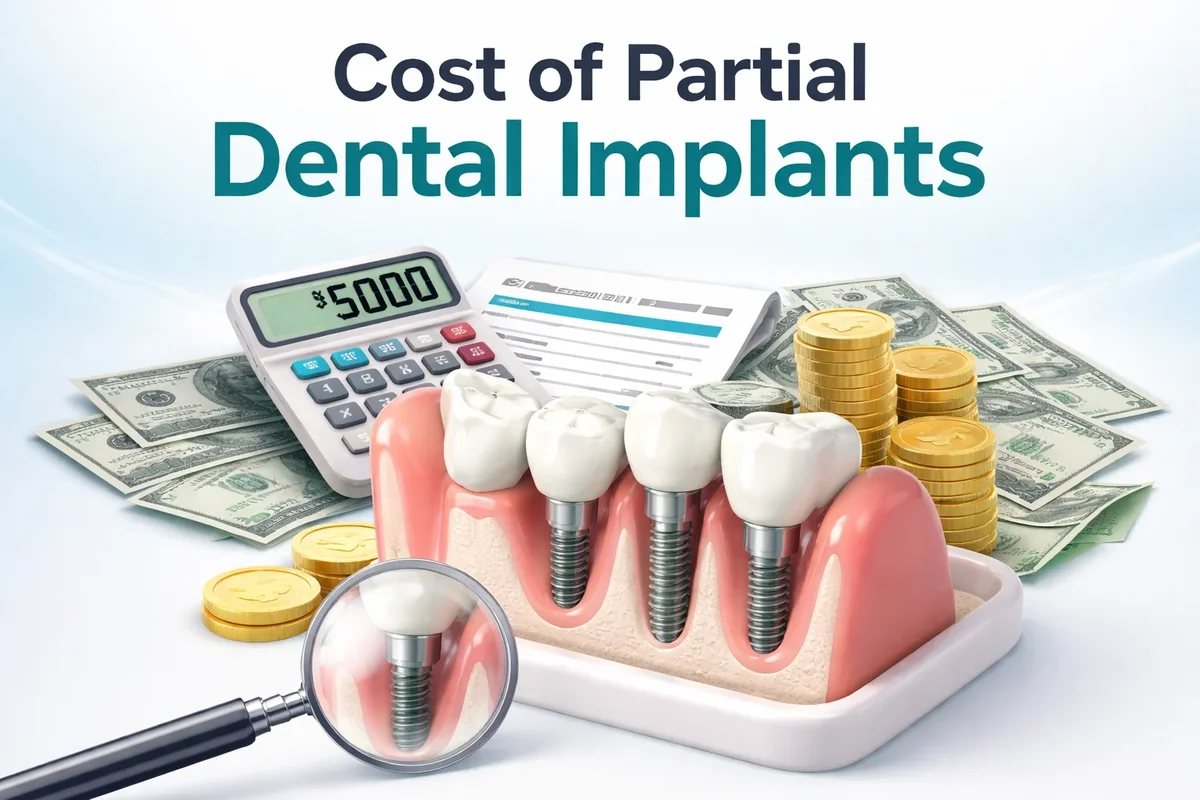
Tips to Reduce the Cost of Partial Dental Implants Without Sacrificing Quality
The cost of partial dental implants can initially seem high for many patients, but there are several strategies that can help reduce the overall expense without compromising treatment quality. Dental implants are considered one of the most reliable and long-lasting solutions for replacing missing teeth, so it is important to approach the decision carefully. By understanding how to manage the cost of partial dental implants wisely, patients can benefit from advanced dental care while staying within their budget.
Many people assume that lowering the cost of partial dental implants means choosing the cheapest option available. However, this approach can sometimes lead to poor treatment outcomes or additional expenses later. Instead, the goal should be to find the best balance between affordability, professional expertise, and long-term value.
Compare Multiple Dental Clinics
One of the most effective ways to manage the cost of partial dental implants is to compare treatment estimates from several reputable clinics. Dental implant pricing can vary significantly depending on the location of the clinic, the dentist’s experience, and the technology used.
Schedule Multiple Consultations
By scheduling consultations with different clinics, patients can receive multiple treatment plans and price estimates. This allows them to compare the cost of partial dental implants and understand what services are included in each quote.
Some clinics may include additional services such as imaging, follow-up appointments, or temporary restorations in their treatment package. Carefully reviewing these details helps patients determine the true value behind the cost of partial dental implants.
Consider Dental Tourism
Another way to reduce the cost of partial dental implants is to explore dental tourism. Many countries offer high-quality implant treatments at significantly lower prices than those found in some Western countries.
Countries known for dental tourism often provide modern clinics, experienced implant specialists, and advanced dental technology at more affordable rates. This is largely due to differences in operating costs and healthcare pricing structures.
Average Savings Through Dental Tourism
United States Treatment Cost: $6,000 – $12,000
Turkey or Mexico Treatment Cost: $2,000 – $5,000
Potential Savings: 40% – 70%
Although dental tourism can reduce the cost of partial dental implants, patients should always verify the qualifications of the clinic and dentist before traveling for treatment.
Maintain Good Oral Health
Maintaining good oral hygiene is one of the most overlooked ways to manage the cost of partial dental implants. Healthy gums and strong bone structure reduce the need for additional procedures such as bone grafting or periodontal treatment.
When patients maintain healthy teeth and gums, dentists can often proceed directly with implant placement. Avoiding extra procedures helps keep the cost of partial dental implants lower.
Daily Oral Care Tips
- Brush teeth at least twice per day
- Use dental floss to remove plaque between teeth
- Attend regular dental checkups and cleanings
- Avoid smoking, which can weaken bone and gum health
These habits support overall oral health and help ensure the long-term success of dental implants.
Ask About Payment Plans
Many dental clinics offer payment plans that allow patients to spread the cost of partial dental implants over several months or years. Instead of paying the entire amount upfront, patients can divide the cost into manageable monthly installments.
Example Financing Plan
Total Implant Cost: $5,000
Monthly Payment: $200 – $300
Payment Period: 24 Months
Financing options make it easier for patients to afford the cost of partial dental implants without delaying treatment.
Take Advantage of Insurance Benefits
Some dental insurance plans may help reduce the cost of partial dental implants by covering related procedures such as extractions, crowns, or diagnostic imaging. While implants themselves may not always be fully covered, insurance benefits can still lower the total treatment expense.
Patients should review their insurance policy and consult their dental provider to understand which parts of the treatment may be reimbursed.
Choose Experienced Implant Specialists
Although it may seem counterintuitive, selecting an experienced implant specialist can actually help reduce the long-term cost of partial dental implants. Skilled dentists are more likely to place implants successfully on the first attempt, reducing the risk of complications or corrective procedures.
Professional organizations such as the American Dental Association recommend choosing dentists who have specialized training in implant dentistry.
Request a Personalized Treatment Plan
The most accurate way to understand the cost of partial dental implants is through a personalized consultation. Each patient’s dental condition is unique, so treatment costs may vary depending on bone health, number of missing teeth, and restoration design.
Patients interested in receiving a professional evaluation and treatment estimate can schedule an appointment through the Redent Klinik Contact Page. During this consultation, dentists can explain treatment options and provide a detailed breakdown of the cost of partial dental implants.
Ultimately, while the cost of partial dental implants may appear significant at first, there are many ways to manage the expense without sacrificing quality. By comparing clinics, maintaining good oral health, exploring financing options, and seeking professional guidance, patients can achieve a durable and natural-looking tooth replacement solution that improves both their smile and overall quality of life.