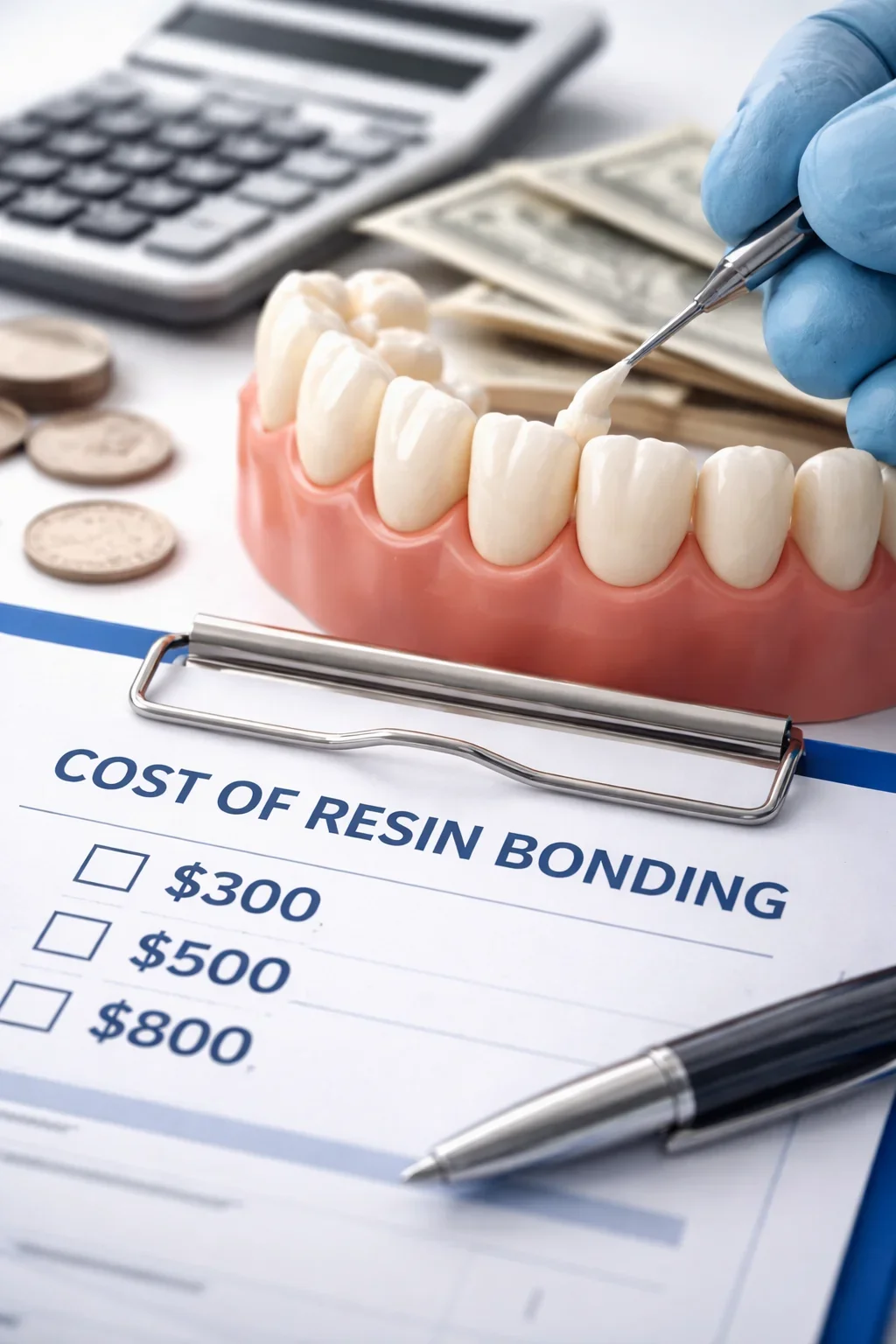
Cost of Resin Bonding Teeth: Complete 2026 Guide

cost of resin bonding teeth

If you are researching the cost of resin bonding teeth, you are likely looking for a cosmetic solution that improves your smile without the high price tag of veneers or crowns. Resin bonding, also known as dental bonding or composite bonding, is one of the most affordable and minimally invasive cosmetic dental treatments available today. In this comprehensive 2026 guide, we will break down everything you need to know about the cost of resin bonding teeth, including average prices, influencing factors, long-term value, and what to expect during treatment.

Resin bonding is a cosmetic dental procedure in which a tooth-colored composite material is applied to the surface of the teeth. It is carefully sculpted, shaped, and polished to improve appearance. Dentists commonly use this treatment to fix chipped teeth, close small gaps, reshape uneven teeth, and cover discoloration. Because it requires little to no removal of natural enamel, it is considered a conservative treatment option. Many patients prefer it because the cost of resin bonding teeth is significantly lower compared to porcelain veneers.

So what exactly can you expect in terms of numbers? In 2026, the average cost of resin bonding teeth typically ranges between $300 and $600 per tooth in the United States. However, this range can vary depending on the location of the clinic, the dentist’s experience, and the complexity of the case. For example, bonding a small chip will usually cost less than reshaping multiple front teeth for a full smile enhancement.

According to data commonly referenced by cosmetic dental providers and professional organizations such as the American Dental Association, cosmetic dental procedures are usually priced based on time, materials, and expertise. The cost of resin bonding teeth reflects not only the composite material used but also the artistic skill required to create a natural, symmetrical result. Unlike fillings placed inside the tooth, bonding on visible front teeth demands a high level of precision and aesthetic judgment.

One of the biggest reasons patients choose this procedure is affordability. When comparing cosmetic dental treatment prices, the cost of resin bonding teeth is often 40–70% lower than porcelain veneers. While veneers can cost between $900 and $2,500 per tooth, bonding offers a more budget-friendly alternative for patients who want noticeable improvements without a large financial commitment.

Another important consideration is how many teeth require treatment. The total cost of resin bonding teeth depends on whether you are correcting one tooth or undergoing a multi-tooth smile design. For example:

  • 1 tooth: $300 – $600
  • 4 front teeth: $1,200 – $2,400
  • 6–8 teeth (smile zone): $1,800 – $4,800

These estimates highlight how the overall cost of resin bonding teeth can scale depending on your aesthetic goals. During your consultation, your dentist will evaluate your teeth, discuss expectations, and provide a personalized treatment plan.

Many patients also ask whether the cost of resin bonding teeth includes additional procedures such as polishing, contouring, or bite adjustments. In most reputable clinics, the quoted price per tooth covers the entire bonding process in a single appointment. The procedure usually takes 30 to 60 minutes per tooth and does not require anesthesia unless there is decay involved.

Durability is another key factor when evaluating the cost of resin bonding teeth. Composite bonding typically lasts between 5 and 10 years with proper care. Although it is not as stain-resistant or long-lasting as porcelain, it can be repaired easily and at a lower cost. This repairability is one reason why the overall long-term cost of resin bonding teeth can remain manageable over time.

It is also worth noting that geographic location influences the cost of resin bonding teeth. Clinics in large metropolitan areas often charge more due to higher operational expenses. However, many patients explore dental tourism options for more competitive pricing. If you are considering treatment abroad, you can contact experienced providers through the Redent Klinik Contact Page to receive a personalized quote and treatment plan.

Ultimately, understanding the cost of resin bonding teeth means looking beyond the price alone. You should consider the dentist’s expertise, the quality of materials, the expected longevity, and the aesthetic outcome. When performed by a skilled professional, resin bonding can dramatically enhance your smile in just one visit 😊.

In summary, the cost of resin bonding teeth in 2026 remains one of the most accessible cosmetic dental investments available. With average prices ranging from $300 to $600 per tooth, minimal invasiveness, and immediate visible results, it is an appealing option for patients seeking affordable smile improvement. Before making a decision, schedule a consultation to receive an accurate estimate tailored to your specific needs. A personalized evaluation is the best way to determine the true cost of resin bonding teeth for your unique case.

1. What Is the Cost of Resin Bonding Teeth in 2026?

Understanding the cost of resin bonding teeth in 2026 requires looking at several important components, including location, dentist expertise, materials used, and the complexity of your smile goals. Resin bonding remains one of the most affordable cosmetic dental treatments available, yet prices can still vary significantly depending on individual circumstances. If you are considering improving chips, gaps, discoloration, or uneven edges, knowing the realistic cost of resin bonding teeth helps you plan your budget with confidence.

In 2026, the average cost of resin bonding teeth in the United States typically ranges between $300 and $600 per tooth. However, in premium cosmetic clinics or major metropolitan areas, the price may increase to $700 or even $800 per tooth for highly aesthetic cases. On the other hand, smaller cities or dental tourism destinations may offer more competitive pricing while maintaining high-quality standards.

National Average Cost of Resin Bonding Teeth

When reviewing current pricing data from cosmetic dental providers and general references such as the American Dental Association, the national average cost of resin bonding teeth remains stable compared to previous years. Inflation has influenced dental materials and laboratory costs, but bonding remains more budget-friendly than porcelain alternatives.

Here is a realistic pricing overview for 2026:

  • Minor chip repair: $300 – $400 per tooth
  • Moderate reshaping or gap closure: $400 – $600 per tooth
  • Extensive cosmetic bonding (front teeth): $600 – $800 per tooth

The final cost of resin bonding teeth depends heavily on how much composite material is required and how much sculpting is involved. Cosmetic refinements on visible front teeth require advanced artistic skill, which can increase the price slightly.

Cost of Resin Bonding Teeth Per Tooth vs Full Smile

Many patients initially search for the cost of resin bonding teeth per tooth, but it is equally important to understand total smile costs. For example:

  • 1 tooth: $300 – $600
  • 4 front teeth: $1,200 – $2,400
  • 6–8 teeth (smile zone): $1,800 – $4,800

If you are planning a full smile enhancement, the overall cost of resin bonding teeth can increase accordingly. However, compared to veneers (which may cost $900–$2,500 per tooth), bonding remains significantly more affordable.

Is Resin Bonding the Most Affordable Cosmetic Option?

Yes, in most cases, the cost of resin bonding teeth makes it one of the most accessible cosmetic dentistry solutions. Treatments like porcelain veneers, crowns, or orthodontics require higher laboratory fees, longer treatment times, and more invasive preparation. Bonding is usually completed in one visit, which reduces chair time and overall expenses.

Additionally, resin bonding does not require permanent enamel removal in most cases. This conservative approach helps patients avoid future replacement costs associated with more invasive procedures.

Geographic Differences in the Cost of Resin Bonding Teeth

Location plays a significant role in determining the cost of resin bonding teeth. Clinics in cities like New York, Los Angeles, or Chicago may charge higher fees due to operational costs, rent, and demand for cosmetic dentistry. Meanwhile, reputable clinics in other regions or internationally may provide competitive pricing without compromising quality.

Patients considering treatment abroad often compare the cost of resin bonding teeth in different countries. For example:

  • United States: $300 – $800 per tooth
  • United Kingdom: £200 – £450 per tooth
  • Turkey (cosmetic clinics): $150 – $350 per tooth

If you are exploring international options, you can request a detailed treatment plan and personalized estimate through the Redent Klinik Contact Page. A consultation will help determine your exact cost of resin bonding teeth based on your dental condition and aesthetic expectations.

Does the Cost of Resin Bonding Teeth Include Consultation?

Another common question is whether the cost of resin bonding teeth includes consultation fees. Some clinics offer free cosmetic consultations, while others charge between $50 and $150 for a comprehensive assessment. This evaluation typically includes:

  • Oral examination
  • Smile analysis
  • Digital imaging or mock-ups
  • Personalized treatment planning

It is important to clarify what is included when comparing the cost of resin bonding teeth between clinics. Transparent pricing ensures there are no unexpected additional fees.

Long-Term Value Compared to Price

When analyzing the cost of resin bonding teeth, you should also consider longevity. Composite bonding generally lasts 5 to 10 years with proper care. Although it may not last as long as porcelain veneers, it can be repaired easily at a relatively low cost. This repairability helps maintain an affordable long-term cost of resin bonding teeth.

Routine dental hygiene, avoiding biting hard objects, and limiting stain-causing foods can help extend the lifespan of your bonding. Minor touch-ups are usually simple and inexpensive compared to replacing full restorations.

In summary, the cost of resin bonding teeth in 2026 remains one of the most attractive options for patients seeking cosmetic improvement without a large financial commitment. With average prices ranging between $300 and $600 per tooth, flexible treatment plans, and immediate results, resin bonding continues to offer excellent value. Before proceeding, schedule a professional consultation to receive a precise evaluation of your individual cost of resin bonding teeth and ensure your expectations align with achievable results 😊.

2. Average Cost of Resin Bonding Teeth Per Tooth

When patients research cosmetic dentistry, one of the first questions they ask is about the cost of resin bonding teeth per tooth. Understanding the average pricing structure helps you estimate your total investment before attending a consultation. Because resin bonding is typically priced on a per-tooth basis, the final cost of resin bonding teeth depends on how many teeth require treatment and how complex the aesthetic correction will be.

In 2026, the national average cost of resin bonding teeth per tooth in the United States ranges between $300 and $600. However, this is a general guideline. Minor cosmetic adjustments may cost closer to $300, while more advanced reshaping or smile design work may approach $700–$800 per tooth in premium clinics. The cost of resin bonding teeth reflects both the material used and the artistic precision required to create a natural-looking result.

Standard Price Range for One Tooth

The average cost of resin bonding teeth for a single tooth typically depends on the specific issue being corrected. Here is a realistic breakdown:

  • Small chip repair: $300 – $400
  • Closing minor gaps: $400 – $550
  • Reshaping or lengthening a tooth: $450 – $600
  • Complex cosmetic sculpting: $600 – $800

As you can see, the cost of resin bonding teeth varies according to the amount of composite material applied and the time required to sculpt and polish it. Front teeth typically demand more aesthetic attention than back teeth, which can slightly increase the price.

Total Cost Based on Number of Teeth

Although the cost of resin bonding teeth is calculated per tooth, many patients choose to enhance multiple teeth at once for a balanced smile. Below are estimated totals based on common treatment plans:

  • 2 teeth: $600 – $1,200
  • 4 teeth (central smile zone): $1,200 – $2,400
  • 6 teeth: $1,800 – $3,600
  • 8 teeth (full smile zone): $2,400 – $4,800

These figures demonstrate how the overall cost of resin bonding teeth increases with the number of treated teeth. However, compared to porcelain veneers—which can cost $900 to $2,500 per tooth—the price difference remains significant. Many patients choose bonding because the total cost of resin bonding teeth is far more accessible for comprehensive smile improvement.

Is There a Discount for Multiple Teeth?

Some clinics offer package pricing when several teeth are treated in one appointment. In these cases, the average cost of resin bonding teeth per tooth may decrease slightly. For example, instead of $600 per tooth, a clinic may charge $500 per tooth when six or more teeth are bonded during the same visit. This reduces chair time and material waste, allowing providers to offer better value.

Regional Differences in Per-Tooth Pricing

The cost of resin bonding teeth per tooth can vary depending on geographic location. Urban clinics in major cities often charge higher fees due to increased operational expenses. For example:

  • New York / Los Angeles: $500 – $800 per tooth
  • Mid-sized U.S. cities: $350 – $600 per tooth
  • Dental tourism destinations: $150 – $350 per tooth

Even though international pricing may appear lower, patients should always consider dentist qualifications and clinic reputation when evaluating the cost of resin bonding teeth. High-quality bonding requires advanced skill and aesthetic experience.

For those exploring treatment options abroad, you can request a personalized quote and consultation through the Redent Klinik Contact Page to receive a detailed assessment of your individual cost of resin bonding teeth.

What Does the Price Per Tooth Include?

When comparing clinics, it is essential to understand what is included in the quoted cost of resin bonding teeth. In most reputable practices, the per-tooth price covers:

  • Comprehensive evaluation
  • Shade matching
  • Composite material application
  • Sculpting and contouring
  • Polishing and finishing
  • Bite adjustment if needed

Because bonding is often completed in one appointment, the cost of resin bonding teeth generally includes the entire procedure without laboratory fees. Unlike veneers or crowns, there is no external lab fabrication involved, which helps keep the price lower.

Are Follow-Up Visits Included?

Minor adjustments shortly after treatment are often included in the original cost of resin bonding teeth. However, repairs years later due to staining or chipping may incur additional fees. Fortunately, composite repairs are usually affordable compared to replacing porcelain restorations.

Comparing Value vs Cost

While price is important, patients should evaluate the cost of resin bonding teeth alongside long-term value. Composite bonding typically lasts 5 to 10 years with proper care. Regular dental checkups and professional cleanings—recommended by organizations such as the American Dental Association—help extend its lifespan.

Because bonding is minimally invasive and reversible in many cases, the overall cost of resin bonding teeth represents a low-risk investment in smile aesthetics. Repairs are straightforward, and the procedure does not permanently alter your natural tooth structure in most situations.

In conclusion, the average cost of resin bonding teeth per tooth in 2026 ranges from $300 to $600, depending on complexity and location. Whether you are correcting a single chipped tooth or redesigning your entire smile, understanding the per-tooth structure allows you to plan realistically. Always request a detailed breakdown so you know exactly what is included in your personalized cost of resin bonding teeth estimate 😊.

3. Factors That Influence the Cost of Resin Bonding Teeth

While many patients look for a simple price range, the cost of resin bonding teeth is not fixed. Several clinical, aesthetic, and geographic variables influence the final amount you will pay. Understanding these factors helps you interpret quotes more accurately and avoid confusion when comparing clinics. The cost of resin bonding teeth depends not only on the number of teeth treated but also on complexity, materials, dentist expertise, and long-term maintenance considerations.

In this section, we will explore the key factors that directly impact the cost of resin bonding teeth so you can make an informed decision about your cosmetic dental treatment.

Complexity of the Dental Issue

The most important factor affecting the cost of resin bonding teeth is the complexity of the correction required. Minor cosmetic improvements typically cost less, while advanced reshaping requires more time and artistic skill.

Minor Cosmetic Repairs

If you are repairing a small chip or smoothing a slightly uneven edge, the cost of resin bonding teeth will generally fall at the lower end of the pricing spectrum. These procedures require less composite material and less sculpting time.

Moderate to Advanced Aesthetic Changes

Closing noticeable gaps, reshaping multiple teeth, lengthening worn incisors, or correcting visible asymmetry increases the technical demand. In such cases, the cost of resin bonding teeth rises because the dentist must carefully layer composite material to achieve natural translucency and symmetry.

Number of Teeth Treated

Another major factor influencing the cost of resin bonding teeth is how many teeth are included in your treatment plan. Since bonding is typically priced per tooth, the total cost scales accordingly.

  • Single tooth correction: Lower total investment
  • 4–6 front teeth: Moderate overall cost
  • Full smile zone (6–8 teeth): Higher overall treatment cost

Although the per-tooth cost of resin bonding teeth remains consistent, some clinics may offer package pricing when multiple teeth are treated in one appointment.

Dentist’s Experience and Cosmetic Expertise

Experience plays a critical role in determining the cost of resin bonding teeth. Highly skilled cosmetic dentists often charge more due to their advanced training and aesthetic expertise. Bonding is not just a technical procedure—it requires artistic ability to mimic natural enamel texture and color.

A dentist with extensive cosmetic experience may charge $600–$800 per tooth, while a general practitioner may charge $300–$500 per tooth. The higher cost of resin bonding teeth in specialized clinics reflects the quality of results and attention to detail.

Geographic Location of the Clinic

Location significantly impacts the cost of resin bonding teeth. Clinics in large metropolitan cities often have higher operating expenses, which can influence treatment pricing.

  • Major U.S. cities: $500 – $800 per tooth
  • Mid-sized cities: $350 – $600 per tooth
  • International clinics: $150 – $350 per tooth

Patients considering treatment abroad often compare the cost of resin bonding teeth internationally. However, lower pricing should always be balanced with clinic reputation and safety standards.

If you are evaluating options internationally, you may request a consultation and personalized estimate through the Redent Klinik Contact Page to better understand your specific cost of resin bonding teeth.

Quality of Composite Materials

The type and quality of composite resin used also influence the cost of resin bonding teeth. Premium nano-hybrid composites provide better durability, stain resistance, and aesthetic layering compared to basic materials.

Higher-quality materials cost more for the clinic, which slightly increases the cost of resin bonding teeth. However, better materials can extend longevity and reduce the need for frequent repairs.

Additional Preparatory Procedures

In some cases, additional treatments may affect the final cost of resin bonding teeth. These may include:

  • Professional teeth cleaning before bonding
  • Minor cavity treatment
  • Gum contouring for aesthetic balance
  • Bite adjustments

If any underlying dental issues must be addressed first, the total cost of resin bonding teeth may increase accordingly.

Longevity and Maintenance Considerations

The durability of bonding plays a role in evaluating the overall cost of resin bonding teeth. Composite bonding typically lasts between 5 and 10 years with proper care. Lifestyle habits such as smoking, consuming staining beverages, or biting hard objects can shorten its lifespan.

Regular checkups recommended by professional organizations like the American Dental Association help maintain your restorations. Minor touch-ups are generally affordable, helping keep the long-term cost of resin bonding teeth manageable.

Insurance and Financing Options

Since bonding is often considered cosmetic, insurance coverage may be limited. However, if the bonding repairs structural damage from trauma or decay, partial coverage may apply. Financing plans offered by clinics can also make the cost of resin bonding teeth easier to manage through monthly installments.

Balancing Cost and Value

Ultimately, the cost of resin bonding teeth should be evaluated alongside quality, longevity, and aesthetic outcome. Choosing the cheapest option is not always advisable if it compromises results. Skilled application ensures natural appearance, durability, and patient satisfaction 😊.

In summary, the cost of resin bonding teeth is influenced by treatment complexity, number of teeth, dentist expertise, material quality, location, and additional procedures. By understanding these factors, you can interpret pricing more accurately and select the right clinic with confidence. A personalized consultation remains the most reliable way to determine your exact cost of resin bonding teeth based on your unique dental needs.

4. Is the Cost of Resin Bonding Teeth Covered by Insurance?

One of the most common questions patients ask before scheduling cosmetic treatment is whether the cost of resin bonding teeth is covered by dental insurance. The answer depends largely on the reason for the procedure. In most cases, resin bonding is considered a cosmetic treatment, which means standard dental insurance plans do not fully cover the cost of resin bonding teeth. However, there are important exceptions that every patient should understand before making a financial decision.

Insurance companies generally categorize dental procedures as preventive, restorative, or cosmetic. Preventive treatments like cleanings are usually covered at a high percentage. Restorative procedures such as fillings or crowns may be partially covered. Cosmetic treatments, including bonding performed solely to improve appearance, are often excluded. Therefore, if your primary goal is aesthetic enhancement, you should expect to pay the full cost of resin bonding teeth out of pocket.

When Insurance May Cover the Cost of Resin Bonding Teeth

Although cosmetic cases are rarely covered, there are situations where insurance may help reduce the cost of resin bonding teeth. If bonding is required to repair structural damage caused by trauma, decay, or functional issues, it may qualify as a restorative treatment rather than a cosmetic one.

Bonding After Dental Trauma

If a tooth is chipped or fractured due to an accident, insurance providers often consider bonding medically necessary. In such cases, part of the cost of resin bonding teeth may be covered under restorative benefits. Coverage percentages vary, but many plans reimburse 50% to 80% of the approved fee.

Bonding for Decay Repair

When composite resin is used to restore a decayed tooth, it functions similarly to a filling. The cost of resin bonding teeth in this scenario may fall under standard filling coverage, depending on your policy. Always request a pre-treatment estimate from your insurance provider to confirm eligibility.

Why Cosmetic Bonding Is Usually Not Covered

If bonding is performed purely to improve smile aesthetics—such as closing small gaps or reshaping slightly uneven teeth—insurance providers typically classify it as elective. As a result, the full cost of resin bonding teeth is usually the patient’s responsibility. Cosmetic dentistry is viewed as optional because it enhances appearance rather than restoring essential function.

Organizations such as the American Dental Association explain that insurance coverage decisions are determined by policy terms rather than clinical preference. Therefore, understanding your individual plan is essential before committing to treatment.

How to Verify Coverage Before Treatment

Before proceeding, ask your dental clinic to submit a pre-authorization request. This allows your insurance provider to evaluate the proposed treatment and determine whether any portion of the cost of resin bonding teeth will be reimbursed. A pre-treatment estimate prevents unexpected expenses and provides clarity about out-of-pocket costs.

You should also ask your clinic the following questions:

  • Is bonding classified as cosmetic or restorative in my case?
  • What percentage of the cost of resin bonding teeth may be reimbursed?
  • Are there annual maximum limits that apply?
  • Does my plan have waiting periods for restorative procedures?

Out-of-Pocket Payment Options

If insurance does not cover the cost of resin bonding teeth, most clinics offer flexible payment solutions. Because bonding is typically completed in one visit, the total cost is often manageable compared to more extensive cosmetic treatments like veneers or crowns.

Dental Financing Plans

Many clinics partner with third-party financing providers that allow patients to divide the cost of resin bonding teeth into monthly payments. Depending on the plan, you may qualify for interest-free financing over a short-term period.

Health Savings Accounts (HSA) and Flexible Spending Accounts (FSA)

In some cases, HSA or FSA funds can be used to cover the cost of resin bonding teeth, especially if the procedure has a restorative component. Check with your benefits administrator to confirm eligibility.

Comparing Insurance vs Full Payment

Even without insurance coverage, the cost of resin bonding teeth remains significantly lower than alternatives like porcelain veneers. Veneers often cost $900 to $2,500 per tooth, while bonding averages $300 to $600 per tooth. This price difference makes bonding one of the most accessible cosmetic treatments available.

Patients considering treatment abroad may find more affordable pricing options. If you would like a personalized quote or detailed treatment plan, you can contact the clinic directly through the Redent Klinik Contact Page to better understand your specific cost of resin bonding teeth.

Is It Worth Paying Out of Pocket?

For many patients, the aesthetic improvement and confidence gained from bonding justify the out-of-pocket cost of resin bonding teeth. The procedure is minimally invasive, reversible in many cases, and produces immediate results. Because the treatment often takes less than one hour per tooth, the value-to-cost ratio is appealing compared to other cosmetic options.

Ultimately, whether insurance covers your cost of resin bonding teeth depends on medical necessity and policy terms. If coverage is unavailable, flexible financing and manageable pricing still make bonding an attractive solution. A consultation with your dentist will clarify whether your case qualifies for partial reimbursement and provide a transparent breakdown of your personalized cost of resin bonding teeth 😊.

5. Cost of Resin Bonding Teeth vs Veneers and Crowns

When evaluating cosmetic dentistry options, patients often compare the cost of resin bonding teeth with alternative treatments such as porcelain veneers and dental crowns. Each solution has its own advantages, limitations, durability expectations, and price range. Understanding these differences helps you decide which procedure aligns best with your aesthetic goals and financial situation. While bonding is typically the most affordable choice, long-term value should also be considered when analyzing the cost of resin bonding teeth in comparison to other restorations.

Understanding the Core Differences

Before comparing pricing, it is important to understand how these treatments differ structurally:

  • Resin bonding: Composite material applied directly to the tooth surface.
  • Porcelain veneers: Thin ceramic shells bonded to the front of the tooth.
  • Dental crowns: Full-coverage caps that encase the entire tooth.

Because bonding does not require laboratory fabrication and usually involves minimal enamel removal, the cost of resin bonding teeth remains significantly lower than veneers or crowns.

Cost Comparison Breakdown

Here is a realistic 2026 price comparison in the United States:

  • Cost of resin bonding teeth: $300 – $600 per tooth
  • Porcelain veneers: $900 – $2,500 per tooth
  • Dental crowns: $1,000 – $2,500 per tooth

As shown above, the cost of resin bonding teeth is often less than half the price of veneers or crowns. This price difference becomes especially significant when multiple teeth are involved. For example, bonding six front teeth may cost between $1,800 and $3,600, whereas six veneers could exceed $9,000.

Why Veneers Cost More

Veneers require laboratory customization, high-quality ceramic materials, and multiple appointments. The fabrication process increases the overall expense. While veneers offer superior stain resistance and longevity (often 10–15 years or more), the higher investment means the cost of resin bonding teeth remains a more accessible entry-level cosmetic option.

Why Crowns Are More Expensive

Crowns cover the entire tooth structure and are often necessary for severely damaged or weakened teeth. Because crowns restore both strength and aesthetics, their price reflects additional preparation, lab fees, and material durability. For patients who only need minor cosmetic improvement, paying the higher price instead of the cost of resin bonding teeth may not be necessary.

Longevity vs Initial Investment

One key factor when comparing treatments is durability. The cost of resin bonding teeth is lower initially, but bonding typically lasts 5 to 10 years. Veneers often last 10 to 15 years or longer with proper care, and crowns may last 15 years or more.

This raises an important question: does replacing bonding more frequently make it more expensive in the long run? In many cases, even with maintenance or occasional repairs, the cumulative cost of resin bonding teeth over time remains lower than a full veneer treatment.

Aesthetic Differences

Porcelain veneers provide exceptional translucency and stain resistance. However, modern composite materials have improved dramatically, allowing dentists to achieve highly natural results at a fraction of the price. For patients with mild cosmetic concerns, the cost of resin bonding teeth offers excellent value relative to aesthetic improvement.

Additionally, bonding can often be reversed or adjusted without permanently altering the tooth structure. Veneers and crowns typically require irreversible enamel removal, making the decision more permanent.

Maintenance and Repair Costs

Another advantage of bonding is repairability. If a bonded tooth chips, it can often be corrected quickly and affordably. The maintenance-related cost of resin bonding teeth is usually lower than replacing a damaged veneer or crown, which may require complete remanufacturing.

Routine checkups recommended by organizations like the American Dental Association help extend the lifespan of all restorations. Good oral hygiene, avoiding hard foods, and minimizing stain-causing beverages will preserve your investment regardless of treatment type.

When Bonding Is the Better Choice

The cost of resin bonding teeth makes it ideal for:

  • Small chips or cracks
  • Minor spacing issues
  • Slightly uneven tooth edges
  • Quick cosmetic improvements

Bonding is especially suitable for younger patients who may not want permanent enamel alteration. The lower cost of resin bonding teeth combined with its conservative nature makes it appealing for early cosmetic enhancement.

When Veneers or Crowns May Be Worth the Higher Cost

In cases of severe discoloration, large structural damage, or extensive reshaping needs, veneers or crowns may provide more durable results. Although the cost of resin bonding teeth is lower, it may not always achieve the dramatic transformation some patients desire.

A comprehensive consultation will determine whether bonding, veneers, or crowns are most appropriate for your situation. If you would like personalized advice and a detailed cost estimate, you can contact the clinic directly via the Redent Klinik Contact Page to better understand your specific cost of resin bonding teeth compared to alternative treatments.

Balancing Budget and Long-Term Goals

Ultimately, choosing between bonding, veneers, and crowns requires balancing initial investment, durability, and cosmetic expectations. The cost of resin bonding teeth offers a budget-friendly and minimally invasive solution for many common smile concerns. While veneers and crowns provide longer-lasting results, their significantly higher price may not be necessary for minor aesthetic corrections.

In conclusion, the cost of resin bonding teeth stands out as the most economical cosmetic option among the three treatments. For patients seeking affordable, immediate improvement with minimal enamel alteration, bonding provides excellent value 😊. However, your dentist’s evaluation will ensure that your choice aligns with both your dental health and long-term goals.

6. How Long Does Resin Bonding Last for the Price You Pay?

When evaluating any cosmetic dental procedure, longevity plays a major role in determining overall value. While many patients focus primarily on the initial cost of resin bonding teeth, it is equally important to understand how long the results will last. Resin bonding is known for being affordable and minimally invasive, but its durability differs from porcelain-based restorations. Understanding the lifespan of bonding helps you assess whether the cost of resin bonding teeth aligns with your long-term expectations.

On average, composite bonding lasts between 5 and 10 years with proper care. In some cases, well-maintained bonding can last even longer. The longevity depends on several factors, including oral hygiene habits, lifestyle choices, bite forces, and regular dental checkups. Although the cost of resin bonding teeth is lower than veneers or crowns, proper maintenance ensures you get maximum value from your investment.

What Affects the Lifespan of Resin Bonding?

Several key variables influence how long your bonding will remain intact and aesthetically pleasing. These same factors indirectly affect the long-term cost of resin bonding teeth, as repairs or replacements may be required over time.

1. Oral Hygiene Habits

Good oral hygiene is essential to extend the life of bonding. Brushing twice daily, flossing regularly, and attending routine dental cleanings help prevent staining and decay around the bonded area. Following recommendations from organizations such as the American Dental Association supports the durability of your restoration and protects the overall cost of resin bonding teeth from additional expenses caused by neglect.

2. Dietary Choices

Composite resin is more porous than porcelain, meaning it can stain more easily. Frequent consumption of coffee, tea, red wine, and tobacco products may shorten the aesthetic lifespan. Protecting your smile helps maintain the appearance and justifies the cost of resin bonding teeth over the years.

3. Bite Pressure and Habits

Patients who grind their teeth (bruxism) or frequently bite hard objects such as ice or pens place additional stress on bonded teeth. This can lead to chipping or premature wear. In such cases, your dentist may recommend a night guard to protect both your teeth and the cost of resin bonding teeth investment.

How Does Longevity Compare to Veneers?

While the cost of resin bonding teeth is significantly lower than porcelain veneers, veneers typically last 10 to 15 years or more. However, bonding offers a unique advantage: it can often be repaired rather than completely replaced. This repairability helps keep the cumulative cost of resin bonding teeth manageable over time.

If a bonded tooth chips slightly, your dentist can usually add more composite material during a short appointment. In contrast, a damaged veneer often requires full replacement, which increases long-term expenses.

Maintenance Costs Over Time

When calculating the true cost of resin bonding teeth, consider potential maintenance needs. Minor touch-ups may cost between $100 and $300 per tooth, depending on the extent of repair. Even with occasional adjustments, the total lifetime cost of resin bonding teeth generally remains lower than porcelain alternatives.

Regular dental checkups every six months allow early detection of small issues. Addressing minor wear promptly prevents larger complications and protects your initial cost of resin bonding teeth investment.

Is Resin Bonding a Good Long-Term Investment?

Many patients wonder whether the shorter lifespan makes bonding less worthwhile. In reality, the affordable cost of resin bonding teeth combined with its minimally invasive nature makes it a practical solution for mild to moderate cosmetic concerns. Because the procedure preserves natural tooth structure, future treatment options remain open if you later choose veneers or crowns.

For younger patients or those seeking temporary smile enhancement before committing to permanent restorations, the cost of resin bonding teeth offers flexibility and affordability.

Extending the Lifespan of Your Bonding

To maximize the value of the cost of resin bonding teeth, follow these professional recommendations:

  • Avoid biting hard foods or objects
  • Use a straw for staining beverages
  • Wear a night guard if you grind your teeth
  • Maintain regular professional cleanings
  • Schedule immediate repairs if damage occurs

By taking preventive measures, you reduce the likelihood of premature replacement and ensure the cost of resin bonding teeth delivers long-term satisfaction.

When Replacement May Be Necessary

Over time, bonding may discolor, wear down, or lose its polish. In such cases, replacing the composite may be more effective than repairing it. Even then, the renewed cost of resin bonding teeth is typically lower than initiating a new veneer treatment.

If you are considering bonding and would like personalized guidance about expected longevity, you can request a consultation through the Redent Klinik Contact Page. A professional evaluation helps determine how your lifestyle and dental condition may influence the durability and overall cost of resin bonding teeth.

In conclusion, resin bonding typically lasts between 5 and 10 years, offering a strong balance between affordability and durability. Although it does not match the lifespan of porcelain veneers, its lower initial cost of resin bonding teeth and ease of repair make it an excellent value-driven cosmetic solution 😊. With proper care and routine dental visits, you can enjoy long-lasting results and maximize your investment.

7. Ways to Reduce the Cost of Resin Bonding Teeth

Although the cost of resin bonding teeth is already more affordable than many other cosmetic dental treatments, patients often look for ways to make the procedure even more budget-friendly. Whether you are correcting a single chipped tooth or planning a full smile enhancement, understanding how to strategically reduce the cost of resin bonding teeth can help you achieve your goals without financial strain.

Fortunately, there are several practical and safe ways to manage or lower the cost of resin bonding teeth while still maintaining high-quality care. The key is balancing affordability with professional standards, ensuring that reduced costs do not compromise long-term results.

Choose Treatment Only Where Necessary

One of the most effective ways to control the cost of resin bonding teeth is to limit treatment to the teeth that truly require correction. Some patients initially consider bonding many teeth, but a detailed smile analysis may reveal that only two or three visible teeth need adjustment.

Focus on the Smile Zone

The “smile zone” typically includes the upper front 4–6 teeth that are most visible when you speak or smile. Concentrating treatment in this area can significantly reduce the total cost of resin bonding teeth while still delivering noticeable improvement.

Compare Clinics and Request Transparent Quotes

Pricing can vary depending on location, dentist experience, and clinic overhead. Comparing multiple professional consultations allows you to evaluate different estimates for the cost of resin bonding teeth. Always request a detailed breakdown that includes:

  • Per-tooth pricing
  • Consultation fees
  • Adjustment policies
  • Follow-up visits

Transparent pricing ensures there are no hidden charges affecting the final cost of resin bonding teeth. However, be cautious about unusually low prices, as expertise and material quality directly impact results.

Consider Dental Tourism Options

For some patients, international treatment may provide a lower cost of resin bonding teeth. In certain countries, the per-tooth price may range between $150 and $350 compared to $300–$600 in the United States. Reduced operational expenses often allow clinics abroad to offer competitive rates.

If you are exploring international options, you can request personalized information through the Redent Klinik Contact Page to better understand your potential cost of resin bonding teeth and receive a detailed treatment plan.

Evaluate Total Travel Expenses

While treatment abroad may lower the base cost of resin bonding teeth, you should calculate travel, accommodation, and follow-up costs. In many cases, the savings remain significant, but careful planning is essential.

Ask About Package Pricing for Multiple Teeth

If you require bonding on several teeth, ask whether the clinic offers multi-tooth discounts. Some providers reduce the per-tooth cost of resin bonding teeth when treatment is completed in a single visit. This can lower the overall expense while ensuring uniform aesthetic results.

Use Flexible Financing Plans

Although financing does not directly reduce the cost of resin bonding teeth, it makes payment more manageable. Many clinics offer installment plans through third-party providers. Some options include short-term interest-free plans, helping you spread out the cost of resin bonding teeth without increasing financial pressure.

Health Savings Accounts (HSA) and FSA Funds

In certain situations—especially if bonding repairs structural damage—HSA or FSA funds may be used to offset the cost of resin bonding teeth. Check with your plan administrator for eligibility details.

Maintain Your Bonding to Avoid Future Costs

Protecting your bonding is one of the smartest ways to minimize the long-term cost of resin bonding teeth. Good oral hygiene, avoiding hard foods, and wearing a night guard if you grind your teeth will reduce the likelihood of repairs.

Routine checkups recommended by professional organizations such as the American Dental Association ensure early detection of minor issues before they become costly replacements. Preventive care preserves both your smile and your investment.

Choose a Skilled but Reasonably Priced Dentist

While seeking a lower cost of resin bonding teeth, avoid sacrificing quality. An experienced cosmetic dentist may charge slightly more, but well-executed bonding lasts longer and requires fewer corrections. Poorly applied composite may chip prematurely, increasing the cumulative cost of resin bonding teeth over time.

Look for dentists who provide before-and-after photos, transparent pricing, and clear communication. A properly performed procedure often delivers better value than the lowest advertised price.

Consider Timing and Promotions

Some clinics offer seasonal promotions or cosmetic dentistry packages. Monitoring these opportunities can modestly reduce the cost of resin bonding teeth without compromising quality. Always confirm that discounted services include the same materials and standards as regular pricing.

Is It Worth Trying to Minimize the Cost?

While it is reasonable to look for ways to reduce the cost of resin bonding teeth, remember that cosmetic dentistry directly affects your appearance and confidence. A balance between affordability and quality is essential. Choosing reputable providers ensures that your results are natural, durable, and satisfying 😊.

In conclusion, the cost of resin bonding teeth can be managed strategically by limiting treatment to necessary teeth, comparing clinics, exploring financing options, maintaining excellent oral hygiene, and considering international providers. By approaching treatment thoughtfully, you can achieve beautiful, long-lasting results while keeping the overall cost of resin bonding teeth within your budget.

8. Is the Cost of Resin Bonding Teeth Worth It?

When patients evaluate cosmetic dentistry options, one of the most important questions they ask is whether the cost of resin bonding teeth truly delivers enough value to justify the investment. While resin bonding is widely recognized as one of the most affordable cosmetic procedures, value is not measured by price alone. Instead, patients should consider aesthetic improvement, durability, comfort, reversibility, and long-term financial impact when deciding whether the cost of resin bonding teeth is worthwhile.

In most cases, the answer is yes—especially for individuals seeking subtle to moderate smile enhancement without committing to more invasive or expensive procedures. The relatively low cost of resin bonding teeth, combined with immediate visible results, makes it a highly appealing option for patients who want fast and affordable cosmetic improvement.

Immediate Aesthetic Improvement

One of the strongest advantages supporting the cost of resin bonding teeth is the instant transformation it provides. In a single appointment, a dentist can repair chips, close minor gaps, reshape uneven edges, and improve discoloration. Unlike orthodontic treatment or veneers, which may require multiple visits, bonding offers same-day results.

Confidence Boost

For many patients, the psychological benefit alone justifies the cost of resin bonding teeth. A more balanced and symmetrical smile can improve self-esteem, social confidence, and professional presence. When the treatment enhances daily interactions, the investment often feels worthwhile.

Affordability Compared to Alternatives

When compared to porcelain veneers or crowns, the cost of resin bonding teeth remains significantly lower. Veneers may cost $900 to $2,500 per tooth, while bonding typically ranges between $300 and $600 per tooth. For patients who need cosmetic correction on several front teeth, the difference in total cost becomes substantial.

This affordability makes the cost of resin bonding teeth accessible to a broader range of patients. Many individuals who cannot justify the expense of veneers find bonding to be a practical middle ground between aesthetics and budget.

Minimally Invasive and Reversible

Another reason the cost of resin bonding teeth is often considered worthwhile is its conservative nature. In most cases, little to no natural enamel is removed. This means the procedure is partially reversible, allowing flexibility for future treatment options.

Preservation of Natural Tooth Structure

Because bonding does not permanently alter the tooth structure in the same way veneers or crowns do, patients retain more long-term treatment flexibility. This preservation enhances the overall value of the cost of resin bonding teeth, especially for younger patients who may consider additional cosmetic procedures later in life.

Durability and Long-Term Value

Although bonding typically lasts between 5 and 10 years, proper care can extend its lifespan. Even if minor repairs are needed, the cumulative cost of resin bonding teeth often remains lower than replacing veneers or crowns.

Routine dental visits recommended by the American Dental Association help protect your investment. With proper hygiene and lifestyle habits, bonding can provide years of reliable performance.

Who Benefits Most from the Cost of Resin Bonding Teeth?

The cost of resin bonding teeth is particularly worthwhile for:

  • Patients with minor chips or cracks
  • Individuals with small gaps between teeth
  • Those seeking affordable cosmetic enhancement
  • Patients who prefer non-invasive treatments

For these cases, bonding offers an excellent balance between affordability and aesthetic impact.

When It May Not Be the Best Investment

While the cost of resin bonding teeth is appealing, it may not be ideal for every situation. Severe discoloration, extensive structural damage, or significant misalignment may require veneers, crowns, or orthodontic treatment instead. In such cases, bonding may provide only temporary improvement.

A professional evaluation ensures that your expectations align with realistic outcomes. If you would like personalized guidance and a detailed breakdown of your expected cost of resin bonding teeth, you can request a consultation through the Redent Klinik Contact Page.

Balancing Cost, Results, and Expectations

Ultimately, determining whether the cost of resin bonding teeth is worth it depends on your individual goals. For patients seeking quick, affordable cosmetic improvement without invasive preparation, bonding delivers strong value. The combination of lower upfront expense, immediate results, and conservative treatment design makes the cost of resin bonding teeth an excellent option for many individuals.

In conclusion, the cost of resin bonding teeth is often justified by the aesthetic transformation, affordability, and flexibility it provides 😊. While it may not replace veneers for dramatic makeovers, it remains one of the most cost-effective ways to enhance your smile with minimal risk and maximum satisfaction.

cost of resin bonding teeth

9. How to Choose the Right Clinic for Resin Bonding Treatment

Choosing the right dental clinic is one of the most important decisions you will make when considering cosmetic treatment. While many patients focus primarily on the cost of resin bonding teeth, selecting a qualified and experienced provider has a direct impact on both the quality of your results and the long-term value of your investment. A lower cost of resin bonding teeth may seem appealing at first glance, but expertise, materials, and clinical standards ultimately determine whether the treatment delivers lasting satisfaction.

This section will guide you through the key criteria to evaluate before committing to a clinic, helping you ensure that the cost of resin bonding teeth reflects high-quality care rather than just a competitive price.

Evaluate the Dentist’s Experience in Cosmetic Dentistry

Resin bonding is a technique-sensitive procedure that requires both clinical precision and artistic skill. When comparing clinics, ask about the dentist’s experience specifically in cosmetic bonding cases. The cost of resin bonding teeth often reflects the level of expertise involved. A highly experienced cosmetic dentist may charge more, but the results are typically more natural and durable.

Review Before-and-After Cases

Request to see before-and-after photos of previous bonding treatments. This allows you to evaluate symmetry, color matching, and overall aesthetic harmony. A well-performed procedure justifies the cost of resin bonding teeth because it reduces the likelihood of premature repairs or dissatisfaction.

Assess Material Quality and Techniques Used

Not all composite materials are equal. Premium nano-hybrid composites offer better polish retention, durability, and stain resistance. Ask the clinic what type of material they use and whether shade layering techniques are applied. The quality of materials directly influences the long-term value of the cost of resin bonding teeth.

Advanced techniques such as proper isolation, incremental layering, and high-quality polishing systems help extend the lifespan of bonding. A slightly higher cost of resin bonding teeth may be justified if superior materials are used.

Look for Transparent Pricing

A reputable clinic should provide a clear breakdown of the cost of resin bonding teeth, including consultation fees, per-tooth pricing, and potential future adjustments. Transparency prevents misunderstandings and ensures that you fully understand your financial commitment.

Ask About What Is Included

Confirm whether the quoted cost of resin bonding teeth includes:

  • Initial consultation
  • Shade matching
  • Sculpting and contouring
  • Polishing
  • Minor post-treatment adjustments

Clear communication about inclusions ensures that the stated cost of resin bonding teeth accurately reflects the full procedure.

Check Clinic Reputation and Reviews

Online reviews and patient testimonials provide insight into satisfaction levels and treatment outcomes. Consistent positive feedback often indicates that the cost of resin bonding teeth aligns with the quality delivered. Look for comments regarding professionalism, comfort, and long-term results.

Professional affiliations and adherence to guidelines recommended by organizations such as the American Dental Association further demonstrate commitment to clinical standards.

Evaluate Consultation Quality

A thorough consultation is essential before determining your personalized cost of resin bonding teeth. During the evaluation, the dentist should assess:

  • Your bite alignment
  • Tooth structure and enamel health
  • Gum symmetry
  • Smile proportions

The dentist should also explain realistic expectations and limitations. If a clinic promises dramatic results without proper evaluation, reconsider your decision. A responsible approach ensures that the cost of resin bonding teeth is invested wisely.

Consider Location and Accessibility

Location may influence both convenience and the cost of resin bonding teeth. Clinics in major cities may charge more due to operational expenses. However, accessibility for follow-up visits is also important. Even though bonding is completed in one appointment, occasional maintenance may be necessary.

If you are considering international treatment, ensure that travel logistics and communication are clearly discussed. You can request detailed information and a personalized estimate through the Redent Klinik Contact Page to better understand your individual cost of resin bonding teeth.

Balance Cost and Long-Term Value

While affordability is important, the lowest cost of resin bonding teeth is not always the best choice. Poorly executed bonding may chip, stain, or detach prematurely, leading to additional repair costs. Investing in a skilled professional often results in better durability and satisfaction.

Consider the procedure as both a cosmetic enhancement and a functional restoration. A well-performed treatment ensures that the cost of resin bonding teeth delivers strong long-term value rather than short-term savings.

Make an Informed Decision

Ultimately, choosing the right clinic requires balancing experience, transparency, materials, and reputation. The cost of resin bonding teeth should reflect quality craftsmanship, patient-centered care, and realistic expectations. When performed by a qualified cosmetic dentist, resin bonding can dramatically enhance your smile with minimal invasiveness and excellent affordability 😊.

In conclusion, selecting the right clinic ensures that your cost of resin bonding teeth becomes a worthwhile investment in both aesthetics and confidence. By thoroughly evaluating credentials, materials, pricing transparency, and patient feedback, you can proceed with clarity and achieve natural, lasting results.