
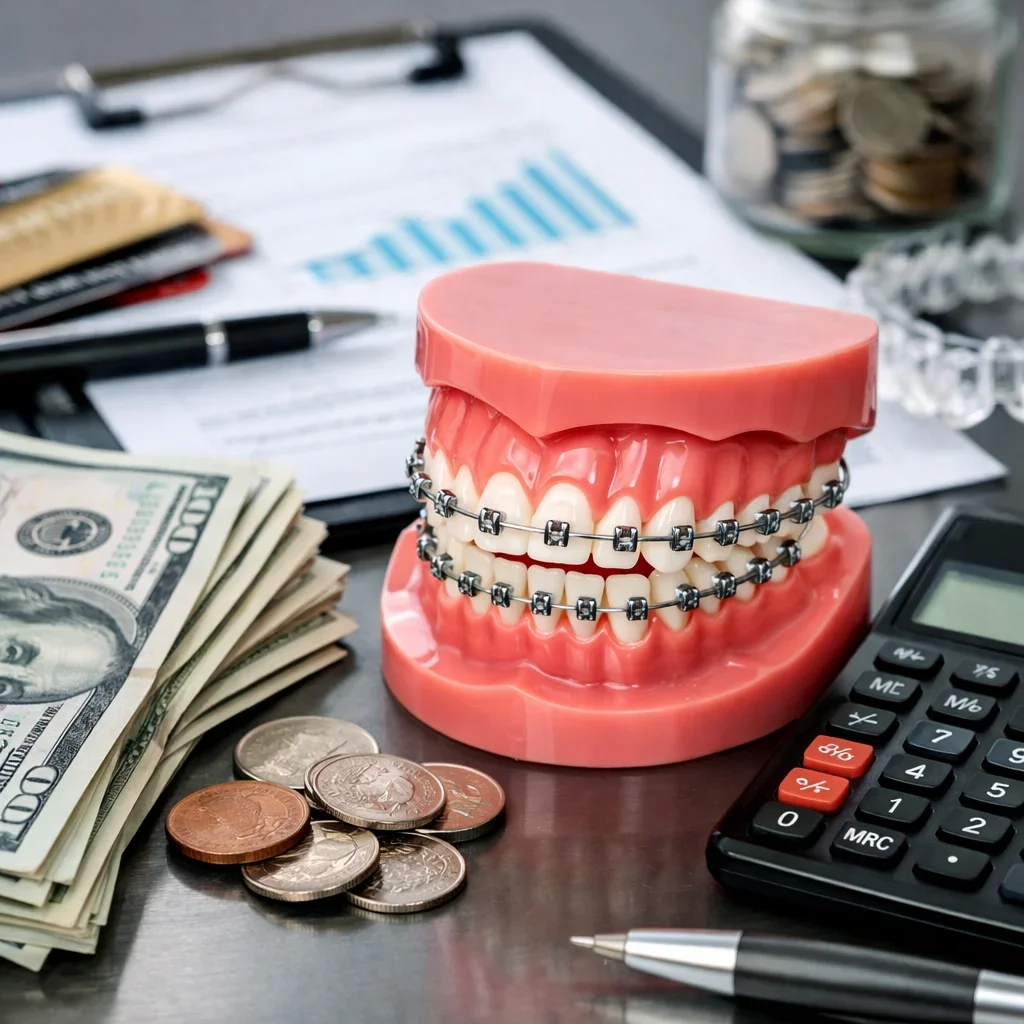
Understanding the cost of teeth braces is one of the first and most important steps for anyone considering orthodontic treatment. Whether you are a parent researching options for your teenager or an adult finally ready to invest in a straighter smile, knowing what influences the cost of teeth braces helps you make informed and confident decisions. In 2026, orthodontic technology has advanced significantly, but pricing still varies depending on several critical factors.
The average cost of teeth braces in the United States typically ranges between $3,000 and $8,500, depending on the type of braces, the complexity of the case, the duration of treatment, and the clinic you choose. Mild alignment issues usually fall on the lower end of the price range, while severe bite problems, jaw misalignment, or complex crowding cases may increase the cost of teeth braces considerably.
Here is a general pricing overview based on national averages:
• Traditional Metal Braces: $3,000 – $7,000
• Ceramic Braces: $4,000 – $8,000
• Lingual Braces: $8,000 – $12,000
• Clear Aligners (e.g., Invisalign): $3,500 – $8,500
It is important to understand that the cost of teeth braces is not simply the price of brackets and wires. It includes your initial consultation, diagnostic X-rays, digital scans, customized treatment planning, periodic adjustment visits, and post-treatment retainers. Many patients are surprised to learn that orthodontic care is a long-term process that typically lasts between 12 and 30 months, which directly affects the total cost of teeth braces.
Another factor that influences the cost of teeth braces is geographic location. Orthodontic treatment in large metropolitan areas often costs more than in smaller cities due to higher operational expenses. Additionally, the experience and qualifications of the orthodontist can impact the cost of teeth braces. Highly experienced specialists with advanced certifications may charge more, but they often provide more precise treatment planning and predictable results.
Complexity plays a major role as well. If your case involves severe overbite, underbite, crossbite, or significant spacing issues, the cost of teeth braces may increase because treatment will require more adjustments and possibly additional appliances. In some cases, patients may need tooth extractions or minor surgical procedures, which can add to the overall cost of teeth braces.
Adults often wonder if their age increases the cost of teeth braces. In most situations, age itself does not dramatically change pricing. However, adults may have additional dental concerns such as gum disease, bone loss, or previous restorations that require preparation before orthodontic treatment begins. Addressing these issues can indirectly influence the total cost of teeth braces.
Many patients also ask whether clear aligners are cheaper than traditional braces. The answer depends on the case. For mild to moderate alignment issues, aligners may have a similar cost of teeth braces compared to metal braces. However, for highly complex cases, aligners can become more expensive due to the number of trays required.
It is always recommended to consult a certified orthodontist and review trusted resources like the American Dental Association to better understand treatment standards. Professional evaluation ensures that the quoted cost of teeth braces reflects your specific dental condition rather than a general estimate.
If you are considering treatment abroad or exploring competitive pricing options, you can also contact specialized clinics directly. For personalized consultation and transparent pricing information, visit the Redent Klinik Contact Page to receive tailored guidance.
Ultimately, the cost of teeth braces should be viewed as an investment in both oral health and confidence. Straight teeth are not just cosmetic; they improve bite function, reduce the risk of tooth decay, support healthier gums, and make oral hygiene easier. When evaluating the cost of teeth braces, it is essential to consider long-term health benefits rather than focusing solely on the initial expense.
In summary, the cost of teeth braces in 2026 varies based on type, complexity, location, and provider expertise. By understanding what is included in the total orthodontic treatment price and comparing your options carefully, you can choose a solution that fits both your dental needs and your budget. 😊
1. What Is the Real Cost of Teeth Braces in 2026?
When patients search for the cost of teeth braces, they are usually looking for one clear number. However, the reality in 2026 is more complex. The cost of teeth braces depends on multiple clinical and financial factors, and understanding these details helps you avoid unexpected surprises. Orthodontic treatment is not a one-size-fits-all service; therefore, the cost of teeth braces varies based on individual needs, treatment duration, and technology used.
On average, the cost of teeth braces in 2026 ranges from $3,000 to $8,500 in the United States. More advanced systems such as lingual braces may exceed $10,000. While this range may seem broad, it reflects the differences in case complexity, customization, and provider expertise. To fully understand the real cost of teeth braces, we must examine what is actually included in that price.
What Is Included in the Cost of Teeth Braces?
Many patients assume the cost of teeth braces only covers the brackets and wires. In reality, the cost of teeth braces typically includes a comprehensive treatment package. Most orthodontic clinics structure their pricing to cover:
- Initial orthodontic consultation and examination
- Digital X-rays and 3D scans
- Customized treatment planning
- Bracket placement or aligner fabrication
- Monthly or bi-monthly adjustment appointments
- Progress monitoring
- Final retainer after treatment
When evaluating the cost of teeth braces, it is important to confirm whether retainers are included. Some clinics charge separately for post-treatment retainers, which can add $300–$600 to the total cost of teeth braces. Transparent clinics provide a complete breakdown before treatment begins.
National Average Cost of Teeth Braces by Type
The cost of teeth braces varies significantly depending on the type chosen. Below is a detailed overview:
• Metal Braces: $3,000 – $7,000
• Ceramic Braces: $4,000 – $8,000
• Self-Ligating Braces: $3,500 – $7,500
• Lingual Braces: $8,000 – $12,000
• Clear Aligners: $3,500 – $8,500
Metal braces remain the most affordable option, which keeps the overall cost of teeth braces lower for many families. Ceramic braces offer a more aesthetic solution but slightly increase the cost of teeth braces due to material differences. Lingual braces, placed behind the teeth, significantly raise the cost of teeth braces because of advanced customization and technical complexity.
How Treatment Duration Impacts the Cost of Teeth Braces
The length of treatment plays a major role in determining the final cost of teeth braces. Mild crowding cases may require only 12–15 months of treatment. Severe bite corrections can extend up to 30 months or more. The longer the treatment, the more appointments and adjustments are required, which can influence the total cost of teeth braces.
Orthodontists calculate the cost of teeth braces partly based on the estimated number of visits. Complex bite issues such as overbite, underbite, or crossbite corrections often increase the cost of teeth braces because they demand more intensive monitoring.
Does Location Affect the Cost of Teeth Braces?
Yes, geographic location significantly influences the cost of teeth braces. Major cities such as New York, Los Angeles, or London often have higher orthodontic fees compared to smaller towns. This is mainly due to higher clinic operating costs, rent, staffing, and demand.
Patients sometimes explore international options to reduce the cost of teeth braces. Dental tourism can lower expenses by 30–50% in some countries while maintaining high treatment standards. However, it is essential to verify credentials and ensure follow-up care availability before making such decisions.
Are There Hidden Costs in the Cost of Teeth Braces?
While many clinics advertise a fixed cost of teeth braces, hidden fees can sometimes appear. These may include:
- Emergency visits for broken brackets
- Replacement of lost aligners
- Additional imaging
- Extended treatment beyond the estimated timeline
To avoid unexpected increases in the cost of teeth braces, always request a written treatment contract outlining all potential charges. Reputable clinics are transparent about pricing.
Why the Cost of Teeth Braces Is an Investment
Although the cost of teeth braces may initially seem high, orthodontic treatment improves both oral health and quality of life. Proper alignment reduces the risk of tooth decay, gum disease, jaw pain, and uneven enamel wear. In many cases, correcting bite problems prevents costly dental treatments in the future.
According to guidance from the American Dental Association, properly aligned teeth support better long-term oral health. When patients evaluate the cost of teeth braces, they should consider these long-term benefits rather than focusing only on the upfront payment.
If you would like a personalized evaluation and transparent pricing breakdown, you can reach out directly through the Redent Klinik Contact Page to receive a customized treatment estimate based on your specific dental condition.
In summary, the real cost of teeth braces in 2026 depends on type, complexity, duration, location, and provider expertise. By understanding what is included and asking the right questions, patients can confidently evaluate the cost of teeth braces and choose the best orthodontic solution for their needs. 😊
2. Types of Braces and How They Affect the Cost of Teeth Braces
One of the biggest factors influencing the cost of teeth braces is the type of orthodontic system you choose. In 2026, patients have more options than ever before, ranging from traditional metal braces to nearly invisible aligner systems. Each type comes with its own materials, technology, treatment approach, and price range. Understanding these differences helps you evaluate how the cost of teeth braces changes depending on your preferences and clinical needs.
While many patients focus only on appearance, the choice of braces also affects comfort, treatment time, maintenance requirements, and the total cost of teeth braces. Some systems are more affordable but highly visible, while others offer aesthetic advantages at a higher cost of teeth braces. Let’s explore each type in detail.
Traditional Metal Braces
Metal braces remain the most common orthodontic treatment worldwide. They consist of stainless-steel brackets attached to the teeth and connected with archwires that gradually move teeth into alignment. Because of their durability and efficiency, metal braces typically offer the lowest cost of teeth braces among all options.
$3,000 – $7,000
The lower cost of teeth braces with metal systems makes them ideal for families and teenagers. They are highly effective for complex bite corrections, including severe crowding, overbite, underbite, and spacing issues. However, they are the most visible option, which may concern adults seeking discreet treatment.
Ceramic Braces
Ceramic braces function similarly to metal braces but use tooth-colored or clear brackets that blend with natural teeth. This aesthetic advantage slightly increases the cost of teeth braces compared to metal systems.
$4,000 – $8,000
The cost of teeth braces rises because ceramic materials are more expensive and require careful handling. Although they are less noticeable, ceramic brackets can be more fragile than metal ones. For adults who prioritize appearance but want fixed braces, ceramic systems offer a balance between discretion and efficiency.
Self-Ligating Braces
Self-ligating braces use a special clip mechanism instead of elastic bands to hold the archwire in place. This technology may reduce friction and shorten adjustment appointments. The cost of teeth braces with self-ligating systems usually falls between traditional metal and ceramic braces, depending on brand and clinic.
Some orthodontists claim that self-ligating systems may slightly reduce treatment time, which can influence the overall cost of teeth braces if fewer appointments are required. However, pricing still depends largely on case complexity.
Lingual Braces
Lingual braces are attached to the inner surface of the teeth, making them virtually invisible from the outside. Because they require advanced customization and technical expertise, they significantly increase the cost of teeth braces.
$8,000 – $12,000
The higher cost of teeth braces with lingual systems reflects their complexity. Each bracket must be custom-made to fit the inner contour of the teeth. Adjustments also require specialized training. While aesthetically appealing, they may not be suitable for all bite conditions.
Clear Aligners
Clear aligners have become one of the most popular orthodontic treatments for adults. These removable plastic trays gradually shift teeth into alignment. The cost of teeth braces with aligner systems typically ranges between $3,500 and $8,500, depending on the number of trays required.
For mild to moderate cases, the cost of teeth braces with aligners may be comparable to metal braces. However, for complex cases requiring multiple refinement stages, the cost of teeth braces can increase. Aligners offer the advantage of removability, improved oral hygiene, and minimal visibility, making them attractive despite the price.
How Case Complexity Changes the Cost of Teeth Braces
The type of braces is only one part of the equation. The cost of teeth braces increases when the case involves severe misalignment, jaw discrepancies, or previous orthodontic relapse. Some patients may need additional appliances such as expanders, elastics, or mini-implants, which can raise the cost of teeth braces further.
Orthodontists evaluate your bite, bone structure, and dental health before recommending a system. In some cases, the most aesthetic option may not be the most effective. This is why consulting a qualified professional is essential when assessing the cost of teeth braces.
Professional Guidance and Long-Term Value
According to the American Dental Association, orthodontic treatment should be customized based on clinical need rather than aesthetics alone. While patients may focus on lowering the cost of teeth braces, choosing the wrong system can prolong treatment and increase long-term expenses.
If you are unsure which option best balances aesthetics and the cost of teeth braces, you can request a personalized consultation through the Redent Klinik Contact Page. A detailed evaluation helps determine which type of braces provides the most efficient and cost-effective solution for your specific dental condition.
In conclusion, the cost of teeth braces varies significantly depending on whether you choose metal, ceramic, lingual, or aligner systems. Each option offers unique benefits and pricing structures. By understanding how different types influence the cost of teeth braces, you can make an informed decision that aligns with both your budget and your long-term oral health goals. 😊
3. Average Cost of Teeth Braces for Adults vs. Teens
The cost of teeth braces can vary depending on the patient’s age, although the difference is not always as large as many people assume. Both adults and teenagers commonly undergo orthodontic treatment, but biological factors, treatment complexity, and lifestyle considerations can influence the total cost of teeth braces. Understanding these differences helps families and adult patients plan their orthodontic journey more confidently.
In general, the cost of teeth braces for teenagers tends to range between $3,000 and $7,000, while adults often pay between $3,500 and $8,500. The variation depends less on age itself and more on the condition of the teeth, jawbone maturity, and whether additional procedures are needed before starting braces.
Why the Cost of Teeth Braces for Teens May Be Lower
Teenagers are often considered ideal candidates for orthodontic treatment because their jawbones are still developing. This growth flexibility allows teeth to move more easily, which can sometimes shorten treatment duration. A shorter treatment time may help keep the cost of teeth braces slightly lower for teens compared to adults.
Additionally, many insurance policies provide stronger orthodontic coverage for patients under 18. If insurance covers a portion of treatment, the out-of-pocket cost of teeth braces becomes more manageable for families. Some policies cover up to 50% of orthodontic care for teenagers, often with a lifetime maximum benefit of $1,500–$3,000.
Teenagers also commonly choose traditional metal braces, which are typically the most affordable option. Because metal systems generally offer the lowest cost of teeth braces, this can help reduce overall expenses.
Why the Cost of Teeth Braces for Adults May Be Higher
For adults, the cost of teeth braces can increase for several reasons. First, adult jawbones are fully developed, meaning tooth movement may take longer. Extended treatment duration can raise the total cost of teeth braces due to additional appointments and monitoring.
Second, adults are more likely to have pre-existing dental conditions such as gum disease, bone loss, crowns, or previous restorations. Before starting orthodontic treatment, these issues must often be addressed. Preparatory treatments can indirectly increase the overall cost of teeth braces.
Another factor is aesthetic preference. Adults frequently choose ceramic braces, lingual braces, or clear aligners to maintain a professional appearance. These options typically increase the cost of teeth braces compared to standard metal braces.
Example Price Comparison (U.S. Averages 2026)
Metal Braces: $3,000 – $6,500
Ceramic Braces: $4,000 – $7,500
Adult Orthodontic Treatment:
Metal Braces: $3,500 – $7,000
Ceramic Braces: $4,500 – $8,000
Clear Aligners: $3,500 – $8,500
While the cost of teeth braces may appear slightly higher for adults, the difference often reflects treatment customization and aesthetic preferences rather than age alone.
Treatment Complexity and Its Impact on Cost
Regardless of age, complexity is one of the most important determinants of the cost of teeth braces. Severe crowding, bite misalignment, crossbite, or jaw discrepancies require longer and more detailed treatment. In both teens and adults, complicated cases increase the cost of teeth braces due to additional adjustments and monitoring.
In some adult cases, orthodontic treatment may be combined with restorative or surgical procedures. For example, jaw surgery for severe bite correction can significantly raise the overall cost of teeth braces and related treatments. Teens are less likely to require surgical intervention, which sometimes keeps their total orthodontic expenses lower.
Psychological and Lifestyle Considerations
The cost of teeth braces is not purely financial—it also relates to lifestyle impact. Teenagers may adapt more easily to visible braces, while adults often prioritize discreet options. Clear aligners, though sometimes increasing the cost of teeth braces, allow adults to remove trays during meals and professional events.
Adults may also require more flexible payment plans. Many clinics offer monthly installment programs to make the cost of teeth braces more manageable. Discussing financing options during consultation helps reduce financial stress and ensures treatment continuity.
Insurance and Coverage Differences
Insurance plays a crucial role in determining the final cost of teeth braces. Pediatric orthodontic coverage is often included in family dental plans. However, adult orthodontic coverage is less common and may require additional policy riders. Reviewing your benefits carefully is essential to understand how much of the cost of teeth braces will be reimbursed.
For official guidelines on orthodontic care and oral health standards, you can review recommendations from the American Dental Association. Professional oversight ensures that both teens and adults receive appropriate treatment regardless of the cost of teeth braces.
If you are evaluating orthodontic treatment options for yourself or your child, personalized consultation is the best way to estimate the cost of teeth braces accurately. You can contact specialists directly through the Redent Klinik Contact Page to receive a tailored assessment.
In conclusion, the cost of teeth braces for adults versus teens differs mainly due to complexity, aesthetic preferences, insurance coverage, and preparatory treatments. While teenagers may sometimes benefit from slightly lower pricing, adults can still achieve excellent results with modern orthodontic systems. By understanding these differences, patients can confidently plan for the cost of teeth braces and invest in a healthier, straighter smile. 😊
4. Factors That Influence the Total Cost of Teeth Braces
The cost of teeth braces is not determined by a single fixed number. Instead, it is influenced by multiple clinical, technical, and financial factors that vary from patient to patient. While many people search for a simple price, the true cost of teeth braces depends on the complexity of the case, the chosen treatment method, geographic location, orthodontist expertise, and additional procedures that may be required. Understanding these factors allows patients to evaluate the cost of teeth braces realistically and avoid unexpected expenses.
Orthodontic treatment is a personalized medical process, not a standard retail product. That is why two patients receiving braces at the same clinic may pay different amounts. Let’s explore the most important elements that shape the final cost of teeth braces in 2026.
1. Complexity of the Orthodontic Case
One of the biggest determinants of the cost of teeth braces is how complex the dental alignment problem is. Mild crowding or small spacing issues usually require shorter treatment time and fewer adjustments. This keeps the cost of teeth braces on the lower end of the pricing spectrum.
However, severe cases involving overbite, underbite, crossbite, jaw misalignment, or impacted teeth require more advanced planning and longer treatment duration. Complex corrections may extend treatment from 12 months to 24–30 months, increasing the cost of teeth braces due to additional visits and monitoring.
Examples of High-Complexity Cases
- Severe crowding requiring tooth extraction
- Significant bite misalignment (Class II or Class III)
- Jaw discrepancies needing surgical consultation
- Orthodontic retreatment after relapse
Each of these situations increases the overall cost of teeth braces because they require more time, skill, and supervision.
2. Type of Braces Selected
The cost of teeth braces changes significantly depending on whether you choose metal braces, ceramic braces, lingual braces, or clear aligners. Traditional metal braces are typically the most affordable option, which keeps the cost of teeth braces lower for many patients.
On the other hand, aesthetic systems like ceramic braces or clear aligners often increase the cost of teeth braces because of advanced materials and customization. Lingual braces, which are attached behind the teeth, can raise the cost of teeth braces substantially due to their technical complexity and personalized design.
3. Duration of Treatment
The length of treatment directly affects the cost of teeth braces. The longer the teeth need to move, the more appointments, adjustments, and monitoring sessions are required. Orthodontists estimate treatment duration during the initial consultation, and this estimate helps calculate the cost of teeth braces.
For example:
Moderate Case (18–24 months): $4,000 – $7,000
Complex Case (24–30+ months): $6,000 – $9,000+
While these numbers are averages, they demonstrate how time directly influences the cost of teeth braces.
4. Geographic Location
Where you receive treatment significantly impacts the cost of teeth braces. Clinics located in major metropolitan areas often charge higher fees due to higher operational costs, rent, and staffing expenses. In contrast, smaller towns or international clinics may offer lower cost of teeth braces while maintaining professional standards.
Some patients explore dental tourism options to reduce the cost of teeth braces. While international treatment can offer savings, follow-up care and travel expenses must also be considered.
5. Orthodontist’s Experience and Qualifications
The expertise of the provider also influences the cost of teeth braces. Highly experienced orthodontists with specialized training may charge more. However, their advanced knowledge often ensures precise diagnosis and efficient treatment planning.
Choosing a certified specialist rather than a general dentist for orthodontic treatment can affect the cost of teeth braces but may improve overall treatment outcomes. According to professional guidance from the American Dental Association, patients should prioritize quality and proper credentials when evaluating orthodontic care.
6. Additional Procedures Before or During Treatment
In some cases, preparatory dental procedures are necessary before braces can be placed. These may include:
- Professional cleaning
- Cavity treatment
- Gum therapy
- Tooth extraction
- Jaw surgery consultation
These procedures do not directly represent the cost of teeth braces, but they add to the total orthodontic investment. Patients should factor these treatments into their overall budgeting process.
7. Retainers and Post-Treatment Care
After braces are removed, retainers are required to maintain results. Some clinics include retainers in the initial cost of teeth braces, while others charge separately. Replacement retainers can cost $300–$600 per set, which may increase long-term expenses.
Clear communication with your clinic about what is included in the cost of teeth braces helps prevent misunderstandings later.
Making an Informed Financial Decision
Evaluating the cost of teeth braces requires looking beyond the headline number. Patients should consider treatment quality, provider experience, included services, and long-term oral health benefits. A well-executed orthodontic treatment reduces the risk of gum disease, uneven tooth wear, and bite-related jaw problems.
If you would like a personalized assessment and transparent cost breakdown, you can request a consultation through the Redent Klinik Contact Page. A tailored treatment plan provides a clearer understanding of your individual cost of teeth braces.
In conclusion, the cost of teeth braces is shaped by case complexity, treatment type, duration, location, provider expertise, and additional procedures. By understanding these factors in detail, patients can confidently plan their orthodontic treatment and make informed financial decisions that support long-term dental health. 😊
5. Does Insurance Cover the Cost of Teeth Braces?
One of the most common questions patients ask when evaluating the cost of teeth braces is whether dental insurance will help reduce the financial burden. Orthodontic treatment is often considered a significant investment, and understanding how insurance works can make the cost of teeth braces far more manageable. However, coverage rules vary widely depending on the policy, the patient’s age, and whether the treatment is classified as medically necessary or cosmetic.
In 2026, many dental insurance plans offer partial orthodontic benefits, especially for children and teenagers. Adult orthodontic coverage is less common, but it is still available through certain comprehensive dental plans or supplemental orthodontic riders. Before starting treatment, patients should carefully review their insurance policy to understand exactly how much of the cost of teeth braces will be covered.
Orthodontic Coverage for Children and Teens
For patients under 18, insurance is more likely to contribute to the cost of teeth braces. Many family dental plans include orthodontic benefits that cover up to 50% of treatment expenses. However, this coverage usually comes with a lifetime maximum limit.
Typical Insurance Structure for Minors
• Lifetime Maximum Benefit: $1,500 – $3,000
• Waiting Period: 6 – 12 months (depending on policy)
For example, if the total cost of teeth braces is $6,000 and the insurance lifetime maximum is $2,000, the insurance company will typically pay up to that $2,000 limit. The remaining balance becomes the patient’s responsibility. Understanding this structure helps families calculate the realistic out-of-pocket cost of teeth braces.
Orthodontic Coverage for Adults
When it comes to adult patients, insurance coverage for the cost of teeth braces is less predictable. Many standard dental plans do not automatically include orthodontic benefits for adults. Some employers offer premium dental plans that include partial adult orthodontic coverage, but this varies significantly.
In cases where braces are deemed medically necessary—such as severe bite problems causing jaw pain or functional impairment—insurance providers may contribute toward the cost of teeth braces. Documentation from an orthodontist is usually required to justify medical necessity.
What Insurance Usually Does Not Cover
It is important to understand what insurance may exclude when calculating the total cost of teeth braces. Some policies do not cover:
- Clear aligners considered cosmetic
- Lingual braces
- Replacement retainers
- Lost or damaged appliances
Additionally, insurance rarely covers 100% of the cost of teeth braces. Even with a strong policy, patients should expect some level of personal financial contribution.
How Waiting Periods Affect the Cost of Teeth Braces
Many dental insurance policies include waiting periods before orthodontic benefits become active. A waiting period of 6 to 12 months is common. If treatment begins before the waiting period ends, insurance may not contribute toward the cost of teeth braces at all. Therefore, timing is an important consideration when planning orthodontic care.
Patients considering braces should verify eligibility dates with their provider before scheduling treatment. This step ensures that insurance benefits properly reduce the cost of teeth braces.
Flexible Spending Accounts (FSA) and Health Savings Accounts (HSA)
Even if traditional insurance coverage is limited, patients can often use Flexible Spending Accounts (FSA) or Health Savings Accounts (HSA) to pay for the cost of teeth braces. These accounts allow individuals to use pre-tax dollars for qualified medical expenses, including orthodontic treatment.
Using FSA or HSA funds effectively lowers the net cost of teeth braces because the money is not taxed. For families planning ahead, this strategy can significantly ease financial pressure.
Importance of Pre-Treatment Cost Estimates
Before committing to orthodontic treatment, patients should request a detailed written estimate outlining the full cost of teeth braces, including insurance contributions. Most reputable clinics provide a breakdown that includes total treatment cost, expected insurance coverage, and remaining balance.
According to guidelines from the American Dental Association, patients should receive clear financial information before beginning treatment. Transparency ensures that the cost of teeth braces is fully understood and agreed upon in advance.
If you are unsure about your coverage or need assistance reviewing your options, you can contact specialists directly through the Redent Klinik Contact Page. Professional consultation helps clarify insurance details and provides a realistic estimate of your personal cost of teeth braces.
Final Thoughts on Insurance and Orthodontic Costs
In summary, insurance can significantly reduce the cost of teeth braces, especially for children and teens. Adult coverage is more limited but still possible under certain plans. By understanding lifetime maximums, waiting periods, and policy exclusions, patients can better predict their out-of-pocket cost of teeth braces.
Ultimately, while insurance support is valuable, it rarely covers the entire cost of teeth braces. Careful financial planning, combined with transparent communication with your orthodontic provider, ensures a smoother and more affordable treatment experience. 😊
6. Payment Plans and Financing Options for the Cost of Teeth Braces
For many patients, the biggest concern about orthodontic treatment is not whether they need it, but how they will manage the cost of teeth braces. Since braces are often considered a long-term investment rather than an emergency procedure, clinics understand that flexible payment solutions are essential. In 2026, most orthodontic practices offer structured financing plans designed to make the cost of teeth braces more accessible and less overwhelming.
Instead of paying the full cost of teeth braces upfront, patients can spread payments over months or even years. Understanding the available options allows you to choose a financial strategy that aligns with your budget while still receiving high-quality care.
In-House Monthly Payment Plans
Many orthodontic clinics provide in-house installment plans that allow patients to divide the cost of teeth braces into manageable monthly payments. Typically, patients pay a down payment at the beginning of treatment, followed by equal monthly installments throughout the treatment period.
Example Payment Structure
Down Payment: $1,000
Remaining Balance: $5,000
Monthly Payment (24 months): ~$208
This structure makes the cost of teeth braces predictable and easier to budget. In many cases, in-house financing does not involve interest, provided payments are made on time. This option is particularly beneficial for families managing orthodontic care for multiple children.
Third-Party Financing Companies
Some patients choose third-party healthcare financing services to manage the cost of teeth braces. These companies offer medical credit lines specifically designed for dental and orthodontic procedures. Depending on credit approval, patients may qualify for interest-free promotional periods or extended repayment plans.
However, it is important to review the terms carefully. If payments are missed or the promotional period ends, interest rates may increase the total cost of teeth braces. Responsible budgeting is essential when using third-party financing.
Using Flexible Spending Accounts (FSA) and Health Savings Accounts (HSA)
As mentioned previously, FSA and HSA accounts can significantly reduce the effective cost of teeth braces. Because these accounts use pre-tax income, patients essentially save the tax percentage they would normally pay on those funds.
For example, if your tax bracket is 25%, using $6,000 from an HSA toward the cost of teeth braces effectively saves you $1,500 in taxes. This strategy makes orthodontic treatment more affordable without reducing quality.
Discounts and Family Packages
Some clinics offer discounts when more than one family member receives treatment. Family orthodontic packages can lower the overall cost of teeth braces per patient. Additionally, certain clinics provide small discounts for full upfront payment.
While discounts may slightly reduce the cost of teeth braces, patients should prioritize treatment quality over minor price reductions. Choosing an experienced orthodontist ensures better long-term results and reduces the risk of additional corrective expenses.
Seasonal or Promotional Offers
Occasionally, clinics may run limited-time promotions that lower the cost of teeth braces for new patients. These offers might include free consultations, complimentary retainers, or discounted diagnostic imaging. Patients should verify that promotional pricing still includes comprehensive treatment services.
Employer Benefits and Workplace Support
Some employers provide supplemental orthodontic coverage or health reimbursement arrangements (HRAs) that can offset the cost of teeth braces. Reviewing workplace benefits carefully may uncover additional financial assistance options.
In certain cases, employers allow extended payroll deductions to help employees manage the cost of teeth braces without financial strain. Speaking with a human resources department can clarify available benefits.
Comparing Total Financing Costs
When evaluating financing options, it is important to calculate the total repayment amount—not just the monthly payment. Some extended plans may increase the overall cost of teeth braces due to interest or service fees.
Before committing to any financing agreement, request a written breakdown of:
- Total treatment cost
- Down payment amount
- Monthly installment amount
- Interest rate (if applicable)
- Total repayment amount
Transparency ensures that the cost of teeth braces remains within your planned budget.
Professional Guidance and Financial Transparency
According to recommendations from the American Dental Association, patients should receive clear and detailed financial information before beginning orthodontic care. Ethical clinics explain all aspects of the cost of teeth braces, including payment options and potential additional expenses.
If you are considering treatment and would like a customized payment plan tailored to your financial situation, you can contact specialists directly through the Redent Klinik Contact Page. Personalized consultation helps you understand your individual cost of teeth braces and available financing solutions.
Final Thoughts on Managing the Cost of Teeth Braces
The cost of teeth braces does not have to be paid in one large sum. With structured payment plans, healthcare financing, FSA or HSA accounts, and family discounts, orthodontic treatment can be financially manageable for many households.
By carefully reviewing all financing options and understanding the full cost of teeth braces before starting treatment, patients can invest in their oral health with confidence. Flexible payment solutions make achieving a straighter, healthier smile more accessible than ever. 😊
7. Hidden Fees That Increase the Cost of Teeth Braces
When patients research the cost of teeth braces, they usually focus on the advertised treatment price. However, the initial quote does not always reflect the full financial picture. While many reputable clinics provide transparent pricing, there can be additional expenses that increase the total cost of teeth braces over time. Understanding these hidden or unexpected fees helps patients budget more accurately and avoid financial surprises during treatment.
Orthodontic treatment is a multi-step medical process that may last one to three years. During this period, several factors can influence the final cost of teeth braces beyond the base treatment fee. Let’s examine these potential add-ons in detail.
Initial Consultation and Diagnostic Fees
Some clinics offer free consultations, but others charge for the initial evaluation. Diagnostic records such as panoramic X-rays, cephalometric imaging, digital scans, and photographs may not always be included in the quoted cost of teeth braces. These diagnostic procedures are essential for accurate treatment planning, but they can add $150 to $500 to your overall orthodontic investment.
Before committing to treatment, patients should confirm whether diagnostic imaging is included in the total cost of teeth braces or billed separately.
Tooth Extractions and Preparatory Treatments
In cases of severe crowding, tooth extraction may be required before braces can be placed. Extractions are typically not included in the base cost of teeth braces. Depending on complexity, each extraction may cost between $150 and $400 per tooth.
Additionally, patients with cavities or gum disease must address these issues before starting orthodontic care. While these procedures are necessary for long-term oral health, they increase the total financial commitment beyond the initial cost of teeth braces.
Examples of Pre-Treatment Costs
- Dental cleaning: $100 – $250
- Cavity filling: $150 – $350 per tooth
- Tooth extraction: $150 – $400 per tooth
- Periodontal therapy: Varies by severity
These services are separate from the cost of teeth braces but essential for safe treatment.
Emergency Appointments and Repairs
During orthodontic treatment, brackets may break, wires may shift, or aligners may be lost. While minor adjustments are often included in the standard cost of teeth braces, certain repairs may incur additional charges.
For example, replacing a lost clear aligner tray can cost between $100 and $250. Reattaching broken brackets outside of routine appointments may also involve service fees. Patients should ask whether emergency visits are included in the total cost of teeth braces.
Extended Treatment Time
Another hidden factor that increases the cost of teeth braces is extended treatment duration. If patients miss appointments, fail to wear elastics as instructed, or do not comply with aligner wear schedules, treatment may take longer than planned.
Some clinics include extended treatment in the original cost of teeth braces, but others may charge additional fees if treatment significantly exceeds the estimated timeline. Compliance with orthodontic instructions helps prevent unnecessary increases in cost.
Retainers and Post-Treatment Maintenance
After braces are removed, retainers are necessary to maintain results. While many clinics include the first set of retainers in the quoted cost of teeth braces, replacements are usually not covered.
Retainer Replacement Costs
• Hawley retainer replacement: $250 – $500
If retainers are lost or damaged, these additional expenses increase the long-term cost of teeth braces. Proper retainer care is essential to avoid relapse and repeated orthodontic treatment.
Additional Appliances
Some complex cases require supplementary orthodontic appliances such as palatal expanders, bite correctors, or mini-implants (TADs). These devices may not always be included in the initial cost of teeth braces.
Because each appliance is customized to the patient’s needs, pricing varies. Patients should request a detailed breakdown to understand whether these devices are included in the total cost of teeth braces.
Insurance Limitations and Coverage Gaps
Even when insurance contributes toward the cost of teeth braces, coverage limits can create gaps. For example, lifetime orthodontic maximums may only cover a portion of treatment. Once that maximum is reached, patients are responsible for the remaining balance.
According to the American Dental Association, patients should review insurance policies carefully and confirm financial responsibilities before starting treatment.
How to Avoid Unexpected Increases in Cost
To minimize hidden expenses that affect the cost of teeth braces, patients should:
- Request a written treatment agreement
- Confirm what services are included
- Ask about emergency repair policies
- Clarify retainer replacement policies
- Follow orthodontic instructions carefully
Transparent communication with your orthodontist significantly reduces the risk of unexpected financial surprises.
If you would like a fully detailed cost estimate with no hidden fees, you can request personalized consultation through the Redent Klinik Contact Page. A customized treatment plan ensures clarity regarding your individual cost of teeth braces.
Final Thoughts
The cost of teeth braces extends beyond the initial advertised price. Diagnostic imaging, preparatory treatments, repairs, extended treatment, retainers, and additional appliances can all influence the total expense. By asking the right questions and reviewing a detailed treatment contract, patients can better control the overall cost of teeth braces and move forward with confidence. 😊