
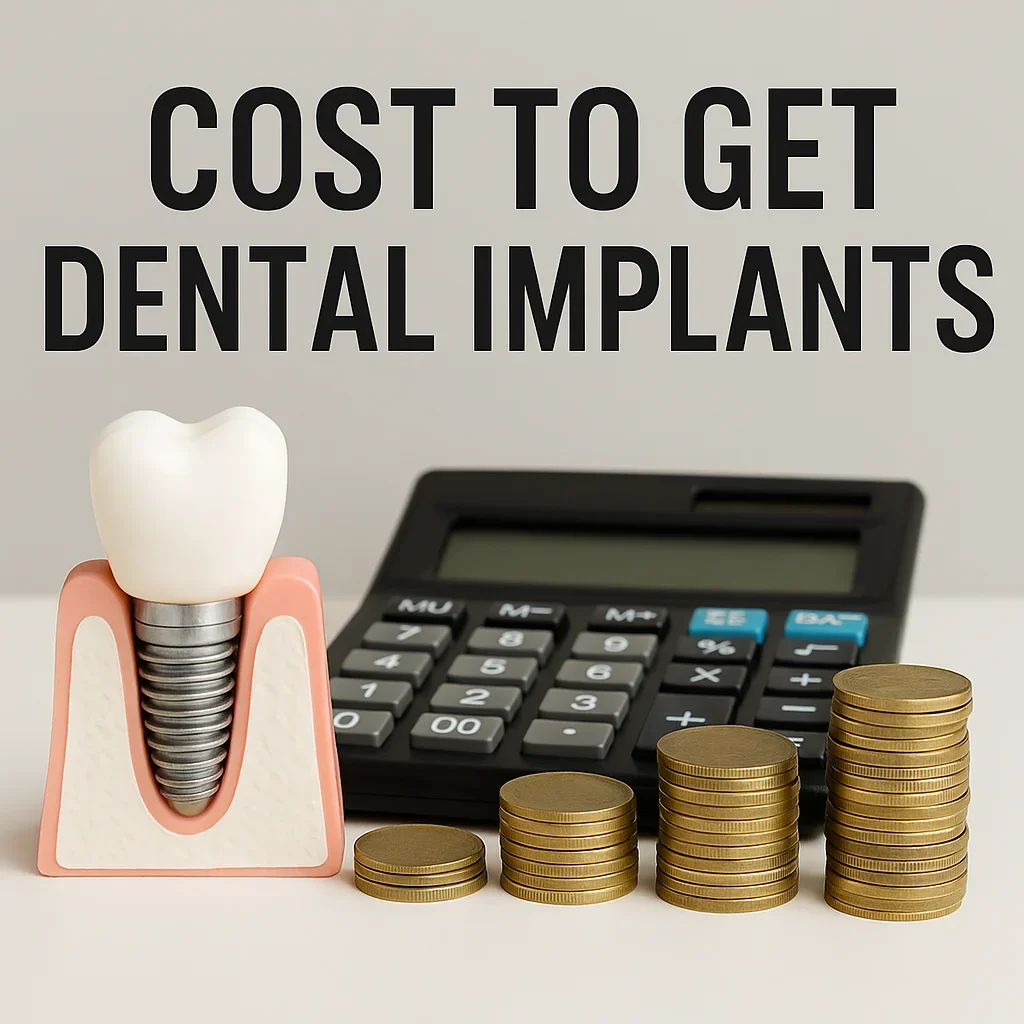
Understanding the cost to get dental implants is one of the most important steps before deciding on this life-changing dental procedure. Dental implants have become the gold standard for replacing missing teeth because they look, feel, and function like natural ones. However, many patients wonder why implant prices vary so much from one clinic or country to another. In this comprehensive 2025 guide, we’ll explore every factor that shapes the cost to get dental implants and help you make a confident, informed decision. 🦷
Before diving into numbers, it’s essential to recognize that dental implants are not a one-size-fits-all solution. Every smile, jawbone, and clinical situation is unique. As such, the total cost to get dental implants depends on your specific dental condition, the expertise of your implantologist, the materials used, and even the geographic location of your clinic. For example, clinics in Europe or the United States tend to have higher overhead costs, while countries like Turkey can offer the same world-class quality at more affordable rates. 🌍
Why Dental Implants Are an Investment, Not an Expense
Many patients initially perceive implants as expensive. Yet when you analyze the long-term value, the cost to get dental implants becomes a smart investment rather than a burden. Unlike dentures or bridges, implants last for decades with proper care. They preserve jawbone health, prevent shifting of surrounding teeth, and provide natural chewing efficiency. In financial terms, the upfront cost to get dental implants pays off through reduced maintenance, fewer replacements, and a dramatic boost in confidence and overall health. 💰
Average Cost Ranges in 2025
As of 2025, the average cost to get dental implants varies depending on the complexity of the case. A single implant in the United States can range between $3,000 and $6,000, while in countries like Turkey, the same procedure typically costs between $700 and $1,200—without compromising quality. The difference lies in labor costs, clinic overheads, and exchange rates. Here’s a simplified view:
Country        | Average Cost (Single Implant)
-----------------------------------------------
USA            | $3,000 - $6,000
UK             | £2,500 - £4,000
Germany        | €2,000 - €3,500
Turkey         | $700  - $1,200
Thailand       | $800  - $1,300
These are average estimates and may fluctuate based on bone density, number of implants, and required procedures such as bone grafting or sinus lifts. It’s always best to request a personalized consultation at your chosen dental clinic. For example, you can schedule a direct consultation through the Redent Klinik Contact Page to receive a tailored quote and treatment plan.
Key Components Affecting the Cost
The cost to get dental implants is typically divided into multiple components: the titanium implant post, the abutment (which connects the post to the crown), and the final prosthetic crown. Some clinics include X-rays, CT scans, and anesthesia fees within the price, while others charge them separately. Additional factors such as bone grafting, sinus lift surgery, or extractions can increase the overall cost. Understanding these components ensures you know exactly what you’re paying for and avoids unpleasant surprises later. 🧾
Why Prices Differ Between Clinics
Two clinics might quote completely different prices for seemingly identical treatments. Why? Because the cost to get dental implants also depends on clinic technology, dental lab quality, and the surgeon’s expertise. Premium clinics use 3D-guided implant placement and high-grade zirconium crowns, which increase precision and longevity. Moreover, internationally accredited clinics often follow American Dental Association standards, ensuring the highest levels of safety and success. Choosing such a clinic ensures your implant lasts a lifetime and minimizes future complications. 🩺
Are Cheaper Implants Worth It?
Many people search for the lowest cost to get dental implants, but cheaper isn’t always better. Some clinics cut costs by using low-quality materials or skipping diagnostic steps, which can lead to implant failure. Instead of focusing only on price, it’s wiser to evaluate value—combining affordability, expertise, and long-term performance. In fact, affordable dental tourism destinations such as Turkey have become global leaders precisely because they balance reasonable pricing with European-level standards. ✈️
Financing and Insurance Considerations
While dental insurance doesn’t always cover the full cost to get dental implants, partial coverage is increasingly common. Some insurers reimburse portions of the surgical or crown costs, while others classify implants as cosmetic. Additionally, many clinics offer 0% interest payment plans, allowing patients to spread costs across 12–24 months. Always review your policy or consult your provider before beginning treatment. This proactive approach helps you plan your budget efficiently and avoid financial stress later. 💳
Conclusion
In summary, the cost to get dental implants is shaped by many variables—technology, materials, geography, and professional skill being the most important. Whether you choose a clinic in the USA or travel abroad, remember that implants are a lifelong investment in your smile, health, and confidence. Choosing a reputable clinic that meets international standards ensures that your results are both aesthetically pleasing and durable. To explore affordable, high-quality options, consider reaching out to the Redent Klinik Contact Page today and begin your journey toward a renewed, radiant smile. 😁
What Affects the Cost to Get Dental Implants?
When evaluating the cost to get dental implants, it’s important to understand that several interrelated factors influence the final price. These factors range from the complexity of your dental case to the materials used and the country where you undergo treatment. Each of these components can significantly affect the total investment required to restore your smile. 🦷
1. Number of Implants and Tooth Location
The first and most obvious factor is the number of implants needed. A single-tooth implant will naturally cost less than a full-mouth restoration involving multiple implants. However, even within a single jaw, prices can vary depending on the position of the missing tooth. Molars, for example, require longer implants and may need stronger materials because of the higher chewing forces they must withstand. Therefore, the cost to get dental implants for back teeth is often higher than for front ones. 🪥
Another consideration is symmetry and aesthetic positioning. Front teeth demand exceptional precision, as they play a critical role in your smile’s appearance. As a result, clinics often use higher-grade crowns or zirconium abutments for these cases, slightly increasing the overall cost to get dental implants.
2. Bone Density and Additional Procedures
Not all patients have sufficient bone density to support an implant. When bone loss is present, surgeons may recommend additional treatments such as bone grafting or sinus lifting. These extra procedures can raise the total cost to get dental implants by anywhere between 15% and 40%. Bone grafting ensures a stable foundation, which is essential for long-term implant success.
Similarly, patients with chronic conditions like gum disease may require periodontal therapy before the implant process begins. While these steps add to the short-term expense, they dramatically increase the lifespan and reliability of your dental implants. 🌱
3. Type of Implant and Crown Material
There are several types of implants and prosthetic materials available. Titanium implants are the most common and are known for their durability and compatibility with human bone. However, premium zirconia implants, which are metal-free and preferred for aesthetic reasons, tend to increase the cost to get dental implants by 20–30%. Likewise, the crown material—whether porcelain-fused-to-metal, full ceramic, or zirconia—impacts pricing.
Some clinics also provide “immediate load” implants, which allow the crown to be placed sooner, reducing total treatment time. While this convenience may slightly increase your expenses, it can be invaluable for patients seeking quick aesthetic results.
4. Surgeon’s Expertise and Clinic Reputation
The experience and qualifications of your dentist or oral surgeon play a major role in determining the cost to get dental implants. Highly experienced implantologists who have performed hundreds of procedures generally charge more due to their advanced skills and higher success rates. Reputable clinics also invest heavily in sterilization, 3D imaging, and digital surgical guides—all of which enhance precision and patient safety.
Clinics following international protocols, such as those accredited by the American Dental Association, often provide transparent pricing structures. You pay for peace of mind and world-class safety standards rather than unnecessary markups.
5. Geographic Location of the Clinic
The cost to get dental implants is heavily influenced by geography. For instance, dental implant treatments in the United States or the UK can cost up to five times more than those in Turkey or Thailand. This discrepancy doesn’t reflect quality differences but rather operational costs, currency exchange rates, and local labor expenses. 🌍
Turkey, in particular, has become a top destination for dental tourism. Clinics like Redent Klinik in Antalya and Istanbul attract thousands of patients yearly by offering European-level standards at accessible prices. You can contact them directly via the Redent Klinik Contact Page to get a free quote or online consultation before planning your trip.
6. Diagnostic and Laboratory Technology
Advanced diagnostic tools such as CBCT scans, intraoral 3D cameras, and CAD/CAM milling systems contribute to the precision and success of dental implants. However, these high-tech devices also influence the cost to get dental implants. The benefit is clear: modern technology minimizes surgical risks, improves crown fit, and reduces the likelihood of complications.
Many clinics now create custom abutments and crowns digitally. This process ensures better aesthetics and alignment, shortening the overall treatment duration while improving comfort and functionality. Although these technologies may raise costs slightly, they add significant long-term value. ⚙️
7. Type of Anesthesia and Comfort Level
While many implant procedures require only local anesthesia, some patients prefer sedation or general anesthesia for maximum comfort. These options, while making the experience more relaxed, will raise the cost to get dental implants. In countries with stricter anesthesia regulations, like Germany or the USA, this component can add several hundred dollars to the final bill.
Additional Comfort Options
- Conscious sedation for anxious patients 💤
- General anesthesia for full-mouth restorations
- Premium clinic amenities such as private recovery suites
8. Brand and Origin of Implant Systems
The implant brand itself also plays a role. Leading brands such as Nobel Biocare, Straumann, and Zimmer Biomet are known for their advanced surface technology and longevity. However, they cost more than generic or local alternatives. Patients often find it worthwhile to invest in these top-tier systems since they provide better integration with the bone and easier maintenance in the long run.
Conversely, some dental clinics in developing countries use reputable mid-range brands that meet ISO and CE certification standards, offering a great balance between cost and reliability. 🌐
9. Aftercare and Maintenance Packages
The cost to get dental implants doesn’t end with surgery. Post-operative checkups, hygiene sessions, and periodic X-rays are vital for ensuring implant longevity. Clinics that include comprehensive aftercare plans may initially appear more expensive but usually save patients money by preventing complications such as peri-implantitis or crown loosening.
Conclusion: Every Smile Is Unique
As you can see, the cost to get dental implants varies widely based on numerous personal and clinical factors. The best approach is to consult a qualified professional who can provide a personalized plan tailored to your oral health and budget. Whether you’re seeking affordability or luxury care, remember that dental implants are not just about price—they’re about investing in your health, function, and confidence for a lifetime. 💎
To explore customized implant options, we recommend visiting the Redent Klinik Contact Page to connect with experts who can guide you step-by-step toward a healthier, more radiant smile.
Comparing Single vs. Full Mouth Dental Implant Costs
When evaluating the cost to get dental implants, one of the most significant distinctions lies between single-tooth replacement and full-mouth reconstruction. These two treatment options differ not only in price but also in complexity, materials, and long-term outcomes. Understanding the differences allows patients to make an informed decision based on their oral condition, desired aesthetics, and financial goals. 🦷
1. Single-Tooth Dental Implants: The Simplest Solution
A single dental implant is designed to replace one missing tooth. It consists of three main parts — the titanium post, abutment, and crown. The cost to get dental implants for a single tooth typically ranges from $3,000 to $6,000 in the U.S., while in dental tourism hubs like Turkey or Thailand, the same treatment may range between $700 and $1,200. This variation depends on the clinic’s reputation, implant brand, and additional diagnostics such as 3D imaging or CBCT scans.
For patients missing only one or two teeth, this approach offers a highly natural look and feel without affecting surrounding teeth. Unlike dental bridges, single implants don’t rely on adjacent teeth for support, which helps preserve healthy enamel and bone structure. Over time, this can save patients additional dental expenses. 💎
Advantages of Single Implants
- Preserves jawbone health and prevents bone loss
- Maintains the structure of neighboring teeth
- Feels and functions like a real tooth
- Requires minimal maintenance and lasts for decades
Although the cost to get dental implants for single replacements may seem high upfront, it proves to be cost-effective when compared to alternatives that require frequent replacement, such as bridges or removable dentures.
2. Multiple Implants and Implant Bridges
When several adjacent teeth are missing, using individual implants for each tooth can be costly and unnecessary. Instead, dentists may recommend an implant-supported bridge — a structure anchored by two or more implants with crowns spanning the gap between them. This option significantly reduces the overall cost to get dental implants per tooth while maintaining strength and aesthetics.
For example, replacing three missing teeth might require only two implants, with a fixed bridge connecting them. The total cost could be $5,000–$8,000 in Western countries or approximately $1,800–$2,500 in Turkey. The final price depends on the material, laboratory fees, and implant system used.
Why Choose Implant Bridges?
- Fewer implants mean lower surgical and material costs
- Excellent aesthetic results for visible teeth
- Reduced treatment time and faster healing
- High long-term success rates when maintained properly
Choosing an implant bridge provides a balance between durability and affordability, making it ideal for patients with localized tooth loss.
3. Full Arch and Full Mouth Dental Implants
For patients missing all or most of their teeth, full-mouth reconstruction using dental implants is the most comprehensive solution. The cost to get dental implants for a full mouth restoration depends on the method chosen. The two most common options are:
- All-on-4® or All-on-6® systems: These treatments use four or six strategically placed implants to support a full arch of replacement teeth. They are cost-efficient and provide strong, permanent results.
- Individual Implants: This method involves placing an implant for each missing tooth, offering maximum stability but at a much higher price.
In the United States, full-mouth dental implant costs can range from $25,000 to $60,000 per arch. In comparison, top-rated Turkish clinics such as Redent Klinik offer the same high-quality procedures for approximately $4,000 to $8,000 per arch — making dental tourism a highly appealing option for patients worldwide. 🌍
Factors Influencing Full-Mouth Implant Costs
The total cost to get dental implants for full-mouth treatment includes diagnostics, anesthesia, surgical fees, temporary dentures, and final prosthetics. Additionally, the type of prosthetic (acrylic vs. zirconia), the implant system brand, and whether bone grafting or sinus lifting is needed can all impact the price. Since this is a complex treatment, surgeon expertise plays a significant role in both outcome and cost.
4. Comparing Longevity and Value
Although the upfront cost to get dental implants for a full-mouth restoration may seem significant, its long-term value is undeniable. Unlike dentures, implants preserve bone volume and facial structure, allowing patients to eat, speak, and smile confidently. Moreover, full-mouth implants can last 25 years or more with regular care.
Let’s compare the long-term investment between these options:
Treatment Type         | Average Initial Cost | Lifespan | Maintenance Cost
---------------------------------------------------------------------------
Single Implant         | $700–$6,000          | 20+ yrs  | Minimal
Implant Bridge         | $2,000–$8,000        | 15–20 yrs| Moderate
All-on-4 / Full Arch   | $4,000–$25,000+      | 25+ yrs  | Minimal
As shown, implants deliver superior longevity and comfort. Over a lifetime, they often prove more affordable than frequently replacing dentures or bridges. 💰
5. Comfort and Aesthetics Comparison
From an aesthetic standpoint, both single and full-mouth implants provide exceptional results. However, the full-mouth approach can completely transform a person’s facial appearance by restoring lip support and natural contours lost due to missing teeth. Single implants, on the other hand, blend seamlessly with existing teeth, maintaining the harmony of your natural smile.
Patient Satisfaction Factors
- Improved chewing efficiency 🍎
- Enhanced pronunciation and clarity of speech
- Boosted self-esteem and confidence
- Natural, radiant smile restoration
6. Financing and Accessibility
Many patients worry about affording the cost to get dental implants, especially for full-mouth cases. Fortunately, many clinics offer financing options and payment plans to make treatment more accessible. You can discuss these options directly with your provider or through reputable clinics such as Redent Klinik Contact Page. Some insurance policies may also partially cover implant surgery, abutment, or crown costs. 💳
7. Choosing the Right Option for You
Ultimately, the right choice between single or full-mouth dental implants depends on your oral health, bone condition, and budget. A detailed examination, including X-rays or 3D scans, will help your dentist determine the most effective and cost-efficient approach. Clinics that adhere to American Dental Association guidelines typically provide comprehensive consultations before recommending a treatment plan.
Conclusion
The cost to get dental implants varies dramatically between single-tooth replacements and full-mouth solutions, but both share the same goal: restoring function, confidence, and aesthetics. While single implants are ideal for isolated tooth loss, full-mouth restorations provide a complete transformation for those seeking a lifelong smile solution. Regardless of your choice, investing in quality dental care ensures lasting results and a beautiful, natural-looking smile. ✨
Hidden Factors That Influence Implant Pricing
When exploring the cost to get dental implants, patients often focus on visible fees like surgery, materials, or prosthetics. However, beneath these obvious expenses lie several “hidden” factors that can significantly shape the final bill. These details, though not always mentioned upfront, can determine whether your treatment remains affordable or unexpectedly rises in cost. Understanding them ensures that you budget wisely and avoid unpleasant surprises during your dental journey. 🦷
1. Diagnostic Imaging and Preliminary Tests
Before any dental implant procedure, your dentist must evaluate the health of your gums, jawbone, and overall oral structure. This assessment typically involves advanced imaging techniques such as panoramic X-rays and 3D cone-beam computed tomography (CBCT) scans. While these tests may seem routine, they directly affect the cost to get dental implants because they help determine bone density, sinus position, and nerve placement. These diagnostic tools are crucial for precision and safety, but each one can add anywhere from $100 to $500 to your total cost depending on the clinic’s technology level.
Many advanced clinics now use digital scanners instead of traditional molds for impressions. These high-tech devices create ultra-accurate 3D models of your mouth, leading to better-fitting implants and crowns. While this technology slightly increases the upfront cost to get dental implants, it reduces the chance of complications or misfits later—saving both time and money. 🖥️
2. Pre-Surgical Treatments and Oral Health Preparation
Not every patient is ready for implant placement immediately. Conditions such as gum disease, bone loss, or residual tooth fragments often need treatment first. Procedures like tooth extractions, scaling and root planing, or bone grafting can all raise the cost to get dental implants. For instance, a bone graft may cost between $300 and $1,200 depending on the material (synthetic, bovine, or autogenous).
Similarly, patients with insufficient sinus height might require a sinus lift—a surgical procedure that adds bone to the upper jaw to create a secure foundation for implants. While this adds roughly $1,500 to $3,000 to the final bill, it ensures the long-term stability and safety of the implants. These preparatory steps are often overlooked when comparing implant prices online, yet they are essential to treatment success. 💪
3. Implant Brand and Manufacturing Origin
The brand of the implant system is another hidden determinant of price. Premium manufacturers like Straumann, Nobel Biocare, and Zimmer Biomet design implants with high-quality materials, superior surface coatings, and extensive clinical testing. These brands typically cost more but offer a proven success rate exceeding 98%. Meanwhile, generic or local brands may lower the immediate cost to get dental implants but can sometimes lead to lower durability or limited compatibility with replacement parts in the future.
Patients should always ask about the brand used and confirm whether the components have international certifications (such as CE or FDA approval). Transparent clinics will include brand details in their quote, while others may omit them to appear cheaper. Choosing a reputable system ensures global serviceability—meaning you can receive maintenance or repairs even if you move abroad. 🌍
4. Dental Laboratory and Customization Fees
Every implant crown or bridge is handcrafted in a dental laboratory, where skilled technicians design and shape each component to match your natural teeth. The lab’s quality and technology dramatically influence both aesthetics and durability. High-end laboratories use CAD/CAM milling and digital color matching to ensure perfect alignment and shade consistency. These services elevate the cost to get dental implants slightly, but the visual and functional results are often superior.
In contrast, lower-cost clinics may outsource lab work to cheaper facilities, potentially leading to fit issues or mismatched shades. A poor-quality crown can compromise your bite alignment and even damage adjacent teeth, resulting in costly adjustments later. For patients seeking lasting quality, investing in a clinic that collaborates with an in-house or certified lab is a wise choice. 🧠
5. Type of Anesthesia and Comfort Options
The cost to get dental implants can also vary depending on the anesthesia used during surgery. Most procedures use local anesthesia, which is cost-effective and safe. However, patients with dental anxiety or those undergoing multiple implants at once may choose sedation or general anesthesia. These options improve comfort but come with additional costs—typically between $300 and $1,000 depending on the complexity of the procedure and anesthesia duration.
Comfort Add-Ons That Affect Pricing
- Conscious sedation for relaxed awareness 😴
- General anesthesia for complex or full-mouth procedures
- Post-operative comfort aids such as cooling masks or IV fluids
- Private recovery suites for high-end clinic experiences
6. Surgeon’s Experience and Training Level
Experience is a hidden yet decisive factor in determining the cost to get dental implants. Surgeons who have completed advanced implantology fellowships or international training programs command higher fees, but they also bring precision and predictability to every procedure. Their expertise reduces complications like implant failure or nerve damage—issues that could otherwise require costly corrections.
Furthermore, well-established implantologists often collaborate with multidisciplinary teams, including prosthodontists and periodontists, to ensure every aspect of treatment meets international standards such as those set by the American Dental Association. This collaborative approach may seem pricier initially but guarantees long-term satisfaction and durability.
7. Post-Surgical Care and Follow-Up Visits
Many clinics advertise a flat rate but exclude essential follow-up appointments, which can influence the true cost to get dental implants. These visits involve professional cleaning, X-rays, and bite adjustments to ensure proper healing and integration. Neglecting post-surgical care can lead to complications like infection or implant loosening—both expensive to correct. Quality clinics include these visits in the overall treatment cost, emphasizing patient care over hidden charges. 🩺
8. Travel and Accommodation for Dental Tourism
Patients traveling abroad to save on the cost to get dental implants should consider travel expenses, accommodation, and meals. Even though clinics in countries such as Turkey or Hungary offer treatments at 60–70% lower prices, flights and lodging must be factored in. Fortunately, many dental tourism centers, such as Redent Klinik Contact Page, provide all-inclusive packages that combine treatment, hotel stay, and airport transfers—making the process stress-free and transparent. ✈️
9. Warranty and Maintenance Policies
Reliable clinics often include warranties that cover your dental implants for several years. This guarantee provides peace of mind and protection in case of rare complications. However, some low-cost providers may exclude warranty coverage to advertise a cheaper price. Always confirm what’s included before committing. Paying a slightly higher cost to get dental implants with warranty protection is a smart, long-term decision that safeguards your investment. 💎
Conclusion: Transparency Leads to Trust
The true cost to get dental implants goes beyond the surgical fee—it encompasses diagnostics, expertise, materials, and aftercare. Patients should always request an itemized quote that breaks down each service component to ensure transparency. By understanding these hidden factors, you can make informed financial and medical choices while avoiding unexpected costs. Ultimately, investing in quality, safety, and professional experience ensures your new smile remains strong, beautiful, and worry-free for decades to come. 😁
Dental Implant Procedure Breakdown: Step-by-Step Costs
Understanding the complete dental implant process is crucial for anyone considering this treatment. Each stage—from consultation to crown placement—contributes to the overall cost to get dental implants. By examining each step in detail, patients can clearly see where their investment goes and why the procedure commands a higher price than conventional dental restorations. 🦷
1. Initial Consultation and Diagnostic Imaging
The first stage of your implant journey begins with a comprehensive dental consultation. During this visit, the dentist evaluates your oral health, reviews your medical history, and determines whether you are a good candidate for implants. A full-mouth X-ray and 3D cone-beam CT scan are often performed to assess bone density and nerve position. These advanced diagnostics ensure safety and precision but add to the cost to get dental implants.
In most clinics, the initial consultation fee ranges between $100 and $300, while the CBCT scan costs an additional $150 to $500. Some dental tourism clinics—such as those in Turkey—offer free consultations and complimentary scans as part of a full treatment package, making the entire process more affordable. You can inquire directly through the Redent Klinik Contact Page to receive such offers.
2. Treatment Planning and Digital Design
After diagnostics, the next stage involves treatment planning. Modern clinics use computer-aided design (CAD) software to create a 3D model of your jaw and virtually plan implant placement. This step optimizes accuracy and aesthetic results while minimizing surgery time. The fee for digital planning and laboratory coordination typically contributes $200–$600 to the overall cost to get dental implants.
Some clinics also use guided implant surgery systems, where a customized surgical guide is printed based on your digital scans. While this technology improves precision, it can add another $300–$800 to the total bill. However, patients benefit from shorter surgeries, faster recovery, and fewer complications. 💻
3. Tooth Extraction and Site Preparation
If you have damaged or decayed teeth that need removal before implant placement, extractions will be part of your treatment plan. A simple extraction costs approximately $100–$250 per tooth, while surgical or impacted extractions can reach $400 or more. These additional steps directly influence the cost to get dental implants, especially when multiple teeth are involved.
After extraction, your dentist may recommend socket preservation—a bone grafting technique that fills the empty socket with graft material to maintain bone volume. This adds about $300–$800 per site but prevents bone loss and ensures long-term implant stability.
4. Bone Grafting and Sinus Lift (If Needed)
Not every patient has enough bone density to support implants. Bone grafting and sinus lifting procedures strengthen the jawbone for successful integration. The need for these surgeries depends on how long the tooth has been missing and the condition of the surrounding bone.
Bone grafting can range from $400 to $1,200 per area, while a sinus lift adds another $1,500–$3,000. Although they increase the cost to get dental implants, these preparatory surgeries are vital for ensuring that your implants remain secure and functional for decades. 💪
Types of Grafting Materials
- Autograft: Bone taken from the patient’s own body (highest compatibility, moderate cost).
- Allograft: Donor bone, commonly used and affordable.
- Xenograft: Bone from animal sources, safe and durable.
- Synthetic graft: Biocompatible materials that encourage bone growth.
5. Implant Surgery and Anesthesia
The heart of the process is the surgical placement of the implant fixture—a titanium or zirconia post inserted into the jawbone. The surgery usually takes 1–2 hours per implant and can be performed under local anesthesia or sedation. The surgeon’s skill, implant brand, and the type of anesthesia used all affect the cost to get dental implants.
In the U.S., this stage typically costs between $1,500 and $3,000 per implant. In contrast, the same procedure at high-quality clinics in Turkey costs around $600–$900. The difference arises primarily from operating costs and regional pricing standards, not from quality. 🌍
Anesthesia Options and Costs
- Local anesthesia (standard, included in most clinics)
- IV sedation for comfort ($300–$800 extra)
- General anesthesia for complex cases ($800–$1,200)
6. Healing and Osseointegration Phase
After surgery, a healing period of 3–6 months is required for osseointegration—the process where the implant fuses with the jawbone. While this stage doesn’t involve direct surgery costs, it includes follow-up visits, X-rays, and temporary restorations if needed. These appointments ensure the implant remains stable and free from infection. On average, follow-up care adds about $200–$500 to the cost to get dental implants.
During this time, some clinics provide temporary crowns or dentures for aesthetic purposes. Though optional, these provisional solutions can cost $300–$800 each but help patients maintain a natural appearance during healing. 😁
7. Abutment Placement
Once healing is complete, the abutment—the connector between the implant and crown—is attached. This minor surgical procedure usually costs between $300 and $600 per implant. The material used (titanium or zirconia) also influences the price and aesthetic outcome. Zirconia abutments are more translucent and better suited for front teeth but add slightly to the total cost to get dental implants.
8. Crown Fabrication and Final Restoration
The final step is crafting and fitting the dental crown, which serves as the visible part of the tooth. The crown is custom-made in a dental laboratory to match your existing teeth in shape and color. Porcelain-fused-to-metal crowns are more budget-friendly, while full zirconia or ceramic crowns cost more but offer superior aesthetics.
On average, a single crown costs between $800 and $1,500 in the United States or about $250–$500 in Turkey. This stage completes the implant process and accounts for a significant portion of the total cost to get dental implants. Patients typically leave the clinic with a fully functional, natural-looking smile. 🌟
Popular Crown Materials
- Porcelain-fused-to-metal: Economical, durable, slightly opaque.
- Full zirconia: Strongest and most aesthetic choice for long-term use.
- All-ceramic: Natural translucency ideal for front teeth.
9. Post-Treatment Maintenance
After the restoration is complete, maintaining your implants is essential to protect your investment. Professional cleanings, X-rays, and annual check-ups cost approximately $100–$200 per visit. Good oral hygiene extends implant life beyond 25 years, making the overall cost to get dental implants a long-term value rather than an expense.
10. Total Estimated Cost Overview
Here’s a breakdown of average total costs (per tooth):
Stage                                | USA (USD)     | Turkey (USD)
-------------------------------------------------------------
Consultation & Imaging               | 250–600        | 0–200
Surgery & Implant Placement          | 1,500–3,000    | 600–900
Abutment & Crown                     | 800–1,500      | 250–500
Bone Graft / Sinus Lift (if needed)  | 400–3,000      | 300–1,000
Total (Single Implant)               | 3,000–6,000+   | 700–1,500
This clear outline demonstrates that while the cost to get dental implants may vary internationally, the structure remains consistent. Patients who understand each step of the process can better plan financially and appreciate the value of quality dental care.
Conclusion
The cost to get dental implants is the sum of careful planning, advanced technology, and professional skill at every stage—from diagnostics to the final crown. While the investment may seem substantial, it reflects the precision and durability that define implant dentistry. To receive an exact quote tailored to your individual needs, you can contact an experienced clinic like Redent Klinik Contact Page. Their specialists follow American Dental Association standards to ensure safety, transparency, and long-lasting results for every smile. 💎
How to Save Money on Dental Implants Without Compromising Quality
The cost to get dental implants can vary widely depending on where and how you choose to undergo treatment. Many patients hesitate to pursue implants due to their perceived expense, but the truth is that high-quality dental care doesn’t always have to come with an overwhelming price tag. By understanding how pricing works and exploring strategic ways to save, you can achieve a beautiful, long-lasting smile at a fraction of the cost—without sacrificing safety or results. 💎
1. Compare Prices Across Different Countries and Clinics
One of the most effective ways to reduce the cost to get dental implants is through international price comparison. Dental tourism has become increasingly popular, especially in countries like Turkey, Hungary, Mexico, and Thailand, where clinics offer the same or even higher-quality treatments at significantly lower costs. 🌍
For example, while a single dental implant in the United States can range from $3,000 to $6,000, reputable Turkish clinics such as Redent Klinik offer the same procedure for as low as $700–$1,200. The difference comes from lower operational expenses and favorable currency exchange rates, not inferior materials or skill. Always verify that the clinic follows global safety standards, such as those set by the American Dental Association, before booking.
Quick Comparison of Global Average Prices
Country        | Average Cost (Single Implant)
-----------------------------------------------
USA            | $3,000 – $6,000
UK             | £2,500 – £4,000
Germany        | €2,000 – €3,500
Turkey         | $700  – $1,200
Hungary        | €900  – €1,500
Mexico         | $900  – $1,400
This comparison shows that traveling abroad could reduce your cost to get dental implants by up to 70%, while still ensuring excellent quality and patient care. ✈️
2. Choose an All-Inclusive Dental Package
Many international dental clinics offer all-inclusive packages that cover not just the surgery but also accommodation, transfers, and aftercare. These deals eliminate unexpected expenses and provide peace of mind. For instance, the Redent Klinik Contact Page offers free consultations, complimentary airport pickup, and hotel arrangements for foreign patients. By bundling services, you can control your total cost to get dental implants more effectively.
All-inclusive packages are particularly beneficial for patients seeking multiple implants or full-mouth restorations, as these require longer stays and more appointments. Clinics specializing in dental tourism are well-equipped to handle these complex cases efficiently, reducing both travel and accommodation expenses. 🏨
3. Explore Financing and Payment Plans
Even if you prefer local treatment, you can still reduce the financial strain of the cost to get dental implants through flexible payment options. Many clinics now offer interest-free monthly payment plans, allowing patients to divide their total bill over 6 to 24 months. This approach helps patients manage expenses without compromising on implant quality or materials.
Additionally, some insurance providers are beginning to recognize implants as medically necessary rather than cosmetic, covering partial costs for the surgical phase or crown placement. Reviewing your dental insurance policy—or upgrading to a premium plan—could help offset a portion of the cost to get dental implants. 💳
Popular Financing Options
- 0% interest in-house clinic financing
- Medical credit cards (e.g., CareCredit)
- Third-party health financing providers
- Flexible insurance reimbursements
4. Consider Generic but Certified Implant Brands
Another practical way to reduce expenses is by choosing reputable mid-range implant brands instead of premium luxury names. Generic or local brands that meet CE and FDA standards can perform just as well when handled by a skilled dentist. While top-tier systems like Straumann or Nobel Biocare add prestige, certified alternatives can cut the cost to get dental implants by up to 40% without reducing lifespan or success rate. ⚙️
Ask your dentist about the implant systems they use, their country of origin, and the available warranty. A transparent clinic should provide documentation proving that the materials meet international safety regulations. This ensures you save money without putting your oral health at risk. 🧾
5. Combine Treatments to Reduce Overall Costs
If you need multiple implants, it’s often more cost-effective to complete all treatments in one visit rather than spreading them out. Doing so reduces surgical fees, anesthesia costs, and diagnostic imaging expenses. For instance, combining four single implants into one session may lower the total cost to get dental implants by 15–25%, as clinics often provide discounts for multi-implant procedures.
Some patients also choose hybrid treatments, such as All-on-4 or All-on-6 systems, which require fewer implants per arch while still providing a full set of teeth. These techniques offer tremendous value for patients needing full-mouth restorations while minimizing both cost and recovery time.
6. Travel During Off-Peak Seasons
If you’re considering dental tourism, timing your trip wisely can help reduce expenses even further. Many clinics offer discounted rates during off-peak months (typically late autumn or winter), when patient demand is lower. Airlines and hotels also provide more affordable travel options, allowing you to lower your overall cost to get dental implants while enjoying a comfortable recovery vacation. 🏖️
7. Look for Special Promotions or Loyalty Discounts
Reputable dental clinics often run seasonal promotions or offer loyalty discounts to returning patients. Signing up for clinic newsletters or following their social media channels can help you stay updated on upcoming offers. While discounts should never come at the expense of quality, such promotions can significantly lower your overall cost to get dental implants if timed well. 🎯
8. Maintain Proper Oral Hygiene to Avoid Extra Costs
Saving money doesn’t end once the implants are placed. Proper oral care plays a major role in preventing future costs associated with repair or replacement. Brush and floss daily, use antibacterial mouthwash, and schedule regular cleanings every six months. By maintaining your oral hygiene, you extend the lifespan of your implants and minimize the likelihood of costly corrective treatments later.
9. Choose Clinics with Transparent Pricing
Transparency is key to avoiding hidden expenses. Before committing, always request a written, itemized quote detailing every part of your treatment—from consultation fees to crown fabrication. This approach prevents miscommunication and helps you plan your finances accurately. Clinics like Redent Klinik provide clear cost breakdowns upfront so patients fully understand the real cost to get dental implants before treatment begins. ✅
Conclusion
Reducing the cost to get dental implants doesn’t mean settling for lower quality or risking your health. By choosing reputable international clinics, taking advantage of financing options, and maintaining excellent oral hygiene, you can make this life-changing procedure far more affordable. Whether you’re replacing one tooth or an entire arch, thoughtful planning and informed decision-making ensure that you get the best value without compromise. To explore cost-effective treatment plans, contact Redent Klinik Contact Page today and discover how a confident smile can fit both your health goals and your budget. 😁
Understanding the Long-Term Value of Dental Implants
While many patients initially focus on the immediate cost to get dental implants, the real question they should ask is: what is their long-term value? Dental implants are not just about replacing missing teeth—they’re an investment in your oral health, confidence, and overall quality of life. When evaluated over decades, implants often prove to be more cost-effective than temporary alternatives like dentures or bridges. Let’s explore why this treatment stands out as a lifelong solution and how its true value extends far beyond the initial expense. 🦷
1. Durability and Longevity: A Lifetime Solution
One of the greatest advantages of dental implants is their unmatched durability. When placed correctly and maintained properly, implants can last 25 years or even a lifetime. Unlike bridges or dentures, which require periodic replacement, implants fuse directly with the jawbone through a process called osseointegration. This biological bond ensures long-term stability and eliminates the need for repeated treatments that would otherwise increase the cost to get dental implants over time.
In contrast, dental bridges typically last 10–15 years, while dentures need replacement every 5–7 years. The frequent maintenance and discomfort associated with these older options add up financially, making implants the smarter, more sustainable choice for long-term oral health. 💪
Average Lifespan Comparison
Restoration Type     | Average Lifespan | Replacement Frequency | Long-Term Cost (USD)
---------------------------------------------------------------------------
Dental Implant        | 25+ years        | Rarely needed         | Moderate upfront, low maintenance
Dental Bridge         | 10–15 years      | 2–3 times in lifetime | High cumulative cost
Dentures              | 5–7 years        | 5+ replacements       | High cumulative cost
This comparison shows that while the initial cost to get dental implants might seem high, their longevity actually makes them one of the most economical solutions available. 🌟
2. Preservation of Jawbone and Facial Structure
Beyond aesthetics, one of the hidden long-term benefits of dental implants is jawbone preservation. When a tooth is lost, the surrounding bone begins to deteriorate because it’s no longer stimulated by chewing forces. This bone loss can lead to a sunken facial appearance, premature aging, and shifting of nearby teeth.
Dental implants mimic natural tooth roots, stimulating the bone and maintaining its density. Over years, this biological interaction prevents further deterioration—something dentures and bridges cannot achieve. Maintaining bone health also reduces future oral complications, indirectly lowering the cost to get dental implants by eliminating the need for corrective bone grafting or orthodontic adjustments later in life. 🦴
3. Minimal Maintenance Compared to Alternatives
Traditional dentures require adhesives, frequent relining, and special cleaning solutions—all of which add recurring costs and inconvenience. In contrast, dental implants are cleaned just like natural teeth with regular brushing, flossing, and routine dental visits. This simplicity dramatically reduces lifetime maintenance expenses and supports better oral hygiene overall.
When comparing the long-term cost to get dental implants versus dentures, implants often emerge as the lower-cost option after 10–15 years of use, thanks to minimal upkeep and fewer replacements. Consistent hygiene habits can also prevent peri-implantitis (gum inflammation), ensuring the implants remain stable and functional for decades. 🪥
Maintenance Cost Breakdown (20-Year Comparison)
Treatment Type | Initial Cost | Average Maintenance (20 years) | Total Long-Term Cost
---------------------------------------------------------------------------
Dental Implants | $3,000       | $400–$600                     | ~$3,500–$3,600
Dentures        | $1,200       | $3,000–$4,000                 | ~$4,200–$5,200
Bridges         | $2,500       | $2,000–$3,000                 | ~$4,500–$5,500
4. Enhanced Functionality and Comfort
Dental implants restore nearly 95% of your natural chewing power, allowing you to eat, speak, and smile with complete confidence. In contrast, dentures often slip or cause discomfort while eating, which can limit your food choices and overall health. This enhanced functionality improves your quality of life and provides immense long-term value that extends far beyond financial considerations.
Many patients report that the cost to get dental implants is well worth it simply for the freedom to enjoy all types of foods without restrictions. From apples and steak to crunchy vegetables, implants deliver both comfort and confidence that no removable restoration can match. 🍎
5. Reduced Need for Future Treatments
Because implants protect the jawbone and maintain alignment, they help prevent additional dental problems. For example, patients who choose implants rarely need orthodontic adjustments or gum contouring in the future. This prevention-oriented outcome lowers long-term treatment expenses that could otherwise accumulate with less stable options like bridges or partial dentures.
In this way, the initial cost to get dental implants becomes a strategic investment that safeguards you from future medical and dental expenses. Patients often describe it as “spending once to save forever.” 🔄
6. Emotional and Psychological Benefits
Confidence is priceless, and dental implants deliver exactly that. The feeling of having a strong, natural-looking smile has been linked to improved mental health, social confidence, and professional success. These intangible benefits add to the lifetime value of implants, even though they cannot be measured directly in dollars.
Patients often express that the emotional return far outweighs the cost to get dental implants. Being able to smile freely, laugh without hesitation, and interact socially without fear of denture movement can have transformative effects on self-esteem and lifestyle satisfaction. 😊
7. Warranty and Lifelong Support
Many high-quality implant systems come with extended warranties—some lasting up to 20 years or even a lifetime. This coverage ensures protection against rare manufacturing defects or early failure. Choosing an accredited clinic such as Redent Klinik Contact Page ensures that your implants are placed with materials approved by global authorities like the American Dental Association. Such assurance adds long-term security to your investment and further justifies the cost to get dental implants.
Typical Warranty Coverage
- Implant fixture (root): 10–20 years or lifetime guarantee
- Abutment and crown: 5–10 years
- Repair or replacement: covered under specific conditions
8. Economic Comparison: Implants vs. Temporary Solutions
Let’s consider the economic perspective. If dentures cost $1,200 and need replacement every 5 years, you could spend more than $6,000 over 25 years—without the added comfort, function, or aesthetics that implants provide. On the other hand, the one-time cost to get dental implants (about $3,000–$6,000 in the U.S. or $700–$1,200 in Turkey) offers lifelong value and stability. Over decades, implants clearly deliver superior returns on investment, both financially and personally.
Conclusion
The long-term cost to get dental implants must be evaluated not just in monetary terms, but in health, confidence, and quality of life. Their unmatched longevity, functionality, and aesthetic appeal make them the most valuable tooth replacement option available today. By choosing a trusted clinic like Redent Klinik, patients receive exceptional value backed by expertise, technology, and patient-centered care. Investing in dental implants is not merely a cosmetic choice—it’s a lifelong commitment to health, happiness, and confidence. 😁
Dental Implant Costs by Country: USA vs. Turkey vs. Europe
The cost to get dental implants varies drastically from one country to another. This difference is influenced by several factors, including labor costs, healthcare regulations, taxes, material prices, and currency exchange rates. In this section, we’ll take an in-depth look at how implant costs differ across regions like the United States, Turkey, and Europe—helping you make an informed decision about where to receive your treatment. 🌍
1. Why Dental Implant Prices Differ Globally
Before diving into numbers, it’s essential to understand why the cost to get dental implants changes so significantly by location. Dentistry is a service-based field where total pricing depends on the country’s cost of living, infrastructure, and healthcare systems. In nations with high labor costs and strict regulatory environments, such as the U.S. and the U.K., dental implants naturally cost more. Conversely, countries like Turkey offer the same quality with lower expenses due to affordable operations, competitive medical tourism policies, and favorable exchange rates.
Another key factor is the brand of implant system used. For example, Nobel Biocare or Straumann implants in the U.S. are priced much higher than locally produced but equally certified systems in Turkey or Hungary. Patients benefit when clinics use regionally available, CE-certified alternatives without compromising safety or durability. 🦷
2. The United States: Premium Standards with High Costs
In the United States, dental implants are viewed as a high-end restorative treatment. The typical cost to get dental implants per tooth ranges from $3,000 to $6,000, depending on the clinic’s location, surgeon’s expertise, and the materials used. Major cities such as New York or Los Angeles often lean toward the higher end of this range due to elevated labor and real estate costs. Moreover, since dental insurance rarely covers implants, many patients must pay out of pocket or rely on financing plans.
Despite the expense, the U.S. offers top-tier dental technology, highly trained oral surgeons, and strict quality control regulations under the American Dental Association. For patients who prioritize proximity and established healthcare systems, the investment might be worth the higher upfront cost. However, it’s important to note that the same results can often be achieved abroad for a fraction of the price. 💰
Average U.S. Cost Breakdown (per tooth)
Procedure Component      | Typical Price (USD)
----------------------------------------------
Implant Surgery          | $1,500 – $3,000
Abutment & Crown         | $800 – $1,500
Bone Graft (if needed)   | $400 – $1,200
Consultation & Imaging   | $250 – $600
TOTAL                    | $3,000 – $6,000+
3. Turkey: World-Class Quality at Affordable Prices
Turkey has emerged as one of the leading global destinations for affordable, high-quality dental implant treatments. The average cost to get dental implants in Turkey is between $700 and $1,200 per tooth, which includes consultation, implant surgery, abutment, and crown. Even complex procedures such as All-on-4 full-arch restorations are typically priced between $4,000 and $8,000 per arch, making it an attractive option for patients worldwide. 🇹🇷
Clinics such as Redent Klinik Contact Page in Antalya and Istanbul offer internationally accredited facilities, advanced digital planning systems, and English-speaking dental teams. Turkey’s government also supports health tourism by streamlining patient visas and ensuring clinics maintain global healthcare standards. Patients often combine treatment with a relaxing holiday, taking advantage of the country’s world-famous hospitality and beautiful coastal cities. 🏖️
Why Turkey Offers the Best Value
- Lower operational and labor costs
- High exchange rate advantage for foreign currencies
- Strict Ministry of Health regulations for international patients
- Experienced surgeons trained in Europe and the U.S.
- All-inclusive packages covering transfers and accommodation
Thanks to these factors, the cost to get dental implants in Turkey can be 60–70% lower than in Western Europe or the United States, without any compromise in quality. Additionally, clinics often provide lifetime implant warranties and transparent cost breakdowns to ensure patient trust and satisfaction. 🌟
4. Europe: Quality and Consistency with Moderate Prices
Across Europe, the cost to get dental implants varies significantly between countries. Western nations such as Germany, France, and the U.K. charge premium rates—ranging from €2,000 to €3,500 per implant—due to high overhead costs, strict medical regulations, and advanced laboratory technology. In contrast, Eastern European countries such as Hungary, Poland, and the Czech Republic have established themselves as affordable dental tourism hubs, offering implants between €900 and €1,500.
Hungary, in particular, is often referred to as the “Dental Capital of Europe.” Its clinics adhere to EU health standards, employ multilingual staff, and offer a perfect balance between cost and quality. Patients from neighboring European countries frequently travel there for procedures that would cost triple the amount at home. 🚆
European Cost Overview (Average Per Implant)
Country        | Average Cost | Notes
----------------------------------------------
United Kingdom | £2,500–£4,000 | Limited insurance coverage
Germany        | €2,000–€3,500 | Advanced tech, top brands
France         | €1,800–€3,000 | High quality, longer wait times
Hungary        | €900–€1,500   | Excellent balance of cost and quality
Poland         | €1,000–€1,800 | Popular for dental tourism
Europe’s advantage lies in its geographical accessibility for EU citizens and the consistency of standards enforced by the European Medical Device Regulation (MDR). The cost to get dental implants in Europe offers patients peace of mind and a wide range of choices between high-end Western clinics and cost-effective Central European options. 💎
5. Additional Costs to Consider When Traveling Abroad
Although international dental treatment can save thousands, it’s important to factor in travel-related expenses. Flights, accommodations, and meals should be included when calculating your total cost to get dental implants. However, most top clinics provide packages that minimize these expenses by including hotel stays and airport transfers.
Typical travel costs for dental tourists visiting Turkey or Hungary are approximately $600–$1,000 total, which still leaves overall treatment prices far below what patients would pay in their home countries. Patients also enjoy the added benefit of visiting stunning destinations during recovery, turning their dental treatment into a rejuvenating experience. ✈️
6. Comparing Quality, Safety, and Value
Regardless of location, the most important factors to consider are clinic reputation, surgeon experience, and material quality. Choosing the cheapest option without proper verification can result in poor outcomes or future complications. Always look for clinics that use ADA- or CE-certified implants and have transparent testimonials from international patients.
When comparing across borders, Turkey offers the best combination of affordability, advanced technology, and patient-focused care. For patients in Europe, Hungary remains a top choice for quality at moderate prices. Meanwhile, those who prefer to stay local in the United States benefit from strict oversight and convenient access to top-tier specialists—albeit at a higher price point.
Conclusion
The global cost to get dental implants varies greatly, but value is determined by much more than price alone. The U.S. provides premium care with high costs, Europe offers balance and accessibility, and Turkey delivers world-class results at unmatched affordability. Ultimately, the right choice depends on your budget, travel preferences, and trust in your provider. To explore detailed treatment packages, you can reach out to Redent Klinik Contact Page for a customized quote and discover why thousands of international patients choose Turkey each year for their dental transformations. 😁
Are Dental Implants Worth the Cost? Expert Insights
The cost to get dental implants often leads patients to question whether the procedure truly justifies the investment. While the price tag can seem intimidating compared to other tooth replacement options, the long-term benefits—functional, aesthetic, and emotional—make implants one of the most valuable dental treatments available today. In this section, we’ll analyze expert opinions, patient experiences, and clinical evidence to help you understand why dental implants are widely regarded as worth every penny. 💎
1. Expert Perspective: Why Dentists Recommend Implants
Dental specialists around the world consistently agree that implants represent the gold standard for tooth replacement. Unlike bridges or dentures, implants restore both form and function by replacing the missing root as well as the crown. According to the American Dental Association, implants achieve a success rate of over 95%—making them one of the most reliable treatments in modern dentistry.
Dr. Michael Chang, a prosthodontist from California, notes that “the true value of implants isn’t just in restoring a smile—it’s in restoring quality of life.” He explains that the cost to get dental implants should be viewed as a lifelong investment, not a one-time expense, because implants can last decades with minimal maintenance. 🦷
Why Experts Prefer Implants
- Prevent bone loss and gum recession
- Restore natural chewing power
- Do not damage neighboring teeth (unlike bridges)
- Offer long-term durability and comfort
When evaluated over 20–30 years, implants frequently outperform cheaper alternatives by reducing future dental expenses and preserving overall oral health.
2. Patient Experience: A Life-Changing Transformation
From a patient’s perspective, the cost to get dental implants extends beyond the financial aspect—it’s about reclaiming confidence, self-esteem, and comfort. Many patients describe their implant journey as transformative. Before implants, daily struggles like eating, speaking, and smiling without embarrassment were common. After treatment, patients report improved social lives, better nutrition, and a boost in self-confidence. 😁
Clinical studies have shown that patients with implants report higher quality-of-life scores than those using dentures. The ability to eat freely and smile confidently directly impacts mental well-being and emotional stability. In this sense, implants are not merely a medical procedure—they’re a psychological and lifestyle upgrade.
3. Comparing Long-Term Costs and Benefits
When comparing treatment options, it’s essential to look beyond the upfront cost to get dental implants. While dentures may initially appear cheaper, they require frequent replacements, adhesives, and special cleaning solutions—all of which accumulate over time. Bridges, on the other hand, may cost less upfront but involve reshaping adjacent teeth, potentially leading to further expenses in restorative treatments later.
In contrast, implants, though higher in initial cost, are virtually maintenance-free aside from regular check-ups. They also protect jawbone integrity and neighboring teeth, minimizing future dental work. Over a 20-year period, implants often end up being more economical than dentures or bridges. 💰
20-Year Cost Comparison
Treatment Type | Initial Cost (USD) | Average Lifetime Cost (USD)
-----------------------------------------------------------------
Dental Implants | 3,000–6,000       | 3,500–6,500 (minimal maintenance)
Dental Bridges  | 2,500–4,000       | 5,000–7,000 (replacements + repairs)
Dentures        | 1,200–2,000       | 4,500–6,000 (relining, adhesives)
When longevity, function, and appearance are considered, the cost to get dental implants delivers the greatest return on investment.
4. Functional and Aesthetic Advantages
Implants function and look exactly like natural teeth. Patients can chew hard foods, speak clearly, and smile confidently—something that traditional prosthetics often fail to achieve. Moreover, implants prevent jawbone shrinkage, a common side effect of tooth loss that leads to facial sagging and premature aging.
The natural aesthetics of implants also play a major role in their perceived value. Customized crowns are designed to match the shade, size, and shape of surrounding teeth, achieving a flawless, harmonious smile. When combined with digital design technology, the result is virtually indistinguishable from real teeth. ✨
5. Emotional and Psychological Returns
Confidence and emotional well-being cannot be quantified in money, yet they represent the most significant value of dental implants. Many patients report improved social engagement, professional opportunities, and mental health following treatment. Overcoming years of embarrassment caused by missing or damaged teeth can lead to profound lifestyle changes.
The cost to get dental implants becomes secondary once patients experience this new sense of normalcy. Restoring one’s ability to smile freely and live without discomfort or self-consciousness is priceless. 🌟
6. The Health Investment: Preventing Future Complications
Dental implants also contribute to long-term oral and systemic health. Missing teeth can cause neighboring teeth to shift, alter bite alignment, and create areas prone to plaque buildup—all leading to gum disease or further tooth loss. By filling these gaps, implants stabilize the mouth and prevent cascading dental issues.
Furthermore, implants preserve jawbone density, supporting the facial structure and ensuring better oral function for decades. This preventive advantage reduces future medical and dental expenses, making the cost to get dental implants a wise, forward-thinking investment. 🦴
Health Benefits Supported by Research
- Maintains bone density and prevents resorption
- Reduces risk of temporomandibular joint (TMJ) problems
- Improves digestion through efficient chewing
- Protects adjacent teeth from misalignment
7. Global Expert Consensus on Value
Across international dental associations, experts unanimously recognize implants as the superior solution for tooth replacement. Countries like Turkey, Germany, and the U.S. have developed extensive dental tourism programs around implantology due to its proven outcomes and patient satisfaction rates exceeding 95%.
Leading clinics such as Redent Klinik Contact Page follow globally approved protocols for safety, hygiene, and precision. They use top-quality implant systems with lifetime warranties—further reinforcing the idea that the cost to get dental implants pays off in long-lasting value and peace of mind.
8. Addressing Common Concerns About Cost
Patients often fear that implants are unaffordable, but financing options, dental tourism, and all-inclusive packages make them accessible to more people than ever before. In many clinics, patients can pay in installments or take advantage of discounts for multiple implants. Additionally, some health insurance providers partially cover the surgical or restorative stages of treatment, reducing the effective cost to get dental implants.
When factoring in longevity, convenience, and minimal upkeep, implants emerge as the most logical long-term choice—even for budget-conscious individuals. 🌍
9. Expert Verdict: Worth Every Penny
After considering expert insights, patient experiences, and clinical outcomes, the consensus is clear: dental implants are absolutely worth the cost. They outperform other tooth replacement options in every measurable category—durability, aesthetics, function, and long-term health. While the upfront cost to get dental implants can seem significant, their lifetime value far exceeds the initial investment, making them a wise and rewarding decision for anyone seeking a lasting solution.
Conclusion
The cost to get dental implants represents far more than a dental expense—it’s an investment in self-esteem, functionality, and lifelong wellness. From expert endorsements to life-changing patient stories, implants consistently prove their worth as the most advanced, durable, and life-enhancing tooth replacement available. Whether you’re seeking a single implant or a full-mouth restoration, choosing a trusted clinic like Redent Klinik Contact Page ensures that your investment translates into decades of confident smiles and improved health. 😃
Financing and Insurance Options for Dental Implants
The cost to get dental implants can be a major consideration for many patients, especially when multiple teeth or full-mouth restorations are involved. Fortunately, there are several financing and insurance solutions that make implants more accessible and affordable without compromising on quality. From dental insurance coverage to flexible payment plans and medical credit options, this section provides a complete guide on how to manage implant expenses smartly and confidently. 💰
1. Understanding Insurance Coverage for Dental Implants
Historically, most dental insurance policies classified implants as a “cosmetic” treatment and did not provide coverage. However, modern dental plans increasingly recognize the functional and health benefits of implants, offering partial reimbursements for certain aspects of the procedure. The extent of coverage depends largely on your provider, plan type, and reason for treatment.
In general, insurance may cover diagnostic imaging, extractions, or bone grafting if these are medically necessary. Some plans also reimburse a percentage of the implant surgery itself, typically ranging from 30% to 50%. The cost to get dental implants can therefore be significantly reduced if patients choose a plan that classifies the procedure as “restorative” rather than “cosmetic.” 🦷
Commonly Covered Components
- Consultation and dental examination
- X-rays and 3D scans
- Tooth extraction (when medically required)
- Bone grafting or sinus lift procedures
- Implant post and abutment (in select plans)
Before scheduling your procedure, it’s essential to request a pre-treatment estimate from your insurance company. This helps determine exactly how much of the cost to get dental implants will be covered and what portion will remain as out-of-pocket expense.
2. Maximizing Benefits Through Dual Insurance Plans
Patients with both dental and medical insurance may have additional coverage opportunities. In some cases, medical insurance policies cover implant-related procedures when tooth loss results from an accident, injury, or disease. For instance, if a patient loses teeth due to facial trauma, jaw surgery, or certain systemic conditions, medical coverage may apply.
By coordinating benefits between both policies, patients can strategically minimize the total cost to get dental implants. It’s also helpful to have your dental clinic assist in submitting the necessary documentation and treatment plans for insurance approval, ensuring a smoother reimbursement process. 🧾
3. Flexible Payment Plans and Installment Options
For patients without sufficient insurance coverage, flexible financing plans are an excellent way to make implants affordable. Many dental clinics, including Redent Klinik Contact Page, offer interest-free or low-interest installment options. These allow patients to split the total cost into manageable monthly payments over 6, 12, or 24 months, depending on the treatment plan.
By spreading out payments, you can receive high-quality implant care immediately without waiting to save up for the entire amount. This financial flexibility makes it easier to move forward with treatment while maintaining your budget and peace of mind. 💳
Typical Financing Structures
Plan Type            | Duration | Interest Rate | Ideal For
-------------------------------------------------------------
In-house financing    | 6–12 mo  | 0%            | Short-term plans
Third-party financing | 12–24 mo | 5–12%         | Full-mouth restorations
Medical credit cards  | 12–36 mo | Variable      | Major procedures
4. Medical Credit and Third-Party Financing
Medical credit services such as CareCredit, LendingClub, and Proceed Finance are popular among patients seeking to finance the cost to get dental implants. These third-party lenders specialize in healthcare funding and often offer promotional 0% interest periods or long-term loans with flexible terms. Approval is usually quick, based on your credit score and income stability.
Patients can use medical credit to cover part or all of the implant process, including consultations, imaging, surgery, and crown placement. Many clinics are partnered with these financing companies, allowing you to apply directly through the dental office and receive same-day approval. ⚙️
5. Health Savings Accounts (HSA) and Flexible Spending Accounts (FSA)
Patients in the United States can also utilize tax-advantaged savings accounts to pay for implants. Contributions made to Health Savings Accounts (HSA) or Flexible Spending Accounts (FSA) are pre-tax, which effectively reduces your total expenses by up to 30%. Since dental implants are classified as eligible medical expenses, funds from these accounts can be used for any part of the treatment process.
For example, if the cost to get dental implants totals $5,000, paying through your HSA can save $1,000–$1,500 in taxes depending on your tax bracket. This makes it one of the smartest and most efficient ways to finance your treatment while maximizing savings. 📊
6. All-Inclusive Dental Tourism Packages
Patients seeking cost-effective solutions abroad can benefit from dental tourism packages that combine treatment, travel, and accommodation. Countries like Turkey offer comprehensive implant packages that drastically reduce the overall cost to get dental implants. These packages typically include consultation, surgery, implant parts, crown fabrication, airport transfers, and hotel stays—all at a fixed rate.
For instance, full-mouth implant restorations that may cost over $25,000 in the U.S. can be completed in Turkey for as little as $7,000–$9,000 with premium materials. Clinics such as Redent Klinik specialize in these packages, offering international patients affordable treatment and first-class care under strict European and American Dental Association guidelines. 🌍
Sample All-Inclusive Package Breakdown (Turkey)
Service Included                 | Estimated Cost (USD)
-------------------------------------------------------
Consultation & Digital Scan      | Free
Implant Surgery & Materials      | $700 – $1,000 per tooth
Crown Fabrication (Zirconia)     | $300 – $500
Airport Transfer + Accommodation | Included
TOTAL (per implant)              | $1,000 – $1,400
7. Employer-Sponsored Dental Plans
Some employers provide group dental benefits that can significantly reduce the cost to get dental implants. While coverage levels vary, these plans often cover preventive procedures, diagnostics, and in some cases, restorative surgeries. Employees are encouraged to check with their HR departments or insurance carriers to confirm eligibility and coverage limits.
If your employer doesn’t offer direct implant coverage, you can still use the preventive benefits to offset related costs such as cleanings and exams, ensuring your overall oral care remains affordable. 🏢
8. Government and Charitable Programs
In select countries, public health organizations and dental associations occasionally provide implant assistance programs for patients with medical needs or financial hardship. For example, veterans, accident victims, or low-income patients may qualify for subsidized treatment through special grants or nonprofit initiatives. While availability varies, these programs can reduce the cost to get dental implants significantly or even cover them entirely in rare cases.
Patients are advised to contact local dental associations or community clinics to inquire about eligibility for financial aid or low-cost treatment programs. 🤝
9. Strategic Cost Planning for Multi-Stage Treatments
Since dental implant procedures typically occur over several months, patients can plan payments strategically around each phase—consultation, surgery, healing, and restoration. This staged approach helps distribute the cost to get dental implants over time, reducing financial strain and improving affordability.
By discussing your treatment timeline and payment schedule upfront, you can align your finances more comfortably with your dental care goals, ensuring both your smile and your budget remain healthy. 📅
Conclusion
Managing the cost to get dental implants effectively is possible through smart financial planning, strategic insurance use, and the right choice of clinic. From leveraging insurance coverage and medical savings accounts to choosing reputable international providers, patients have more options than ever to make this life-changing procedure affordable. To learn more about cost-effective, high-quality implant treatments, visit Redent Klinik Contact Page and explore personalized financing plans tailored to your needs. 💎