
When it comes to maintaining a healthy smile, many people immediately think of urban dental clinics with their modern equipment and extensive networks of specialists. However, countryside dental care offers unique advantages that are often overlooked. In rural areas, dentists combine community-based values with advanced oral health practices, creating a welcoming environment that puts patients at ease. This comprehensive guide explores the world of countryside dental care, its benefits, services, costs, and the growing importance it holds for families across the globe.
One of the biggest advantages of countryside dental clinics is their personalized approach. Unlike large metropolitan practices where patients may feel rushed, rural dentists often dedicate more time to each individual. This means more thorough check-ups, in-depth explanations, and a stronger relationship between the dentist and patient. Such trust-building leads to better long-term oral health outcomes, especially for families who rely on consistent care for children and elderly members.
Another notable factor is accessibility. While some assume that rural clinics lack resources, many countryside dental facilities are equipped with the latest diagnostic tools, digital imaging, and preventive care technology. Improvements in telemedicine and mobile dentistry have further bridged the gap, allowing residents of smaller towns to access the same high-quality care as those in cities. Moreover, rural dentists often collaborate with larger networks to refer patients for specialized treatments when necessary, ensuring no compromise in care quality.
From a financial perspective, countryside dental care is often more affordable than urban alternatives. Lower overhead costs in rural settings allow clinics to offer competitive pricing while maintaining high standards. For instance, preventive treatments such as cleanings and fluoride applications may cost significantly less than in city practices. Families benefit greatly from these reduced costs, especially when combined with insurance or payment plans that many rural dentists provide. If you are considering treatment options, you can explore specific plans by contacting providers through resources like the Redent Klinik Contact Page.
Community connection is another hallmark of rural dental practices. A countryside dental office often becomes a trusted part of the local community. Dentists may participate in school health programs, community fairs, and preventive workshops that promote awareness about oral hygiene. This close connection fosters a culture of preventive care, reducing the incidence of cavities, gum disease, and tooth loss in rural populations. In addition, patients are more likely to follow recommendations from a dentist they know personally, reinforcing healthier habits across generations.
It is important to note that modern rural clinics no longer trail behind in innovation. Many have adopted cutting-edge technologies such as intraoral cameras, same-day crowns, and advanced whitening systems. Patients no longer need to travel long distances for cosmetic dentistry, as services like veneers, orthodontics, and implants are increasingly available locally. This evolution of countryside dental care is a testament to how rural clinics are adapting to meet rising patient expectations.
When comparing rural and urban options, the human element cannot be overstated. Countryside dental practices tend to emphasize comfort, empathy, and holistic care. Patients often describe their experiences as less stressful and more family-oriented. Clinics might offer cozy waiting areas, flexible appointment times, and even emergency visits outside traditional hours, which are particularly beneficial in areas where access to specialists may be limited.
Of course, oral health is not only about treating existing conditions but also preventing future ones. Countryside clinics place strong emphasis on preventive care, such as regular check-ups, oral cancer screenings, and patient education on diet and hygiene. This proactive approach ensures that common dental issues are caught early, saving patients both pain and money in the long run. Furthermore, rural communities benefit from dentists who understand local dietary habits and environmental factors, tailoring advice to suit their patients’ unique lifestyles.
Global dental associations recognize the importance of expanding oral health services to rural populations. The American Dental Association provides resources, guidelines, and continuing education for dentists practicing in countryside settings. These initiatives ensure that rural patients are not left behind in receiving high-quality, evidence-based care. As dental professionals continue to integrate new technologies and public health strategies, countryside dental will remain a vital part of healthcare systems worldwide.
In conclusion, countryside dental represents far more than just a rural alternative to city-based clinics. It embodies personalized attention, affordability, community trust, and increasing access to modern technologies. For families seeking dependable, compassionate care, rural dental clinics provide an invaluable resource. By recognizing their strengths and investing in their growth, society can ensure that everyone, regardless of location, enjoys the right to a healthy smile. Whether you are a local resident or considering relocating to a rural area, understanding the value of countryside dental care can help you make informed, health-conscious decisions for yourself and your loved ones.
Benefits of Choosing Countryside Dental Clinics
When deciding where to receive oral health care, many people instinctively consider large city practices with numerous specialists. However, countryside dental clinics provide an impressive range of benefits that can be equally valuable, if not more so, for long-term dental health. These clinics combine affordability, personalized treatment, and community-centered values that are often difficult to find in metropolitan dental environments. By looking closely at the unique advantages, patients can understand why countryside dental services are increasingly in demand.
Personalized Patient Care and Strong Relationships
One of the most compelling reasons to choose countryside dental clinics is the highly personalized care patients receive. Dentists in rural areas often develop lasting relationships with their patients because they serve smaller communities. Unlike in fast-paced urban settings where patients may feel rushed, countryside clinics tend to allocate more time for each appointment. This allows dentists to thoroughly explain diagnoses, discuss treatment options, and create individualized care plans that match the patient’s lifestyle.
Such personal connections go beyond clinical treatment. Many patients report that they feel more comfortable asking questions and voicing concerns at a rural dental clinic. The trust built between a local dentist and community members leads to greater compliance with preventive routines such as cleanings, check-ups, and oral hygiene education.
Affordable and Transparent Pricing
Cost plays a major role in oral health decisions. Fortunately, countryside dental services are often significantly more affordable than their urban counterparts. Lower overhead expenses in rural areas mean that patients can access essential treatments—like fillings, cleanings, and extractions—at a fraction of the price found in major cities. For example, a routine cleaning that might cost $150 in a metropolitan clinic may only be $80–$100 in a rural setting. This affordability makes high-quality dental care accessible for families, retirees, and individuals living on modest incomes.
Additionally, many countryside clinics provide flexible payment plans and accept diverse insurance policies. By reducing the financial barriers to care, rural dentists encourage more frequent visits, which ultimately prevents serious dental issues and lowers long-term costs.
Comprehensive Services in One Location
Another benefit of choosing countryside dental clinics is the comprehensive nature of the services offered. While smaller in size, these practices are often equipped with modern technology that supports preventive, restorative, and cosmetic dentistry. Patients no longer need to travel long distances for specialized services. Many countryside clinics provide digital X-rays, same-day crowns, implants, orthodontics, and even advanced whitening systems. These innovations make it possible for rural communities to access the same quality of care typically associated with urban centers.
Some clinics also collaborate with regional hospitals or visiting specialists to expand treatment options. For example, an oral surgeon may schedule regular visits to a countryside clinic, allowing patients to undergo complex procedures without needing to commute to a distant city.
Modern Technology Meets Rural Simplicity
The stereotype that rural clinics are outdated is no longer accurate. Modern countryside dental offices invest in the latest diagnostic tools, such as intraoral cameras and 3D imaging systems. These tools enable more precise diagnoses and faster treatment planning. Patients benefit from cutting-edge solutions delivered in a friendly, community-focused environment—essentially getting the best of both worlds.
Lower Stress and Family-Friendly Atmosphere
Dental anxiety is a common problem for patients of all ages. A relaxed environment can make a huge difference, and countryside dental clinics excel in this area. Their smaller size and slower pace mean patients are less likely to feel overwhelmed. Waiting rooms are often cozy and designed to make patients feel at home. Families with children especially appreciate the welcoming atmosphere, as it helps kids form positive associations with dental visits from an early age.
Moreover, rural dentists are more likely to schedule flexible appointment times, including evenings or weekends, to accommodate families and working adults. This flexibility reduces the stress associated with juggling busy schedules and makes it easier to maintain consistent oral care routines.
Community Engagement and Preventive Care
Countryside dental clinics often act as community hubs for oral health education. Dentists and hygienists may visit local schools, organize free check-up events, or hold workshops about nutrition and oral hygiene. This proactive outreach creates a culture of preventive care that benefits entire populations. Instead of only treating problems after they appear, rural dentists emphasize early detection and education, which leads to healthier smiles and fewer emergencies in the long term.
Patients also feel a stronger sense of accountability when their dentist is an active member of the community. This community connection motivates families to attend appointments regularly and follow through with treatment plans.
Convenience and Accessibility
Accessibility is another important benefit. For many rural residents, the nearest countryside dental clinic is just minutes away compared to hours of travel to a city. This proximity encourages more consistent care, particularly for patients with chronic conditions like gum disease or for children needing orthodontic adjustments. Convenience is not only about distance—it also includes availability. Many rural dentists offer same-day emergency appointments for situations like toothaches, chipped teeth, or lost fillings, ensuring patients receive timely care when it matters most.
Trusted Guidance Backed by Global Standards
Despite their rural location, countryside dental clinics often follow international best practices. Organizations like the American Dental Association provide continuing education, resources, and guidelines that rural dentists integrate into their practices. This ensures that patients in countryside communities receive care aligned with global standards, giving them peace of mind about the quality and safety of their treatments.
In conclusion, the benefits of choosing a countryside dental clinic are numerous and profound. From affordability and personalized attention to modern technology and community engagement, these clinics offer far more than many people expect. For families, retirees, and individuals seeking dependable and compassionate dental care, rural practices present an excellent option. By embracing the strengths of countryside dentistry, patients can enjoy healthier smiles, lower stress, and a stronger connection to their healthcare providers.
Affordable Pricing Options for Countryside Dental Patients
One of the most attractive aspects of countryside dental care is its affordability. Many families, retirees, and individuals living in rural or semi-rural communities find that dental care in smaller towns is far more budget-friendly than in large urban centers. This cost-effectiveness does not mean compromising on quality—in fact, most rural clinics provide excellent preventive, restorative, and cosmetic services at transparent and accessible prices. In this section, we will explore the financial advantages of countryside dental practices, the various payment plans available, and how affordability directly impacts long-term oral health.
Why Countryside Dental Clinics Are More Affordable
Several factors contribute to the lower costs of countryside dental care. Operating expenses such as rent, utilities, and staff salaries are generally lower in rural areas. This allows dentists to pass savings on to patients. In contrast, city practices often face high overhead costs, which can significantly inflate treatment fees. Patients seeking budget-friendly oral care often discover that a countryside clinic can provide identical treatments—sometimes even using the same technology—at a fraction of the price.
For example, a standard dental filling in a metropolitan clinic might cost $200–$250, while the same procedure at a countryside dental office may range between $120–$150. Similarly, preventive check-ups and cleanings are frequently 30–40% less expensive in rural areas. These differences add up quickly for families managing multiple dental appointments each year.
Transparent Pricing and No Hidden Fees
A significant advantage of countryside dental clinics is the transparency in pricing. Patients often express frustration with hidden fees or unexpected charges at larger dental chains. In contrast, rural dentists take pride in clear communication about costs. Treatment plans are discussed in detail, and patients are given written estimates before any procedures begin. This openness creates trust and reduces financial stress for patients who want to plan their healthcare budgets carefully.
Example Price Ranges for Common Procedures
Based on industry averages, here are typical costs at countryside dental practices:
- Routine Cleaning & Exam: $80–$100
- Dental Filling: $120–$150
- Tooth Extraction: $100–$180
- Dental Crown: $700–$900
- Teeth Whitening: $200–$300
These figures are significantly lower than what patients might expect in major cities, where similar procedures often cost 30–50% more. Of course, prices vary depending on materials, technology, and insurance, but the overall trend remains consistent: countryside dental care is reliably more affordable.
Insurance Coverage and Payment Flexibility
Affordability is not just about low prices—it’s also about how payment options are structured. Many countryside dental clinics accept a wide range of insurance plans and work closely with patients to maximize benefits. In addition, they often provide flexible installment plans or in-house membership programs for uninsured patients. These programs typically include discounted rates for preventive visits and reduced fees for restorative treatments, ensuring that everyone can access quality care regardless of their financial situation.
For example, some rural practices offer annual membership packages for around $250–$350 per person, which cover two preventive check-ups, cleanings, X-rays, and discounts on additional treatments. This model allows patients to plan their expenses without worrying about unexpected dental emergencies.
Preventive Care Saves Money Long-Term
Another key financial benefit of choosing countryside dental clinics is the strong emphasis on preventive care. By encouraging regular cleanings, fluoride treatments, and early intervention for minor issues, these clinics help patients avoid costly treatments later. A cavity treated early with a $120 filling is far less expensive than a neglected cavity that requires a $900 crown or a $2,000 root canal. In this sense, the affordable pricing structure of rural clinics not only saves money upfront but also reduces the likelihood of larger, long-term expenses.
This preventive approach also benefits families with children. Pediatric visits at countryside dental clinics are often priced lower, making it easier for parents to schedule regular check-ups. Establishing good dental habits early prevents the need for more extensive orthodontic or restorative treatments later in life.
Community Support and Accessible Programs
Many rural dentists see themselves as part of the community and offer special programs to assist patients facing financial difficulties. For example, some countryside dental offices provide free dental days, reduced rates for seniors, or partnerships with local health organizations to subsidize care. These initiatives ensure that no one is excluded from essential treatments because of financial limitations. Patients also benefit from referral networks where dentists connect them to specialists offering affordable services in nearby towns or cities.
Charitable and Non-Profit Initiatives
It is not uncommon for countryside dental professionals to collaborate with non-profit organizations that fund oral health projects in rural areas. These partnerships may involve free screenings, mobile clinics, or subsidized treatments for underserved populations. Patients who participate in these programs can access world-class care without incurring heavy expenses.
Comparing Costs with Urban Dental Clinics
To fully appreciate the affordability of countryside dental care, it helps to compare rural and urban pricing side by side. For instance, orthodontic treatments like braces or clear aligners may cost $5,000–$7,000 in a city but $3,500–$5,000 in a rural setting. Similarly, dental implants, which often exceed $4,500 per tooth in urban clinics, may be offered at $3,000–$3,500 in countryside practices. The savings are substantial, and when combined with flexible payment plans, they make life-changing dental procedures accessible to a much broader population.
Reliable Guidance with Global Standards
While cost is important, patients should never feel that affordability compromises safety or quality. Fortunately, countryside dental clinics uphold international standards by adhering to guidelines from organizations like the American Dental Association. Patients receive high-quality care that matches or even surpasses urban clinics, with the added benefit of affordability and transparency. The combination of cost savings and quality assurance creates a powerful incentive for patients to choose rural dental providers.
In summary, the affordability of countryside dental clinics is one of their greatest strengths. Through lower overhead costs, transparent pricing, flexible payment structures, and a commitment to preventive care, rural dentists make oral health accessible to everyone. Families, seniors, and individuals on tight budgets can receive top-quality treatments without financial strain. For those seeking a combination of compassion, professionalism, and affordability, countryside dental care remains a smart and sustainable choice.
Countryside Dental Services: Preventive & Cosmetic Treatments
Modern countryside dental clinics provide far more than basic check-ups. While the traditional view of rural dentistry focused on extractions and simple fillings, today’s countryside practices have evolved into comprehensive oral health centers. These clinics offer a wide range of preventive and cosmetic treatments, supported by modern technology, compassionate care, and affordability. Patients in rural areas no longer need to travel long distances to access advanced services; instead, they can find complete oral care right in their communities. This section explores the full spectrum of preventive and cosmetic services available at countryside dental clinics, demonstrating how they meet both health and aesthetic needs.
Preventive Services for Lifelong Oral Health
The foundation of oral health lies in prevention. Countryside dental clinics prioritize preventive care because it helps patients avoid painful, costly procedures in the future. Preventive dentistry focuses on early detection, consistent maintenance, and patient education. By scheduling regular check-ups, patients can ensure that small issues—like minor cavities or early gum irritation—are treated before they escalate into larger problems.
Preventive services typically include professional cleanings, fluoride treatments, oral cancer screenings, and sealants for children. Digital X-rays and intraoral cameras allow dentists to identify hidden issues such as small cracks, impacted teeth, or bone density problems. These diagnostic tools empower rural dentists to create customized care plans, promoting long-term oral wellness for every patient.
Importance of Routine Check-Ups
Routine check-ups at countryside dental clinics usually occur every six months. During these visits, dentists conduct thorough examinations, remove plaque buildup, and check for early signs of gum disease. Preventive appointments also provide an opportunity for patient education—dentists explain proper brushing techniques, flossing habits, and dietary adjustments that support healthy teeth and gums. This consistent focus on prevention lowers the overall risk of emergencies and creates healthier communities over time.
Restorative Services to Repair and Protect Teeth
Even with the best preventive efforts, dental issues occasionally arise. That is why countryside dental practices offer restorative services designed to repair and protect teeth. Common procedures include fillings, crowns, bridges, and root canal therapy. With advances in technology, rural clinics can now provide tooth-colored composite fillings and ceramic crowns that restore both function and appearance.
In some cases, restorative treatments overlap with cosmetic goals. For example, crowns not only strengthen damaged teeth but also improve aesthetics by blending seamlessly with surrounding teeth. By integrating restorative and cosmetic elements, countryside dental services deliver results that enhance both oral health and self-confidence.
Cosmetic Dentistry for Beautiful Smiles
Cosmetic dentistry is no longer limited to urban areas. Patients seeking to enhance their smiles can find comprehensive cosmetic treatments at countryside dental clinics. These services include teeth whitening, veneers, bonding, orthodontics, and even dental implants. With advanced materials and technologies, rural dentists can provide stunning transformations at competitive prices.
For instance, professional teeth whitening at a countryside clinic may cost $200–$300, significantly less than urban practices. Veneers, which improve tooth shape and alignment, are increasingly available in rural areas, giving patients access to Hollywood-style smiles without leaving their hometowns. These cosmetic procedures not only boost self-esteem but also support better oral hygiene, as patients tend to care more diligently for their enhanced smiles.
Popular Cosmetic Treatments in Rural Clinics
- Teeth Whitening: Safe and effective treatments brighten teeth by several shades in a single visit.
- Veneers: Thin porcelain shells that correct chipped, stained, or uneven teeth.
- Orthodontics: Clear aligners and braces that improve bite alignment and aesthetics.
- Dental Implants: Permanent solutions for missing teeth, improving both function and appearance.
- Bonding: Composite resins used to reshape or repair minor imperfections.
Integrating Technology in Countryside Dental Clinics
The assumption that rural clinics lag behind technologically is outdated. Modern countryside dental offices integrate digital imaging, CAD/CAM systems, and laser dentistry to improve outcomes and reduce treatment time. Same-day crowns, for example, can now be crafted and fitted in a single appointment thanks to advanced milling machines. Patients enjoy the benefits of cutting-edge technology without the need to commute long distances to urban centers.
Moreover, laser-assisted treatments reduce discomfort, speed up healing times, and enhance precision. These advancements elevate countryside dentistry, making it competitive with any city practice in terms of quality and patient satisfaction.
Patient Education and Preventive Counseling
Another unique strength of countryside dental clinics is their emphasis on education. Dentists in rural communities dedicate time to counseling patients about oral hygiene, diet, and lifestyle habits. For instance, they may highlight the effects of high-sugar diets, tobacco use, or acidic beverages on oral health. This educational focus not only improves outcomes but also empowers patients to take responsibility for their dental well-being.
Parents especially benefit from this guidance, as rural dentists provide tools and knowledge for teaching children how to maintain healthy habits. By instilling good practices early, countryside dental services reduce the risk of cavities, gum disease, and orthodontic issues in younger generations.
Holistic and Community-Centered Approach
What truly sets countryside dental care apart is its holistic approach. Dentists in rural areas often see multiple generations of the same family, giving them deep insight into hereditary conditions and shared lifestyle factors. This knowledge allows them to tailor treatments to the specific needs of the community. Many clinics also collaborate with schools, senior centers, and local organizations to provide preventive screenings and cosmetic consultations, ensuring widespread access to dental care.
Affordable Aesthetic Solutions
Cosmetic treatments are often perceived as expensive luxuries. However, countryside dental clinics frequently offer them at lower prices compared to city practices. Flexible payment plans, insurance coverage, and community-driven pricing models make it possible for patients to pursue aesthetic enhancements without financial strain. Patients can enjoy brighter smiles and improved confidence while still managing their budgets responsibly.
In conclusion, countryside dental clinics have transformed into comprehensive care providers that blend preventive, restorative, and cosmetic treatments. From routine check-ups and cleanings to advanced whitening, veneers, and implants, rural practices deliver a full spectrum of services. By embracing technology, education, and community values, these clinics ensure that patients receive the best of both health-focused and aesthetic dentistry. Ultimately, countryside dental services empower individuals to maintain lifelong oral health while achieving the beautiful smiles they deserve—all without leaving their communities.
How to Find the Best Countryside Dental Specialist Near You
Choosing the right dentist is one of the most important healthcare decisions you can make. Oral health directly impacts overall well-being, confidence, and quality of life. While urban areas are filled with large dental chains and high-profile clinics, many patients discover that the best care is found locally at a countryside dental clinic. But with so many options available, how can you identify the most qualified rural dentist for your specific needs? This section provides a step-by-step guide on how to evaluate countryside dental specialists and ensure you receive the highest quality of care in your area.
Research Local Countryside Dental Clinics
The first step in finding a reliable countryside dental provider is thorough research. Start by searching online directories, local community boards, and professional association listings. Websites like the American Dental Association maintain searchable databases of licensed dentists, making it easier to locate specialists in rural areas. Community forums and local Facebook groups can also provide honest feedback about dentists in your town.
Don’t overlook the power of word-of-mouth recommendations. Ask family members, friends, or neighbors about their experiences with local countryside dental clinics. Patients often share insights into waiting times, staff friendliness, and treatment effectiveness that may not be visible online. Collecting both digital and personal references gives you a balanced picture of each clinic’s reputation.
Verify Qualifications and Specializations
Once you have a shortlist of countryside dental options, the next step is to verify credentials. Ensure that the dentist is licensed by the appropriate national or regional authority. Look for evidence of continuing education, as dentistry is an evolving field that requires practitioners to stay updated on new techniques and technologies. Some countryside dentists specialize in areas such as orthodontics, pediatric dentistry, or cosmetic dentistry, which may be beneficial depending on your needs.
Checking professional memberships is another reliable method of evaluation. Dentists affiliated with recognized organizations are often more committed to maintaining high ethical and professional standards. Certifications in advanced procedures like implants or orthodontics demonstrate additional expertise and provide reassurance to patients seeking specialized care.
Importance of Continuing Education
Rural dentists who regularly attend workshops, conferences, and training courses bring the latest knowledge and skills to their practice. Choosing a countryside dental specialist committed to continuing education ensures that you benefit from cutting-edge treatments while enjoying the personalized attention of a community-oriented clinic.
Evaluate Technology and Facilities
A modern countryside dental clinic should be equipped with advanced tools that enhance both diagnostics and treatment outcomes. Digital X-rays, intraoral cameras, and CAD/CAM systems for same-day crowns are increasingly common in rural practices. Evaluate whether a clinic offers these technologies during your initial consultation. Updated facilities not only improve accuracy but also minimize discomfort and recovery times for patients.
Patients seeking cosmetic services such as whitening or veneers should also ask about the materials and equipment used. Clinics that invest in high-quality technology demonstrate a commitment to excellence, even in rural settings.
Consider Accessibility and Convenience
Another factor when selecting a countryside dental specialist is convenience. Assess the clinic’s location, parking availability, and office hours. Many rural dentists offer flexible scheduling, including evenings or weekends, to accommodate working families. Some also provide emergency services, which are crucial for addressing sudden dental pain or accidents.
Accessibility also includes financial considerations. Ask about payment plans, accepted insurance policies, and any available membership programs. The combination of affordability and accessibility makes countryside dental clinics highly attractive for individuals and families.
Review Patient Experiences and Testimonials
Reading reviews and testimonials can give you valuable insights into a dentist’s professionalism and bedside manner. Look for consistent themes in patient feedback. Positive reviews often highlight compassionate care, clear communication, and effective treatment results. If you see repeated concerns about billing issues, long wait times, or discomfort, those are red flags to consider. Remember, patient satisfaction is a strong indicator of the quality of care provided at a countryside dental practice.
In-Person Consultations
Whenever possible, schedule an initial consultation before committing to treatment. This allows you to meet the dentist, tour the clinic, and evaluate the overall atmosphere. Pay attention to staff friendliness, cleanliness, and how thoroughly the dentist explains procedures. A personal visit often reveals more than online research alone.
Look for Community Involvement
The best countryside dental specialists are not only skilled clinicians but also active members of their communities. Dentists who participate in school programs, health fairs, or volunteer clinics demonstrate a commitment to public health. This sense of responsibility often translates into better care for patients, as these dentists genuinely value the well-being of their neighbors.
Trust Your Intuition
Finally, trust your instincts. After meeting a potential countryside dental specialist, reflect on how comfortable you felt during the interaction. Did the dentist listen carefully to your concerns? Were treatment options explained clearly? Did you feel respected and valued as a patient? Your intuition can be a powerful guide in choosing the right provider.
In summary, finding the best countryside dental specialist near you involves a combination of research, credential verification, technology assessment, and personal interaction. By considering qualifications, affordability, accessibility, and community involvement, you can confidently select a rural dentist who meets your needs. With the right countryside dental provider, you will enjoy not only excellent oral health care but also the comfort and trust that come from being treated like family within your community.
Modern Technology in Countryside Dental Practices 🦷
The perception that rural clinics are outdated is rapidly fading. Today, countryside dental practices are increasingly equipped with advanced technology that rivals or even surpasses many urban clinics. Patients in rural areas now benefit from state-of-the-art tools that enhance precision, reduce discomfort, and improve treatment outcomes. This integration of modern technology allows countryside dental professionals to deliver comprehensive care that is efficient, affordable, and highly effective. Below, we will explore how innovations in diagnostics, treatment planning, and patient experience are transforming rural dentistry.
Digital Diagnostics and Imaging
One of the most important advancements in countryside dental care is the adoption of digital diagnostic tools. Traditional X-rays are being replaced with digital radiography, which uses lower radiation levels and provides immediate results. Dentists can view high-resolution images on computer screens, making it easier to identify cavities, bone loss, and hidden dental issues. This reduces the need for repeat imaging and speeds up the diagnostic process.
Intraoral cameras are another valuable tool. These small, handheld devices allow dentists to capture detailed images inside the mouth, which can be shown to patients in real time. By visualizing their own dental conditions, patients better understand diagnoses and recommended treatments, creating greater trust and compliance with care plans.
3D Imaging for Advanced Treatment
Many countryside dental clinics now feature cone-beam computed tomography (CBCT) technology. CBCT provides 3D imaging of teeth, jawbones, and soft tissues, making it indispensable for procedures like implants, root canals, and orthodontics. This level of precision ensures safer, more predictable results and minimizes complications.
CAD/CAM Technology for Same-Day Restorations
Gone are the days when patients had to wait weeks for crowns or bridges. With CAD/CAM (computer-aided design/computer-aided manufacturing) systems, countryside dental clinics can now design, mill, and fit crowns in a single visit. This technology not only saves time but also enhances comfort, as patients avoid multiple appointments and temporary restorations. Same-day crowns are made from durable ceramic materials that blend seamlessly with natural teeth, delivering both function and aesthetics.
Laser Dentistry for Comfort and Precision
Laser technology has revolutionized many aspects of dentistry, and countryside dental clinics are embracing it with enthusiasm. Dental lasers can be used for cavity detection, gum reshaping, whitening, and even surgical procedures. Patients benefit from reduced pain, less bleeding, and faster healing times. For children or individuals with dental anxiety, laser dentistry provides a less intimidating alternative to traditional drills and scalpels.
Applications of Laser Dentistry in Rural Practices
- Cavity Detection: Lasers identify tooth decay earlier than traditional methods.
- Gum Treatments: Reshape gumlines or treat periodontal disease with minimal discomfort.
- Whitening: Accelerated bleaching treatments achieve brighter results in fewer sessions.
- Oral Surgery: Precise cutting and coagulation reduce recovery times.
Teledentistry and Remote Consultations
Geographic isolation is a challenge for many rural patients, but teledentistry has provided an effective solution. Through secure video calls and digital record sharing, countryside dental specialists can consult with patients remotely, offering initial diagnoses, follow-up care, and second opinions. This reduces unnecessary travel and ensures that patients in distant communities still receive professional guidance.
Teledentistry also facilitates collaboration between local rural dentists and urban specialists. For example, a countryside dentist may share digital X-rays or CBCT scans with an orthodontist or oral surgeon in the city. This partnership ensures patients have access to advanced expertise without leaving their community.
Integration of Artificial Intelligence (AI)
Artificial intelligence is increasingly shaping the future of countryside dental services. AI-driven software assists in analyzing radiographs, predicting treatment outcomes, and even detecting patterns of disease progression. These tools enhance diagnostic accuracy and allow rural dentists to create more precise treatment plans. AI also supports administrative tasks like appointment scheduling and patient reminders, streamlining clinic operations.
Comfort-Focused Technology for Patients
Patient comfort is a priority in modern countryside dental clinics. Technology such as digital impressions eliminates the need for messy impression materials, making procedures more pleasant. Advanced anesthesia delivery systems ensure pain-free treatments, while noise-reducing tools and ergonomic chairs improve overall patient experience. Many rural practices also invest in entertainment systems—such as ceiling-mounted TVs or VR headsets—to ease anxiety during longer procedures.
Eco-Friendly Dental Technology
Sustainability is becoming a focus in rural healthcare, and countryside dental clinics are adopting eco-friendly technologies. Digital records reduce paper use, energy-efficient equipment lowers environmental impact, and water-saving sterilization systems support community sustainability goals. Patients appreciate knowing their dental care is not only modern but also environmentally responsible.
Education and Engagement Through Technology
Technology is also being used to improve patient education. Interactive software allows dentists to simulate treatment outcomes, showing patients what their smiles could look like after orthodontics, whitening, or veneers. This visual guidance helps patients make informed decisions and boosts confidence in their treatment choices. Educational videos and mobile apps further support at-home care, ensuring patients maintain good oral hygiene between visits.
In conclusion, countryside dental practices are no longer limited by geography or resources. With innovations like digital imaging, CAD/CAM systems, laser dentistry, and teledentistry, rural patients enjoy the same high-quality care as those in urban centers. These technological advancements not only improve accuracy and efficiency but also enhance patient comfort, accessibility, and satisfaction. As dentistry continues to evolve, countryside dental clinics will remain at the forefront of combining cutting-edge tools with community-centered care, ensuring that every smile receives the attention it deserves.
Patient Experiences: Stories from Countryside Dental Care
Behind every dental clinic are the real-life stories of patients who have benefited from professional care. Countryside dental practices are no exception, offering transformative experiences that highlight the power of accessible, community-focused oral healthcare. From routine preventive visits to life-changing cosmetic and restorative treatments, patient stories reveal the unique strengths of rural dentistry. These experiences illustrate not only the clinical excellence of countryside dentists but also the compassionate, personalized approach that defines rural care.
First-Time Visitors Discovering Comfort
Many patients initially visit a countryside dental clinic with apprehension, expecting outdated facilities or limited treatment options. However, first-time visitors are often surprised by the welcoming atmosphere, modern equipment, and caring staff. Jane, a patient from a small farming town, recalls how she delayed dental care for years due to cost concerns and fear of pain. Upon finally visiting her local countryside clinic, she was relieved to find affordable services, advanced technology, and a dentist who explained every step of her treatment with patience and kindness. Today, Jane attends regular check-ups without anxiety, proving how rural dentistry can reshape perceptions and habits.
Families Building Long-Term Relationships
One of the hallmarks of countryside dental care is the continuity of treatment across generations. Families often see the same dentist for decades, allowing practitioners to understand hereditary dental concerns, lifestyle habits, and evolving needs. For example, the Thompson family has been attending the same countryside clinic for over 20 years. The dentist cared for the parents when they were children, provided orthodontic treatment for the teenagers, and now manages preventive care for the grandparents. This deep relationship fosters trust and ensures that oral health is prioritized at every stage of life.
Children’s Positive First Impressions
Parents frequently share stories of how countryside dental clinics helped their children form positive first impressions of dentistry. Smaller clinics often provide a friendlier, less intimidating environment compared to bustling urban practices. Interactive education, gentle treatment methods, and child-friendly décor make children feel at ease. These early experiences lay the foundation for a lifetime of good oral health habits and reduce the likelihood of dental anxiety in adulthood.
Transformations Through Cosmetic Dentistry
While rural clinics were once associated only with basic care, many now provide cosmetic services that change patients’ lives. Sarah, a teacher in a countryside town, struggled with discolored teeth that affected her confidence. Her local dentist offered professional whitening at a fraction of the cost quoted in nearby cities. Within an hour, Sarah’s smile was noticeably brighter, and her confidence soared. Similarly, John, a retiree, received veneers at his rural clinic to correct chipped teeth. His new smile not only improved his appearance but also inspired him to become more socially active in community events.
Emergency Situations Handled Locally
Unexpected dental emergencies can be stressful, especially when travel to a distant city clinic is required. Countryside dental practices are often praised for their responsiveness in emergencies. For instance, when a young boy fractured his tooth during a soccer match, the local dentist immediately arranged for treatment the same evening. The quick intervention saved the tooth and reassured the family. Such stories emphasize the importance of having skilled dentists nearby who can address urgent needs without delay.
Affordable Care Changing Lives
Affordability plays a huge role in patient satisfaction with countryside dental clinics. Maria, a single mother of three, could not afford the high costs of orthodontics in the city. Her rural clinic, however, provided flexible payment options that allowed her teenage daughter to receive braces. The gradual transformation of her daughter’s smile boosted her confidence in school and later in her professional life. Stories like Maria’s highlight how rural dentists empower families by making essential treatments accessible to all income levels.
Community Support and Free Clinics
Many patient experiences also stem from charitable initiatives organized by rural dentists. Annual free dental days, where patients receive check-ups, cleanings, or extractions at no cost, are common in many communities. These events often attract dozens of patients who otherwise might not have access to care. Patients frequently express gratitude not only for the treatment received but also for the compassionate spirit of their local dental teams.
Long-Term Oral Health Improvements
Patients also share stories about the long-term health benefits of consistent countryside dental care. For example, Tom, a farmer in his 50s, avoided regular dental visits for decades. Eventually, gum disease threatened the stability of his teeth. His local dentist implemented a personalized periodontal treatment plan that included deep cleanings, oral hygiene education, and ongoing monitoring. Today, Tom has retained most of his natural teeth and has significantly improved his overall health by reducing oral bacteria linked to systemic issues like heart disease.
Emotional and Psychological Benefits
Beyond physical outcomes, countryside dental care often provides emotional and psychological relief. Patients frequently report feeling valued and respected at rural clinics, where staff take time to listen and understand concerns. This contrasts with the impersonal nature of some large urban practices. Patients who once feared dental visits now describe them as positive experiences that strengthen their confidence and well-being.
In conclusion, patient stories reveal the transformative power of countryside dental practices. From life-changing cosmetic treatments and emergency interventions to affordable care and multi-generational relationships, these experiences highlight the unique benefits of rural dentistry. The compassionate, personalized approach of countryside dentists ensures not only healthier smiles but also stronger, more connected communities. For anyone considering where to receive dental care, these stories make one thing clear: countryside dental clinics deliver both exceptional results and meaningful patient experiences.
Comparing Countryside Dental vs. City Dental Clinics
When deciding where to receive dental care, patients often weigh the differences between countryside dental practices and city dental clinics. Each environment has unique strengths and potential drawbacks, but the growing modernization of rural dentistry has narrowed the gap significantly. For many patients, countryside clinics offer affordability, comfort, and community-focused care, while city clinics may provide larger networks and specialized services. This section examines the distinctions in cost, accessibility, patient experience, and technology to help you make an informed decision about your oral health.
Cost and Affordability
One of the most noticeable contrasts between countryside dental and city practices is cost. Rural clinics generally have lower overhead expenses, which allows them to provide high-quality treatments at more affordable prices. For example, a routine dental filling may cost $120–$150 in a countryside clinic compared to $200–$250 in a metropolitan office. Preventive services such as cleanings and fluoride applications are also 30–40% less expensive on average in rural areas.
City clinics, on the other hand, often charge higher fees due to higher rent, salaries, and operational costs. While urban practices may justify these costs with access to specialists and advanced facilities, many patients find that countryside dental care delivers equal or greater value at a lower price.
Access to Specialists
City dental clinics typically house a variety of specialists under one roof—orthodontists, periodontists, oral surgeons, and more. This makes them convenient for patients requiring complex treatment plans. In contrast, countryside dental clinics may not always have in-house specialists. Instead, they provide comprehensive general dentistry and collaborate with urban professionals when advanced procedures are necessary.
However, this is changing. Many countryside dentists now receive training in specialized areas such as implants, orthodontics, and cosmetic dentistry. Moreover, with the rise of teledentistry, rural patients can consult with urban specialists remotely, eliminating the need for frequent long-distance travel.
Collaborative Referral Networks
Modern countryside dental practices often form strong referral networks with nearby city clinics. This ensures patients get the best of both worlds: personalized care close to home and seamless access to advanced procedures when needed. These partnerships are becoming increasingly effective at bridging the rural-urban gap in oral health services.
Technology and Facilities
Another key comparison point is the availability of technology. City clinics may have the latest imaging equipment, CAD/CAM systems, and laser technology. However, many countryside dental clinics are rapidly adopting the same tools. Digital X-rays, intraoral cameras, same-day crowns, and advanced whitening systems are now common in rural settings. The difference lies in scale—urban practices may boast larger facilities with multiple specialists, while rural clinics provide a more intimate, community-focused environment with comparable technology.
Patient Experience and Atmosphere
Patients often highlight the contrasting atmospheres between city and countryside dental care. Urban clinics, while efficient and specialized, can feel impersonal due to high patient volumes and busy schedules. In contrast, countryside dental practices emphasize comfort and personalization. Dentists in rural communities tend to know their patients by name, spend more time explaining treatments, and offer flexible appointment schedules.
For patients with dental anxiety, countryside clinics may feel less intimidating. Waiting rooms are often designed for comfort rather than scale, and the slower pace creates a more relaxed environment. Families, seniors, and children especially benefit from the personalized, family-oriented atmosphere of rural practices.
Community Connection
One unique strength of countryside dental practices is their role in community life. Rural dentists frequently participate in local events, school programs, and health fairs. Patients feel a stronger sense of trust when their dentist is also a community member. This community integration is rarely found in large urban clinics, where patient-dentist relationships may be shorter-term and transactional.
Accessibility and Convenience
Accessibility varies depending on location. In cities, clinics are usually abundant, making it easy to find a dentist nearby. However, heavy traffic and limited parking can make visits stressful. In contrast, countryside dental clinics are often conveniently located within small towns, with ample parking and shorter wait times. Patients save both time and stress by accessing care locally. Emergency services are another strength of rural clinics, where dentists often offer same-day or after-hours care for urgent needs.
Insurance and Payment Options
Both countryside and city clinics accept insurance, but rural practices are often more flexible with payment plans. Many countryside dental providers offer in-house membership programs that reduce costs for preventive care and provide discounts on restorative or cosmetic services. This flexibility is particularly valuable for patients without comprehensive insurance coverage.
Quality of Care
It is a misconception that city clinics always provide superior care. The quality of dentistry depends on the individual practitioner, not the location. Many countryside dental professionals are highly trained, attend continuing education courses, and adopt modern techniques. Patients frequently report receiving more compassionate, thorough care in rural settings compared to rushed appointments in urban clinics.
Organizations like the American Dental Association provide continuing education and professional standards that ensure countryside and city dentists alike deliver safe, evidence-based care. As a result, rural patients can rest assured they are receiving care that meets global quality benchmarks.
In conclusion, comparing countryside dental and city clinics reveals that each has distinct advantages. City clinics may offer greater specialization and larger facilities, while countryside dental practices excel in affordability, accessibility, comfort, and community trust. With modern technology and collaborative referral networks, rural clinics now rival urban practices in quality while maintaining their unique strengths. For many patients, the choice depends on personal priorities—whether they value affordability and personalized care or prefer immediate access to a wide range of specialists. Either way, countryside dental clinics are proving themselves as strong contenders in delivering comprehensive, compassionate, and high-quality oral healthcare.
Insurance and Payment Plans for Countryside Dental Services
Affordability and financial accessibility are among the strongest reasons patients choose countryside dental clinics. Beyond already lower treatment costs compared to city practices, rural clinics often excel in providing flexible payment arrangements and insurance compatibility. This ensures that individuals and families from diverse financial backgrounds can maintain consistent oral healthcare. In this section, we will explore how countryside dental practices manage insurance claims, create personalized payment plans, and introduce membership programs that benefit uninsured patients.
Insurance Acceptance in Countryside Dental Clinics
Most modern countryside dental clinics accept a wide range of dental insurance providers. Patients can typically use both national and regional insurance plans without difficulty. Dentists and administrative staff in rural clinics often take extra time to explain coverage details, making sure patients understand deductibles, co-pays, and annual limits. This personalized guidance reduces confusion and prevents unexpected bills after treatment.
In addition, many rural clinics actively assist patients in maximizing their insurance benefits. For example, they may schedule preventive visits strategically within a calendar year to ensure full use of annual coverage. This patient-centered approach is particularly valuable for families balancing multiple treatment needs within insurance limitations.
Direct Billing and Hassle-Free Claims
To make treatment as smooth as possible, countryside dental offices frequently offer direct billing to insurance companies. Instead of patients paying upfront and waiting weeks for reimbursement, the clinic handles claims on their behalf. This reduces stress and improves accessibility, especially for families managing multiple appointments or for seniors on fixed incomes.
Flexible Payment Plans
Not all patients have comprehensive insurance, and even those who do may face gaps in coverage. This is why countryside dental practices commonly offer flexible payment plans. These plans allow patients to spread the cost of larger treatments—such as crowns, root canals, or orthodontics—over several months. By breaking down expenses into manageable installments, rural clinics ensure that financial concerns do not prevent necessary treatments from being completed.
For instance, a patient requiring a $900 dental crown might pay $150 per month for six months instead of a lump sum. This flexibility allows more patients to prioritize oral health without disrupting their household budgets.
In-House Membership Programs
One innovative option offered by many countryside dental clinics is an in-house membership program. These programs are ideal for patients without insurance coverage. By paying an annual or semi-annual fee, patients gain access to discounted services and preventive care packages. Typical memberships include two annual check-ups, professional cleanings, X-rays, and reduced rates for restorative or cosmetic procedures.
For example, a family membership package may cost $500 per year and cover preventive care for two adults and two children. Additional services such as fillings or whitening may be offered at 20–30% discounts. This model ensures that even uninsured patients can access regular dental care without financial strain.
Benefits of Membership Programs
- Encourages routine check-ups, reducing risk of emergency procedures.
- Provides predictable costs for households on fixed budgets.
- Offers discounts on advanced treatments like implants or veneers.
- Eliminates the paperwork associated with insurance claims.
Charitable and Community-Based Assistance
Another hallmark of countryside dental care is its strong community involvement. Many rural dentists organize or participate in charity programs that provide free or discounted treatments for underserved populations. Seniors, low-income families, and children often benefit from these initiatives. Community dental days, sponsored by local businesses or non-profit organizations, provide services like cleanings, fillings, and extractions at little to no cost.
Patients who cannot afford specialized care may also be referred to programs supported by organizations like the American Dental Association, which funds outreach projects to improve access in rural areas. This community-focused model ensures that no one is excluded from essential care due to financial hardship.
Comparing Urban and Countryside Dental Payment Options
Urban clinics often provide insurance processing and financing, but they may lack the same level of personalization and flexibility found in rural practices. Countryside dental clinics are more likely to negotiate payment plans on a case-by-case basis, taking into account individual patient needs. Patients frequently report that rural dentists are more understanding of financial constraints and more willing to adapt payment schedules accordingly.
For example, while a city clinic may require upfront payment for cosmetic treatments, a countryside dentist might allow incremental payments, making these services accessible to a broader demographic. This flexibility reflects the community-oriented values that define rural dentistry.
Transparency and Trust in Financial Matters
Transparency is a cornerstone of countryside dental services. Before starting any treatment, patients receive clear estimates that outline expected costs, insurance contributions, and potential out-of-pocket expenses. This clarity builds trust and ensures that patients are never surprised by hidden fees. Many patients highlight financial honesty as one of the reasons they remain loyal to their local countryside clinics.
In conclusion, countryside dental services are distinguished by their commitment to affordability, transparency, and flexibility. Whether through broad insurance acceptance, convenient direct billing, personalized payment plans, or innovative membership programs, rural clinics ensure that financial barriers never prevent patients from accessing essential oral healthcare. Combined with community outreach and charitable initiatives, these financial models make countryside dentistry not only cost-effective but also inclusive. For individuals and families seeking dependable and affordable dental solutions, countryside dental payment options provide peace of mind and long-term value.
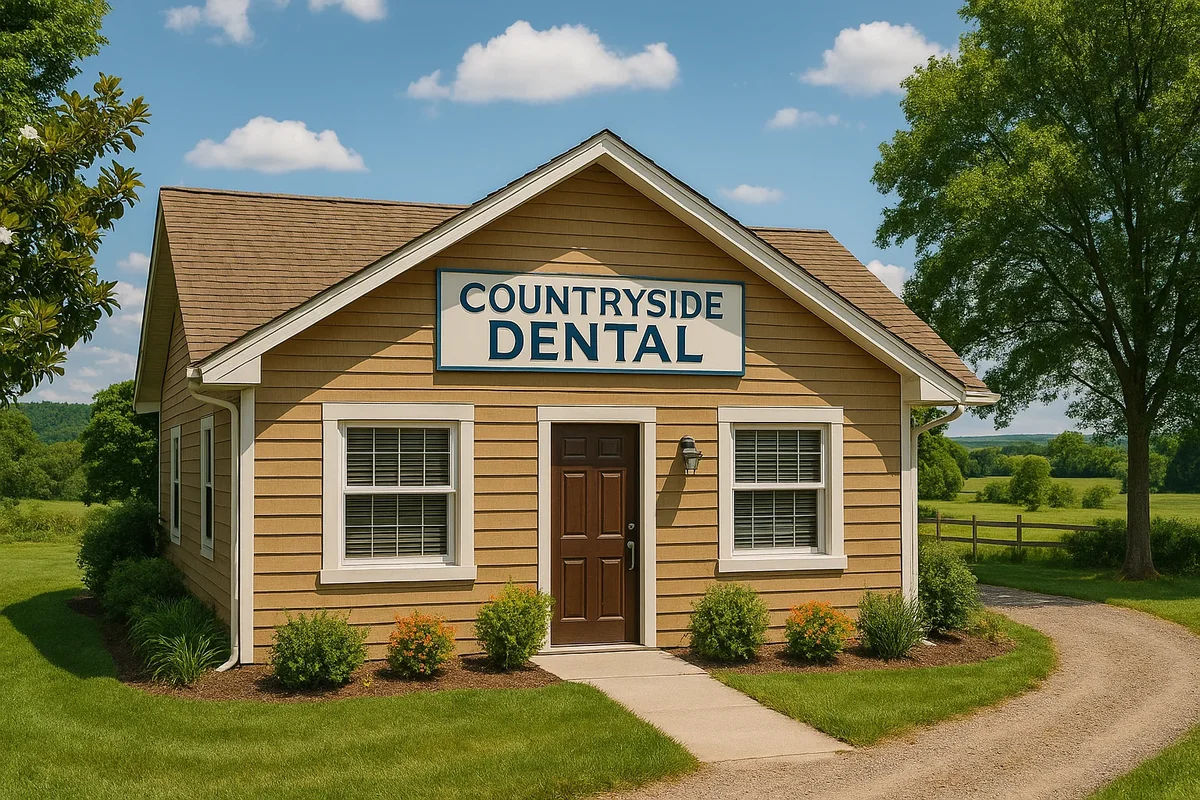
Future of Countryside Dental: Trends & Innovations
The landscape of oral healthcare is constantly evolving, and countryside dental practices are at the forefront of change. Once thought of as limited to basic care, rural clinics are now embracing innovations that make them competitive with their urban counterparts. From cutting-edge technology to holistic health approaches and community-driven initiatives, the future of countryside dentistry is bright. This section explores the key trends and innovations shaping rural dental care and how they will continue to enhance patient experiences in the coming years.
Advances in Digital Dentistry
Digital transformation is a cornerstone of modern countryside dental practices. Clinics are investing in digital radiography, 3D imaging, and CAD/CAM systems that enable same-day crowns and highly accurate restorations. The next step in this evolution is the integration of artificial intelligence (AI), which is expected to further improve diagnostics, treatment planning, and outcome prediction. Rural patients will increasingly benefit from precision-based care once thought to be exclusive to large metropolitan dental centers.
Artificial Intelligence in Diagnostics
AI-powered software is capable of detecting cavities, gum disease, and even early signs of oral cancer with remarkable accuracy. Countryside dental specialists using AI will be able to identify conditions sooner, design preventive plans more effectively, and reduce the likelihood of invasive procedures. This means better oral health outcomes and lower long-term costs for rural communities.
Telehealth and Teledentistry Expansion
Geography has historically posed challenges for rural patients, but teledentistry is closing the gap. Through secure video consultations and digital records, patients can access professional advice from the comfort of their homes. Local dentists can also collaborate with urban specialists for second opinions or treatment planning. This growing trend ensures that countryside dental clinics can deliver comprehensive services while reducing the need for time-consuming travel.
Integration of Preventive and Holistic Care
The future of countryside dental care will emphasize prevention and holistic health more than ever. Dentists are increasingly considering the link between oral health and systemic conditions such as diabetes, heart disease, and respiratory problems. Rural practices are likely to expand their services to include nutritional counseling, lifestyle education, and collaboration with general healthcare providers. This integrative model helps patients understand the broader impact of oral hygiene on overall wellness.
Community-Based Preventive Programs
Preventive care will also become more community-centered. Many rural dentists already organize school visits and public health campaigns, but in the future, these initiatives will expand with digital support. Mobile apps, virtual workshops, and online reminders will encourage consistent oral hygiene habits. By blending technology with local engagement, countryside dental practices will continue reducing oral health disparities between rural and urban populations.
Growth of Cosmetic and Aesthetic Dentistry
Cosmetic dentistry is no longer limited to big-city clinics. The demand for services like whitening, veneers, and orthodontics is growing rapidly in rural areas. With advances in materials and digital design, countryside clinics can provide aesthetic treatments that rival those in major cities. In the future, countryside dental care will expand its cosmetic offerings, ensuring that patients can achieve both healthy and beautiful smiles without leaving their communities.
Eco-Friendly and Sustainable Practices
Sustainability is a rising priority in healthcare, and rural clinics are leading the charge in eco-friendly dentistry. Countryside dental offices are adopting green technologies such as paperless records, energy-efficient equipment, and water-conserving sterilization systems. As awareness grows, patients will increasingly seek out clinics that align with environmentally responsible values, making sustainability a competitive advantage for rural practices.
Patient-Centered Technology Enhancements
The patient experience will continue to improve with technology designed for comfort and convenience. Digital impressions will replace messy traditional molds, while virtual reality (VR) and entertainment systems will help reduce dental anxiety. Advanced anesthesia techniques will ensure virtually pain-free treatments. These enhancements will make visits to countryside dental clinics more enjoyable, encouraging more consistent attendance and healthier long-term outcomes.
Mobile Dentistry and On-the-Go Care
Another promising innovation is mobile dentistry. Specialized vans equipped with dental technology are increasingly being used to reach patients in remote locations. These mobile units extend the reach of countryside dental services, ensuring that even the most geographically isolated populations can access essential care. In the future, mobile dentistry may expand to include advanced procedures such as orthodontics and implants, not just preventive screenings.
Artificial Intelligence in Administrative Efficiency
Beyond diagnostics, AI will streamline administrative processes in countryside dental clinics. From automated appointment scheduling to smart inventory management, these systems will reduce operational costs and allow staff to focus more on patient care. This efficiency ensures that rural clinics remain financially sustainable while delivering excellent services at competitive prices.
Collaboration with Global Dental Standards
As rural clinics modernize, they continue to align with international organizations like the American Dental Association. By adopting global best practices, countryside dentists ensure their care meets the same benchmarks as urban clinics worldwide. Ongoing professional development and digital training programs will further elevate the quality of rural dental care, giving patients confidence in the reliability of their local providers.
In conclusion, the future of countryside dental services is one of growth, innovation, and inclusivity. With advancements in digital dentistry, AI, teledentistry, cosmetic treatments, and eco-friendly practices, rural clinics are positioned to offer world-class care. These innovations not only enhance treatment outcomes but also strengthen the patient experience, making countryside dental care a trusted and forward-thinking choice for families and individuals. As trends evolve, one thing is clear: countryside dental practices will continue blending cutting-edge technology with the personalized, community-driven values that set them apart.