
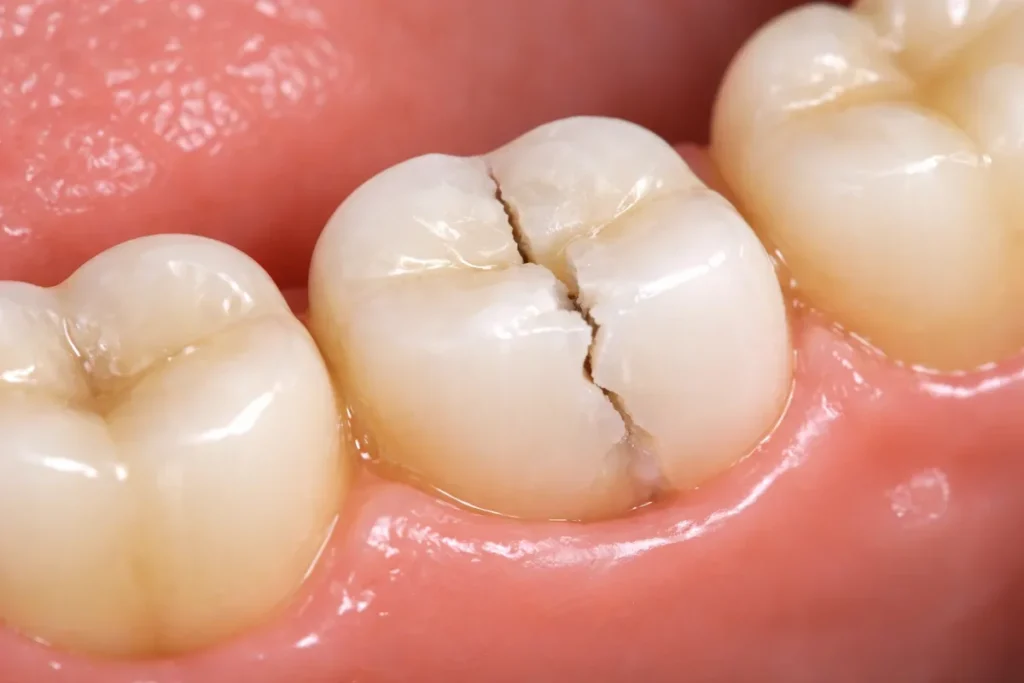
A cracked temporary crown can feel alarming, especially when you are already in the middle of a dental treatment process. Temporary crowns are designed to protect your prepared tooth while your permanent crown is being custom-made in a dental laboratory. Although they are not meant to last for years, they play a crucial role in maintaining your oral health during this transitional phase. When a cracked temporary crown occurs, it should never be ignored, even if you are not experiencing severe pain.
A temporary crown acts as a shield. After your dentist reshapes your natural tooth to accommodate a permanent crown, the tooth becomes more sensitive and vulnerable. Without proper coverage, bacteria, food particles, and temperature changes can irritate the exposed tooth structure. A cracked temporary crown compromises this protective barrier, potentially allowing bacteria to seep underneath and cause infection or inflammation.
Many patients assume that because the crown is “temporary,” damage is not urgent. However, a cracked temporary crown can lead to discomfort, increased sensitivity, gum irritation, or even shifting of adjacent teeth if left untreated. Temporary restorations are carefully shaped to maintain spacing and bite alignment. Once cracked, the structure may weaken further and break completely, exposing the prepared tooth underneath.
One of the most common symptoms associated with a cracked temporary crown is sudden sensitivity to hot, cold, or sweet foods. You may also feel rough edges with your tongue or notice that chewing on one side feels uncomfortable. In some cases, the crack may be small and barely visible, but it can expand over time due to daily biting forces. Even minor fractures in a temporary dental cap should be evaluated promptly.
Understanding the role of a temporary crown helps explain why immediate action is important. After tooth preparation, the inner layers of the tooth—particularly the dentin—become more exposed. Dentin contains microscopic tubules that connect to the nerve of the tooth. If a cracked temporary crown exposes these tubules, it can result in sharp sensitivity or throbbing discomfort. This is especially true if the crack allows saliva and bacteria to penetrate underneath the crown.
Beyond discomfort, structural integrity is another concern. Temporary crowns are typically made from acrylic or composite resin. These materials are durable enough for short-term use but are not as strong as porcelain or zirconia used in permanent crowns. When a cracked temporary crown forms, the material may splinter further under normal chewing pressure. Hard foods, sticky candies, or grinding habits can accelerate the damage.
There is also a cosmetic aspect to consider. For front teeth, a cracked temporary crown may affect your smile’s appearance. Visible fractures or discoloration around the crack line can impact confidence in social or professional settings. While aesthetics may not seem medically urgent, they are still an important part of comprehensive dental care.
Importantly, a damaged temporary restoration can interfere with the final fit of your permanent crown. If the tooth shifts slightly due to a poorly fitting or cracked temporary crown, the laboratory-made permanent crown may no longer align perfectly. This can require adjustments or even remaking the final crown, delaying your treatment timeline.
According to guidelines from the American Dental Association, maintaining temporary restorations is an essential part of successful crown therapy. Proper care and timely intervention help ensure that the underlying tooth remains healthy and stable until the final restoration is placed.
If you suspect a cracked temporary crown, avoid chewing on the affected side and contact your dentist as soon as possible. If you are unsure whether the crack is serious, professional evaluation is always the safest choice. You can easily schedule an appointment through the Redent Klinik Contact Page for prompt guidance and care.
In summary, a cracked temporary crown is not just a minor inconvenience—it is a situation that requires attention. Temporary crowns protect sensitive tooth structure, preserve bite alignment, and prevent bacterial contamination. When damage occurs, quick action helps prevent further complications such as infection, tooth movement, or prolonged sensitivity. Understanding the risks and solutions empowers you to take the right steps and protect your smile throughout your dental treatment journey. 🦷✨
What Is a Cracked Temporary Crown and Why It Matters
A cracked temporary crown refers to a fracture, split, or structural weakness in a provisional dental crown placed over a prepared tooth. Temporary crowns are designed to protect your tooth while your permanent crown is being custom-fabricated. Although they are short-term restorations, they play a critical protective and functional role. When a cracked temporary crown develops, the underlying tooth becomes vulnerable to irritation, bacterial contamination, and mechanical stress.
Many patients underestimate the importance of temporary restorations. However, a cracked temporary crown can quickly turn into a larger problem if left unaddressed. Even small fractures can expand due to chewing pressure, temperature changes, or normal daily use. Understanding what this condition means and why it matters helps you respond quickly and protect your oral health. 🦷
The Purpose of a Temporary Crown
Before understanding the risks of a cracked temporary crown, it is essential to know why temporary crowns are placed in the first place. After your dentist reshapes your natural tooth to make space for a permanent crown, much of the enamel is removed. This leaves the inner layers of the tooth more exposed and sensitive. A temporary crown serves several important functions:
- Protects the prepared tooth from bacteria and debris
- Reduces sensitivity to hot and cold
- Maintains proper spacing between teeth
- Preserves bite alignment
- Supports normal chewing and speech
When a cracked temporary crown compromises any of these functions, your treatment progress may be affected. The tooth underneath is no longer fully sealed, which increases the risk of discomfort or infection.
How Does a Temporary Crown Crack?
A cracked temporary crown usually occurs because temporary materials are not as strong as permanent crown materials like zirconia or porcelain. Temporary crowns are typically made from acrylic or composite resin. While durable enough for short-term use, they are more susceptible to:
- Chewing hard foods
- Sticky or gummy foods pulling at the crown
- Teeth grinding (bruxism)
- Accidental trauma
- Uneven bite pressure
Unlike a permanent restoration, a temporary crown is cemented with temporary adhesive. This allows easier removal later but also means the structure is slightly less stable. When pressure exceeds its strength, a cracked temporary crown may form, either as a visible fracture or a subtle hairline crack.
Minor Crack vs. Major Fracture
Not all damage is the same. A cracked temporary crown can range from a small surface crack to a large structural split. Minor cracks may cause mild sensitivity or rough edges. Major fractures can expose the prepared tooth completely, leading to sharp pain and increased vulnerability.
Even if you experience no pain, a cracked temporary crown should never be ignored. Small cracks can trap food and bacteria, increasing the risk of gum inflammation or decay under the restoration.
Why a Cracked Temporary Crown Matters for Your Long-Term Results
One of the most overlooked consequences of a cracked temporary crown is its impact on the final permanent crown. Temporary crowns help maintain proper tooth positioning. If the crown cracks or shifts, nearby teeth may begin to move slightly. Even minimal shifting can affect how the permanent crown fits when it is ready.
Additionally, if bacteria enter beneath a cracked temporary crown, the tooth pulp may become irritated. In severe cases, this could lead to the need for root canal treatment before placing the permanent crown. That is why dental professionals strongly recommend prompt evaluation of any temporary restoration damage.
According to guidance from the American Dental Association, maintaining interim restorations is essential for the success of fixed prosthodontic treatments. A properly functioning temporary crown supports healing and ensures predictable final outcomes.
Common Symptoms of a Cracked Temporary Crown
Recognizing early warning signs can prevent complications. A cracked temporary crown may cause:
- Sudden tooth sensitivity
- Sharp discomfort when biting
- A rough or uneven surface
- Gum irritation around the crown
- Visible fracture lines
Sometimes, the only sign of a cracked temporary crown is a slight change in bite alignment. If your teeth feel different when you close your mouth, it is wise to schedule an evaluation. You can contact your dental provider directly through the Redent Klinik Contact Page for professional advice.
Can a Cracked Temporary Crown Heal on Its Own?
No dental restoration can repair itself. A cracked temporary crown will not naturally “heal” or reseal. In fact, chewing forces typically worsen the fracture over time. Waiting too long may result in the crown breaking off entirely, leaving the prepared tooth fully exposed.
Temporary restorations are time-sensitive components of your dental treatment. Prompt attention ensures your permanent crown will fit properly and your tooth remains healthy. Ignoring a cracked temporary crown may extend treatment time and increase costs.
The Bottom Line
A cracked temporary crown may seem minor, but it plays a major role in your dental treatment journey. Temporary crowns protect vulnerable tooth structure, maintain spacing, and ensure the final restoration fits perfectly. Any fracture—no matter how small—should be evaluated to prevent complications. Acting quickly protects your comfort, your investment, and your long-term oral health. 😊
Common Causes of a Cracked Temporary Crown
A cracked temporary crown does not usually happen without a reason. Although temporary crowns are designed to withstand normal chewing forces for a short period, they are not as strong as permanent restorations. Understanding the common causes of a cracked temporary crown can help you prevent further damage and protect your tooth while waiting for your final crown.
Because temporary crowns are made from acrylic or composite resin, they are more vulnerable to pressure, stress, and daily wear. Even small habits or dietary choices can increase the risk of a cracked temporary crown. Let’s explore the most frequent reasons this issue occurs and why early awareness matters. 🦷
Chewing Hard or Sticky Foods
One of the leading causes of a cracked temporary crown is eating hard or sticky foods. Temporary materials are not engineered to handle extreme biting forces. Foods such as nuts, hard candies, ice, crusty bread, and popcorn kernels can place sudden pressure on the crown.
Sticky foods like caramel, chewing gum, or toffee can also create problems. When you chew sticky substances, they may pull upward on the crown. Because a temporary restoration is cemented with provisional adhesive, excessive pulling can loosen the structure or contribute to a cracked temporary crown.
Why Temporary Crowns Are More Fragile
Unlike permanent crowns made of porcelain or zirconia, temporary crowns are meant for short-term protection only. Their material composition makes them easier to remove later but also more prone to cracking under force. Repeated chewing stress significantly increases the likelihood of a cracked temporary crown.
Teeth Grinding (Bruxism)
Teeth grinding, also known as bruxism, is another major factor behind a cracked temporary crown. Many people grind their teeth unconsciously, especially at night. This repeated pressure can create microfractures that gradually expand into visible cracks.
If you already have a history of grinding, your dentist may recommend a night guard to protect your temporary restoration. Without protection, the constant grinding forces can weaken the crown material and lead to a cracked temporary crown within days or weeks.
Signs That Grinding Is the Cause
If your cracked temporary crown appears suddenly without trauma or dietary triggers, nighttime grinding may be responsible. Other signs include jaw soreness, headaches upon waking, and flattened tooth surfaces.
Accidental Trauma or Impact
Physical trauma is a straightforward cause of a cracked temporary crown. A fall, sports injury, or accidental blow to the face can generate enough force to fracture the temporary material. Even biting down unexpectedly on a hard object—such as a fork or bone fragment—can create a crack.
Because temporary crowns are less durable than permanent restorations, they are more likely to fracture under sudden impact. A cracked temporary crown caused by trauma should be evaluated promptly to rule out damage to the underlying tooth structure.
Poor Bite Alignment
Improper bite alignment can place uneven pressure on certain areas of the crown. If your temporary crown sits slightly higher than surrounding teeth, it may absorb more force when you close your mouth. Over time, this imbalance can result in a cracked temporary crown.
Your dentist carefully adjusts your bite after placing the temporary crown. However, small shifts can occur. If you feel that one tooth touches first when biting down, it may increase the risk of a cracked temporary crown.
Why Bite Adjustments Matter
Balanced pressure distribution protects both temporary and permanent restorations. If you notice discomfort while chewing, scheduling an adjustment can prevent a cracked temporary crown before it worsens.
Weak Temporary Cement
Temporary crowns are attached using provisional cement, which is intentionally less strong than permanent cement. This allows easy removal later. However, weaker bonding can contribute to micro-movements of the crown. These slight shifts during chewing can gradually lead to a cracked temporary crown.
If the crown becomes loose, it becomes even more susceptible to fracture. A loose fit combined with biting forces significantly raises the chance of a cracked temporary crown.
Natural Wear Over Time
Temporary crowns are not designed for long-term use. If there is a delay in placing the permanent crown, prolonged use can weaken the material. Over time, normal chewing forces may lead to structural fatigue and result in a cracked temporary crown.
The longer a temporary crown remains in place, the greater the risk of cracks forming. Regular follow-up appointments help minimize this risk and ensure timely placement of the final restoration.
Why Early Action Is Important
Regardless of the cause, a cracked temporary crown should never be ignored. Even a small crack can allow bacteria to enter beneath the crown, increasing the risk of infection. According to the American Dental Association, maintaining the integrity of temporary restorations is essential to prevent complications during crown treatment.
If you suspect a cracked temporary crown, avoid chewing on that side and contact your dental provider promptly. You can easily schedule an evaluation through the Redent Klinik Contact Page. Addressing the issue early prevents further damage and ensures your permanent crown will fit properly.
In summary, the most common causes of a cracked temporary crown include hard or sticky foods, teeth grinding, trauma, poor bite alignment, weak cement, and prolonged use. Understanding these risk factors empowers you to take preventive measures and protect your dental restoration throughout your treatment journey. 😊
Signs and Symptoms You Should Never Ignore
A cracked temporary crown does not always cause immediate, severe pain. In many cases, the symptoms start subtly and gradually worsen. Because temporary crowns protect a recently prepared and often sensitive tooth, any damage to that restoration can quickly lead to discomfort or complications. Recognizing the early warning signs of a cracked temporary crown allows you to seek timely care and prevent more serious dental problems.
Some patients mistakenly believe that if there is no pain, there is no urgency. However, even a painless cracked temporary crown can allow bacteria to enter beneath the restoration. This can irritate the tooth pulp or surrounding gums. Let’s explore the symptoms you should never ignore. 🦷
Increased Tooth Sensitivity
One of the most common signs of a cracked temporary crown is sudden sensitivity to temperature changes. You may feel sharp discomfort when drinking hot coffee, eating ice cream, or consuming sugary foods. This happens because the crack may expose parts of the prepared tooth underneath.
Temporary crowns act as a barrier between the outside environment and the sensitive dentin layer of your tooth. When a cracked temporary crown compromises that barrier, nerve endings can react more intensely to stimulation.
Why Sensitivity Should Not Be Ignored
Persistent sensitivity may indicate that bacteria have penetrated beneath the cracked temporary crown. If untreated, this irritation can progress to inflammation of the pulp, potentially requiring additional procedures such as root canal treatment before placing the permanent crown.
Pain When Biting or Chewing
If you experience discomfort when applying pressure, this could be a sign of a cracked temporary crown. The fracture may create instability, causing slight movement during chewing. Even minimal shifting can irritate the underlying tooth structure.
In some cases, biting pain occurs because the crack has altered your bite alignment. A cracked temporary crown may change how your upper and lower teeth meet, placing excessive force on a specific point.
Sharp vs. Dull Pain
A sharp, sudden pain often suggests exposed dentin or nerve irritation due to a cracked temporary crown. A dull ache may indicate inflammation beneath the restoration. Both require professional evaluation to prevent further complications.
Visible Fracture Lines or Rough Edges
Sometimes, the most obvious sign of a cracked temporary crown is visible damage. You may notice a hairline crack when looking in the mirror or feel a rough surface with your tongue. Even small fractures can expand over time under chewing pressure.
If you detect a chipped edge or small fragment missing from the crown, it is highly likely that you are dealing with a cracked temporary crown. Even if the damage appears minor, structural integrity may already be compromised.
Gum Irritation or Swelling
Another symptom of a cracked temporary crown is localized gum irritation. When bacteria and food particles accumulate around or beneath the damaged restoration, the surrounding gum tissue may become red, swollen, or tender.
This irritation can progress into mild gum inflammation if the cracked temporary crown is not repaired promptly. Maintaining a clean environment around the temporary crown is essential, but structural damage can make cleaning more difficult.
Looseness or Movement
If your crown feels loose, unstable, or slightly movable, this may signal a cracked temporary crown. Temporary cement is intentionally weaker than permanent cement, but noticeable movement is not normal.
A loose or unstable cracked temporary crown increases the risk of complete dislodgement. Once the restoration falls off, the prepared tooth is left fully exposed, making it highly vulnerable to sensitivity and infection.
Bad Taste or Odor
A persistent bad taste in your mouth can also be a warning sign. A cracked temporary crown may trap food debris and bacteria underneath. Over time, bacterial buildup can create unpleasant odors or a foul taste.
This symptom often indicates bacterial leakage under the crown. Addressing a cracked temporary crown quickly prevents deeper infection and protects the underlying tooth structure.
Changes in Bite Alignment
If your teeth suddenly feel misaligned or you notice that one tooth hits first when closing your mouth, this may be due to a cracked temporary crown. Structural damage can alter the shape of the crown, affecting how your teeth come together.
Even small bite changes caused by a cracked temporary crown can lead to jaw discomfort, uneven pressure distribution, and further cracking.
When to Seek Professional Help
If you notice any of these symptoms, it is important not to delay. According to the American Dental Association, prompt attention to damaged restorations reduces the risk of infection and long-term complications.
You should contact your dentist immediately if you suspect a cracked temporary crown. Avoid chewing on the affected side and maintain gentle oral hygiene. For professional evaluation and fast assistance, you can schedule an appointment through the Redent Klinik Contact Page.
The Key Takeaway
A cracked temporary crown can present with sensitivity, pain, visible fractures, gum irritation, looseness, bad taste, or bite changes. Even mild symptoms should not be ignored. Early detection and treatment protect your prepared tooth and ensure the success of your final crown placement. Acting quickly safeguards your comfort and your long-term oral health. 😊
Is a Cracked Temporary Crown a Dental Emergency?
One of the most common questions patients ask is whether a cracked temporary crown qualifies as a dental emergency. The answer depends on the severity of the damage and the symptoms you are experiencing. While not every cracked temporary crown requires immediate emergency treatment, it should never be ignored. Temporary crowns serve a protective function, and once that protection is compromised, the risk of complications increases.
Understanding when a cracked temporary crown becomes urgent helps you respond appropriately. Acting quickly can prevent infection, prolonged discomfort, and delays in your permanent crown placement. Let’s break down the scenarios in which a cracked temporary crown may require urgent attention. 🦷
When It Is Not an Immediate Emergency
If your cracked temporary crown shows a small hairline fracture but remains stable and painless, it may not require same-day emergency care. Minor cracks without sensitivity or mobility can sometimes wait a short time until your dentist is available.
However, even in mild cases, you should contact your dental office promptly. A cracked temporary crown can worsen unexpectedly, especially if you continue chewing on the affected side. Avoid hard foods and maintain gentle oral hygiene while waiting for evaluation.
Monitoring Mild Symptoms
If you experience only mild discomfort, monitor the situation closely. Sensitivity, rough edges, or slight bite changes related to a cracked temporary crown should be reported to your dentist within 24–48 hours.
When It Becomes Urgent
A cracked temporary crown becomes more urgent if you experience moderate to severe pain. Pain may indicate that the prepared tooth is exposed or that bacteria have entered beneath the crown. Sharp pain while biting, throbbing discomfort, or lingering sensitivity to hot and cold are warning signs.
If the cracked temporary crown is loose or partially detached, it requires prompt attention. Movement can irritate the gum tissue and allow food debris to accumulate underneath. This increases the risk of infection and inflammation.
Complete Dislodgement
If your temporary crown falls off completely after cracking, it is considered more urgent. The prepared tooth underneath is highly sensitive and vulnerable. Without coverage, the risk of bacterial contamination increases significantly. In this case, contact your dentist immediately for guidance regarding your cracked temporary crown.
Signs That Require Immediate Care
Seek urgent dental evaluation if your cracked temporary crown is accompanied by:
- Severe or persistent pain
- Visible swelling around the tooth or gums
- Bleeding from the gum line
- Fever or signs of infection
- Complete crown loss
These symptoms suggest that the cracked temporary crown may have allowed bacteria to reach deeper tooth structures. Prompt treatment helps prevent complications such as abscess formation or pulp damage.
Potential Risks of Ignoring the Problem
Delaying treatment for a cracked temporary crown can lead to several complications. The prepared tooth may become inflamed, increasing the likelihood of needing root canal therapy. Additionally, tooth movement may occur if the temporary crown no longer maintains proper spacing.
A damaged cracked temporary crown can also compromise the fit of your permanent crown. If the tooth shifts even slightly, your final restoration may require adjustments or remaking, prolonging your treatment timeline.
According to the American Dental Association, maintaining the integrity of temporary restorations is critical to preventing further dental complications. Prompt professional care ensures predictable treatment outcomes.
Temporary Solutions Until You See Your Dentist
If you cannot see your dentist immediately, there are short-term measures you can take for a cracked temporary crown. Avoid chewing on the affected side and stick to soft foods. Keep the area clean by gently brushing and rinsing with warm saltwater.
Over-the-counter temporary dental cement may help stabilize a loose crown temporarily, but this is not a permanent solution. Any self-management of a cracked temporary crown should only be done after consulting your dental provider.
Do Not Attempt Permanent Repairs at Home
Superglue or household adhesives should never be used to fix a cracked temporary crown. These materials can damage the tooth and complicate professional repair.
When to Contact Your Dentist Immediately
If you suspect a cracked temporary crown, it is always safest to inform your dentist as soon as possible. Even if it does not seem urgent, professional evaluation ensures there is no hidden damage.
You can quickly reach out through the Redent Klinik Contact Page to schedule an appointment. Early intervention protects your tooth and keeps your treatment plan on track.
The Final Verdict
A cracked temporary crown is not always a life-threatening emergency, but it is never something to ignore. Mild cases require prompt attention, while severe pain, swelling, or crown loss demands urgent care. Acting quickly prevents infection, protects the prepared tooth, and ensures your permanent crown placement proceeds smoothly. Your oral health and long-term comfort depend on timely action. 😊
What to Do Immediately After a Temporary Crown Breaks
Discovering a cracked temporary crown can feel stressful, especially if it happens while eating or brushing your teeth. The good news is that most situations can be managed safely if you take the right steps. Acting quickly after noticing a cracked temporary crown helps protect the prepared tooth underneath and reduces the risk of infection, sensitivity, or further structural damage.
Because temporary crowns are placed after significant tooth preparation, the underlying tooth is more vulnerable than usual. When a cracked temporary crown occurs, your immediate actions can make a major difference in preventing complications. Let’s walk through exactly what you should do. 🦷
Step 1: Stay Calm and Assess the Damage
The first thing to do after noticing a cracked temporary crown is remain calm. Not all cracks are severe. Gently rinse your mouth with lukewarm water and check the crown in a mirror if possible.
Ask yourself:
- Is the crown still attached?
- Is there visible movement?
- Are you experiencing pain or sensitivity?
- Has the crown completely fallen off?
Understanding the severity of the cracked temporary crown will help determine your next steps.
Minor Crack vs. Full Break
If the cracked temporary crown shows only a small hairline fracture and remains stable, the situation may not be urgent—but it still requires dental evaluation. If the crown is split, partially detached, or fully dislodged, more immediate action is necessary.
Step 2: Protect the Exposed Tooth
If your cracked temporary crown has fallen off or shifted significantly, the prepared tooth may be exposed. This tooth is often sensitive because enamel has been removed. Avoid chewing on that side to prevent pain and additional damage.
Stick to soft foods such as yogurt, mashed potatoes, scrambled eggs, or smoothies. Avoid hot, cold, sugary, or hard foods that could irritate the exposed tooth. A cracked temporary crown leaves the tooth more susceptible to temperature sensitivity and bacterial exposure.
Avoid Further Pressure
Chewing hard foods after a cracked temporary crown can worsen the fracture or cause the remaining structure to collapse entirely. Even minor pressure can expand the crack.
Step 3: Keep the Area Clean
Oral hygiene is especially important when dealing with a cracked temporary crown. Gently brush the area using a soft-bristled toothbrush. Be careful not to apply excessive force. Floss carefully around the crown, sliding the floss out sideways rather than pulling upward, which could dislodge it.
You may also rinse with warm saltwater to reduce bacteria and soothe gum irritation. Maintaining cleanliness minimizes the risk of infection while waiting for professional care.
Step 4: Temporary Stabilization (If Necessary)
If the cracked temporary crown is loose but still mostly intact, you may consider temporary dental cement available at pharmacies. This can help stabilize the crown until your appointment. However, this should only be done as a short-term solution.
What NOT to Use
Never use superglue or household adhesives to fix a cracked temporary crown. These substances can damage your tooth and complicate professional repair. Only dental-approved temporary cement should be used—and ideally after speaking with your dentist.
Step 5: Contact Your Dentist Immediately
Even if your cracked temporary crown seems minor, you should contact your dentist as soon as possible. Temporary crowns are essential for protecting the prepared tooth and maintaining proper spacing for the permanent crown.
You can quickly schedule an appointment through the Redent Klinik Contact Page. Early communication ensures that your treatment plan stays on track.
According to the American Dental Association, prompt evaluation of damaged restorations reduces the risk of infection and additional procedures. A professional assessment of your cracked temporary crown helps determine whether repair or replacement is necessary.
Step 6: Manage Discomfort Safely
If your cracked temporary crown causes mild discomfort, over-the-counter pain relievers such as ibuprofen may help reduce inflammation. Follow dosage instructions carefully. Avoid placing aspirin directly on the gum, as this can cause irritation.
Cold compresses applied externally to the cheek can help reduce swelling if trauma caused the cracked temporary crown. However, persistent pain should always be evaluated professionally.
What Happens If You Delay Treatment?
Ignoring a cracked temporary crown increases the risk of bacterial leakage under the restoration. This may lead to pulp inflammation, infection, or the need for additional treatment before placing your permanent crown. Additionally, tooth movement can occur if the temporary crown no longer maintains proper alignment.
Delays may also affect how well your permanent crown fits. A cracked temporary crown that allows even slight tooth shifting can require adjustments or remaking of the final restoration.
The Key Takeaway
If you experience a cracked temporary crown, act quickly but calmly. Assess the damage, protect the exposed tooth, maintain gentle hygiene, avoid pressure, and contact your dentist immediately. Prompt care ensures your tooth remains healthy and your permanent crown placement proceeds smoothly. Taking the right steps right away protects your comfort and your long-term oral health. 😊
How Dentists Repair or Replace a Cracked Temporary Crown
If you are dealing with a cracked temporary crown, you may wonder what your dentist will actually do to fix the problem. The treatment approach depends on the severity of the crack, the stability of the crown, and the condition of the prepared tooth underneath. In most cases, managing a cracked temporary crown is straightforward and can be completed quickly during a short dental visit.
Dentists understand that a cracked temporary crown can cause discomfort and anxiety. The primary goal of treatment is to restore protection to the prepared tooth, prevent bacterial contamination, and maintain proper alignment until the permanent crown is ready. Let’s explore how dental professionals handle this situation step by step. 🦷
Initial Clinical Examination
The first step in addressing a cracked temporary crown is a thorough examination. Your dentist will assess the visible crack, check for crown mobility, and evaluate the surrounding gum tissue. They will also ask about symptoms such as pain, sensitivity, or difficulty chewing.
If necessary, dental X-rays may be taken to ensure that the underlying tooth has not been affected by infection or structural damage. Although a cracked temporary crown often involves only the outer restoration, it is essential to confirm that the pulp and root remain healthy.
Evaluating the Severity of the Crack
Not all cases of cracked temporary crown damage require full replacement. Minor hairline cracks without structural compromise may sometimes be smoothed or reinforced. Larger fractures, however, typically require removal and replacement of the temporary crown.
Option 1: Repairing the Cracked Temporary Crown
If the cracked temporary crown is still securely attached and the fracture is minor, your dentist may be able to repair it. This can involve smoothing rough edges, sealing small cracks with dental composite material, or reinforcing weak areas.
Repair is usually considered when the structural integrity of the cracked temporary crown is largely intact. The goal is to maintain stability until the permanent crown appointment. This solution is often quick and cost-effective.
When Repair Is Appropriate
Repair may be suitable if:
- The crack is superficial
- There is no significant crown movement
- The underlying tooth is not exposed
- There are no signs of infection
Even after repair, patients are advised to avoid hard foods to prevent worsening of the cracked temporary crown.
Option 2: Recementing a Loose Crown
Sometimes a cracked temporary crown may also become loose. If the crown is still mostly intact, your dentist may remove it, clean the area thoroughly, and recement it using fresh temporary cement.
This process restores stability and reseals the prepared tooth. Proper recementation prevents bacterial leakage beneath the cracked temporary crown and ensures the tooth remains protected.
Option 3: Replacing the Temporary Crown
If the cracked temporary crown is severely fractured, split, or structurally compromised, replacement is usually the best option. The dentist will remove the damaged crown and fabricate a new temporary crown chairside.
Creating a new temporary restoration ensures that the prepared tooth is fully covered and protected. This also maintains spacing and bite alignment, which are critical for proper permanent crown placement.
Fabrication of a New Temporary Crown
During replacement, the dentist may use a pre-formed temporary shell or create a custom acrylic provisional crown directly in the office. The new crown is shaped carefully to restore function and aesthetics while awaiting the final restoration.
What If the Underlying Tooth Is Affected?
In rare cases, a cracked temporary crown may allow bacteria to irritate the pulp of the tooth. If inflammation or infection is detected, additional treatment such as root canal therapy may be necessary before placing the permanent crown.
Prompt management of a cracked temporary crown significantly reduces the likelihood of such complications. According to the American Dental Association, maintaining proper protection of prepared teeth is essential for long-term restorative success.
How Long Does the Repair Appointment Take?
Most visits for a cracked temporary crown last between 20 and 45 minutes, depending on whether repair or replacement is required. The procedure is generally painless, though local anesthesia may be used if sensitivity is present.
After treatment, you will receive instructions to care for your new or repaired cracked temporary crown. These typically include avoiding hard foods and maintaining gentle oral hygiene.
When to Schedule Your Appointment
If you suspect a cracked temporary crown, do not delay. Early intervention protects the prepared tooth and prevents complications. You can schedule a professional evaluation through the Redent Klinik Contact Page.
The Bottom Line
Dentists manage a cracked temporary crown through careful examination, repair, recementation, or replacement depending on the severity of damage. Treatment is typically simple and fast when addressed promptly. Taking quick action ensures your tooth remains protected and your permanent crown placement stays on schedule. 😊
Cost of Fixing a Cracked Temporary Crown
If you are facing a cracked temporary crown, one of your first concerns may be the cost of repair or replacement. The good news is that managing a cracked temporary crown is usually far less expensive than treating complications that arise from ignoring it. The final cost depends on several factors, including the severity of the crack, whether the crown can be repaired or must be replaced, and whether the underlying tooth has been affected.
Because temporary crowns are part of a larger restorative treatment plan, the financial aspect often depends on the policies of your dental clinic and whether the repair falls within the original treatment agreement. Let’s examine the cost factors in detail so you can understand what to expect. 💰🦷
Is Repair Included in the Original Crown Fee?
In many cases, the placement of a temporary crown is included in the overall cost of the permanent crown procedure. If a cracked temporary crown occurs within a short period after placement—especially due to normal function—some dental clinics may repair or replace it at no additional charge.
However, if the cracked temporary crown resulted from trauma, chewing hard foods against instructions, or a long delay before the permanent crown appointment, additional fees may apply. It is always best to ask your dental provider about their specific policy.
Why Policies May Vary
Temporary crowns are considered provisional restorations. Some clinics include follow-up adjustments in the original treatment fee, while others may charge a small separate fee for managing a cracked temporary crown.
Average Cost of Repairing a Cracked Temporary Crown
If the cracked temporary crown can be repaired rather than replaced, the cost is typically modest. In the United States, minor repairs or recementation appointments may range between $50 and $150, depending on the clinic and geographic location.
Repairing a cracked temporary crown is often quicker and less expensive than fabricating a new one. The dentist may smooth rough edges, reinforce the material, or reattach the crown using fresh temporary cement.
Cost of Replacing a Temporary Crown
If the cracked temporary crown is severely damaged and requires full replacement, the cost may be slightly higher. On average, replacing a temporary crown can range from $100 to $300, depending on the materials used and the complexity of the case.
In some cases, especially if the permanent crown is almost ready, your dentist may expedite the final restoration instead of placing another temporary one. This can sometimes reduce the need for multiple visits after a cracked temporary crown.
When Additional Treatment Increases Cost
If bacteria entered beneath the cracked temporary crown and caused pulp inflammation or infection, additional treatment such as root canal therapy may be required. Root canal treatment can cost between $700 and $1,500, depending on the tooth location and complexity.
This highlights why early management of a cracked temporary crown is financially wise. Addressing the issue quickly prevents more expensive procedures later.
Does Dental Insurance Cover It?
Insurance coverage for a cracked temporary crown varies depending on your plan. Many dental insurance policies consider temporary crowns part of the permanent crown procedure. If the permanent crown is covered, adjustments to a cracked temporary crown may also fall under that coverage.
However, if damage occurred due to trauma unrelated to dental treatment, coverage may differ. Always verify with your insurance provider and dental office before proceeding.
Cost Comparison: Ignoring vs. Fixing
Ignoring a cracked temporary crown can lead to much higher costs in the long run. Untreated cracks may result in:
- Infection requiring root canal therapy
- Tooth movement affecting crown fit
- Need to remake the permanent crown
- Gum inflammation or periodontal treatment
The cost of repairing a simple cracked temporary crown is minimal compared to these potential complications. According to the American Dental Association, maintaining temporary restorations plays an important role in preventing more complex restorative procedures.
What About International Dental Treatment?
In some countries, the cost of managing a cracked temporary crown may be significantly lower than in the United States or Western Europe. Patients who travel for dental treatment often find that provisional adjustments are included in comprehensive treatment packages.
If you are unsure about pricing or coverage, you can directly consult your dental provider through the Redent Klinik Contact Page to receive personalized guidance regarding your cracked temporary crown.
The Financial Bottom Line
The cost of fixing a cracked temporary crown typically ranges from minimal to moderate, especially when addressed early. Repair is usually affordable, and replacement remains relatively low-cost compared to permanent restorative procedures. Acting promptly not only protects your oral health but also helps you avoid significantly higher expenses in the future. Investing in early care ensures your dental treatment stays on schedule and within budget. 😊
How to Prevent a Cracked Temporary Crown
Preventing a cracked temporary crown is much easier than repairing one. Since temporary crowns are designed for short-term use, they require special care and attention. While they are durable enough for everyday function, they are not as strong as permanent restorations. By following proper precautions, you can significantly reduce the risk of a cracked temporary crown and ensure your dental treatment proceeds smoothly.
Temporary crowns protect a prepared and often sensitive tooth. When a cracked temporary crown occurs, it exposes that vulnerable tooth to bacteria, temperature sensitivity, and mechanical stress. The goal of prevention is to maintain structural integrity and minimize unnecessary pressure. Let’s explore practical, dentist-approved strategies to protect your temporary restoration. 🦷✨
Avoid Hard and Sticky Foods
The most common cause of a cracked temporary crown is chewing hard or sticky foods. Temporary crowns are typically made from acrylic or composite resin, which cannot withstand extreme biting forces like zirconia or porcelain.
To prevent a cracked temporary crown, avoid:
- Hard candies and nuts
- Ice cubes
- Popcorn kernels
- Caramel and toffee
- Chewing gum
- Very crusty bread
Sticky foods can pull on the temporary cement and destabilize the crown. Hard foods can create microfractures that eventually lead to a cracked temporary crown.
Choose Softer Alternatives
Opt for softer food choices such as pasta, rice, eggs, yogurt, soft fruits, and well-cooked vegetables. Reducing excessive biting pressure greatly lowers the risk of a cracked temporary crown.
Chew on the Opposite Side
Whenever possible, chew on the side opposite your temporary crown. This simple habit reduces mechanical stress on the restoration and helps prevent a cracked temporary crown.
While it may take a few days to adjust, consciously shifting your chewing pattern protects the crown during this temporary phase.
Maintain Gentle but Thorough Oral Hygiene
Keeping the area clean is essential in preventing complications associated with a cracked temporary crown. Use a soft-bristled toothbrush and brush gently around the crown. Avoid aggressive scrubbing that could weaken the material.
When flossing, slide the floss out sideways instead of lifting it upward. Pulling floss upward can loosen the temporary cement and increase the chance of a cracked temporary crown.
Why Hygiene Matters
Poor oral hygiene allows bacteria to accumulate around the crown margins. While this does not directly cause a cracked temporary crown, inflammation and plaque buildup can weaken surrounding gum tissue and increase the risk of crown instability.
Protect Against Teeth Grinding (Bruxism)
If you grind your teeth at night, you are at higher risk of developing a cracked temporary crown. Bruxism places repeated pressure on the restoration, which can cause microfractures.
If your dentist recommends a night guard, wear it consistently. A protective appliance significantly reduces stress on the crown and helps prevent a cracked temporary crown during sleep.
Signs You May Be Grinding
Morning jaw soreness, headaches, or flattened teeth may indicate grinding. Addressing bruxism is key to preventing not only a cracked temporary crown but also long-term tooth damage.
Avoid Using Teeth as Tools
Opening packages, biting fingernails, or chewing on pens can quickly lead to a cracked temporary crown. These habits apply excessive force in unintended directions, increasing fracture risk.
Your temporary crown is meant for chewing food only—not for cutting threads or tearing packaging.
Attend Follow-Up Appointments
Timely placement of your permanent crown is one of the most important steps in preventing a cracked temporary crown. Temporary restorations are not designed for long-term use. The longer they remain in place, the greater the chance of structural fatigue and cracking.
If you notice any early signs of a cracked temporary crown, such as rough edges or mild sensitivity, contact your dentist promptly. Early intervention prevents worsening damage.
According to the American Dental Association, maintaining temporary restorations and attending scheduled follow-up visits are essential for successful crown treatment outcomes.
Monitor Your Bite
If your bite feels uneven or one tooth touches first when closing your mouth, inform your dentist. Bite imbalances can create concentrated pressure, increasing the risk of a cracked temporary crown.
A simple bite adjustment can significantly reduce stress on the restoration and help prevent a cracked temporary crown before it develops.
When to Seek Preventive Advice
If you are unsure how to care for your temporary crown properly, do not hesitate to ask your dentist. You can easily request guidance through the Redent Klinik Contact Page. Professional advice tailored to your specific case helps minimize the risk of a cracked temporary crown.
The Prevention Summary
Preventing a cracked temporary crown requires mindful eating, gentle hygiene practices, protection against grinding, and timely dental follow-up. By avoiding excessive pressure and maintaining proper care, you protect the prepared tooth underneath and ensure your permanent crown fits perfectly. Simple daily habits make a significant difference in keeping your temporary restoration intact and your smile healthy. 😊
When to Contact Your Dentist for Professional Help
Knowing exactly when to seek professional care for a cracked temporary crown can prevent unnecessary complications and protect your long-term dental health. While some minor issues may seem manageable at home, a cracked temporary crown should always be evaluated by a dental professional. Temporary crowns play a critical protective role, and once that protection is compromised, the prepared tooth underneath becomes vulnerable.
Many patients hesitate to call their dentist because they assume the issue is minor or temporary. However, delaying evaluation of a cracked temporary crown can increase the risk of infection, tooth sensitivity, bite misalignment, and additional treatment costs. Understanding the warning signs that require professional attention is essential. 🦷
Contact Your Dentist Immediately If You Experience Pain
Pain is one of the clearest signals that your cracked temporary crown needs urgent professional care. Sharp pain when biting, throbbing discomfort, or lingering sensitivity to hot and cold may indicate that the crack has exposed sensitive tooth structures.
If a cracked temporary crown allows bacteria to penetrate beneath the restoration, the pulp of the tooth can become inflamed. Early intervention reduces the risk of needing more complex procedures such as root canal treatment.
Persistent vs. Occasional Sensitivity
Occasional mild sensitivity may occur with a cracked temporary crown, but persistent or worsening discomfort should never be ignored. Ongoing pain suggests deeper involvement of the tooth.
If the Crown Is Loose or Moving
A loose or unstable cracked temporary crown requires prompt evaluation. Temporary crowns are cemented with provisional adhesive, but noticeable movement is not normal. A shifting crown can allow food debris and bacteria to accumulate underneath.
Movement increases the risk of complete dislodgement. If your cracked temporary crown falls off entirely, the prepared tooth is left fully exposed, making professional care urgent.
Do Not Attempt Permanent Reattachment
While temporary dental cement may be used briefly under guidance, permanent adhesives or household glue should never be applied to a cracked temporary crown. Improper bonding can damage the tooth and complicate professional repair.
Visible Structural Damage
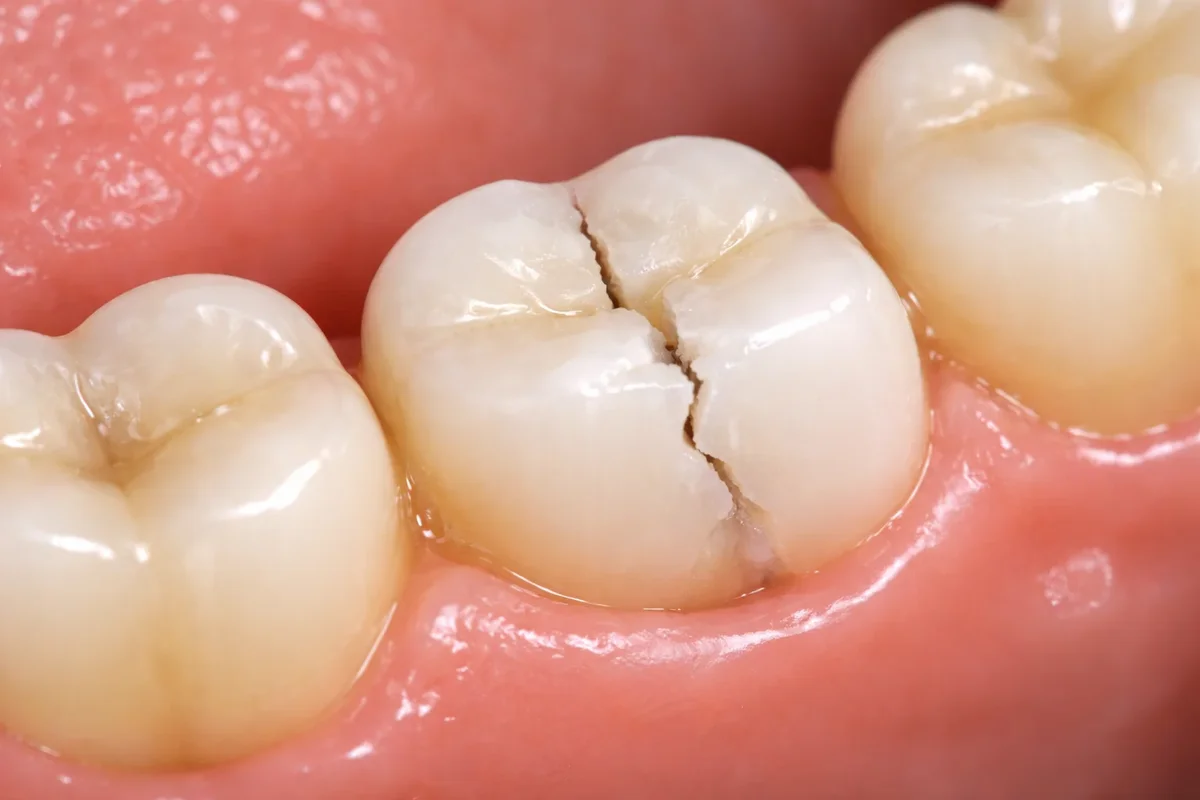
If you see visible fracture lines, missing fragments, or large cracks in your cracked temporary crown, schedule an appointment as soon as possible. Even if pain is absent, structural compromise reduces the crown’s protective function.
A visibly damaged cracked temporary crown may no longer seal the tooth properly, increasing bacterial exposure. Early replacement or repair prevents complications.
Swelling, Gum Irritation, or Signs of Infection
Swelling around the gum line, redness, tenderness, or a bad taste in your mouth may indicate infection beneath a cracked temporary crown. These symptoms should never be ignored.
In rare cases, untreated bacterial leakage from a cracked temporary crown can lead to abscess formation. Immediate dental evaluation is critical if you notice swelling, fever, or facial discomfort.
Why Early Treatment Matters
According to the American Dental Association, prompt management of damaged restorations significantly reduces the risk of infection and long-term complications. Addressing a cracked temporary crown early preserves the health of the underlying tooth.
Changes in Bite Alignment
If your bite suddenly feels uneven after noticing a cracked temporary crown, contact your dentist. Structural damage may alter the crown’s shape, causing uneven pressure distribution when you close your mouth.
Even slight bite changes caused by a cracked temporary crown can strain surrounding teeth and jaw joints. A simple adjustment can prevent additional stress.
Before Your Permanent Crown Appointment
If your permanent crown placement is approaching and you suspect a cracked temporary crown, do not wait until the scheduled date without informing your dentist. Damage may affect the prepared tooth’s position or health.
Ensuring the integrity of the temporary restoration allows the permanent crown to fit accurately. Delaying care for a cracked temporary crown may result in the need for adjustments or remaking the final crown.
How to Reach Your Dentist Quickly
Professional guidance is always the safest approach when dealing with a cracked temporary crown. Early communication helps determine whether immediate care is required.
If you need prompt evaluation or have concerns about your temporary crown, you can easily schedule an appointment through the Redent Klinik Contact Page. Seeking professional help quickly protects your comfort and ensures your treatment stays on track.
The Final Recommendation
A cracked temporary crown should always be assessed by a dental professional—even if symptoms seem mild. Pain, looseness, visible damage, swelling, bite changes, or crown loss require immediate contact. Acting quickly prevents infection, protects the prepared tooth, and ensures your permanent crown placement proceeds successfully. When in doubt, it is always better to consult your dentist rather than risk complications. 😊
Disclosure: this page may contain affiliate links. We may earn a commission if you use them, at no extra cost to you.