
When it comes to restoring missing teeth with long-lasting and natural-looking results, the crown abutment implant stands out as one of the most advanced solutions in modern dentistry 🦷. If you are researching ways to regain your smile, improve chewing ability, and protect your oral health, understanding how a crown abutment implant works is essential. This comprehensive guide will walk you through everything you need to know in a clear and user-friendly way.
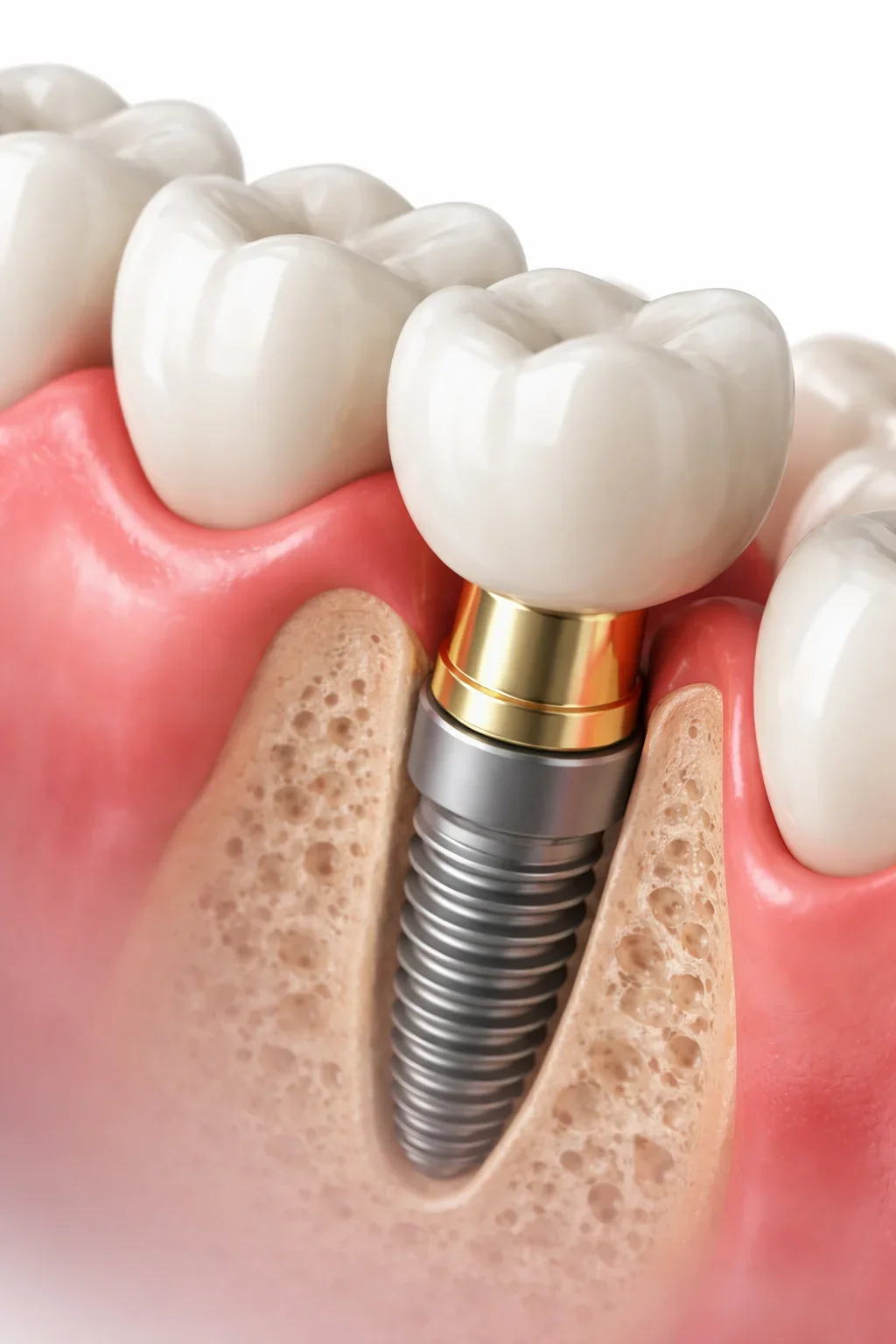
A crown abutment implant is not just a single component—it is a complete system designed to replace a missing tooth from root to surface. It consists of three main parts: the implant (placed in the jawbone), the abutment (which connects the implant to the crown), and the crown (the visible tooth). Together, these elements form a durable and highly functional restoration that mimics the look and feel of a natural tooth.
The process begins with the placement of a titanium implant into the jawbone. This implant acts like an artificial tooth root and is essential for the stability of the crown abutment implant. Over time, a biological process called osseointegration occurs, where the bone fuses with the implant. This fusion provides a strong and permanent foundation that distinguishes a crown abutment implant from other tooth replacement options such as dentures or bridges.
Once the implant has fully integrated with the bone, the next step is placing the abutment. The abutment is a small connector piece that attaches securely to the implant. It plays a critical role in the crown abutment implant system because it supports the final crown and ensures proper alignment, stability, and function. Without a properly fitted abutment, the entire crown abutment implant could be compromised.
Finally, the dental crown is placed on top of the abutment. This crown is custom-made to match the color, shape, and size of your natural teeth. The result is a seamless and aesthetic restoration that blends perfectly with your smile 😊. A well-designed crown abutment implant not only looks natural but also restores full chewing efficiency and speech clarity.
One of the biggest advantages of a crown abutment implant is its ability to preserve jawbone health. When a tooth is lost, the underlying bone can begin to deteriorate due to lack of stimulation. However, the implant portion of the crown abutment implant stimulates the bone just like a natural tooth root would. This helps maintain facial structure and prevents the sunken appearance that often occurs with long-term tooth loss.
In addition to functional benefits, a crown abutment implant offers exceptional durability. With proper care, this solution can last for many years, often decades. Regular brushing, flossing, and routine dental check-ups are essential to maintaining the health of your crown abutment implant. Following guidelines from trusted organizations like the American Dental Association ensures long-term success.
Patients also appreciate the comfort and stability of a crown abutment implant. Unlike removable dentures, there is no slipping or discomfort. You can eat your favorite foods, speak confidently, and smile freely without worrying about your restoration moving out of place. This level of confidence can significantly improve overall quality of life.
If you are considering a crown abutment implant, it is important to consult with an experienced dental professional. Every patient’s oral structure is unique, and proper planning is key to achieving the best results. You can easily get professional guidance and personalized treatment planning by visiting the Redent Klinik Contact Page.
In summary, a crown abutment implant is a complete and highly effective solution for replacing missing teeth. By combining advanced technology, biocompatible materials, and precise customization, it delivers both functional and aesthetic excellence. Whether you are missing one tooth or several, understanding the crown abutment implant system can help you make an informed decision and take the first step toward a healthier, more confident smile 🌟.
What Is a Crown Abutment Implant and How Does It Work?
A crown abutment implant is one of the most advanced and reliable solutions in modern dentistry for replacing missing teeth 🦷. Unlike traditional methods such as bridges or removable dentures, a crown abutment implant is designed to replicate the full structure of a natural tooth—from root to visible crown. Understanding how a crown abutment implant works will help you make a confident and informed decision about your dental health.
Definition of a Crown Abutment Implant
The term crown abutment implant refers to a three-part dental restoration system that replaces a missing tooth completely. Each part has a specific role, and together they function seamlessly to restore both aesthetics and functionality.
Main Components of the System
The crown abutment implant system includes:
- Dental Implant: A titanium screw inserted into the jawbone, acting as an artificial root.
- Abutment: A connector piece placed on top of the implant.
- Dental Crown: The visible part that mimics a natural tooth.
Each of these components works together to form a stable and durable crown abutment implant. This system is often referred to as an implant-supported crown or dental implant crown system, which are LSI-related terms that reinforce its meaning.
How the Crown Abutment Implant Works Step by Step
The functionality of a crown abutment implant relies on both biological integration and mechanical stability. The process happens in stages to ensure long-term success.
1. Implant Placement
The first step in a crown abutment implant procedure is surgically placing the implant into the jawbone. This implant is typically made of titanium because it is biocompatible and integrates well with bone tissue. Once placed, the implant acts as the foundation of the entire crown abutment implant system.
2. Osseointegration Process
After placement, the crown abutment implant undergoes a critical healing phase known as osseointegration. During this time, the bone grows around the implant, securing it firmly in place. This process can take several weeks to a few months but is essential for ensuring that the crown abutment implant remains stable and long-lasting.
3. Abutment Placement
Once the implant has fused with the bone, the dentist attaches the abutment. The abutment serves as the connection between the implant and the crown. Without a properly fitted abutment, the crown abutment implant would not function correctly or provide the desired aesthetic results.
4. Crown Attachment
The final step involves placing the custom-made dental crown onto the abutment. This crown is carefully designed to match your natural teeth in shape, size, and color. The completed crown abutment implant looks and functions just like a real tooth, allowing you to eat, speak, and smile with confidence 😊.
Why the Crown Abutment Implant Is So Effective
The effectiveness of a crown abutment implant comes from its ability to mimic the natural tooth structure. Unlike other solutions, it replaces both the root and the crown, which provides superior stability and durability.
Natural Functionality
A crown abutment implant allows you to chew food naturally without discomfort or limitations. Because it is anchored into the jawbone, it provides the same biting force as a natural tooth.
Bone Preservation
One of the most important advantages of a crown abutment implant is its ability to prevent bone loss. When a tooth is missing, the jawbone can begin to deteriorate. The implant stimulates the bone, maintaining its density and structure over time.
Aesthetic Benefits
The crown portion of the crown abutment implant is designed to blend perfectly with your existing teeth. This makes it virtually impossible to distinguish from natural teeth, enhancing your smile and boosting your confidence 🌟.
How It Compares to Other Tooth Replacement Options
When compared to dentures or bridges, a crown abutment implant offers superior performance in almost every aspect.
- Durability: A crown abutment implant can last decades with proper care.
- Stability: No slipping or movement like dentures.
- Conservation: Does not require altering adjacent teeth like bridges.
These advantages make the crown abutment implant a preferred choice for both patients and dental professionals.
Final Thoughts on How a Crown Abutment Implant Works
In summary, a crown abutment implant is a sophisticated dental solution that combines surgical precision with aesthetic design. From implant placement to crown attachment, each stage is carefully planned to ensure optimal results. By understanding how a crown abutment implant works, you can better appreciate its value and long-term benefits for your oral health.
If you are considering this treatment, consulting a qualified dental specialist is the best next step. A properly executed crown abutment implant can transform not only your smile but also your overall quality of life.
Key Components of a Crown Abutment Implant Explained
To fully understand how a crown abutment implant delivers such reliable and natural results, it is essential to explore its core components in detail 🦷. Each part of the crown abutment implant system plays a critical role in restoring both the function and appearance of a missing tooth. When combined, these components create a seamless, durable, and long-lasting solution that closely mimics a natural tooth structure.
The Three Main Parts of a Crown Abutment Implant
A crown abutment implant consists of three primary elements: the implant fixture, the abutment, and the crown. These parts are designed to work together as a unified system, ensuring optimal strength, stability, and aesthetics.
1. The Dental Implant Fixture (Artificial Root)
The implant fixture is the foundation of the crown abutment implant. It is typically made from titanium or titanium alloys, materials known for their strength and biocompatibility. This small screw-like structure is surgically placed into the jawbone, where it functions as an artificial tooth root.
What makes this part of the crown abutment implant truly remarkable is its ability to fuse with the surrounding bone through osseointegration. This biological process ensures that the implant becomes a permanent part of your jaw, providing unmatched stability compared to other tooth replacement options.
Without a strong implant fixture, the entire crown abutment implant system would lack the support needed for long-term success. That is why careful placement and healing are crucial at this stage.
2. The Abutment (Connector Component)
The abutment is a small but vital piece of the crown abutment implant. It serves as the connector between the implant fixture and the final crown. Once the implant has fully integrated with the bone, the abutment is attached to the top of the implant.
This component is designed to protrude slightly above the gum line, allowing the crown to be securely placed on top. The precision of the abutment is critical—any misalignment can affect both the appearance and functionality of the crown abutment implant.
Abutments can be customized or prefabricated, depending on the patient’s specific needs. Custom abutments are often used to achieve better aesthetic results, especially for front teeth where appearance is highly important 😊.
3. The Dental Crown (Visible Tooth)
The crown is the visible part of the crown abutment implant and is what most people associate with the final result. It is typically made from materials such as porcelain, zirconia, or ceramic, which are chosen for their durability and natural appearance.
This crown is custom-designed to match your surrounding teeth in color, shape, and size. Once attached to the abutment, it completes the crown abutment implant system, restoring both function and aesthetics.
A well-crafted crown ensures that your crown abutment implant blends seamlessly into your smile, making it virtually indistinguishable from natural teeth 🌟.
Additional Supporting Elements in a Crown Abutment Implant
While the three main components form the core of a crown abutment implant, there are additional elements that contribute to its success.
Healing Abutment
Before the final abutment is placed, a healing abutment may be used. This temporary component helps shape the gum tissue around the implant site, preparing it for the final crown abutment implant placement.
Screw or Cement Retention
The crown in a crown abutment implant can be attached using either a screw-retained or cement-retained method. Each approach has its advantages:
- Screw-retained: Easier to remove for maintenance.
- Cement-retained: Offers a more natural appearance without visible access holes.
Your dentist will choose the best method based on your individual case and aesthetic needs.
How These Components Work Together
The success of a crown abutment implant depends on the precise interaction between all its components. The implant provides stability, the abutment ensures proper alignment, and the crown delivers functionality and aesthetics.
When these elements are correctly placed and aligned, the crown abutment implant can withstand daily chewing forces, resist wear, and maintain its appearance for many years. This integrated system is what sets it apart from traditional dental solutions.
Material Choices and Their Impact
The materials used in each part of a crown abutment implant significantly influence its performance and longevity.
- Titanium implants: Known for strength and compatibility with bone.
- Zirconia abutments: Preferred for aesthetic areas due to their tooth-like color.
- Porcelain crowns: Provide a natural, lifelike appearance.
Choosing the right materials ensures that your crown abutment implant not only functions well but also looks beautiful over time.
Why Understanding Components Matters
Knowing the structure of a crown abutment implant helps patients appreciate the complexity and precision involved in this treatment. It also allows you to have more informed discussions with your dentist and better understand your treatment plan.
Each component must be carefully selected and expertly placed to achieve the best possible outcome. This is why choosing an experienced dental professional is crucial when considering a crown abutment implant.
In conclusion, the crown abutment implant is a sophisticated system where every part plays a vital role. From the implant fixture anchoring into the bone to the crown restoring your smile, each component contributes to a solution that is both functional and aesthetically pleasing. Understanding these elements ensures you are fully prepared for the journey toward a healthier, more confident smile 😁.
Step-by-Step Crown Abutment Implant Procedure
Understanding the full procedure of a crown abutment implant helps patients feel more confident and prepared before starting treatment 🦷. Unlike simpler dental solutions, the crown abutment implant process involves multiple carefully planned stages to ensure long-term success, durability, and a natural appearance. Each step is essential, and skipping or rushing any part could affect the outcome of the crown abutment implant.
Initial Consultation and Treatment Planning
The journey toward a successful crown abutment implant begins with a comprehensive consultation. During this stage, the dentist evaluates your oral health, bone density, and overall suitability for the procedure.
Detailed Oral Examination
Your dentist will perform a full oral examination, including X-rays or 3D imaging, to assess the condition of your jawbone and surrounding teeth. This ensures that the crown abutment implant can be placed safely and effectively.
Personalized Treatment Plan
Every crown abutment implant procedure is customized. The dentist determines the implant position, type of abutment, and crown design to match your specific needs. This planning phase is critical for achieving a natural-looking and functional result.
Step 1: Tooth Extraction (If Needed)
If the damaged tooth is still present, it must be removed before placing the crown abutment implant. In some cases, the implant can be placed immediately after extraction, but often the site needs time to heal.
Healing After Extraction
The healing period ensures that the gum and bone are ready for the crown abutment implant. This stage may take a few weeks, depending on the patient’s condition.
Step 2: Implant Placement Surgery
This is the most crucial stage of the crown abutment implant procedure. The dentist surgically inserts the implant into the jawbone under local anesthesia.
Precise Surgical Placement
The implant is carefully positioned to align with the surrounding teeth. Proper placement is essential for the long-term stability of the crown abutment implant.
Immediate Aftercare
After surgery, mild swelling and discomfort are normal. Patients are given instructions to protect the implant site and support healing.
Step 3: Osseointegration (Bone Fusion)
After implant placement, the crown abutment implant enters the osseointegration phase. This is a biological process where the jawbone fuses with the implant, creating a strong and stable foundation.
Why Osseointegration Is Critical
This phase determines the long-term success of the crown abutment implant. Without proper integration, the implant may fail.
Healing Timeframe
Osseointegration typically takes between 2 to 6 months. During this time, the crown abutment implant becomes securely anchored in the bone.
Step 4: Abutment Placement
Once the implant has integrated, the next step is attaching the abutment. This small connector is essential for supporting the crown in the crown abutment implant system.
Minor Surgical Procedure
The dentist reopens the gum to expose the implant and places the abutment. In some cases, this step can be done during the initial surgery.
Gum Healing Around Abutment
The gum tissue heals around the abutment, shaping itself to create a natural appearance for the final crown abutment implant.
Step 5: Crown Fabrication and Placement
The final step in the crown abutment implant procedure is placing the custom-made dental crown.
Impressions and Custom Design
Your dentist takes impressions of your teeth to create a crown that perfectly matches your natural smile. This ensures the crown abutment implant looks seamless and realistic.
Final Crown Attachment
The crown is securely attached to the abutment, completing the crown abutment implant. Once placed, the restoration functions just like a natural tooth 😊.
Post-Procedure Care and Follow-Up
After the crown abutment implant is fully placed, follow-up visits are essential to ensure everything is healing correctly and functioning properly.
Regular Dental Check-Ups
Routine visits help monitor the condition of your crown abutment implant and prevent potential complications.
Daily Oral Hygiene
Maintaining good oral hygiene is crucial. Brushing, flossing, and professional cleanings will help your crown abutment implant last for many years.
How Long Does the Entire Process Take?
The complete crown abutment implant procedure can take several months from start to finish. While this may seem lengthy, each stage is necessary to ensure a stable and long-lasting result.
- Consultation and planning: 1–2 weeks
- Healing after extraction (if needed): 2–8 weeks
- Osseointegration: 2–6 months
- Final crown placement: 1–2 weeks
This timeline ensures that the crown abutment implant integrates properly and delivers optimal performance.
Final Thoughts on the Procedure
The crown abutment implant procedure is a carefully structured process designed to provide long-term success. While it requires patience, the results are worth it—offering durability, functionality, and a natural appearance that few other treatments can match 🌟.
By understanding each step of the crown abutment implant journey, patients can approach the procedure with confidence and realistic expectations. With the right care and professional guidance, a crown abutment implant can truly transform your smile and overall oral health.
Benefits of Choosing a Crown Abutment Implant for Tooth Replacement
Choosing the right tooth replacement option is essential for both oral health and overall confidence. Among all available solutions, the crown abutment implant is widely regarded as one of the most effective and long-lasting treatments 🦷. This advanced dental restoration not only replaces missing teeth but also restores full functionality, aesthetics, and structural integrity. Understanding the benefits of a crown abutment implant can help you make an informed decision about your dental care.
Natural Appearance and Aesthetic Excellence
One of the most appealing benefits of a crown abutment implant is its ability to look and feel like a natural tooth. Unlike removable dentures or traditional bridges, the crown abutment implant is custom-designed to match your existing teeth perfectly.
Seamless Integration with Your Smile
The crown portion of the crown abutment implant is crafted using advanced materials such as porcelain or zirconia. These materials reflect light similarly to natural enamel, ensuring a lifelike appearance. As a result, the crown abutment implant blends seamlessly with your smile, making it virtually impossible to detect.
Confidence Boost
With a crown abutment implant, you can smile, speak, and laugh without hesitation 😊. The natural look and stability of this solution significantly enhance self-confidence in both social and professional settings.
Superior Functionality and Comfort
Another major advantage of a crown abutment implant is its ability to restore full chewing and speaking capabilities. Unlike dentures, which may shift or cause discomfort, the crown abutment implant remains securely in place.
Full Chewing Power
The implant component acts as a strong root, allowing the crown abutment implant to withstand normal biting forces. This means you can enjoy your favorite foods without restrictions.
No Slipping or Movement
Because the crown abutment implant is anchored directly into the jawbone, it does not move or slip. This provides unmatched stability compared to removable options.
Long-Term Durability and Reliability
Durability is one of the key reasons patients choose a crown abutment implant. When properly maintained, this solution can last for decades, making it a cost-effective investment in the long run.
Strong Materials
The materials used in a crown abutment implant, such as titanium and ceramic, are designed to resist wear and damage. This ensures that your restoration remains functional and attractive over time.
Reduced Need for Replacement
Unlike bridges or dentures that may need frequent adjustments or replacements, a crown abutment implant offers a more permanent solution.
Preservation of Jawbone and Facial Structure
A unique benefit of a crown abutment implant is its ability to preserve jawbone health. When a tooth is missing, the surrounding bone can begin to deteriorate due to lack of stimulation.
Prevents Bone Loss
The implant part of the crown abutment implant stimulates the jawbone just like a natural tooth root. This prevents bone resorption and maintains bone density.
Maintains Facial Shape
By preserving the jawbone, the crown abutment implant helps maintain your facial structure. This prevents the sunken appearance often associated with missing teeth.
Protection of Adjacent Teeth
Unlike traditional dental bridges, a crown abutment implant does not require altering neighboring teeth.
Independent Structure
Each crown abutment implant stands independently, which means healthy teeth are left untouched. This is a significant advantage for long-term oral health.
Reduced Risk of Damage
Because adjacent teeth are not modified, there is a lower risk of decay or structural damage over time.
Improved Oral Hygiene
Maintaining oral hygiene is easier with a crown abutment implant compared to other tooth replacement options.
Simple Cleaning Routine
You can brush and floss your crown abutment implant just like a natural tooth. There is no need for special cleaning solutions or removal.
Lower Risk of Gum Disease
With proper care, a crown abutment implant can help reduce the risk of gum disease and other oral health issues.
Enhanced Speech and Comfort
Missing teeth or poorly fitted dentures can affect speech. A crown abutment implant eliminates these concerns.
Clear Pronunciation
The stability of the crown abutment implant allows for clear and natural speech without slurring or difficulty.
Comfortable Fit
Because it is fixed in place, the crown abutment implant feels comfortable and natural, without causing irritation or pressure points.
High Success Rate
Dental implants, including the crown abutment implant, have a very high success rate when performed by experienced professionals.
Proven Clinical Results
Studies show that crown abutment implant procedures have success rates of over 95%, making them one of the most reliable dental treatments available.
Long-Term Satisfaction
Patients who choose a crown abutment implant often report high levels of satisfaction due to its durability, appearance, and functionality.
Final Thoughts on the Benefits
The crown abutment implant offers a comprehensive solution for tooth replacement, combining aesthetics, functionality, and long-term health benefits 🌟. From preserving jawbone structure to restoring confidence, this treatment provides advantages that go far beyond simply filling a gap.
If you are looking for a reliable, natural-looking, and durable option, the crown abutment implant is undoubtedly one of the best choices available in modern dentistry. By understanding these benefits, you can take the next step toward achieving a healthier and more confident smile.
Who Is a Good Candidate for a Crown Abutment Implant?
Choosing a crown abutment implant is a significant step toward restoring your smile and oral health 🦷. However, not everyone is immediately eligible for this advanced treatment. Understanding who qualifies as a good candidate for a crown abutment implant is essential to ensure long-term success, safety, and satisfaction. Dentists carefully evaluate several factors before recommending a crown abutment implant, including oral health, bone structure, and lifestyle habits.
General Requirements for a Crown Abutment Implant
A successful crown abutment implant depends on specific foundational conditions. These criteria ensure that the implant integrates properly with the jawbone and supports the crown effectively.
Healthy Gums
One of the primary requirements for a crown abutment implant is healthy gum tissue. Patients with active gum disease (periodontitis) may need treatment before proceeding. Healthy gums provide the necessary support for the crown abutment implant and reduce the risk of complications.
Adequate Jawbone Density
The implant portion of a crown abutment implant must be anchored securely into the jawbone. This requires sufficient bone density and volume. If the bone is too thin or weak, additional procedures such as bone grafting may be needed before placing the crown abutment implant.
Good Overall Health
Patients should be in good general health to undergo the crown abutment implant procedure. Conditions such as uncontrolled diabetes or immune disorders may affect healing and increase the risk of implant failure.
Ideal Candidates for Crown Abutment Implant Treatment
While many people can benefit from a crown abutment implant, certain individuals are considered ideal candidates based on their oral and overall health conditions.
Patients Missing One or More Teeth
The crown abutment implant is perfect for individuals who have lost one or more teeth due to injury, decay, or other dental issues. It provides a permanent and natural-looking replacement.
People Seeking a Long-Term Solution
Unlike temporary fixes, a crown abutment implant is designed to last for many years. Patients looking for a durable and reliable option often choose this treatment.
Individuals with Strong Oral Hygiene Habits
Maintaining good oral hygiene is crucial for the success of a crown abutment implant. Patients who regularly brush, floss, and attend dental check-ups are more likely to achieve long-term success.
When Additional Procedures May Be Needed
Not all patients are immediately ready for a crown abutment implant. In some cases, preparatory treatments are required to create the ideal conditions for implantation.
Bone Grafting
If the jawbone lacks sufficient density, a bone graft may be performed to strengthen the area. This procedure enhances the success rate of the crown abutment implant by providing a stable foundation.
Sinus Lift Procedure
For implants in the upper jaw, a sinus lift may be necessary if the sinus cavity is too close to the implant site. This ensures there is enough space for the crown abutment implant to be placed securely.
Who May Not Be a Suitable Candidate?
Although the crown abutment implant is highly versatile, certain conditions may make it less suitable or require special precautions.
Heavy Smokers
Smoking can interfere with healing and reduce the success rate of a crown abutment implant. Patients who smoke are often advised to quit or reduce smoking before undergoing the procedure.
Patients with Uncontrolled Medical Conditions
Conditions such as uncontrolled diabetes or severe cardiovascular issues can affect the healing process of a crown abutment implant. Proper medical management is necessary before treatment.
Poor Oral Hygiene
Patients who do not maintain proper oral hygiene may face complications such as infection or implant failure. A crown abutment implant requires consistent care to remain successful.
Age Considerations for Crown Abutment Implant
Age is not a strict limitation for receiving a crown abutment implant, but certain factors must be considered.
Young Patients
Dental implants are generally not recommended for individuals whose jawbones are still developing. The crown abutment implant should only be placed once bone growth is complete.
Older Adults
Older patients can successfully receive a crown abutment implant as long as they are in good health. In fact, many seniors benefit greatly from the stability and comfort it provides 😊.
Lifestyle Factors That Affect Eligibility
Several lifestyle habits can influence the success of a crown abutment implant.
Diet and Nutrition
A balanced diet supports healing and bone health, which are essential for the success of a crown abutment implant.
Oral Care Routine
Consistent brushing, flossing, and professional cleanings are necessary to maintain the health of your crown abutment implant.
Consultation Is Key
The best way to determine if you are a suitable candidate for a crown abutment implant is through a professional dental consultation. Dentists use advanced imaging and diagnostic tools to assess your oral structure and create a personalized treatment plan.
Every patient is unique, and a tailored approach ensures the highest chance of success for your crown abutment implant.
Final Thoughts on Candidacy
The crown abutment implant is an excellent solution for many patients, but proper evaluation is essential before proceeding. Factors such as bone density, gum health, and lifestyle habits all play a role in determining eligibility.
By understanding whether you are a good candidate for a crown abutment implant, you can take the first step toward restoring your smile with confidence 🌟. With the right preparation and professional guidance, this treatment can provide life-changing results.
Types of Crown Abutment Implant Materials and Designs
The success and longevity of a crown abutment implant depend not only on surgical precision but also on the materials and design choices used in each component 🦷. Modern dentistry offers a wide range of materials and customization options to ensure that every crown abutment implant meets both functional and aesthetic needs. Understanding these variations helps patients make informed decisions and achieve optimal results.
Materials Used in Crown Abutment Implant Systems
The crown abutment implant system is made up of three main parts—implant fixture, abutment, and crown—and each can be manufactured using different materials depending on the patient’s requirements.
Titanium Implants
Titanium is the most commonly used material for the implant portion of a crown abutment implant. It is highly durable, lightweight, and biocompatible, meaning it integrates well with the jawbone.
- Excellent strength and longevity
- High success rate due to osseointegration
- Widely used and clinically proven
For most patients, titanium provides a reliable foundation for a crown abutment implant.
Zirconia Implants
Zirconia is an alternative material used in some crown abutment implant cases, especially for patients seeking metal-free options.
- White color for improved aesthetics
- Biocompatible and resistant to corrosion
- Ideal for patients with metal sensitivities
Although less common than titanium, zirconia implants are gaining popularity in cosmetic-focused crown abutment implant treatments.
Abutment Material Options
The abutment is a key connector in the crown abutment implant system, and its material affects both strength and appearance.
Titanium Abutments
Titanium abutments are strong and durable, making them a reliable choice for most crown abutment implant procedures. They are typically used in areas where aesthetics are less critical, such as molars.
Zirconia Abutments
Zirconia abutments are often used for front teeth due to their tooth-like color. In a crown abutment implant, they provide superior aesthetics by preventing any dark shadows from showing through the gums.
Custom Abutments
Custom abutments are designed specifically for each patient’s anatomy. These are often used in advanced crown abutment implant cases to achieve precise alignment and a natural appearance 😊.
Crown Materials for Aesthetic and Function
The crown is the visible part of the crown abutment implant, and its material plays a major role in the final result.
Porcelain-Fused-to-Metal (PFM)
PFM crowns combine strength and aesthetics, making them a traditional choice for crown abutment implant restorations.
- Strong and durable
- Affordable option
- May show metal edges over time
All-Ceramic Crowns
All-ceramic crowns are highly aesthetic and ideal for visible areas. They are commonly used in crown abutment implant procedures for front teeth.
- Natural appearance
- No metal components
- Excellent light reflection
Zirconia Crowns
Zirconia crowns offer both strength and aesthetics, making them a popular choice for a crown abutment implant.
- Extremely durable
- Resistant to chipping
- Suitable for both front and back teeth
Design Types of Crown Abutment Implant Systems
In addition to materials, the design of a crown abutment implant can vary depending on the patient’s needs and clinical situation.
Single-Tooth Implant Design
This is the most common type of crown abutment implant, used to replace a single missing tooth. It consists of one implant, one abutment, and one crown.
Multiple Implant-Supported Crowns
For patients missing several teeth, multiple crown abutment implant units can be placed to support individual crowns or bridges.
Angled Abutment Design
In cases where the implant cannot be placed perfectly straight, angled abutments are used in the crown abutment implant system to correct alignment and ensure proper crown positioning.
Screw-Retained vs Cement-Retained Designs
The way the crown attaches to the abutment in a crown abutment implant also varies.
Screw-Retained Crowns
These crowns are attached using a screw, making them easy to remove for maintenance.
- Simple repairs and adjustments
- No excess cement risk
Cement-Retained Crowns
These crowns are bonded to the abutment using dental cement, providing a more natural look.
- Better aesthetics
- No visible screw access hole
Your dentist will choose the most suitable method based on your crown abutment implant design and aesthetic goals.
How Material and Design Affect Longevity
The combination of materials and design directly impacts the durability of a crown abutment implant.
Strength and Wear Resistance
High-quality materials such as titanium and zirconia ensure that the crown abutment implant can withstand daily chewing forces.
Aesthetic Longevity
Choosing the right crown material helps maintain the appearance of your crown abutment implant over time, preventing discoloration or wear.
Choosing the Right Option for You
Selecting the best materials and design for your crown abutment implant depends on several factors, including the location of the tooth, your budget, and your aesthetic preferences.
A personalized consultation with a dental professional will help determine the ideal combination for your needs.
Final Thoughts on Materials and Designs
The crown abutment implant is a highly customizable solution that adapts to each patient’s unique requirements 🌟. From titanium implants to zirconia crowns, every material and design choice contributes to the overall success of the treatment.
By understanding the different options available, you can confidently choose a crown abutment implant that offers the perfect balance of durability, functionality, and natural beauty.
Recovery and Aftercare for Crown Abutment Implant Patients
The recovery phase after receiving a crown abutment implant is just as important as the procedure itself 🦷. Proper healing and consistent aftercare ensure that the implant integrates successfully, the surrounding tissues remain healthy, and the final result lasts for many years. While a crown abutment implant is known for its durability and high success rate, patient involvement in aftercare plays a critical role in achieving optimal outcomes.
What to Expect Immediately After the Procedure
After the placement of a crown abutment implant, it is normal to experience mild discomfort, swelling, or slight bleeding. These symptoms are temporary and usually subside within a few days.
Common Post-Surgical Symptoms
- Mild swelling around the gums and face
- Minor bleeding at the implant site
- Slight discomfort or tenderness
These are typical responses as your body begins the healing process for the crown abutment implant.
Pain Management
Most patients manage discomfort with over-the-counter pain relievers. Your dentist may also prescribe medication if necessary to support recovery after your crown abutment implant procedure.
Healing Phases of a Crown Abutment Implant
The healing process for a crown abutment implant occurs in stages, each of which is essential for long-term success.
Initial Healing Phase (First 1–2 Weeks)
During this phase, the gums begin to heal around the implant. It is important to avoid disturbing the area to allow proper tissue recovery.
Osseointegration Phase (2–6 Months)
This is the most critical stage for a crown abutment implant. The implant fuses with the jawbone, creating a stable foundation. Patients must follow all care instructions carefully to ensure successful integration.
Final Restoration Phase
Once healing is complete, the abutment and crown are placed, finalizing the crown abutment implant. At this point, the implant begins functioning like a natural tooth 😊.
Essential Aftercare Tips for Crown Abutment Implant
Proper aftercare is crucial to maintain the health and longevity of your crown abutment implant. Following these guidelines will help prevent complications and ensure lasting results.
Maintain Excellent Oral Hygiene
Keeping your mouth clean is one of the most important aspects of caring for a crown abutment implant.
- Brush twice daily with a soft-bristled toothbrush
- Use non-abrasive toothpaste
- Floss carefully around the implant area
A clean environment supports healing and protects your crown abutment implant from infection.
Use Antibacterial Mouthwash
Your dentist may recommend an antibacterial rinse to reduce bacteria and promote healing around the crown abutment implant.
Avoid Hard and Sticky Foods
During the healing phase, it is important to avoid foods that could damage or disturb the crown abutment implant.
- Avoid hard foods like nuts and ice
- Limit sticky foods such as caramel
- Choose soft, nutrient-rich meals
Lifestyle Adjustments for Better Healing
Your daily habits can significantly impact the success of your crown abutment implant.
Avoid Smoking
Smoking can slow down healing and increase the risk of implant failure. Patients are strongly advised to quit or reduce smoking during recovery.
Stay Hydrated and Eat Well
A balanced diet rich in vitamins and minerals supports tissue repair and bone health, which are essential for the crown abutment implant to integrate properly.
Follow-Up Visits and Monitoring
Regular dental visits are essential after receiving a crown abutment implant. These appointments allow your dentist to monitor healing and address any potential issues early.
Scheduled Check-Ups
Your dentist will schedule follow-up visits to ensure that the crown abutment implant is healing correctly and functioning as expected.
Professional Cleaning
Routine professional cleanings help maintain the health of your crown abutment implant and surrounding tissues.
Signs of Potential Complications
Although complications are rare, it is important to recognize warning signs that may indicate a problem with your crown abutment implant.
Symptoms to Watch For
- Persistent pain or swelling
- Loose implant or crown
- Signs of infection such as pus or fever
If you notice any of these symptoms, contact your dentist immediately to protect your crown abutment implant.
Long-Term Care for Crown Abutment Implant
Once your crown abutment implant has fully healed, maintaining it is relatively simple and similar to caring for natural teeth.
Daily Maintenance Routine
Continue brushing, flossing, and using mouthwash regularly to keep your crown abutment implant in excellent condition.
Avoid Excessive Force
Avoid habits like teeth grinding or biting hard objects, as these can damage the crown abutment implant over time.
Final Thoughts on Recovery and Aftercare
The recovery process for a crown abutment implant requires patience, care, and consistency 🌟. While the procedure itself is highly effective, the long-term success of your implant depends on how well you follow aftercare guidelines.
By maintaining good oral hygiene, attending regular dental visits, and adopting healthy habits, you can ensure that your crown abutment implant remains strong, functional, and beautiful for many years to come. A well-cared-for crown abutment implant not only restores your smile but also enhances your overall quality of life.
Common Risks and Complications of Crown Abutment Implants
While the crown abutment implant is considered one of the safest and most effective dental treatments available today 🦷, it is important to understand that, like any medical procedure, it carries certain risks and potential complications. Being aware of these possibilities allows patients to take preventive measures and recognize early warning signs, ensuring the long-term success of their crown abutment implant.
Understanding the Safety of Crown Abutment Implant Procedures
The overall success rate of a crown abutment implant is very high, often exceeding 95%. However, complications can occur due to individual health factors, improper care, or surgical challenges. Most issues are preventable or manageable when identified early.
Why Complications May Occur
Complications with a crown abutment implant may arise due to:
- Poor oral hygiene
- Smoking or unhealthy lifestyle habits
- Insufficient bone density
- Underlying medical conditions
Understanding these risk factors helps patients protect their crown abutment implant from potential failure.
Early Stage Risks After Implant Placement
The initial healing period is crucial for the success of a crown abutment implant. During this phase, certain complications may occur if proper care is not followed.
Infection at the Implant Site
Infection is one of the most common risks associated with a crown abutment implant. Bacteria can accumulate around the surgical site, leading to inflammation and delayed healing.
Symptoms may include:
- Redness and swelling
- Pain or tenderness
- Discharge or pus
Prompt treatment is essential to protect the crown abutment implant and prevent further complications.
Excessive Swelling or Bleeding
Some swelling is normal after a crown abutment implant procedure, but excessive or prolonged swelling may indicate a problem. Similarly, continuous bleeding should be addressed immediately.
Osseointegration Failure
One of the most critical risks for a crown abutment implant is failure of osseointegration. This occurs when the implant does not properly fuse with the jawbone.
Causes of Implant Failure
- Poor bone quality or insufficient bone density
- Smoking during the healing phase
- Excessive pressure on the implant too soon
If osseointegration fails, the crown abutment implant may become loose and require removal or replacement.
Nerve Damage and Sinus Issues
Although rare, certain surgical risks can occur during the placement of a crown abutment implant.
Nerve Damage
If the implant is placed too close to a nerve, it may cause numbness, tingling, or pain in the surrounding area. This is a rare complication but requires immediate attention.
Sinus Complications
For upper jaw implants, the crown abutment implant may extend into the sinus cavity if not properly positioned. This can lead to sinus discomfort or infection.
Peri-Implantitis (Gum Disease Around Implant)
Peri-implantitis is a condition similar to gum disease that affects the tissues around a crown abutment implant.
Signs of Peri-Implantitis
- Bleeding gums around the implant
- Bone loss near the implant
- Loose crown or implant
If left untreated, peri-implantitis can lead to failure of the crown abutment implant.
Mechanical Complications
In addition to biological risks, a crown abutment implant may experience mechanical issues over time.
Loose Abutment or Crown
The abutment or crown in a crown abutment implant may become loose due to wear or improper alignment. This can usually be corrected by a dentist.
Crown Damage or Wear
The crown portion of the crown abutment implant may chip or wear down over time, especially if exposed to excessive force or grinding.
Factors That Increase Risk
Certain factors can increase the likelihood of complications with a crown abutment implant.
Smoking and Tobacco Use
Smoking significantly reduces blood flow and slows healing, increasing the risk of implant failure.
Chronic Health Conditions
Conditions such as diabetes or autoimmune disorders can affect the healing process and stability of the crown abutment implant.
Poor Oral Hygiene
Neglecting oral hygiene can lead to infections and complications that jeopardize the success of the crown abutment implant.
How to Minimize Risks
Fortunately, most complications associated with a crown abutment implant can be minimized with proper care and professional guidance.
Choose an Experienced Dentist
Working with a skilled dental professional reduces the risk of surgical errors and ensures precise placement of the crown abutment implant.
Follow Aftercare Instructions
Adhering to post-procedure care guidelines is essential for preventing infections and promoting healing.
Maintain Regular Check-Ups
Routine dental visits allow early detection of potential issues with your crown abutment implant.
When to Contact Your Dentist
If you experience unusual symptoms after receiving a crown abutment implant, it is important to seek professional help.
- Persistent pain or swelling
- Loose implant or crown
- Signs of infection
Early intervention can save your crown abutment implant and prevent more serious complications.
Final Thoughts on Risks and Complications
The crown abutment implant is a highly reliable and effective dental solution, but understanding potential risks is essential for long-term success 🌟. By maintaining good oral hygiene, following professional advice, and attending regular check-ups, patients can significantly reduce the likelihood of complications.
With proper care and awareness, a crown abutment implant can provide a safe, durable, and aesthetically pleasing solution for missing teeth, helping you enjoy a healthy and confident smile for years to come.
How Long Does a Crown Abutment Implant Last?
One of the most common questions patients ask before choosing this treatment is: how long does a crown abutment implant last? 🦷 The answer is highly encouraging. With proper care, a crown abutment implant can last for decades, and in many cases, even a lifetime. However, the longevity of a crown abutment implant depends on several important factors, including oral hygiene, lifestyle habits, and the quality of the procedure itself.
Average Lifespan of a Crown Abutment Implant
A well-placed crown abutment implant is designed to be a long-term solution. The implant portion (the titanium root) can last 20–30 years or more, often for life. The crown, which is the visible part of the crown abutment implant, typically lasts between 10–15 years before it may need replacement due to normal wear.
Implant Fixture Longevity
The implant itself is the most durable component of the crown abutment implant. Because it integrates with the jawbone through osseointegration, it becomes a permanent part of your oral structure.
Crown Replacement Timeline
While the implant may last a lifetime, the crown on a crown abutment implant can wear down over time due to chewing forces. Replacing the crown is usually a simple and non-invasive process compared to the original implant surgery.
Factors That Influence the Lifespan
Several factors determine how long your crown abutment implant will last. Understanding these can help you maximize its longevity.
Oral Hygiene Habits
Maintaining excellent oral hygiene is essential for the long-term success of a crown abutment implant. Brushing twice daily, flossing, and regular dental check-ups help prevent gum disease and infection.
Lifestyle Choices
Habits such as smoking or excessive alcohol consumption can negatively affect the lifespan of a crown abutment implant. Smoking, in particular, can interfere with healing and increase the risk of implant failure.
Bite Force and Teeth Grinding
Patients who grind their teeth (bruxism) may put excessive pressure on their crown abutment implant. This can lead to wear or damage to the crown over time. In such cases, a night guard may be recommended.
Quality of Materials and Procedure
The materials used and the expertise of the dental professional play a significant role in the durability of a crown abutment implant.
High-Quality Materials
Using premium materials such as titanium for the implant and zirconia or ceramic for the crown ensures that the crown abutment implant remains strong and resistant to wear.
Experienced Dental Professional
A properly placed crown abutment implant by an experienced dentist significantly increases the chances of long-term success. Precision during placement ensures optimal alignment and stability.
How to Extend the Life of Your Crown Abutment Implant
There are several practical steps you can take to ensure your crown abutment implant lasts as long as possible.
Follow a Consistent Oral Care Routine
- Brush twice daily with a soft toothbrush
- Floss around the implant area carefully
- Use antibacterial mouthwash if recommended
These habits help maintain the health of your crown abutment implant and surrounding tissues.
Attend Regular Dental Visits
Routine check-ups allow your dentist to monitor the condition of your crown abutment implant and address any issues early.
Avoid Damaging Habits
Avoid chewing on hard objects like ice or using your teeth as tools. These habits can damage the crown of your crown abutment implant.
Signs That Your Crown May Need Replacement
Even though the implant itself is long-lasting, the crown portion of a crown abutment implant may need replacement over time.
Visible Wear or Damage
If the crown appears chipped, cracked, or worn, it may be time to replace it to maintain the function of your crown abutment implant.
Loose Crown
A loose crown does not necessarily mean the implant has failed. In many cases, it can be easily repaired or replaced without affecting the implant.
Comparing Longevity with Other Options
When compared to other tooth replacement options, the crown abutment implant stands out for its durability.
- Dentures: Typically last 5–10 years
- Dental bridges: Usually last 10–15 years
- Crown abutment implant: Can last decades or a lifetime
This makes the crown abutment implant a superior long-term investment in oral health.
Long-Term Benefits of a Durable Implant
The longevity of a crown abutment implant provides several long-term benefits beyond just replacing a missing tooth.
Cost Efficiency Over Time
Although the initial cost may be higher, the long lifespan of a crown abutment implant reduces the need for frequent replacements, making it cost-effective in the long run.
Consistent Function and Comfort
A long-lasting crown abutment implant ensures that you can continue to eat, speak, and smile comfortably for many years 😊.
Final Thoughts on Longevity
The crown abutment implant is one of the most durable and reliable dental solutions available today 🌟. With proper care, high-quality materials, and professional placement, it can provide a lifetime of benefits.
By understanding what affects the lifespan of a crown abutment implant and taking proactive steps to maintain it, you can enjoy a strong, healthy, and beautiful smile for decades to come.