
A crown chipped situation can be alarming for many patients. Dental crowns are designed to be strong, durable, and protective, but even the most advanced dental materials can sometimes experience damage. If you suddenly notice that your dental crown chipped while eating, brushing, or even without any obvious reason, it is important to understand what this means and what steps you should take next. While dental crowns are built to restore and protect damaged teeth, a crown chipped problem can still occur due to several factors, including daily wear and tear, accidental trauma, or biting on something extremely hard.
A dental crown acts like a protective cap placed over a tooth that has been weakened by decay, fracture, root canal treatment, or large fillings. The crown restores both the appearance and function of the tooth. However, when a crown chipped event occurs, a small piece of the crown material may break away, exposing the underlying structure or creating rough edges. This can affect comfort, chewing ability, and aesthetics. For many patients, the first reaction when they realize their crown chipped is panic, but in most cases the problem can be repaired quickly and effectively by a dentist.
Dental crowns are typically made from materials such as porcelain, ceramic, zirconia, metal alloys, or porcelain fused to metal. Each material has different strengths and weaknesses. For example, porcelain crowns are highly aesthetic but can occasionally chip if exposed to strong biting forces. Zirconia crowns are extremely strong but may still experience surface chipping under unusual pressure. When a crown chipped situation happens, the treatment approach depends on how severe the damage is and which material was used to create the crown.
One of the most common reasons people discover their crown chipped is while chewing hard foods like ice, nuts, or candy. Sudden impact can cause a small fracture in the crown surface. Other times, patients may notice the crown chipped after grinding their teeth during sleep, a condition known as bruxism. Chronic grinding places enormous pressure on dental restorations and can gradually weaken the crown until a piece breaks off.
Another important factor to understand is that a crown chipped does not always mean the entire crown must be replaced. In some situations, dentists can polish the rough area, repair the crown using composite material, or smooth the edges so the crown continues functioning normally. However, if the crown chipped significantly and affects the structural integrity of the restoration, replacement may be the safest option to protect the tooth underneath.
Patients often worry about whether a crown chipped problem can lead to tooth damage. In reality, dental crowns are designed to protect the natural tooth beneath them. However, if the crown chipped and left part of the tooth exposed, bacteria may eventually reach the tooth structure. That is why dentists recommend scheduling an appointment as soon as possible after noticing that a crown chipped. Early treatment helps prevent complications like sensitivity, decay, or infection.
According to guidance from the American Dental Association, dental restorations such as crowns require regular monitoring and professional evaluation. If you feel a rough edge, see visible damage, or experience sensitivity after your crown chipped, a dentist should evaluate the crown to determine whether it can be repaired or needs replacement. Modern dentistry offers many advanced solutions, and most crown repairs can be completed quickly.
In addition to functional concerns, aesthetics can also be affected when a crown chipped occurs, especially if the crown is located on a front tooth. Even a small chip can become noticeable when smiling or speaking. Fortunately, cosmetic dentistry techniques can restore the appearance of the crown and ensure that your smile remains natural and attractive.
If you are experiencing discomfort or have recently discovered your crown chipped, professional guidance is essential. A qualified dental team can assess the damage, explain your options, and provide the most effective treatment. If you would like expert advice or evaluation, you can easily reach a dental specialist through the Redent Klinik Contact Page and receive professional assistance.
Understanding the basics of a crown chipped situation is the first step toward protecting your dental health. Although dental crowns are extremely reliable restorations, accidents and daily habits can sometimes cause damage. The key is recognizing the issue early and seeking professional care. With proper treatment and preventive habits, your restored tooth can remain strong, comfortable, and functional for many years.
In the following sections, we will explore the most common causes of a crown chipped, the symptoms patients may notice, treatment options dentists recommend, potential repair costs, and the best ways to prevent crown damage in the future. By understanding these important facts, you can confidently manage a crown chipped problem and maintain a healthy, long-lasting smile. 😊
What Does It Mean When a Crown Chipped?
When patients hear that their crown chipped, it can cause immediate concern. Dental crowns are designed to protect and restore teeth that have been weakened by decay, fractures, or large fillings. A crown acts as a durable outer shell that allows the tooth to function normally again. However, even strong restorations may occasionally experience minor damage. When a crown chipped, it simply means that a portion of the crown material has broken away or cracked, leaving an uneven surface or a small missing fragment.
Although dental crowns are built using durable materials such as porcelain, zirconia, ceramic, or metal alloys, no dental restoration is completely indestructible. Over time, daily chewing forces, accidental impacts, or biting hard foods can cause stress on the crown surface. Eventually, this pressure may result in a crown chipped situation. The size of the chip can vary widely, ranging from a tiny surface flaw to a larger structural break that affects the crown’s stability.
Understanding the Structure of a Dental Crown
To better understand what happens when a crown chipped, it is helpful to know how crowns are constructed. A dental crown is essentially a cap that fits securely over the natural tooth. The crown completely covers the visible portion of the tooth above the gum line and restores both function and appearance.
The main components of a crown include:
- The crown material: This is the visible outer layer, typically made of porcelain, ceramic, zirconia, or metal.
- The prepared tooth: Before placing the crown, the dentist shapes the natural tooth to ensure a proper fit.
- Dental cement: The crown is bonded to the tooth using strong dental adhesive.
When a crown chipped, the damage usually occurs in the outer crown material rather than the natural tooth underneath. In many cases, the underlying tooth remains safe and protected, which is one of the main purposes of placing a crown in the first place.
How Serious Is a Crown Chipped Situation?
Not every crown chipped event is a dental emergency. The seriousness of the problem depends on several factors, including the size of the chip, the crown material, and whether the underlying tooth is exposed.
Small chips may only affect the appearance of the crown and cause a slightly rough edge. In these cases, the dentist may simply polish the area or repair it with composite material. However, if the crown chipped significantly and the crown’s structural integrity is compromised, the restoration may need to be replaced to maintain proper protection for the tooth.
Patients sometimes notice the crown chipped when they feel a sharp edge with their tongue or experience mild sensitivity while eating. These symptoms should not be ignored. Even a minor crown chip can worsen over time if chewing pressure continues to stress the weakened area.
Minor Chip vs. Major Crown Damage
Dental professionals often classify crown damage into two categories when evaluating a crown chipped problem.
Minor chip:
- Small cosmetic damage
- No pain or sensitivity
- Crown remains stable on the tooth
- Often repairable without replacing the crown
Major chip or fracture:
- Larger portion of crown missing
- Possible tooth sensitivity
- Crown may feel loose
- Replacement of the crown may be required
Understanding this difference helps patients avoid unnecessary worry when they discover their crown chipped. A dentist can quickly determine the severity of the damage during a simple examination.
Why Patients Often Notice a Crown Chipped Suddenly
Many people are surprised when they realize their crown chipped, especially if the crown seemed perfectly fine earlier in the day. In reality, crown damage may develop gradually over time. Small microcracks may form due to chewing pressure or grinding. Eventually, a final bite on a hard object can cause the weakened area to break off.
Common situations where patients suddenly notice their crown chipped include:
- Eating hard foods such as nuts or ice
- Accidentally biting a bone or seed
- Teeth grinding during sleep
- Trauma or impact to the mouth
- Long-term wear on older crowns
Because dental crowns often last 10 to 15 years or longer, age can also play a role. Over time, the materials may experience natural fatigue, making it more likely that a crown chipped event occurs.
Can a Crown Chipped Affect the Tooth Underneath?
In many cases, when a crown chipped, the natural tooth underneath remains protected. However, if the chip exposes part of the tooth or allows bacteria to enter the area, problems such as sensitivity or decay could develop. This is why dentists recommend addressing any crown chipped situation as soon as possible.
Fortunately, modern dental treatments make repairing or replacing damaged crowns straightforward. Dentists can evaluate the damage, determine whether the crown can be repaired, and ensure that the underlying tooth remains healthy. Early intervention helps preserve the tooth and prevents more complex dental procedures in the future.
Ultimately, discovering that a crown chipped should not cause panic. Dental crowns are designed to protect your teeth, and even if minor damage occurs, solutions are readily available. With prompt professional care and proper maintenance, your restored tooth can continue functioning comfortably and effectively for many years. 😊
Common Causes Behind a Crown Chipped Problem
Discovering that your crown chipped can be surprising, especially if the dental crown previously felt strong and comfortable. Dental crowns are designed to withstand daily chewing forces and protect weakened teeth, but certain situations can still cause damage. When a crown chipped, it usually happens because of repeated stress, sudden pressure, or long-term wear on the restoration. Understanding the most common causes behind a crown chipped problem helps patients protect their dental work and prevent future damage.
While dental materials such as porcelain, zirconia, ceramic, and metal alloys are extremely durable, they are not completely immune to damage. Over time, habits, accidents, or mechanical forces may lead to a crown chipped situation. Identifying the underlying cause is important because dentists often recommend preventive strategies to ensure the crown continues functioning properly.
Biting Hard Foods
One of the most frequent reasons patients experience a crown chipped problem is biting into hard foods. Although crowns are strong, sudden force applied to a small area of the crown can create a crack or chip in the material.
Common foods that may cause a crown chipped situation include:
- Ice cubes
- Hard candy
- Nuts with shells
- Unpopped popcorn kernels
- Hard bread crusts
When chewing these foods, the pressure placed on the crown may exceed what the material can safely handle. Eventually, this stress may result in a crown chipped event. Even if the crown was originally placed perfectly, biting down on extremely hard objects can still cause small fractures.
Teeth Grinding (Bruxism)
Another major factor behind a crown chipped problem is bruxism, also known as teeth grinding. Many people grind their teeth unconsciously while sleeping. This repeated grinding motion generates intense pressure between the upper and lower teeth.
Over time, this constant pressure can weaken the crown surface. Eventually, patients may notice that their crown chipped without any clear incident occurring during the day.
Why Grinding Damages Dental Crowns
Teeth grinding affects crowns in several ways:
- Constant friction wears down crown surfaces
- Pressure creates microfractures in the material
- Repeated stress weakens the crown structure
- Small cracks may develop before a crown chipped occurs
Dentists often recommend night guards for patients who grind their teeth. A custom mouthguard absorbs the pressure and helps prevent future crown chipped incidents.
Trauma or Accidental Impact
Accidents can also lead to a crown chipped situation. Even a strong crown may fracture if the mouth experiences sudden trauma. Sports injuries, falls, or impacts to the face can cause dental crowns to chip or crack.
Common scenarios include:
- Sports accidents
- Falling or slipping
- Car accidents
- Sudden facial impact
In these cases, the crown chipped may occur instantly due to the sudden force applied to the crown. Athletes who participate in contact sports are often advised to wear protective mouthguards to prevent crown damage.
Long-Term Wear and Aging Crowns
Dental crowns are highly durable but not permanent. Most crowns last between 10 and 15 years depending on the material and oral care habits. As crowns age, the material may gradually weaken. Over time, this wear increases the likelihood that a crown chipped situation will occur.
Factors that accelerate crown wear include:
- Heavy chewing pressure
- Acidic diets
- Frequent teeth grinding
- Poor oral hygiene
Older crowns may develop small fractures that eventually lead to visible damage. Patients may suddenly discover their crown chipped even though the crown had been functioning for many years.
Improper Bite Alignment
Sometimes a crown chipped occurs because of bite alignment problems. If the crown receives more pressure than surrounding teeth during chewing, it may experience excessive stress.
This situation may happen when:
- The bite is uneven
- The crown is slightly higher than surrounding teeth
- Jaw alignment issues exist
When the bite is not balanced properly, the crown becomes the primary contact point during chewing. Over time, this extra pressure can lead to a crown chipped restoration.
Weak Bonding or Structural Defects
Although rare, some cases of a crown chipped may occur due to manufacturing defects or bonding issues. If the crown material contains microscopic flaws or the crown was not bonded correctly to the tooth, the restoration may be more vulnerable to damage.
Signs that bonding or structural issues contributed to a crown chipped situation include:
- The crown feels loose
- The chip occurred soon after placement
- Visible cracks appear around the crown margin
Dentists evaluate these cases carefully and may recommend replacing the crown to ensure long-term stability.
Habits That Increase the Risk of Crown Damage
Some everyday habits can increase the risk that a crown chipped unexpectedly. Many people unknowingly use their teeth as tools, which can damage both natural teeth and dental restorations.
Risky habits include:
- Opening packages with teeth
- Chewing on pens or pencils
- Biting fingernails
- Cracking nuts with teeth
These habits place unusual pressure on dental crowns and can eventually lead to a crown chipped problem.
Why Understanding the Cause Matters
When a dentist evaluates a crown chipped, identifying the cause is essential. Treating the chip alone may not prevent the issue from happening again if the underlying problem remains. For example, if teeth grinding caused the crown chipped, a night guard may be necessary to protect the crown and surrounding teeth.
Similarly, if bite alignment caused the crown chipped, the dentist may adjust the bite to distribute pressure evenly across the teeth. Addressing these factors helps ensure that future crowns remain strong and durable.
Ultimately, while a crown chipped situation can feel concerning, most causes are preventable with proper dental care, protective habits, and regular checkups. Understanding these common triggers allows patients to maintain their crowns for many years while keeping their smile healthy and functional. 😊
Signs and Symptoms When Your Crown Chipped
When a crown chipped, the symptoms can vary depending on the size of the damage and the location of the crown in the mouth. Some patients notice the problem immediately, while others may only realize something is wrong after feeling discomfort or roughness with their tongue. Because dental crowns cover and protect the natural tooth underneath, any visible or physical change should be evaluated promptly. Recognizing the early signs of a crown chipped helps prevent further complications and allows dentists to repair the restoration before the damage worsens.
Dental crowns are designed to restore both the strength and appearance of a tooth. However, when a crown chipped occurs, the smooth surface of the crown may become uneven, sensitive, or visually damaged. While minor chips may only affect the outer appearance, larger fractures can compromise the crown’s protective function. Understanding these symptoms helps patients respond quickly and seek professional dental care when necessary.
Feeling a Rough or Sharp Edge
One of the most common ways patients detect a crown chipped is by feeling a rough or sharp edge on the crown. Normally, crowns have a smooth surface that blends naturally with surrounding teeth. If a piece of the crown breaks away, the remaining surface may feel jagged or irregular.
Patients often notice this symptom when:
- Running their tongue across the crown
- Flossing between teeth
- Eating certain foods
Even a small crown chipped area can create a noticeable texture difference compared to healthy dental surfaces. This roughness can sometimes irritate the tongue or the inside of the cheek.
Tooth Sensitivity
Another important sign that a crown chipped may have occurred is increased tooth sensitivity. While crowns are designed to protect the underlying tooth, a chip can sometimes expose a portion of the tooth structure or allow temperature changes to reach sensitive areas.
Patients experiencing sensitivity after a crown chipped may notice discomfort when consuming:
- Cold drinks
- Hot beverages
- Sweet foods
- Acidic foods
If the sensitivity persists or becomes painful, it may indicate that the crown chipped enough to expose dentin or affect the bonding between the crown and tooth.
Why Sensitivity Occurs
There are several reasons sensitivity may appear after a crown chipped:
- Exposure of the natural tooth underneath
- Weakened seal between the crown and tooth
- Cracks allowing temperature changes to reach nerve tissues
Although mild sensitivity may not always require crown replacement, a dental examination ensures the tooth remains protected.
Visible Damage or Missing Material
In many cases, patients visually notice that their crown chipped. The damage may appear as a small missing piece on the crown surface or a noticeable crack in the material. Porcelain and ceramic crowns are particularly susceptible to visible chips because these materials closely resemble natural tooth enamel.
Signs of visible damage may include:
- A small piece missing from the crown
- A visible crack line
- Uneven edges on the crown
- A change in crown shape
When a crown chipped is visible, the crown may also lose some of its aesthetic appearance, especially if the crown is located on a front tooth. Even a minor cosmetic defect can affect a person’s confidence when smiling.
Discomfort While Chewing
Chewing discomfort is another symptom patients may experience after a crown chipped. A damaged crown can alter the way pressure is distributed across the tooth during biting. This may cause discomfort when chewing certain foods.
Patients with a crown chipped may notice:
- Pain when biting down
- Pressure sensitivity
- Difficulty chewing on the affected side
This discomfort may occur because the chipped crown creates uneven contact with surrounding teeth. If left untreated, continued pressure may worsen the damage.
Food Getting Trapped Around the Crown
When a crown chipped, small gaps may form around the damaged area. These spaces can allow food particles to become trapped between the crown and surrounding teeth. Patients may notice that food becomes lodged in the area more frequently than before.
This issue is important because trapped food can increase the risk of:
- Plaque buildup
- Gum irritation
- Tooth decay under the crown
If a crown chipped creates a gap where food collects regularly, a dentist may recommend repairing or replacing the crown to prevent bacterial accumulation.
Loose or Unstable Crown
In some cases, a crown chipped may affect how securely the crown sits on the tooth. Although the chip itself may appear small, it can weaken the crown’s overall structure. Patients might feel that the crown moves slightly while chewing or speaking.
A loose crown combined with a crown chipped should always be evaluated by a dentist. If the crown shifts frequently, the adhesive seal may be compromised, which could allow bacteria to reach the tooth underneath.
Gum Irritation Around the Crown
Occasionally, a crown chipped can cause irritation to the surrounding gum tissue. Rough edges may rub against the gums, causing mild inflammation or soreness. Patients may notice redness or slight swelling around the affected tooth.
Although gum irritation may seem minor, it can indicate that the crown chipped has created a rough surface that needs smoothing or repair.
Why Early Detection Is Important
Recognizing the symptoms of a crown chipped early allows dentists to repair minor damage before it becomes a major problem. Small chips can often be smoothed or restored with dental bonding materials. However, if the damage worsens over time, the crown may require replacement.
Regular dental checkups are also important because dentists can sometimes detect early signs of a crown chipped before patients notice symptoms themselves. Routine examinations help maintain the integrity of dental restorations and ensure the underlying tooth remains healthy.
Ultimately, paying attention to symptoms such as rough edges, sensitivity, chewing discomfort, or visible cracks can help patients identify when a crown chipped. Prompt professional care ensures the crown continues to protect the tooth while maintaining comfort and appearance. 😊
What to Do Immediately After a Crown Chipped
Discovering that your crown chipped can feel stressful, especially if it happens suddenly while eating or brushing your teeth. Dental crowns are designed to protect weakened teeth, but accidents and everyday wear can sometimes lead to damage. If you realize that your crown chipped, the most important thing is to remain calm and take the right steps to protect the tooth and prevent the damage from worsening.
Although a crown chipped situation may seem alarming, most cases can be treated quickly and effectively by a dentist. However, the actions you take immediately after noticing that your crown chipped can significantly influence the outcome. Quick and careful response helps minimize discomfort, protects the underlying tooth, and prevents additional complications such as infection or further fractures.
Stay Calm and Assess the Damage
The first step when you notice your crown chipped is to carefully assess the situation. Not every chip requires emergency treatment, but understanding the severity of the damage helps determine the next step.
Try to examine the crown in a mirror or gently feel the area with your tongue. Ask yourself the following questions:
- Is the chip small or large?
- Is there pain or sensitivity?
- Is the crown still firmly attached?
- Do you see a visible crack or missing piece?
If the crown chipped slightly and there is no pain, it may not require urgent dental treatment. However, if the crown chipped significantly or the tooth underneath feels exposed, contacting a dentist as soon as possible is recommended.
Rinse Your Mouth Gently
After noticing that your crown chipped, it is a good idea to rinse your mouth gently with warm water. This helps remove any debris or fragments that may have broken away from the crown.
Rinsing the mouth can also reduce irritation if the chipped crown has created rough edges. Some patients prefer using warm saltwater because it can soothe the surrounding gums.
How to Prepare a Saltwater Rinse
If your crown chipped, you can prepare a simple saltwater rinse using the following steps:
- Mix half a teaspoon of salt with a glass of warm water
- Swish gently around the mouth for about 30 seconds
- Spit out the solution without swallowing
This rinse can help keep the area clean until your dentist evaluates the crown chipped.
Avoid Chewing on the Affected Side
If your crown chipped, try to avoid chewing on that side of the mouth. Biting down on a damaged crown can worsen the chip or cause the crown to crack further.
Until your dentist examines the crown chipped, it is best to:
- Eat soft foods
- Avoid sticky foods
- Avoid hard foods like nuts or ice
- Chew on the opposite side of your mouth
Reducing pressure on the damaged crown helps prevent the situation from becoming more serious.
Protect Sharp Edges
Sometimes when a crown chipped, the broken edge may feel sharp or uncomfortable. These sharp edges can irritate the tongue, cheeks, or gums.
If the crown chipped and the edge feels sharp, dentists often recommend temporarily covering it with dental wax. Dental wax is commonly available at pharmacies and can provide short-term protection.
Simply place a small piece of wax over the chipped area to prevent irritation until your dentist repairs the crown chipped.
Manage Sensitivity or Discomfort
If your crown chipped and you experience sensitivity, certain precautions can help reduce discomfort until you see your dentist.
Helpful tips include:
- Avoid extremely hot or cold foods
- Use toothpaste designed for sensitive teeth
- Avoid sugary or acidic foods
- Take over-the-counter pain relief if necessary
These temporary measures help manage symptoms while waiting for professional treatment of the crown chipped.
Save Any Broken Crown Pieces
Occasionally when a crown chipped, a small piece of the crown material may break off completely. If you find the fragment, it can be helpful to keep it and bring it to your dental appointment.
Although the dentist may not always reuse the broken piece, examining the fragment can help determine the cause of the crown chipped. In some situations, small pieces may even be bonded back to the crown.
Contact Your Dentist
The most important step after discovering that your crown chipped is contacting a dental professional. A dentist will examine the crown, evaluate the extent of the damage, and recommend the best treatment option.
Treatment may include:
- Smoothing the rough edge
- Repairing the crown with composite material
- Replacing the crown entirely
If you need professional guidance or want to schedule an examination for a crown chipped, you can contact the dental team through the Redent Klinik Contact Page. Early consultation ensures the tooth remains protected.
When to Seek Urgent Dental Care
Although many cases of crown chipped are not emergencies, certain symptoms may require immediate attention.
Urgent Warning Signs
- Severe tooth pain
- Bleeding around the crown
- Crown becoming loose or detached
- Large portion of the crown missing
- Swelling around the tooth
If these symptoms occur after your crown chipped, it is important to seek prompt dental treatment to prevent infection or further damage.
Why Prompt Action Matters
Taking the correct steps immediately after a crown chipped helps protect both the crown and the natural tooth beneath it. A damaged crown that is left untreated may allow bacteria to enter the area, increasing the risk of decay or infection.
Fortunately, modern dentistry provides multiple solutions for repairing a crown chipped. In many cases, treatment is quick, comfortable, and highly successful. By responding quickly and consulting your dentist, you can restore the crown’s function and maintain the health of your smile.
Ultimately, while discovering that your crown chipped can feel unsettling, following these immediate steps ensures the problem remains manageable. With professional care and proper dental maintenance, your restored tooth can continue functioning normally for many years. 😊
Dentist Treatment Options for a Crown Chipped
If you discover that your crown chipped, the next step is visiting a dentist for a professional evaluation. Dental crowns are designed to be strong and long-lasting, but when a crown chipped, the restoration may require repair or replacement depending on the severity of the damage. Fortunately, modern dentistry offers several treatment solutions that can restore the crown’s function and appearance while continuing to protect the underlying tooth.
When patients arrive at the dental clinic after noticing their crown chipped, the dentist typically begins with a detailed examination. This evaluation helps determine how large the chip is, whether the crown remains structurally stable, and whether the natural tooth underneath is still protected. X-rays may sometimes be used to ensure that the crown chipped problem has not affected the root or surrounding bone structure.
The treatment chosen for a crown chipped situation depends on several factors, including:
- The size of the chip
- The type of crown material
- The location of the crown in the mouth
- Whether the underlying tooth is exposed
- The overall stability of the crown
Based on these factors, the dentist will recommend the most appropriate treatment approach.
Smoothing or Polishing the Crown
If the crown chipped only slightly and the damage is minimal, the dentist may simply smooth or polish the rough edge. Small surface chips often do not compromise the crown’s structural integrity.
During this procedure, the dentist carefully reshapes the damaged area to remove sharp edges and restore a smooth surface. This treatment is quick and painless, and it often solves the problem when the crown chipped only affects the outer layer of porcelain or ceramic.
Patients benefit from polishing because it:
- Eliminates rough edges
- Prevents irritation to the tongue or cheek
- Restores a smooth chewing surface
In many minor cases, smoothing the crown is enough to manage a crown chipped without requiring replacement.
Composite Bonding Repair
If the crown chipped moderately and a visible portion of the crown is missing, dentists may repair the crown using dental bonding material. Composite resin can be shaped and polished to match the surrounding crown surface.
This technique works especially well when:
- The chip is visible but not structurally severe
- The crown is located on a front tooth
- The patient wants to restore cosmetic appearance quickly
During the bonding process, the dentist applies tooth-colored resin to the damaged area where the crown chipped. The material is then hardened with a special curing light and polished for a natural appearance.
Composite bonding can restore both aesthetics and function, allowing the crown chipped to look and feel normal again.
Porcelain Repair Techniques
Some dental clinics offer specialized porcelain repair systems designed specifically for crowns. If the crown chipped and the crown is made of porcelain or ceramic, the dentist may repair the surface using porcelain restoration materials.
Advantages of Porcelain Repair
- Preserves the original crown
- Less invasive than replacement
- Maintains natural appearance
- Often completed in one appointment
This method is commonly used when the crown chipped affects cosmetic areas of the mouth but does not compromise the entire crown.
Replacing the Crown
In some situations, the most reliable solution is replacing the crown entirely. If the crown chipped significantly or the crown structure is weakened, a new crown may be necessary to protect the tooth underneath.
Replacement is usually recommended when:
- A large portion of the crown has broken off
- The crown feels loose
- The chip exposes the natural tooth
- The crown has extensive cracks
When replacing a crown chipped, the dentist removes the damaged crown and prepares the tooth for a new restoration. Modern digital scanning technology is often used to create highly accurate crown designs.
Temporary crowns may be placed while the new crown is being fabricated in a dental laboratory. Once ready, the new crown is permanently bonded to the tooth, restoring strength and appearance.
Adjusting Bite Alignment
Sometimes a crown chipped because of uneven bite pressure. If the crown receives excessive force during chewing, it may eventually fracture.
In these cases, dentists may adjust the patient’s bite after repairing the crown chipped. Bite adjustment ensures that pressure is distributed evenly across all teeth, reducing the risk of future crown damage.
Bite Correction May Include
- Minor reshaping of tooth surfaces
- Balancing the bite alignment
- Reducing pressure on the crown
These adjustments help prevent another crown chipped situation from occurring.
Night Guards for Teeth Grinding
If teeth grinding caused the crown chipped, dentists often recommend wearing a night guard. Bruxism can generate extreme pressure on dental restorations during sleep.
A custom night guard protects both natural teeth and crowns by absorbing grinding forces. This reduces the likelihood of experiencing another crown chipped in the future.
Night guards are especially beneficial for patients who have experienced repeated crown damage or jaw tension.
Monitoring the Crown Over Time
After repairing or replacing a crown chipped, dentists usually recommend regular checkups to monitor the restoration. Routine dental visits allow professionals to detect early signs of wear or stress before significant damage occurs.
During follow-up appointments, the dentist may check:
- Crown stability
- Bite alignment
- Signs of wear or cracks
- Gum health around the crown
Monitoring ensures the crown continues functioning properly and prevents future complications.
Why Professional Treatment Matters
When a crown chipped, professional dental care is essential to restore the crown’s protective role. Attempting to ignore the issue or delay treatment may allow bacteria to reach the underlying tooth structure.
Modern dental treatments make repairing a crown chipped straightforward and highly successful. With proper care, repaired or replaced crowns can last many years while maintaining both function and aesthetics.
Ultimately, understanding the available treatment options helps patients feel confident when dealing with a crown chipped. With timely dental care and preventive strategies, your restored tooth can continue providing strength, protection, and a natural-looking smile. 😊
Cost of Repairing a Crown Chipped Tooth
When patients discover that their crown chipped, one of the first questions they often ask is how much it will cost to repair or replace the damaged restoration. Dental crowns are long-term restorations designed to protect teeth and restore function, but when a crown chipped, treatment may involve several possible procedures depending on the severity of the damage. The cost of fixing a crown chipped can vary widely based on factors such as the extent of the chip, the type of crown material, the dentist’s location, and whether the crown can be repaired or must be replaced entirely.
Fortunately, many cases of a crown chipped can be repaired with relatively simple dental treatments, which can reduce the total cost. However, if the crown has extensive damage or structural instability, the dentist may recommend replacing the crown to ensure long-term protection for the underlying tooth.
Factors That Influence the Cost
The total cost of repairing a crown chipped tooth depends on several important factors. Dentists evaluate these elements carefully before recommending the most appropriate treatment.
Severity of the Damage
The size of the chip is one of the most significant factors determining the cost. If the crown chipped slightly and only requires smoothing or minor cosmetic repair, the treatment cost is usually lower. However, if the crown chipped significantly and affects the crown’s structural integrity, replacement may be necessary.
Minor chips typically require:
- Polishing or smoothing the crown surface
- Dental bonding repair
More severe cases where the crown chipped extensively may require:
- Full crown replacement
- Additional dental imaging
- Temporary crown placement
Type of Crown Material
The material used to create the crown also affects the cost when a crown chipped. Different crown materials vary in price due to manufacturing processes and durability.
Common crown materials include:
- Porcelain or ceramic crowns
- Zirconia crowns
- Porcelain fused to metal (PFM)
- Gold or metal alloy crowns
If the crown chipped and the crown is made of porcelain or ceramic, dentists may sometimes repair the surface with composite material. However, if the crown chipped on a zirconia crown or metal-supported crown, replacement may be recommended to maintain strength.
Typical Cost Ranges for Crown Repairs
Although prices vary between countries and dental clinics, patients can expect approximate costs for treating a crown chipped. The following estimates provide a general idea of typical treatment costs.
Minor Crown Repair
Dental polishing or smoothing: $50 – $150
Composite bonding repair: $100 – $400
Porcelain repair kit treatment: $200 – $500
These treatments are usually sufficient when the crown chipped slightly and the crown remains structurally stable.
Full Crown Replacement
Porcelain crown replacement: $800 – $1,500
Zirconia crown replacement: $1,000 – $2,000
Porcelain fused to metal crown: $800 – $1,400
Gold crown replacement: $1,200 – $2,500
When a crown chipped severely and replacement becomes necessary, these price ranges typically apply depending on the material chosen.
Does Dental Insurance Cover Crown Repairs?
Many dental insurance plans may partially cover treatment when a crown chipped. Coverage usually depends on whether the crown repair is considered medically necessary or purely cosmetic.
Insurance providers may help cover:
- Repairing damaged crowns
- Replacing crowns that affect oral health
- Treatment required to protect the tooth underneath
However, if the crown chipped due to cosmetic wear or minor damage, some insurance plans may not provide full reimbursement. Patients should check with their provider to understand coverage details.
Additional Costs That May Be Involved
Sometimes when a crown chipped, additional procedures may be necessary before the crown can be repaired or replaced.
Possible Additional Procedures
- Dental X-rays to examine the underlying tooth
- Temporary crown placement
- Bite adjustment treatment
- Night guard for teeth grinding
For example, if grinding caused the crown chipped, the dentist may recommend a custom night guard to protect the new crown. Night guards typically cost between $200 and $600 depending on customization.
Why Replacing a Severely Damaged Crown Is Worth the Cost
Although replacing a crown may seem expensive, addressing a crown chipped promptly is important for protecting long-term oral health. A damaged crown that remains untreated may expose the underlying tooth to bacteria, potentially leading to:
- Tooth decay
- Infection
- Root canal treatment
- Tooth loss
In these cases, delaying treatment for a crown chipped could result in much more expensive dental procedures later.
How to Reduce the Risk of Future Crown Damage
Patients who have experienced a crown chipped often want to avoid repeating the situation. Dentists typically recommend several preventive strategies to protect dental crowns.
Preventive Tips
- Avoid chewing ice or very hard foods
- Wear a night guard if you grind your teeth
- Maintain excellent oral hygiene
- Attend regular dental checkups
Following these habits can help prevent another crown chipped and extend the lifespan of the restoration.
When to Schedule a Dental Appointment
If you notice that your crown chipped, it is best to schedule an appointment with your dentist as soon as possible. Even small chips can worsen over time if chewing pressure continues to affect the damaged crown.
Early evaluation allows the dentist to determine whether the crown chipped requires simple repair or replacement. Prompt treatment helps preserve both the crown and the natural tooth underneath.
Ultimately, while the cost of repairing a crown chipped may vary, addressing the issue quickly protects your dental health and prevents more serious problems in the future. Modern dental techniques make repairing or replacing crowns highly effective, allowing patients to restore comfort, function, and a confident smile. 😊
How Long Does It Take to Fix a Crown Chipped?
When patients discover that their crown chipped, one of the most common concerns is how long the repair process will take. Dental crowns are durable restorations designed to protect damaged teeth, but when a crown chipped, the treatment timeline depends on several factors. These include the size of the chip, the type of crown material, whether the underlying tooth is affected, and whether the crown can be repaired or must be replaced entirely.
In many situations, repairing a crown chipped can be completed quickly, sometimes within a single dental visit. However, more complex cases may require multiple appointments, especially if the crown must be replaced or if additional dental work is necessary. Understanding the possible timelines helps patients feel more prepared and reduces anxiety when dealing with a crown chipped situation.
Minor Crown Repairs: Same-Day Treatment
If the crown chipped only slightly and the damage is superficial, dentists can often repair the crown during a single appointment. Minor repairs typically involve smoothing rough edges or adding dental bonding material to restore the chipped area.
Typical Time Required
- Dental polishing or smoothing: 10–20 minutes
- Composite bonding repair: 30–60 minutes
In these cases, the dentist evaluates the crown chipped, cleans the area, and restores the surface using tooth-colored material. The repair is then polished to match the surrounding crown structure. This quick procedure allows patients to leave the clinic with their crown functioning normally again.
For many people, discovering their crown chipped is stressful, but minor cases can often be resolved during the same visit without complex procedures.
Moderate Damage: One Appointment with Additional Adjustments
If the crown chipped more noticeably but the crown remains structurally stable, the dentist may perform a more detailed repair during the appointment. This may involve rebuilding part of the crown with composite material or adjusting the bite to prevent further damage.
Estimated Appointment Duration
- Dental examination and X-rays: 15–30 minutes
- Crown repair procedure: 45–90 minutes
- Bite adjustment if needed: 10–15 minutes
These treatments are still relatively quick, and the crown chipped can often be restored in a single dental visit. However, the dentist may recommend follow-up monitoring to ensure the repair remains stable.
Severe Damage: Crown Replacement Timeline
In cases where the crown chipped significantly and the crown structure is compromised, replacing the crown may be the safest option. When replacement is necessary, the process typically requires two dental appointments.
Step 1: Initial Preparation Appointment
During the first visit, the dentist removes the damaged crown and prepares the tooth for a new restoration. Digital impressions or molds are taken to create a custom crown that fits perfectly.
Typical duration for this appointment:
- Crown removal and tooth preparation: 30–60 minutes
- Digital scan or impressions: 10–20 minutes
- Temporary crown placement: 15 minutes
If the crown chipped severely, a temporary crown protects the tooth while the new crown is fabricated in a dental laboratory.
Step 2: Final Crown Placement
Once the new crown is ready, patients return for a second appointment. During this visit, the dentist removes the temporary crown and permanently bonds the new crown to the tooth.
Typical duration for this appointment:
- Temporary crown removal: 5 minutes
- New crown fitting and adjustments: 20–30 minutes
- Final bonding: 10 minutes
From start to finish, replacing a crown chipped may take about one to two weeks, depending on how long the dental laboratory requires to fabricate the new crown.
Same-Day Crown Technology
Many modern dental clinics now use CAD/CAM technology to produce crowns in a single appointment. If the crown chipped and the clinic offers same-day crown systems, the dentist can design and mill the new crown on-site.
Same-Day Crown Timeline
- Digital scanning: 10–15 minutes
- Computer crown design: 15–20 minutes
- Crown milling process: 30–60 minutes
- Final placement: 20 minutes
With this technology, patients who experience a crown chipped can leave the clinic with a brand-new crown within just a few hours.
Factors That Can Affect Treatment Time
Several factors influence how long it takes to repair or replace a crown chipped. Dentists consider these factors when planning treatment.
Important Timing Factors
- Size and location of the chip
- Type of crown material
- Condition of the underlying tooth
- Availability of same-day crown technology
- Need for additional treatments
For example, if the crown chipped and the underlying tooth has decay or damage, additional treatment may be necessary before placing a new crown.
Recovery After Crown Repair
Most patients recover quickly after treatment for a crown chipped. Minor repairs typically allow patients to resume normal eating within a few hours. If a new crown is placed, dentists may recommend avoiding hard foods for the first 24 hours.
Patients should follow these tips after repairing a crown chipped:
- Avoid chewing hard foods initially
- Maintain good oral hygiene
- Attend follow-up dental visits
- Wear a night guard if recommended
These precautions help ensure the repaired or replaced crown remains strong and durable.
Why Timely Treatment Matters
If you notice that your crown chipped, scheduling a dental appointment promptly can significantly reduce treatment time. Small chips are easier to repair and often require only simple procedures.
However, delaying treatment may allow the crown chipped to worsen, potentially requiring full crown replacement. Addressing the issue early helps preserve the underlying tooth and minimizes both cost and treatment time.
Ultimately, while discovering that a crown chipped can be concerning, most dental repairs are fast and highly effective. Whether the solution involves a simple polish, composite repair, or crown replacement, modern dentistry allows patients to restore their smile quickly and comfortably. 😊
How to Prevent a Crown Chipped in the Future
Experiencing a crown chipped can be frustrating, especially after investing time and money into dental treatment. Fortunately, many cases of a crown chipped can be prevented with the right habits, regular dental care, and protective measures. Dental crowns are designed to be durable and long-lasting, but like natural teeth, they require proper care. By understanding how a crown chipped occurs and following preventive strategies, patients can significantly extend the lifespan of their crowns and avoid future dental complications.
Prevention is especially important because repeated damage may eventually require crown replacement or additional dental procedures. Dentists often emphasize that simple lifestyle adjustments can greatly reduce the risk of another crown chipped situation.
Avoid Biting Hard Objects
One of the most common reasons a crown chipped occurs is biting into extremely hard objects. Even strong crown materials such as porcelain or zirconia can fracture if exposed to sudden force. While dental crowns are durable, they are not designed to crush hard items like ice or bones.
To prevent a crown chipped, dentists recommend avoiding habits such as:
- Chewing ice cubes
- Biting hard candy
- Cracking nuts with your teeth
- Chewing on pens or pencils
- Opening packages with your teeth
These actions create concentrated pressure that can cause the crown surface to fracture. Being mindful of these habits helps prevent another crown chipped incident.
Wear a Night Guard if You Grind Your Teeth
Teeth grinding, also known as bruxism, is a major cause of a crown chipped. Many people grind their teeth during sleep without realizing it. This repeated pressure can weaken the crown material and eventually lead to chipping.
Benefits of Wearing a Night Guard
- Protects dental crowns from grinding pressure
- Prevents fractures and cracks
- Reduces jaw pain and tension
- Protects natural teeth as well
If a crown chipped previously occurred due to grinding, dentists often recommend a custom night guard. This protective device acts as a cushion between upper and lower teeth, preventing excessive pressure from damaging dental restorations.
Maintain Excellent Oral Hygiene
Although a crown chipped usually results from mechanical stress rather than decay, maintaining good oral hygiene is still essential. Healthy gums and teeth help ensure that crowns remain stable and properly supported.
Daily oral hygiene habits should include:
- Brushing teeth twice daily
- Flossing around crowns carefully
- Using fluoride toothpaste
- Rinsing with antibacterial mouthwash
Proper oral care prevents gum inflammation and decay around the crown margins, which can weaken the crown’s support and increase the risk of another crown chipped.
Schedule Regular Dental Checkups
Routine dental examinations are one of the best ways to prevent a crown chipped. Dentists can detect early signs of wear, cracks, or bite problems before major damage occurs.
What Dentists Check During Crown Examinations
- Crown stability
- Bite alignment
- Small cracks or fractures
- Gum health around the crown
During these checkups, dentists may polish minor imperfections or adjust the bite to reduce pressure on the crown. This proactive care helps prevent situations where a crown chipped unexpectedly.
Protect Your Teeth During Sports
Sports injuries are another common cause of a crown chipped. Activities such as basketball, soccer, martial arts, or cycling can involve accidental impacts to the mouth.
Wearing a mouthguard during sports helps protect both natural teeth and dental crowns. Custom sports mouthguards absorb shock and reduce the risk of fractures.
If you have experienced a crown chipped in the past due to trauma, dentists strongly recommend wearing protective gear whenever engaging in physical activities.
Avoid Sudden Temperature Changes
Extreme temperature changes can sometimes contribute to microfractures in dental restorations. For example, switching rapidly between very hot and very cold foods can stress the crown material.
While this alone may not immediately cause a crown chipped, repeated temperature stress can weaken the crown surface over time. Moderating temperature extremes helps preserve crown durability.
Choose Strong Crown Materials
If a crown chipped previously and replacement becomes necessary, dentists may recommend selecting stronger materials for the new crown.
Common Durable Crown Materials
- Zirconia crowns
- Porcelain fused to metal crowns
- High-strength ceramic crowns
Each material offers different advantages depending on the tooth location and bite pressure. Selecting the appropriate crown type helps reduce the likelihood of another crown chipped problem.
Maintain a Balanced Bite
Bite alignment plays a crucial role in crown longevity. If certain teeth receive more pressure than others, the crown may experience excessive stress during chewing.
Dentists sometimes perform minor bite adjustments to distribute chewing pressure evenly. This prevents concentrated force that could cause a crown chipped restoration.
Patients who notice uneven chewing pressure should inform their dentist during routine checkups.
Be Careful With Sticky Foods
Sticky foods may not directly cause a crown chipped, but they can place stress on dental restorations. Foods such as caramel, chewing gum, or sticky candy can pull on crowns and weaken the bond between the crown and tooth.
Moderating consumption of sticky foods helps maintain crown stability and reduces the risk of future damage.
Recognize Early Warning Signs
Finally, recognizing early warning signs can help prevent a minor issue from turning into a serious crown chipped. Patients should watch for symptoms such as:
- Rough crown edges
- Small cracks
- Chewing discomfort
- Increased sensitivity
If these symptoms appear, visiting a dentist early can prevent further damage. Early treatment allows dentists to correct minor problems before a crown chipped becomes severe.
Ultimately, preventing a crown chipped involves a combination of good oral hygiene, protective habits, and regular dental care. With proper attention and preventive measures, dental crowns can remain strong and functional for many years, allowing patients to maintain a healthy and confident smile. 😊
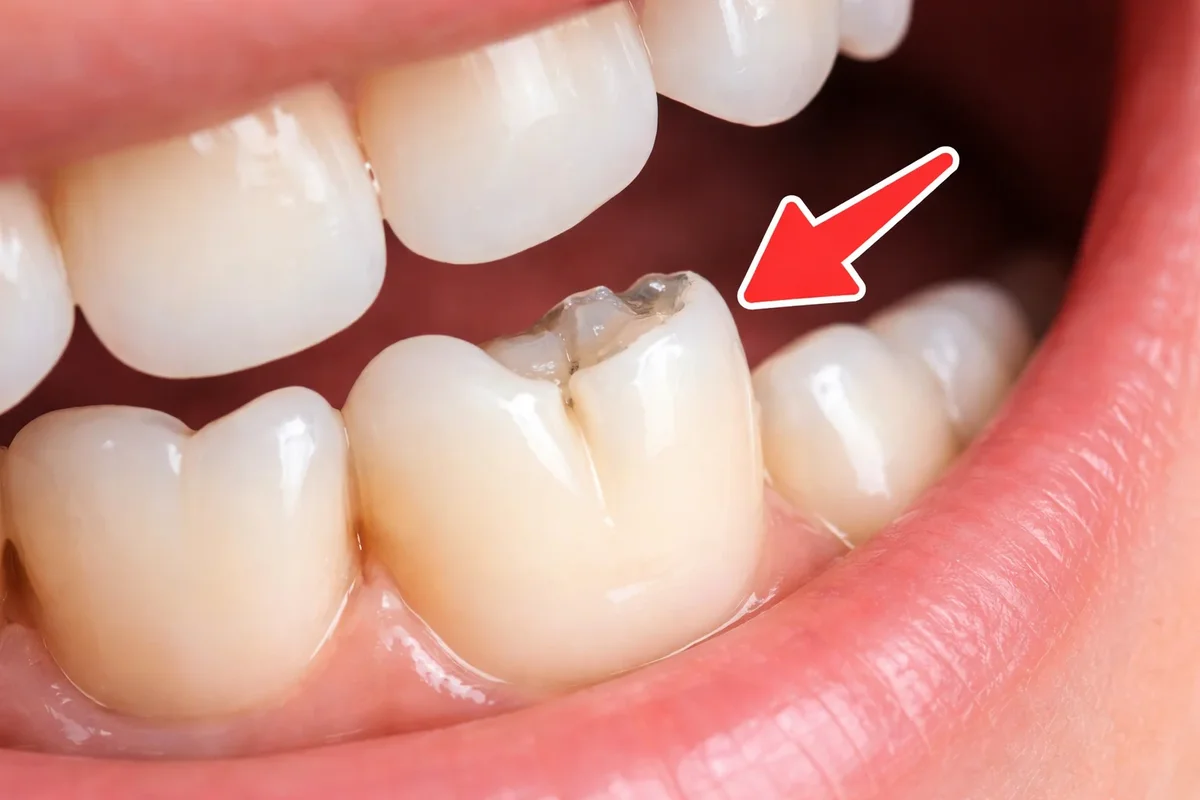
Is a Crown Chipped a Dental Emergency?
Many patients become worried the moment they notice their crown chipped. Dental crowns are meant to protect and strengthen weakened teeth, so seeing damage to the restoration can naturally raise concerns. However, not every situation where a crown chipped occurs is considered a dental emergency. The urgency depends on several factors, including the size of the chip, whether the crown remains secure, and whether the underlying tooth is exposed or painful.
Understanding whether a crown chipped requires immediate treatment can help patients respond appropriately. In some cases, the issue can wait for a regular dental appointment. In other situations, urgent care may be necessary to prevent infection, protect the natural tooth, or reduce severe discomfort.
Situations Where a Crown Chipped Is Not an Emergency
Many cases where a crown chipped are minor and do not require emergency treatment. Small chips often affect only the outer porcelain layer of the crown and do not expose the tooth underneath.
Common Non-Emergency Symptoms
- A small chip on the crown surface
- No pain or tooth sensitivity
- The crown still feels stable
- Only cosmetic appearance is affected
In these situations, patients can usually wait a few days to see their dentist. When the crown chipped only slightly, the dentist may repair the damage by smoothing the edge or applying composite bonding material.
Even though a minor crown chipped may not require urgent care, it is still important to schedule an appointment. Small chips can sometimes worsen if chewing pressure continues to affect the damaged area.
When a Crown Chipped Becomes an Emergency
There are situations where a crown chipped should be treated as a dental emergency. If the chip exposes the natural tooth or causes significant discomfort, prompt dental care becomes essential.
Warning Signs of an Emergency
- Severe pain or sensitivity
- A large portion of the crown missing
- The crown feels loose or unstable
- Sharp edges causing injury to the tongue or cheek
- Bleeding or swelling around the crown
When a crown chipped results in these symptoms, immediate dental evaluation helps prevent further damage. Without prompt care, bacteria may reach the underlying tooth and lead to infection.
Risks of Ignoring a Crown Chipped
Ignoring a crown chipped can sometimes create additional dental problems. Although the crown itself is an artificial restoration, the natural tooth underneath still requires protection.
If a crown chipped and the damage is left untreated, several complications may occur:
- Decay developing under the crown
- Increased tooth sensitivity
- Cracks spreading through the crown
- Complete crown failure
- Possible need for root canal treatment
This is why dentists recommend having any crown chipped examined, even if the damage initially appears minor.
How Dentists Evaluate a Crown Chipped
When a patient visits the clinic because their crown chipped, the dentist performs a detailed examination to determine the severity of the problem. The goal is to assess whether the crown can be repaired or whether replacement is required.
Typical Evaluation Steps
- Visual inspection of the crown
- Checking crown stability
- Examining surrounding gum tissue
- Testing tooth sensitivity
- Taking dental X-rays if necessary
This evaluation helps determine the safest treatment approach after a crown chipped. In many cases, the dentist can resolve the problem quickly once the damage is properly assessed.
Temporary Measures Before Seeing a Dentist
If a crown chipped and you cannot immediately visit a dentist, certain temporary precautions can help protect the tooth until treatment is available.
Helpful Temporary Steps
- Avoid chewing on the affected side
- Eat soft foods
- Use dental wax to cover sharp edges
- Rinse your mouth with warm saltwater
- Avoid very hot or cold foods
These temporary actions reduce irritation and help prevent further damage while waiting for professional treatment of the crown chipped.
When to Contact a Dentist Immediately
Although many cases of a crown chipped are manageable, certain symptoms require prompt dental attention. Immediate treatment may prevent more serious oral health complications.
Urgent Symptoms to Watch For
- Sharp pain when biting
- Persistent tooth sensitivity
- Crown movement or detachment
- Swelling near the tooth
- Signs of infection such as fever or pus
If these symptoms occur after a crown chipped, contacting a dental professional quickly is the safest course of action.
Patients who are unsure about the severity of their situation can always consult a dental team through the Redent Klinik Contact Page. A professional evaluation ensures that the damaged crown is treated properly and that the natural tooth underneath remains protected.
Why Prompt Evaluation Is Important
Even when a crown chipped does not cause immediate pain, early dental evaluation can prevent future complications. Minor chips may worsen with repeated chewing pressure, eventually leading to larger fractures.
Prompt dental care allows the dentist to repair or replace the crown before additional damage occurs. This protects the tooth structure, maintains the crown’s function, and helps patients avoid more complex dental treatments.
Ultimately, while discovering that your crown chipped can be concerning, not every situation requires emergency treatment. Understanding the warning signs, seeking professional advice, and addressing the issue early ensures that your dental crown continues to protect your smile effectively for years to come. 😊