
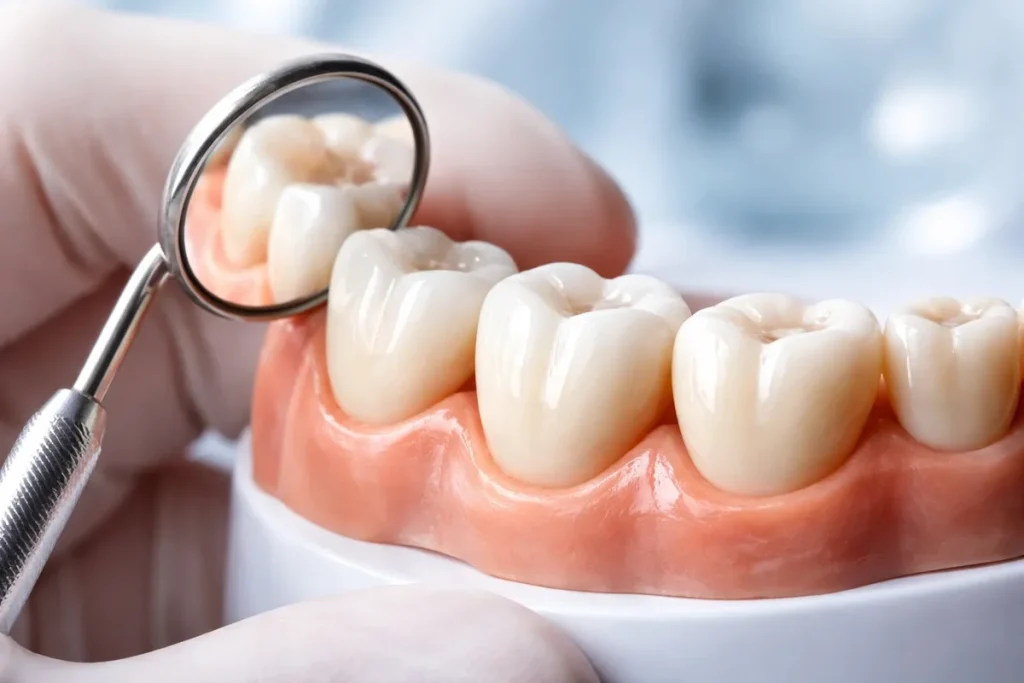
A crown porcelain ceramic is one of the most advanced and natural-looking solutions in restorative dentistry today. Designed to repair damaged, weakened, or severely decayed teeth, a crown porcelain ceramic fully covers the visible portion of a tooth, restoring its strength, shape, and beauty. Unlike older metal-based restorations, this modern dental crown is crafted entirely from high-quality ceramic materials that closely mimic the translucency and texture of natural enamel. 🦷
When a tooth becomes structurally compromised due to deep decay, large fillings, trauma, or root canal treatment, a simple filling may no longer be enough. In such cases, a crown porcelain ceramic acts like a protective cap. It surrounds the remaining tooth structure, prevents further damage, and allows patients to chew, speak, and smile confidently again. The primary goal of a crown porcelain ceramic is to combine durability with aesthetics—offering both functional strength and an attractive appearance.
The material used in a crown porcelain ceramic is biocompatible and metal-free. This means it is gentle on the gums and does not cause the dark lines sometimes seen with traditional porcelain-fused-to-metal crowns. Thanks to advancements in dental technology, a crown porcelain ceramic can now be fabricated with precise digital scanning and CAD/CAM systems, ensuring an exact fit and comfortable bite alignment.
From a structural standpoint, a crown porcelain ceramic works by redistributing bite forces evenly across the restored tooth. When you chew, significant pressure is applied to your teeth. A weakened tooth without protection may crack or fracture under this stress. By covering the tooth entirely, a crown porcelain ceramic absorbs and distributes these forces safely, significantly reducing the risk of breakage. This is especially important for molars and premolars, which endure the highest chewing pressure.
In terms of aesthetics, a crown porcelain ceramic is often chosen for front teeth because of its lifelike appearance. The ceramic material reflects light similarly to natural enamel, creating a seamless blend with surrounding teeth. Dentists carefully select the shade to match the patient’s natural smile. The result is a restoration that is nearly indistinguishable from a real tooth. ✨
Another key advantage of a crown porcelain ceramic is its resistance to staining. While natural teeth can discolor over time due to coffee, tea, or tobacco use, high-quality dental ceramic maintains its color stability for many years. This makes a crown porcelain ceramic an excellent option for patients who prioritize long-term smile aesthetics.
According to the American Dental Association, dental crowns are among the most reliable treatments for restoring damaged teeth and protecting oral health. A crown porcelain ceramic specifically offers a strong balance between cosmetic appeal and structural reinforcement, making it one of the most recommended restorative solutions worldwide.
Patients often wonder whether a crown porcelain ceramic feels different from a natural tooth. Once properly placed and adjusted, it should feel completely natural in the mouth. The bite is carefully checked and refined to ensure comfort. Most patients adapt quickly and forget they even have a crown porcelain ceramic in place.
Another important aspect is longevity. When properly cared for, a crown porcelain ceramic can last 10–15 years or even longer. Good oral hygiene, regular dental checkups, and avoiding habits such as teeth grinding significantly extend its lifespan. Although ceramic is strong, excessive force can still cause damage, so dentists may recommend a night guard for patients with bruxism.
The placement process typically involves two visits. During the first appointment, the tooth is prepared and shaped. An impression or digital scan is taken to create a custom crown porcelain ceramic. A temporary crown is placed while the final restoration is fabricated in the dental laboratory. During the second visit, the permanent crown porcelain ceramic is bonded securely using strong dental cement. Modern adhesive systems ensure a tight seal, preventing bacteria from entering beneath the crown.
For patients considering treatment abroad or looking for expert consultation, you can visit the Redent Klinik Contact Page to receive personalized guidance from experienced dental professionals. Choosing the right clinic plays a crucial role in the long-term success of your crown porcelain ceramic.
In summary, a crown porcelain ceramic is a highly effective restorative and cosmetic dental solution. It protects weakened teeth, restores chewing function, enhances appearance, and offers long-term durability. Whether used after a root canal, to repair a fractured tooth, or to improve smile aesthetics, a crown porcelain ceramic remains one of the most trusted and advanced options in modern dentistry. With proper care and professional placement, it provides both functional strength and a naturally beautiful smile for years to come. 😊
What Is a Crown Porcelain Ceramic and How Does It Work?
A crown porcelain ceramic is a full-coverage dental restoration designed to restore a tooth that has lost significant structure due to decay, fracture, wear, or previous dental procedures. Unlike small fillings that repair only part of a tooth, a crown porcelain ceramic covers the entire visible portion above the gum line. This protective cap restores the tooth’s shape, strength, and natural appearance while preventing further damage. 🦷
In modern dentistry, a crown porcelain ceramic is considered both a restorative and cosmetic solution. It strengthens weakened teeth and simultaneously improves the overall look of a patient’s smile. Because it is made entirely from high-quality ceramic materials, a crown porcelain ceramic closely mimics the translucency and light-reflecting properties of natural enamel.
The Structural Purpose of a Crown Porcelain Ceramic
Teeth can become structurally compromised for several reasons. Large cavities, repeated fillings, cracks, trauma, or root canal treatment can all weaken the remaining tooth structure. When too much natural tissue is lost, the tooth may no longer withstand everyday chewing forces. This is where a crown porcelain ceramic plays a critical role.
The crown porcelain ceramic works by encasing the tooth like a protective shell. Once bonded in place, it redistributes biting forces evenly across the tooth. Instead of pressure concentrating on one weak area, the crown porcelain ceramic spreads the load, significantly reducing the risk of fractures. This is especially important for molars, which experience strong chewing pressure daily.
In cases where a tooth has undergone root canal treatment, the inner pulp has been removed, leaving the tooth more brittle. A crown porcelain ceramic reinforces such teeth, restoring strength and long-term stability.
Material Composition and Biocompatibility
A crown porcelain ceramic is typically made from advanced dental ceramics such as lithium disilicate or high-strength feldspathic porcelain. These materials are engineered to be both durable and aesthetically pleasing. Unlike metal-based restorations, a crown porcelain ceramic contains no metal core, eliminating the possibility of dark gum lines over time.
One major advantage of a crown porcelain ceramic is biocompatibility. The ceramic material is gentle on surrounding gum tissue and rarely causes allergic reactions. Patients who are sensitive to metal often prefer a crown porcelain ceramic because it provides a safe, tissue-friendly alternative.
Translucency and Natural Appearance
The optical properties of ceramic are what make a crown porcelain ceramic so popular for visible teeth. Natural enamel reflects and transmits light in a specific way. A well-crafted crown porcelain ceramic replicates this effect, creating a seamless blend with adjacent teeth. This makes it an excellent choice for front teeth restorations where aesthetics are critical. ✨
How the Crown Porcelain Ceramic Is Placed
The placement of a crown porcelain ceramic involves careful preparation and precision. First, the dentist removes damaged or decayed areas of the tooth and reshapes it to create space for the crown. An impression or digital scan is then taken to ensure the crown porcelain ceramic fits perfectly.
Using CAD/CAM technology, dental laboratories fabricate the custom crown porcelain ceramic to match the patient’s tooth color and bite alignment. During a follow-up appointment, the dentist checks the fit, makes minor adjustments if needed, and permanently bonds the crown porcelain ceramic using strong dental cement.
Bonding and Seal Integrity
The adhesive process is crucial for the long-term success of a crown porcelain ceramic. Advanced bonding agents create a tight seal between the ceramic and natural tooth. This prevents bacteria from entering underneath the crown and reduces the risk of secondary decay. When properly bonded, a crown porcelain ceramic becomes a stable, integrated part of the tooth structure.
Functional Benefits in Everyday Life
Once placed, a crown porcelain ceramic restores full chewing function. Patients can eat, speak, and smile confidently without worrying about tooth fragility. Because the crown porcelain ceramic is custom-designed for precise bite alignment, it feels natural and comfortable in daily use.
Another functional benefit of a crown porcelain ceramic is its resistance to staining. High-quality ceramic materials maintain their color over time, even with exposure to coffee, tea, and other pigmented foods. This ensures long-term aesthetic stability.
Longevity and Performance
With proper care, a crown porcelain ceramic can last between 10 and 15 years, sometimes even longer. Maintaining good oral hygiene, attending regular dental checkups, and avoiding habits like teeth grinding significantly extend the life of a crown porcelain ceramic. Dentists may recommend a night guard for patients with bruxism to protect the restoration.
In summary, a crown porcelain ceramic works by combining structural reinforcement with lifelike aesthetics. It protects weakened teeth, restores functionality, and enhances smile appearance. Through advanced materials and precise bonding techniques, a crown porcelain ceramic provides a reliable, long-term solution for patients seeking both durability and natural beauty in their dental restoration. 😊
Benefits of Choosing Crown Porcelain Ceramic for Your Smile
Choosing a crown porcelain ceramic is not only a restorative decision but also an investment in long-term oral health and smile aesthetics. Modern dentistry has evolved significantly, and today, patients expect solutions that combine strength, beauty, and biocompatibility. A crown porcelain ceramic delivers on all these expectations, making it one of the most preferred dental restorations worldwide. 🦷✨
Whether a tooth has been damaged by decay, trauma, or extensive dental work, a crown porcelain ceramic restores both its function and appearance. Unlike older materials that prioritized durability at the expense of aesthetics, this type of crown offers a natural look without compromising strength. Let’s explore the major advantages in detail.
Superior Aesthetic Appearance
One of the most important reasons patients choose a crown porcelain ceramic is its lifelike appearance. The ceramic material is designed to replicate the translucency and light reflection of natural enamel. When properly color-matched, a crown porcelain ceramic blends seamlessly with surrounding teeth, making it virtually undetectable.
This is especially beneficial for front teeth, where cosmetic appearance is critical. Unlike metal-based crowns that may create dark gum lines over time, a crown porcelain ceramic maintains a bright and natural look. The absence of a metal core allows light to pass through the restoration in a way that mimics real teeth.
Color Stability Over Time
Another aesthetic advantage of a crown porcelain ceramic is its resistance to staining. High-quality dental ceramic materials are less porous than natural enamel, meaning they absorb fewer pigments from coffee, tea, or tobacco. As a result, a crown porcelain ceramic maintains its shade consistency for many years.
Excellent Biocompatibility
A crown porcelain ceramic is metal-free, making it a safe and tissue-friendly option. Some patients experience mild allergic reactions or gum discoloration with metal-based restorations. Because a crown porcelain ceramic does not contain metal, it significantly reduces these risks.
The ceramic material is gentle on gum tissues and promotes healthy integration with the surrounding oral environment. This biocompatibility is particularly important for patients with sensitivities or those seeking holistic dental solutions.
High Strength and Durability
Although porcelain may sound delicate, modern ceramic technology has made a crown porcelain ceramic extremely durable. Materials such as lithium disilicate provide high fracture resistance while maintaining natural aesthetics. Once bonded securely, a crown porcelain ceramic can withstand normal chewing forces effectively.
By fully covering and protecting the underlying tooth, a crown porcelain ceramic redistributes biting pressure evenly. This reinforcement helps prevent cracks or fractures in weakened teeth. With proper care, a crown porcelain ceramic can last 10 to 15 years or more.
Long-Term Structural Protection
Teeth that have undergone root canal treatment or have large fillings are often more fragile. A crown porcelain ceramic strengthens these teeth by encasing them completely. This protective coverage reduces the likelihood of future structural failure and supports long-term oral stability.
Improved Comfort and Natural Feel
Once properly placed and adjusted, a crown porcelain ceramic feels natural in the mouth. Advanced digital scanning and CAD/CAM fabrication ensure precise fit and accurate bite alignment. Patients typically adapt quickly and often forget they even have a crown porcelain ceramic in place.
Because ceramic closely resembles enamel in texture, it does not feel bulky or artificial. When polished correctly, a crown porcelain ceramic also provides a smooth surface that is comfortable against the tongue and adjacent teeth.
Preservation of Natural Tooth Structure
Modern preparation techniques allow dentists to preserve as much healthy tooth structure as possible when placing a crown porcelain ceramic. Adhesive bonding systems securely attach the crown while minimizing unnecessary removal of natural tissue. This conservative approach supports overall tooth longevity.
Enhanced Confidence and Smile Transformation
A damaged or discolored tooth can significantly affect self-confidence. A crown porcelain ceramic restores the tooth’s original shape, size, and color, dramatically improving the overall smile. Patients often report increased confidence in social and professional settings after receiving a crown porcelain ceramic. 😊
Beyond functional benefits, the emotional impact of a restored smile should not be underestimated. A crown porcelain ceramic allows individuals to smile freely without hesitation or embarrassment.
Low Maintenance Requirements
Caring for a crown porcelain ceramic is straightforward. Regular brushing, flossing, and routine dental checkups are typically sufficient. There is no need for special cleaning products beyond standard oral hygiene practices. However, avoiding excessive force—such as chewing ice or grinding teeth—helps maintain the integrity of a crown porcelain ceramic.
In conclusion, the benefits of choosing a crown porcelain ceramic extend far beyond simple tooth restoration. From superior aesthetics and biocompatibility to long-term durability and confidence enhancement, a crown porcelain ceramic offers a comprehensive solution for patients seeking both beauty and strength in their dental treatment. When placed by an experienced dental professional, a crown porcelain ceramic provides reliable performance and a naturally radiant smile for years to come. ✨
Step-by-Step Crown Porcelain Ceramic Procedure
Understanding the complete process of receiving a crown porcelain ceramic helps patients feel more confident and prepared for treatment. A crown porcelain ceramic procedure is carefully planned to ensure long-term durability, precise fit, and natural aesthetics. From initial consultation to final placement, every stage is designed to protect your tooth and deliver a comfortable, functional result. 🦷
Modern dental technology has significantly improved how a crown porcelain ceramic is designed and placed. Digital imaging, advanced materials, and adhesive bonding systems allow dentists to achieve exceptional accuracy and longevity. Below is a detailed breakdown of each step involved in the crown porcelain ceramic procedure.
Initial Examination and Treatment Planning
The process begins with a comprehensive dental examination. Your dentist evaluates the condition of the affected tooth using visual inspection, digital X-rays, and sometimes 3D imaging. This step determines whether a crown porcelain ceramic is the most suitable treatment option.
If the tooth has extensive decay, a fracture, or has undergone root canal treatment, a crown porcelain ceramic is often recommended to restore strength and prevent further damage. During this appointment, the dentist also discusses expectations, shade selection, and long-term care considerations.
Assessing Tooth Structure
Before placing a crown porcelain ceramic, the dentist must ensure that enough healthy tooth structure remains to support the restoration. If necessary, a core build-up procedure is performed to reinforce the foundation. This ensures that the crown porcelain ceramic will have stable support once bonded.
Tooth Preparation
Once treatment is confirmed, the next step involves preparing the tooth. The dentist carefully removes damaged or decayed areas and reshapes the tooth to create space for the crown porcelain ceramic. This shaping ensures the final restoration fits properly without appearing bulky.
Local anesthesia is typically used to ensure comfort during preparation. The amount of enamel removed is calculated precisely to accommodate the thickness of the crown porcelain ceramic while preserving as much natural structure as possible.
Precision and Conservative Approach
Modern techniques aim to be minimally invasive. Adhesive dentistry allows the crown porcelain ceramic to bond securely with less aggressive tooth reduction compared to older methods. This helps maintain the overall health of the tooth.
Impression or Digital Scanning
After preparation, an impression or digital scan of the tooth is taken. Many clinics now use intraoral scanners to capture highly accurate 3D images. This digital model is used to fabricate a custom crown porcelain ceramic that matches your bite and surrounding teeth.
Shade matching is also performed at this stage. The dentist selects a color that blends naturally with adjacent teeth, ensuring the crown porcelain ceramic appears seamless once placed.
Temporary Crown Placement
While the final crown porcelain ceramic is being fabricated in a dental laboratory, a temporary crown is placed. This temporary restoration protects the prepared tooth from sensitivity and damage.
The temporary crown allows patients to maintain normal function while waiting for the permanent crown porcelain ceramic. However, patients are advised to avoid very hard or sticky foods during this period.
Laboratory Fabrication
In the dental laboratory, skilled technicians craft the custom crown porcelain ceramic using advanced ceramic materials such as lithium disilicate. CAD/CAM technology ensures precise contours, bite alignment, and anatomical detail.
The ceramic is layered and polished to replicate natural enamel translucency. This stage is critical for achieving both strength and aesthetics in the final crown porcelain ceramic.
Final Fitting and Adjustment
During the second appointment, the temporary crown is removed, and the permanent crown porcelain ceramic is tried in. The dentist checks the fit, margins, contact points, and bite alignment. Minor adjustments are made if necessary to ensure comfort and accuracy.
Bite Evaluation
Correct bite alignment is essential for the longevity of a crown porcelain ceramic. Uneven pressure can lead to discomfort or premature wear. The dentist ensures that chewing forces are evenly distributed.
Permanent Bonding
Once the fit is confirmed, the crown porcelain ceramic is permanently bonded using high-strength dental cement. Adhesive systems create a tight seal between the restoration and the natural tooth.
This seal prevents bacteria from entering underneath the crown porcelain ceramic and reduces the risk of secondary decay. Once bonded, the restoration becomes a stable, integrated part of your tooth structure.
Post-Procedure Care and Adaptation
After placement, patients may experience mild sensitivity, which typically resolves within a few days. A crown porcelain ceramic should feel natural and comfortable. Regular brushing, flossing, and dental checkups are essential to maintain its longevity.
In summary, the crown porcelain ceramic procedure is a carefully structured process that prioritizes precision, durability, and aesthetic harmony. From consultation and preparation to bonding and follow-up care, each stage ensures that the crown porcelain ceramic delivers long-term protection and a natural-looking smile. With proper care and professional placement, a crown porcelain ceramic can provide reliable performance for many years. 😊
How Long Does a Crown Porcelain Ceramic Last?
One of the most common questions patients ask before choosing a crown porcelain ceramic is how long it will last. Longevity is a crucial factor when investing in restorative dental treatment. The good news is that a crown porcelain ceramic is designed for durability and can provide many years of reliable function when properly placed and maintained. 🦷
On average, a crown porcelain ceramic lasts between 10 and 15 years. However, many patients enjoy 15 to 20 years of service from their restoration, depending on oral hygiene habits, bite forces, and overall dental care. In some cases, a well-maintained crown porcelain ceramic can last even longer.
Factors That Influence the Lifespan of a Crown Porcelain Ceramic
The longevity of a crown porcelain ceramic depends on several important factors. Understanding these variables helps patients maximize the lifespan of their restoration.
1. Quality of Materials Used
Modern dental ceramics such as lithium disilicate and reinforced porcelain are engineered for strength and resilience. A high-quality crown porcelain ceramic fabricated in a reputable dental laboratory will typically outperform lower-grade alternatives. Advanced materials improve fracture resistance while maintaining natural aesthetics.
2. Dentist’s Skill and Precision
The placement technique significantly affects how long a crown porcelain ceramic lasts. Accurate tooth preparation, precise impressions or digital scans, and proper bite alignment are critical. If a crown porcelain ceramic does not fit correctly or if the bite is uneven, excessive pressure may shorten its lifespan.
3. Oral Hygiene Habits
Daily brushing, flossing, and routine dental checkups are essential for preserving a crown porcelain ceramic. Although the ceramic itself cannot decay, the natural tooth underneath remains vulnerable to cavities. Poor hygiene can lead to decay at the margin of the crown porcelain ceramic, potentially requiring replacement.
Impact of Bite Forces and Bruxism
Teeth endure significant pressure during chewing. Molars, in particular, handle strong bite forces daily. A crown porcelain ceramic is designed to distribute these forces evenly, but excessive grinding or clenching (bruxism) can increase wear or cause fractures over time.
Patients who grind their teeth at night may benefit from wearing a custom night guard. Protecting a crown porcelain ceramic from excessive force can significantly extend its functional lifespan.
Location of the Crown in the Mouth
The position of the crown also plays a role in durability. A crown porcelain ceramic placed on a front tooth typically experiences less chewing pressure compared to one on a molar. Therefore, anterior crowns may last longer due to reduced mechanical stress.
Signs That a Crown Porcelain Ceramic May Need Replacement
Even though a crown porcelain ceramic is highly durable, it is not permanent. Over time, certain signs may indicate that replacement is necessary.
1. Visible Cracks or Chips
While rare, small chips can occur if the crown porcelain ceramic is exposed to excessive force. Minor cosmetic chips may sometimes be polished or repaired, but larger fractures often require replacement.
2. Gum Recession
If the gum tissue recedes around a crown porcelain ceramic, the margin of the crown may become exposed. This can increase the risk of bacterial infiltration and decay underneath the restoration.
3. Discomfort or Bite Changes
If a crown porcelain ceramic begins to feel uncomfortable or if the bite alignment changes, it is important to consult a dentist promptly. Early intervention can prevent further complications.
Maintenance Tips to Extend Lifespan
To ensure a crown porcelain ceramic lasts as long as possible, patients should follow these essential care guidelines:
- Brush twice daily using a soft-bristled toothbrush.
- Floss carefully around the crown porcelain ceramic to prevent plaque buildup.
- Visit the dentist every six months for professional cleaning and evaluation.
- Avoid chewing hard objects such as ice or pens.
- Wear a night guard if diagnosed with bruxism.
Regular professional checkups allow dentists to monitor the condition of a crown porcelain ceramic and detect potential issues early.
Comparing Longevity with Other Crown Types
Compared to metal-based crowns, a crown porcelain ceramic offers excellent aesthetic advantages while maintaining competitive durability. While zirconia crowns may offer slightly higher fracture resistance in certain cases, a crown porcelain ceramic provides a superior balance between natural appearance and strength, particularly for visible teeth.
Long-Term Value and Patient Satisfaction
Considering its durability, aesthetic appeal, and functional performance, a crown porcelain ceramic is a long-term investment in oral health. Many patients report high satisfaction due to the natural look and comfortable feel of their restoration. 😊
In conclusion, a crown porcelain ceramic can last well over a decade with proper care and professional placement. Its longevity depends on material quality, dental expertise, oral hygiene, and bite management. By maintaining consistent dental care and protecting the restoration from excessive stress, patients can enjoy the benefits of a crown porcelain ceramic for many years, ensuring both functional strength and lasting smile confidence.
Crown Porcelain Ceramic Cost in 2025: What to Expect
Understanding the financial aspect of a crown porcelain ceramic treatment is an important part of planning your dental care. While quality and long-term durability are essential, patients naturally want to know how much a crown porcelain ceramic costs and what factors influence the final price. In 2025, pricing can vary significantly depending on location, materials, technology used, and the expertise of the dental clinic. 🦷
On average, the cost of a crown porcelain ceramic in the United States ranges between $900 and $1,800 per tooth. In some high-end clinics or metropolitan areas, the price may exceed $2,000. However, in countries known for dental tourism, such as Turkey, the cost of a crown porcelain ceramic typically ranges between $250 and $450 per tooth, while still maintaining international quality standards.
What Determines the Price of a Crown Porcelain Ceramic?
Several key factors influence the total cost of a crown porcelain ceramic. Understanding these variables helps patients evaluate pricing transparently and realistically.
1. Material Quality
The type of ceramic used plays a significant role in pricing. High-strength ceramics such as lithium disilicate are more expensive than basic porcelain materials. A premium crown porcelain ceramic fabricated from advanced ceramic provides superior aesthetics and durability, which may justify the higher cost.
2. Technology and Equipment
Clinics using CAD/CAM systems, digital intraoral scanners, and 3D imaging technology often charge more because these technologies improve precision and comfort. A digitally designed crown porcelain ceramic offers better fit accuracy, which contributes to long-term success.
3. Dentist’s Expertise
The experience and specialization of the dentist also affect pricing. A highly trained prosthodontist or cosmetic dentist may charge more for placing a crown porcelain ceramic due to advanced expertise and aesthetic precision.
Additional Costs to Consider
When budgeting for a crown porcelain ceramic, patients should also consider potential additional procedures that may be required before crown placement.
Root Canal Treatment
If the tooth is infected or severely decayed, root canal therapy may be necessary before placing a crown porcelain ceramic. In the United States, root canal treatment can cost between $700 and $1,500 depending on the tooth location.
Core Build-Up
If there is insufficient tooth structure remaining, a core build-up may be required to support the crown porcelain ceramic. This procedure typically adds $150 to $400 to the total cost.
Temporary Crown
Most treatments include a temporary crown while the permanent crown porcelain ceramic is being fabricated. This cost is usually included in the overall treatment fee but may be itemized separately in some clinics.
Cost Comparison: USA vs. Dental Tourism Destinations
Due to high operational and insurance costs, dental treatments in the United States tend to be more expensive. In contrast, countries like Turkey offer a crown porcelain ceramic at significantly lower prices while maintaining European-quality materials and experienced specialists.
For example:
- United States: $900 – $1,800 per crown porcelain ceramic
- United Kingdom: £700 – £1,200 per crown porcelain ceramic
- Turkey: $250 – $450 per crown porcelain ceramic
Even after including travel and accommodation expenses, many international patients find that receiving a crown porcelain ceramic abroad can be cost-effective.
Is a Crown Porcelain Ceramic Worth the Investment?
Although a crown porcelain ceramic may appear costly initially, it is important to consider its long-term value. With proper care, a crown porcelain ceramic can last 10–15 years or longer. When divided over its lifespan, the annual cost becomes quite reasonable.
Additionally, the aesthetic and functional benefits of a crown porcelain ceramic contribute to improved confidence and oral health. Preventing tooth fractures and further decay may save money in the future by avoiding more complex treatments.
Insurance and Payment Options
In many countries, dental insurance may partially cover a crown porcelain ceramic if it is considered medically necessary. Cosmetic cases, however, may not receive coverage. Patients should consult their insurance provider for detailed policy information.
Many clinics also offer flexible payment plans, allowing patients to spread the cost of a crown porcelain ceramic over several months.
Quality vs. Price: Making the Right Decision
When considering cost, it is crucial not to focus solely on the lowest price. The success of a crown porcelain ceramic depends heavily on the quality of materials and professional expertise. Choosing a reputable clinic ensures that the crown porcelain ceramic provides long-term durability and aesthetic satisfaction. 😊
In conclusion, the cost of a crown porcelain ceramic in 2025 varies widely depending on geography, materials, and clinical expertise. While prices in the United States range from $900 to $1,800, international options can offer significant savings without compromising quality. By understanding what influences the cost and evaluating long-term value, patients can make informed decisions about investing in a crown porcelain ceramic for both functional strength and a beautiful smile.
Aftercare Tips to Protect Your Crown Porcelain Ceramic
Proper aftercare is essential to maximize the lifespan and performance of your crown porcelain ceramic. Although a crown porcelain ceramic is designed to be strong, durable, and resistant to everyday wear, it still requires consistent maintenance and mindful habits to ensure long-term success. Taking the right steps after your procedure not only protects the restoration but also safeguards the natural tooth structure underneath. 🦷
Once your crown porcelain ceramic has been permanently bonded, it becomes a functional part of your smile. However, like natural teeth, it is exposed to daily chewing forces, temperature changes, and bacterial activity. By following professional aftercare guidelines, you can significantly extend the durability and aesthetics of your crown porcelain ceramic.
Maintain Excellent Oral Hygiene
Even though the ceramic material itself cannot decay, the natural tooth beneath the crown porcelain ceramic can still develop cavities. Plaque accumulation around the crown margins may lead to secondary decay if not properly cleaned.
Brush Twice Daily
Use a soft-bristled toothbrush and fluoride toothpaste to clean around your crown porcelain ceramic thoroughly. Gentle brushing helps prevent gum irritation while effectively removing plaque buildup near the restoration.
Floss Carefully Around the Crown
Flossing is crucial to protect the margins of your crown porcelain ceramic. Slide the floss gently between teeth and avoid snapping it upward aggressively, as this may loosen the cement seal over time. Proper flossing prevents bacterial buildup and supports gum health.
Protect Your Crown Porcelain Ceramic from Excessive Force
Although modern ceramic materials are strong, a crown porcelain ceramic is not indestructible. Excessive pressure or trauma can lead to chipping or cracking.
Avoid Hard Objects
Refrain from chewing on ice, pens, hard candies, or other solid objects. These habits can place unnecessary stress on your crown porcelain ceramic and increase the risk of damage.
Wear a Night Guard if Necessary
If you grind or clench your teeth (bruxism), your dentist may recommend a custom night guard. Grinding can generate extreme pressure that may compromise the integrity of a crown porcelain ceramic over time. A night guard acts as a protective barrier, significantly extending the life of the restoration.
Monitor Sensitivity and Comfort
It is normal to experience mild sensitivity for a few days after receiving a crown porcelain ceramic. However, persistent discomfort, sharp pain, or bite misalignment should not be ignored.
If your crown porcelain ceramic feels too high or uneven when biting, contact your dentist promptly. A simple adjustment can prevent long-term complications such as excessive wear or fracture.
Schedule Regular Dental Checkups
Routine dental visits are essential to monitor the condition of your crown porcelain ceramic. Dentists can detect early signs of wear, gum recession, or marginal leakage before they become serious issues.
Professional Cleaning
During professional cleanings, dental hygienists carefully remove plaque and tartar buildup around the crown porcelain ceramic. Maintaining clean margins reduces the risk of inflammation and secondary decay.
Maintain Healthy Gums
Gum health plays a major role in the longevity of a crown porcelain ceramic. Receding gums can expose the crown margin, increasing vulnerability to bacteria.
To protect your crown porcelain ceramic, avoid aggressive brushing and use proper flossing techniques. Healthy gums provide stable support for the restoration.
Be Mindful of Dietary Habits
Although a crown porcelain ceramic is stain-resistant compared to natural enamel, maintaining balanced dietary habits helps preserve overall oral health.
Limit Sticky and Sugary Foods
Sticky foods may place strain on the cement seal of your crown porcelain ceramic, while sugary foods increase the risk of decay around the crown edges. Moderation is key.
Stay Hydrated
Drinking water throughout the day helps rinse away food particles and neutralize acids that could affect the tooth supporting your crown porcelain ceramic.
Understand When Replacement May Be Needed
Over time, even a well-maintained crown porcelain ceramic may require replacement. Signs such as visible cracks, gum recession, discomfort, or loosening indicate it is time for professional evaluation.
Addressing small issues early can prevent more extensive treatments later. A properly maintained crown porcelain ceramic can last 10–15 years or more, but proactive care is essential.
Long-Term Benefits of Proper Aftercare
When patients follow recommended guidelines, a crown porcelain ceramic provides long-lasting strength and aesthetics. Good oral hygiene, regular dental visits, and protective habits significantly enhance its durability. 😊
In conclusion, protecting your crown porcelain ceramic requires consistent oral hygiene, mindful eating habits, and professional monitoring. While the restoration is engineered for resilience, its longevity ultimately depends on daily care and responsible dental practices. By following these aftercare tips, you can ensure that your crown porcelain ceramic remains functional, comfortable, and visually appealing for many years to come.
Crown Porcelain Ceramic vs. Metal or Zirconia Crowns
When considering a dental restoration, many patients compare a crown porcelain ceramic with other available options such as metal crowns or zirconia crowns. Each material has its own advantages, but understanding the differences helps patients make informed decisions based on aesthetics, durability, comfort, and long-term value. Choosing the right type of crown is essential for both oral health and smile appearance. 🦷
A crown porcelain ceramic is widely recognized for its natural look and balanced strength. However, metal-based and zirconia crowns are also commonly used in modern dentistry. Let’s explore how a crown porcelain ceramic compares to these alternatives in detail.
Aesthetic Differences
Crown Porcelain Ceramic: Natural and Translucent
The biggest advantage of a crown porcelain ceramic is its lifelike appearance. The ceramic material mimics the translucency and light reflection of natural enamel. When properly shade-matched, a crown porcelain ceramic blends seamlessly with surrounding teeth, making it almost invisible.
This makes a crown porcelain ceramic particularly suitable for front teeth and visible areas of the smile. Patients who prioritize cosmetic excellence often prefer this option.
Metal Crowns: Functional but Noticeable
Metal crowns, typically made from gold or alloy materials, are extremely durable. However, their metallic color makes them highly visible. For this reason, metal crowns are usually reserved for back molars where aesthetics are less important.
Unlike a crown porcelain ceramic, metal crowns do not resemble natural teeth and may not meet cosmetic expectations.
Zirconia Crowns: Strong but Less Translucent
Zirconia crowns are known for exceptional strength. While newer translucent zirconia options have improved aesthetics, they still may not match the natural depth and light transmission of a crown porcelain ceramic. In highly aesthetic cases, a crown porcelain ceramic often provides superior cosmetic results.
Strength and Durability Comparison
Durability is another critical factor when comparing crown materials.
Metal Crowns: Maximum Strength
Metal crowns are extremely resistant to fracture and wear. They can withstand heavy chewing forces for many years. However, their lack of aesthetic appeal limits their use in visible areas.
Zirconia Crowns: High Fracture Resistance
Zirconia is one of the strongest ceramic materials available in dentistry. It is highly resistant to cracking and is often recommended for patients with strong bite forces or bruxism.
Crown Porcelain Ceramic: Balanced Performance
A crown porcelain ceramic offers a balanced combination of strength and beauty. Modern ceramic materials such as lithium disilicate provide impressive fracture resistance while maintaining superior aesthetics. While it may not be as strong as solid zirconia in extreme stress conditions, a crown porcelain ceramic is more than sufficient for most patients when properly placed and maintained.
Biocompatibility and Gum Health
A crown porcelain ceramic is completely metal-free, making it highly biocompatible. This reduces the risk of allergic reactions or gum discoloration. Over time, metal crowns may create dark lines near the gum margin, especially if gum recession occurs.
Zirconia and crown porcelain ceramic options both offer excellent tissue compatibility. However, a crown porcelain ceramic often provides a more natural transition between tooth and gum due to its superior translucency.
Tooth Preparation Requirements
The amount of natural tooth structure removed during preparation can vary depending on the crown material.
Metal Crowns: Minimal Reduction
Metal crowns generally require less tooth reduction because the material is strong even in thin layers.
Zirconia Crowns: Moderate Reduction
Zirconia crowns typically require slightly more preparation than metal crowns but remain conservative.
Crown Porcelain Ceramic: Precision-Based Preparation
A crown porcelain ceramic requires careful shaping to accommodate the ceramic thickness needed for strength and aesthetics. However, with modern adhesive techniques, dentists can preserve as much natural tooth structure as possible.
Cost Considerations
Pricing can vary based on region and material. A crown porcelain ceramic often falls within the mid-to-high price range due to its aesthetic advantages and advanced fabrication techniques. Zirconia crowns may be similarly priced or slightly higher in some clinics, while metal crowns may sometimes be less expensive depending on the alloy used.
Which Option Is Right for You?
The best choice depends on individual needs. If aesthetics are a priority, a crown porcelain ceramic is often the preferred solution. For patients with extremely heavy bite forces, zirconia may be recommended. Metal crowns remain a functional option for non-visible molars.
In many cases, dentists recommend a crown porcelain ceramic for front teeth and visible areas, while zirconia may be considered for high-pressure molars.
Final Comparison Summary
In summary, a crown porcelain ceramic stands out for its natural appearance, balanced strength, and excellent biocompatibility. While metal crowns offer maximum durability and zirconia provides exceptional fracture resistance, a crown porcelain ceramic delivers the most aesthetically pleasing results without compromising functionality. 😊
Ultimately, the decision should be made in consultation with a qualified dentist who can evaluate your bite, aesthetic goals, and oral health condition. For many patients seeking both beauty and reliability, a crown porcelain ceramic remains one of the most trusted and versatile restorative options available today.
Types of Crown Porcelain Ceramic Used in Modern Dentistry
Not all crown porcelain ceramic restorations are exactly the same. Advances in dental materials and technology have led to the development of several types of crown porcelain ceramic options, each designed to meet specific clinical and aesthetic needs. Understanding the differences between these variations helps patients and dentists choose the most appropriate crown porcelain ceramic for long-term success. 🦷
A crown porcelain ceramic can differ in composition, manufacturing technique, strength, translucency, and ideal placement area in the mouth. While all share the core benefit of being metal-free and aesthetically pleasing, certain types of crown porcelain ceramic are better suited for front teeth, while others are optimized for molars that endure heavier chewing forces.
Feldspathic Crown Porcelain Ceramic
One of the earliest forms of crown porcelain ceramic is feldspathic porcelain. This material is known for its exceptional translucency and ability to mimic the natural enamel layer of teeth.
Best for Front Teeth
A feldspathic crown porcelain ceramic is often chosen for anterior (front) teeth where aesthetics are the highest priority. Its ability to reflect and transmit light closely resembles natural tooth structure, creating a seamless smile result.
Strength Considerations
While aesthetically superior, feldspathic crown porcelain ceramic is generally less strong than newer ceramic materials. For this reason, it is typically recommended for teeth that are not exposed to excessive bite forces.
Lithium Disilicate Crown Porcelain Ceramic
Lithium disilicate is one of the most popular and advanced forms of crown porcelain ceramic used today. It provides an excellent balance between strength and aesthetics.
High Strength and Natural Look
This type of crown porcelain ceramic offers significantly improved fracture resistance compared to traditional porcelain. At the same time, it maintains natural translucency, making it suitable for both front and some back teeth.
Many dentists prefer lithium disilicate crown porcelain ceramic for its versatility. It can handle moderate chewing forces while still delivering cosmetic excellence.
CAD/CAM Compatibility
Modern CAD/CAM systems frequently use lithium disilicate blocks to fabricate crown porcelain ceramic restorations with high precision. Digital manufacturing ensures consistent thickness, accurate margins, and improved fit.
Layered Crown Porcelain Ceramic
Layered crown porcelain ceramic involves building multiple porcelain layers over a ceramic core. This technique allows dental technicians to customize shade gradients and surface texture for superior realism.
Enhanced Aesthetic Customization
With layered crown porcelain ceramic, technicians can replicate natural enamel variations such as translucency at the edges and subtle color transitions. This makes it ideal for patients seeking highly personalized cosmetic results.
Technique Sensitivity
The success of layered crown porcelain ceramic depends heavily on laboratory craftsmanship. Skilled technicians are required to achieve optimal strength and aesthetic harmony.
Pressed Crown Porcelain Ceramic
Pressed ceramic technology involves heat-pressing ceramic material into a mold created from a wax model. This method produces dense and durable crown porcelain ceramic restorations.
Improved Marginal Fit
A pressed crown porcelain ceramic often provides excellent marginal adaptation, reducing the risk of bacterial infiltration beneath the crown. Accurate margins are essential for long-term success.
Monolithic Crown Porcelain Ceramic
Monolithic crown porcelain ceramic is fabricated from a single block of ceramic material rather than layered structures. This increases overall strength and reduces the likelihood of chipping.
Durability Advantage
A monolithic crown porcelain ceramic is often recommended for posterior teeth where biting pressure is highest. While slightly less translucent than layered options, it still maintains strong aesthetic performance.
Choosing the Right Crown Porcelain Ceramic
Selecting the appropriate crown porcelain ceramic depends on multiple factors, including tooth location, bite force, aesthetic expectations, and overall oral health.
Front Teeth vs. Molars
For front teeth, a highly translucent crown porcelain ceramic such as feldspathic or layered ceramic may be preferred. For molars, lithium disilicate or monolithic crown porcelain ceramic options may provide better long-term durability.
Patient Lifestyle Considerations
Patients who grind their teeth may require a stronger form of crown porcelain ceramic to withstand additional stress. In such cases, dentists carefully evaluate bite patterns before recommending a specific type.
Longevity and Clinical Performance
Regardless of the specific type chosen, a properly fabricated and bonded crown porcelain ceramic can last 10–15 years or more with appropriate care. Advances in ceramic engineering continue to improve fracture resistance and aesthetic realism.
In conclusion, modern dentistry offers multiple variations of crown porcelain ceramic, each tailored to specific clinical needs. From highly aesthetic feldspathic options to durable monolithic designs, every crown porcelain ceramic type serves a unique purpose. By consulting with an experienced dentist and selecting the appropriate material, patients can achieve a restoration that balances beauty, strength, and long-term performance. 😊

Who Is a Good Candidate for Crown Porcelain Ceramic Treatment?
Not every dental situation requires the same restorative solution, which is why understanding who is an ideal candidate for a crown porcelain ceramic is essential. A crown porcelain ceramic is highly versatile, but its success depends on proper case selection, oral health condition, and patient expectations. When recommended appropriately, a crown porcelain ceramic can restore both function and aesthetics with long-term reliability. 🦷
In general, a crown porcelain ceramic is suitable for patients who have structurally weakened teeth, significant cosmetic concerns, or teeth that have undergone extensive dental treatment. However, several clinical and personal factors must be evaluated before proceeding.
Patients with Severely Damaged or Decayed Teeth
One of the most common indications for a crown porcelain ceramic is severe tooth decay that cannot be treated effectively with a filling. When a large portion of the tooth structure has been lost, a crown porcelain ceramic provides full coverage protection.
After Large Fillings
Teeth with multiple or large fillings are often more vulnerable to fractures. A crown porcelain ceramic reinforces the remaining structure and redistributes bite forces evenly, reducing the risk of cracks.
After Root Canal Treatment
Teeth that have undergone root canal therapy tend to become more brittle over time. Placing a crown porcelain ceramic over such teeth significantly strengthens them and restores chewing efficiency.
Individuals with Cracked or Fractured Teeth
Cracks can develop due to trauma, teeth grinding, or long-term wear. If the crack does not extend below the gum line, a crown porcelain ceramic can hold the tooth together and prevent further damage.
In these cases, a crown porcelain ceramic acts as a protective shield, stabilizing the tooth and preserving its function.
Patients Seeking Cosmetic Smile Improvement
A crown porcelain ceramic is not only functional but also highly aesthetic. Patients with discolored, misshapen, or worn teeth may choose a crown porcelain ceramic to improve their smile appearance.
Severe Discoloration
When tooth discoloration cannot be corrected with whitening treatments, a crown porcelain ceramic provides a permanent and natural-looking solution.
Shape and Alignment Corrections
In certain cases, minor alignment or shape irregularities can be improved using a crown porcelain ceramic, creating a more harmonious smile.
Patients with Good Oral Hygiene Habits
Long-term success of a crown porcelain ceramic depends on consistent oral care. Ideal candidates are individuals committed to maintaining proper brushing, flossing, and regular dental visits.
While the ceramic material itself cannot decay, the natural tooth underneath the crown porcelain ceramic can still be affected by cavities if hygiene is neglected.
Individuals Without Severe Bruxism (or Willing to Use Protection)
Teeth grinding places excessive pressure on dental restorations. Although a crown porcelain ceramic is durable, extreme bruxism may increase the risk of wear or fracture.
Use of Night Guards
Patients diagnosed with grinding habits can still be candidates for crown porcelain ceramic treatment if they agree to wear a custom night guard. This protective appliance reduces stress on the restoration and significantly extends its lifespan.
Patients with Healthy Gums and Adequate Bone Support
Gum health plays a critical role in the success of a crown porcelain ceramic. Candidates should have stable periodontal conditions, as gum recession or active periodontal disease can compromise crown margins.
Before placing a crown porcelain ceramic, dentists often treat any underlying gum issues to ensure a healthy foundation.
Who May Not Be an Ideal Candidate?
In some cases, alternative treatments may be more appropriate. Patients with extremely short or severely damaged teeth that cannot support a crown porcelain ceramic may require additional procedures such as crown lengthening.
Additionally, individuals with uncontrolled gum disease or untreated decay are typically advised to resolve these issues before proceeding with a crown porcelain ceramic.
Consultation and Personalized Evaluation
Ultimately, determining candidacy for a crown porcelain ceramic requires a thorough dental evaluation. Dentists assess bite alignment, tooth structure, aesthetic goals, and overall oral health to ensure optimal results.
Digital imaging and diagnostic tools allow for precise planning, increasing the long-term success rate of a crown porcelain ceramic.
Final Thoughts on Eligibility
A crown porcelain ceramic is an excellent solution for patients seeking strength, protection, and natural aesthetics. Ideal candidates include those with damaged teeth, cosmetic concerns, or post-root canal needs who maintain good oral hygiene and healthy gums. 😊
With proper evaluation and professional placement, a crown porcelain ceramic can restore confidence, functionality, and smile harmony. Consulting an experienced dental professional ensures that the treatment plan is tailored specifically to your needs, maximizing both durability and aesthetic satisfaction.
Disclosure: this page may contain affiliate links. We may earn a commission if you use them, at no extra cost to you.