
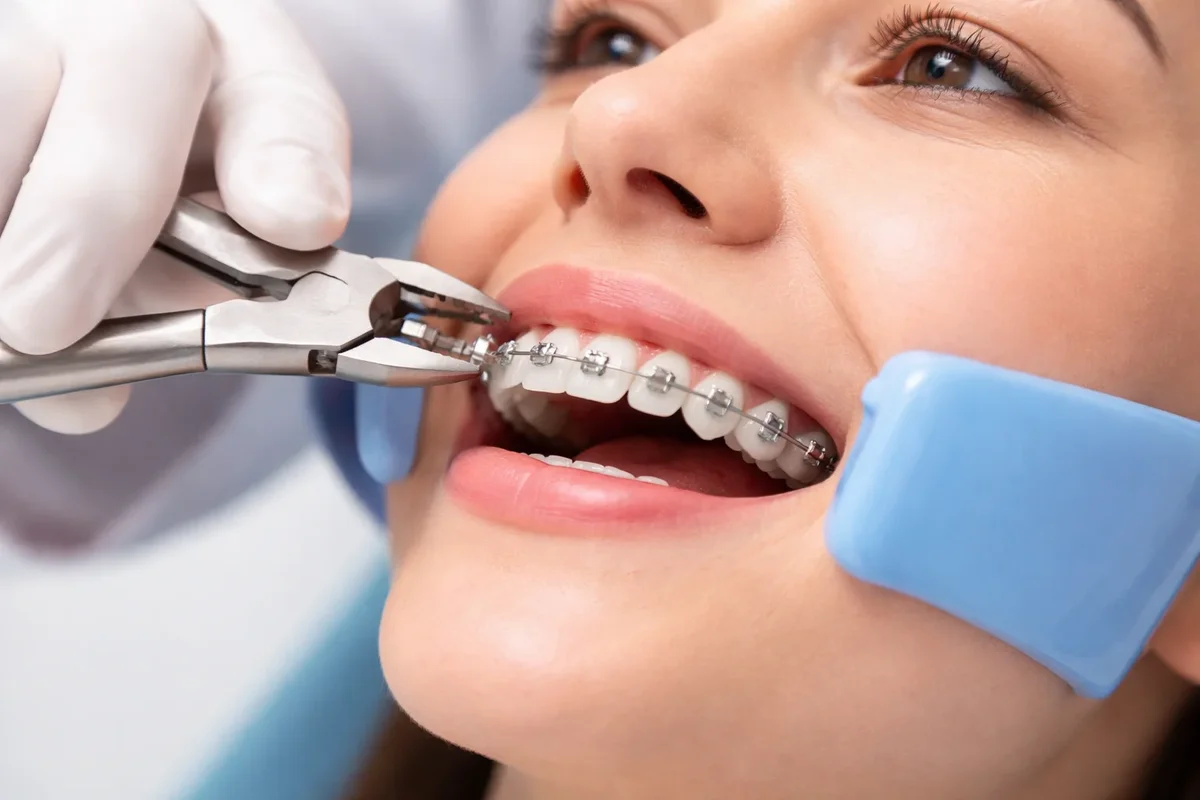
Debonding braces is the final and most anticipated stage of orthodontic treatment. After months or even years of wearing brackets and wires, patients look forward to seeing their newly aligned smile revealed. But debonding braces is not simply about taking brackets off. It is a carefully controlled clinical procedure that ensures your teeth remain healthy, your enamel stays protected, and your orthodontic results are preserved for the long term.
In simple terms, debonding braces refers to the professional removal of orthodontic brackets, wires, and bonding adhesive from the teeth. This process must be performed by a qualified dental professional. Attempting to remove braces at home can cause severe enamel damage, fractures, gum injury, and even tooth loss. That is why understanding how debonding braces works is essential for every orthodontic patient. 😊
The primary goal of debonding braces is to safely detach each bracket from the tooth surface without harming the enamel. During orthodontic treatment, brackets are attached using a strong dental adhesive. This adhesive is designed to last throughout treatment but also to be removable with specialized dental tools. During debonding braces, the orthodontist uses precision instruments to gently squeeze or lift the bracket base, breaking the bond between the adhesive and the bracket without damaging the tooth.
Once the brackets are removed, attention shifts to eliminating residual adhesive. This step is extremely important. Any leftover bonding material can create rough surfaces that trap plaque and bacteria. Using polishing burs and finishing tools, the dentist smooths and restores the natural texture of the enamel. When performed correctly, debonding braces should leave your teeth looking clean, smooth, and naturally shiny.
Many patients believe debonding braces is the end of treatment, but in reality, it marks the beginning of a maintenance phase. Teeth have a natural tendency to shift back toward their original positions. Without proper retention, the alignment achieved during orthodontic treatment may gradually relapse. That is why debonding braces is always followed by retainer placement, which helps stabilize your new smile.
From a biological perspective, debonding braces also allows your gums and oral tissues to recover. Braces create additional surfaces where plaque can accumulate, sometimes leading to mild inflammation. After debonding braces, patients often notice that brushing and flossing become significantly easier. Improved oral hygiene reduces the risk of cavities and gum disease, contributing to long-term oral health.
Safety and professional standards are central to the debonding braces process. According to guidelines supported by organizations such as the American Dental Association, orthodontic procedures must prioritize enamel preservation and patient comfort. Modern orthodontic techniques ensure that debonding braces is efficient, minimally invasive, and safe when performed by trained professionals.
Another important aspect of debonding braces is patient evaluation. Before removal, the orthodontist carefully checks that tooth alignment, bite relationship, and overall treatment goals have been achieved. X-rays, bite assessments, and visual analysis may be conducted to confirm readiness. Removing braces too early can compromise results, while delaying debonding braces unnecessarily may extend treatment time.
Emotionally, debonding braces is often an exciting milestone. Many patients describe it as life-changing. Seeing straight teeth for the first time can dramatically boost confidence and self-esteem. However, realistic expectations are important. Minor surface discoloration or temporary sensitivity may occur after debonding braces, especially if oral hygiene was challenging during treatment. Professional cleaning and polishing typically resolve these concerns quickly.
It is also worth noting that debonding braces differs slightly depending on the type of orthodontic appliance used. Traditional metal braces, ceramic braces, and even lingual braces require slightly different removal techniques. However, the principle remains the same: controlled bracket removal, adhesive cleanup, polishing, and retention planning.
In summary, debonding braces is a structured, medically guided procedure designed to protect your enamel, reveal your aligned teeth, and transition you into the retention phase. It is not merely a cosmetic step but a crucial clinical process that safeguards the investment you have made in your smile. If you are approaching the end of orthodontic treatment and have questions about debonding braces, professional consultation is always recommended. For personalized guidance or to schedule an evaluation, you can visit the Redent Klinik Contact Page to connect with an experienced dental team.
Understanding debonding braces empowers you to approach the final stage of treatment with confidence. With proper care, professional oversight, and consistent retainer use, your new smile can remain straight and healthy for years to come. 😁
1. What Is Debonding Braces and Why Is It Important?
Debonding braces is the professional procedure in which orthodontic brackets, archwires, and bonding materials are carefully removed from the teeth at the end of treatment. While many patients view debonding braces as a simple “brace removal” appointment, it is actually a highly controlled dental process that protects enamel, preserves alignment results, and prepares the teeth for long-term stability. Understanding debonding braces helps patients feel confident and informed as they approach this important milestone. 😊
Understanding the Meaning of Debonding Braces
In orthodontics, the term debonding braces refers specifically to breaking the adhesive bond between the bracket base and the tooth surface. During treatment, brackets are attached using a strong composite resin designed to endure months or years of pressure. The goal of debonding braces is to reverse this bonding safely without damaging the enamel underneath.
The brackets themselves are not simply pulled off. Instead, during debonding braces, the orthodontist uses precision pliers to apply controlled pressure to the bracket wings or base. This causes the adhesive bond to fail at the bracket interface rather than the enamel interface. When performed correctly, debonding braces leaves the tooth structure intact and smooth.
How Debonding Braces Differs from Regular Dental Cleaning
It is important not to confuse debonding braces with a standard dental cleaning. A cleaning focuses on removing plaque, tartar, and stains. Debonding braces, however, involves mechanical removal of orthodontic hardware and adhesive materials. After debonding braces, a polishing phase follows to restore the natural tooth surface, but this polishing is different from a routine hygiene appointment.
Why Debonding Braces Is Clinically Important
Debonding braces is not just cosmetic—it is clinically essential. The process ensures that:
- The enamel remains undamaged
- All bonding resin is completely removed
- The bite alignment is evaluated one final time
- The patient transitions safely into retention
If debonding braces is rushed or performed improperly, microscopic enamel scratches or leftover adhesive may remain. These irregularities can increase plaque accumulation and raise the risk of cavities. That is why orthodontists follow standardized protocols for debonding braces, often supported by professional guidelines such as those from the American Dental Association.
The Biological Impact of Debonding Braces
During orthodontic treatment, teeth are gradually moved through controlled force. Once alignment is achieved, the surrounding bone and periodontal ligament need time to stabilize. Debonding braces marks the end of active force application. However, teeth are still biologically mobile at this stage. This is why debonding braces is always followed by retainer placement.
After debonding braces, patients often experience:
- Improved ease of brushing and flossing
- Reduced gum inflammation
- A smoother tooth surface
- Enhanced smile aesthetics
These improvements occur because braces create additional surfaces where plaque can accumulate. Once debonding braces is completed, maintaining oral hygiene becomes significantly easier.
Psychological and Aesthetic Importance
For many patients, debonding braces is an emotional milestone. It represents the end of a long journey of orthodontic care. The moment after debonding braces, when patients first see their straightened smile without brackets, is often described as transformative. Confidence levels frequently increase, especially among teenagers and adults who felt self-conscious during treatment.
However, realistic expectations are important. Debonding braces may reveal minor discoloration where brackets were previously attached. These spots are usually due to plaque buildup during treatment rather than the debonding braces procedure itself. Professional polishing and, if necessary, whitening treatments can help improve uniform tooth color.
Is Debonding Braces Safe?
When performed by an experienced orthodontist, debonding braces is very safe. Specialized debonding pliers are designed to minimize stress on enamel. Additionally, modern orthodontic adhesives are formulated to fail at the bracket-adhesive interface during debonding braces, reducing enamel risk.
Attempting to remove braces at home is extremely dangerous. DIY attempts at debonding braces can cause enamel fractures, severe gum injury, and tooth damage. Always ensure that debonding braces is performed in a controlled clinical setting.
Professional Evaluation Before Debonding Braces
Before scheduling debonding braces, the orthodontist carefully evaluates treatment progress. This may include:
- Bite analysis
- Tooth alignment verification
- X-ray confirmation of root positioning
- Final occlusion assessment
Only when the desired orthodontic goals are fully achieved is debonding braces recommended. Removing braces prematurely may compromise long-term results.
What Happens Immediately After Debonding Braces?
Once debonding braces is complete, the next critical step is retention. Without retainers, teeth can gradually shift back toward their original positions. Retainers stabilize the newly aligned teeth while bone remodeling continues. In fact, many orthodontists say retention is just as important as debonding braces itself.
If you are nearing the end of orthodontic treatment and want personalized guidance about debonding braces, you can consult a qualified dental team through the Redent Klinik Contact Page. A professional evaluation ensures your debonding braces procedure is timed correctly and performed safely.
In conclusion, debonding braces is a structured, medically guided process that protects enamel, confirms treatment success, and transitions patients into long-term smile maintenance. It is far more than a simple removal appointment—it is a critical phase that safeguards the health and beauty of your smile for years to come. 😁
2. Signs You Are Ready for Debonding Braces
Reaching the stage of debonding braces is an exciting milestone in any orthodontic journey. However, determining the right moment for debonding braces is not based on guesswork or impatience—it is guided by clinical precision, bite stability, and long-term treatment goals. Many patients ask, “How do I know if I’m ready for debonding braces?” The answer involves a combination of visual alignment, functional correction, radiographic confirmation, and orthodontic evaluation.
Perfect Alignment of Teeth
The most obvious sign that debonding braces may be approaching is visibly straight teeth. Throughout orthodontic treatment, brackets and wires gradually guide teeth into proper alignment. When spacing issues, crowding, and rotations are fully corrected, your orthodontist begins evaluating readiness for debonding braces.
However, straight-looking teeth alone are not enough. Debonding braces requires confirmation that both upper and lower arches are harmonized. The teeth must fit together properly when you bite down. Even if alignment appears perfect in the mirror, subtle bite discrepancies can delay debonding braces.
Balanced Bite Relationship
One of the most important clinical indicators for debonding braces is a stable bite, also known as proper occlusion. This means:
- Upper teeth slightly overlap lower teeth
- No excessive overbite or underbite remains
- Back teeth meet evenly on both sides
- No crossbite is present
If bite imbalances remain, proceeding with debonding braces too early could compromise long-term results. Orthodontists carefully analyze how the teeth function together before approving debonding braces.
Completion of Tooth Movement Goals
Every orthodontic treatment plan includes specific movement objectives. These may include closing gaps, correcting midline discrepancies, leveling the arch, or rotating specific teeth. Before debonding braces, your orthodontist verifies that all planned corrections have been successfully achieved.
Sometimes minor adjustments are made toward the end of treatment using lighter wires or elastics. These final refinements ensure that debonding braces occurs only when teeth are positioned ideally. Skipping these finishing steps may lead to relapse after debonding braces.
Healthy Gums and Oral Hygiene
Another key sign that you are ready for debonding braces is healthy gum tissue. Orthodontic appliances can make brushing and flossing more challenging. If inflammation or gingivitis is present, your orthodontist may recommend improving oral hygiene before proceeding with debonding braces.
Healthy gums are firm, pink, and free from swelling. When gum health is optimal, debonding braces can be performed more safely and comfortably. Additionally, clean tooth surfaces allow better polishing after debonding braces, leaving enamel smooth and stain-free. 😊
Stable Root Position (Radiographic Confirmation)
Before finalizing debonding braces, orthodontists often take X-rays to assess root alignment and bone levels. Teeth must not only look straight on the surface but also be properly positioned within the bone structure.
X-rays help confirm:
- Roots are parallel
- No root resorption is progressing
- Bone support is healthy
- No hidden pathology exists
This radiographic confirmation ensures debonding braces will not jeopardize the structural stability of your teeth.
No Remaining Active Elastic Use
Elastics are frequently used in orthodontics to fine-tune bite relationships. If you are still wearing elastics daily, debonding braces is usually not yet appropriate. Once elastic use is discontinued and stability is maintained without them, your orthodontist may consider scheduling debonding braces.
Orthodontist’s Final Evaluation
Ultimately, readiness for debonding braces depends on professional assessment. Orthodontists evaluate:
- Symmetry of the smile
- Tooth angulation
- Contact points between teeth
- Functional bite movements
- Jaw alignment
This comprehensive evaluation ensures debonding braces will deliver long-lasting results rather than temporary cosmetic improvement.
Patient Comfort and Confidence
Interestingly, patient readiness also plays a role. If you feel discomfort, pressure, or instability when biting, it may indicate additional adjustments are needed before debonding braces. A stable bite should feel natural and balanced before braces are removed.
Many patients also report increased excitement as debonding braces approaches. While enthusiasm is understandable, timing must be clinically sound. Rushing debonding braces can lead to dissatisfaction later if small corrections were overlooked.
Preparation for Retainers
Before debonding braces, your orthodontist typically discusses retainer options. Because teeth are biologically prone to shifting after active treatment, retainers are essential. Being prepared to wear retainers consistently is a critical sign you are ready for debonding braces.
If you have questions about your orthodontic progress or whether you are approaching debonding braces, a professional consultation is recommended. You can reach an experienced dental team through the Redent Klinik Contact Page for personalized guidance.
Professional standards in orthodontic care, supported by organizations such as the American Dental Association, emphasize that debonding braces should only occur when treatment goals are fully achieved and oral health conditions are stable.
In summary, signs you are ready for debonding braces include straight teeth, balanced bite alignment, completed movement objectives, healthy gums, stable roots, discontinued elastic use, and professional approval. Debonding braces is not simply about appearance—it is about ensuring functional harmony and protecting the long-term stability of your smile. When all these criteria are met, debonding braces can safely reveal the confident, aligned smile you have been working toward. 😁