
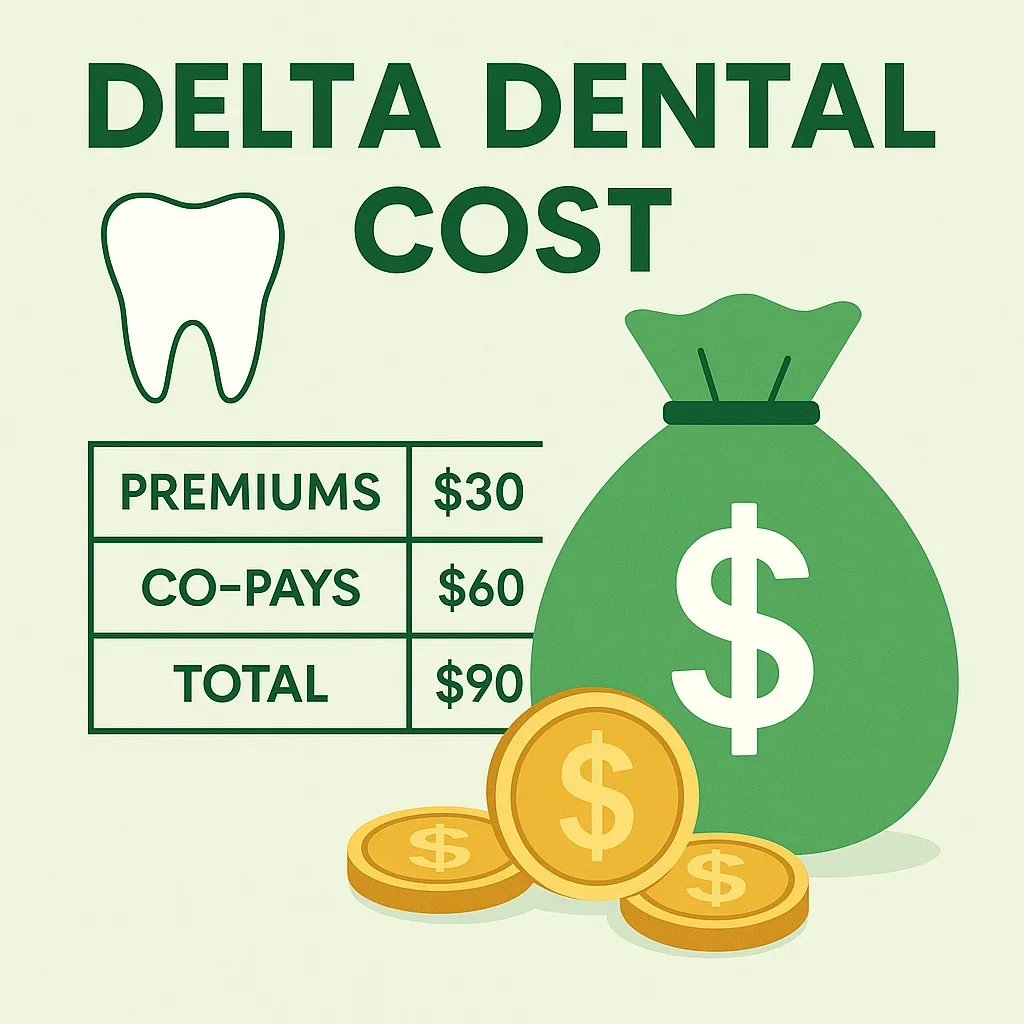
When it comes to protecting your oral health and ensuring you can afford the dental treatments you need, one of the most frequently asked questions is: What is the delta dental cost? Understanding the price structure of dental insurance plans is crucial because dental care can become very expensive without coverage. From routine checkups to major procedures like implants or braces, dental insurance can make the difference between affordable care and overwhelming bills. This guide explores everything you need to know about delta dental cost, its variations, and how to maximize value from your dental insurance plan.
Delta Dental is one of the largest and most trusted dental insurance providers in the United States, serving millions of members across various states. Their plans are designed to help individuals, families, and even businesses manage dental expenses effectively. The delta dental cost will depend on several factors such as the type of plan you choose, the state you live in, and the kind of coverage you need. But before diving into specifics, it’s important to understand why dental insurance is a vital investment for both health and financial reasons.
Why Understanding Delta Dental Cost Matters
Dental health is directly linked to overall health. Conditions like gum disease have been connected to heart disease, diabetes, and other serious conditions. Yet, many people hesitate to visit the dentist due to the high costs associated with dental care. Without insurance, a simple cleaning might cost between $100 and $300, while more advanced procedures such as crowns, bridges, or implants can run into thousands of dollars. By securing a suitable plan, delta dental cost helps reduce these expenses significantly, making preventive and major treatments much more accessible.
Average Delta Dental Cost in 2025
The average delta dental cost varies depending on your state, age, and whether you are looking for individual or family coverage. On average, individual dental insurance through Delta Dental may range from $20 to $60 per month, while family plans often fall between $50 and $150 per month. For many households, this predictable monthly premium is far easier to budget than unexpected out-of-pocket bills for dental emergencies.
Example Price Ranges (2025 Estimates):
✔ Preventive Care Plans: $20–$30 per month
✔ Standard Individual Coverage: $35–$50 per month
✔ Family Comprehensive Plans: $90–$150 per month
✔ Premium Plans with Orthodontics: $120–$180 per month
Of course, exact pricing may differ, but these figures illustrate the average cost that policyholders should expect. Compared to paying the full price of dental procedures, the monthly premiums are often a fraction of the cost, providing peace of mind and financial stability.
What Affects Delta Dental Cost?
Several variables influence delta dental cost. These include:
- Coverage Level: Plans that only cover preventive services cost less than those including orthodontics and implants.
- Geographic Location: Premiums vary by state due to different regulations and healthcare costs.
- Age of Insured: Younger individuals may pay less compared to older adults requiring extensive care.
- Network Size: Choosing in-network dentists reduces out-of-pocket costs, while going out-of-network can increase expenses.
- Deductibles & Co-pays: Lower monthly premiums may come with higher deductibles.
Why Delta Dental Stands Out
One of the main reasons people choose Delta Dental is the balance between affordability and quality care. Delta Dental offers one of the largest networks of dentists in the United States, which means patients have more flexibility in choosing providers without paying high out-of-network fees. The transparency of delta dental cost also makes it easier for policyholders to plan their budgets without surprise charges.
Moreover, Delta Dental emphasizes preventive care. Many of their plans cover routine checkups, cleanings, and X-rays at 100% when performed by an in-network provider. Preventive services reduce the likelihood of serious dental issues, which can otherwise cost thousands of dollars. This preventive-first approach ensures that patients save money in the long run while maintaining a healthy smile.
Delta Dental Cost vs. Paying Out of Pocket
Without insurance, the average cost of a root canal can range between $700 and $1,500, while dental implants often cost $3,000 to $6,000 per tooth. In comparison, when insured under a Delta Dental plan, much of these expenses are covered after deductibles and co-insurance. For example, a plan covering 50% of major procedures could save a patient thousands of dollars. This makes the monthly delta dental cost an investment rather than an expense, helping households manage dental needs without financial stress.
Trusted Resources and Support
Delta Dental policyholders also benefit from educational resources, cost calculators, and customer support that make understanding their plan easy. To learn more about dental health standards, patients are often referred to the American Dental Association, which provides evidence-based resources about oral health care. If you’re considering dental tourism or specific treatment plans abroad, you can reach out to clinics like Redent Klinik Contact Page for personalized advice.
Conclusion
Ultimately, the delta dental cost is highly competitive compared to other insurance providers. It offers affordable monthly premiums, broad coverage options, and a wide dentist network, making it one of the most reliable choices for dental insurance in 2025. Whether you need routine cleanings or advanced treatments like implants, Delta Dental ensures that care is within reach without breaking the bank. By choosing the right plan and using preventive services wisely, you can keep both your smile and your budget healthy. 😁
Understanding How Delta Dental Plans Work
When people search for delta dental cost, they are not just interested in numbers. They also want to know how Delta Dental plans work, what benefits they provide, and how these plans compare to paying out of pocket. To make the best decision, it’s essential to understand the plan structure, coverage categories, and limitations that may affect your expenses. This section provides a complete breakdown of how Delta Dental plans function and how you can use them to maximize value.
The Structure of Delta Dental Plans
Delta Dental offers a wide range of plan structures that cater to individuals, families, and employers. The key idea is simple: you pay a monthly premium, and in return, Delta Dental shares the financial responsibility for your dental care. The actual delta dental cost you pay depends on your chosen plan, which falls into one of the following categories:
- Preventive-Only Plans: These are budget-friendly options covering routine exams, cleanings, and X-rays. They have the lowest monthly premiums.
- Standard Coverage Plans: These cover preventive care as well as basic procedures such as fillings and simple extractions. Costs are moderate and suitable for most individuals.
- Comprehensive Plans: These include preventive, basic, and major procedures like crowns, bridges, dentures, and implants. They come with higher premiums but reduce overall treatment costs significantly.
- Orthodontic Plans: Specifically designed for braces and aligners, often tailored for families with children or adults seeking cosmetic alignment.
Coverage Categories Explained
Delta Dental organizes treatments into three main categories. Understanding these helps you anticipate your share of the bill and calculate your effective delta dental cost:
- Preventive Services: Cleanings, checkups, and X-rays. Usually covered at 100% by most plans when performed by in-network dentists.
- Basic Services: Fillings, extractions, and periodontal treatments. These often require a co-payment of 20%–30% after deductibles.
- Major Services: Crowns, bridges, implants, and dentures. These typically involve co-payments of 40%–50% and may have waiting periods.
This tiered structure means that even though you pay a monthly premium, you still share responsibility for some of the costs. This system keeps delta dental cost affordable while providing significant financial protection against high dental expenses.
In-Network vs. Out-of-Network
One of the biggest factors influencing delta dental cost is whether you use an in-network or out-of-network dentist. Delta Dental has one of the largest networks in the U.S., and choosing an in-network provider usually means:
- No balance billing (you pay only the negotiated rate).
- Higher coverage percentages (100% for preventive care in most cases).
- Lower deductibles and co-pays.
Going out-of-network can increase your expenses significantly, as dentists may charge higher rates and Delta Dental may reimburse a smaller portion of the bill.
Deductibles, Co-pays, and Annual Maximums
Another critical aspect of delta dental cost is understanding deductibles, co-pays, and annual maximums:
- Deductible: The amount you must pay out of pocket before your insurance starts covering costs. Typically ranges from $25–$75 per individual.
- Co-pays/Co-insurance: Your share of the bill for specific services. For example, 20% of a filling or 50% of a crown.
- Annual Maximum: The maximum amount Delta Dental will pay per year for your care, often between $1,000 and $2,000. Once reached, you must pay for additional treatments fully.
These three elements determine the final amount you spend each year. Even with insurance, you should budget for co-pays and out-of-pocket fees in addition to the monthly premium.
Example Scenario: Calculating Delta Dental Cost
Let’s consider an example. Imagine you have a comprehensive Delta Dental plan with a $50 deductible and a $1,500 annual maximum. If you go for a routine cleaning, your plan covers it at 100%, and you pay nothing. But if you need a crown costing $1,200:
- You pay the $50 deductible first.
- The plan covers 50% of the remaining $1,150 = $575.
- You pay the other $575 out of pocket.
In this case, the delta dental cost you bear is $625 total, instead of the full $1,200 if you had no insurance. This shows how even partial coverage saves hundreds of dollars in one procedure alone.
Waiting Periods and Limitations
Some plans come with waiting periods for certain services. For example, preventive care may be available immediately, while major services like implants or orthodontics may require a 6–12 month waiting period. This means your delta dental cost savings may not apply right away for these treatments. It’s crucial to review policy details to avoid surprises.
Employer-Sponsored vs. Individual Plans
Many people receive Delta Dental coverage through employers, which often reduces premiums since companies negotiate group rates. In such cases, delta dental cost can be substantially lower than purchasing an individual plan. On the other hand, individual plans offer more flexibility for freelancers, retirees, or those without access to employer benefits.
Preventive-First Strategy
Delta Dental emphasizes preventive care because it saves both patients and insurers money. Preventive services are usually covered 100%, encouraging people to see their dentist regularly. By using preventive services, you avoid larger bills for advanced treatments. In other words, keeping up with cleanings now can reduce your overall delta dental cost later. 🦷
Conclusion
Understanding how Delta Dental plans work is essential for making informed decisions about coverage. From plan types and coverage tiers to deductibles and waiting periods, every detail shapes your final delta dental cost. By choosing in-network providers, leveraging preventive services, and reviewing plan limitations, you can minimize out-of-pocket expenses and maximize benefits. Whether you’re an individual, a family, or an employee with group benefits, knowing how these plans function ensures you get the most value while protecting your dental health and finances.
Average Delta Dental Cost for Individuals and Families
When considering dental insurance, one of the most important questions is how much it will cost on a monthly and yearly basis. The delta dental cost varies depending on whether you are purchasing coverage as an individual or as part of a family plan. While individual coverage is generally affordable, family plans provide broader protection and cost savings for households with children or multiple members requiring dental care. This section breaks down average costs, compares scenarios, and explains how families and individuals can budget effectively for their dental insurance premiums and out-of-pocket expenses.
Delta Dental Cost for Individuals
For individuals, delta dental cost tends to be budget-friendly and predictable. On average, individual plans range from $20 to $60 per month, depending on the coverage level and geographic location. Preventive-only plans are typically the least expensive, covering routine checkups and cleanings at 100%. Comprehensive plans that include coverage for crowns, dentures, or implants can be on the higher end of this scale.
For example:
- Preventive Care Plan: $20–$30 per month.
- Standard Plan (preventive + basic care): $35–$50 per month.
- Premium Comprehensive Plan: $60–$90 per month (including orthodontic or implant coverage).
These figures show that even comprehensive plans are relatively affordable compared to the cost of paying entirely out of pocket. A single crown costing $1,200 would already exceed an annual premium for most individual plans. This is why the monthly delta dental cost is considered an investment in long-term financial and oral health.
Delta Dental Cost for Families
Families benefit from bundled coverage, which reduces the overall cost per member compared to buying individual plans separately. On average, family coverage costs between $50 and $150 per month. The price depends on the number of dependents, state regulations, and whether orthodontics are included. For families with children who may require braces, investing in a comprehensive plan with orthodontic coverage makes sense, even though premiums are higher.
Example Family Plan Breakdown (2025 Estimates):
✔ Family Preventive Plan: $50–$70/month
✔ Standard Family Plan: $80–$120/month
✔ Comprehensive Family Plan with Orthodontics: $120–$180/month
While these monthly premiums may sound like a significant expense, the savings add up quickly. Consider that braces often cost $4,000 to $6,000 per child without insurance. With orthodontic coverage, Delta Dental can reduce those costs by 30%–50%, making the delta dental cost of premiums far more affordable compared to out-of-pocket payments.
Annual Average Costs: Individual vs. Family
Looking at yearly costs provides a clearer picture of long-term expenses:
- Individuals: $240–$720 per year.
- Families: $600–$1,800 per year.
While families pay more overall, the value of family coverage is evident when you consider the cumulative needs of parents and children. Routine cleanings for four family members alone can cost $800–$1,200 annually without insurance, which is already close to the yearly delta dental cost of a family plan—before adding fillings, crowns, or orthodontics.
Geographic Differences in Delta Dental Cost
It’s important to note that delta dental cost can vary by location. Premiums in states with higher overall healthcare costs, such as California or New York, may be at the higher end of the spectrum. Meanwhile, states in the Midwest or South often have lower average premiums. These differences exist because of regional pricing models, dentist availability, and state-level regulations. Families relocating to another state may see their premiums adjusted accordingly.
Employer-Sponsored vs. Private Plans
Many individuals and families receive Delta Dental coverage through their employer. Employer-sponsored plans are often more cost-effective because companies negotiate group rates, sometimes covering part of the premium. In these cases, the effective delta dental cost for employees might be reduced to as little as $10–$20 per month for individual coverage and $30–$80 for family coverage. On the other hand, freelancers, retirees, or those without employer benefits must purchase private plans directly from Delta Dental or through healthcare marketplaces.
Hidden Costs to Consider
While the monthly premium is the most visible part of delta dental cost, individuals and families must also account for deductibles, co-pays, and annual maximums. A low-premium plan may still result in higher overall spending if it comes with higher deductibles or lower annual maximums. Families with higher dental needs, such as multiple children requiring braces, may find comprehensive plans with higher premiums more cost-effective in the long run.
Practical Tips for Saving Money
To keep the delta dental cost manageable, individuals and families can apply the following strategies:
- Choose in-network dentists to reduce out-of-pocket expenses.
- Utilize preventive services, which are usually covered at 100%.
- Compare plan options annually to ensure you’re not overpaying for coverage you don’t use.
- Consider family plans with orthodontic coverage if children are approaching their teenage years.
Conclusion
The average delta dental cost for individuals ranges from $20–$60 per month, while family plans typically fall between $50–$150. Although families pay more in total, the per-person cost is often lower, and the savings on treatments like braces or crowns can be substantial. Whether you are an individual looking for preventive coverage or a family seeking comprehensive protection, Delta Dental provides affordable solutions that protect your health and your budget. By understanding these averages and planning ahead, you can make the most of your dental insurance investment. 👨👩👧👦
Factors That Influence Your Delta Dental Premiums
When evaluating delta dental cost, one of the most critical things to understand is what actually determines your monthly premiums. Premiums are not random; they are calculated based on multiple variables, including your location, age, plan type, and coverage preferences. By knowing which factors influence costs, you can make smarter decisions when selecting a plan that balances affordability with the right level of protection. This section explores each factor in detail, helping you predict your expenses and optimize your dental insurance investment.
1. Type of Coverage Plan
The most significant factor affecting delta dental cost is the type of plan you select. Delta Dental offers several plan categories designed for different needs:
- Preventive-Only Plans: Focus on cleanings, exams, and X-rays, typically costing $20–$30 per month for individuals.
- Basic Coverage Plans: Add coverage for fillings, extractions, and periodontal care, with monthly costs averaging $35–$50.
- Comprehensive Plans: Include preventive, basic, and major services like crowns, dentures, and implants. These plans may cost $60–$90 monthly for individuals.
- Orthodontic Plans: Cover braces or aligners, often bundled into family plans at higher rates of $120–$180 per month.
As coverage expands, the delta dental cost naturally increases. People who anticipate needing extensive dental work are better off selecting comprehensive coverage to save in the long run.
2. Geographic Location
Where you live plays a substantial role in determining premiums. Delta dental cost in states like California, New York, or Massachusetts is typically higher than in states such as Texas or Iowa. This is due to regional differences in healthcare costs, dentist fees, and state regulations. For example, a preventive plan that costs $25 per month in the Midwest might cost $35 in a high-cost metropolitan area.
Urban vs. Rural Pricing
Urban areas usually have higher premiums because dental care providers face higher operating expenses such as rent and staff wages. Conversely, rural areas may offer lower premiums, though fewer in-network providers could limit your options.
3. Age and Health Status
Your age can also impact delta dental cost. Younger individuals often pay less because they typically require fewer complex procedures, while older adults may face higher premiums due to increased risk of needing major treatments like dentures or implants. Although pre-existing dental conditions usually don’t disqualify you, they may influence the type of plan you’re advised to select, which indirectly affects costs.
4. Individual vs. Family Plans
Another factor is whether you’re purchasing coverage as an individual or for your entire family. Individual plans are usually cheaper, averaging $20–$60 per month. Family plans, on the other hand, range from $50–$150 monthly, depending on the number of dependents and whether orthodontics are included. While the total premium is higher for families, the per-person delta dental cost is often lower, making family plans cost-efficient for households with children.
5. Deductibles and Co-Pays
Lower monthly premiums usually come with higher deductibles and co-pays. For instance, a plan with a $20 monthly premium may have a $100 deductible, while a $50 monthly premium plan might only have a $50 deductible. The structure of co-insurance also impacts overall expenses. Basic services may require a 20% co-pay, while major services might require 50%. These elements directly shape how much you’ll pay out of pocket, beyond the listed delta dental cost.
6. Annual Maximums
Delta Dental plans have annual maximums, usually between $1,000 and $2,000 per year. Once you hit this limit, all additional dental expenses must be paid out of pocket. Plans with higher maximums tend to come with higher premiums. Families anticipating multiple treatments in a year may prefer higher annual maximums despite the added premium cost.
7. In-Network vs. Out-of-Network Dentists
Whether you choose in-network or out-of-network providers has a huge impact on your final delta dental cost. In-network dentists agree to negotiated lower rates, which means you save more. Out-of-network care can significantly increase your bills, sometimes by 20%–40%. Staying within Delta Dental’s extensive network is one of the easiest ways to control costs.
8. Employer-Sponsored vs. Private Plans
If your employer offers dental benefits, you may pay far less for premiums. Employer-sponsored plans can reduce delta dental cost to as little as $10–$20 per month for individuals, since companies often subsidize part of the expense. Private plans, purchased directly, cost more but offer flexibility for freelancers, retirees, and those without employer coverage.
Case Example: Employer-Sponsored vs. Private
Imagine an employee pays $15 per month through an employer plan for individual coverage. The same plan purchased privately may cost $40. Over a year, the difference adds up to $300 in savings just from the employer subsidy. Families, in particular, see significant financial advantages with employer-sponsored coverage.
9. Special Add-Ons and Riders
Some Delta Dental plans allow you to add coverage for cosmetic dentistry, orthodontics, or additional procedures. These add-ons raise premiums but reduce your out-of-pocket spending on specialized care. For example, adding orthodontic coverage may increase monthly premiums by $20–$30, but it can save thousands if a child requires braces.
Conclusion
Premiums for Delta Dental are shaped by many interconnected factors, including coverage type, geographic location, age, family size, deductibles, and annual maximums. By understanding these influences, you can estimate your personal delta dental cost more accurately and choose the right plan for your situation. Whether you’re seeking an affordable preventive plan or a comprehensive package with orthodontic coverage, knowing what drives premiums ensures you make a financially sound decision while protecting your oral health for years to come. 🦷💡
Comparing Delta Dental Cost With Other Insurance Providers
When researching dental insurance, most people want to know if they are getting the best value for their money. The delta dental cost is often compared with other providers like Cigna, Aetna, MetLife, and Humana. Each company has unique pricing structures, coverage levels, and networks. By comparing these details, individuals and families can make informed choices and ensure their dental insurance plan matches both their budget and oral health needs. In this section, we break down how Delta Dental stacks up against competitors in terms of affordability, coverage, and overall value.
Why Compare Delta Dental Cost With Competitors?
Dental care expenses can be significant, and insurance premiums vary widely. By comparing delta dental cost with other insurers, you can better understand:
- Which provider offers the most affordable premiums.
- How coverage categories (preventive, basic, and major) differ in each plan.
- The availability of dentists in-network near your location.
- Customer satisfaction levels and hidden fees such as deductibles and co-pays.
These comparisons help consumers avoid overpaying for premiums and ensure they maximize the return on their insurance investment.
Delta Dental vs. Cigna Dental
Delta Dental is widely known for its extensive dentist network and preventive-first approach. Cigna Dental, however, often competes by offering lower premiums in some states. For individuals, average monthly delta dental cost is about $20–$60, while Cigna may offer plans starting as low as $19. However, Cigna’s network is smaller, which can result in higher out-of-network costs. Delta Dental often proves more valuable in the long run because of its nationwide presence and stronger preventive care coverage.
Example Comparison (2025 Averages)
✔ Delta Dental Individual Plan: $35–$50/month
✔ Cigna Dental Individual Plan: $25–$45/month
✔ Key Difference: Larger Delta Dental network, especially beneficial in rural areas.
Delta Dental vs. Aetna Dental
Aetna’s premiums are competitive, with individual plans averaging $30–$55 per month. Family coverage ranges from $75–$130. In comparison, delta dental cost falls within similar ranges, but Delta Dental typically offers better coverage for preventive care at no out-of-pocket cost. Additionally, Aetna’s annual maximums are often capped lower than Delta Dental’s, which can limit savings for patients needing multiple procedures in one year.
Delta Dental vs. MetLife Dental
MetLife provides strong group dental plans, often chosen by employers. Their premiums for individuals average $25–$50 monthly, and family plans run from $80–$140. While MetLife is strong in employer-sponsored coverage, its individual plans may lack flexibility. Delta dental cost for individuals is comparable, but Delta Dental’s greater dentist participation often makes it easier to find in-network providers. This can significantly reduce out-of-pocket costs compared to MetLife.
Delta Dental vs. Humana Dental
Humana Dental is known for offering affordable entry-level plans. Preventive-only plans can cost as little as $17 per month, making them attractive for budget-conscious individuals. However, these plans often have very limited coverage for major services. In contrast, delta dental cost for preventive plans averages $20–$30, but with broader nationwide coverage and stronger preventive benefits. For families requiring orthodontics or implants, Delta Dental usually provides better value than Humana in the long run.
Key Takeaway
Humana may be cheaper upfront, but Delta Dental’s comprehensive coverage and wide network help reduce total expenses when more advanced treatments are needed.
Cost Comparison Chart
| Provider | Individual Premium (Monthly) | Family Premium (Monthly) | Strength |
|---|---|---|---|
| Delta Dental | $20–$60 | $50–$150 | Largest network, preventive-first approach |
| Cigna | $19–$45 | $55–$130 | Competitive pricing, smaller network |
| Aetna | $30–$55 | $75–$130 | Strong preventive coverage, lower maximums |
| MetLife | $25–$50 | $80–$140 | Employer-sponsored strength |
| Humana | $17–$40 | $60–$120 | Budget plans, limited major coverage |
Customer Satisfaction and Value
Premiums alone do not tell the full story of delta dental cost. Customer satisfaction, claim processing speed, and provider availability all matter. Delta Dental consistently ranks high in member satisfaction because of its transparency and preventive-first philosophy. While competitors may sometimes undercut premiums by a few dollars, the savings often disappear if out-of-network care is required or if preventive services are not fully covered.
Hidden Costs With Other Providers
It’s important to note that some insurance providers advertise low premiums but impose higher deductibles, longer waiting periods, or limited annual maximums. This creates unexpected expenses for members. Delta Dental generally offers clear, predictable coverage, making it easier for members to calculate their true delta dental cost without hidden surprises.
Conclusion
When compared to providers like Cigna, Aetna, MetLife, and Humana, delta dental cost remains competitive and often delivers greater long-term value. While some companies may advertise lower premiums, Delta Dental’s strengths lie in its extensive network, excellent preventive coverage, and transparency. For individuals and families who want dependable, predictable dental insurance, Delta Dental is one of the most reliable choices. Ultimately, choosing a provider should balance monthly premium costs with long-term savings and the quality of care. With Delta Dental, most policyholders find that balance successfully achieved. 🦷💵
Delta Dental Cost for Preventive vs. Major Procedures
One of the most important distinctions in dental insurance is how costs are divided between preventive care and major procedures. The delta dental cost varies significantly depending on whether you are visiting the dentist for a routine cleaning or for a more complex service such as crowns, root canals, or implants. Understanding this difference helps you budget effectively and select the right plan for your needs. Preventive care is usually covered at 100%, while major procedures often require co-insurance, waiting periods, or higher out-of-pocket expenses.
Why Preventive Care Matters Most
Delta Dental emphasizes preventive care because it not only keeps your teeth healthy but also reduces long-term expenses. Routine checkups, professional cleanings, and X-rays are typically included in every plan and often covered at no cost when you visit an in-network dentist. This makes the preventive portion of delta dental cost extremely low—sometimes even $0 beyond your monthly premium. By catching problems early, preventive care prevents the need for expensive major treatments down the road.
Examples of Preventive Services Covered
- Routine dental exams (once or twice a year).
- Professional cleanings for adults and children.
- X-rays to detect cavities and bone issues.
- Fluoride treatments for children.
- Sealants to protect molars from decay.
Since these are fully or mostly covered, your only expense is the monthly premium, making the effective delta dental cost for preventive care minimal.
Costs for Basic Procedures
Basic procedures sit in the middle tier of coverage and include treatments like fillings, simple extractions, and periodontal scaling. For these services, delta dental cost typically requires a 20%–30% co-pay after the deductible is met. For example, if a filling costs $200, your plan might cover 70% ($140), leaving you with a $60 bill. This cost structure encourages members to seek treatment early, preventing more advanced and costly procedures later.
Costs for Major Procedures
Major procedures are the most expensive part of dental care and include crowns, bridges, dentures, implants, and oral surgeries. The delta dental cost for these services usually requires 40%–50% co-insurance. In many cases, there may also be a waiting period of 6–12 months before coverage begins. This ensures that patients don’t sign up for insurance only after they already know they need costly procedures.
Average Price Ranges for Major Procedures (2025 Estimates)
✔ Crown: $1,000–$1,500 (Delta Dental covers ~50%)
✔ Root Canal: $800–$1,500 (Coverage ~50%–70% depending on plan)
✔ Dentures: $1,500–$3,000 (Coverage ~50%)
✔ Dental Implants: $3,000–$6,000 per tooth (Coverage varies; some plans exclude implants)
✔ Orthodontics (Braces/Aligners): $4,000–$6,000 (Coverage 30%–50% in comprehensive plans)
Even with co-pays, Delta Dental significantly reduces your out-of-pocket burden. For example, if a crown costs $1,200 and your plan covers 50%, you pay $600 instead of the full amount. Over time, these savings justify the monthly delta dental cost of premiums.
How Preventive Coverage Saves on Major Costs
One of the key benefits of Delta Dental is the link between preventive coverage and reduced need for major treatments. For instance, regular cleanings may prevent gum disease, reducing the risk of needing periodontal surgery later. In other words, a small monthly delta dental cost invested in preventive services can save thousands in avoided major expenses.
Annual Maximums and Their Role
Delta Dental plans usually include an annual maximum between $1,000 and $2,000. Preventive services typically don’t count toward this maximum, meaning you can take full advantage of cleanings and checkups without reducing your annual benefits. Major procedures, however, do count against it. Once you reach the maximum, you are responsible for all additional costs until the next plan year. This system helps balance affordability while limiting overall insurer exposure.
Case Example: Preventive vs. Major Costs
Let’s consider a patient with a $40 monthly premium ($480 annually). Over the year, the patient uses preventive care worth $400, fully covered by Delta Dental. Later, they need a crown costing $1,200. Delta Dental pays 50% ($600), and the patient pays $600. In total, the patient spends $1,080 ($480 premiums + $600 out-of-pocket), while receiving $1,000 in benefits. Without insurance, the full bill would have been $1,600. This shows how balancing preventive and major services reduces overall delta dental cost.
Waiting Periods and Limitations
Many Delta Dental plans apply waiting periods for major services to prevent immediate high-cost claims. Preventive care is typically covered immediately, while basic and major procedures may have waiting periods of 3–12 months. This makes planning essential. Understanding these limitations helps you maximize the value of your plan and avoid surprises in your total delta dental cost.
Tips for Managing Costs
- Use preventive services regularly to reduce risk of major procedures.
- Check if your plan covers implants, since not all plans do.
- Budget for co-pays on major treatments, especially crowns and dentures.
- Consider comprehensive plans if your family history suggests a higher risk of advanced dental work.
Conclusion
The balance between preventive and major procedures explains much of the variation in delta dental cost. Preventive care is often fully covered, making it a low-cost, high-value benefit that can prevent future problems. Major procedures, while partially covered, still require co-insurance and may involve significant out-of-pocket costs. By understanding these differences and making full use of preventive benefits, patients can reduce their long-term expenses and make the most of their Delta Dental plan. Investing in preventive coverage today can save thousands in major treatment costs tomorrow. 🦷✨
Hidden Fees and Out-of-Pocket Costs in Delta Dental Plans
When people research delta dental cost, they often focus only on monthly premiums. While premiums are a crucial factor, they are not the full picture of what you will pay. Out-of-pocket costs, deductibles, co-pays, waiting periods, and uncovered services can all increase your total spending. Understanding these hidden costs helps you make better decisions about which plan to choose and how to manage your dental care effectively. This section takes a closer look at the less obvious elements of Delta Dental plans that influence your overall expenses.
Deductibles and Their Impact
A deductible is the amount you must pay before Delta Dental starts covering your services. Depending on the plan, deductibles usually range between $25 and $75 for individuals and $50 to $150 for families. For example, if your deductible is $50 and you need a $200 filling, you pay the first $50, and then Delta Dental covers the agreed portion of the remaining $150. While relatively small, deductibles still affect the total delta dental cost you face annually.
Tip:
Preventive services such as cleanings and exams usually bypass the deductible and are covered at 100%. This means you can lower your expenses by taking advantage of preventive care regularly.
Co-Pays and Co-Insurance
Another part of hidden costs is co-pays and co-insurance. Even after meeting your deductible, you are typically responsible for a percentage of the bill. For example:
- Preventive services: Often 0% (covered fully).
- Basic services: 20%–30% of the cost paid by the patient.
- Major services: 40%–50% of the cost paid by the patient.
If a crown costs $1,200, and your plan covers 50%, your out-of-pocket share is $600. This co-payment is an essential part of delta dental cost that policyholders must budget for carefully.
Annual Maximums
Every Delta Dental plan includes an annual maximum—the total amount the insurer will pay within a year. This usually ranges from $1,000 to $2,000. Once you exceed this amount, you are responsible for all additional costs. For patients needing multiple crowns, implants, or orthodontics, it is easy to hit the maximum, which can dramatically increase the real delta dental cost.
Example:
If your annual maximum is $1,500 and your treatments cost $3,000 in one year, you must pay $1,500 out of pocket in addition to premiums, deductibles, and co-pays.
Waiting Periods
Many plans include waiting periods for basic or major services. Preventive care is generally covered immediately, but fillings may require a three-month wait, and crowns or implants may have waiting periods of six to twelve months. These waiting periods don’t increase premiums directly but may increase your total delta dental cost if you need treatment before coverage begins, since you would have to pay full price during the waiting period.
Services Not Covered
Not all dental procedures are included in every plan. Cosmetic dentistry such as teeth whitening, veneers, or certain types of orthodontics may not be covered at all. Some plans also exclude dental implants. If you require these services, your delta dental cost will include full out-of-pocket payments, unless you purchase a comprehensive plan or an add-on rider.
Out-of-Network Costs
Delta Dental has one of the largest networks in the United States, but if you choose to see an out-of-network dentist, you may face higher bills. Out-of-network providers can charge more than Delta Dental’s negotiated rates, and you may be responsible for the balance. For example, if the standard rate for a crown is $1,000 in-network but an out-of-network dentist charges $1,400, Delta Dental may still reimburse based on the $1,000 rate, leaving you to pay the $400 difference plus your share of co-insurance. This additional expense adds to the real delta dental cost.
Emergency and Specialty Care
Emergency dental visits and specialty treatments like oral surgery, endodontics, or periodontics may involve higher co-pays or coverage limitations. For instance, emergency visits outside of your home state might not be fully covered. This can create surprise bills if you travel frequently or experience dental emergencies.
Case Example: Emergency Cost Scenario
A patient visiting an out-of-state dentist for an emergency root canal may face the following expenses:
- Root canal cost: $1,200
- Delta Dental coverage (50% of standard $1,000 rate): $500
- Patient pays: $700 (including $200 balance billing)
This shows how hidden out-of-network costs can raise total delta dental cost substantially.
Hidden Fees in Perspective
Although these hidden costs exist, it’s important to keep them in perspective. Compared to paying 100% of dental care without insurance, Delta Dental still offers significant savings. A preventive cleaning costing $150 may be free under insurance, while a crown costing $1,200 may only cost you $600 instead of the full amount. While deductibles, co-pays, and maximums increase expenses, the overall delta dental cost is still lower than paying fully out of pocket.
Conclusion
Hidden fees and out-of-pocket expenses are an important part of understanding delta dental cost. Deductibles, co-pays, annual maximums, waiting periods, uncovered services, and out-of-network charges all contribute to the true cost of your dental insurance. By reviewing plan details carefully and staying within the Delta Dental network, you can minimize surprises and make sure your insurance provides maximum financial protection. Awareness of these hidden costs ensures that you are better prepared and can make informed decisions about your oral health care. 💡🦷
Tips to Lower Your Delta Dental Cost and Save Money
Although dental insurance makes oral care far more affordable, there are still many strategies you can use to reduce your overall delta dental cost. By understanding how premiums, deductibles, co-pays, and network participation work, you can maximize your coverage while minimizing what comes out of your pocket. From choosing the right plan to making the most of preventive care, small decisions add up to big savings over time. Below are proven ways to keep your dental expenses under control while still enjoying high-quality care.
Choose the Right Plan for Your Needs
Not all Delta Dental plans are created equal. If you rarely need more than cleanings and exams, a preventive-only plan might be the most cost-effective option. On the other hand, if you know you will require crowns, bridges, or orthodontics, paying a slightly higher premium for comprehensive coverage could save thousands in the long run. Selecting a plan that matches your dental needs is the first step toward lowering your delta dental cost.
Tip:
Review your dental history over the past three years. If you’ve only needed preventive care, you can safely choose a lower-cost plan. If you’ve required major work or anticipate orthodontics, invest in broader coverage.
Stay In-Network Whenever Possible
Delta Dental has one of the largest networks of dentists in the U.S., and using in-network providers is one of the simplest ways to lower your delta dental cost. In-network dentists agree to pre-negotiated rates that are often 20%–40% lower than out-of-network fees. In addition, Delta Dental usually covers a larger share of the bill when you use an in-network provider, further reducing your out-of-pocket expenses.
Take Advantage of Preventive Care
Preventive care is usually covered at 100% under Delta Dental plans. This includes cleanings, exams, X-rays, and fluoride treatments. Skipping these services might save you a little time, but it can cost you far more later. For example, a cavity that could have been caught during a $0 preventive visit might turn into a $1,200 crown. By regularly using preventive services, you reduce the likelihood of expensive treatments and keep your delta dental cost lower over time.
Understand Deductibles and Maximums
Each Delta Dental plan comes with deductibles and annual maximums. Choosing a plan with the right balance is essential. A lower premium may seem attractive, but if it comes with a high deductible or a low annual maximum, your costs could skyrocket if you need more than basic care. To minimize your delta dental cost, calculate how much dental work you typically need per year and choose a plan with an annual maximum that comfortably covers it.
Case Example:
If your family typically needs two cleanings, two fillings, and one crown per year, a plan with a $1,000 maximum may not be sufficient. Upgrading to a plan with a $1,500 maximum may cost $15 more per month but could save you hundreds by covering that extra crown.
Use Flexible Spending Accounts (FSA) or Health Savings Accounts (HSA)
If your employer offers an FSA or HSA, you can set aside pre-tax dollars to cover deductibles, co-pays, and other out-of-pocket expenses. This lowers your taxable income and reduces your effective delta dental cost. For example, if you pay $500 in co-pays using pre-tax dollars, you may save $100–$150 depending on your tax bracket.
Schedule Treatments Strategically
If you need multiple procedures, spacing them across two benefit years can maximize your insurance coverage. For instance, if you require two crowns, getting one in December and another in January allows you to use your annual maximum for two separate years instead of hitting the cap in one. This strategy reduces your out-of-pocket spending and makes your delta dental cost more manageable.
Look for Employer-Sponsored Options
Employer-sponsored plans are typically more affordable than individual plans. Employers often subsidize a portion of premiums, significantly lowering the monthly delta dental cost. If your workplace offers group dental insurance, compare it against private plans. Even if you pay slightly more for family coverage, employer contributions usually make workplace plans the most cost-effective choice.
Consider Add-Ons Wisely
Some plans offer add-ons such as orthodontic or implant coverage. While these increase your monthly premium, they may save you thousands if you or a family member require these treatments. Before adding optional riders, evaluate your likelihood of needing those services. If braces are inevitable for your teenager, paying an extra $20 per month now could save over $2,000 later, balancing your long-term delta dental cost.
Communicate With Your Dentist
Your dentist can play an important role in helping you manage costs. Always ask if a treatment is medically necessary or if there are less expensive alternatives. For example, some cavities can be treated with fillings instead of crowns. Dentists familiar with Delta Dental plans can also recommend treatment schedules that fit within your annual maximum, ensuring your benefits are used efficiently without creating surprise bills.
Conclusion
Lowering your delta dental cost doesn’t require drastic measures—it simply requires smart planning and consistent preventive care. By choosing the right plan, staying in-network, using your preventive benefits, leveraging tax-advantaged accounts, and scheduling treatments strategically, you can maximize coverage while minimizing expenses. Whether you are an individual or managing a family plan, these tips help you get the most value from your Delta Dental insurance while keeping your smile and your budget healthy. 😁💡
Delta Dental Cost for Implants, Braces, and Cosmetic Care
While preventive and basic dental treatments are essential for maintaining oral health, many patients are most concerned with the cost of advanced procedures like implants, braces, and cosmetic dentistry. These services are often expensive, and coverage varies significantly depending on the plan. Understanding how delta dental cost applies to these treatments can help you plan ahead, avoid financial surprises, and make informed decisions about your care.
Delta Dental Cost for Dental Implants
Dental implants are one of the most effective and long-lasting solutions for missing teeth, but they are also among the most expensive procedures. On average, a single implant can cost between $3,000 and $6,000 per tooth. Unfortunately, not all Delta Dental plans cover implants. Some comprehensive or premium plans may include partial coverage, usually around 50% after the deductible is met, while basic plans may exclude them entirely.
Example Implant Cost Scenario:
If your implant costs $4,000 and your Delta Dental plan covers 50% of major procedures:
- Total implant cost: $4,000
- Insurance covers 50% = $2,000
- Patient pays: $2,000 (plus deductible if applicable)
Even though implants may not be fully covered, Delta Dental can still cut your out-of-pocket expenses in half. When considering the full delta dental cost, this represents substantial savings compared to paying the full amount.
Delta Dental Cost for Braces and Orthodontics
Orthodontic treatment is common for children and increasingly popular among adults. Braces or aligners typically cost between $4,000 and $6,000. Many Delta Dental family and comprehensive plans include orthodontic coverage, often paying 30%–50% of treatment costs up to a lifetime maximum (commonly $1,500–$2,500).
Orthodontic Coverage Example:
A teenager needs braces costing $5,000. With Delta Dental covering 50% up to a $2,000 lifetime maximum:
- Total braces cost: $5,000
- Insurance pays: $2,000 (maximum reached)
- Patient pays: $3,000
While you still pay a significant portion, insurance reduces the financial burden, lowering the effective delta dental cost of orthodontics considerably. For families with multiple children, this coverage can save thousands over time.
Delta Dental Cost for Invisalign and Clear Aligners
Clear aligners such as Invisalign are a popular alternative to traditional braces, especially for adults seeking a discreet option. Costs are comparable to braces, averaging $3,500–$6,000. Some Delta Dental plans include coverage for Invisalign under orthodontics, while others may only cover traditional braces. Always check your plan’s fine print to determine how much of your delta dental cost will apply to aligners.
Delta Dental Cost for Cosmetic Dentistry
Cosmetic dentistry focuses on improving the appearance of your smile rather than addressing medical issues. Procedures include teeth whitening, veneers, bonding, and contouring. These treatments are generally not covered by Delta Dental because they are considered elective. As a result, the full cost is typically out-of-pocket. For example:
- Teeth whitening: $300–$600 per session
- Veneers: $800–$2,500 per tooth
- Bonding: $300–$600 per tooth
Because cosmetic procedures aren’t covered, your delta dental cost for these treatments is essentially 100% of the fee unless you select a special plan with cosmetic coverage (which may come at a higher premium).
Implants vs. Bridges: Cost Comparison
Patients often debate between implants and traditional bridges. While implants cost more upfront, they last longer and prevent bone loss, which can make them more cost-effective in the long run. Bridges typically cost $2,000–$5,000, but they may need replacement after 10–15 years. Delta Dental may cover bridges more frequently than implants, so your delta dental cost may be lower initially, but implants might still offer better lifetime value.
Managing High-Cost Procedures Strategically
If you know you’ll need implants, braces, or cosmetic treatments, there are strategies to manage your expenses:
- Check if your plan offers implant or orthodontic riders (add-ons).
- Spread treatments across two benefit years to maximize your annual maximum twice.
- Use pre-tax dollars from FSA or HSA accounts to cover out-of-pocket costs.
- Stay in-network whenever possible to avoid balance billing.
These strategies won’t eliminate costs but can significantly reduce your total delta dental cost.
International Options for Cosmetic and Implant Care
Some patients explore dental tourism to lower costs for implants or cosmetic procedures. Clinics abroad often charge half of U.S. prices, even when factoring in travel. However, using Delta Dental coverage overseas may be limited. For those interested in international care, consulting a reputable clinic like Redent Klinik Contact Page ensures professional guidance and transparent pricing.
Conclusion
Advanced dental procedures like implants, braces, and cosmetic care can be costly, but Delta Dental helps reduce the financial burden where coverage applies. Implants may receive partial coverage in comprehensive plans, braces are often covered for children and sometimes adults, and cosmetic services are usually out-of-pocket. By understanding what your plan covers, comparing options, and planning treatments strategically, you can minimize your delta dental cost while still achieving a healthy, confident smile. 😁
Is Delta Dental Worth the Cost? Expert Opinions & Reviews
When evaluating whether dental insurance is a good investment, many people specifically ask: “Is delta dental cost worth what I pay in premiums and out-of-pocket fees?” The answer depends on individual needs, treatment frequency, and overall health priorities. By reviewing expert insights, user reviews, and cost-benefit analyses, you can determine if Delta Dental provides the right balance of affordability, coverage, and convenience for your situation.
Expert Opinions on Delta Dental Value
Dental professionals and financial advisors generally agree that insurance should be viewed as a financial safety net rather than a way to eliminate costs entirely. Experts highlight that delta dental cost is often justified because:
- Preventive care is covered at 100%, lowering long-term treatment needs.
- Major procedures are partially covered, reducing catastrophic expenses.
- The network is the largest in the U.S., improving access and lowering out-of-network risks.
Compared with paying out of pocket for regular checkups and emergency procedures, most experts find that Delta Dental balances affordability with broad coverage.
Professional Association Endorsements
Organizations such as the American Dental Association emphasize the importance of preventive care. Delta Dental’s structure, which prioritizes preventive services, aligns with ADA recommendations. This makes delta dental cost not just an insurance expense, but a long-term investment in oral health.
Customer Reviews and Experiences
Reviews from Delta Dental members are mixed but generally positive. Many users appreciate the extensive provider network, which makes finding in-network dentists simple. The most common praise points include:
- Low or no cost for cleanings and checkups.
- Transparent fee schedules for basic and major procedures.
- Quick claims processing and clear billing statements.
However, some negative reviews highlight concerns about waiting periods, annual maximum limits, and the exclusion of certain procedures like implants or cosmetic care. For these patients, the total delta dental cost felt higher than expected, especially if they hit maximums quickly.
Cost-Benefit Analysis
Let’s break down whether Delta Dental is financially beneficial using a common scenario. Suppose an individual pays $40 per month for premiums ($480 annually) and requires the following treatments in a year:
- Two preventive cleanings: $300 total (fully covered).
- One filling: $200 (70% covered, patient pays $60).
- One crown: $1,200 (50% covered, patient pays $600).
Without insurance, the total cost would be $1,700. With Delta Dental, the patient pays $480 in premiums + $60 for the filling + $600 for the crown = $1,140. This results in a savings of $560, making the delta dental cost well worth it for this patient.
Comparing With Other Providers
In side-by-side comparisons, Delta Dental often delivers more predictable coverage than competitors. While some insurers may advertise lower monthly premiums, hidden fees or smaller networks often increase out-of-pocket expenses. For many patients, Delta Dental’s large network and strong preventive focus make the total delta dental cost more reliable and easier to manage.
Who Benefits the Most From Delta Dental?
Delta Dental may be most beneficial for:
- Families with children needing orthodontics.
- Adults who schedule regular cleanings and exams.
- Patients who anticipate needing crowns, bridges, or dentures.
- Individuals living in areas with strong Delta Dental provider networks.
For these groups, the value of coverage far outweighs the premiums. On the other hand, people who rarely visit the dentist may find their annual delta dental cost exceeds the benefits received.
Potential Drawbacks to Consider
Despite its advantages, Delta Dental has some limitations. Waiting periods can frustrate new members, annual maximums may cap benefits quickly, and cosmetic procedures are rarely covered. For patients expecting immediate coverage for implants or veneers, the plan may not deliver the expected financial value. It is essential to weigh these limitations before committing to a plan.
Case Example: When It May Not Be Worth It
A patient who only schedules one annual cleaning and has excellent oral health may pay $480 in premiums for $150 worth of services. In this case, the delta dental cost outweighs the benefits, making self-pay the more affordable option.
Long-Term Health and Financial Value
Insurance isn’t only about immediate financial returns—it’s also about long-term protection. The preventive-first design of Delta Dental reduces the likelihood of gum disease, cavities, and other conditions that can escalate into costly treatments. Over a lifetime, members who consistently use preventive services often spend less on major dental work, proving that delta dental cost supports both financial and health outcomes.
Conclusion
So, is Delta Dental worth it? For most patients, the answer is yes. The combination of preventive coverage, broad provider networks, and partial coverage for major procedures makes the delta dental cost a smart investment. While it may not be the cheapest option for those who rarely visit the dentist, individuals and families who prioritize oral health often save significantly with Delta Dental. By understanding coverage details and managing expectations, patients can maximize benefits, minimize costs, and enjoy healthier smiles for years to come. 🦷💡