
The Delta Dental Premium Plan is one of the most popular dental insurance options in the United States, designed to provide comprehensive oral health coverage for individuals, families, and employees. As dental costs continue to rise in 2025, understanding how this premium plan works has become more important than ever for patients seeking both preventive and advanced dental care. With its wide network of providers, extensive benefits, and emphasis on preventive services, the Delta Dental Premium Plan stands out as a reliable choice for maintaining long-term oral health.
At its core, the Delta Dental Premium Plan is structured to help patients minimize out-of-pocket expenses while still gaining access to a full range of dental treatments. Unlike basic dental plans, which may only cover limited cleanings or exams, the premium plan often includes coverage for preventive care, restorative procedures, and even major dental services like crowns, bridges, or dentures. This makes it especially valuable for patients who want to invest in their smile without worrying about unexpected dental bills.
One of the main advantages of the Delta Dental Premium Plan is its focus on preventive care. Routine check-ups, professional cleanings, X-rays, and fluoride treatments are typically covered at 100% when using an in-network dentist. Preventive dentistry not only helps maintain healthy teeth and gums but also reduces the likelihood of more costly procedures in the future. By encouraging regular visits, this plan supports early detection of issues such as cavities, gum disease, or oral cancer, which can lead to better health outcomes and lower costs overall.
Another defining feature of the Delta Dental Premium Plan is the access it provides to one of the nation’s largest networks of dentists. With thousands of in-network providers across the country, members rarely struggle to find a participating dentist near their home or workplace. This network advantage not only increases convenience but also ensures lower contracted rates, allowing patients to save significantly on covered procedures compared to out-of-network visits.
When it comes to financial protection, the Delta Dental Premium Plan offers higher annual maximums compared to standard plans. For example, while some basic plans may limit annual coverage to around $1,000, premium plans often provide $1,500 to $2,500 or more, depending on the policy and state. This expanded coverage can be crucial for families who anticipate the need for restorative or orthodontic treatments. In addition, many plans include rollover options, where unused benefits can carry over into the next year, further increasing value.
The cost of the Delta Dental Premium Plan varies based on geographic location, coverage level, and the number of people included in the policy. On average in 2025, individuals might expect to pay between $45–$70 per month, while family plans can range from $120–$180 per month. These prices are competitive in the dental insurance marketplace and are often offset by the amount of coverage provided. For patients requiring extensive treatments, such as implants or orthodontics, the plan’s comprehensive nature usually proves cost-effective in the long run.
Another aspect that enhances the attractiveness of the Delta Dental Premium Plan is its flexibility. Whether you are an individual seeking affordable care, a parent aiming to protect your children’s oral health, or an employer offering benefits to your workforce, the premium plan adapts to different needs. Employers in particular often choose this plan because it boosts employee satisfaction and retention, showing a commitment to staff wellness. In today’s competitive job market, offering robust dental benefits can make a real difference.
The Delta Dental Premium Plan also places emphasis on member resources and educational support. Policyholders often gain access to online portals where they can review benefits, estimate treatment costs, and locate in-network providers. This transparency empowers members to make informed decisions about their oral health. Additionally, many educational resources are available through the insurer, helping families better understand dental hygiene practices and the importance of regular dental visits.
Beyond traditional coverage, the premium plan sometimes includes added perks such as discounts on cosmetic services, orthodontic care, or additional cleanings. While cosmetic dentistry may not always be fully covered, having partial benefits for whitening, veneers, or Invisalign can be appealing to those who want both functional and aesthetic improvements. In 2025, as patient demand for cosmetic options continues to rise, this feature adds extra value to the plan.
Finally, the Delta Dental Premium Plan aligns with leading dental health standards. It works hand in hand with organizations like the American Dental Association to ensure treatments follow the highest quality guidelines. This collaboration enhances trust among members, who can feel confident knowing their insurance is based on evidence-backed practices. For international patients seeking information or looking to schedule an appointment abroad, resources such as the Redent Klinik Contact Page can provide valuable guidance and support.
In summary, the Delta Dental Premium Plan is not just another insurance product—it is a strategic investment in oral and overall health. By covering preventive care at 100%, providing access to one of the largest dental networks, offering higher annual maximums, and including flexible options for individuals, families, and employers, it has become one of the best dental insurance solutions for 2025. Whether you are looking to reduce out-of-pocket costs, maintain a bright smile, or safeguard your family’s dental future, this premium plan is worth serious consideration.
Understanding the Delta Dental Premium Plan Coverage
When evaluating any dental insurance, one of the most critical aspects to consider is coverage. The Delta Dental Premium Plan stands out because it is specifically designed to cover a broad range of preventive, basic, and major services. Unlike stripped-down insurance packages that only provide minimal protection, this premium plan ensures that members have access to the care they need at every stage of life, from childhood check-ups to advanced restorative procedures later on. By understanding the coverage in detail, you can maximize your benefits and minimize out-of-pocket costs.
Preventive Care Coverage
The foundation of the Delta Dental Premium Plan lies in preventive care. Regular dental visits help catch issues early, which is why the plan typically covers preventive services at 100% when performed by an in-network provider. These services include:
- Routine check-ups and exams
- Professional teeth cleanings (usually twice a year)
- Fluoride treatments for children and adults
- Bitewing and panoramic X-rays
- Oral cancer screenings
By removing cost barriers to preventive care, the plan encourages patients to stay proactive about their oral health. This approach not only improves long-term dental wellness but also reduces the likelihood of expensive treatments in the future. Families with children find this particularly valuable, as kids benefit from early cavity prevention and fluoride reinforcement.
Basic Dental Services
Beyond preventive care, the Delta Dental Premium Plan provides strong coverage for basic dental needs. These services often require moderate treatment and can be costly without insurance. Coverage for basic services usually ranges between 70–80% after a small deductible. Commonly covered basic services include:
- Fillings (composite or amalgam)
- Simple tooth extractions
- Root canal therapy (depending on the policy)
- Emergency dental care for tooth pain or injury
- Periodontal maintenance for gum disease
Patients who experience sudden toothaches or chipped teeth can rely on the premium plan to offset costs. Since dental issues can arise unexpectedly, knowing that these basic procedures are covered provides peace of mind.
Major Dental Services
One of the biggest advantages of the Delta Dental Premium Plan is its comprehensive coverage for major procedures. While basic plans may exclude these costly treatments, the premium plan generally pays around 50–60% of the cost, depending on the network and annual maximum. Major services often include:
- Crowns and onlays
- Bridges to replace missing teeth
- Full or partial dentures
- Surgical extractions of wisdom teeth
- Periodontal surgery for advanced gum disease
- Dental implants in some policies
These procedures are essential for restoring function and aesthetics. For example, a crown not only strengthens a damaged tooth but also improves appearance, while implants offer a permanent solution for missing teeth. Without the Delta Dental Premium Plan, patients could easily face bills of several thousand dollars for such treatments.
Annual Maximums and Deductibles
The Delta Dental Premium Plan generally comes with higher annual maximums compared to standard options. In 2025, many policies offer annual maximums between $1,500 and $2,500, with deductibles as low as $50–$100. This structure ensures that patients have enough coverage for both routine and advanced care throughout the year. Some versions of the plan even include benefit rollover, allowing unused funds to carry forward, further increasing the value.
Specialty and Additional Coverage
Another highlight of the Delta Dental Premium Plan is its inclusion of specialty services. Depending on the policy and state regulations, these may cover:
- Orthodontic treatments like braces and Invisalign
- Periodontal scaling and root planing
- Oral surgery for complex cases
- Cosmetic dentistry discounts (veneers, whitening)
While cosmetic treatments are not usually fully covered, many premium plans provide partial benefits or negotiated discounts, making these services more affordable. In 2025, as cosmetic dentistry continues to rise in popularity, this feature makes the plan even more appealing.
Network and Out-of-Network Benefits
The strength of the Delta Dental Premium Plan lies in its nationwide network of dentists. Members gain access to thousands of providers across the country, which means they rarely need to worry about finding a dentist close by. In-network dentists agree to lower contracted fees, ensuring patients pay less out of pocket. Out-of-network coverage is also available, though typically at a reduced reimbursement rate. This flexibility benefits patients who may travel frequently or live in areas where in-network options are limited.
Emergency Dental Coverage
Dental emergencies don’t wait for convenient times, which is why the Delta Dental Premium Plan includes emergency care. Whether it’s a broken tooth from sports or sudden, severe tooth pain, members can rely on the plan for coverage. Most policies allow emergency treatments worldwide, meaning patients are protected even when traveling abroad.
Comparing Coverage with Standard Plans
To truly appreciate the Delta Dental Premium Plan, it helps to compare it with more basic options. Standard plans often restrict preventive visits, cap annual maximums at around $1,000, and exclude major treatments like implants or orthodontics. In contrast, the premium plan doubles or triples these benefits, ensuring that families and individuals are fully supported. For anyone who expects to need more than basic cleanings, the premium option almost always delivers greater value.
In summary, the Delta Dental Premium Plan offers a well-rounded coverage package that includes preventive care at 100%, strong protection for basic services, substantial support for major procedures, and additional benefits for specialty treatments. By choosing this plan, patients gain peace of mind knowing their oral health is safeguarded under one of the most comprehensive dental insurance products available in 2025. Whether you are a parent, an individual, or an employer, understanding this coverage helps you make the most of your dental benefits and ensures a healthier smile for years to come.
Delta Dental Premium Plan Costs and Monthly Rates
Cost is one of the most important considerations when choosing dental insurance. The Delta Dental Premium Plan is designed to balance affordability with comprehensive benefits, making it one of the top choices in 2025 for individuals, families, and employers. While basic dental plans may appear cheaper upfront, they often leave patients exposed to high out-of-pocket expenses when major dental care is needed. In contrast, the premium plan ensures broader coverage at predictable monthly rates, ultimately saving members money in the long term.
Average Monthly Premiums in 2025
The monthly premium for the Delta Dental Premium Plan varies based on factors such as location, age, and whether you are purchasing individual or family coverage. On average:
- Individual Plans: $45–$70 per month
- Family Plans: $120–$180 per month
- Employer-Sponsored Plans: $30–$50 per employee (depending on contribution)
These costs are competitive compared to other dental insurers, especially considering the level of coverage provided. Family plans, while higher in monthly premiums, typically cover children at little to no additional cost for preventive services, making them a smart investment for households with kids.
Factors That Influence Premium Costs
Several key elements affect how much you’ll pay for the Delta Dental Premium Plan:
- Geographic Location: Premiums vary by state due to differences in dental provider costs and local regulations.
- Coverage Level: Plans with orthodontic coverage or higher annual maximums generally come with higher premiums.
- Employer Contributions: If the plan is offered through your job, your employer may subsidize part of the cost.
- Number of Dependents: Adding children or a spouse will increase the monthly premium, but it often provides excellent value considering the cost of pediatric dental care.
By understanding these factors, patients can better estimate what they will pay and how much they stand to save over time.
Deductibles and Co-Pays
In addition to monthly premiums, members should consider deductibles and co-pays. Most Delta Dental Premium Plans have:
- Deductibles: $50–$100 per person annually
- Co-pays: Vary depending on service (e.g., preventive visits may have no co-pay, while restorative procedures may require 20–30%)
The deductible must be met before the insurance starts paying for basic and major services, but it is relatively low compared to medical insurance deductibles. This makes the plan more accessible and predictable for households managing their budgets.
Annual Maximums and Rollover Benefits
The Delta Dental Premium Plan typically includes annual maximums ranging from $1,500 to $2,500. Once this limit is reached, members pay out-of-pocket for additional services until the new benefit year begins. Some versions of the plan feature a rollover option, where unused portions of the maximum carry over, effectively increasing your benefit pool in the following year. This is a major advantage for patients who may not need extensive care every year but want the security of larger coverage when needed.
Comparing Premium vs. Basic Plans
To truly understand the value of the Delta Dental Premium Plan, it helps to compare it to standard plans. For instance:
| Feature | Basic Plan | Delta Dental Premium Plan |
|---|---|---|
| Monthly Premium (Individual) | $20–$30 | $45–$70 |
| Annual Maximum | $1,000 | $1,500–$2,500 |
| Preventive Coverage | 50–80% | 100% |
| Major Services (Crowns, Implants) | Not Covered | 50–60% Covered |
| Orthodontics | Not Covered | Partially Covered (varies by policy) |
While the premium plan costs more monthly, the higher coverage levels and broader benefits often result in significant savings when major treatments are required. For example, a dental crown that costs $1,200 may be fully out-of-pocket on a basic plan, but under the premium plan, members may pay only $500–$600 after insurance contributions.
Cost Savings Over Time
The Delta Dental Premium Plan isn’t just about covering emergencies—it’s designed for long-term financial protection. Preventive care, which is covered at 100%, saves families hundreds of dollars per year. When you factor in coverage for fillings, crowns, and periodontal treatments, the premium plan often pays for itself within a year or two. This makes it a wise investment for those who expect to use dental services regularly.
Real-World Example
Consider a family of four. Without insurance, two cleanings per year per family member could cost around $1,200 annually. If one parent requires a crown and a child needs a filling, the cost could jump to $2,500 or more. With the Delta Dental Premium Plan at approximately $150 per month ($1,800 per year), nearly all of these services are either fully covered or significantly reduced, representing a net savings compared to paying out-of-pocket.
Employer-Sponsored vs. Individual Costs
Many employers offer the Delta Dental Premium Plan as part of their benefits package. When an employer contributes to the premium, the employee’s share can drop to as low as $20–$40 monthly, which is extremely cost-effective. For individuals purchasing directly, while the monthly premiums are higher, the breadth of coverage still ensures excellent value.
In conclusion, the Delta Dental Premium Plan offers transparent, predictable monthly costs with extensive benefits that far outweigh those of basic dental plans. By covering preventive care at 100%, offering generous support for basic and major services, and providing high annual maximums, it ensures patients save money while protecting their smiles. For both families and individuals, understanding the costs and monthly rates is the first step toward choosing a plan that safeguards both oral health and financial stability in 2025.
Delta Dental Premium Plan for Families and Individuals
The Delta Dental Premium Plan is designed to adapt to the needs of both families and individuals, offering tailored benefits that make oral care more affordable and accessible. While single policyholders appreciate the wide coverage and predictable costs, families value the plan’s ability to cover multiple dependents at a reasonable monthly rate. In 2025, as healthcare expenses continue to rise, having an insurance plan that effectively serves both groups is more important than ever. Let’s explore how the premium plan supports different lifestyles, age groups, and long-term oral health goals.
Why Individuals Choose the Premium Plan
For individuals, the Delta Dental Premium Plan provides peace of mind by covering preventive, basic, and major services without leaving large financial gaps. Singles, retirees, or young professionals often benefit from:
- Preventive care at 100% – ensuring twice-yearly cleanings, X-rays, and exams are fully covered.
- Affordable coverage for major treatments like crowns or root canals, which could otherwise cost thousands of dollars.
- Cosmetic flexibility – many premium plans include partial discounts for cosmetic treatments such as whitening or veneers.
- Nationwide network access – ideal for those who move or travel frequently.
An individual who values long-term oral health can use the plan not only for routine care but also for addressing sudden dental problems without breaking the bank. Compared to basic insurance, the premium version ensures continuity of care and consistent access to top dental professionals.
Family-Oriented Coverage
Families with children often face high dental expenses, making the Delta Dental Premium Plan an attractive option. Parents benefit from predictable costs and the reassurance that their children receive necessary dental care during formative years. Key benefits for families include:
- Pediatric coverage – fluoride treatments, sealants, and cavity prevention are typically covered at no cost.
- Orthodontic benefits – many premium plans include partial coverage for braces and Invisalign, saving families thousands.
- Emergency dental care – crucial for children prone to sports injuries or accidents.
- Family savings – monthly family premiums often cost less than purchasing multiple individual policies separately.
Parents know that early dental care impacts lifelong oral health. With the Delta Dental Premium Plan, children are encouraged to build good habits and receive necessary treatments without financial barriers.
Example: Family of Four in 2025
Imagine a family with two children. Preventive visits alone would cost over $1,200 annually without insurance. Add in a child who needs braces (typically $4,000–$6,000) and a parent who requires a crown ($1,200), and the yearly dental bill could exceed $7,000. With the Delta Dental Premium Plan, the monthly premium of approximately $150 for a family translates to $1,800 annually. After insurance coverage, out-of-pocket costs could be reduced to around $2,000–$2,500, resulting in significant overall savings and predictable budgeting.
Special Benefits for Couples
Married couples or domestic partners often opt for the Delta Dental Premium Plan because it combines individual benefits into one manageable monthly rate. Couples may enjoy:
- Joint preventive coverage – both partners get regular cleanings and exams covered at 100%.
- Lower cost per person compared to two individual plans.
- Access to orthodontics or cosmetic discounts if either partner seeks smile enhancement.
By sharing a family plan, couples gain more value while protecting each other’s long-term dental health.
Flexibility Across Life Stages
The Delta Dental Premium Plan is not a one-size-fits-all product. Its adaptability across different life stages makes it highly attractive:
- Young Adults: Coverage for unexpected emergencies, wisdom teeth extraction, and cosmetic procedures like Invisalign.
- Parents: Affordable pediatric care and orthodontic coverage for growing children.
- Middle-Aged Adults: Strong benefits for restorative work like crowns, implants, and periodontal treatments.
- Seniors: Access to dentures, bridges, and preventive visits to protect overall health as dental issues increase with age.
This flexibility ensures that members keep the same plan as they move through life, avoiding the hassle of switching insurance providers or losing benefits when new needs arise.
Employer-Sponsored Family Benefits
For employees with access to employer-sponsored insurance, the Delta Dental Premium Plan often provides excellent family benefits at reduced cost. Employers may cover part of the monthly premium, making it affordable for entire households to maintain coverage. This not only benefits employees but also helps employers retain talent by offering competitive healthcare packages.
Comparing Individual vs. Family Plans
The value of the Delta Dental Premium Plan becomes clear when comparing individual and family options:
| Plan Type | Monthly Premium | Who It Covers | Key Benefits |
|---|---|---|---|
| Individual | $45–$70 | One person | Comprehensive preventive, basic, and major coverage |
| Family | $120–$180 | Policyholder, spouse, and children | Pediatric care, orthodontics, and shared savings |
While family plans are higher in monthly cost, the overall savings are significant. Families often gain thousands of dollars in benefits that would otherwise be spent out-of-pocket.
In summary, the Delta Dental Premium Plan is uniquely structured to serve the needs of both individuals and families. Singles appreciate the predictability and security, while families benefit from pediatric coverage, orthodontic support, and emergency care. By offering flexibility across life stages, competitive premiums, and comprehensive benefits, it remains one of the best dental insurance solutions in 2025 for anyone committed to protecting their smile and financial well-being.
How to Enroll in the Delta Dental Premium Plan
Enrolling in the Delta Dental Premium Plan is a straightforward process, but understanding each step can ensure you select the right coverage and avoid unexpected surprises. Whether you’re an individual, a parent choosing family coverage, or an employee taking advantage of an employer-sponsored benefit, the enrollment pathway is built to be flexible and accessible. By following a clear step-by-step guide, you can confidently start enjoying the extensive benefits this premium plan offers in 2025.
Step 1: Assess Your Dental Needs
Before beginning the enrollment process, it’s important to evaluate your unique dental health requirements. Ask yourself the following questions:
- Do you need only preventive care, or are major treatments likely in the near future?
- Are you enrolling just for yourself, or do you need family or dependent coverage?
- Is orthodontic care (braces, Invisalign) an anticipated cost?
- Do you want the flexibility of out-of-network coverage, or will in-network suffice?
Answering these questions helps determine which version of the Delta Dental Premium Plan is right for you. Since different states and employers offer slight variations, clarity about your needs will prevent overspending and maximize coverage.
Step 2: Explore Available Plan Options
The Delta Dental Premium Plan comes in multiple tiers, often varying by state. Options may include:
- Individual Plans: For singles or retirees looking for affordable, comprehensive care.
- Family Plans: Designed for households, with pediatric and orthodontic coverage included in many policies.
- Employer-Sponsored Plans: Group benefits that reduce monthly premiums through company contributions.
Exploring these options can be done on the Delta Dental official website, through an insurance marketplace, or by contacting licensed insurance agents. Each option comes with its own monthly rate, deductible, and annual maximum, so compare carefully.
Step 3: Gather Required Information
To begin the enrollment process, you’ll need to have certain details ready. Typical information includes:
- Full legal name, date of birth, and contact information.
- Social Security number or identification number for verification.
- Names, ages, and details of dependents if applying for a family plan.
- Employer information if enrolling through work.
- Preferred dentist or dental office (to check network participation).
Having this information prepared in advance ensures the application process moves smoothly without unnecessary delays.
Digital Enrollment vs. Paper Forms
Today, most applicants prefer enrolling online due to its convenience. The Delta Dental website provides a secure platform where you can review options, calculate estimated costs, and complete enrollment digitally. However, paper applications remain available through employer HR departments or local insurance brokers for those who prefer a traditional approach.
Step 4: Complete the Application
Once you’ve chosen your preferred plan type and gathered all necessary details, you can fill out the application. Online platforms typically walk you through the process in easy-to-follow steps:
- Select your state and coverage area.
- Choose the Delta Dental Premium Plan option that suits your needs.
- Provide personal and dependent information.
- Confirm dentist network preferences.
- Submit payment details for your first premium.
For employer-sponsored plans, your HR department will often handle much of this process for you, simply requiring you to confirm dependent information and coverage levels.
Step 5: Understand Waiting Periods and Effective Dates
Most Delta Dental Premium Plans activate on the first day of the month following enrollment. For example, if you apply in June, your benefits usually begin on July 1st. Preventive care is typically available immediately, but some plans impose waiting periods of 6–12 months for major services like crowns, implants, or orthodontics. Understanding these timelines ensures you can plan treatments appropriately.
Exceptions to Waiting Periods
Employer-sponsored plans often waive waiting periods, meaning you can access all benefits as soon as your coverage begins. This is a significant advantage for those who anticipate needing major treatments shortly after enrollment.
Step 6: Pay Initial Premiums and Set Up Billing
After application approval, you’ll be required to pay your first month’s premium. Payment options usually include:
- Automatic bank withdrawal
- Credit or debit card
- Employer payroll deduction (if applicable)
Setting up recurring payments is highly recommended to avoid accidental lapses in coverage. Missing a payment could result in temporary suspension of benefits.
Step 7: Access Member Resources
Once enrolled, members can log into the Delta Dental online portal. This platform allows you to:
- Review your Delta Dental Premium Plan benefits and track usage against annual maximums.
- Find in-network dentists quickly with location-based search tools.
- Estimate treatment costs in advance using benefit calculators.
- Download ID cards for hassle-free dentist visits.
These tools make managing your dental care easier and ensure you maximize the full potential of your premium plan.
Step 8: Confirm Coverage with Your Dentist
Before scheduling treatments, always confirm that your dentist is in-network. While the Delta Dental Premium Plan does provide out-of-network benefits, you’ll save substantially more by staying within the network. In-network dentists also handle claim submissions, reducing paperwork and ensuring smooth reimbursement.
In conclusion, enrolling in the Delta Dental Premium Plan is a simple yet strategic process that requires thoughtful planning. By assessing your needs, comparing plan options, completing the application carefully, and setting up payment, you secure access to one of the most comprehensive dental insurance solutions in 2025. Whether you’re an individual, a family, or an employee benefiting from group coverage, following these steps ensures that you start your dental insurance journey with confidence, financial clarity, and long-term peace of mind.
Comparing Delta Dental Premium Plan with Competitors
When choosing dental insurance, it’s natural to compare available options to ensure you’re getting the best coverage for the cost. The Delta Dental Premium Plan consistently ranks as one of the most comprehensive and reliable options in the United States, but how does it stack up against competitors like Cigna, Aetna, Humana, MetLife, or Guardian? By analyzing coverage, provider networks, costs, and special benefits, patients can make an informed decision that supports both oral health and financial security in 2025.
Coverage Differences Between Competitors
One of the biggest strengths of the Delta Dental Premium Plan is its emphasis on full-spectrum coverage, while many competitors offer limited options. For example:
- Cigna: Offers solid preventive coverage but may limit orthodontic or implant benefits.
- Aetna: Provides customizable plans but often has lower annual maximums compared to Delta Dental.
- Humana: Known for affordable premiums but sometimes excludes major services like implants.
- MetLife: Offers strong employer-sponsored plans but less flexibility for individual buyers.
- Guardian: Provides competitive orthodontic benefits but smaller network access.
In contrast, the Delta Dental Premium Plan typically includes comprehensive preventive care at 100%, generous allowances for major services, and orthodontic options that other insurers may exclude. This balance makes it especially appealing to families and individuals with diverse dental needs.
Cost Comparison
While premiums vary by location, the Delta Dental Premium Plan remains competitively priced relative to its benefits. Average monthly rates include:
- Delta Dental Premium Plan: $45–$70 individual / $120–$180 family
- Cigna Dental 1500 Plan: $35–$55 individual / $110–$160 family
- Aetna Dental Direct: $30–$50 individual / $100–$150 family
- Humana Complete Dental: $25–$45 individual / $95–$140 family
While competitors may have lower monthly premiums, they often come with reduced annual maximums ($1,000–$1,500) or limited major procedure coverage. The Delta Dental Premium Plan usually includes higher annual maximums ($1,500–$2,500) and broader coverage, meaning it delivers better long-term value despite slightly higher monthly costs.
Real-World Example of Cost Savings
Consider a patient who requires two crowns in a year, each costing $1,200. With many competitor plans covering only 30–40% of major services, the patient could pay $1,400 out-of-pocket. Under the Delta Dental Premium Plan, which often covers 50–60% of major services, the same patient might only pay $1,000 total. While the monthly premium is higher, the net savings and added peace of mind more than justify the investment.
Provider Network Comparison
The size of the provider network is one of the most important factors in choosing dental insurance. Delta Dental operates one of the largest networks of dentists nationwide, which is a significant advantage compared to many competitors. Here’s how it compares:
- Delta Dental Premium Plan: 155,000+ participating dentists across the U.S.
- MetLife: Around 100,000 dentists nationwide.
- Aetna: Roughly 120,000 dentists nationwide.
- Humana: Smaller but expanding network with emphasis on regional availability.
This extensive network ensures members of the Delta Dental Premium Plan can almost always find an in-network provider close to home or work, reducing costs and simplifying claims. Smaller networks from other providers may force patients to go out-of-network, leading to higher personal expenses.
Orthodontic Coverage Comparison
Orthodontics is another key area where the Delta Dental Premium Plan shines. Many insurers either exclude orthodontics entirely or only offer limited discounts. Delta Dental typically provides:
- 50% coverage for braces or Invisalign (subject to annual maximums and lifetime caps)
- Coverage for both children and adults, depending on the policy
- Access to orthodontists in-network with reduced contracted fees
In comparison, Humana and Aetna often exclude orthodontics from individual policies, while Cigna and MetLife may only provide partial benefits for children. For families anticipating orthodontic costs, the premium plan is clearly more advantageous.
Cosmetic Dentistry Considerations
Cosmetic services like whitening or veneers are not usually covered by most insurers. However, the Delta Dental Premium Plan often includes negotiated discounts on cosmetic procedures, which can help reduce out-of-pocket costs. Competitors like Guardian and Humana sometimes offer similar perks, but the breadth of Delta Dental’s provider network ensures more opportunities to use these discounts.
Customer Satisfaction and Reliability
Insurance is not only about numbers; it’s also about service and trust. Delta Dental has decades of experience and is frequently praised for:
- Fast and reliable claims processing
- Transparent coverage explanations
- User-friendly online member portals
- Consistent network reliability
While competitors like Cigna and Aetna also provide strong customer service, Delta Dental’s established reputation and widespread use in employer-sponsored benefits give it an edge in reliability and accessibility.
In summary, while competitors like Cigna, Aetna, Humana, MetLife, and Guardian offer viable dental insurance products, the Delta Dental Premium Plan consistently provides broader coverage, a larger network, and better long-term savings. For individuals, families, and employers seeking predictable costs, comprehensive benefits, and trusted service, Delta Dental remains one of the top choices in 2025. Comparing carefully shows that while competitors may offer slightly lower premiums, the premium plan’s value, reliability, and extensive coverage make it a smarter investment for lasting oral health.
Delta Dental Premium Plan Benefits for Employers
Dental insurance is not only valuable for individuals and families but also a crucial component of employee benefits packages. In 2025, many businesses are competing to attract and retain top talent, and offering the Delta Dental Premium Plan as part of an employer-sponsored program is a powerful incentive. Beyond being a perk, this plan supports workforce health, reduces absenteeism, and demonstrates an employer’s commitment to employee well-being. Understanding how the premium plan benefits employers can highlight why it remains one of the most popular group dental insurance solutions across industries.
Why Employers Choose Delta Dental
Employers select the Delta Dental Premium Plan because it balances cost with high-value benefits. Compared to offering no dental coverage, the premium plan:
- Helps improve employee satisfaction and morale.
- Reduces workplace absences caused by untreated dental issues.
- Provides predictable group rates that are more affordable than individual plans.
- Supports overall employee health, which lowers medical claims and improves productivity.
Research consistently shows that employees with comprehensive dental insurance are more likely to visit a dentist regularly. This leads to healthier teeth and gums, fewer emergency dental visits, and improved general health outcomes—all of which positively impact employers’ bottom lines.
Employer Cost Savings
One of the biggest advantages of offering the Delta Dental Premium Plan is cost-effectiveness. Employers often pay part of the monthly premium, while employees contribute the rest through payroll deductions. On average:
- Employer contribution per employee: $20–$40 per month
- Employee contribution per employee: $20–$35 per month
- Family add-ons: typically subsidized at competitive rates
Because the Delta Dental Premium Plan offers higher annual maximums and stronger major service coverage than competitors, employers get more value for their investment. Additionally, healthier employees lead to lower long-term healthcare costs for the company overall.
Tax Advantages for Employers
Employers who provide dental insurance may also benefit from tax deductions. Premium contributions are typically deductible as a business expense, and in some cases, employer-sponsored dental benefits can reduce payroll tax obligations. This makes offering the Delta Dental Premium Plan not just a perk but also a financially strategic decision.
Employee Retention and Recruitment
In today’s competitive job market, candidates often consider dental benefits when evaluating job offers. The Delta Dental Premium Plan allows employers to stand out by providing comprehensive coverage. Studies show that:
- Over 70% of employees say dental insurance is an important factor in job satisfaction.
- More than half of job seekers consider dental benefits when deciding between two offers.
- Employees with better dental coverage are more likely to stay with their employer long term.
Offering the Delta Dental Premium Plan signals that an employer values employee well-being and is willing to invest in their health, which strengthens loyalty and retention.
Impact on Productivity
Oral health issues can directly affect workplace productivity. Employees without dental insurance may delay treatment until issues become severe, resulting in pain, emergency visits, and time away from work. By providing coverage through the Delta Dental Premium Plan, employers reduce these risks. Preventive care ensures employees can address minor problems before they escalate, minimizing absenteeism and increasing focus at work.
Link Between Dental and Overall Health
Dental health is strongly connected to overall wellness. Conditions such as diabetes, cardiovascular disease, and even pregnancy complications can be worsened by poor oral health. Employers who offer comprehensive dental coverage indirectly support broader health goals, leading to a healthier and more resilient workforce.
Customization and Flexibility
The Delta Dental Premium Plan is highly flexible for employers of all sizes. Options include:
- Small businesses: Affordable group rates and simple enrollment processes make it easy to provide coverage to fewer than 50 employees.
- Large corporations: Customizable benefits, multiple plan tiers, and integration with existing health benefits packages.
- Multi-state employers: Access to Delta Dental’s nationwide network ensures employees across different regions can find in-network care.
This flexibility allows employers to choose the right plan level while staying within budget and still offering valuable coverage.
Employer Branding and Reputation
Companies that provide strong dental benefits such as the Delta Dental Premium Plan build a positive reputation. Job candidates view them as caring and supportive workplaces, while existing employees feel appreciated. In industries with high turnover, dental insurance can be a differentiator that enhances employer branding and positions the company as an employer of choice.
Employee Education and Resources
Employers that partner with Delta Dental also gain access to educational tools and wellness programs. Employees receive guidance on oral hygiene, prevention tips, and the importance of routine check-ups. This proactive approach not only empowers staff but also helps reduce long-term claims, lowering overall costs for both the company and employees.
In conclusion, offering the Delta Dental Premium Plan as part of employee benefits is a win-win strategy. Employers save on long-term healthcare costs, enjoy tax advantages, and improve recruitment and retention, while employees gain access to one of the most comprehensive dental insurance options available in 2025. For businesses striving to remain competitive and demonstrate genuine care for their workforce, including the premium plan in benefits packages is both a strategic and compassionate choice.
Hidden Advantages of the Delta Dental Premium Plan
While most people focus on the obvious benefits of the Delta Dental Premium Plan—such as preventive care coverage and financial protection for major services—there are also several hidden advantages that make this plan stand out in 2025. These less-publicized features enhance the value of the plan, improve the patient experience, and provide long-term benefits for both individuals and families. By uncovering these hidden perks, you can maximize your dental insurance investment and take advantage of opportunities that many policyholders overlook.
Discounts on Cosmetic Dentistry
Although cosmetic procedures are rarely fully covered by dental insurance, the Delta Dental Premium Plan often includes negotiated discounts with in-network dentists. This can significantly reduce the cost of treatments such as:
- Professional teeth whitening
- Porcelain veneers
- Cosmetic bonding
- Smile design consultations
These discounts may not be advertised as prominently as core benefits, but they allow members to enjoy cosmetic enhancements at a fraction of the normal price. For patients who care about aesthetics as much as oral health, this is a hidden advantage worth exploring.
Worldwide Emergency Coverage
Another hidden benefit of the Delta Dental Premium Plan is its global emergency coverage. Many people don’t realize that if they suffer a dental emergency while traveling abroad, they may still be able to receive reimbursement for urgent care. Examples include:
- Tooth fractures or avulsions caused by accidents
- Severe toothaches requiring immediate treatment
- Emergency extractions to relieve pain
While you may need to pay out-of-pocket initially, the premium plan often reimburses part of the cost once you return home and submit a claim. This benefit is especially valuable for frequent travelers, international business professionals, and families on vacation.
Health and Wellness Integration
The Delta Dental Premium Plan goes beyond traditional insurance by integrating oral health with overall wellness. Many plans provide resources and discounts for related health services, such as:
- Nutrition counseling for better oral health
- Smoking cessation support programs
- Diabetes and heart disease dental health education
These programs recognize the strong connection between oral and systemic health, empowering members to improve their well-being in a holistic way. Few competitors offer this type of integration, making it a hidden strength of the premium plan.
Special Support for Expecting Mothers
Pregnant women often require additional dental monitoring due to the impact of hormonal changes on gum health. The Delta Dental Premium Plan frequently includes extra covered cleanings for expectant mothers, reducing the risk of gingivitis and other pregnancy-related dental issues. This hidden perk promotes both maternal and infant health.
Rollover Benefits
A unique feature of some versions of the Delta Dental Premium Plan is the rollover benefit. If you don’t use all of your annual maximum in a given year, part of the unused amount can roll over into the following year. For example:
- If your annual maximum is $2,000 and you only use $800, a portion of the unused $1,200 may roll over.
- In the next year, your maximum could increase to $2,200 or more, depending on plan terms.
This feature is especially helpful for families who don’t need major treatments every year but want to be prepared when more extensive care is required.
Special Programs for Children
Beyond standard pediatric coverage, the Delta Dental Premium Plan often includes extra child-focused benefits that parents might not notice initially. These can include:
- Sealants for cavity prevention in molars
- Fluoride treatments covered at 100% until adolescence
- Education resources for brushing and flossing habits
- Discounts on mouthguards for sports
By addressing children’s oral health early, the plan supports better outcomes later in life, reducing the need for extensive and costly procedures.
Preventive Care Incentives
The Delta Dental Premium Plan not only covers preventive services at 100% but sometimes provides incentives for patients who keep up with regular visits. For example:
- Waived deductibles for patients who attend both annual cleanings
- Increased benefit rollover amounts for consistent preventive care
- Reduced waiting periods for major services if preventive care is maintained
These small but impactful incentives encourage members to prioritize prevention, lowering overall dental costs and improving long-term health.
Digital Tools and Transparency
Members of the Delta Dental Premium Plan gain access to online tools that make navigating benefits easier. These include treatment cost calculators, provider search functions, and digital ID cards. While many insurers provide digital resources, Delta Dental’s platform is particularly user-friendly and transparent, helping patients estimate out-of-pocket expenses before scheduling treatment.
Extra Perks and Value-Added Services
Hidden advantages also include partnerships with wellness organizations, gym memberships, or retail discounts through member portals. While not universal in every state, these extras enhance the overall value of being part of the Delta Dental network and show how the premium plan goes beyond typical dental coverage.
In conclusion, the Delta Dental Premium Plan is more than just a standard insurance policy. Its hidden advantages—ranging from cosmetic dentistry discounts and worldwide emergency coverage to rollover benefits, child-focused programs, and maternal health support—make it a uniquely comprehensive choice in 2025. By taking full advantage of these lesser-known perks, members maximize their insurance value and ensure stronger oral health outcomes for themselves and their families.
Delta Dental Premium Plan and Orthodontics Coverage
Orthodontic care is one of the most sought-after dental benefits, yet many insurance plans either exclude it entirely or provide very limited assistance. The Delta Dental Premium Plan is different—it recognizes that orthodontics isn’t just cosmetic but often medically necessary for proper oral function, bite alignment, and long-term dental health. By offering orthodontic coverage as part of its premium package, the plan delivers significant financial relief to families and individuals who need braces, Invisalign, or other corrective treatments in 2025.
What Orthodontics Means for Patients
Orthodontics goes beyond aesthetics. Properly aligned teeth reduce the risk of cavities, gum disease, jaw pain, and even speech difficulties. For children, early orthodontic treatment can guide jaw development and prevent more complex dental issues later. For adults, orthodontics can improve oral function while boosting self-confidence. The inclusion of orthodontics in the Delta Dental Premium Plan highlights the insurer’s commitment to comprehensive oral health, not just preventive care.
Orthodontic Benefits in the Premium Plan
The Delta Dental Premium Plan usually provides coverage for orthodontics in the following ways:
- Percentage-based coverage: Often pays 50% of orthodontic costs, subject to lifetime maximums.
- Lifetime maximums: Typically ranges between $1,500 and $2,500 per person, depending on the policy.
- Age eligibility: Many policies cover children up to age 19 but also extend coverage to adults, which is a major advantage over competing plans.
- Appliance variety: Coverage may include traditional braces, clear braces, Invisalign, and retainers.
These benefits can dramatically reduce the financial burden of orthodontic treatments, which can cost anywhere from $3,000 to $7,500 depending on complexity and location.
Real-World Example of Orthodontic Savings
Consider a teenager who requires braces costing $5,000. Without insurance, parents must pay the full amount out-of-pocket. With the Delta Dental Premium Plan covering 50%, and applying a $2,000 lifetime maximum, parents may only pay $3,000. While not eliminating the expense entirely, this reduction makes orthodontics more affordable and accessible for many families.
Coverage for Adults
One of the hidden strengths of the Delta Dental Premium Plan is that it often includes adult orthodontics. While many insurers restrict orthodontic benefits solely to children, Delta Dental recognizes that adults increasingly seek treatment. Invisalign, for example, has become highly popular among working professionals who prefer discreet correction methods. By covering adult orthodontics, the premium plan extends its value across all life stages.
Types of Treatments Covered
The premium plan typically covers a wide array of orthodontic appliances and treatments:
- Traditional metal braces – reliable and effective for complex cases.
- Ceramic braces – less noticeable but slightly more expensive.
- Lingual braces – attached behind the teeth, hidden from view.
- Invisalign aligners – removable, clear trays favored by adults and teens.
- Retainers – necessary for post-treatment maintenance, often included in coverage.
This variety ensures that patients have options to suit both medical needs and personal preferences.
Orthodontics for Special Cases
The Delta Dental Premium Plan may also cover orthodontics in cases where treatment is medically necessary rather than cosmetic. For example, patients with severe bite misalignment, jaw development issues, or speech impediments may qualify for orthodontic coverage under broader definitions. This makes the plan more inclusive and supportive of overall health outcomes.
Waiting Periods and Eligibility
While preventive and basic services under the Delta Dental Premium Plan often begin immediately, orthodontics may come with a waiting period. Commonly:
- 6–12 months waiting period for orthodontic benefits in individual plans.
- No waiting period in employer-sponsored group plans.
Understanding eligibility and waiting periods is essential when planning orthodontic treatment. Families anticipating the need for braces should consider enrolling early to ensure benefits are available when treatment begins.
Orthodontic Cost Transparency
Another advantage of the premium plan is transparency. Members can use online tools to estimate orthodontic costs, compare provider fees, and calculate out-of-pocket expenses before beginning treatment. These tools empower patients to make informed financial decisions and avoid unexpected costs.
Partnering with Orthodontists
Delta Dental’s extensive network includes thousands of orthodontists across the country. In-network orthodontists agree to reduced contracted fees, ensuring members pay less than they would with out-of-network providers. This partnership creates consistency in pricing and increases patient trust in the plan’s reliability.
Long-Term Value of Orthodontics in the Plan
By covering orthodontics, the Delta Dental Premium Plan helps families save thousands of dollars while promoting better oral health outcomes. Straight teeth are easier to clean, less prone to decay, and reduce the risk of gum disease. For adults, orthodontics can also improve confidence in professional and social settings. These long-term advantages far outweigh the short-term costs of premiums and deductibles.
In summary, orthodontic coverage is one of the most valuable components of the Delta Dental Premium Plan. With percentage-based benefits, lifetime maximums, adult eligibility, and access to a wide range of orthodontic appliances, the plan makes braces, Invisalign, and other corrective treatments more affordable and accessible. For families planning for children’s dental development or adults considering alignment improvements, the premium plan ensures orthodontic care is no longer an unreachable expense but a manageable and worthwhile investment.
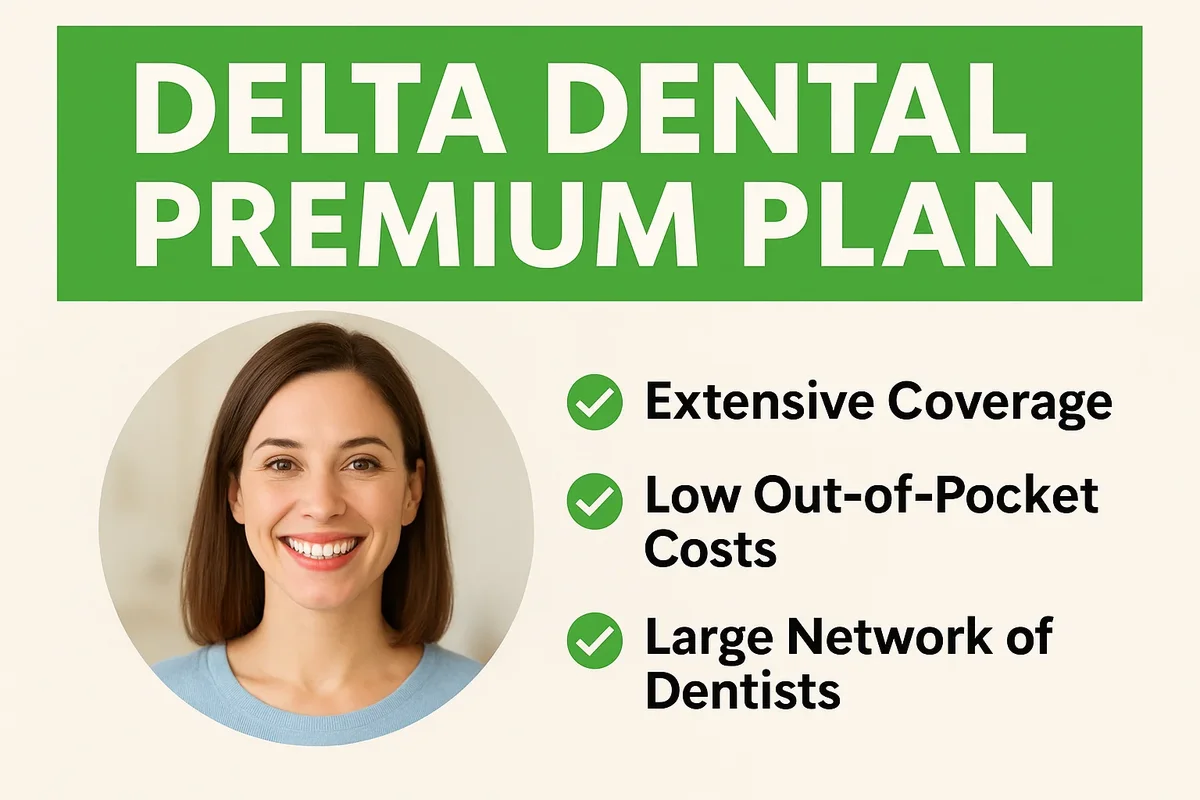
FAQs About Delta Dental Premium Plan in 2025
When it comes to dental insurance, people often have similar concerns and recurring questions. To provide clarity, here is a comprehensive FAQ guide addressing the most common inquiries about the Delta Dental Premium Plan in 2025. These answers are designed to help individuals, families, and employers better understand the plan’s features, enrollment process, costs, and coverage details. By resolving these frequently asked questions, policyholders can make informed choices and maximize the value of their dental insurance.
Is preventive care really free under the Delta Dental Premium Plan?
Yes. One of the most appealing aspects of the Delta Dental Premium Plan is that preventive care—such as exams, cleanings, and X-rays—is usually covered at 100%. This means patients can schedule biannual checkups without paying anything out-of-pocket, as long as they visit an in-network dentist. Free preventive care helps detect problems early, lowering long-term treatment costs and improving overall oral health.
Does the plan cover dental implants?
Yes, most versions of the premium plan cover dental implants, though coverage percentages and waiting periods may vary. Typically:
- Implants are covered at 50% once the deductible is met.
- Annual maximums apply (often between $1,500 and $2,500).
- Some waiting periods (6–12 months) may apply to major procedures for individual plans.
This makes implants far more affordable than paying the full $3,000–$4,500 cost out-of-pocket. Patients should confirm with their specific policy, as coverage may differ by state or employer contract.
How does orthodontic coverage work in the Delta Dental Premium Plan?
Orthodontic coverage is a standout feature of the premium plan. Generally:
- It pays 50% of orthodontic treatment costs, up to a lifetime maximum.
- Coverage is available for children and often adults, depending on the policy.
- Appliances covered may include braces, Invisalign, retainers, and lingual braces.
This is a major advantage over competitors, many of which exclude orthodontics entirely or limit it to children.
Are cosmetic procedures included?
Cosmetic procedures like teeth whitening, veneers, or smile design are not fully covered under the Delta Dental Premium Plan. However, many in-network providers offer discounted rates through negotiated contracts. This makes cosmetic enhancements more affordable, even if they are not fully insured. Patients interested in aesthetic care should check with their providers about available discounts.
What happens if I see an out-of-network dentist?
The Delta Dental Premium Plan allows flexibility for patients to visit out-of-network providers. While benefits may still apply, coverage is generally reduced, and patients may face higher out-of-pocket costs. In-network dentists, by contrast, provide lower contracted fees and handle claims directly, saving both time and money. For the best financial value, staying in-network is highly recommended.
Is there a waiting period before benefits start?
Yes, depending on the plan type:
- Individual plans: Preventive services start immediately, but basic and major services may have waiting periods of 3–12 months.
- Employer-sponsored group plans: Often waive waiting periods entirely, meaning benefits begin right away.
Patients should review their plan documents carefully to avoid scheduling costly treatments before waiting periods expire.
What is the average cost of the Delta Dental Premium Plan?
Premiums vary by location, family size, and employer contributions. Typical monthly costs include:
- Individuals: $45–$70
- Families: $120–$180
While the plan may be more expensive than basic dental insurance, the broader coverage, higher annual maximums, and orthodontic benefits justify the investment. Over time, members often save significantly compared to paying out-of-pocket for major procedures.
How do I enroll in the Delta Dental Premium Plan?
Enrollment can be completed in three main ways:
- Through your employer during open enrollment or onboarding.
- Directly on the Delta Dental website for individual or family plans.
- Through state or federal insurance marketplaces, depending on eligibility.
Applicants will need to provide personal details, dependent information, and payment methods. Online enrollment is typically the fastest and most convenient option.
When does coverage become effective?
Coverage generally begins on the first day of the month following enrollment. For example, if you enroll on March 15, coverage often starts April 1. Employer-sponsored plans usually align with company benefit start dates.
Does the plan integrate with overall health insurance?
While dental insurance is usually separate from medical insurance, the Delta Dental Premium Plan supports overall wellness by offering resources on nutrition, smoking cessation, and chronic disease management. These programs highlight the important link between oral and general health, providing an added layer of value for members.
Where can I learn more?
For official resources, members can visit the American Dental Association or contact Delta Dental directly. Additionally, if you are considering dental treatment abroad, you can always connect with local experts via the Redent Klinik Contact Page to compare international treatment options.
In conclusion, the Delta Dental Premium Plan in 2025 provides comprehensive coverage for preventive, basic, and major services, along with orthodontics and other value-added benefits. By reviewing these FAQs, prospective members gain clarity on costs, coverage limits, waiting periods, and hidden perks. This ensures they can make confident, informed decisions and maximize their insurance investment for healthier smiles and improved financial security.