
Retirement from the military is a significant milestone that brings both opportunities and challenges, especially when it comes to healthcare and dental care. One of the most frequently asked questions among retired service members is how to secure reliable and affordable dental insurance after active duty. This is where the delta dental retired military program becomes highly relevant. It offers comprehensive dental coverage designed specifically for veterans and their families, ensuring continued oral health care long after military service ends.
The delta dental retired military program is more than just an insurance plan; it is a bridge between the structured healthcare environment of active duty and the civilian healthcare system. Many retired service members worry about losing access to affordable dental services, but this program was designed to ease that transition. It not only helps maintain oral health but also reduces out-of-pocket expenses for routine checkups, preventive care, and even major procedures. 🦷
Dental health plays a critical role in overall wellness. Poor oral hygiene can lead to serious health issues such as cardiovascular disease, diabetes complications, and systemic infections. Retired veterans often face higher risks due to age, stress, and past deployments where regular dental care may not have been accessible. With delta dental retired military plans, these individuals can count on regular cleanings, preventive exams, and restorative procedures at an affordable rate. This ensures that their health is safeguarded, both inside and outside the dental office.
What sets the delta dental retired military program apart from generic insurance options is its deep connection with the military community. Delta Dental has decades of experience working with uniformed service members, which allows them to create specialized plans tailored to veterans’ needs. This includes coverage for complex dental procedures that might otherwise be financially overwhelming, such as oral surgery, crowns, implants, and dentures. For retirees, these benefits can be life-changing, allowing them to maintain quality of life and self-confidence well into their later years. 💪
Another critical advantage is the extensive Delta Dental network. With thousands of participating dentists across the United States, retired service members can easily find local providers. This network flexibility is especially valuable for retirees who relocate after service. Whether you move closer to family or decide to settle in a new state, your delta dental retired military coverage remains valid, and you can locate a provider nearby without difficulty.
Financial considerations are often at the top of retirees’ minds. Many veterans live on fixed incomes from pensions and benefits, so affordability is crucial. Fortunately, the delta dental retired military program is structured with competitive premiums and cost-sharing options. Preventive care like cleanings and exams is typically covered at 100%, while more advanced treatments such as root canals or orthodontics may come with co-pays or reduced rates. This makes it easier to plan your budget and avoid unexpected medical debt.
In addition to individual benefits, this program often extends coverage to family members. Spouses and dependents can enroll, ensuring the entire household maintains good oral health. For many retired service members, knowing that their loved ones are protected brings immense peace of mind. This family-oriented approach strengthens the value of delta dental retired military plans compared to standard civilian dental insurance policies.
It is also worth noting that reliable dental coverage positively impacts mental and social well-being. Retired veterans who might struggle with missing teeth, gum disease, or cosmetic concerns can pursue restorative procedures with financial support. Smiling confidently, eating comfortably, and speaking clearly are everyday activities often taken for granted—but for many retirees, access to proper dental care can restore dignity and self-assurance. This is one of the most overlooked yet powerful aspects of the delta dental retired military program. 😊
Furthermore, the program aligns with trusted organizations such as the American Dental Association, ensuring that the highest standards of dental practice are maintained. By partnering with recognized authorities in the dental field, retirees can be confident they are receiving not just insurance, but quality-driven care that meets national healthcare benchmarks.
For retired military personnel seeking more personalized advice or direct support regarding enrollment, contacting professionals is recommended. A helpful resource for further inquiries is the Redent Klinik Contact Page, where veterans can connect with dental experts and clarify their options. This ensures they choose the right plan and maximize benefits tailored to their unique needs.
In summary, the delta dental retired military program is not just another insurance product—it is a vital support system for veterans who have given years of service to their country. It combines affordability, accessibility, and comprehensive coverage, making it one of the most beneficial options available. By understanding the program’s features, retirees can make informed decisions, protect their oral health, and enjoy peace of mind throughout retirement.
Understanding Delta Dental Plans for Retired Military
Retired service members often face the challenge of navigating the civilian healthcare system after years of structured military support. Dental coverage is a particularly important concern, and many veterans ask: “How does the delta dental retired military program actually work?” To answer this, it is necessary to break down the components of Delta Dental’s plans, their benefits, and how they compare with both active-duty coverage and civilian insurance options. This section provides a clear, detailed explanation of everything a retired veteran and their family need to know. 🦷
Core Structure of Delta Dental Retired Military Plans
At its foundation, the delta dental retired military program is designed to be a continuation of dental support after active service ends. Unlike active-duty service members, retirees are no longer automatically covered under military dental programs. Instead, they must enroll in a separate plan that is tailored specifically for veterans. Delta Dental, being one of the largest dental insurance providers in the United States, collaborates with military benefit administrators to offer structured coverage packages. These packages typically include:
- Preventive Care: Cleanings, routine checkups, and exams covered at little or no cost.
- Basic Services: Fillings, simple extractions, and X-rays.
- Major Services: Crowns, dentures, bridges, and implants with partial coverage.
- Orthodontic Care: Coverage options depending on the plan tier selected.
This layered approach ensures that retirees do not lose access to essential care while also receiving help for more complex dental needs. The emphasis on preventive care reflects a broader healthcare strategy: preventing dental disease before it becomes a costly medical issue.
Eligibility and Who Can Apply
A common misconception is that all retired service members automatically qualify for delta dental retired military coverage. While most do, there are specific eligibility criteria. Generally, retirees who served in the Army, Navy, Air Force, Marines, or Coast Guard and receive military retirement benefits are eligible. In addition, surviving spouses and dependents may also qualify for enrollment. This inclusiveness ensures that military families continue to receive support even after active duty has ended.
Dependents and Family Coverage
One of the strongest features of the delta dental retired military plans is the ability to extend benefits to family members. Spouses and children can often be included at affordable premium rates, which provides peace of mind for the entire household. For example, a retired service member with teenage children can ensure orthodontic needs like braces are covered under family dental benefits.
Cost and Premiums Explained
Financial planning is essential for veterans living on pensions or fixed incomes. Fortunately, delta dental retired military plans are competitively priced. Premiums vary based on location, the size of the family covered, and the specific plan tier. For instance:
Estimated Monthly Premiums (Example 2024 figures):
- Individual Retiree: $34 – $45
- Retiree + Spouse: $65 – $80
- Family Coverage (up to 3 dependents): $95 – $115
*Exact costs vary by state and benefit selection.
Preventive services are often covered at 100%, meaning retirees can get two annual cleanings and routine X-rays without additional out-of-pocket costs. Major services, such as dental implants, are typically covered at 50%, making them more affordable than paying full retail costs. This structured pricing helps veterans plan their annual healthcare expenses without financial surprises.
How the Plans Differ from Civilian Coverage
When comparing delta dental retired military plans with standard civilian dental insurance, several distinctions become clear:
- Specialized Network: Plans are aligned with providers experienced in treating veterans.
- Tailored Benefits: Coverage levels take into account the unique oral health needs of aging service members.
- Family-Centered Approach: Options to extend coverage to spouses and dependents at lower group rates.
- Continuity of Care: Retirees transitioning from active duty will find the coverage familiar and consistent.
These unique features make the delta dental retired military program more advantageous than many civilian policies, particularly for retirees who require ongoing or complex dental treatment.
Coverage Limitations to Keep in Mind
While the benefits are comprehensive, no insurance plan covers everything. Retirees should be aware of certain exclusions and limits:
- Cosmetic procedures such as whitening may not be covered.
- Orthodontics for adults may only be partially covered or excluded depending on the plan.
- Annual maximum benefits often range between $1,500 and $3,000, which could affect high-cost procedures.
Being aware of these limitations helps veterans plan accordingly and avoid unexpected expenses. It is always recommended to check the summary of benefits before scheduling a procedure.
Why Understanding the Plan Matters
Dental care is not just about having a nice smile; it impacts nutrition, self-confidence, and even chronic disease management. For example, untreated gum disease has been linked to heart disease and diabetes. By enrolling in a delta dental retired military plan and understanding its coverage details, retirees ensure they can access care that prevents these larger health issues. This knowledge allows them to use the plan strategically and get the maximum value from their benefits.
Trusted Partnerships and Resources
Delta Dental collaborates with military support programs and recognized dental organizations to ensure care meets high standards. The connection with the American Dental Association highlights their commitment to quality. Additionally, veterans can consult trusted sources like the Redent Klinik Contact Page to receive personal guidance on selecting or maximizing their plan.
In conclusion, understanding the delta dental retired military program is vital for retirees and their families. From eligibility and plan structure to cost breakdowns and coverage details, having a clear grasp ensures better health outcomes and financial stability. For those who dedicated years of service, this program provides a well-deserved safety net and a pathway to lifelong oral health. 😊
Eligibility Requirements for Retired Service Members
Many retired service members often wonder if they are automatically qualified for the delta dental retired military program. While the plan is widely accessible, there are clear eligibility guidelines that determine who can apply, what family members are included, and how enrollment is verified. Understanding these requirements is essential to avoid confusion and ensure a smooth transition from active duty or reserve service into retirement dental benefits. This section provides a comprehensive breakdown of eligibility rules so retirees and their families can make informed decisions. 🪖
Basic Eligibility for Retired Military Personnel
The delta dental retired military program is primarily available to individuals who are officially recognized as retired from one of the U.S. Armed Forces branches, including the Army, Navy, Air Force, Marine Corps, and Coast Guard. Eligibility is usually tied to receiving retirement pay or pension benefits from the Department of Defense (DoD). Those who have completed at least 20 years of qualifying service and are drawing retirement pay generally qualify for enrollment.
In addition, members of the Reserves or National Guard may also be eligible if they meet specific criteria. Typically, this involves reaching retirement age (usually 60) and receiving retired pay. Reservists who were mobilized for extended periods may qualify earlier depending on accumulated service credits. These guidelines ensure that those who served their country long-term are rewarded with continuing dental benefits.
Spouses and Dependents
The delta dental retired military plan does not just cover the veteran—it often extends to eligible family members. Spouses of retired service members are typically included, provided that the retiree maintains enrollment. Children are also eligible, though age limits apply. Coverage usually extends to dependent children up to age 21, or up to age 23 if they are full-time students. For children with permanent disabilities, coverage can continue indefinitely, provided they remain dependents under military guidelines.
Survivor Eligibility
In cases where a retired service member passes away, surviving spouses and dependents may remain eligible for delta dental retired military coverage. This continuation ensures that families are not left without critical dental support after the loss of their loved one. Survivors must generally be registered in the Defense Enrollment Eligibility Reporting System (DEERS) to qualify, which serves as the official database verifying dependent status.
Verification Through DEERS
A key step in confirming eligibility for the delta dental retired military program is enrollment in the Defense Enrollment Eligibility Reporting System (DEERS). DEERS acts as the official database for all service members, retirees, and their dependents. Without current and accurate information in DEERS, retirees may face delays or denials in accessing dental coverage. Therefore, updating addresses, marital status, and dependent information in DEERS is a critical part of the process.
Retirees should also double-check that their family members are properly listed. For example, if a child’s student status changes or a spouse’s information is outdated, it may affect coverage eligibility. The DEERS system ensures fairness and accuracy, protecting both the retiree and the insurer.
Special Cases and Exceptions
While most eligibility pathways are straightforward, there are special cases where retirees and their families may qualify under unique circumstances:
- Medically Retired Service Members: Those retired due to disability with at least 20 years of service credit may qualify earlier than standard age or service length requirements.
- Former Spouses: In some cases, former spouses of retired service members may remain eligible if they meet specific criteria, such as marriage duration requirements under the Uniformed Services Former Spouses’ Protection Act.
- Transition Assistance: Service members separating before 20 years due to force reduction or special programs may have limited-time eligibility options.
These exceptions highlight the program’s adaptability to diverse circumstances within the military community.
Why Eligibility Rules Are Important
Understanding eligibility rules for the delta dental retired military program is not just about meeting requirements; it is about planning for future health and financial stability. Dental procedures can be costly, and without coverage, retirees may face large bills for routine and emergency care. By clarifying eligibility early, veterans and their families can avoid disruptions in care, prevent lapses in insurance, and maintain consistent access to dental professionals.
Costs Tied to Eligibility
Eligibility also directly affects premium costs. For example, an individual retiree enrolling alone will pay a lower monthly premium compared to a retiree enrolling with multiple dependents. Eligibility verification ensures that correct pricing is applied. Typical premium ranges are:
Sample Monthly Premiums (2024 estimates):
- Individual Retiree: $34 – $45
- Retiree + Spouse: $65 – $80
- Retiree + Family (3+ dependents): $95 – $115
These costs highlight why confirming eligibility for every dependent is crucial. Incorrect DEERS information could result in higher premiums or denial of benefits for certain family members.
Resources for Eligibility Assistance
Retired service members who are uncertain about their eligibility should consult official resources. The Defense Manpower Data Center (DMDC) manages DEERS and can provide confirmation. Additionally, veterans may seek guidance from professional dental offices familiar with military insurance. Trusted clinics such as the Redent Klinik Contact Page can provide personalized support in verifying coverage. Delta Dental’s own resources and call centers are also valuable points of contact.
Moreover, organizations like the American Dental Association provide additional education on dental health standards, ensuring that retirees understand how their coverage aligns with broader healthcare goals.
In conclusion, eligibility for the delta dental retired military program involves multiple factors: retirement status, DEERS verification, family inclusion, and special exceptions. By fully understanding these requirements, veterans and their families can secure affordable, consistent dental care well into retirement. This knowledge empowers them to avoid surprises, plan financially, and continue receiving the quality dental support they deserve after years of service. ✅
How to Enroll in Delta Dental Retired Military Coverage
For many veterans, understanding the enrollment process for the delta dental retired military program can feel overwhelming at first. However, with the right guidance, enrollment is a straightforward process that ensures continued access to quality dental care after military service. This section will walk you step-by-step through the enrollment process, outline important documents needed, and explain how retirees and their families can avoid common mistakes. 📝
Step 1: Confirm Eligibility
Before beginning enrollment, it is essential to confirm eligibility for the delta dental retired military program. This is typically done through the Defense Enrollment Eligibility Reporting System (DEERS). DEERS serves as the official database verifying military retirees, spouses, and dependents. If your information in DEERS is outdated, enrollment may be delayed or even denied. Therefore, retirees should log into the DEERS system or visit a local ID card office to verify that all family members are correctly listed.
Step 2: Gather Necessary Information
Enrollment requires certain documents and details. Having them ready will make the process smooth and efficient. The following are generally required:
- Retiree’s Social Security number
- Proof of retirement status and pay eligibility
- Dependents’ birth certificates or school verification (if applicable)
- Updated address, phone number, and email in DEERS
- Banking information for premium payment setup
With these details prepared in advance, retirees can avoid frustrating delays and ensure accurate coverage start dates.
Step 3: Choose Your Plan Option
The delta dental retired military program offers different coverage levels depending on the needs of the retiree and their family. For instance, single retirees may prefer an individual plan, while those with spouses or dependents often choose family coverage. Each plan tier differs in premium cost, covered services, and annual maximums.
Comparing Plan Tiers
When selecting a plan, it is important to consider:
- Preventive Care: Typically covered at 100% across all plans.
- Basic Services: Fillings and extractions usually have 20–30% co-pays.
- Major Procedures: Crowns, bridges, and implants may be covered at 50%.
- Annual Maximums: Often between $1,500 and $3,000 depending on the plan.
Retirees should carefully analyze these factors to determine which option provides the best balance between affordability and comprehensive coverage for their unique situation.
Step 4: Complete the Online or Paper Application
The fastest way to enroll in the delta dental retired military program is through the online portal provided by the Federal Employees Dental and Vision Insurance Program (FEDVIP), which manages enrollment for retirees. The online system guides applicants step by step, confirming eligibility and allowing retirees to select their desired plan. Alternatively, paper applications can be submitted by mail, though this often takes longer to process.
Applicants should review all plan details before submitting the form, ensuring accuracy in dependent names and dates of birth. Mistakes in the application process may result in coverage delays or higher premiums.
Step 5: Set Up Premium Payments
Premiums for the delta dental retired military plan are not deducted directly from military pensions. Instead, retirees typically set up automatic payments via bank transfer, credit card, or direct billing. Many veterans prefer automatic debit to prevent accidental lapses in coverage. Payment schedules may be monthly or quarterly, depending on the retiree’s preference.
Step 6: Receive Confirmation and Coverage Start Date
Once the application and payment information are processed, retirees receive a confirmation notice with their coverage start date. In most cases, coverage begins at the start of the next month after enrollment. For example, if you enroll on March 15th, coverage would typically begin on April 1st. This confirmation notice also includes your plan details and information about how to locate a network dentist.
Tips for a Smooth Enrollment
To make the enrollment process seamless, retirees should keep the following tips in mind:
- Update all dependent information in DEERS before applying.
- Compare multiple plan tiers before finalizing your choice.
- Keep a digital copy of your application and confirmation notice.
- Schedule your first dental appointment shortly after coverage begins to maximize benefits.
These proactive steps help ensure uninterrupted dental care and optimal use of the delta dental retired military program.
Common Mistakes to Avoid
Enrollment errors are not uncommon, but they can be costly. The most frequent mistakes include:
- Failing to update marital status or dependent information in DEERS.
- Missing enrollment deadlines during the annual open season.
- Not setting up automatic payments, resulting in a lapse in coverage.
- Selecting a plan without carefully reviewing annual maximums and co-pays.
By avoiding these mistakes, retirees can save both time and money while ensuring continuous dental care for themselves and their families.
Support and Resources for Enrollment
Veterans who feel uncertain about the process can seek guidance from official resources. The FEDVIP website provides detailed instructions, FAQs, and plan comparison tools. Additionally, Delta Dental’s customer service representatives are available to answer questions and help retirees through the process. Trusted local dental clinics such as the Redent Klinik Contact Page can also provide support and explain plan benefits in more detail. For broader dental health standards, the American Dental Association offers guidance on best practices and preventive care.
In conclusion, enrolling in the delta dental retired military program is a structured but manageable process. By confirming eligibility, gathering documents, comparing plan options, and submitting a complete application, retirees can secure coverage without unnecessary stress. With proper planning, veterans and their families can enjoy uninterrupted access to quality dental care, ensuring healthier smiles and better overall wellness throughout retirement. 😁
Costs, Premiums, and Discounts for Retired Veterans
One of the most important questions retired service members ask about the delta dental retired military program is: “How much will it cost me and my family?” Understanding the financial structure of premiums, co-pays, annual maximums, and discounts is essential for retirees living on fixed incomes. By carefully reviewing costs, veterans can make informed decisions and maximize the value of their dental coverage while avoiding unexpected expenses. This section provides a detailed breakdown of the pricing structure and the potential ways to reduce out-of-pocket costs. 💰
How Premiums Are Determined
The delta dental retired military plan operates within the Federal Employees Dental and Vision Insurance Program (FEDVIP). Premiums are determined by several factors, including:
- Geographic Region: Premiums vary depending on where you live, as dental service costs differ across states.
- Coverage Level: Individual, individual + spouse, and family plans each have distinct premium levels.
- Plan Tier: Basic vs. enhanced plans influence how much you pay monthly and what percentage of treatments are covered.
These factors ensure flexibility, allowing retirees to choose a plan that fits their specific budget and care needs.
Sample Premium Rates
To give retirees a clearer understanding, here are some estimated monthly premiums for delta dental retired military coverage (2024 sample figures – actual rates may vary by location):
Estimated Monthly Premiums:
- Individual Coverage: $34 – $45
- Retiree + Spouse: $65 – $80
- Family Coverage (up to 3+ dependents): $95 – $115
*Exact costs depend on state of residence and chosen plan tier.
While these premiums may seem like an additional expense, they are often significantly lower than paying out-of-pocket for routine and emergency dental care. Two simple dental crowns can cost over $2,000 without insurance, making coverage a financial safeguard for retirees.
Understanding Co-Pays and Cost-Sharing
In addition to monthly premiums, retirees must also understand cost-sharing requirements. The delta dental retired military program typically follows this structure:
- Preventive Services: Covered at 100% (cleanings, exams, X-rays).
- Basic Restorative Services: 20–30% co-pay (fillings, extractions).
- Major Restorative Services: 40–50% co-pay (crowns, dentures, implants).
- Orthodontics: 50% coverage for eligible dependents, often with a lifetime maximum cap.
This cost-sharing model makes preventive care very affordable while reducing the financial burden of more complex treatments.
Annual Maximums and Limits
Most delta dental retired military plans include annual maximums. These are the total dollar amounts the insurance will pay toward covered dental services in a year. Typical maximums range from $1,500 to $3,000 per enrollee. Once that limit is reached, retirees are responsible for all additional costs until the next plan year begins.
Orthodontic benefits often come with a lifetime maximum (commonly $1,500–$2,000 per dependent), which applies only once throughout the course of treatment.
Discounts and Cost-Saving Opportunities
Although premiums and co-pays are fixed, retirees can still save money through strategic use of the plan:
- Network Providers: Using Delta Dental in-network dentists typically lowers out-of-pocket costs by 20–40% compared to out-of-network care.
- Preventive Care Focus: Since preventive care is fully covered, scheduling routine checkups reduces the need for expensive treatments later.
- Bundled Services: Families often save more by enrolling dependents together under one family plan rather than separate individual plans.
- Special FEDVIP Open Season Discounts: Occasionally, premiums or benefits may be adjusted during the annual enrollment season, giving retirees a chance to switch plans or tiers for better rates.
Veteran-Specific Discounts
Some dental providers within the delta dental retired military network offer additional discounts to veterans as a gesture of appreciation for their service. These may include reduced consultation fees or lower rates on cosmetic procedures not covered by the plan, such as teeth whitening or veneers. While these discounts vary by provider, they add extra value to the program.
Comparing Costs to Civilian Insurance
Compared to civilian dental insurance, delta dental retired military plans are often more affordable and better aligned with the needs of older patients. Civilian premiums can range from $50 to $70 for individual coverage, often with lower annual maximums. By contrast, Delta Dental offers higher coverage limits and more extensive provider networks, ensuring retirees get better financial protection and access to specialized care.
Budgeting for Dental Care in Retirement
For retirees living on pensions or Social Security, budgeting is key. Factoring in monthly premiums, co-pays, and possible high-cost procedures ensures no surprises. For example, a retiree with family coverage may pay around $1,200 annually in premiums, but this can easily offset the cost of a single major procedure like a root canal or crown, which could exceed $1,500 without insurance.
Resources for Cost Guidance
Retirees who need help navigating premiums and discounts can rely on several resources:
- Redent Klinik Contact Page for personalized cost consultations and plan guidance.
- American Dental Association for national averages on dental procedure costs.
- FEDVIP official portal for updated premium charts by state and family size.
In conclusion, understanding the costs, premiums, and discounts of the delta dental retired military program is essential for making financially sound healthcare decisions. With competitive premiums, strong coverage for preventive and restorative care, and opportunities for cost savings, the program stands as a reliable and affordable option for veterans and their families. By carefully reviewing plan details and leveraging available discounts, retirees can maintain excellent oral health without straining their budgets. 😁
Comparing Delta Dental with Other Military Dental Plans
Retired service members evaluating dental coverage often ask how the delta dental retired military program stacks up against other available dental plans. While Delta Dental is one of the most trusted providers, it is not the only option available to veterans and their families. By comparing its features, benefits, and limitations with alternatives such as United Concordia or other private civilian dental insurance programs, retirees can make informed decisions that best suit their healthcare and financial needs. This section delivers a detailed side-by-side analysis. ⚖️
Delta Dental Retired Military vs. United Concordia
Historically, United Concordia administered the TRICARE Dental Program for active-duty family members and reservists. Today, under the FEDVIP program, both Delta Dental and United Concordia offer plans to retirees. Here’s how they compare:
- Provider Network: The delta dental retired military plan has one of the largest dental provider networks in the U.S., making it easier for retirees to find local dentists after relocation. United Concordia’s network is smaller but still extensive.
- Premiums: Premium costs are generally similar, though Delta Dental sometimes offers slightly lower premiums for family coverage in certain states.
- Coverage Structure: Both plans cover preventive care at 100%, but Delta Dental often has more generous annual maximums and slightly higher coverage rates for major procedures like crowns or implants.
- Customer Satisfaction: Delta Dental is consistently rated higher for customer service and claims processing efficiency compared to United Concordia.
For many veterans, the broader network and higher coverage limits make delta dental retired military plans the more practical choice.
Delta Dental vs. Civilian Dental Insurance
Some retirees consider bypassing military-specific coverage and enrolling in civilian dental insurance. However, this choice comes with significant trade-offs:
- Premium Costs: Civilian plans often cost more, averaging $50–$70 per month for individuals and $100–$150 for families, compared to Delta Dental’s lower FEDVIP rates.
- Annual Maximums: Many civilian plans cap benefits at $1,000–$1,500 annually, while delta dental retired military plans typically provide $1,500–$3,000 in coverage per person.
- Network Size: Delta Dental’s network is larger, especially for retirees living in smaller towns or rural areas where civilian plans may have limited dentist options.
- Specialized Veteran Benefits: Civilian plans do not account for the unique needs of retired service members, whereas Delta Dental has years of experience serving military families.
In nearly all cases, retirees benefit more from staying within the delta dental retired military program than switching to purely civilian coverage.
Coverage of Specialized Services
When comparing plans, it’s important to evaluate how specialized services are covered. For instance:
- Implants: Delta Dental often covers implants at 50%, while other plans may exclude them entirely or provide limited reimbursement.
- Orthodontics: Family plans under Delta Dental may cover braces for children up to a certain age with a lifetime maximum, whereas many civilian plans exclude orthodontics or only cover them at a minimal rate.
- Cosmetic Procedures: Neither Delta Dental nor United Concordia typically cover purely cosmetic treatments like whitening, though some civilian plans may offer discount add-ons.
For retirees who anticipate needing advanced dental work, the delta dental retired military plan often provides more comprehensive support.
Provider Accessibility and Relocation
A unique consideration for veterans is mobility. Many retirees relocate after leaving service, sometimes multiple times in retirement. The broad reach of the delta dental retired military network ensures continuous care no matter where you live in the U.S. In contrast, smaller insurance providers may not offer the same flexibility, leaving retirees scrambling for new providers each time they move.
Financial Comparisons
Financial planning is crucial for retirees. Here’s an example comparison based on national averages:
Annual Estimated Costs:
- Delta Dental Retired Military (Family Plan): $1,140 in annual premiums + $600 average out-of-pocket = $1,740 total.
- United Concordia (Family Plan): $1,200 in annual premiums + $750 average out-of-pocket = $1,950 total.
- Civilian Dental Plan (Family Plan): $1,500 in annual premiums + $1,000 average out-of-pocket = $2,500 total.
As illustrated, the delta dental retired military option typically offers lower total costs compared to alternatives, saving families hundreds of dollars each year.
Customer Support and Resources
Another key distinction is customer support. Delta Dental provides extensive online resources, cost estimators, and quick claims processing, while some civilian insurers may require longer wait times or have less user-friendly portals. Retirees needing guidance can also connect with the Redent Klinik Contact Page for additional support and personal consultations. For broader dental health standards and comparisons, the American Dental Association is another valuable resource.
Which Plan Is Best?
The answer depends on each retiree’s personal circumstances, but for most veterans, the delta dental retired military program provides the strongest balance of affordability, accessibility, and comprehensive coverage. While United Concordia and civilian plans have their merits, Delta Dental’s large network, higher annual maximums, and strong track record in serving military families make it the preferred choice for many retirees. ✅
In conclusion, comparing dental coverage options is essential for any retired service member seeking to protect their health and budget. By weighing premiums, coverage, provider access, and specialized benefits, it becomes clear that the delta dental retired military plan offers unmatched value for veterans and their families. It is not only cost-effective but also tailored to the unique lifestyle and healthcare needs of those who have served their country.
Common Treatments Covered by Delta Dental Retired Military
One of the most appealing aspects of the delta dental retired military program is the wide range of treatments it covers. Retired service members and their families often face unique dental challenges due to age, deployment history, or gaps in consistent care during active duty. By offering comprehensive coverage for preventive, restorative, and advanced procedures, Delta Dental ensures that retirees can maintain long-term oral health. In this section, we will examine the most common treatments covered, explain cost-sharing, and highlight why these benefits are so valuable for veterans. 🦷
Preventive Services
The foundation of every delta dental retired military plan is preventive care. Since prevention reduces the need for expensive procedures later, these services are generally covered at 100% with no out-of-pocket cost. Preventive services include:
- Routine dental exams (1–2 times per year)
- Professional teeth cleanings
- Bitewing and panoramic X-rays
- Fluoride treatments (especially for dependents)
- Sealants for children to prevent cavities
These fully covered services not only protect oral health but also reduce systemic risks. For example, early detection of gum disease can prevent complications with conditions like diabetes and heart disease, which are common among older veterans.
Basic Restorative Services
When preventive care is not enough, the delta dental retired military plan also includes basic restorative services. These typically require a 20–30% co-pay and cover procedures such as:
- Fillings for cavities
- Simple tooth extractions
- Emergency pain treatment
- Diagnostic X-rays for problem areas
Basic services ensure retirees can quickly address common issues like cavities before they escalate into major, more expensive problems.
Major Restorative Services
Many retirees eventually need more complex dental procedures due to age-related wear, missing teeth, or past injuries. Fortunately, delta dental retired military plans typically cover 40–50% of the cost for major restorative services, which include:
- Crowns to restore damaged teeth
- Bridges to replace missing teeth
- Dentures (partial and full)
- Dental implants (in many plan tiers)
- Oral surgery for complex extractions or trauma repair
Although these treatments are more costly, partial coverage significantly reduces financial stress for retirees living on fixed incomes. Without insurance, a single crown can cost over $1,200, while implants may exceed $3,000 per tooth. Delta Dental’s coverage makes these services more accessible and affordable.
Implants and Advanced Restorations
One major advantage of the delta dental retired military program compared to some civilian insurance is its inclusion of implants. While not every plan tier covers implants, many do at a 50% rate, which is highly valuable for retirees who want a long-term solution instead of dentures. For veterans with jaw injuries or missing teeth from combat, this coverage can dramatically improve quality of life.
Periodontal Services
Gum disease, or periodontal disease, is a common issue among older adults and veterans with past gaps in dental care. The delta dental retired military program recognizes this need by offering coverage for periodontal services, including:
- Scaling and root planing (deep cleaning)
- Periodontal maintenance visits
- Gum surgery when medically necessary
These services are vital for preserving natural teeth and preventing more serious systemic health complications. Regular periodontal care is often the difference between maintaining oral function and requiring dentures.
Orthodontic Treatment
Orthodontic benefits are often included in family coverage under the delta dental retired military program. While adult orthodontics may have limited coverage, children and teens frequently receive partial coverage for braces and aligners. Benefits are usually capped with a lifetime maximum (e.g., $1,500–$2,000 per dependent). This is especially helpful for retirees raising children, ensuring their dependents can access essential orthodontic care without overwhelming expenses.
Emergency Dental Care
Emergencies can happen at any time, and veterans need quick solutions. The delta dental retired military plan includes provisions for emergency dental services such as urgent exams, temporary fillings, or pain relief. This coverage ensures retirees can seek immediate help without worrying about high emergency fees, especially important for those traveling or living abroad.
Services Not Typically Covered
While the coverage is comprehensive, retirees should be aware of certain exclusions. Common non-covered treatments include:
- Cosmetic procedures (whitening, veneers)
- Experimental treatments not approved by the ADA
- Procedures exceeding annual maximums
Understanding these exclusions helps retirees plan and avoid unexpected expenses. For cosmetic needs, some Delta Dental providers may offer discounts even if not fully covered.
Value of Covered Treatments
The true value of the delta dental retired military plan lies in its balance between preventive care and advanced restorative services. By covering both ends of the spectrum, the program ensures that retirees and their families maintain optimal oral health at every stage of life. For many, this coverage not only prevents dental problems but also restores confidence, speech, and eating ability after years of wear or injury. 😁
Resources for Covered Services
For retirees wanting more details about covered services, resources are readily available:
- American Dental Association for national dental treatment standards.
- Redent Klinik Contact Page for personalized guidance on what procedures are covered and how to maximize benefits.
- FEDVIP plan brochures for detailed cost-sharing charts and limitations.
In conclusion, the delta dental retired military program offers extensive coverage that balances prevention, restoration, and emergency care. From cleanings and fillings to implants and orthodontics, retirees and their families benefit from broad protection against dental health challenges. By understanding what treatments are covered and how cost-sharing works, veterans can fully utilize their benefits and enjoy healthier smiles well into retirement. ✅
How to Find Delta Dental Network Dentists Near You
One of the greatest strengths of the delta dental retired military program is its extensive provider network, which gives retirees and their families access to thousands of dentists across the United States. After leaving active duty, many service members relocate—sometimes multiple times—making it essential to find reliable dental providers quickly. This section explains the tools, resources, and strategies retirees can use to locate Delta Dental network dentists, ensuring that their benefits are maximized and care is always accessible. 🗺️
Why Network Dentists Matter
Choosing an in-network provider under the delta dental retired military program has clear advantages:
- Lower Costs: In-network dentists agree to discounted rates, saving retirees 20–40% compared to out-of-network providers.
- No Surprise Billing: Fees are pre-negotiated, ensuring predictable costs.
- Direct Claims Processing: Network dentists file claims electronically, reducing paperwork for retirees.
- Access to Specialized Care: Large networks increase the chance of finding specialists like periodontists, orthodontists, or oral surgeons.
By staying within the network, retirees ensure that their delta dental retired military benefits are applied correctly and efficiently.
Using the Delta Dental Online Provider Search
Delta Dental offers a convenient online search tool to help retirees find nearby providers. Here’s how to use it:
- Visit the official Delta Dental website and navigate to the provider search page.
- Enter your ZIP code or city and select the delta dental retired military plan option under FEDVIP.
- Filter results by dentist specialty (general, pediatric, orthodontic, etc.).
- Review dentist profiles, which often include office hours, languages spoken, and accepted patients.
This tool is especially helpful for retirees moving to a new area or those seeking a specific type of dental specialist.
Mobile App Accessibility
In addition to the website, Delta Dental provides a mobile app that allows retirees to find dentists on the go. This feature is particularly valuable for veterans who travel frequently or live in rural areas where providers may be harder to locate.
Contacting Delta Dental Customer Support
For those who prefer personal assistance, Delta Dental’s customer service team can help retirees find providers near their home. By calling the dedicated support line, veterans can:
- Confirm which dentists in their area are in-network.
- Ask about office accessibility, including wheelchair accommodations.
- Verify whether specific specialists participate in the plan.
Customer service is particularly useful for retirees with complex dental needs who require detailed guidance before selecting a dentist.
Recommendations from Local Clinics
Another way to locate a trusted dentist is by consulting local clinics familiar with veteran dental benefits. Clinics like Redent Klinik Contact Page often provide recommendations and help retirees navigate their delta dental retired military coverage. By choosing providers who understand military-specific insurance, retirees minimize the risk of billing issues or misunderstandings about covered treatments.
Considerations When Choosing a Dentist
Finding a provider is about more than proximity. Retirees should also consider:
- Specialty Needs: If you require implants, orthodontics, or periodontal care, verify that the provider specializes in these services.
- Office Hours: Flexible hours can be critical for retirees who travel or care for family members.
- Experience with Veterans: Dentists familiar with delta dental retired military benefits can streamline billing and ensure smooth claims.
These factors help retirees choose not just any dentist, but the right dentist for their specific needs.
Rural and Underserved Areas
Veterans living in rural communities may face fewer options for in-network providers. In these cases, Delta Dental’s network is still advantageous, as it has one of the largest footprints nationwide. However, retirees in underserved areas should call customer support directly to identify the nearest participating dentist or request guidance on reimbursement for out-of-network care if necessary.
International Options for Retirees Abroad
Some retired service members choose to live overseas. While the delta dental retired military plan is primarily U.S.-based, retirees abroad may still receive coverage through international providers in certain regions. In these cases, retirees often pay upfront for treatment and then file claims for reimbursement. It is recommended to contact Delta Dental before relocating internationally to clarify specific coverage details.
Maximizing Network Benefits
Retirees can maximize their coverage by scheduling preventive visits early in the year, using in-network providers for major procedures, and asking dentists for pre-treatment estimates. This ensures that all benefits under the delta dental retired military plan are applied properly and avoids surprise costs.
Resources for Locating Providers
In addition to the Delta Dental search tool, retirees may find resources from:
- The American Dental Association directory for verified dental professionals.
- Local veteran service organizations that maintain lists of veteran-friendly providers.
- Community clinics and state dental associations.
In conclusion, locating in-network dentists is one of the most important steps in making the delta dental retired military plan work effectively. With tools such as the online search portal, mobile app, and customer service support, retirees have multiple options to find trusted providers. By prioritizing in-network care, veterans and their families can ensure affordable, high-quality dental treatment no matter where life takes them after service. ✅
Tips to Maximize Your Retired Military Dental Benefits
While enrolling in the delta dental retired military program ensures access to quality dental care, many retirees fail to fully maximize the value of their benefits. By being proactive, strategic, and informed, veterans and their families can reduce out-of-pocket costs, access the right services, and maintain healthier smiles. In this section, we provide practical tips and detailed strategies to help retirees get the most out of their dental insurance. 🦷
Schedule Preventive Care Regularly
One of the biggest advantages of the delta dental retired military program is that preventive care is covered at 100%. This includes exams, cleanings, and X-rays. Retirees should make sure to schedule two cleanings per year, as recommended by most dentists. These visits not only prevent tooth decay and gum disease but also allow early detection of oral health issues before they become costly problems. Missing preventive appointments means leaving free benefits unused.
Use In-Network Dentists Whenever Possible
Sticking to in-network providers is one of the simplest ways to save money. Dentists who participate in the delta dental retired military network agree to discounted rates. For example, a crown that might cost $1,200 at an out-of-network provider may only cost $700 at an in-network office. Beyond cost savings, network dentists also handle electronic claims, reducing paperwork and speeding up reimbursements.
Verify Provider Status Before Appointments
Networks can change, so retirees should always confirm that a dentist is still in-network before booking a visit. This avoids surprise billing and ensures maximum coverage. Using Delta Dental’s online search tool or calling customer support is the best way to confirm status.
Take Advantage of Annual Maximums
Most delta dental retired military plans have annual maximums between $1,500 and $3,000 per enrollee. Retirees should plan treatments around these limits. For instance, if a retiree needs multiple crowns, it may be better to spread procedures across two plan years to maximize coverage. Strategic scheduling helps retirees save thousands of dollars over time.
Request Pre-Treatment Estimates
For major procedures like implants, dentures, or bridges, retirees should request a pre-treatment estimate. This allows them to see exactly what portion of costs the delta dental retired military plan will cover and what portion they must pay. Pre-estimates prevent financial surprises and help retirees budget accordingly.
Leverage Orthodontic Benefits for Dependents
Families with children should not overlook orthodontic coverage. Many delta dental retired military family plans provide 50% coverage for braces up to a lifetime maximum. Since orthodontic care can cost $5,000–$7,000 without insurance, using this benefit can save families thousands. Retirees raising grandchildren or dependents also benefit from these provisions, ensuring younger family members have access to proper dental alignment.
Monitor Lifetime Maximums
Orthodontic benefits often come with a lifetime cap. Families should track usage carefully so they know exactly how much benefit remains. This helps prevent situations where orthodontic treatment is started but exceeds the covered limit.
Stay Informed During Open Season
Each year, the Federal Employees Dental and Vision Insurance Program (FEDVIP) holds an open season where retirees can review and change plans. Retirees should always evaluate whether their current delta dental retired military plan is still the best fit. If premiums or needs have changed, switching to a different plan tier may offer better value.
Bundle Family Coverage for Greater Savings
Enrolling the entire household under one family plan is often cheaper than paying for individual coverage. This is especially beneficial for retirees with multiple dependents. Bundling ensures that everyone receives care while keeping overall premiums lower.
Use Dental Health Resources
Retirees should also take advantage of free or low-cost resources available through Delta Dental and affiliated organizations. These include online cost calculators, oral health education programs, and special veteran-focused support lines. For example, veterans can reach out to the Redent Klinik Contact Page for expert advice on making the most of their benefits. Additionally, the American Dental Association provides trusted guidelines on preventive care and treatment standards.
Plan for Emergencies
Dental emergencies can happen unexpectedly. The delta dental retired military plan provides coverage for urgent visits, but retirees should know where their nearest in-network emergency dentist is located. Keeping this information handy ensures immediate care without additional stress or cost.
Maintain Good Oral Hygiene at Home
Even the best insurance cannot replace daily dental care habits. Retirees should brush twice daily, floss regularly, and use fluoride mouthwash. By combining strong home care with regular use of the delta dental retired military benefits, retirees can significantly reduce the need for costly treatments and enjoy long-lasting oral health. 😁
In conclusion, maximizing the value of the delta dental retired military program requires proactive scheduling, smart financial planning, and consistent use of available resources. From preventive care and orthodontic benefits to open season reviews and emergency planning, retirees who follow these tips will enjoy better dental health at lower costs. By taking full advantage of their well-earned benefits, veterans and their families can maintain confident, healthy smiles throughout retirement. ✅
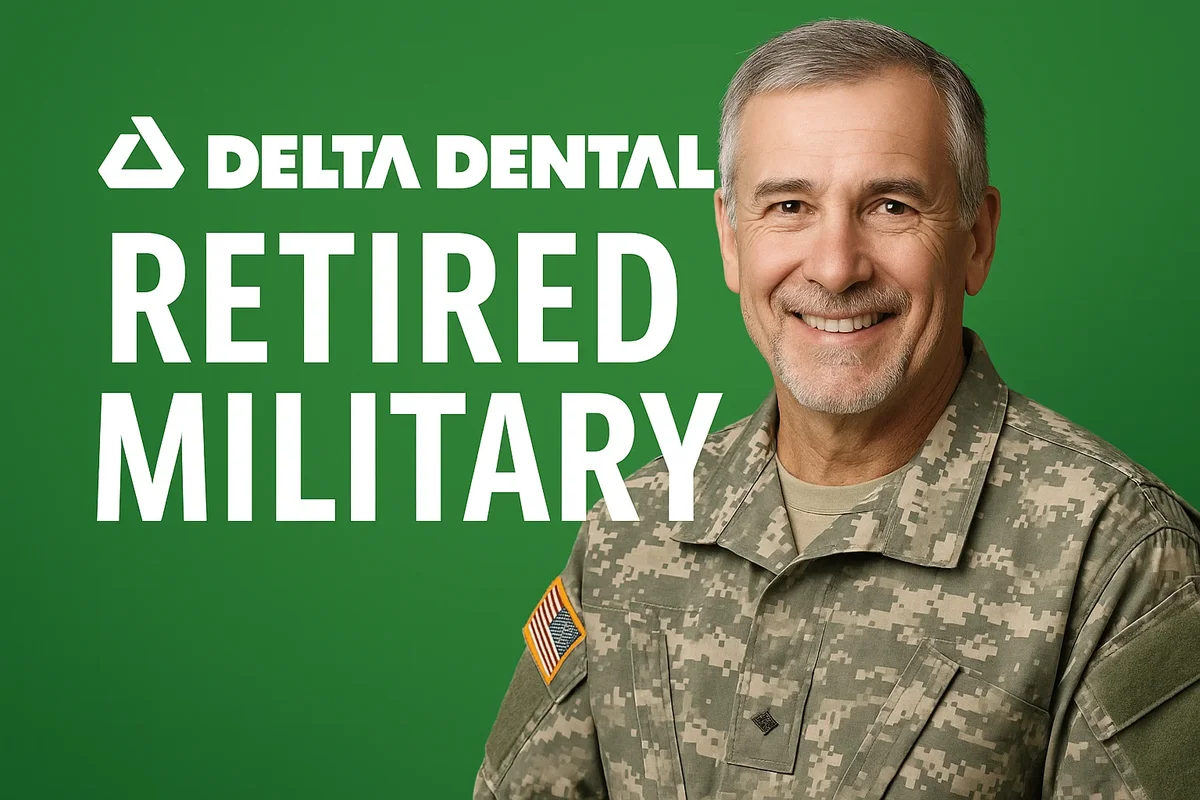
Frequently Asked Questions About Delta Dental Retired Military
Even with the comprehensive information available, retirees and their families often have specific concerns about the delta dental retired military program. To make the process easier, this section answers the most frequently asked questions in detail. Covering eligibility, enrollment, coverage, costs, and claims, it serves as a practical reference guide for veterans who want clarity about their dental benefits. By addressing these FAQs, retirees can feel confident in making informed decisions about their dental care. 🦷
Who Is Eligible for Delta Dental Retired Military Coverage?
Eligibility is one of the most common questions retirees ask. Generally, any military retiree receiving retirement pay and their eligible family members can enroll in the delta dental retired military program through FEDVIP. This includes:
- Retired service members from active duty, Reserve, or National Guard
- Spouses of retired members
- Children and dependents up to the age of 21 (or 23 if full-time students)
- Survivors of deceased service members who meet program requirements
Eligibility rules may vary depending on circumstances, so it’s best to check with the official FEDVIP site or Delta Dental customer service before applying.
How Do I Enroll in the Plan?
Enrollment for the delta dental retired military plan is done through the Federal Employees Dental and Vision Insurance Program (FEDVIP). Retirees can enroll during the annual open season or after experiencing a qualifying life event such as marriage, divorce, or relocation. The process is straightforward:
- Visit the BENEFEDS website, the official enrollment portal for FEDVIP.
- Create or log in to your account.
- Select the Delta Dental FEDVIP option under retired military coverage.
- Choose the plan tier that best fits your family’s needs.
- Confirm and submit your enrollment.
It is important to enroll during open season (usually mid-November to mid-December) to ensure uninterrupted coverage starting the following year.
What Services Are Covered?
The delta dental retired military plan covers a wide spectrum of services, including:
- Preventive care (cleanings, exams, and X-rays) at 100%
- Basic restorative care (fillings, simple extractions)
- Major restorative care (crowns, bridges, dentures, implants)
- Periodontal care (deep cleanings, gum surgery, maintenance)
- Orthodontics for children, with lifetime maximums
- Emergency dental care for pain relief and urgent treatment
Cosmetic treatments such as teeth whitening or veneers are generally excluded, as are experimental procedures not approved by the American Dental Association.
How Much Does It Cost?
Premiums for the delta dental retired military plan vary depending on location and coverage level (self, self + one, or family). On average:
- Individual coverage: $25–$35 per month
- Self + one dependent: $60–$75 per month
- Family coverage: $90–$130 per month
Preventive care is usually covered at no cost, while restorative or major procedures often require co-pays between 20–50%. The annual maximum typically ranges from $1,500 to $3,000 per person, ensuring significant protection against high dental expenses.
Cost-Saving Tips
To reduce expenses, retirees should always use in-network providers, schedule preventive visits to avoid costly treatments later, and spread major procedures across two plan years when possible to maximize annual maximums.
Can I Keep My Dentist?
Many retirees are concerned about switching providers. If your current dentist is part of the Delta Dental network, you can continue with them under the delta dental retired military plan. If not, you may still use them, but coverage will be reduced and out-of-pocket costs will be higher. Using Delta Dental’s provider search tool is the best way to check whether your dentist participates in the network.
What If I Move to Another State?
Relocation is common after retirement, and the delta dental retired military plan is designed to accommodate this. Since Delta Dental has one of the largest networks in the country, retirees can find in-network providers almost anywhere in the U.S. Simply update your address with BENEFEDS and Delta Dental to ensure smooth billing and claims processing.
Does the Plan Cover Overseas Care?
While the program is primarily U.S.-based, some coverage is available for retirees living abroad. Typically, retirees must pay upfront for care overseas and then file a reimbursement claim with Delta Dental. Coverage amounts depend on the procedure and region, so contacting customer support before moving overseas is recommended.
How Do I File a Claim?
In most cases, in-network dentists handle claim submission electronically. If you use an out-of-network provider or receive care overseas, you may need to file claims yourself. This involves:
- Completing a claim form (available on the Delta Dental website).
- Attaching itemized receipts and proof of payment.
- Mailing or submitting the form online to Delta Dental.
Claims are usually processed within 2–3 weeks. Retirees can track claim status through their online Delta Dental account.
Where Can I Get Help?
If retirees need assistance, several resources are available:
- Redent Klinik Contact Page for expert consultation on dental options and benefits.
- Delta Dental customer service helpline for plan-specific questions.
- The American Dental Association for broader oral health guidance and treatment standards.
These resources ensure retirees never feel alone when navigating their dental coverage.
In conclusion, the delta dental retired military program is designed to be user-friendly and transparent, but questions naturally arise. By understanding eligibility, enrollment, coverage, costs, and claims, retirees can make the most of their benefits and maintain strong oral health throughout retirement. With the right knowledge and resources, veterans can approach dental care with confidence, knowing their service has earned them lasting support. ✅